Photo credit: LIPSEY'S/YouTube
Firearms makers are leaning into surprise, unveiling guns that blend niche cartridges, throwback actions, and modern ergonomics in ways that catch even seasoned shooters off guard. The most talked‑about launches are not just incremental upgrades, they are reshaping expectations about what a pistol, carbine, or hunting rifle can be in an era of precision manufacturing and crowded product lines.
From high‑velocity sidearms to factory‑tuned lever guns, I am seeing a pattern: the announcements drawing the strongest reactions are the ones that solve a real problem or revive a once‑obscure idea, then wrap it in contemporary engineering. The result is a market where enthusiasts feel, as one industry voice put it, that there has “never been a better time to be a firearms consumer,” and the latest wave of reveals is reinforcing that sense of momentum.
Precision and performance: why new guns feel like a generational leap
The current crop of firearm announcements stands out because it treats precision and shootability as baseline requirements, not premium extras. Instead of simply adding optics cuts or new finishes, manufacturers are rolling out platforms that are engineered from the ground up for tighter tolerances, better triggers, and more efficient recoil management, which is why so many shooters describe the latest releases as a generational step forward rather than a minor refresh. That shift is especially visible in the run‑up to major trade shows, where companies are previewing rifles and pistols that look purpose‑built for long‑range accuracy and fast follow‑up shots.
In coverage of 17 new guns tied to SHOT Show 2026, one commentator captured the mood by saying, “There’s never been a better time to be a firearms consumer,” a line that reflects how quickly modern precision features have filtered down into mainstream offerings. I see that sentiment echoed in the way shooters talk about adjustable stocks, improved barrel manufacturing, and out‑of‑the‑box compatibility with suppressors and optics, all of which used to be the domain of custom shops. The surprise is not that these features exist, but that they are now appearing together on factory guns that are priced and marketed for everyday enthusiasts rather than elite competitors.
The 5.7 renaissance: how Ruger turned a niche into a movement
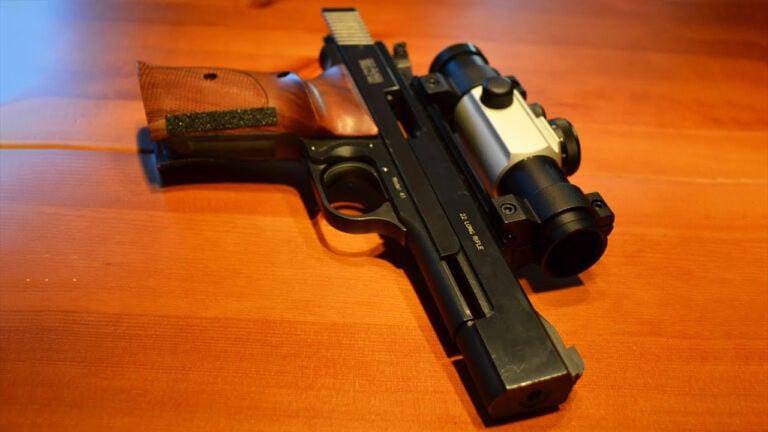
One of the most striking storylines behind recent announcements is the resurgence of the 5.7x28mm class of cartridges, a niche that has grown into a full‑blown movement. When a hammer‑fired pistol like the Ruger 57 arrived chambered in 5.7x28mm, it signaled that a mainstream manufacturer was willing to bet on a high‑velocity, low‑recoil round that had long been treated as exotic. That decision gave everyday shooters a relatively accessible path into a cartridge that promises flat trajectories and impressive capacity, and it set the stage for a wave of follow‑on products.
The reaction at Shot Show underscored how hungry the market was for something different, with the hammer‑fired Ruger 57 pistol, chambered in 5.7x28mm, becoming a popular attraction among attendees who wanted to experience the cartridge for themselves. That enthusiasm carried forward when Ruger followed up with the Ruger‑5.7 pistol, a move that helped cement the 5.7 as more than a curiosity. Reporting on later trade‑show floors noted that this came right after Ruger introduced their Ruger‑5.7 pistol and that the 5.7 cartridge was hugely popular and in short supply, a combination that tells me the surprise was not just the gun itself but how quickly shooters embraced a once‑obscure caliber.
From curiosity to cornerstone: how 57 and 5.7 changed buyer expectations
The success of the Ruger 57 and Ruger‑5.7 did more than boost one company’s sales, it rewired what many buyers expect from a defensive or range pistol. I have heard from shooters who once defaulted to 9mm now asking whether a high‑capacity 5.7 platform might offer a better balance of controllability and performance, especially for those sensitive to recoil. That kind of shift is rare, and it explains why new announcements in this space draw such intense scrutiny, with enthusiasts parsing every detail of magazine design, barrel length, and ammunition availability.
What stands out in the reporting is how quickly the 5.7 went from a talking point to a constraint on the supply chain, with the Ruger‑5.7 arriving at a moment when the cartridge was hugely popular and in short supply. That imbalance created its own feedback loop: the harder it became to find ammunition, the more attention the platform received, and the more shooters wanted to understand what made it so compelling. In that sense, the most surprising part of the 57 and 5.7 story is not that Ruger took a risk, but that the market responded so enthusiastically that it forced the rest of the industry to reconsider how it treats unconventional calibers.
Lever guns reimagined: the Model 1854 Stealth Hunter moment
While high‑velocity pistols have grabbed headlines, some of the most unexpected excitement has come from a very different direction: modernized lever‑action rifles. For years, lever guns were treated as nostalgic tools, beloved for their history but often sidelined in favor of semi‑automatics when it came to serious hunting or defensive roles. That perception is changing as manufacturers roll out factory packages that combine classic actions with threaded barrels, optics rails, and synthetic stocks, turning what used to be a cowboy‑era silhouette into a 21st‑century workhorse.
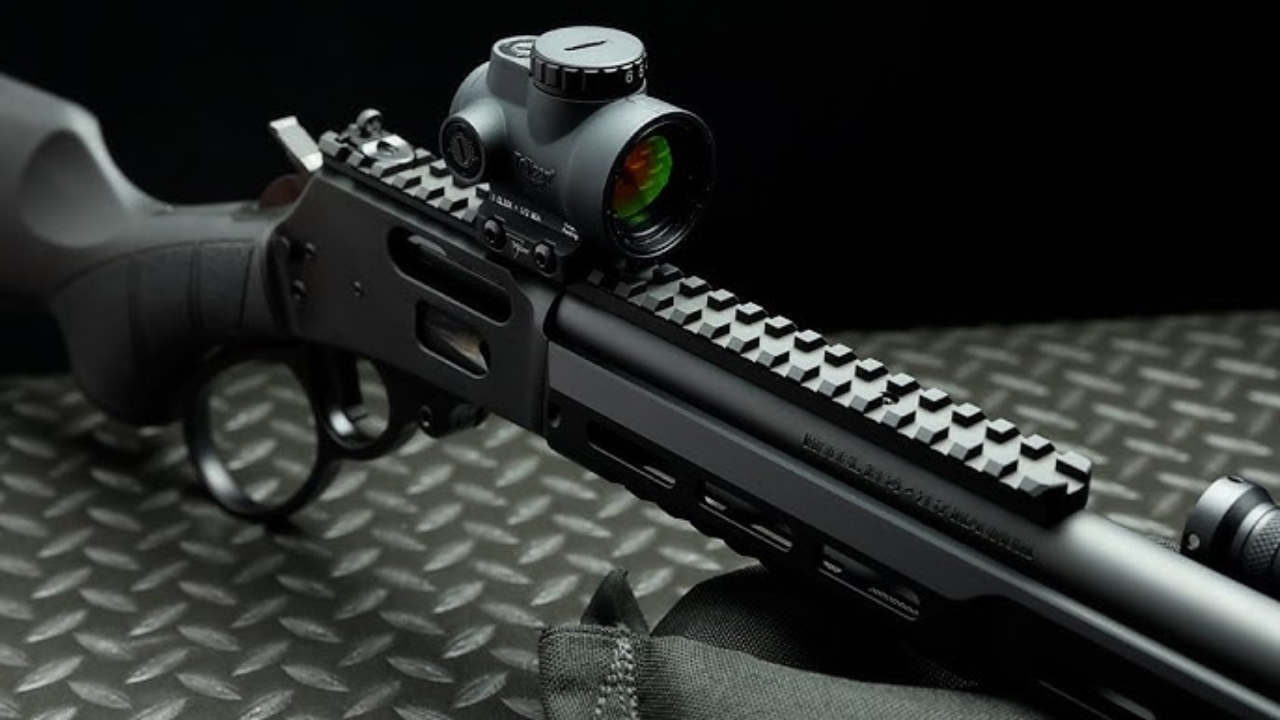
The clearest example of this shift is the way Smith and Wesson have approached their latest factory solution for lever‑gun fans. Coverage of new press material notes that when all hope seemed lost for shooters who wanted a ready‑to‑run, modern lever rifle, the problem solvers at Smith and Wesson stepped up with a factory solution that floats like a butterfly and stings like a bee, language that hints at a platform tuned for both handling and power. That same reporting ties the effort directly to the 1854 Stealth Hunter series of rifles, a line that signals how seriously the company is taking the idea of a lever gun that can compete with modern bolt and semi‑auto designs.
Why the Model 1854 Stealth Hunter Series shocks traditionalists
The Model 1854 Stealth Hunter Series has generated such strong reactions because it challenges long‑held assumptions about what a lever‑action rifle should look and feel like. Instead of polished walnut and blued steel alone, shooters are seeing configurations that emphasize durability, accessory mounting, and weather resistance, all while preserving the fast cycling and intuitive handling that made lever guns popular in the first place. For traditionalists, that mix can be jarring, but for hunters and ranchers who want a single rifle that can handle rough conditions and modern optics, it is a welcome surprise.
Details from SHOT Show coverage highlight how Smith and Wesson Releases Model 1854 Stealth Hunter Series as a family of rifles that boasts enhanced durability and precision, positioning the line as more than a cosmetic refresh. I see that as a direct response to shooters who have been asking for lever guns that can accept modern optics, withstand hard use, and still deliver the quick handling that made the platform famous. The surprise is not that a major manufacturer finally listened, but that the resulting rifles look ready to compete head‑to‑head with contemporary bolt guns in roles that once seemed off‑limits to lever actions.
SHOT Show as a pressure cooker for surprise reveals
Behind each of these headline‑grabbing guns is the same proving ground: the trade‑show floor, where manufacturers test how far they can push design without losing their core audience. SHOT Show in particular has become a pressure cooker for surprise reveals, a place where companies know that a single standout product can dominate conversations for an entire year. That dynamic encourages risk‑taking, whether it is a hammer‑fired pistol in an unconventional caliber or a lever‑action rifle dressed for the modern backcountry.
The pattern is clear when I look across the reporting. At one end of the spectrum, the Ruger 57 and Ruger‑5.7 turned a once‑specialized cartridge into a mainstream talking point, with the hammer‑fired Ruger 57 drawing crowds at Shot Show and the later Ruger‑5.7 arriving just as the 5.7 cartridge was hugely popular and in short supply. At the other end, the Model 1854 Stealth Hunter Series emerged from a context where, as one press account put it, all hope seemed lost until the problem solvers at Smith and Wesson delivered a factory solution that felt both familiar and radically updated. In each case, the surprise is not only the product itself but the way it crystallizes broader trends in how shooters think about performance, versatility, and the future of their favorite platforms.
Like The Avid Outdoorsman’s content? Subscribe to our newsletter so you never miss an article.
Here’s more from us: