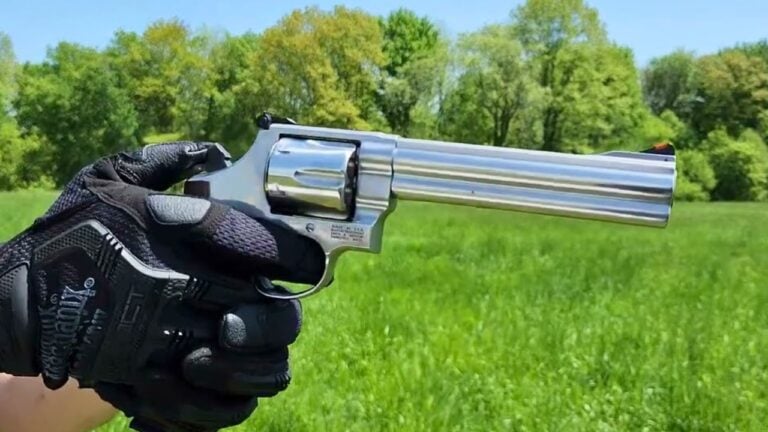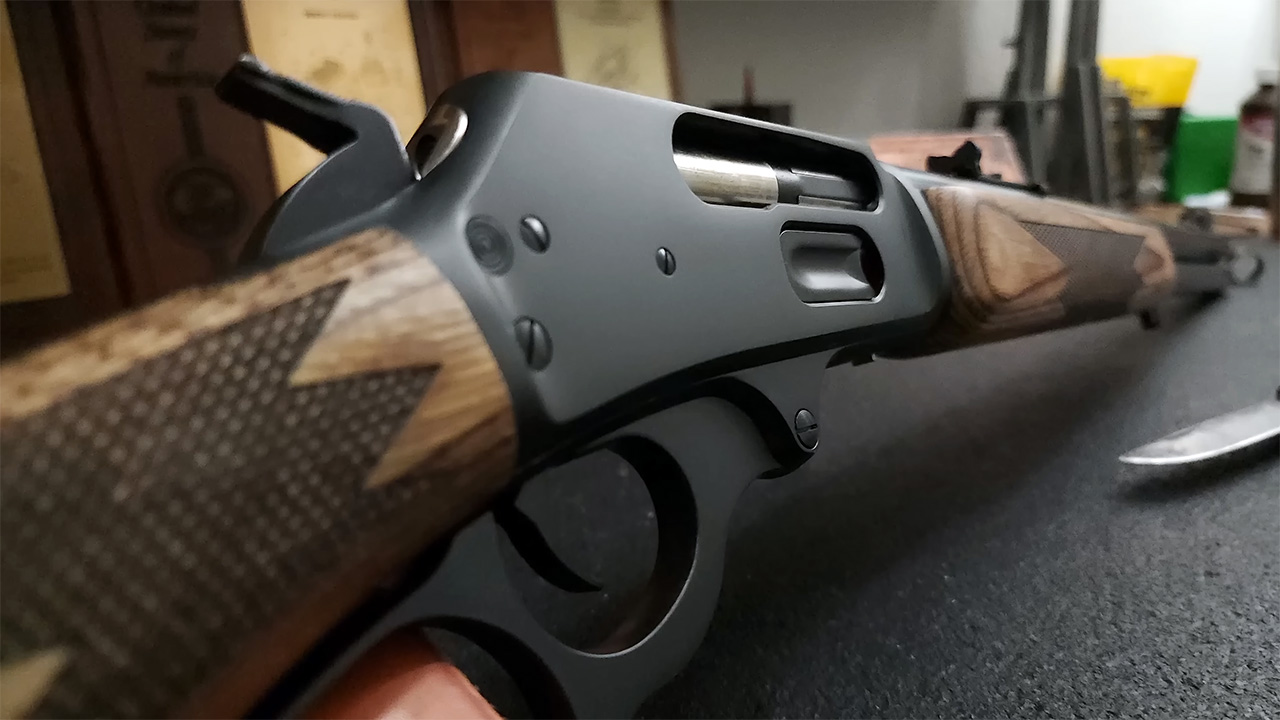
Photo credit: Target Suite/Youtube
Gun prices don’t always jump because something new came out. A lot of times, they jump because something quietly went away: a contract ends, a model gets discontinued, an import dries up, or a state rush starts and the shelves get picked clean before folks realize what happened. Then you see the same firearm you passed on at the shop a year ago sitting online for double, and it makes your stomach turn a little.
Here are 20 guns that have a habit of getting expensive fast, often before the average buyer notices. I’m not talking about museum-grade collectibles, either. These are the kinds of rifles, shotguns, and handguns that normal outdoorsmen actually use—until the market decides you can’t.
1. Marlin 336 (JM-stamped)
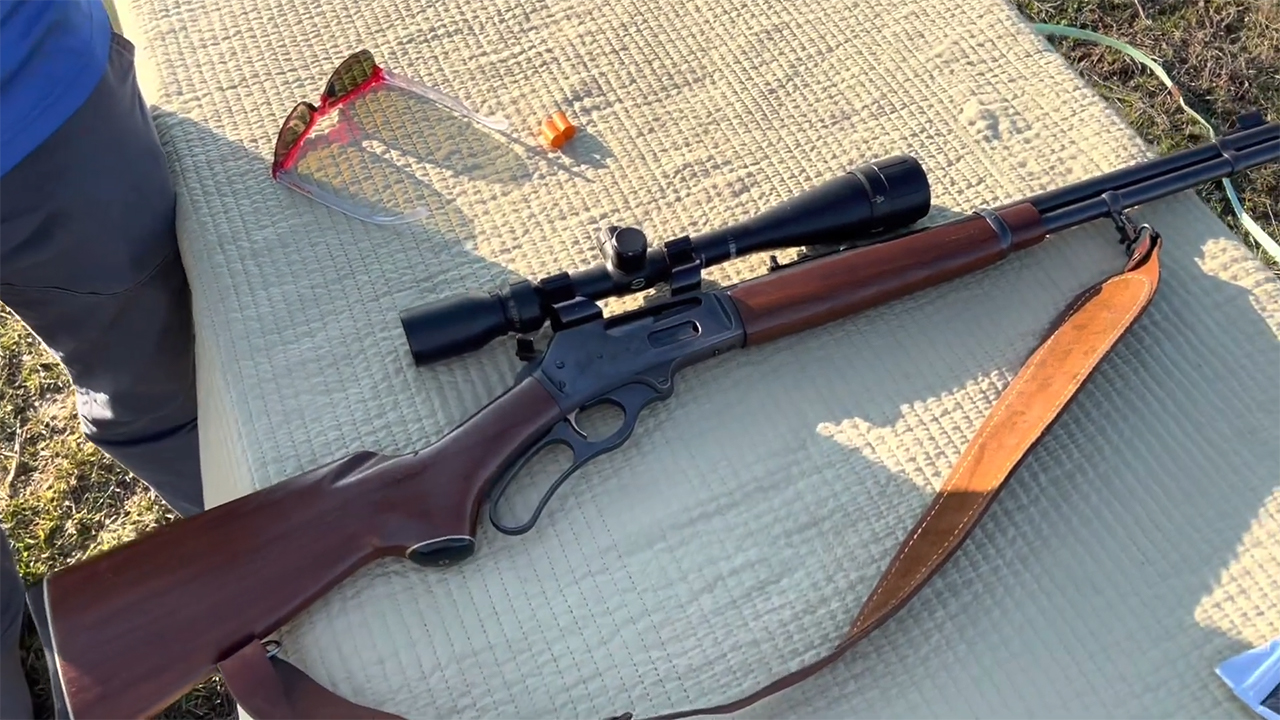
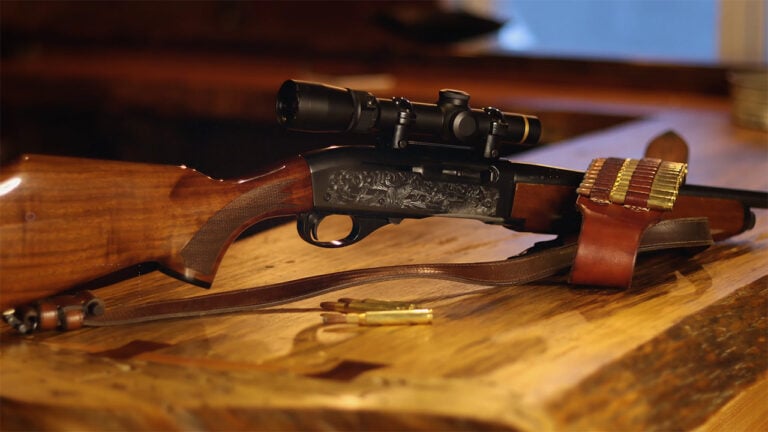
Older 336s with the JM proof mark have a reputation for being the “right” Marlin, and that reputation turned into a price tag. Once production got rocky for a while and people started sorting “good years” from “bad years,” the older ones stopped being just another deer rifle.
In the woods, a good 336 still carries like it always did: slim, handy, fast in the thickets. The problem is you start treating it like a safe queen because replacing it hurts, and a lever gun you’re scared to scratch doesn’t do much good in November rain.
2. Marlin 1895 Guide Gun

The short .45-70 “Guide Gun” went from practical brush gun to hot commodity as soon as folks figured out they weren’t easy to find. Add in the popularity of big-bore lever guns and the whole category started climbing.
It’s a hammer on hogs and bear country hunts, but it’s also a gun that gets used hard. When the price shoots up, people are tempted to cut corners on ammo, practice less, and then wonder why recoil management feels like a surprise every season.
3. Winchester Model 70 (pre-64)

“Pre-64” isn’t just a year range; it’s a status symbol. Whether a hunter needs one or not, the idea of owning “the Rifleman’s Rifle” in its most sought-after era keeps pushing prices up.
They’re excellent rifles, but you’re paying for history and finish as much as function. If you want a hunting rifle you won’t baby, a modern Model 70 or a different controlled-round-feed rifle may make more sense than turning a classic into a truck gun.
4. Ruger No. 1
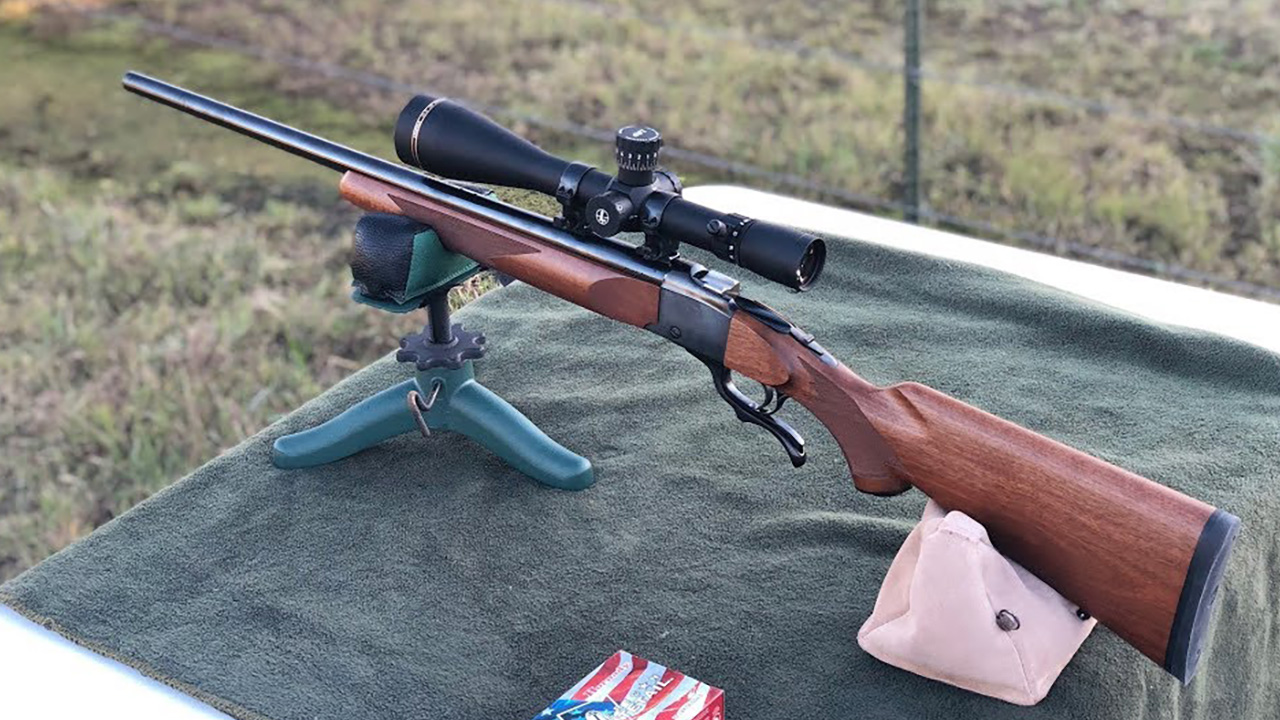
Single-shots are a niche, but the Ruger No. 1 has style and fit that a lot of modern guns can’t touch. Limited runs, certain calibers, and collector interest make the “I’ll get one later” plan backfire.
In the field it’s simple and strong, and it points well from awkward stands or tight blinds. The practical downside is the cost makes people hesitant to rebarrel, refinish, or set one up exactly how they’d set up a working hunting rifle.
5. Colt Python
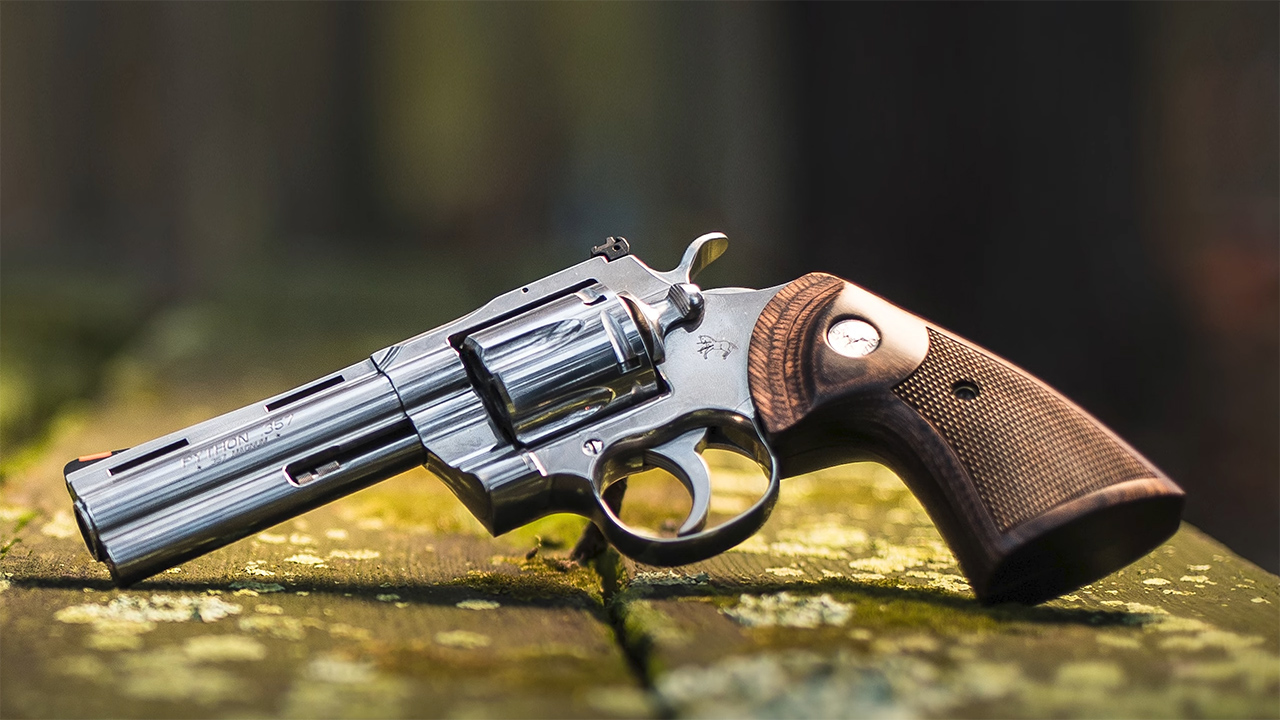
Even with modern production, older Pythons—and even the new ones during high demand—can run pricey. The name carries weight, and that kind of demand doesn’t always track with the average shooter’s needs.
A Python is smooth and accurate, but most outdoorsmen who want a .357 for woods carry could do the job with a more common revolver. When the price climbs, it becomes a “show it off” gun instead of a “carry it every day” gun.
6. Colt Detective Special
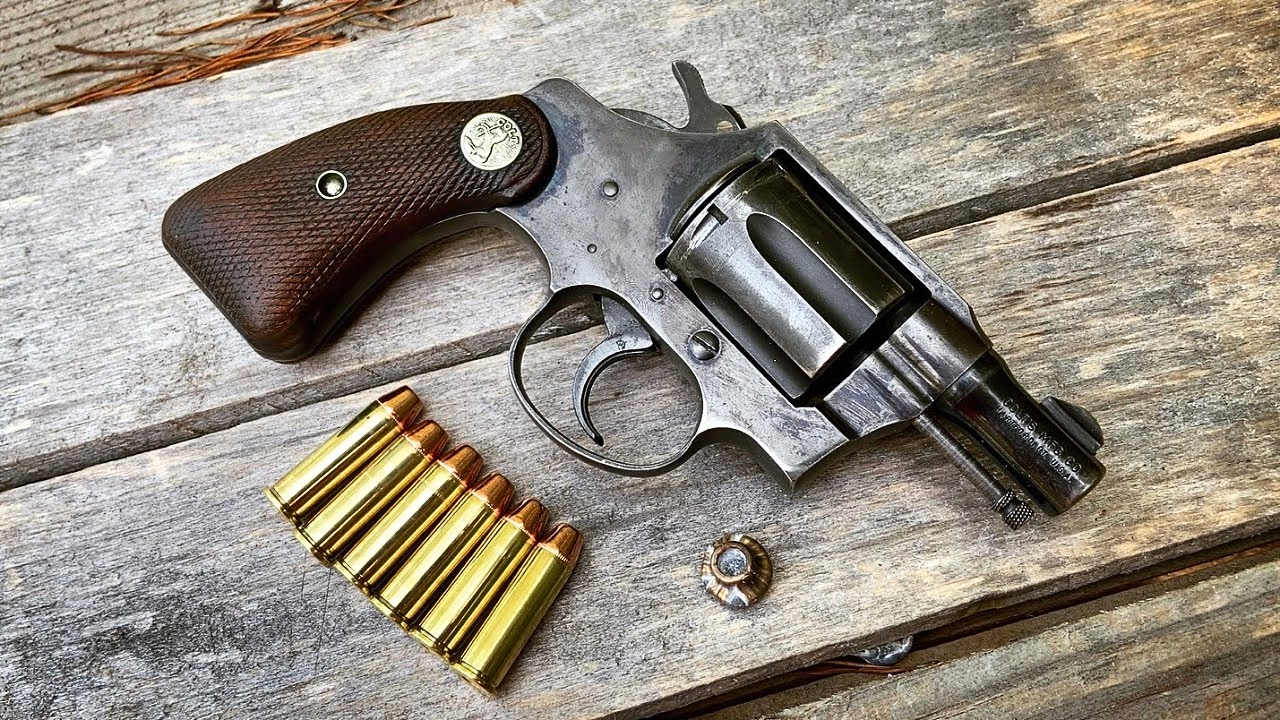
Old Colt snubs have that classic lines-and-steel appeal, and fewer of them are floating around in clean condition every year. That’s a recipe for quiet price creep until you suddenly realize you can’t touch one for what they used to cost.
They’re great for nostalgia and they conceal well, but they’re still older revolvers that may need springs, timing checks, and careful maintenance. If you buy one at inflated prices, budget for a proper inspection instead of assuming “old Colt” equals “problem-free.”
7. Smith & Wesson Model 29 (pinned and recessed)
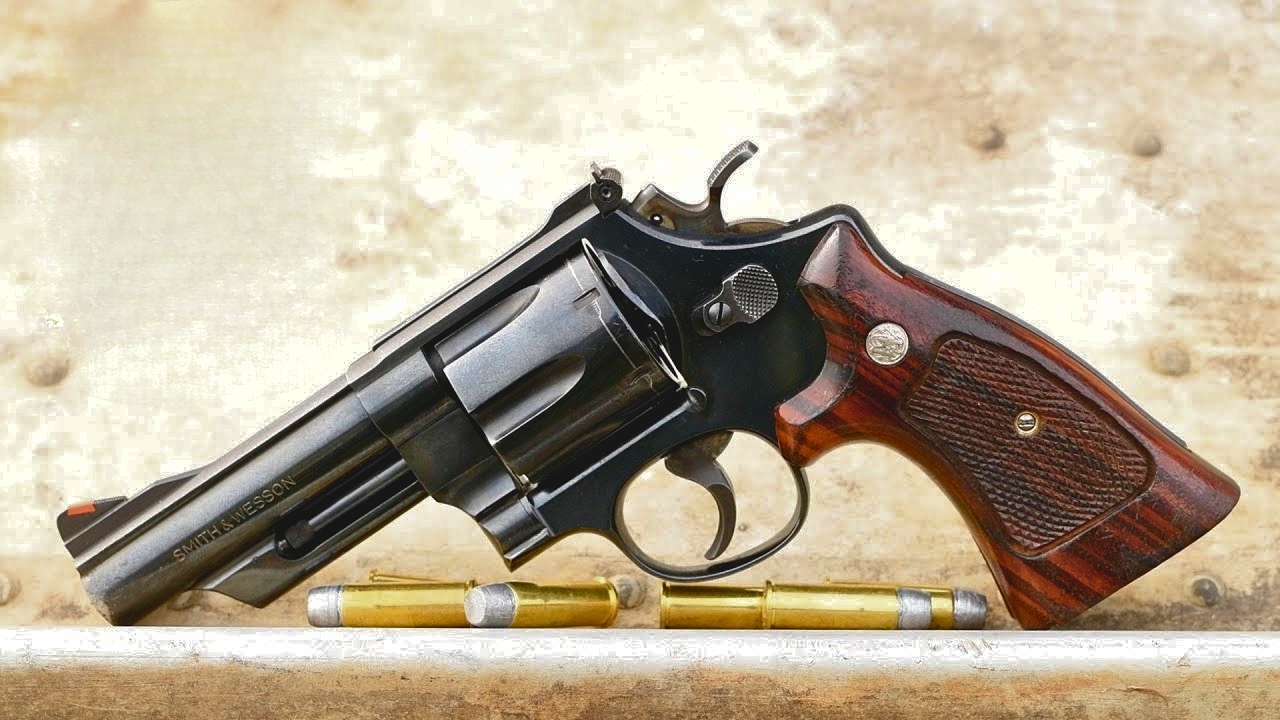
The “pinned and recessed” era has its own following, and .44 Magnums always have a little aura around them. When collectors and handgun hunters start chasing the same versions, prices climb without much warning.
They’re legitimate hunting sidearms with the right loads and practice, but most folks don’t shoot a .44 Magnum enough to justify collector pricing. If you want a working .44, a newer S&W or a Ruger can be easier to live with and less stressful to scratch.
8. Ruger Redhawk (older production)
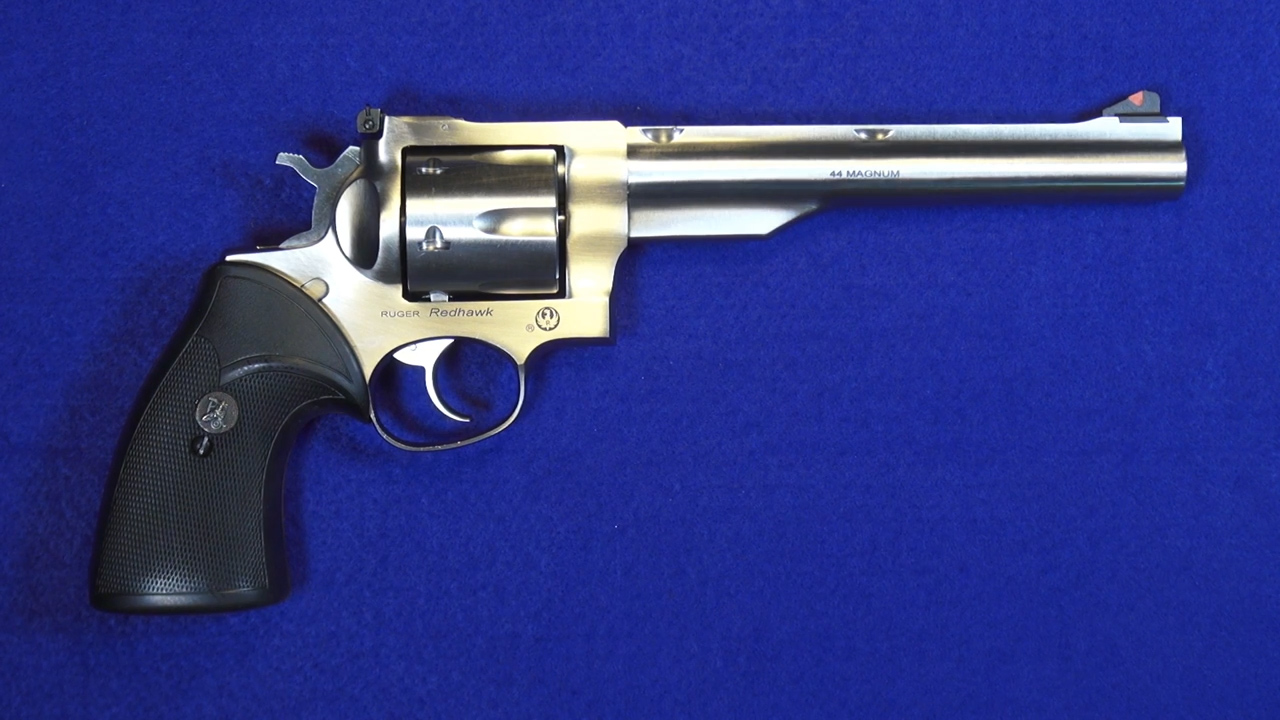
Some older Redhawks, especially certain barrel lengths and chamberings, quietly jumped as people realized they’re not sitting in every pawn shop anymore. Ruger’s reputation for durability keeps them on the “buy it once” list.
They’re great for backcountry carry if you can handle the size and weight. The consequence of higher prices is people try to treat them like an investment instead of a tool, and heavy revolvers only earn their keep when they ride on your belt and get practiced with.
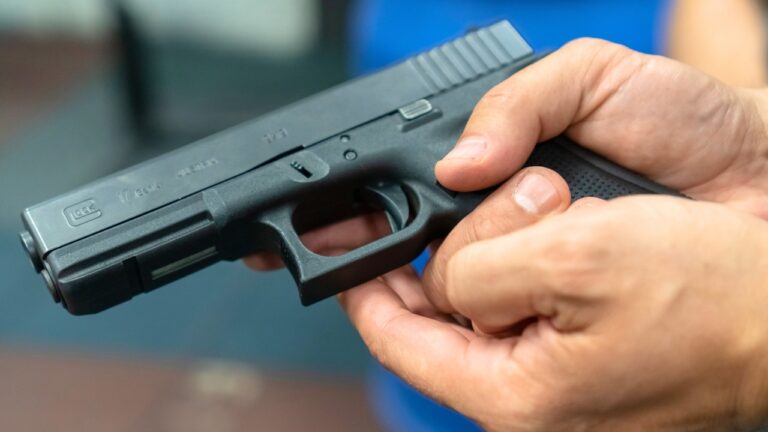
9. Glock 19 (early Gen 2/“classic” versions)
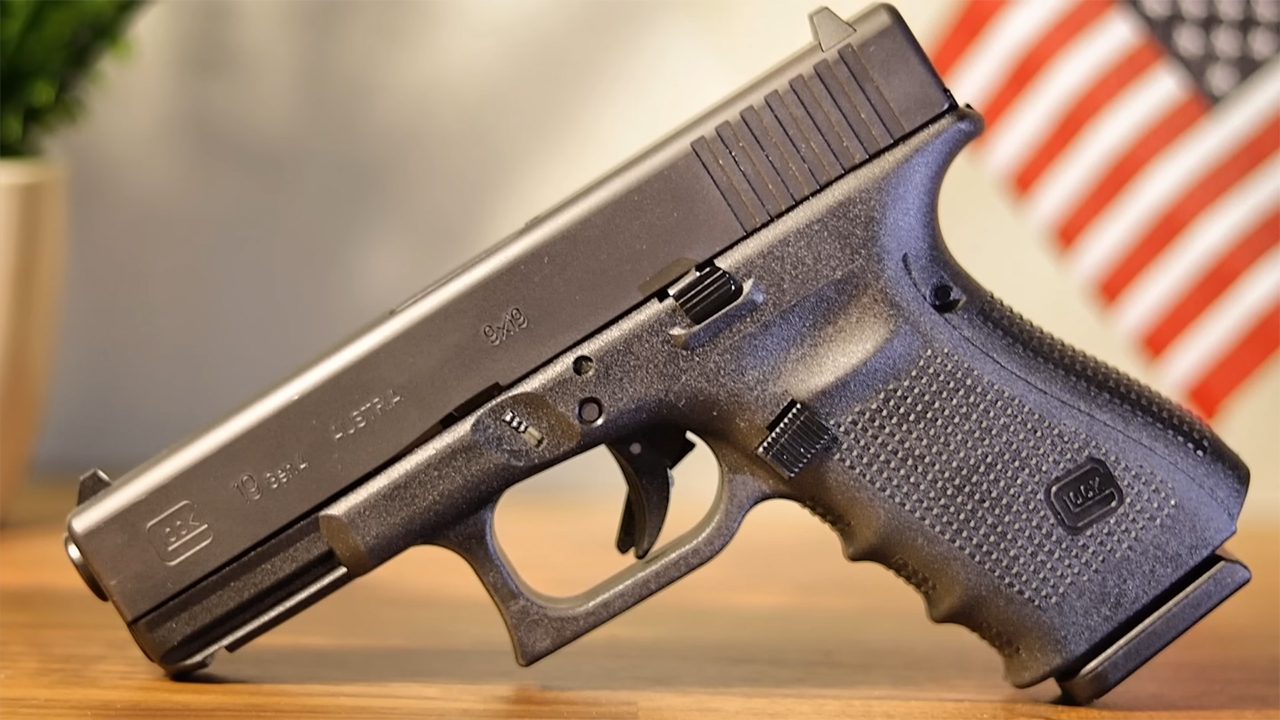
It sounds odd, but early “classic” Glocks have become their own collectible lane. Certain configurations and markings get attention, and once that crowd starts bidding, the price separates from the “it’s just a Glock” mindset.
A Glock 19 is still one of the most practical pistols ever made, but paying collector money for a carry gun is backwards. If you want a shooter, buy a current-production model and keep the older one from becoming a sweat-rusted regret.
10. SIG Sauer P226 (West German marked)
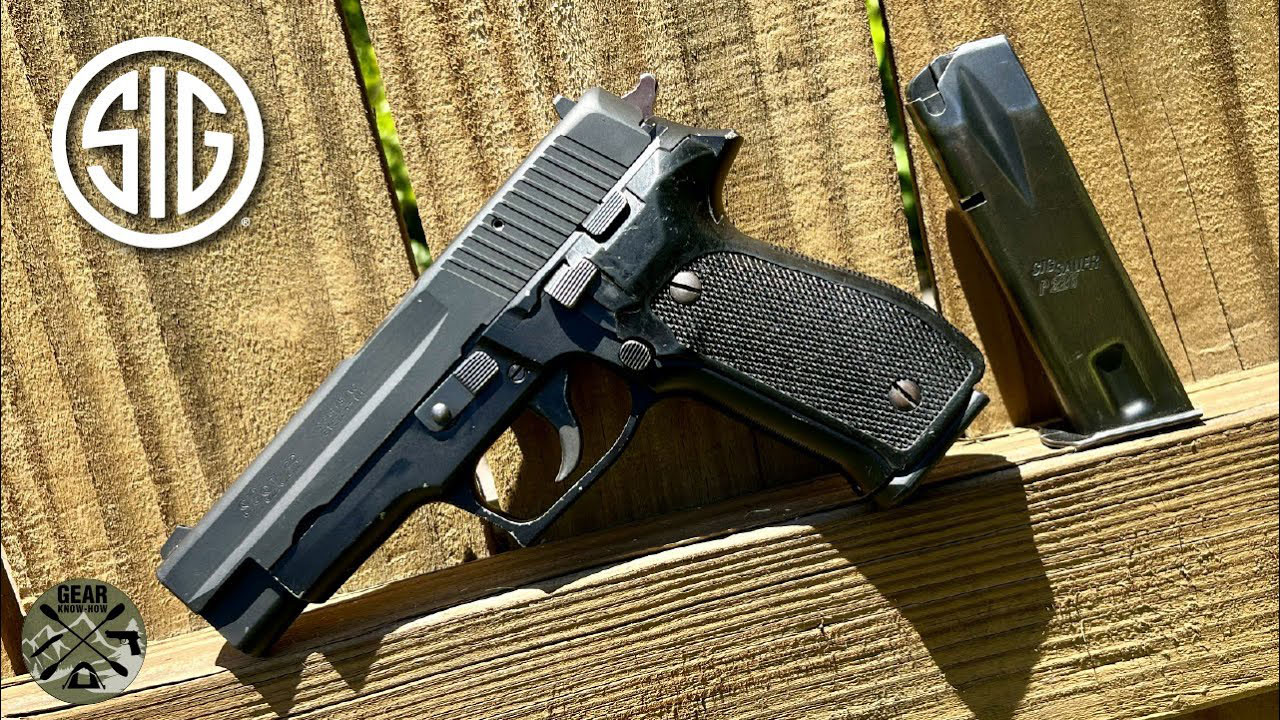
West German-marked SIGs gained a reputation for fit and finish that people swear they can feel. Whether that difference is night-and-day or not, the demand is real, and those pistols don’t get cheaper over time.
They’re outstanding shooters, but parts, magazines, and holster compatibility can vary across generations. If you’re paying premium prices, make sure you’re buying a pistol you’ll actually train with, not one you’ll avoid carrying because you’re worried about wear.
11. Heckler & Koch P7
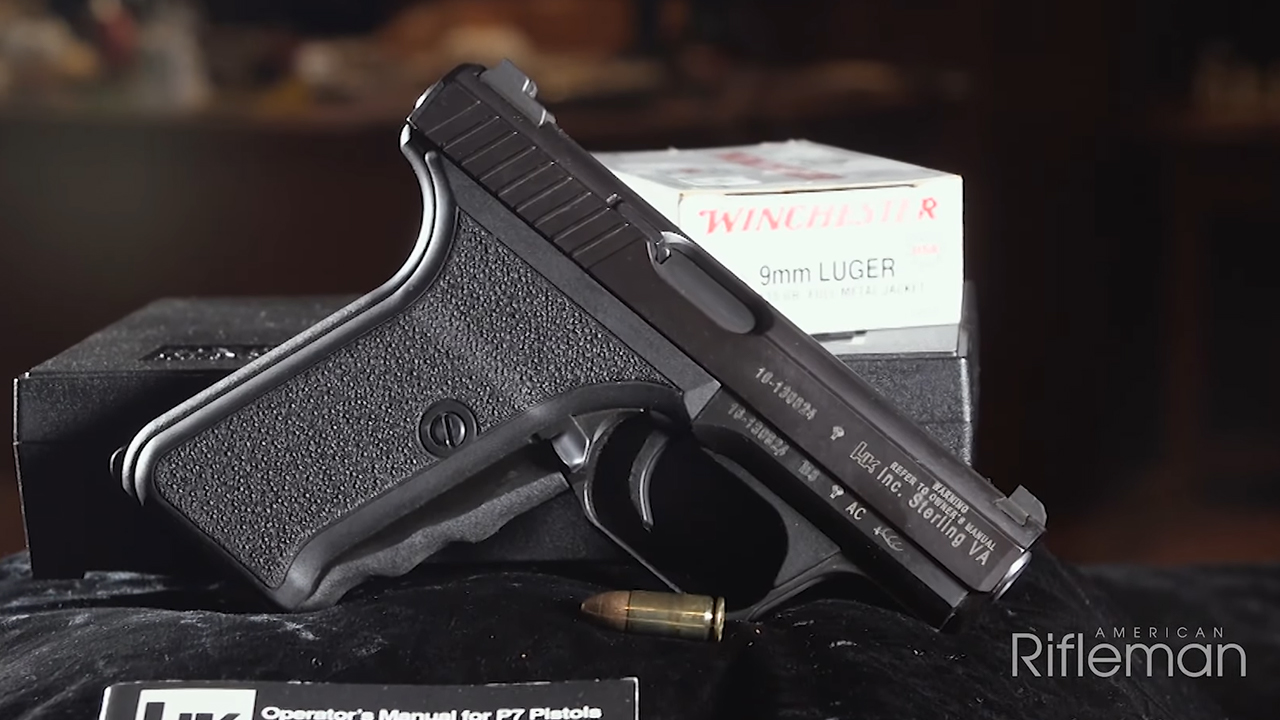
The P7 is one of those guns people ignore until they handle one, then they can’t stop thinking about it. Discontinued, unique, and beloved by a certain crowd—those three things turn “expensive” into “ouch” fast.
They’re accurate and compact, but they’re also quirky and can heat up with extended shooting. If you spend big, accept that it’s a specialty pistol and treat it like one—great for the collection and occasional carry, not a high-round-count range beater.
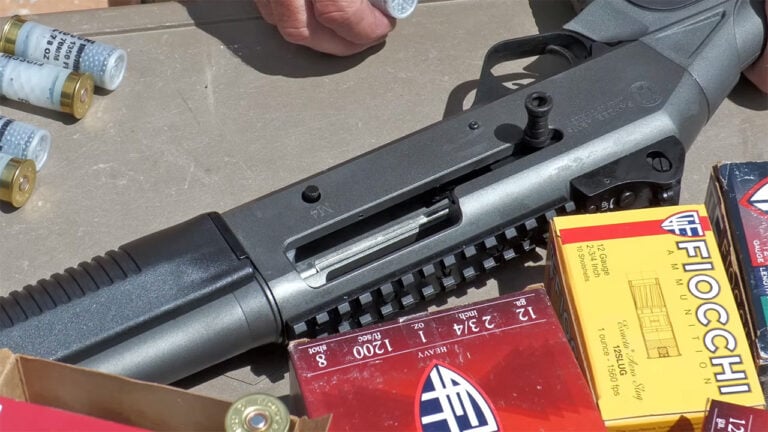
12. Beretta 1301 Tactical

Practical semi-auto shotguns surge in price when demand spikes, and the 1301 has a well-earned reputation for reliability and speed. When people start recommending the same model over and over, supply never quite catches up.
For home defense or a “do-it-all” shotgun, it runs hard with less fuss than many semi-autos. The real-world consequence is you’ll pay more and still need to budget for a good light, sling, and patterning time—because an expensive shotgun doesn’t magically know your preferred buckshot.
13. Benelli M4
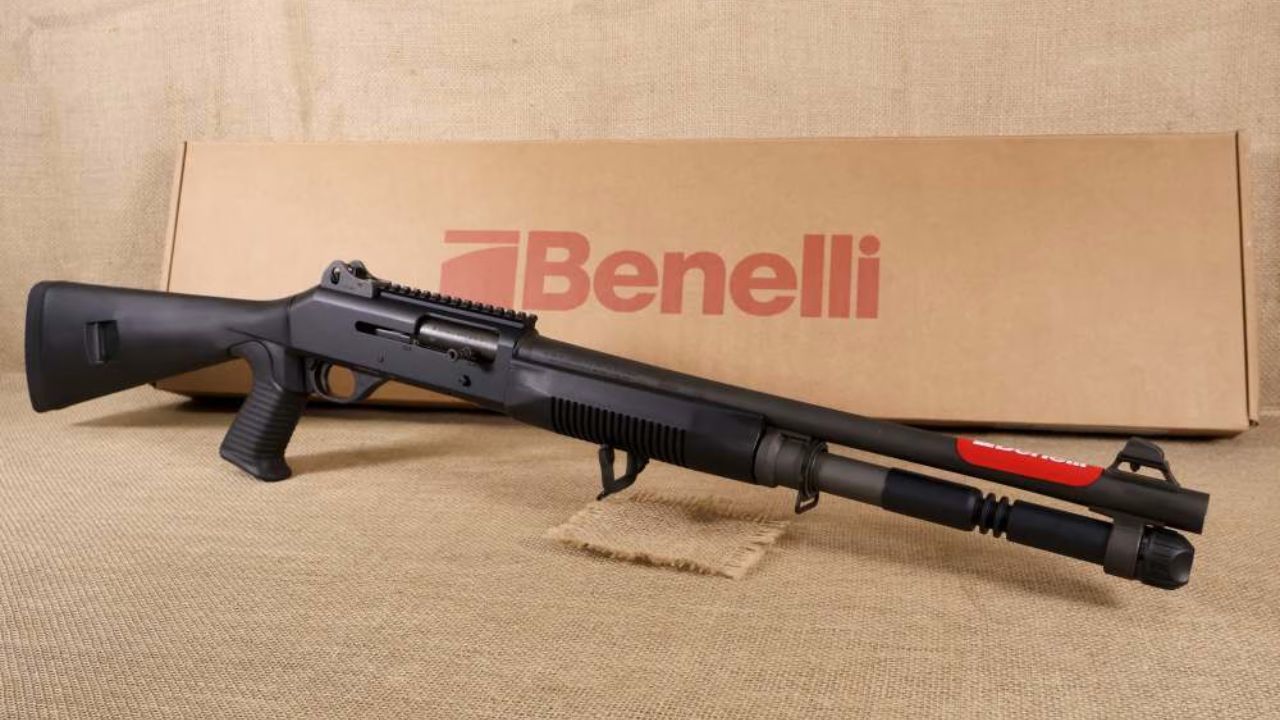
The M4 has been pricey for years, but it’s also one of those guns that can jump again when imports tighten or demand surges. Once the “buy once, cry once” crowd gets loud, the market follows.
It’s rugged and dependable, but it’s heavy and not everyone needs what it offers. If you buy one at peak prices and then leave it in the safe because it feels too fancy to run, you’ve basically bought a very expensive piece of reassurance.
14. Remington 870 Wingmaster (older)
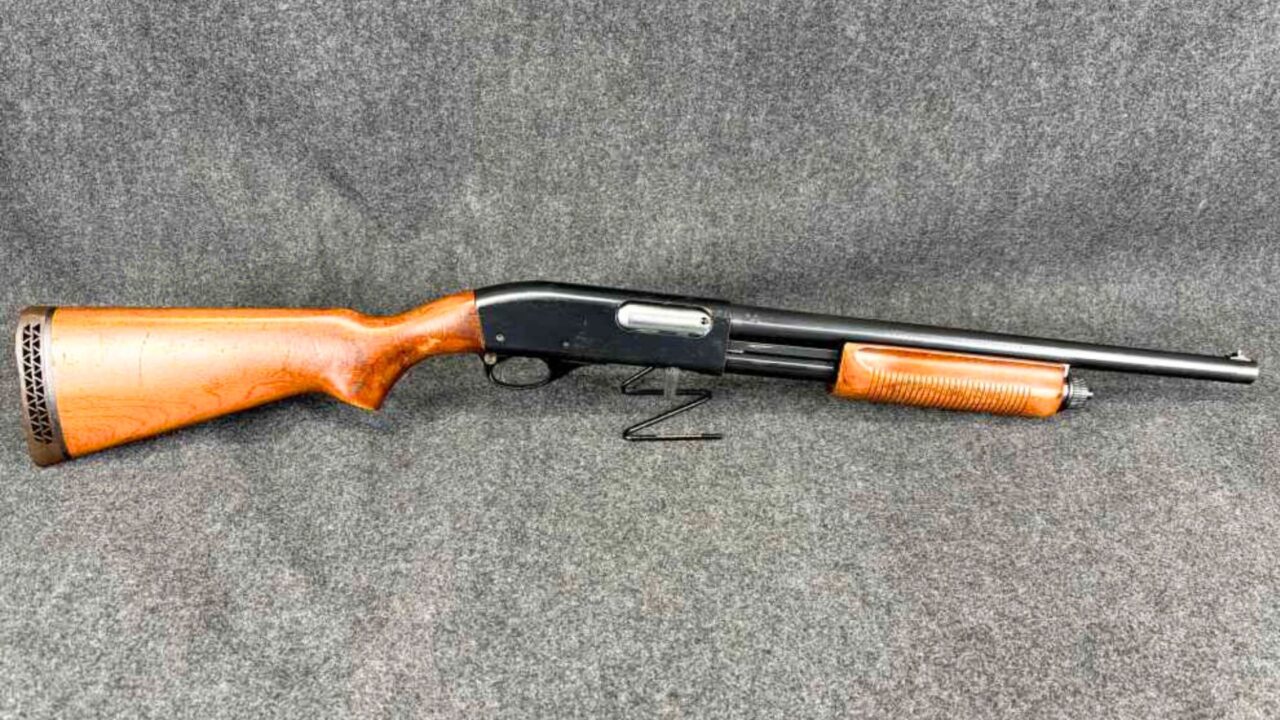
Older Wingmasters have a smoothness you can feel the first time you rack one. As newer production changes and people start chasing the older fit and polish, clean Wingmasters stop being cheap.
They’re still one of the best “do everything” pump guns for birds, deer, and the farm. The catch is the nicer they get, the more folks hesitate to drag them through cattails and boat bottoms—which is exactly where a pump gun earns its reputation.
15. Browning Auto-5 (Belgian)
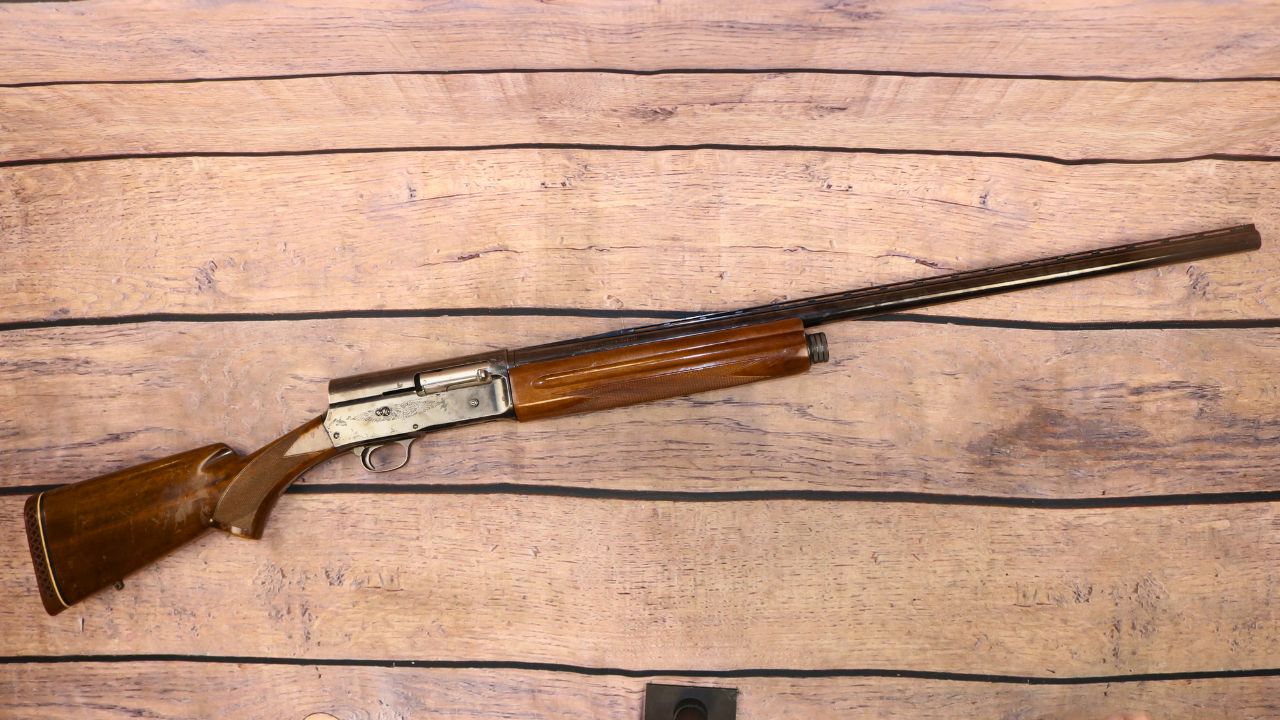
Belgian-made Auto-5s bring nostalgia and craftsmanship, and the good ones don’t sit around long. Condition matters a lot, and prices climb quickest on clean examples with the right barrel and rib setup.
They can still hunt, but older long-recoil guns deserve proper setup and the right loads. Paying premium money and then running random shells through it without checking function and fit can turn a classic into an expensive headache.
16. CZ 452 / CZ 455 (.22 LR bolt guns)
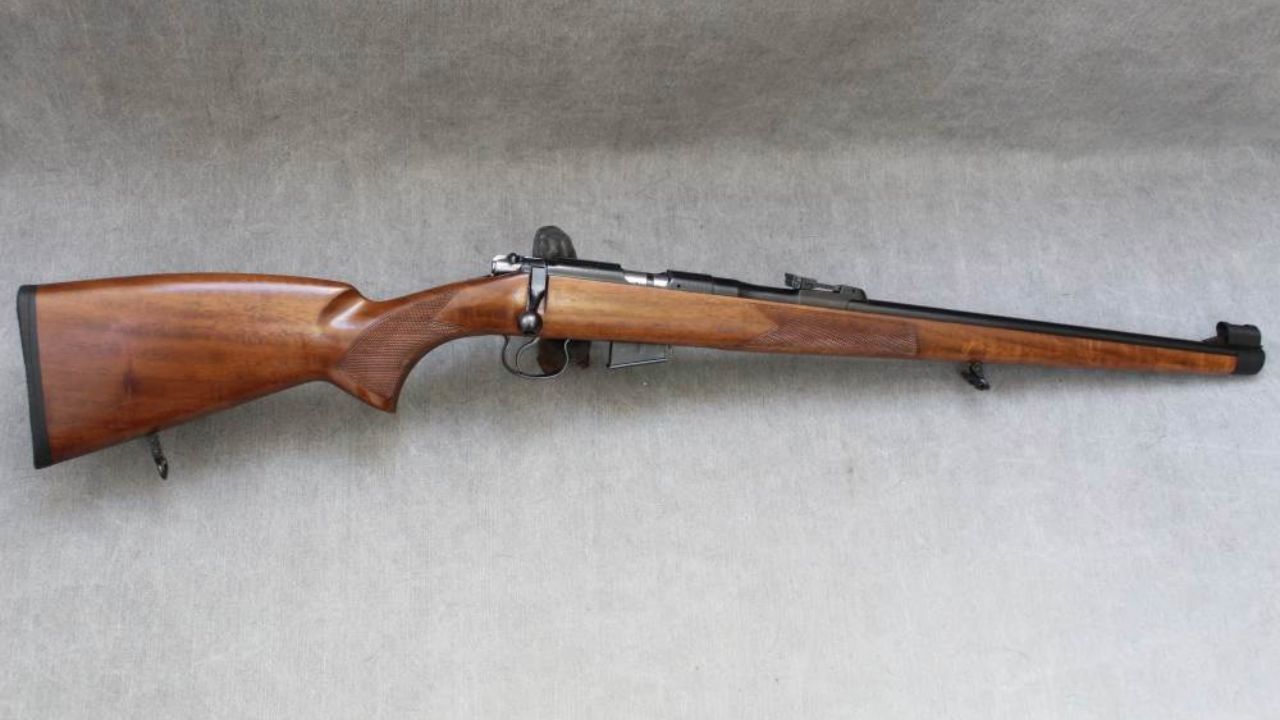
CZ’s older rimfire bolts built a quiet following because they shoot straight and feel like “real rifles.” When models change and certain versions get discontinued, the used market gets hungry in a hurry.
For squirrels and small game, they’re hard to beat, and they make practice fun again. The downside of inflated pricing is you may be better off buying a current-production CZ rimfire or another quality .22 and spending the difference on optics and ammo.
17. Ruger 10/22 (early/collector variants)
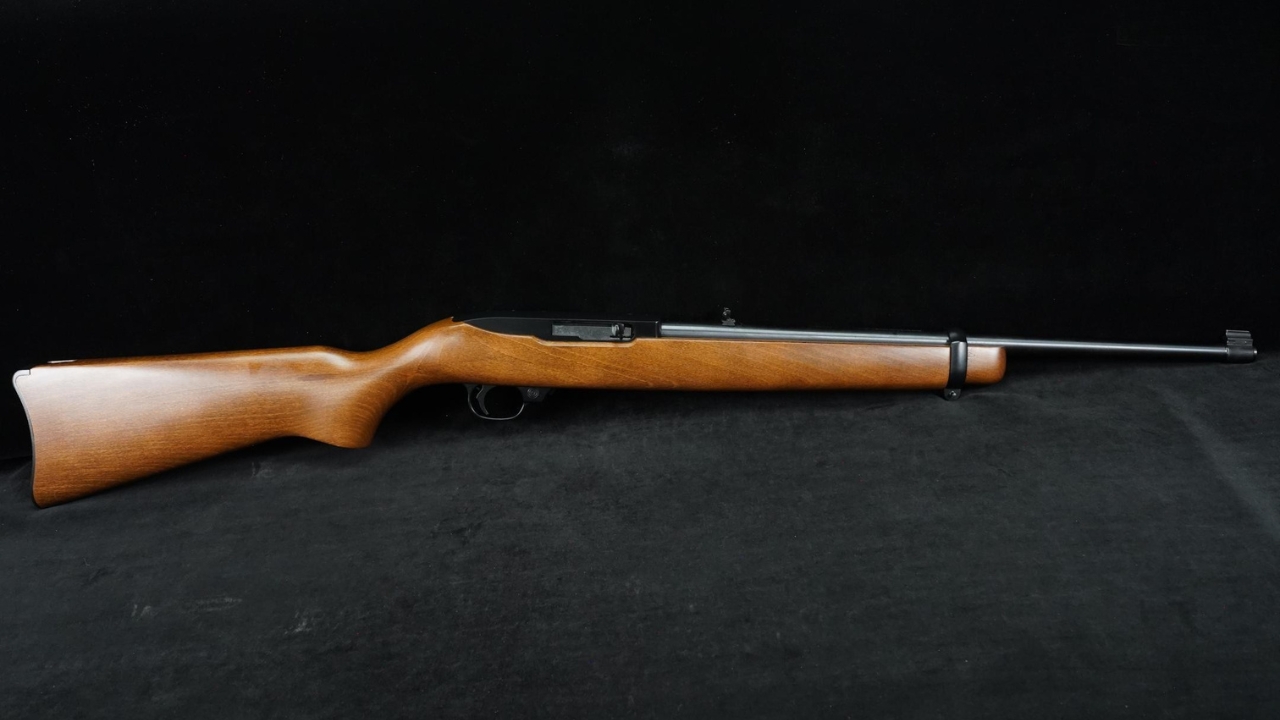
A standard 10/22 is everywhere, but certain early carbines and limited runs aren’t. Once collectors start chasing specific stocks, roll marks, or distributor exclusives, the price stops reflecting “plinker” reality.
They’re still one of the best rifles to teach new shooters and to keep in a truck for pests where legal. If you’re paying extra, ask yourself if you really want a collectible .22 or if you want a shooter you’ll modify, scratch, and enjoy.
18. SKS (matching numbers, clean imports)

There was a time SKSs were “stack them deep” cheap. Imports slowed, the clean matching-number rifles dried up, and suddenly the average guy realized he should’ve bought one when they were common.
They’re reliable and handy, but they’re also older surplus guns with varying bore condition and past maintenance. If you buy at today’s prices, inspect carefully and don’t assume every SKS is a chrome-lined, perfect shooter just because the internet says they’re tanks.
19. M1 Garand (service grade and up)
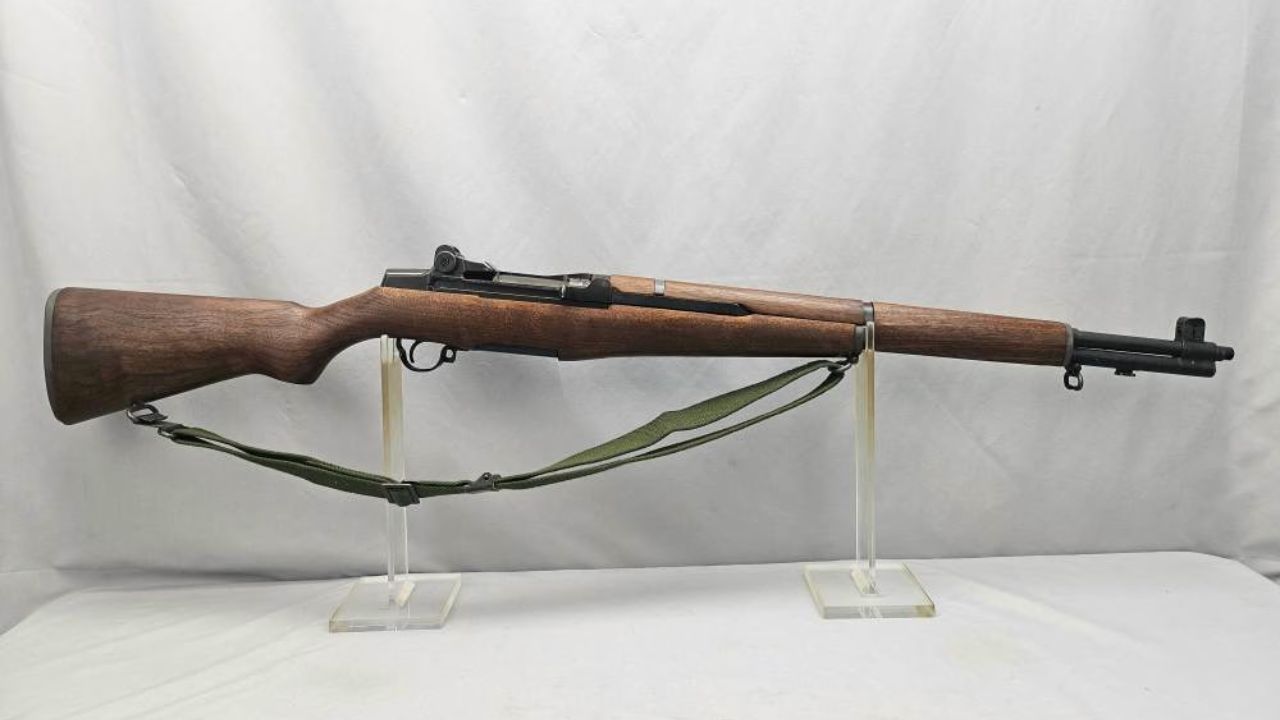
Garands have a built-in demand because they’re American history you can shoulder. As availability tightens and good-condition rifles get scooped up, the price climbs steadily and then jumps in chunks.
They’re a joy to shoot and can still be used for hunting where legal and appropriate. The practical reality is you’ll need correct clips, proper maintenance, and smart ammo choices—because an expensive rifle doesn’t forgive neglect, and replacement parts aren’t getting cheaper either.
20. Springfield Armory M1A (pre-ban and certain configurations)
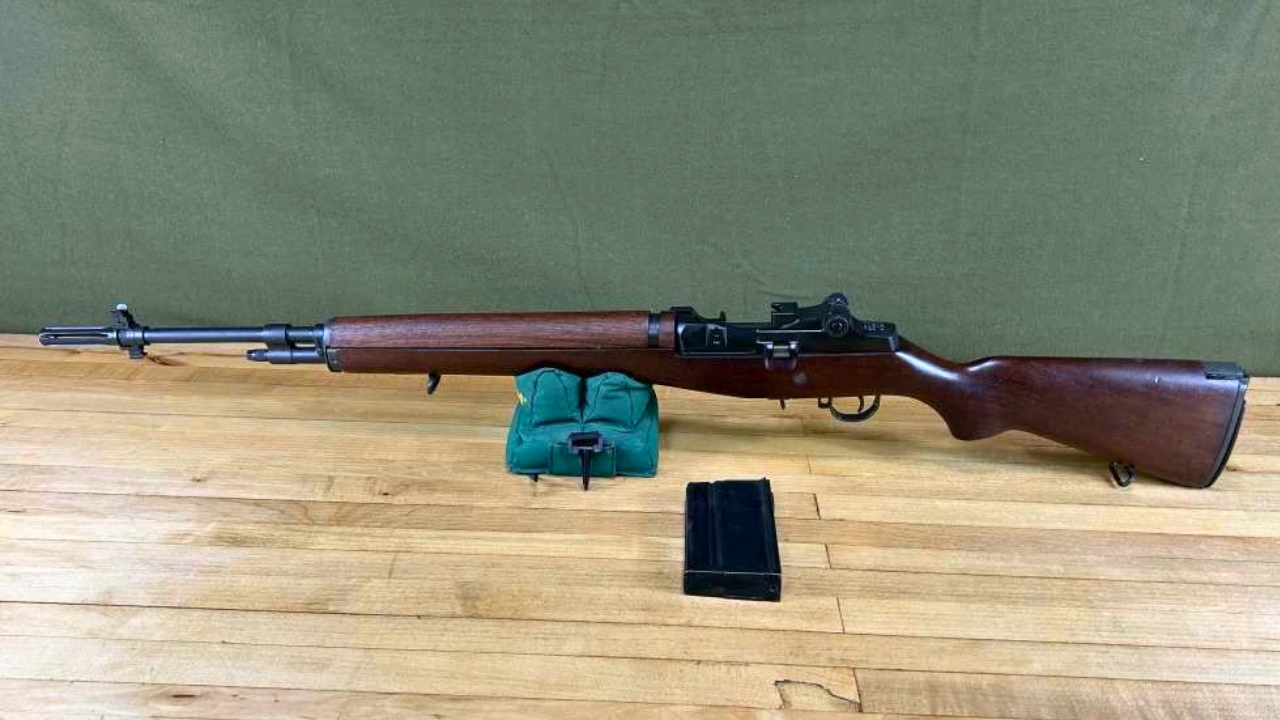
M1As can swing wildly in price based on configuration, perceived quality, and market mood. Certain older examples and desirable setups seem to get expensive overnight when demand flares up.
They’re capable rifles, but they’re also not cheap to feed, and accuracy expectations can get unrealistic if you’ve been reading too many internet arguments. If you spend big, plan to verify function, choose good magazines, and spend time on the range—because the platform rewards familiarity.
If you’re sitting on any of these and they’re clean, you’re not imagining the sticker shock. The best way to stay ahead of the next quiet price jump is simple: buy what you’ll actually use, don’t sleep on solid “working” versions, and when you find a good one at a fair price, don’t assume it’ll still be there next season.
Like The Avid Outdoorsman’s content? Subscribe to our newsletter so you never miss an article.
Here’s more from us: