Photo credit: Red Barron Reviews/YouTube
Some guns seem to be everywhere until the exact moment you decide you want one. Then production slows, an importer changes course, a certain chambering gets dropped, or buyers suddenly realize the model was better than they gave it credit for. By the time you start looking seriously, the racks are empty and used sellers are asking more than the gun cost when it was easy to find.
That is the kind of firearm I would rather buy early than chase later. I am not talking about panic buying or assuming every current model is about to vanish. I am talking about guns with enough character, usefulness, unusual chamberings, or limited competition that I would rather have one in the safe before availability becomes unpredictable again. These are the 20 I would be watching closely.
Ruger American Gen II Predator 6.5 Grendel
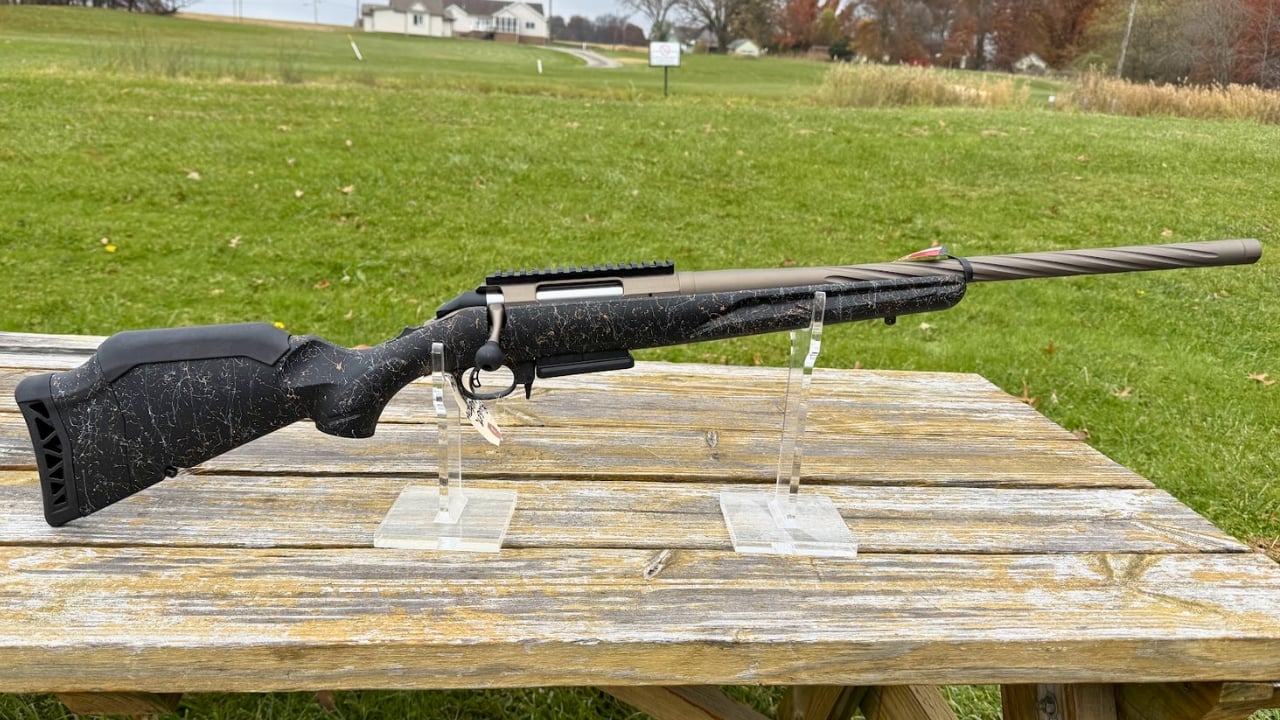
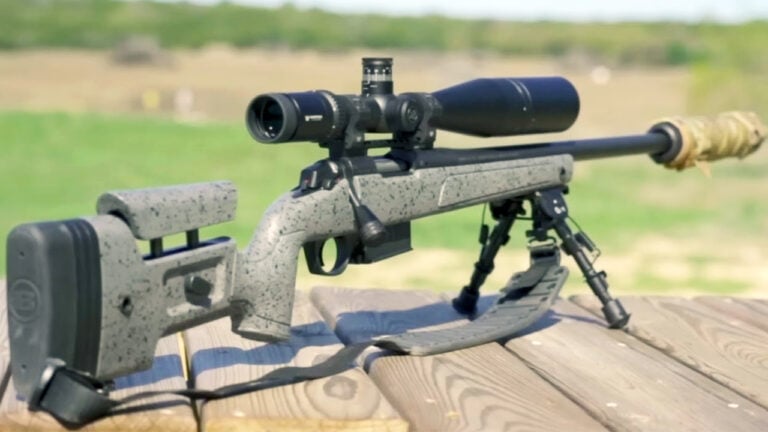
The Gen II American has become one of Ruger’s more useful bolt-rifle families, but the less common chamberings are the ones I would pay attention to first. A 6.5 Grendel Predator gives you mild recoil, respectable efficiency, and enough performance for deer and hogs without forcing you into a full-size cartridge. The shorter action and practical stock make it easy to carry, while the threaded barrel leaves room for a suppressor if that is part of your setup. What makes me nervous about waiting is not the rifle itself. It is the chambering. Manufacturers tend to keep the big sellers around and trim the slower-moving options first when lineups get simplified.
If I already knew I wanted a light Grendel bolt gun, I would buy it while the configuration was sitting on racks instead of assuming it would always be easy to order later.
Henry Single Shot Steel .350 Legend
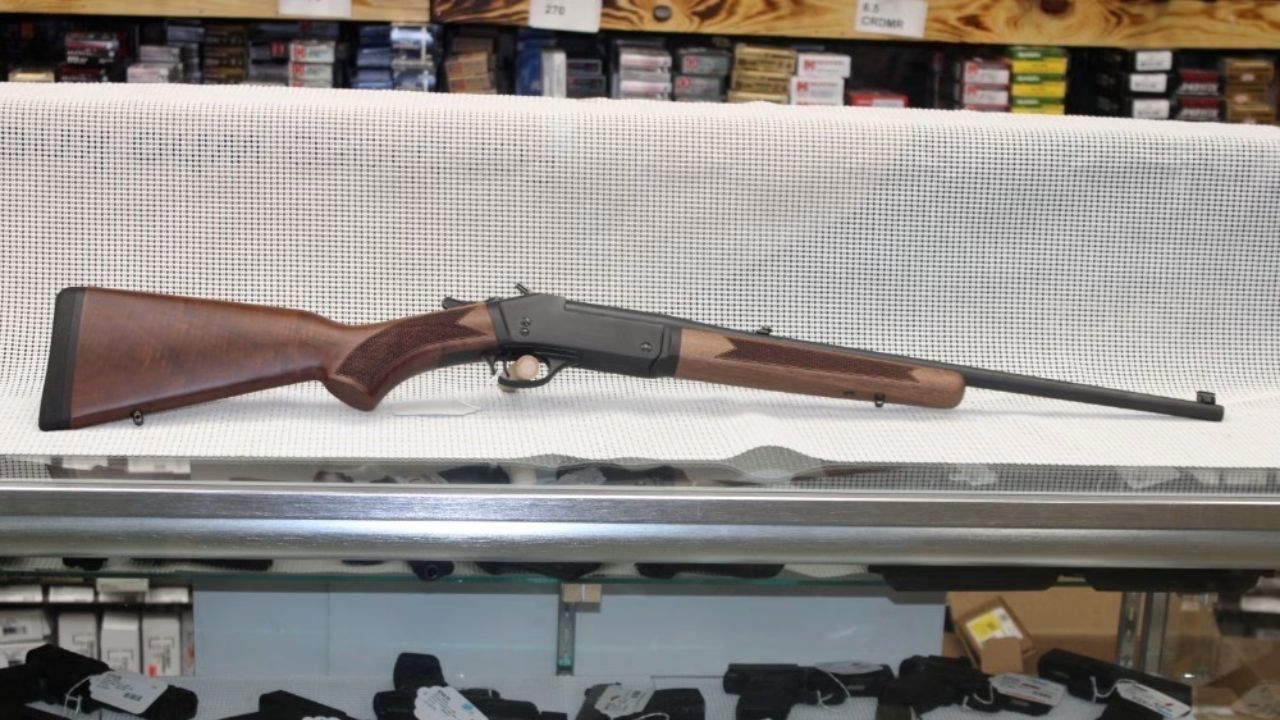
The Henry Single Shot does not get the attention of the company’s lever guns, but that is exactly why certain chamberings can become surprisingly difficult to find. In .350 Legend, it gives you a compact, uncomplicated deer rifle that makes a lot of sense in straight-wall country or for a hunter who simply wants very little between loading the rifle and firing it. There is no detachable magazine to lose, no complicated action, and no need to carry a heavy rifle into a blind.
This is also the type of model that could easily get overlooked when buyers chase semiautos and lever guns. If I wanted one specifically for close-range deer hunting, I would rather buy while it is a normal catalog rifle than start hunting used examples after interest shifts.
Howa Mini Action 7.62×39
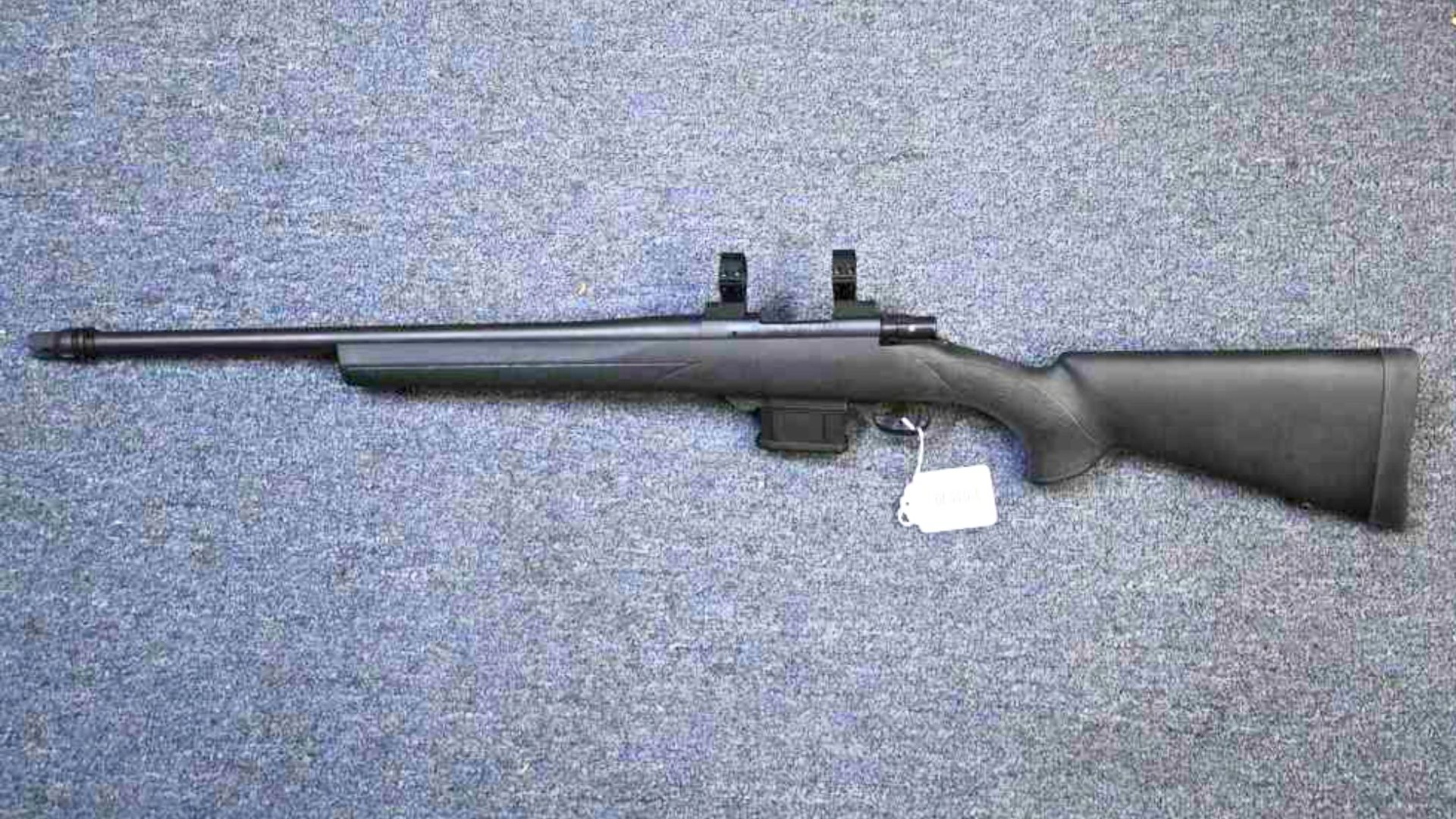
The Howa Mini Action in 7.62×39 fills a niche most manufacturers barely touch. You get a genuinely small bolt action built around a short cartridge instead of stuffing 7.62×39 into a receiver designed for .308-length rounds. That keeps the rifle light and handy, while the cartridge gives you mild recoil and enough capability for hogs and deer at sensible distances with appropriate hunting ammunition. It also makes a good property rifle for someone who values a compact centerfire.
Oddball bolt-action chamberings have a habit of becoming hard to replace once manufacturers decide sales are not high enough. That is why this is one I would rather own now than eventually pay a premium for simply because nobody else kept building something similar.
CVA Cascade SB .300 Blackout
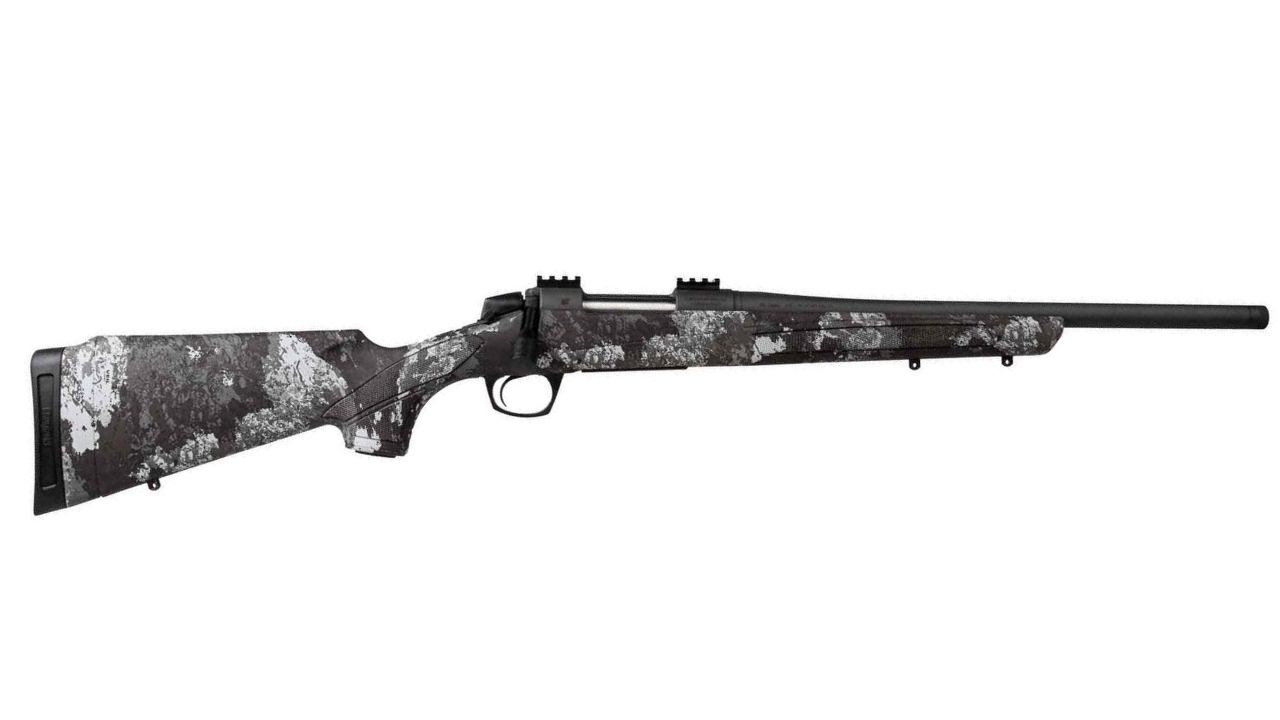
The short-barreled Cascade SB makes a lot of sense for someone who wants a compact bolt rifle built around .300 Blackout rather than adapting a full-length hunting rifle to it. The short barrel keeps the entire package handy, the threaded muzzle fits naturally with the cartridge’s suppressed appeal, and the bolt action eliminates action noise and cycling concerns associated with some semiautomatic setups. It is the kind of rifle that works around property, from a blind, or anywhere long-range capability is not the priority.
Short bolt guns in .300 Blackout seem obvious now, but availability often comes in waves depending on manufacturer priorities. If I wanted this exact style of rifle, I would not assume every company will keep offering one indefinitely.
Winchester Model 70 Super Grade .264 Winchester Magnum

The Super Grade already occupies a more traditional corner of the hunting market, and pairing it with a less-common classic magnum makes the rifle even more interesting. The .264 Winchester Magnum gives you flat trajectory and plenty of history, while the Model 70 provides controlled-round feed, excellent stock geometry, and the kind of walnut-and-steel construction that is becoming less common as manufacturers push toward lighter synthetic rifles.
This is not a configuration I would expect every dealer to stock forever. Chamberings with smaller but loyal followings are usually the ones I buy when I actually see them. Waiting until everybody suddenly wants the same discontinued configuration is how you end up paying collector prices for a rifle you originally just wanted to hunt with.
Savage 110 Trail Hunter .400 Legend
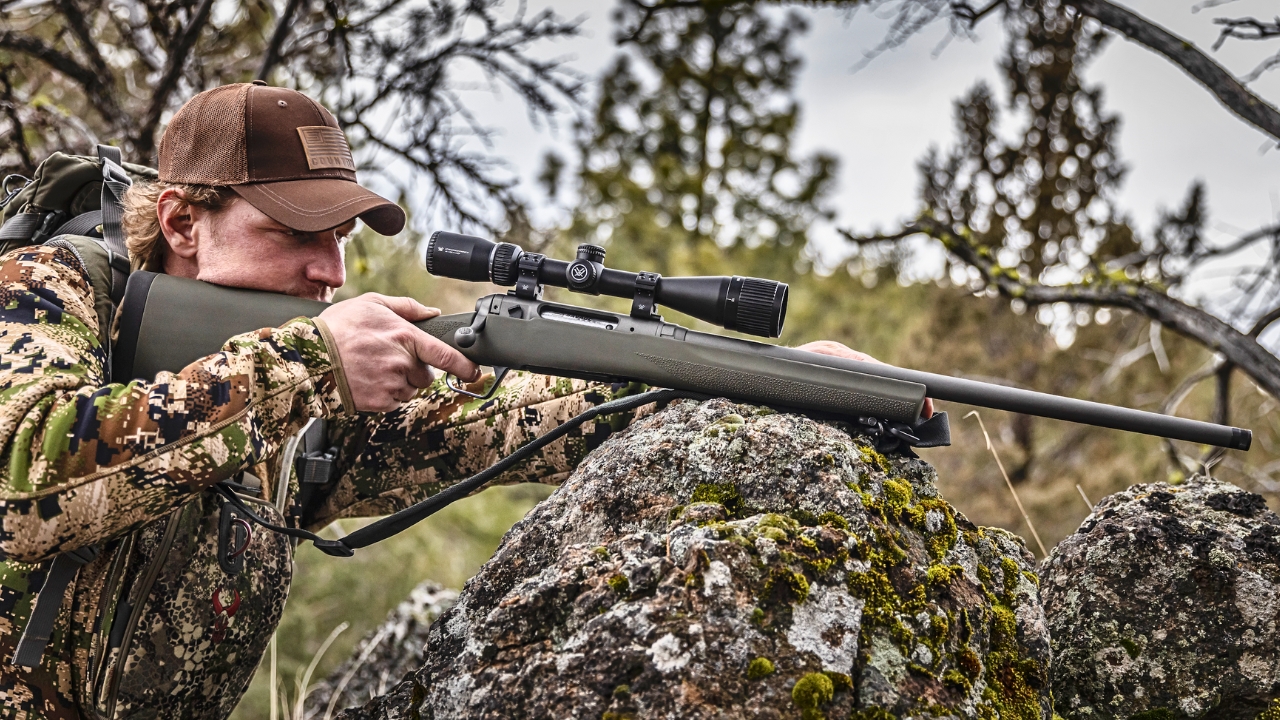
The .400 Legend is still young enough that the long-term winners and losers among factory rifle configurations are not completely settled. That makes a practical rifle like the 110 Trail Hunter interesting. It gives straight-wall hunters more bullet diameter and energy than lighter alternatives while keeping recoil below some of the larger straight-wall cartridges. Savage’s 110 action also gives you a proven platform with an adjustable trigger and a configuration designed to handle rough field use.
New cartridges always go through periods where rifles are plentiful and periods where manufacturers narrow offerings. If I had already decided the .400 Legend fit my hunting, I would rather secure the rifle I wanted than bet on the exact model being equally easy to find later.
Browning BAR Mark III Stalker .270 Winchester
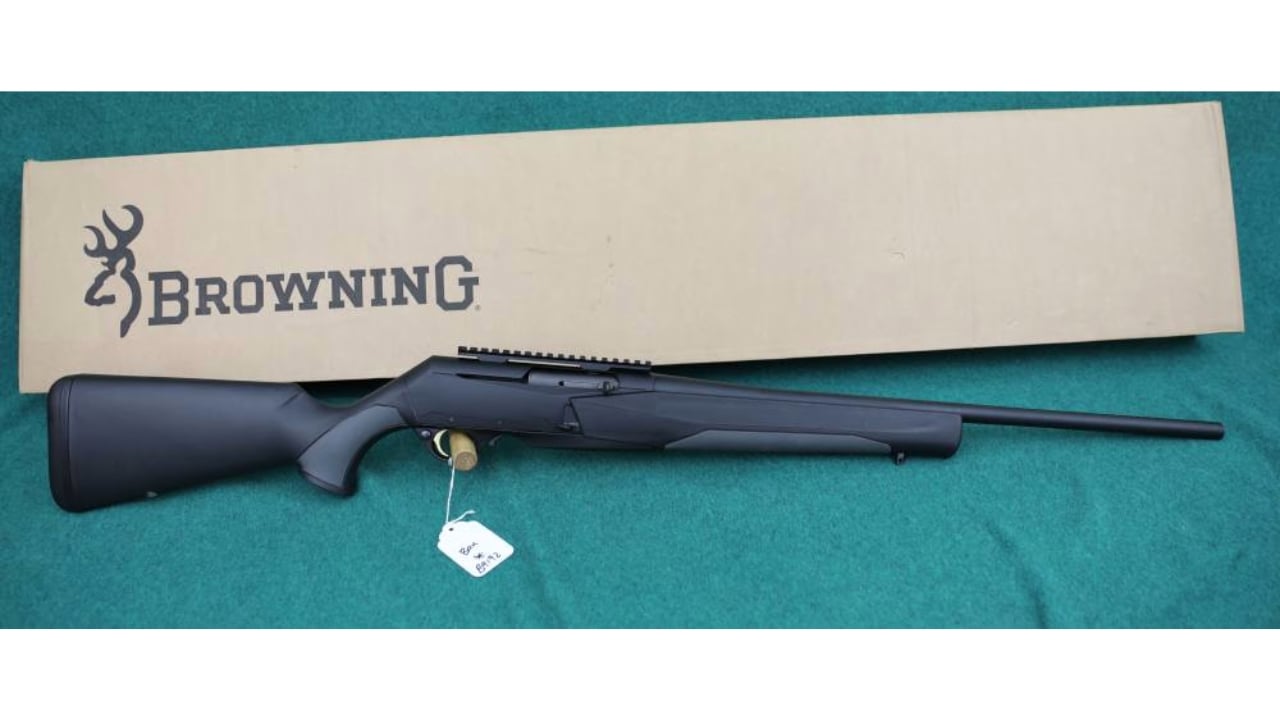
The synthetic-stocked BAR does not carry the same traditional appeal as the walnut versions, but it may actually be the more practical hunting rifle. The semiautomatic action takes some bite out of recoil, the .270 chambering remains excellent for deer, and the weather-resistant furniture means I would have no hesitation carrying it in rain or rough conditions. It gives hunters a traditional-looking semiautomatic without moving into an AR-style platform.
Semiautomatic sporting rifles with this kind of configuration are not offered by every manufacturer, which makes the BAR harder to substitute if the exact version you want disappears. I would rather own it while dealers still treat it like a normal hunting rifle.
Bergara B-14 Ridge Wilderness .22-250
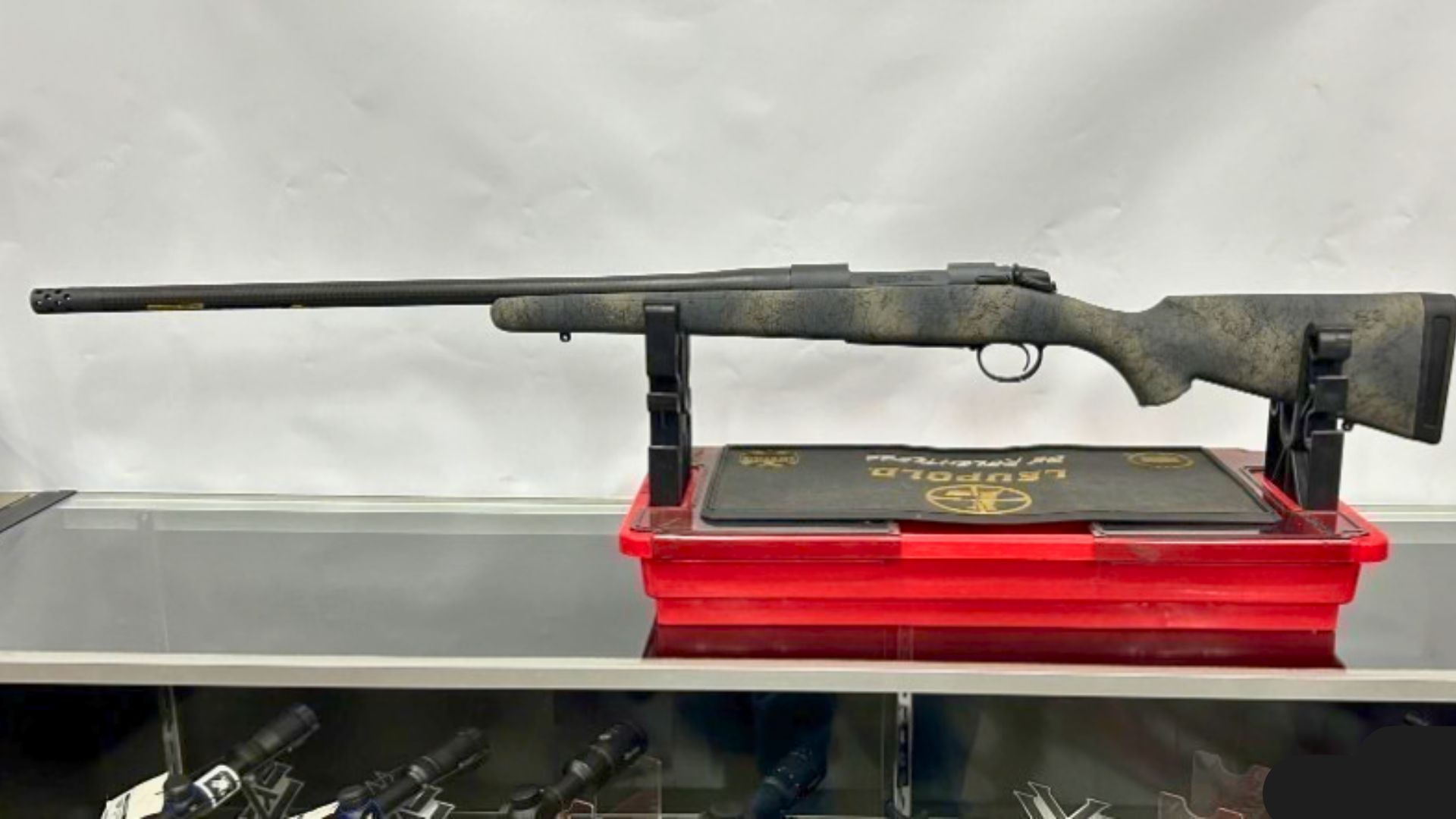
The .22-250 is one of those cartridges that remains outstanding for predators and varmints even though newer cartridges constantly fight for attention. Put it in the B-14 Ridge Wilderness and you get a sturdy rifle with a heavier contour barrel, practical stock, and enough accuracy potential to make the cartridge worthwhile at distance. It is the kind of setup that can live on a ranch or farm and earn its keep every time coyotes become a problem.
The reason I would not wait is chambering turnover. Manufacturers routinely keep the same rifle alive while changing which cartridges they offer. A .22-250 variant can disappear long before the rifle family does, and then suddenly everyone wants the one configuration that is no longer easy to order.
Franchi Momentum Varmint Elite .308
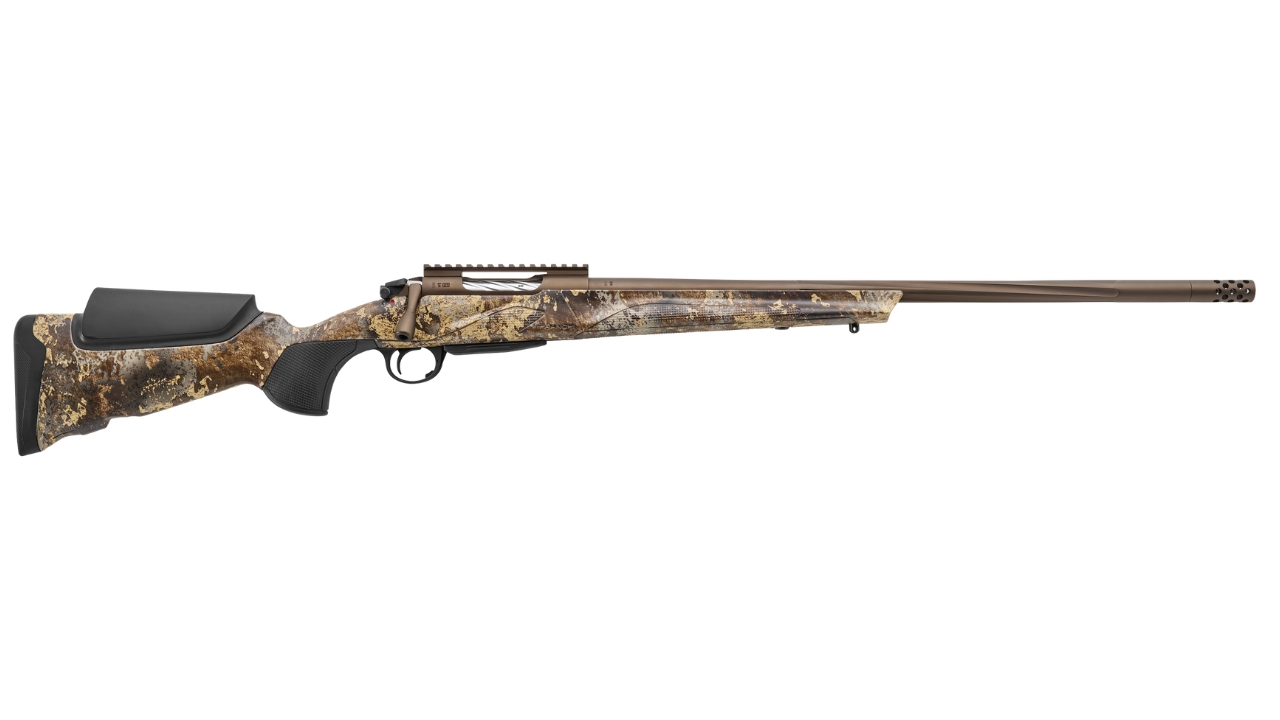
The Momentum Varmint Elite sits in a useful middle ground between a hunting rifle and a heavy precision setup. The stock offers adjustability, the barrel has enough weight for repeated shooting, and .308 keeps ammunition availability easy. It is not the rifle I would carry ten miles into mountain country, but for a property rifle, stand rifle, or range gun it makes a lot of sense.
Franchi is still far better known for shotguns, which means its rifle lineup does not have the enormous installed base of some competitors. That is exactly why I would buy the configuration I liked rather than assuming it would remain unchanged for years. Less obvious models can disappear quietly.
Mossberg MVP Scout .308
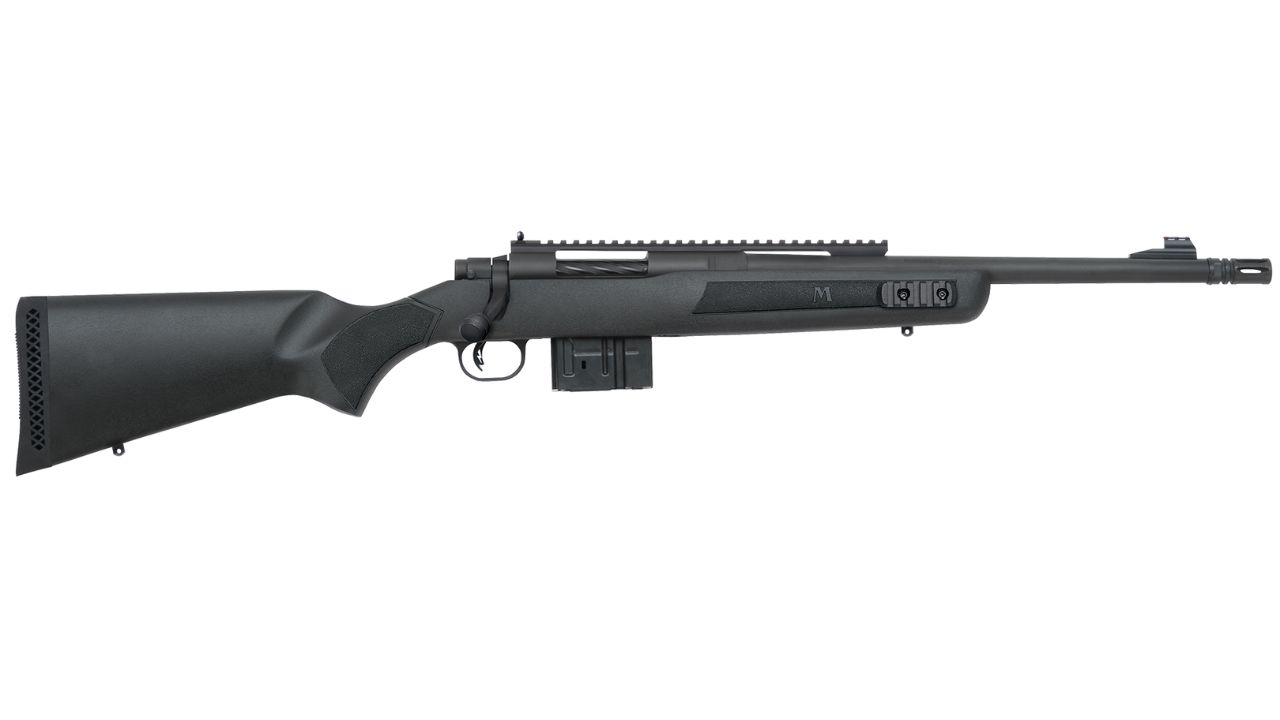
The MVP Scout has always been a little unusual, and unusual rifles are the ones I hate waiting on. It gives you a compact .308 bolt gun, iron sights, a forward optic option, and detachable-magazine capability in a package aimed more at general-purpose use than pure hunting. It is not the lightest rifle or the prettiest rifle, but it covers enough roles that I understand why owners like them.
A rifle this different does not have endless direct competitors. If production gets reduced or the configuration changes, there may not be another gun waiting to replace it exactly. That makes it the sort of model I would grab while it is still easy to locate.
Rossi R92 Triple Black .44 Magnum
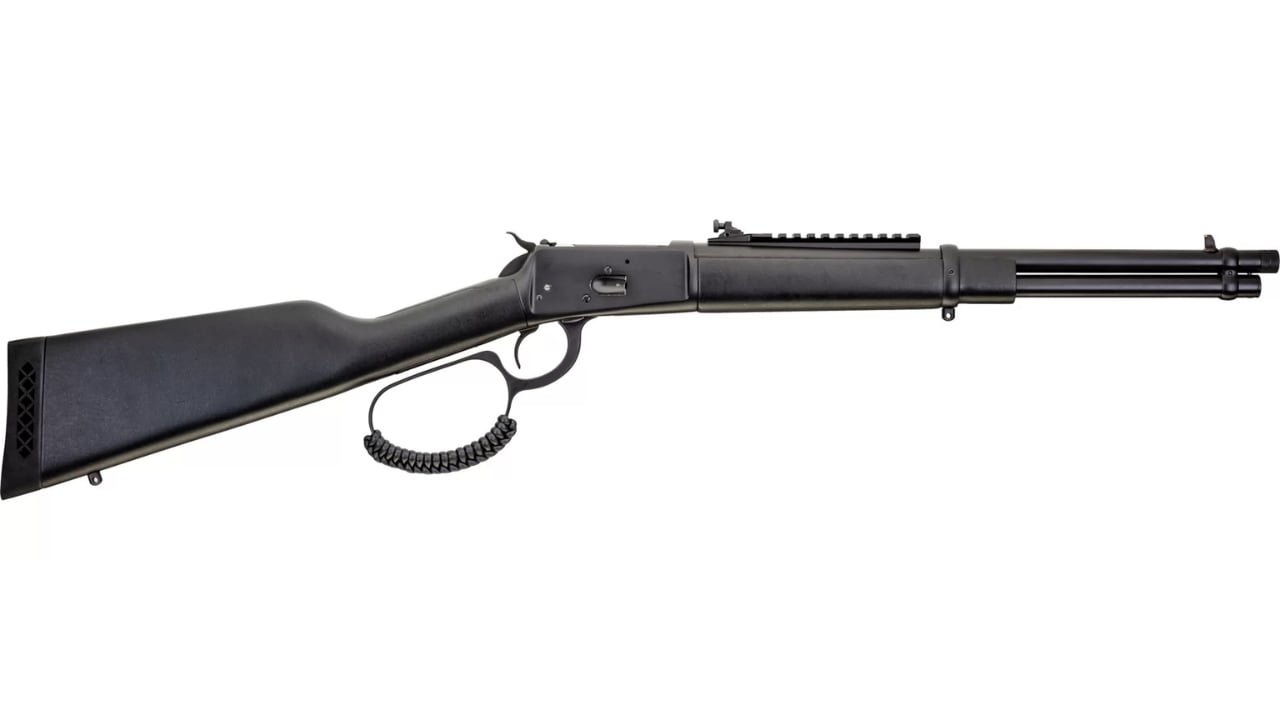
The R92 Triple Black takes the traditional Model 92 pattern and gives it a more modern field setup with a darker finish, threaded muzzle, and practical sights. In .44 Magnum, it becomes a compact woods rifle with plenty of close-range capability while retaining the fast handling that makes the 92 action so appealing. It also offers a different experience from the endless supply of ARs and bolt guns.
Specific lever-gun configurations can vanish quickly because manufacturers constantly rotate barrel lengths, finishes, and chamberings. If I wanted a threaded .44 lever gun in this particular style, I would rather buy it while the exact model is in normal distribution.
Uberti 1873 Short Rifle .357 Magnum
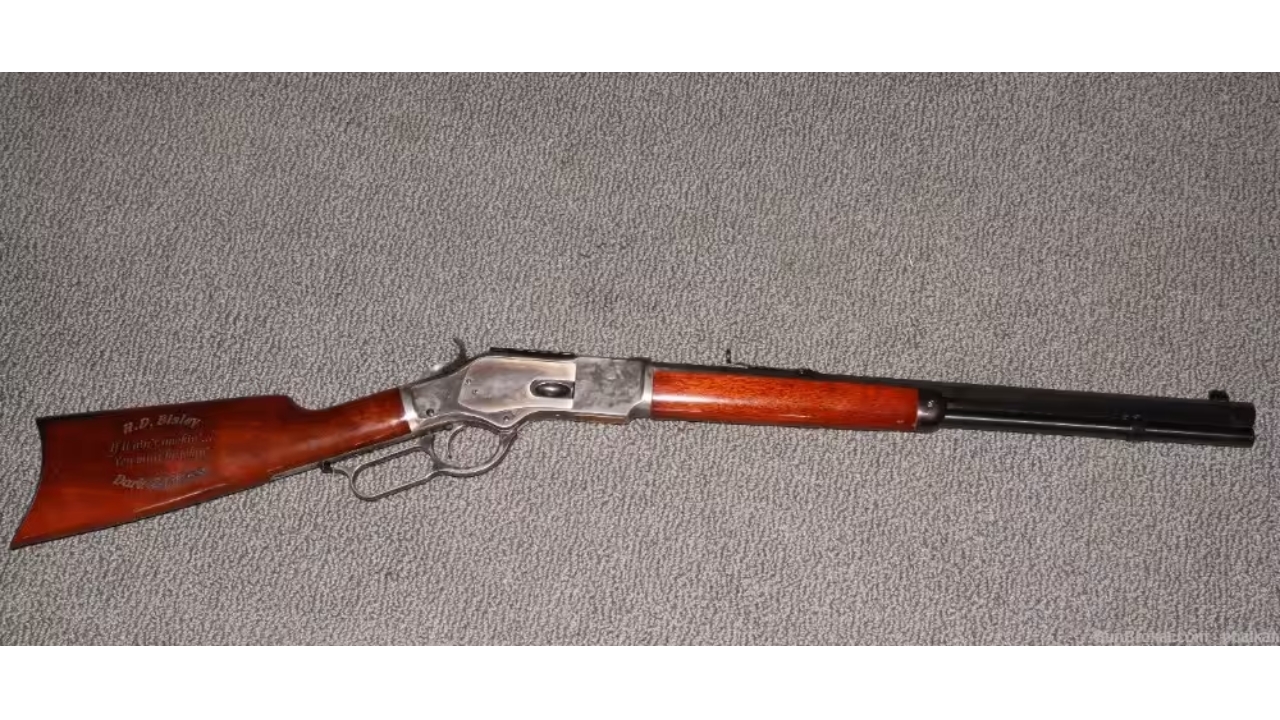
The 1873 Short Rifle is one of those guns that does not need to justify itself through modern performance. It is smooth, historically interesting, easy to shoot in .357 Magnum, and incredibly pleasant with .38 Special. The shorter barrel keeps the rifle much handier than long competition-oriented versions while preserving the toggle-link action that makes the 1873 feel so different from other lever guns.
Imported replicas can be especially unpredictable because availability depends on production schedules, distributors, and specific batches entering the country. If I found the exact barrel length and finish I wanted, I would buy it rather than assuming another identical shipment would be sitting there next year.
Springfield Armory SA-16A2
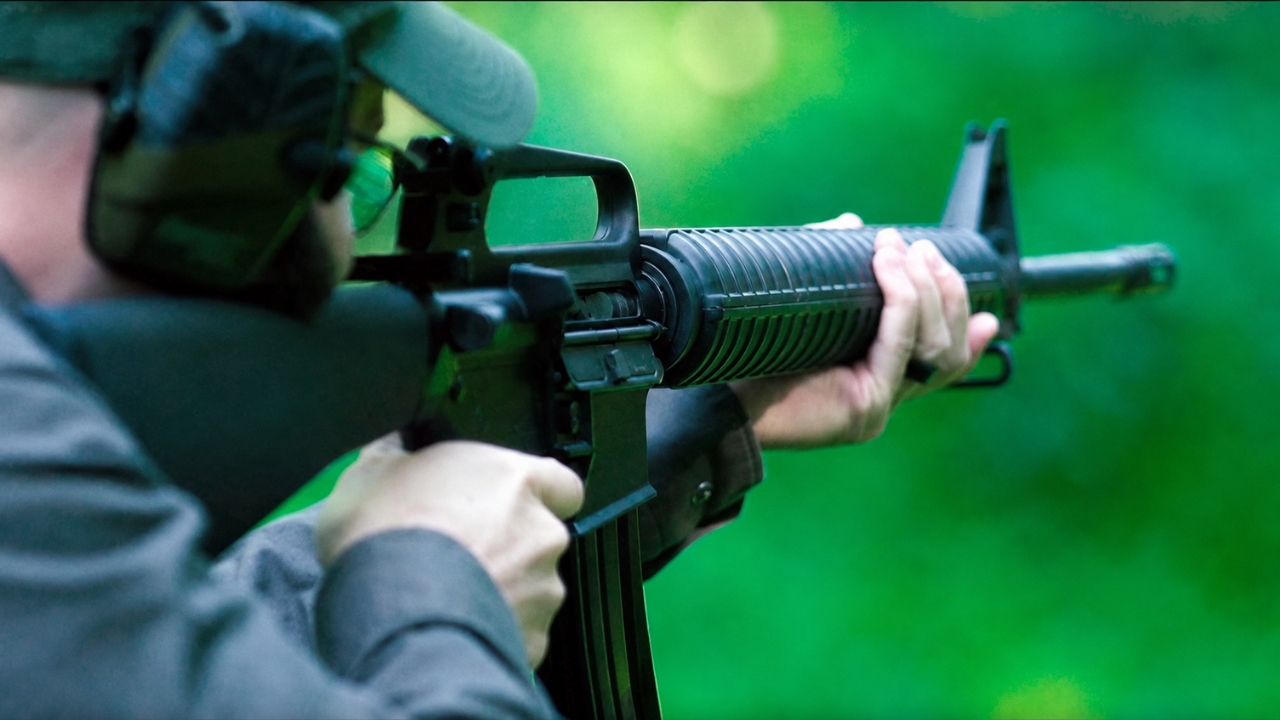
The SA-16A2 appeals to me because retro-style rifles have a way of going through intense demand cycles. It gives shooters an A2-inspired 5.56 rifle with the fixed carry handle, full stock, and longer barrel that disappeared from mainstream AR racks once flat-top carbines became dominant. For someone who grew up around or simply likes the traditional service-rifle configuration, there is real appeal in buying a complete factory version rather than assembling one piece by piece.
Retro guns can be everywhere during one production push and strangely absent later. If this was the configuration I wanted, I would rather buy when factory examples were easy to find than wait until used sellers realize everyone suddenly wants an A2 again.
IWI Galil ACE Gen II 7.62×39

The Galil ACE Gen II is not cheap, but it occupies a very specific niche: a modernized rifle chambered in 7.62×39 with a robust operating system and much better ergonomics than traditional AK-pattern rifles. It gives you rails, optics compatibility, and modern controls while retaining the cartridge and ruggedness that draw people toward the AK world in the first place.
Imported and foreign-produced firearms can become unpredictable for reasons that have nothing to do with the gun’s quality. Production allocation, import conditions, and demand can all change availability quickly. If I knew I wanted an ACE, I would not treat it like a generic domestic rifle that will always be on the next rack.
PTR 32 KFR
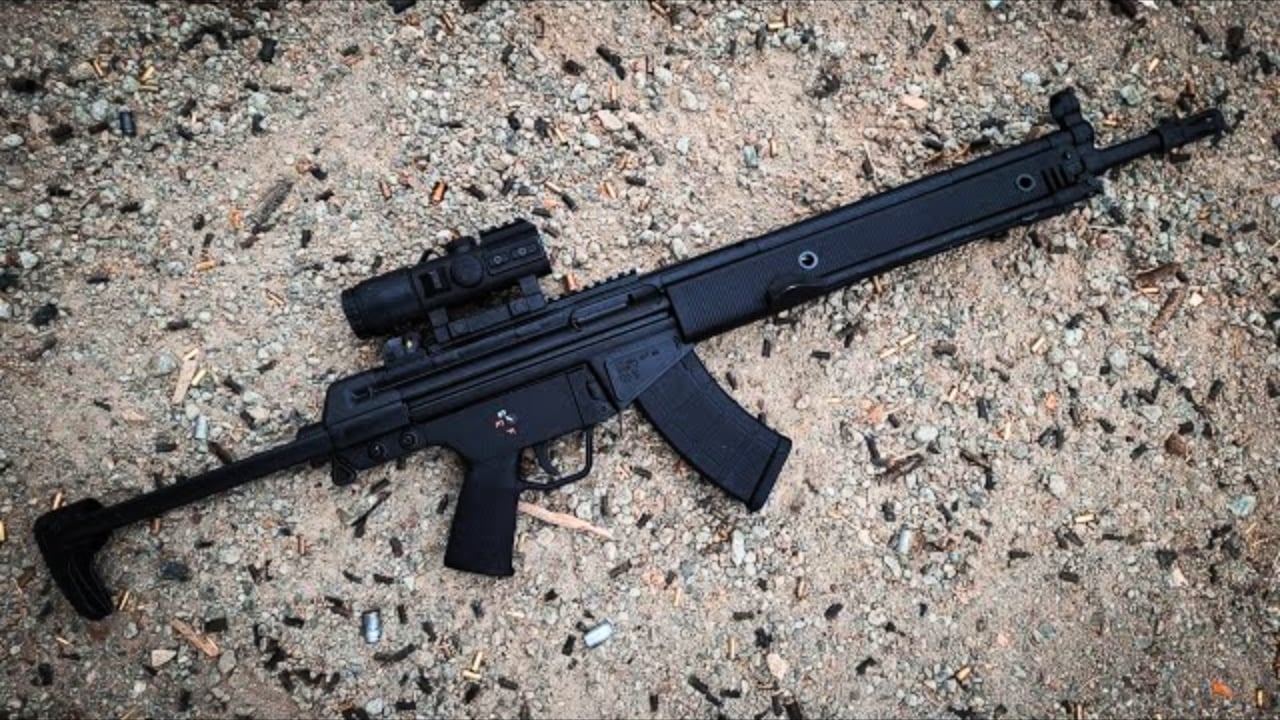
The PTR 32 is one of those rifles that could become much harder to replace because almost nobody else combines a roller-delayed platform with 7.62×39. It offers a completely different shooting experience from an AK while using a cartridge that remains attractive for close- and moderate-range use. The stamped receiver and roller system also give it obvious G3-family character without simply being another .308 battle rifle.
Specialized rifles like this can disappear without much warning because the market for them is smaller to begin with. If I found one in the configuration I wanted, I would buy it before waiting for a future production run that may or may not arrive.
Beretta 1301 Tactical Mod 2
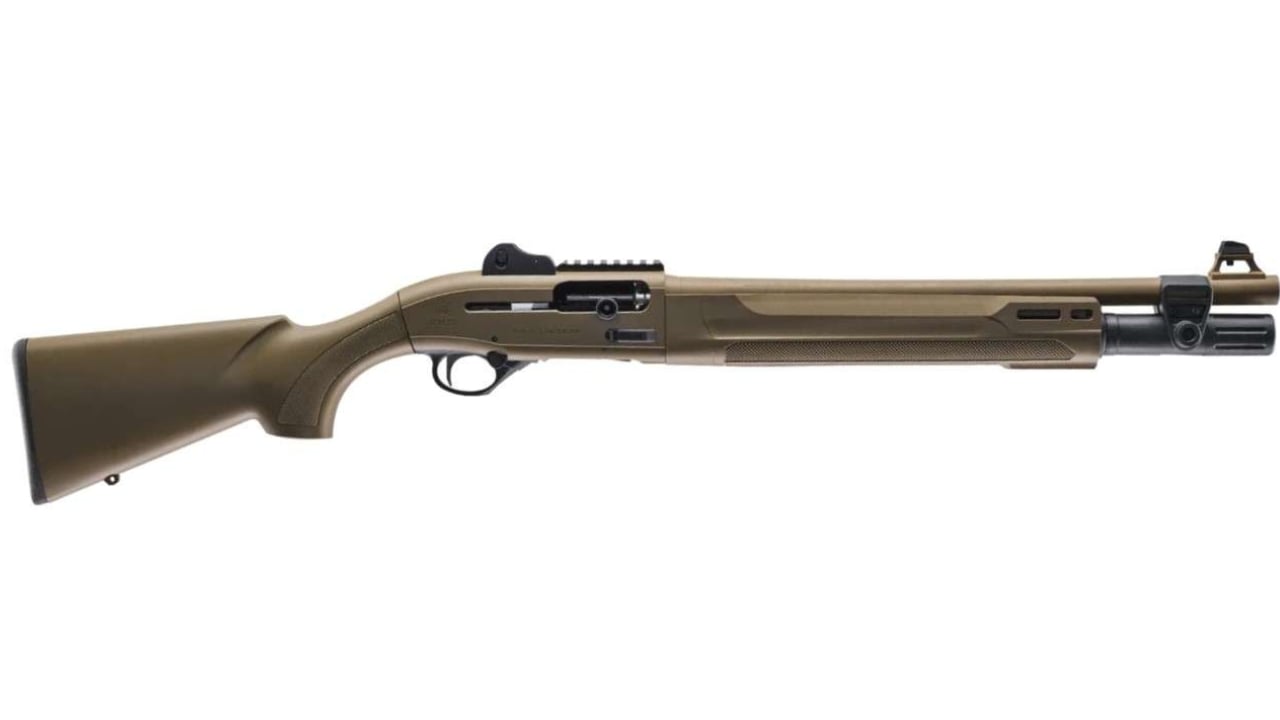
The 1301 Tactical has become one of the most respected defensive semiautomatic shotguns because it is light, fast cycling, and far easier to run aggressively than many heavier designs. The updated controls and practical furniture make the newer versions even easier to use, while Beretta’s gas system keeps the gun relatively soft shooting for its weight. It is expensive, but it delivers a noticeably different experience from a budget pump.
High-demand tactical shotguns have repeatedly gone through availability swings. If I wanted a 1301 and found the exact configuration at a reasonable dealer price, I would buy it rather than waiting for another rush to turn normal inventory into backorder lists.
Browning BPS Field 20 Gauge

The BPS is the kind of traditional pump shotgun I would not assume will always be easy to find in every gauge and barrel configuration. The bottom-ejecting design makes it naturally friendly to either shoulder, while the steel receiver gives it a substantial, old-school feel. In 20 gauge, it becomes especially appealing as a field gun because it remains easy to carry without feeling flimsy.
Traditional pump shotguns are competing with cheaper designs and semiautos for shelf space. That makes nicely finished steel-and-walnut variants increasingly worth buying when you see the configuration you want. Once they are gone, the replacement often feels cheaper even when the price is higher.
CZ Bobwhite G2 20 Gauge
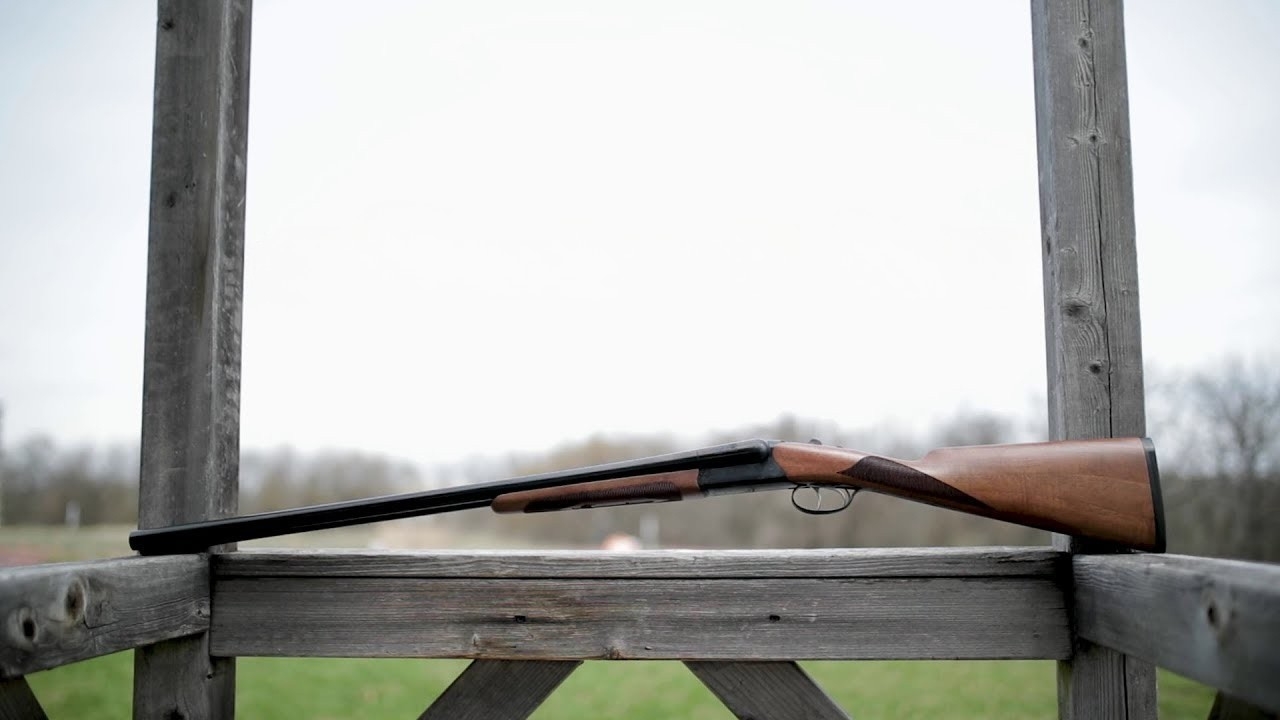
The Bobwhite G2 gives you something that has become surprisingly uncommon at reasonable prices: a traditional side-by-side shotgun that can actually be taken hunting without feeling like a collector piece. The 20-gauge version is light enough for upland use, the double triggers keep the controls classic, and the gun has enough character to make it much more interesting than another generic pump.
Affordable side-by-sides tend to come and go as importers and manufacturers change arrangements. If I wanted a field double and found a Bobwhite that fit me correctly, I would not wait around hoping the same configuration would always be easy to replace.
Tisas 1911A1 ASF
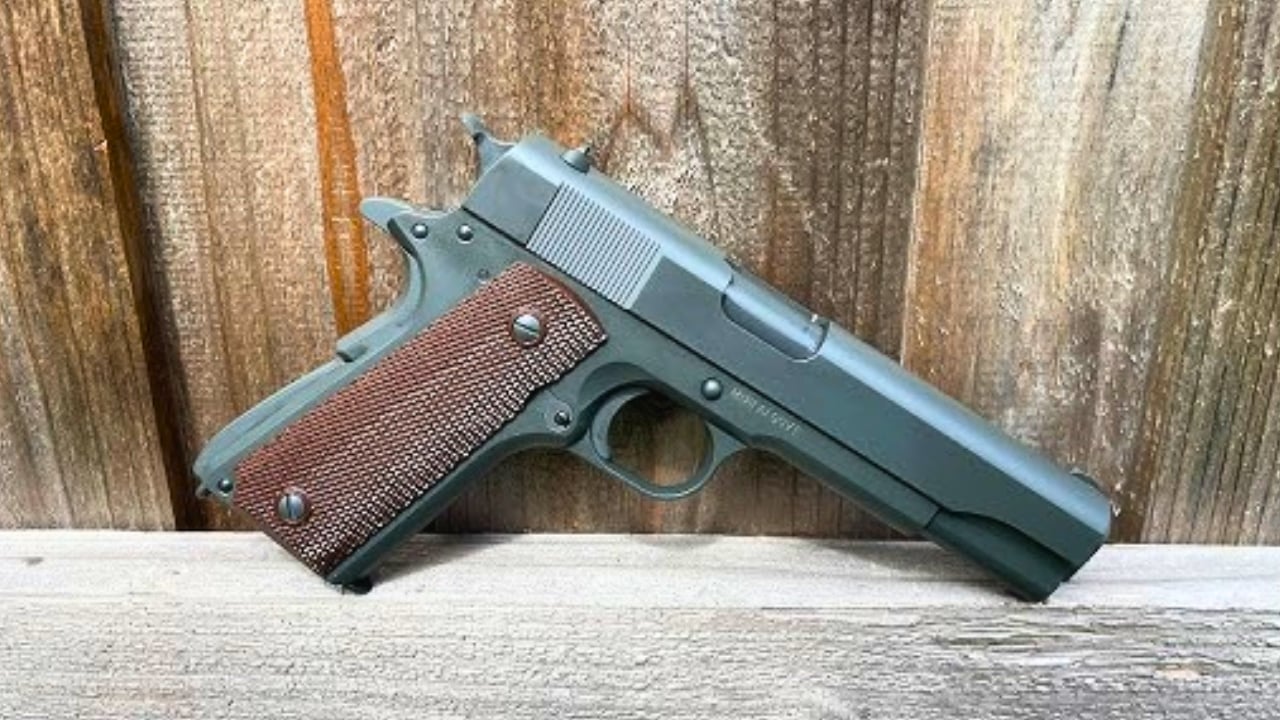
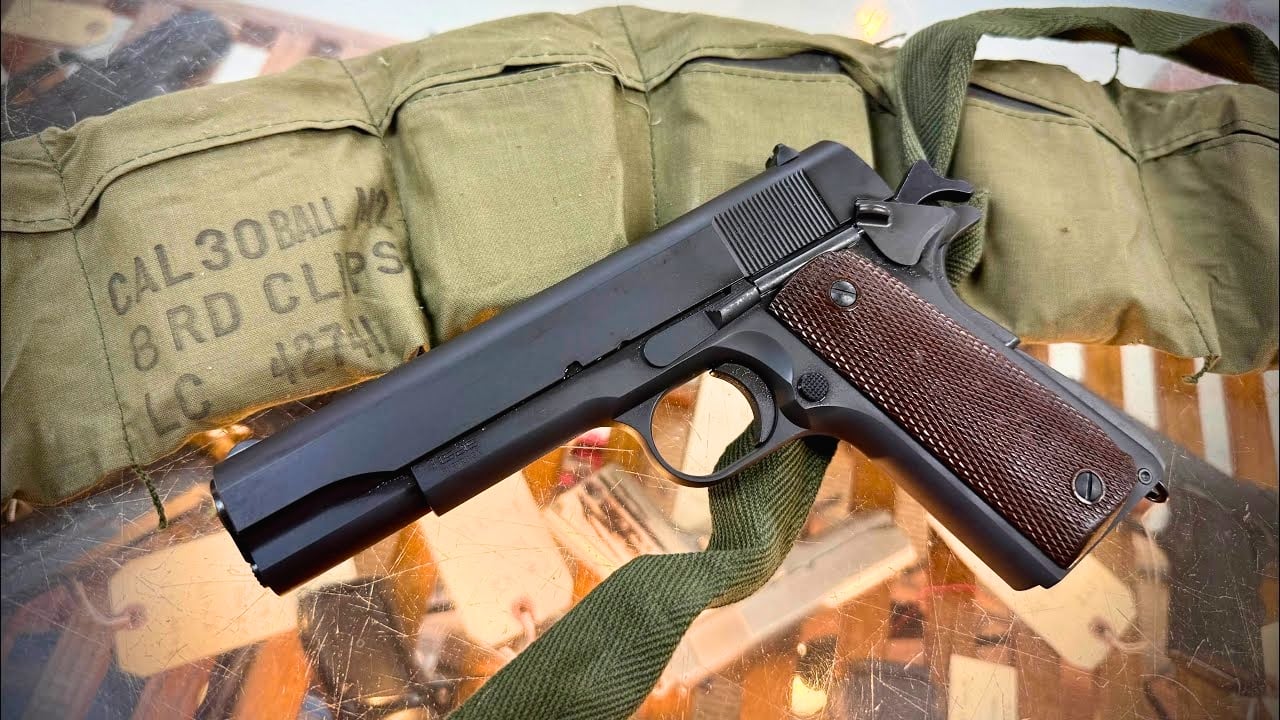
A well-made, traditional-looking 1911 at an approachable price is exactly the kind of pistol I would buy before the market decides it needs to cost twice as much. The ASF-style pistols lean into military-inspired appearance rather than filling the gun with rails, oversized controls, and competition features. That makes them appealing to someone who wants the classic Government Model experience without paying collector money for an original military pistol.
Imported 1911 pricing has been unusually competitive, but I would never assume that will stay true indefinitely. If I wanted a classic-style shooter, I would buy while the value proposition is still strong instead of waiting until cheap steel pistols are not cheap anymore.
Beretta 80X Cheetah
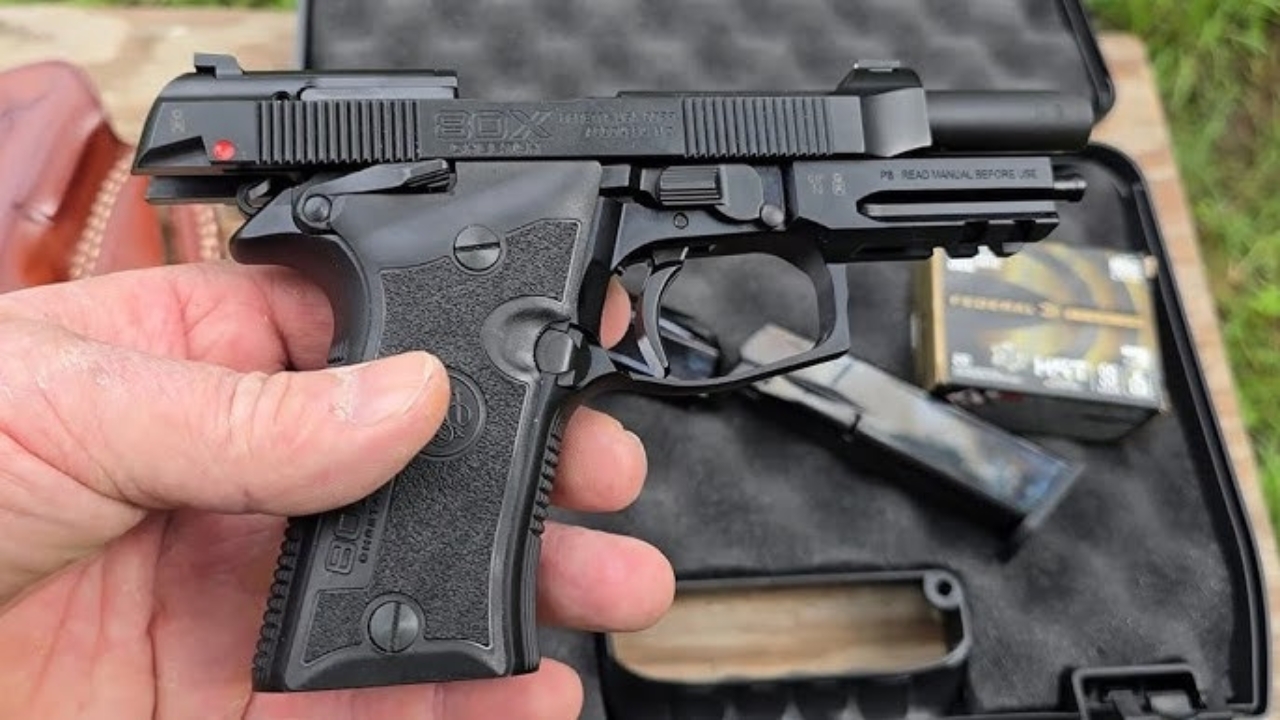
The 80X Cheetah is one of the few current pistols that brings the traditional metal-frame .380 concept into a modern configuration instead of replacing it with another tiny polymer pocket gun. You get an alloy frame, DA/SA trigger, useful capacity, modern sights, and optics capability while retaining the soft-shooting proportions that made the older Cheetahs so enjoyable. It is larger than the smallest .380s, but that is exactly why it is much easier to shoot.
Metal-framed compact pistols are a shrinking category, and models that do not sell in enormous striker-fired numbers can always become vulnerable to lineup changes. If I wanted an 80X, I would buy the current gun instead of assuming Beretta will keep building every version forever.
Like The Avid Outdoorsman’s content? Subscribe to our newsletter so you never miss an article.
Here’s more from us: