Photo credit: Milsurp Garage/YouTube
Ten years ago, there were still plenty of older handguns sitting in used cases that nobody seemed especially worried about. They were not rare enough to be collector pieces, not new enough to get much attention, and often inexpensive enough that buyers treated them like ordinary shooters. A lot of those guns are still out there, but finding one that has not been heavily carried, refinished, modified, neglected, or simply worn out has become much harder.
That is the real challenge now. The model itself may not be impossible to locate, but a genuinely clean example with the correct grips, original sights, healthy magazines, good lockup, and no questionable home gunsmithing can take real patience. These are the handguns I notice immediately when I see one that still looks like somebody actually took care of it.
Smith & Wesson Model 645
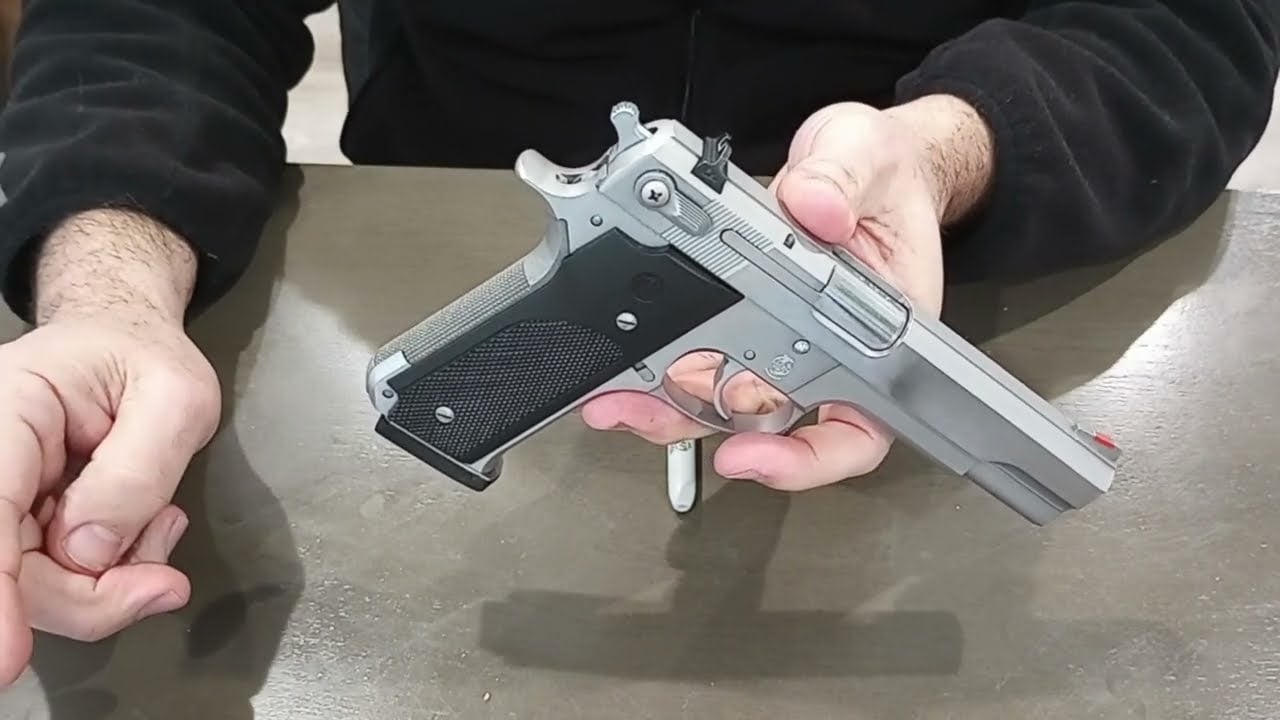
The Model 645 is one of those early stainless Smith & Wesson service pistols that spent years being treated like a bulky old .45 rather than something worth preserving. A lot of them saw real use, especially during an era when large metal-frame pistols were expected to ride in duty holsters and get shot regularly. The all-stainless construction hides cosmetic wear better than blued steel, but that does not mean the guns escaped abuse. Banged-up grips, worn controls, tired springs, and magazines of questionable history are common enough that a truly clean example stands out immediately.
Ten years ago, I would have expected to see several decent ones over the course of normal used-gun shopping. Now, a sharp 645 with original parts and no kitchen-table trigger work feels much more like something worth grabbing when it appears.
Colt Commander Series 80
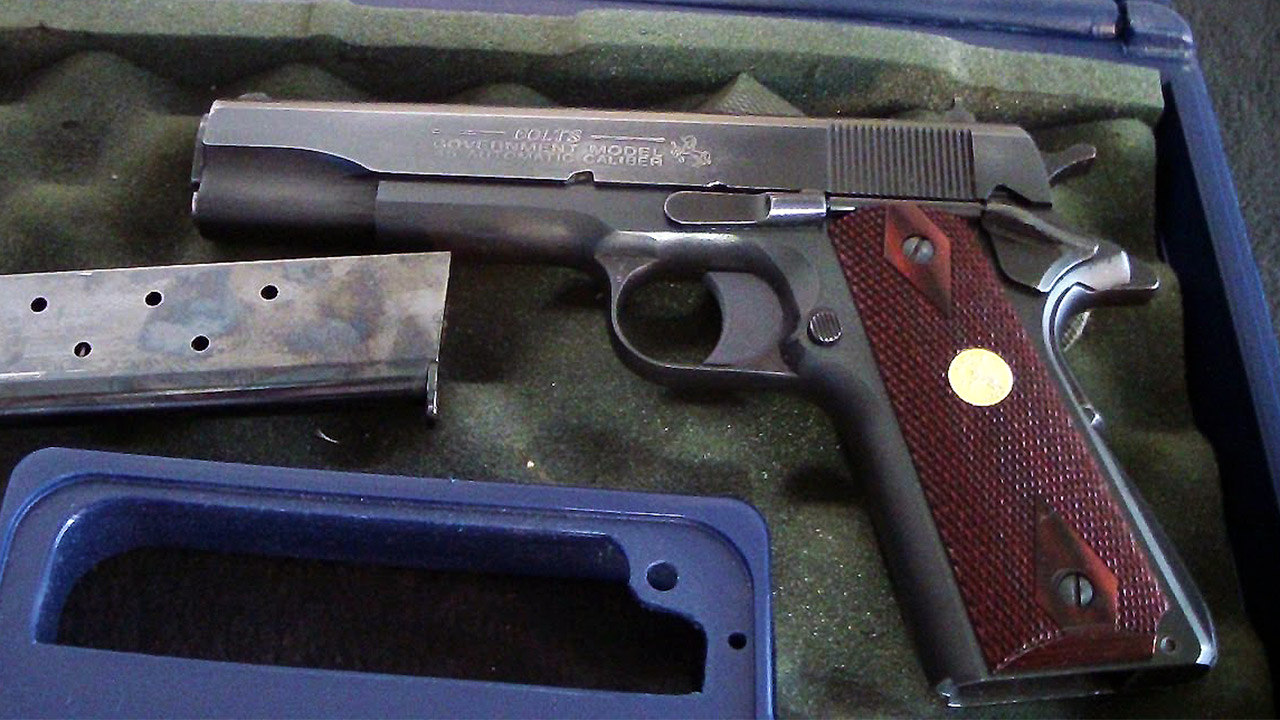
The steel and lightweight Commander variants have always been desirable, but clean older examples have become noticeably harder to stumble across casually. Many were carried, customized, reblued, fitted with aftermarket sights, or altered by owners trying to improve the trigger or feed reliability. That may make them better shooters in some cases, but it also means truly original guns are disappearing into collections.
A good Commander has a balance that is difficult to duplicate. The shorter slide makes it handier than a full-size Government Model while still giving you the traditional 1911 trigger and grip. If I found an honest, mostly original Series 80 Commander with a clean bore and no frame damage, I would pay much closer attention than I would have a decade ago.
Beretta 92 Compact Type M
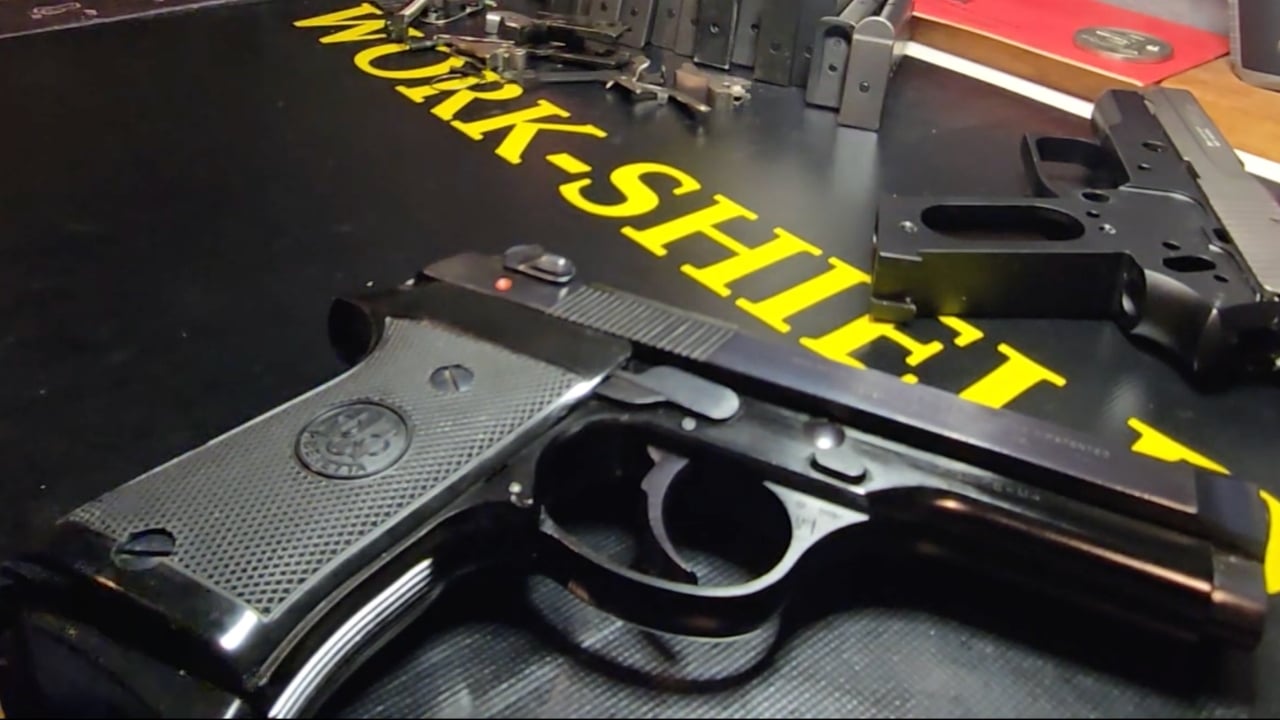
The Type M is one of those Beretta variants that used to look like an oddball compact and now feels much more interesting because of how uncommon it is. The single-stack magazine creates a slimmer grip than the standard 92 family, while the shorter slide and barrel make the pistol genuinely compact by old-school service-pistol standards. It gives you familiar Beretta handling without the large grip that turns some shooters away from the full-size gun.
The problem is that good examples are getting harder to find without finish wear, scarce magazines, or replacement parts. Ten years ago, these could still appear as strange used Berettas nobody had been searching for. Now, people know what they are, and the clean ones tend not to sit around long.
Smith & Wesson Model 1006
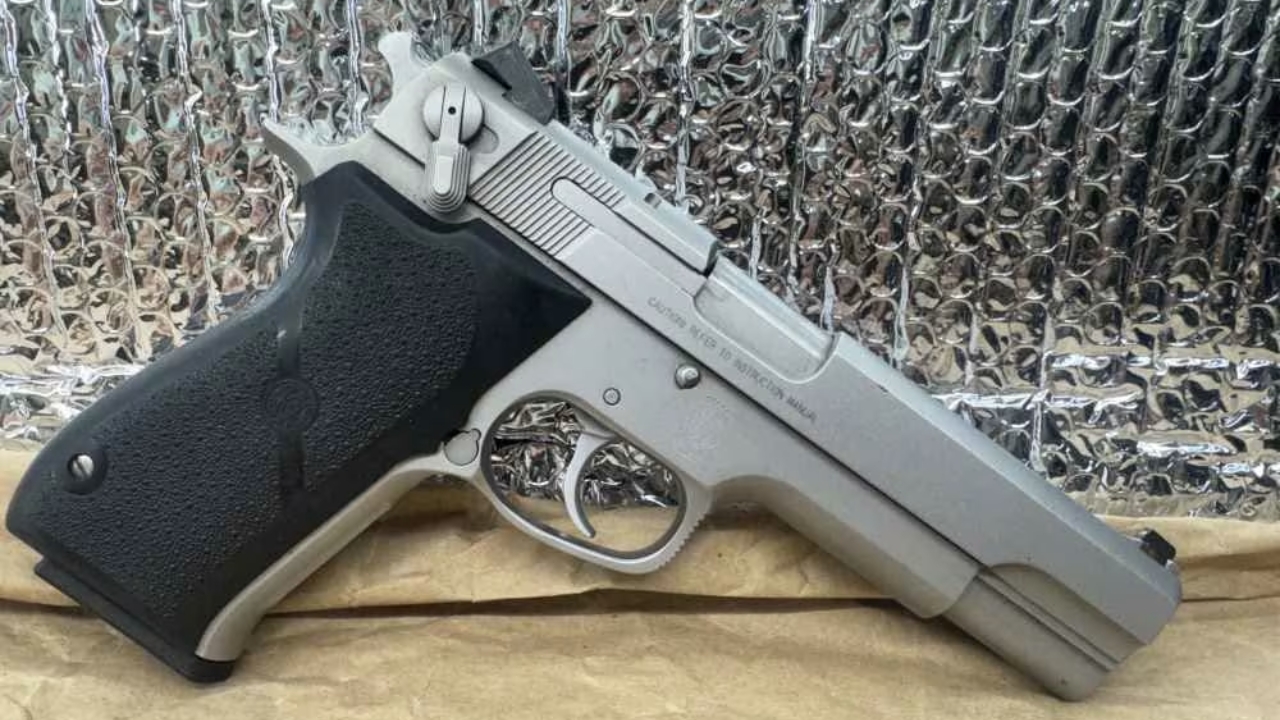
The 1006 is a large, heavy, stainless 10mm pistol from the era when manufacturers were willing to build service guns like small pieces of machinery. That construction is exactly why so many were shot hard. They handle full-power 10mm well, and owners who bought them often used them as serious range or field pistols rather than collector pieces. The stainless finish may still look decent even when the internals have seen a lot of rounds.
Finding one is not necessarily the impossible part. Finding one with a clean frame, good original magazines, healthy springs, and no questionable modifications is where the difficulty begins. A decade ago, they were still often treated like outdated police-era pistols. Today, 10mm interest has made nice examples much more desirable.
Colt Government Model .380
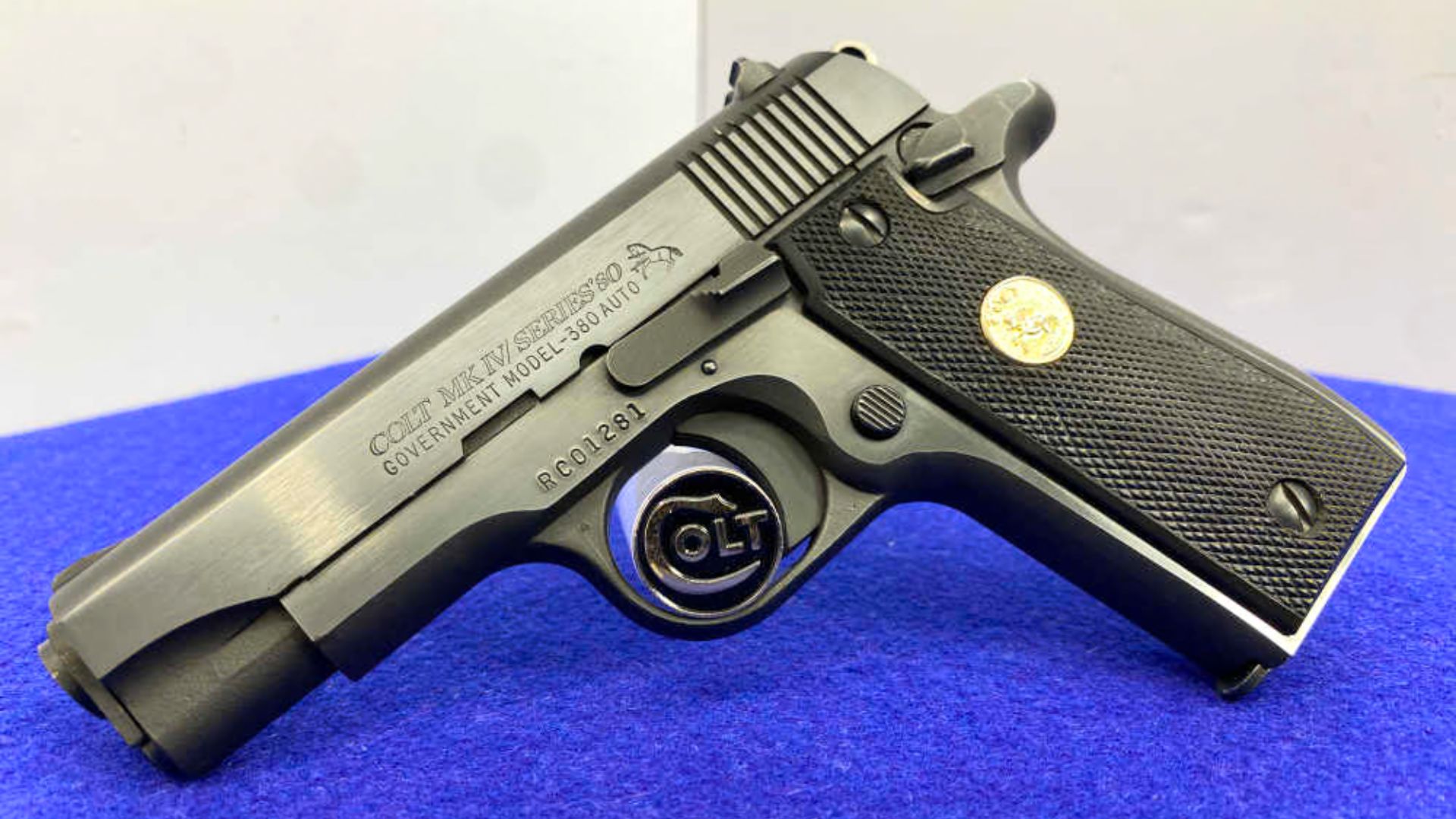
The Colt Government Model .380 spent years living in the shadow of the Mustang and larger 1911s. It is compact, all-metal, and much easier to shoot than the tiniest pocket pistols, which made it a useful carry gun in its own era. That also means plenty of them were actually carried. Finish wear, scratched slides, aftermarket grips, and altered controls are not unusual.
The clean ones are what catch my attention now. This is a pistol that was never made in the enormous numbers of some service guns, and owners who have pristine examples are increasingly aware of what they have. Ten years ago, I would not have thought twice about passing on one. Today, I would inspect it carefully.
Star PD
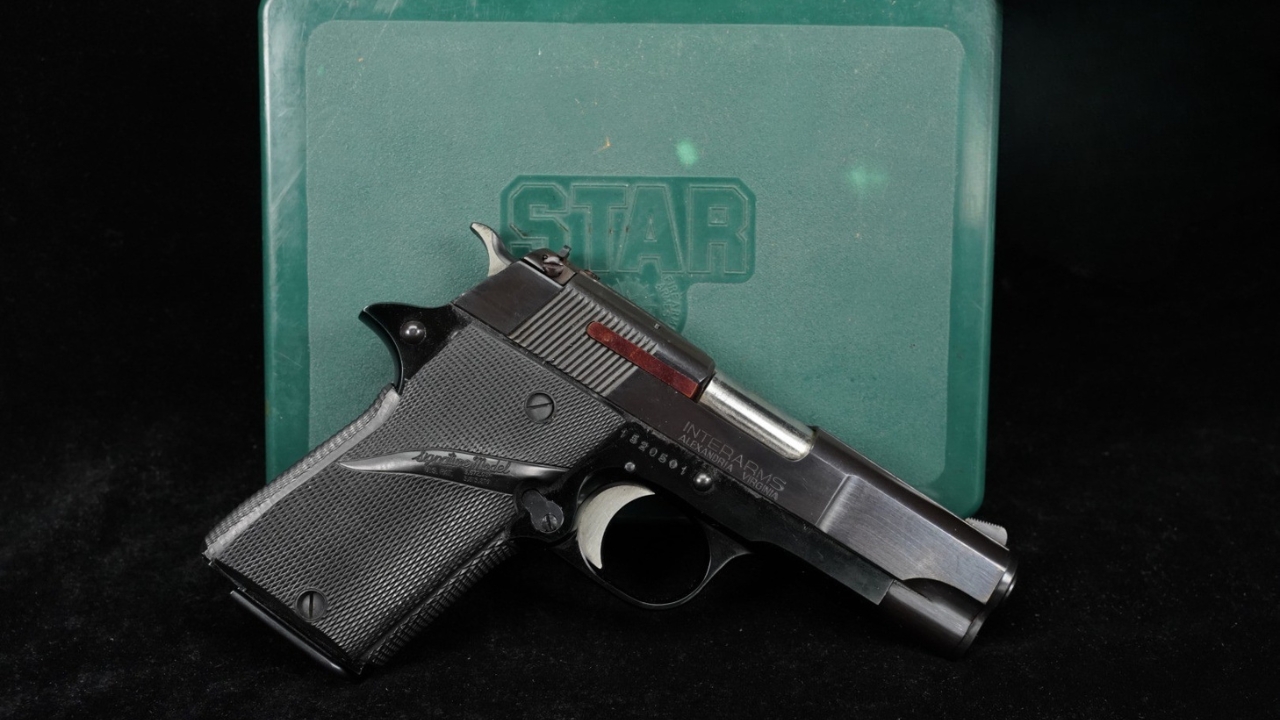
The Star PD was remarkably light for a compact .45 ACP of its era, which made it an appealing carry pistol long before lightweight 1911-style guns became common. The alloy frame kept weight down, but that same construction means condition matters enormously. These were not pistols designed for endless heavy round counts, and worn recoil buffers, battered frames, or neglected maintenance can turn a seemingly good buy into a project.
A genuinely healthy PD is much harder to find than simply finding a PD. That distinction matters. Ten years ago, they still showed up fairly regularly as inexpensive Spanish pistols. Now, the clean examples have become the ones experienced buyers look for.
Smith & Wesson Model 457
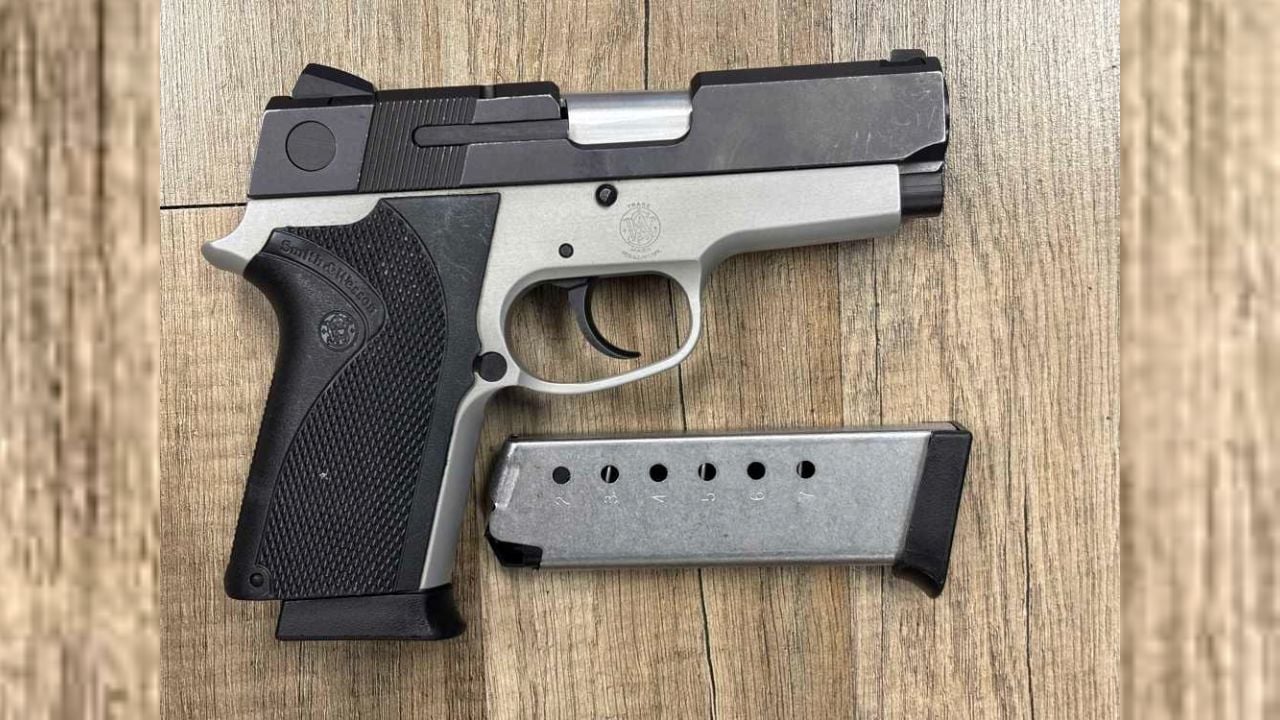
The Model 457 was built as a relatively affordable compact .45, and that budget reputation kept it from receiving the same collector attention as some other third-generation Smiths. The alloy frame, compact dimensions, and DA/SA trigger made it a practical carry gun, so a lot of them accumulated the kind of wear you would expect from something intended to be used rather than admired.
That is exactly why finding a sharp one has become more difficult. Good examples still exist, but the average gun you encounter now often has holster wear, replacement grips, or an unknown magazine history. If I saw a clean, original 457 today, I would give it far more consideration than I would have ten years ago.
Walther P88
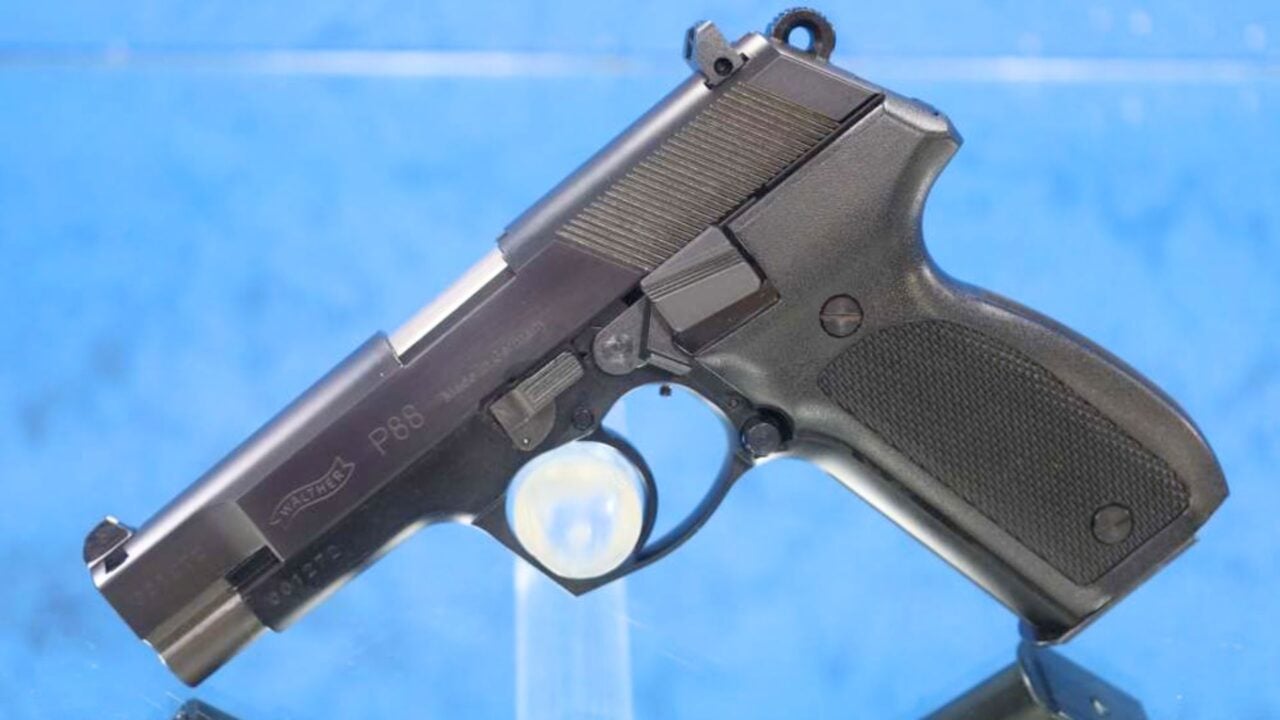
The P88 was never produced in the kind of numbers that made it common, and its high original cost kept it from becoming a mass-market service pistol. That means the clean examples that remain tend to be held tightly by enthusiasts who already understand what they have. The pistol is mechanically refined, with excellent ergonomics, ambidextrous controls, and the kind of all-metal construction that feels increasingly unusual.
Ten years ago, you could still occasionally find one sitting in a used case because the average buyer did not recognize it. That happens less often now. A clean P88 with original magazines and finish is the kind of gun I would expect to disappear quickly once somebody knowledgeable spots it.
SIG Sauer P225-A1

The P225-A1 is much newer than the original German P225, but it already occupies an interesting place because it was produced for a relatively short period and never became a huge seller. The single-stack 9mm format arrived just before higher-capacity micro-compacts completely changed the carry market, leaving the P225-A1 looking outdated almost as soon as it appeared.
That is exactly why good examples could become harder to find. Many were carried, some were shot extensively, and the model disappeared before it had time to build a massive installed base. A clean one with original box, magazines, and little finish wear already feels more interesting than it did when dealers still had them new.
Colt Double Eagle

The Double Eagle was Colt’s attempt to bring DA/SA operation into a pistol that still looked and felt somewhat like a 1911. It was never especially elegant internally, and it did not stay in production long enough to become a mainstream success. That makes surviving examples especially dependent on how previous owners treated them. Lost parts, questionable reassembly, worn controls, and amateur modifications can all become issues.
The clean examples are increasingly the ones collectors want because the pistol represents such an unusual chapter in Colt history. Ten years ago, a Double Eagle might have been dismissed as a failed experiment. Today, an original example in excellent condition is much harder to ignore.
Beretta 8000 Cougar
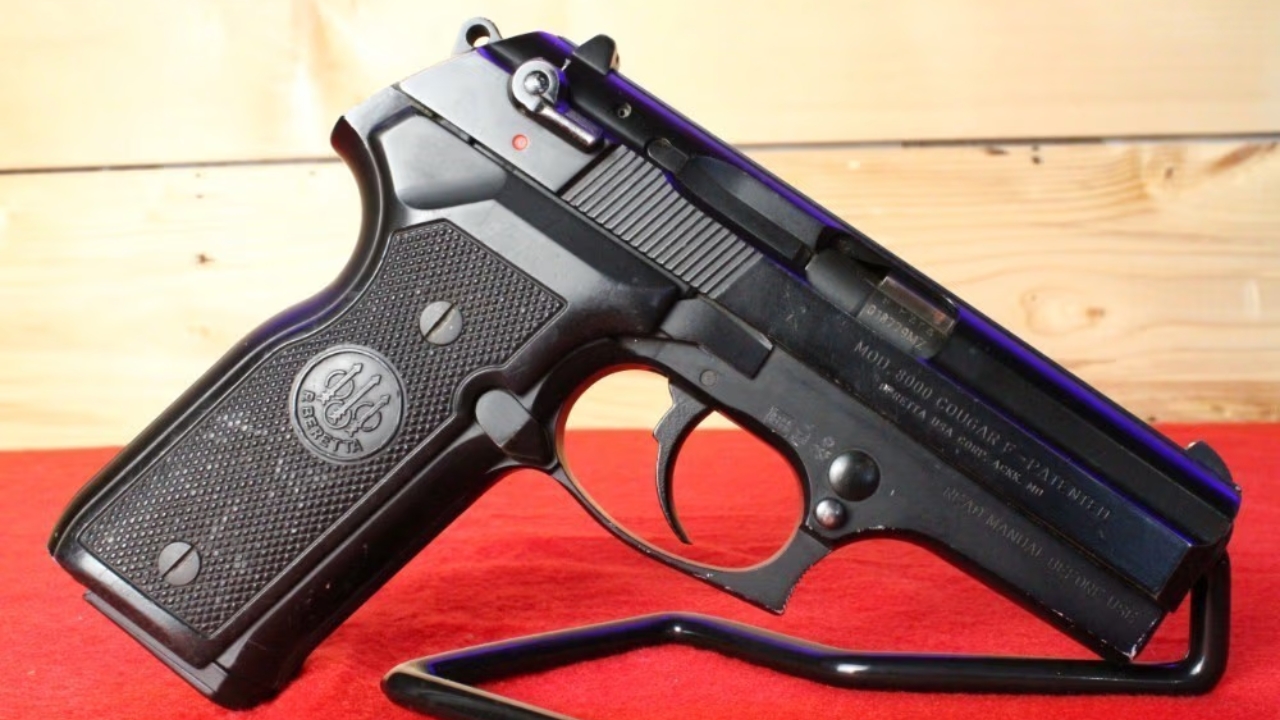
The original Beretta-made Cougar pistols are becoming noticeably harder to find in the kind of condition that makes them worth adding to a collection. The rotating-barrel action gives the pistol a distinct recoil feel, while the metal frame and rounded slide make it much more refined than the average compact service pistol. Many were carried, and plenty were eventually replaced by newer polymer guns.
That means the used market is increasingly divided between worn shooters and clean examples that owners already know are worth keeping. A decade ago, the Cougar was just another discontinued Beretta. Now, finding a sharp original Beretta-marked example feels like a much better opportunity.
Smith & Wesson 4513TSW
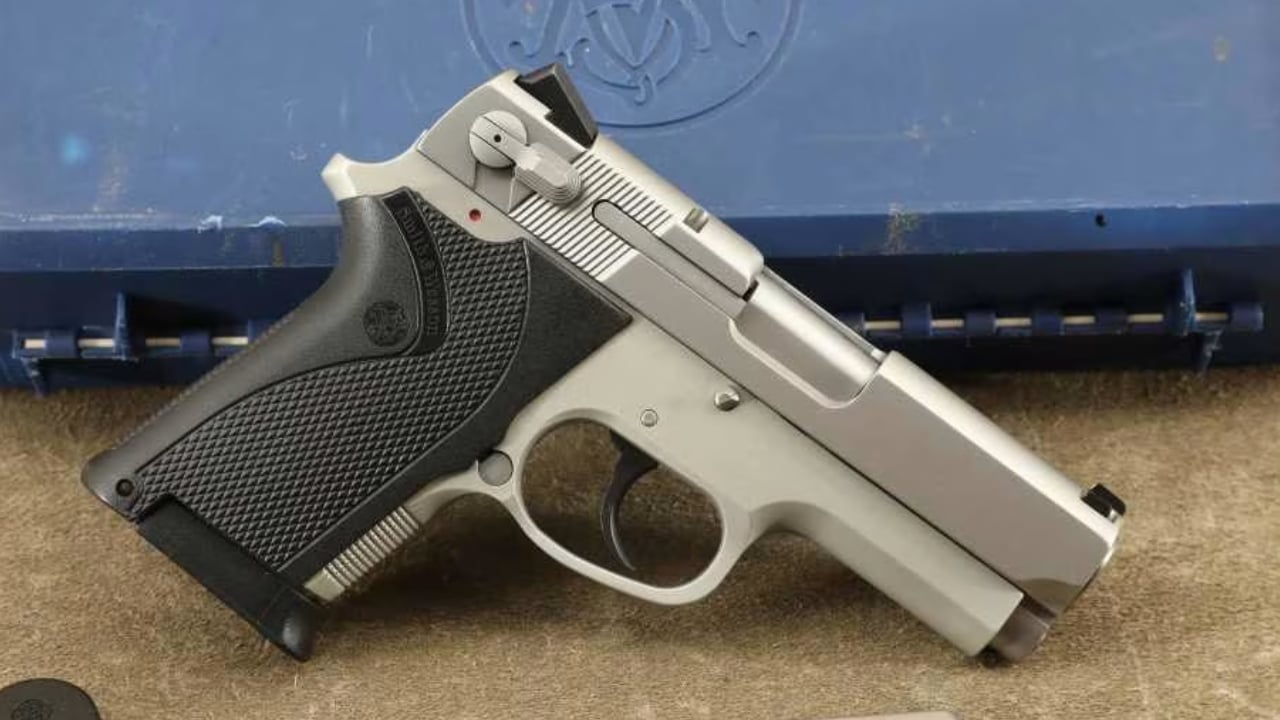
The 4513TSW is one of those compact Tactical Smith & Wesson pistols that can disappear completely for months and then suddenly show up in one used case. It combines a compact alloy frame, .45 ACP chambering, and the third-generation Smith operating system in a package that was clearly designed for serious carry. That means many examples saw exactly the kind of use you would expect.
The clean ones are much harder to find because the platform never sold in enormous numbers. Original magazines, intact finish, and unmodified controls matter a lot. Ten years ago, I might have treated one as an obscure old Smith. Today, I would recognize how replaceable it is not.
HK P9S
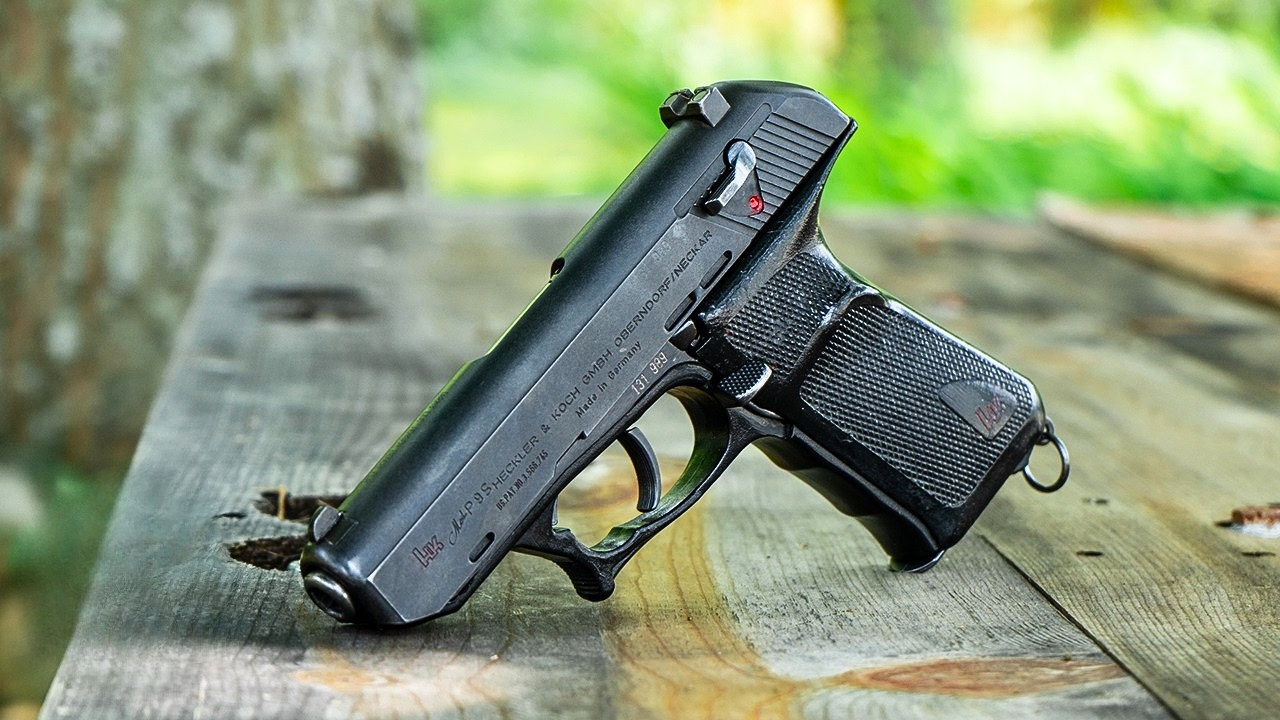
The P9S is mechanically different enough from most modern pistols that it stands out immediately. The roller-delayed action, low bore axis, and unusual trigger system give it a shooting character that is almost impossible to duplicate with anything current. It was also never a cheap pistol, so production volume was limited compared with mass-market service guns.
The problem now is finding one that has not been heavily used, poorly stored, or separated from its original magazines and accessories. Good examples are increasingly tucked away by people who know how unusual the design is. That makes a clean P9S much harder to stumble into casually than it was ten years ago.
Smith & Wesson Model 4566
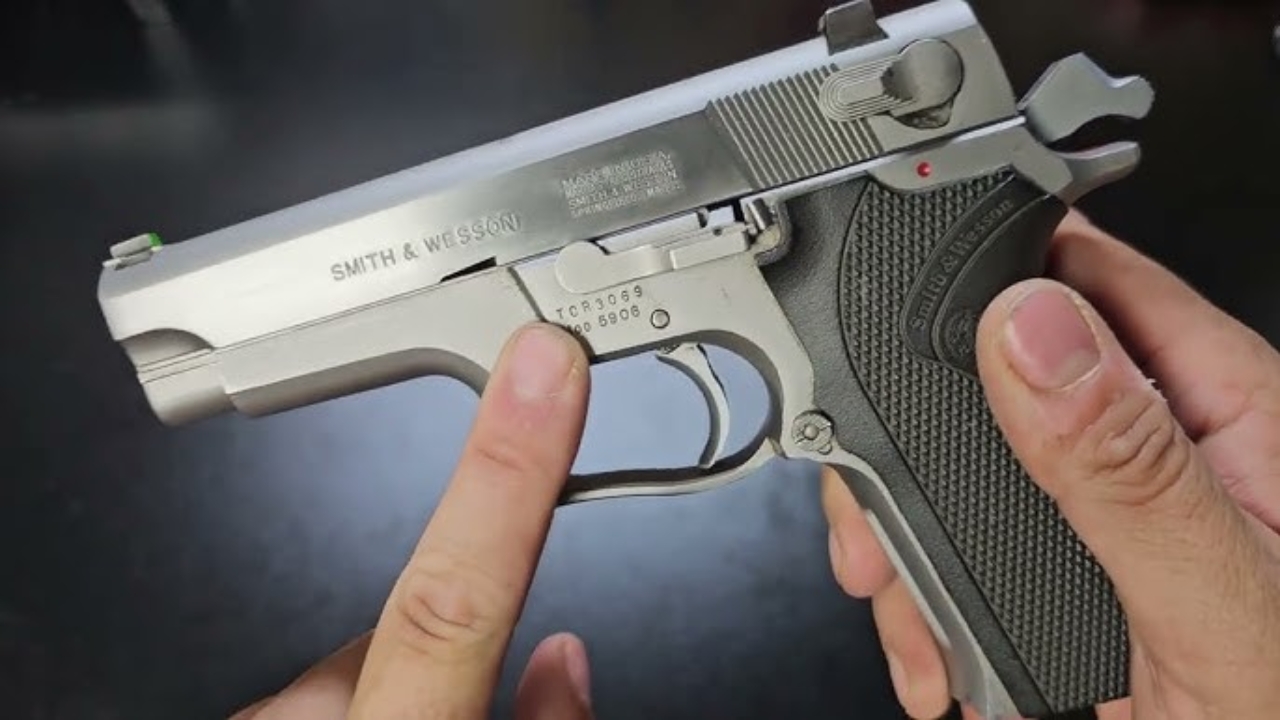
The 4566 is another stainless third-generation Smith that spent years being treated as an old duty gun. The full-size frame, .45 ACP chambering, and DA/SA action made it a natural police and service pistol, which also means plenty of them spent years in holsters. Stainless steel hides wear well, but sharp edges, controls, grips, and internal parts still tell the story.
Ten years ago, police-trade-in examples could make guns like this feel almost common. Now, the clean ones are the exception. A 4566 with little wear and good original magazines is much more tempting than a beat-up example that simply happens to look shiny from ten feet away.
Colt Mustang Plus II
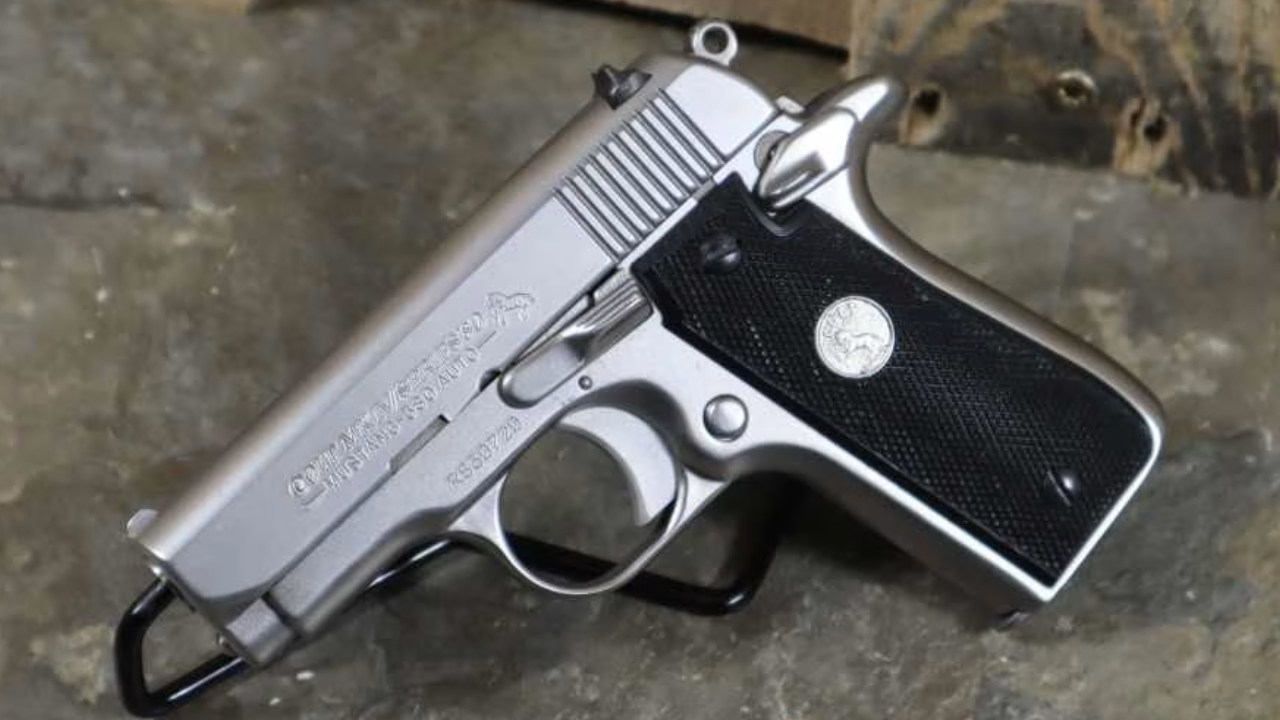
The Mustang Plus II stretched the basic Mustang concept into a slightly larger pistol that gave the shooter more grip and capacity while retaining the compact .380 format. It never became as famous as the standard Mustang, which makes clean examples especially interesting now. Plenty of buyers carried them because that was what they were made for, and the alloy frames mean neglect or abuse can matter more than cosmetic finish alone.
A decade ago, they could still appear as relatively obscure little Colts. Today, anything discontinued with the Colt name seems to attract attention faster. A clean Plus II with original magazines is the kind of gun I would not assume I could easily find again.
Browning BDA 9mm
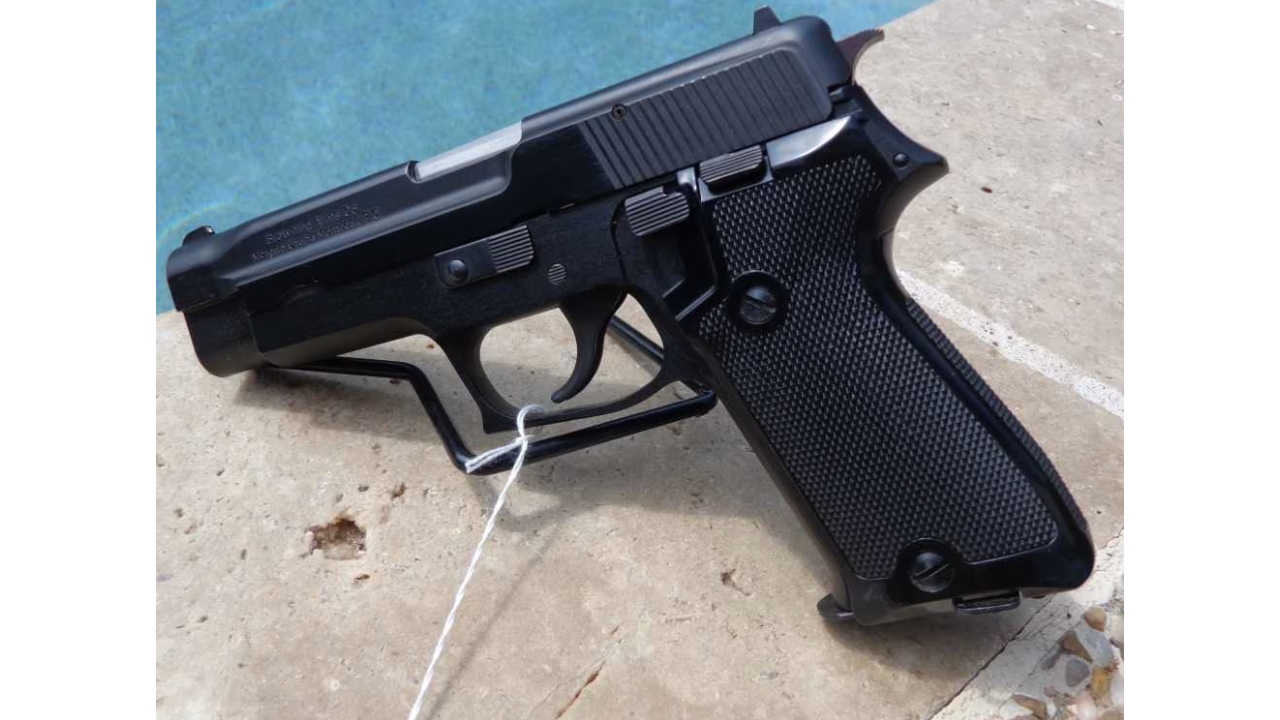
The 9mm BDA is one of those pistols people can confuse with other Browning-branded guns if they are not paying attention. Built around SIG’s early double-action service-pistol architecture, it represents a transitional period before the P220 family became widely known under the SIG Sauer name. That makes it mechanically interesting and historically significant without being immediately obvious to casual buyers.
Finding one in excellent condition is much harder than it was when these were simply old European service-style pistols. Original finish, magazines, and grips matter. A clean example now has appeal to both SIG collectors and Browning collectors, which means the best ones rarely stay ignored.
Detonics CombatMaster
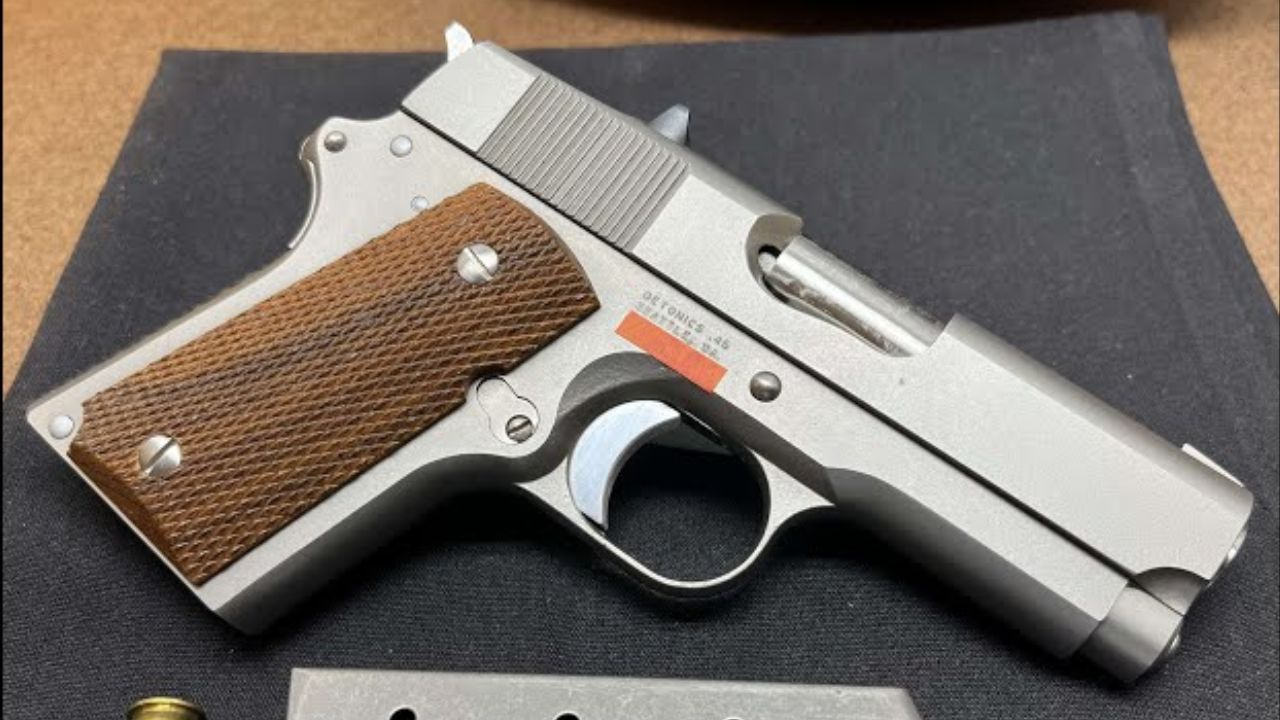
The CombatMaster was one of the early serious attempts to shrink the 1911 into a genuinely compact defensive pistol. That gave it historical importance, but it also meant many were actually carried and shot. Short-slide 1911s are demanding mechanically, and older examples can suffer from worn springs, altered feed ramps, replacement barrels, and all the other things owners tried over the years to keep small .45s running.
That is why condition is everything. A CombatMaster that is still close to original and mechanically healthy is much harder to find than an example that has been through several rounds of home gunsmithing. Ten years ago, the distinction mattered less because there were more decent guns still floating around.
Astra A-75

The A-75 is one of those compact Spanish pistols that never became famous enough for people to save them deliberately. It is a chunky little metal-frame design available in service calibers, and it has the kind of dense construction that makes it feel much more substantial than its size suggests. Because it was affordable, many examples were simply used hard and eventually forgotten.
That is exactly why a really clean A-75 stands out now. The guns are not necessarily ultra-rare, but nice examples with good magazines and intact finish are much less common than the well-worn ones. This is the kind of handgun that quietly becomes harder to replace because nobody thought to preserve them when they were cheap.
S&W Model 3953
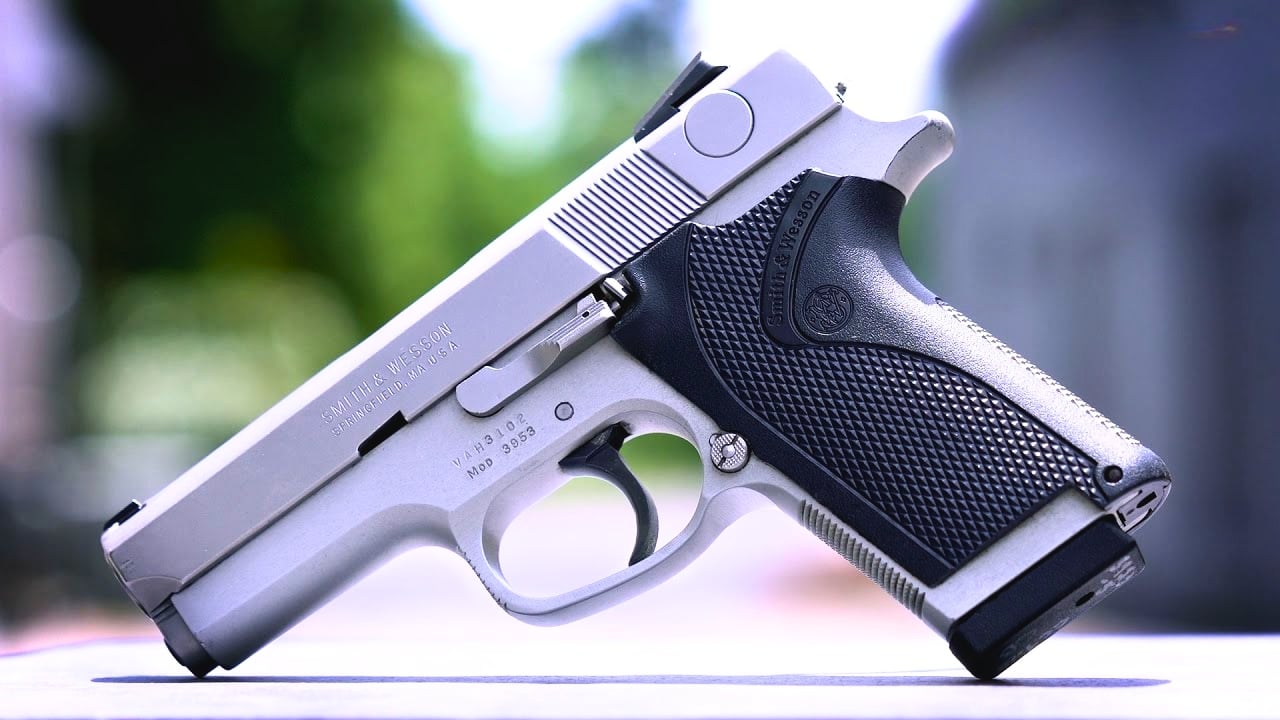
The 3953 is one of the less celebrated single-stack third-generation Smith pistols, built around a double-action-only system that was aimed squarely at defensive and law-enforcement use. The slim alloy frame makes it easy to carry, while the long consistent trigger pull gives it a very different feel from the DA/SA variants most collectors chase first. Because it was a working gun, many examples accumulated significant carry wear.
That is what makes the clean ones interesting now. A decade ago, buyers often passed over DAO Smiths in favor of traditional trigger systems. Today, an original 3953 in excellent shape is exactly the kind of obscure variant that is becoming much harder to find.
AMT Backup 9mm

The 9mm AMT Backup is one of those guns that makes much more sense as a collection piece today than it ever did as a cutting-edge carry pistol. It is compact, heavy for its size, and built around stainless construction that gave it a very distinctive place in the early deep-concealment market. Many examples were carried, shot, polished, or modified by owners trying to improve triggers and reliability.
That makes untouched examples increasingly interesting. I would want one specifically because it represents an era when manufacturers were experimenting aggressively with how small a serious centerfire pistol could become. Finding one in genuinely good original condition is much harder now than it was ten years ago.
Like The Avid Outdoorsman’s content? Subscribe to our newsletter so you never miss an article.
Here’s more from us: