Photo credit: Pearce Brothers Gear Guide/YouTube
The easiest time to buy an overlooked firearm is while everybody still assumes another one will be available next month. Once production stops, clean examples get absorbed into collections, and shooters suddenly rediscover a particular model, that comfortable supply can disappear quickly.
There are signs of that dynamic in the current used market. GunBroker reported strong 2026 demand for established and collectible platforms, while recent secondary-market data also shows meaningful separation between ordinary used guns and premium or collector-oriented firearms. Manufacturers themselves note that discontinued configurations can become difficult to locate even while leftover dealer inventory still exists. (GunBroker Content)
These are the kinds of firearms knowledgeable owners tend to grab while they can still find clean examples without turning every purchase into a bidding war.
Marlin Model 39A
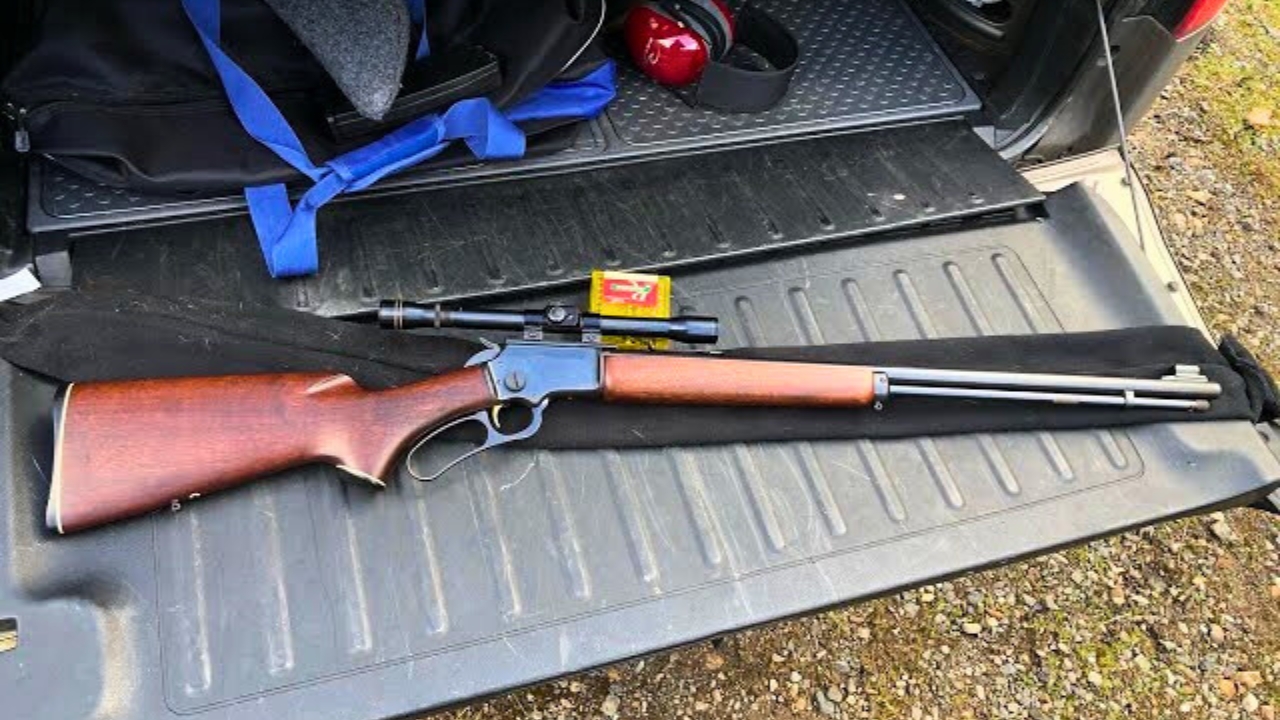
The Model 39A spent so many decades being treated as an ordinary .22 lever gun that plenty of owners never imagined people would eventually become protective of them. They were squirrel rifles, camp guns, and backyard plinkers that got carried and scratched instead of stored.
That is precisely why nice ones matter now. The combination of all-steel construction, tubular magazine, takedown design, and classic Marlin handling is expensive to duplicate in today’s market. Shooters who appreciate older rimfires know that a clean 39A is not something you assume will appear again next week. When they find the right one, many are putting it away rather than trading it toward another new polymer rifle.
Browning BL-22 Grade II

The standard BL-22 is already one of the slicker rimfire lever actions around, but the higher-grade versions are where things get particularly interesting.
Browning lists discontinued BL-22 models in its historical catalog and warns that out-of-production firearms may become difficult to locate even when scattered dealer inventory remains. (Browning) The Grade II adds better wood and engraving to a rifle that was already distinctive because of its short lever throw. Owners interested in traditional rimfires increasingly understand that nicer factory grades rarely become cheaper once production becomes inconsistent. This is exactly the kind of .22 that gets bought, shot carefully, and then disappears into a safe.
Ruger 77/44
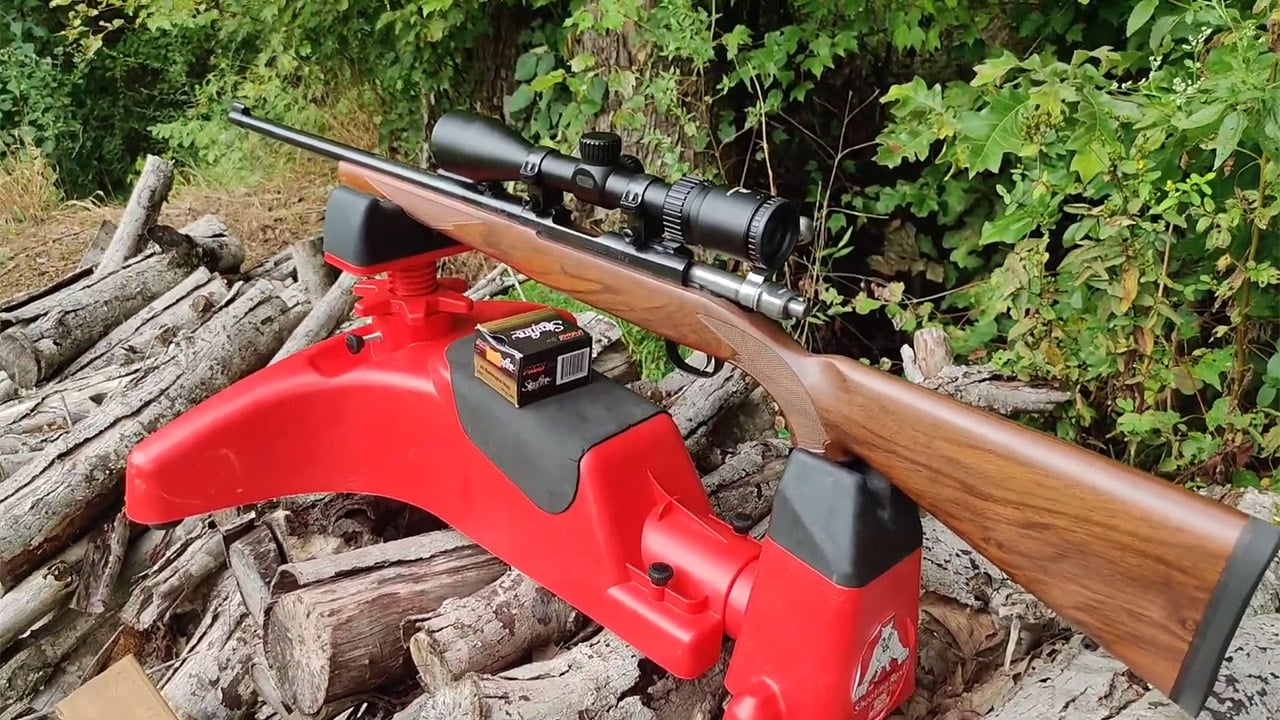
The 77/44 never generated the attention of Ruger’s more conventional bolt-action hunting rifles. A compact bolt gun chambered in .44 Magnum simply occupies too narrow a niche.
That niche is also why owners are paying attention. The rifle gives you a short, handy platform firing a cartridge normally associated with revolvers and lever actions. It works particularly well for woods hunting where extreme range is irrelevant. Specialized Rugers have a habit of becoming surprisingly annoying to replace once availability dries up. A clean 77/44 is the type of gun that someone buys because he understands the role, not because everyone else wants one. Those are often the guns that disappear first.
Sako Quad
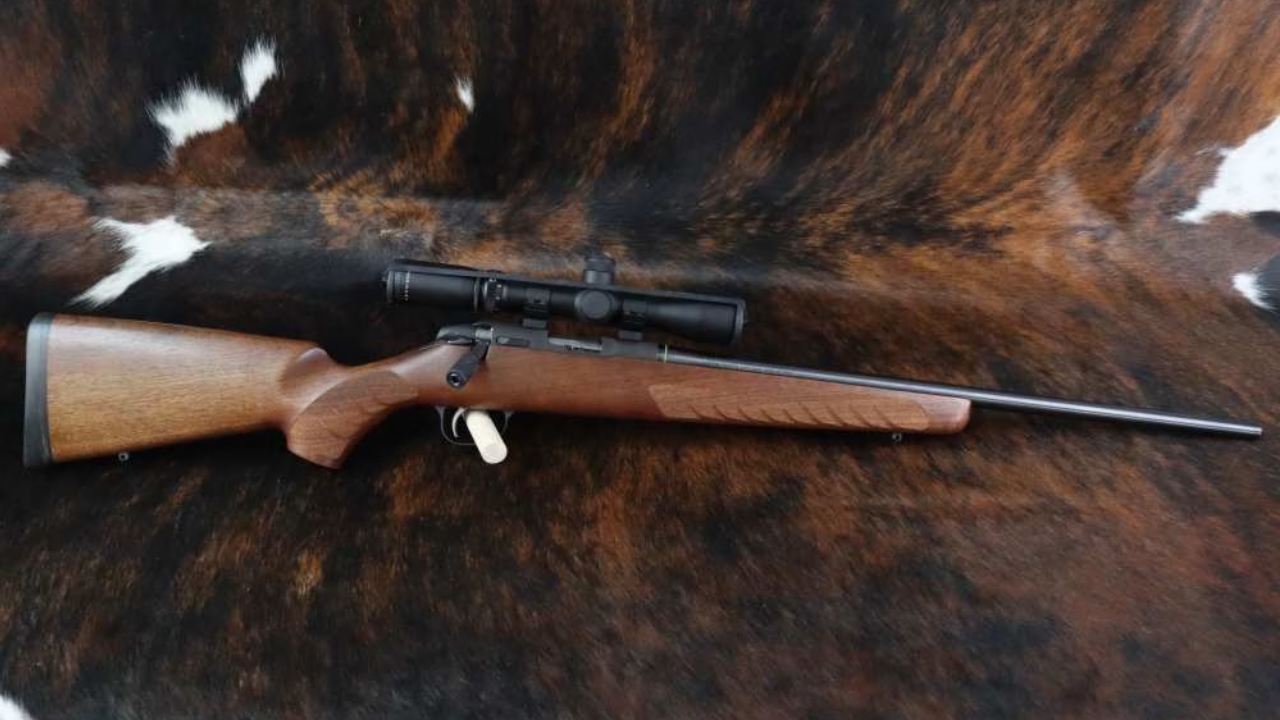
The Sako Quad was built around an unusually ambitious rimfire concept: one quality action capable of accepting interchangeable barrels for multiple rimfire cartridges.
That was never going to compete with inexpensive mass-market .22 rifles on volume. It did, however, give serious rimfire shooters a wonderfully refined platform with a level of versatility that few ordinary bolt guns can match. Complete setups are especially interesting because barrels, magazines, and original components can become more troublesome to assemble after the fact. Shooters who understand older Sako quality are unlikely to sell complete examples cheaply once they have them.
Remington 572 Fieldmaster

Pump-action .22 rifles used to be normal. Today they feel almost exotic compared with the sea of inexpensive semiautomatics and bolt guns.
The 572 Fieldmaster is one of the best examples of why people still care. It has full-size rifle proportions, classic Remington styling, and an action that makes burning through rimfire ammunition unusually entertaining. These were working guns, so plenty show substantial use. Nice examples are another matter. Owners looking at what happened to other discontinued American rimfires increasingly have little incentive to let a clean 572 go for ordinary used-gun money.
Weatherby SA-08 20 Gauge

The SA-08 never carried the prestige of Weatherby’s expensive rifles, and it competed in a shotgun category packed with better-known Italian names.
That kept it easy to overlook. The lightweight 20-gauge versions in particular make useful field guns without forcing the owner into premium semiautomatic pricing. Guns like this become vulnerable when manufacturers simplify product lines because there may not be enough demand to keep every gauge and configuration alive indefinitely. A clean lightweight semiautomatic 20 gauge from a recognized manufacturer is rarely difficult to find buyers for once supply starts thinning.
Beretta A391 Urika 2

The A391 family comes from a period of Beretta semiautomatics that many hunters still consider extremely difficult to improve upon.
Newer A400s receive most of the showroom attention now, which creates an opportunity for older 391s. They are soft shooting, proven, and familiar to generations of clay shooters and bird hunters. The people buying clean examples generally are not doing it because they need a fashionable shotgun. They already know how well the platform works. As more nice ones settle into permanent collections, the days of assuming another clean Urika will always be available become less certain.
Winchester Super X3

The SX3 lives in an awkward position between the older Super X lineage and today’s SX4.
That can make it easy to underestimate. Experienced shotgun owners know the SX3 was a fast, soft-shooting gas gun that could handle serious field use without requiring the price of a premium European semiautomatic. The fact that newer models replaced it does not suddenly make the older gun worse. If anything, it creates exactly the environment where nice examples quietly become harder to find while everybody is still focused on current production.
Remington 11-87 Premier
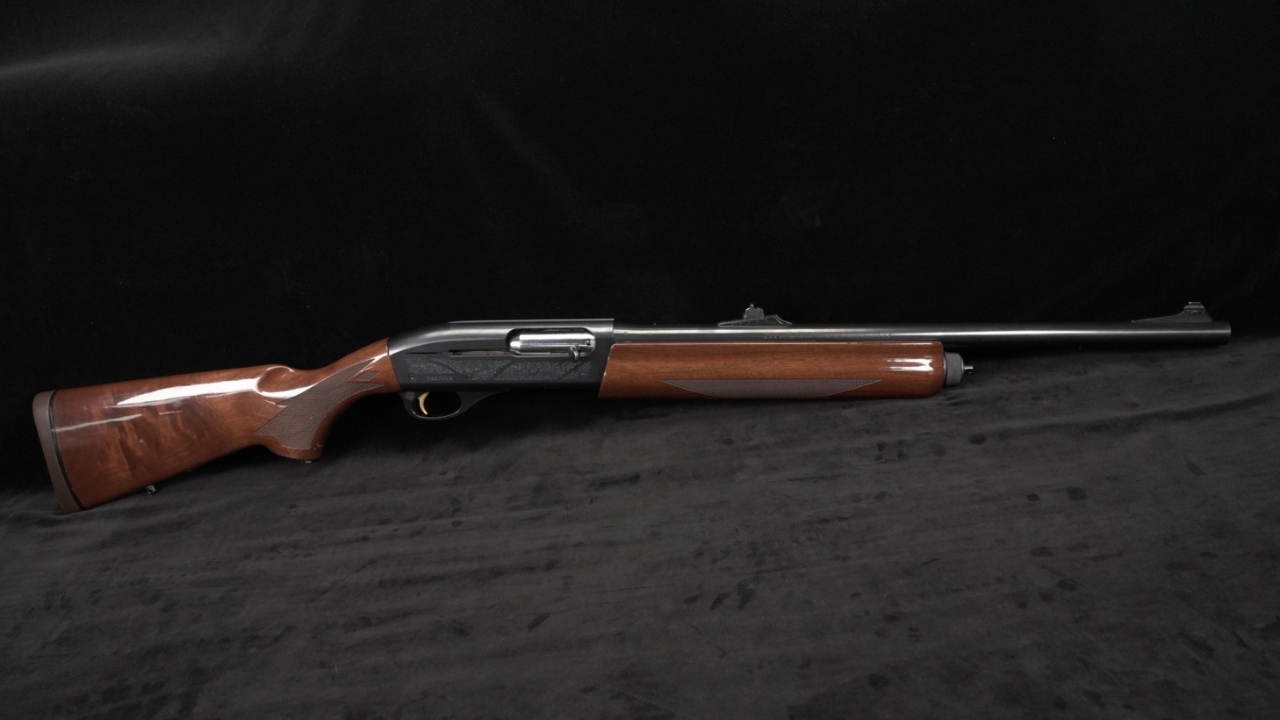
The 11-87 spent years being so common that nobody worried about scarcity. The Premier versions were simply the nicer wood-and-blue examples sitting beside synthetic hunting guns.
That ordinary status is disappearing. Traditional Remington semiautomatics have begun attracting more interest in the used market, with GunBroker reporting increased activity in older shotgun designs during 2026. (GunBroker Content) A clean Premier offers the classic appearance many new semiautos have abandoned. Owners who remember when these were everywhere understand that excellent-condition guns are no longer something to casually pass over.
Marlin Model 783
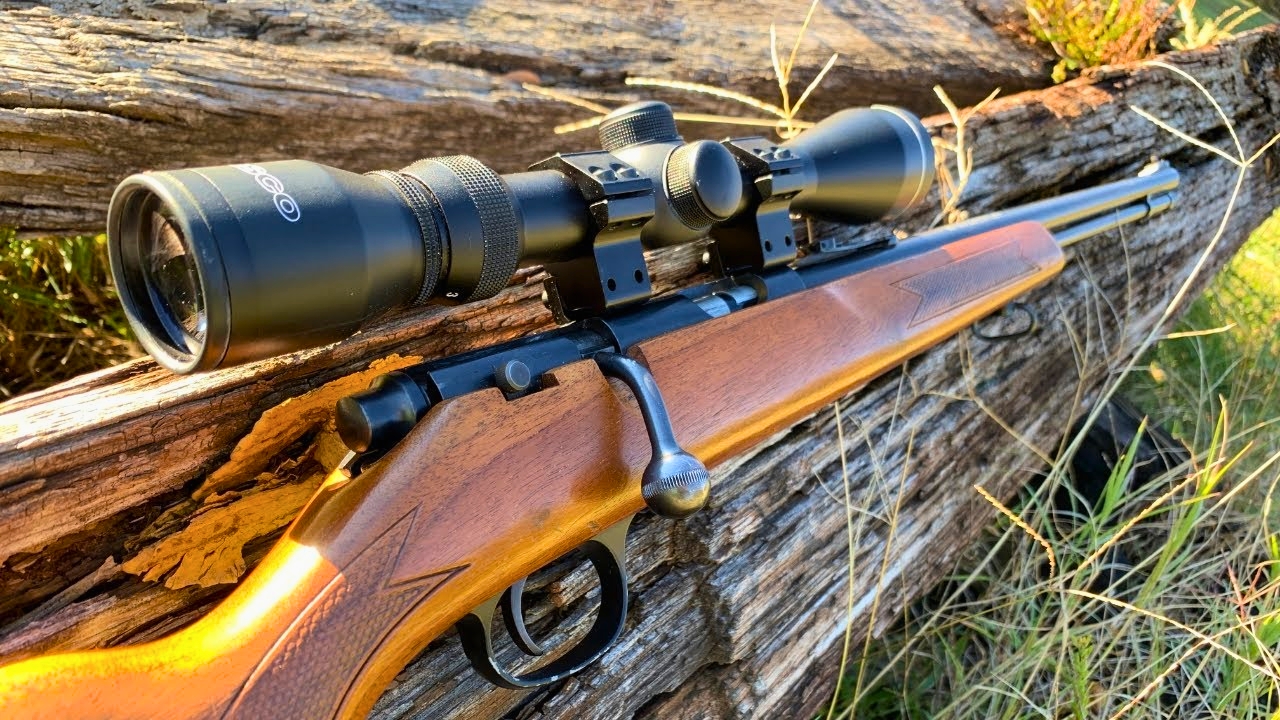
The Model 783 is a tube-fed .22 Magnum bolt rifle from an era when manufacturers built rimfires like scaled-down centerfires rather than disposable entry-level guns.
It is not glamorous enough to have become a major collector target yet, which is exactly what makes it worth watching. The .22 WMR chambering gives it more field usefulness than an ordinary .22 LR, while the traditional Marlin construction appeals to buyers increasingly interested in older rimfire rifles. These are often purchased cheaply enough that owners have little incentive to resell them. Eventually, that alone can make good examples scarce.
Remington Model 591
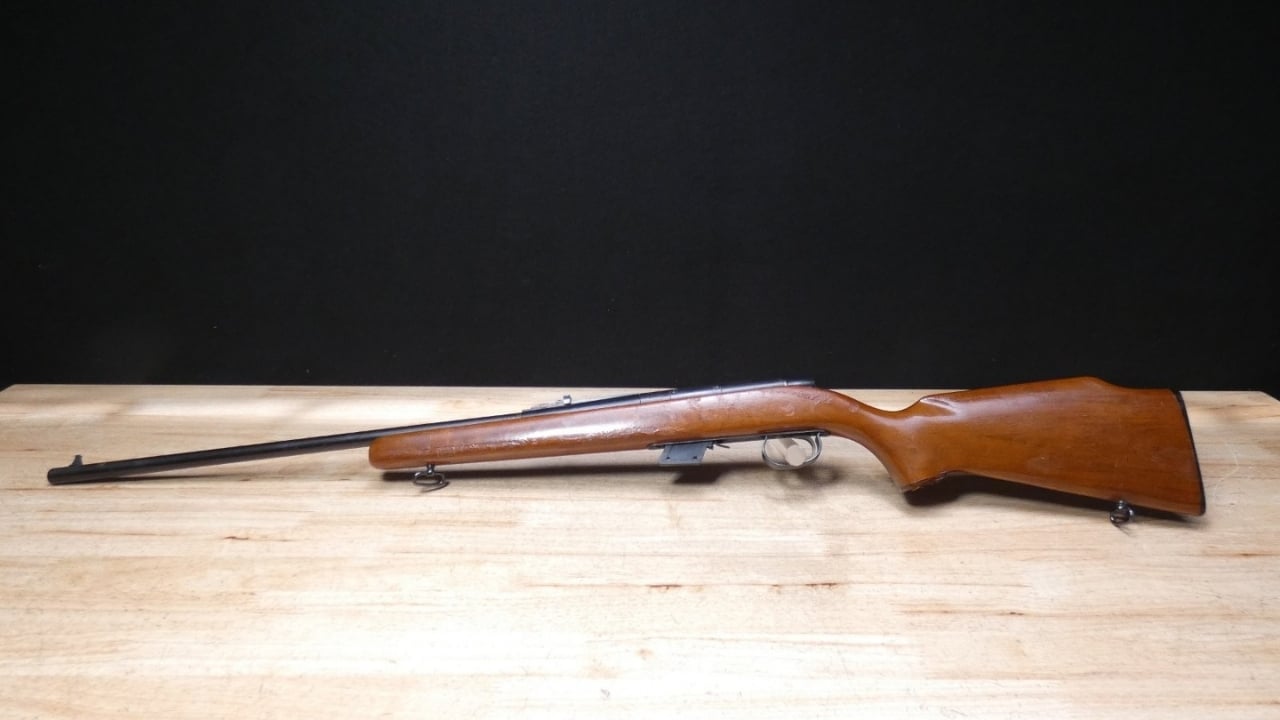
The Model 591 has one enormous complication: it was chambered in 5mm Remington Rimfire Magnum.
That cartridge’s unusual history once made the rifle something shooters avoided. For collectors, however, strange proprietary cartridges can make a firearm more appealing rather than less. The 591 represents one of Remington’s more ambitious rimfire experiments, and there is no modern equivalent sitting on every dealer rack. Owners who find complete, original rifles increasingly understand that they are buying a piece of firearms history rather than merely another rimfire.
Winchester Model 255
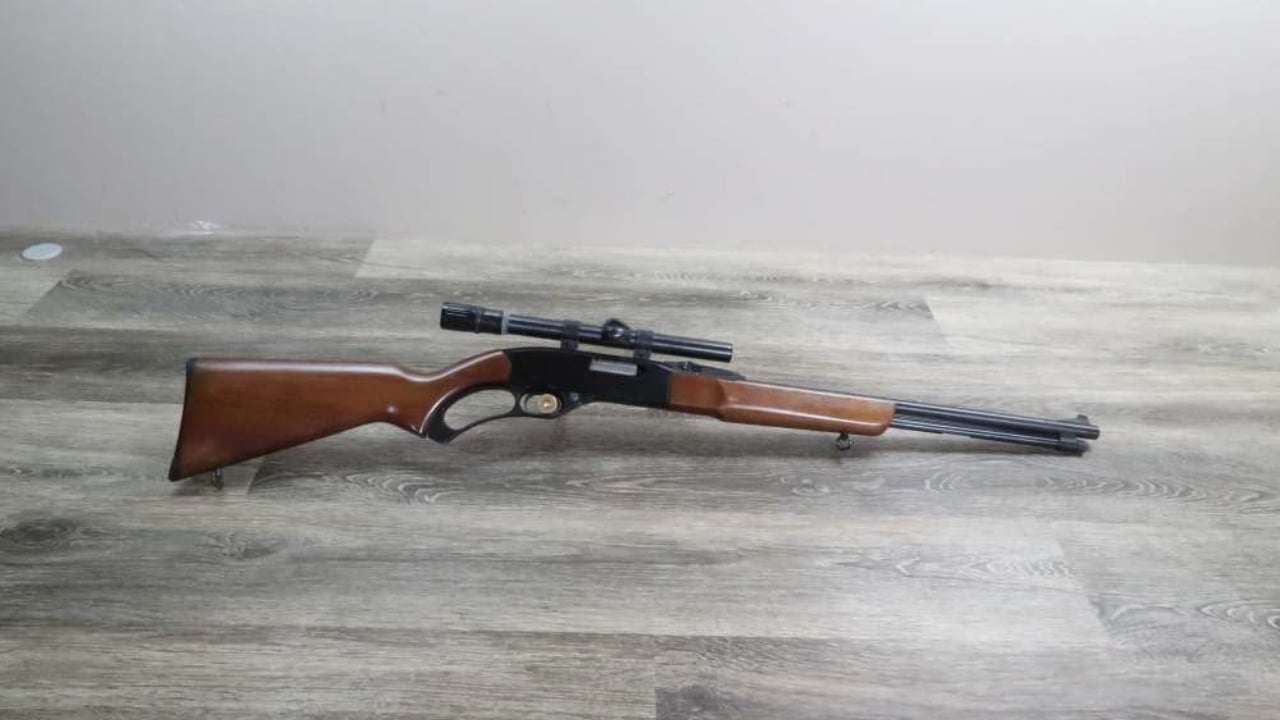
The Model 255 is a lever-action rimfire chambered in .22 Winchester Magnum, and it has spent much of its life overshadowed by more famous Winchester lever guns.
That has kept it relatively obscure despite an appealing combination of classic operation and a useful rimfire magnum cartridge. Older Winchester .22s have proven that apparently ordinary rimfires can become decidedly nonordinary once enough examples disappear. The Model 255 has enough individuality that clean guns are unlikely to become less interesting with age.
Savage Model 23D
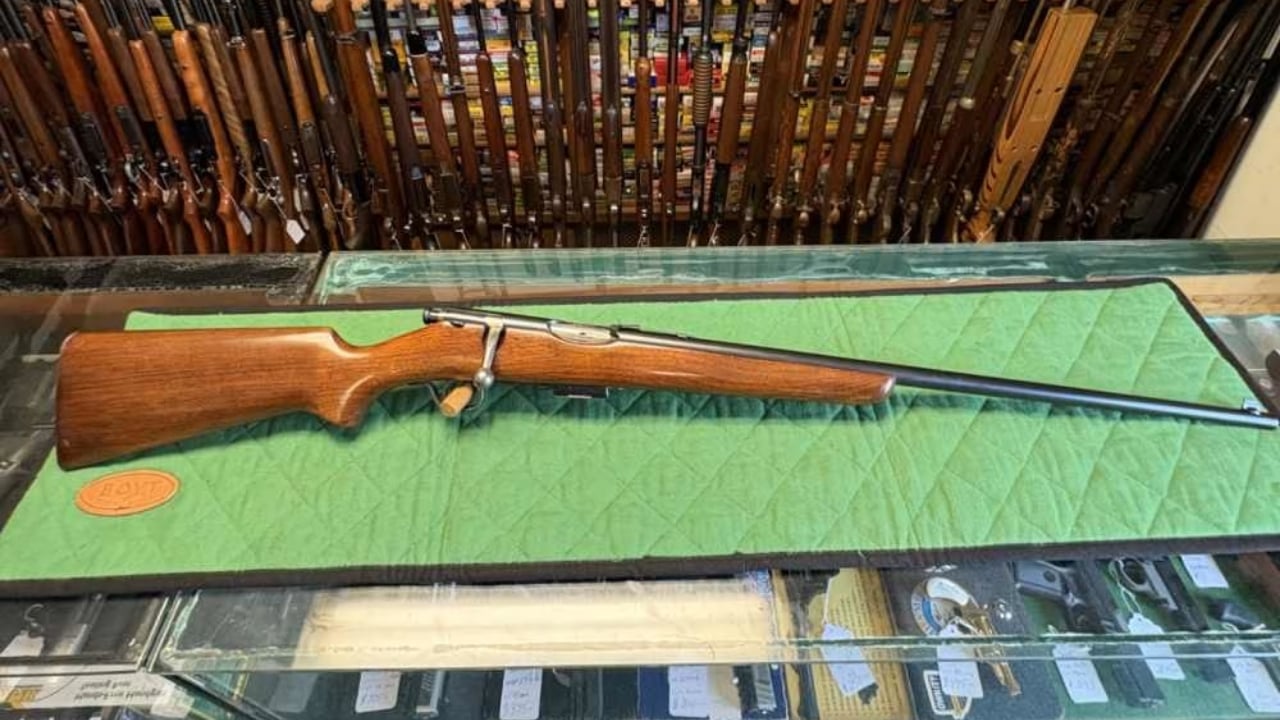
Older Savage bolt rifles can still be overlooked because the name does not generate the collector reaction of Winchester or prewar Remington.
The Model 23D deserves more attention, particularly because of its .22 Hornet chambering. Small centerfire varmint cartridges have a dedicated following, and traditional rifles chambered for them are not exactly flooding modern catalogs. The rifle combines vintage construction, an appealing cartridge, and enough obscurity that knowledgeable buyers can still sometimes get ahead of broader collector interest. That combination rarely lasts forever.
Browning Model 81 BLR

The Model 81 version of the BLR has a different character from later Browning lever rifles, and people who specifically prefer the older steel-receiver guns know what they are looking for.
This is not merely another lever gun chambered in a pistol cartridge. The detachable-box-magazine design allows the BLR to handle conventional bottleneck hunting cartridges, giving it a role traditional tube-fed rifles cannot duplicate. Older examples were carried and hunted hard. When a particularly clean Model 81 surfaces, experienced Browning buyers tend to move before somebody else does.
Ithaca SKB Model 500
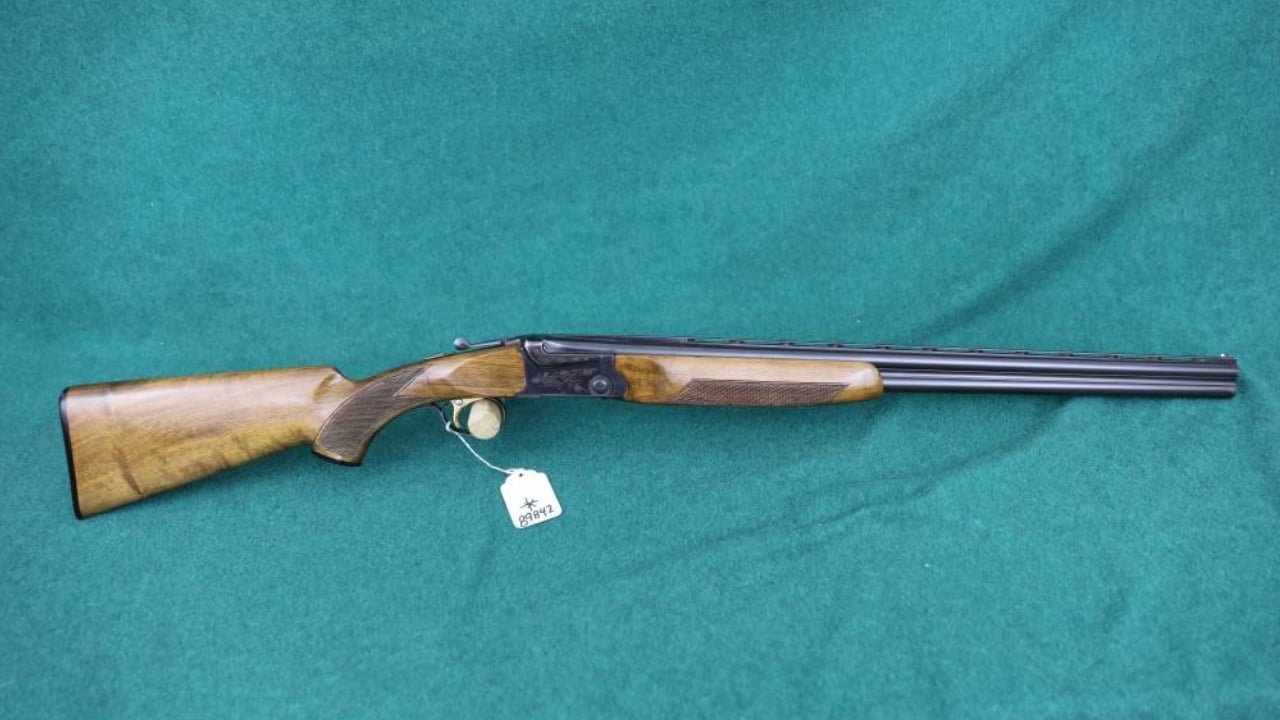
The Ithaca-marked SKB over-unders were once simply affordable alternatives to much more prestigious European doubles.
Time has been kind to them. Japanese build quality, traditional proportions, and good handling have made shooters reconsider how much gun these old SKBs actually offered. They are still less glamorous than a high-grade Browning or Beretta, but that is part of the appeal. Owners who want a quality older double they can actually shoot are steadily absorbing the best examples rather than leaving them on dealer racks.
Remington Model 3200
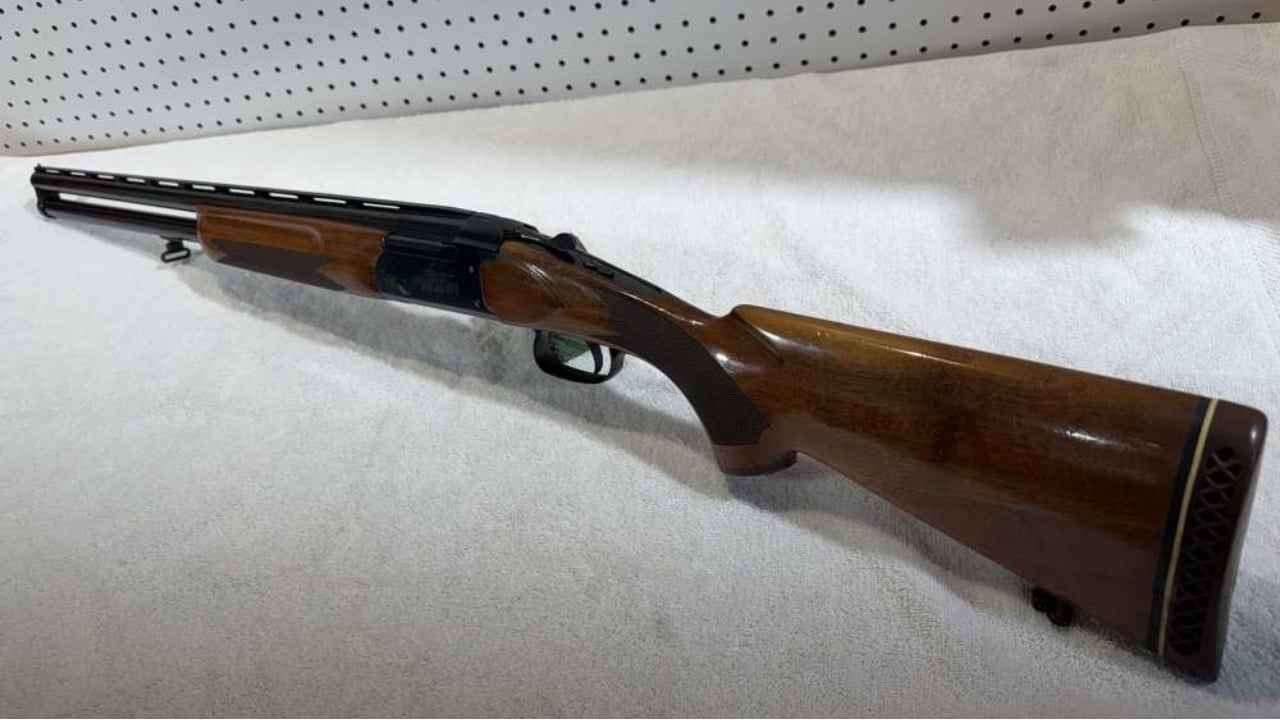
The Model 3200 has long been known among clay shooters, but it remains less recognizable to the average gun buyer than the famous Browning and Beretta over-unders.
That gives serious shotgun shooters an advantage. A properly sorted 3200 is a substantial target gun with a distinctive action and enough weight to make long clay sessions comfortable. Many were shot heavily, so condition and mechanical history matter. Good ones are not something knowledgeable buyers treat casually. Once the best examples move into collections, the remaining pool can get rough in a hurry.
Winchester Model 21 Skeet
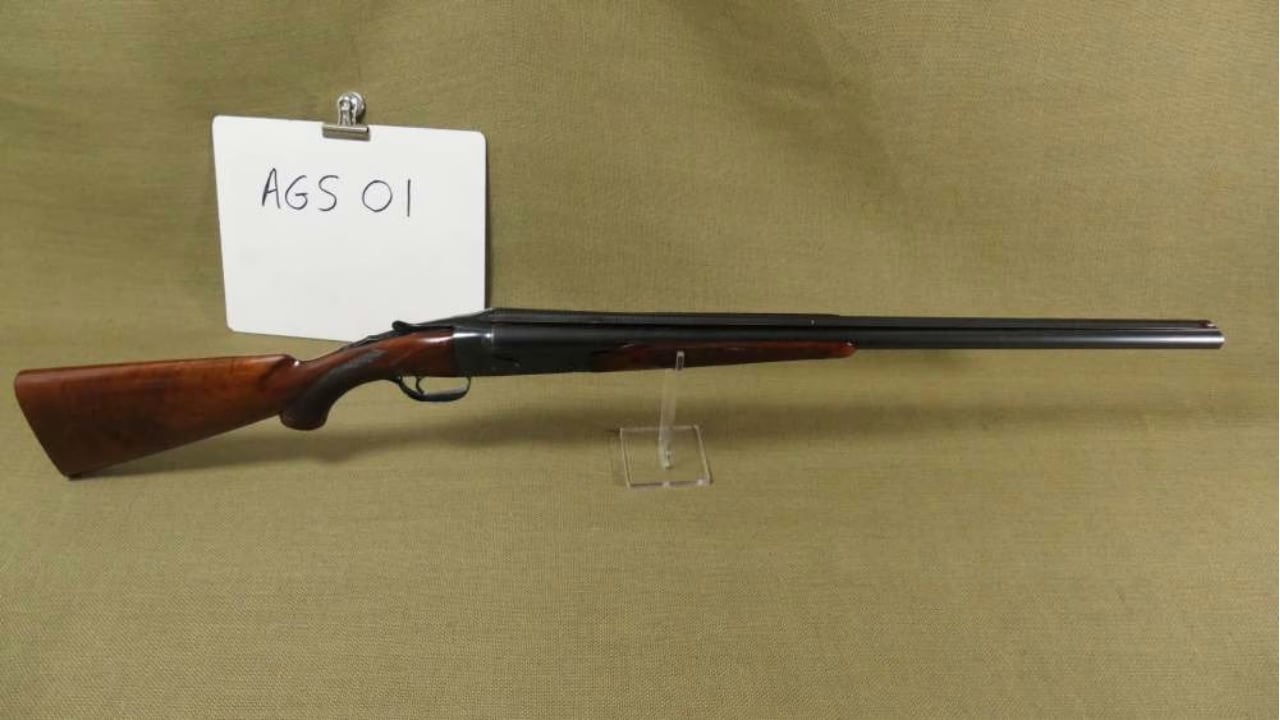
The Model 21 itself is hardly unknown, but specific field and skeet configurations are where dedicated collectors start getting extremely particular.
That matters because the supply is permanently limited and every clean gun removed from circulation effectively tightens the market. Unlike a current shotgun that can simply be reordered, another Model 21 in the exact gauge, barrel length, and condition you want may not appear for quite some time. Serious double-gun buyers understand that distinction, which is why the right examples tend to be purchased when found rather than after months of hesitation.
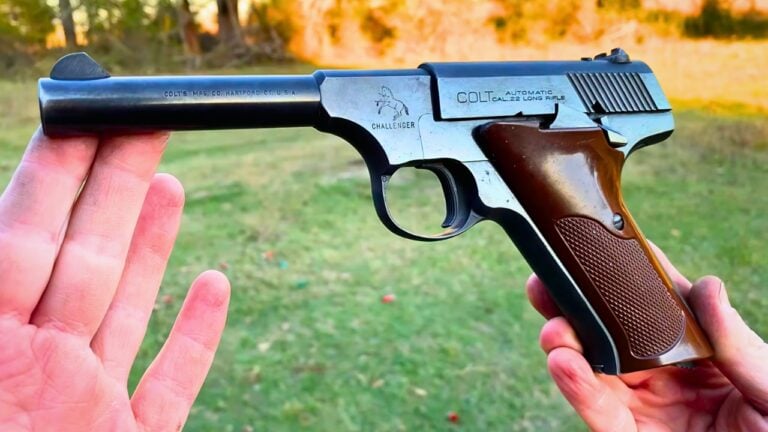
Colt Woodsman Match Target Third Series
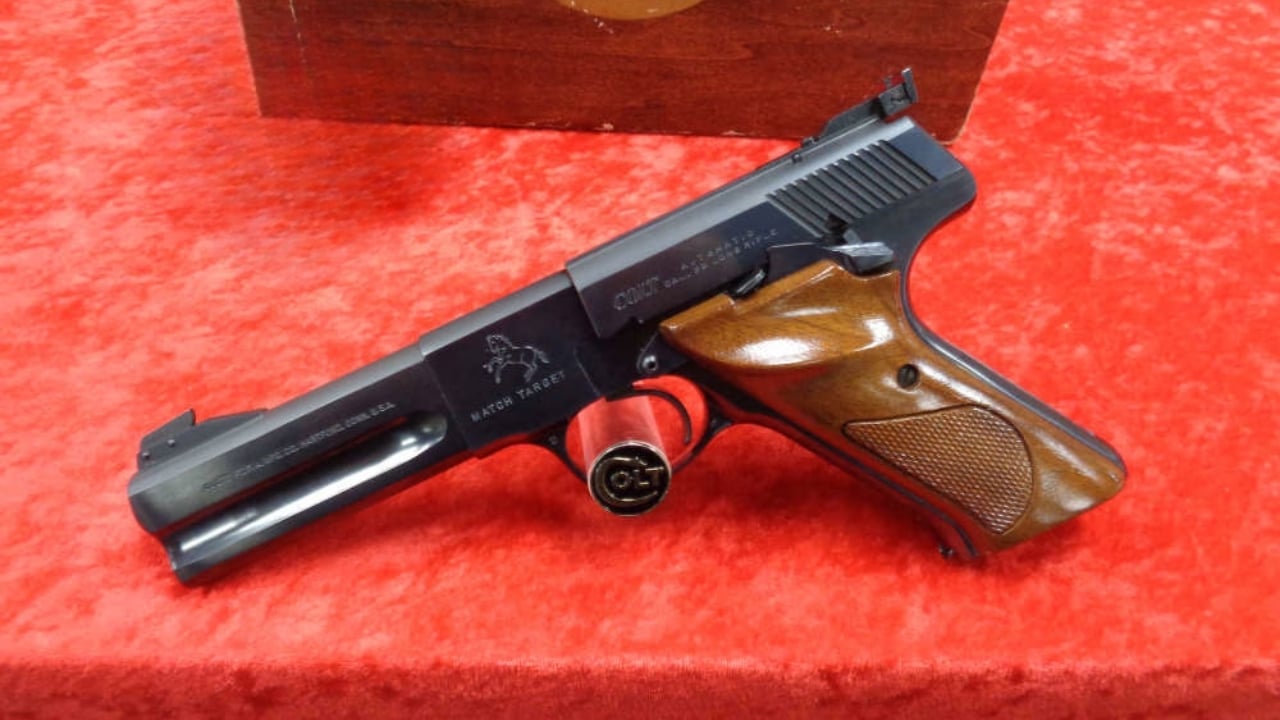
The Woodsman has always had a following, but later Match Target versions can still get overshadowed by earlier guns when collectors start talking about vintage Colts.
For shooters, that creates an interesting opportunity. The pistol has a wonderful balance, excellent sights, and the kind of all-steel rimfire construction that feels increasingly uncommon. Many were used exactly as intended, meaning genuinely clean examples are not unlimited. Once someone buys a good Woodsman and discovers how enjoyable it is, selling it to fund another ordinary .22 becomes difficult to justify.
Hammerli 208S
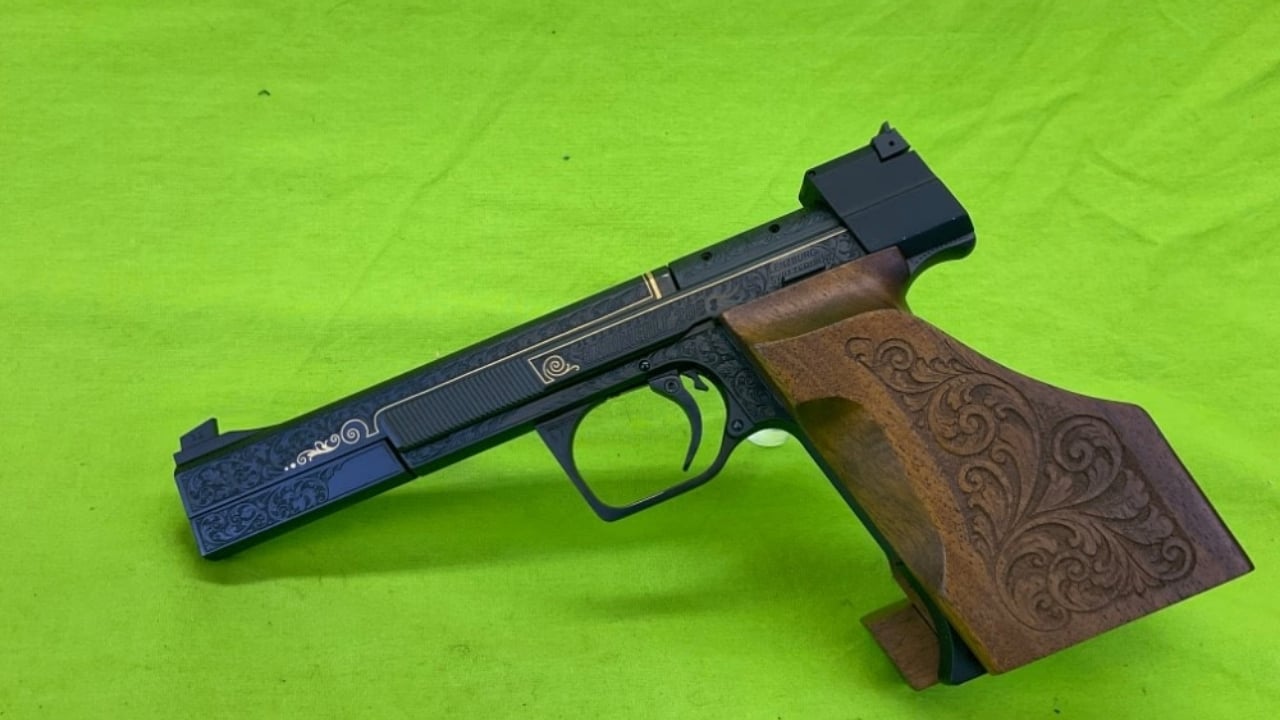
The 208S was built for a level of rimfire target shooting that ordinary recreational pistols were never expected to reach.
That specialization limits the number of buyers, but it also limits supply. Shooters who understand precision pistol competition know exactly what the Hammerli represents, and they tend to hold onto good examples. It is difficult to replace old-world target-pistol construction once manufacturers move toward different platforms and production methods. This is less about chasing a fashionable collectible and more about recognizing craftsmanship before the remaining supply becomes locked inside serious collections.
Valmet 412
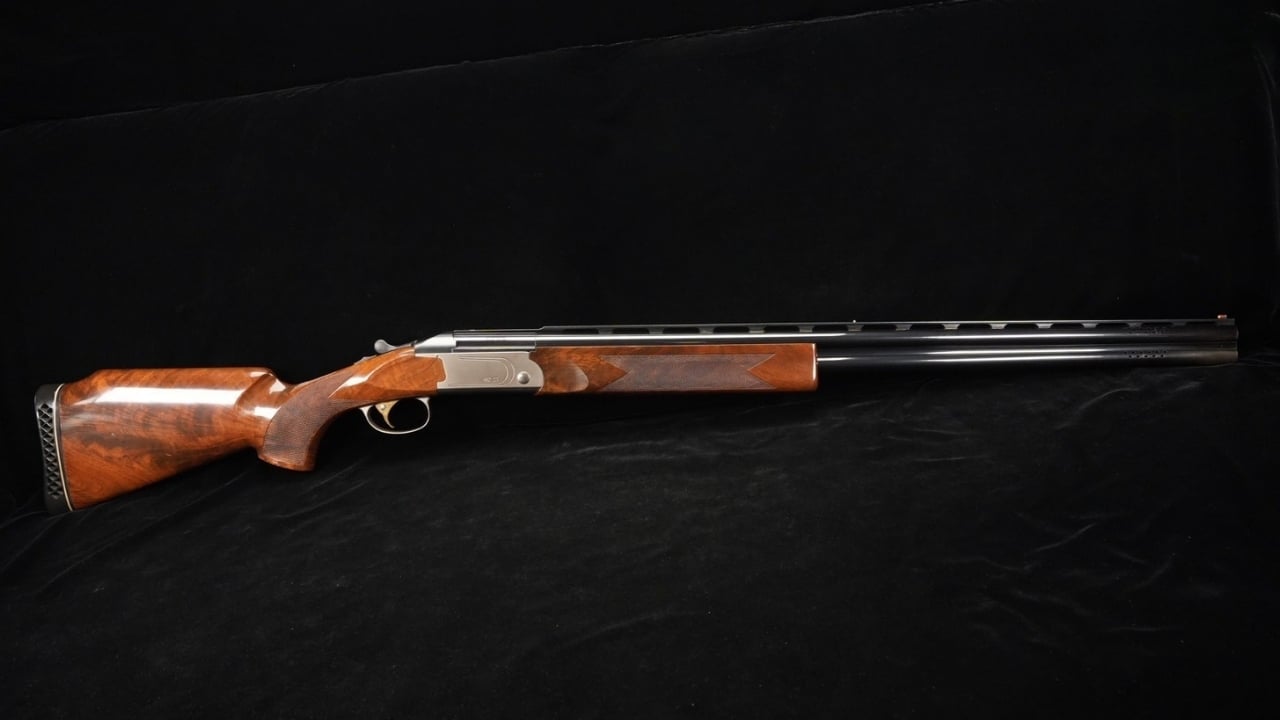
The Valmet 412 is the kind of firearm that can remain obscure for decades before people realize how unusual the platform actually was.
Depending on configuration, the system could be set up as a shotgun, combination gun, or double rifle, creating a level of modularity that feels surprisingly ambitious even today. That also means complete guns and additional barrel sets are much more interesting than random individual pieces. Valmet is no longer producing racks full of them, and the shooters who appreciate European combination guns already know that replacement options are limited. If you find the right complete setup, waiting for a cheaper one later can be a very long wait.
Like The Avid Outdoorsman’s content? Subscribe to our newsletter so you never miss an article.
Here’s more from us: