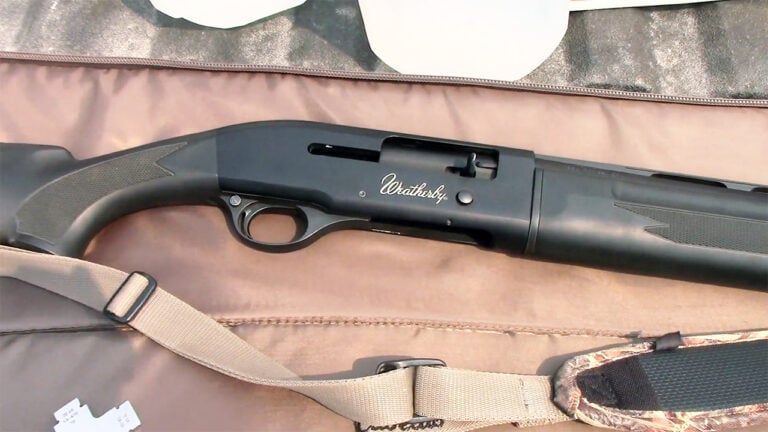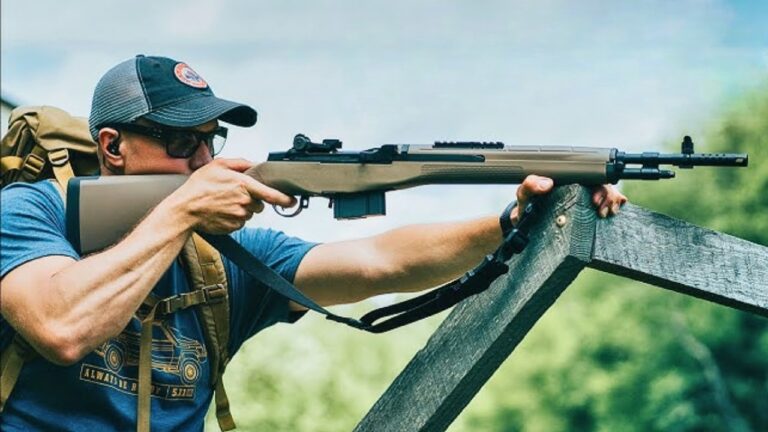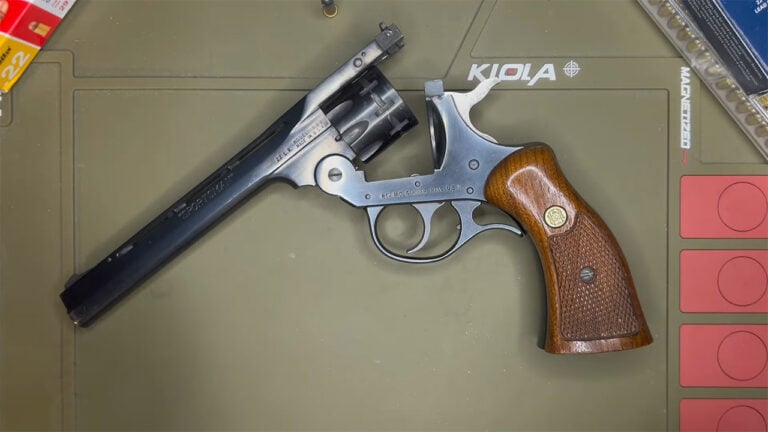
Photo credit: 704TACTICAL/YouTube
Some firearms are not especially rare, but finding a clean one is becoming a different story. Decades of hunting, truck-rack use, police service, cheap ammunition, home gunsmithing, and simple neglect have taken their toll.
That is what makes original condition increasingly important. Plenty of these guns still appear on the used market, but the nicest examples are getting pulled into collections while rougher guns keep circulating. These 20 firearms are becoming noticeably harder to find without worn finishes, altered parts, damaged stocks, or years of hard use behind them.
Winchester Model 94
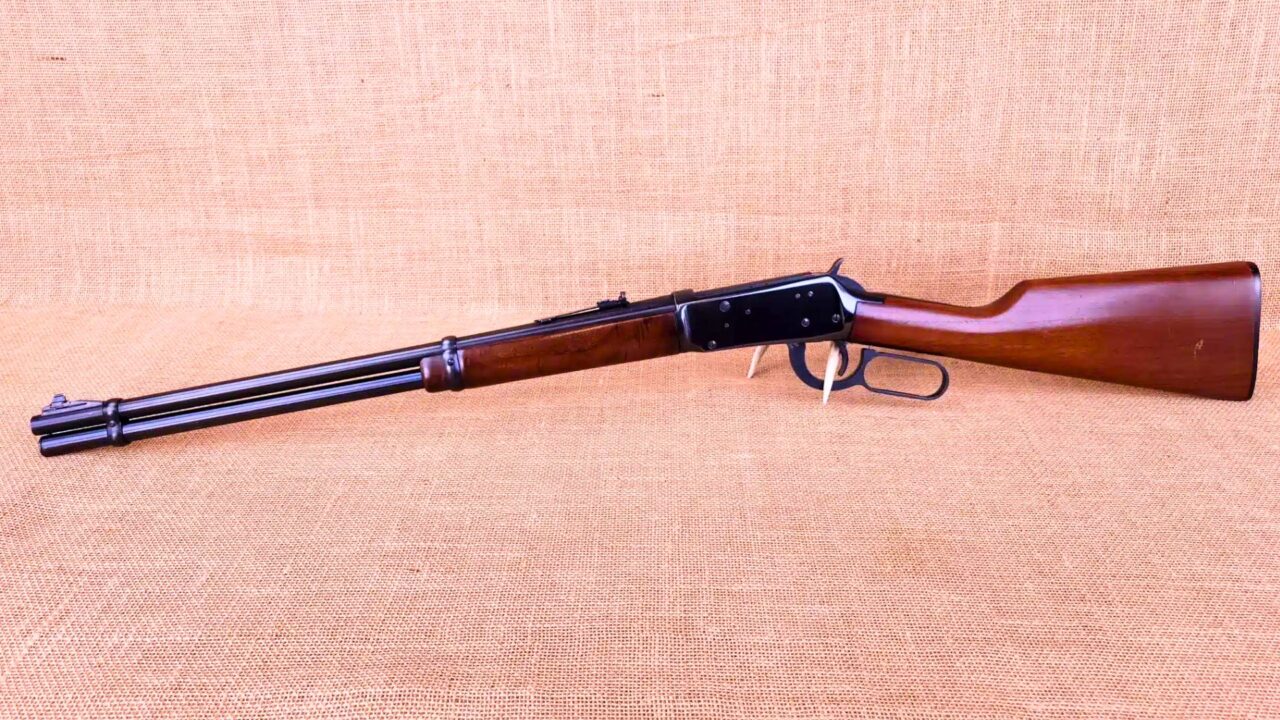
Millions of Model 94s were made, which is exactly why people used to treat them like ordinary working rifles. They rode in trucks, sat behind doors, hunted deer, and picked up scratches without anyone worrying much about future collector value.
Clean older examples are another matter now. Many have worn receivers, drilled holes, replaced sights, refinished stocks, or decades of hunting wear. Pre-1964 rifles draw the most attention, but even later guns in excellent original condition are becoming more desirable. There are still plenty of Model 94s around. Finding one that escaped a lifetime of hard use is getting tougher.
Marlin 336

The Marlin 336 was another rifle people actually used. For generations, .30-30 examples spent deer season in wet woods and the rest of the year leaning in closets or riding in pickups.
That means the used market is full of rifles with scratched stocks, thinning blue, scope holes, sling-swivel modifications, and other signs of normal hunting life. Older JM-stamped rifles have become particularly desirable, and owners of really clean examples know what they have. The 336 is not disappearing, but the supply of untouched older rifles is steadily shrinking.
Remington Model 700 BDL
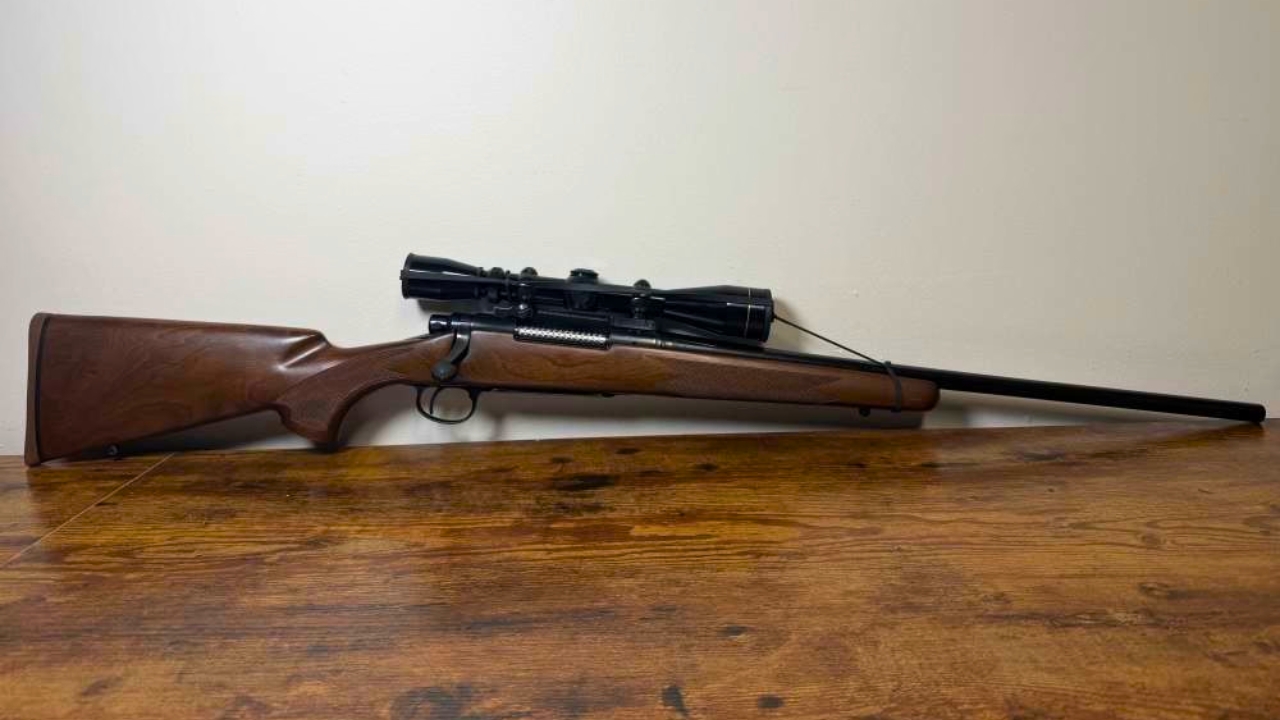
A Model 700 BDL with deep bluing and attractive walnut was once simply a nice hunting rifle. Owners rarely treated one like an investment.
Decades of field use have changed the market. Many older BDLs have been rebarreled, restocked, refinished, or drilled and modified for different optics setups. Clean rifles with original wood and finish increasingly stand out when they hit a used rack. Common chamberings still appear regularly, but finding one that looks like it spent most of its life in a safe is becoming much harder.
Remington 870 Wingmaster
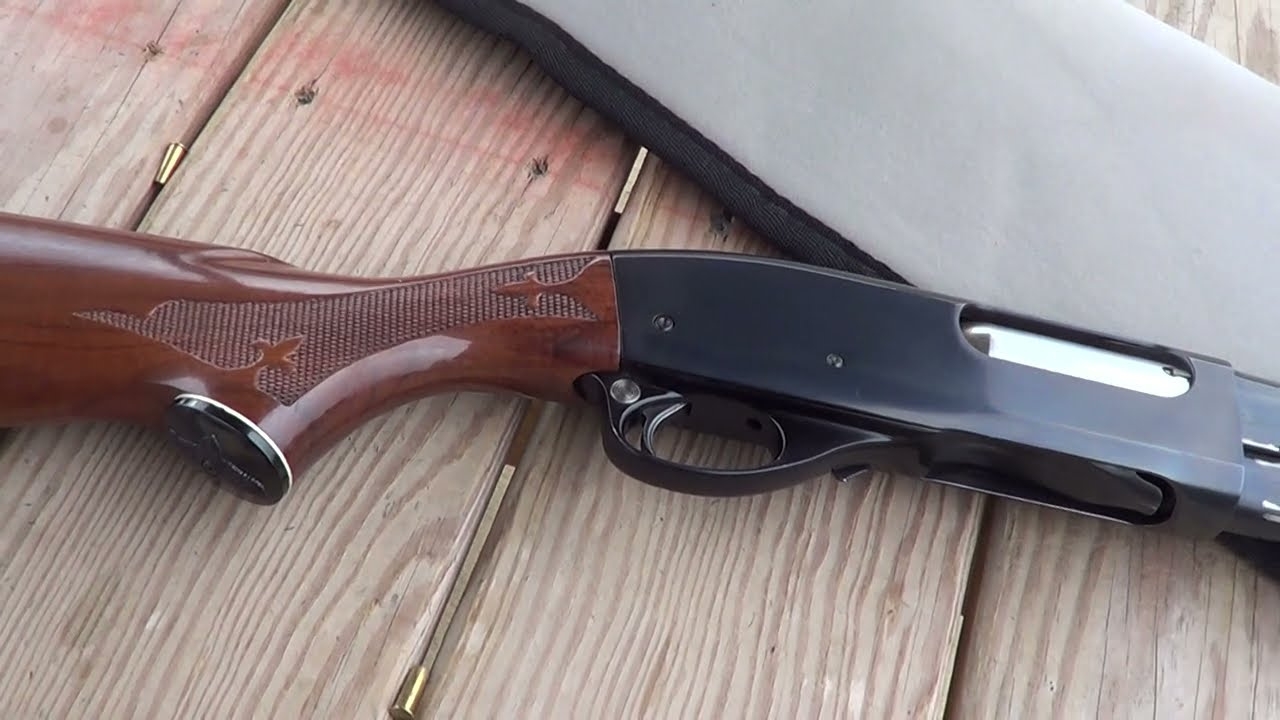
The Wingmaster was built to be used, and that is exactly what happened to most of them. They hunted ducks, rabbits, pheasants, and deer for decades.
Older examples often show polished receiver wear, scratched stocks, worn checkering, and plenty of evidence that they were someone’s primary shotgun. Really clean examples with original barrels and furniture are becoming the ones buyers grab quickly. The Wingmaster’s quality also makes older guns increasingly appealing to shooters who prefer polished steel and walnut over cheaper modern pump-gun finishes.
Browning Auto-5
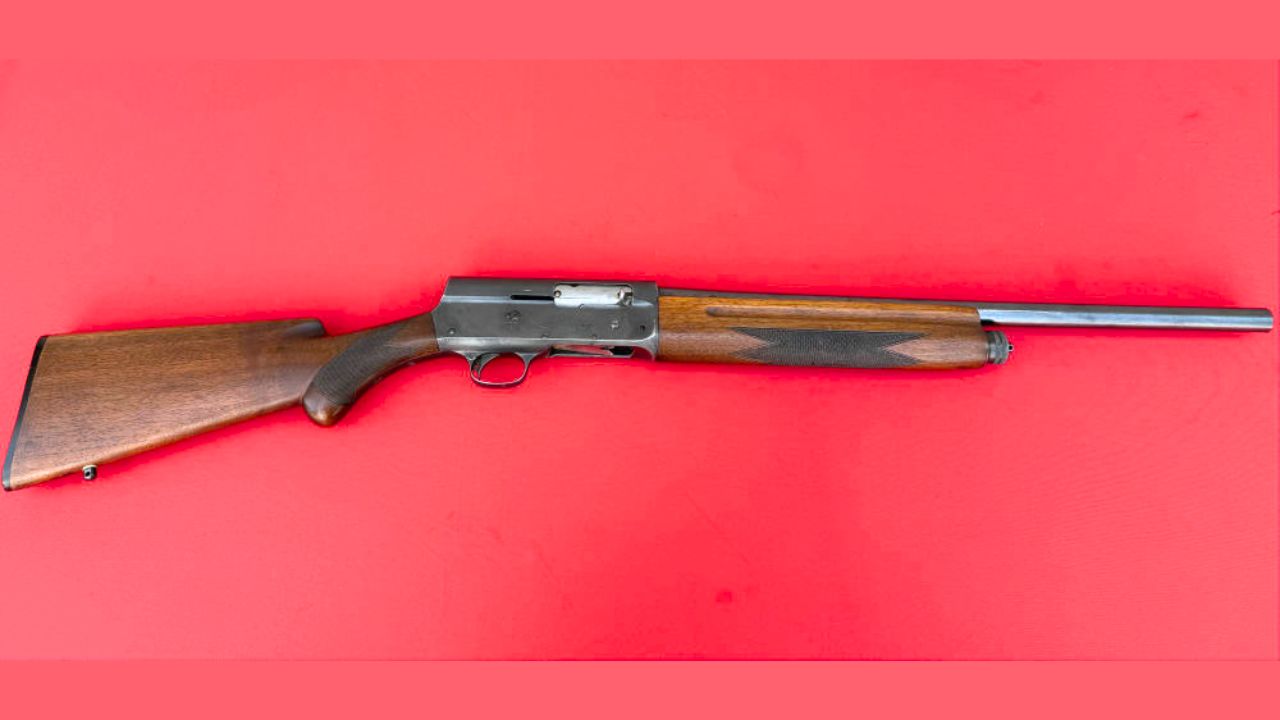
The Auto-5 had an extraordinarily long production life, but surviving condition varies dramatically. These shotguns were serious hunting tools long before many owners thought about collectibility.
Repeated field use left plenty of them with cracked forearms, worn bluing, stock repairs, and altered barrels. Others were fitted with recoil pads or refinished decades ago. A clean Belgian-made Auto-5 with original wood and strong finish now gets much more attention than the average worn hunting gun. Good examples still exist, but they are being separated from the ordinary ones quickly.
Marlin Model 39A

The 39A is the kind of rifle that families bought and then proceeded to shoot for half a century. That is wonderful for the rifle’s reputation and terrible for the supply of pristine examples.
Stocks collected dents, receivers lost finish, and countless rifles spent years teaching kids to shoot. Since production ended, cleaner examples have become increasingly desirable. A genuinely nice 39A now feels very different from the typical well-used rifle you see at a gun show. Owners are also less inclined to sell them once they recognize how difficult replacement can be.
Winchester Model 9422
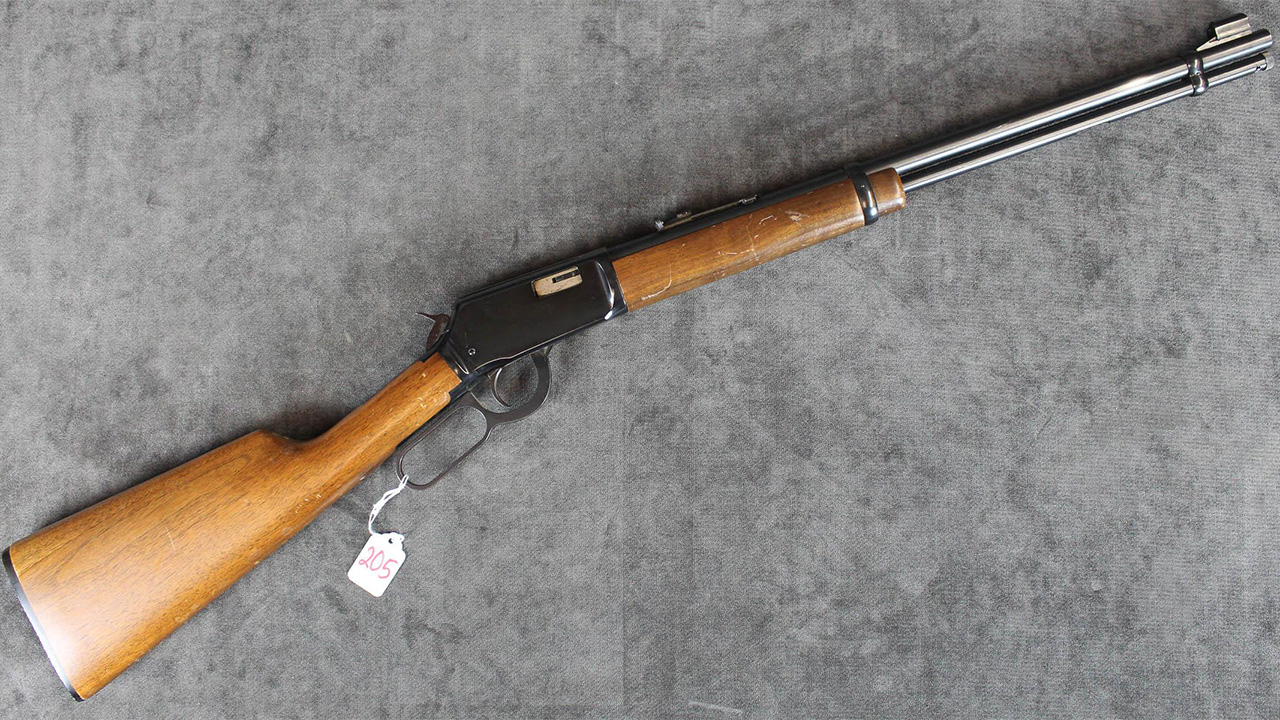
The 9422 was built well enough that owners tended to keep and shoot them. Many were squirrel rifles, plinkers, or first guns rather than protected collectibles.
Since Winchester discontinued the model, condition has become much more important. Scratched receivers, dinged stocks, and guns modified with aftermarket sights are common enough. Original rifles with excellent wood and finish are increasingly held by collectors. The 9422 used to be merely expensive for a .22. Now a really clean one can feel like a completely different category of gun.
Remington Nylon 66

The Nylon 66 was inexpensive enough that people did not baby them. They were lightweight utility rifles, camp guns, and plinkers.
The synthetic stock holds up differently than walnut, but these rifles still picked up scratches, cracked components, missing parts, and years of mechanical wear. Certain colors and variations attract serious collector interest now, making original condition far more important than it once was. Plenty of Nylon 66s survive, but untouched examples are increasingly the exception rather than the rule.
Smith & Wesson Model 19
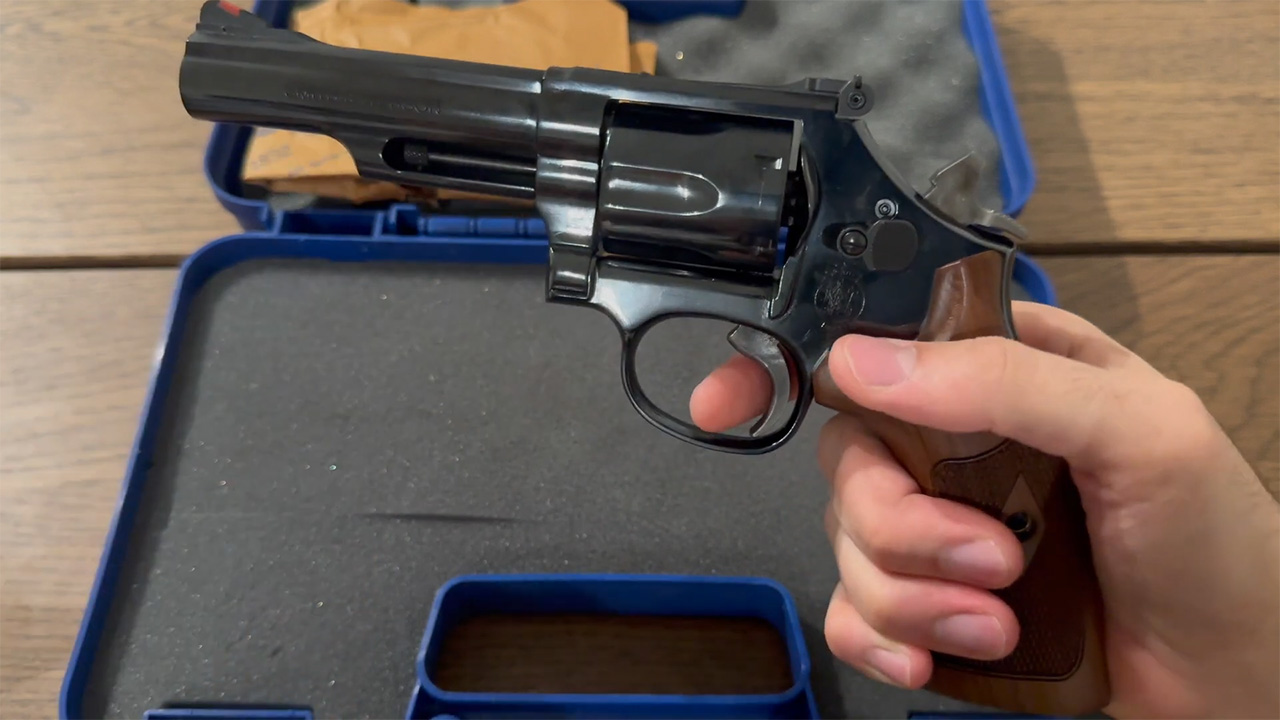
The Model 19 was designed as a practical .357 Magnum revolver, not something destined to sit permanently in velvet-lined cases. Police officers carried them, civilians used them defensively, and shooters ran plenty of ammunition through them.
That history means older examples often show holster wear, scratched sideplates, replacement grips, and timing wear. Clean pinned-and-recessed guns especially attract buyers now. A Model 19 with its original finish, grips, and mechanical condition is becoming much harder to stumble across cheaply.
Smith & Wesson Model 27

The Model 27 was more upscale than the Model 19, but plenty were still shot and carried. Older examples with their deep polished finish can show every scratch and bit of holster wear.
Collectors increasingly pay close attention to barrel length, original grips, boxes, and finish condition. That makes truly untouched examples harder to find because the best guns tend to disappear into collections quickly. Worn Model 27s are still out there. The really beautiful ones no longer stay unnoticed for long.
Smith & Wesson Model 39

The Model 39 is now old enough that condition varies enormously. Many were carried, used by agencies, or simply treated like obsolete semiautomatics once higher-capacity pistols took over.
That era produced lots of guns with holster wear, replacement grips, and mechanical use. As collectors become more interested in early Smith & Wesson autos, the cleanest Model 39s are getting pulled out of circulation. A nice original pistol now attracts buyers who would have walked right past it 20 years ago.
Smith & Wesson Model 5906

Police trade-ins are a major reason clean 5906 pistols are becoming harder to find. Huge numbers entered the used market after agencies switched to lighter polymer pistols.
Those guns often had significant holster wear even when their internals remained excellent. Shooters bought them cheaply and continued putting rounds through them. Now collectors have started appreciating third-generation Smith autos, and genuinely clean examples command much more attention. The supply is still large, but condition is separating rapidly.
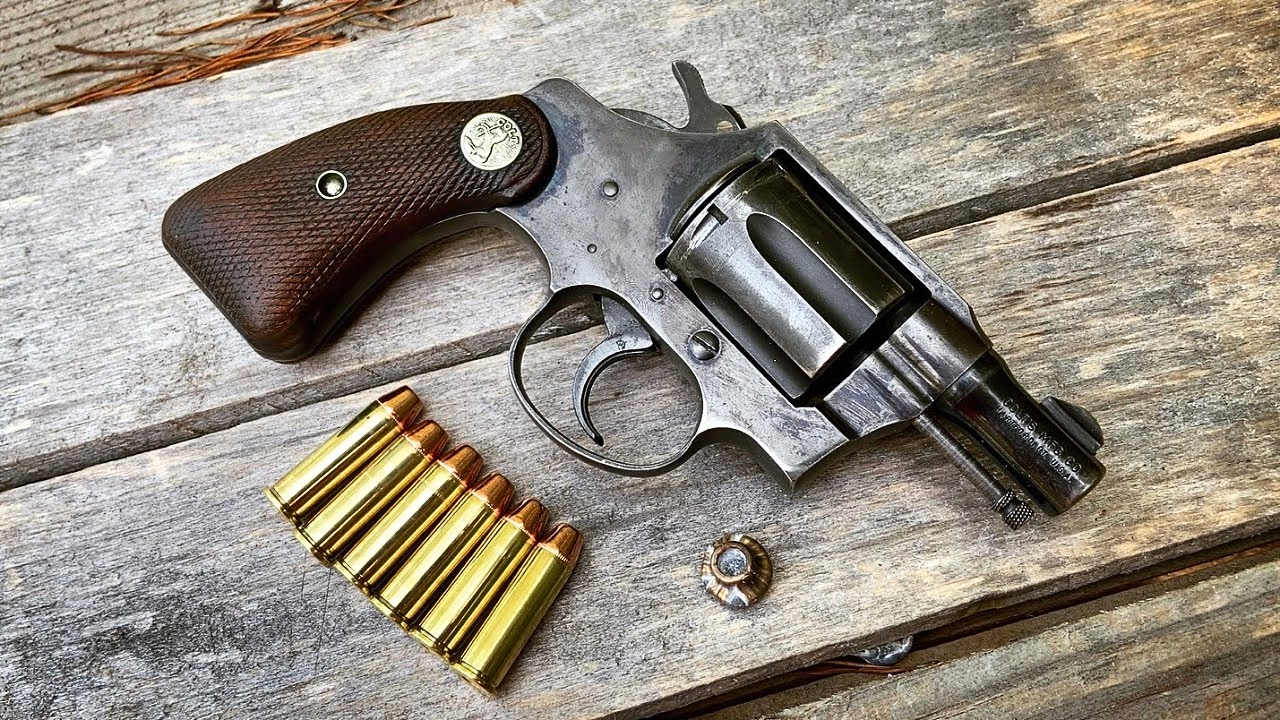
Colt Detective Special
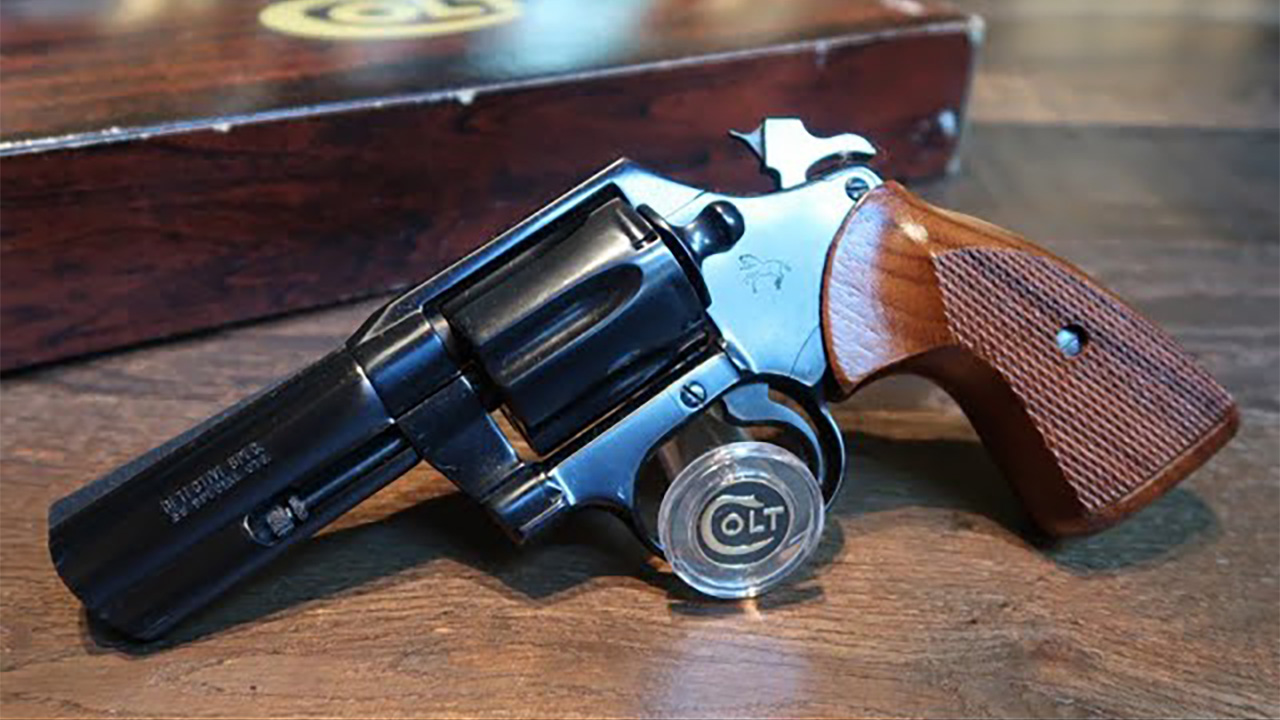
The Detective Special spent decades being carried for exactly the reason Colt built it: it was compact, capable, and easy to conceal.
That means many surviving examples show years of holster wear, grip damage, and finish loss. Some were refinished long before anyone considered that harmful to collector value. Original Colts with strong bluing and minimal wear are increasingly desirable because so many others lived hard lives. The cleaner the revolver, the less likely the owner is to casually let it go.
Colt Woodsman
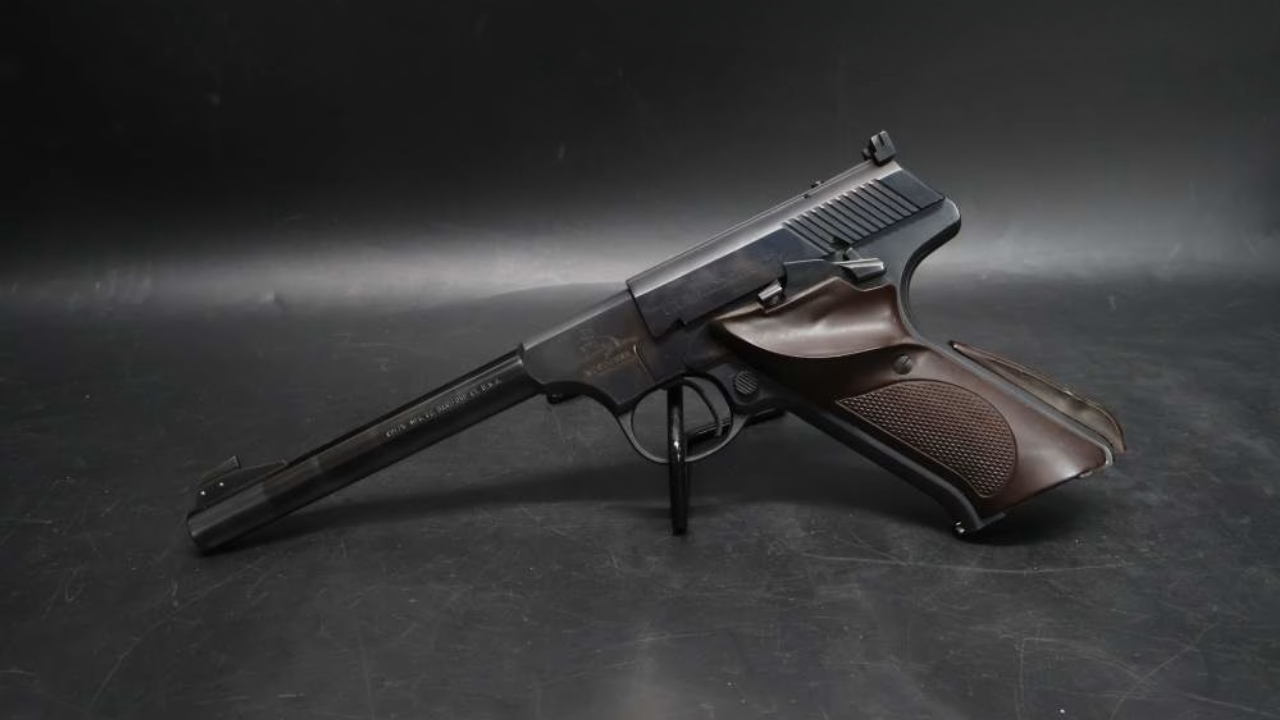
The Woodsman was a premium rimfire, but it was still a gun people shot heavily. Target shooters and recreational owners put countless rounds through them.
That leaves plenty of surviving pistols with worn finishes, modified sights, replacement grips, or decades of mechanical use. Original boxes and accessories make an even bigger difference now. As collector interest has grown, high-condition Woodsman pistols have become the examples that disappear fastest.
Browning Hi-Power
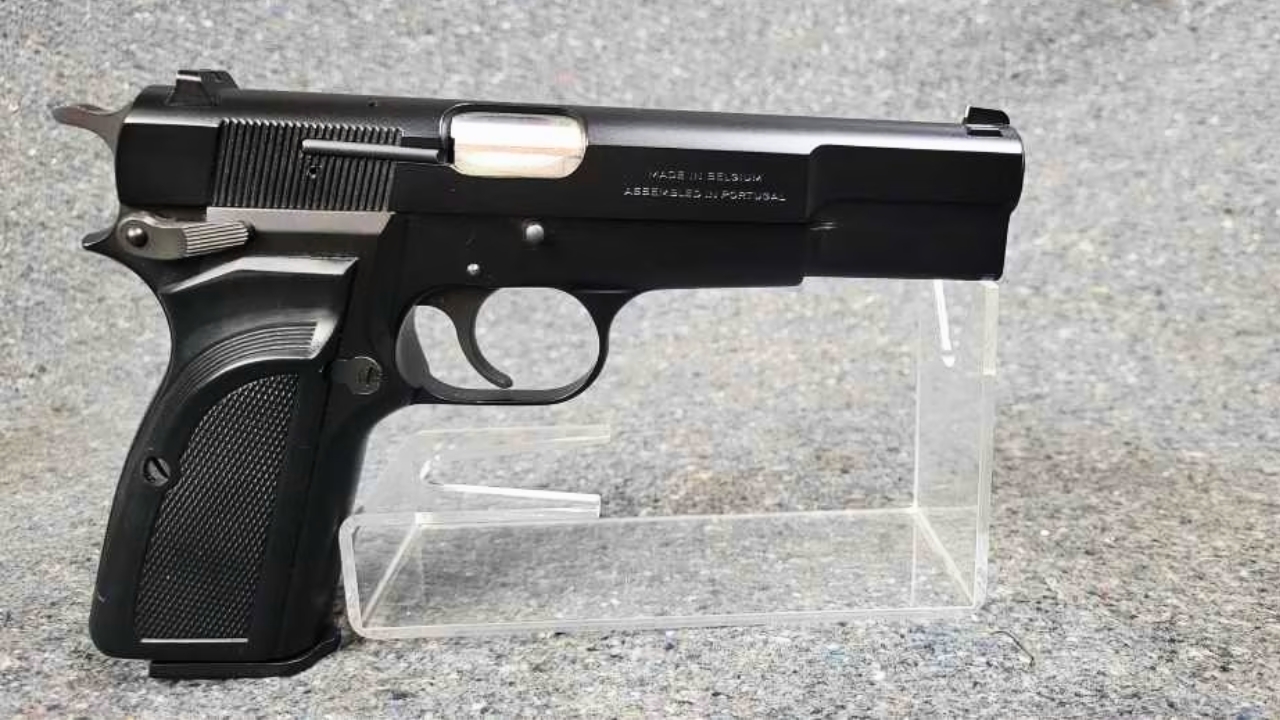
Hi-Powers served militaries, police agencies, and civilian shooters all over the world. That enormous service history also created an enormous supply of worn guns.
Many older examples show finish loss, import marks, mismatched components, replacement sights, or refinishing. Even commercial Browning-marked pistols often spent decades being carried and fired. As original production becomes increasingly collectible, clean guns with correct finishes and parts stand apart dramatically from the average surplus or used Hi-Power.
SIG Sauer P226

Early German and West German P226 pistols were built as service guns, and many were treated exactly that way. Police use, military contracts, and ordinary carry produced plenty of examples with honest wear.
Collectors now pay far more attention to older stamped-slide guns, proof marks, production eras, and original condition. A plain worn P226 remains easy enough to find. An early example with excellent finish, original grips, and minimal modifications is much less common than it used to be.
SIG Sauer P228
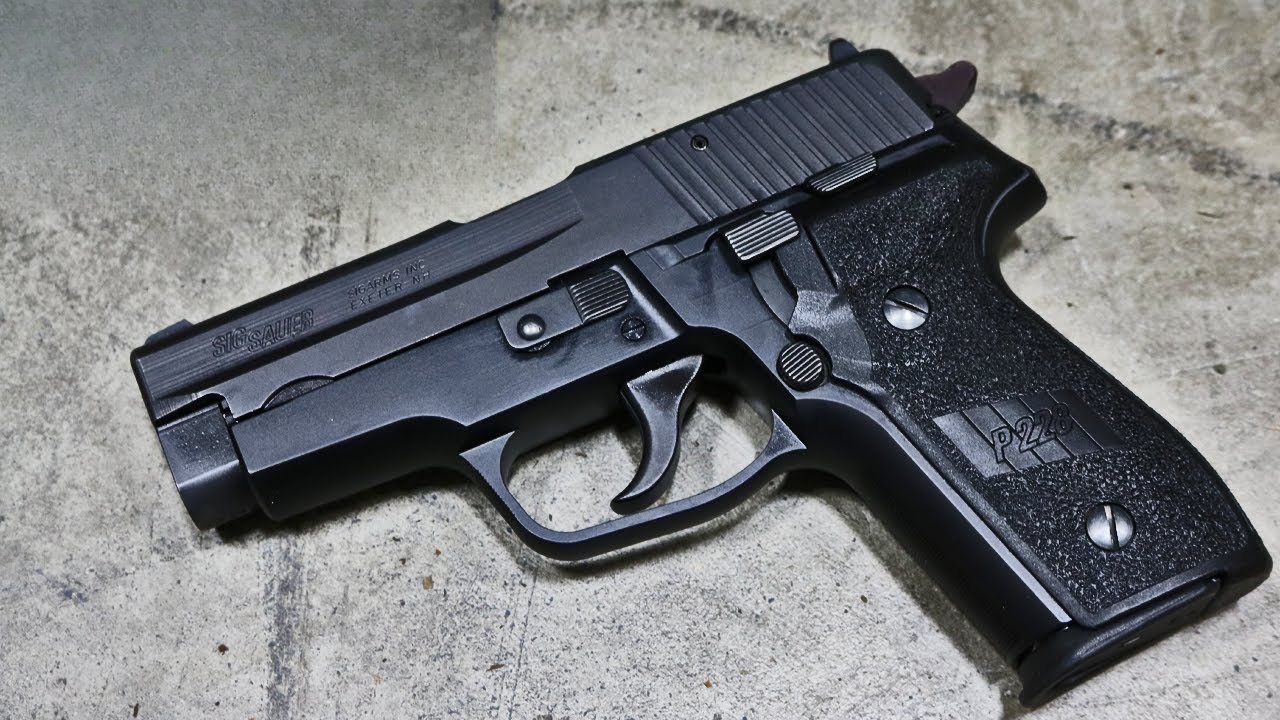
The P228 has an even stronger condition problem because it has been discontinued for years and was widely carried as a compact service pistol.
Many surviving guns have holster wear, agency markings, refinished slides, or high round counts. Nice German-made examples are increasingly sought after because the P228 represents a compact SIG configuration the company no longer produces in the same form. Clean originals are steadily moving from shooter territory into collector territory.
Ruger Security-Six
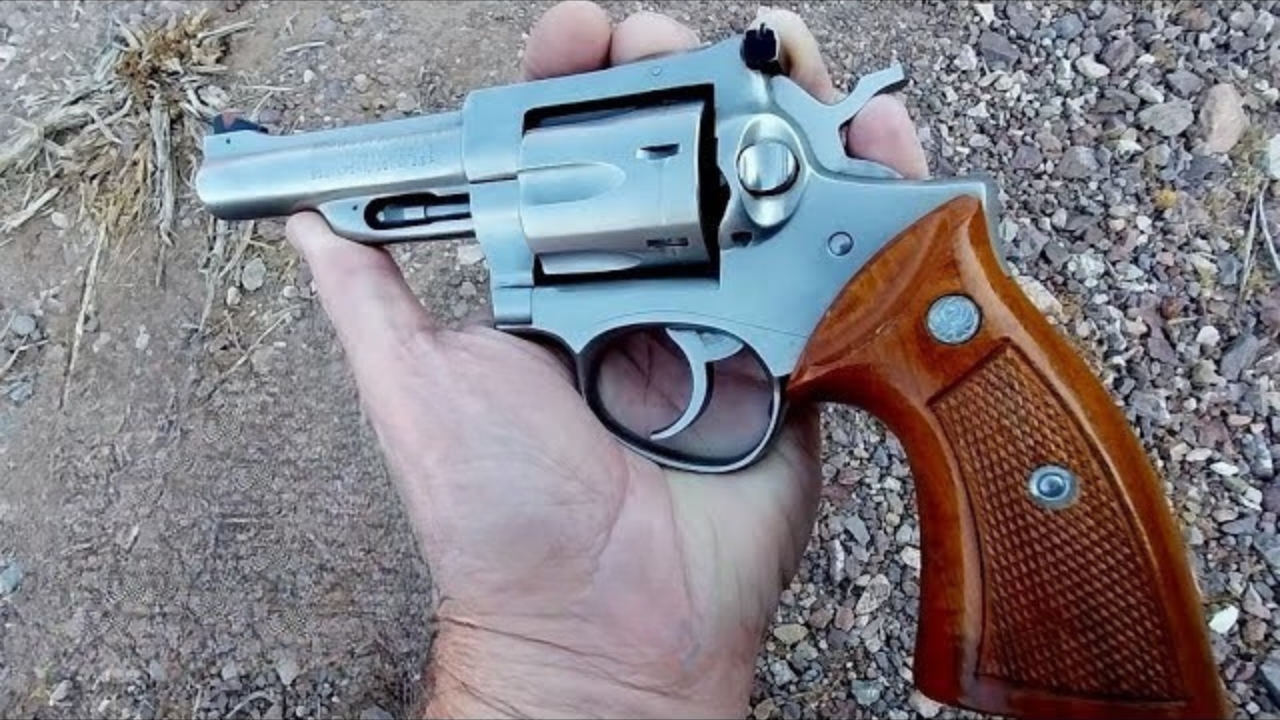
The Security-Six was built as a rugged working revolver, and buyers treated it accordingly. These guns spent years in holsters, trucks, nightstands, and hunting camps.
When Ruger replaced the line with the GP100, few people expected Security-Six revolvers to become particularly desirable. Now shooters appreciate their relatively trim dimensions and classic Ruger construction. Many surviving guns show substantial finish wear, making high-condition examples increasingly difficult to locate.
Ruger Model 44 Carbine

The original .44 Magnum Carbine was a handy hunting rifle, so many examples saw exactly the sort of field use you would expect.
Stocks were scratched, receivers were worn, and some rifles were modified for scopes or different sights. Because production ended long ago, there is no fresh supply entering the market. Clean early examples with original parts are increasingly sought after, especially as interest in unusual pistol-caliber carbines grows.
Winchester Model 88
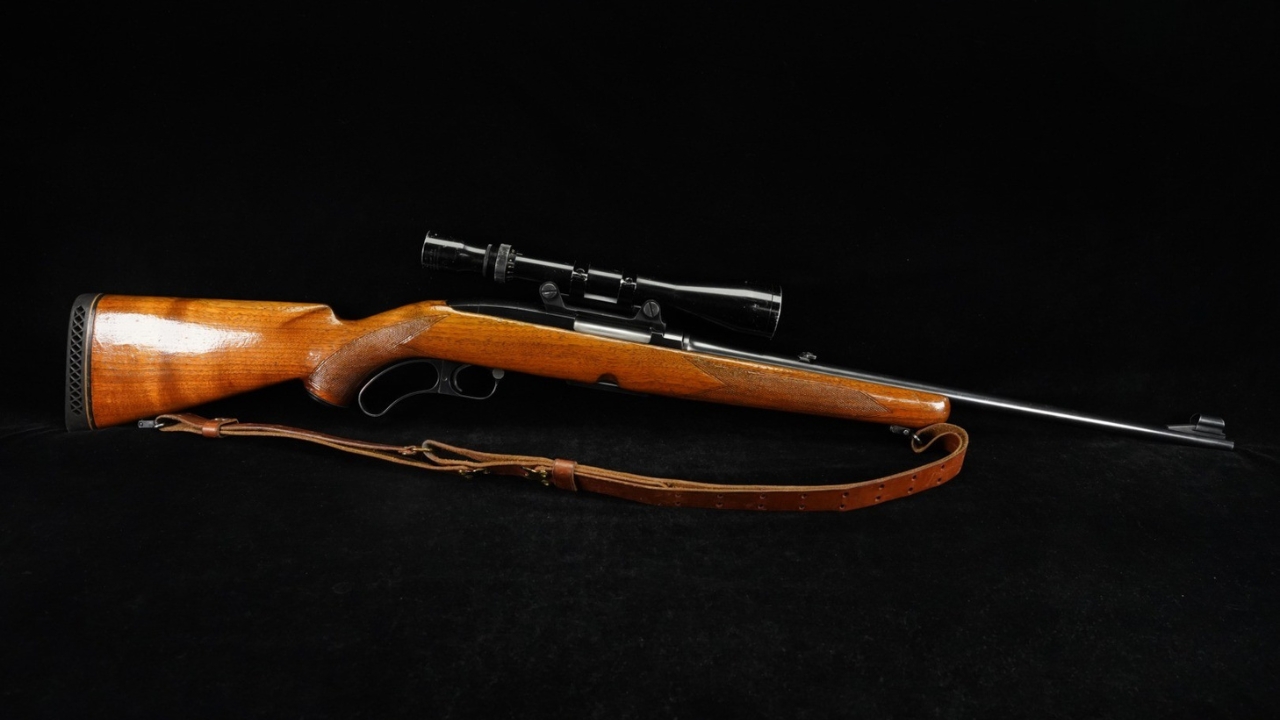
The Model 88 was a deer rifle first and foremost, which means many surviving rifles spent decades being carried through the woods.
Stock wear, receiver scratches, altered sights, scope mounting, and refinishing are all common. The rifle’s unusual lever-operated rotating-bolt design has gained more collector interest over time, particularly because Winchester never produced a true modern replacement. Good shooters are still around. Finding a really clean, original Model 88 is becoming a much different challenge.
Like The Avid Outdoorsman’s content? Be sure to follow us.
Here’s more from us: