Photo credit: Night Hawk Bros/YouTube
Newer does not automatically mean better. Fresh designs often bring better optics mounting, lighter frames, higher capacity, or more modularity, but those advantages do not matter much if the gun becomes temperamental once conditions get ugly.
Some older firearms built their reputations by surviving hard use long before modern feature lists became the main selling point. They may be heavier, less refined, or lacking the latest accessories, but shooters keep returning to them because they already know what happens when the gun gets dirty, wet, neglected, or pushed through a long day. These 20 firearms earned trust the difficult way.
Glock 17 Gen 2
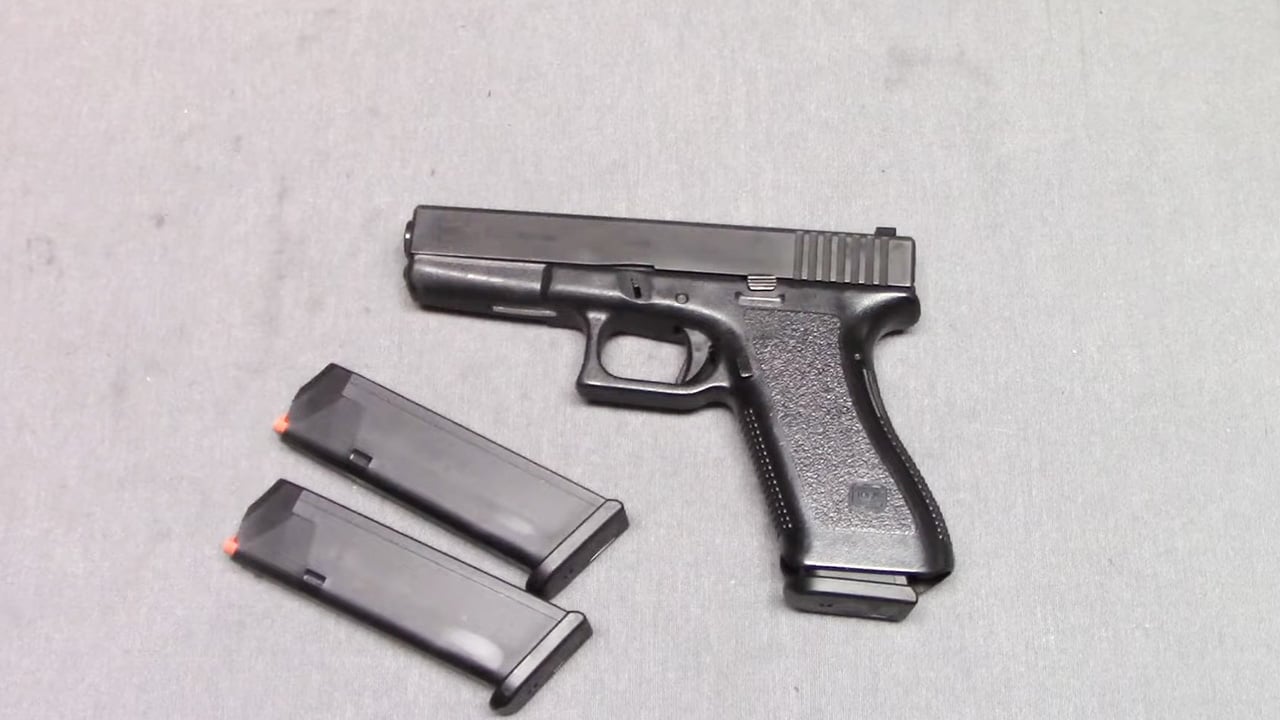
The second-generation Glock 17 looks primitive beside current optics-ready pistols with aggressive grip texture and interchangeable backstraps. It does not need any of those things to make its point.
These early Glocks helped establish the reputation that eventually made the brand enormous. The design was uncomplicated, magazines were easy to service, and the pistol tolerated a surprising amount of neglect. Plenty of newer duty pistols offer better triggers and nicer ergonomics, but the old Glock’s appeal is knowing the basic system had already been hammered on for decades before those features became fashionable.
Beretta 92SB
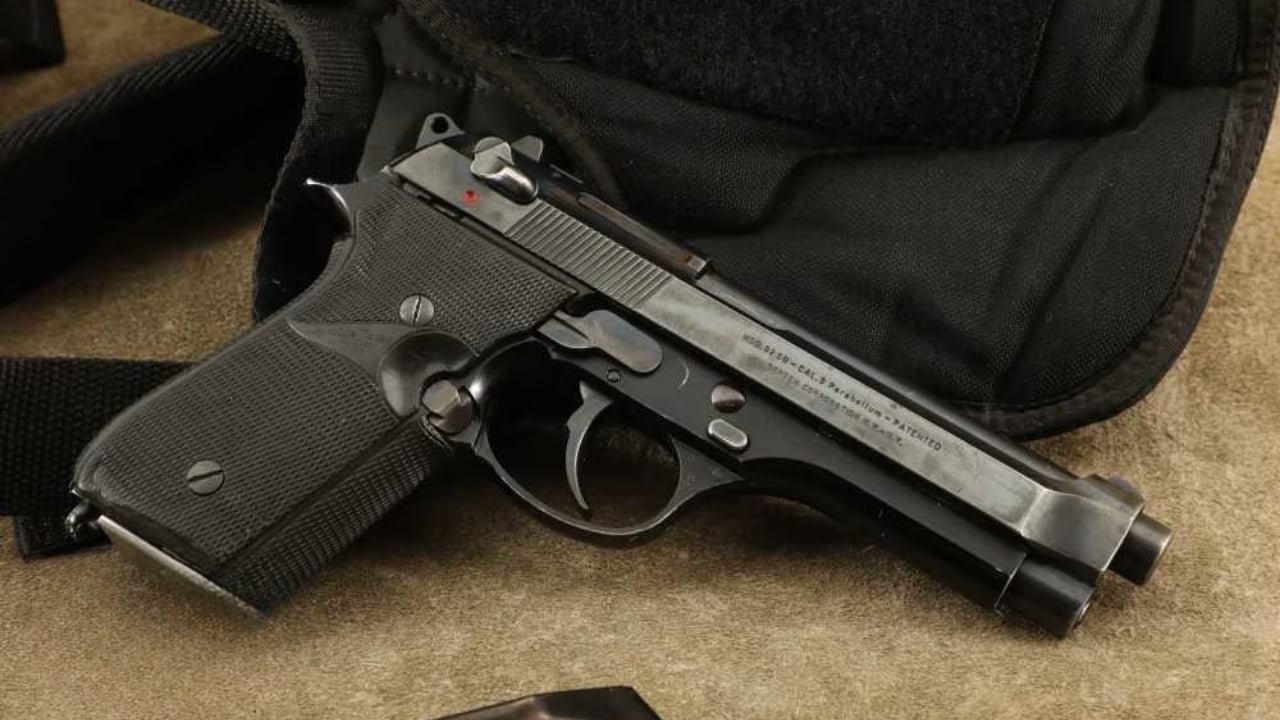
The 92SB arrived before the 92FS became the version everyone recognized, but it already had most of the qualities that made the platform successful.
The open-slide design, full-size frame, and locking-block system produced a pistol that ran smoothly and handled dirty conditions well. It is large by modern standards, yet that size also makes it easy to control. When a newer compact pistol starts getting finicky because tolerances are tight or the shooter is using weak ammunition, an old full-size Beretta can make modern sophistication seem less important.
SIG Sauer P225
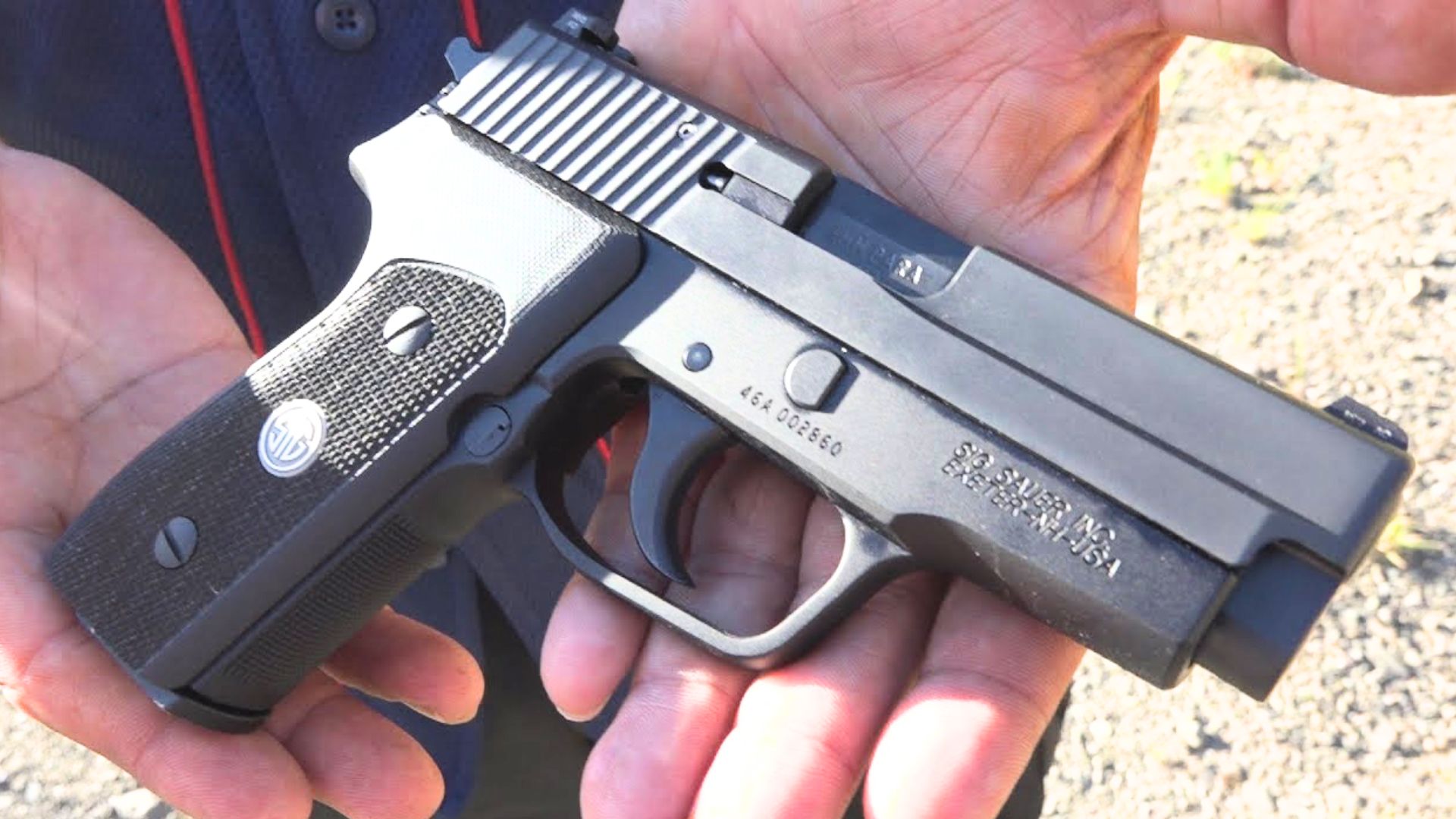
The original P225 is low-capacity by today’s standards, but its narrow single-stack frame and mature DA/SA action gave it a reputation as a serious service pistol.
It did not need interchangeable grip modules or twenty-round magazines to be trustworthy. The gun was designed around dependable feeding and straightforward operation, and that is still apparent when you shoot one. Newer compact pistols may win every specification comparison, but the P225 reminds you that a handgun can earn lasting respect without chasing every market trend.
Smith & Wesson Model 645

The Model 645 belongs to the heavy stainless-steel era of Smith & Wesson semiautomatics, and it feels nearly indestructible compared with many lightweight pistols.
The gun is big, the controls are old-school, and nobody will mistake it for an easy concealed-carry option. But its substantial slide and frame were built around repeated .45 ACP use. Modern pistols may be easier to carry, but when the goal is a full-size handgun that keeps digesting ammunition without feeling fragile, the 645 still has a lot going for it.
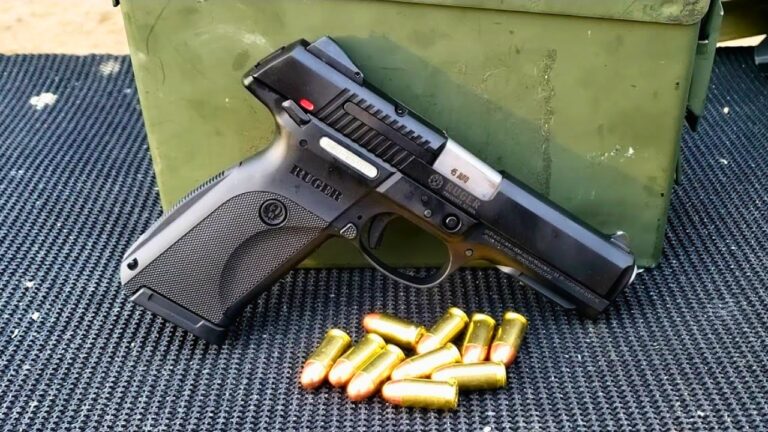
Ruger P91
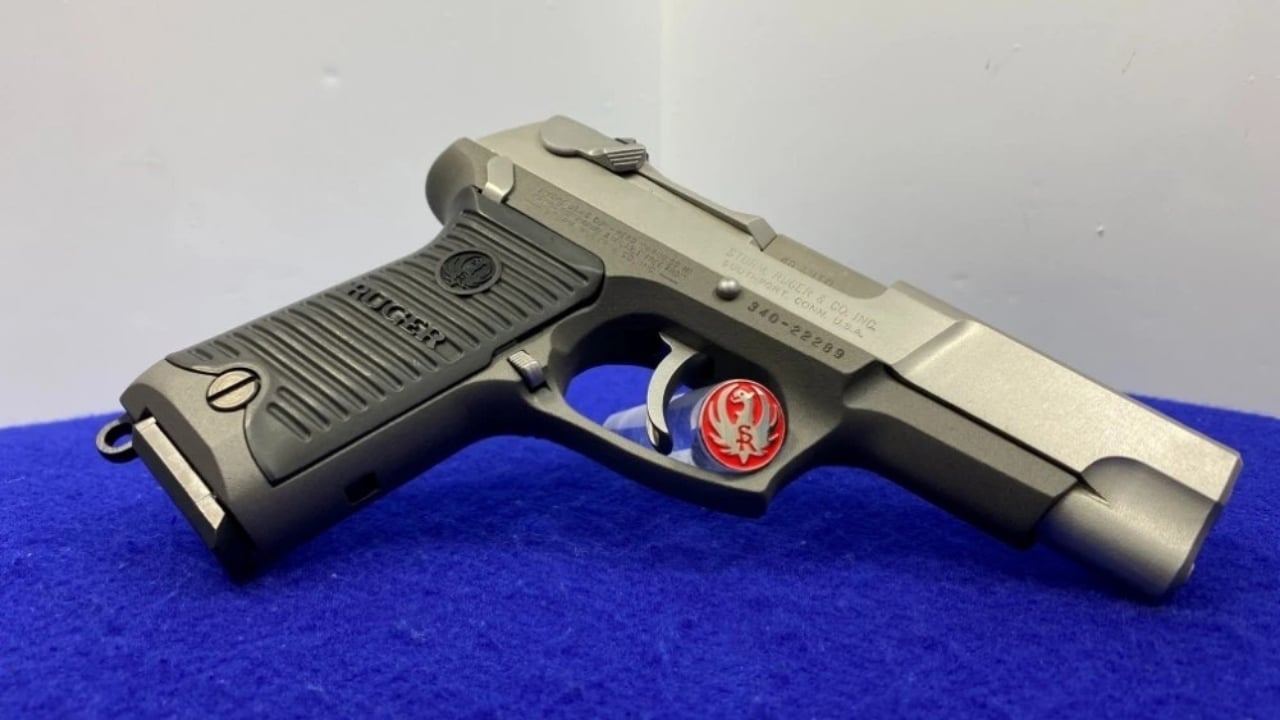
The P91 never won beauty contests, and that probably helped people underestimate it.
Like much of Ruger’s early P-series, it was built with durability taking priority over slim dimensions or elegant machining. The pistol feels blocky, but it also feels like something designed to survive being bounced around in a duty holster or range bag for years. Newer .40-caliber pistols may be lighter and easier to customize, but the P91 developed the kind of reputation that comes from simply refusing to quit.
Beretta 89 Target
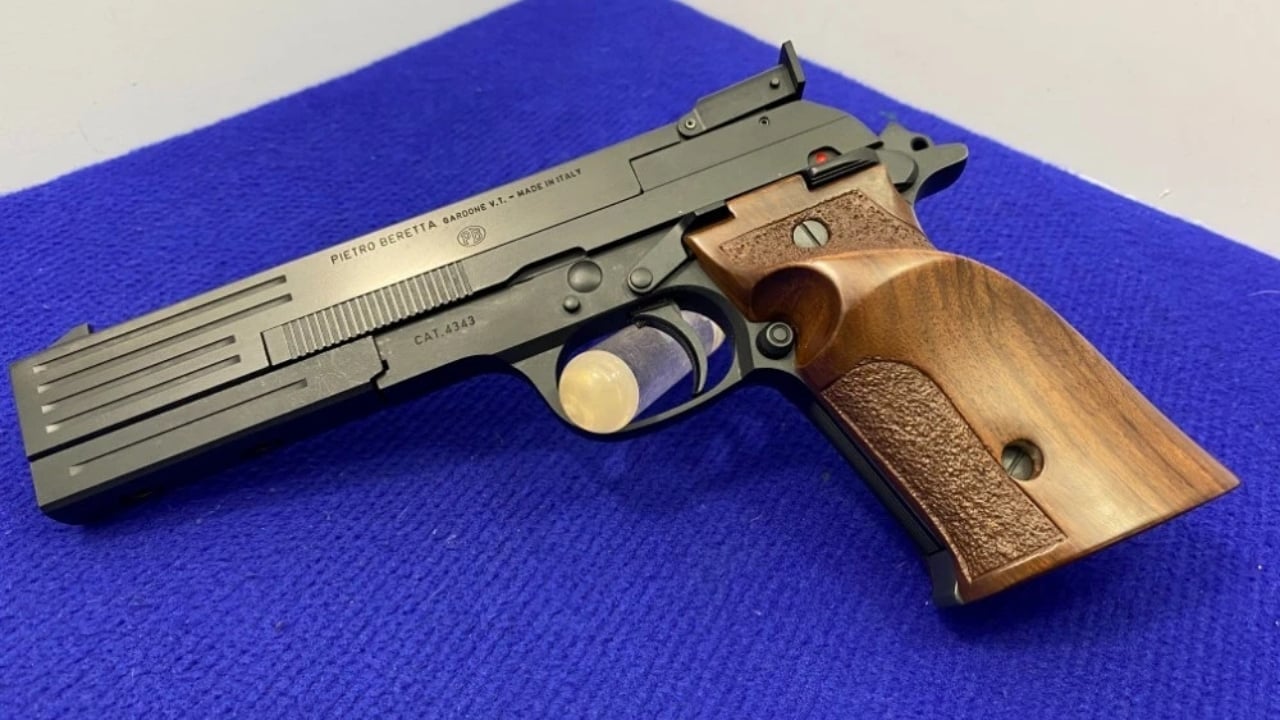
The Model 89 was designed as a serious .22 target pistol rather than a lightweight recreational gun.
That matters because rimfire semiautomatics can become frustrating quickly when they are ammunition-sensitive or loosely built. The Beretta’s substantial frame, fixed-barrel layout, and target-focused design make it exceptionally pleasant when consistency matters. A newer rimfire may offer threaded barrels and optics cuts, but the old 89 shows why mechanical stability and a good trigger still count for more than a feature list.
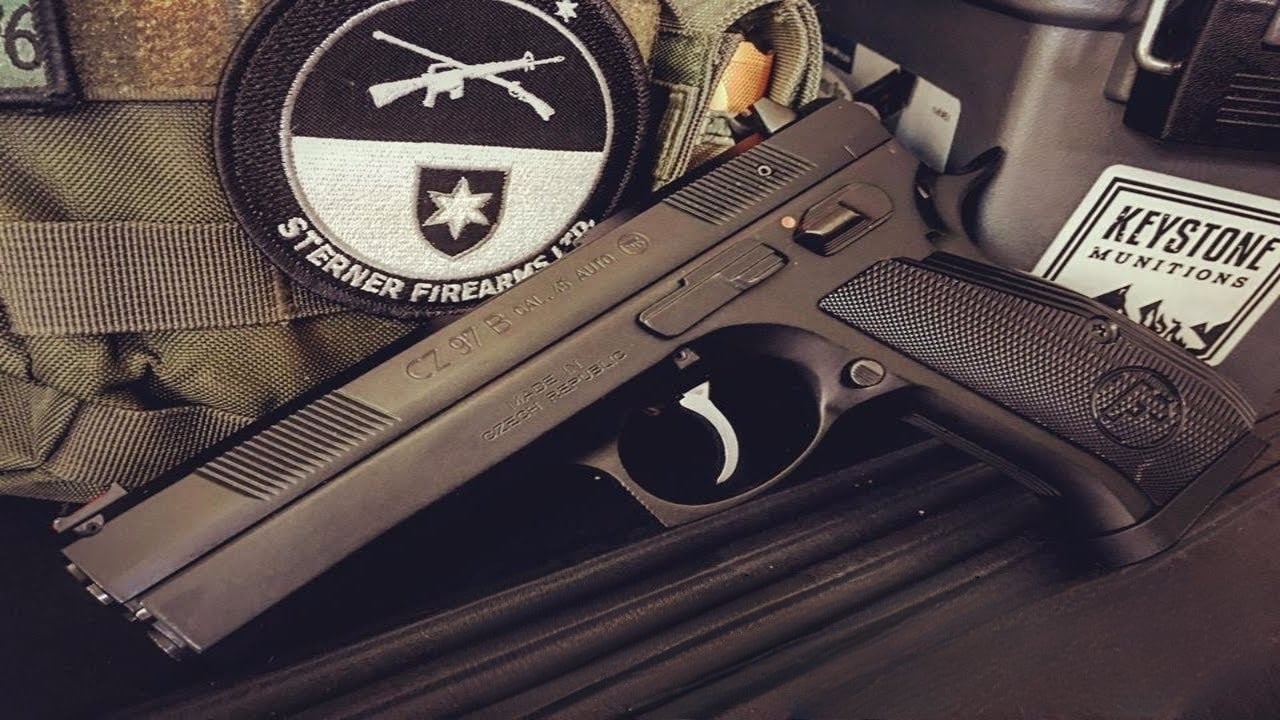
CZ 97 B
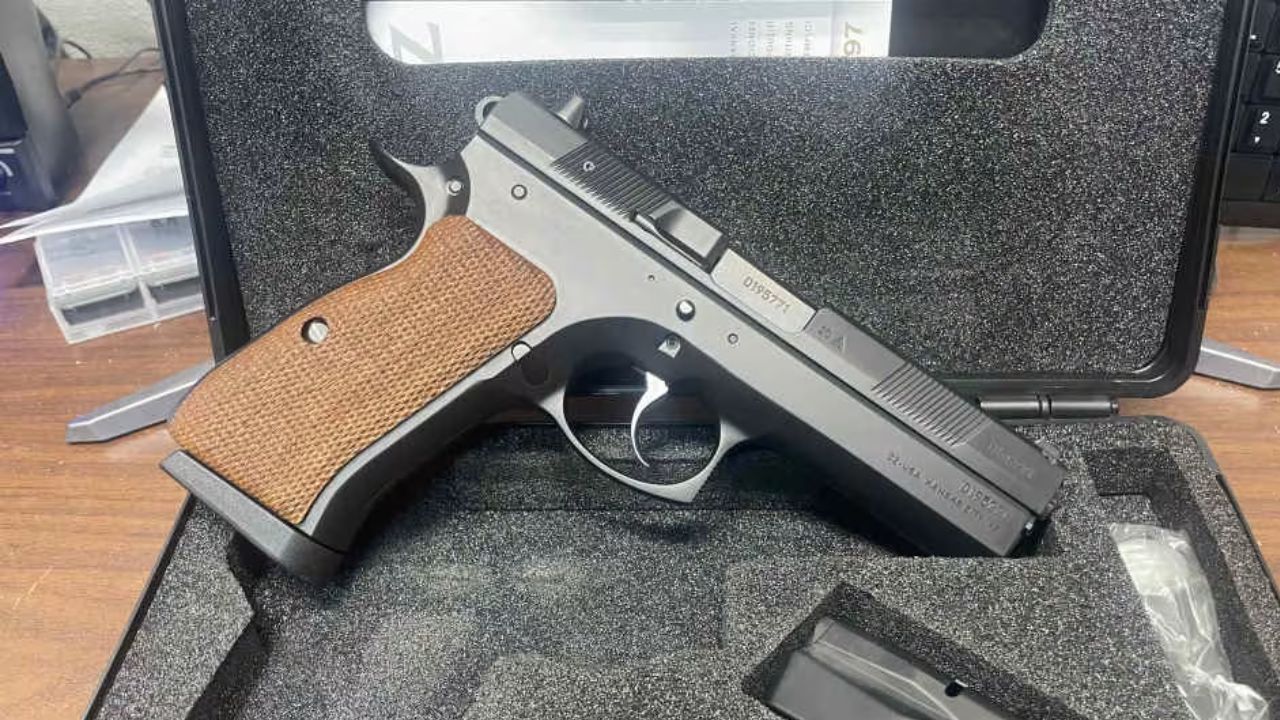
The CZ 97 B never achieved the fame of the CZ 75, partly because it is a large, heavy .45 ACP pistol in a market that increasingly preferred polymer frames.
That weight is also why it shoots so well. The steel frame absorbs recoil, the slide runs low in the frame, and the pistol feels planted during rapid strings. Plenty of newer .45s are easier to carry, but some sacrifice the calm shooting characteristics that made big steel pistols so forgiving. The 97 B proved that mass and traditional construction still have advantages.
HK Mark 23
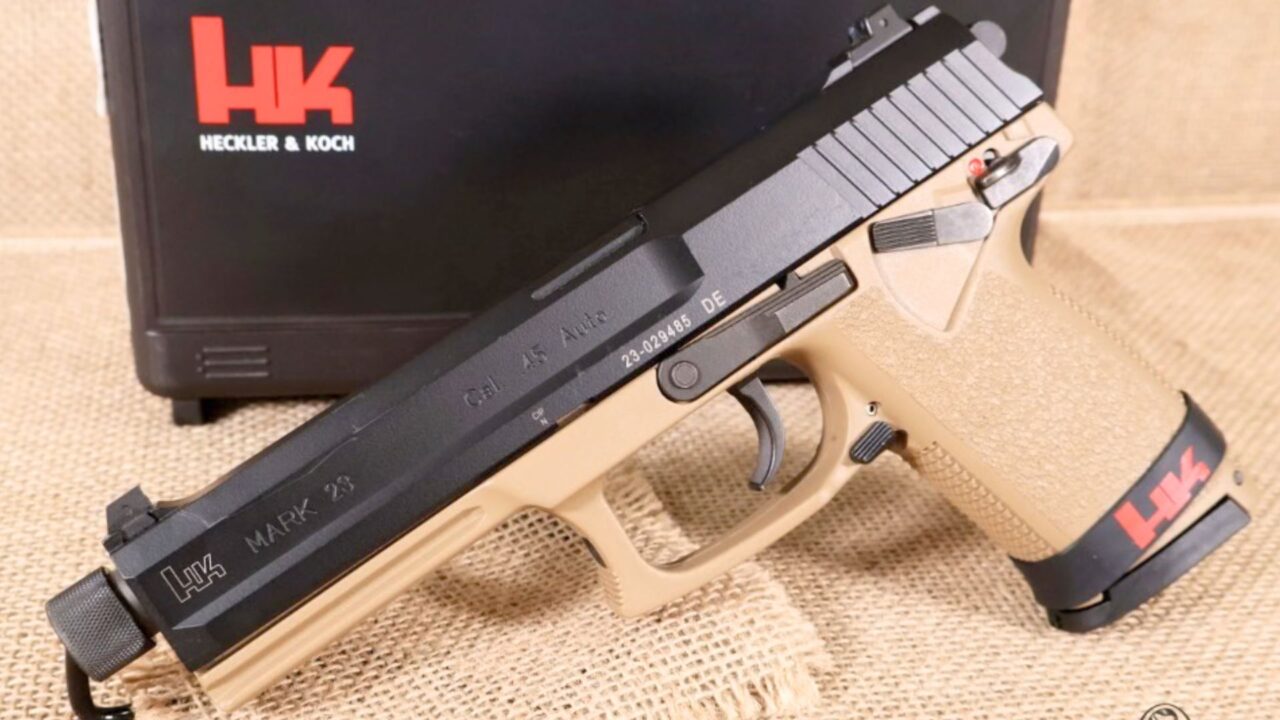
The Mark 23 is comically large for a handgun, but it was never designed around concealability.
It was built around demanding service requirements, and that explains the oversized components and deliberate construction. The pistol became famous for durability, accuracy, and suppressed use rather than compact dimensions. Newer tactical pistols can offer similar accessory compatibility in much smaller packages, but few have the same overbuilt personality. When reliability takes priority over convenience, the Mark 23 remains difficult to dismiss.
Colt 1991A1 Compact
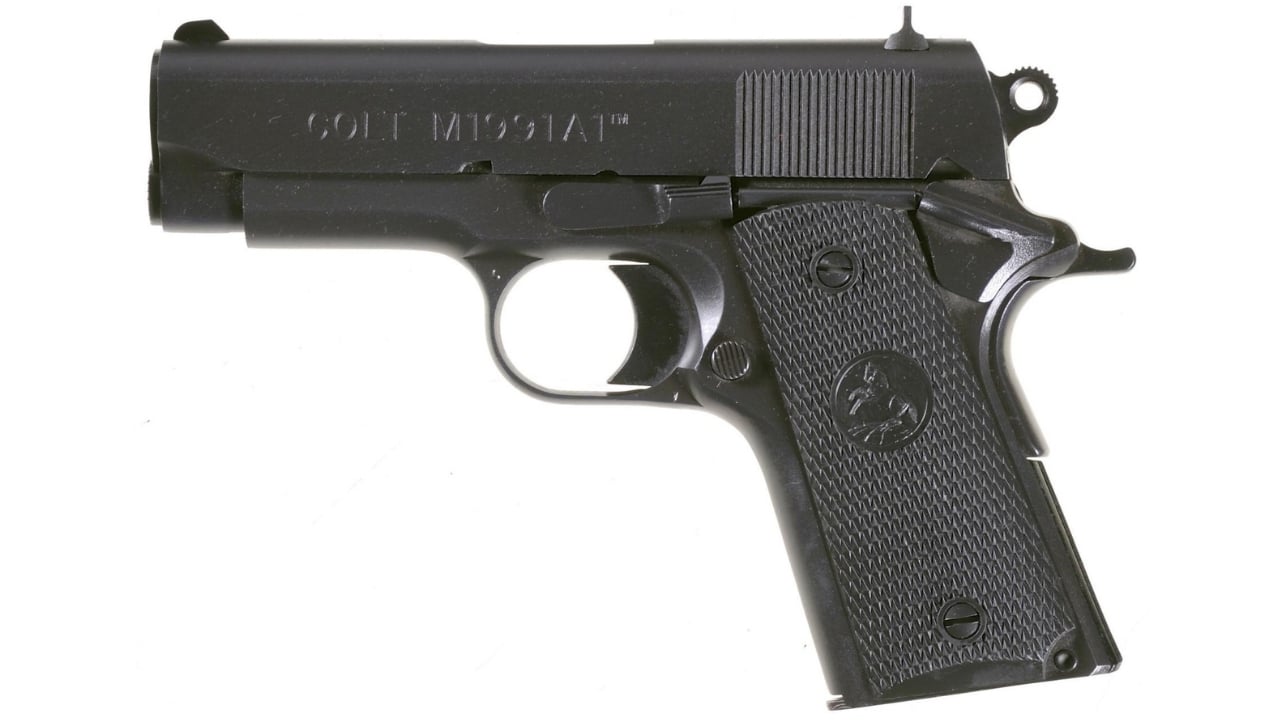
The 1991A1 Compact was never the glamorous Colt. It was a working 1911 intended to provide the basic platform without the premium presentation.
That simplicity can be a strength. A properly sorted example gives you the familiar single-action trigger, slim grip, and all-steel feel without relying on elaborate factory extras. Newer compact 1911s may be lighter and better equipped, but they can also become more sensitive as dimensions shrink and timing gets tighter. The older Colt’s conservative approach still has appeal.
Browning Buck Mark Standard URX

The Buck Mark Standard URX is easy to overlook because Browning has produced so many rimfire configurations over the years.
The underlying platform is what matters. The fixed-barrel design, comfortable grip, and established magazine system make it a dependable choice for high-volume rimfire shooting. Newer .22 pistols often arrive with flashier styling and modular accessories, but many serious shooters eventually care more about whether the gun runs consistently through several hundred rounds.
Marlin Model 70P Papoose

The Papoose was built as a takedown .22 long before compact survival rifles became trendy again.
Its appeal is straightforward. The barrel removes easily, the rifle stores compactly, and the operating system does not require an elaborate folding chassis. Modern packable rimfires may look more advanced, but more moving parts and specialized components do not automatically make a field rifle better. The Papoose proved that compact storage could be achieved without turning the gun into a mechanical puzzle.
Winchester Model 190
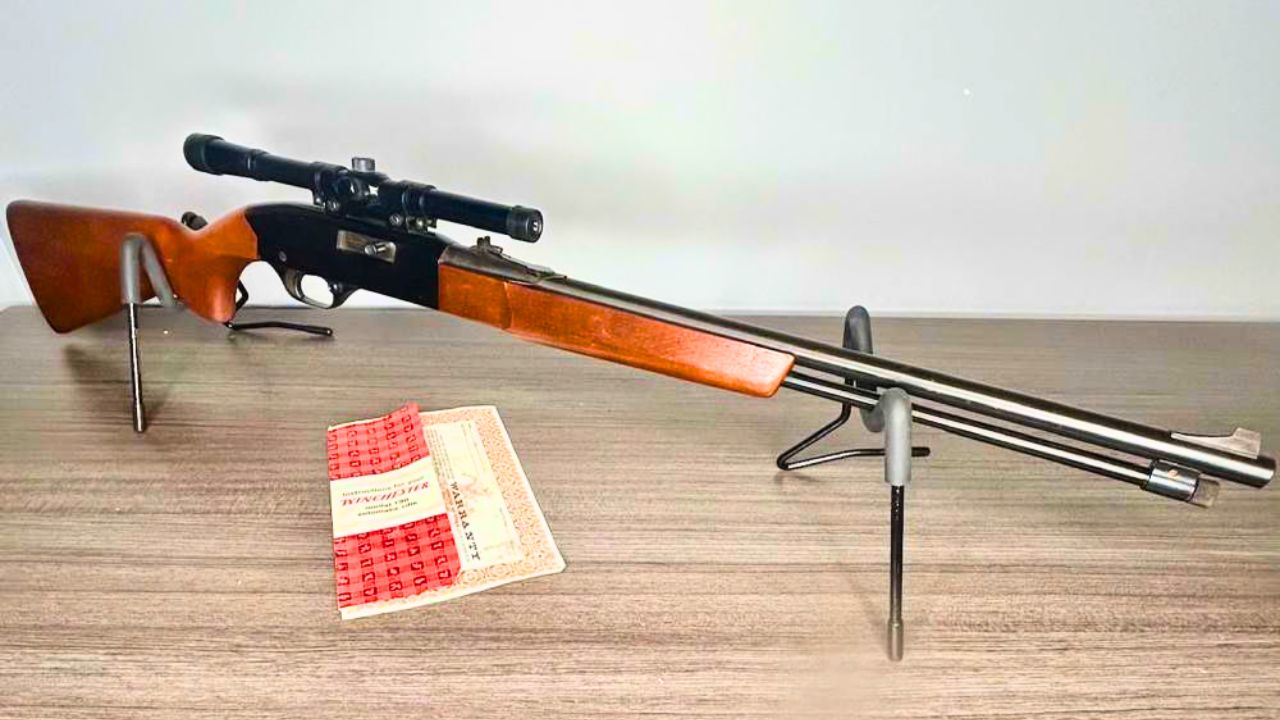
The Model 190 was an inexpensive semiautomatic .22 designed for ordinary shooters, and many were treated accordingly.
That is what makes surviving well-used examples interesting. These rifles spent decades firing cheap bulk ammunition, riding in trucks, and teaching new shooters without needing to be treated delicately. Modern rimfires may offer better triggers and accessory rails, but the old Winchester demonstrates why straightforward blowback rifles developed such loyal followings.
Remington Model 552 Speedmaster

The Speedmaster survived because it offered something newer rimfires often overlook: tremendous ammunition flexibility in a traditional semiautomatic design.
The tubular magazine and action allow the rifle to handle .22 Short, Long, and Long Rifle ammunition, giving it a versatility many current detachable-magazine guns cannot match. That capability may seem old-fashioned until ammunition availability changes or you simply want to shoot quieter, lower-powered loads. The 552 proved that practical flexibility can matter more than looking modern.
Browning Auto-5 Magnum Twelve
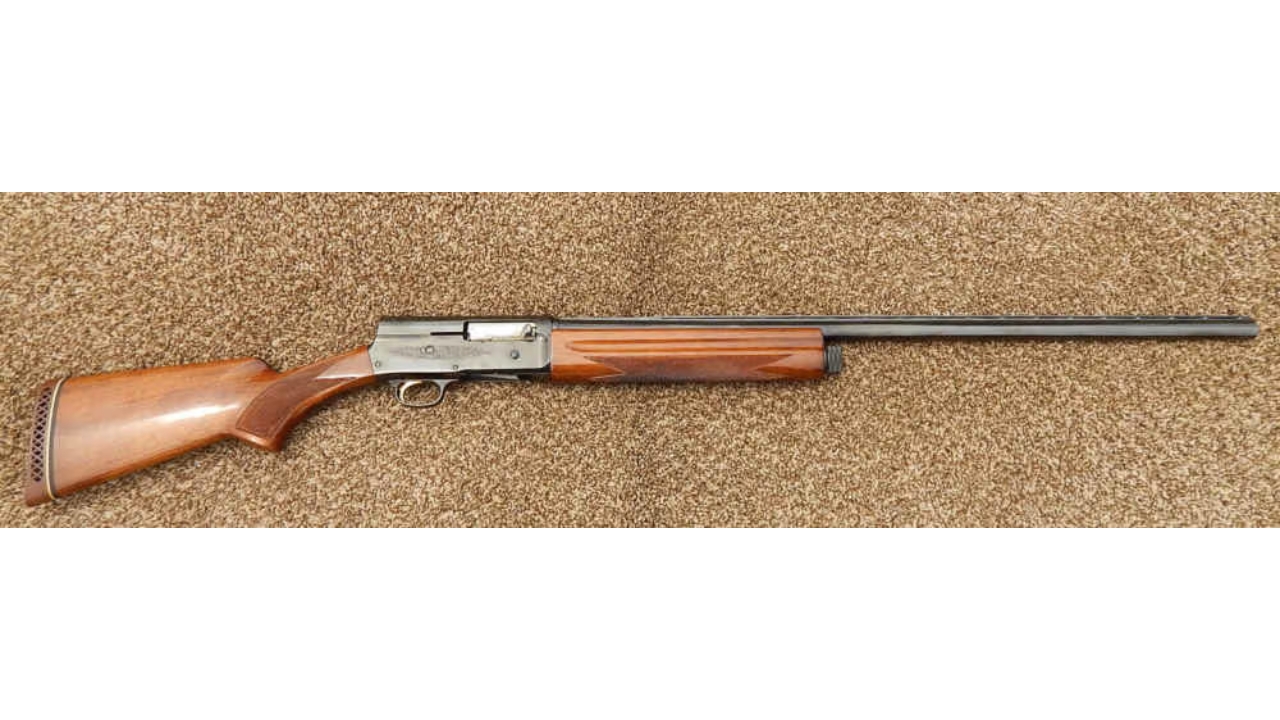
The old Auto-5 is heavier and mechanically stranger than most current semiautomatic shotguns.
It is also one of the designs that proved semiautomatic shotguns could survive generations of serious field use. The long-recoil action has a distinctive feel, and proper friction-ring setup matters, but once understood the gun is remarkably durable. Modern gas and inertia guns are smoother and easier to configure, yet plenty of Auto-5s are still hunting long after newer shotguns have come and gone.
Ithaca Model 37 Deerslayer II
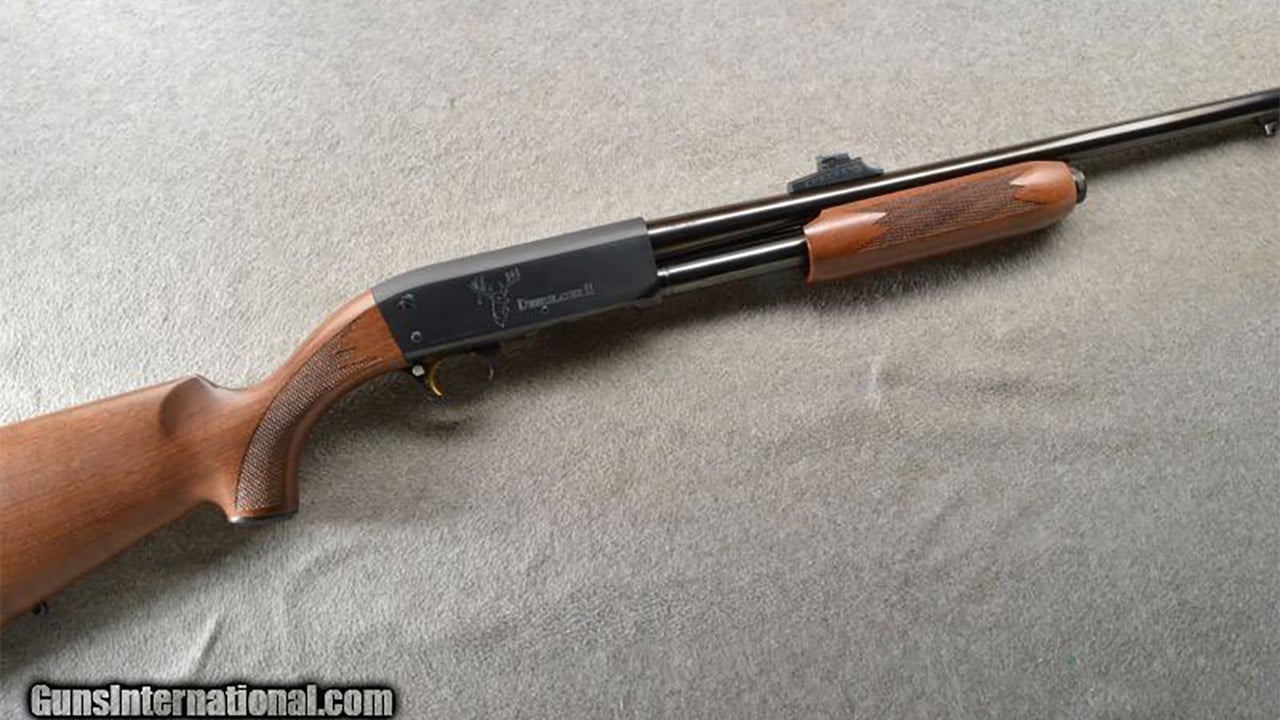
The Deerslayer II is built around an old pump-action design adapted specifically for slug hunting.
The bottom-ejecting Model 37 action is slick, compact, and already had decades of field history behind it before specialized slug guns became common. Newer platforms offer detachable magazines and optics rails, but the Ithaca’s appeal is how little there is to go wrong. For hunters who value repeatable operation in bad weather, that kind of familiarity still matters.
Remington Model 870 Wingmaster
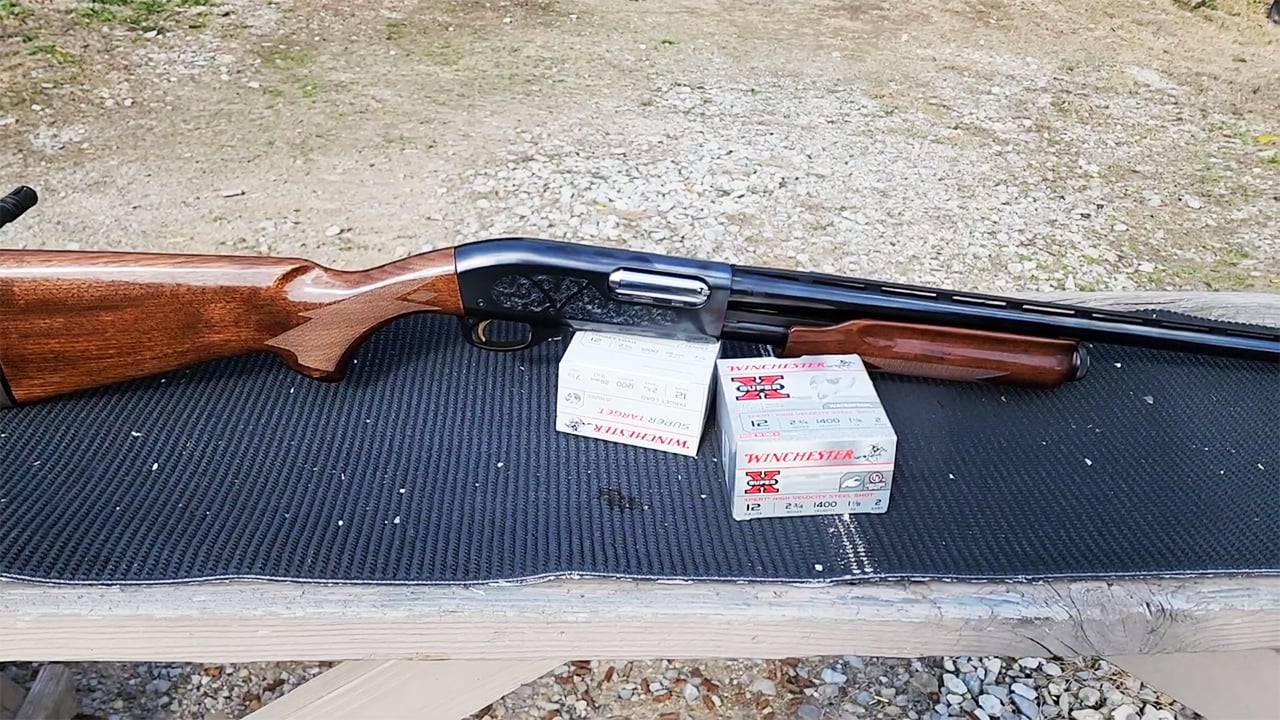
The Wingmaster earned its reputation before manufacturers began covering pump shotguns in tactical furniture.
A smooth action, steel receiver, and decades of field use made it one of the most trusted American shotguns ever built. Newer pumps may have larger controls, rail systems, and lighter components, but a good older Wingmaster reminds you what mechanical smoothness feels like. When a new shotgun feels rough or cheaply finished, the comparison becomes difficult to ignore.
Winchester Model 12 Heavy Duck
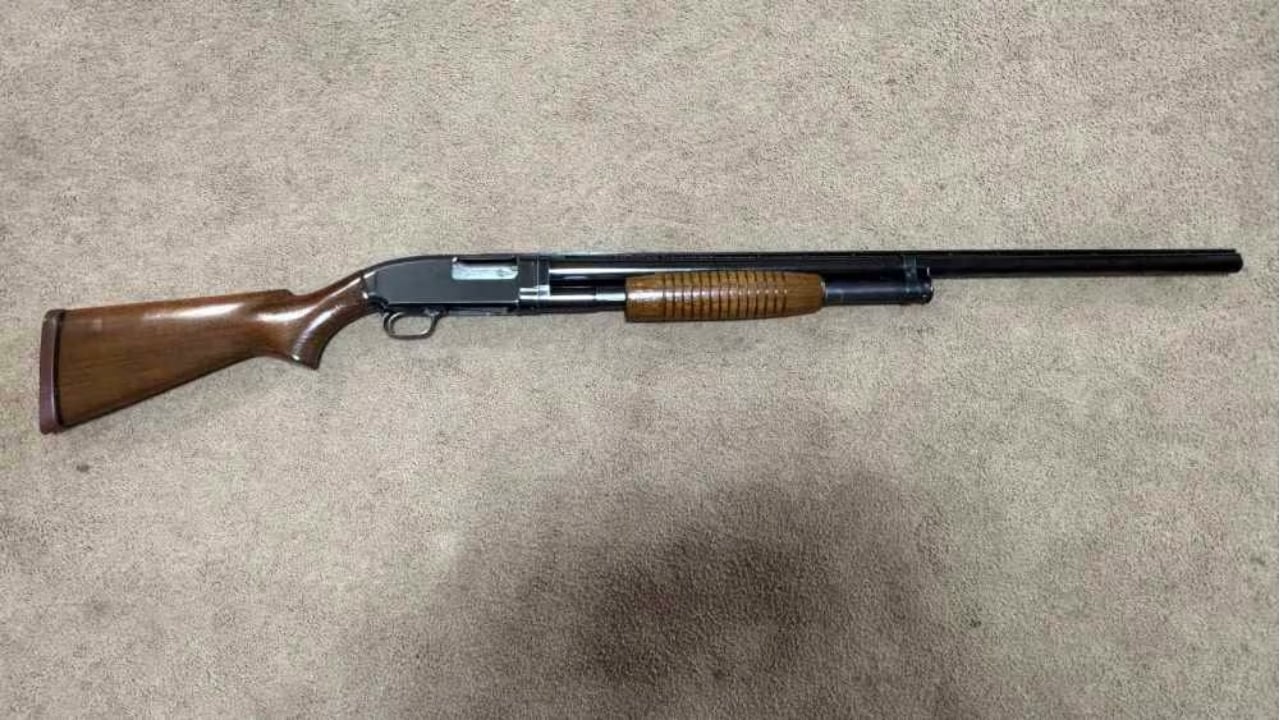
The Heavy Duck version of the Model 12 was built for serious waterfowl loads and hard field use.
It is heavy, traditional, and completely lacking in modern shotgun conveniences. Yet the forged-and-machined construction gives the action a feel that is difficult to duplicate economically today. Modern waterfowl guns may handle harsh finishes and steel shot better depending on configuration, but the Model 12 earned its reputation in an era when a hunting shotgun was expected to remain in service for generations.
Browning Citori Lightning
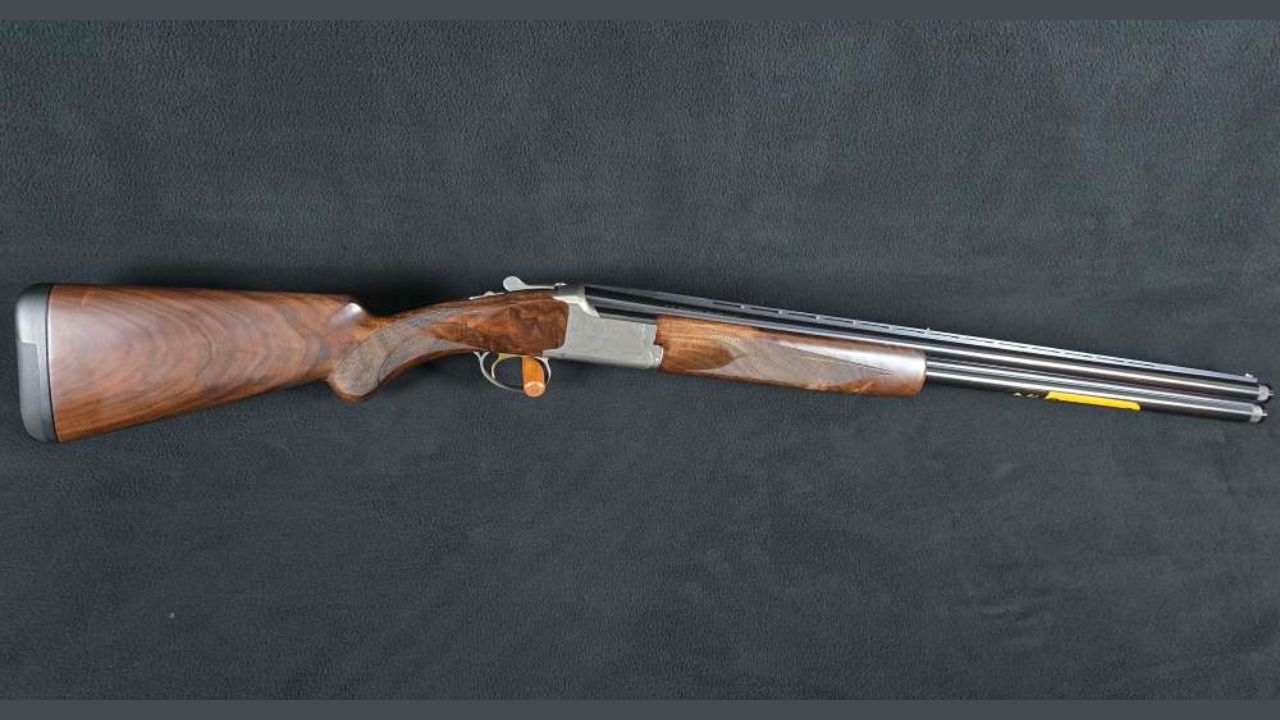
The Citori Lightning does not need electronics, adjustable comb hardware, or exotic recoil systems to remain relevant.
Its appeal comes from a proven break-action design, good balance, and the fact that there is very little operating complexity between the shooter and the target. Semiautomatics can malfunction. Pumps can be short-stroked. A quality over-under removes those concerns and lets the shooter focus on mounting the gun correctly. That is why traditional doubles continue to prove themselves even beside much newer designs.
Savage Model 99F
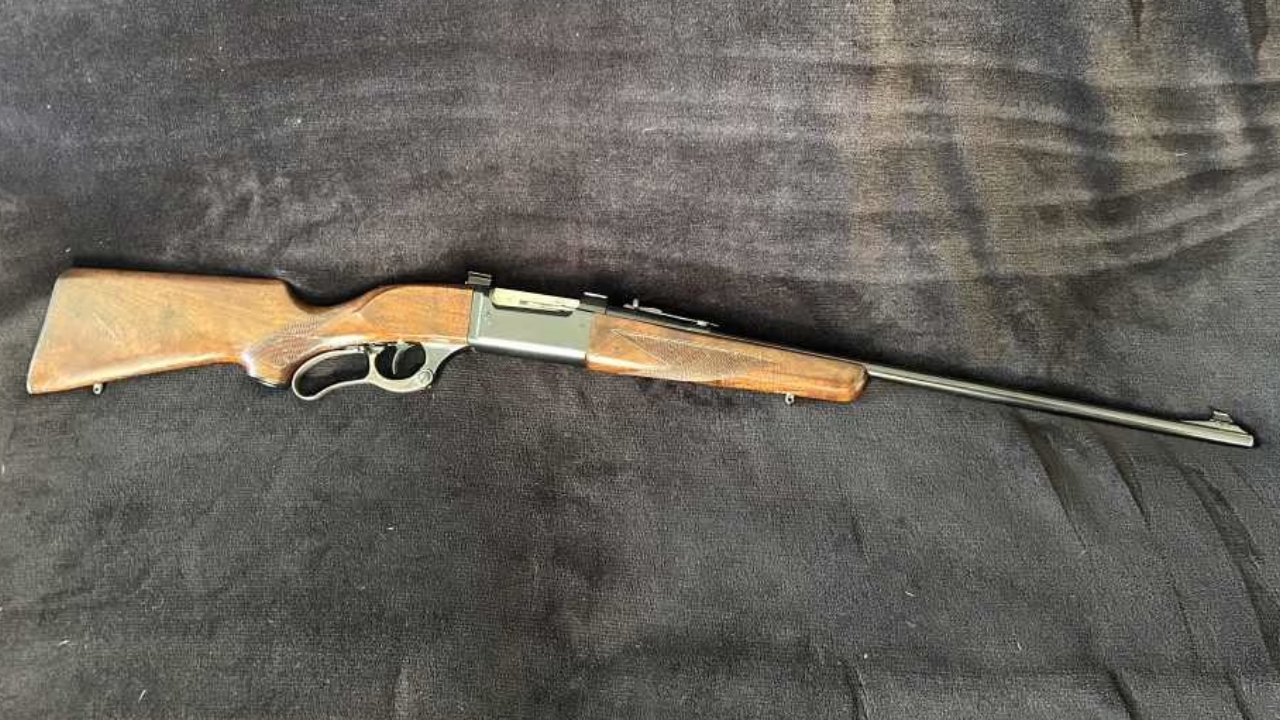
The 99F offered a lightweight lever-action rifle chambered for cartridges that conventional tubular-magazine lever guns could not easily use.
Its rotary-magazine system and hammerless action were sophisticated long before modern hunters started demanding compact rifles with streamlined receivers. Newer lever guns may offer rails and threaded barrels, but the Model 99 had already solved the problem of combining lever-action handling with pointed hunting bullets. It remains a reminder that some genuinely advanced ideas arrived decades earlier than people remember.
Mauser 98 Sporter

The basic Mauser 98 action is old enough that almost every current bolt rifle looks advanced beside it.
Yet controlled-round feeding, massive locking lugs, strong extraction, and a reputation built under terrible conditions are why the design influenced generations of sporting rifles. Modern actions can be smoother, lighter, and easier to manufacture, but the Mauser’s strength is that nobody has to wonder whether the concept works. When a newer rifle develops feeding or extraction problems, the old 98 suddenly looks very modern in the one category that matters most: getting the next cartridge into the chamber.
Like The Avid Outdoorsman’s content? Subscribe to our newsletter so you never miss an article.
Here’s more from us: