Photo credit: TheGearTester/Youtube
Every gun counter has a few that sit there like a stray dog that never gets adopted. Not because they’re junk. More like they landed in the wrong decade, got crowded out by a louder competitor, or suffered one bad rumor that never died. I’ve watched good rifles and pistols get ignored for years while folks line up for the same three “safe” picks that everybody on the internet already owns.
So here are twenty that, in my opinion, deserved a lot more love than they got. Some are sleepers that run like a top. Some were ahead of their time. A few have flaws that scared buyers off, but not enough to sink the whole idea. If you’ve ever sold one and then spent the next season thinking about it in the deer stand, you’ll understand.
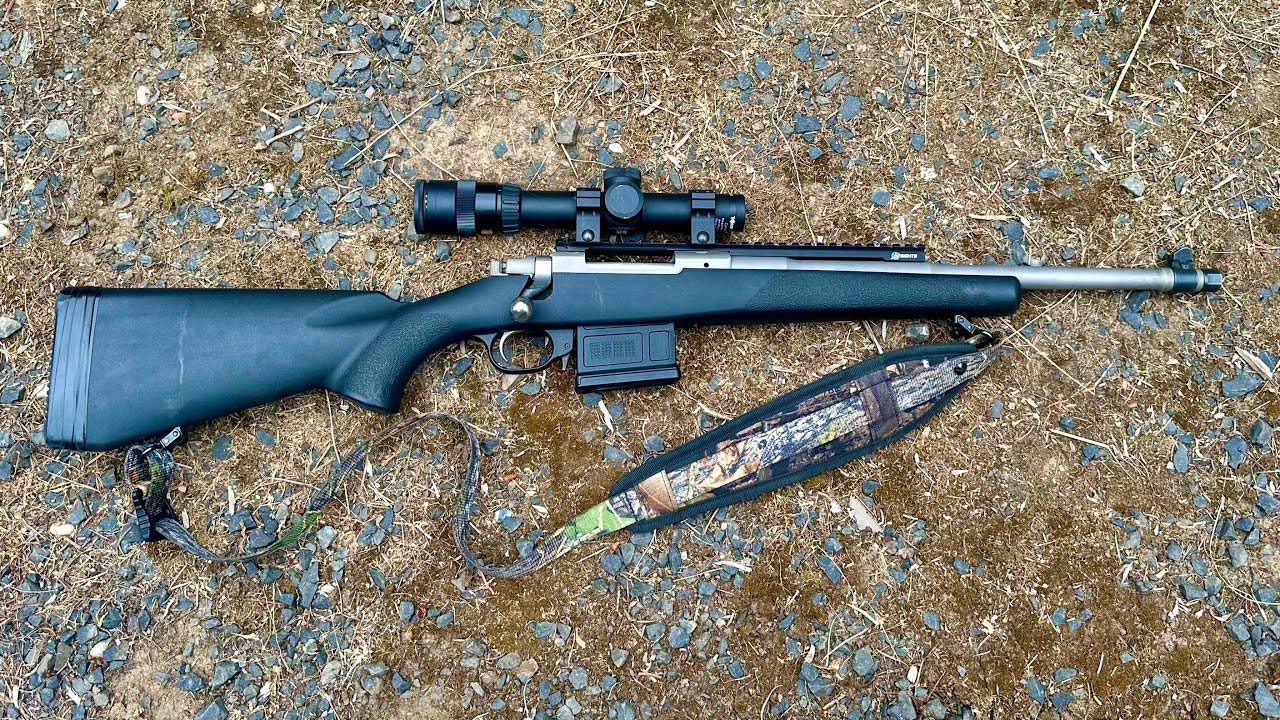
1. Ruger Gunsite Scout Rifle
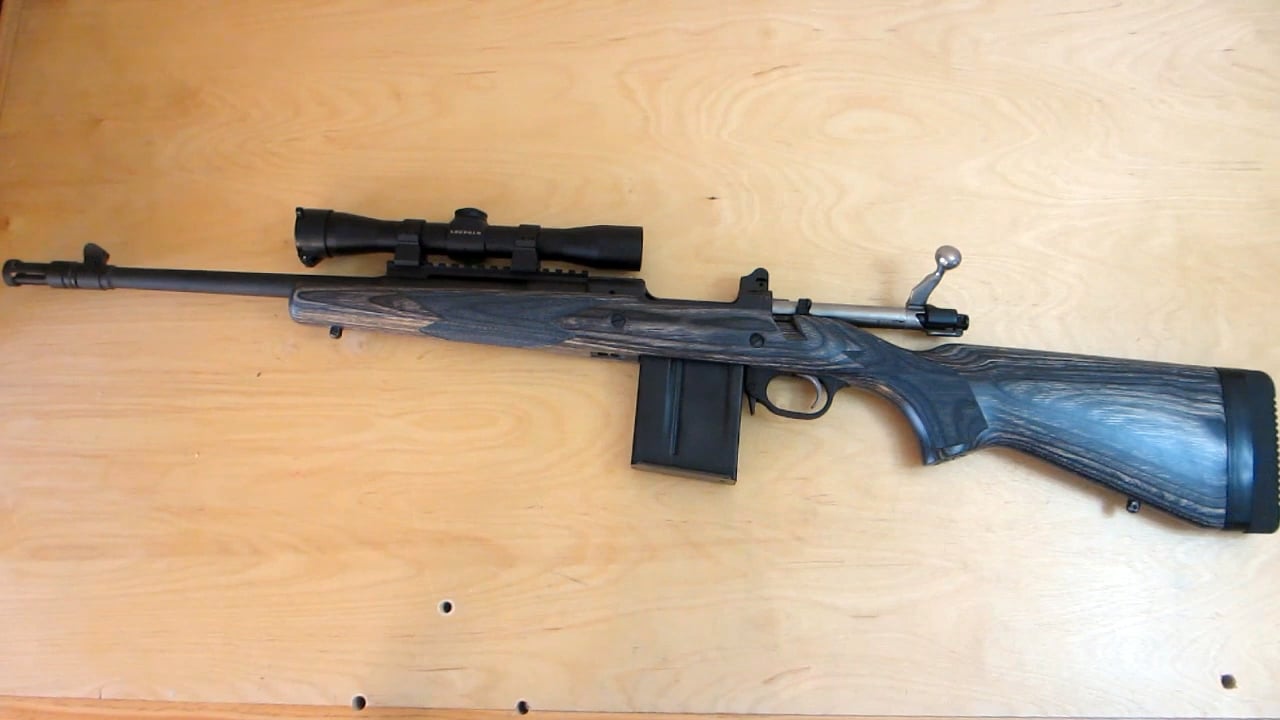
The Scout got called a “concept rifle” like it was some kind of homework assignment, not a working gun. Meanwhile, it’s short, handy, and built like you could drag it behind a four-wheeler and still hunt with it that afternoon. For brush, timber, and ranch work, that matters.
What held it back was the way it didn’t fit into a neat box. Too modern for traditionalists, not “tactical” enough for the tacticool crowd, and the forward optic setup confused guys who just want a normal scope. Still, a compact .308 with good iron sights and controlled-round feed is a real tool, not a gimmick.
2. CZ 527 (especially in .223 Rem or 7.62×39)

There’s a certain feel to the little CZ 527 bolt guns—light, trim, and honest. They carry like a .22 but hit like a real rifle, and the single-set trigger on many of them is one of those features you don’t appreciate until you shoot it.
They never got mainstream because the detachable magazine looks a little awkward and the “mini-Mauser” thing sounds old-fashioned. Then they got discontinued and everybody acted surprised. If you find one that feeds well with the ammo you like, it’s a hard rifle to beat for walking varmint duty or a farm rifle that actually gets carried.
3. Smith & Wesson Model 642 (J-frame Airweight)
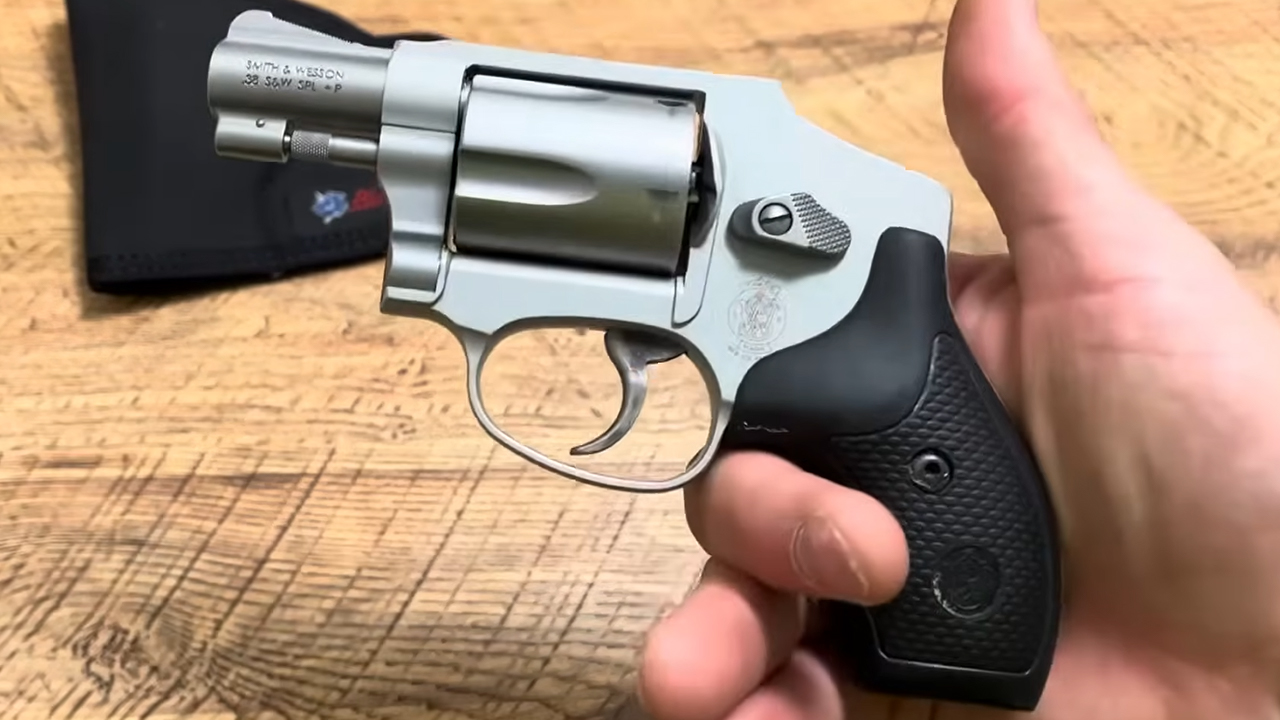
Polymer micro 9s stole the conversation, but the 642 kept doing what it always did: disappear in a pocket and work when you need it. There’s no magazine to seat, no slide to go out of battery, and no lint-packed feed ramp to discover at the worst moment.
Yes, it’s snappy. Yes, the sights are basic. But it’s one of the few guns that truly fits “always gun” life. The popularity should’ve stayed higher because a carry gun you actually carry beats the perfect one you leave in the truck.
4. Browning BPS (bottom-eject pump)

The BPS is a lefty’s dream and a righty’s quiet advantage too. Bottom-eject keeps hulls out of your buddy’s face in the duck blind and helps keep weather and junk from blowing into the action. It also feels smoother than most pumps once it’s broken in.
It didn’t dominate because it’s heavier than the bargain pumps and often costs a little more. But if you hunt in cold rain, snow, and cattails, that extra steel and that sealed-up feel start making sense.
5. Beretta 92G (decocker-only variant)
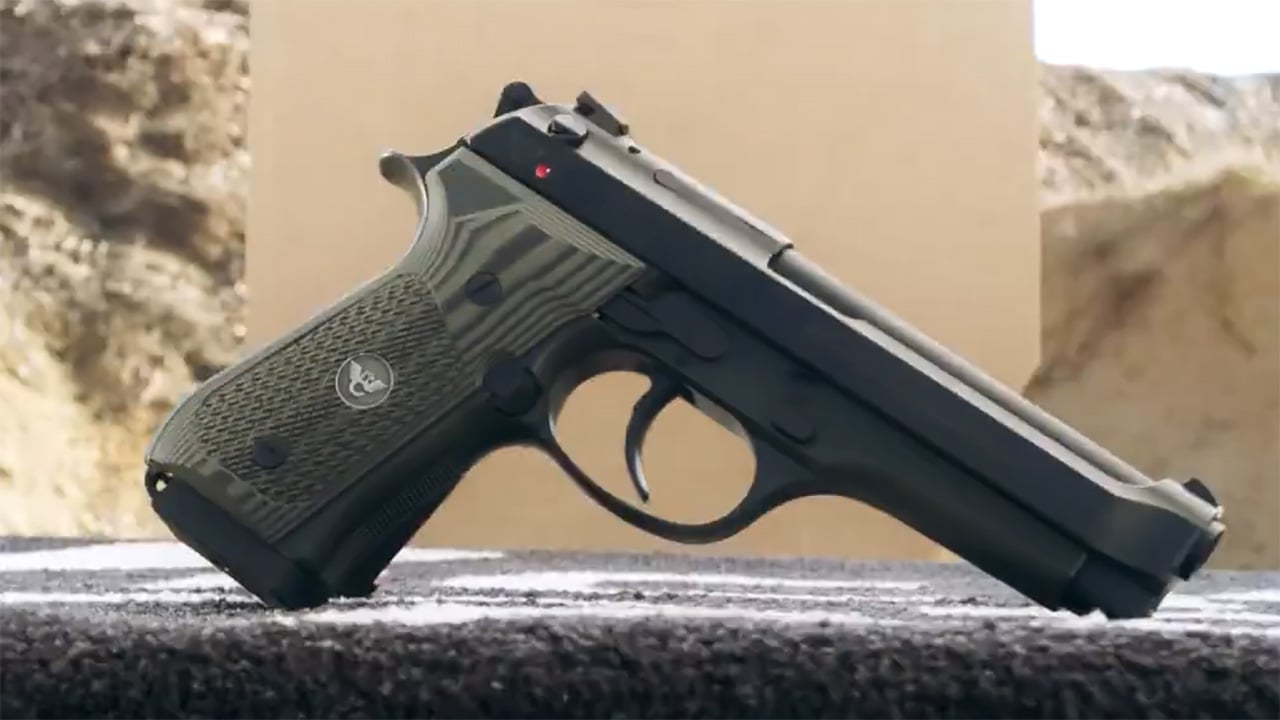
The Beretta 92 got pegged as “old service pistol” and left to live in movie props. The G-model decocker-only setup fixes one of the biggest complaints—accidentally leaving it on safe when you meant “fire.” That’s not a small thing under stress.
It shoots soft, points naturally for a lot of hands, and runs dirty. The size turns off the concealed-carry crowd, but as a nightstand gun or range workhorse, it deserved more respect than the striker-only era gave it.
6. Ruger P95 (and the P-series in general)
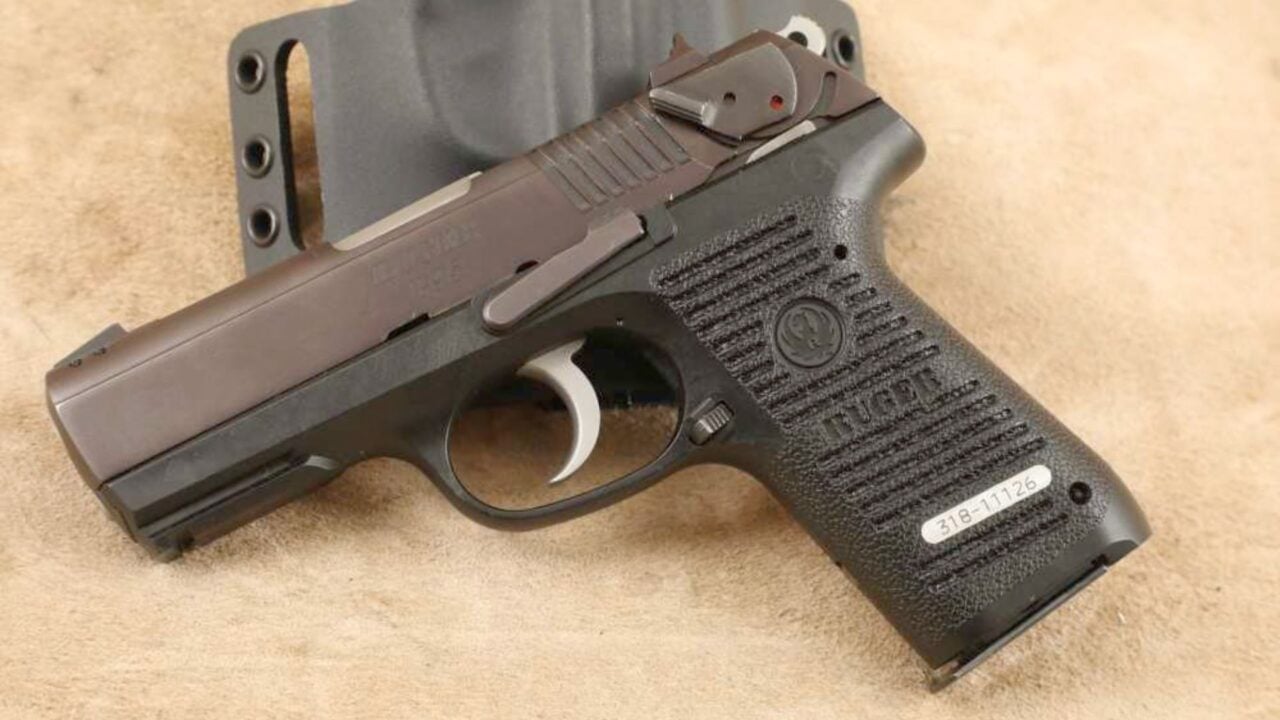
These were the “ugly Rugers” everybody’s uncle owned. Big slide, blocky grip, no glamour. Then you shoot one that’s been neglected for ten years, and it still runs.
The P95 especially is a tough-as-a-fence-post 9mm that rarely quits. It never became cool, and it never became collectible, but for a budget home-defense pistol that isn’t picky, it should’ve stayed in more nightstands.
7. Marlin 1894C (.357 Magnum lever action)
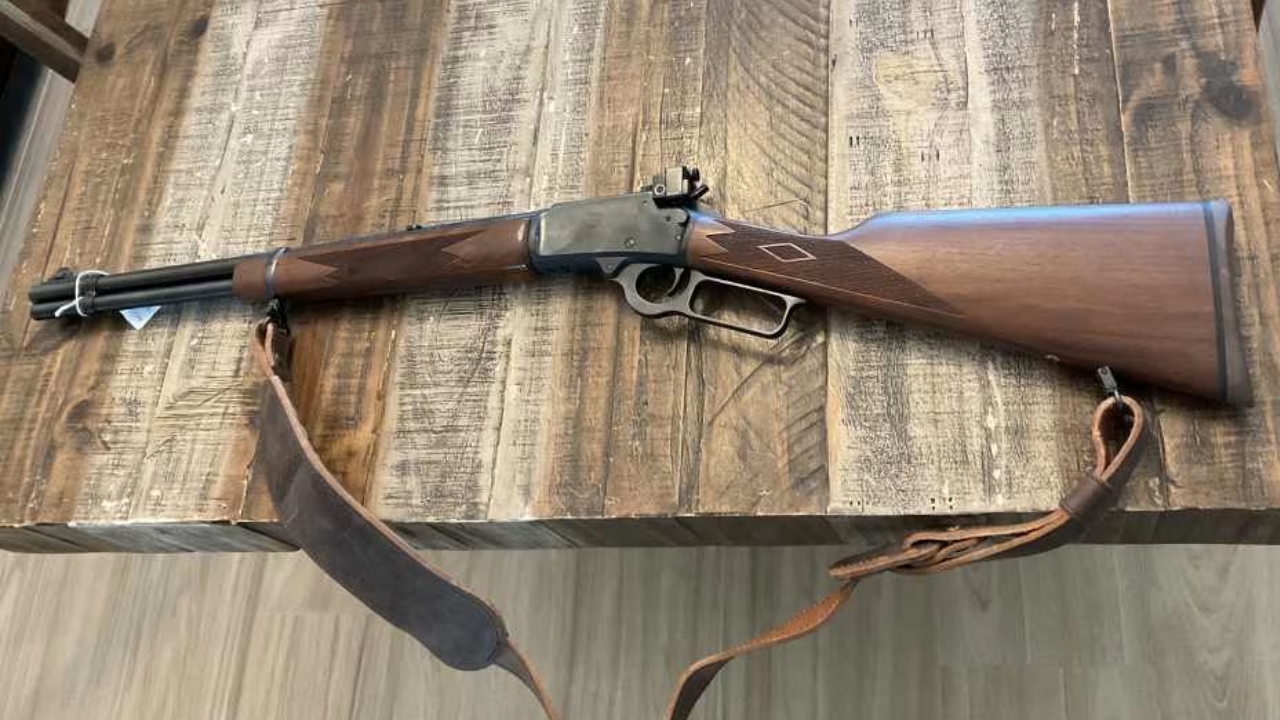
A .357 lever gun is one of the most useful “do most things” rifles you can own. Cheap practice with .38s, legitimate punch with .357s, mild recoil, and it carries like a walking stick. In thick timber, it’s quick.
The trouble was timing and availability. When they were around at decent prices, folks ignored them. When they got scarce, everybody suddenly wanted one. If you find a good example, it’s a rifle that gets used, not admired.
8. Winchester Model 88
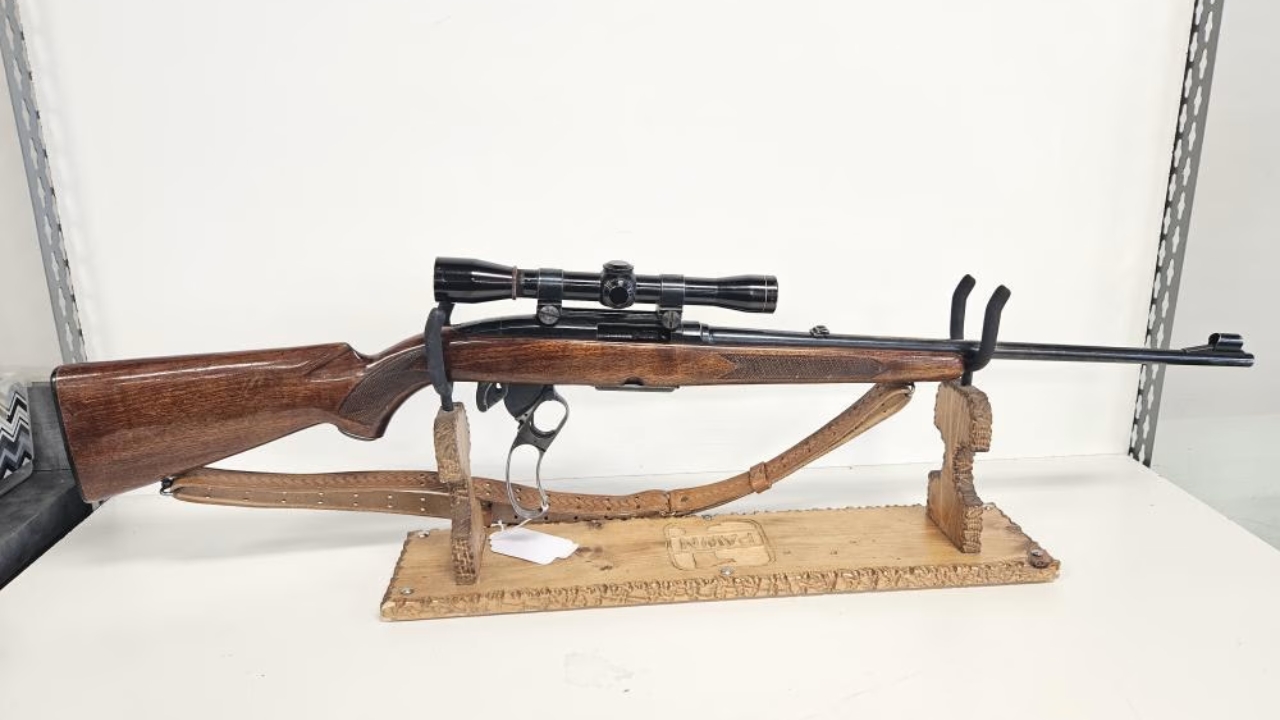
The Model 88 is what happens when you want lever-action handling but bolt-gun cartridges and a box magazine. It’s slick, fast, and points like a bird gun, which is not a small advantage when a buck steps out and gives you a short window.
It didn’t stick around because it was more complicated and more expensive to build than a standard lever gun. But as a hunting rifle, it’s one of those designs that feels better in the hands than it looks in photos.
9. Remington 7600 (pump rifle)

Pump rifles get made fun of until you hunt thick country with gloves on and don’t want to break cheek weld to run a bolt. The 7600 is fast, familiar to shotgun hunters, and surprisingly accurate with the right loads.
It should’ve been more popular because it’s one of the best “one rifle for deer camp” options when you’ve got mixed shooters. The downside is parts and magazines can be their own little treasure hunt, and that kept some buyers away.
10. Savage 99
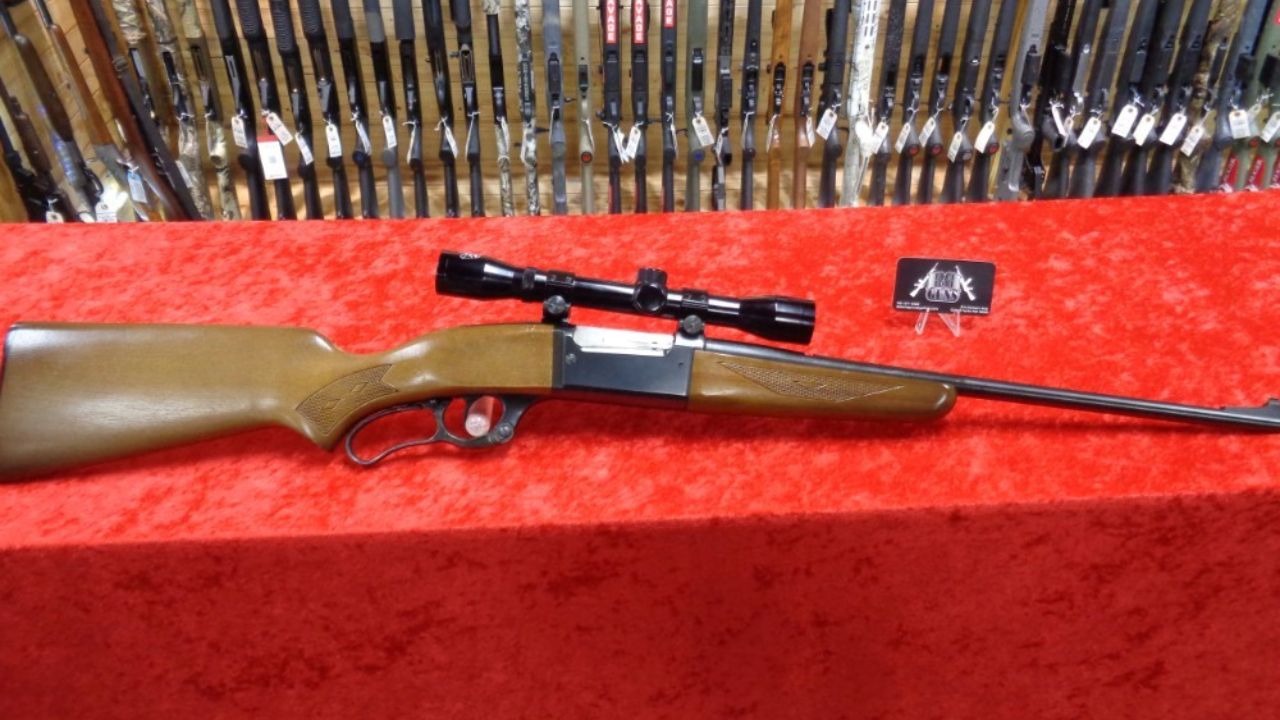
The Savage 99 is one of the great American hunting rifles, and it doesn’t get talked about enough anymore. It carries flat, balances well, and the rotary magazine lets you run pointed bullets safely—something older tube-fed levers can’t claim.
They’re not cheap now, and some are finicky if they’re worn, so I get why the average guy walks past them. Still, when you shoulder a good 99, you can tell it was built for hunters who walk, not just shooters who sit at benches.
11. Ruger SP101 (2.25-inch and 3-inch)

The SP101 lives in that middle ground that doesn’t sell well: heavier than an Airweight, smaller than a full-size revolver. But the extra weight is exactly why it works. You can actually practice with it, which is the part that gets skipped.
In .357 it’s stout but manageable, and in .38 it’s downright pleasant. A 3-inch SP101 with decent sights is one of the most sensible “do it all” revolvers Ruger ever made.
12. Smith & Wesson Model 10

This is the revolver that trained generations, and it’s still one of the best ways to learn double-action shooting the right way. It’s not fancy. It’s not rare. It’s just good.
It should’ve stayed more popular because it’s affordable (when the market is behaving), reliable, and easy to maintain. The modern market treats it like a relic, but it’s a better shooter than a lot of new budget handguns.
13. SIG Sauer P239
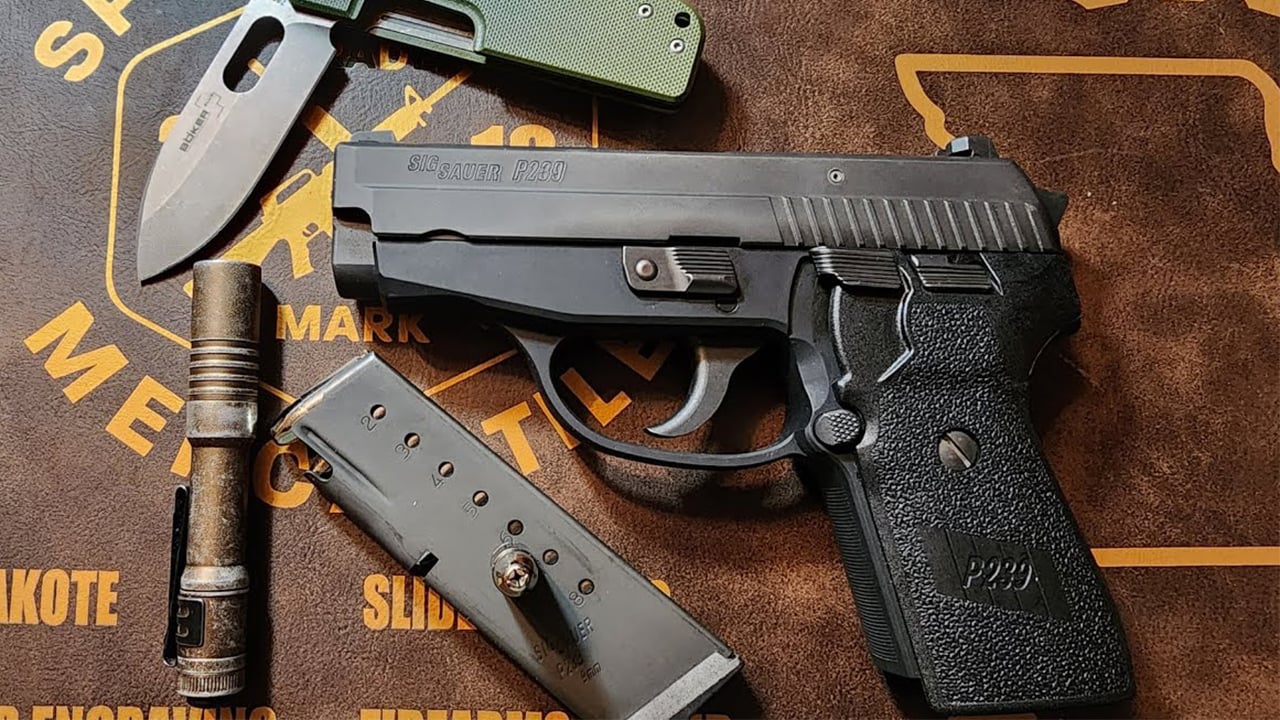
The P239 was a single-stack carry pistol before “single-stack carry pistol” was a whole industry. It’s slim, accurate, and has that solid SIG feel that makes cheap guns feel like toys. In .357 SIG it’s a serious little package.
It got pushed out by lighter polymer guns and higher-capacity compacts. Weight is the complaint, and it’s fair. But shoot one side-by-side with some of the ultra-light options and you’ll remember why weight can be your friend.
14. Heckler & Koch P2000

The P2000 is one of the most practical pistols HK ever made, and it gets overshadowed by the USP and the VP9. It’s the “boring good” one—compact enough to carry, big enough to shoot well, and built like you could pass it down.
What hurt it was price and the fact it doesn’t have a flashy identity. If you want a hammer-fired carry gun with top-shelf reliability, it’s right there. It just never became a trend.
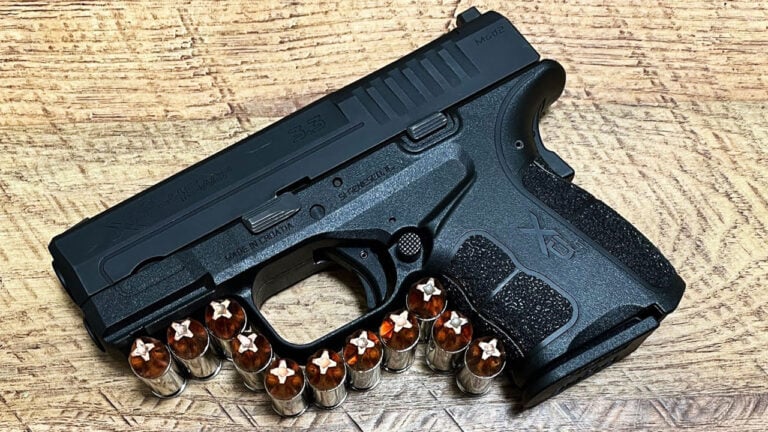
15. Springfield Armory XD-S (single-stack .45 or 9mm)

The XD line gets its share of internet side-eye, but the XD-S did one thing really well: it made a thin, shootable carry gun that didn’t feel like a compromise. The grip safety doesn’t bother me in real use, and it gives some folks peace of mind for carry.
It got steamrolled by newer micro-compacts with more capacity, and that’s understandable. Still, if you can shoot an XD-S accurately and it’s reliable with your ammo, it’s not suddenly a bad gun because the market moved on.
16. Ruger American Rifle (Gen 1)

This rifle got dismissed as “cheap,” and yes, it looks like a budget rifle. But it shoots. A lot of them shoot better than rifles that cost twice as much, right out of the box.
The stock feels hollow, and the whole setup is plain. There’s nothing fancy about it, and that is kind of the point. For a deer rifle that lives behind a truck seat or rides in a scabbard, it’s a smart buy that never got the credit it earned.
17. Tikka T3x (especially Lite models)
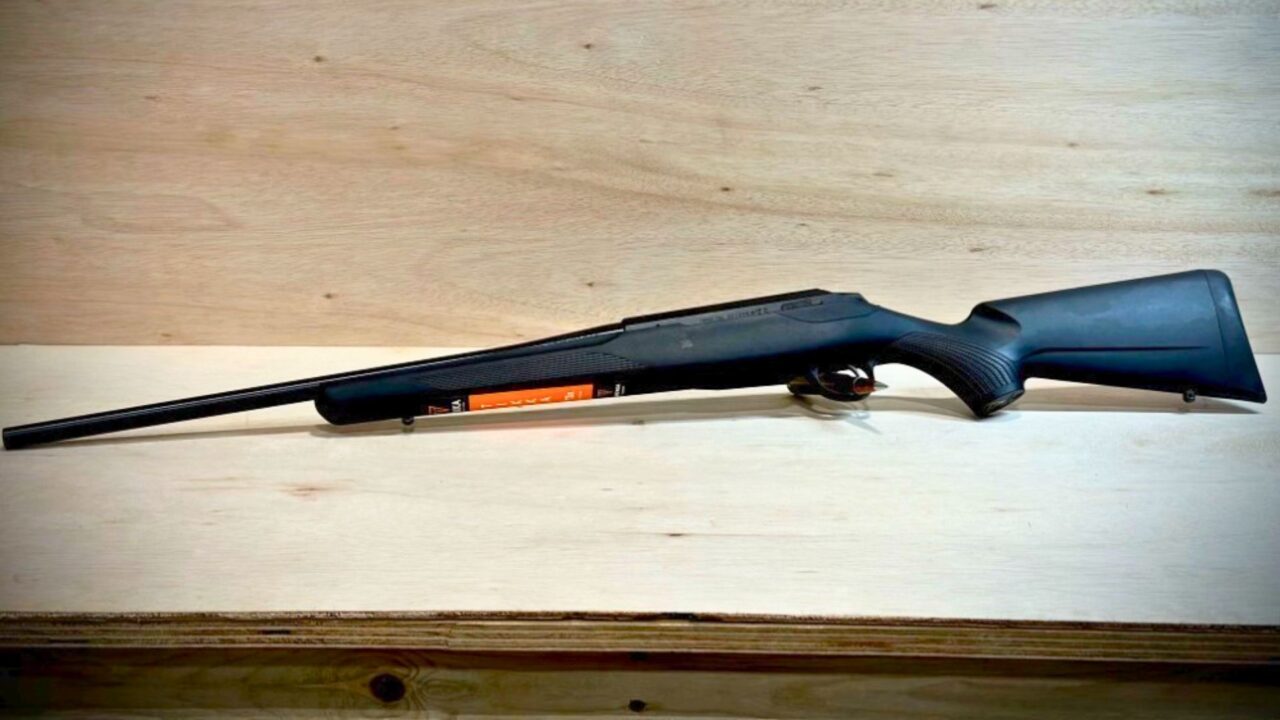
Tikkas are popular with serious shooters, but I still think they should be even more common in regular deer camps. The action is slick like it’s on bearings, the triggers tend to be excellent, and they flat-out shoot.
The knock is that they feel “too light” or “too plastic” to some traditional hunters. Then those same hunters shoulder one on a long climb and suddenly understand. If you want a rifle that carries easy and prints tight groups without drama, it’s hard to argue against.
18. Mossberg 930 (gas semi-auto shotgun)
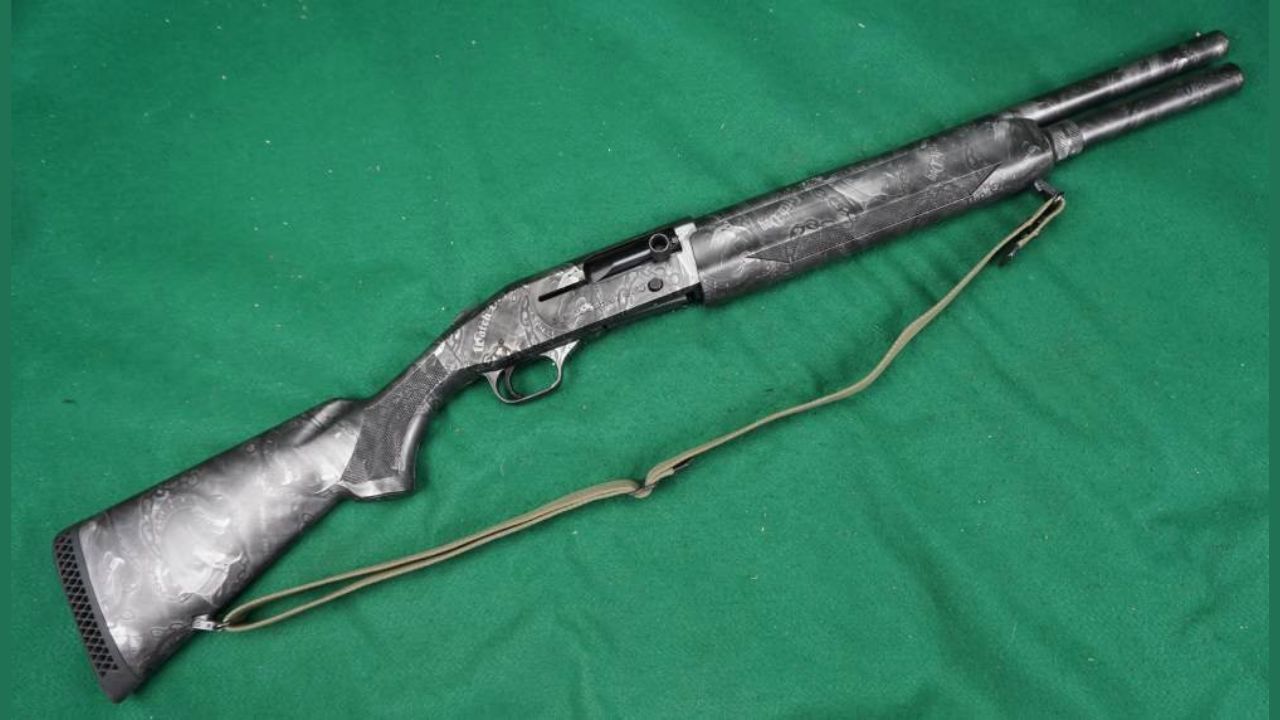
The 930 never got the respect it deserved because it wasn’t a Beretta or a Benelli, and the early guns had enough variation to spook buyers. But a good 930 that’s kept reasonably clean is a lot of shotgun for the money.
For waterfowl and turkey hunters who don’t want to spend premium-gun cash, it filled a real niche. The market is cruel, though—one guy has a bad cycling experience with cheap shells and suddenly the whole model is “junk” at deer camp.
19. CZ 75B
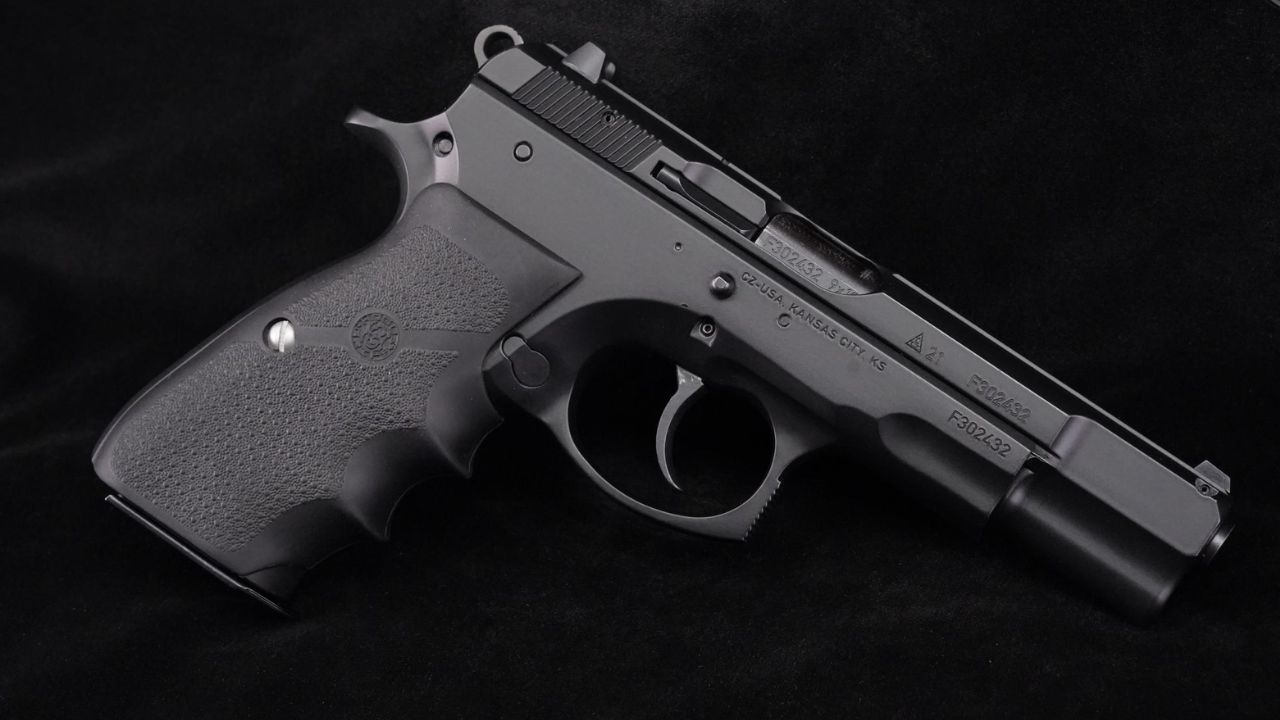
The CZ 75B is one of the best-shooting 9mms for normal hands, and it does it without tricks. Low bore axis, great ergonomics, and a weight that keeps it steady. I’ve watched new shooters pick one up and immediately shoot better.
It didn’t dominate the U.S. market because it wasn’t the default police pistol and it didn’t get the same marketing machine. Magazines and parts are easy enough now, and the gun still makes sense if you care about how a pistol actually points.
20. Ruger 10/22 Takedown

The standard 10/22 is popular, sure, but the takedown version still gets treated like a novelty. That’s funny to me, because a compact .22 you can pack in a small case is exactly the kind of gun that ends up coming along on trips where a full-size rifle wouldn’t.
It’s not a precision rig, and the point-of-impact shift can be real depending on setup. But for camp, small game, and keeping a .22 handy without making it a whole production, it’s hard to beat. Ask me how I know.
The common thread with most of these isn’t that they were “the best.” It’s that they were useful, and usefulness doesn’t always win in a market driven by hype cycles and spec sheets. If you’ve got one of these sitting in the safe, it might be worth a fresh range trip before you decide it’s just taking up space.
Like The Avid Outdoorsman’s content? Subscribe to our newsletter so you never miss an article.
Here’s more from us: