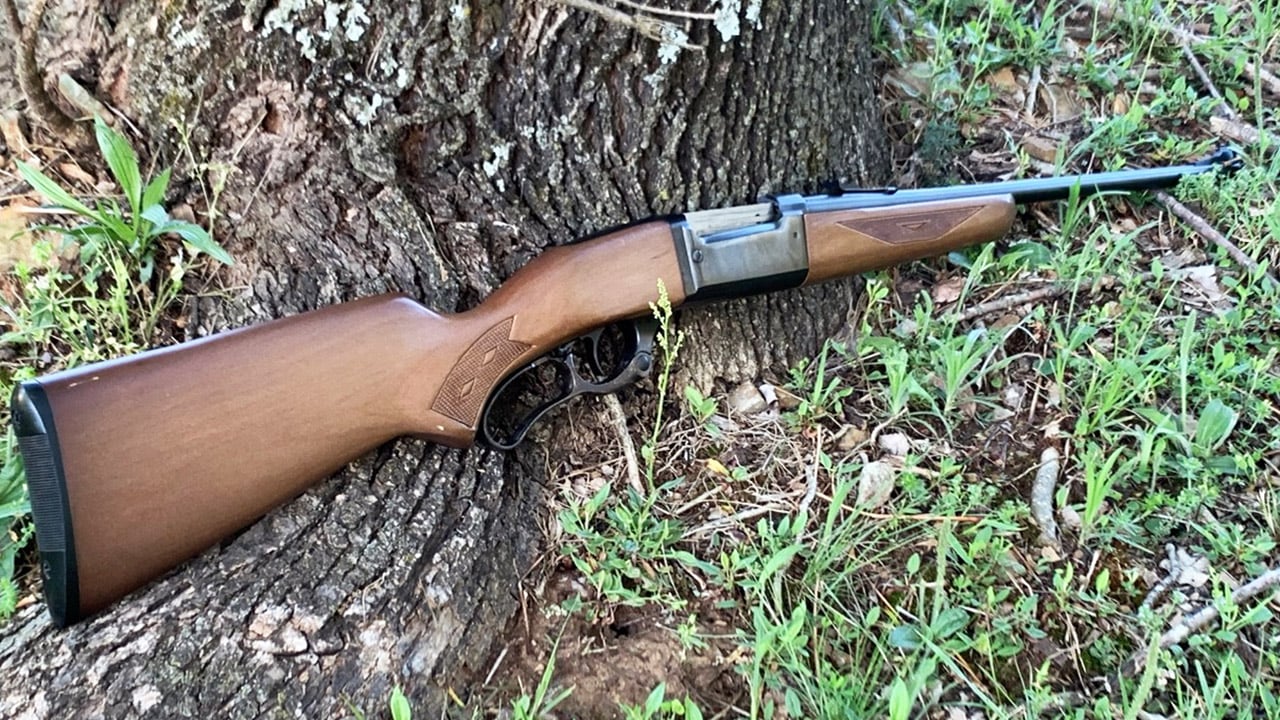
Photo credit: Reloader Joe/Youtube
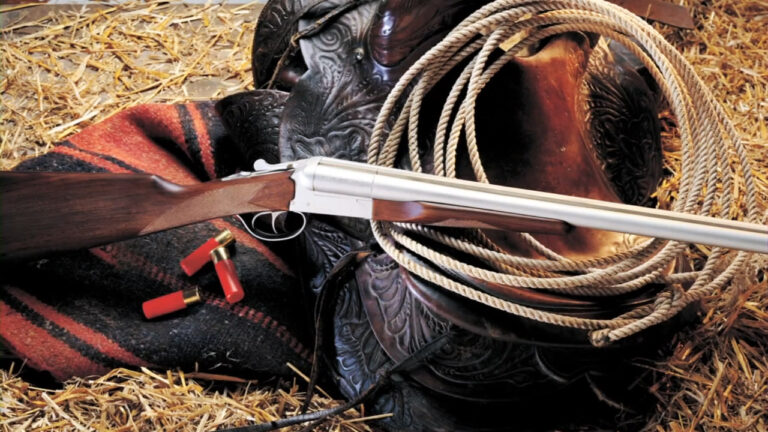
You can walk into a gun shop today and see a whole wall of polymer pistols, red dots, and black rifles that all look kind of the same from 10 feet away. Meanwhile, the stuff that used to live in every truck rack, every camp closet, and every pawn shop glass case has quietly thinned out. Not always because it was “better,” either. Sometimes it was just common, affordable, and it flat worked.
1. Remington 870 Wingmaster (older blued guns)
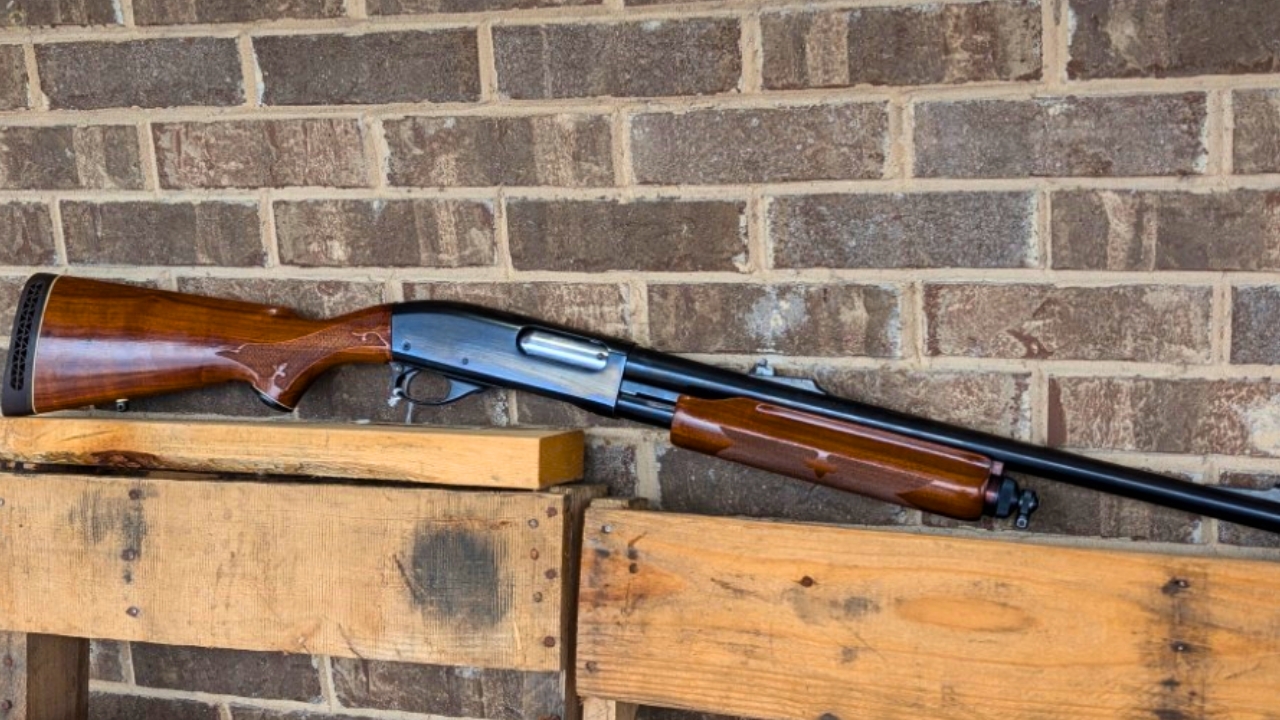
There was a time when you could lean into a small-town pawn shop and find three Wingmasters before you found a decent flashlight. Slick action, deep bluing, walnut that didn’t feel like it came off a pallet, and they just ran. They were the “one shotgun” for a lot of families.
2. Winchester Model 94 in .30-30 (pre-safety)

Every deer camp had at least one Model 94 leaning in a corner, usually with honest wear and a half-full box of .30-30s that had been “good enough” since the 1970s. It carried easy, pointed fast, and in thick timber it was exactly what it needed to be.
The pre-safety guns especially have gotten harder to stumble across at reasonable money. Part of it is nostalgia, part of it is that a handy lever gun is still a handy lever gun—even if you own three scoped bolt rifles.
3. Marlin 336 (JM-stamped rifles)

If you grew up around hardwood ridges and creek bottoms, you’ve probably shot a 336. They were common, accurate enough, and had that solid Marlin feel—especially the older JM-marked rifles folks chase.
These days, a clean 336 doesn’t sit long. Lever guns got trendy again, and the ones that used to be “just a deer rifle” became “a deer rifle everyone wants.” That shift happened fast.
4. Ruger 10/22 carbines with plain wood stocks
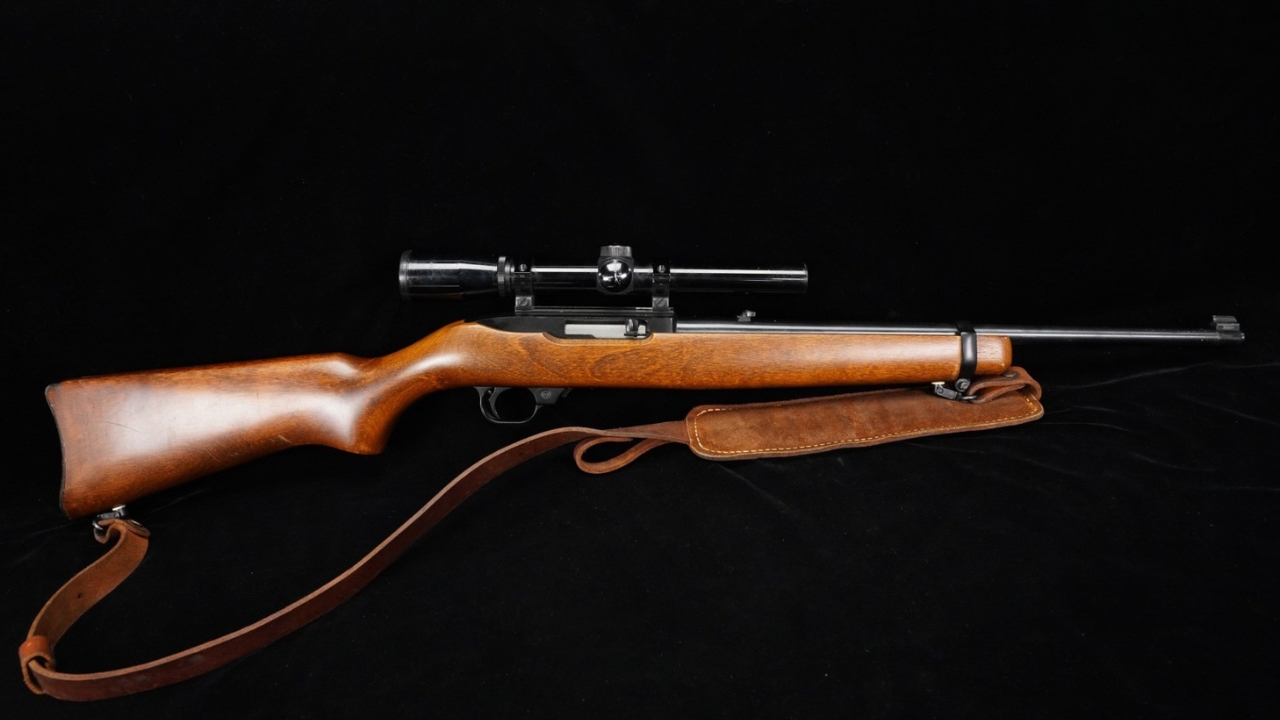
Not the tricked-out ones with chassis systems and bull barrels. I’m talking about the basic wood-stock carbine that lived behind the seat for plinking, squirrels, and knocking over cans at the gravel pit. Boring, reliable, and always there.
You still see 10/22s, obviously, but the plain old “leave it alone” versions feel less common because everyone immediately upgrades them. Finding a clean, un-messed-with carbine is like finding an old pocketknife that still has its factory edge.
5. Remington 742/7400 Woodsmaster in .30-06

These semi-auto deer rifles were everywhere in certain parts of the country. They were the rifle that got handed down to the kid who didn’t want “a fancy gun,” just one that shot fast and hit hard.
They also earned a reputation for being finicky if you didn’t keep them clean and fed decent ammo. Between that and parts getting scarcer, you don’t see nearly as many in racks anymore. When one shows up running right, it’s usually because somebody actually took care of it.
6. Savage 99 in .300 Savage
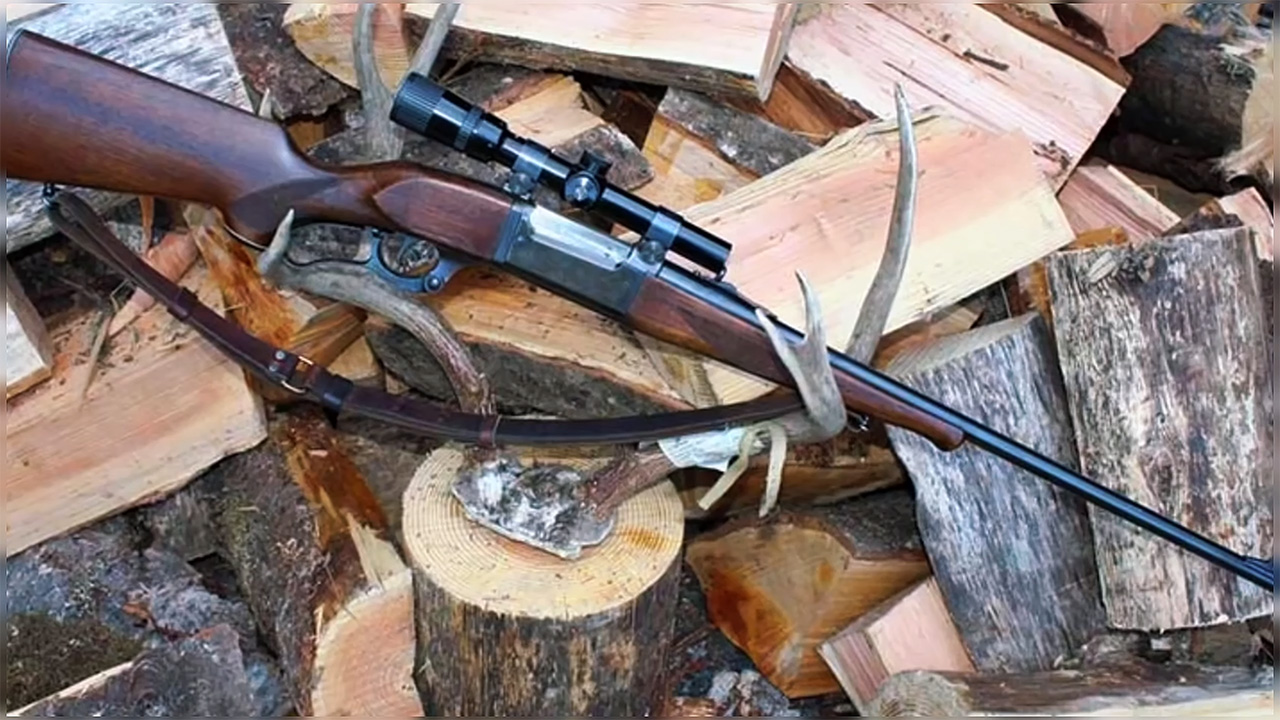
The Savage 99 used to be one of those “grandpa rifles” that sat in the safe and didn’t get talked about much. Rotary magazine, lever action, slick handling—smart design that came along way before its time.
Now they’re harder to find, and .300 Savage isn’t exactly stacked to the ceiling at every hardware store. When you do find a good 99, it’s the kind of rifle you shoulder and immediately understand why folks kept them so long
7. Ithaca 37 Featherlight
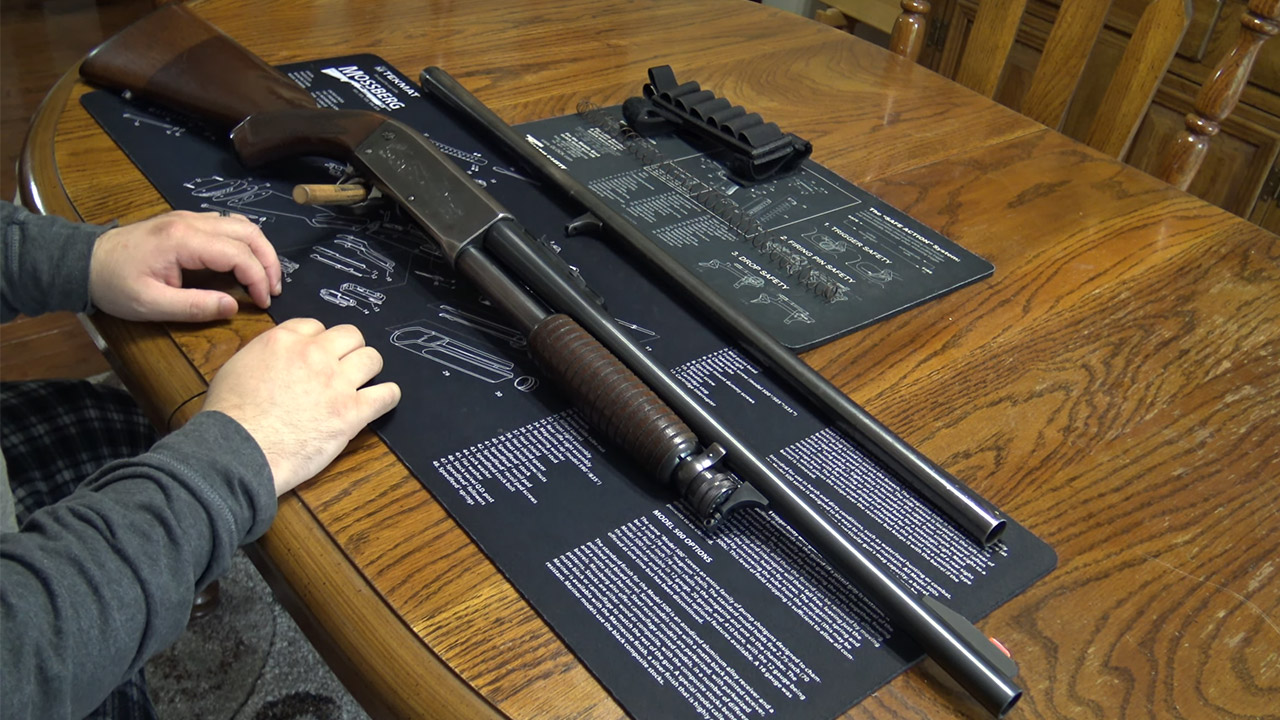
Bottom-eject pumps don’t get enough love until you carry one in the rain all day. The Ithaca 37 was a serious bird gun—slim, fast, and it didn’t spit hulls across your buddy’s face in the blind.
They used to be common on the used rack. Now they pop up less, and when they do, they’re often beat up from hard field use. A clean Featherlight feels like a find.
8. Browning Auto-5 (Belgian and older Japanese guns)
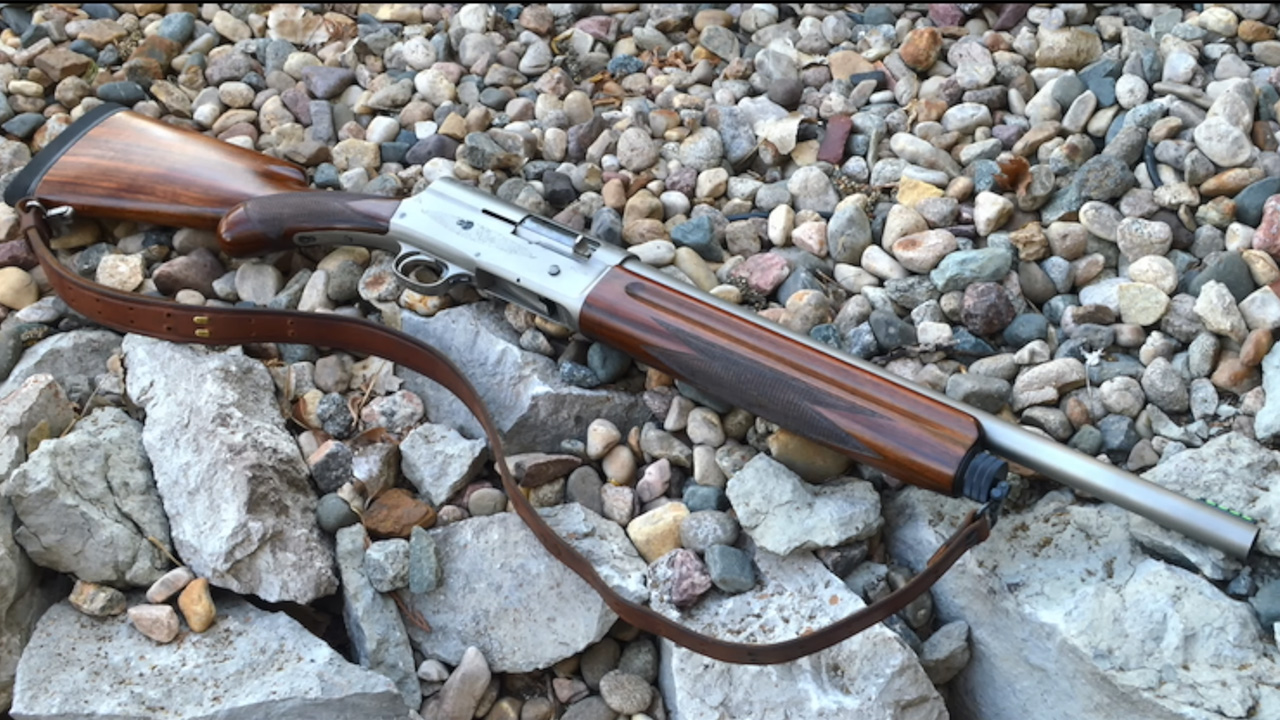
The humpback shotgun was once as normal as a canvas coat. You’d see them in duck camps, pheasant fields, and behind kitchen doors on farms. Long recoil isn’t fashionable now, but the A5 has a rhythm that just works when you’re used to it.
These guns didn’t vanish, but the average guy isn’t dragging Grandpa’s nice A5 into a muddy boat anymore. When you see one with nice wood and the right wear, it looks like a different era.
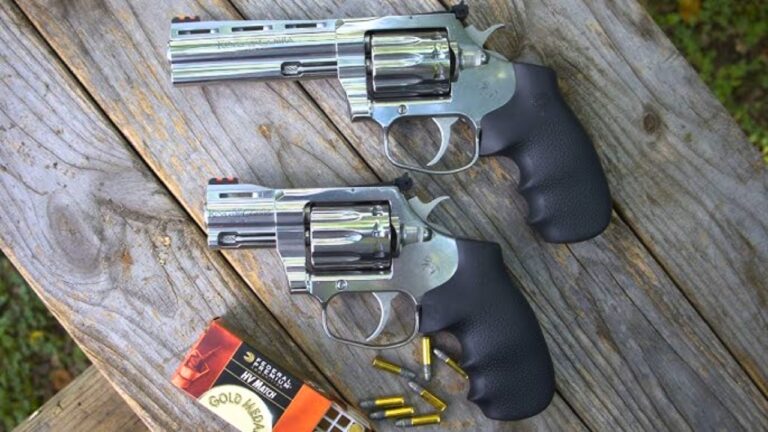
9. Colt Detective Special

Before micro 9mms took over, a small-frame .38 revolver was a serious working gun. The Detective Special was the kind of revolver you’d see in tackle boxes, glove compartments (not recommended), and coat pockets in cold weather.
Now, Colts in general don’t just “show up” cheap, and the Detective Special has that classic look that got collectible without losing its usefulness. They’re not unicorns, but they’re not common either.
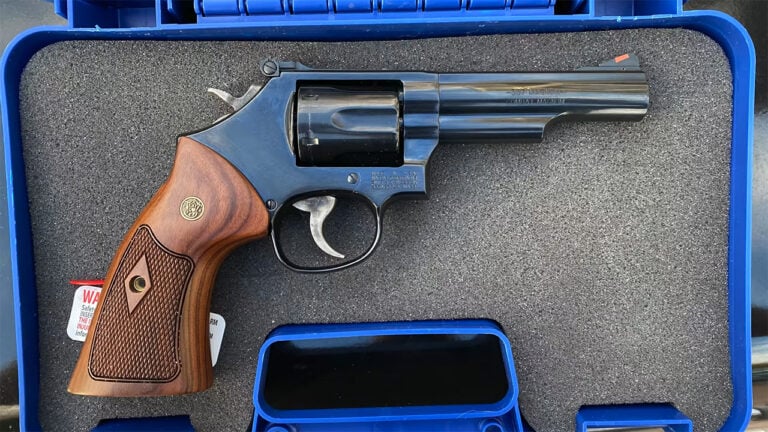
10. Smith & Wesson Model 10 (police trade-ins)
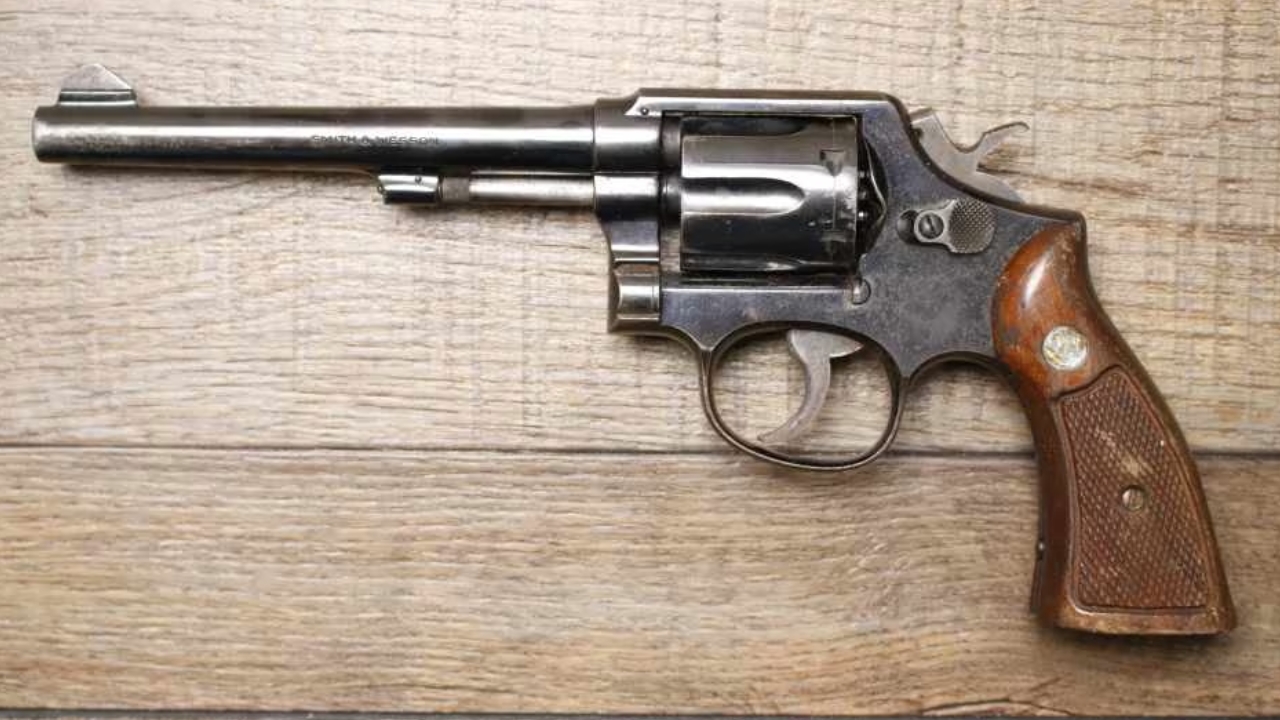
There was a period when Model 10s were like used pickup trucks: everywhere and priced to move. Straightforward K-frame .38, easy to shoot well, and the kind of revolver that teaches good habits because it doesn’t hide your mistakes.
Police trade-ins used to flood the market. That stream slowed, and a lot of the clean guns got snapped up. When you find a tight Model 10 now, it feels like spotting an old friend at the diner.
11. Ruger P89/P95 (the “brick” 9mms)

These Ruger pistols weren’t pretty. They were chunky, they were dated, and they were absolutely the kind of gun that would run when a cheaper pistol started acting up. If you owned one, you probably trusted it.
Modern striker guns pushed them out, and a lot of folks traded them off because they wanted lighter and slimmer. Now you don’t see many, and it’s a reminder that “unfashionable” and “unreliable” are not the same thing.
12. Browning Hi-Power (original-style guns)

Once upon a time, the Hi-Power was the classy 9mm—steel, slim, balanced, and it carried like it was meant to be carried. It also made a lot of modern double-stack pistols feel top-heavy by comparison.
Prices climbed, production changed, and they slid from “popular shooter” into “guy who knows what he’s looking at” territory. When you find one that hasn’t been butchered with bad sights or a rough trigger job, it’s tough to walk away.
13. Remington 1100 (field models)

The 1100 was the soft-shooting semi-auto that turned a lot of pump-gun guys into believers. For dove, clays, and general bird hunting, it flat worked—especially if you kept the gas system reasonably clean.
These guns used to be stacked in used racks. Now, the ones you see are either worn smooth or priced like somebody finally realized they don’t make them like that anymore. And if you find one that cycles light loads happily, you hang onto it.
14. H&R/NEF single-shot break actions (Handi-Rifle and Pardner guns)
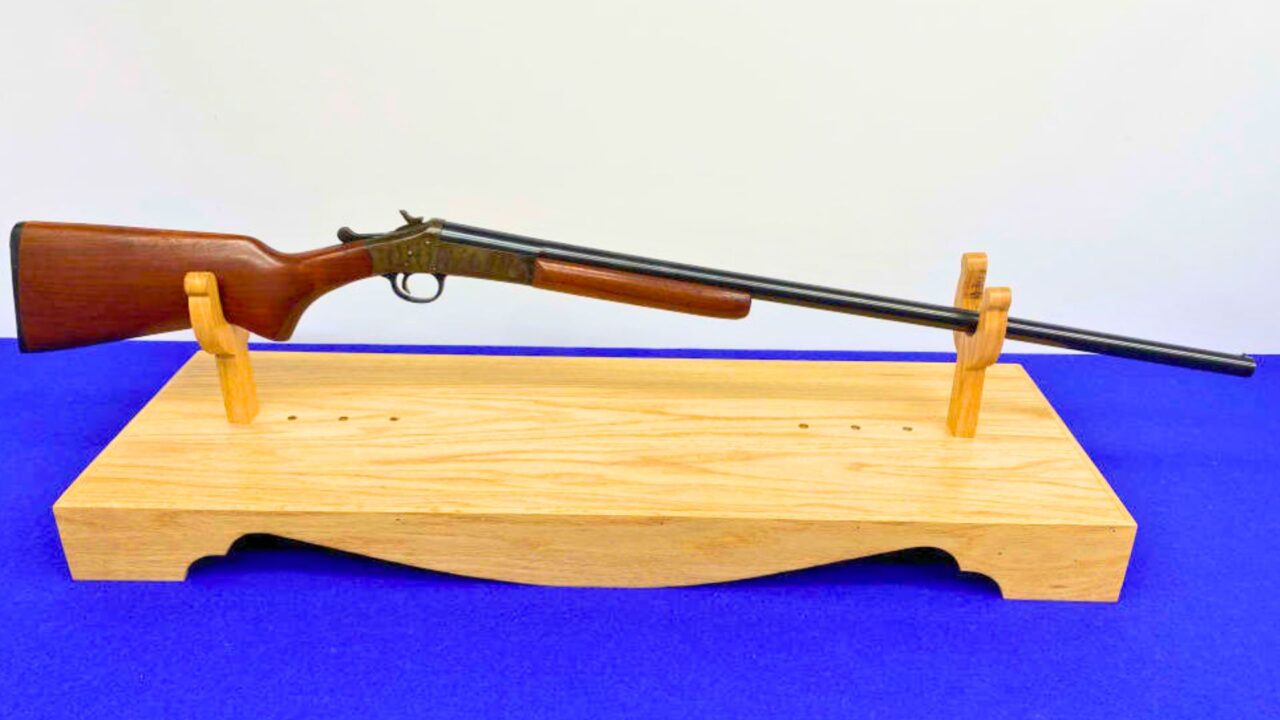
There’s nothing fancy about a single-shot, and that is kind of the point. They were common starter guns, farm guns, truck guns, and “loaners” for someone who needed to hunt but didn’t own much.
When they were cheap and everywhere, folks didn’t think twice about selling them. Now they’re oddly missed. Try finding a clean one in a useful caliber with decent sights, and you’ll realize they’re not as common as they used to be.
15. Winchester 1300
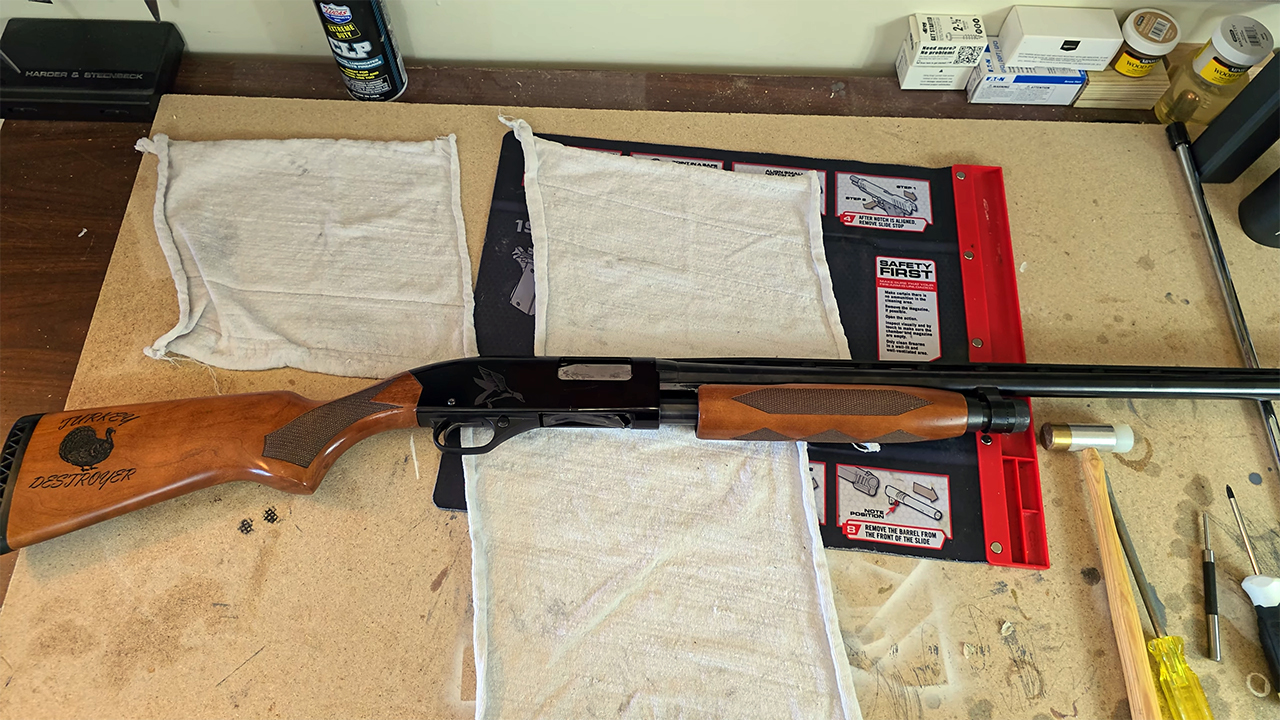
The 1300 used to be the pump that didn’t get as much bragging as the 870 or 500, but it was fast. Some of them practically wanted to open themselves after a shot, and in cold weather with gloves on that can be a real perk.
They’ve been out of the mainstream spotlight for a while, and a lot of them got used hard. When you find one that hasn’t been rattled loose, it’s a reminder that “second place” pumps were still very good shotguns.
16. Ruger Mini-14 (older Ranch Rifles)

Before ARs became the default answer to everything, the Mini-14 was the semi-auto .223 you’d see on ranches and in pickups. Handy, reliable, and it didn’t look “tactical,” which mattered to plenty of folks.
AR prices dropped and Minis got expensive for what they are. The older ones didn’t always shoot tiny groups either, but they were never really about benchrest bragging. These days, you don’t see them as often outside of dedicated Mini guys.
17. SKS (plain surplus rifles)

There was a time when the SKS was the cheap semi-auto you bought because it was there, it worked, and ammo was affordable. They were common enough that people slapped on every questionable accessory known to man. Ask me how I know.
Imports dried up, prices climbed, and the clean, un-molested rifles got harder to spot. A basic SKS with its original stock and sights feels rarer now because so many got “upgraded” into nonsense.
18. Mosin-Nagant 91/30 (true bargain-bin surplus)
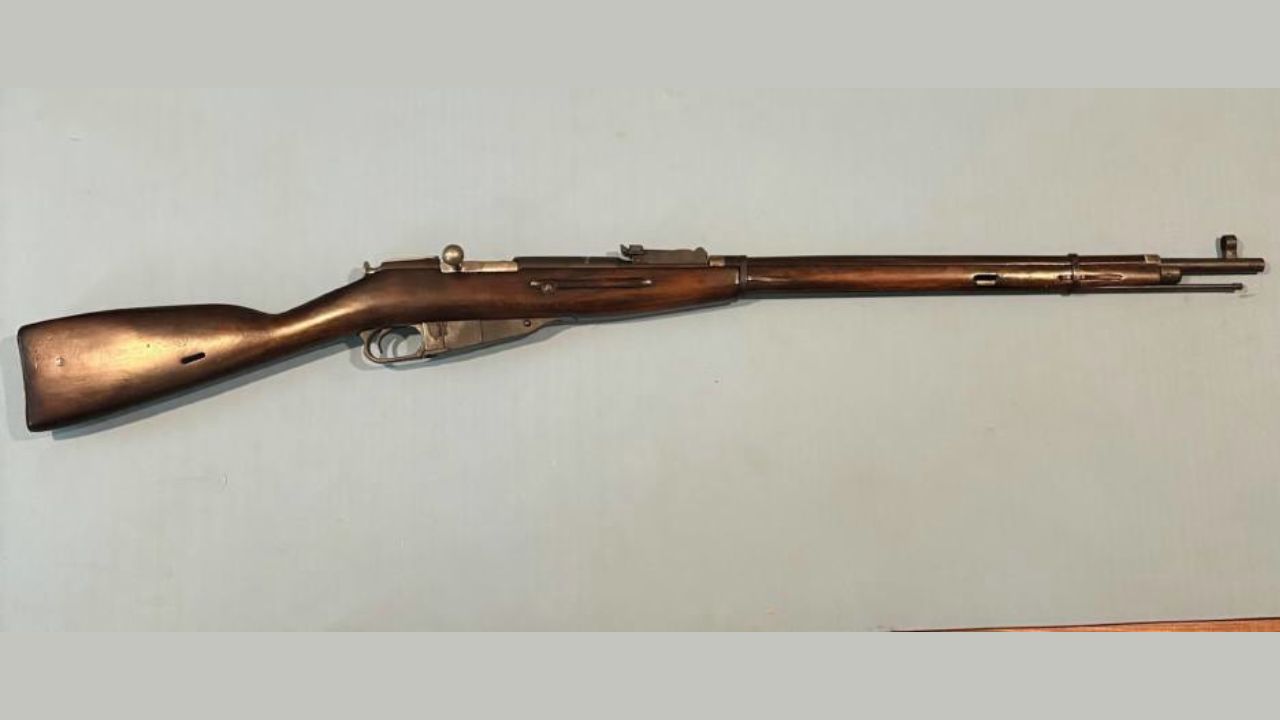
You used to see barrels of them. Actual barrels. They were the rifle you bought on a whim, shot a few times, and stuck in the back of the safe because the bolt felt like it was packed with gravel and the recoil wasn’t friendly.
Now the cheap surplus days are gone, and Mosins that used to be $99 are suddenly treated like collectibles. They’re still rough, still loud, still long—but they don’t feel common anymore, and that’s the weird part.
19. Remington Model 7 (classic lightweight hunting rifles)
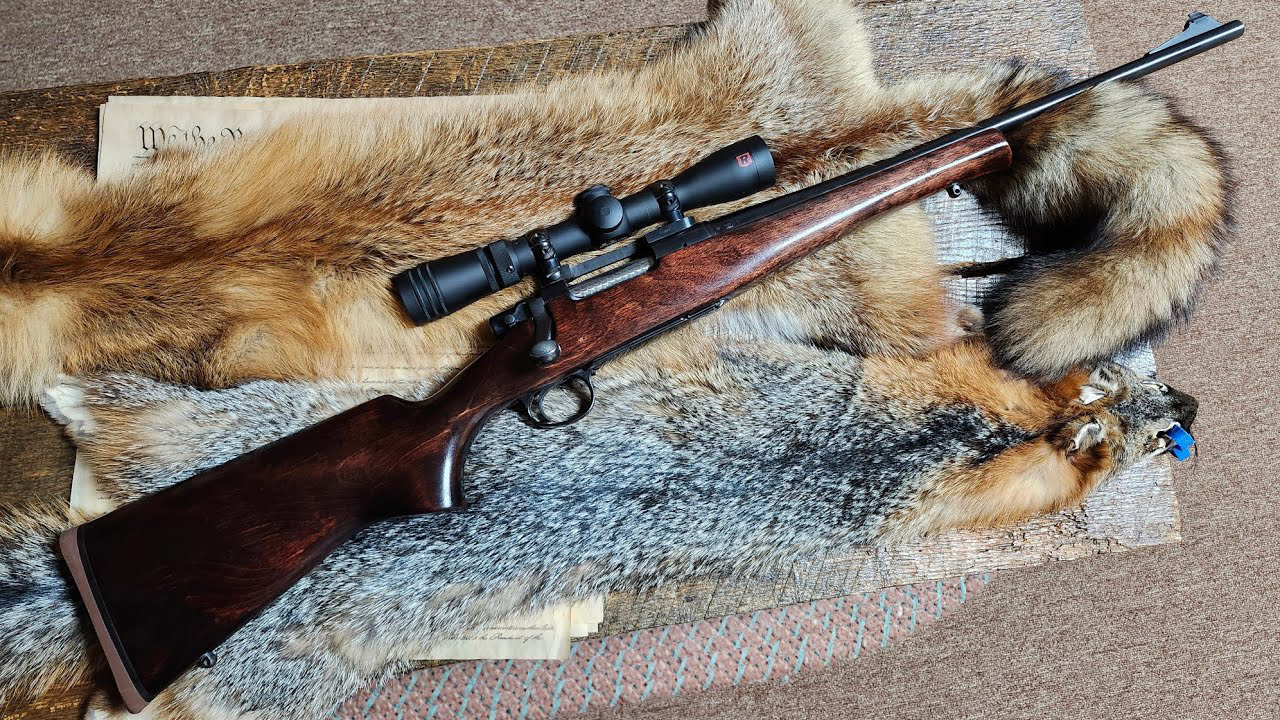
The Model 7 was the kind of rifle you carried on purpose. Short action, quick handling, and a perfect fit for woods hunting or slipping through thickets. It didn’t need to be flashy to be useful.
Lightweight hunting rifles exist everywhere now, but the older Model 7s have a feel that’s hard to replace. When one shows up with a sane barrel length and a decent trigger, it doesn’t sit long.
20. T/C Contender (original single-shot pistols and carbines)
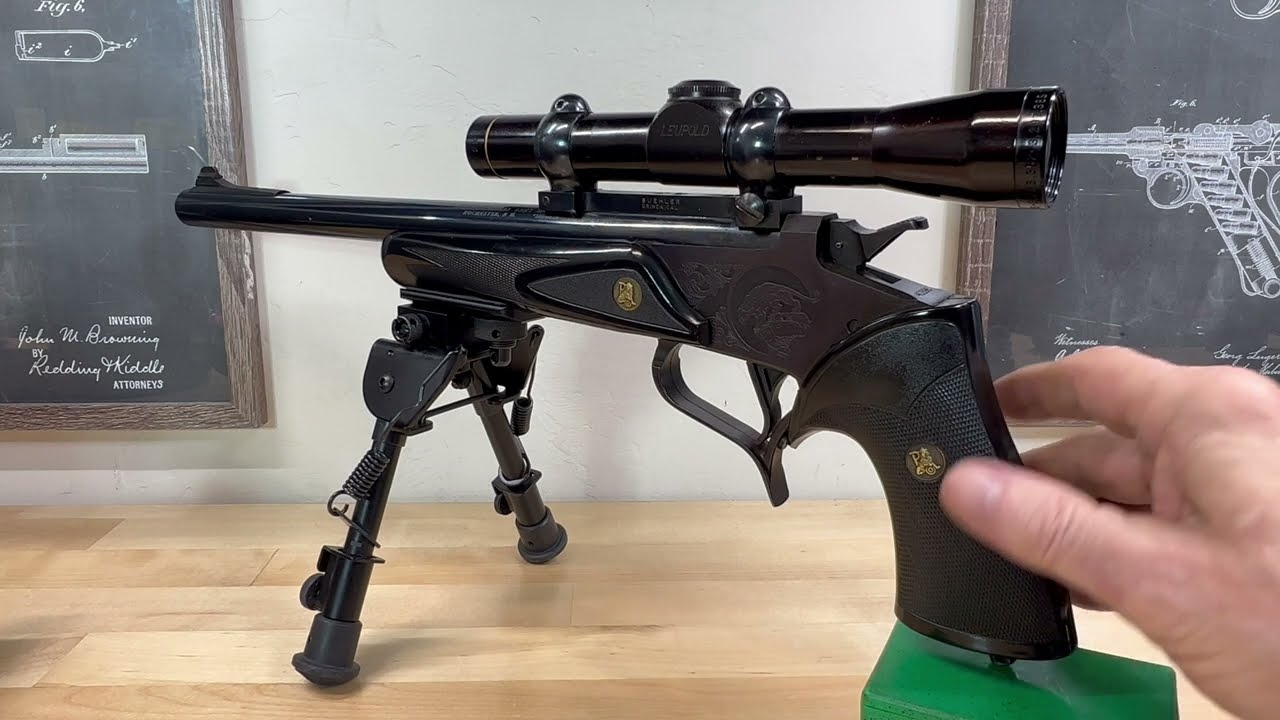
The Contender used to be the “guy at the range” gun. Swap barrels, try different cartridges, hunt with it if you had the patience and the practice. It was part handgun, part rifle, and all personal preference.
You don’t run into them as often now, and barrel availability isn’t what it used to be. When you do see a Contender setup that’s been cared for, it’s usually owned by someone who actually shoots—not someone chasing a trend.
None of these are magic, and plenty of them have quirks. The point is they were common tools, and now they’re not sitting in every rack anymore. If you’ve got one you trust, maybe don’t be so quick to trade it off the next time something new and shiny catches your eye.
Like The Avid Outdoorsman’s content? Subscribe to our newsletter so you never miss an article.
Here’s more from us: