Photo credit: Smith & Wesson/Youtube
Gun shows will humble you. You walk in with a cash budget and a plan, and you walk out with beef jerky, a holster you do not need, and the nagging memory of a rifle you should have bought when it was sitting right there on the table.
I’m not talking about the obvious overpriced stuff with a “rare!” tag zip-tied to the trigger guard. I mean the guns that were fairly priced, honest condition, and actually useful. The ones you pass up because you want to “think on it,” then you circle back and the spot is empty. Ask me how I know.
1. Winchester Model 70 Featherweight (pre-64)

I picked one up at a show years back and the bolt felt like it was on rails. Not perfect bluing, a couple honest dings, and that classic controlled-round feed that just makes sense in a hunting rifle.
I set it down to “look around” and never saw it again. Pre-64 Featherweights are the kind of rifle you can carry all day in the mountains and still shoot well from a cold, awkward rest. When you finally decide you want one, the price and the condition you find rarely line up.
2. Remington 870 Wingmaster (1970s production)
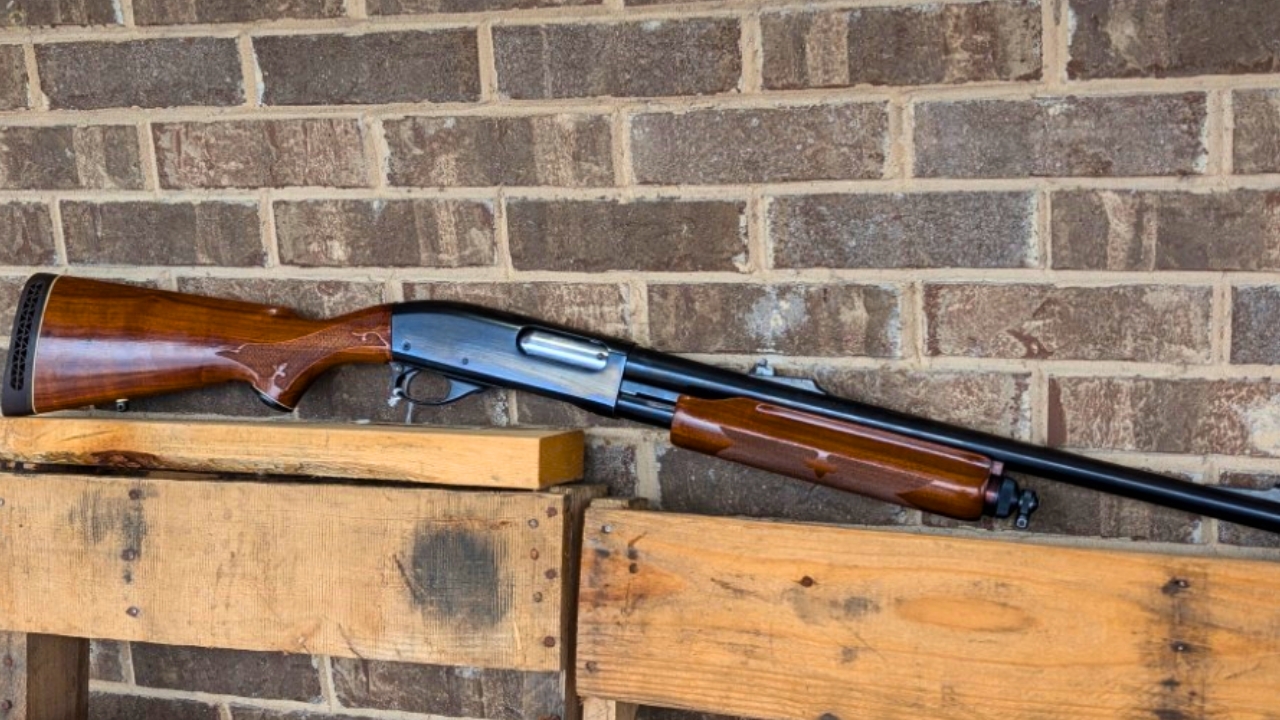
It’s funny how often the “boring” gun is the one you regret. A clean Wingmaster with nice walnut and that slick action is a lifetime bird gun, a lifetime everything gun, really.
I passed on one because it had a fixed choke and I told myself I needed screw-in tubes. What I actually needed was a shotgun that feeds, fires, and ejects like it was made by folks who cared. The older Wingmasters have a feel the newer scatterguns don’t always match.
3. Smith & Wesson Model 19 (2.5-inch)
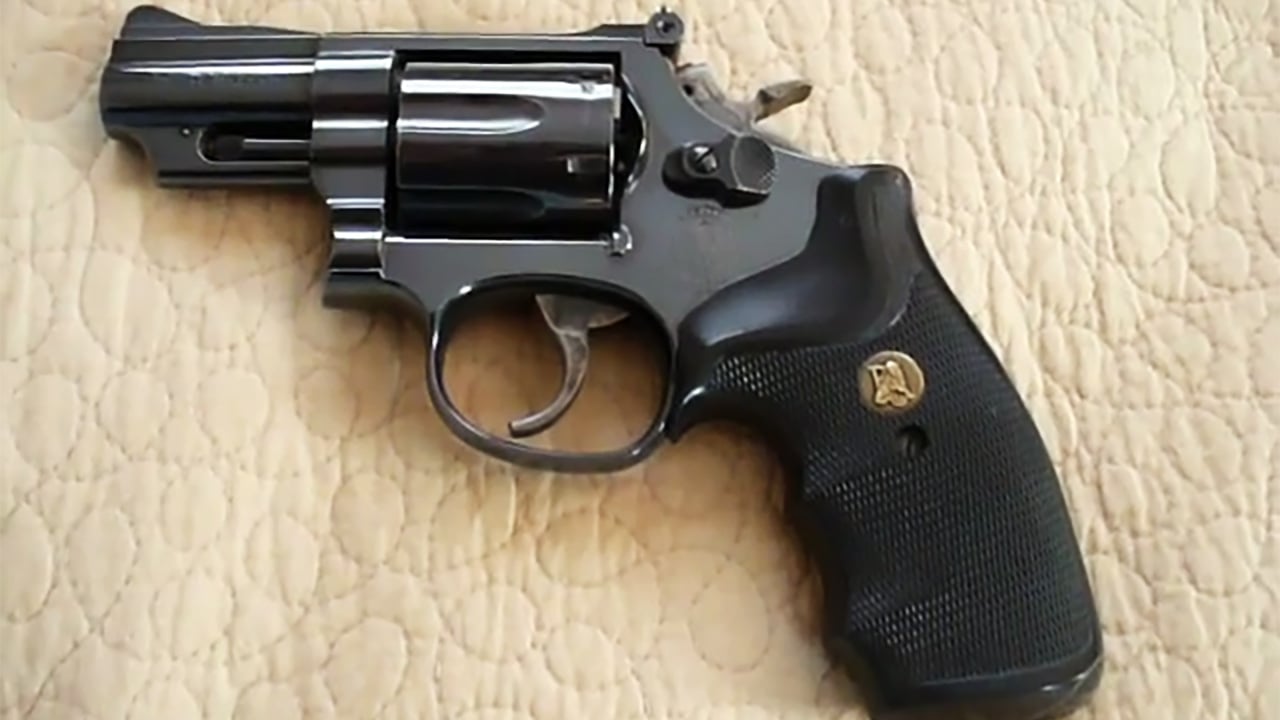
This one still stings. A 2.5-inch Model 19 carries like a dream and points fast, with the kind of balance that makes you think you’re a better shot than you are.
I worried about putting hot .357 through it and talked myself out of it. In real life, it would have lived on .38s with a few sensible magnums here and there, and it would have been perfect. Now I mostly find them either beat hard or priced like museum pieces.
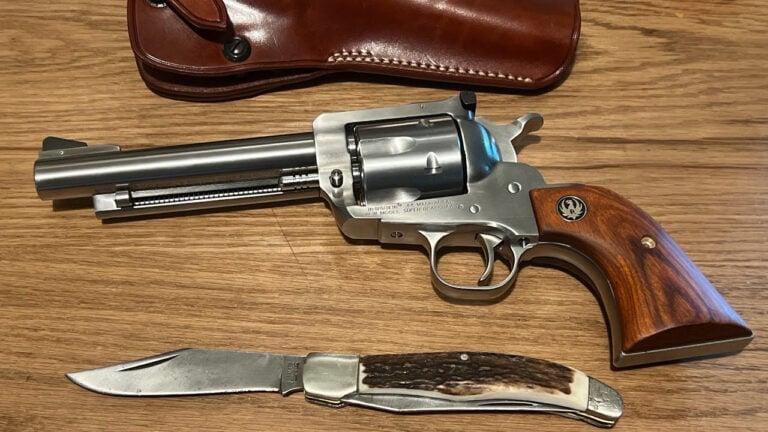
4. Ruger No. 1 (in .270 Win)
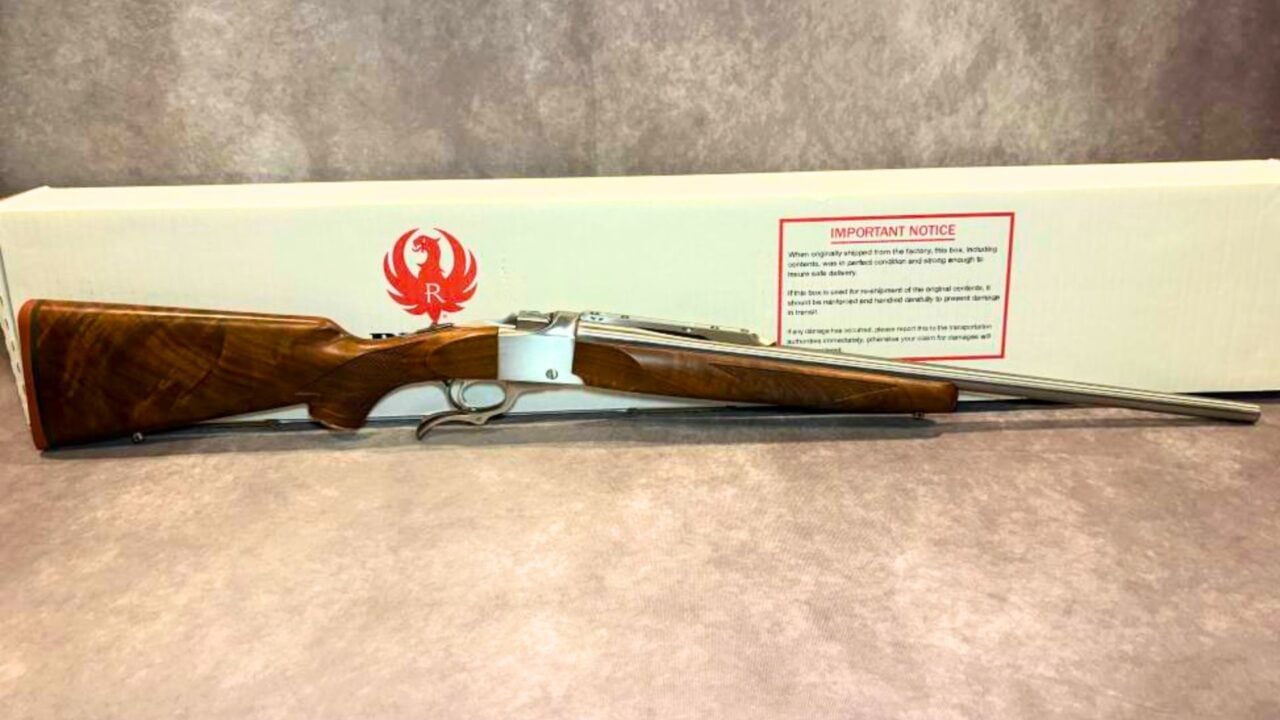
A single-shot is not for everyone, and I get why folks walk right past them. But a Ruger No. 1 has a way of getting under your skin, especially in a no-nonsense caliber like .270.
I handled one with a clean falling-block action and nice wood, and I told myself I didn’t “need” it. Later, I realized need has nothing to do with it. The No. 1 is a hunting rifle you keep because it makes you slow down and shoot like it matters.
5. Marlin 336 (JM-stamped, .30-30)

A JM-stamped 336 is one of those rifles that feels like it belongs behind a truck seat and in a deer stand. It’s not a safe queen gun; it’s a “get it done” gun.
I passed on a clean one because I already had a lever gun. What I didn’t have was that lever gun. The older Marlins have a fit and finish that’s hard to fake, and they just run with any reasonable .30-30 load you feed them.
6. Browning Auto-5 (12 gauge, Belgian)

I used to think the Auto-5 was too long, too clunky, too old-fashioned. Then I actually shouldered a Belgian-made one and it came up like a bird gun should.
I hesitated because I didn’t want to mess with friction rings and “old shotgun stuff.” Turns out, plenty of folks shoot them for decades with no drama. And when you want one later, everybody suddenly knows what they’ve got.
7. Colt Detective Special (2-inch)
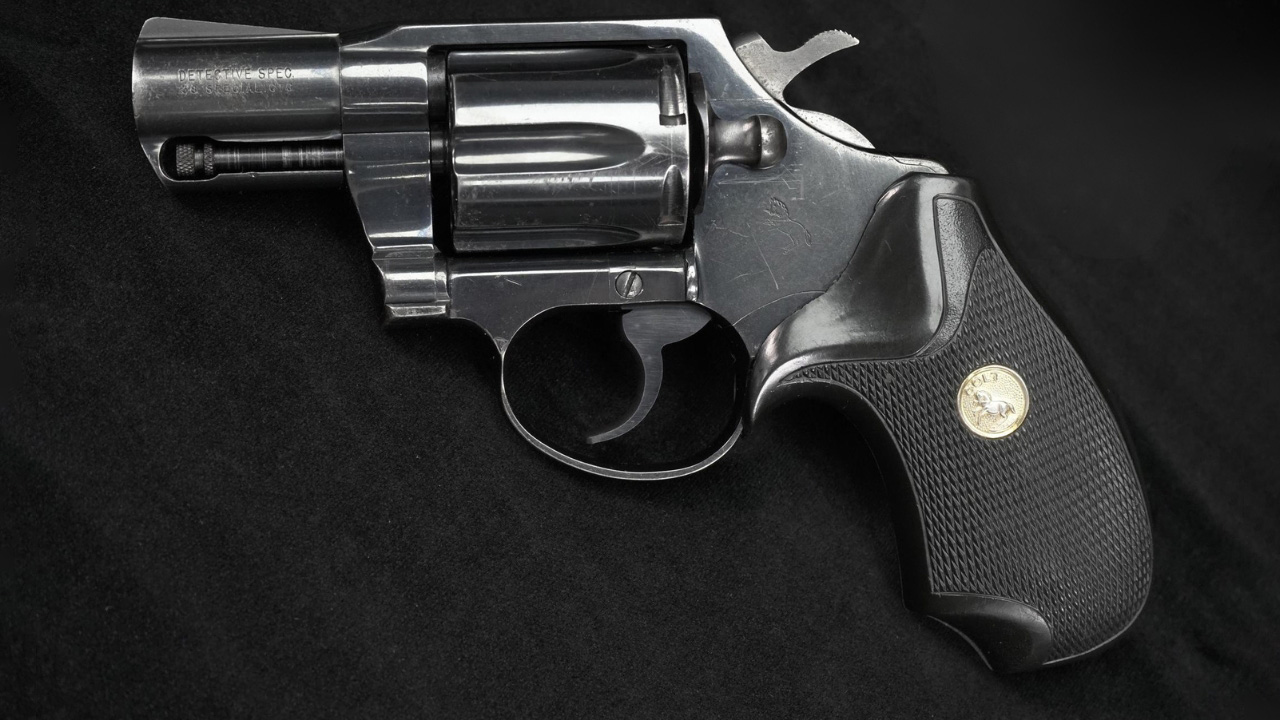
Small-frame Colts have a trigger feel that is hard to describe until you’ve tried one. It’s not just smooth; it’s staged in a way that makes accurate double-action work feel natural.
I passed because I figured parts would be a headache and I didn’t want to baby it. The truth is, a Detective Special is the kind of revolver you carry when you want real sights, real steel, and a little more control than the tiny snubs. Now I see them less often, and when I do, they’re not cheap.
8. CZ 75B (pre-owned, with extra mags)

This was a simple case of thinking I needed to keep looking for “the deal.” A used CZ 75B with a handful of factory magazines was sitting there, priced fair, not a penny more.
I talked myself into waiting and buying new. Dumb move. CZ pistols have that heavy, stable feel that soaks up recoil and makes range days easier, and extra mags are half the battle. When you find one with the right gear included, it’s usually because somebody already did the hard part.
9. SIG Sauer P229 (West German frame era)

I’ve handled plenty of SIGs, but that older P229 felt like a tool, not a toy. Tight in the right places, worn in the right places.
I passed because it had holster wear and I was still in the “pretty guns” phase. Holster wear means it got carried, and carried guns tend to be the ones that worked. Later I spent more money chasing the same feel, and never quite found it.
10. Glock 19 Gen 2 (clean, original box)
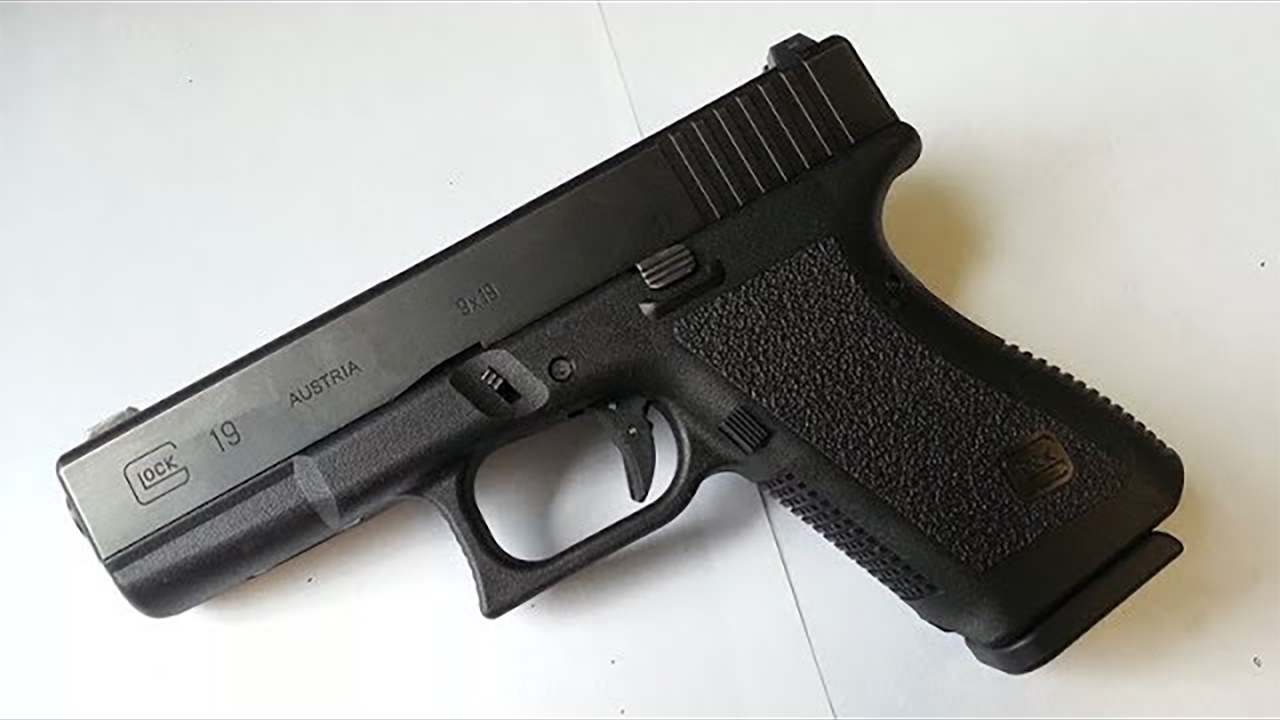
Gen 2 Glocks aren’t magical, but they have a vibe. No finger grooves, simple texture, and a shape that fits more hands than folks admit.
I left one behind because I already owned a newer Glock. What I didn’t appreciate is how nice it is to have a dead-reliable pistol that you don’t mind scratching up, with magazines available everywhere and zero drama. It’s the kind of “spare” that turns into your go-to.
11. Ruger P95 (9mm)
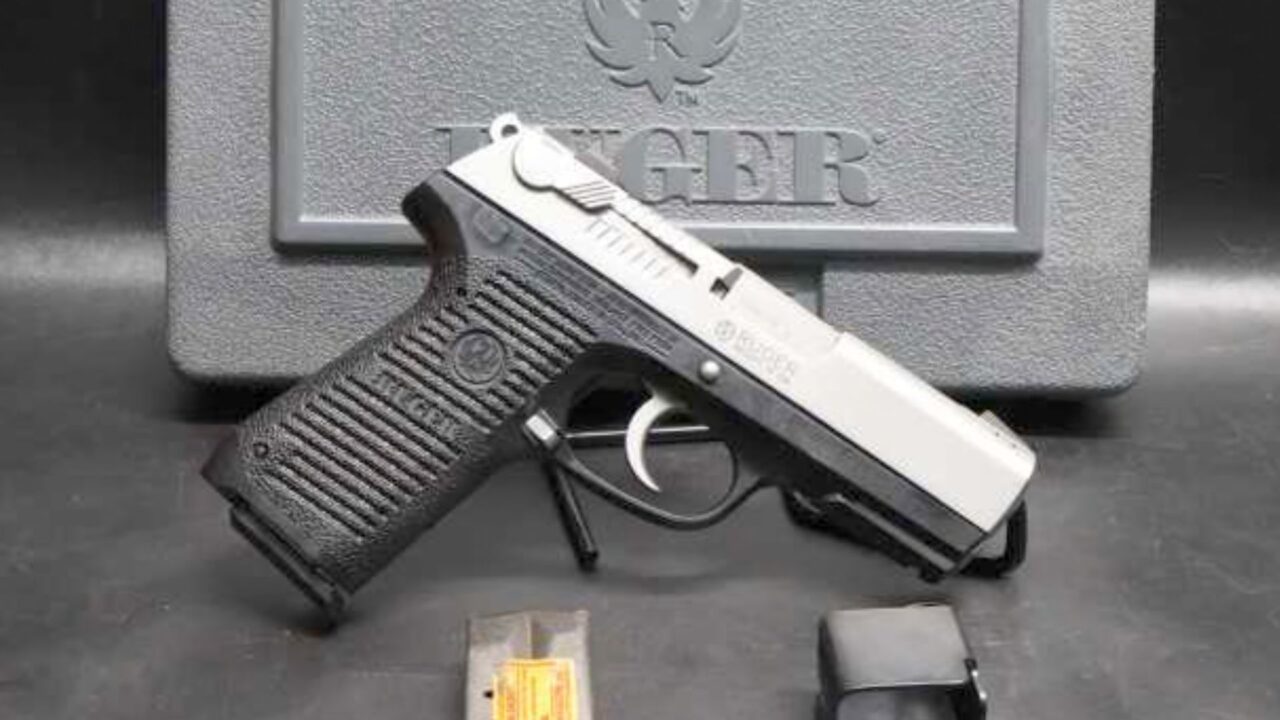
I know. It’s chunky. It’s not pretty. It feels like something you’d find in the console of an old farm truck next to fence pliers and a flashlight with dead batteries.
That’s exactly why I regret not buying it. The P95 is one of those pistols that just keeps going, even if you don’t baby it. When ammo and magazines are common and the gun does not care about neglect, that matters more than internet points.
12. Beretta 92FS (Italian-made, police trade-in)
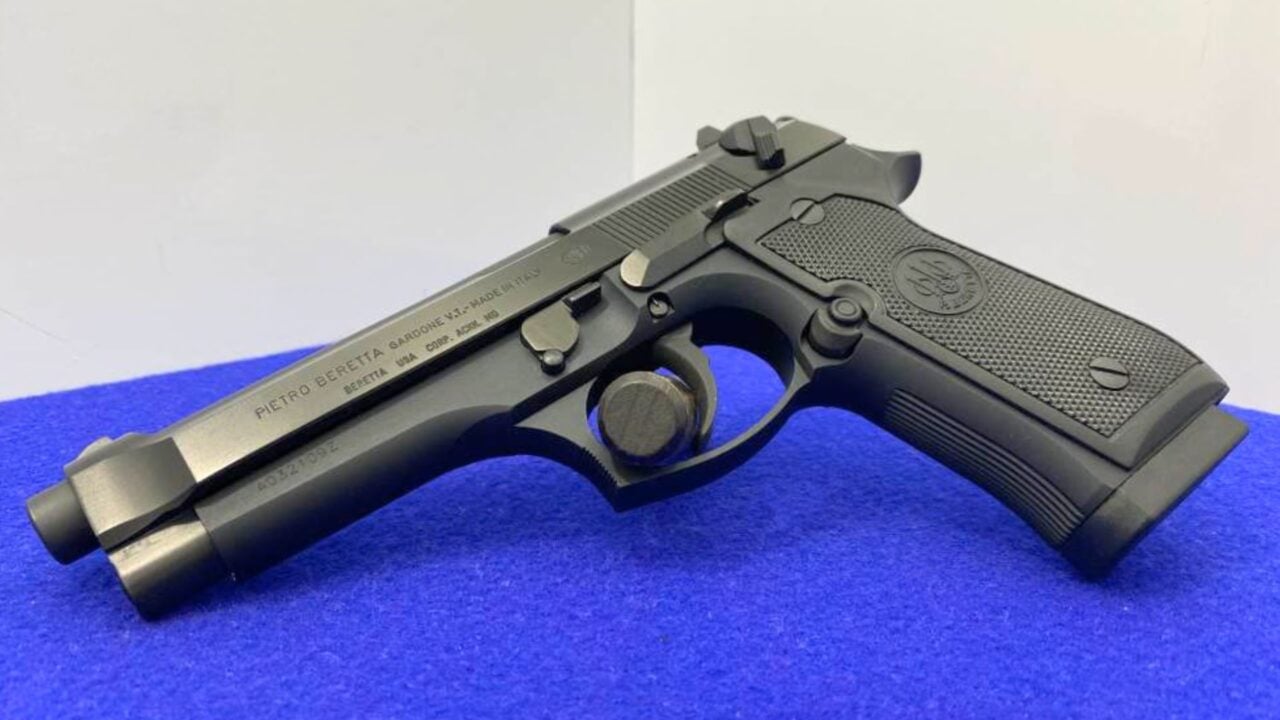
A trade-in 92FS with some finish wear is one of the best values that still shows up at gun shows. The slide runs like it’s on ball bearings, and the gun tracks flat in recoil.
I passed because the grip felt big and I was convinced I needed something smaller. Then I spent the next year fighting snappier compacts I didn’t shoot as well. A full-size 92 is not a “new hotness” gun, but it’s a serious shooter’s gun.
13. Colt 1911 Series 70 (plain, honest)
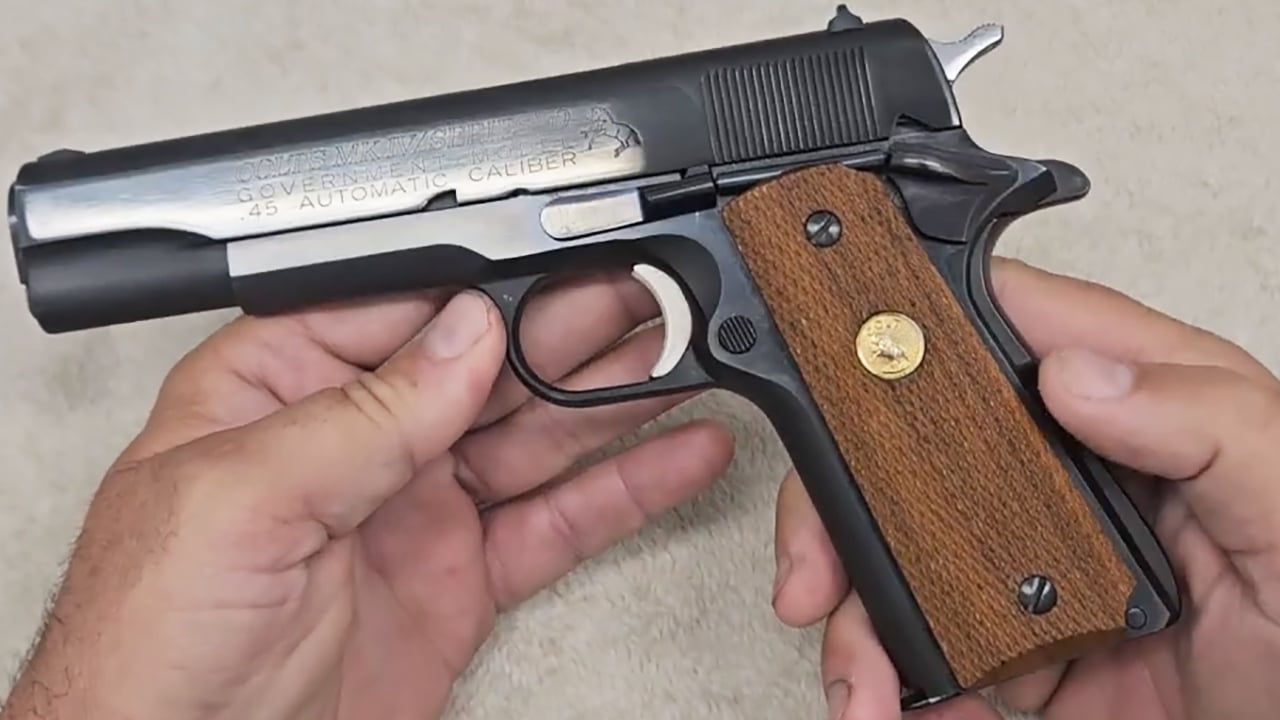
This wasn’t a fancy custom 1911. It was a straightforward Series 70 with normal wear, solid bones, and a trigger that broke clean.
I told myself I didn’t want to get into “1911 stuff.” Then I got into “1911 stuff” anyway, only more expensive and with more trial-and-error. A good Colt is a solid starting point, and if you’re going to own one 1911, it might as well be one that feels right in the hand from day one.
14. Springfield Armory M1 Garand (CMP-marked, service grade)
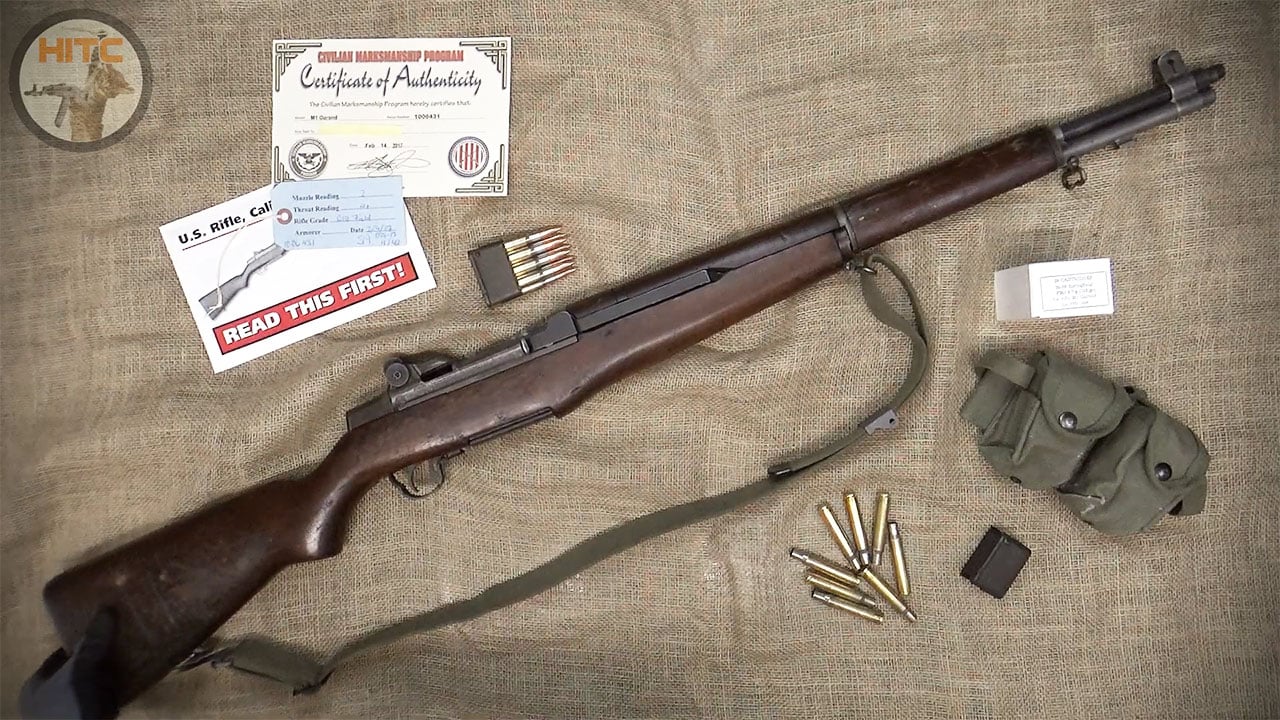
Every now and then you see one that looks like it was cared for, not just stored. The wood has that dark, used look and the metal tells a story without being abused.
I walked away because I didn’t want to deal with feeding it and I thought I’d buy one “later.” Later turned into chasing availability, higher prices, and rifles that were either rougher or “collector” priced. Even if you shoot it a few times a year, it’s the kind of rifle you’re glad you own.
15. Ruger 10/22 (older walnut-stock carbine)
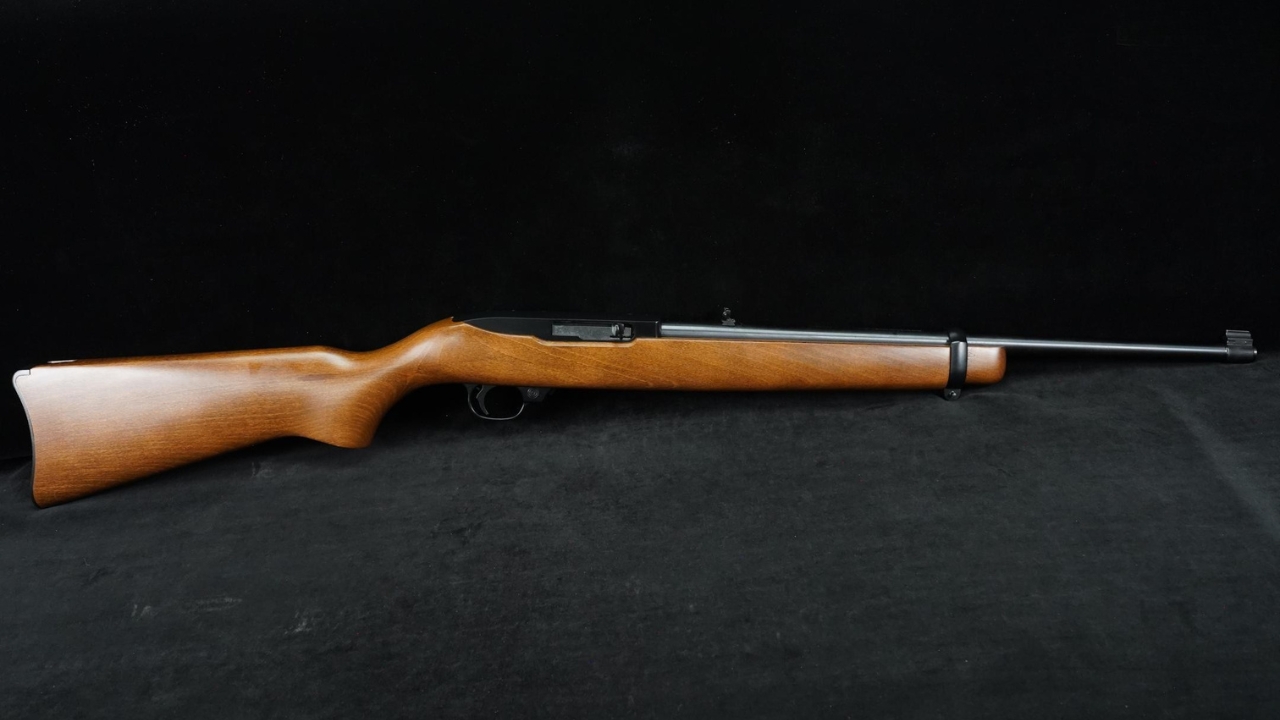
It’s almost embarrassing to admit regretting a 10/22. They’re everywhere. And still, a clean older carbine with a walnut stock and a decent trigger feel is a different animal than the plastic-stocked versions that get tossed around.
I passed because I already had a .22. What I didn’t have was the .22 you hand to a kid, teach good habits with, and still enjoy shooting yourself. The older ones have a simple charm, and they just work with the right magazines.
16. Remington 700 BDL (1980s, .30-06)
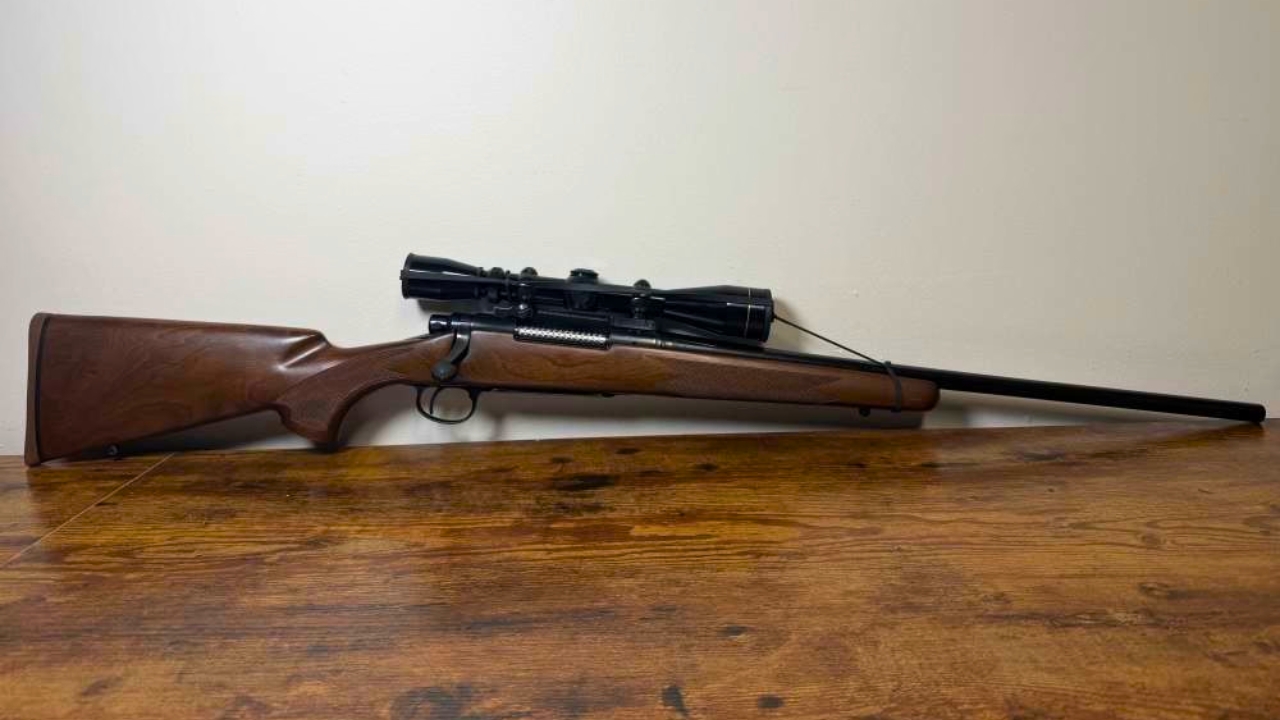
A BDL in .30-06 is about as classic as it gets. Glossy wood, hinged floorplate, and a cartridge that has put more venison in freezers than any of us can count.
I passed because it wasn’t “tactical” and I thought I wanted detachable mags and a heavy barrel. Then hunting season rolled around and I remembered why a standard-weight rifle matters when you’re climbing ridges or still-hunting timber. The old BDLs aren’t perfect, but they’re right.
17. Savage 99 (in .300 Savage)
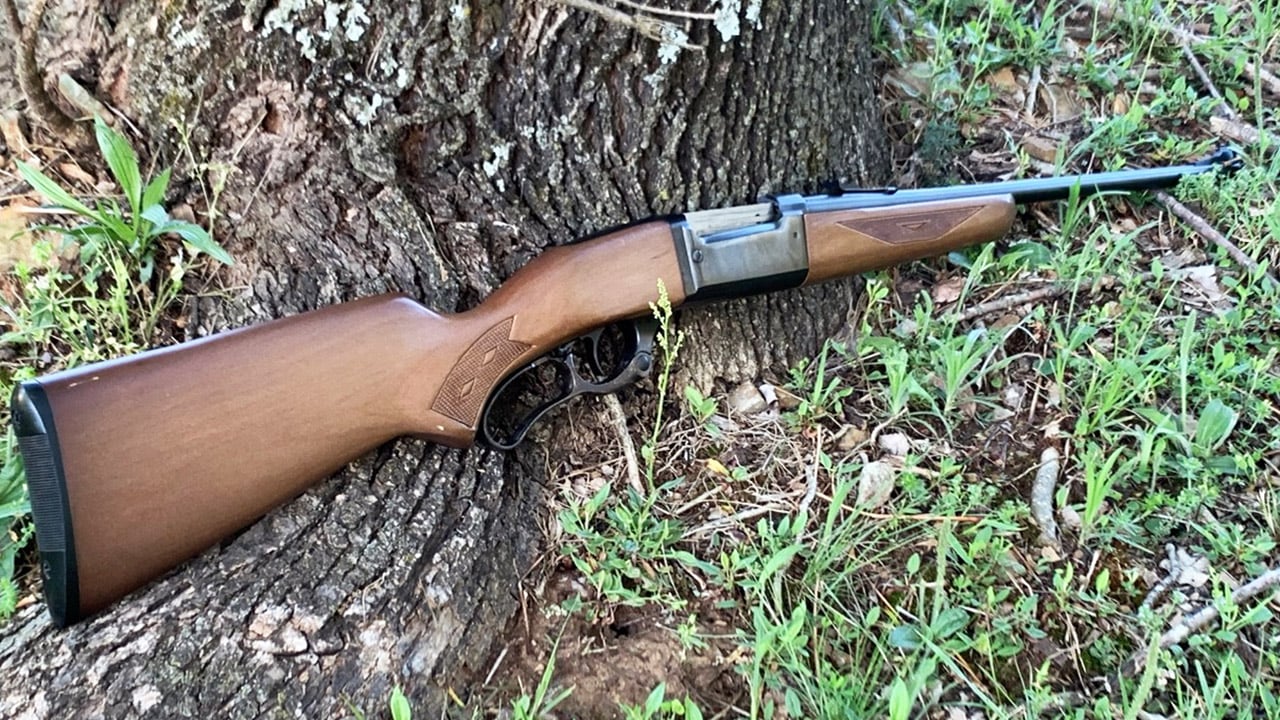
The Savage 99 is one of those rifles that feels like it shouldn’t work as well as it does, and then you cycle it and it’s just smooth. The rotary magazine is clever without being gimmicky.
I passed on a .300 Savage because I didn’t want to chase ammo. Now I see .300 Savage more often than I see nice 99s. And the ones I do see are either drilled and hacked up or priced like a collector already got to them.
18. Winchester Model 12 (16 gauge)
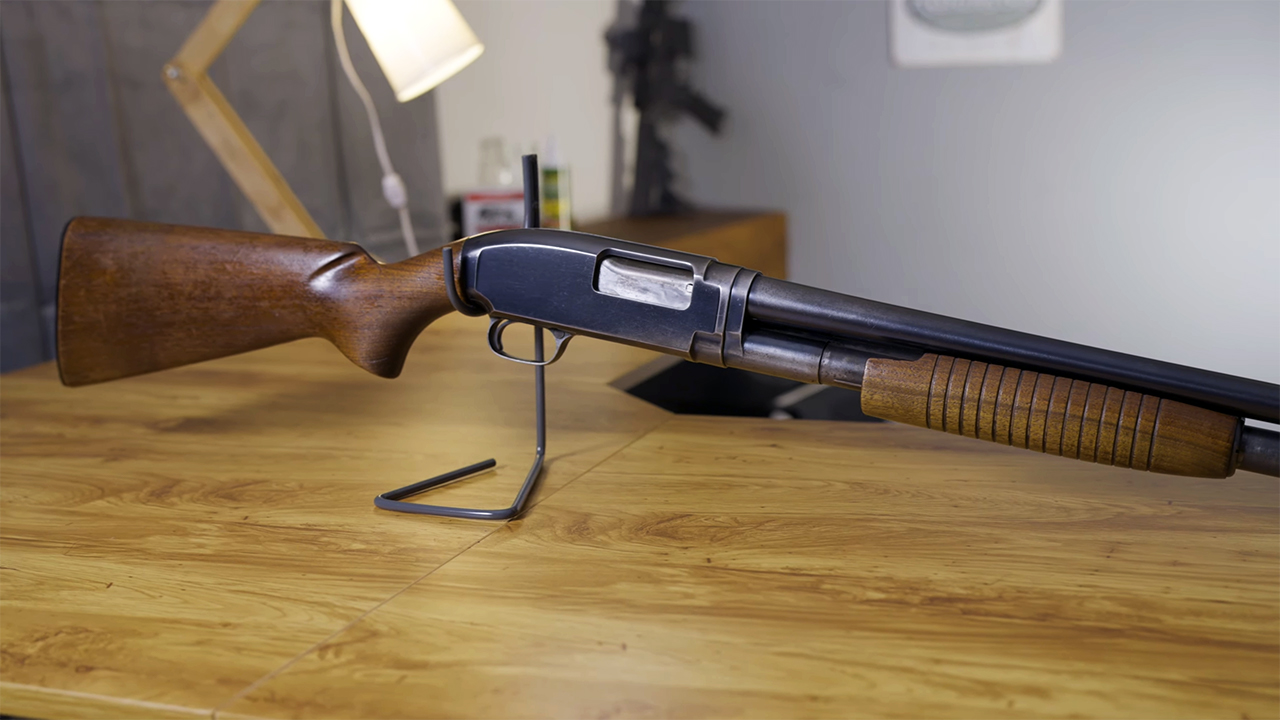
Sixteen gauge is a sweet spot for upland hunting, and the Model 12 is one of the smoothest pump guns ever made. I had one in my hands, and it felt like it wanted to go chase roosters.
I set it down because I didn’t own any 16-gauge shells and I figured it was a “niche” choice. The niche, it turns out, is exactly what makes it fun. When you finally decide you want a 16 again, you end up searching longer than you expected.
19. H&K P7 PSP

This is the definition of “weird but brilliant.” The squeeze-cocker feels odd until it doesn’t, and then you realize how safe and fast it can be in normal hands.
I passed because it was pricey and I thought it was a collector’s toy. Later I learned the hard way that they don’t get cheaper, parts and mags aren’t getting more common, and nothing else really scratches that same itch. It’s heavy for its size, sure, but it shoots flat and carries surprisingly well.
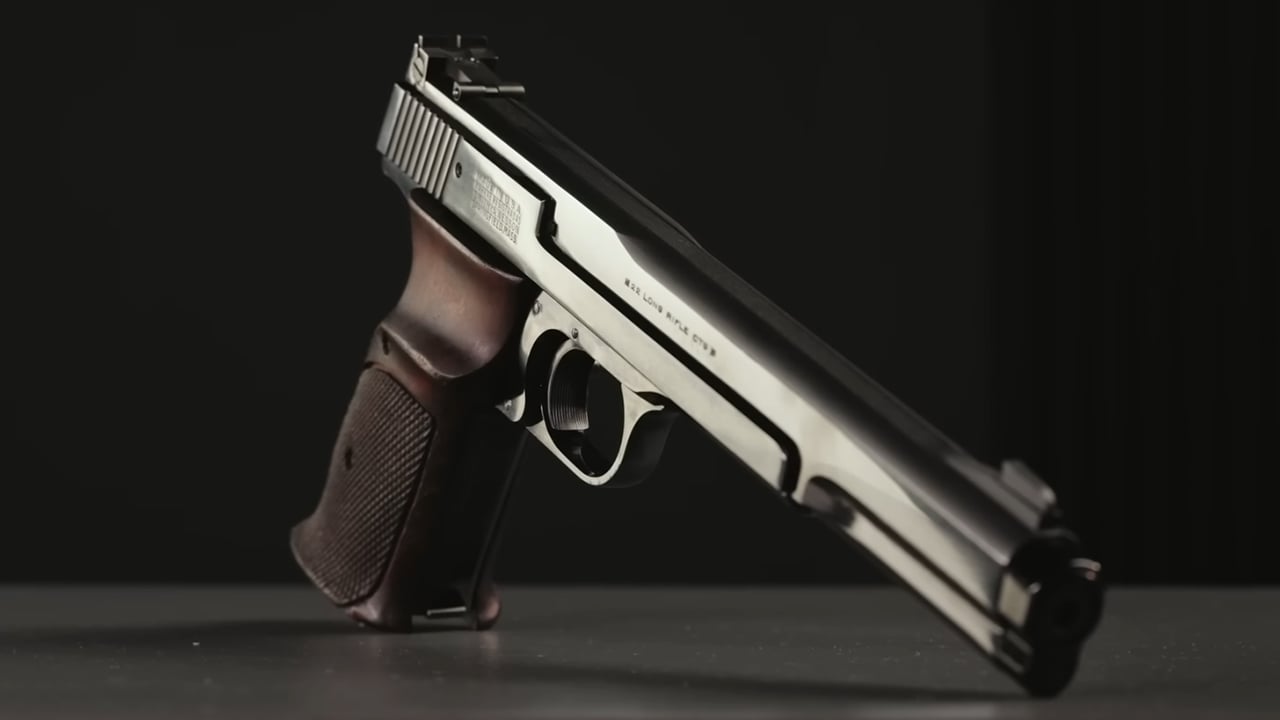
20. Smith & Wesson Model 41
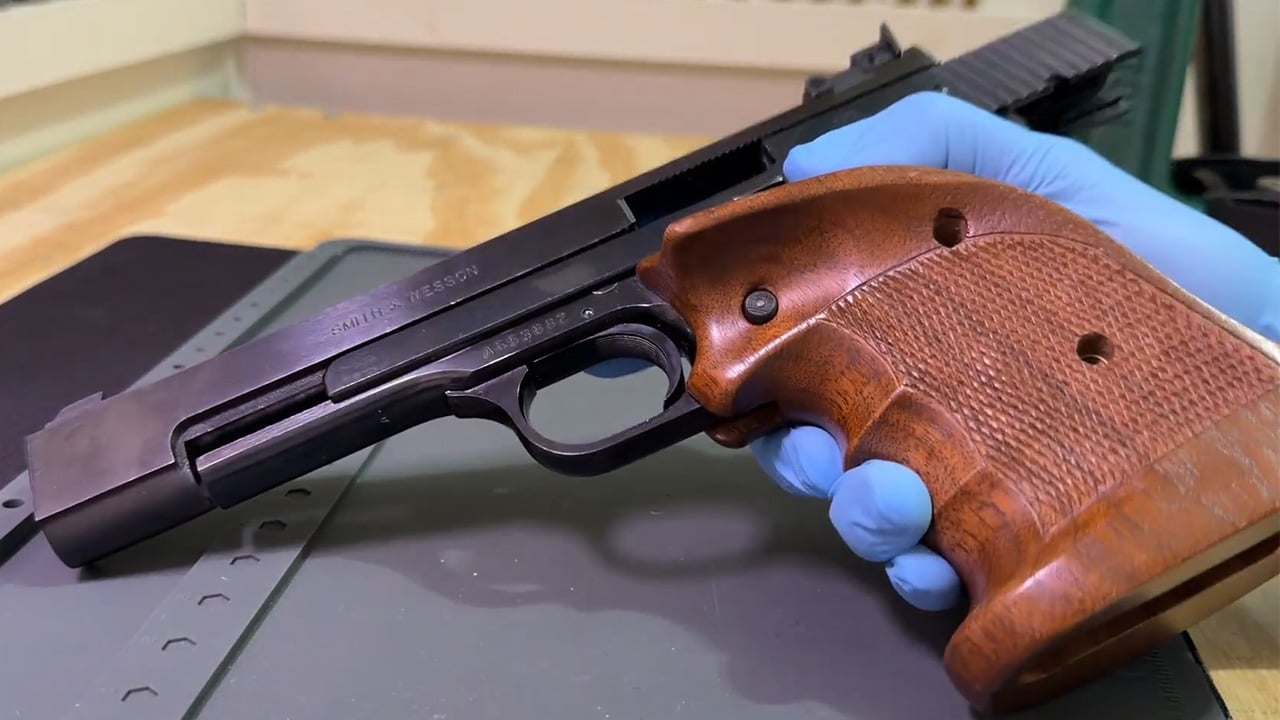
A good .22 target pistol will show you what you’re doing wrong, and a Model 41 does it without being mean about it. The grip angle, the trigger, the way it settles—everything about it says “slow down and shoot clean.”
I passed on one because I figured I’d rather put the money toward a hunting rifle. Then I realized how much better a dedicated .22 makes you across the board, from sight picture to trigger control. Buying one later cost more, and I still think about that clean used one sitting under bright gun-show lights.
If there’s a lesson in all this, it’s not “buy everything you see.” It’s to recognize the difference between a fair deal on a useful gun and a table full of distractions. If you pick it up and it feels right, the price is honest, and it fills a real role—carry, hunt, train, or just enjoy—don’t talk yourself out of it just to keep wandering. The best gun-show buys are usually the ones you don’t overthink.
Like The Avid Outdoorsman’s content? Subscribe to our newsletter so you never miss an article.
Here’s more from us: