Photo credit: Justin Opinion/Youtube
I like semi-autos. I carry them, I shoot them, and I understand why they dominate the market. But when you start talking about “any price” and “any conditions,” the old wheelgun keeps crawling back into the conversation like a stubborn hunting dog that refuses to quit.
A good revolver doesn’t care about magazine springs, limp-wristing, weird bullet profiles, or whether you stuffed it in a dusty console for six months. It’s not that revolvers never fail. It’s that their failures are usually honest and obvious, and they’re less picky about the little things that turn a high-dollar semi-auto into a very expensive paperweight at the worst moment.
1. Smith & Wesson Model 686 (L-Frame)
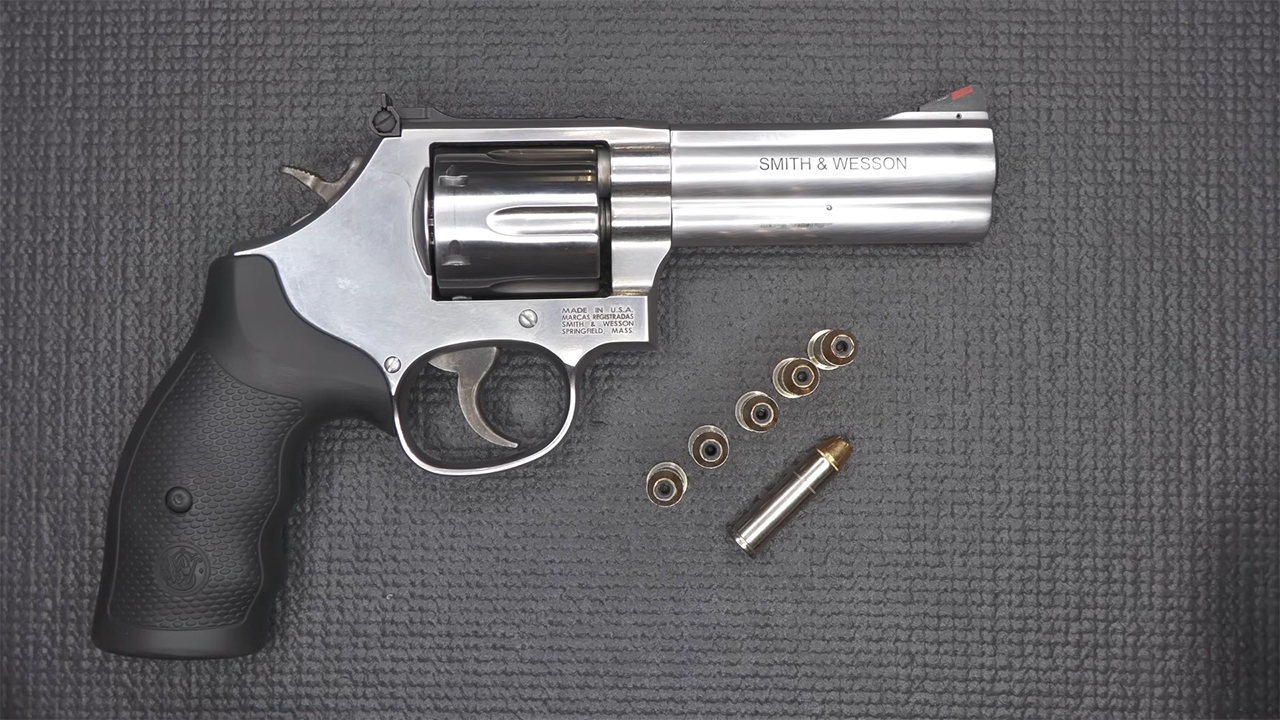
If you’ve spent time around ranges, you’ve seen a 686 that looks like it rode in a tackle box for a decade and still prints where it’s pointed. The balance is right, the sights are usable, and the trigger—especially after it’s been shot a bit—has that smooth “rolling” feel that makes double-action work make sense.
It’s not a featherweight, and that’s part of why it’s so easy to shoot well. For a do-it-all .357 that can live on a nightstand, ride on a belt in the woods, and still be fun on steel, this one earns its keep.
2. Ruger GP100
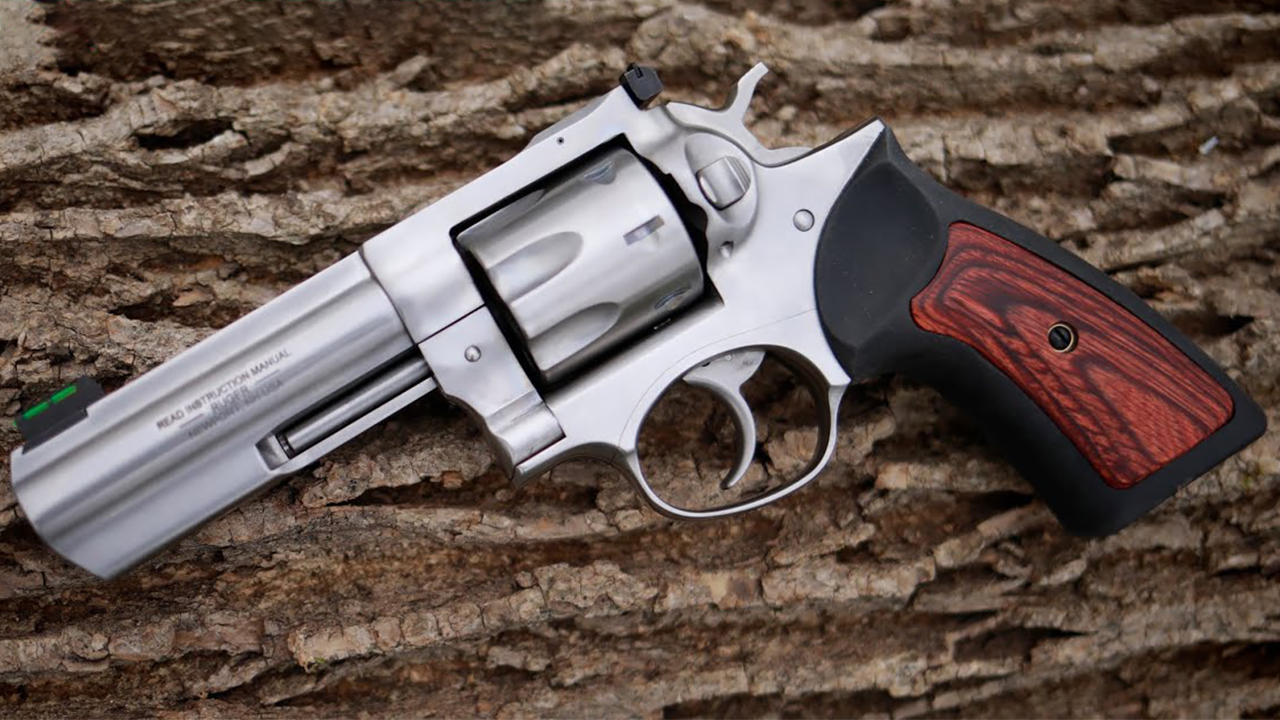
The GP100 is the revolver you buy when you’re tired of babying gear. It’s built like a fence post and about as delicate. You can run heavy .357 loads without feeling like you’re beating the gun to death, and it shrugs off neglect better than most.
The trigger isn’t always perfect out of the box, but it usually gets better with use, and it’s a gun that’s easy to trust when you’re far from the truck. There is nothing fancy about it, and that is kind of the point.
3. Smith & Wesson Model 19 (K-Frame, classic .357)
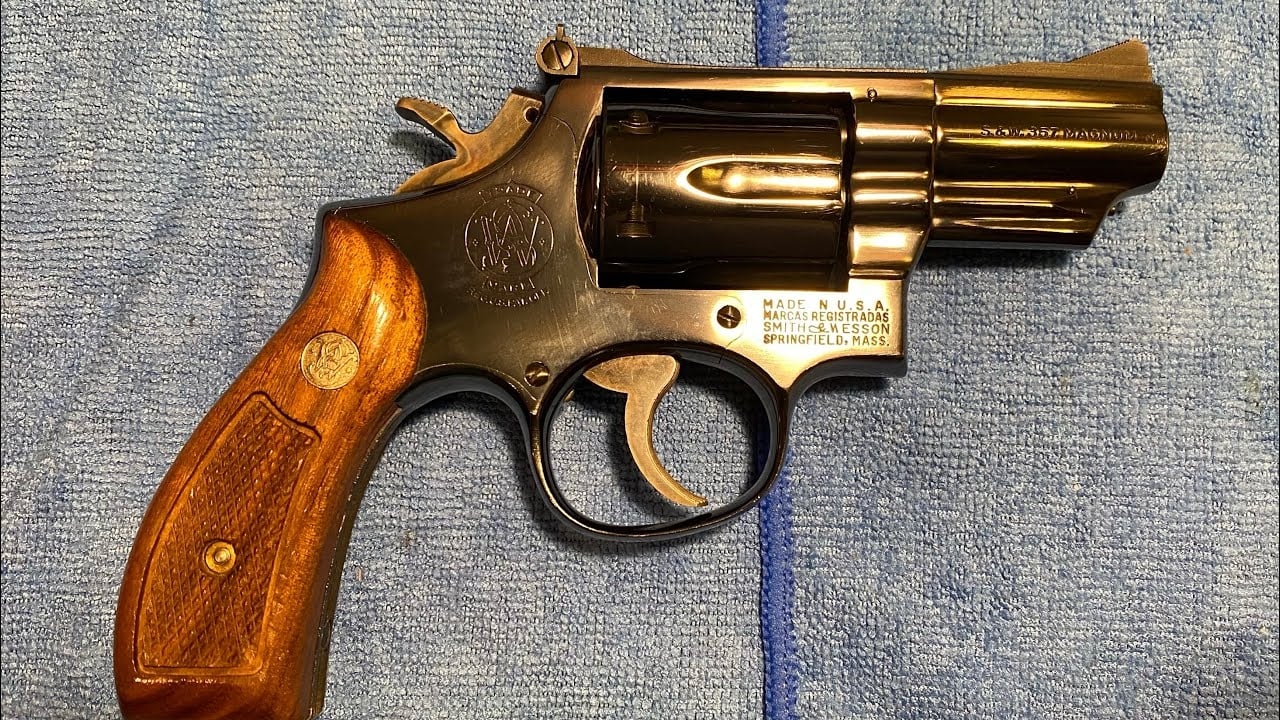
The Model 19 points like it was built for a human hand instead of a spec sheet. It’s slim, lively, and carries easier than the chunky .357s that came later. For general woods carry, that matters more than most folks admit.
Yes, the K-frame .357 story includes the usual caution about living on a diet of the hottest loads. Feed it sensibly, shoot it regularly, and it’ll remind you why this was “the” fighting .357 for a long time.
4. Colt Python (modern or vintage)
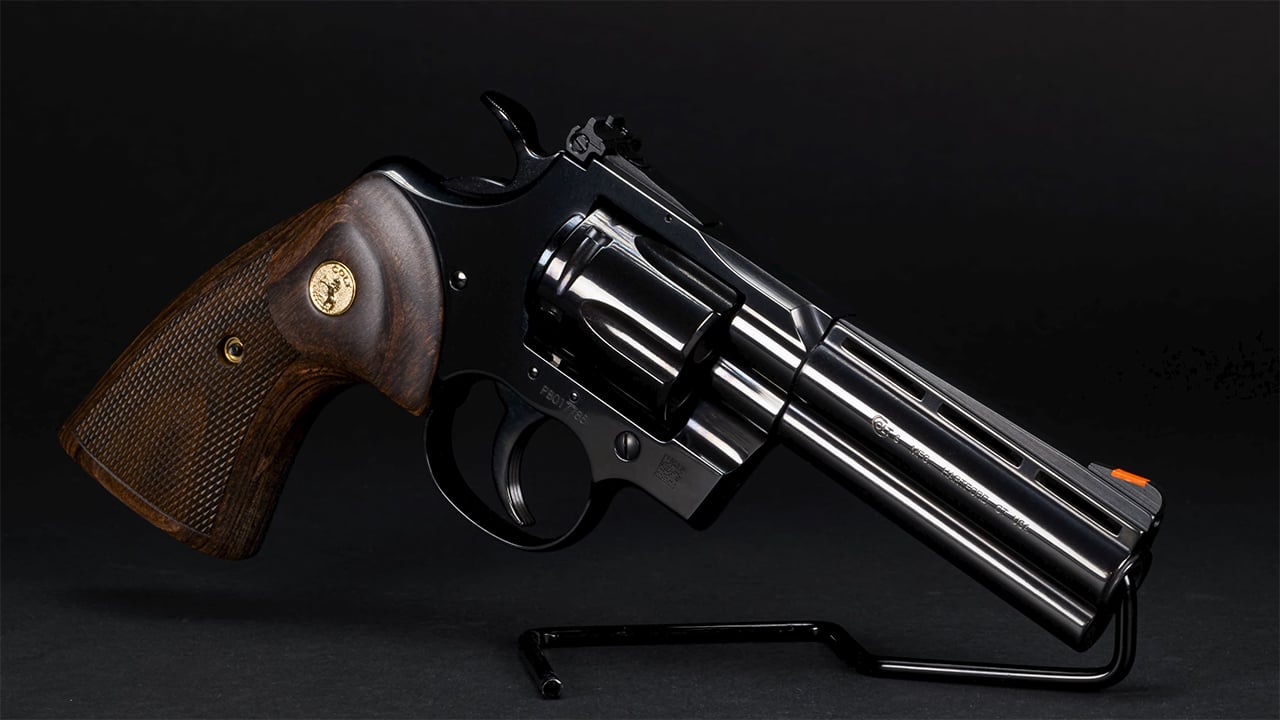
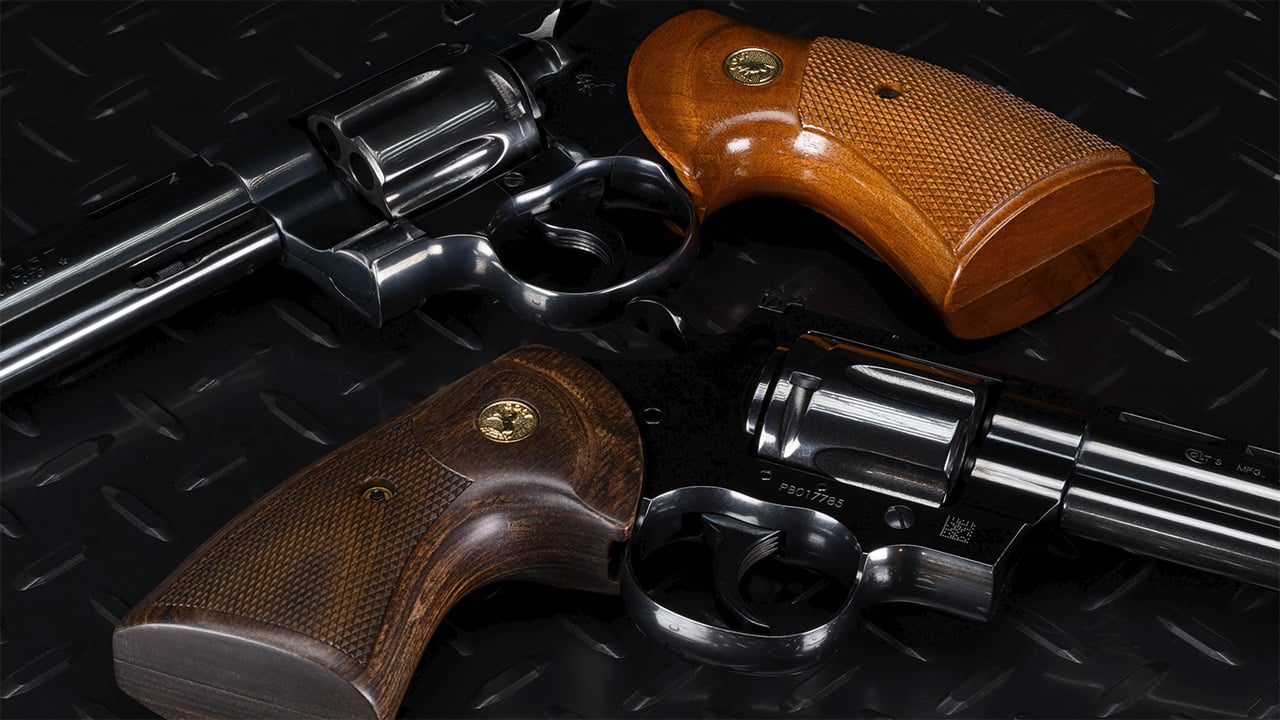
The Python is the revolver version of a high-end bird gun: not necessary, not cheap, and still somehow worth it if you’re the kind of person who appreciates feel. The lockup, the way the cylinder turns, the way the sights settle—it’s a different experience.
I’m not buying one to toss behind a truck seat, but if the question is what I’d choose when price doesn’t matter, a Python is on the list. It’s not just pretty. It shoots.
5. Smith & Wesson Model 27 (N-Frame .357)
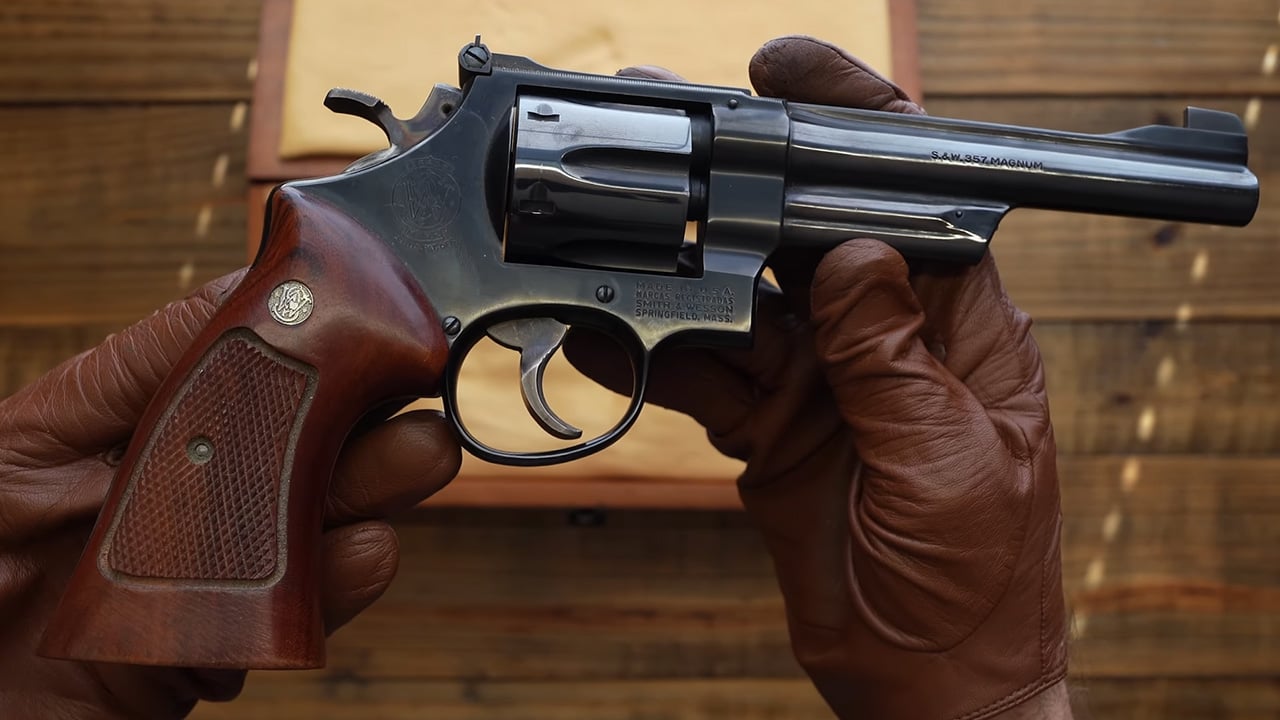
This is the .357 that feels like it was built by people who didn’t believe in the phrase “good enough.” It’s big, heavy, and soaks up recoil like a sandbag. With full power loads it stays controllable in a way lighter guns just don’t.
For a home gun or a woods gun where weight isn’t your main problem, it’s hard to argue with an N-frame that was designed around the cartridge instead of adapted to it.
6. Ruger Security-Six
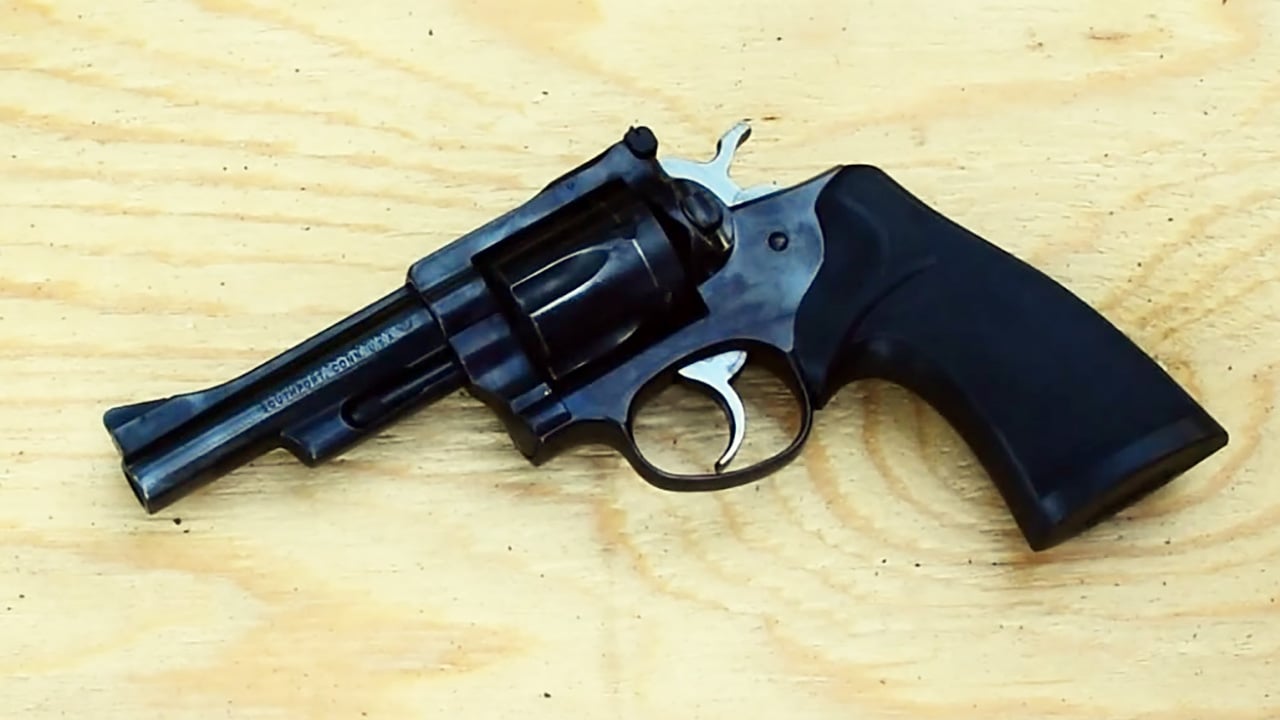
These are the revolvers that show up at estate sales with honest holster wear and perfect timing. They were carried a lot, shot enough, and trusted for a reason. The Security-Six is lighter than the GP100 and still plenty tough.
Ask anyone who grew up around them: they’re the kind of gun you sell when money is tight and miss when you’re older. That one hurts.
7. Smith & Wesson Model 10

A plain .38 Special service revolver doesn’t sound exciting until you actually live with one. The Model 10 is simple, accurate, and shoots mild loads that let you practice without flinching or making your hands hate you.
If you want a revolver that teaches good trigger control and sight discipline, this is it. Boring? Sure. Useful? Absolutely.
8. Smith & Wesson Model 36 (Chief’s Special)
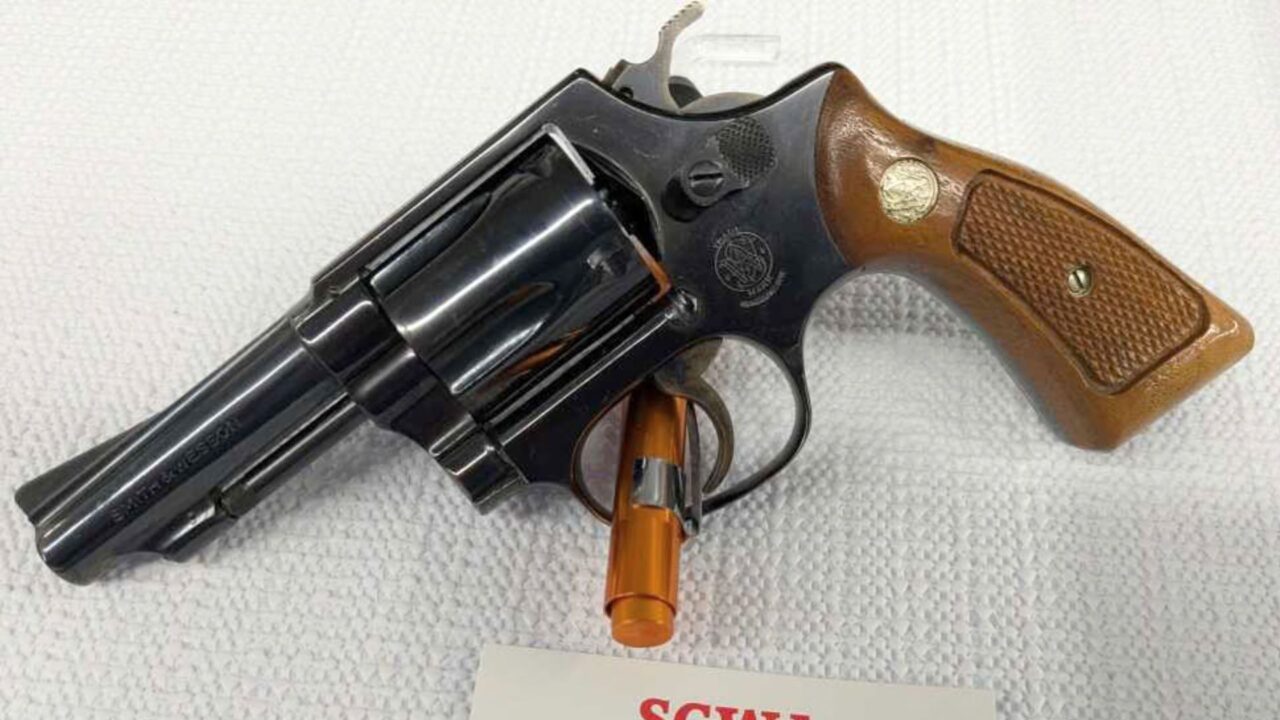
There’s a reason the little J-frame has been in pockets, purses, and glove boxes for generations. The Model 36 carries easy, disappears in a coat, and doesn’t demand a wardrobe change. It’s not a range toy, and it’s not forgiving to sloppy grip.
But as a “have it on you” revolver that works when lint, sweat, and real life pile up, it’s hard to dismiss. Keep it clean, shoot it enough to stay honest, and it will do its job.
9. Ruger SP101
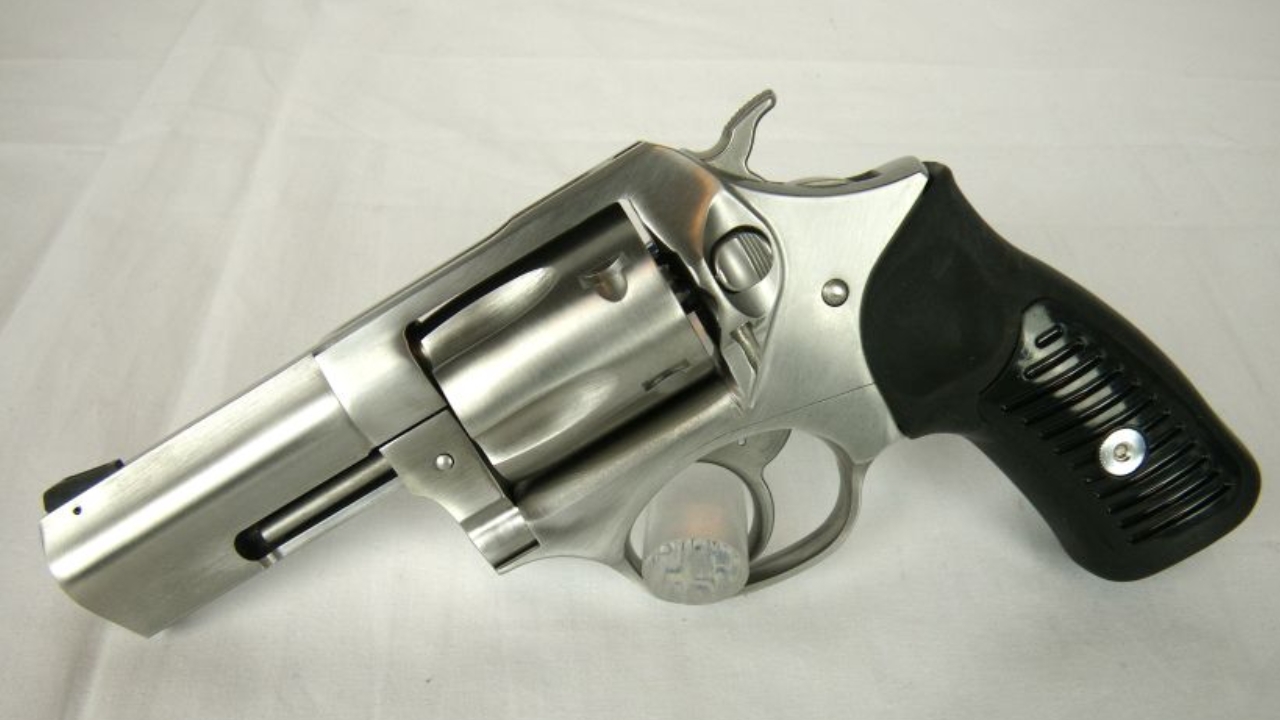
The SP101 is what happens when Ruger decides to build a small revolver like it might get used hard. It’s heavier than some snub-noses, but that weight buys you control with .357 and makes .38s pleasant.
It’s also a good “kit gun” for folks who actually leave the house: fishing trips, checking fences, walking trails. It rides well in a real holster and doesn’t feel fragile.
10. Smith & Wesson 442 (Airweight)
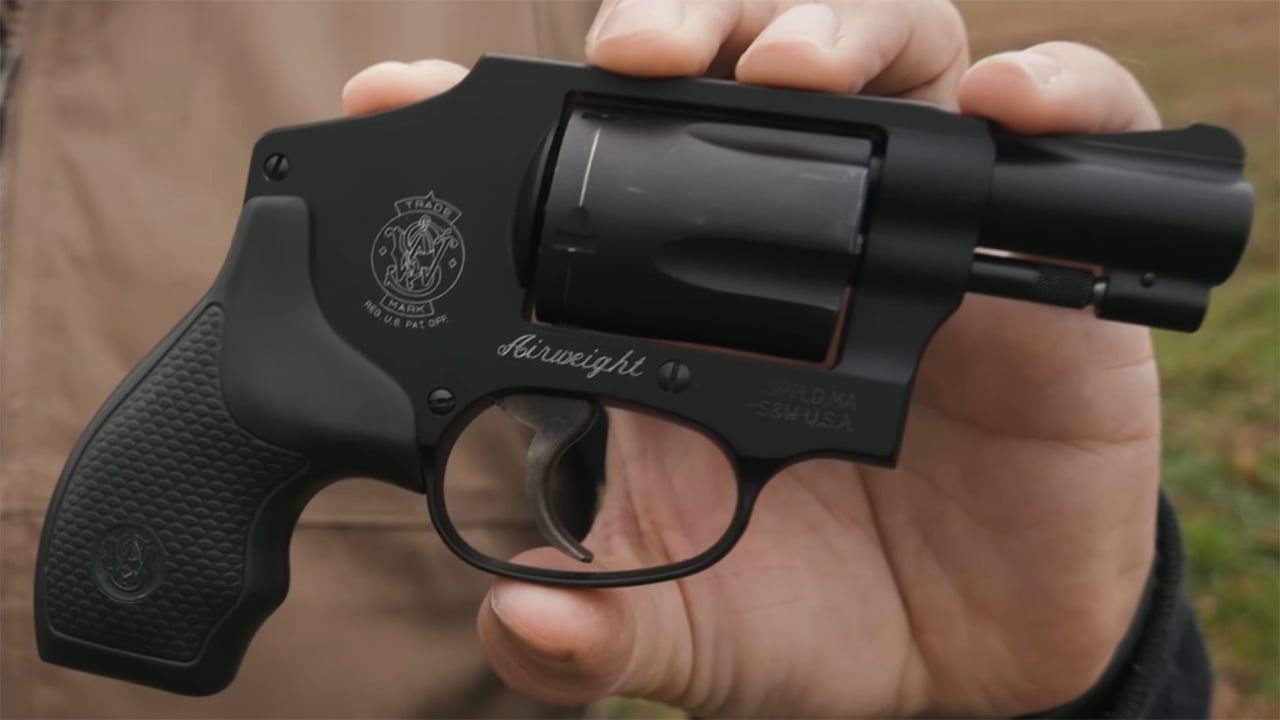
This one is all about carry, not comfort. The 442 is light enough that you’ll actually keep it on you when you’re running to town, taking out the trash at night, or stepping outside to check on a noise.
Lightweight snubs are snappy, and nobody should pretend they’re fun with +P loads. Still, it’s a dependable tool that doesn’t ask permission from your belt line.
11. Ruger LCR (.38 Special +P)
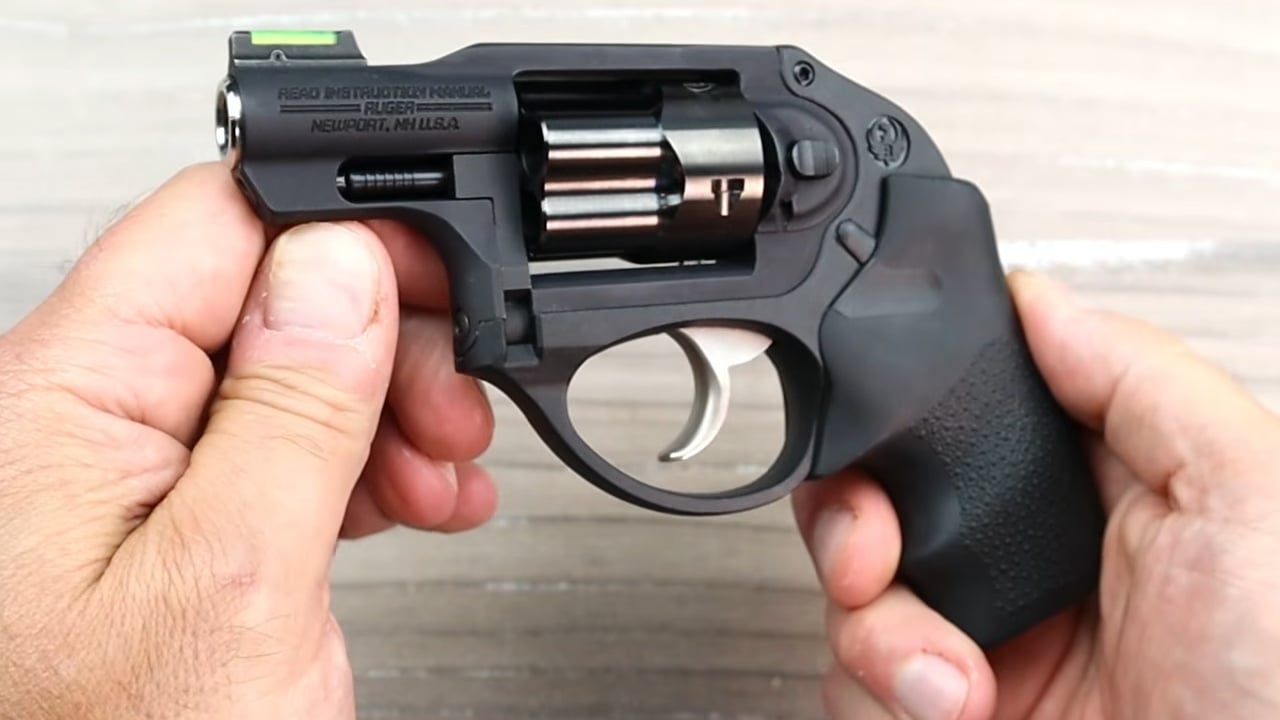
Not everyone loves the looks, and I get it. The LCR isn’t a classic. But the trigger is better than it has any right to be in a lightweight revolver, and the design tends to run dirty without drama.
For a small revolver you’ll actually carry, this is one of the few that doesn’t feel like it’s fighting you the whole time. If you’ve ever watched someone struggle with a stiff snub trigger, you’ll understand why this matters.
12. Smith & Wesson Model 642 (Airweight, enclosed hammer)
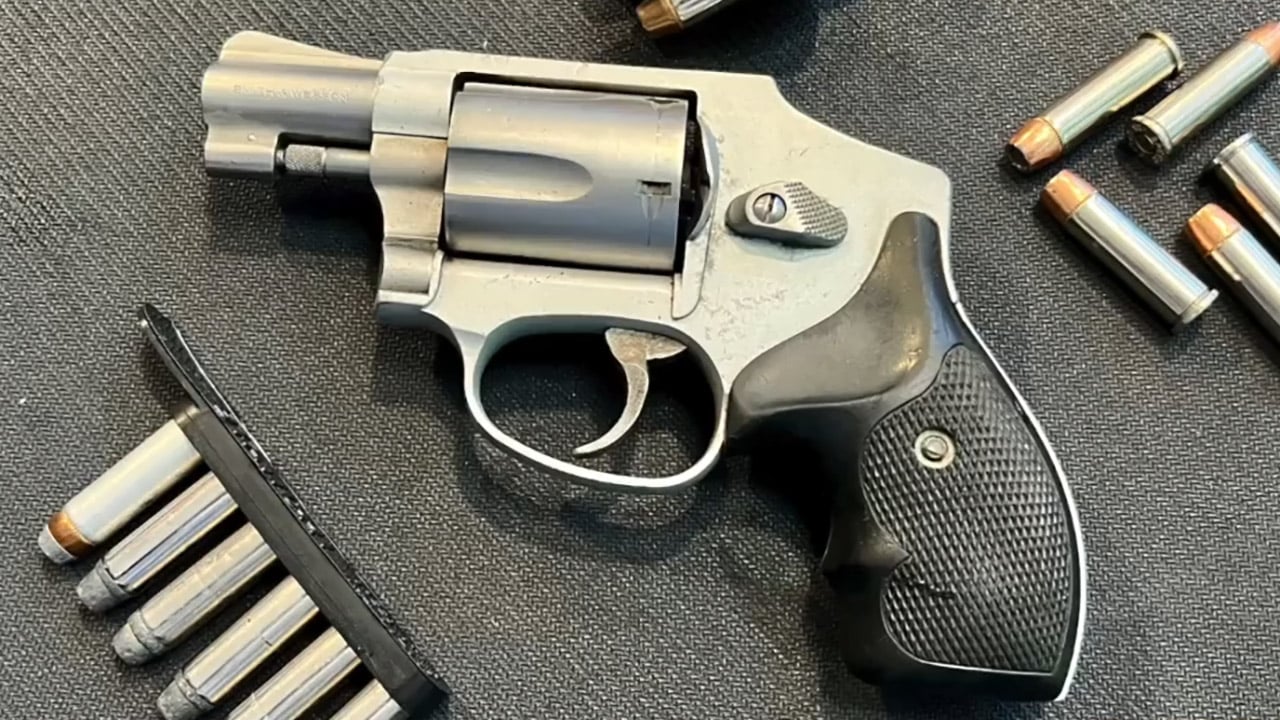
The enclosed hammer isn’t just a gimmick. It keeps the gun from snagging on pocket linings, jackets, and whatever else you end up wearing when the weather turns. That’s real-world usefulness, not marketing.
It’s not a target revolver, but it’s a get-the-job-done revolver. For folks who want a simple, snag-free carry piece, the 642 keeps showing up for a reason.
13. Colt Detective Special

Six shots in a small-frame revolver is still a nice advantage, and the Detective Special always felt like Colt was trying to make a snub that didn’t handle like a compromise. The older ones especially have that Colt action feel that’s hard to describe until you’ve shot one.
They’re not as cheap or as common as they once were, and parts/service can be a consideration. Still, if you find a good one, it’s a classic that carries well and shoots better than it looks like it should.
14. Smith & Wesson Model 29 (.44 Magnum)
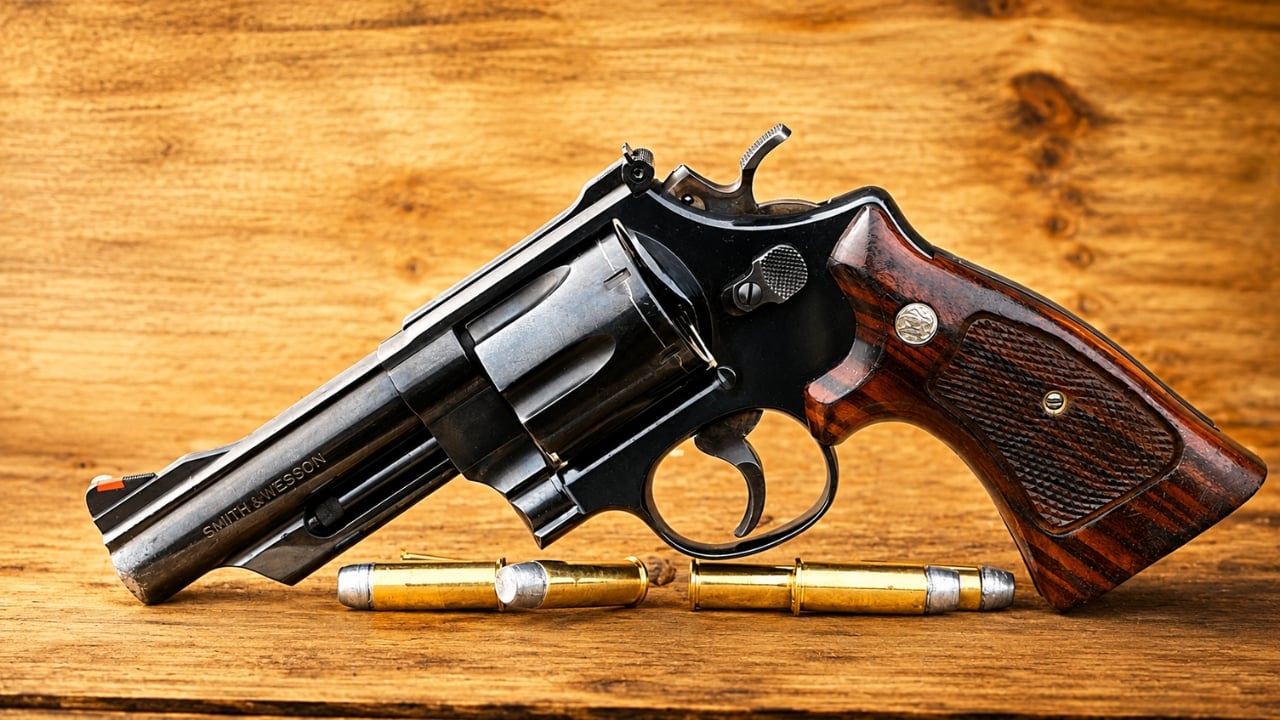
No, you don’t need a .44 Magnum for most things. But if you’ve ever been in thick country and had that “I don’t like this feeling” moment, you understand why a big-bore revolver has a loyal following.
The Model 29 is also a reminder that “power” doesn’t have to mean “unshootable.” With the right loads it’s manageable, and with heavy loads it’s serious business. Respect it, practice with it, and it will do what it was built to do.
15. Ruger Super Redhawk (.44 Magnum / .454 Casull)

This one is not subtle. It’s heavy, it’s bulky, and it’s made for people who want a revolver that can take a pounding and keep its screws where they belong. In true big-bore territory, that kind of durability is not a small detail.
If you’re the type who spends time in bear country or you hunt with a handgun, the Super Redhawk is one of those “buy once, cry once” choices that doesn’t turn into a maintenance project.
16. Smith & Wesson Model 25 (.45 Colt / .45 ACP variants)
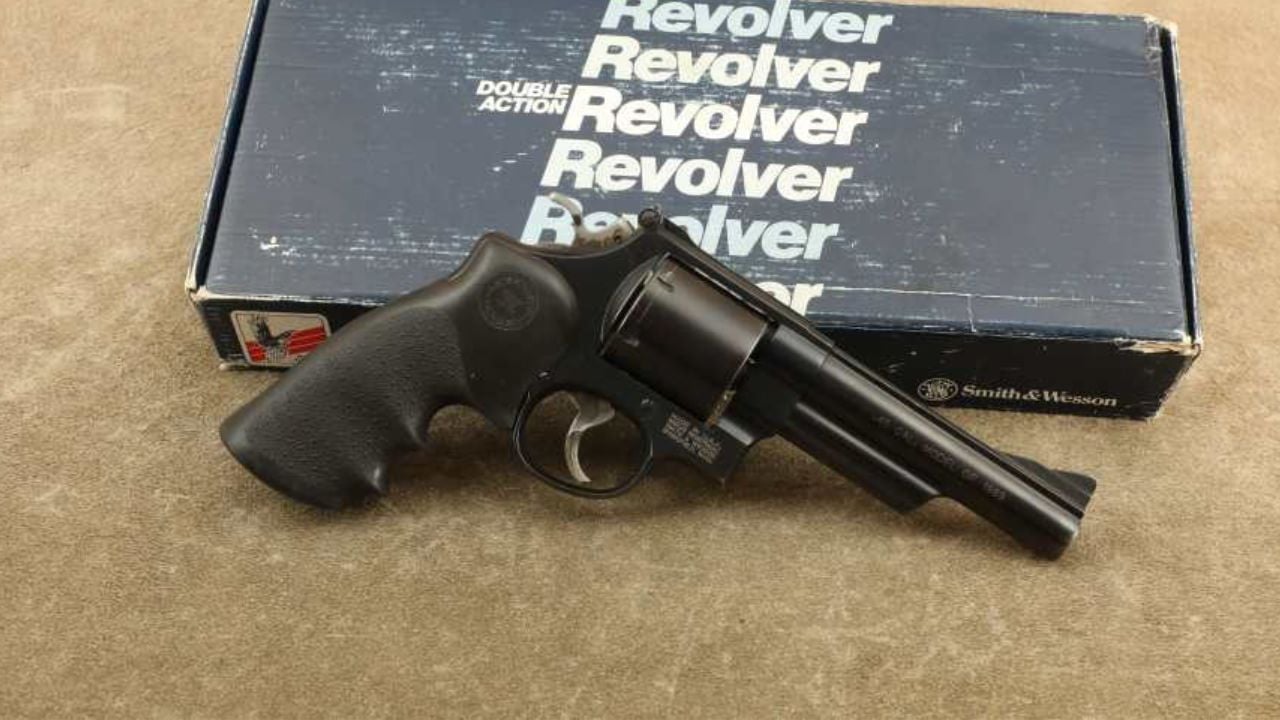
A big N-frame in .45 Colt is an easy gun to like. The recoil is more of a push than a snap, and it hits with authority without the sharpness that makes people dread practice. That encourages more trigger time, which is the whole game.
The .45 ACP versions with moon clips are also slick in their own way. It’s an old-school solution that still works fast and clean when you’ve got your gear sorted.
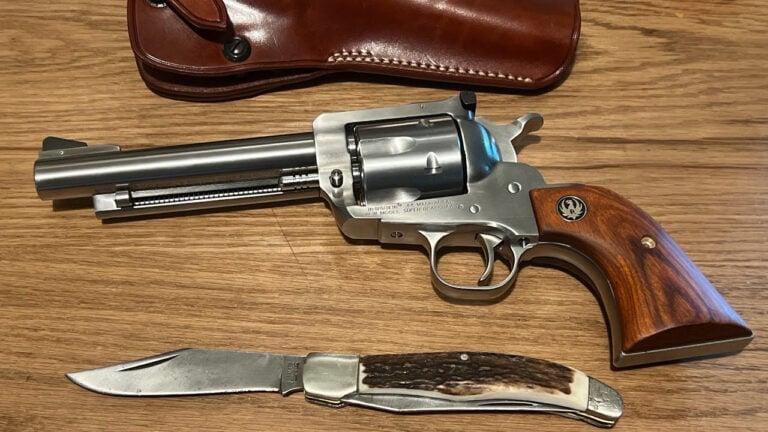
17. Ruger Blackhawk (single-action)

Single-actions aren’t for everyone, and they’re not “fast” in the way folks talk about fast these days. But for a woods revolver that you carry more than you shoot, the Blackhawk is tough, accurate, and simple.
It’s also one of those guns that makes you slow down and shoot well. For hunting or knocking around camp, a good single-action still makes sense if you’re honest about what it is.
18. Ruger Super Blackhawk (.44 Magnum)
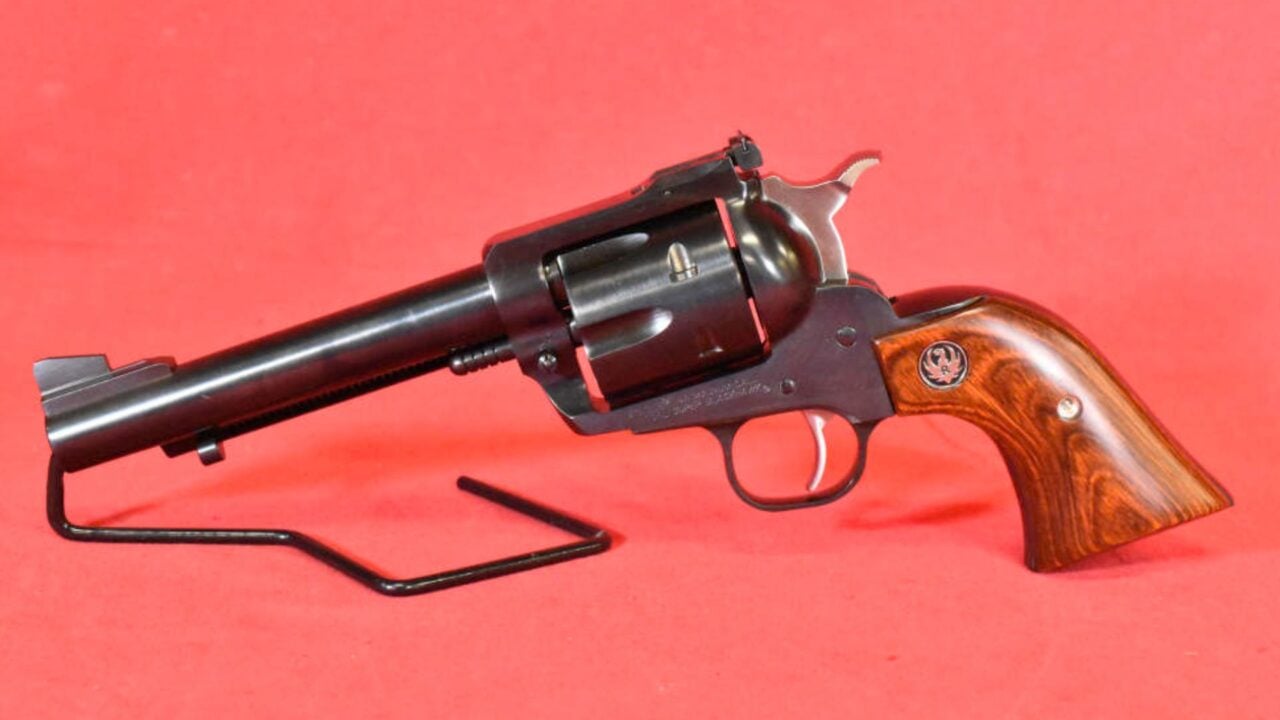
There’s a different kind of confidence that comes with a revolver built around a hard-hitting cartridge and a strong frame. The Super Blackhawk is a classic for a reason, and it’s less finicky than plenty of “modern” handguns when it comes to dirt and neglect.
It’s not a concealed-carry piece. It’s a belt gun, a hunting gun, and a “this stays with me in the woods” gun. Big difference.
19. Freedom Arms Model 83

This is where revolvers stop being just tools and start being heirloom-grade equipment. The fit, the precision, the way they shoot—Freedom Arms earned their reputation the hard way, by being accurate and strong in cartridges that punish sloppy construction.
It’s expensive. It’s also the kind of revolver that makes you realize “high price” and “high performance” can actually line up when the company is serious about what they’re doing.
20. Smith & Wesson Model 617 (.22 LR)

If I could only keep one handgun to actually get better with, it might be a .22 revolver. The 617 lets you practice double-action without developing bad habits from recoil, and it’ll run the cheap rimfire stuff that makes semi-autos choke and sputter.
It’s a trainer, a plinker, a small-game option, and a “teach the kids safely” revolver all in one. When ammo prices get stupid, a good .22 keeps you shooting.
I’m not here to tell you to ditch your semi-autos. They’re effective, practical, and in a lot of roles they’re the best answer. But if you’ve ever had a magazine-related malfunction at the range, or you’ve watched grit and lint turn a carry gun into a fussy little machine, you understand the appeal of a solid revolver. In the real outdoors—mud, cold, sweat, and long gaps between range days—simple has a way of winning.
Like The Avid Outdoorsman’s content? Subscribe to our newsletter so you never miss an article.
Here’s more from us: