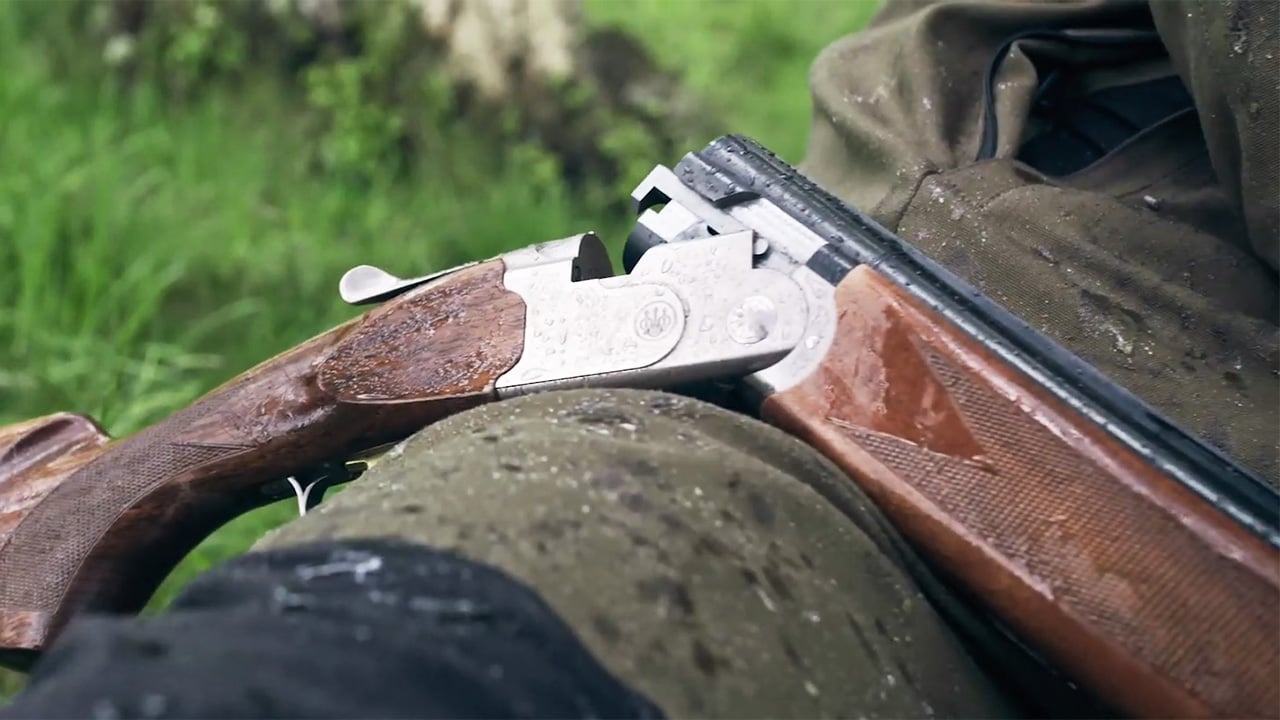
Photo credit: BERETTA/Youtube
I used to look at guns like hardware-store tools. If I didn’t like one, I’d sell it, trade it, or let it go to fund the next thing. No big deal. Then a couple shortages hit, a couple “discontinued” announcements rolled through, and a few used-gun prices got downright rude. That is when it sunk in: some guns are easy to replace on paper and surprisingly hard to replace in real life.
Some of these I miss because they flat worked. Some I miss because I had them set up just right. And a few I don’t miss much at all—except for the lesson they taught me. Here are twenty that taught me not to assume I can just grab another one whenever I feel like it.
1. Ruger 10/22 Carbine

I let a plain-jane 10/22 go because I had “too many .22s,” and I figured I could grab another one any day of the week. Sure, you can still buy a 10/22. What you can’t replace is the specific one you had broken in, slicked up, and sighted for your kind of shooting. Mine fed any bulk ammo, the trigger had smoothed out, and the little carbine pointed like a bird gun.
Then you go shopping and realize the price isn’t what it used to be, and the accessories you already owned were fit to that rifle. Magazines are still everywhere, but the combo of reliability, familiarity, and “everybody can shoot it” value is hard to beat. There is nothing fancy about a 10/22, and that is kind of the point.
2. Remington 870 Wingmaster
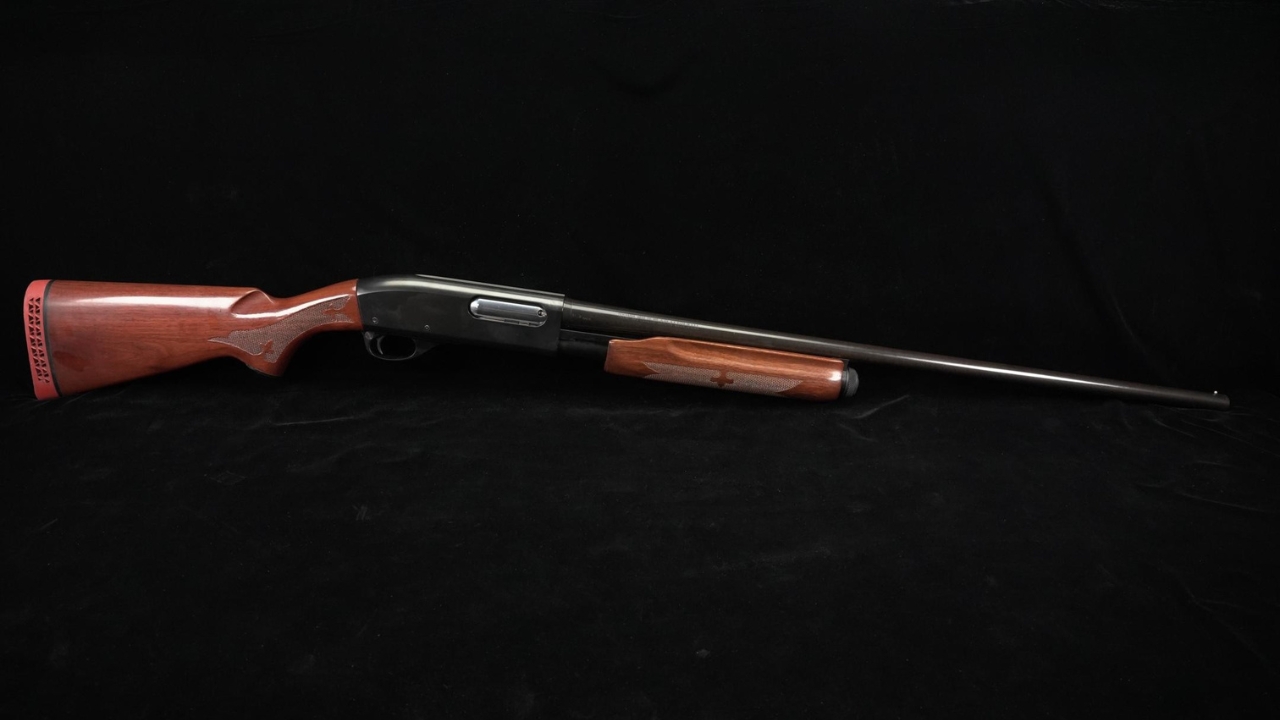
I’m not talking about a rough, late-production Express that rattles like a toolbox. I mean an older Wingmaster with bluing that looks deep enough to swim in and an action that closes like it’s on ball bearings. I had one set up for squirrels and rabbits, and it doubled as a “loaner” for anybody who showed up without a shotgun.
When I went looking later, I found plenty of 870s, but not that kind. The older ones bring collector money now, and the ones that feel right get snapped up fast. A pump shotgun is supposed to be simple, but a good one is more than a parts list. If you’ve got a Wingmaster that runs, think twice before you let it walk.
3. Marlin 336 (JM-stamped)
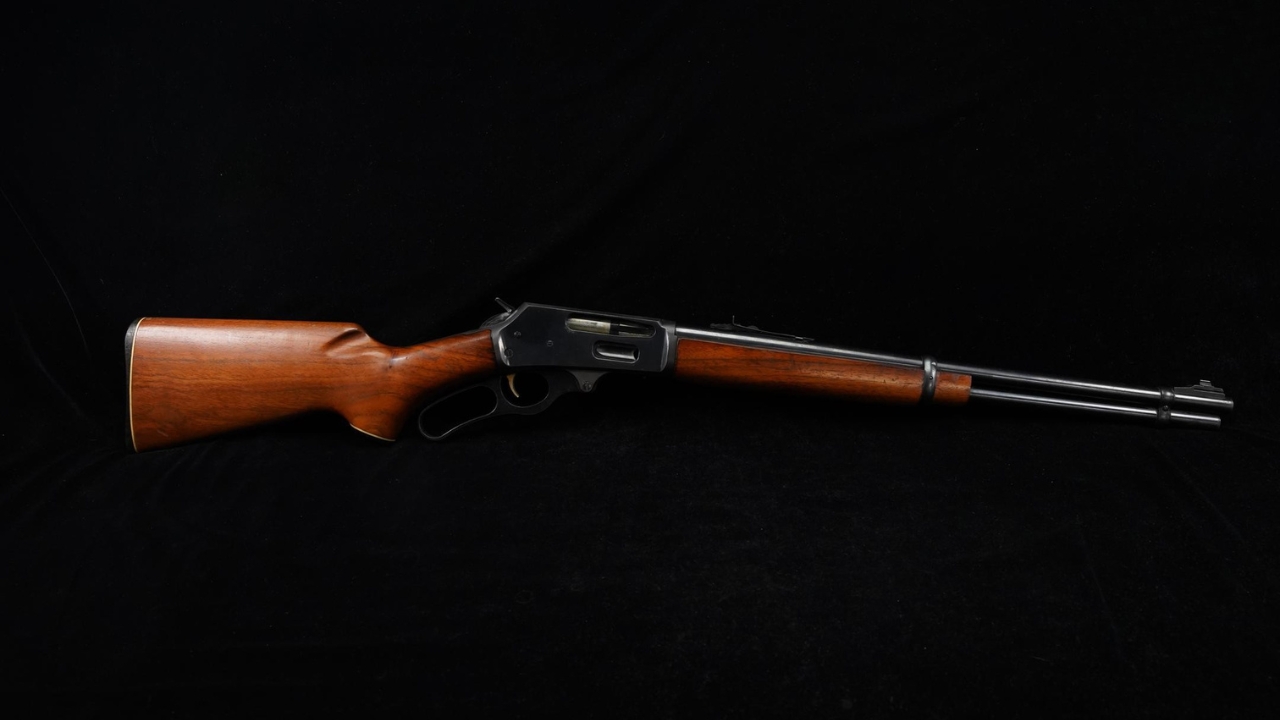
I convinced myself lever guns were just nostalgia until I didn’t have one. The old JM-stamped 336 I sold carried easy in the woods, never snagged, and it did exactly what a deer rifle is supposed to do inside normal ranges. It also had that smooth, worn-in lever throw you don’t appreciate until you handle a stiff one.
When I tried to replace it, I learned the market knows what it has. New-production lever guns can be solid, but the price is high and the feel is different. The 336 sits in that sweet spot between “working rifle” and “heirloom,” and once you let a good one go, you’re shopping in a crowded lane. That one hurts.
4. Winchester Model 70 Featherweight

There are lighter rifles than a Featherweight, and there are more accurate rifles than a Featherweight. But the balance on a Model 70 done right is special. Mine carried like a walking stick and came up on target like it knew what I wanted. I told myself I could just buy another hunting rifle and not notice the difference.
You notice. The controlled-round feed versions have their own following, and even push-feed guns that shoot well bring real money now. Stocks vary, triggers vary, and not every “same model” feels the same in your hands. If you’ve got one that fits you and prints honest groups with your hunting load, it is already doing its job. Replacing that fit is the hard part.
5. Ruger M77 Mark II

I had an M77 Mark II that was the definition of boring dependability. It wasn’t flashy, and it didn’t win internet arguments. It just fed and extracted like it meant it, even when dusty, cold, or riding around behind a truck seat in a soft case. The angled front action screw and Ruger rings made it feel like a set-it-and-forget-it rig.
Later on, I found out that “just get another one” turns into chasing specific generations, specific triggers, and specific barrel profiles. New rifles are great, but the older M77s have a feel that’s hard to describe until you don’t have it. If you hunt rough country and want a rifle that doesn’t act delicate, the Mark II is one you’ll miss.
6. Savage Model 99

I sold a Savage 99 because it wasn’t “modern,” and I thought I’d rather have a bolt gun and a scope with big turrets. Then deer season rolled around and I realized how handy that 99 had been in thick stuff. Slim receiver, quick handling, and that rotary magazine that let you run pointed bullets in cartridges that usually lived on flat points.
Try replacing one now. Condition, caliber, and era make prices jump all over. And the good ones—the ones that still lock up tight and have nice bores—don’t hang around on racks for long. It’s not the perfect rifle for everybody, but it’s a perfect “woods rifle” for a lot of real hunting. I should’ve kept it.
7. Browning BLR

The BLR is one of those rifles you can talk yourself into selling because it seems easy to find. Then you go shopping and realize there are “old BLRs,” “new BLRs,” different magazine styles, different triggers, and big price differences depending on chambering. Mine fed slick, shot better than it had any right to, and carried flatter than most bolt guns.
What makes it hard to replace is the BLR’s niche: it’s a lever gun that can run modern cartridges and wear a scope without feeling clunky. When you find one that shoots and the magazine doesn’t give you fits, that’s a keeper. Lose it, and you’re right back to rolling the dice on the next one.
8. CZ 457 (American)

I bought a CZ 457 thinking it was just another .22 bolt gun. It wasn’t. The fit and finish are the kind you used to see more often, and the rifle had a calm, steady feel off bags and offhand. The trigger was good, the action was smooth, and it flat out made me a better shot because it was enjoyable to run.
They’re still around, but pricing and availability bounce, and specific variants disappear for stretches. The bigger problem is thinking “any .22 bolt gun will do” and then finding out that not all of them feed or extract the same, and not all of them balance the same with a scope. Once you’ve got a rimfire you actually practice with, replacing it is harder than it sounds.
9. Smith & Wesson Model 19
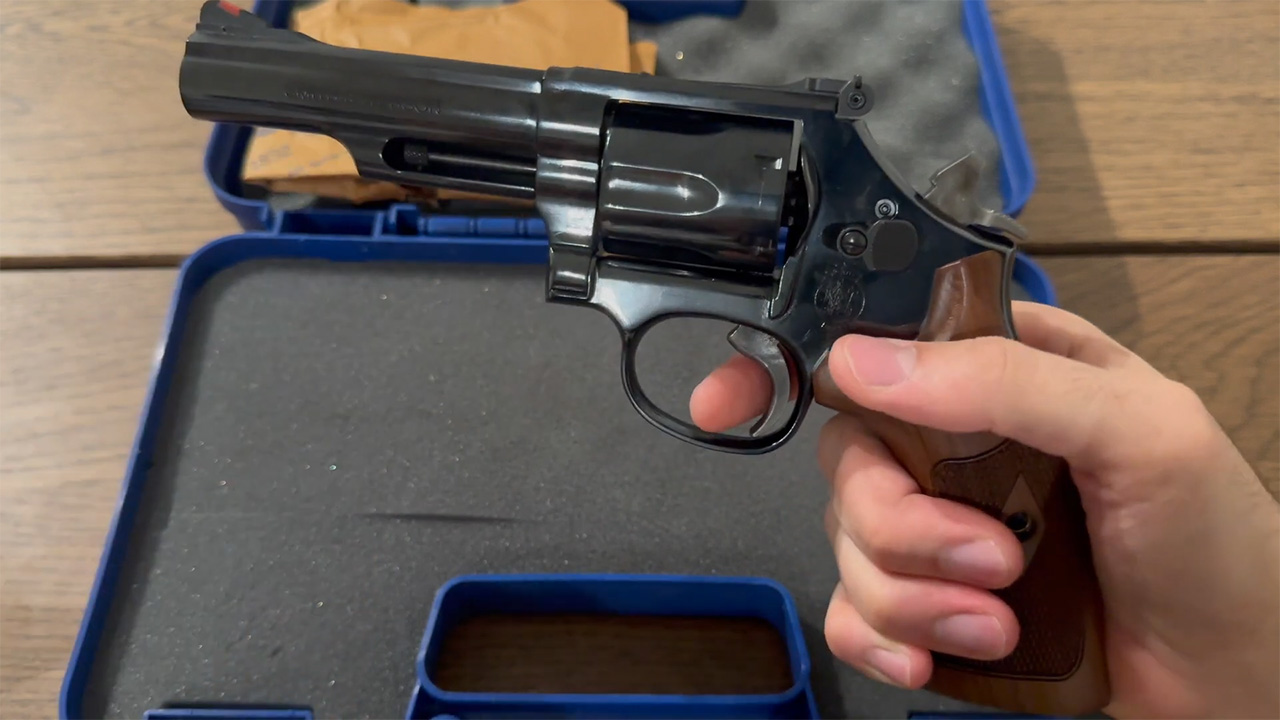
I had a Model 19 that carried like it belonged on a belt. K-frame .357s have a sweet balance, and for most real-world shooting they’re a joy compared to big, heavy revolvers. I let it go when I was on a “semi-auto only” kick and figured wheel guns were just range toys.
Then I tried to find another clean Model 19 with a good timing and a decent trigger. Prices had climbed, and the nice ones were either worn hard or treated like collectibles. It’s not that you can’t buy a .357 revolver today. It’s that you can’t easily buy that feel: a smooth double-action pull, good sights, and a frame size that doesn’t drag your belt down all day.
10. Ruger GP100 (4-inch)
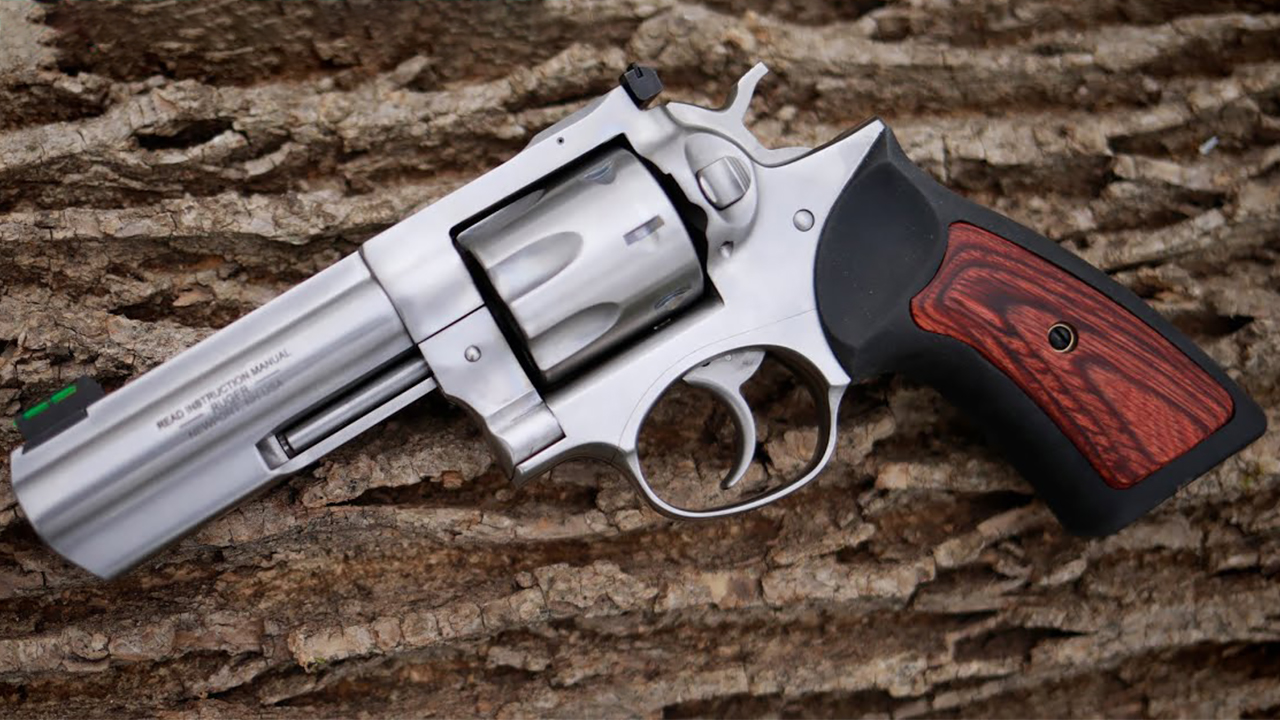
The GP100 is the opposite of fragile. It’s a working revolver that soaks up .357 recoil and doesn’t get fussy about being shot a lot. I sold mine because I thought it was “too heavy” and that I’d just carry a lighter gun. I did carry a lighter gun. I also shot it less because it wasn’t as pleasant to practice with.
When I wanted a do-it-all revolver again—woods walks, nightstand duty, range time—the GP100 made sense all over. The catch is that replacement cost crept up, and the good holsters and speedloaders I already owned were set up for that exact gun. It’s a brick, no doubt. But it’s a brick that works every time you ask it to.
11. Glock 19 (Gen 3/Gen 4)
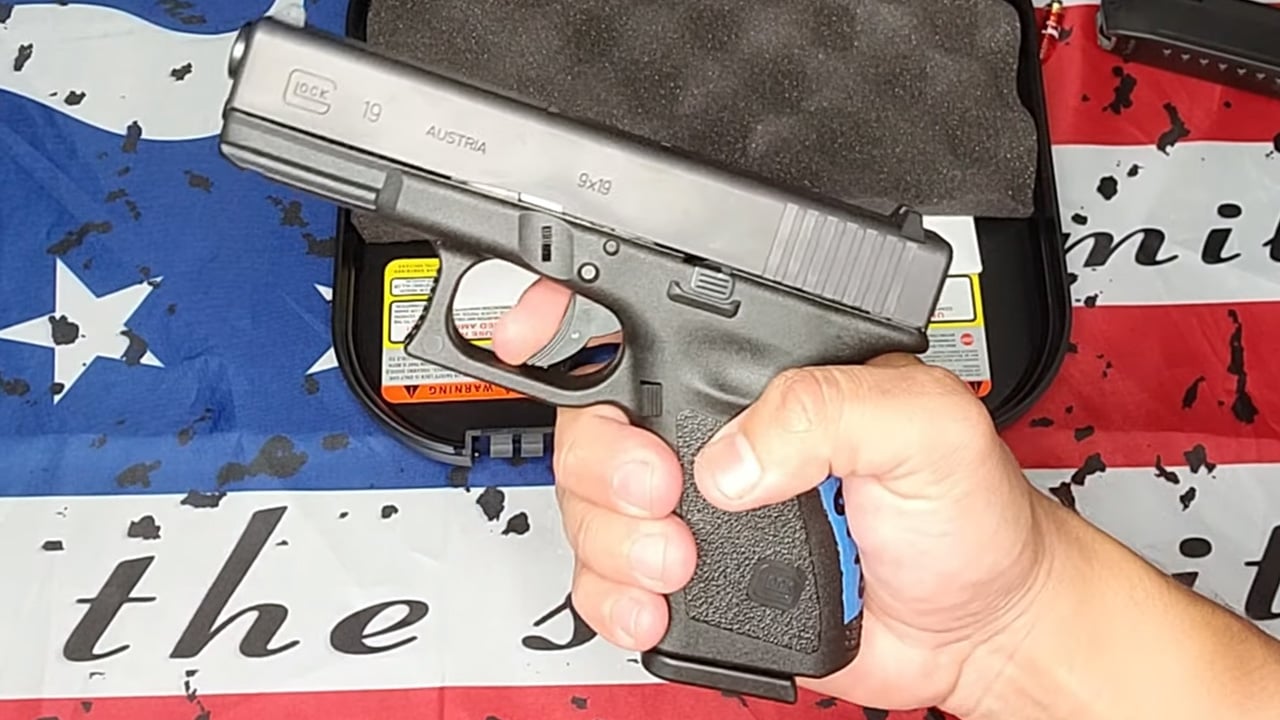
I’ve owned, traded, and re-bought Glock 19s more than once, which should tell you something. Every time I thought I’d “move on” to something newer, fancier, or slimmer, I ended up missing how easy the G19 is to live with. It carries well, shoots well, takes abuse, and magazines are everywhere.
So why is it on this list if they’re everywhere? Because when you’ve got one you’ve vetted—your sights, your trigger feel, your carry ammo proven, your holster dialed—it becomes more than a model number. Replacing the gun is easy. Replacing the certainty takes time and ammo. And when ammo prices are ugly, that “just replace it” plan gets expensive in a hurry.
12. SIG Sauer P365
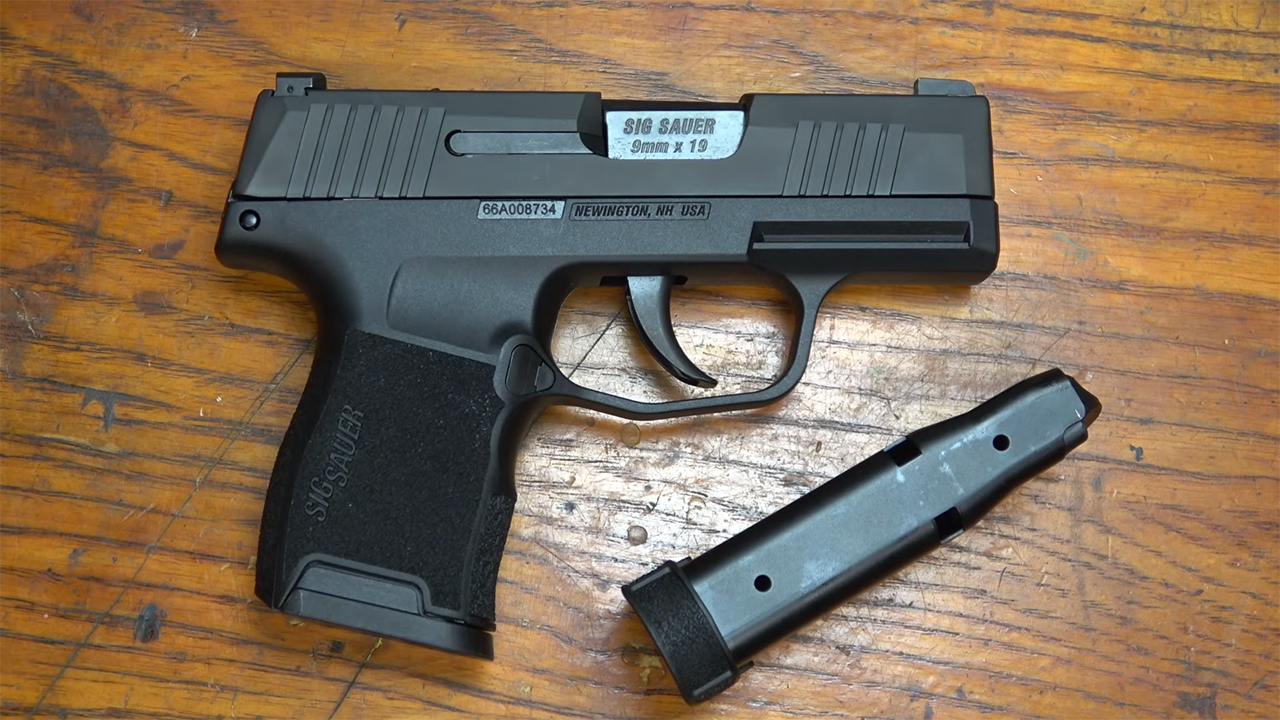
I bought into the micro-9 craze like everybody else, then sold my P365 to try a different flavor. The P365 isn’t perfect, but it’s a rare mix: small enough to actually carry, big enough to shoot like a real pistol, and supported enough that you can find magazines and holsters without a scavenger hunt.
When I circled back, the exact version I liked had changed a little, and the price wasn’t as friendly. Also, not all grip modules feel the same, and not all small guns behave the same with your chosen carry load. The P365 earned its reputation because it hits a practical size-to-capability ratio. If you’ve got one that runs 100 percent and you shoot it well, you’re already ahead.
13. Smith & Wesson M&P 2.0 Compact
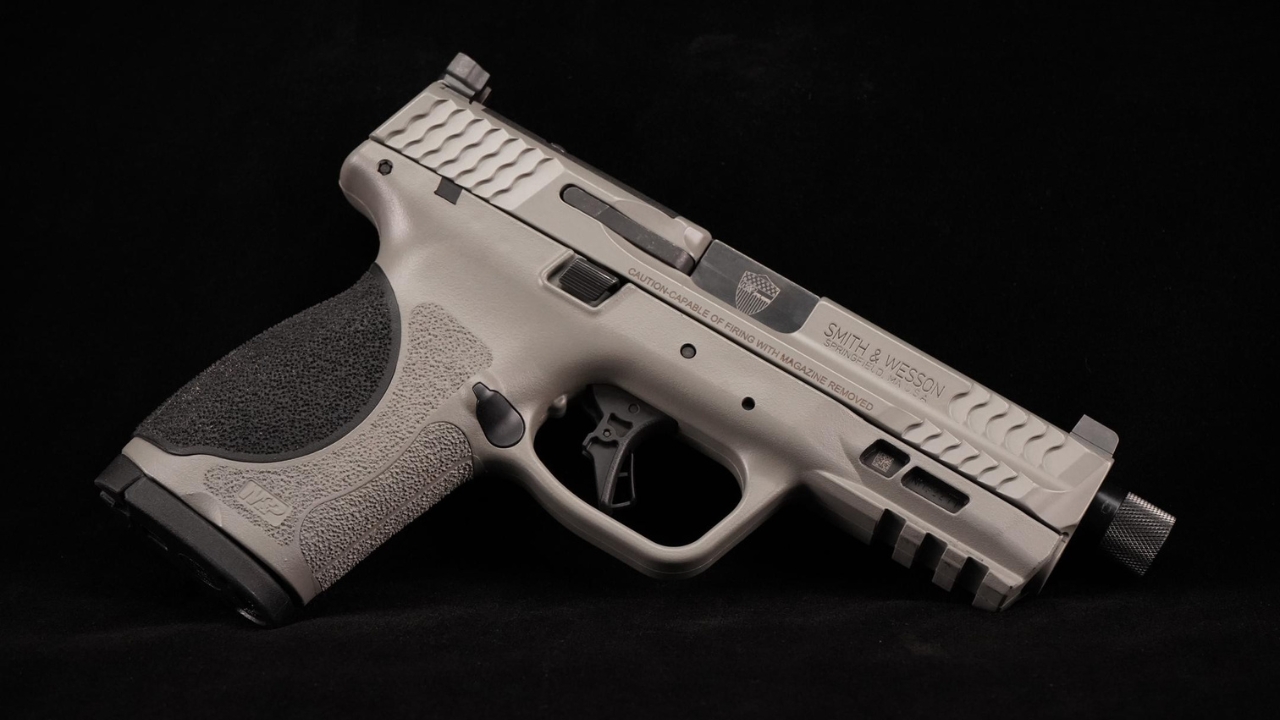
The M&P 2.0 Compact is one of the few “service compact” pistols that fits a lot of hands without drama. I let one go because I thought it was redundant next to other 9mms. Then I spent time with a couple pistols that were technically good but didn’t point as naturally for me. You can train around a lot, but you can’t ignore ergonomics forever.
Replacing an M&P isn’t impossible, but getting back to the exact setup can be annoying. Optic-ready versus not, different sights, different trigger generations, and then your holster situation changes. The boring truth is this pistol is reliable, accurate enough, and easy to shoot fast. It’s a work boot. When you sell a good pair of work boots, you feel it later.
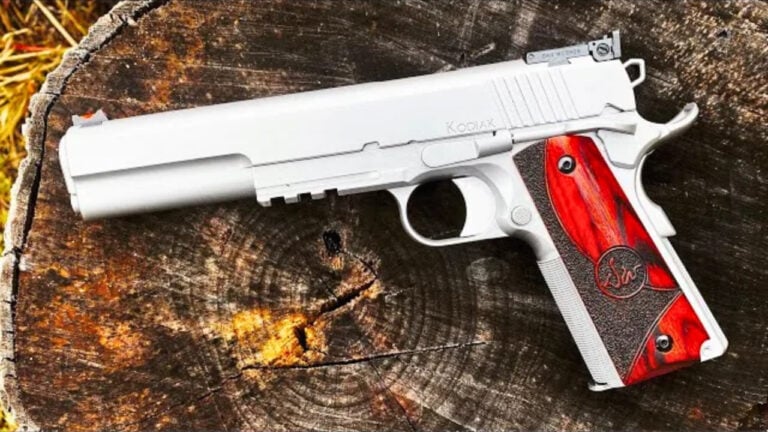
14. Springfield Armory 1911 Loaded
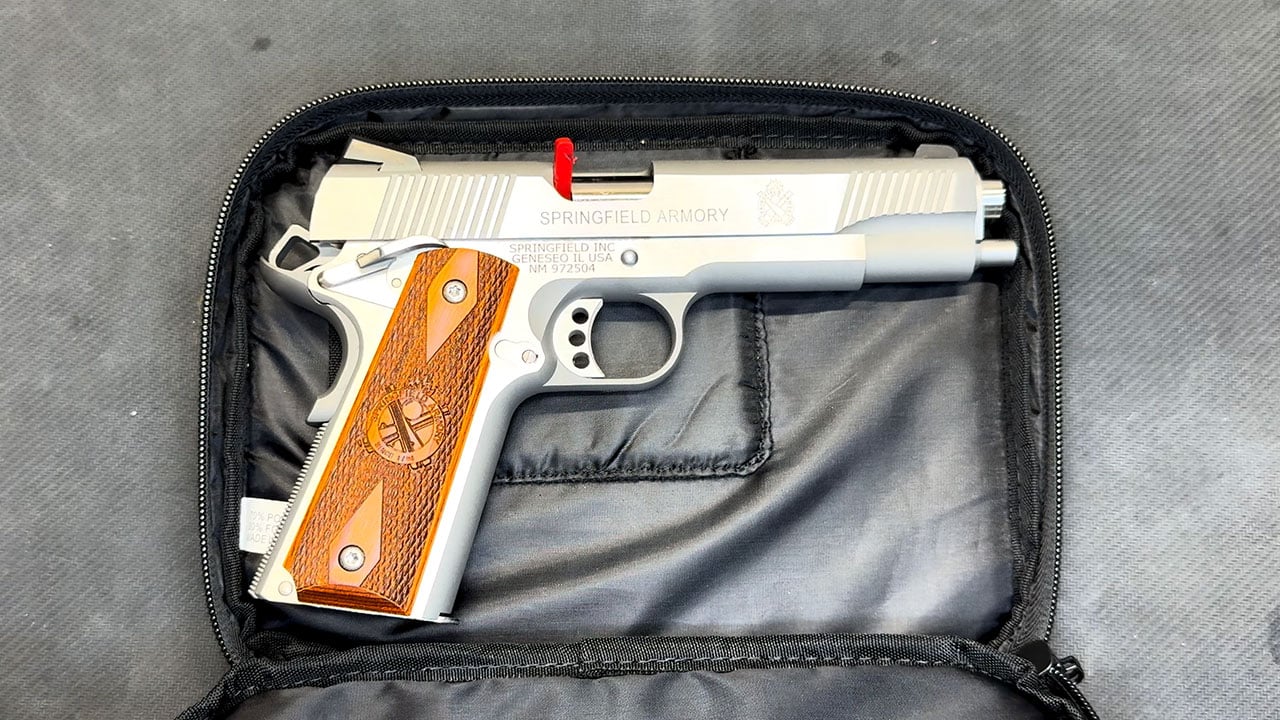
I’m not here to say everybody needs a 1911. They can be picky, they can be maintenance-heavy, and they can turn into a money pit if you get addicted to upgrades. Still, my Springfield Loaded ran, shot straight, and had a trigger that made slow-fire practice feel like cheating. I traded it thinking I was “done with .45.”
Finding another one that’s as reliable as the one you let go can take some sorting. Magazines matter more than folks admit. Extractor tension and feed geometry can turn a good-looking pistol into a headache. When you land on a 1911 that’s just right—good sights, decent barrel fit, no weird gremlins—it’s not smart to assume the next one off the shelf will be the same.
15. Ruger Mark IV Target

A .22 pistol seems like the easiest thing in the world to replace. Then you run a Ruger Mark IV for a while and get spoiled. The grip angle, the steady weight, the accuracy, and the simple takedown make it the kind of gun you actually shoot a lot. Mine lived in the range bag, and it was the gun that turned “I should practice” into “let’s go shoot.”
I sold it during a spring cleaning phase and immediately regretted it when I started pricing replacements. Rimfire pistols aren’t immune to price creep, and the Mark IV has enough variants that you’ll find plenty that aren’t exactly what you had. When you own a .22 that makes practice easy, it supports everything else you shoot. That’s a role worth protecting.
16. Mossberg 590A1

I once figured a heavy pump shotgun was just dead weight unless you were kicking doors for a living. Then I spent time around a 590A1 and understood why it has the reputation it does. Thick barrel, metal trigger guard, robust sights on many models, and it runs dirty without complaint. Mine was not pretty, but it was dependable.
I let it go during a phase where I thought lighter was always better. Later on, when I wanted a shotgun that could sit by the bed, ride in a vehicle (legally and safely stored), and handle rough handling, I wished I had it back. You can still buy them, but prices jumped, and availability comes and goes. When a pump gun inspires confidence, that’s worth something.
17. Benelli M2
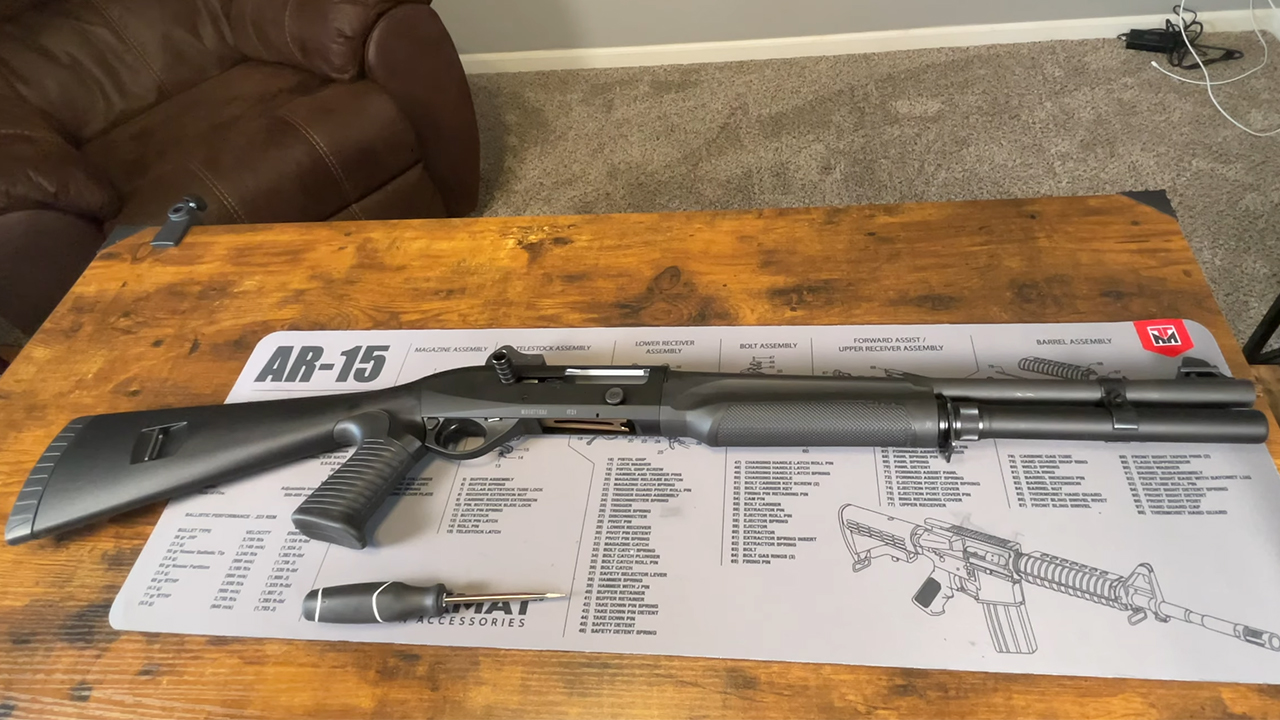
I sold a Benelli M2 because I talked myself into thinking all semi-auto shotguns were basically the same. Wrong. The M2 has a way of cycling that just feels right, and it stays reliable in bad weather if you keep it reasonably clean and lubed. Mine was a dove and duck gun that also pulled occasional turkey duty with the right choke.
Trying to replace it later meant swallowing a higher price tag and sorting through used guns that had been “customized” by somebody with a drawer full of parts. Also, not every shotgun fits the same, and fit matters when wingshooting. If you have a semi-auto that patterns well for you and doesn’t beat you up, that is not a casual thing to sell.
18. Beretta 686 Silver Pigeon
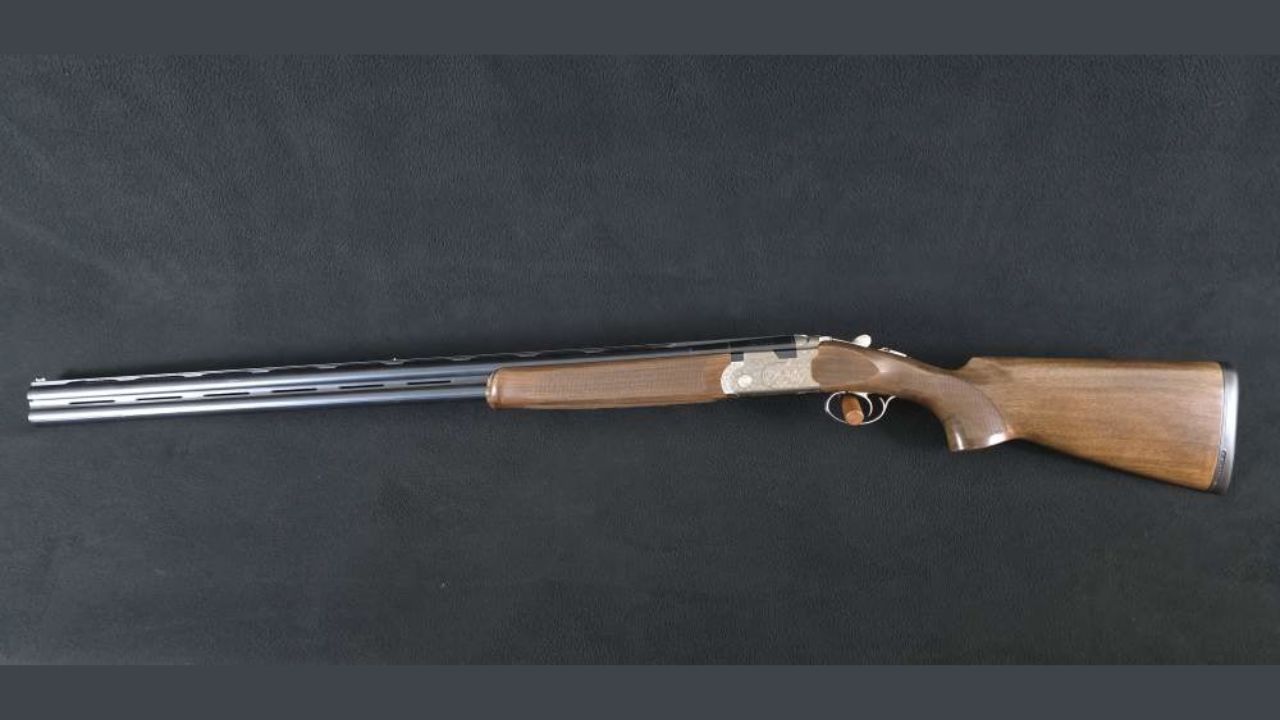
Over-under shotguns are one of the easiest places to lie to yourself. You tell yourself they’re all just two barrels and a hinge. Then you carry one across a field for a few seasons and learn what balance feels like. My 686 wasn’t a showpiece; it was a tool that handled quick and didn’t punish me on the clays course.
When I went looking again, I ran into the reality that good O/U guns aren’t cheap and the used market is full of guns with unknown round counts. Lockup, ejectors, and barrel regulation aren’t things you want to gamble on. Beretta has the parts and support, which is a big deal. Still, finding another one that feels the same in your hands is harder than finding the model number.
19. Tikka T3x Lite
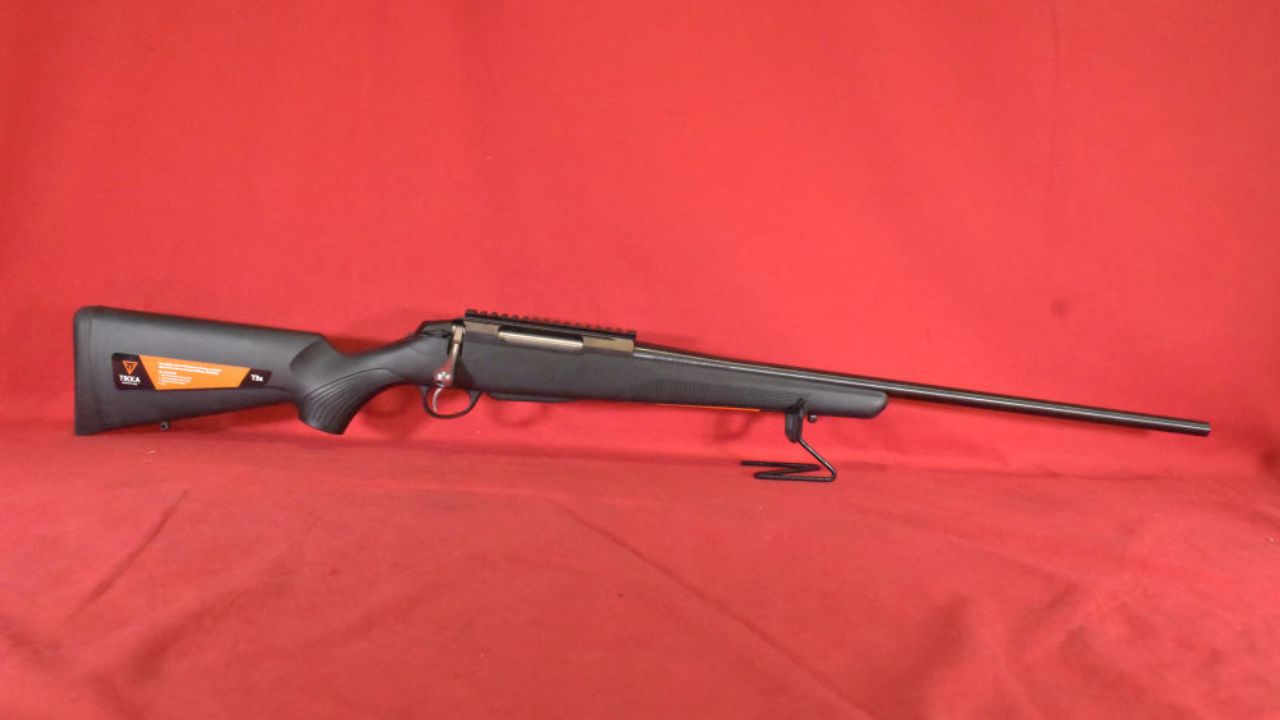
I once called the T3x Lite “too plain” and traded it off for something with more attitude. That was a mistake. Tikkas shoot. The actions are smooth, the magazines work, and they tend to be accurate with a wide range of factory ammo. Mine was the rifle I grabbed when I didn’t want surprises, which is most hunting mornings.
Replacing it wasn’t hard in the sense that Tikka makes a lot of them, but the pricing has climbed and the exact configuration can be a scavenger hunt. Also, once you’ve trimmed a rifle to your sling, your scope, your rings, and your dope, you’ve got a system. Breaking up a system to chase novelty is how you end up with three rifles that aren’t as useful as the one you sold.
20. Colt Python (older production)
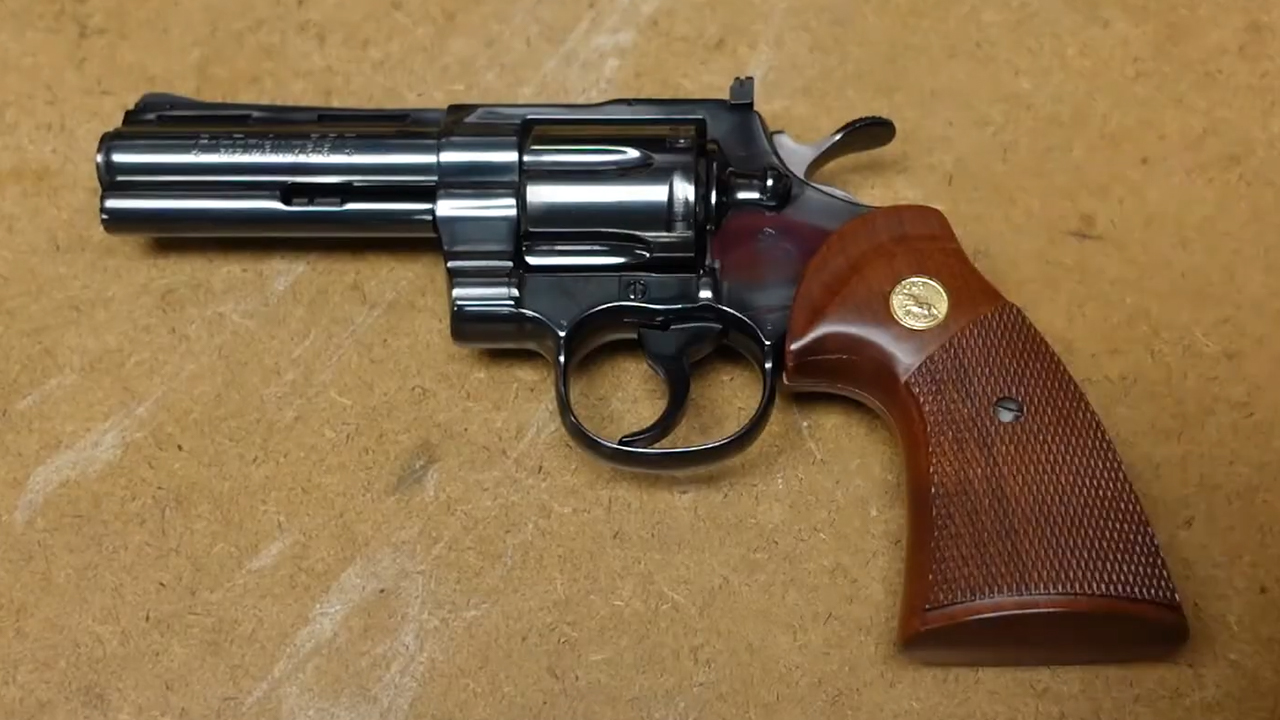
I’m not a “safe queen” guy, so selling a Python felt logical at the time. It was just a revolver, and I figured the hype would cool off. It did not. Older Pythons have a trigger feel and a finish that made them famous, and the market treats them like a blue-chip item now, whether you agree with it or not.
Could I buy a new-production Python? Sure, and they can be excellent revolvers. But it wouldn’t be the same gun, and it definitely wouldn’t be the same purchase. The older ones live in a world of condition, originality, and collector pricing, and you don’t casually “replace” them after you’ve let yours go. If you’ve got one you enjoy shooting, I’d think long and hard before you trade it for something you don’t already trust.
I’m not saying you should hoard guns or never trade anything. I’m saying the older I get, the more I value the known quantity: the rifle that’s already sighted in, the shotgun that already fits, the pistol that’s already proven with my mags and my ammo. New is fun, and variety is fine. But once you’ve got a gun that quietly does its job season after season, don’t assume you can buy that exact comfort back whenever you feel like it.
Like The Avid Outdoorsman’s content? Subscribe to our newsletter so you never miss an article.
Here’s more from us: