Photo credit: Alabama Arsenal/YouTube
Popularity can hide a lot of flaws. Once a rifle gets enough marketing, enough shelf space, or enough momentum from word of mouth, people start recommending it almost automatically. That does not mean the rifle is terrible. It means the reputation can grow far beyond what the gun actually delivers.
Some rifles sell because they are cheap. Others sell because they look military, because a famous brand is stamped on the receiver, or because hunters have used the same model for decades and never bothered comparing it with newer options. These 20 rifles all have legitimate strengths, but their popularity is harder to understand once you look closely at what they cost, how they handle, and what competing rifles offer.
Ruger Mini-14

The Mini-14 has been riding on the same basic appeal for decades. It looks more traditional than an AR-15, handles well, and has a reputation for being rugged and dependable. For ranch use or someone who simply dislikes the AR layout, that still gives it a place.
The problem is the price. A new Mini-14 often costs far more than an entry-level AR-15 while giving you less modularity, fewer magazine choices, and usually less accuracy. Older models also earned a reputation for poor group consistency once the barrel heated. Ruger improved the design, but the basic value equation still feels upside down. The Mini remains popular because people like what it is, not because it beats modern alternatives on performance per dollar.
Springfield Armory M1A
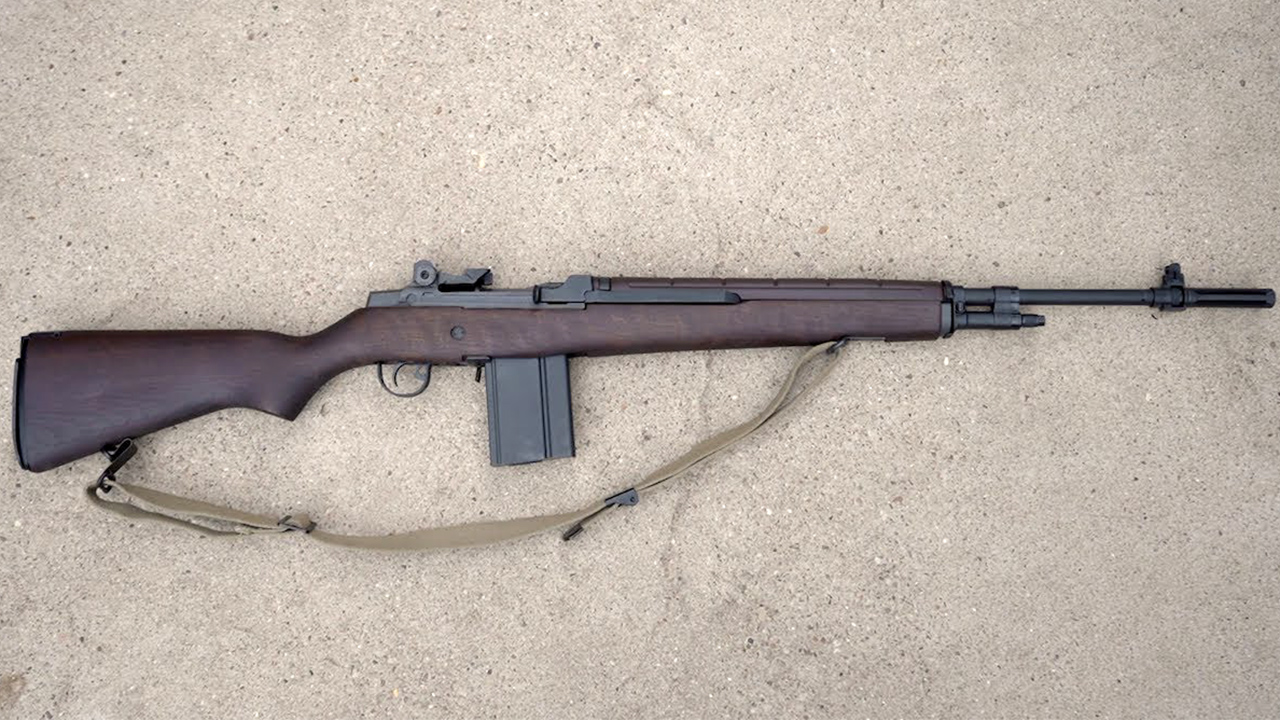
The M1A is one of the best examples of nostalgia carrying a rifle far beyond practical logic. It looks fantastic, has deep military heritage behind the M14 design, and is satisfying to shoot when everything is working properly.
It is also heavy, expensive, less modular than modern .308 semiautos, and more difficult to tune for consistent precision. Magazines cost more, optics mounting is awkward compared with an AR-10, and the operating system asks more from the owner if accuracy is the goal. None of that stops people from buying them because the rifle has character. That is fair. But if you strip away the history and ask which .308 semiautomatic makes the most sense today, the M1A is difficult to put near the top.
Ruger Precision Rifle

The Ruger Precision Rifle helped make chassis-style long-range rifles mainstream, and it deserves credit for that. It gave shooters an affordable path into adjustable stocks, detachable magazines, and heavy-barrel precision shooting.
The issue is that the market caught up fast. Today there are plenty of rifles with better triggers, cleaner actions, lighter chassis systems, and stronger factory barrels in the same price range. The RPR is also heavy enough that carrying one into the field quickly becomes unpleasant. It remains popular partly because it is recognizable and widely available, not because it still dominates the category. As an entry into long-range shooting, it works. As the automatic recommendation it once was, it is much harder to defend.
Savage Axis II
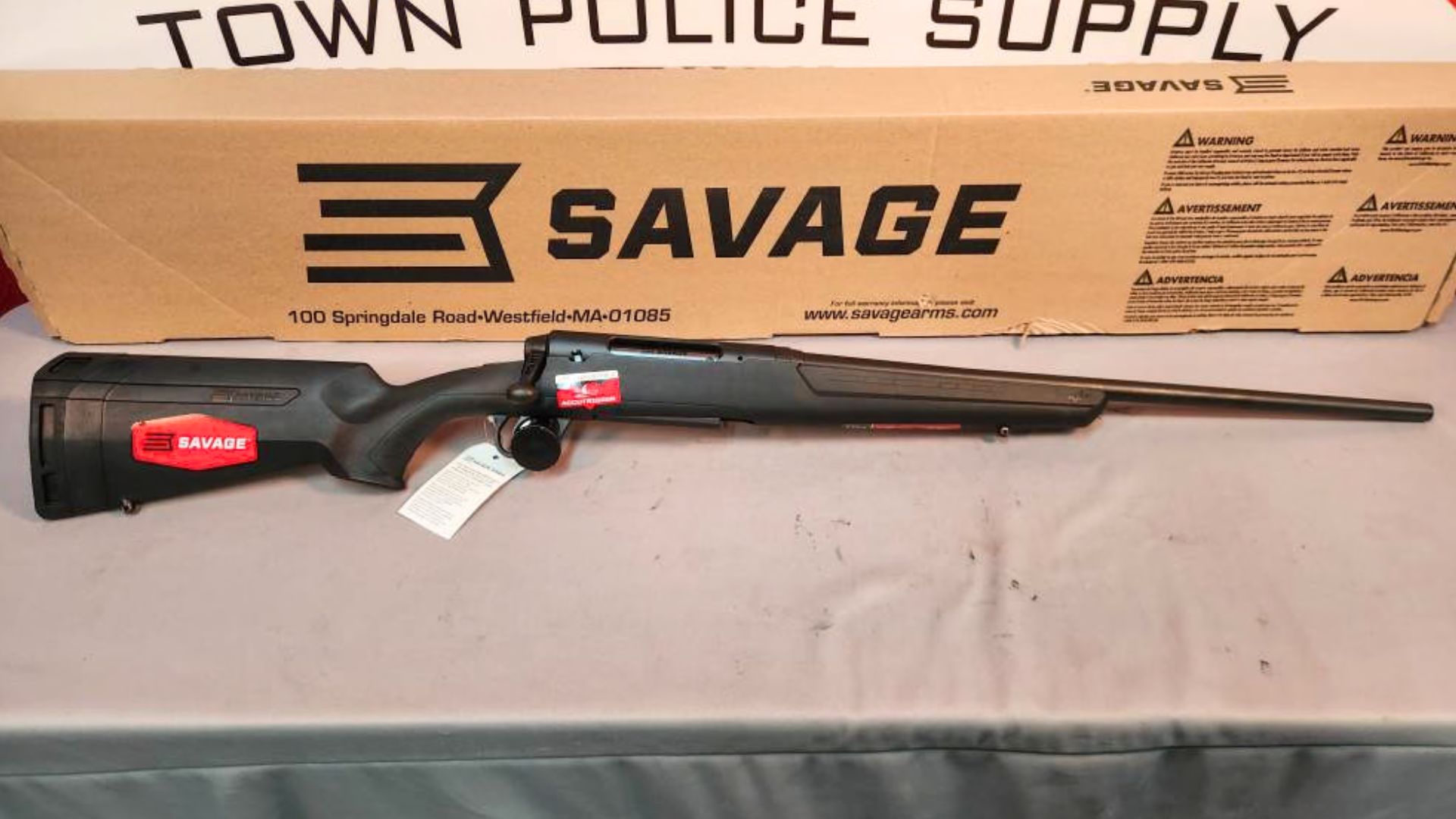
The Axis II sells because it is inexpensive, accurate enough, and easy to find. For a hunter who needs a basic rifle for a few weekends each year, that formula works.
The problem is that the rifle feels every bit as budget-oriented as the price suggests. The stock is flimsy, the action can feel rough, and the magazine system is not exactly confidence-inspiring. Accuracy is often surprisingly good, but that one strength has carried the rifle further than the rest of the package deserves. There are now better-built entry-level rifles that do not cost much more. The Axis II remains popular because it has been around forever and routinely goes on sale, but its popularity says more about price sensitivity than design quality.
Mossberg Patriot
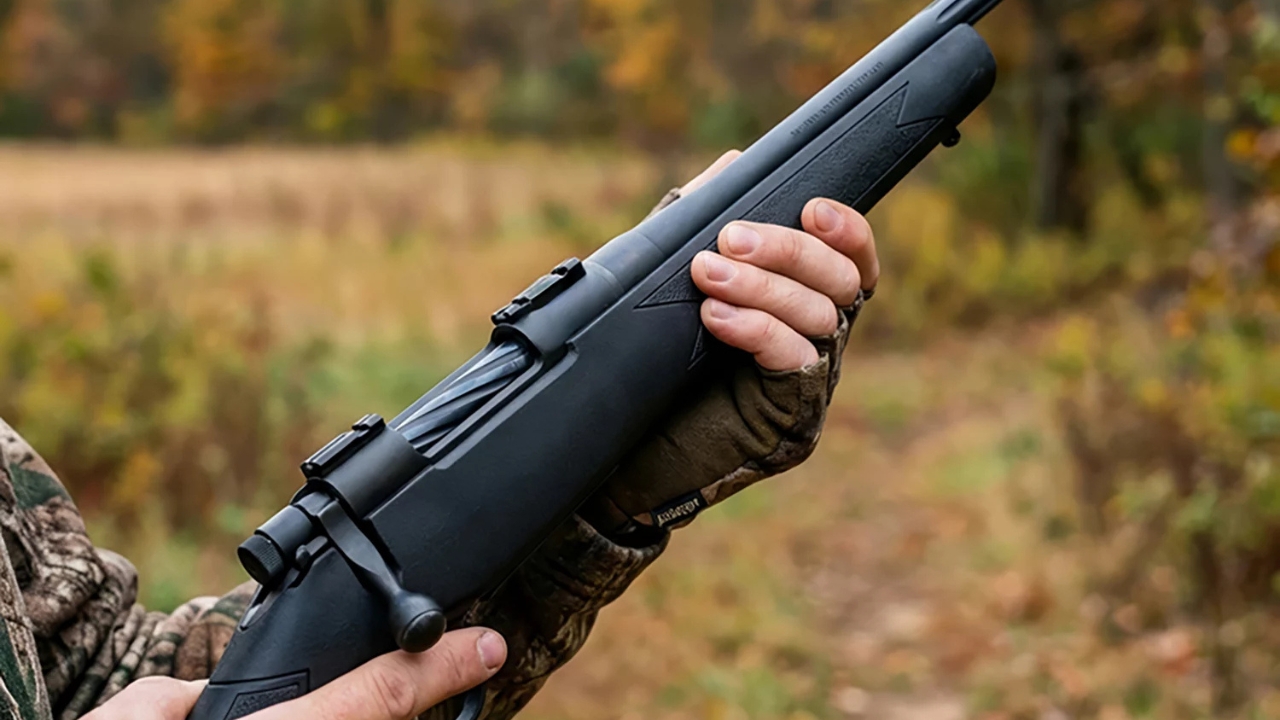
The Patriot checks a lot of boxes on paper. It is inexpensive, available in common hunting cartridges, and often offered with decent-looking stocks and useful hunting configurations.
In real use, though, the rifle has never developed the same confidence level as better budget rifles from Ruger, Tikka, or even newer Savage offerings. The action can feel rough, stock quality varies, and accuracy is not always as consistent as the sales pitch suggests. Plenty of Patriots work perfectly well for deer hunting, but that is a low bar. The rifle sells because it is affordable and widely distributed. If the prices were equal, very few experienced hunters would pick it over the strongest competitors.
Christensen Arms Ridgeline
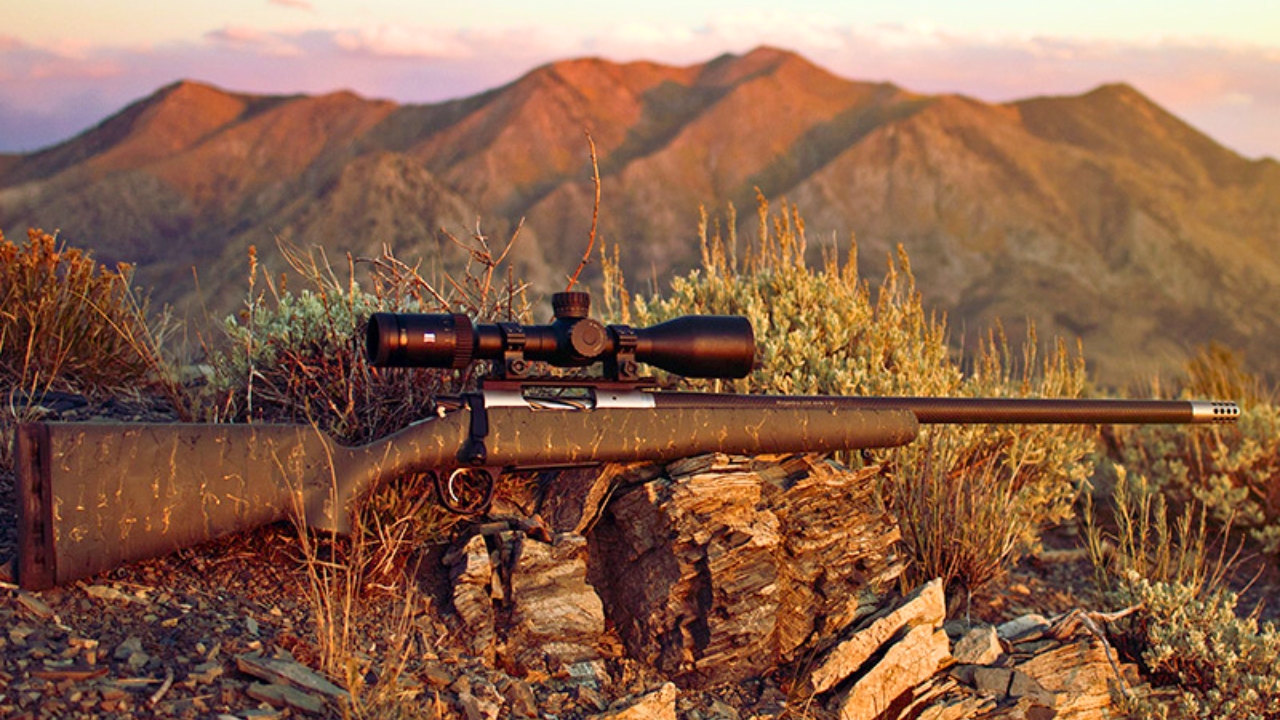
The Ridgeline became wildly popular because it looked like a semi-custom mountain rifle without requiring a custom-rifle wait time. Carbon-wrapped barrels, lightweight stocks, and aggressive styling made it stand out immediately.
The problem is that buyers started expecting premium consistency because of the price. When a rifle costs substantially more than a basic hunting gun, accuracy and quality control should feel almost boringly dependable. Christensen has had enough owner complaints over the years to make that confidence less automatic than it should be. Good Ridgelines can shoot extremely well. The issue is that the brand became so popular that the rifle often gets recommended on reputation alone, even when cheaper rifles can match or beat its field performance.
Henry Homesteader

The Homesteader became popular almost immediately because it combined Henry branding with the booming pistol-caliber-carbine market. The traditional styling also appealed to buyers who wanted a 9mm carbine without the tactical look of an AR-based platform.
The problem is that the rifle is relatively heavy, expensive for what it is, and not especially compelling compared with simpler PCCs that use more common magazines and have broader aftermarket support. The wood furniture and Henry name make it attractive, but the actual performance does not justify the hype for everyone. If someone wants a traditional-looking 9mm carbine, it makes sense. If the goal is pure function, the Homesteader is a harder sell.
Winchester XPR

The XPR is Winchester’s budget answer to rifles like the Ruger American and Savage Axis, and it sells largely because the Winchester name still carries weight with hunters.
The rifle is perfectly capable, but there is very little about it that feels especially memorable. The stock is basic, the action is utilitarian, and the overall package lacks the refinement people associate with the Model 70 name. It can shoot well, but so can nearly every modern budget bolt gun. The XPR’s popularity comes from being affordable, familiar, and available in common chamberings. Without the Winchester name on the side, it is difficult to imagine people being nearly as enthusiastic about it.
Remington Model 700 ADL

The Model 700 name is legendary, and the ADL has benefited from that reputation for decades. Hunters know the action, parts are everywhere, and the aftermarket is enormous.
The problem is that modern entry-level 700s no longer have the field to themselves. Plenty of rifles now offer better factory stocks, better triggers, detachable magazines, and stronger out-of-box accuracy without requiring immediate upgrades. The ADL still sells because buyers trust the name and know the platform can be improved later. That is not the same as being the best rifle right out of the box. The Model 700 action remains important, but the cheapest versions sometimes ride on history more than current execution.
Browning BAR Mk 3

The BAR remains one of the most famous semiautomatic hunting rifles in America. It is soft shooting, handsome, and chambered in serious hunting cartridges, which makes it attractive to deer hunters who want faster follow-up shots.
The downside is weight, price, and complexity. Modern bolt rifles are lighter, cheaper, and generally more accurate, while AR-10-style rifles offer more modularity if semiautomatic operation is the priority. The BAR occupies a narrow middle ground where tradition and familiarity do most of the heavy lifting. It is still a good hunting rifle, but the amount of popularity it enjoys is hard to justify purely on performance.
Marlin 1895 SBL

The 1895 SBL became one of the hottest lever guns on the market because it looks fantastic. Stainless steel, laminated furniture, a large loop, and .45-70 chambering give it instant visual appeal.
The issue is that buyers often pay a huge premium for that appearance. The rifle is heavy, recoil is substantial, ammunition is expensive, and most hunters will never need what full-power .45-70 loads provide. It is excellent for close-range hunting and undeniably fun, but the level of demand sometimes feels driven more by style than practicality. A standard lever gun in a lighter cartridge would handle most whitetail hunting more comfortably for less money.
Henry Big Boy X
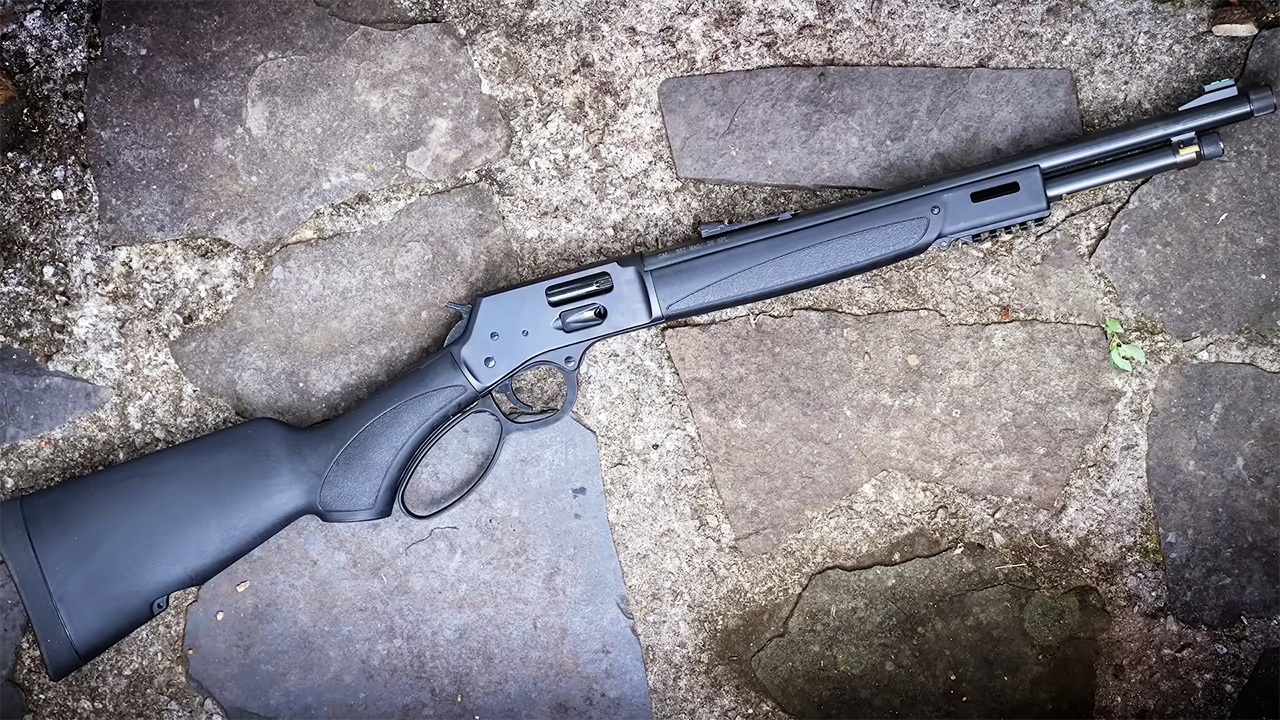
The Big Boy X series became popular because it blends traditional lever-action operation with modern accessories, threaded barrels, and rails. That combination is fashionable right now, especially among shooters building suppressed lever guns.
The problem is that the rifle can become expensive very quickly once optics, suppressors, lights, and other accessories are added. At that point you are carrying a heavy pistol-caliber lever gun with a lot of hardware attached to it. It can be fun and highly functional in a narrow role, but its popularity sometimes exceeds what the platform actually offers. Many buyers are attracted to the concept more than the need.
Ruger American Ranch
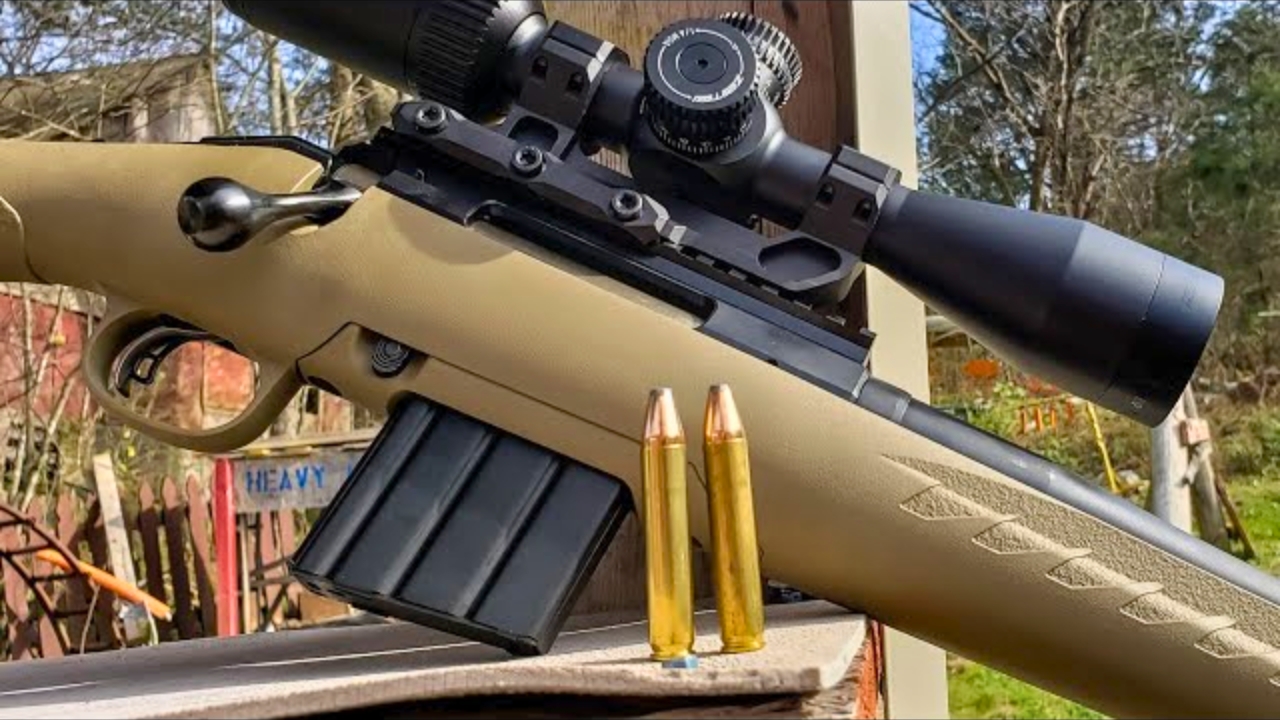
The American Ranch is actually a very useful rifle. It is compact, inexpensive, accurate enough, and offered in cartridges that make sense from short barrels.
The problem is that its popularity has turned into near-universal praise, even though the rifle still feels cheap in several areas. The stock is basic, the action can be rough, and the magazine setup depends heavily on chambering. It is a great value, but value should not be confused with refinement. Shooters sometimes talk about the American Ranch as though it eliminates the need for anything better. It does not. It simply does a lot for the money.
Daniel Defense DDM4 V7
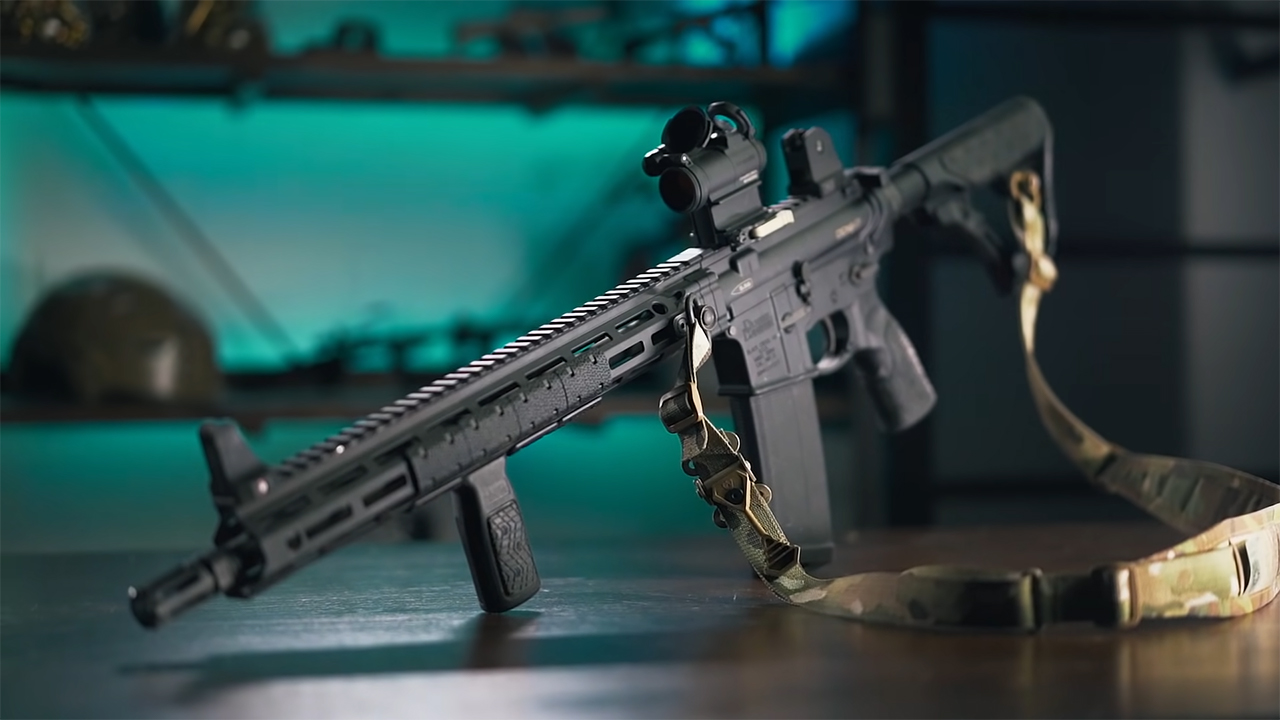
The DDM4 V7 is one of the most frequently recommended premium AR-15s, and Daniel Defense has built a strong reputation around quality barrels, rails, and dependable assembly.
The issue is that the price often puts it against rifles offering better triggers, ambidextrous controls, or more modern feature sets. The DDM4 V7 is solid, but “solid” can feel underwhelming once the price climbs well past basic duty-rifle territory. It remains popular because Daniel Defense became one of the default premium AR brands. That does not mean every buyer gets a proportional performance increase over rifles costing hundreds less.
SIG Sauer CROSS
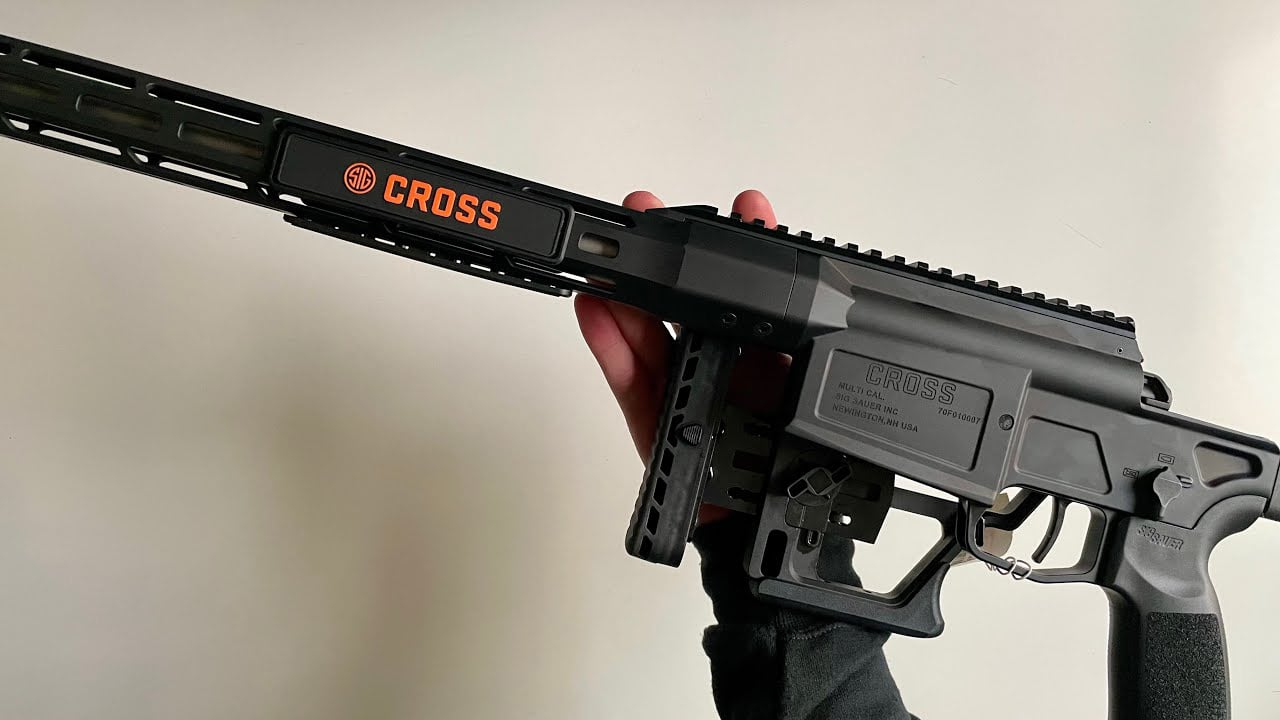
The CROSS became instantly popular because it looked like a modern precision rifle that could actually be carried. Folding stock, compact dimensions, detachable magazines, and familiar chamberings made the concept extremely attractive.
The problem is that the rifle is a compromise by design. It is lighter than a dedicated precision rifle but not as comfortable to carry as a traditional lightweight hunting rifle. It is more adjustable than a conventional bolt gun but not as stable as a heavier chassis rifle. That middle ground is useful, but it also means the CROSS can be less ideal for any one specific job. Its popularity makes sense, but the amount of hype often ignores how specialized the compromise really is.
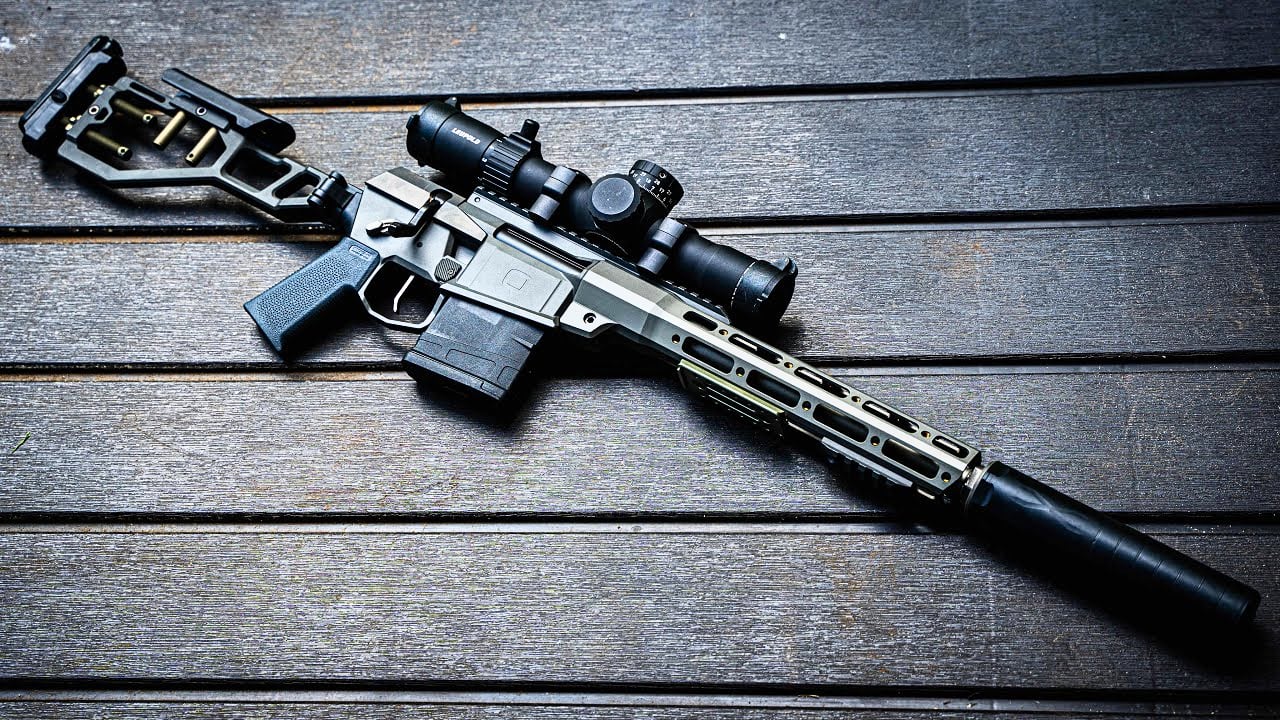
Q The Fix

The Fix became a status rifle almost immediately. It is light, compact, highly modular, and mechanically interesting, especially for suppressed use.
The problem is the price. Once you are spending this much money, the rifle needs to offer a huge advantage over traditional bolt actions, and for many hunters that advantage simply is not there. The short bolt throw and minimalist chassis are cool, but they do not make the rifle more accurate than far cheaper options. The Fix is popular because it is different and because it fits the modern lightweight-suppressor aesthetic perfectly. That is not the same thing as being the best value or the best choice for most hunters.
FN SCAR 17S
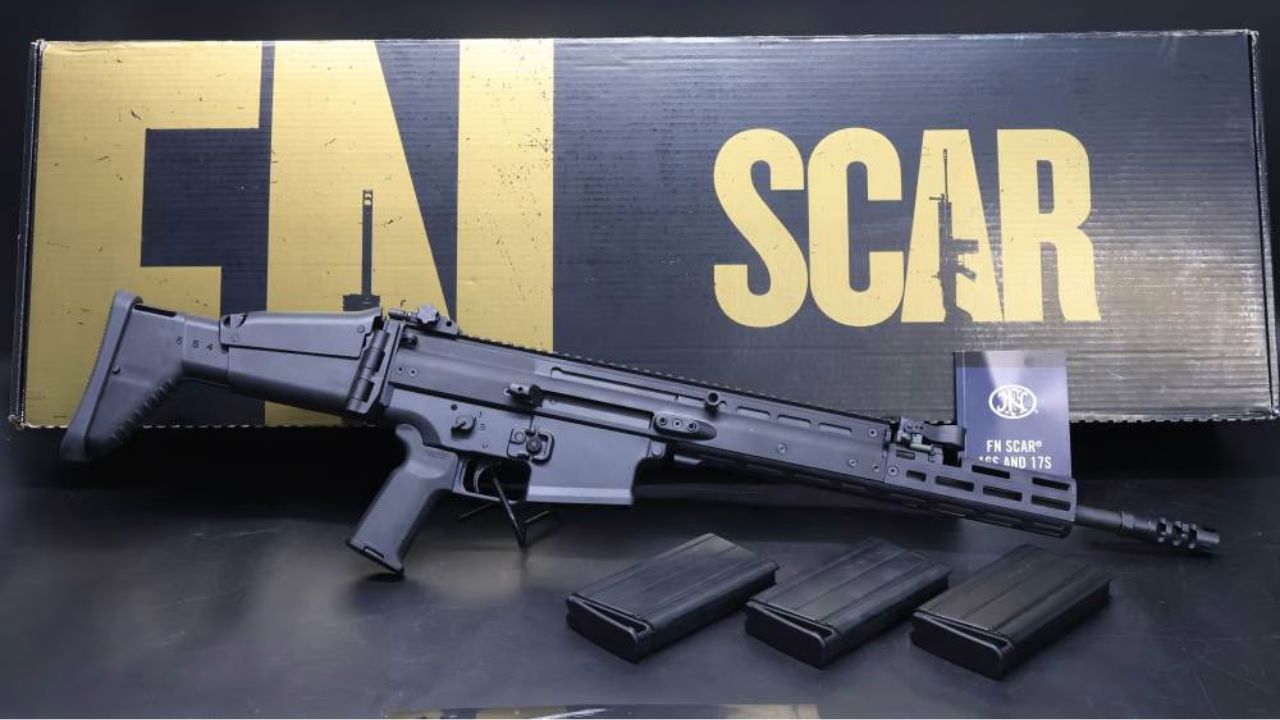
The SCAR 17S has an enormous reputation because of military pedigree, reliability, and the simple fact that it looks unlike nearly every other .308 semiautomatic on the market.
Its popularity becomes harder to explain once price enters the picture. The rifle is expensive, magazines are proprietary, optics can take a beating from the recoil impulse, and aftermarket support is narrower than AR-10 platforms. It is lightweight for a .308 battle rifle and undeniably distinctive, but buyers often pay thousands largely for the SCAR name and experience. There are more practical .308 semiautos for significantly less money.
IWI Tavor X95
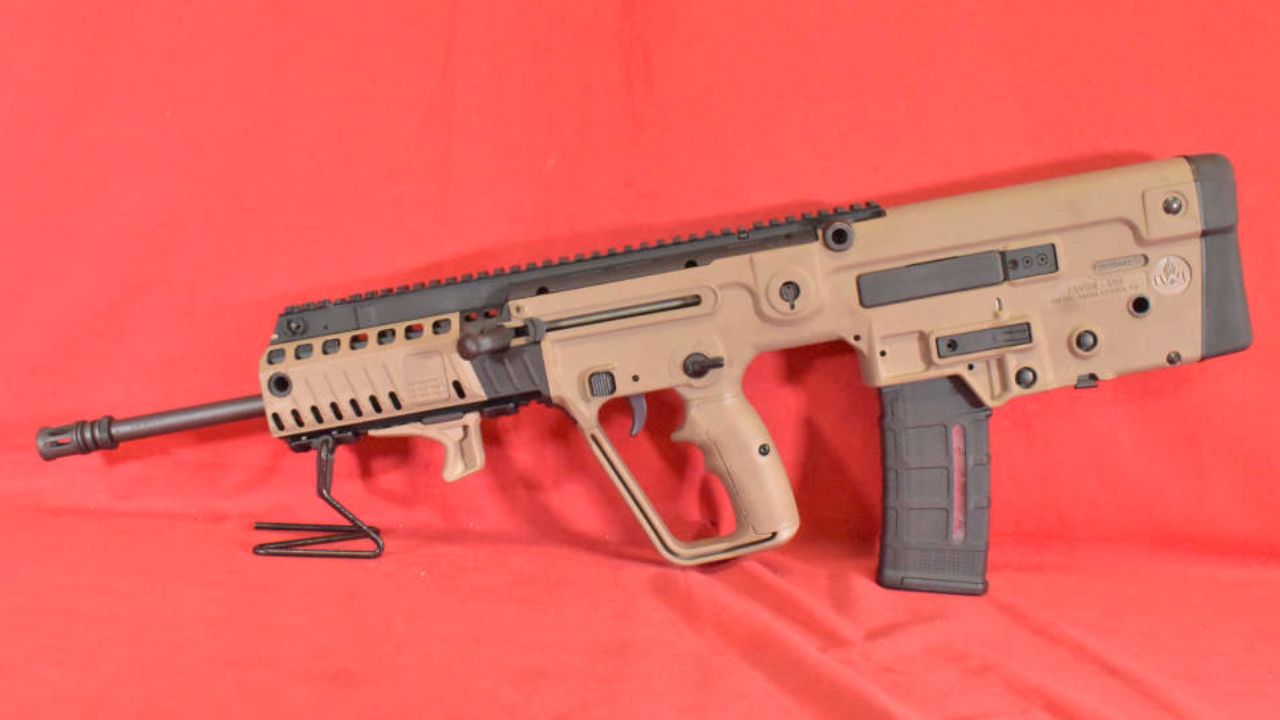
The X95 remains popular because bullpups offer something conventional rifles cannot: a full-length barrel in a very compact overall package. That makes the rifle easy to maneuver indoors, around vehicles, or in tight spaces.
The tradeoffs are real. The trigger cannot match a good AR trigger, the balance feels unusual, and accessory placement can be awkward. Reloads also require a different manual of arms. None of those issues make the X95 bad, but they do mean the bullpup layout is not an automatic upgrade. The rifle is popular because compactness is easy to appreciate immediately. The ergonomic compromises become more obvious only after living with one.
KelTec SUB2000
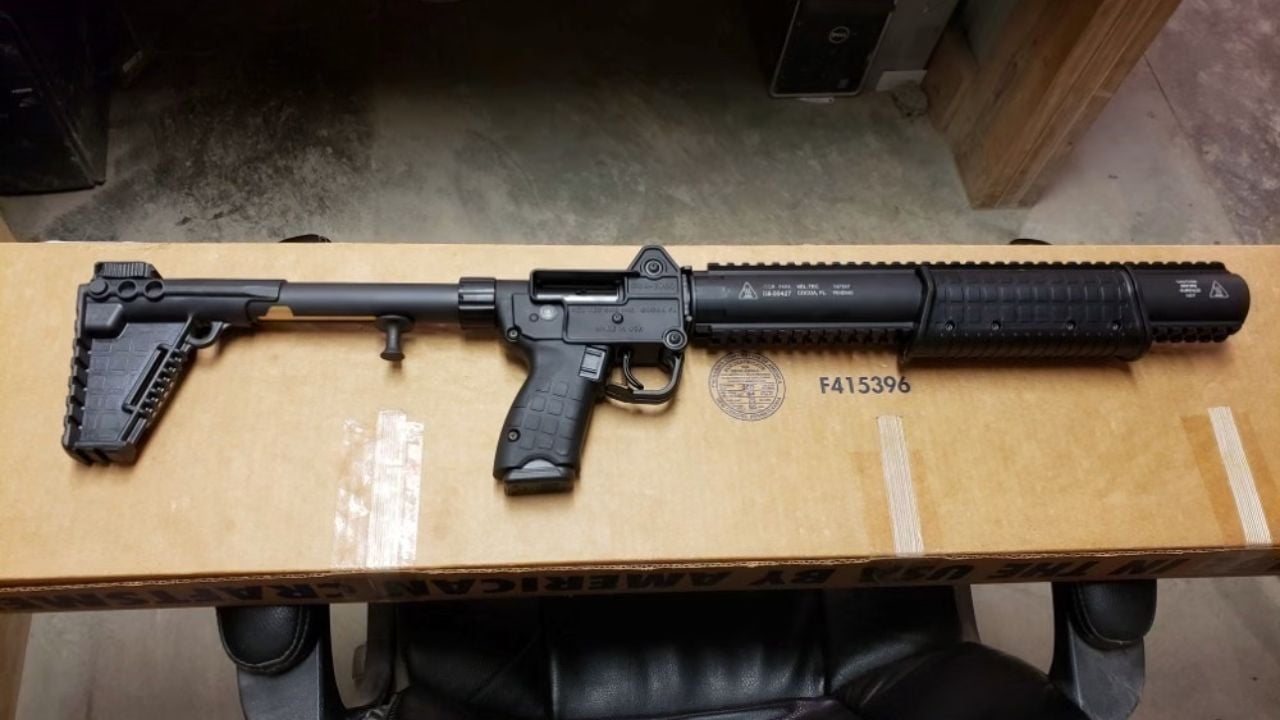
The SUB2000 has always sold well because it folds in half, uses common pistol magazines, and is usually affordable. Those features make it attractive as a truck gun, backpack gun, or cheap range carbine.
The problem is nearly everything about actually shooting it. The cheek weld is awkward, the sights are low, optics mounting can complicate folding, and the trigger is usually unimpressive. Newer generations have improved the design, but the basic concept still prioritizes folding over ergonomics. It remains popular because there is nothing else quite like it. That uniqueness does not necessarily make it a pleasant rifle to shoot.
Ruger 10/22 Carbine
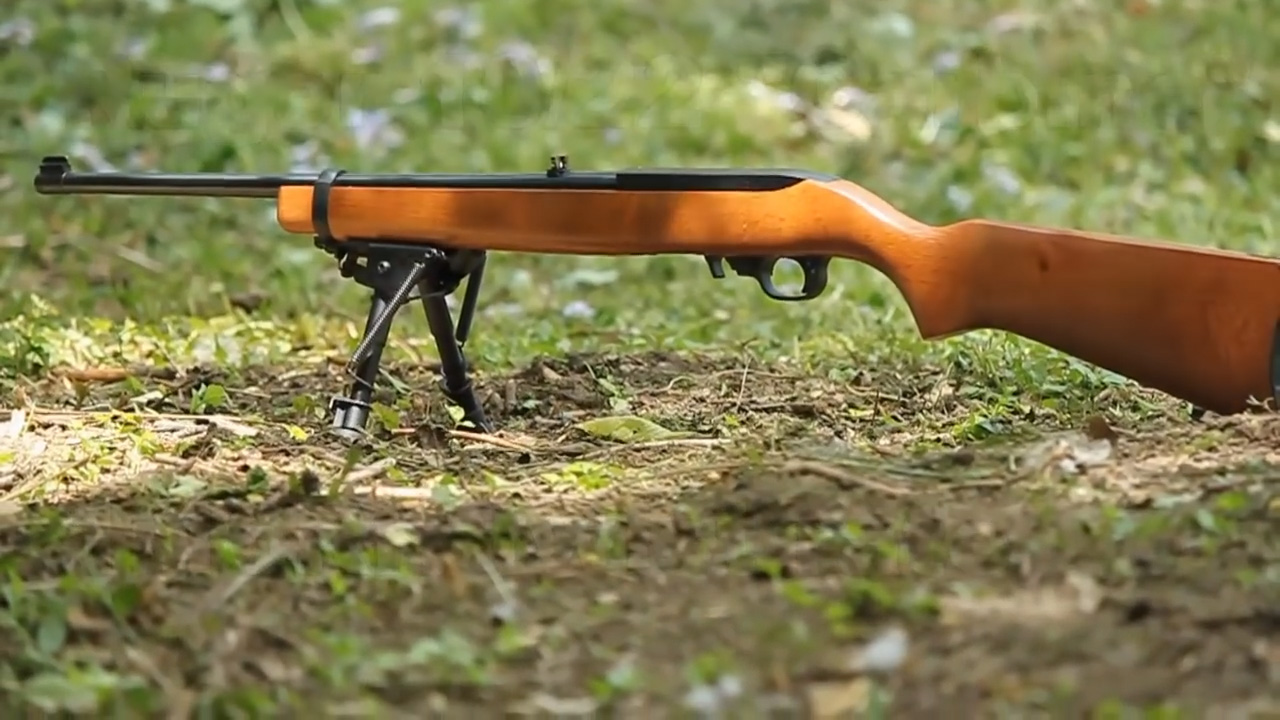
The 10/22 is one of the most successful rifles ever made, and there is no question it deserves a place in firearms history. It is reliable, simple, endlessly customizable, and supported by an enormous aftermarket.
The reason it belongs here is that the basic Carbine model gets treated as though it is automatically the best .22 rifle for everyone. Out of the box, the trigger is ordinary, the stock is basic, and accuracy can be merely average. Many owners end up replacing half the rifle, which says something about the original package. The 10/22 is popular because the ecosystem is unmatched. The factory rifle itself is not nearly as special as the reputation suggests.
Like The Avid Outdoorsman’s content? Subscribe to our newsletter so you never miss an article.
Here’s more from us: