Photo credit: G Squared Tactical/YouTube
Some pistols shoot their favorite ammunition beautifully and then turn temperamental the moment you change bullet profile, magazine, or pressure level. That can be frustrating in a range gun and unacceptable in a pistol you expect to keep working when ammunition choices are limited. The best service pistols tend to be much less dramatic about what goes into the magazine.
That does not mean any handgun will literally run every cartridge ever loaded. Bad primers, damaged brass, wildly underpowered ammunition, and defective magazines can stop anything. But certain pistols have earned unusually strong reputations for digesting cheap ball, premium defensive loads, steel-case ammunition, and odd bullet profiles without constantly demanding attention. These 20 are the pistols I would look at when ammunition tolerance matters more than chasing the softest trigger or smallest group.
Heckler & Koch USP 40

The USP 40 was designed around the .40 S&W cartridge rather than being a 9mm pistol simply modified to tolerate it. That gives the gun a substantial slide, strong locking system, and recoil setup that tends to function across a broad range of ammunition.
These pistols have a reputation for being remarkably indifferent to what ammunition is loaded in the magazine. Cheap practice ball, defensive hollow points, and hotter service ammunition generally do not require any special treatment. The large feed ramp and generous service-pistol dimensions help too. The USP is bulky by current standards and the controls feel dated next to newer polymer guns, but reliability is exactly why people still respect it. If you care more about the pistol going bang than winning a beauty contest, the USP remains difficult to argue with.
Beretta 92G Elite LTT
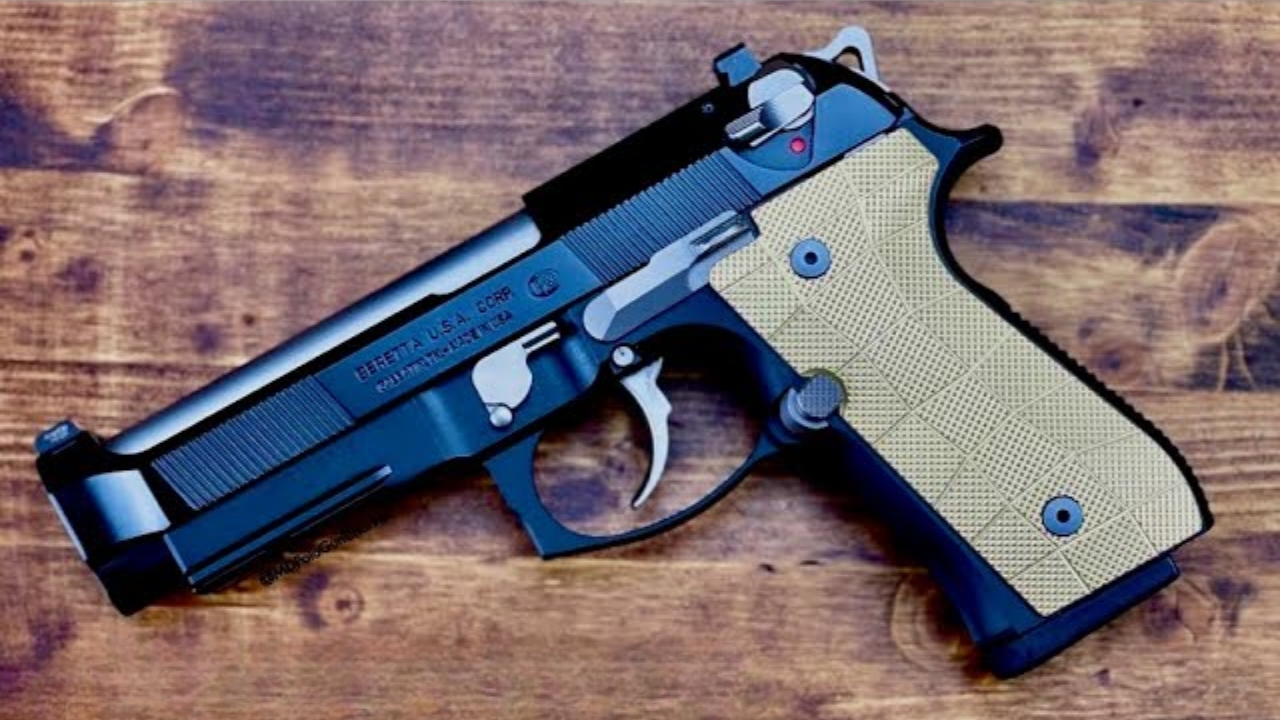
The 92 series has always been known for feeding reliability, and the Elite LTT keeps the basic open-slide Beretta system while refining nearly everything the shooter actually touches. The locking-block action and exposed barrel give cartridges a very direct path from magazine to chamber.
That matters when you start mixing ammunition. Hollow points with wide cavities, inexpensive full-metal-jacket loads, and different bullet weights tend to feed without much drama in a properly maintained 92. The gun also has enough slide mass that ordinary variations in factory ammunition rarely upset the cycling rhythm. The LTT version is more refined than a basic service 92, but the underlying reliability comes from the same design that has been running for decades. It is large, but that size buys you a lot of mechanical tolerance.
Smith & Wesson 5906
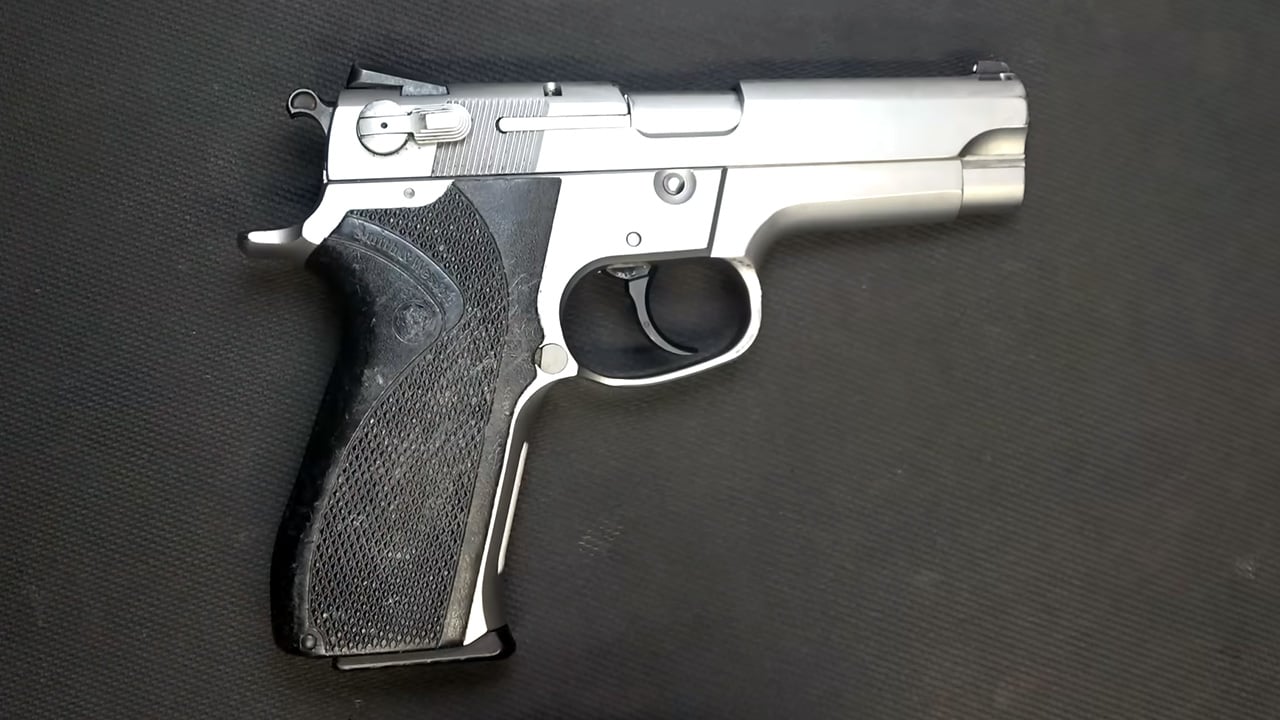
The 5906 is one of those older service pistols that gained a reputation for running long before polymer frames became standard. Its all-steel construction gives it plenty of mass, while the double-stack magazine and conventional feed geometry make it unusually forgiving.
These guns were built during an era when police departments expected pistols to digest huge quantities of ball and duty ammunition without special tuning. That shows in how tolerant the 5906 tends to be of different loads. It is heavy enough that recoil feels mild with most 9mm ammunition, and that same mass helps keep cycling consistent. The downside is obvious: carrying one all day reminds you just how much steel went into old service pistols. As a range gun, nightstand pistol, or durable used purchase, though, the 5906 remains impressively hard to upset.
CZ 75 SP-01
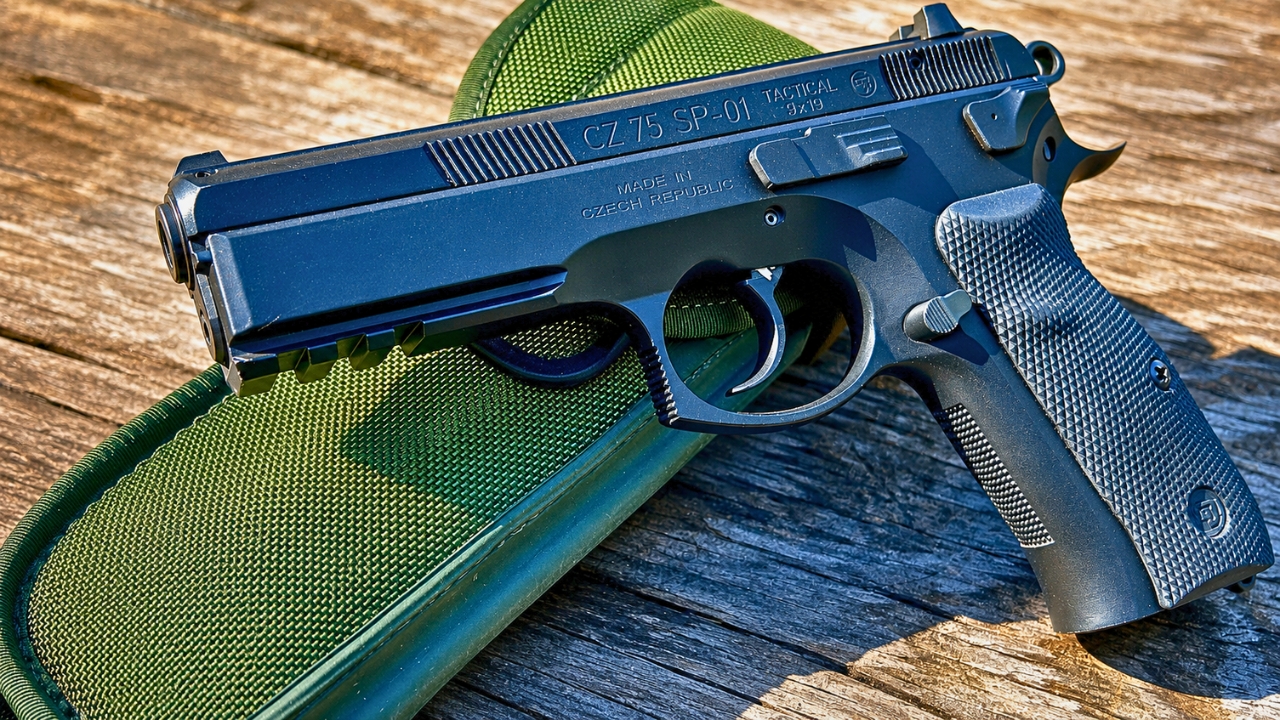
The SP-01 is often praised for ergonomics and low recoil, but reliability with varied ammunition is another reason the pistol has remained so popular. The full-size steel frame gives the slide a stable platform to work against, and the feed geometry is forgiving enough for a broad range of 9mm loads.
Standard-pressure ball ammunition usually cycles easily, while hotter defensive loads do not make the gun feel mechanically stressed. The pistol also tends to handle heavier bullets well, which makes it useful for shooters who alternate between inexpensive practice ammunition and premium carry loads. Some competition-tuned CZs become more sensitive once springs are changed, but a stock SP-01 is generally far less fussy. If reliability is the priority, leaving the factory spring system alone is often all the gun needs.
SIG Sauer P220
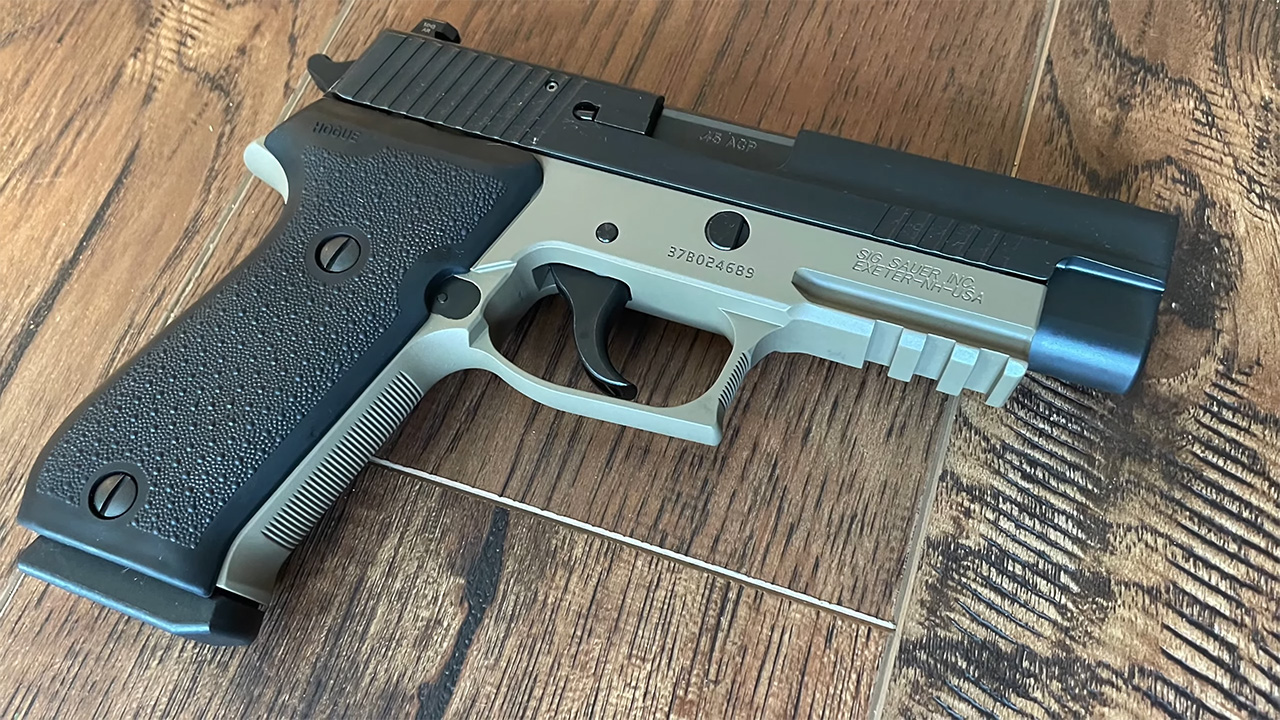
The P220 built its reputation around dependable .45 ACP operation long before high-capacity polymer pistols dominated the market. The single-stack magazine gives cartridges a relatively straight path into the chamber, and the substantial slide handles a wide range of standard defensive ammunition well.
That is especially useful in .45 ACP because bullet profiles can vary dramatically. Round-nose ball, traditional hollow points, wide-mouth defensive loads, and heavier projectiles do not all present the same feeding geometry. A good P220 generally takes that variation in stride. The pistol is not light, and its capacity looks modest beside newer double-stack .45s, but the design has always prioritized straightforward function over squeezing maximum ammunition into the grip. That conservative approach is one reason the P220 remains so dependable with mixed factory loads.
FNX-45
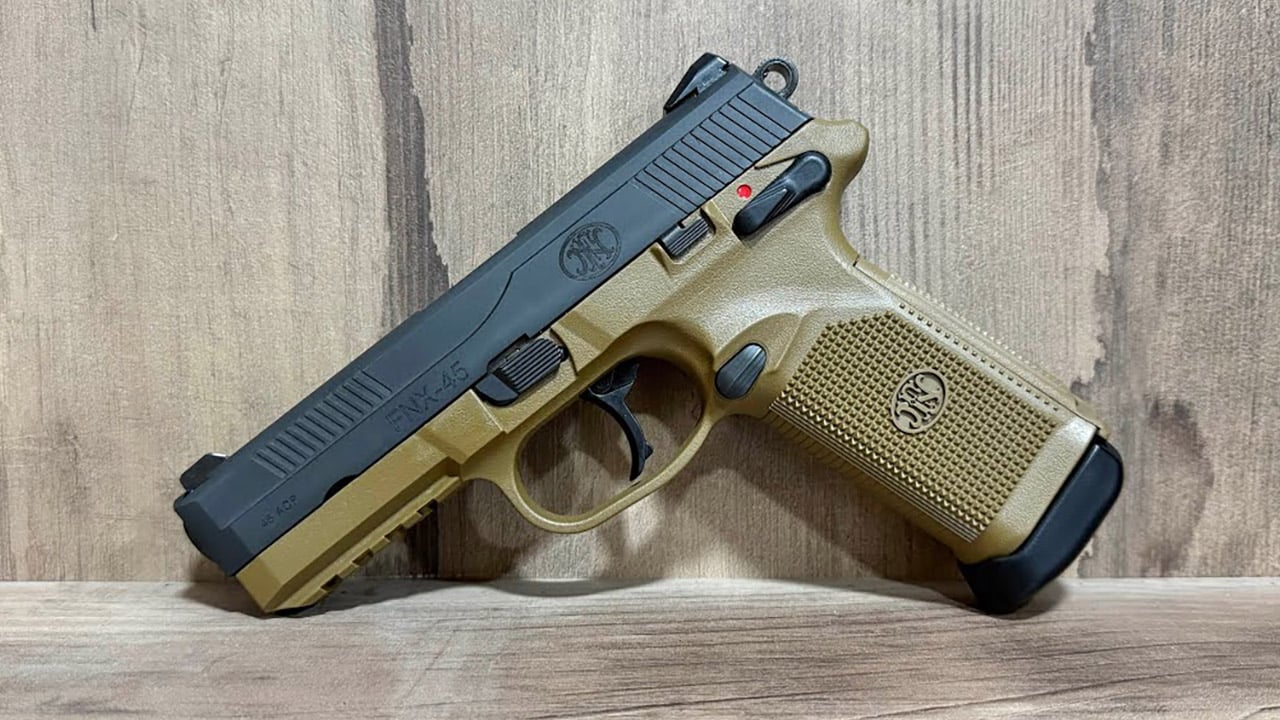
The FNX-45 is a large pistol, but much of that size is doing useful work. The slide is substantial, the magazines are designed around .45 ACP from the start, and the feed system has enough room to handle different projectile shapes without feeling cramped.
That makes the FNX particularly good for shooters who like experimenting with ammunition. Standard ball, defensive hollow points, and heavier loads generally run without needing to rethink the recoil spring or magazine setup. The gun’s generous grip can be a challenge for smaller hands, but the same dimensions help support reliable feeding and high capacity. It is not subtle, yet reliability rarely is. The FNX-45 feels like a pistol designed around the assumption that ammunition may not always be perfect and the gun still needs to keep working.
Ruger P89

The P89 is almost comically overbuilt by modern standards. The alloy frame, chunky slide, and generous clearances make it feel more like a piece of machinery than a refined defensive pistol.
That is exactly why so many of them keep running. The P89 was never designed around tight competition tolerances or minimal slide mass. It was meant to function with ordinary service ammunition, cheap practice loads, and the kind of mixed magazines people actually used. The trigger is not elegant, the grip is thick, and the gun is heavier than most current 9mms. None of those things matter much if your standard is simply whether the pistol cycles every time you pull the trigger. Plenty of newer guns are nicer to shoot, but few older service pistols have a stronger reputation for being hard to make malfunction.
Beretta 8045 Cougar
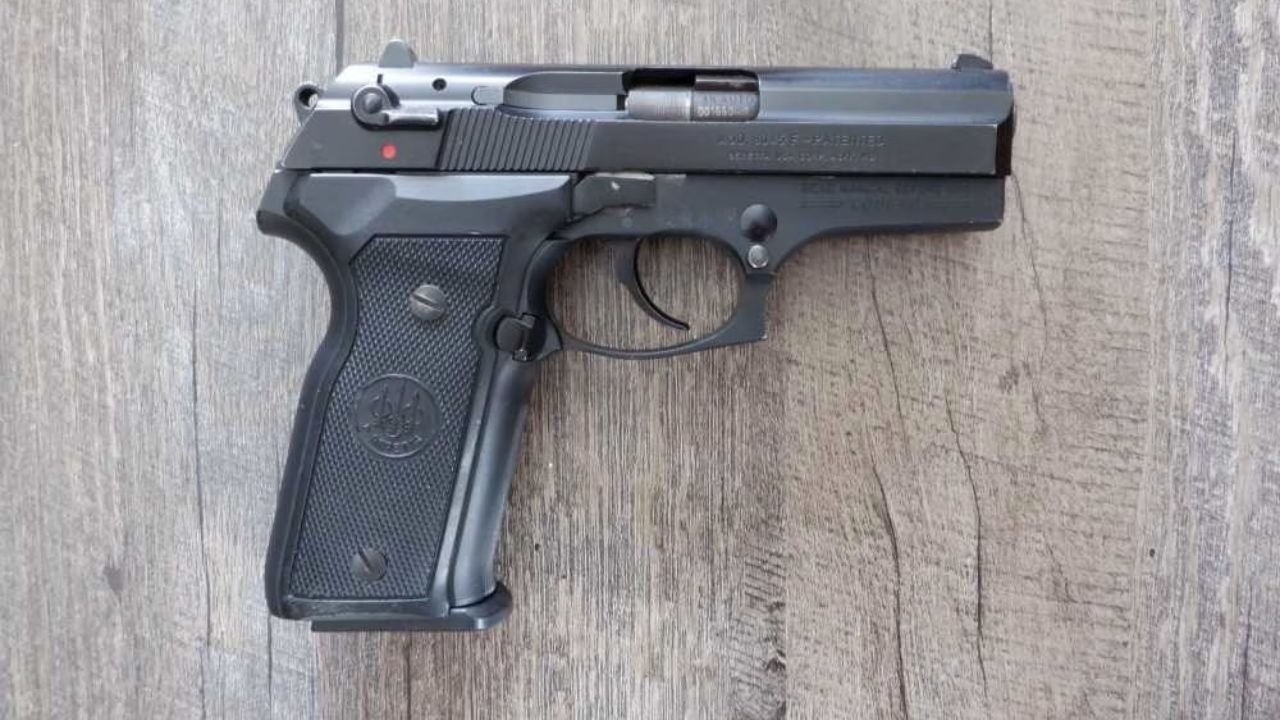
The Cougar is one of Beretta’s more underappreciated service pistols. Its rotating-barrel system gives it a different recoil feel than conventional tilting-barrel guns, and the all-metal frame provides enough mass to keep the action cycling smoothly.
In .45 ACP, that design tends to be particularly forgiving. The gun handles standard ball and defensive ammunition without needing much attention, and the rotating system spreads recoil differently enough that heavier loads remain manageable. The pistol never developed the huge following of the 92 series, but that was more about market timing than mechanical weakness. For shooters who care about reliability with varied ammunition, the Cougar deserves more credit than it usually gets. It is a stout, conventional service pistol from an era when feeding reliability mattered more than shaving ounces.
Walther P99 AS
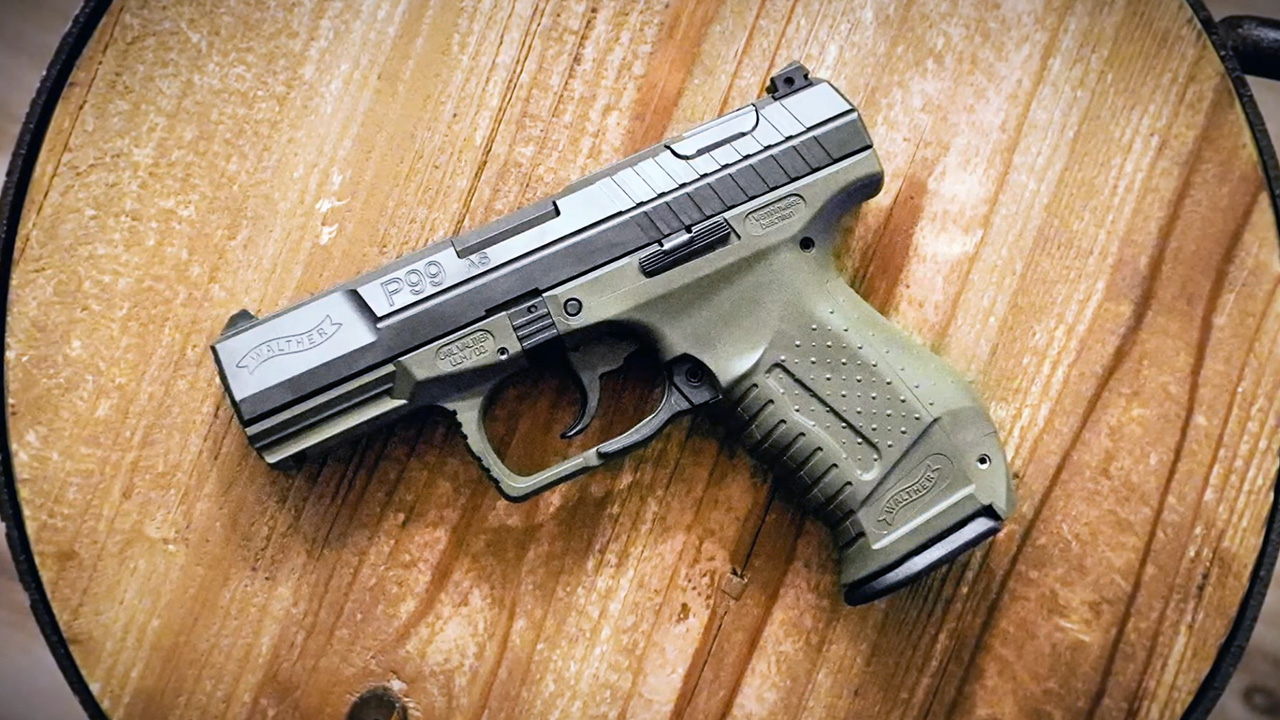
The P99 AS is remembered mainly for its unique striker-fired DA/SA-style trigger system, but the pistol also earned a strong reputation for reliability. The feed system is conventional, the magazines are well designed, and the slide has enough mass to handle a broad range of 9mm ammunition.
That makes the P99 easier to live with than its unusual trigger might suggest. Cheap range ammunition, heavier defensive bullets, and different pressure levels generally do not upset the pistol. Walther built it as a serious service handgun rather than a lightweight carry experiment, and that shows in the way it cycles. The P99 eventually disappeared while simpler striker systems took over, but mechanically it remains one of the more dependable polymer service pistols from its generation.
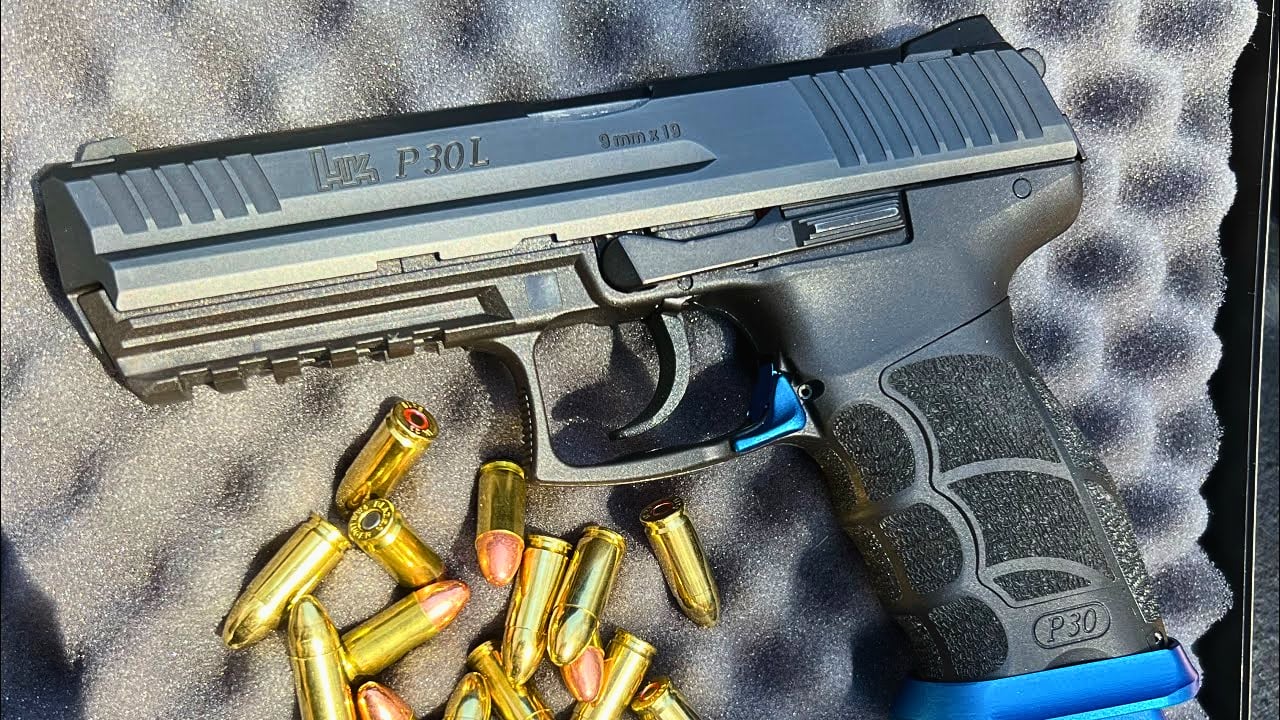
Heckler & Koch P30L

The P30L is large, comfortable, and built around the kind of conservative service-pistol engineering HK is known for. The long slide gives the gun plenty of reciprocating mass, while the magazine and feed system are designed to work across a wide range of duty ammunition.
That combination makes it unusually tolerant of mixed factory loads. Standard-pressure 9mm practice ammunition tends to run just as happily as hotter defensive loads, and the gun generally does not require special bullet shapes or brands. The long grip and slide make it less appealing for concealed carry, but that is not the point. The P30L shines as a full-size pistol you can feed almost whatever is available without constantly wondering whether the gun will object.
Smith & Wesson 4506

The 4506 is a heavy stainless-steel .45 ACP pistol from an era when service guns were expected to survive enormous round counts. The slide and frame have enough mass to make even full-power .45 ammunition feel relatively tame.
That weight also helps with ammunition tolerance. The gun tends to cycle consistently with standard ball, defensive hollow points, and a broad range of bullet weights because it is not built around a razor-thin operating window. The feed path is straightforward, and the magazines are sturdy. You pay for all of that reliability every time you carry the pistol because the 4506 is heavy even by steel-frame standards. But if the question is which pistols tend to keep running regardless of what factory .45 load you happen to have, the 4506 deserves to be near the top.
Grand Power K100
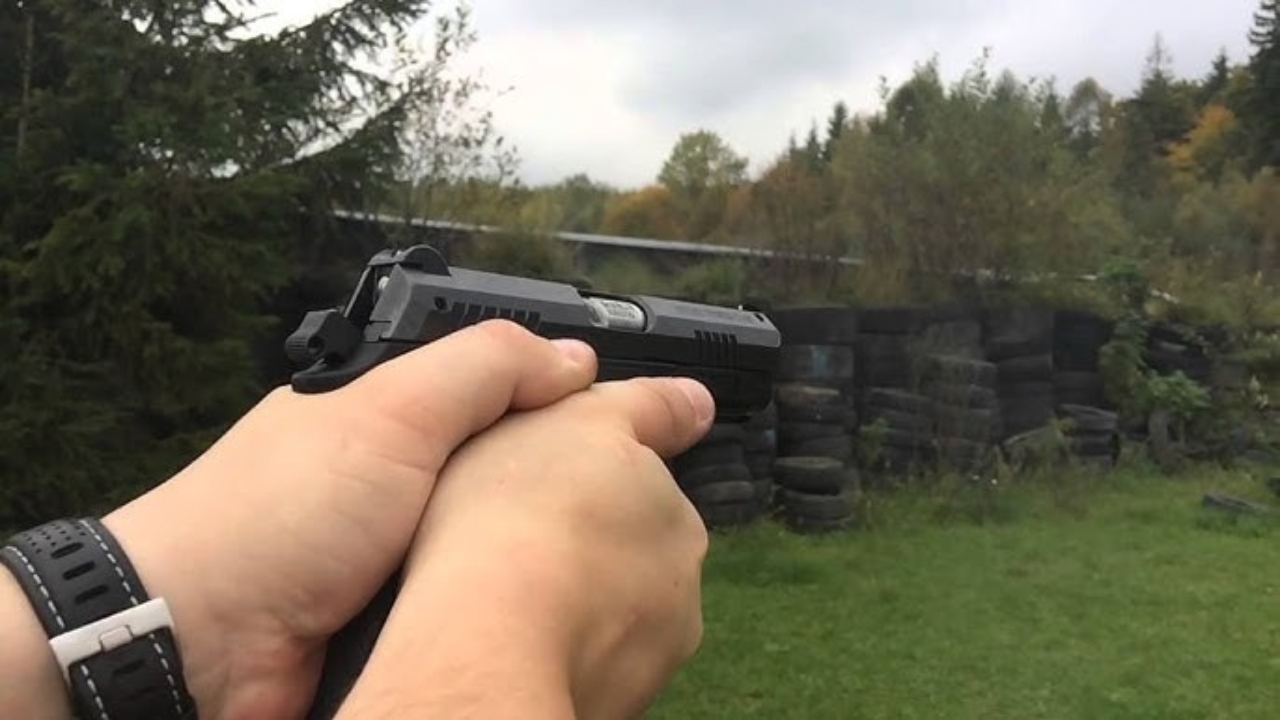
The K100 uses a rotating-barrel system that gives it a very smooth recoil impulse and a mechanical feel different from most striker-fired service pistols. It also tends to be remarkably forgiving with ammunition once properly broken in.
The rotating system locks securely without relying on the exact same slide and barrel movement found in conventional tilting designs. Combined with good magazine geometry, that allows the K100 to handle different bullet weights and pressure levels without needing constant spring changes. Grand Power never achieved the same American market presence as the largest brands, so the gun is often overlooked. Mechanically, though, it is one of the more interesting and dependable service pistols available, especially for shooters who value ammunition tolerance and soft cycling over brand recognition.
Tanfoglio Witness Steel Full Size

The full-size steel Witness is another pistol that benefits from having plenty of mass and a proven CZ-pattern operating system. The heavy frame makes recoil mild, while the magazine and feed geometry tend to work well with a wide variety of ammunition.
That makes it a particularly good range pistol if you buy whatever 9mm happens to be cheapest. The gun is usually not especially concerned with bullet weight or whether the ammunition is premium. Stock examples tend to be more tolerant than competition-modified versions, which can become sensitive once springs are lightened for match use. In factory form, though, the Witness is a durable, forgiving pistol that rarely gets enough credit because Tanfoglio is better known among competition shooters than ordinary defensive-pistol buyers.
Steyr L9-A2 MF

The L9-A2 MF looks unusual, but underneath the styling is a serious full-size service pistol with a low bore axis and a straightforward operating system. Steyr has always prioritized durability and reliability more than mainstream marketing.
The full-size slide and conventional 9mm chambering give the pistol enough operating margin to handle different factory loads without much fuss. The grip also gives the shooter excellent control, which helps prevent user-induced malfunctions with softer ammunition. The unusual trapezoidal sights and grip shape can take some adjustment, but the gun itself tends to be less picky than shooters expect from something so unconventional. It is a good example of a pistol being weird ergonomically without being weird mechanically.
Bersa TPR9
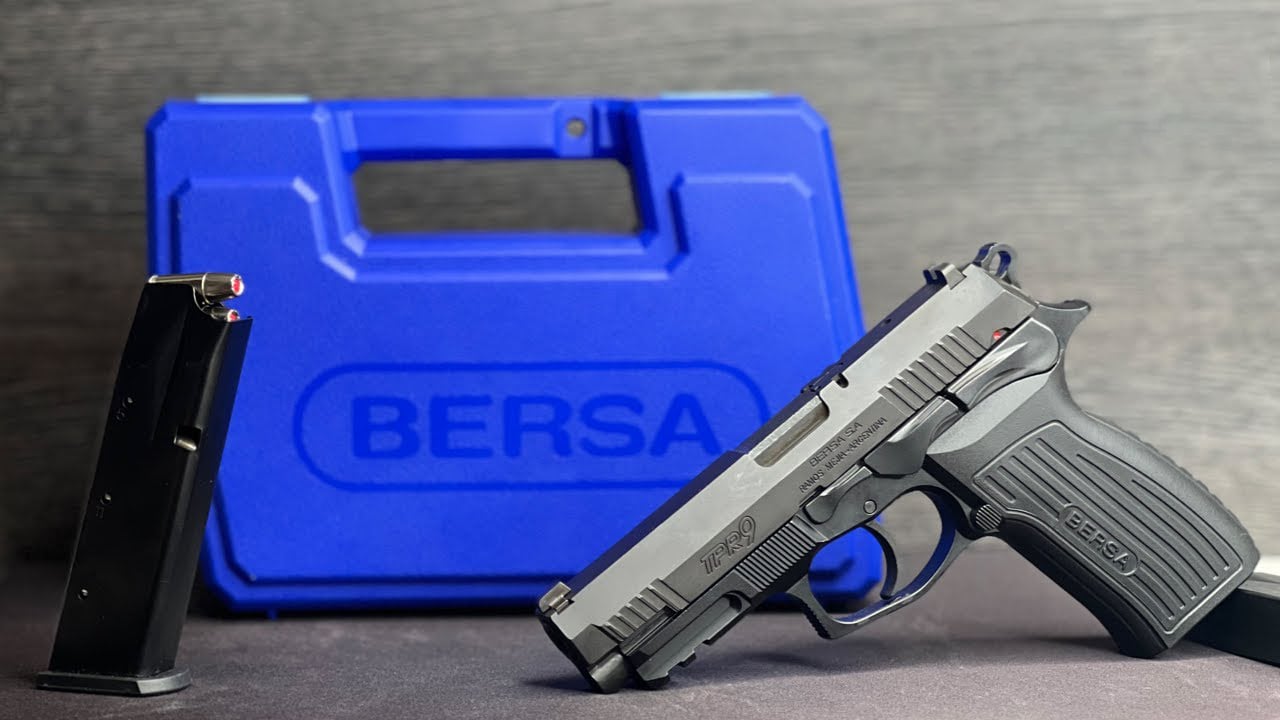
Bersa does not have the prestige of HK or SIG, but the TPR9 has earned a reputation for being a durable service pistol at a much lower price. The full-size alloy frame and conventional DA/SA operating system give it plenty of mechanical margin.
It tends to handle cheap practice ammunition well, and defensive hollow points usually feed without the kind of drama some people expect from budget-priced pistols. The trigger is decent, the controls are familiar, and the gun is heavy enough to stay stable with different loads. Parts and magazine availability are not as strong as the biggest brands, but the pistol itself is surprisingly tolerant. If reliability mattered more than impressing anyone at the range, the TPR9 would make a lot more sense than its price suggests.
SAR K2 45
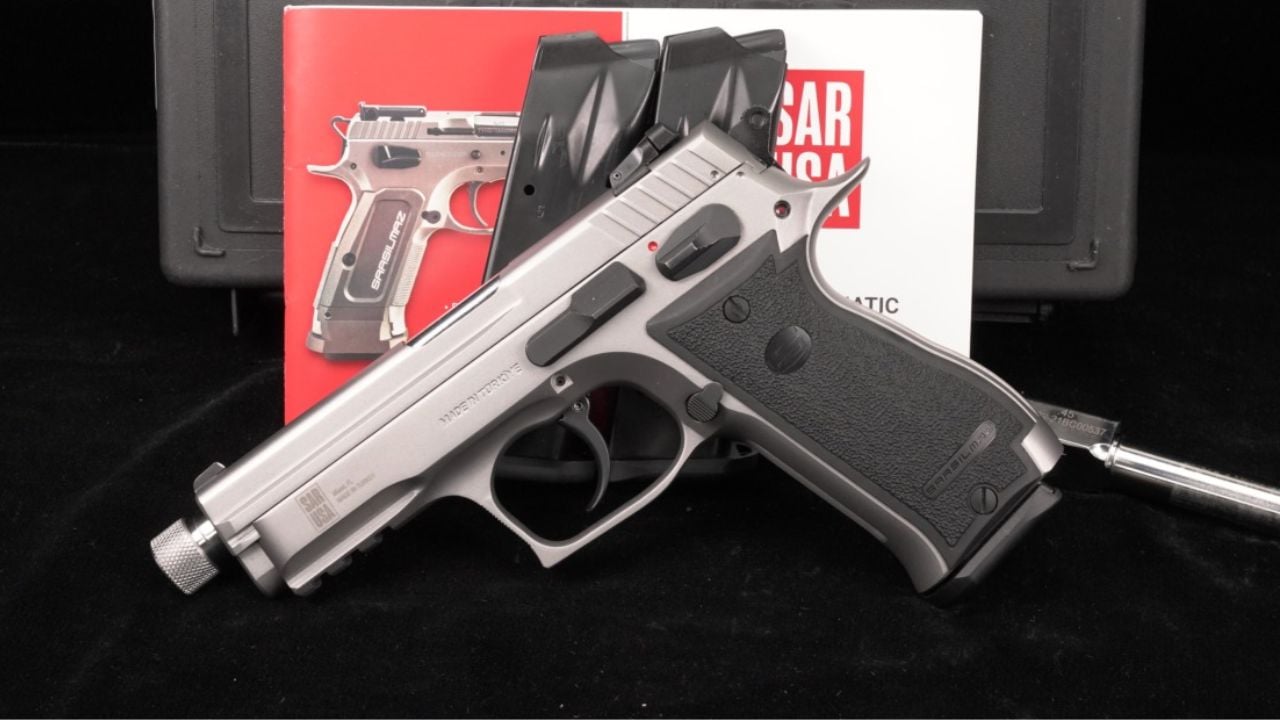
The K2 45 is a large steel-frame .45 ACP pistol with a generous magazine capacity and enough weight to make recoil feel unusually mild. The design borrows heavily from proven CZ-style architecture while scaling everything up for the larger cartridge.
That substantial construction helps it digest a wide range of .45 ammunition. Round-nose ball, defensive hollow points, and heavier loads generally feed through the broad magazine and chamber path without much issue. The gun is big enough that concealed carry is not its natural role, but as a range or home-defense pistol it offers exactly the kind of forgiving operation this list is about. It is also one of those pistols that often surprises shooters because the relatively modest price does not match how substantial the gun feels.
Beretta 84F Cheetah

The 84F is an older .380 ACP pistol built around a direct-blowback system, which gives it fewer moving parts than many locked-breech designs. The result is a compact handgun that can be surprisingly tolerant of different ammunition when the springs and magazines are in good condition.
The double-stack magazine gives the cartridges a consistent feed angle, while the open-slide Beretta layout helps reduce opportunities for cases to hang up during extraction. Because .380 ammunition can vary considerably in power and bullet shape, a pistol that runs a broad mix is particularly useful. The 84F is heavier than modern pocket .380s and larger than many newer designs, but those dimensions give it a reliability advantage. It was built like a small service pistol rather than an emergency-only pocket gun.
CZ 97B

The CZ 97B scales the basic CZ 75 concept up to .45 ACP and gives you a large steel-frame pistol with excellent stability. The feed system is relatively straightforward, and the heavy slide provides plenty of momentum for cycling.
These pistols generally handle standard ball ammunition and defensive hollow points well, especially later examples with improved feed geometry. The weight makes recoil mild, which also reduces the chance of limp-wrist-induced issues with softer ammunition. The grip is enormous, so it is not a pistol that fits everyone. For shooters with larger hands, though, the 97B is one of those old-school .45s that feels mechanically relaxed rather than highly stressed. That tends to translate into broad ammunition tolerance.
IWI Jericho 941 F
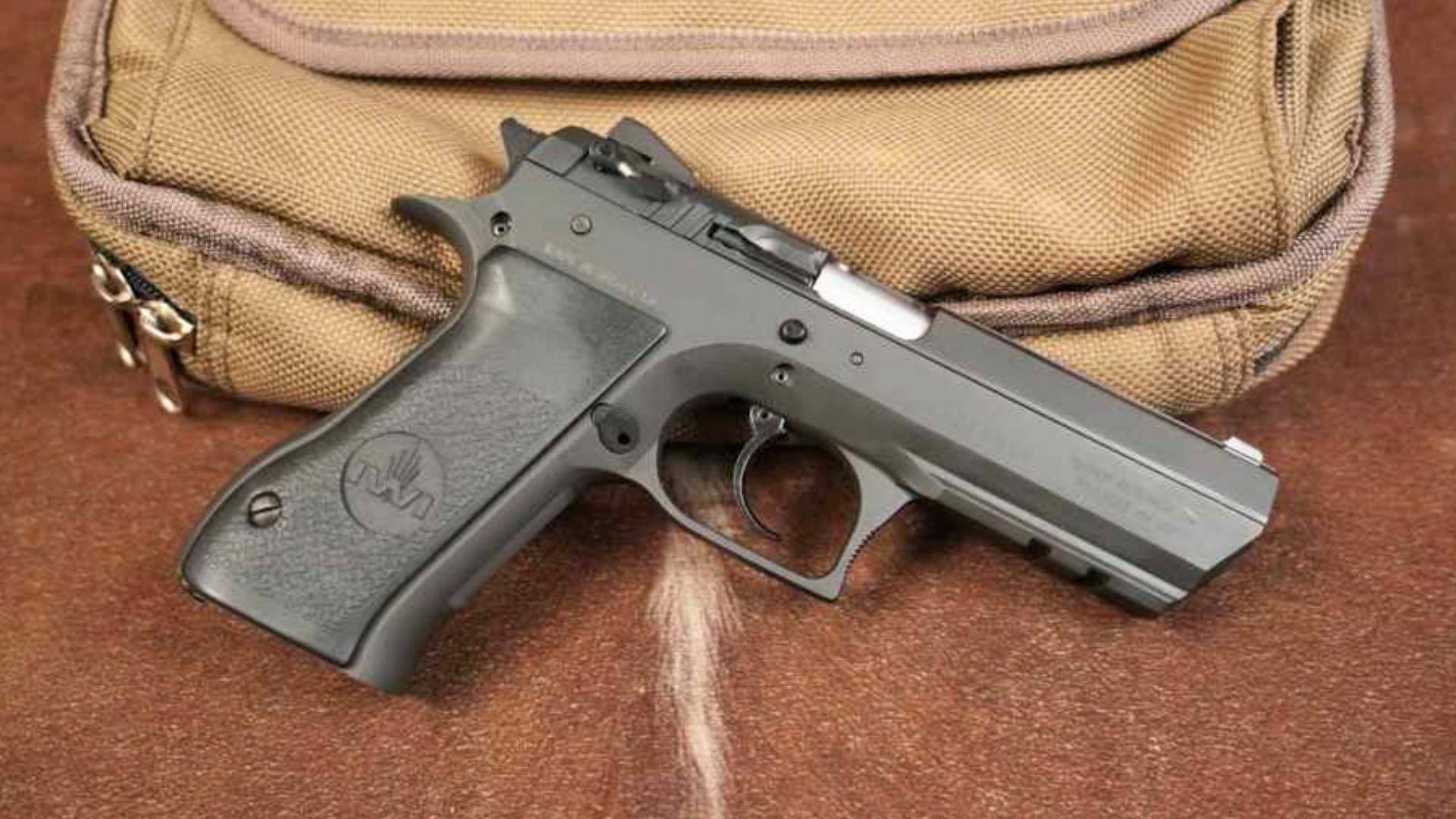
The steel-frame Jericho 941 has earned a reputation for durability largely because it is built around a well-proven CZ-derived system and uses plenty of steel. The gun feels dense in the hand, but that weight keeps recoil low and cycling consistent.
It also tends to feed a wide range of 9mm ammunition without requiring much experimentation. Cheap ball, heavier bullets, and defensive loads generally work as long as the magazines are healthy. The Jericho’s biggest weaknesses are weight and a somewhat bulky profile, not reliability. For a pistol that lives on the range, in a nightstand, or around a property rather than on a concealed-carry belt, those drawbacks matter much less. It is one of the better examples of a pistol that simply gets on with the job.
Smith & Wesson 645
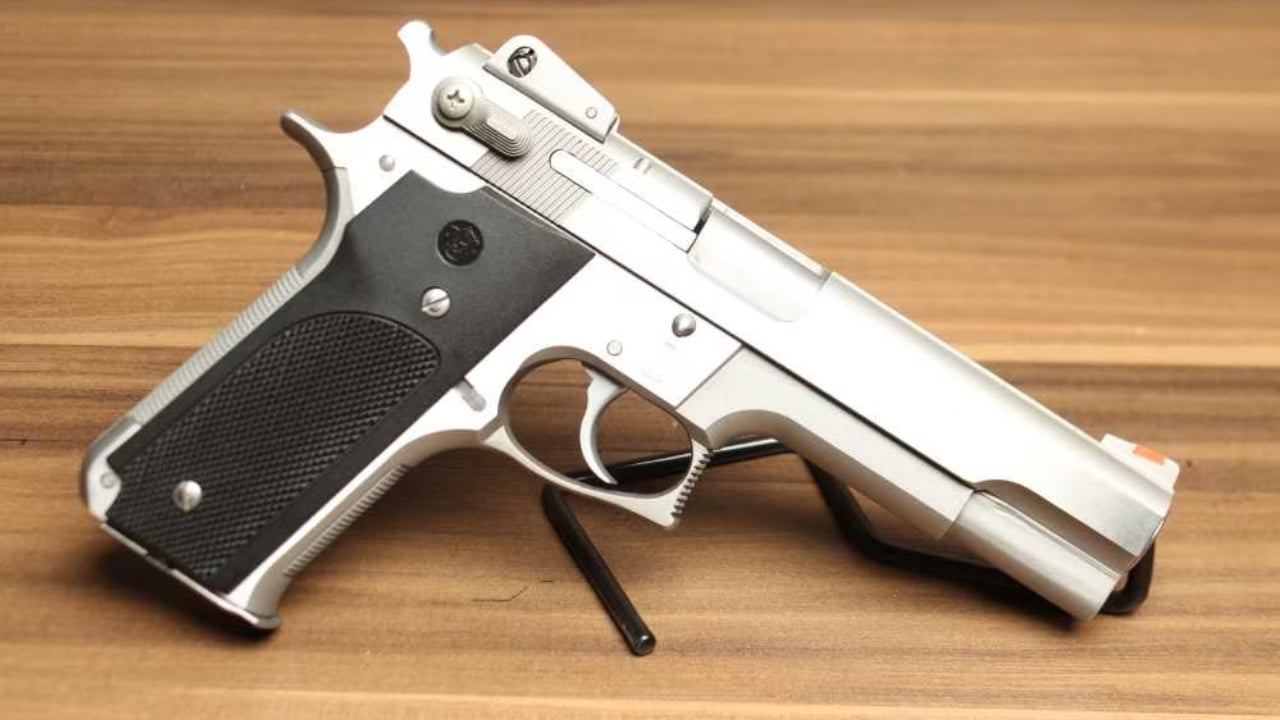
The 645 was Smith & Wesson’s early serious .45 ACP service pistol and helped establish the third-generation guns that followed. Its stainless-steel construction, large slide, and conservative operating system give it the sort of reliability expected from old duty pistols.
The gun was designed around the assumption that it might see hard use with standard military-style ball and defensive ammunition. That broad operating window is still evident today. Good examples tend to feed a variety of bullet profiles without needing tuning, and the weight makes even hotter loads easy to manage. The controls and overall size feel dated beside current polymer pistols, but the 645 is not trying to be sleek. It is a large, durable service handgun whose main talent is continuing to function when the ammunition changes.
Like The Avid Outdoorsman’s content? Subscribe to our newsletter so you never miss an article.
Here’s more from us: