Photo credit: NRApubs/YouTube
Plenty of rifle cartridges work on both deer and hogs, but the jobs are not identical. Whitetails are relatively thin-skinned and light-bodied compared with a mature boar, while hogs can carry heavy shoulders, dense muscle, and thick cartilage around the front end. That makes penetration and bullet construction matter more, especially when the shot is not perfectly broadside.
This is where certain cartridges start making more sense on hogs than they do on deer. They may hit harder at close range, carry heavier bullets, or deliver more frontal area than a typical whitetail really needs. You can certainly hunt deer with all of them, but many are more useful when the target is a tough hog that may need to be anchored quickly or hit through less-than-ideal angles.
.300 Blackout
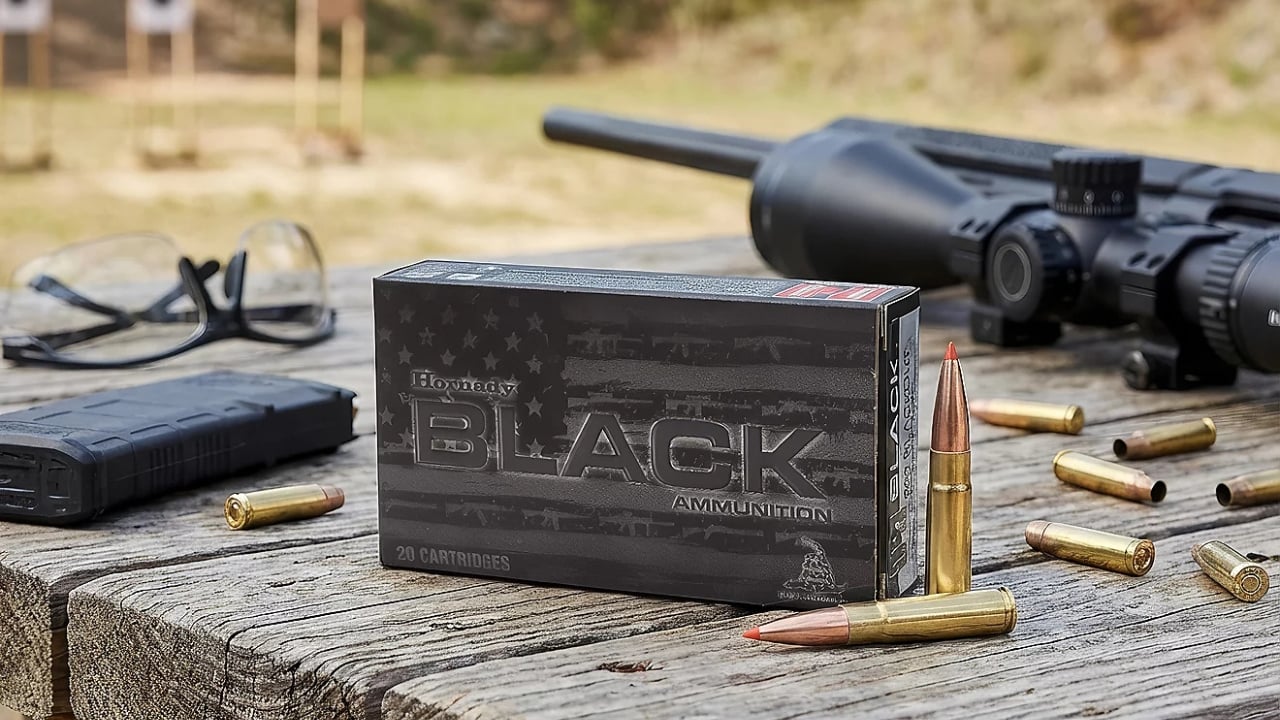
The .300 Blackout is often underestimated because people focus on its subsonic role. With supersonic hunting ammunition, though, it becomes a very useful close-range hog cartridge, especially from short barrels and suppressed rifles.
That is where it makes more sense for hogs than deer. Hogs are often taken at relatively close distances, sometimes from blinds, feeders, or thermal setups where a compact rifle matters more than flat trajectory. The .300 Blackout gives you heavy-for-caliber bullets and solid terminal performance without requiring a long barrel. On deer, its limited reach can feel restrictive compared with cartridges like .243 or 6.5 Creedmoor. On hogs inside 150 yards, those same limitations matter much less.
7.62x39mm

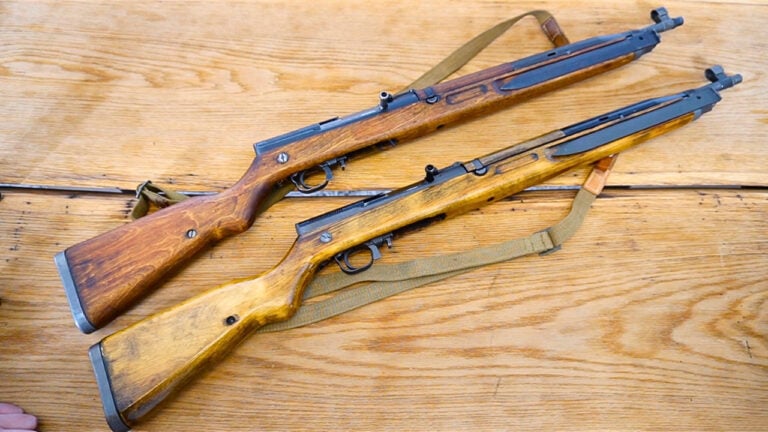
The 7.62×39 has spent most of its life associated with military rifles, but it is also a very practical hog round at moderate distances. It throws a relatively heavy .30-caliber bullet with enough energy to handle pigs cleanly when paired with proper hunting ammunition.
It makes more sense on hogs than deer because the cartridge shines in compact, fast-handling rifles where follow-up shots may matter. Hogs also tend to be hunted in groups, and a semiautomatic platform chambered in 7.62×39 gives you quick recovery without excessive recoil. For deer, especially in open country, the limited trajectory can become a disadvantage. For hogs in brush or around feeders, it is much easier to appreciate what the cartridge does well.
.308 Winchester
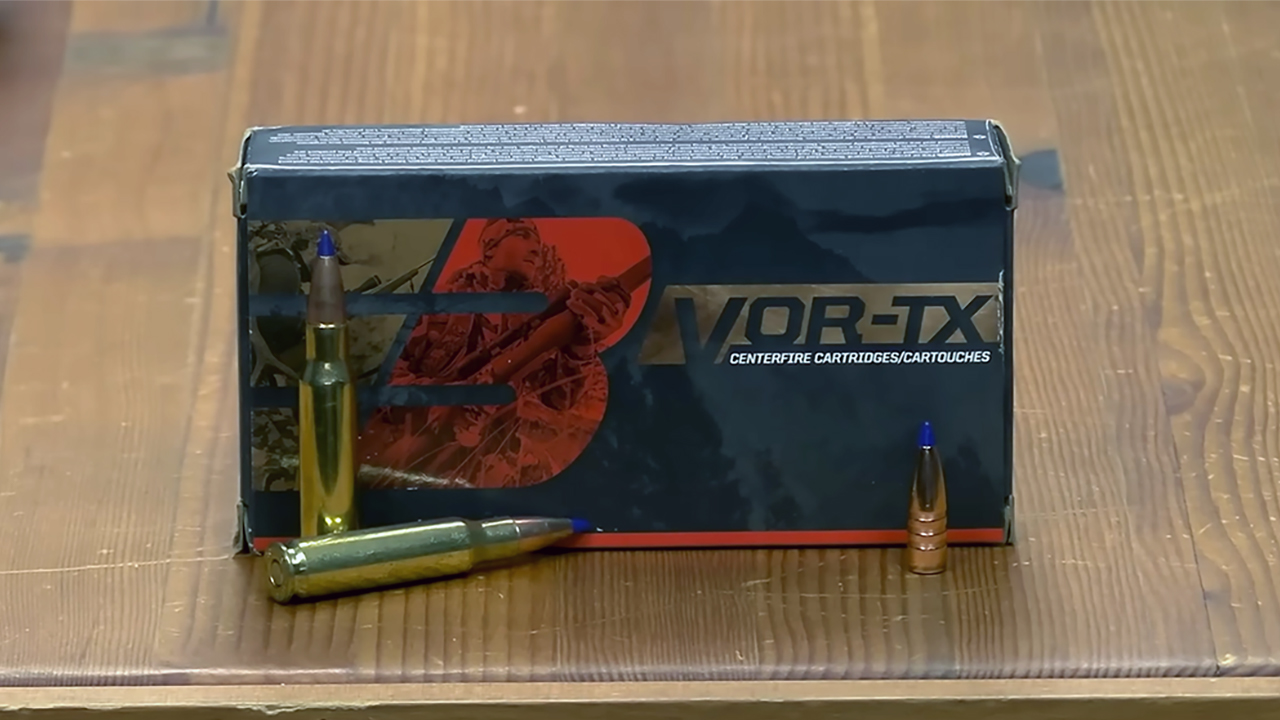
The .308 Winchester is excellent on deer, but its broader bullet selection and penetration make it even more attractive for hogs. You can choose from lightweight expanding bullets, tough bonded loads, or heavier projectiles that hold together when they encounter substantial bone.
That extra versatility matters when boars get large. The cartridge has enough energy to punch through shoulder structure and still reach the vitals, while recoil remains manageable in most rifles. On a whitetail, much of that capability is unnecessary. A 7mm-08 or .243 can do the job with less recoil. On hogs, the .308’s extra bullet weight and availability of tougher hunting projectiles feel much more justified.
.30-06 Springfield
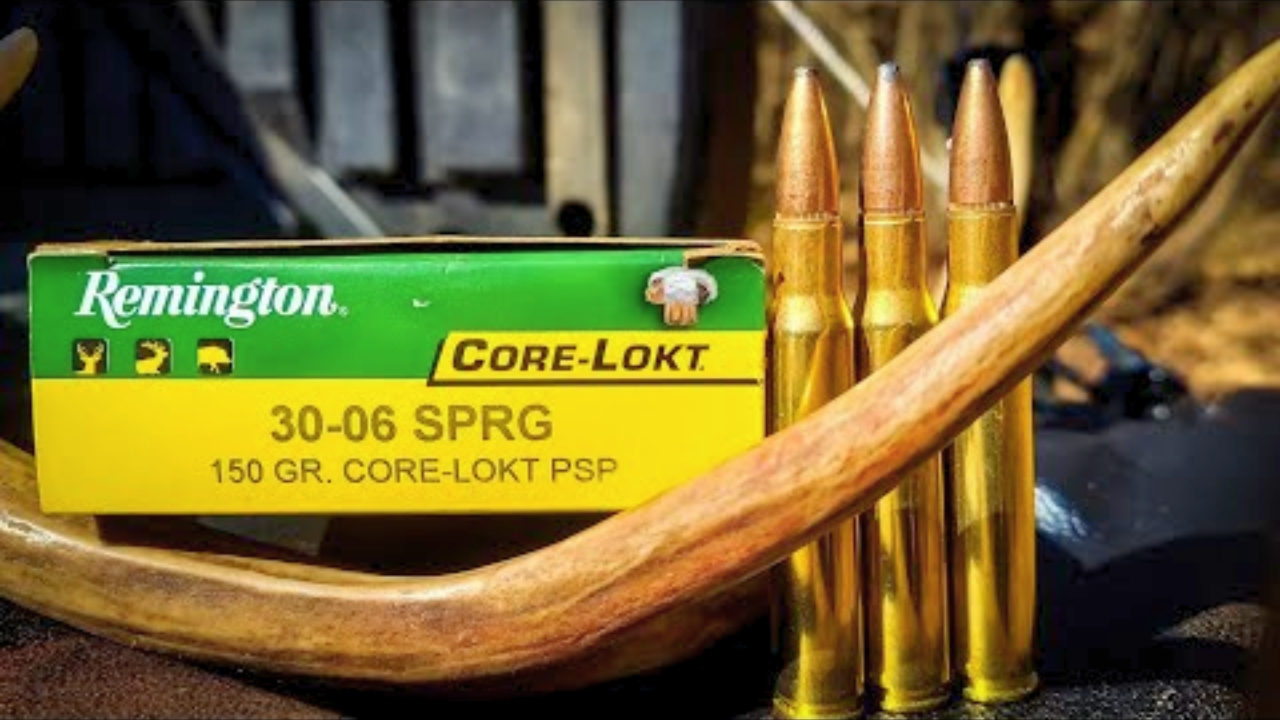
The .30-06 is one of the most versatile hunting cartridges ever made, and that versatility becomes especially useful on hogs. It can handle everything from 150-grain deer bullets to much heavier loads that offer deeper penetration.
That broader range makes it more appealing for pigs than for ordinary whitetails. On deer, the .30-06 can be more recoil and bullet than necessary. On hogs, especially larger boars, the ability to drive a heavier bullet through thick shoulders becomes much more valuable. It also gives hunters more confidence on quartering shots where penetration depth matters. If you already own a .30-06, hogs are one of the animals that really let the cartridge show why it became so popular.
.35 Remington
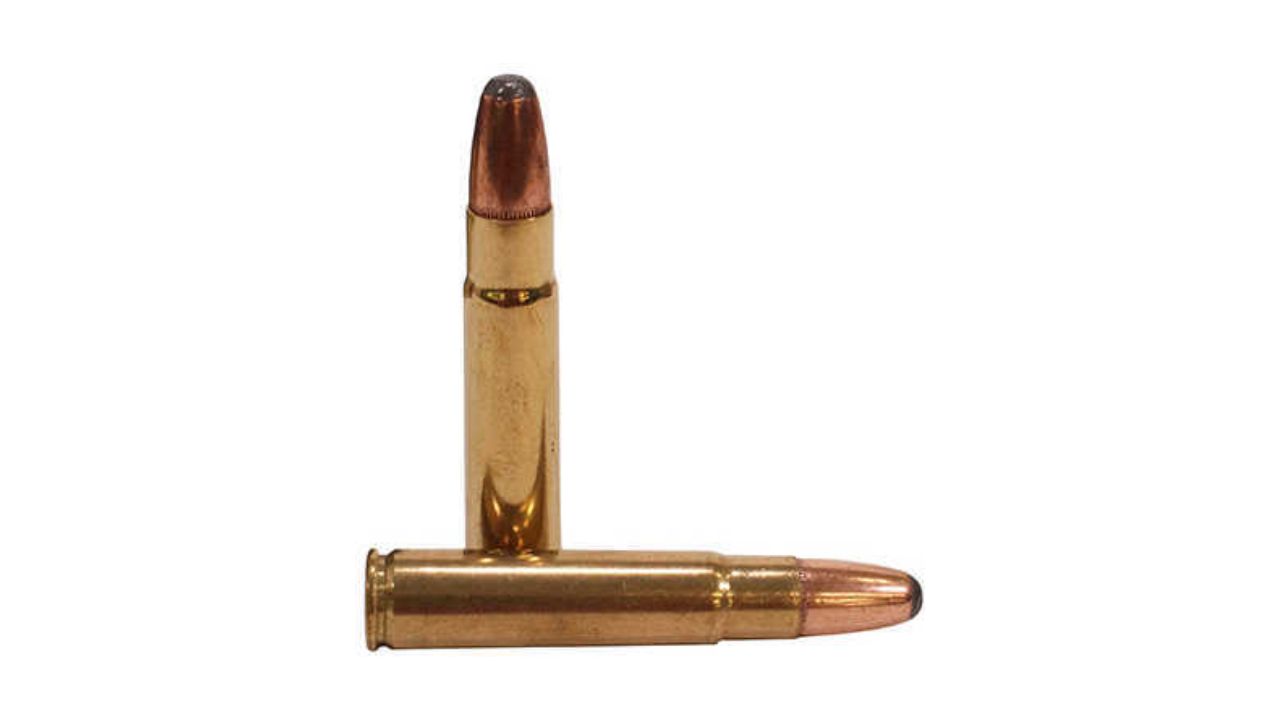
The .35 Remington has always been known as a woods cartridge, and hog hunting is one of the jobs where that reputation still makes perfect sense. It throws a fairly heavy .35-caliber bullet at moderate velocity, creating a wide wound channel without requiring magnum recoil.
That is a good match for pigs in thick cover. The cartridge does not need to shoot particularly flat because most shots are close, and the heavier bullet gives you solid penetration. On whitetails, a lighter cartridge can accomplish the same thing with less recoil and a flatter trajectory. On hogs, the .35 Remington’s extra frontal diameter becomes more useful, especially when the animal is large or the angle is less than ideal.
.358 Winchester
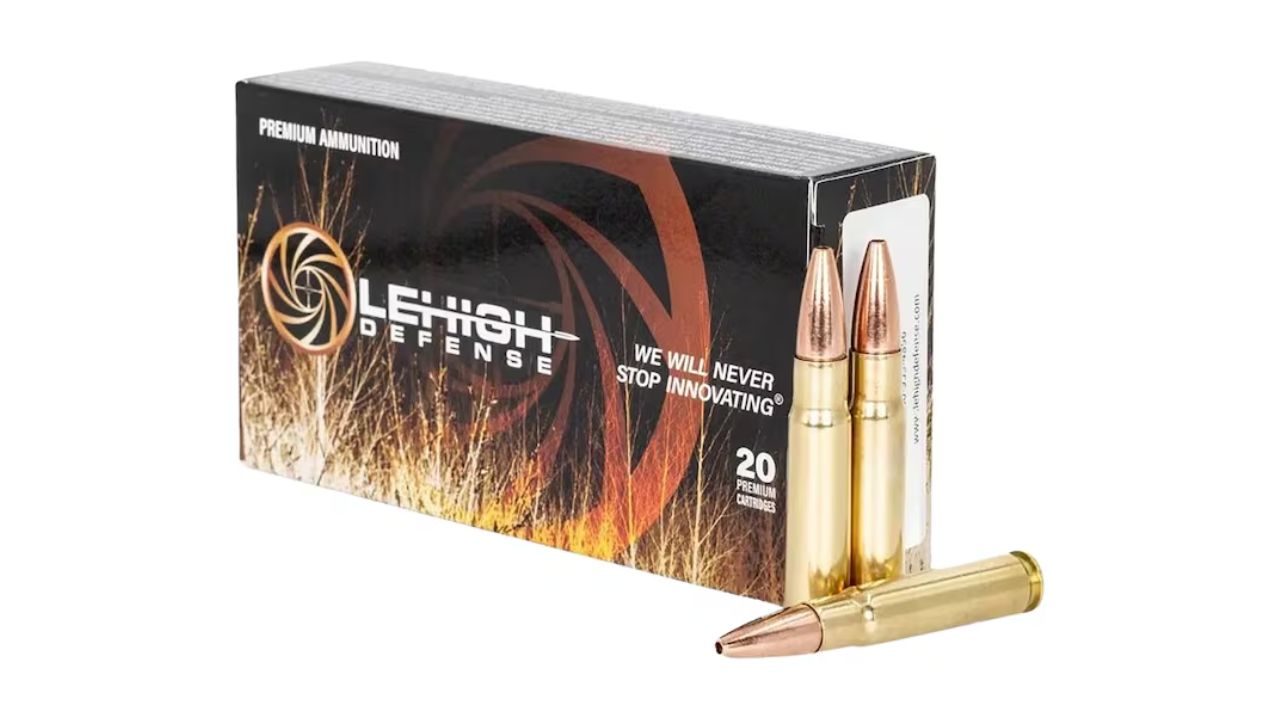
The .358 Winchester takes the .308 case and opens it to .35 caliber, giving you a compact cartridge with substantial bullet weight and excellent close- to mid-range performance.
That makes it almost tailor-made for hogs. A heavy .358 bullet gives you plenty of frontal area and enough momentum to penetrate thick shoulders without relying on extreme velocity. The cartridge is also efficient from relatively short barrels, which works well in compact hunting rifles. For deer, it is more gun than necessary in many situations. For hogs, especially in brush, it offers the kind of direct, hard-hitting performance that justifies the extra recoil.
.350 Legend
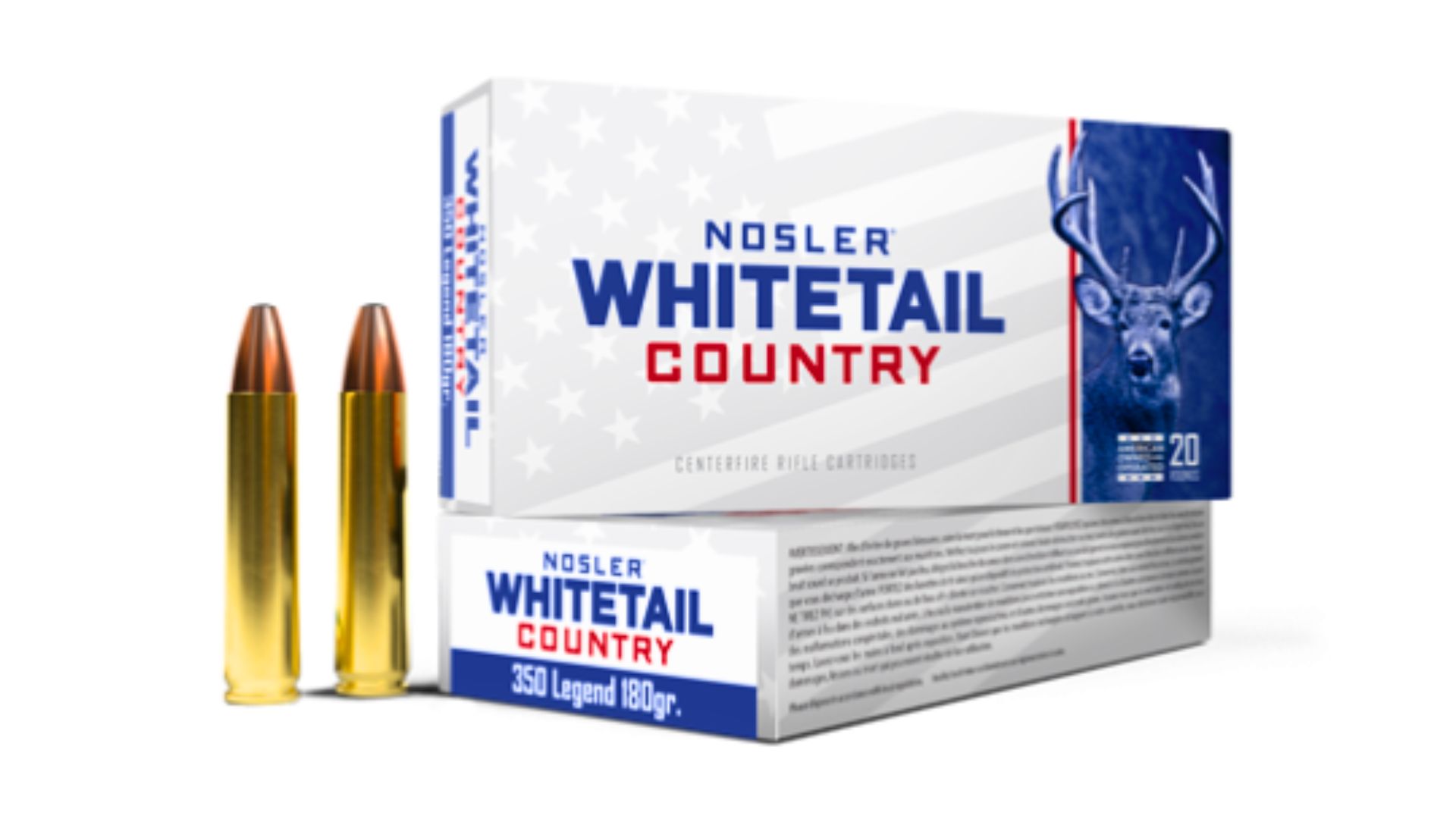
The .350 Legend became popular largely because of straight-wall hunting regulations, but it also makes a lot of sense for hogs. Recoil is mild, rifles are compact, and the cartridge performs well at the moderate distances where many pigs are taken.
Its wider bullet diameter gives it an advantage when you want more tissue disruption than a small-bore deer cartridge offers. It also works well in AR-style rifles, which can be useful when hunting groups of hogs. On deer, the .350 Legend is perfectly adequate but not especially necessary outside regulation-driven areas. On hogs, its blend of moderate recoil, wide bullet, and semiautomatic compatibility becomes a stronger argument.
.360 Buckhammer
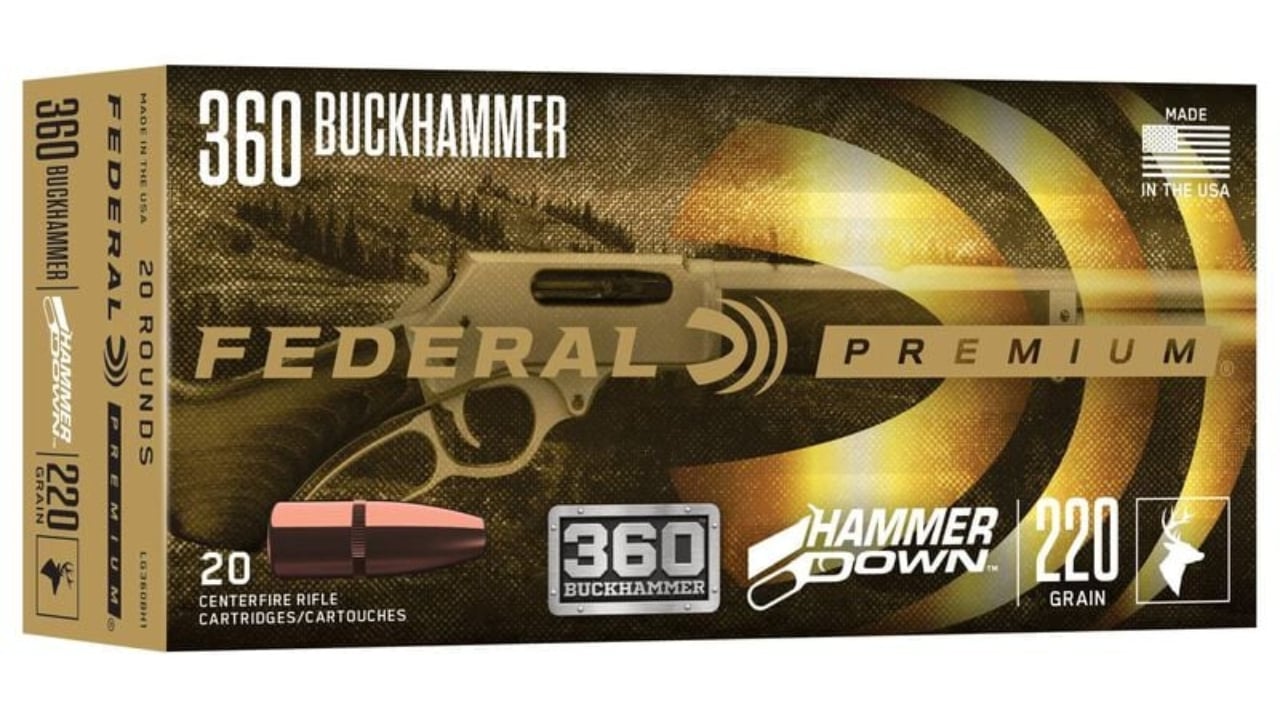
The .360 Buckhammer was designed for straight-wall hunting, but its characteristics fit hog hunting just as well. It launches a relatively heavy .358-caliber bullet with enough velocity for moderate-range work without requiring a huge rifle or punishing recoil.
For whitetails, the cartridge works, but it competes with many flatter-shooting options that are easier to justify in open country. Hogs are different. They are often taken at shorter distances, and heavy frontal area matters more than sleek ballistic coefficients. The .360 Buckhammer gives hunters a direct, hard-hitting option that fits lever rifles and other compact platforms well. It is not the most versatile cartridge in the world, but on pigs it makes a lot of sense.
.450 Bushmaster

The .450 Bushmaster is one of the most obvious hog cartridges on this list. It throws a large-diameter bullet with enough energy to hit hard at close to moderate distances, and it works in AR-platform rifles.
That makes it ideal for hunters who expect multiple pigs to appear at once and want a fast follow-up shot. The cartridge is also very effective through the shoulder of a large boar, where a smaller deer cartridge may leave less margin. On whitetails, the recoil, ammunition cost, and limited trajectory can feel unnecessary. On hogs, especially at night or over feeders, the .450 Bushmaster’s strengths line up much more naturally with the job.
.458 SOCOM
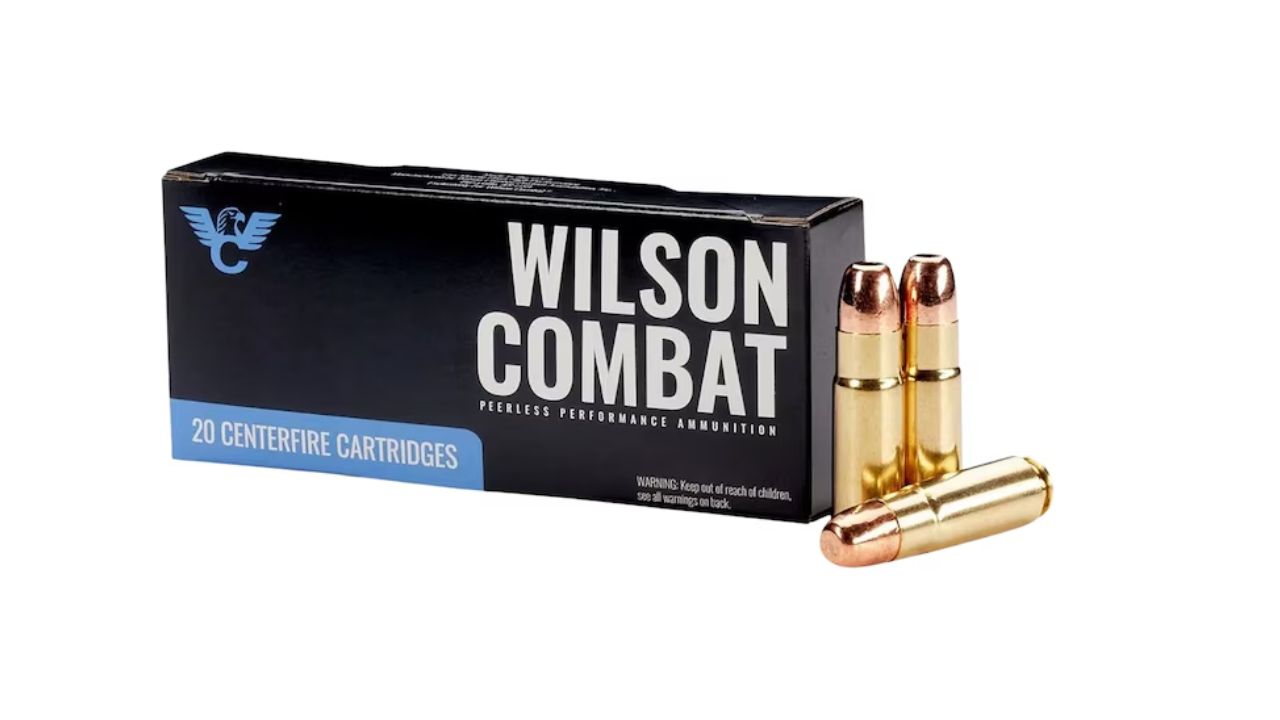
The .458 SOCOM was built around launching heavy bullets from the AR-15 platform, and that makes it a natural fit for hog hunting. It offers enormous frontal area, serious close-range energy, and the ability to stay in a compact semiautomatic rifle.
That is a combination hog hunters can appreciate. When pigs are moving through brush or appear in groups, quick follow-up shots matter, and the heavy bullet gives you confidence against larger animals. For deer, the cartridge is usually excessive. The trajectory is limited, ammunition is expensive, and lighter cartridges are easier to shoot. On hogs, though, the .458 SOCOM’s entire purpose starts to make more sense.
.450 Marlin

The .450 Marlin was designed to deliver heavy lever-gun performance in a modern high-pressure cartridge. It throws large bullets with authority and works well at the short to moderate ranges typical of woods hunting.
That makes it better suited to hogs than whitetails. A deer rarely needs the kind of frontal diameter and penetration the .450 can provide, but a big boar gives the cartridge something substantial to work against. The recoil is noticeable and ammunition support is limited, which makes it a poor general recommendation. Still, if you already own one, hog hunting is exactly the kind of use that justifies keeping it around.
.444 Marlin

The .444 Marlin gives you a heavy .44-caliber bullet at rifle velocities, producing far more authority than a handgun round of similar diameter. It is especially effective from lever rifles in close cover.
That makes it a strong hog cartridge because it combines penetration with a large frontal area. The rifle remains handy, and the cartridge has enough power for very large pigs at realistic woods distances. On deer, a .30-30 or .35 Remington can accomplish the same basic task with less recoil. On hogs, the .444’s heavier bullet begins to feel like a meaningful advantage rather than unnecessary excess.
.45-70 Government

The .45-70 is one of the most natural hog cartridges ever made. It throws heavy bullets, works beautifully from compact lever rifles, and provides the kind of deep penetration and wide wound channel that suits big pigs.
On whitetails, especially at normal woods distances, the cartridge works extremely well but usually offers more recoil and bullet than necessary. Hogs give the .45-70 a better reason to exist. A large boar with heavy shoulders is exactly the kind of animal where a big, heavy projectile can be useful. You do not need the hottest modern loads either. Moderate ammunition still hits with plenty of authority while remaining much easier to control.
.405 Winchester
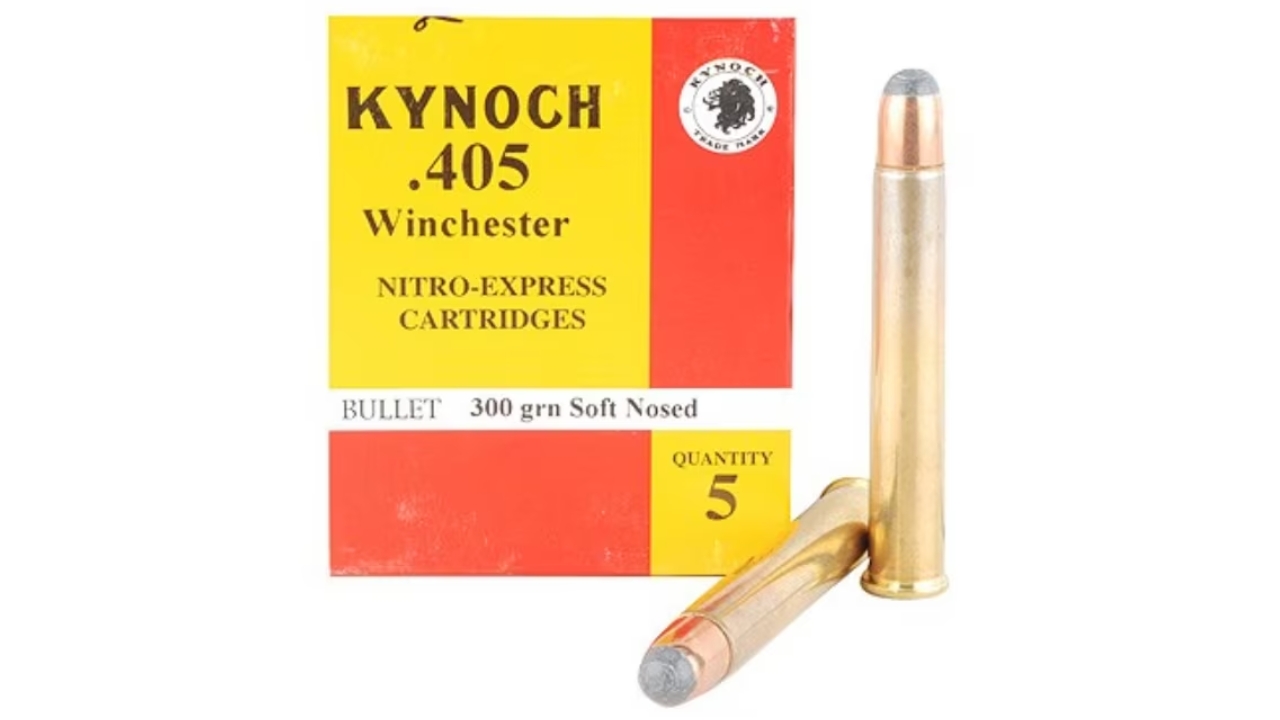
The .405 Winchester has a reputation tied to large game and classic lever rifles, which means it is far more cartridge than the average whitetail hunter needs.
For hogs, though, the large bullet and heavy construction make more sense. The cartridge carries enough momentum for deep penetration, and it performs well at the closer ranges common in heavy cover. Ammunition is expensive and uncommon, so this is not a practical recommendation for most hunters. But if you own a rifle chambered in .405 Winchester, hogs are a much more fitting target than ordinary deer. The cartridge finally gets to use the kind of power it was designed around.
.338 Federal

The .338 Federal is one of the more underrated short-action big-game cartridges. It uses the .308 case necked up to .338 caliber, giving you heavier bullets and greater frontal area without requiring a magnum action.
That makes it especially useful on hogs. It can deliver deep penetration with moderate recoil and works efficiently from shorter barrels. On deer, the cartridge is more than most hunters need and gives up some trajectory compared with smaller calibers. On hogs, the heavier .338 bullets are a better fit, especially when you want a compact rifle that still hits hard on large animals.
.338-06 A-Square

The .338-06 gives you .338-caliber bullet weight without the recoil and blast of a full magnum. It is efficient, versatile, and capable of driving heavy hunting bullets at useful velocities.
That extra bullet mass is hard to justify on average whitetails, but hogs make a stronger case. Large boars can be tough, and the .338-06 offers enough penetration to handle shoulder shots and less-than-perfect angles. It is not a common factory cartridge, so handloading is almost part of the package. Still, from a pure performance standpoint, the cartridge is extremely well suited to tough medium and large game.
.375 Winchester

The .375 Winchester was designed as a powerful lever-action cartridge, and its heavy bullets make it naturally suited to short-range hunting.
For hogs, the large frontal area and strong penetration are valuable, especially in brush or over feeders where shots are rarely long. On whitetails, the cartridge is unnecessarily heavy and difficult to justify given how many lighter options exist. The biggest problem is availability rather than performance. If you already own a .375 Winchester, though, a big boar is exactly the kind of animal that makes the cartridge feel useful rather than nostalgic.
.375 Ruger
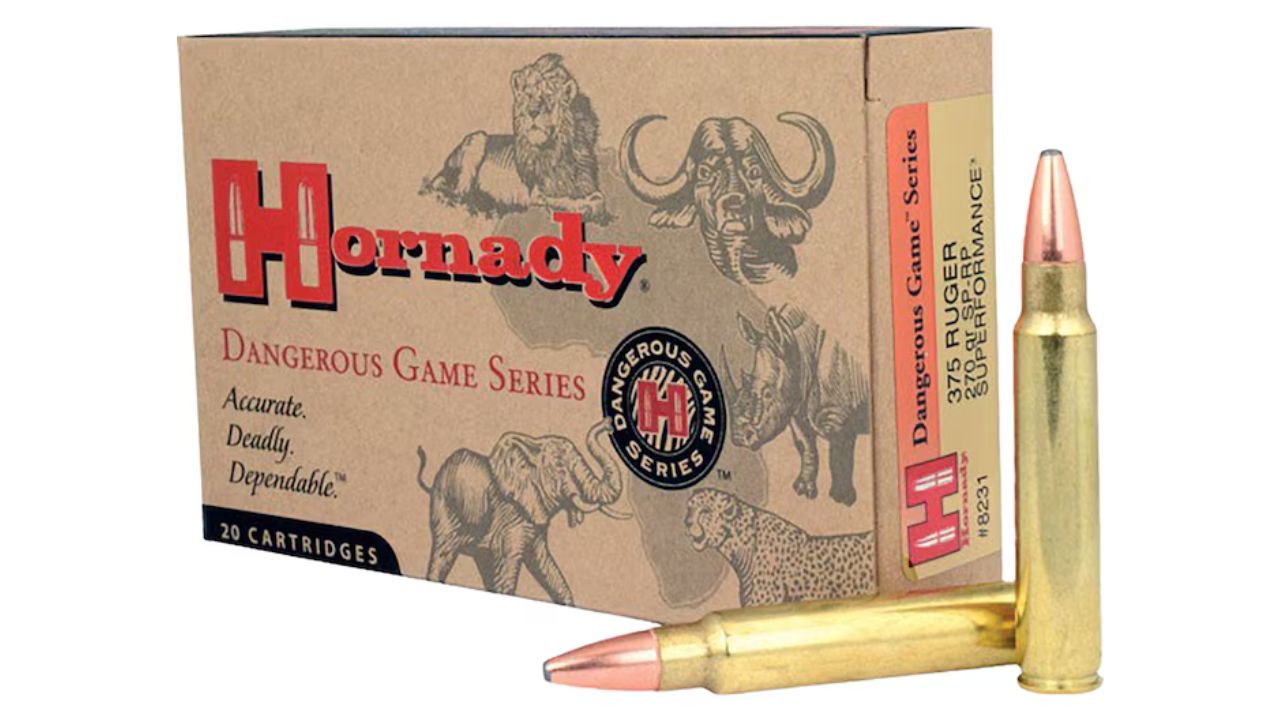
The .375 Ruger is a serious big-game cartridge, and it is obviously far more powerful than necessary for deer. It also works extremely well on hogs, especially when the animals are large and the hunter wants maximum penetration.
The cartridge delivers heavy bullets at substantial velocity and does so from a standard-length action. That gives it more practicality than some older safari cartridges. Still, recoil and ammunition cost make it excessive for casual pig hunting. Where it makes sense is as a dual-purpose rifle for someone who already owns one for larger game and wants to use it on hogs. In that role, pigs are a much better fit than whitetails.
.375 H&H Magnum

The .375 H&H is another cartridge that clearly exceeds what deer require. It was designed for much larger game, but that also means it has no trouble handling the biggest hogs you are likely to encounter.
The heavy bullets penetrate deeply and provide plenty of frontal area. Recoil is substantial, and the rifles are usually long and heavy, so this is not something I would recommend buying solely for pigs. But if the rifle is already in the safe, hogs give it a far more legitimate use than a 130-pound whitetail. The cartridge is at its best when the animal is large enough to justify what it brings to the table.
.50 Beowulf
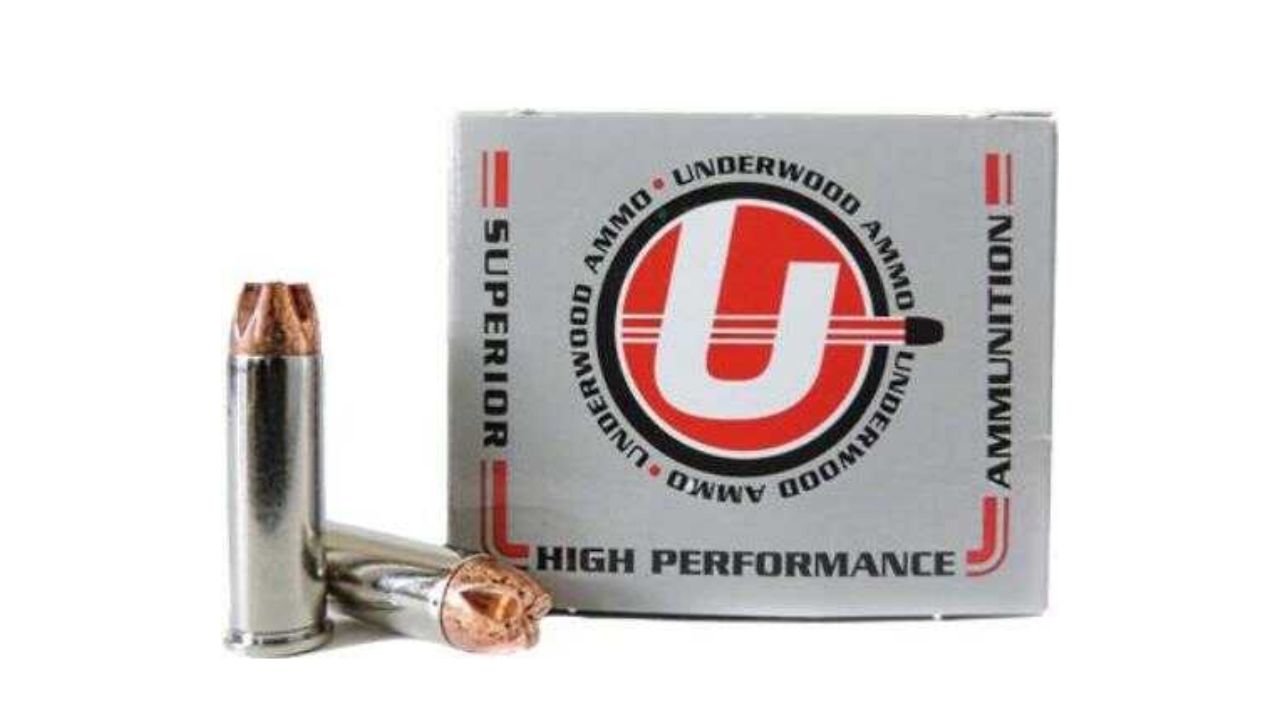
The .50 Beowulf was built around putting a very large bullet into the AR-15 platform, and that makes it almost perfectly tailored to close-range hog hunting.
The cartridge hits hard, offers tremendous frontal diameter, and lets hunters stay with a familiar semiautomatic rifle. The tradeoffs are limited range, expensive ammunition, and significant recoil compared with smaller AR cartridges. Those disadvantages make it a poor choice for ordinary deer hunting unless the shots are very close. For hogs, especially large pigs around feeders or in thick cover, the .50 Beowulf’s strengths make a lot more sense. It is specialized, but this is exactly the kind of specialization it was built for.
Like The Avid Outdoorsman’s content? Subscribe to our newsletter so you never miss an article.
Here’s more from us: