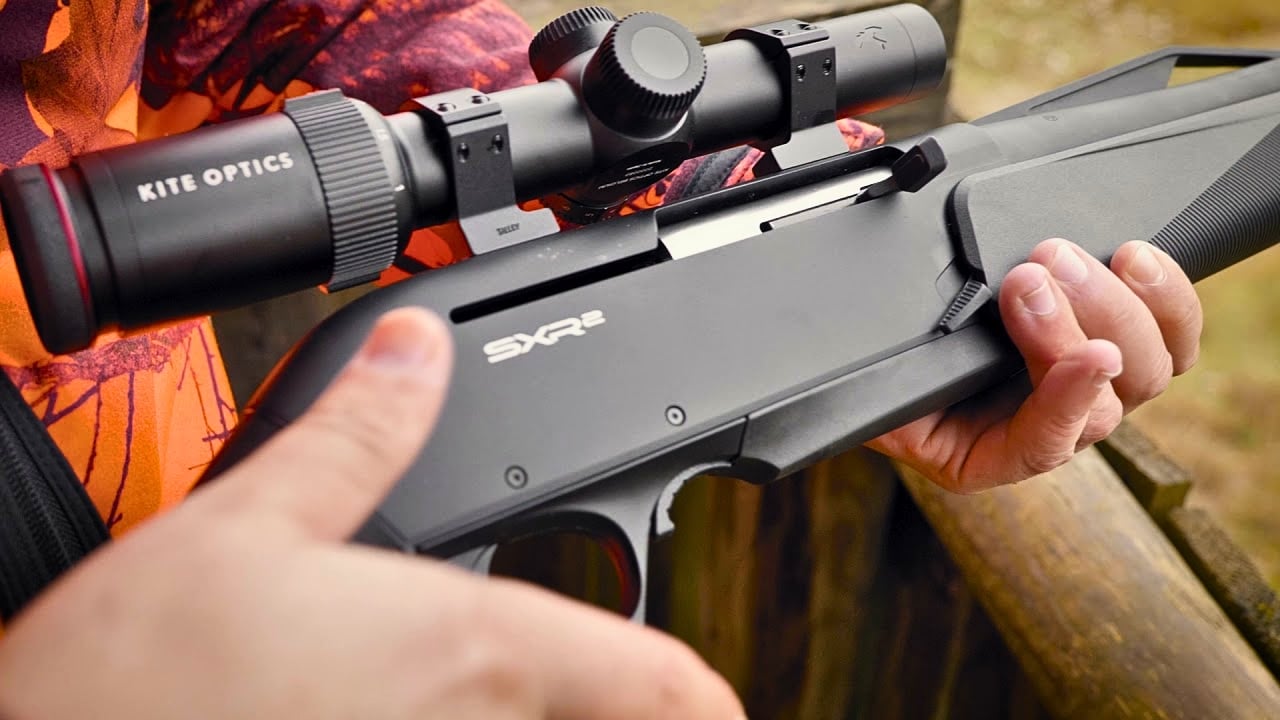
Photo credit: Winchester International/YouTube
Deer hunters can be incredibly loyal to a rifle. Once a gun has put venison in the freezer for ten or twenty seasons, it becomes almost impossible to criticize without somebody immediately bringing up the buck they killed with it in 2004. That history matters, but it does not magically erase mediocre triggers, awkward magazines, excessive weight, flimsy stocks, or designs that have simply been passed by.
That is what makes these rifles interesting. Most of them work. Some work extremely well. The issue is that owners often defend their shortcomings as though they are part of the charm instead of admitting newer rifles solved many of those problems years ago. A deer rifle does not have to be perfect to be effective, but effectiveness and good design are not the same thing. These 20 keep proving that point every season.
Remington Model 783

The Model 783 earned a following because it usually delivers decent accuracy for very little money. For a hunter who wanted a basic deer rifle and did not care about refinement, it checked the important boxes without demanding much from the wallet.
The problem is that nearly everything around the barrel feels built to a price. The stock is hollow and flexible, the bolt does not have the smoothness of better rifles, and the detachable magazine has never been a highlight. Owners often defend all of that with the same argument: it shoots. That is true, but cheap rifles from several competitors now shoot too while offering better ergonomics, nicer magazines, or more polished actions. The 783 is effective enough. That does not mean its rough edges should be ignored.
Browning AB3

The AB3 carries the Browning name, which creates expectations the rifle does not always meet. It is accurate enough, lightweight, and available in the chamberings deer hunters expect, but it is clearly positioned below Browning’s nicer bolt rifles.
That difference becomes obvious once you handle one. The stock feels basic, the action lacks the refinement associated with Browning’s premium rifles, and the whole package can feel more generic than the logo suggests. Owners defend it because it performs and because it is still a Browning. That is fair, but much of the appeal comes from the name rather than any standout feature. If you remove the branding, it becomes another budget hunting rifle competing in a category full of rifles that often feel better finished for similar money.
Thompson/Center Compass II

The Compass II has plenty going for it. It is inexpensive, often accurate, and comes with features that make it easy for a first-time deer hunter to get into the woods without spending much.
The obvious weakness is how utilitarian everything feels. The stock is basic, the action can feel rough, and the rifle never developed the kind of personality that makes owners excited about using it. Hunters defend the Compass because it works, which is a perfectly reasonable standard at this price. The problem is that “works” has become the minimum expectation rather than a competitive advantage. When several inexpensive rifles offer better ergonomics and smoother operation, the Compass II starts looking more acceptable than impressive.
Savage 110 Apex Hunter XP
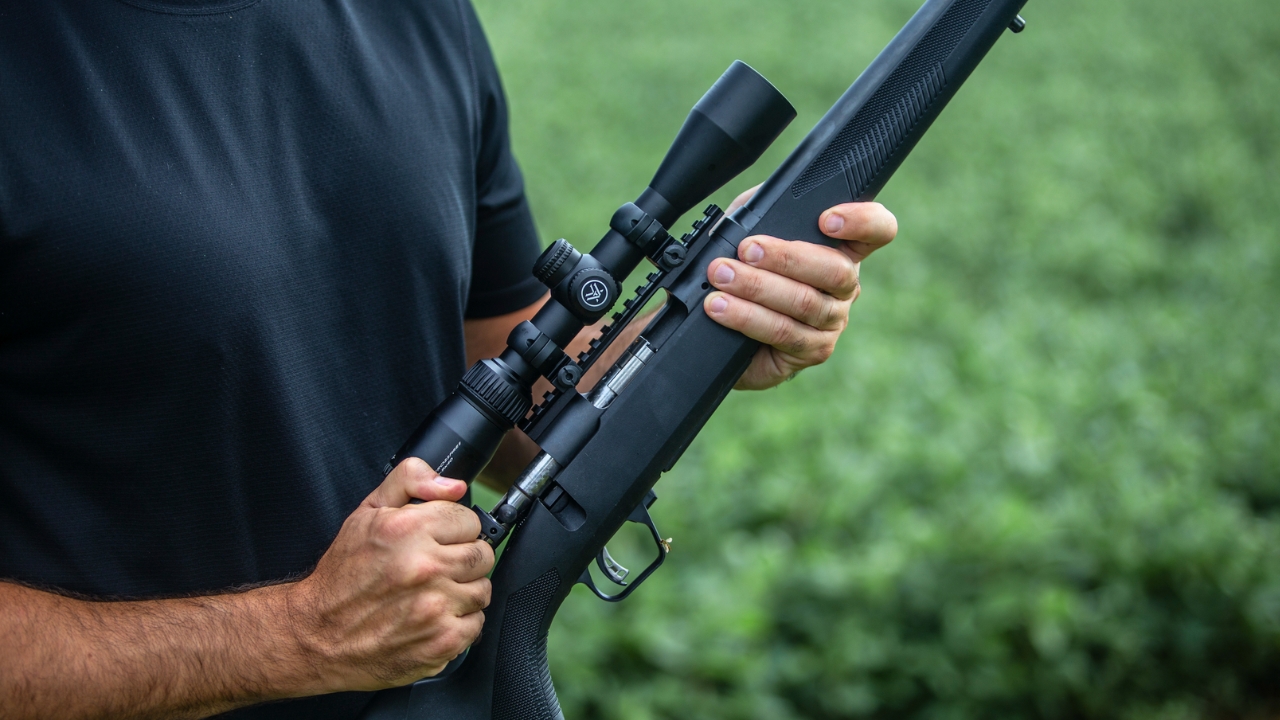
The Apex Hunter XP packages a proven Savage 110 action with a factory-mounted optic, which makes it appealing to hunters who want a ready-to-go deer rifle.
The downside is that package rifles tend to show where the manufacturer saved money. The included scope is usually the first thing serious shooters want to upgrade, the stock is not particularly rigid, and the rifle can feel bulkier than newer lightweight competitors. The AccuTrigger helps, but it cannot carry the entire package. Owners defend the rifle because Savage barrels often shoot very well. That is true. But when you end up replacing the glass, bedding around the stock, or wishing the rifle were lighter, the bargain begins to look less complete.
Mossberg 464

The 464 attracted hunters who wanted a traditional lever-action deer rifle without paying collectible Winchester prices. It offered the right general shape, familiar chamberings, and a lower entry cost.
The problem is that it never captured the slickness or refinement people associate with the classic lever rifles it was trying to compete with. Actions can feel stiff, fit and finish are ordinary, and the rifle lacks the deep aftermarket and historical appeal of the better-known alternatives. Owners defend it because it still drops deer at normal woods ranges. Of course it does. The cartridge and basic lever-action concept are proven. The issue is whether the rifle itself offers enough beyond affordability to justify the loyalty.
Marlin 783
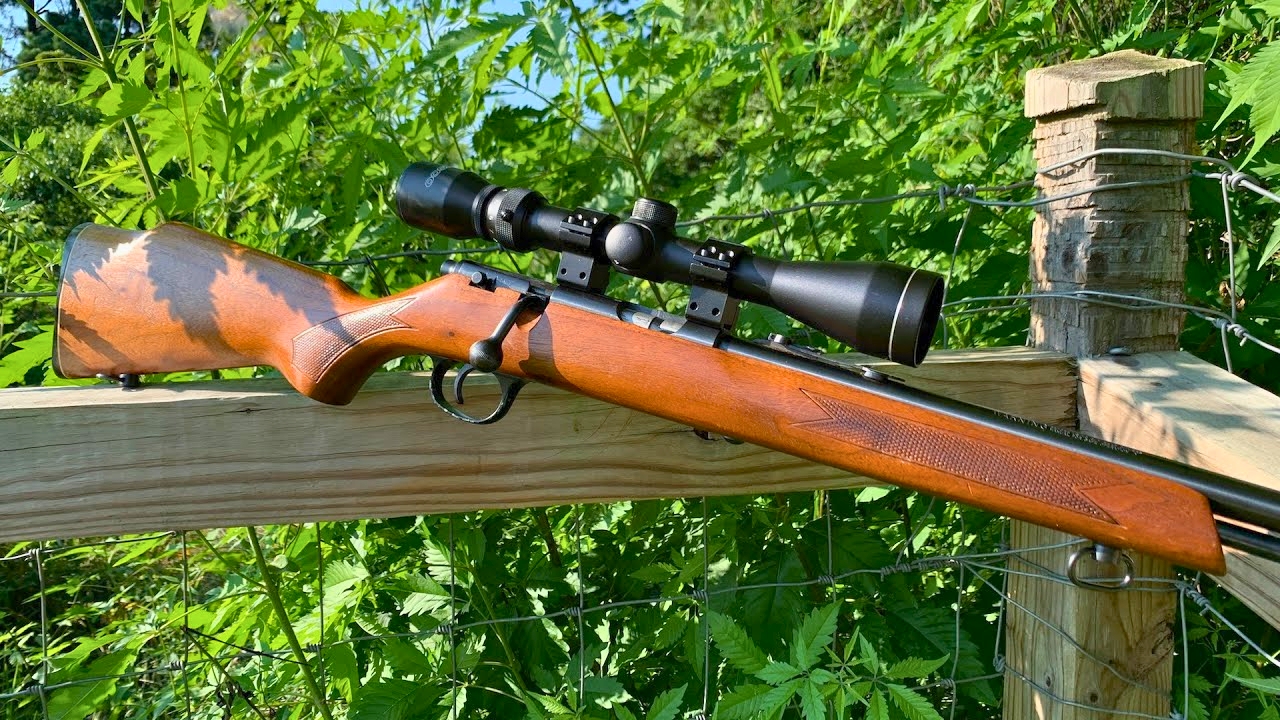
The older Marlin 783 rimfire is not a conventional deer rifle everywhere, but in places where small-caliber hunting or farm use overlaps with deer-camp utility, these old Marlins still have intensely loyal owners.
The reason is mostly familiarity. They are durable, straightforward, and often surprisingly accurate. But the triggers can be heavy, the ergonomics are dated, and modern rimfires offer better optics mounting, better stocks, and smoother controls. Owners often defend them because they have owned one for decades and know exactly where it shoots. That confidence matters, but it is confidence in a familiar tool rather than proof the design is still competitive. Some rifles earn loyalty through history rather than refinement.
Winchester Model 94 Angle Eject

The Angle Eject Model 94 solved one of the old rifle’s biggest practical problems by making scope mounting easier. That helped keep the platform relevant for hunters who wanted traditional lever handling with modern optics.
The flaws are still obvious. The trigger can be unimpressive, the top-eject ancestry makes the receiver feel less rigid than more modern lever designs, and the rifle is not known for tiny groups. Owners defend it because the Model 94 has killed deer for generations, and they are right. It does not need sub-MOA accuracy to work in thick woods. But when hunters start pretending the design is ideal rather than merely effective, nostalgia starts doing most of the talking.
Ruger M77 Hawkeye Compact

The Hawkeye Compact is handy, rugged, and built around a controlled-round-feed action that many hunters trust completely. It is particularly appealing for smaller-framed shooters or anyone wanting a short rifle in thick cover.
The obvious flaw is that compact dimensions can make the rifle harder for full-size adults to shoot well. Short length of pull, light weight, and more abrupt recoil all combine to make heavier chamberings less pleasant than they need to be. The trigger and action are also more utilitarian than silky. Owners defend it because the rifle is tough and carries beautifully. That is true. But a rifle can be easy to carry and still be harder to shoot than a slightly larger, better-balanced alternative.
Remington Model Seven

The Model Seven developed a dedicated following because it offers big-game capability in a compact, lightweight package. For woods hunting and climbing into stands, that is genuinely useful.
The downside is that light rifles magnify recoil and handling mistakes. Some Model Sevens can also be surprisingly ammunition-sensitive, and the short, light barrels heat quickly. Hunters who love them often defend every group by saying the first cold-bore shot is what matters. That argument has merit for deer hunting, but it also admits the rifle has limitations. The Model Seven is excellent when its strengths match the hunt. It is less impressive when owners try to make the compact format sound universally superior.
Ruger No. 1 International
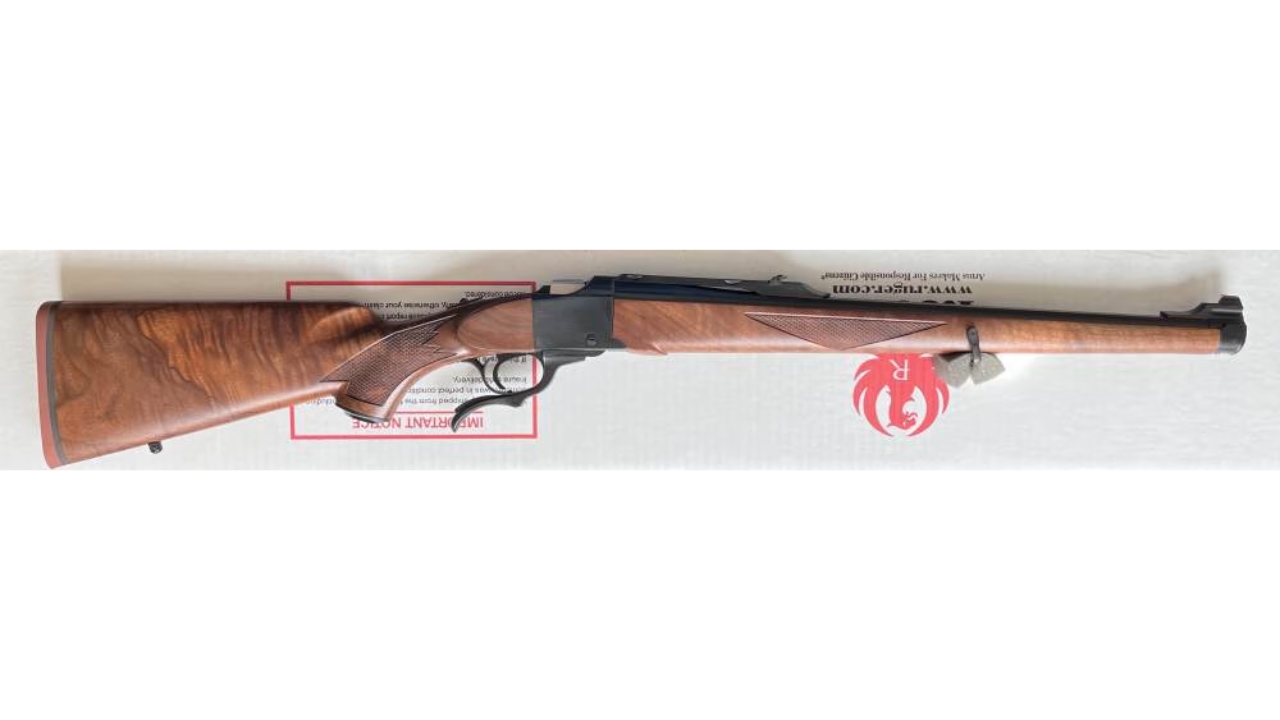
The No. 1 International is beautiful and mechanically interesting, which is why owners tend to forgive almost anything it does. The full-length stock, falling-block action, and classic styling make it stand out immediately.
The problem is that the Mannlicher-style fore-end can complicate barrel harmonics, and some rifles need considerable load experimentation before they settle down. The single-shot format also sacrifices follow-up speed without providing a guaranteed accuracy advantage. Owners defend the rifle because it is elegant, strong, and satisfying to carry. All true. But the rifle’s charm often buys it more forgiveness than a plain synthetic bolt gun would ever receive for the same accuracy inconsistencies.
Winchester Model 70 Featherweight
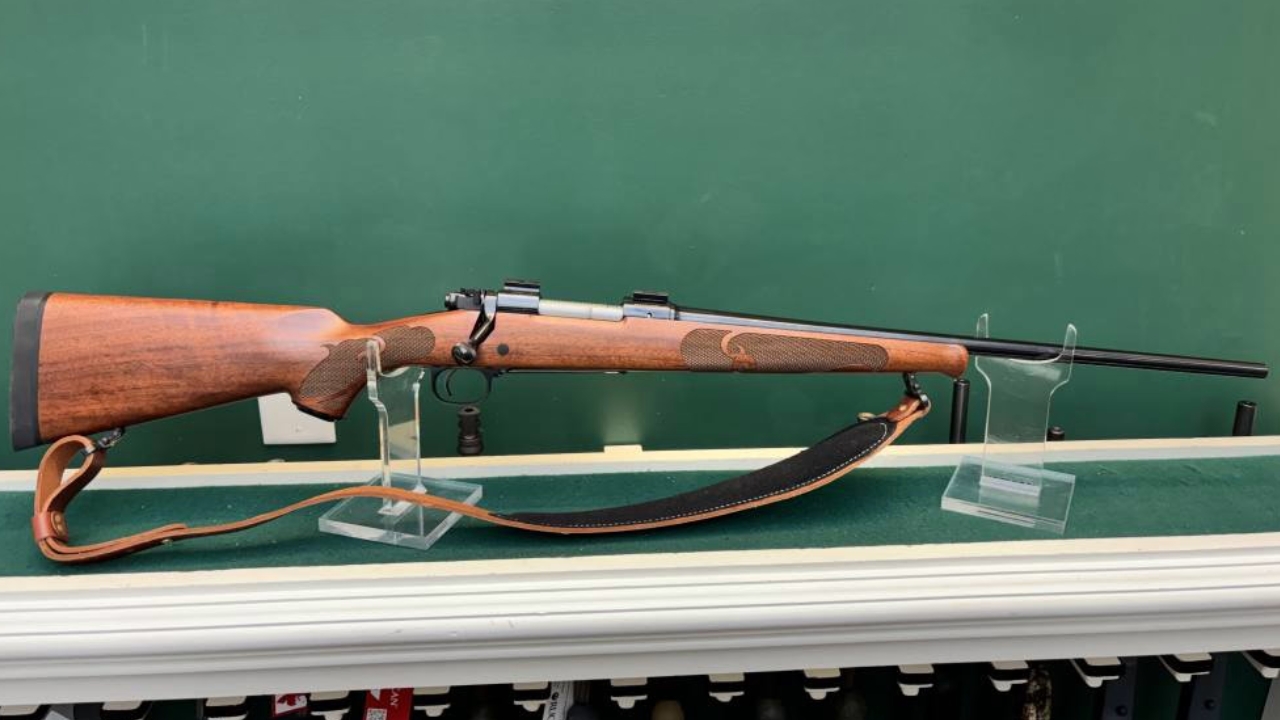
The Featherweight is one of the most attractive traditional hunting rifles ever made. Its walnut stock, classic action, and light handling make it easy to understand why deer hunters keep buying them.
The weakness is right in the name. A lighter barrel heats quickly, and the rifle is not intended for long strings of fire. The slim stock can also feel less stable from improvised positions than a heavier modern design. None of that is a problem when you are firing one careful shot at a deer. The issue is that owners sometimes treat the Featherweight’s heritage as proof that it should do everything well. It is an excellent traditional hunting rifle, but it is specialized around carrying comfort more than sustained precision.
Browning A-Bolt Medallion
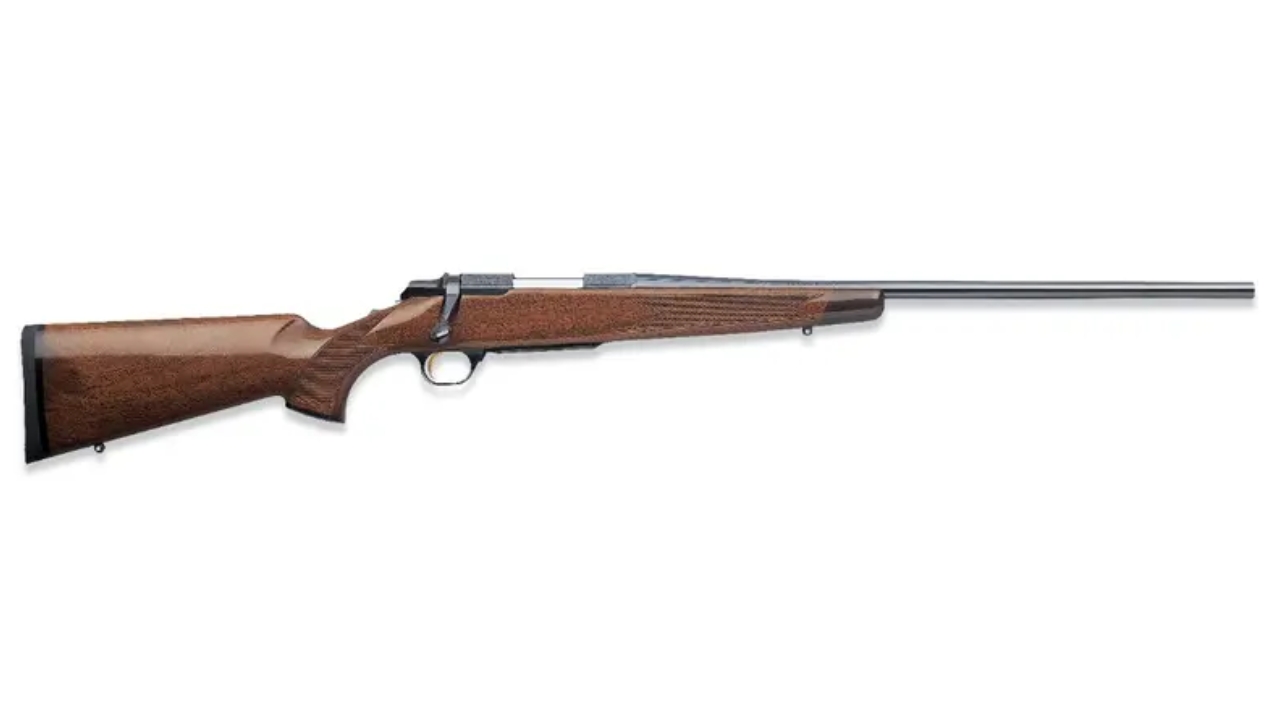
The A-Bolt Medallion earned a loyal following because it combines polished wood, nice metalwork, and dependable hunting performance. It feels like a proper deer rifle in a way many synthetic guns never will.
The obvious drawback is that its value proposition depends heavily on craftsmanship rather than superior field performance. The glossy finish can be vulnerable to hard use, the rifle is less weatherproof than synthetic alternatives, and the design has been eclipsed by newer Browning actions. Owners defend it because it looks good and usually shoots well. That is fair. But if the goal is pure function, much of what you are carrying is decorative value. The Medallion is easy to love and harder to justify as the smartest tool.
Weatherby Vanguard Deluxe
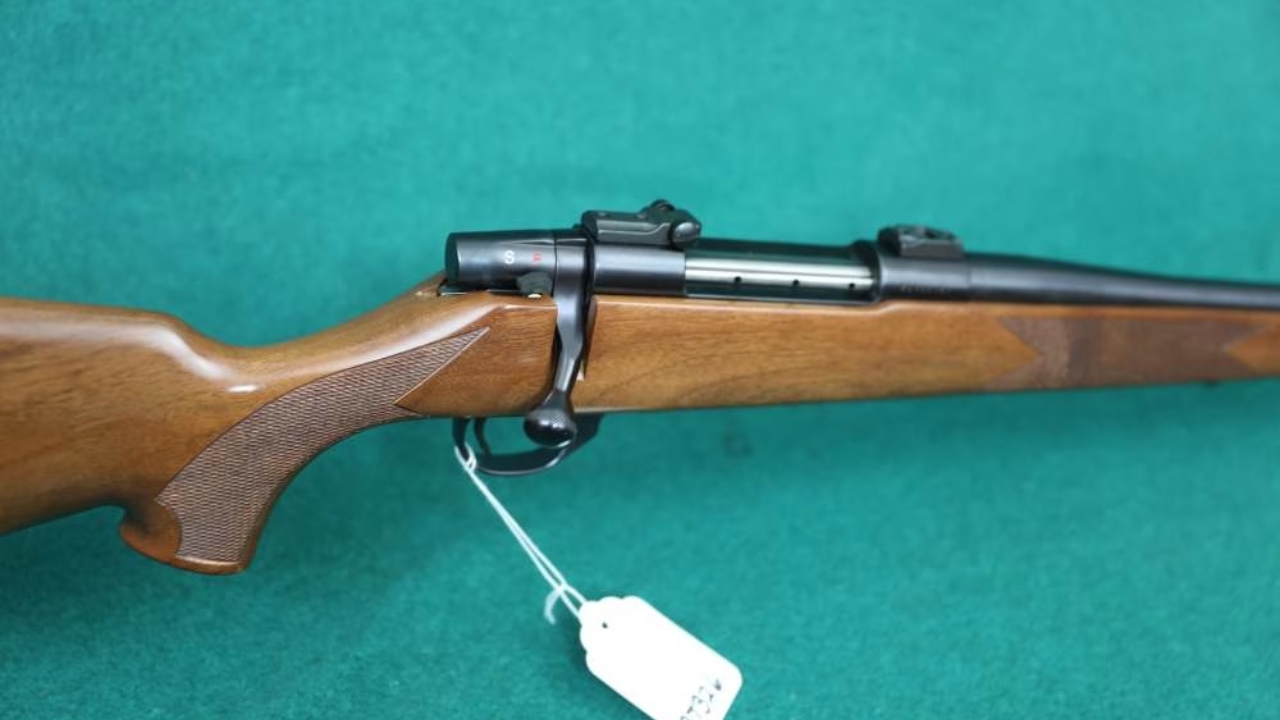
The Vanguard Deluxe gives hunters the Weatherby look without requiring a Mark V budget. Glossy wood, polished metal, and traditional styling make it feel much more expensive than a utilitarian bolt gun.
The tradeoff is weight and practicality. The high-gloss finish is not ideal for a rifle that is going to be dragged through brush, rain, and muddy stands, and the Vanguard action is heavier than many modern hunting alternatives. Accuracy is generally good, but the rifle can feel like a showpiece built around a solid but fairly conventional action. Owners defend it because it is beautiful and dependable. Both are true. But as a deer rifle, some of its most expensive qualities do nothing to help once the weather turns bad.
Savage 99C

The 99C tried to modernize the famous Savage 99 by using a detachable magazine. That gave hunters faster loading and easier unloading while retaining the lever-action format.
The problem is that the detachable-magazine version lacks some of the mechanical elegance that made the original rotary-magazine rifles special. Magazines can also be harder to replace today, and the rifle still carries the two-piece stock and accuracy limitations of a traditional lever gun. Owners defend it because it is a Savage 99, and that name carries enormous weight. Yet among 99 enthusiasts, the C models are often less desirable for a reason. It works, but it is not the version of the design that best explains the legend.
Remington Model 760 Gamemaster

The 760 Gamemaster became a deer-camp institution in parts of the country because it handles quickly and gives hunters familiar pump-shotgun controls.
The downside is that the action is mechanically more complicated than a bolt gun, and the fore-end system can introduce movement that does nothing for precision. Old rifles may also have decades of wear in the action bars and magazines. Owners defend them because they have killed enormous numbers of deer, which again is completely true. But a rifle can be effective within 150 yards and still have obvious design compromises. The 760’s biggest strengths are speed and familiarity, not accuracy or simplicity.
Browning BAR Lightweight Stalker

The Lightweight Stalker takes the BAR concept and puts it into a more practical synthetic-stock package. That makes it easier to carry and better suited to bad weather than the traditional wood-stocked versions.
The problem is that it is still a comparatively heavy and complex hunting rifle once you stack it against modern bolt guns. Cleaning is more involved, the trigger is rarely anything to brag about, and accuracy can be good without being exceptional. Owners defend the BAR because recoil is soft and follow-up shots are fast. Those are legitimate advantages. But many deer hunters will never need the second shot quickly enough to justify the added complexity they carry all season.
Winchester SXR

The SXR offers hunters a modern semiautomatic rifle in traditional big-game cartridges, which makes it attractive to anyone who wants fast follow-up shots without moving to a tactical-looking platform.
The weaknesses are similar to other traditional hunting semiautos. It is heavier than a bolt action, mechanically more complicated, and rarely offers better accuracy than simpler rifles costing less. The rifle also occupies a strange market position where it lacks the nostalgia of an old BAR and the modularity of an AR-style platform. Owners defend it because it is smooth and effective. That is true. The question is whether the average deer hunter gets enough benefit from semiautomatic operation to justify everything else.
Henry Long Ranger
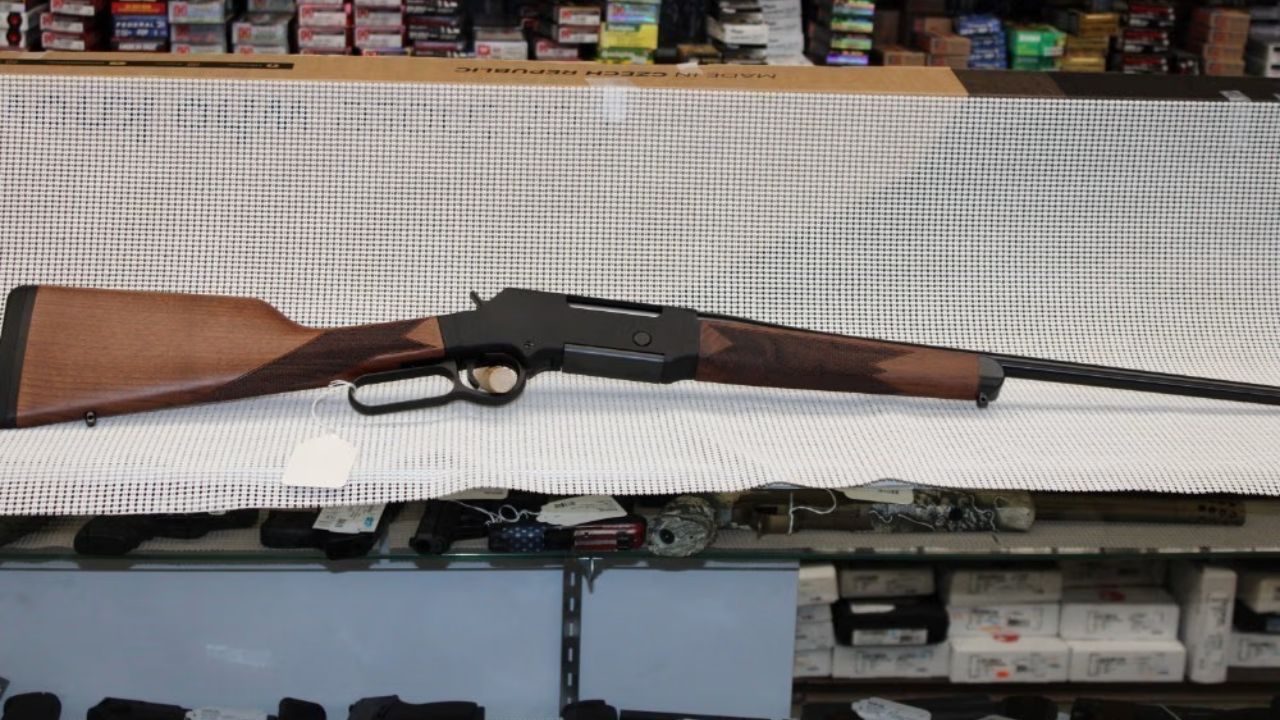
The Long Ranger was created to solve the traditional lever gun’s biggest limitation by using a box magazine that allows pointed bullets and modern high-pressure cartridges.
That is clever, but it also creates a rifle that can feel like a bolt gun wearing lever-action clothing. It is heavier than many bolt rifles, the trigger is not always as clean as hunters expect, and the action lacks the slickness of classic pistol-caliber lever guns. Owners defend it because they want modern cartridge performance without giving up a lever. That is a perfectly legitimate preference. But from a purely functional standpoint, a lighter bolt rifle does the same job more simply and usually for less money.
Ruger American Go Wild
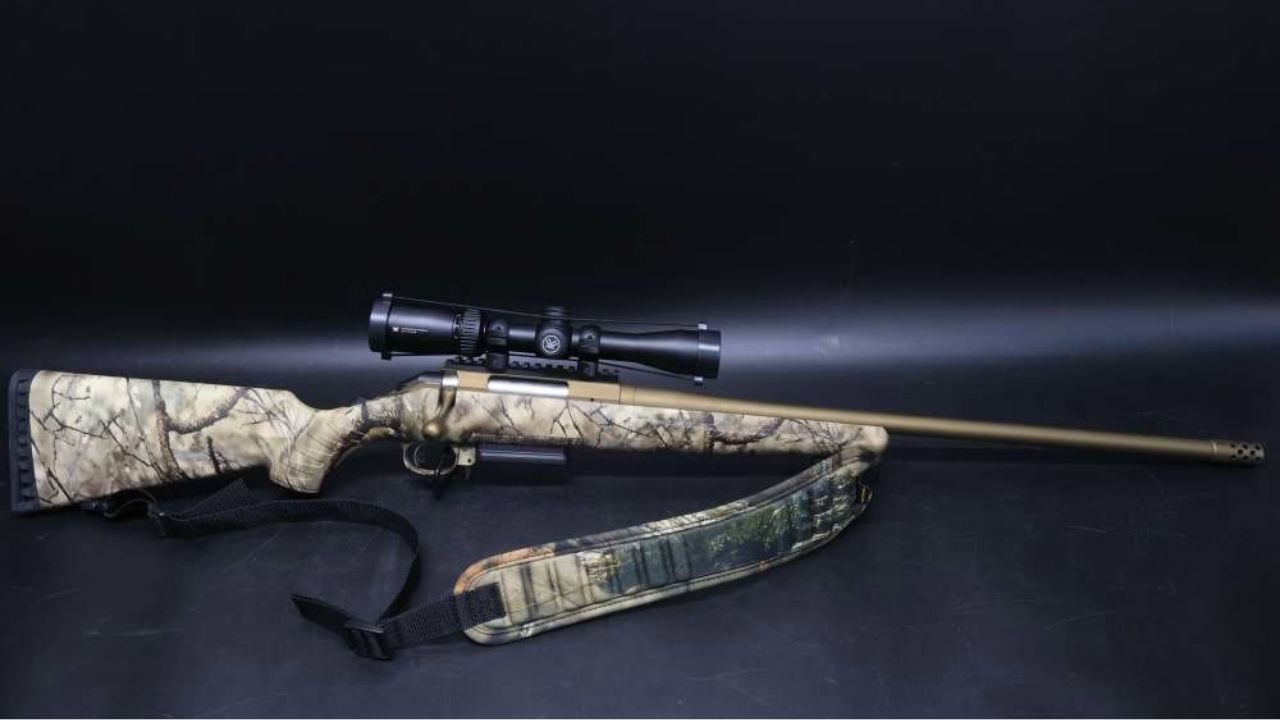
The American Go Wild packages the proven American action with a camouflage stock, muzzle brake, threaded barrel, and Cerakote treatment intended to make it look like a more serious hunting rifle.
The flaw is that underneath the upgraded finish, it is still fundamentally a Ruger American. The stock and action retain the budget feel, and the muzzle brake can make relatively moderate hunting cartridges obnoxiously loud. Hunters defend the rifle because it shoots well for the money, which remains its strongest argument. But dressing a budget action in premium-looking features does not suddenly give it premium refinement. It is capable, but the visual upgrades can make expectations run ahead of what the rifle actually is.
CVA Cascade XT

The Cascade XT has earned praise because it delivers strong accuracy, modern features, and a threaded barrel at a price below many premium hunting rifles. For hunters looking for practical performance, it is easy to understand the appeal.
The weaknesses show up in refinement. The action does not feel especially luxurious, the stock remains more functional than elegant, and the overall package can be heavier than hunters expect once glass is mounted. Owners defend it because the rifle tends to shoot, and for deer hunting that may be enough. But the internet occasionally talks about the Cascade as though it makes more expensive rifles pointless. It does not. It proves that accuracy can be inexpensive, not that every other part of rifle quality has stopped mattering.
Like The Avid Outdoorsman’s content? Subscribe to our newsletter so you never miss an article.
Here’s more from us: