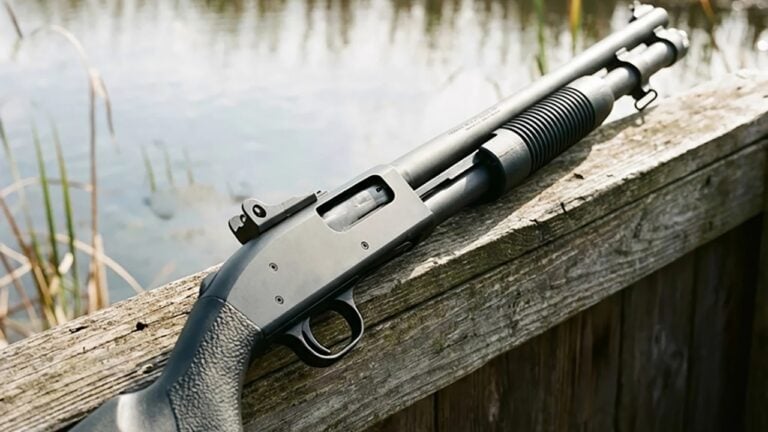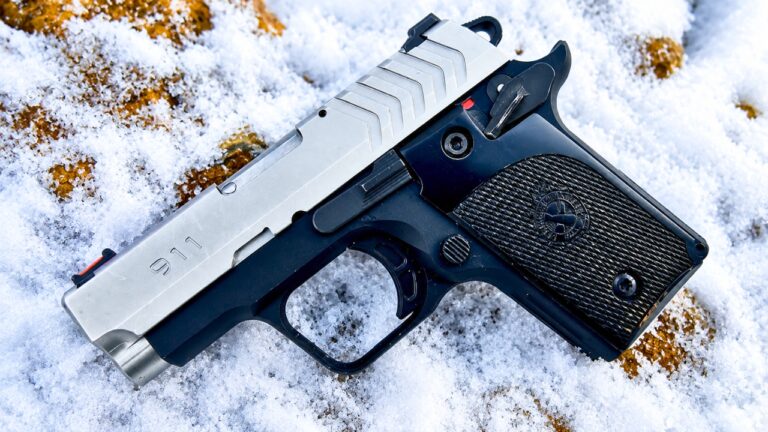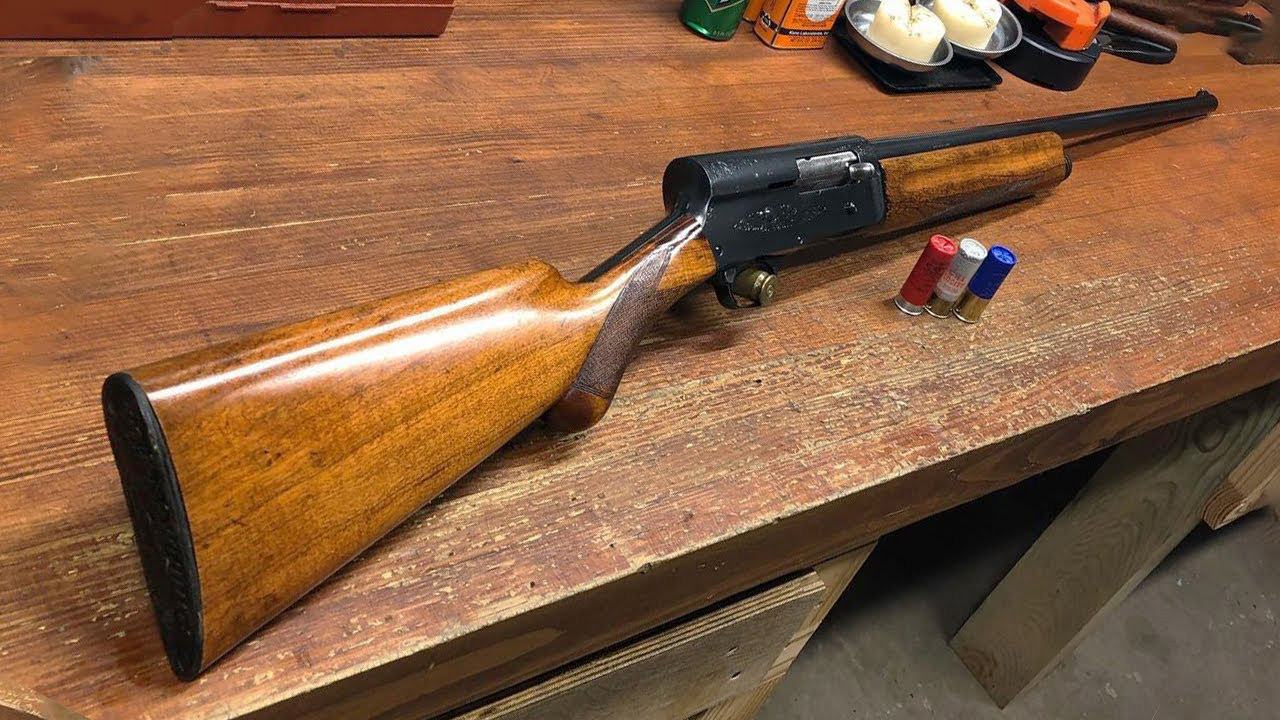
Photo credit: MADMAN REVIEW/Youtube
Every gun guy has one that got away. Maybe it was leaning in the used rack with a fair tag, maybe it was a buddy’s “thinking about selling it” offer, or maybe it was sitting on a table at a weekend show while you told yourself you’d circle back. Then you go home, do the math, check the bank account, and decide to “be responsible.”
Weeks later you’re still thinking about it. Not because you need more guns, but because some deals don’t repeat, some models don’t get made like they used to, and some calibers just flat-out fit the way you hunt and shoot. Here are 20 guns folks pass on all the time—and end up regretting.
1. Pre-64 Winchester Model 70

There’s a reason old-timers call it “The Rifleman’s Rifle.” When a clean pre-64 shows up at a price that doesn’t make you choke, people hesitate because it’s “too nice to hunt with” or “too expensive for an old gun.” Then it’s gone.
The regret comes later when you realize modern rifles can shoot great, but they don’t have that same controlled-round-feed feel, fit, and long-term collectability. If you want one, you usually end up paying more the second time.
2. Remington 700 BDL (older production)
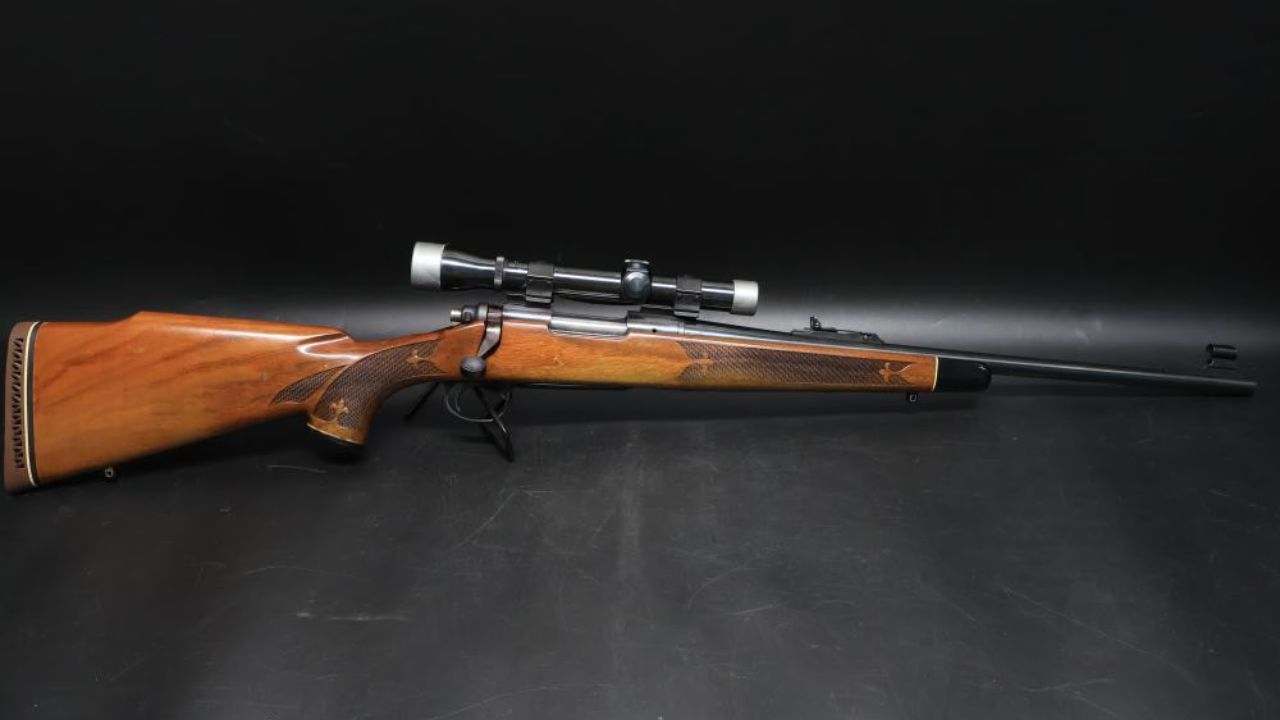
A walnut-stock BDL in a sensible hunting caliber is about as classic as it gets. A lot of folks pass because they already have a deer rifle, or because the rifle needs a little cleaning and the bluing isn’t perfect.
In the field, these balance well and carry easy, and they’re simple to set up with a good scope. The sting is watching prices climb on the older, nicer ones while the “I’ll find another later” plan turns into a years-long hunt.
3. Marlin 336 (JM-stamped)
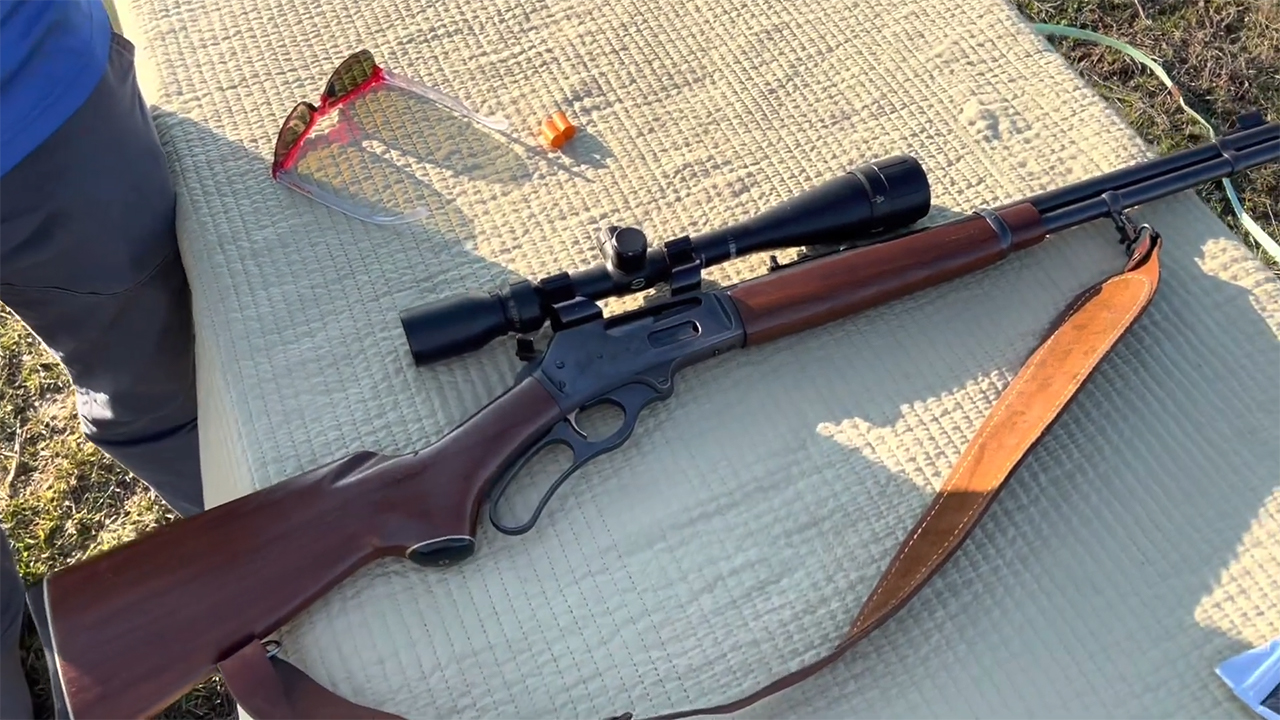
Plenty of hunters grew up around lever guns, but they still walk past a JM-stamped 336 thinking it’s “just a .30-30.” Then they try to buy one after deer season and realize the market moved.
A good 336 points fast in thick timber and rides in a truck or on an ATV without fuss. If you hunt where shots are 40–120 yards and the woods are tight, that simple lever gun is hard to beat.
4. Winchester Model 94 (pre-safety)

The Model 94 isn’t rare, but the right ones—older, clean, and un-messed-with—don’t sit long. People pass because the sights look primitive or because they’re convinced they need more velocity.
Regret shows up when you want a lightweight woods rifle that carries like a walking stick and still drops a whitetail properly. The pre-safety guns also tend to hold value better, especially in honest condition.
5. Ruger 10/22 (older walnut/blue versions)
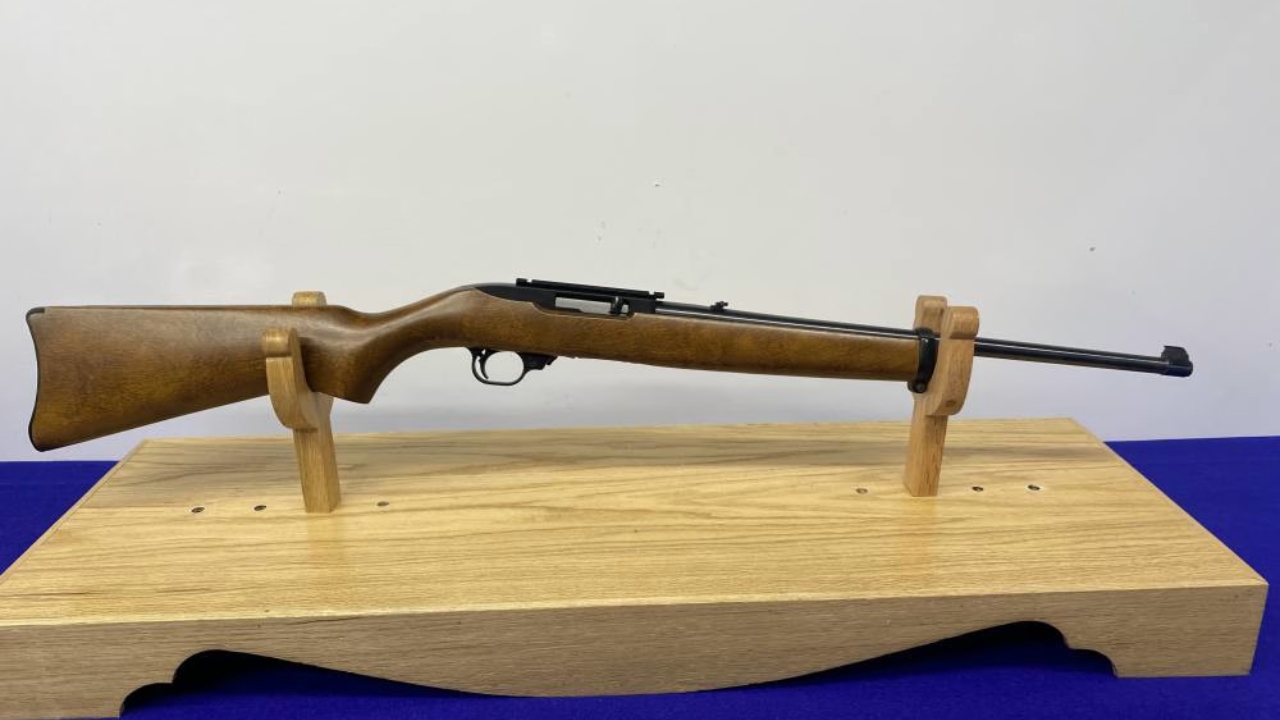
Everybody “can buy a 10/22 anytime,” right up until they see what the older walnut-stock carbines have turned into. Many get passed on because they aren’t “tactical” and they don’t come with fancy parts.
The practical side is simple: they run, they’re easy to maintain, and they make new shooters comfortable. Later, when you want a classic plinker that just works, you end up paying more than you would have at the start.
6. Browning Auto-5 (Belgian-made)
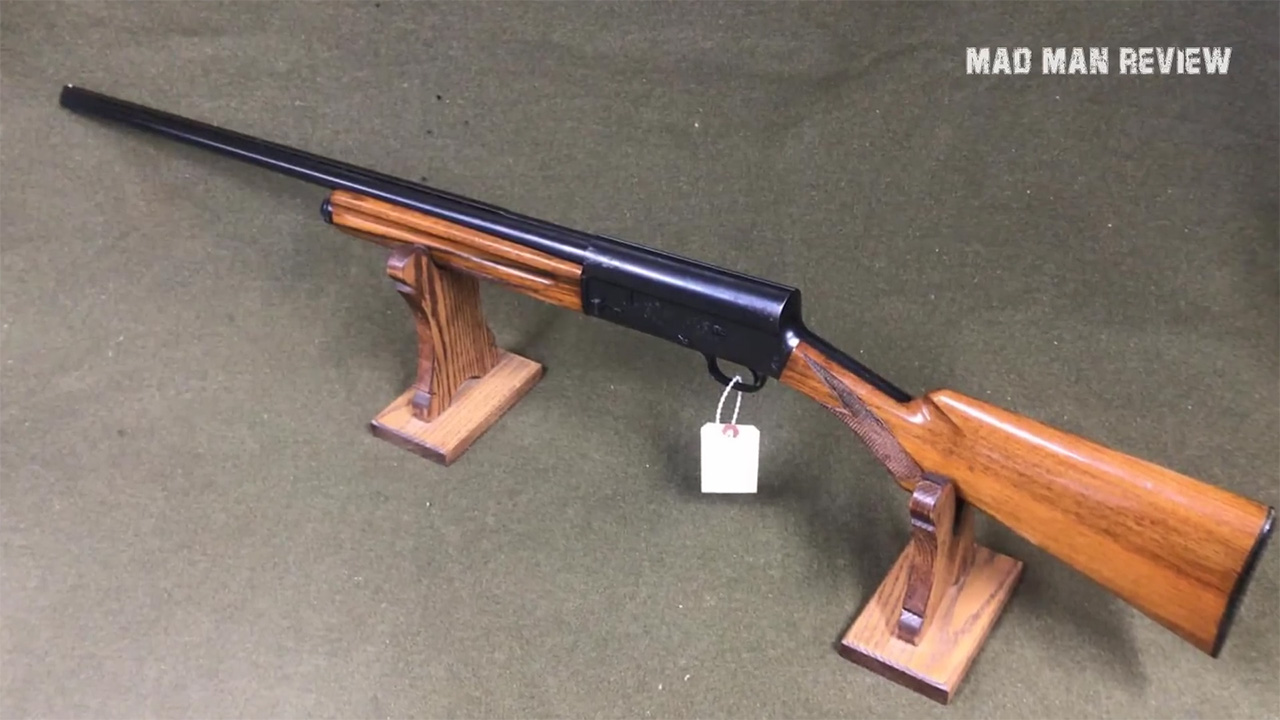
The humpback shotgun doesn’t look modern, and that’s exactly why some folks overlook it. Then they shoulder a good Belgian Auto-5 and realize it fits like it was built for them.
They’re not the lightest, but they soak up recoil and cycle with authority when they’re set up right and maintained. The regret usually hits when you want a piece of shotgun history that can still hunt hard every fall.
7. Ithaca 37
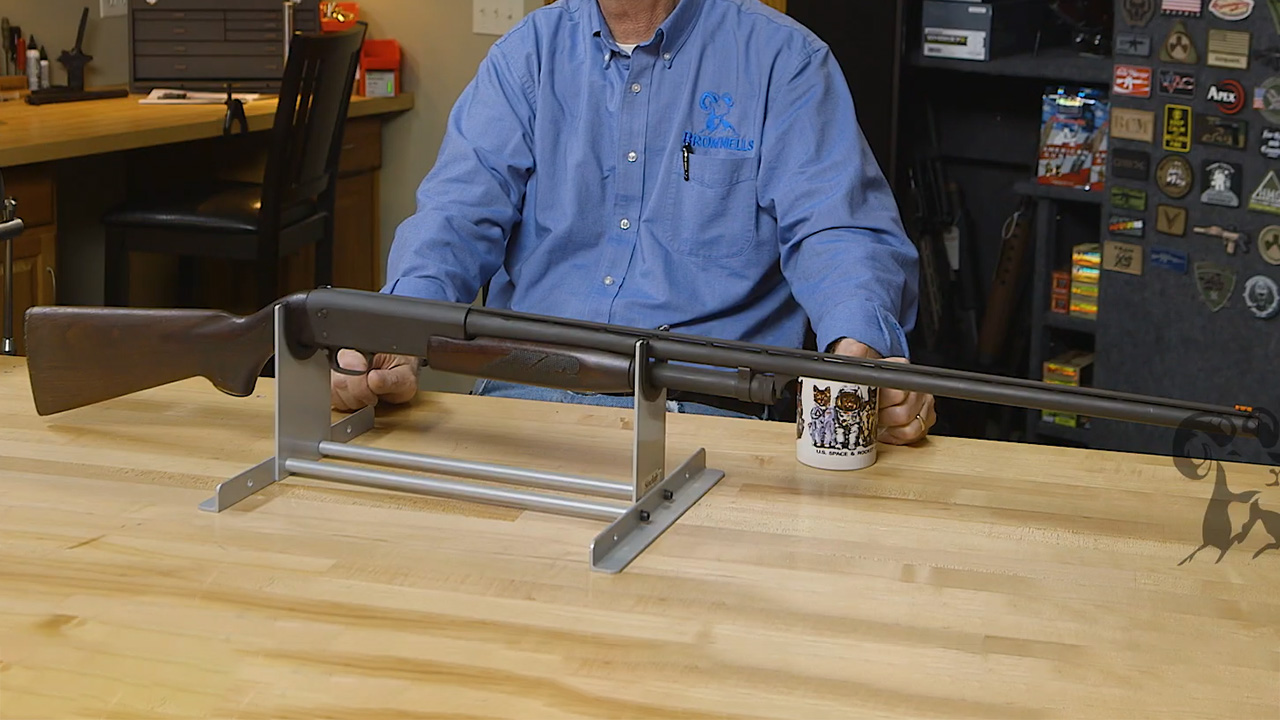
Bottom-eject pumps are a love-it-or-don’t-understand-it deal. People pass on an Ithaca 37 because it feels different at the counter, or because the finish shows honest wear.
In nasty weather, bottom ejection keeps stuff out of the action and makes it friendlier for left-handed shooters. Once you’ve carried one through cattails or turkey woods, it’s tough to shake the feeling you should’ve bought it.
8. Remington 870 Wingmaster

A smooth Wingmaster from the days when they were fitted like they mattered is a different animal than a bargain pump. Plenty of folks pass because they think an 870 is an 870, and they can always snag one later.
The consequence is you end up with a rougher, rattlier shotgun and spend years trying to make it feel like the one you didn’t buy. A good Wingmaster will run forever on a basic diet of cleaning, oil, and common sense.
9. Mossberg 500 (older, simple field models)

Some guys treat the Mossberg like it’s “just a beater,” then skip a clean older one because the finish isn’t shiny or the stock has a few dings. Those dings are usually from real hunting, not neglect.
The practical regret is missing a shotgun you can actually use without babying it—duck blind, turkey woods, farm chores, the whole deal. When you finally need a dependable do-it-all pump, you remember the one you walked past.
10. Ruger Blackhawk (three-screw)

Old three-screw Blackhawks get passed on because people don’t know what they are, or they’re nervous about old revolvers. Then they learn what they missed and start searching for one that hasn’t been “improved” by a kitchen-table gunsmith.
In use, they’re durable, accurate, and downright satisfying with the right loads. The regret is partly collectability and partly the fact that a good single-action will make you a better shot if you actually practice.
11. Smith & Wesson Model 19
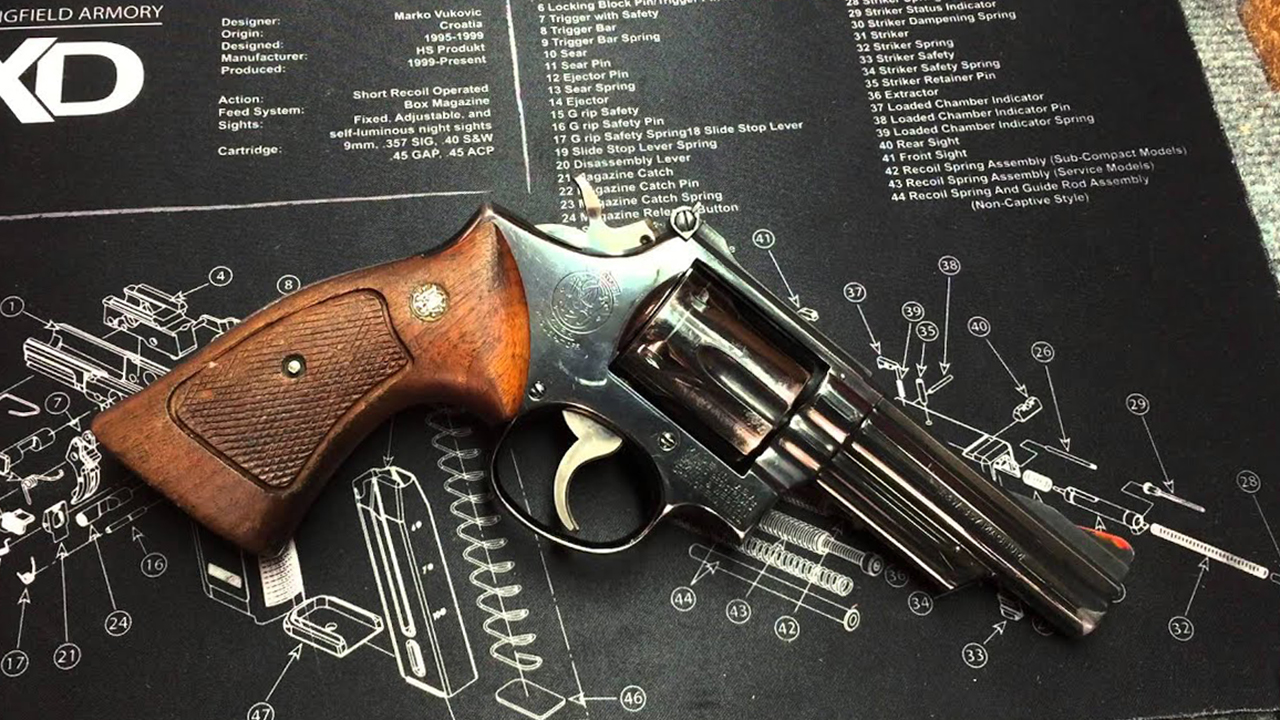
A clean Model 19 doesn’t sit around long, especially if it has a good trigger and tight lockup. People pass because .357 revolvers aren’t trendy, or they convince themselves they’ll just buy a newer one.
The practical side is that a Model 19 carries well, shoots .38s pleasantly, and still gives you .357 power when you want it. Later on, folks realize the older K-frames have a feel that’s hard to replace.
12. Smith & Wesson Model 686 (no-lock era)
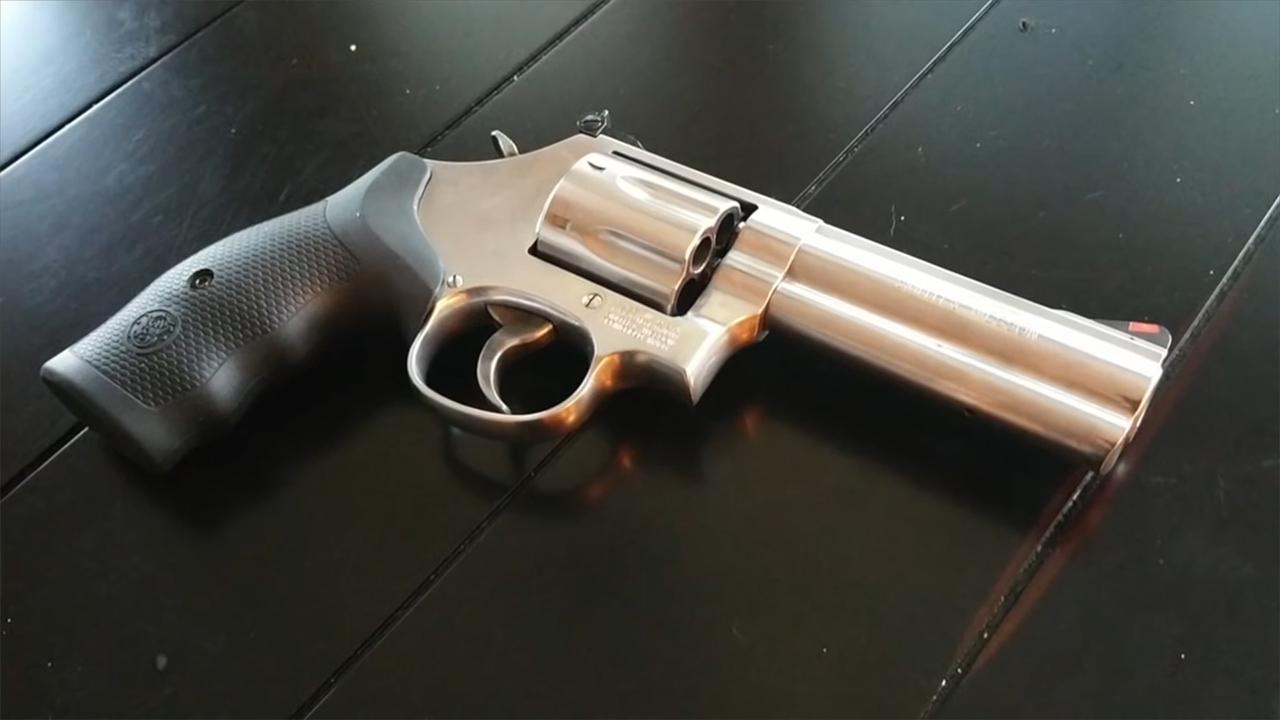
Some shooters don’t care about the internal lock debate, but enough do that the older 686 revolvers have their own little gravity. People pass because the price seems high for a wheelgun when polymer pistols are cheaper.
Then they try to find one with the features they want and discover the market isn’t on their side. The 686 is steady on the range, solid for the woods, and it holds up to serious shooting without drama.
13. Colt Python (older production)

Years ago, folks walked past Pythons because they were “too expensive for a .357.” Now, the regret is a full-body experience. Even people who don’t collect can appreciate what they are when they handle one.
From a practical standpoint, it’s not that you need a Python to hunt or defend a home. It’s that if you ever wanted one, the entry price tends to rise, and the nicest examples don’t get easier to find.
14. Colt Detective Special
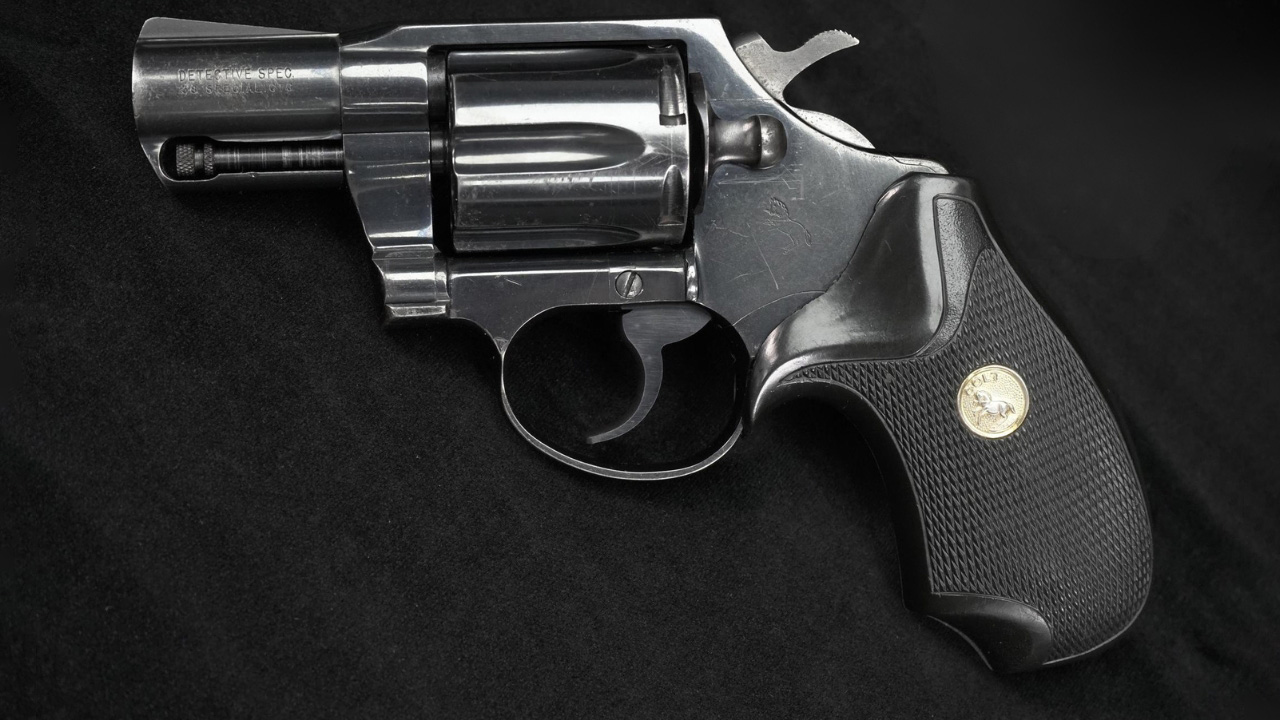
Small-frame revolvers are easy to underestimate until you carry one the way they were meant to be carried. People pass on Detective Specials because they’re “old carry guns” and they assume parts and service will be a pain.
The consequence is missing a compact revolver with real shootability, especially compared to ultra-light snubbies that beat your hand up. When you want something simple, sturdy, and not picky about ammo, the old Colts start to make sense.
15. Glock 19 (police trade-in)
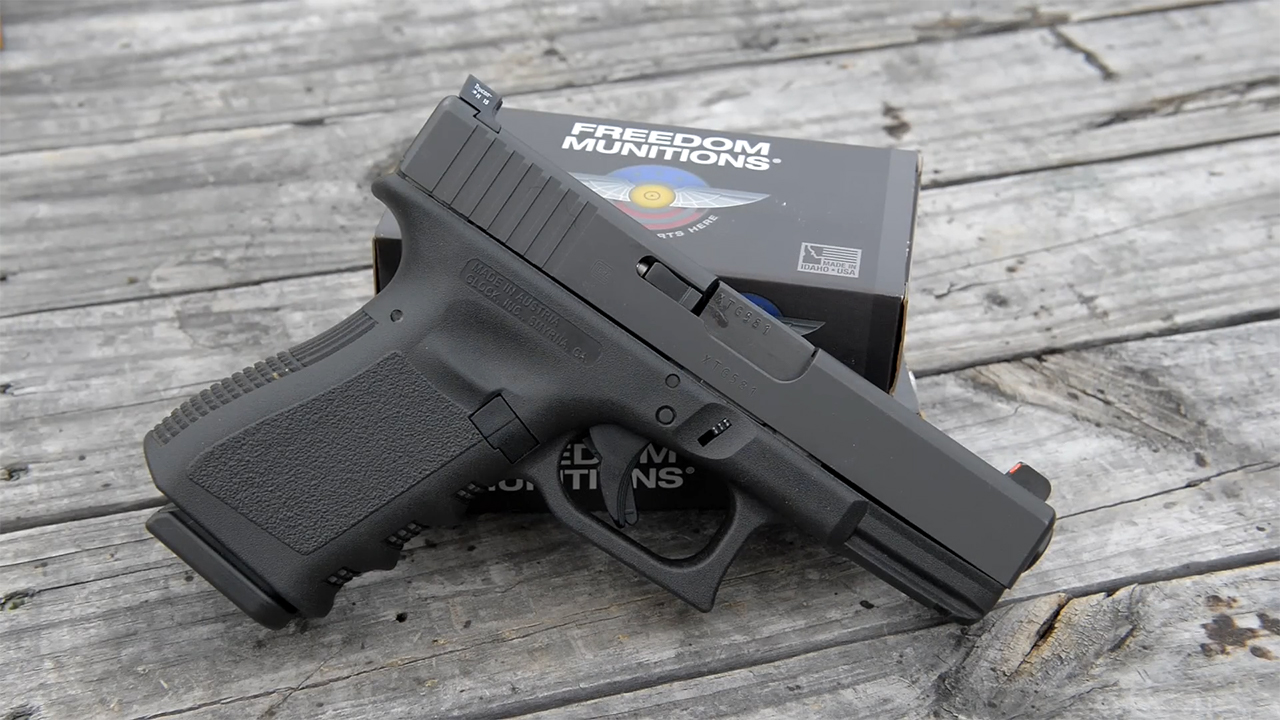
Trade-in Glocks get ignored because they aren’t pretty. Holster wear spooks some buyers, and others think a used duty pistol must be “shot out,” even when it’s clearly been carried more than fired.
Practically, you missed a reliable handgun at a price that lets you spend money on training, ammo, and a quality holster. The regret hits when you realize the used one you didn’t buy is still running somewhere while prices climbed.
16. SIG Sauer P226 (West German or early production)
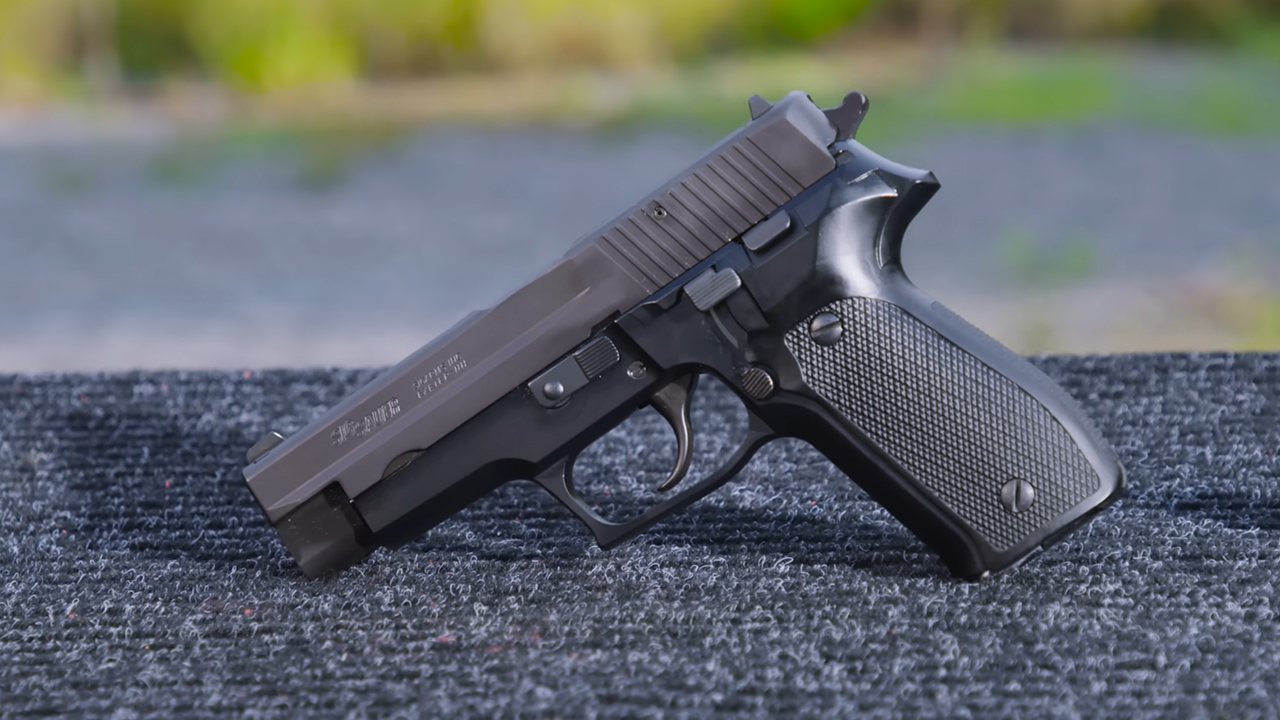
Older P226 pistols have a following for a reason, but people still pass because they’re heavier than modern carry guns. Others see one in a shop and decide they don’t want to learn a DA/SA trigger.
On the range and in a nightstand role, that weight and balance are a feature, not a bug. Regret shows up when you finally shoot one that’s been cared for and realize it’s the kind of pistol you keep for life.
17. CZ 75B (or pre-B variants)

CZ pistols don’t always get the attention they deserve, and a lot of folks pass because they don’t recognize the model or assume magazines and holsters will be hard to find. Then they handle one and feel how it sits in the hand.
The practical consequence is missing a pistol that tends to shoot better than its price tag suggests. Once you’ve tried a CZ with a decent trigger, you start wondering why you spent so much time ignoring them.
18. M1 Garand (CMP-era pricing)

There was a window when Garands were a “someday” purchase for regular working folks. A lot of guys said they’d do it later, and later turned into a different market with fewer options and higher prices.
From a practical standpoint, a Garand is heavy and it’s not your best deer rifle. But it’s an American classic you can actually shoot, and owning one scratches an itch that modern rifles don’t touch.
19. SKS (cheap surplus days)

Plenty of shooters remember when SKS rifles were stacked like cordwood. People passed because they wanted an AK instead, or because they figured surplus would always be cheap.
The regret is realizing you skipped a rugged, simple rifle that’s fun to shoot and easy to keep running with basic maintenance. Even if you never “needed” one, they were one of the best value buys in the last few decades.
20. Ruger No. 1
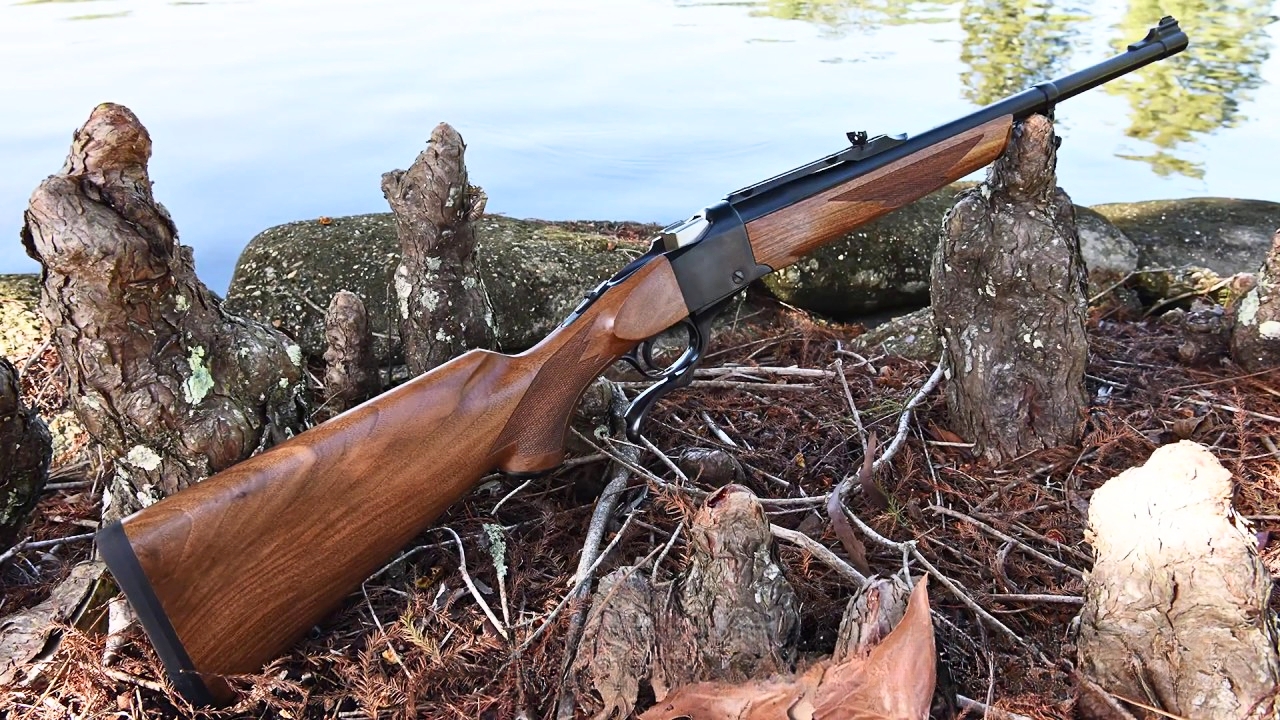
The Ruger No. 1 is one of those rifles you either understand or you don’t—until you do. Lots of folks pass because it’s a single-shot and they think it’s impractical for hunting.
In reality, it’s often lighter and handier than you’d expect, and it forces disciplined shooting. The regret comes when you want a classy, accurate rifle that feels special every time you open the safe, and you realize you let the right one walk.
Most of these regrets don’t come from chasing trends. They come from passing on solid steel, proven designs, and honest guns that still do real work in the woods and on the range. If you run into one of these in good shape at a fair price, the best time to decide is usually right there at the counter—before somebody else does.
Like The Avid Outdoorsman’s content? Subscribe to our newsletter so you never miss an article.
Here’s more from us: