Photo credit: mixup98/Youtube
Every gun counter has that one story: a plain-looking firearm that sat untouched for years, then suddenly everybody wants one. Most of the time it wasn’t designed to be “collectible.” It was designed to be affordable, useful, or just different enough to stand out for a season. Then production stopped, a military contract ended, a movie showed it off, or a new law shifted buying habits, and the thing turned into a safe-queen whether the owner meant it or not.
Here are 20 firearms that ended up becoming collector favorites the hard way—by being in the right place at the right time, and then disappearing.
1. Ruger 10/22 (early walnut-and-metal carbines)
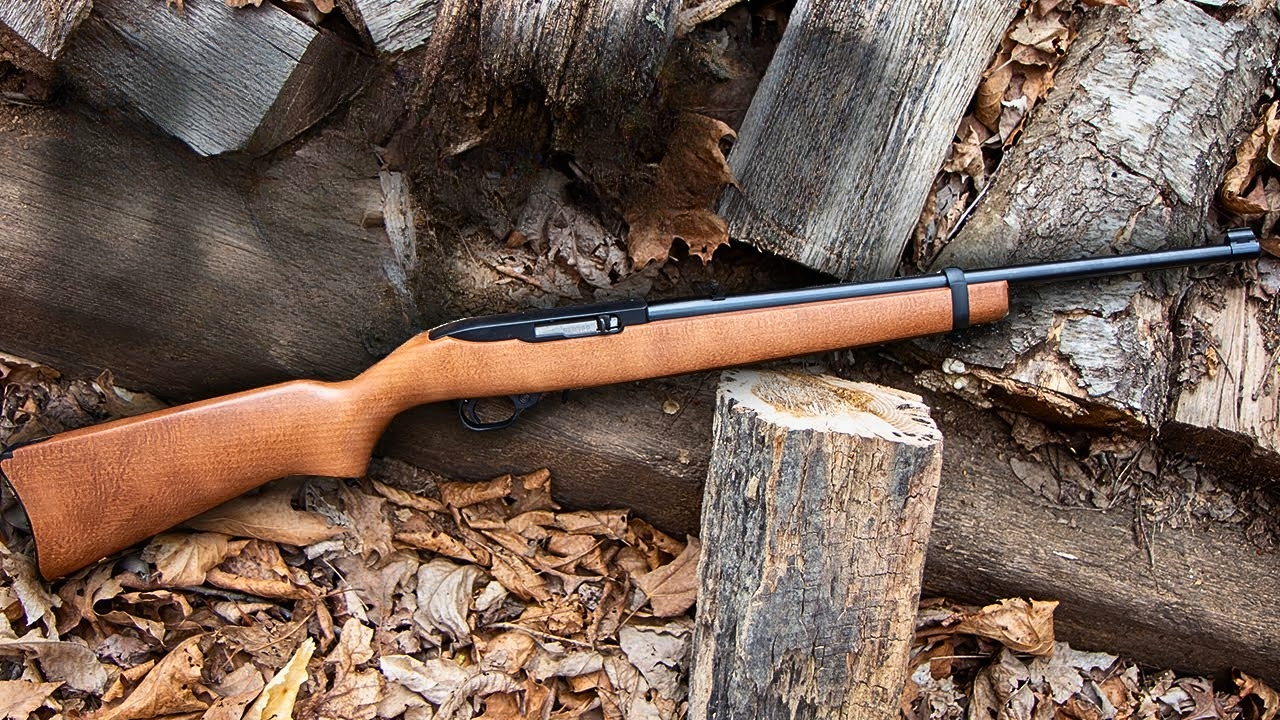
I’ve watched guys walk right past the old walnut 10/22s because they “already have a .22.” Then they pick one up, feel that light balance, and realize the new polymer-heavy stuff doesn’t scratch the same itch. Early carbines with clean wood and decent bluing have a look that reminds people of first squirrels and cold fingers.
There’s nothing rare about the design. What got accidentally collectible is the era: better walnut, simple sights, and that honest little carbine feel. Add in the endless aftermarket and you’ve got a rifle that’s both nostalgia and a project gun, which is a powerful combination.
2. Marlin 39A

Lever-action .22s are one of those things you don’t think about until you shoot one that’s slick. A good 39A runs like it’s on ball bearings, and it carries through the woods like a walking stick that just happens to be a rifle.
When they were easy to find, plenty of folks traded them off for something “more modern.” Now the clean ones don’t sit long. The accident here is that Marlin built a serious rifle in a small caliber, and the market finally started treating it like one.
3. Winchester Model 70 “pre-64”
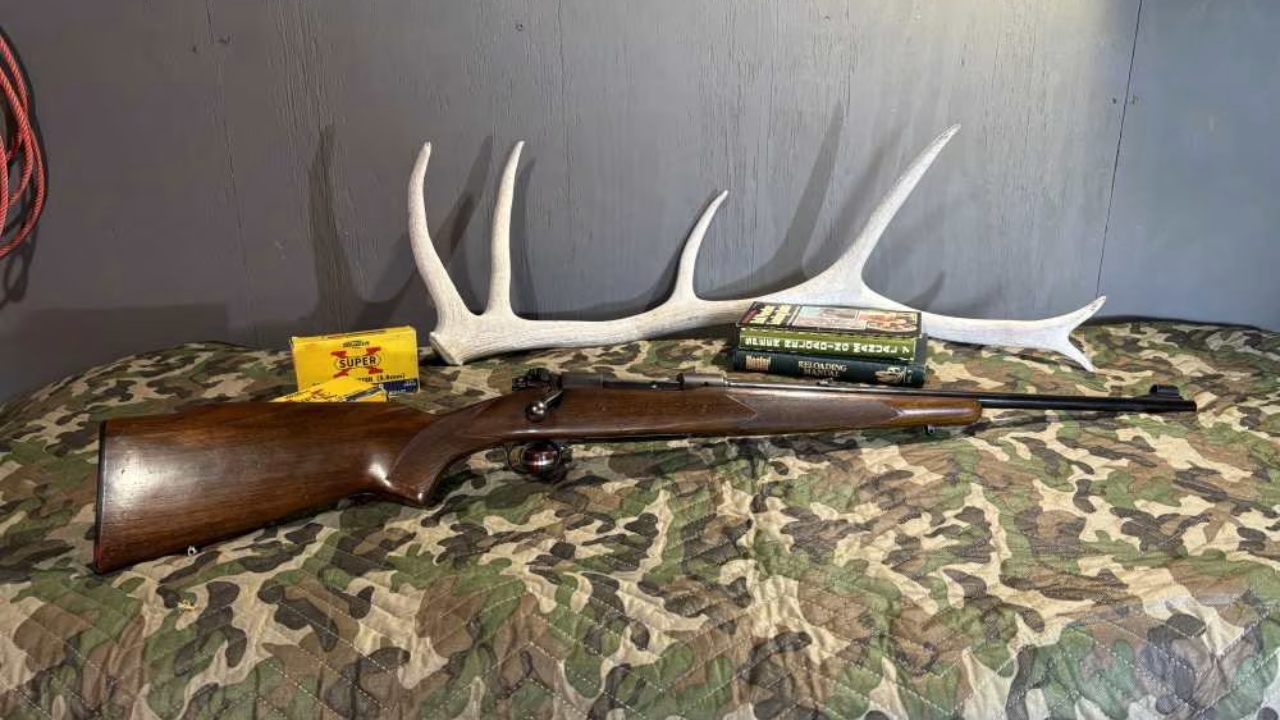
Most collectors I know didn’t start out hunting for a “pre-64.” They bought Grandpa’s style of deer rifle because it felt right, then learned why that phrase carries weight. The controlled-round feed, the fit, the old-school finishing—there’s a reason it earned the nickname it did.
The funny part is it became a dividing line after changes were made. A rifle that was simply a good working tool turned into a benchmark, and now people pay for that benchmark even if they never plan to drag it through a wet November.
4. Remington 870 Wingmaster (older production)
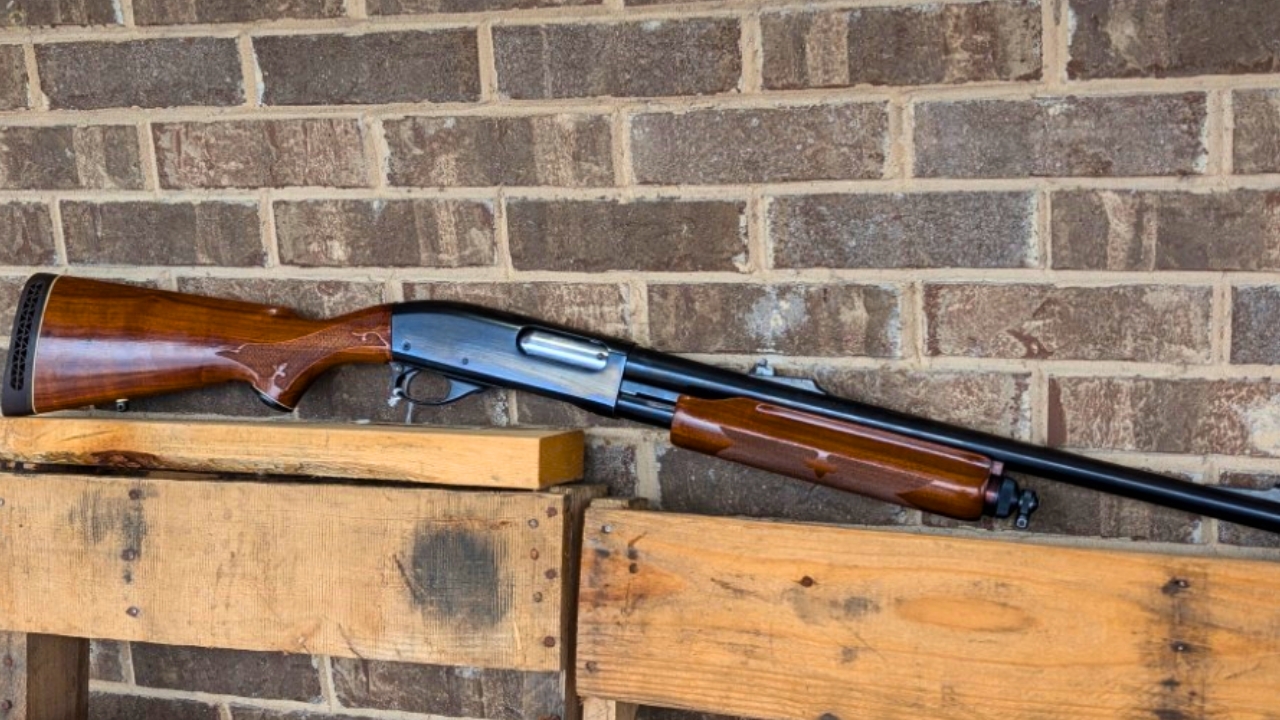
There are fancier shotguns and lighter shotguns, but a good older Wingmaster has a pump stroke that feels like closing a truck door. Solid. Smooth. Certain. A lot of us grew up with one behind a kitchen door or riding in a rack in the barn.
What turned it collectible wasn’t a special edition. It was the contrast: older ones often have better polish and wood, and they just feel “right.” Guys who sold them off to fund a new turkey gun tend to remember that mistake later.
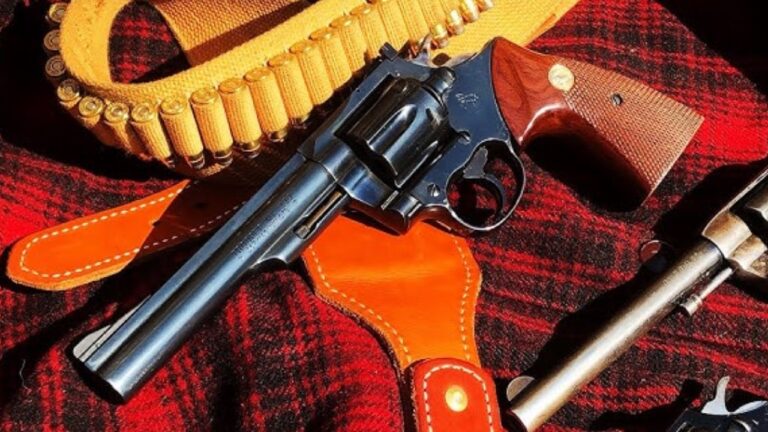
5. Colt Python (classic blued guns)

The Python is one of those revolvers that even non-revolver people stop and stare at. The finish, the lines, the way the cylinder locks up—there’s a reason it became the poster child for “they don’t make them like they used to.”
It wasn’t intended to be a safe ornament. It was a premium revolver meant to be shot. Then prices climbed, owners got careful, and the thing accidentally became a symbol of an era of craftsmanship that’s hard to replicate at scale.
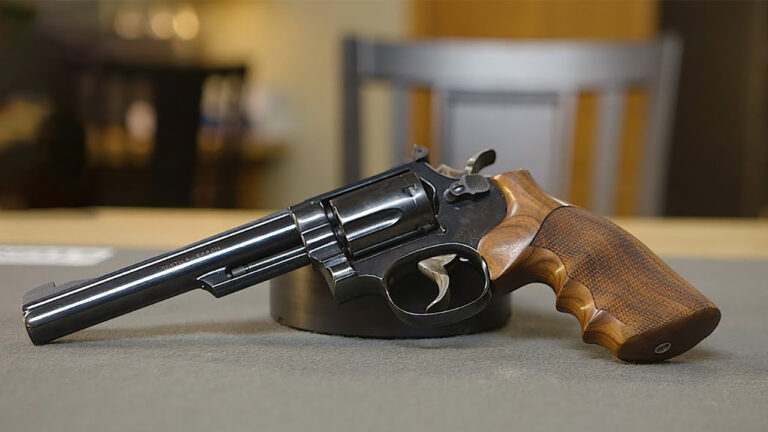
6. Smith & Wesson Model 29 (pinned-and-recessed era)
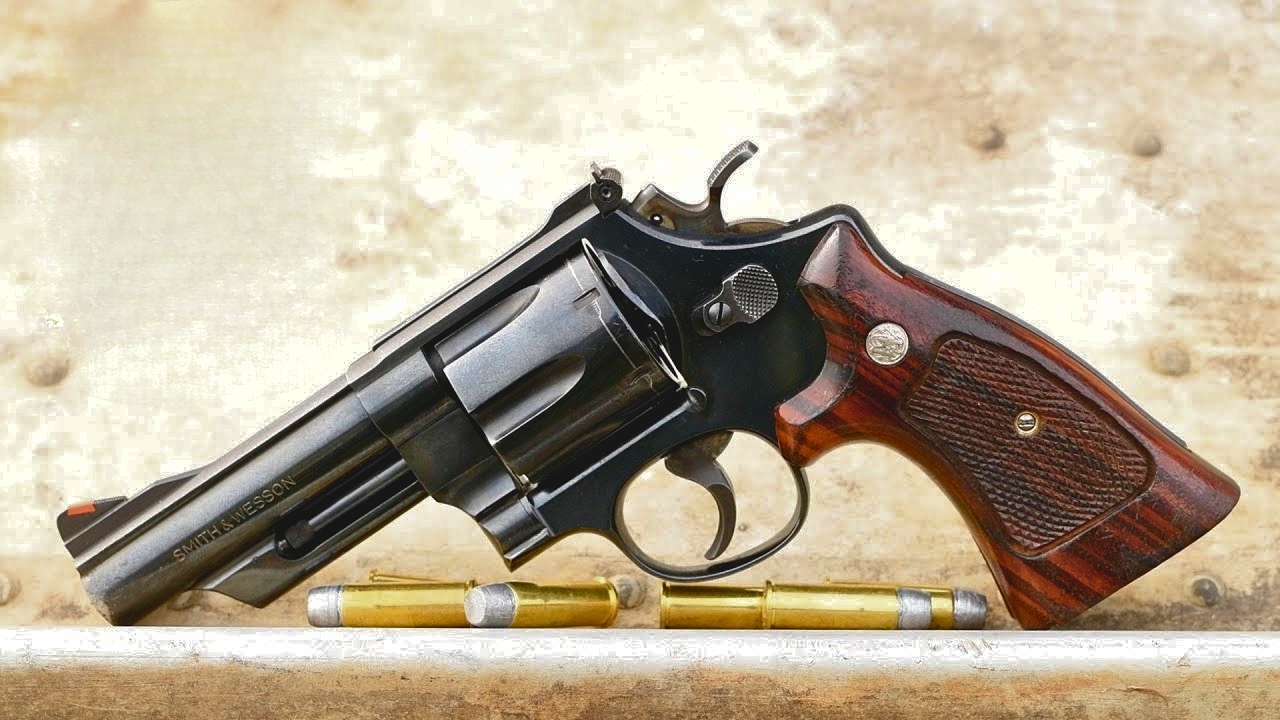
Yes, the big .44 got famous for reasons that had nothing to do with whitetails or paper targets. But plenty of Model 29s became collector darlings because they represent a certain S&W build quality and a time when the factory did things a little differently.
They’re heavy, they bark, and full-power loads aren’t for everybody. Still, the older guns with the classic features bring out the checkbooks. It’s not just a movie gun—it’s a time capsule.
7. Browning Auto-5 (Belgian-made)
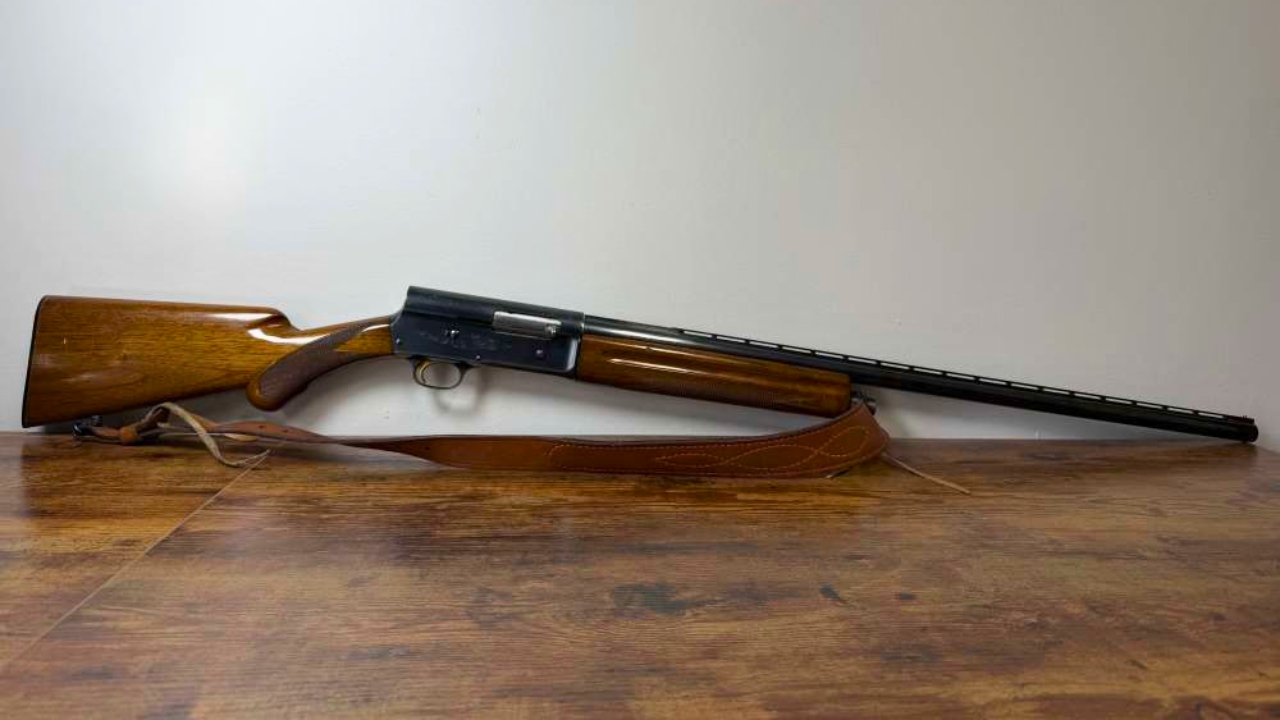
The humpback looks odd until you’ve carried one on a strap all day and realized it actually balances well. Then you shoot it and understand why so many of them stayed in families for generations.
It became collectible because a lot of them were used hard, and the nice ones started getting scarce. Folks also like the history—an early semi-auto that still runs if you keep it clean and don’t do anything foolish with maintenance.
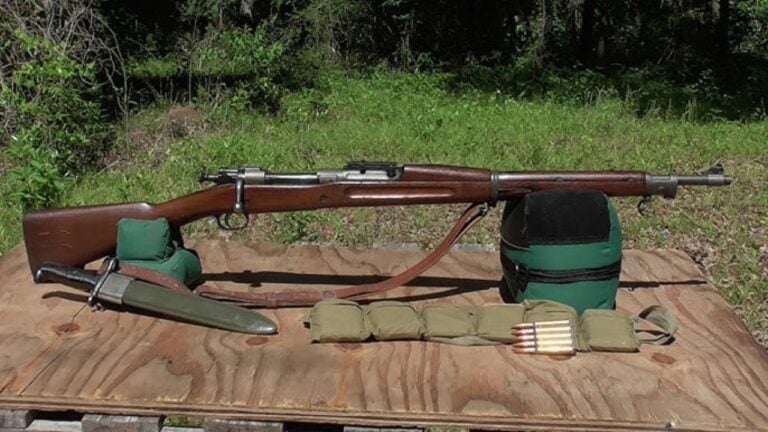
8. M1 Garand (CMP-era rifles and well-kept originals)
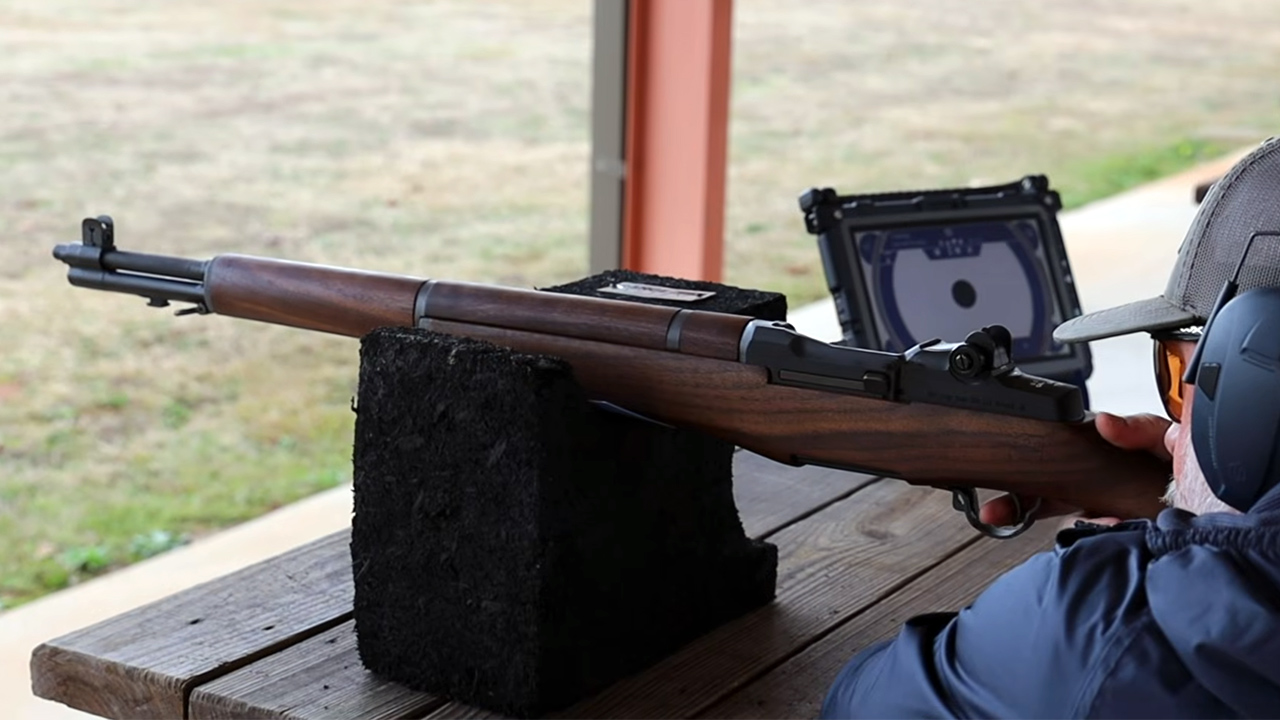
There’s a certain kind of grin people get after shooting a Garand for the first time. It’s not just the sound or the recoil. It’s the whole experience: the weight, the sights, the way it cycles.
What made it “accidentally” collectible is that it started as a surplus working rifle for regular people. Then supply tightened, conditions varied, and suddenly everyone wanted one with the right markings and a good bore. History got expensive.
9. Springfield M1A (early, well-fitted guns)
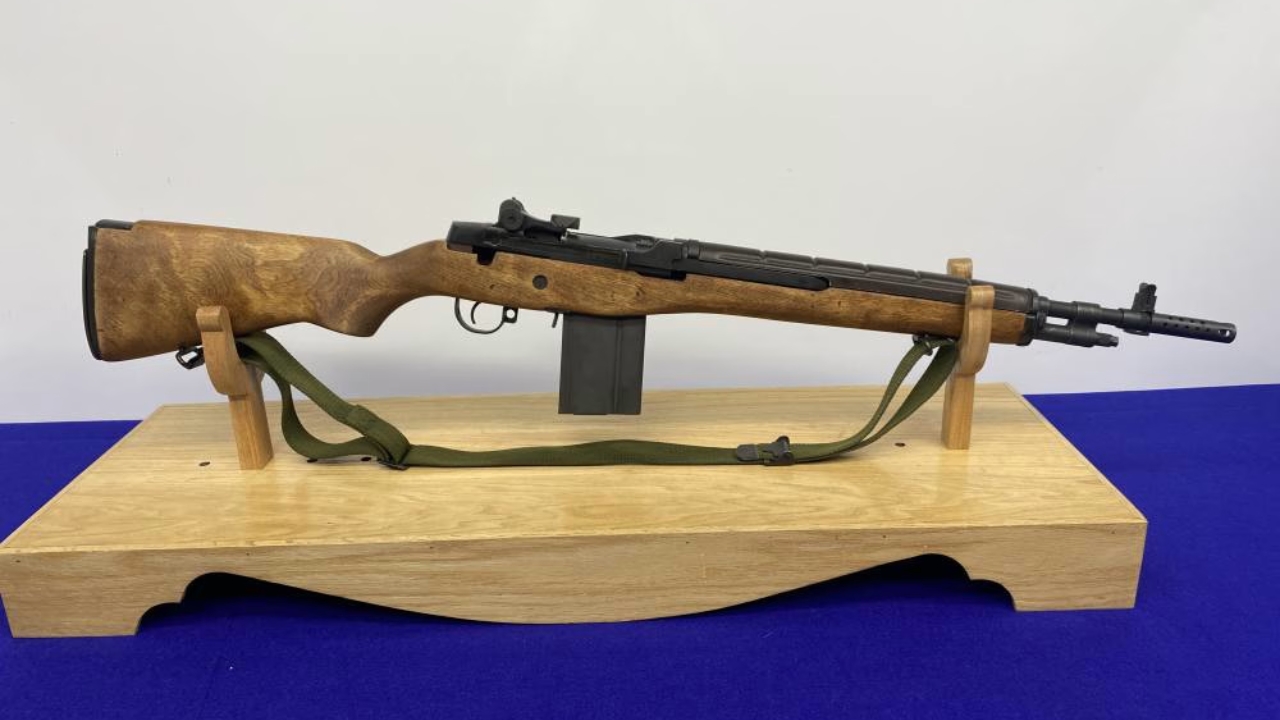
The M1A lives in that space between practical rifle and emotional purchase. It’s not the lightest. It’s not the cheapest to feed. But it points well, the irons are excellent, and it scratches that classic battle rifle itch.
Some early examples gained a reputation for better fit and finish, and that reputation turned into chasing serial ranges and certain features. It wasn’t meant to be a collector puzzle. It just became one.
10. Heckler & Koch P7
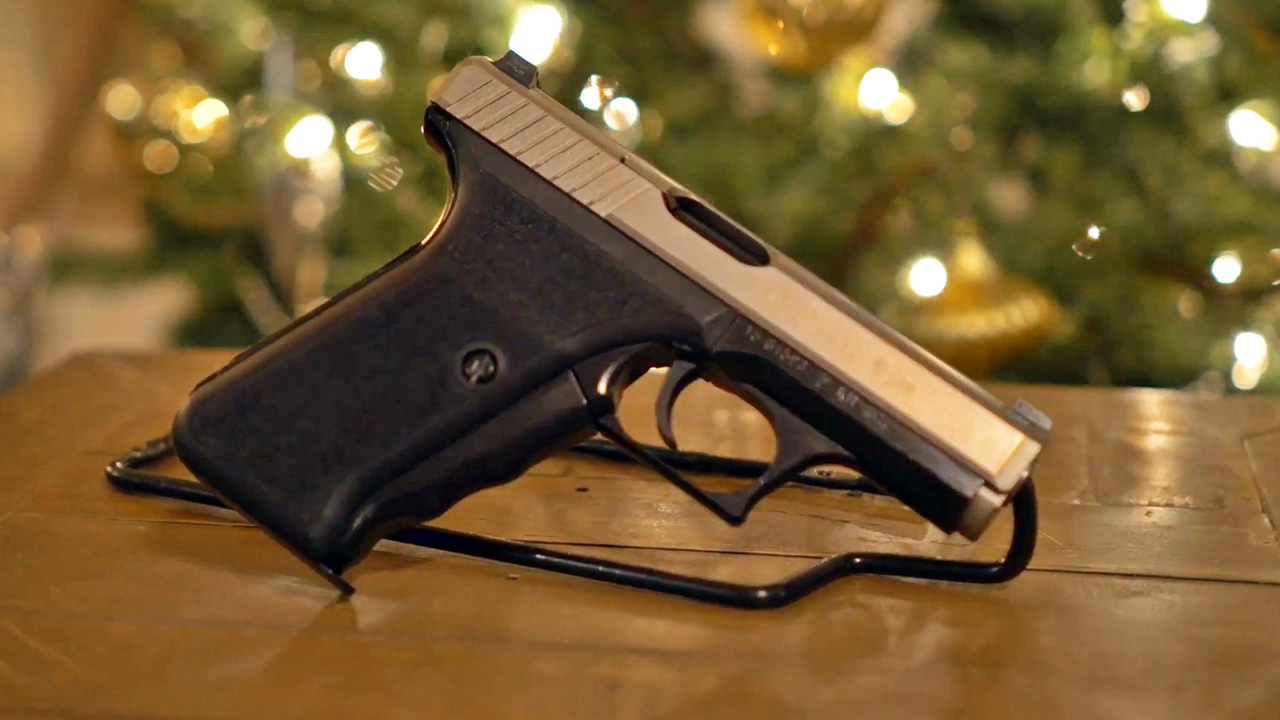
The first time you pick up a P7, you either love it immediately or you think it’s the weirdest thing ever made. The squeeze-cocker is unique, the gun is flat, and it carries in a way that makes you forget it’s all steel.
Then you shoot it and notice the heat. That’s the trade-off. It became collectible because H&K stopped making it, police trade-ins dried up, and the design stayed unusual enough that nothing else really replaced it.
11. SIG Sauer P210 (older Swiss and early imports)

The P210 has a reputation that makes people talk softly about it, like they’re in a church. Tight lockup, crisp trigger, and accuracy that can make a decent shooter look better than he is.
It wasn’t a budget-friendly service pistol, and that limited how many ended up in nightstands. Once collectors realized how few clean examples were floating around—and how good they feel—the demand did what demand does.
12. Walther PPK (classic production runs)

It’s not the most comfortable .380 to shoot for long strings. The blowback snap and the small grip make sure of that. But it’s compact, iconic, and it has a fit-and-finish vibe that newer pocket pistols don’t even try to copy.
Collectors didn’t love it because it’s the best tool for the job today. They love it because it’s a little piece of old-world design, and because certain runs and markings got harder to find without overpaying.
13. CZ 75 (early “pre-B” variants)
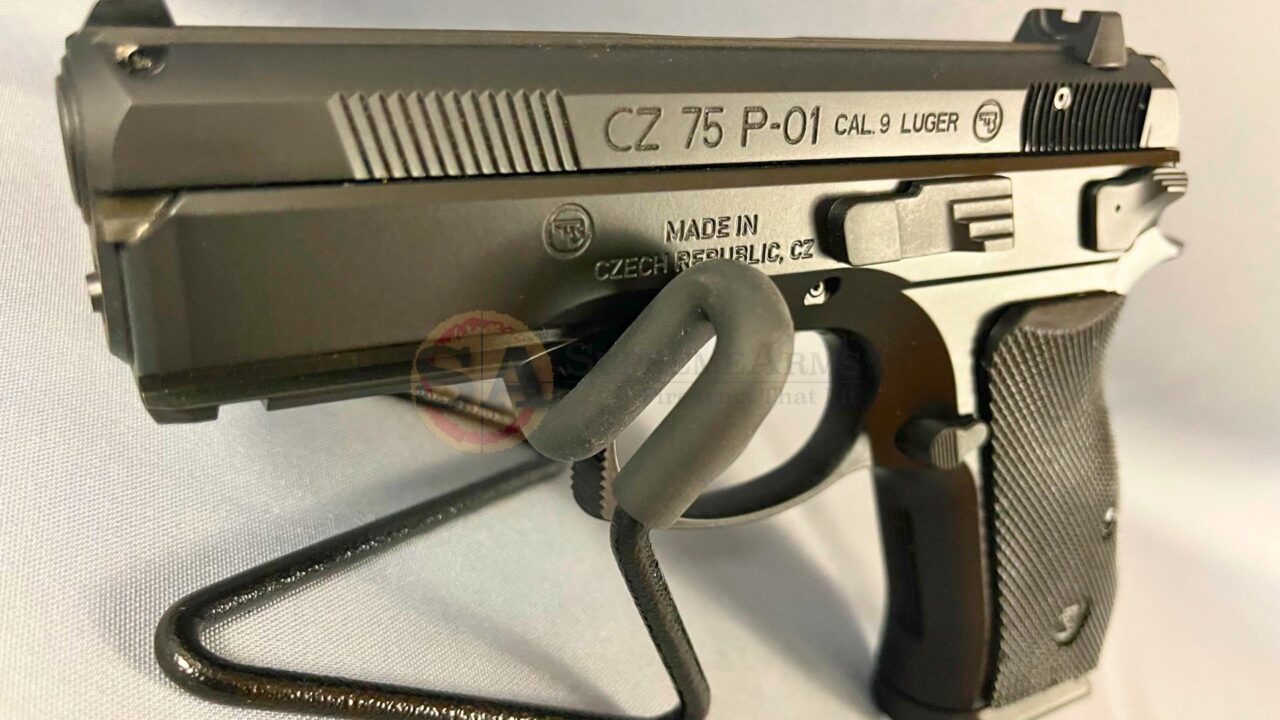
The CZ 75 is one of those pistols that surprises American shooters who grew up on 1911s and striker guns. It sits low, it points naturally, and the steel frame soaks up recoil in a very friendly way.
Early variants became a quiet collecting lane because they were underappreciated for years. Once people started paying attention to differences in features and origins, the “cheap good gun” turned into a “wait, where’d they all go?” gun.
14. Ruger Mini-14 (older pencil-barrel Ranch Rifles)

I get why people make fun of the early Minis. Accuracy could be a sore spot, especially once barrels heated up. But they’re handy, they balance well, and they have that truck-gun feel without looking like a space blaster.
They became more desirable as certain configurations dried up and as political buying waves made anything magazine-fed feel scarce. The irony is the “not as accurate as an AR” rifle still ends up being the one that rides along and gets used.
15. Norinco SKS (unissued or clean imports)

There was a time SKSs were the definition of “cheap and reliable.” They were everywhere, cosmoline and all. Folks bought them by the crate, shot them a little, and leaned them in a corner.
Then imports changed, the cheap crates vanished, and the clean ones got harder to find. Now a legitimately nice SKS gets attention because it represents a period when a solid semi-auto didn’t cost a paycheck.
16. Russian Mosin-Nagant (Finn-marked or scarce variants)

Most Mosins are rough. Heavy triggers, stiff bolts, and a recoil impulse that can make a new shooter flinch for a week. But some variants—especially with Finnish history or uncommon markings—are a different conversation.
They became collectible because they started as bargain-bin history. When the supply of the interesting ones thinned out, people realized there’s a big difference between a beat-up common rifle and one with a story you can actually trace.
17. Winchester Model 1894 (pre-64 and desirable chamberings)

A Model 94 in .30-30 is about as classic as deer camp gets. It’s light, quick, and it carries through brush without snagging on everything. It’s also the kind of rifle families pass around without paperwork and without fuss.
Collector interest kicked in when certain eras and chamberings started to stand apart. The accident is that it was so common for so long that nobody treated them like “collectibles” until the nice ones weren’t common anymore.
18. Marlin 336 (JM-stamped rifles)

The 336 has probably killed more woods deer than most modern rifle trends combined. It shoulders fast, the safety is simple, and it just works in rain and cold if you don’t neglect it.
When manufacturing changes happened and people started sorting rifles by markings, the JM stamp became a shorthand for “the older kind.” That stamp turned a regular hunting rifle into something folks hunt for, not just with.
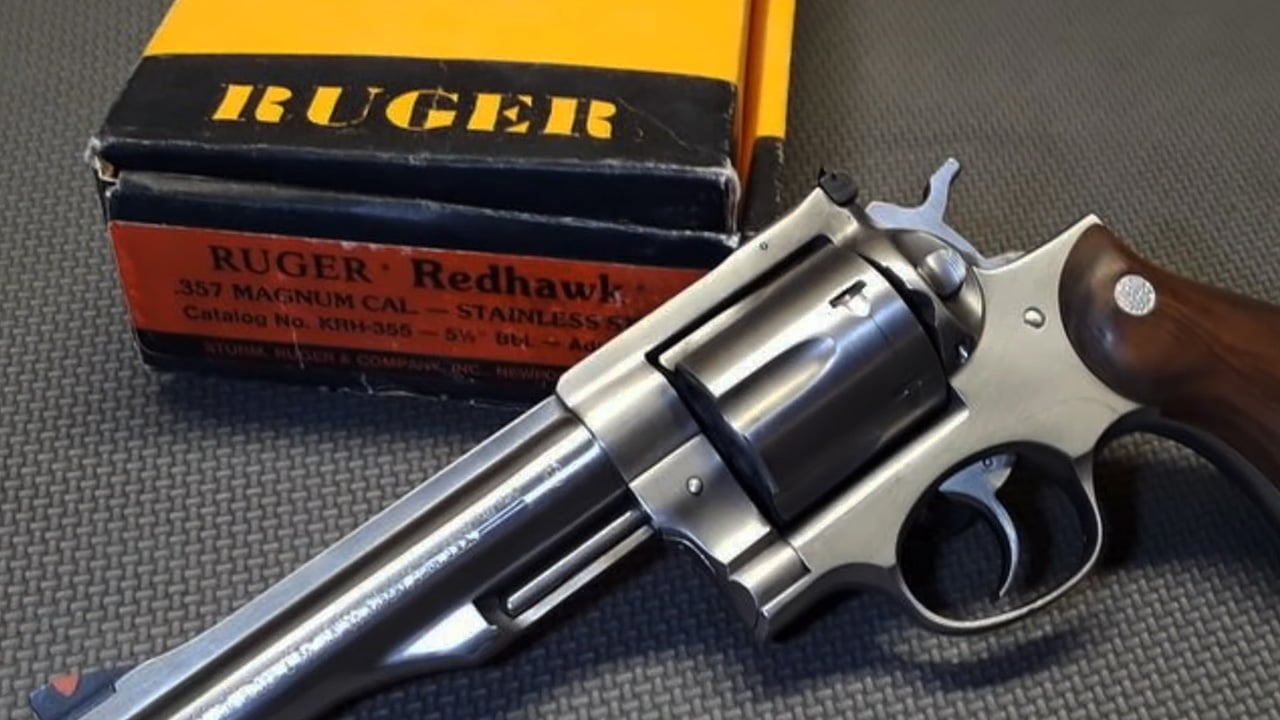
19. Ruger Redhawk (older stainless .44s)
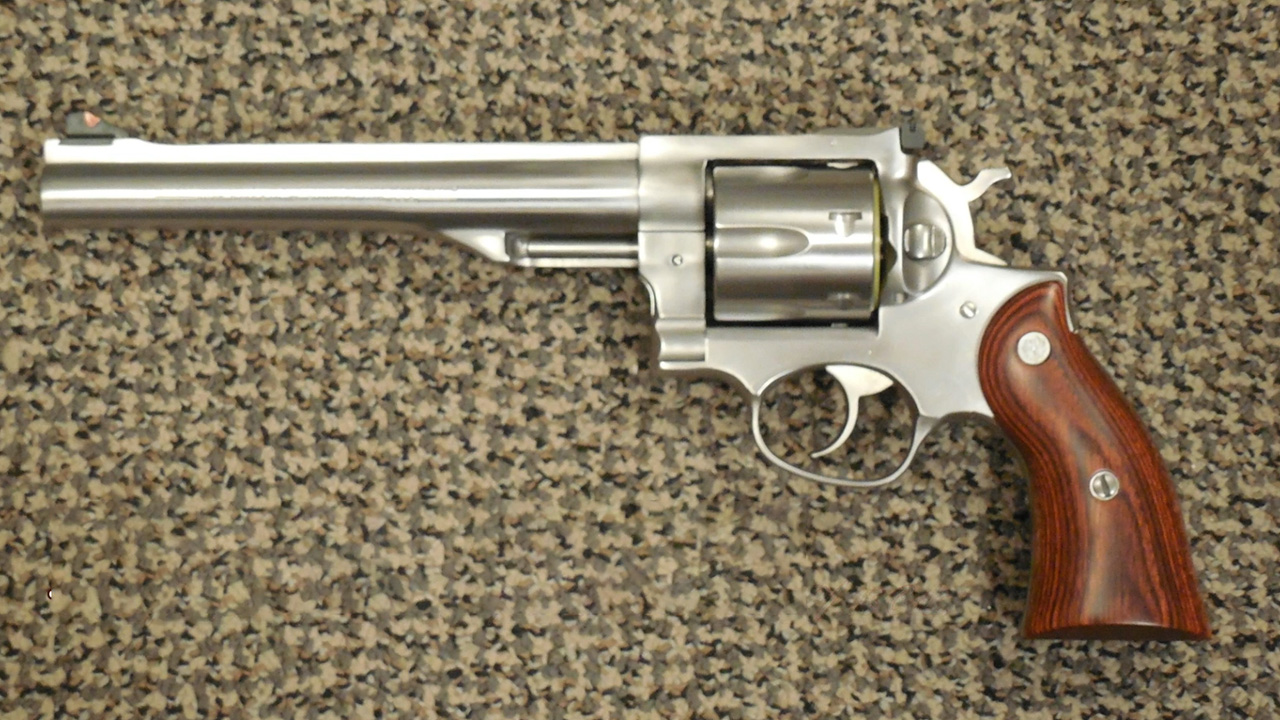
The Redhawk isn’t elegant. It’s a work boot in revolver form. Big frame, strong lockup, and a reputation for taking loads that make lighter guns feel like a bad idea.
It became more collectible because the outdoors crowd actually uses them—bear country, backup duty, hog hunting—and used guns tend to get worn. Finding a clean older one with the right barrel length can take patience, and that chase creates its own market.
20. Glock 17 (early Gen 1 and uncommon early imports)

The Glock is the definition of “meant to be used.” It’s a tool. It’s not romantic. That’s why it’s funny watching early examples bring collector interest now.
But it makes sense. Early Gen 1 guns and oddball import-era details mark a turning point in handgun history. A pistol that people once treated as disposable and boring now gets set gently on a mat at the gun shop like it’s a vintage watch.
Collector guns don’t always start as fancy, rare, or expensive. A lot of them start as normal tools that did their job well, then got replaced by something newer, cheaper, or trendier—until everybody realized what they had. If you’ve got one of these sitting in the back of the safe, it might be worth cleaning it up, documenting what it is, and thinking twice before you trade it for the next new thing. Ask me how I know.
Like The Avid Outdoorsman’s content? Subscribe to our newsletter so you never miss an article.
Here’s more from us: