Photo credit: Cam Gaylor/Youtube
There are shotguns that look like a million bucks under fluorescent lights and in glossy photos. Then there are shotguns you actually carry through cattails, bounce against a tree in the dark, and try to run with cold hands when a rooster blows out of the brush at ten yards. Those are not always the same guns.
This isn’t a hate list. Most of these have a place. But if you’re buying your first “nice” shotgun or thinking a slick catalog picture equals field-ready, here are twenty that can leave you shaking your head once you start hunting hard with them.
1. Remington 870 Express (later production)

An 870 in a catalog looks like the definition of “American shotgun.” Older ones earned that reputation the hard way, season after season. The later Express guns, though, are where guys started learning what rough chambers and cheap finishes feel like.
Take it into wet weather, get a little surface rust, and suddenly that pump stroke isn’t as butter-smooth as your uncle’s Wingmaster. When you’re trying to shuck a follow-up shot on a late-season pheasant, a sticky extraction problem is more than an annoyance. That one hurts, because everybody wants it to be perfect.
2. Remington 887 Nitro Mag
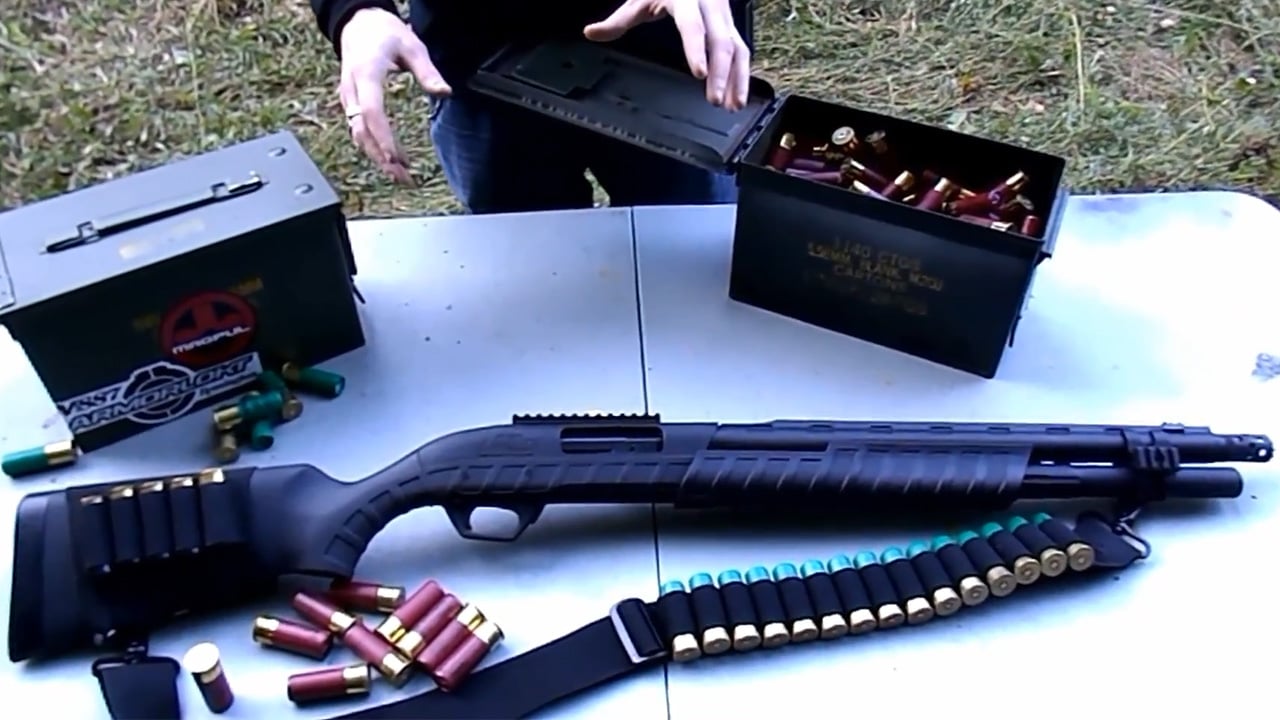
On paper, a fully “armored” shotgun sounds like the ultimate swamp gun. It looks tough, it looks modern, and you can almost smell the marsh in the ad copy. In the field, the big complaint has always been feel—clunky action, awkward balance, and a trigger that doesn’t win friends.
It’s also one of those guns that can be hard to love once you’ve carried it a couple miles. If you’re rough on gear, I get why it exists. But most hunters would rather have a conventional pump that carries better and is easier to live with when something breaks.
3. Winchester SXP (waterfowl camo models)
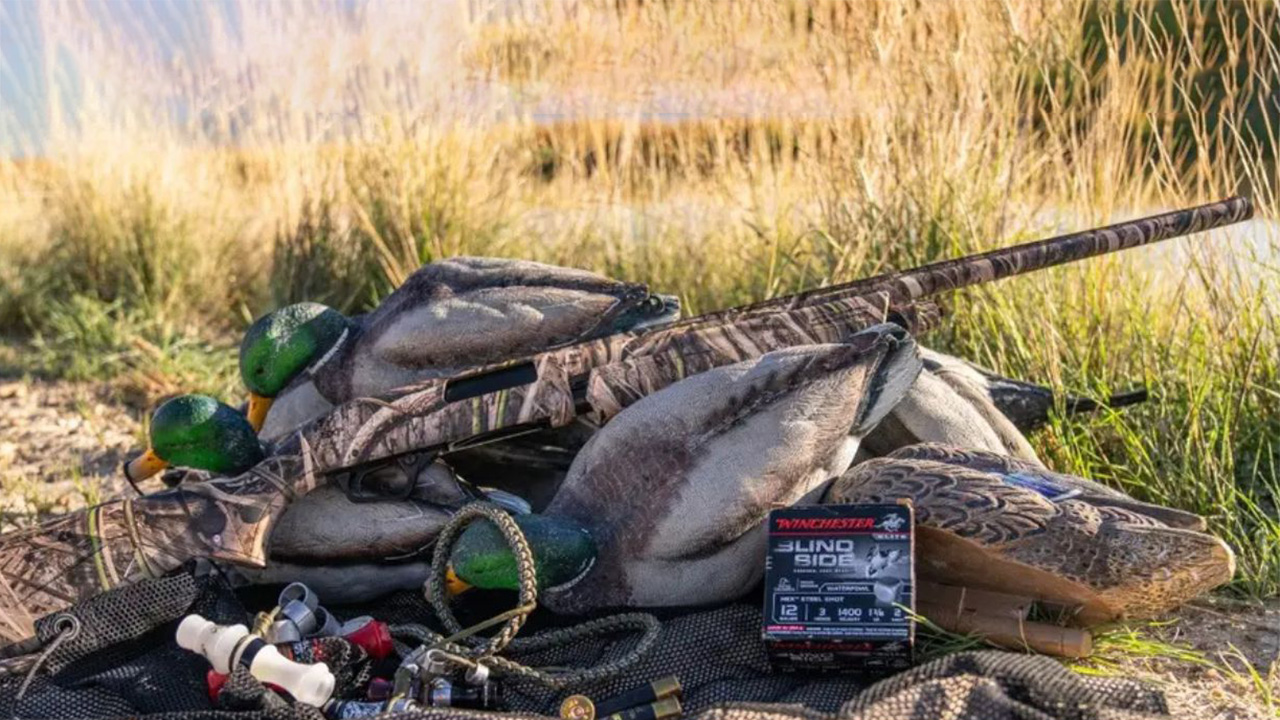
The SXP often looks sharp in camo, and the “fast pump” marketing isn’t totally wrong. The problem is that “fast” doesn’t mean “confidence inspiring” when you’re half-frozen in layout-blind mud and trying to run the gun with gloves on.
Some SXPs feel slick, others feel like they were assembled on a Friday afternoon. When tolerances stack the wrong way, you’ll notice it as soon as you’re wet and gritty. It’s not that the design can’t work—it’s that consistency matters more in the field than in the catalog.
4. Mossberg 535 ATS
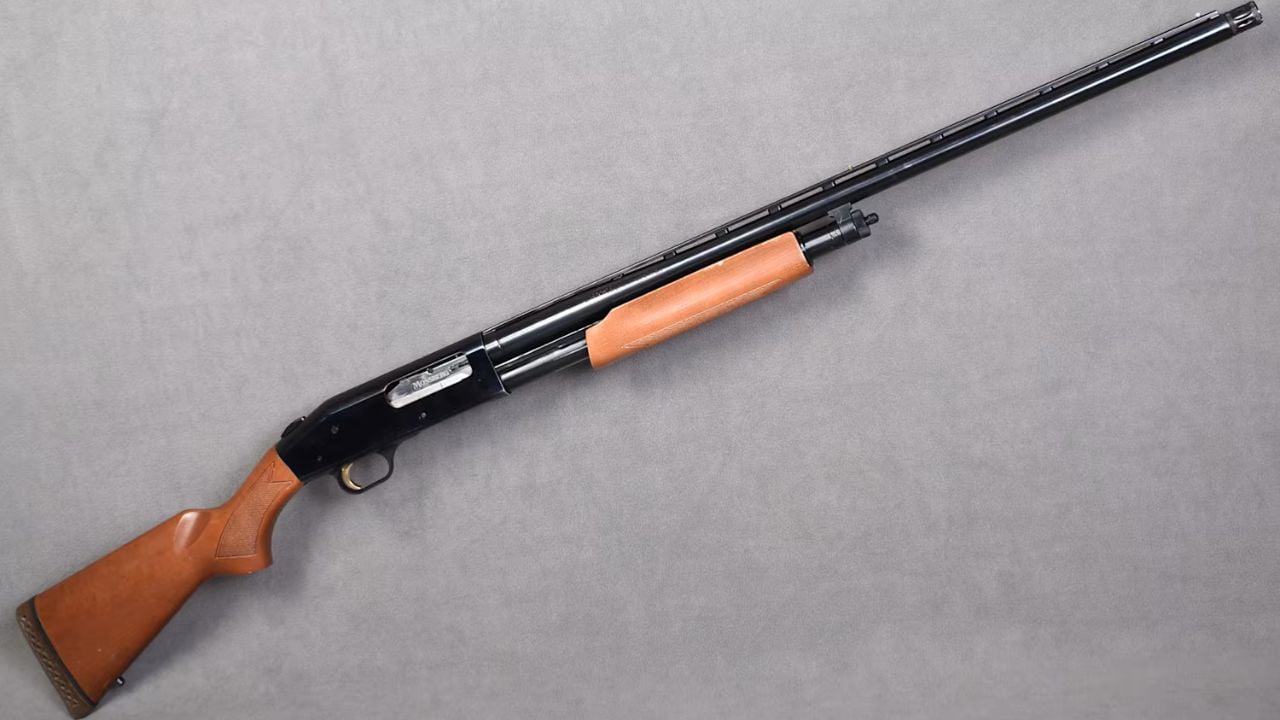
The 535 sells the idea of one shotgun that does it all: 3.5-inch shells for geese, lighter loads for everything else. That versatility looks great on a hang tag. In real hunting, the gun often feels like a long, hollow 2×4 with a recoil impulse that makes you flinch by the third box.
For the guy who shoots a handful of shells a season, maybe it’s fine. For the guy who practices, hunts hard, and wants the gun to point naturally, it can feel like you’re fighting it. “It shoots 3.5s” isn’t the same as “it shoots well.”
5. Stoeger M3500
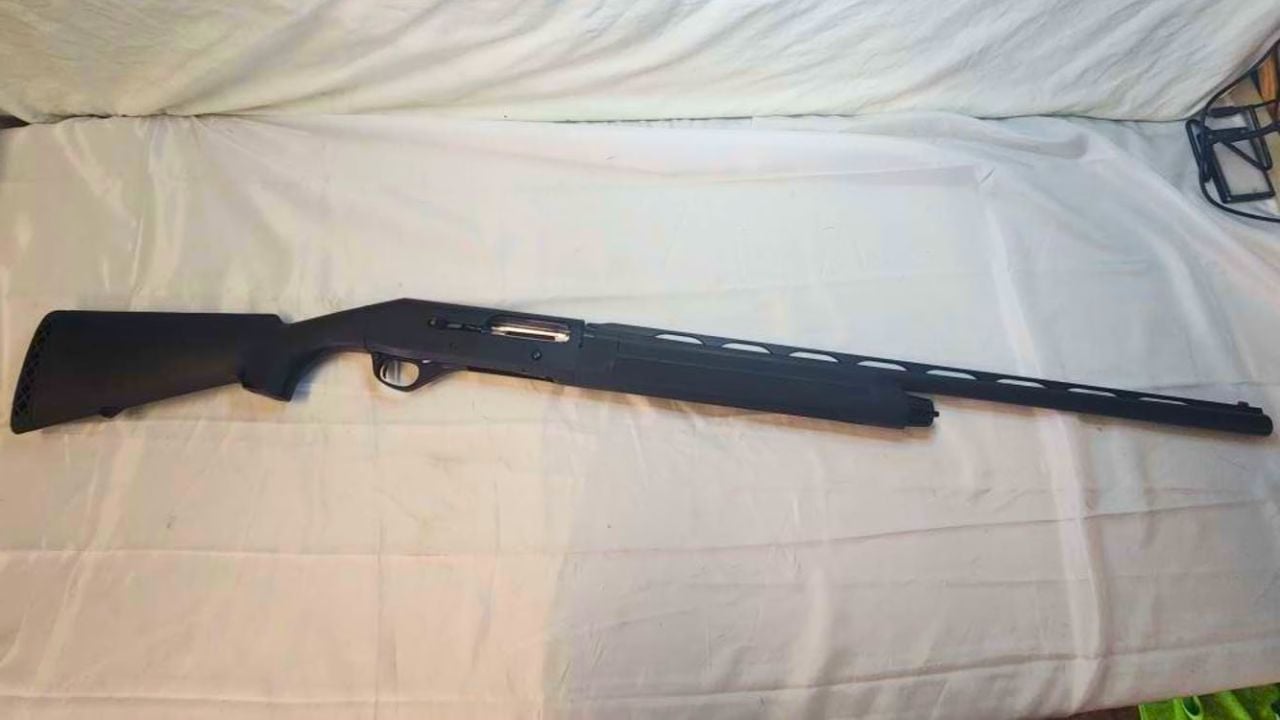
Budget inertia-driven semi-autos are tempting. The M3500 looks like you’re getting into the Benelli world without the Benelli price. Then you try to run light target loads for preseason practice, or you’re shooting 2 3/4-inch loads for pheasants, and the reliability story gets complicated.
Some run great with the right ammo and a clean gun. Some are picky, and pickiness is a bad trait in a hunting shotgun. When the birds finally cooperate, you don’t want your gun negotiating with your shells.
6. Charles Daly 601 DPS (pump)
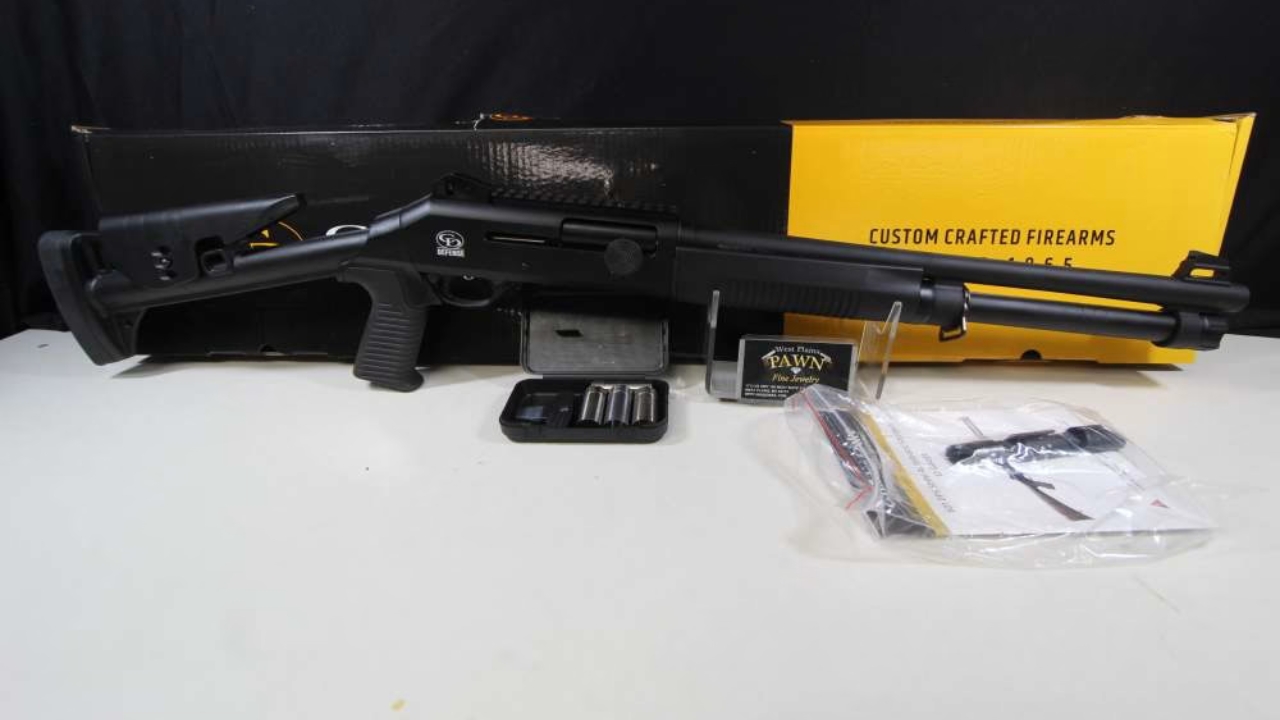
These get bought because they look tactical and inexpensive, and the catalog photos make them seem “feature rich.” In hand, you can feel where the money was saved—rough controls, stiff action bars, and that general sense that everything is just a little off.
For close-range pest work around the farm, maybe you tolerate it. For actual hunting where you’re walking, mounting, and shooting instinctively, the little annoyances stack up fast. A pump gun has to be boringly dependable, not interesting.
7. Rock Island Armory VR80
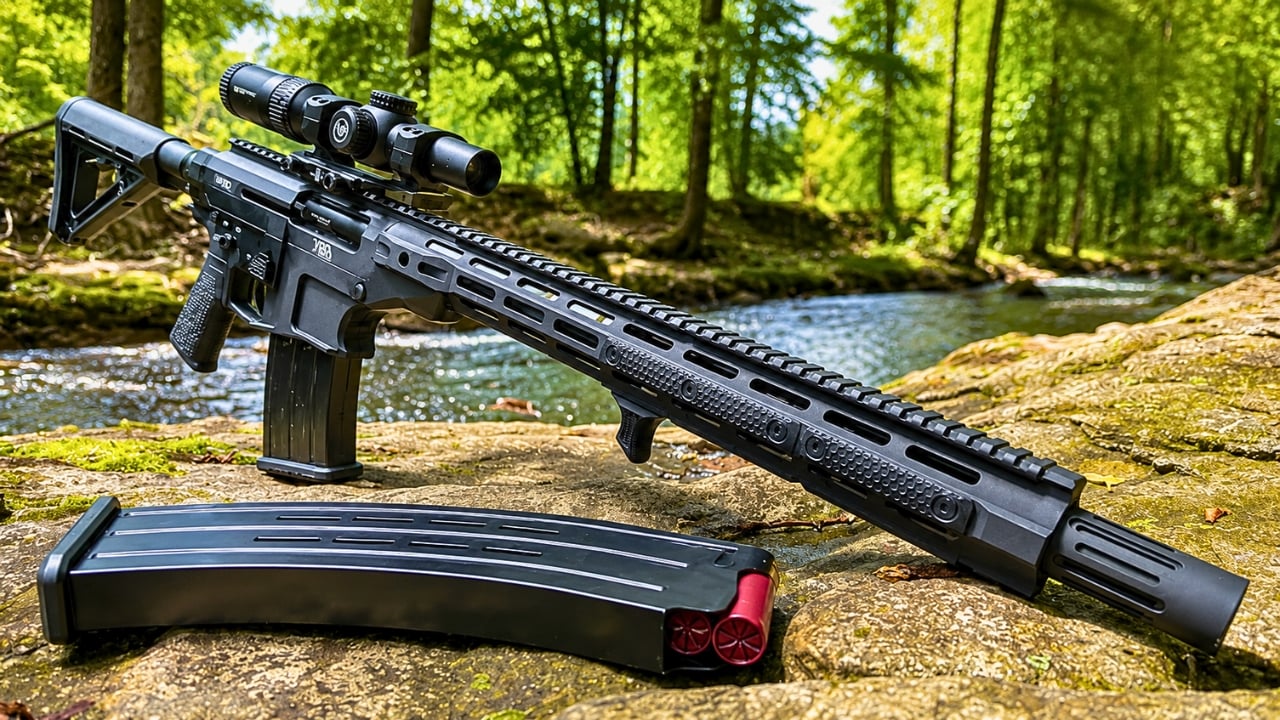
The VR80 looks like a blast, and it is—on a range day. In a hunting context, it’s often the wrong tool trying to force its way into a job it wasn’t built for. Bulky, snaggy, and heavy, especially once you hang “just one more” accessory on it.
Then there’s the reality of magazines in cold weather, and keeping the gun reasonably clean when you’ve got corn dust or marsh grit in everything you own. If you want a hunting shotgun, a hunting shotgun still beats a box-fed “do it all” idea nine times out of ten.
8. Turkish-made AR-style shotguns (Panzer Arms AR12 and similar)

They photograph like they should cost twice what they do. Rails, collapsible stocks, aggressive looks—the whole deal. The disappointment hits when you realize parts support and long-term durability are a big question mark, and “magazine fed” doesn’t automatically mean “reliable.”
Plenty of guys buy one, run a couple boxes through it, and decide it’s good enough. Then hunting season exposes the difference between a range toy and a field tool. When something small breaks, you can end up with a shotgun-shaped paperweight.
9. Hatfield USA Semi-Auto (12 gauge)

The Hatfield looks like a classic bird gun in pictures: walnut-ish stock, clean lines, decent price. But a lot of them feel light in a way that turns into sharp recoil, and the fit-and-finish can be a roll of the dice.
When you’re trying to shoot well on flushing birds, a shotgun that’s whippy and punchy can mess with your timing. You start anticipating recoil instead of focusing on the target. Ask me how I know.
10. TriStar Viper G2
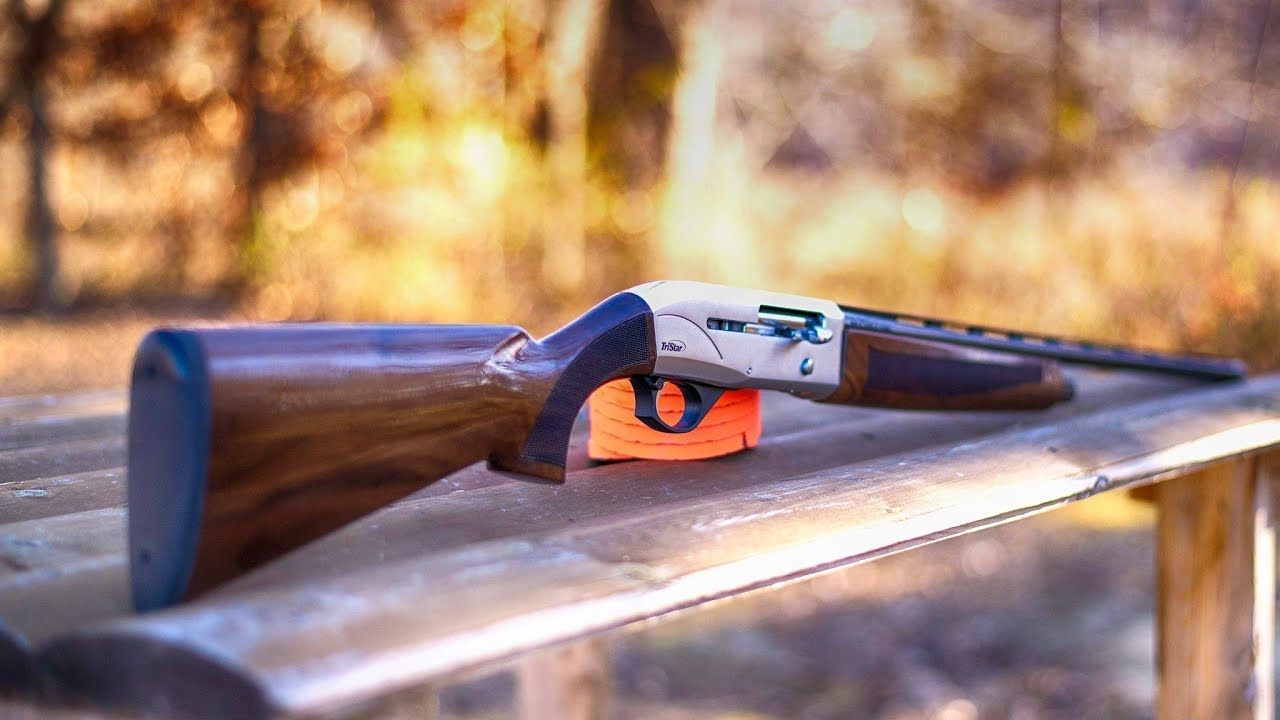
This one is tricky because some Viper G2s run great, and they shoulder nicely for the money. The disappointment usually isn’t “it doesn’t work,” it’s the slow drip of little stuff: finish wear, springs that feel tired sooner than you’d like, and occasional ammo sensitivity.
If you’re a high-volume dove hunter or you run clays all summer, that’s where you learn what you really bought. A budget semi-auto can be a good value, but it can also be a short relationship.
11. Browning A5 (new production)

The modern A5 has a cool factor that’s hard to deny, and it looks fantastic in promo photos. But the humpback nostalgia doesn’t automatically equal “best handling shotgun for you.” Some hunters find the sight picture odd, and the balance can feel different than expected.
It’s not a bad gun. It’s just not a magic wand. If you buy it for the vibe and then it doesn’t point naturally for your build, you’ll be fighting it all season, wondering why your cheaper gun felt easier.
12. Winchester Super X3 (certain waterfowl setups)

An SX3 looks sleek and fast, and plenty of them are. The disappointment tends to come when you set it up heavy—extended tubes, oversized controls, thick camo wrap, big optic rail—until the thing handles like a boat oar.
Gas guns already have some front-end weight. Add too much “stuff,” and the gun stops being quick on teal and starts being slow on everything. In the catalog, accessories look like upgrades. In the marsh, they’re just ounces you carry.
13. Benelli Supernova Tactical (with ghost rings)

Ghost rings look serious, and the Supernova is a rugged platform. But take that “tactical” configuration bird hunting and you’ll learn quick: it’s not built for snap shooting. The sight plane and high rear sight can slow your mount and distract your eyes.
In thick cover, a plain bead and a gun that points naturally is hard to beat. A hunting shotgun is an extension of your hands. A tactical sight setup can turn it into a deliberate-aiming tool, which is the opposite of what you want on a flushing grouse.
14. Benelli M4
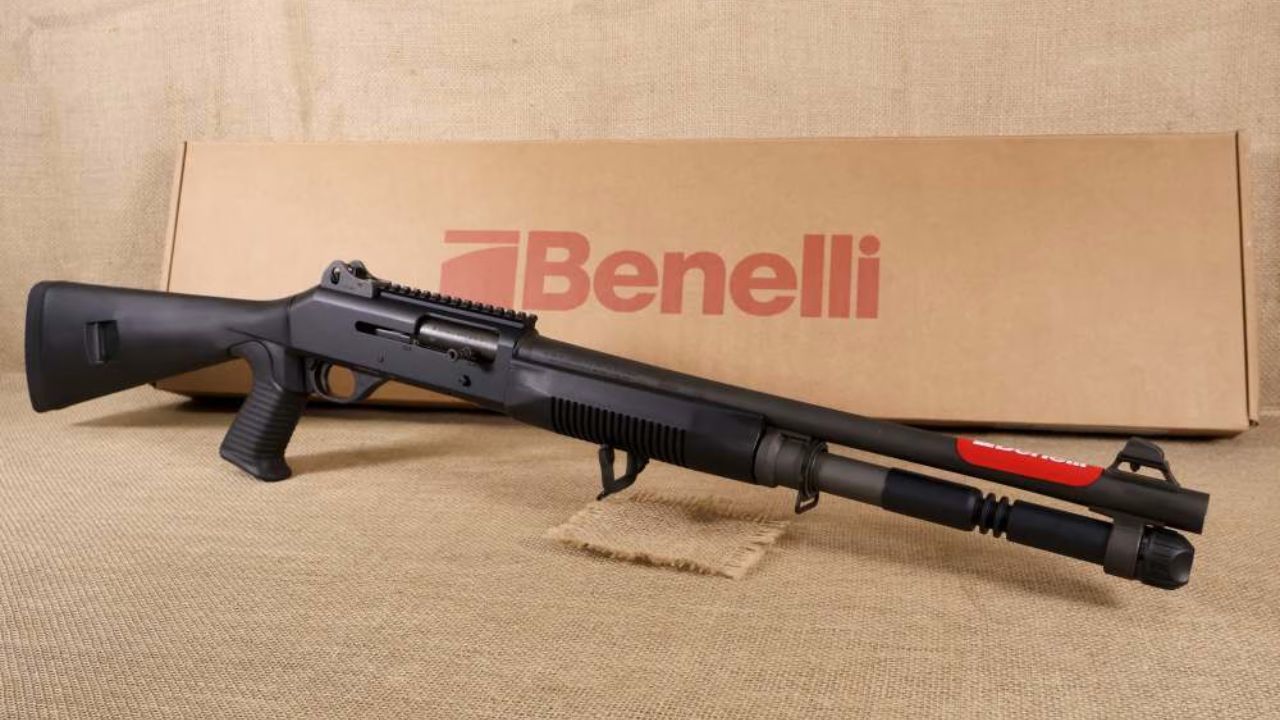
This one ruffles feathers, but it belongs here. The M4 is a legendary fighting shotgun, and it looks incredible in any photo. The disappointment comes when someone buys it thinking it’s the ultimate do-everything semi-auto, then tries to use it as a carry-all-day hunting gun.
It’s heavy, expensive, and overbuilt for pheasants. You can hunt with it, sure. But you’ll feel every ounce by mid-morning, and you’ll baby it more than you want to admit because replacing parts isn’t cheap. Great gun, wrong mission for most hunters.
15. Beretta A300 Ultima Patrol
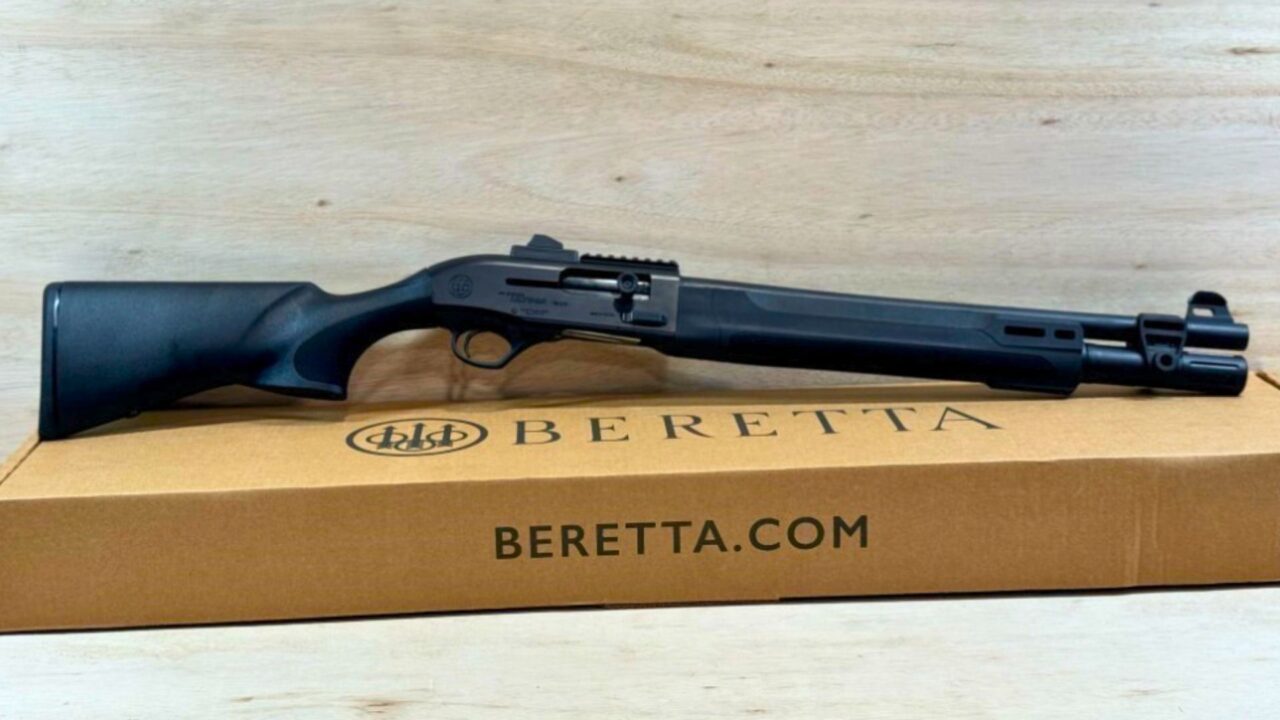
Another excellent gun that gets mis-bought. In pictures it looks like a “do it all” Beretta that can guard the house and hunt the field. In practice, the Patrol setup—sights, furniture, barrel choices—leans hard into defensive use.
Try to swing it on doves and you’ll see what I mean. It’s not that it won’t fire and cycle. It’s that it doesn’t move like a bird gun, and hunting success is usually about how a shotgun moves more than how it looks.
16. Mossberg 930 SPX

The 930 SPX has sold a lot of dreams. It looks like a hard-use semi-auto for not a lot of money. In real life, the platform can be finicky until it’s broken in and kept reasonably clean, and some owners end up chasing reliability with aftermarket parts.
A hunting shotgun can get dirty. That’s normal. If your confidence depends on a perfect maintenance schedule, you’re going to have a bad morning eventually. There are 930s that run great, but the bad ones leave a sour taste.
17. Mossberg 500 Flex
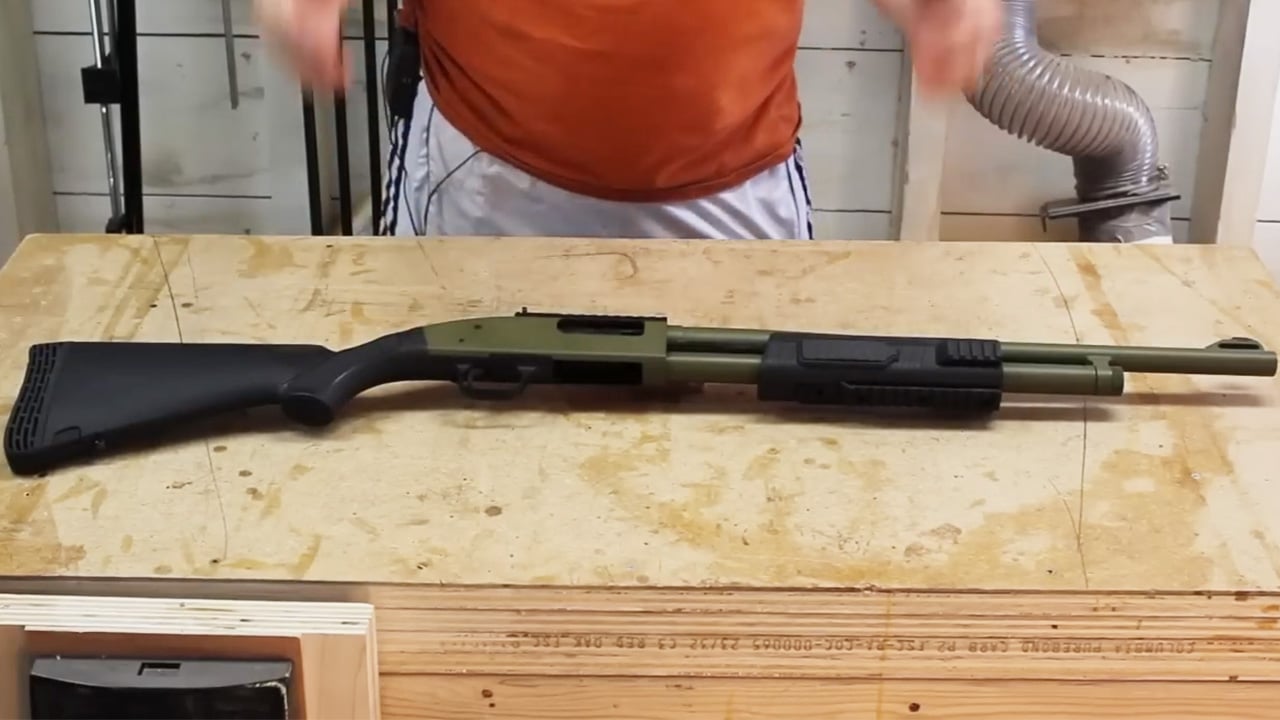
The FLEX system looks brilliant in catalogs: swap stocks and forends and barrels and make one gun into many. In reality, most hunters set a shotgun up once and leave it alone. The modularity becomes a pile of parts you paid for and don’t use.
Worse, sometimes the “one gun for everything” idea means you never end up with a gun that’s truly dialed for anything. A dedicated bird setup and a dedicated deer setup can beat a transformer shotgun every day of the week.
18. Remington V3 (early impressions vs. real ownership)

The V3 is soft shooting and feels great when you shoulder it at the counter. A lot of buyers walk out thinking they found the sweet spot: modern gas gun, good brand name, not insane money. The disappointment, when it happens, tends to be about long-term support and the rollercoaster history behind the name on the receiver.
If you get a good one, it’s a joy. If you end up needing specific small parts or service at the wrong time, hunting season doesn’t wait. It’s hard to enjoy a shotgun you don’t trust to be supported five years from now.
19. CZ 1012
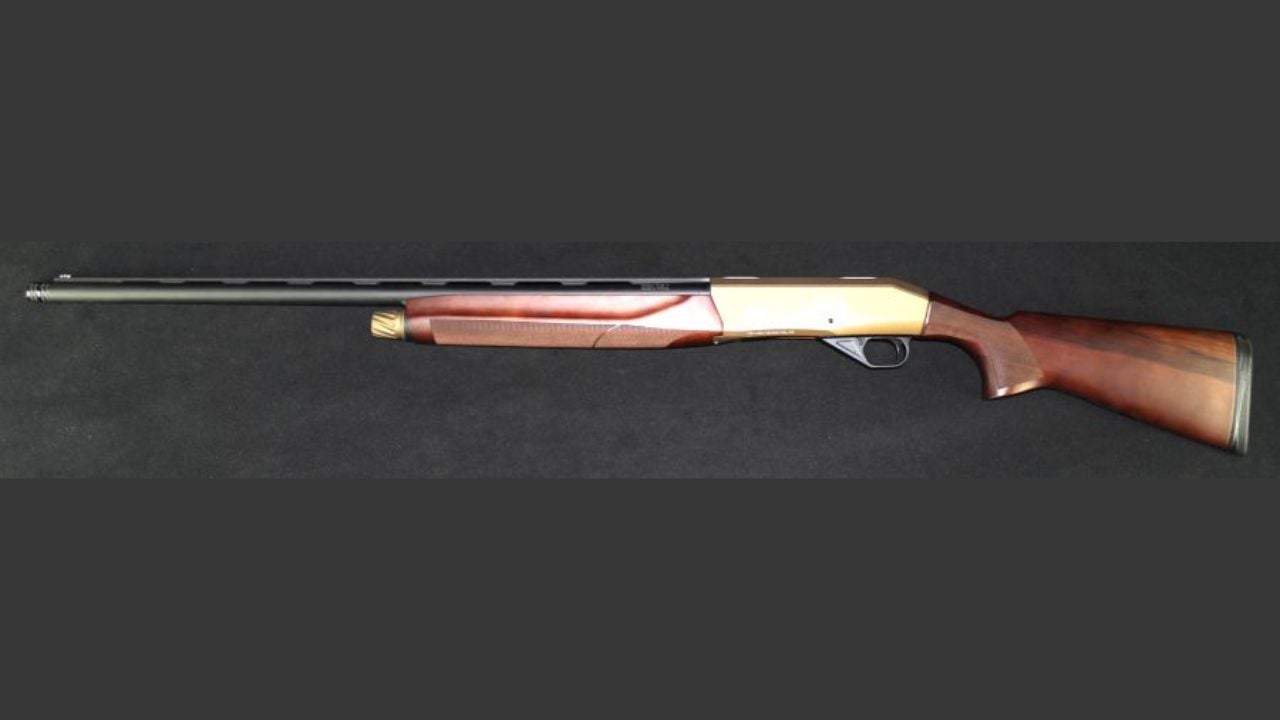
The 1012 is light, pretty, and it carries easy. That’s exactly why it sells. The moment you start shooting it a lot, the light weight can turn into a snappy feel, especially with heavier field loads, and some guns feel a touch “hollow” in the hands.
It’s also a shotgun that can make you realize the difference between “nice looking” and “nice shooting.” Fit matters. If it fits you, you’ll love it. If it doesn’t, you’ll spend the whole season trying to make it yours.
20. Weatherby Element (synthetic, bargain configurations)
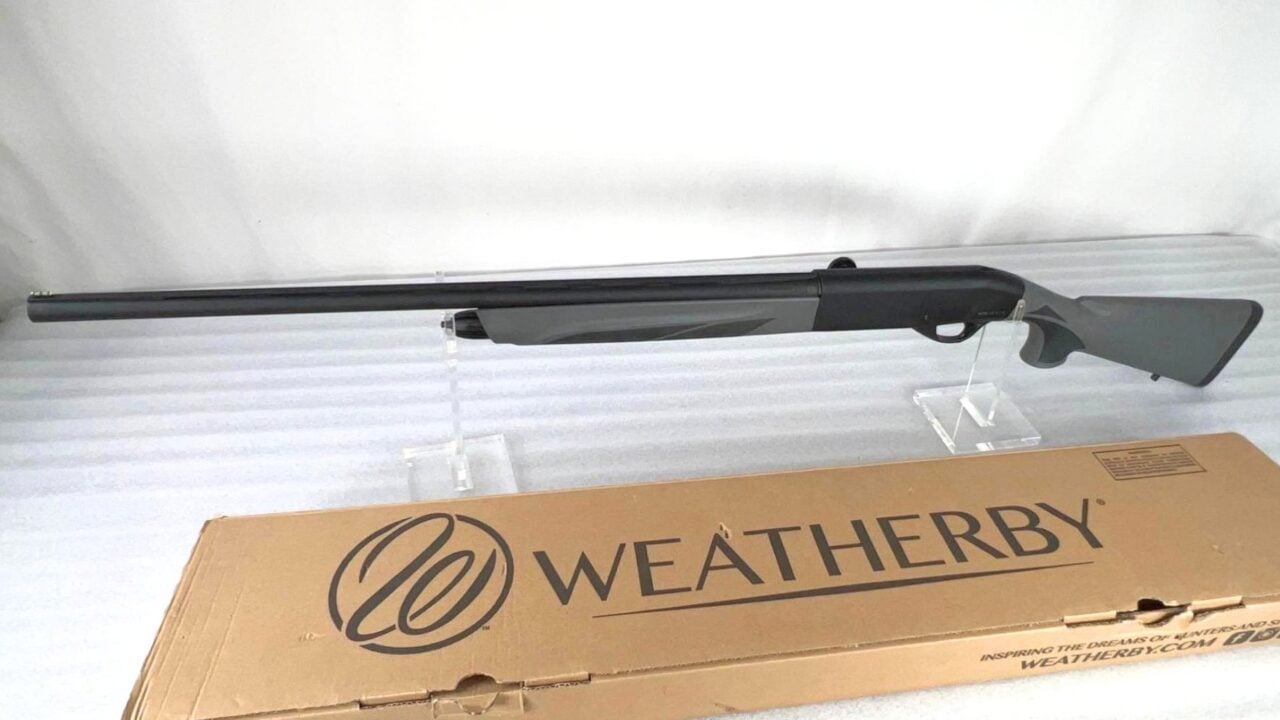
In pictures, the Element has clean lines and that Weatherby name that suggests you’re stepping up. The bargain builds can feel a little toy-like once you’re actually living with them—lightweight furniture, controls that aren’t as refined, and a general “good enough” vibe that shows up fast if you’re hunting hard.
For occasional hunts, it might be perfectly serviceable. But if you’re the kind of hunter who shoots year-round and expects the same gun to take hits, get rained on, and still feel tight, this is where you start wishing you’d spent a bit more or gone with a proven used classic.
The funny part is how often the cure is simple: shoulder a shotgun with your eyes closed, mount it like a bird just flushed, then open your eyes and see where you’re looking. Do that a few times and you’ll learn more than any catalog page can teach you. Buy the gun that points right, runs when it’s dirty, and doesn’t make you dread carrying it. The birds don’t care what it looked like online.
Like The Avid Outdoorsman’s content? Subscribe to our newsletter so you never miss an article.
Here’s more from us: