Photo credit: Ari_Achmad Rizal/Shutterstock.com
When you’ve handled enough handguns, you can tell within a few rounds which ones have the kind of looseness that only gets worse. Some guns start rattling early, long before you’d expect anything to wear in. Others leave the factory with tolerances so sloppy that you wonder how they ever passed inspection. A little movement is normal in working guns, but when the frame, slide, and small parts start shifting like old carpentry, reliability tends to follow the same path.
These are the handguns that end up sounding like toolboxes when you shake them—guns seasoned shooters learn to avoid because the problems never get better with use.
Taurus PT92 (older production)
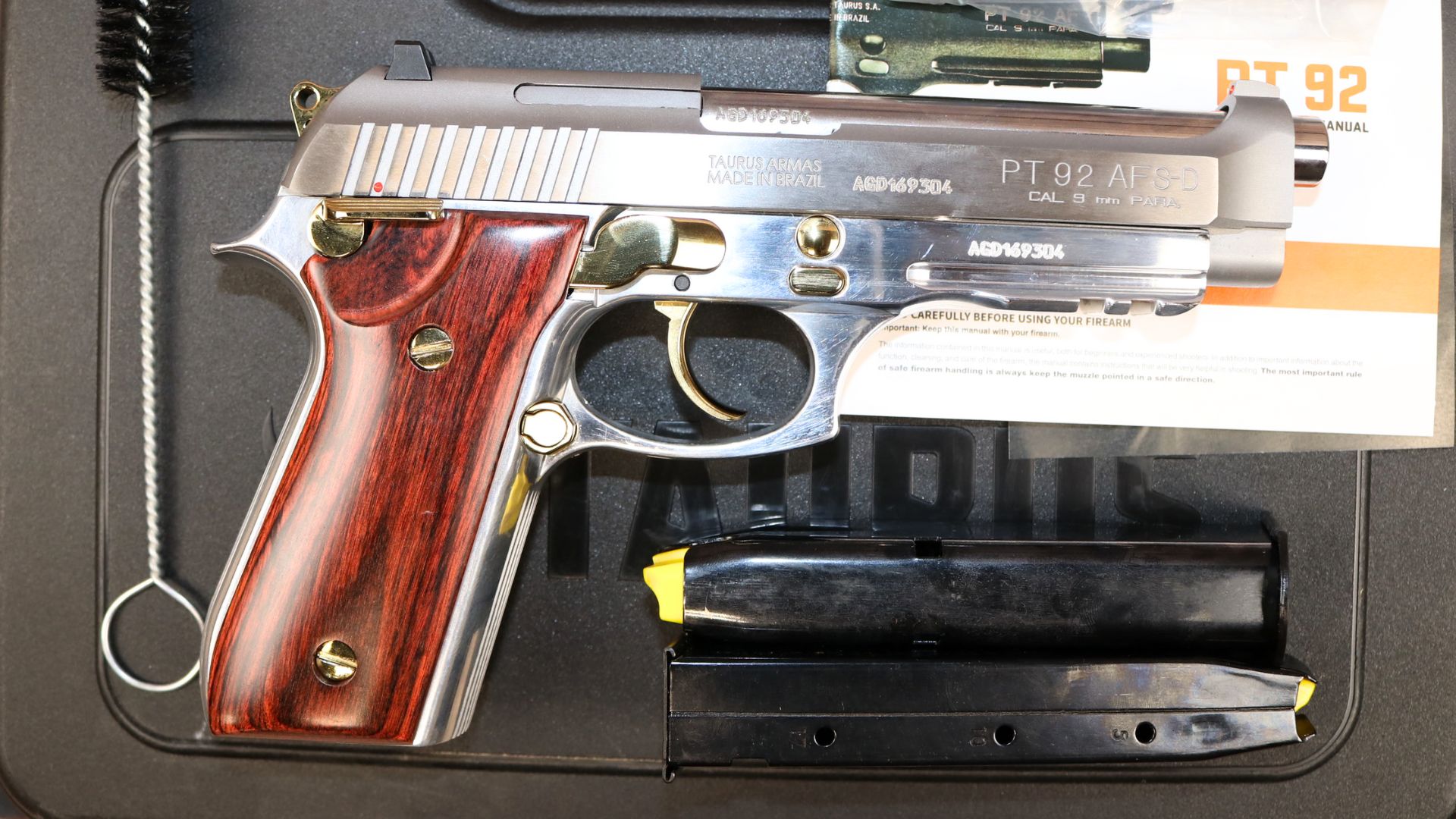
You see plenty of older PT92s that feel loose in every direction. The Beretta-style design can run well when built with tight machining, but some of the older Taurus models left the factory with slides and frames that already had play. Over time that looseness only becomes more noticeable.
The rattle itself isn’t always the issue—it’s what it leads to. Accuracy suffers first, especially in guns with high round counts, and you start noticing flyers that weren’t there before. With enough wear, the trigger bar and locking block areas can also develop slop, which doesn’t inspire much confidence.
KelTec P-11
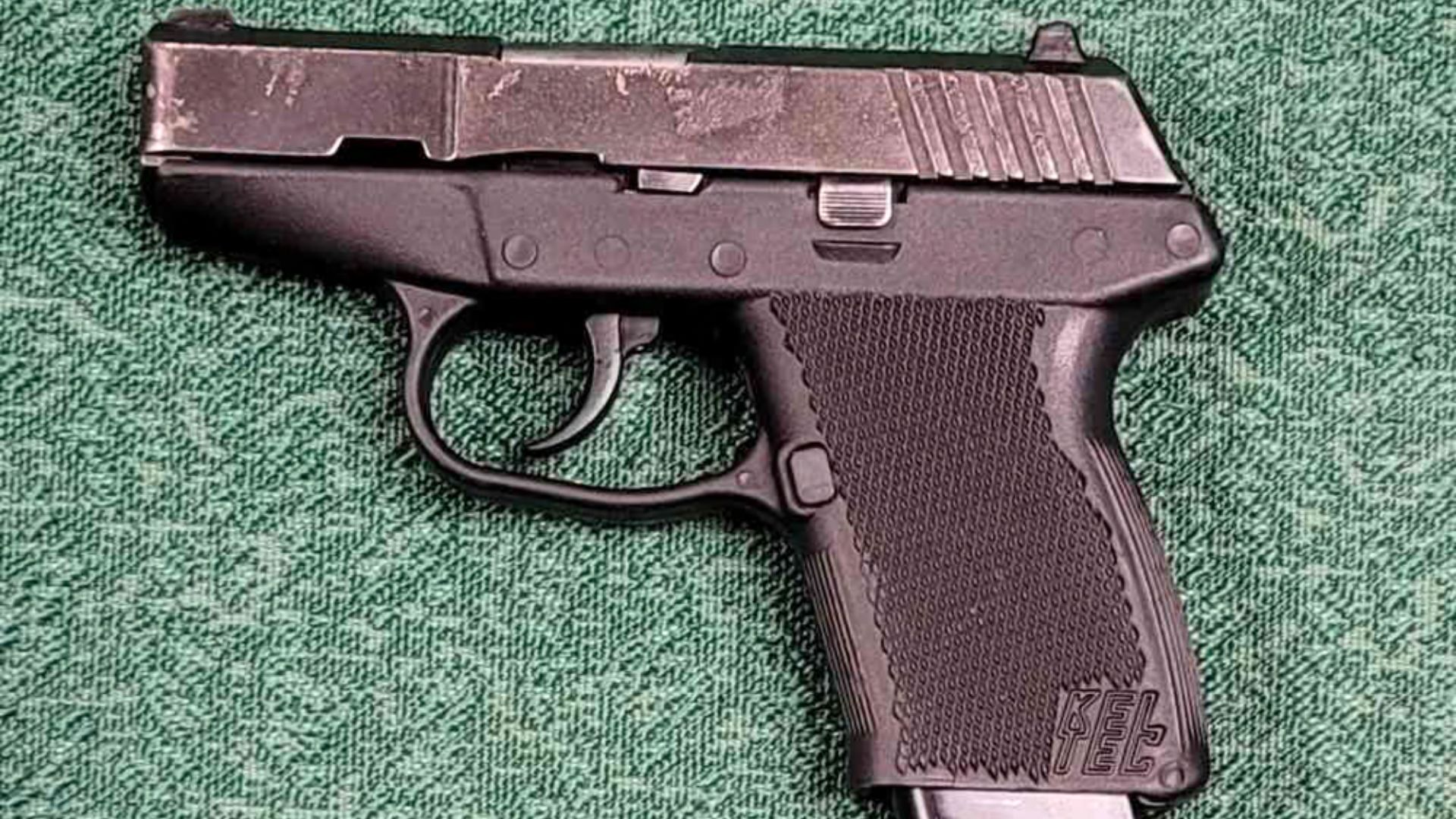
The KelTec P-11 has always been known for being lightweight and compact, but durability and tight tolerances weren’t its strong suits. Even new examples often feel loose around the slide rails and barrel hood. After a couple hundred rounds, the gun tends to develop small noises that grow into full-on rattles.
The gun will still fire, but the overall feel gets worse with use. The long, heavy trigger masks some of the accuracy issues, but group sizes open up as the slide gets looser. Many shooters retire the P-11 early simply because it feels like it will shake itself apart with continued practice.
Century Arms TP9 (early imports)
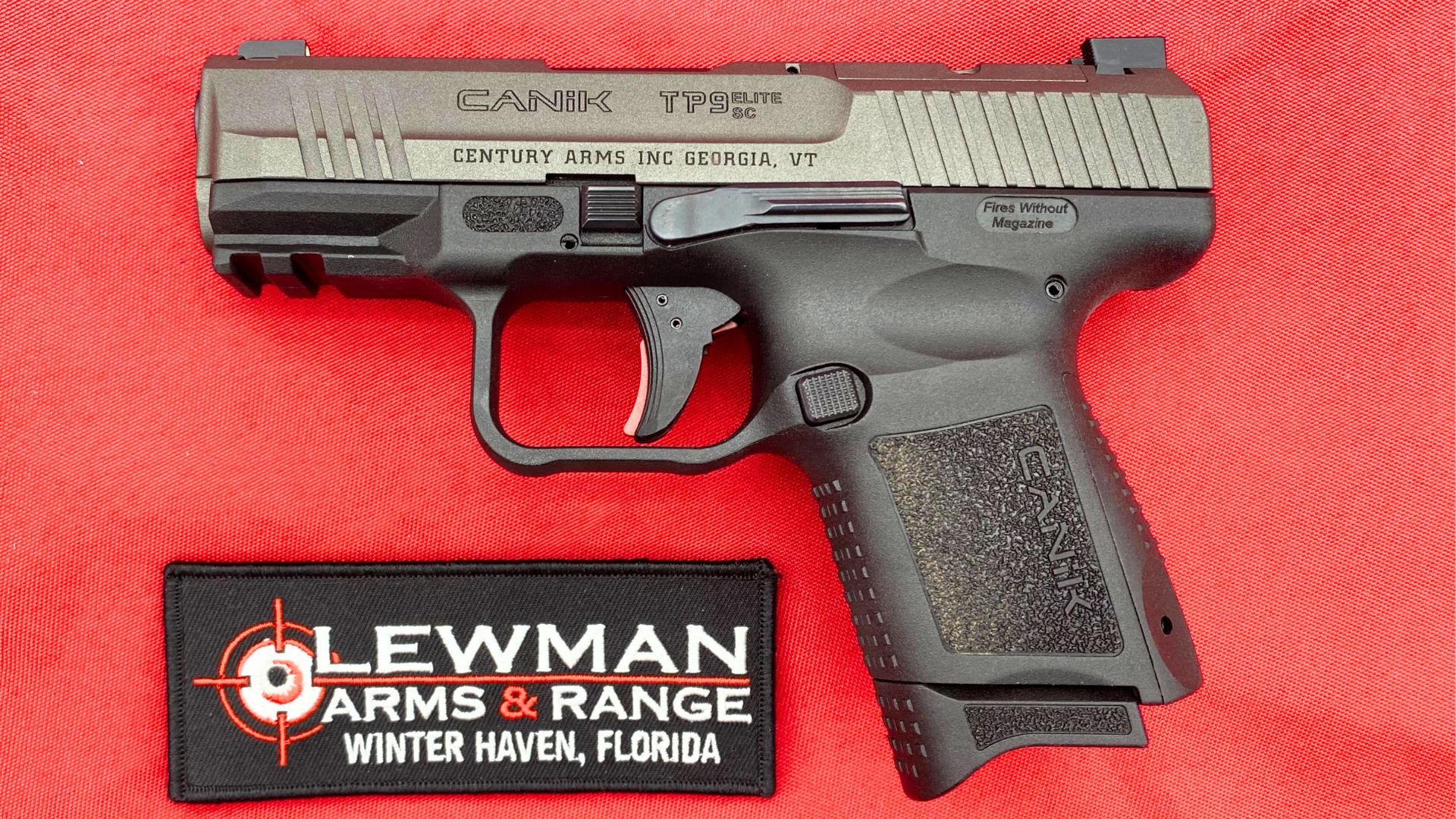
Before Canik refined the line, the early TP9 imports from Century were hit-or-miss. Some were fitted decently, while others had slides that shifted from side to side enough to produce noise even when holstered. The inconsistent machining created guns that felt used right out of the box.
Over time, those tolerance issues get worse. The locking system isn’t inherently bad, but the early builds didn’t always have proper slide-to-frame mating. As wear increases, accuracy becomes unpredictable, and the rattle you notice early on becomes hard to ignore during training.
Zastava M57 (heavily used surplus)
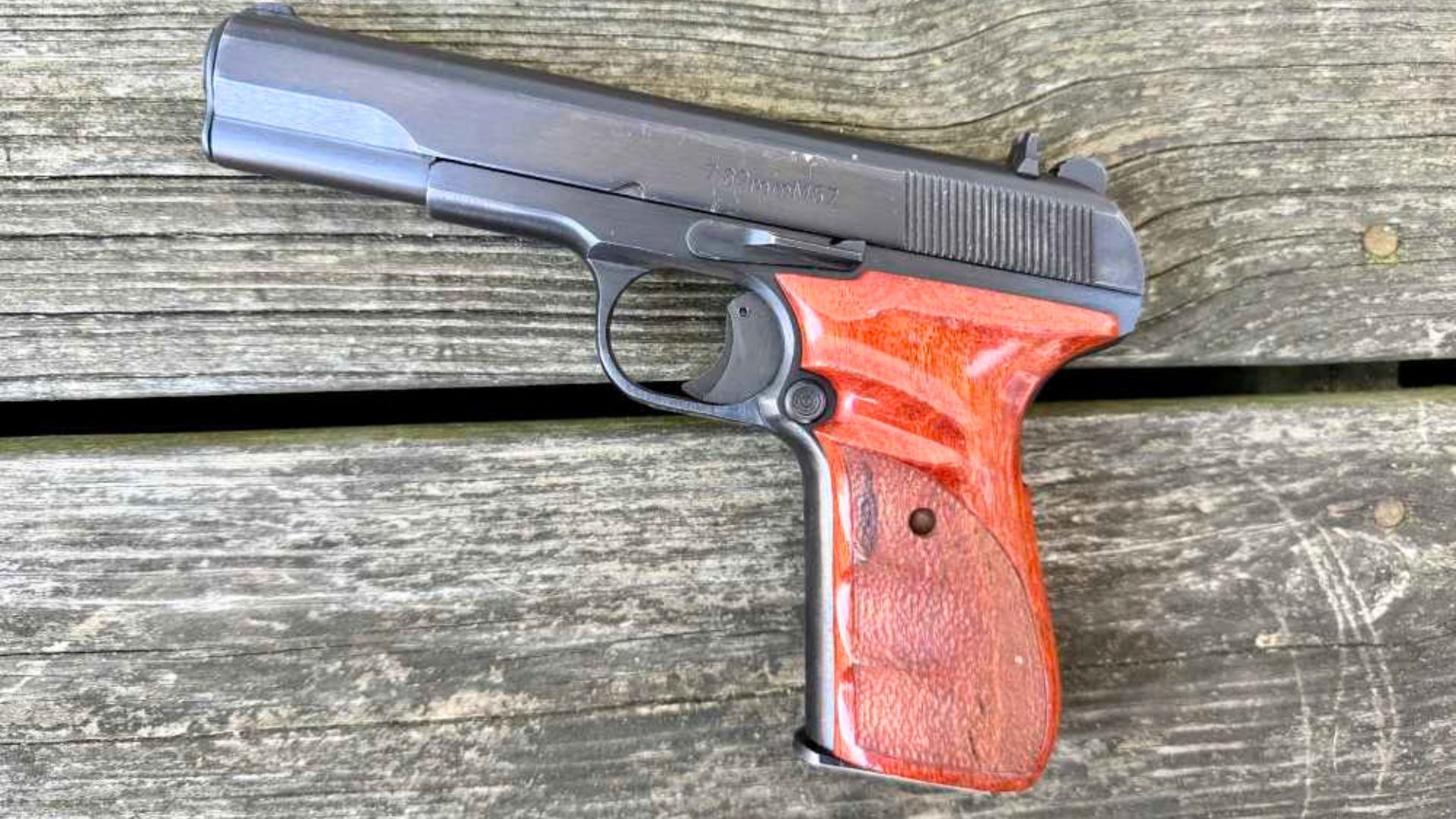
The M57 is a tough old service pistol, but many of the surplus imports were carried hard before ever reaching the U.S. Most show slide wear, frame rail thinning, and loose safety parts. Shake a worn specimen and it sounds like a drawer with loose hardware inside.
The round it fires is fast and flat, but the gun’s looseness often affects stability during recoil. You feel the movement during each shot, especially around the barrel and slide. Shooters who buy them expecting tight Tokarev performance quickly learn the difference between worn-out service guns and well-maintained ones.
Smith & Wesson Sigma

The Sigma series never had a reputation for tight machining. Even early in their lifespan, many examples develop noticeable slide movement and rattling from the trigger components. It doesn’t usually keep the gun from firing, but it does make the platform feel cheap compared to modern options.
The trigger system is another area where wear becomes obvious. The components inside can develop play that turns an already heavy trigger into something even less predictable. By the time a Sigma has a few thousand rounds through it, it tends to feel like everything inside is shifting around.
Hi-Point C9 (high round count)

Hi-Points are known for working despite their crude appearance, but once the round count climbs, the loose feeling grows. The heavy slide masks some issues, but the polymer frame inserts and pins develop wiggle over time. A used C9 often rattles like it has pockets of empty space inside it.
The gun will still run, but the shooting experience gets rougher. The trigger take-up gets gritty, the slide-to-frame fit loosens, and accuracy suffers at anything beyond close distance. It’s a handgun that wasn’t designed for long-term smoothness, and it shows when the miles add up.
Star BM (worn imports)
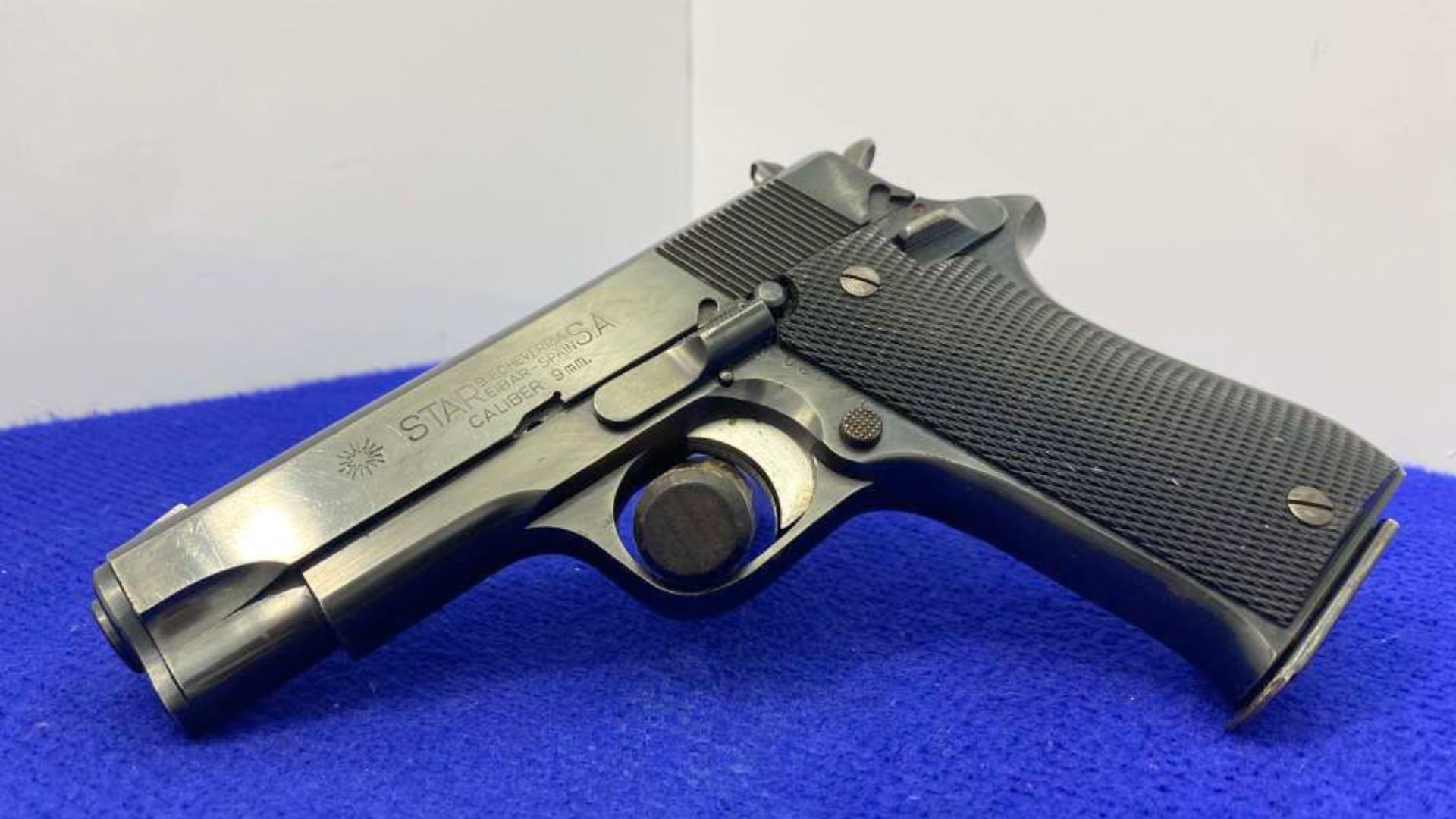
The Star BM is a solid design, but most of the surplus guns that came in were heavily carried. Many show slide and frame wear that makes them rattle noticeably when shaken. The locking lugs often exhibit peening, which only adds to the loose feel.
Even with the rattling, the BM can still be reliable, but shooters expecting the tightness of a modern 9mm will be surprised. As wear increases, the trigger linkage can pick up extra movement, and accuracy begins to slip. These guns were built well—they’re just tired.
CZ 52 (degraded rollers)

The CZ 52’s roller-locking system is unique, but lots of the surplus examples have worn rollers, weakened springs, or mismatched parts. Once that wear sets in, the slide and barrel assembly begin to move in ways that feel rough and noisy. A shake test often reveals how much the gun has aged.
The design was rugged for its time, but decades of storage and inconsistent maintenance take their toll. The looseness becomes most noticeable when dry-firing or loading, and repeated firing accelerates the deterioration. Experienced shooters know to inspect these closely before buying.
Ruger P89 (high mileage)

The P-series pistols from Ruger are famously durable, but the P89 can still get loose when it’s seen tens of thousands of rounds. The slide develops lateral movement and the barrel often shows wear at the hood. When that happens, the gun develops a noticeable rattle during normal handling.
It’ll usually keep running—these guns are tanks—but the looseness affects accuracy before it affects reliability. Many P89s still work perfectly when they feel like worn-out shop tools, but the change in feel is enough to push seasoned shooters toward more modern alternatives.
Norinco 1911 (well-used examples)

Norinco 1911s are tough as nails, but lots of them on the used market were worked hard by previous owners. These guns start out with decent tolerances, but after thousands of rounds, they develop slide and frame looseness that creates that familiar 1911 rattle.
The platform can still function well despite the movement, but accuracy drops when the lockup loses consistency. Barrel feet and link wear are common on high-mileage examples, which only adds to the loose, metallic feel. The gun may not quit, but it feels worn long before failures appear.
Argentine Browning Hi-Power (surplus)

Surplus Hi-Powers from Argentina vary widely in condition, and many exhibit heavy wear. The slide-to-frame fit becomes loose enough to rattle, and the safety assembly often has noticeable wobble. Many were issued for decades, and the metal tells the story.
Even worn-out Hi-Powers can shoot reliably, but the changes in feel are obvious. The once-crisp trigger becomes mushier, and the loose slide affects consistency on target. They’re fun shooters, but experienced users know the difference between a nostalgic range gun and a dependable carry piece.
FEG PA-63
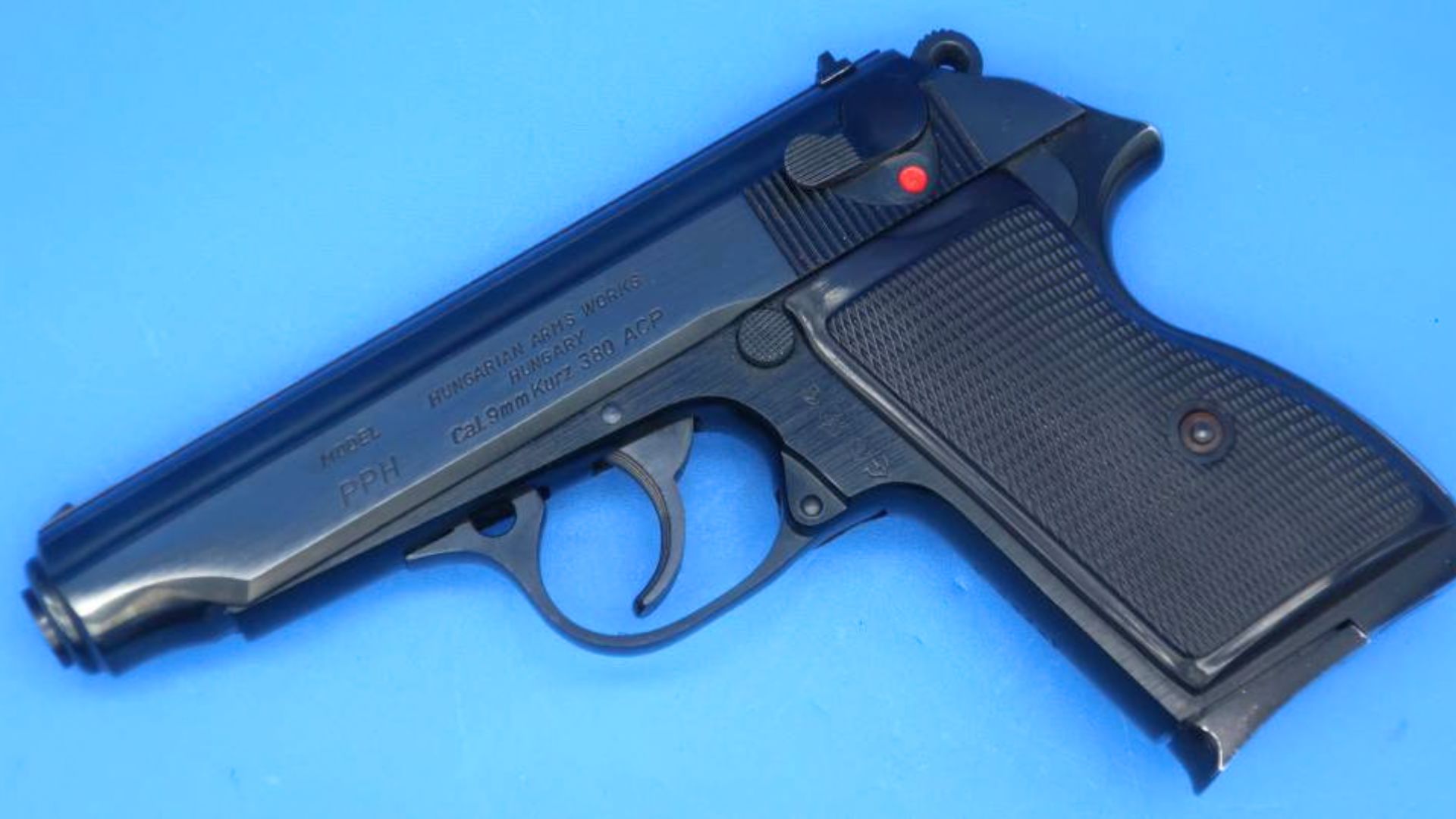
The PA-63 is lightweight and snappy, and it tends to loosen up quickly with use. The aluminum frame takes a beating, and the slide often develops side-to-side movement that creates audible rattling. Once the frame rails begin showing wear, you feel the slop with every slide cycle.
It still functions, but the shooting experience begins to degrade. The gun becomes harder to control under recoil, the trigger linkage wears unevenly, and accuracy suffers. The PA-63 works best as an occasional shooter, not something you put thousands of rounds through.
Polish P-64

The P-64 is a tough little pistol, but the design isn’t known for smoothness. Many examples loosen noticeably after extended use, especially around the slide rails and barrel. The internal parts can also rattle due to the simple construction.
The issues aren’t catastrophic, but the gun begins to feel rough and unrefined. Add the famously heavy trigger and sharp recoil, and the looseness only becomes more distracting. Many shooters treat it as a historical range toy rather than something for regular training.
Llama Max-1

The Llama Max-1 tried to mimic the 1911 pattern, but machining quality varies heavily. Some examples start rattling almost immediately, especially in the slide rails and barrel hood. The internal parts sometimes shift during handling, amplifying the worn-out feel.
Even when kept clean, the tolerances weren’t tight enough to prevent noise and movement. Over time, the wear compounds, and the gun begins to feel like it’s coming apart internally. Shooters familiar with well-built 1911s can spot the difference within seconds.
Bersa Thunder 380 (high round count)
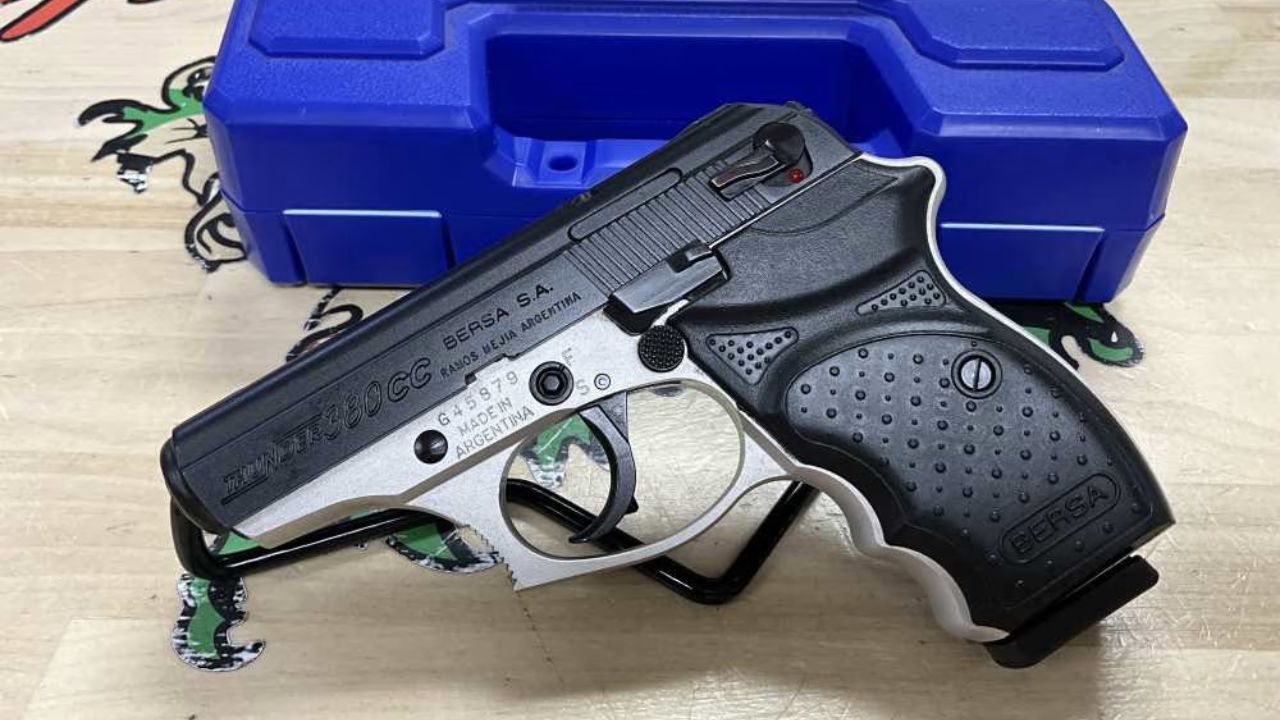
The Bersa Thunder 380 is a solid budget carry gun, but as the miles accumulate, the slide fit loosens and the internal parts develop small amounts of play. Older guns with high round counts often rattle noticeably.
It still functions well, but the change in feel is unmistakable. You sense the looseness during recoil and when manually cycling the slide. While the Thunder remains reliable for many shooters, those rattles are often the first sign that it’s entering the later stages of its lifespan.
Like The Avid Outdoorsman’s content? Be sure to follow us.
Here’s more from us: