Photo credit: Militarist/Shutterstock.com
Most firearms do not remain relevant for very long. A new military contract comes along, a manufacturer changes direction, or shooters simply move on to something lighter, cheaper, or easier to produce. Plenty of guns that once looked permanent disappeared after a decade or two because the market moved faster than anyone expected.
Then there are the designs that refuse to leave. Some have remained in military or police service for generations. Others have stayed in production so long that multiple waves of supposed replacements have come and gone around them. A few have been modernized repeatedly, but the basic operating system and purpose remain remarkably recognizable. These 20 firearms have lasted far longer than most designs ever do, and that kind of staying power usually tells you something important about how well the original idea worked.
Browning M2

Vickers Tactical/YouTube
The Browning M2 is one of the clearest examples of a firearm outliving almost everything that was supposed to replace it. The basic .50-caliber machine-gun design traces back more than a century, yet the weapon remains recognizable in modern military service because the original concept was simply that effective. It delivers tremendous range, penetration, and reliability from a platform that can be mounted on vehicles, vessels, aircraft-related installations, and fixed defensive positions. Countless newer weapons have appeared since the M2 entered service, but very few have offered enough improvement to justify abandoning something that already does its job so well.
That longevity is almost absurd by normal firearms standards. Most guns are considered successful if they remain relevant for twenty or thirty years. The M2 has crossed generations of warfare without losing its basic purpose.
M1911

The 1911 is one of those pistols that should have become a historical curiosity decades ago, yet the design continues to appear in military, law-enforcement, competition, and civilian use. Its original U.S. military adoption dates to 1911, and while it was eventually replaced as the standard service pistol, specialized units and individual users continued relying on variations long afterward. The single-action trigger, slim grip, straightforward controls, and .45 ACP chambering gave it a combination of shootability and familiarity that newer designs never completely erased.
The remarkable part is that people are still building serious working pistols around essentially the same architecture. Modern examples may add rails, improved sights, optics cuts, or double-stack frames, but the operating principles remain instantly recognizable. Very few handgun designs have maintained that kind of influence for more than a century.
AK-47 and AKM
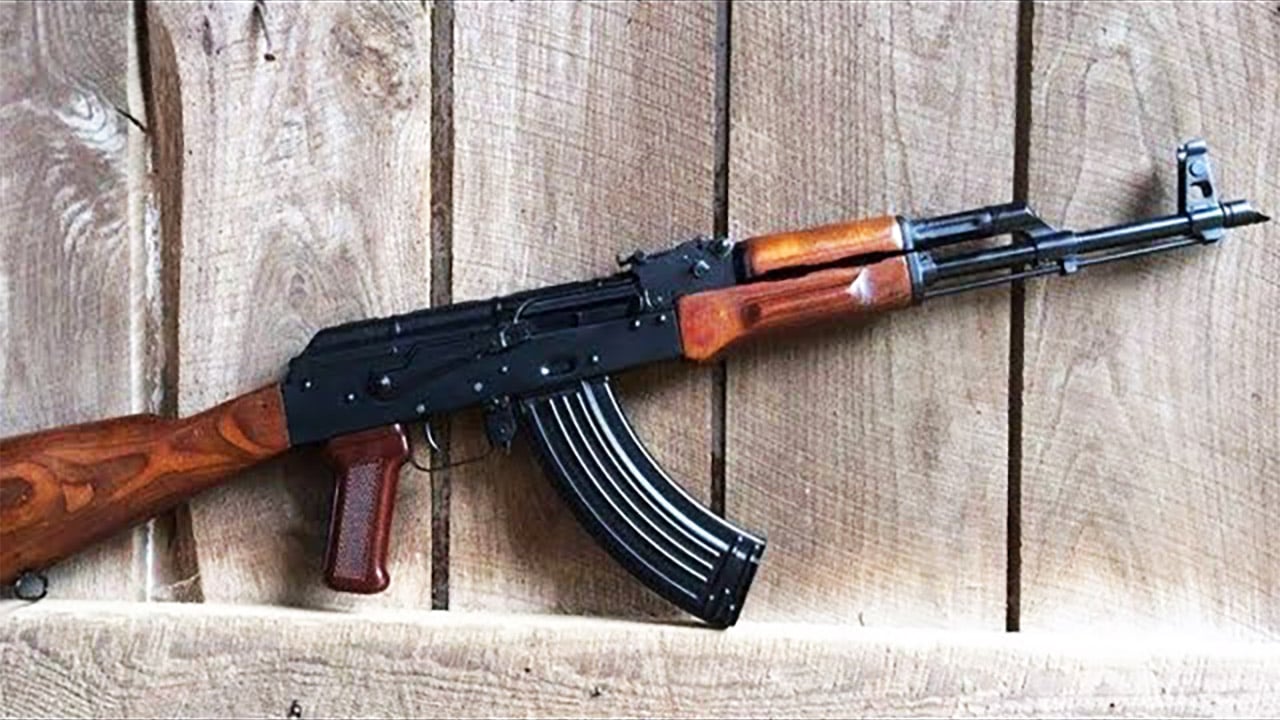
The AK family has been in military service for so long that entire generations grew up assuming the rifle had simply always existed. The original AK-47 entered Soviet service in the late 1940s, and the later AKM simplified and refined the concept into the version that spread across much of the world. Its reputation comes from a combination of loose-enough tolerances, rugged construction, straightforward controls, and an intermediate cartridge that works well in the ranges infantry commonly fight.
What really separates the AK from most rifles is how widely the basic pattern survived. Countries produced local versions, updated furniture, changed calibers, and modified accessories without abandoning the core system. A design that began in the aftermath of World War II remains instantly recognizable in current conflicts, which is an extraordinary production and service life.
M16 and M4 Family
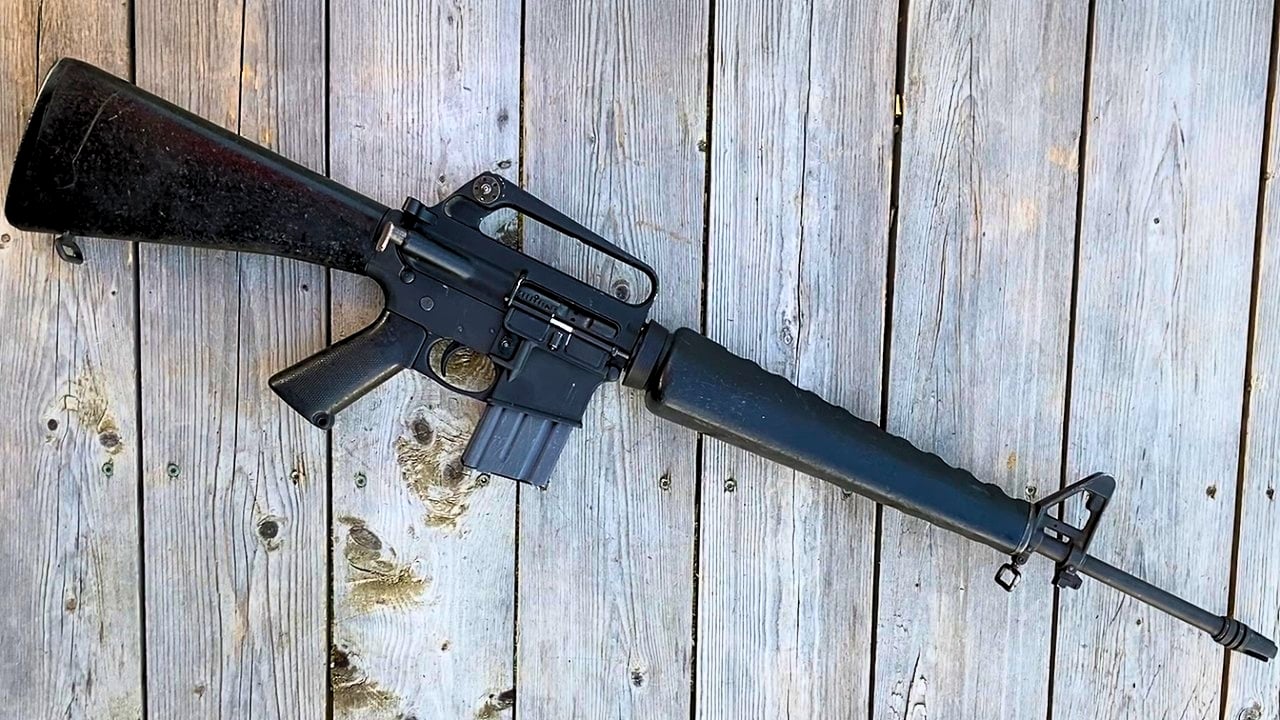
The M16 family has spent decades proving that a rifle can evolve continuously without losing its basic identity. The original M16 entered U.S. military service in the 1960s, and the platform went through numerous refinements before eventually producing shorter carbines such as the M4. Materials, handguards, optics, barrels, accessories, and ammunition have all changed dramatically, yet a soldier from decades ago would immediately recognize the controls and operating principles.
That continuity matters. Once a military has enormous training, parts, magazine, and maintenance infrastructure built around a platform, replacing it requires more than introducing something marginally better. The M16/M4 family lasted because the design remained light, accurate, adaptable, and easy to modernize. Few rifles have survived so many technological changes while staying fundamentally familiar.
FN FAL

The FN FAL became one of the defining military rifles of the Cold War because it gave countries a powerful, reliable semiautomatic rifle that could be adapted to different national requirements. It was adopted in numerous forms by militaries across the world, often in 7.62 NATO, and remained in service long after lighter intermediate-caliber rifles began taking over infantry roles. Its adjustable gas system, rugged construction, and conventional handling made it especially attractive to militaries that wanted a proven full-power rifle.
Even after frontline replacement, FAL variants remained in reserve, training, police, and secondary roles in multiple countries. That is the kind of service life that most rifles never achieve. When a weapon remains useful after the doctrine that created it has changed, the underlying design was clearly doing something right.
G3
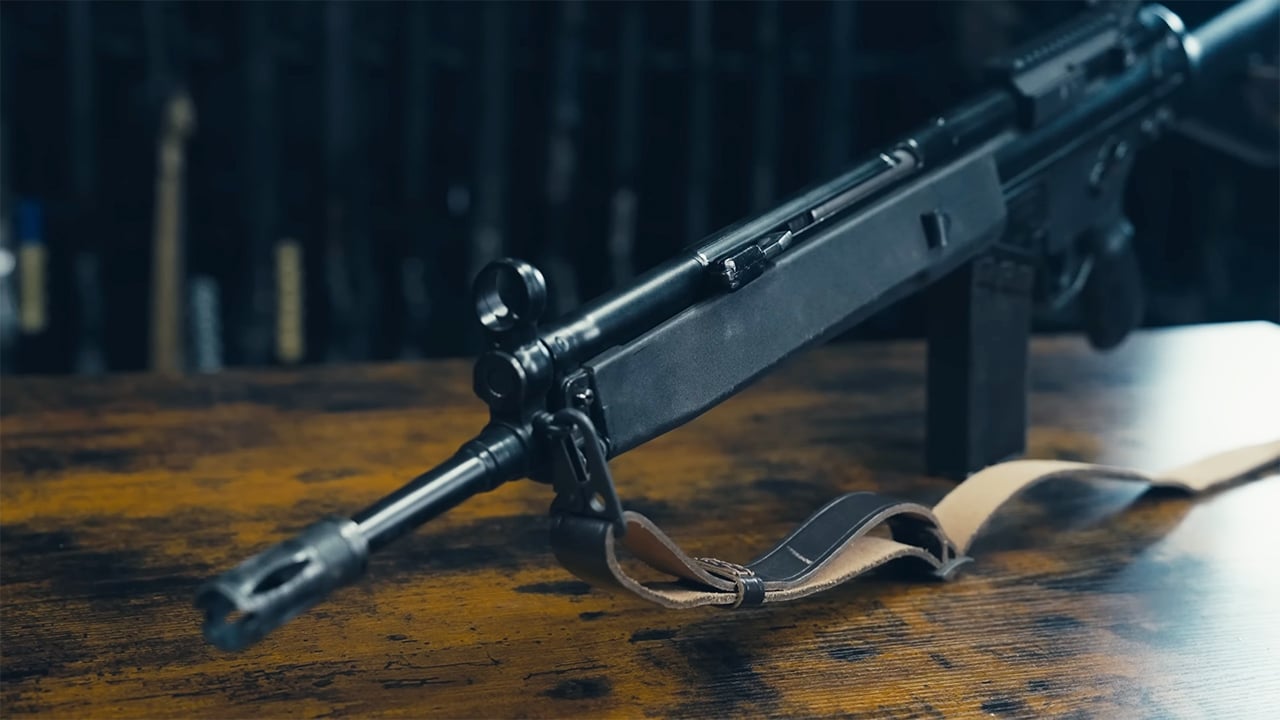
The G3 is another Cold War rifle that remained relevant far longer than many of its contemporaries. Developed around a roller-delayed operating system, the rifle became closely associated with West Germany but was also produced and used by many other nations. Its stamped construction allowed relatively efficient manufacturing, while the 7.62 NATO chambering gave it full-power capability that remained useful even after lighter assault rifles became more common.
The G3’s longevity comes partly from simplicity and partly from sheer durability. It is not particularly soft shooting and does not have the refined ergonomics of newer rifles, but it works, and countries continued finding roles for it decades after introduction. That is more than most military rifles can say.
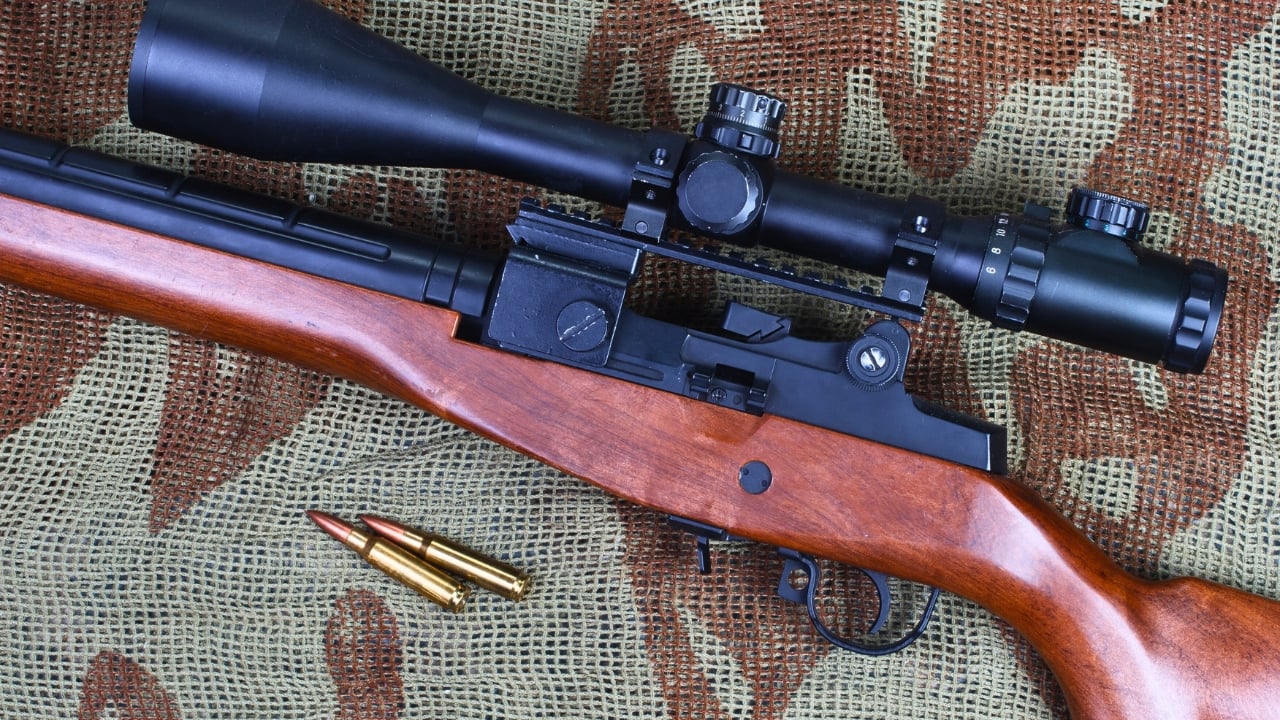
M14

The M14 had a relatively short run as the primary U.S. service rifle, but that does not tell the whole story. Its adoption in the late 1950s was quickly followed by the rise of the M16, which made the M14 look obsolete almost immediately. Yet the rifle never completely disappeared. Its 7.62 NATO chambering, accuracy potential, and familiar Garand-derived operating system kept it useful for designated marksman, ceremonial, and specialized roles long after it stopped being standard infantry issue.
That second life is what makes the M14 interesting. Few rifles survive being officially replaced and then continue finding meaningful service decades later. The platform proved that a weapon can fail to dominate one role and still remain valuable in another.
Remington 870

The Remington 870 has remained one of the most recognizable pump shotguns ever made because the basic design works across an enormous number of roles. Introduced in 1950, it found homes with hunters, police agencies, military users, security personnel, and ordinary gun owners. The steel receiver, dual action bars on later production, broad barrel selection, and straightforward pump system gave the gun the kind of adaptability manufacturers dream about.
The remarkable part is how little explaining an 870 needs. A field gun, police shotgun, slug gun, or defensive setup can all come from the same basic platform. Generations of competing pump shotguns have appeared around it, yet the 870 remains one of the reference points against which they are judged.
Mossberg 500

The Mossberg 500 has been around since the early 1960s and has spent that time becoming almost impossible to remove from the American shotgun landscape. It has been used for hunting, home defense, law-enforcement work, and military applications, often with only relatively modest changes to the underlying action. The tang safety, lightweight receiver, twin action bars, and enormous barrel and accessory ecosystem give it flexibility that keeps the platform relevant.
A lot of shotguns have come and gone since the 500 appeared. Few have managed to remain this common because few combine price, durability, and modularity so effectively. The gun does not have to dominate one category when it can remain useful in nearly all of them.
Ithaca Model 37

The Model 37 is one of the rare shotguns whose basic design reaches back before World War II and still feels usable today. Its bottom-loading and bottom-ejecting layout gives the receiver unusually clean lines while also making the shotgun naturally friendly to both right- and left-handed shooters. It served hunters, police departments, and military users across multiple generations, and its smooth pump action earned a particularly loyal following.
Plenty of newer pumps are cheaper to manufacture, easier to accessorize, and more common. None of that erased what makes the Model 37 appealing. A design can survive for this long only if the basic handling and mechanics remain useful after fashion changes around it.
Browning Auto-5
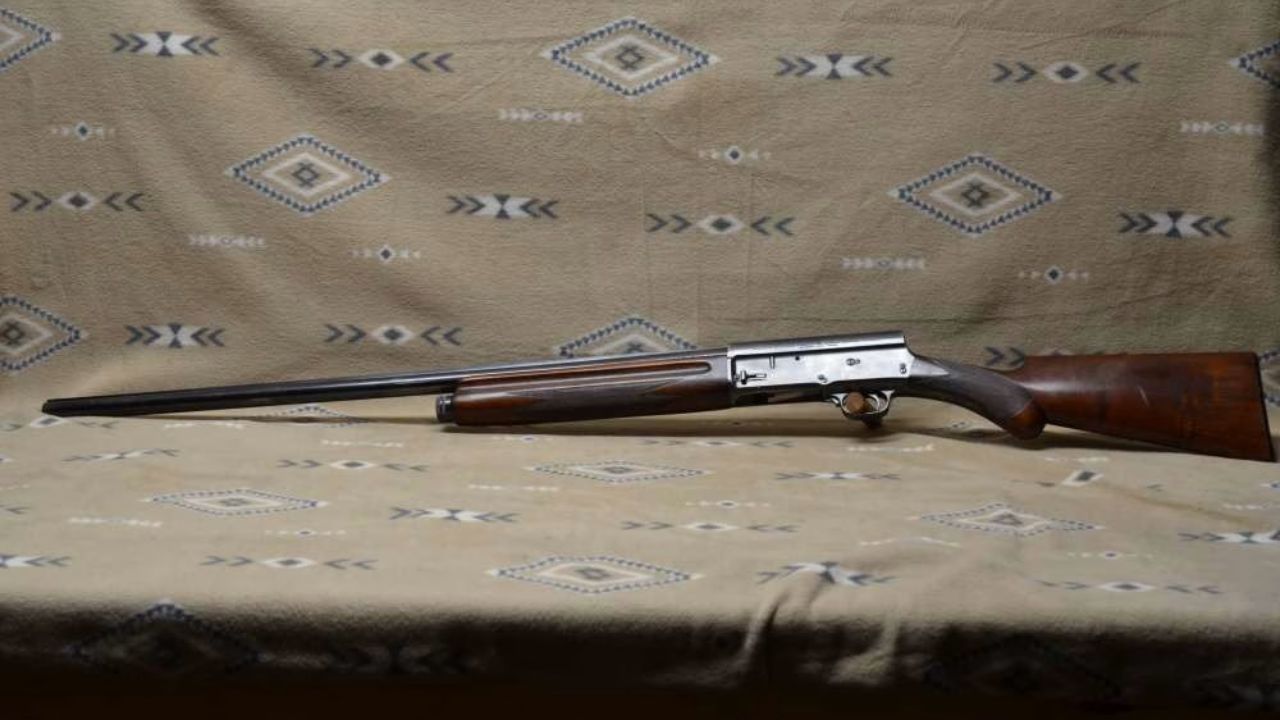
The Auto-5 is one of the most important sporting shotguns ever produced, and its longevity is almost difficult to comprehend. John Browning’s long-recoil semiautomatic design entered production in the early 1900s and remained in production in classic form for most of the twentieth century. Hunters carried them for generations, and the distinctive humpback receiver became instantly recognizable even to people who knew very little about shotguns.
The system is more mechanically involved than many modern gas or inertia guns, yet it proved extraordinarily durable. The fact that so many old Auto-5s are still being hunted with says as much as the production history. It did not merely survive on reputation. The guns continued working.
Lee-Enfield
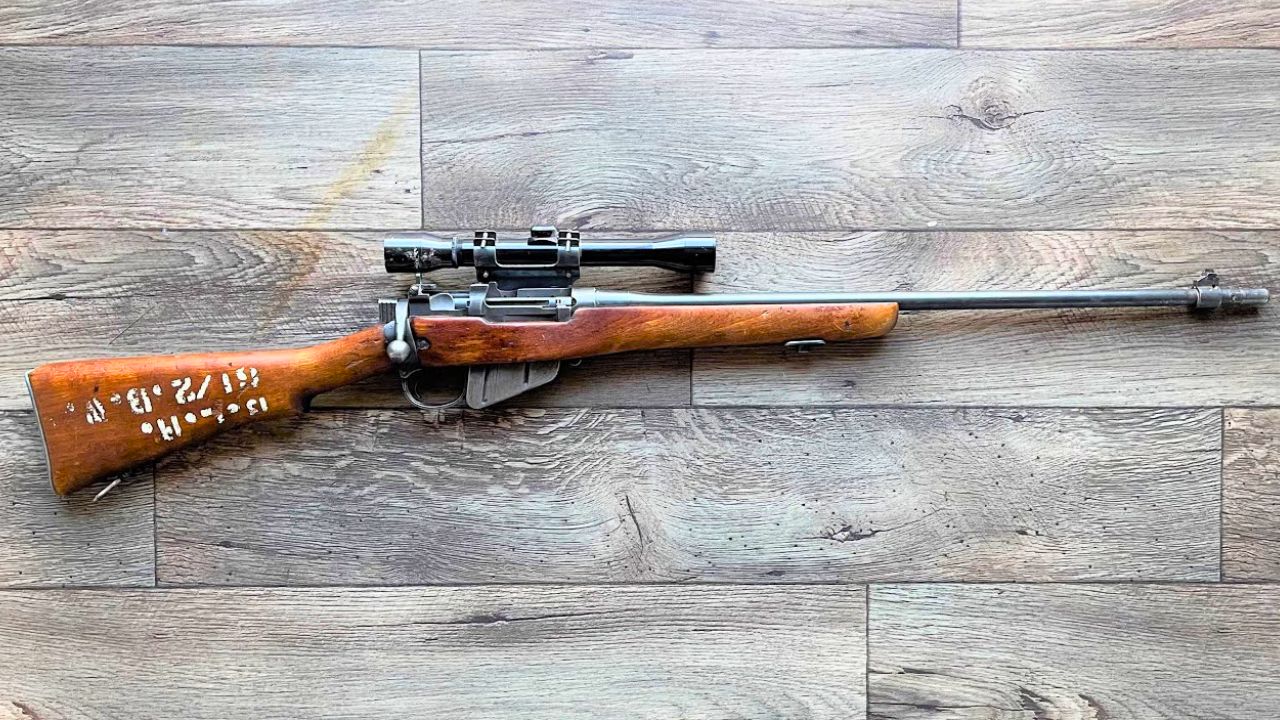
The Lee-Enfield family served the British Empire and Commonwealth for an extraordinarily long period, with roots reaching back into the late nineteenth century. Its fast bolt action, detachable magazine, and .303 British chambering made it one of the most effective military bolt rifles of its era. The action was especially well suited to rapid aimed fire, and trained soldiers could operate it at a pace that gave the rifle a reputation far beyond an ordinary bolt gun.
Even after self-loading rifles replaced it in primary service, Lee-Enfields remained in reserve, police, and secondary roles around the world. A rifle design spanning both world wars and lingering into much later service is operating on a timeline almost no modern model will ever match.
Mauser 98

The Mauser 98 is less impressive because one exact military configuration stayed in service forever and more impressive because the action became a foundation that refused to die. Introduced at the end of the nineteenth century, the controlled-round-feed bolt, massive extractor, dual front locking lugs, and strong receiver became the blueprint for countless military and sporting rifles that followed. Even rifles that are not direct copies often owe something to its basic mechanical ideas.
The action served through multiple wars and then continued living through hunting rifles around the world. More than a century later, manufacturers still produce rifles based on the same fundamental architecture. That is a level of design influence few firearms can approach.
Mosin-Nagant

The Mosin-Nagant was already an old rifle before many twentieth-century military designs even existed. Adopted by Imperial Russia in the 1890s, it remained in widespread Soviet use through World War II and continued showing up in military, reserve, and irregular roles long after semiautomatic and select-fire rifles had become standard elsewhere. The design is crude compared with many later bolt guns, but it is also strong, straightforward, and capable of surviving harsh treatment.
Its extraordinary longevity comes partly from the enormous numbers produced. When millions of rifles already exist, they do not simply disappear because something better gets invented. The Mosin is proof that ruggedness and scale can keep a firearm relevant long after technology moves on.
Browning Hi-Power
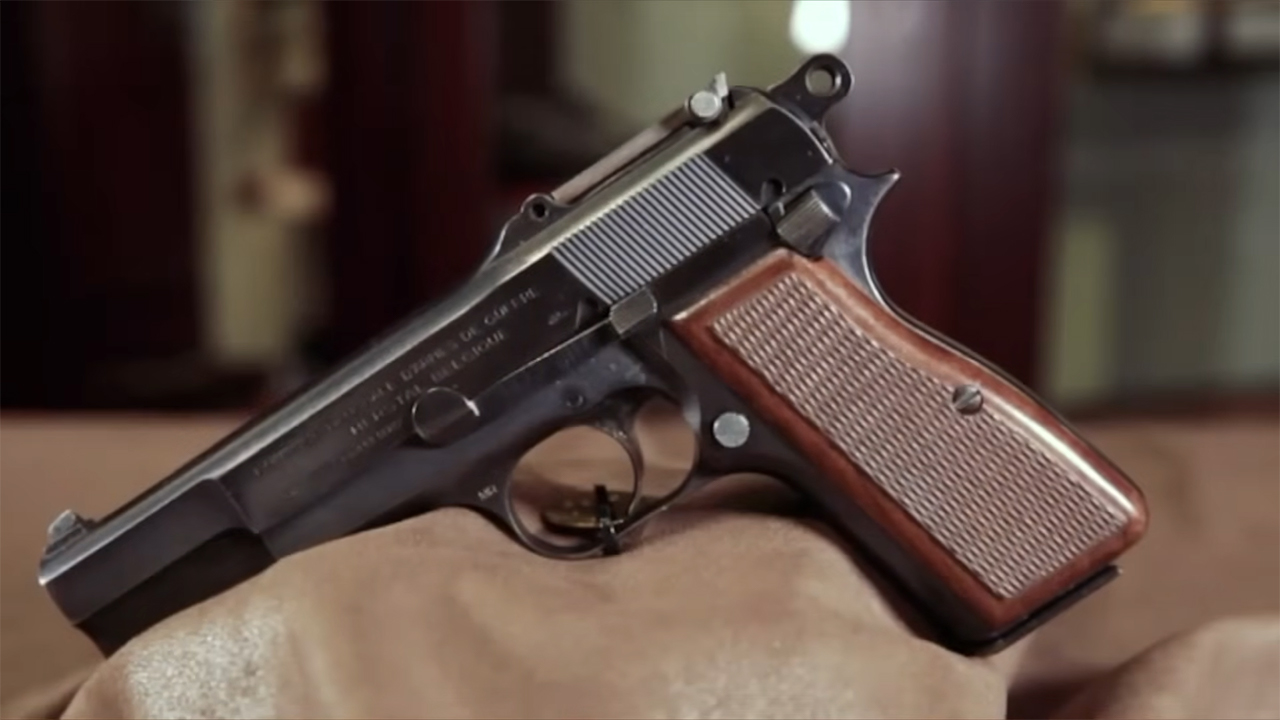
The Hi-Power became one of the defining military and police pistols of the twentieth century. Introduced in the 1930s, it combined a double-stack 9mm magazine with a slim, comfortable grip and a locked-breech operating system that influenced countless pistols after it. Militaries and police forces around the world adopted it, and production continued for decades because the gun remained practical long after its original contemporaries disappeared.
Even when newer polymer pistols became lighter and offered more capacity, the Hi-Power retained enough appeal that manufacturers eventually began revisiting the design rather than letting it stay dead. A pistol that can disappear and then inspire an entire revival clearly left a deep mark.
Beretta 92
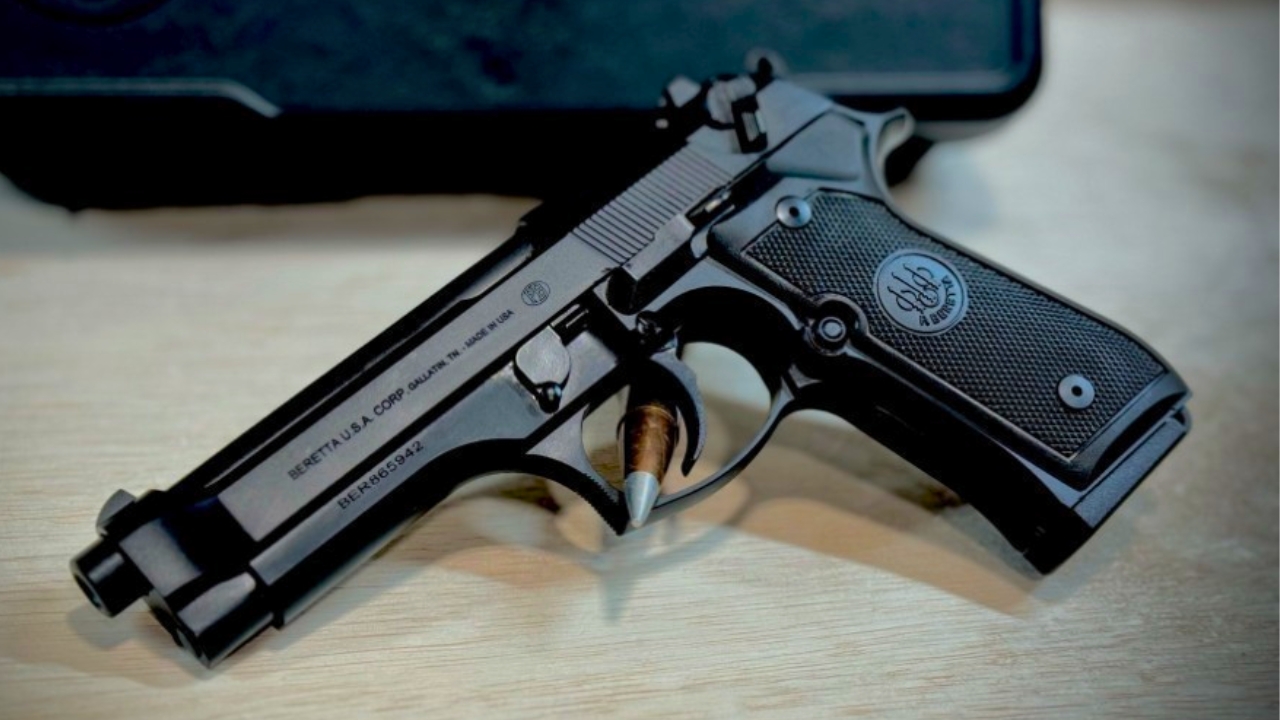
The Beretta 92 family has been in service long enough that younger shooters sometimes forget how revolutionary it once seemed. The alloy frame, high-capacity 9mm magazine, exposed-barrel slide, and smooth DA/SA operating system made the pistol a serious service contender, eventually leading to adoption by the U.S. military as the M9 in the 1980s. The platform then served for decades while countless other pistols entered and left the market.
Even after newer military pistols replaced it in primary U.S. service, the 92 family remained in production and widely used. Beretta kept refining the basic design instead of abandoning it. That longevity proves the original architecture had far more staying power than many people expected.
SIG Sauer P226

The P226 emerged from the 1980s service-pistol era and managed to remain relevant through several complete changes in handgun fashion. Metal-framed DA/SA pistols gave way to polymer striker guns, accessory rails became normal, red dots began appearing on duty pistols, and capacities increased. Through all of that, the P226 retained a reputation for durability, accuracy, and extremely dependable function.
The gun’s longevity is particularly impressive because it was never the cheapest option. Agencies and serious shooters kept choosing it because the performance justified carrying around more weight and paying more money. Many pistols introduced decades later have already disappeared while the P226 is still immediately recognized as a serious service handgun.
HK MP5
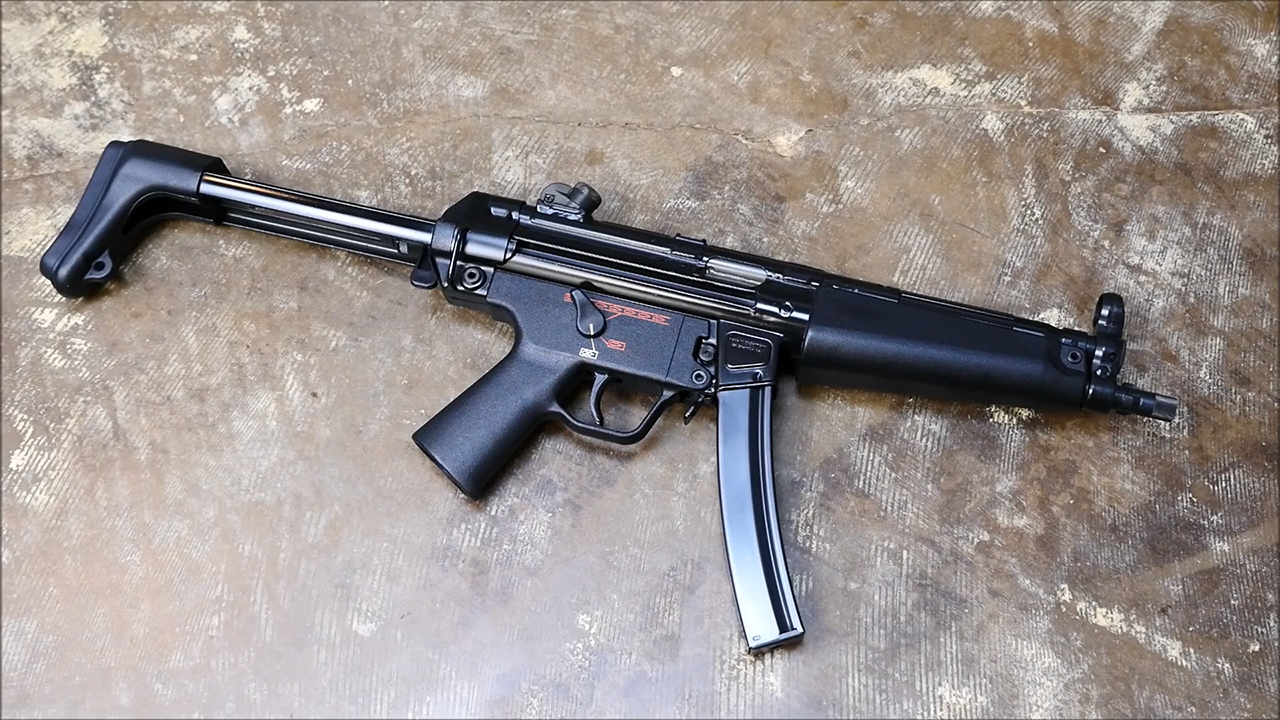
The MP5 has survived repeated predictions that newer compact weapons would finally make it irrelevant. Introduced in the 1960s, the roller-delayed 9mm submachine gun became a favorite of military special units, police tactical teams, and security forces because it combined compact dimensions with excellent controllability and accuracy. Its closed-bolt operation also gave it a precision advantage over many older open-bolt submachine guns.
The rise of short-barreled rifles reduced the role of pistol-caliber submachine guns, but it never completely erased the MP5. Decades later, the design remains in production and continues influencing newer compact firearms. That is remarkable endurance for a weapon created before most current users were born.
FN MAG
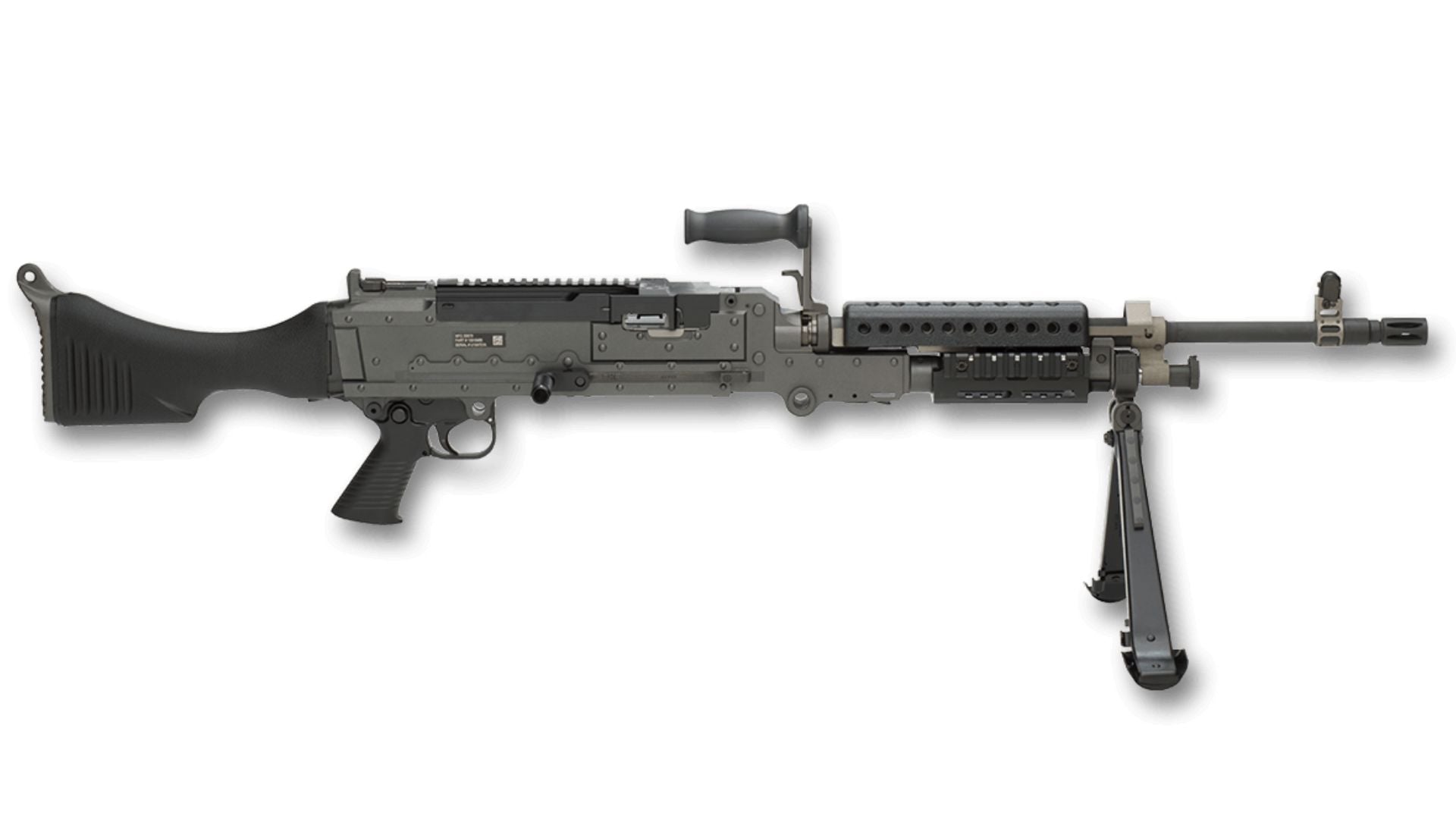
The FN MAG is another military weapon that has remained useful because the basic job never disappeared. Developed in the 1950s, the 7.62 NATO general-purpose machine gun became widely adopted in numerous countries and eventually served the United States in forms such as the M240. It combines a proven gas-operated system with belt feeding and enough durability to survive sustained military use.
There have been lighter machine guns and newer designs, but replacing the MAG family outright has proved difficult because it already occupies its role extremely well. When a gun remains a standard reference point after more than half a century, manufacturers have to offer a major improvement rather than a modest one.
Ruger 10/22

The Ruger 10/22 has never been a military service rifle, but its production longevity deserves a place beside almost anything on this list. Introduced in 1964, it became one of America’s default rimfire rifles because it combined a reliable semiautomatic action with a detachable rotary magazine and a receiver design that invited modification. Generations of shooters learned on one, hunted small game with one, and eventually bought another because the first had become too familiar to replace.
The amazing part is how well the platform adapted. Target versions, takedown models, lightweight builds, suppressed setups, and countless aftermarket configurations all grew from the same basic rifle. Most rimfires disappear quietly after a few years. The 10/22 became an entire ecosystem.
Winchester Model 70
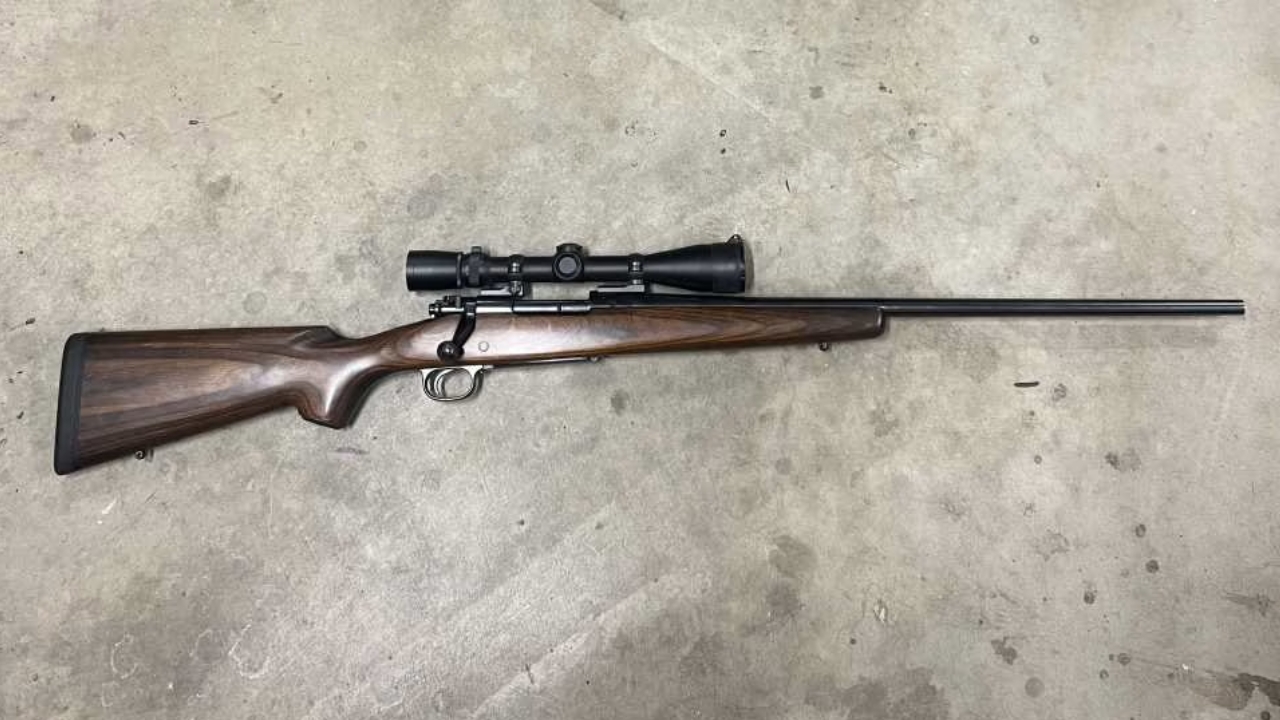
The Model 70 has gone through production changes, factory changes, and multiple eras of ownership, yet the basic rifle remains one of the most recognizable bolt actions in American hunting. Introduced in the 1930s, it established a reputation around controlled-round feeding, excellent handling, and a three-position safety that became almost a standard by which other hunting rifles were judged. Even the controversial push-feed years did not erase the Model 70 name.
That kind of longevity says something. Hunters are notoriously willing to argue over rifles, but generations kept returning to the Model 70 because the basic design still made sense. Very few sporting rifles remain relevant across that many changes in manufacturing and hunting culture.
Like The Avid Outdoorsman’s content? Subscribe to our newsletter so you never miss an article.
Here’s more from us: