Photo credit: Military Arms Channel/Youtube
Every few years the used-rifle market does this little trick where “old and boring” suddenly turns into “hard to find,” and the guys who saw it coming are already done shopping. You won’t hear them brag about it at the range either. They’re quietly buying clean examples, tucking them away, and letting everyone else chase whatever the current catalog is pushing.
This isn’t about hype guns. It’s about rifles with real track records, rifles that got discontinued for reasons that had nothing to do with performance, and rifles that still have parts, mags, and a following. Some of these are classics, some are sleeper oddballs, and a few are “I didn’t know I missed it until it was gone.” Ask me how I know.
1. Remington Model 700 BDL (pre-2007 era)
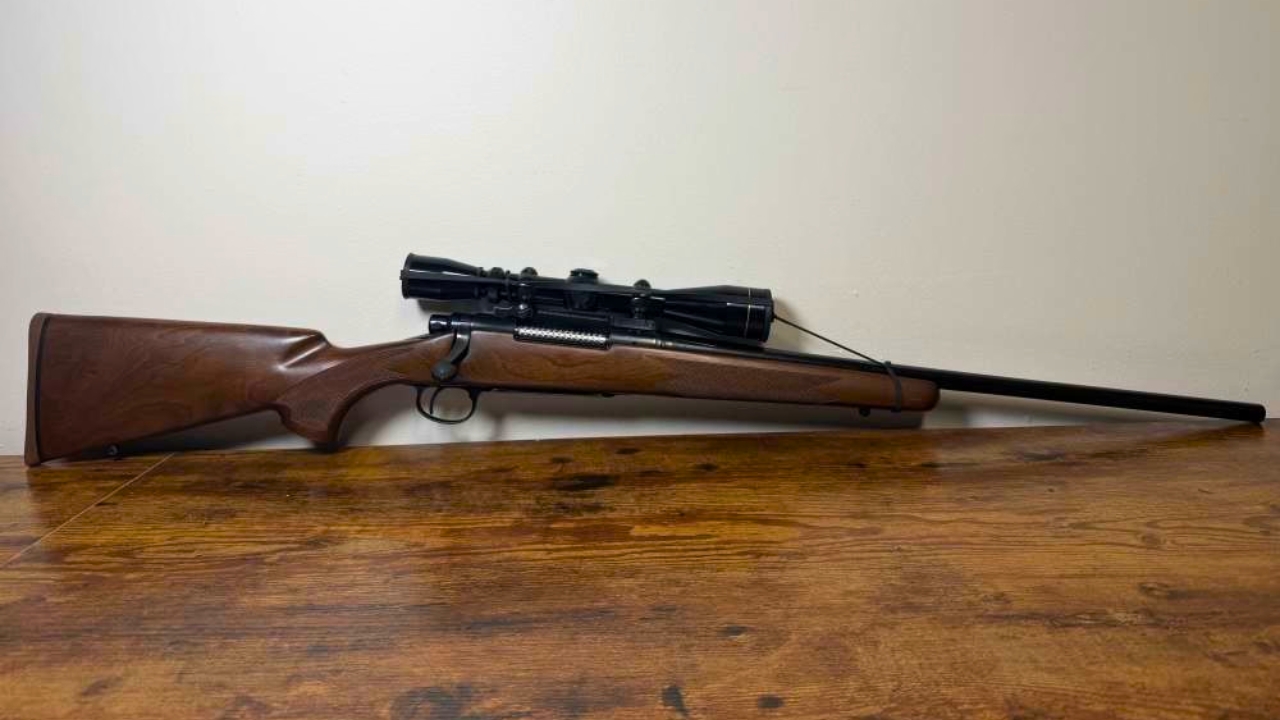
I’ve carried plenty of rifles that shoot fine, but very few point like a good older 700 with a real walnut stock and decent metalwork. The BDLs from the earlier runs have that slick “used but not worn out” bolt feel when they’re been cared for. They balance like a hunting rifle is supposed to.
Yes, the 700 name got dragged around in recent years, and that spooked casual buyers. Serious collectors separate the era and the condition from the internet noise. A clean BDL in a common hunting chambering is the kind of rifle you can hunt with, hand to your kid later, and nobody will call it a bad choice.
2. Winchester Model 70 (pre-64)

This one is not a secret, but it’s still getting pulled off racks whenever one shows up honest and un-messed-with. The pre-64 Model 70 has that controlled-round-feed action and craftsmanship you feel the minute you run the bolt. It’s not just nostalgia. It’s function.
The prices are already strong, but the real move is finding one that hasn’t been drilled into a science project. Original stocks, original finishes, correct sights—those are drying up. If you see a clean one, you don’t “think about it” for a week.
3. Ruger M77 Mark II
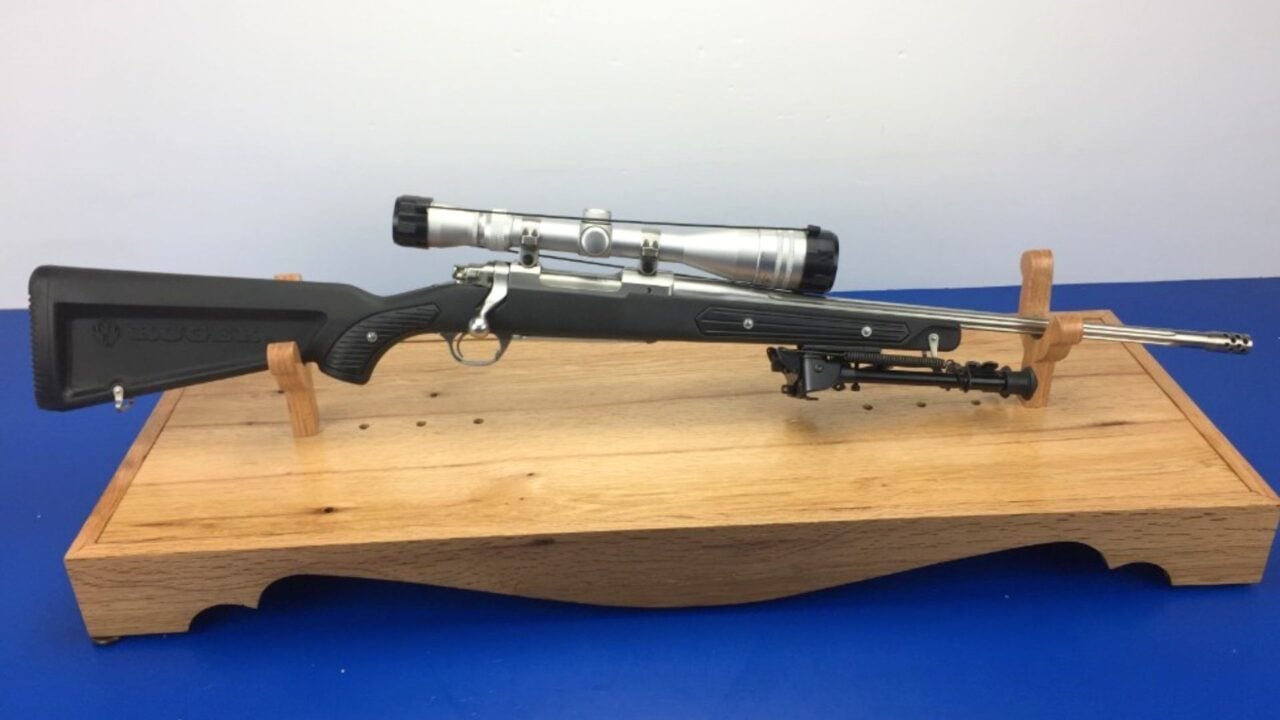
The M77 Mark II is one of those rifles that never needed a marketing campaign. It’s just a solid, field-friendly bolt gun with controlled-round-feed, a real extractor, and a reputation for taking abuse without getting moody. It’s not fancy, and that is kind of the point.
When guys sell them, it’s usually to “upgrade” into something lighter or trendier. Then they find out that light rifles can be picky, and a lot of modern budget rifles don’t have that same “shut up and work” attitude. Clean Mark IIs don’t sit long anymore.
4. Browning A-Bolt (original generation)

The A-Bolt is the rifle that a lot of deer camps quietly ran for decades while everybody argued about brands. They’re typically smooth, accurate enough to embarrass the shooter, and they carry well. If you’ve ever had one slung over your shoulder all day, you know what I mean.
They also tend to get sold when someone passes or downsizes, which means good examples still surface. Collectors are snagging them because they’re practical classics, and the later changes in Browning’s line didn’t replace the feel of the originals.
5. Sako L579 Forester

Sako actions have a way of spoiling you. The L579 Forester in particular has that refined bolt travel and a level of fit that’s hard to touch without spending serious money today. It’s one of those rifles that makes you slow down and appreciate mechanical work.
These get pulled from circulation because condition matters and the good ones are already in long-term collections. A clean Forester is both a shooter and a safe queen if you want it to be. Either way, it’s not getting cheaper.
6. CZ 550 (Full Stock and American)

The CZ 550 is the kind of rifle that makes you wonder why more companies don’t just build them like that anymore. Controlled-round-feed, sturdy action, good barrels, and those classic lines—especially in the full-stock versions. They feel like a rifle, not a product launch.
When they were discontinued, a lot of folks shrugged. Then they tried to replace the feel and couldn’t. Now collectors are hunting clean 550s because they were the last of an era, and they still make perfect sense in the deer woods.
7. Savage Model 99

The first time you run a good Model 99 and feel that lever cycle, it’s hard not to grin. They’re different. They’re also practical—rotary magazine, sleek profile, and a history that’s tied to real hunting, not just nostalgia posts online.
These are getting scooped up because the supply of uncut, unbubbafied rifles shrinks every year. A drilled-and-tapped 99 isn’t the end of the world, but the collector-grade ones are the ones quietly disappearing into safes.
8. Marlin Model 336 (JM-stamped)

There are a lot of lever guns out there, but JM-stamped 336s have a reputation for a reason. The actions tend to be smooth, the wood-to-metal fit is usually better, and they just plain work. They’re also one of the best “walk-around” rifles ever made.
When newer production got inconsistent, demand for the older Marlins tightened up. Collectors aren’t buying these to stare at them. They’re buying them because they’re trustworthy rifles that still belong behind a truck seat or on a saddle scabbard.
9. Winchester Model 94 (pre-64)
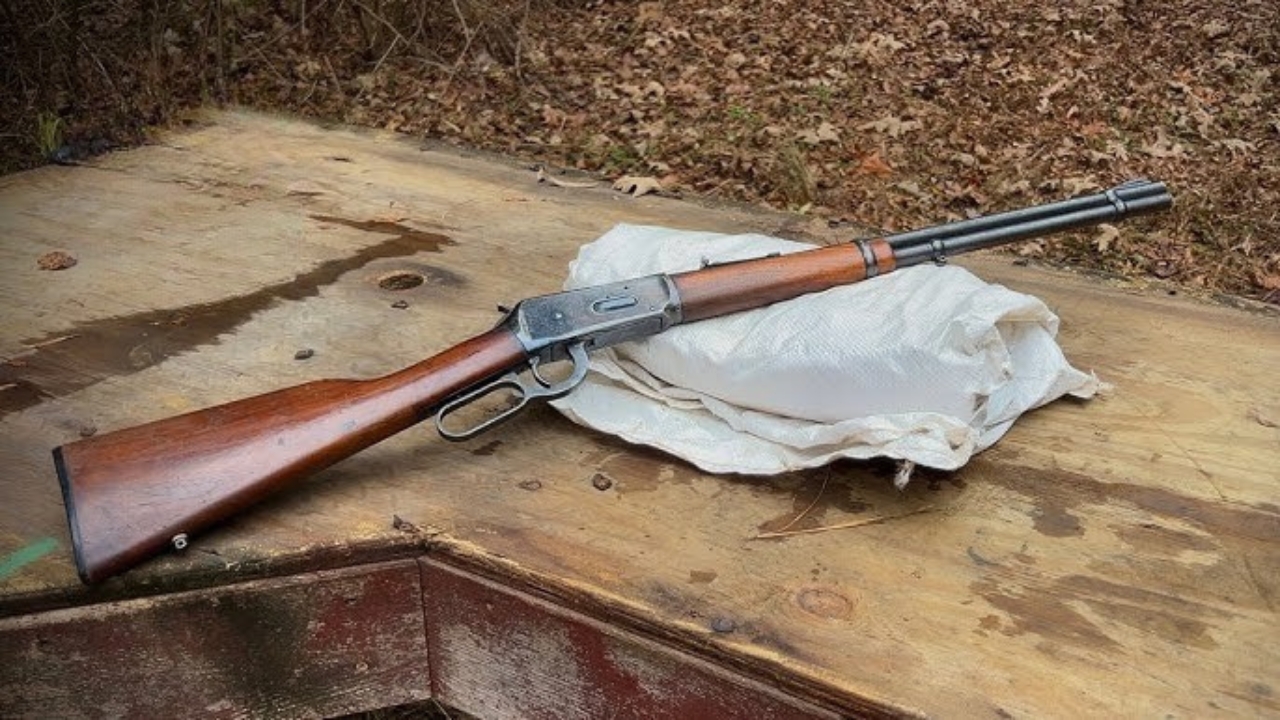
Pre-64 Model 94s have that classic Winchester feel—light, lively, and fast in the hands. They’re not benchrest rifles and they were never meant to be. They were meant to be carried a lot and shot when it counts.
The reason these are getting pulled is simple: every generation has fewer clean ones left. The ones with original finishes and honest wear get bought fast. And once they go into collections, they don’t come back out often.
10. Ruger No. 1
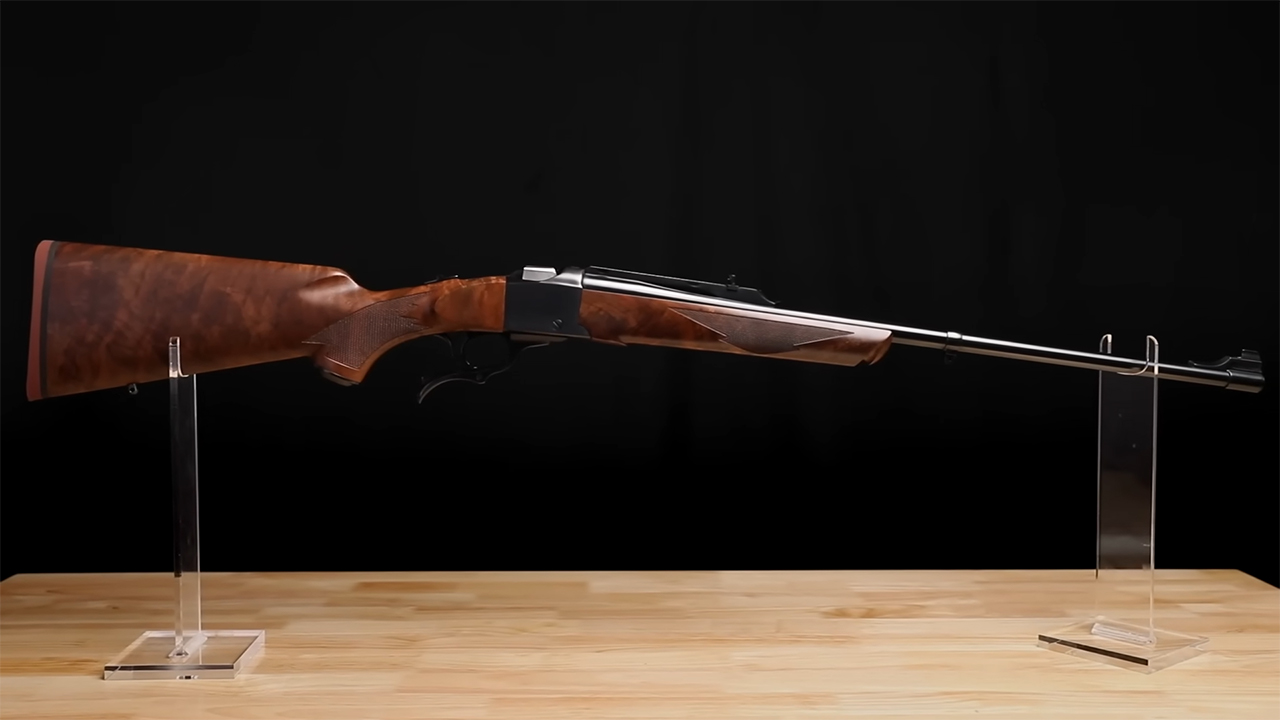
Single-shots aren’t for everybody, but a Ruger No. 1 has a way of making a hunter slow down and shoot right. They’re classy without being fragile, and they can be scary accurate with the right load. I’ve watched guys miss with a magazine rifle and then settle down with a No. 1 like it changed their attitude.
Collectors love them because the configurations and chamberings are all over the map, and Ruger changes runs. If you want a certain version later, you may be hunting for it. The smart move is grabbing the good ones when you see them.
11. Springfield Armory M1A (early, USGI-parts heavy)
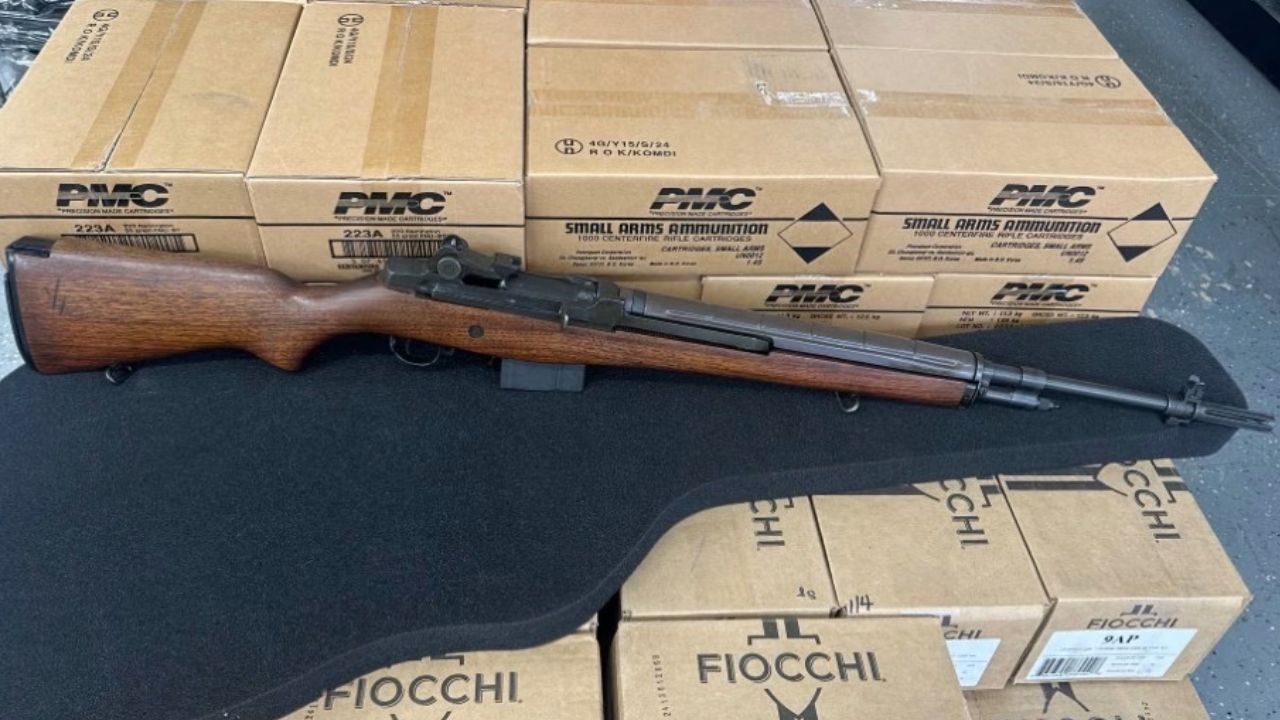
The M1A has had ups and downs in popularity, but the early rifles with more USGI content have a loyal following. They feel solid, they recoil in a manageable shove, and they scratch that “real rifle” itch that some modern platforms don’t.
Collectors are not necessarily chasing tack-driver accuracy here. They’re chasing build quality, parts pedigree, and rifles that haven’t been modified into goofy chassis projects. The clean, classic ones are the ones getting tucked away.
12. Colt AR-15 SP1
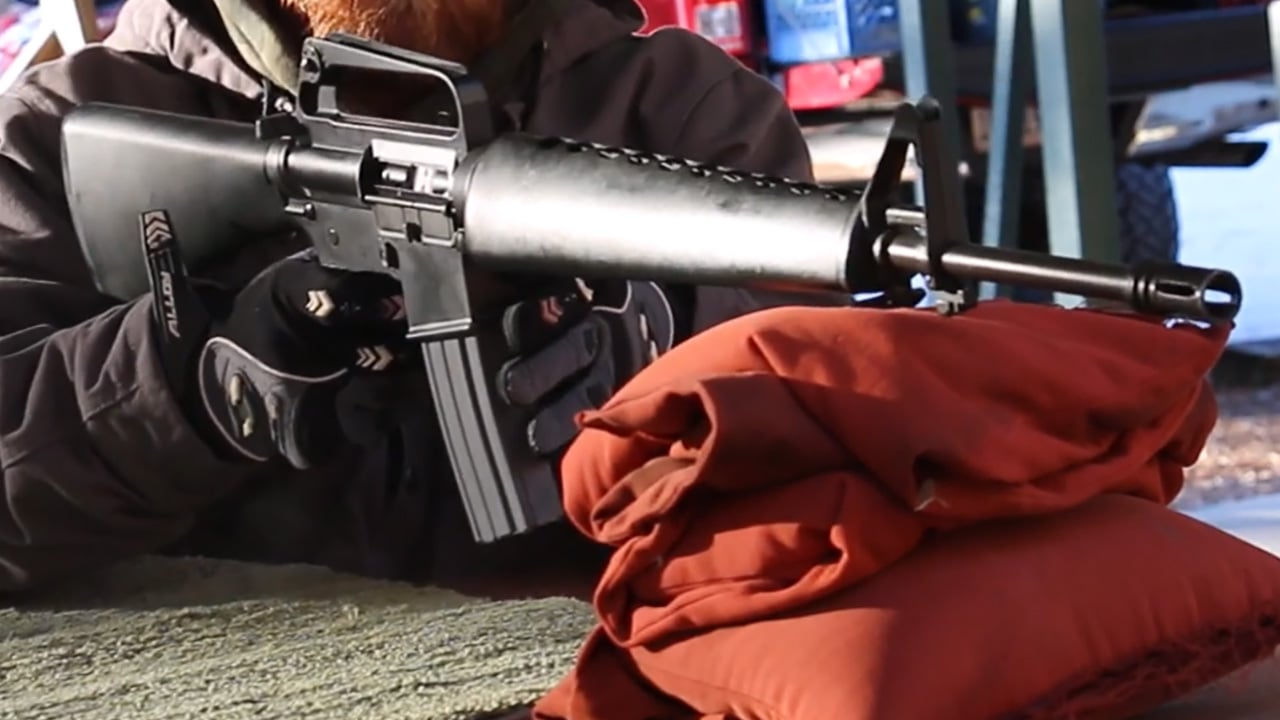
The SP1 is the AR that a lot of modern shooters don’t realize they want until they handle one. It’s light, simple, and it has that early-Colt vibe that doesn’t exist in today’s parts-bin builds. It’s not a “duty setup.” It’s history you can shoot.
These are getting pulled because they’re easy to authenticate compared to random builds, and collectors are tired of sorting through Franken-rifles. An SP1 in good shape scratches the retro itch without the guesswork.
13. FN FAL (DSA early builds and quality imports)
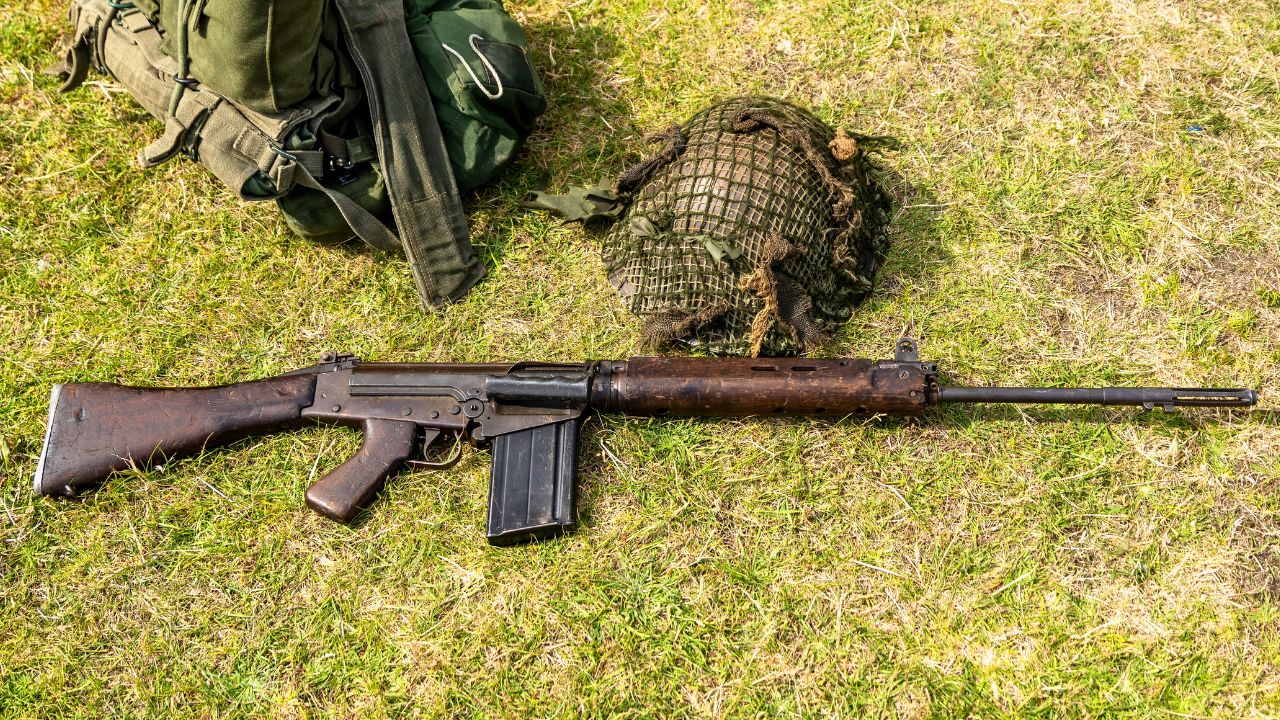
If you’ve ever carried a FAL for any distance, you know it’s not a mountain rifle. Still, it’s one of the most shootable .308 battle rifles ever made. The controls make sense, the recoil is friendly for the cartridge, and it runs dirty.
Good FALs aren’t getting cheaper because the days of cheap parts kits are gone. Collectors are buying well-built examples now, especially ones that haven’t been “improved” with questionable home gunsmithing. A clean FAL is a long-term keeper.
14. Heckler & Koch HK91 (and true G3-pattern imports)

The HK roller-delayed rifles have a distinct feel—snappy ejection, different recoil impulse, and that industrial German vibe. They aren’t everyone’s favorite to shoot, especially if you like your brass. But they’re durable and they’re iconic.
Import restrictions and limited supply do what they always do. Clean HK91s tend to disappear fast, and the market always seems to “wake up” later than it should. If you want one that hasn’t been messed with, you don’t wait for a bargain.
15. Steyr AUG (pre-ban and early imports)

The AUG is one of those rifles that used to feel like a sci-fi prop. Then you spend time with a good one and realize it’s just a compact, handy platform that balances well and carries even better. It’s not a precision rig. It’s a practical bullpup that actually works.
Collectors are pulling these because the early stuff has a different kind of appeal, and the market swings hard on bullpups. When they’re in favor, prices jump. When they’re not, the serious buyers are the ones quietly buying.
16. Ruger Mini-14 (180/181-series)

The early Mini-14s aren’t the tightest groups on paper, and if you’re expecting AR accuracy you’re going to be mad. But they’re handy, reliable, and they carry like a ranch rifle should. For certain uses, “minute of coyote” is enough.
Collectors want the early series rifles because they’re a snapshot of Ruger’s original idea, and the vibe is different from later versions. Also, a lot of Minis got rode hard on farms and ranches. Finding a clean early gun is harder than folks think.
17. SIG Sauer SG 550/551 (imported variants)
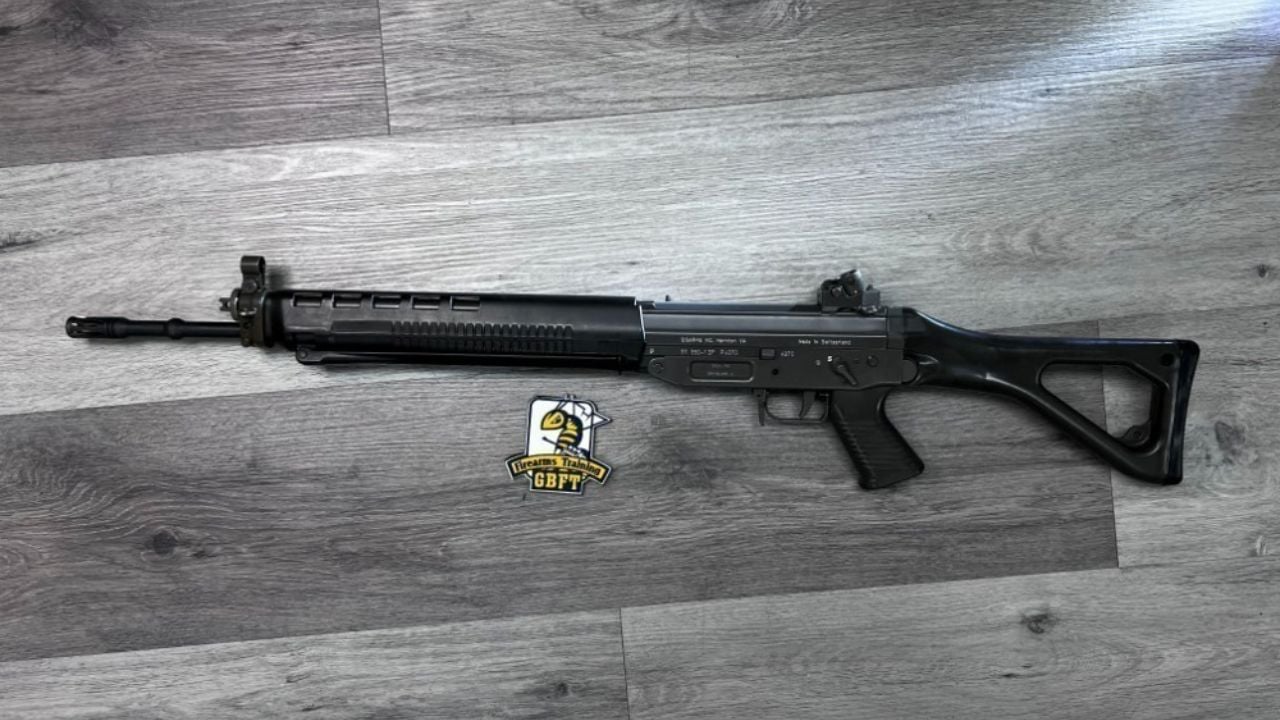
If you’ve ever handled a Swiss-pattern SIG rifle, you understand why collectors get quiet about them. The build quality is obvious. The action is smooth, the sights make sense, and everything feels intentional.
Availability is the whole story here. Import trickles are unpredictable, and prices respond fast. Serious collectors aren’t waiting for the next wave to maybe show up. They’re buying what’s already here and holding onto it.
18. Valmet M76
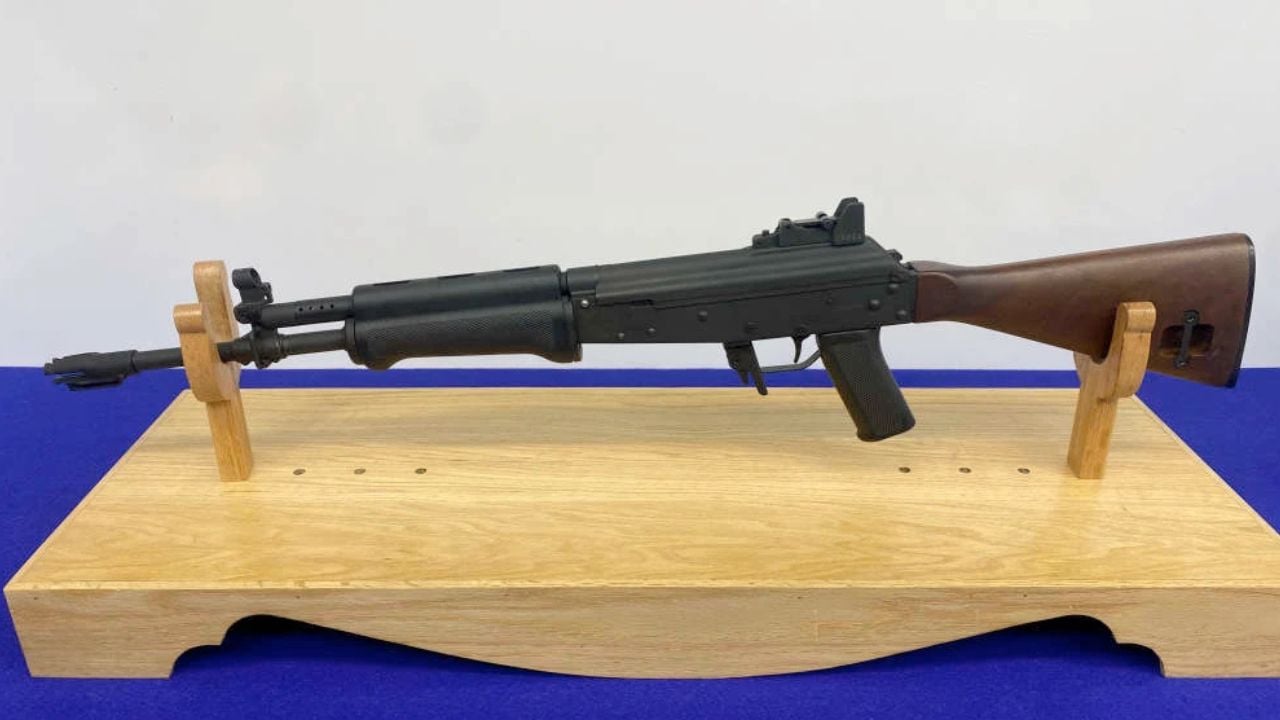
Valmet AKs are what you get when you take the AK idea and finish it like a premium rifle. They’re not common, and they’re not cheap. But they’re the kind of gun that changes what you think an AK can feel like.
Collectors grab these because they’re legitimately scarce and because the quality is there. They also tend to come with a lot of “what is that?” at the range, which is always a good sign you’re holding something that’s not going to get more available.
19. Swiss SIG PE57 / AMT (Stgw 57 pattern)
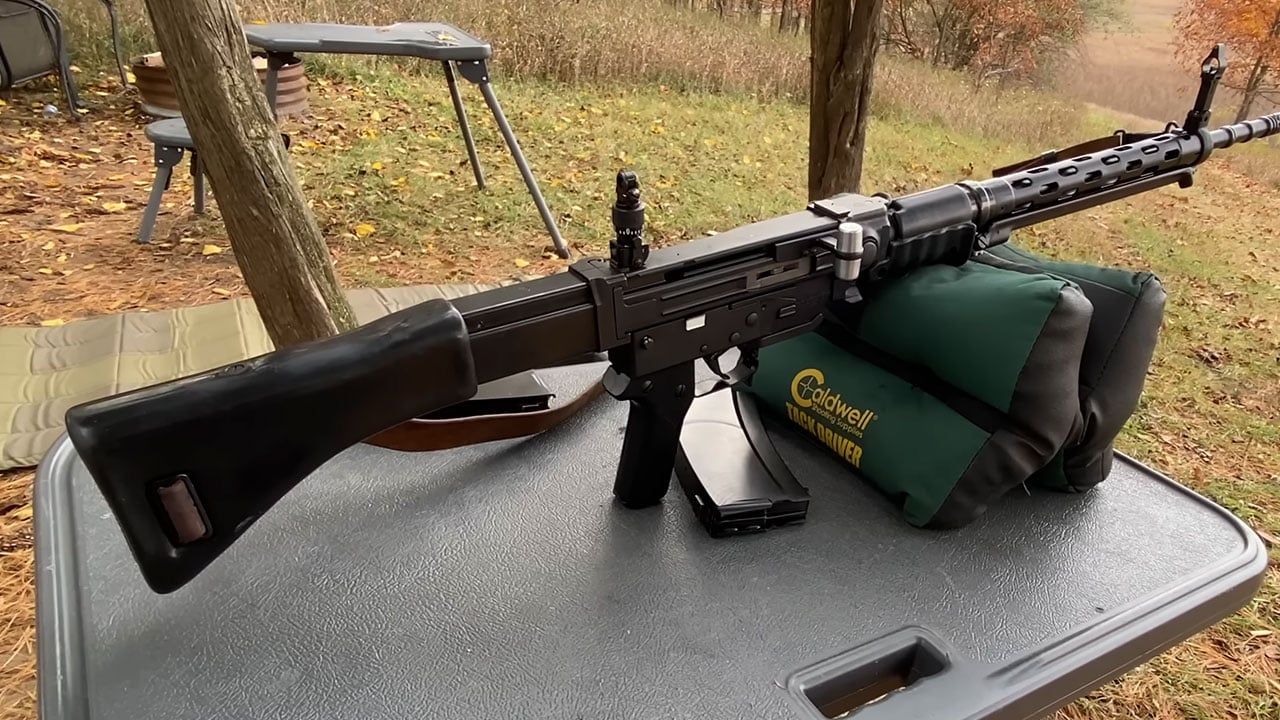
This rifle is not lightweight, and you’ll know it the moment you pick it up. But it’s a piece of Swiss engineering that feels like it was built with zero shortcuts. The diopter sights alone can turn a range day into a lesson in what “nice” looks like.
These are being pulled because the supply is finite and the collector crowd is maturing. Guys who used to buy whatever was cheap are now chasing the rifles they should’ve bought ten years ago. The Swiss stuff is high on that list.
20. Lee-Enfield No. 4 Mk I (matching, un-sporterized)

Nothing hurts like seeing a good old military rifle cut down into a “deer gun” because somebody didn’t want to buy a scope base. The un-sporterized No. 4 Mk I rifles that still match, still have their wood, and still have their character are getting harder to find.
Collectors are snagging them because they’re fun, they’re historic, and they still shoot. Ammo isn’t as cheap as it used to be, sure, but the rifles themselves aren’t coming back once they’re altered. The clean ones are getting adopted into permanent collections.
If you’re trying to guess what the market will love next, you’ll drive yourself crazy. A better play is grabbing rifles that already proved themselves: well-built actions, solid barrels, usable sights, and designs that don’t need excuses. The collectors pulling these from circulation aren’t predicting the future—they’re just paying attention to what’s getting harder to replace, one quiet purchase at a time.
Like The Avid Outdoorsman’s content? Subscribe to our newsletter so you never miss an article.
Here’s more from us: