Photo credit: Third Blackie Boy/YouTube
There comes a point with a rifle where comparison shopping stops being useful. You have carried it in bad weather, hunted with it when the shot mattered, watched it hold zero season after season, and learned exactly how it behaves with the ammunition it likes. At that point, another rifle can be lighter, newer, or more expensive without automatically being better for you.
That kind of trust takes time. It comes from repetition, familiarity, and enough rounds downrange to know what the rifle will do before you ever press the trigger. These are the rifles that reach that level. Once I had enough history with them, I would stop worrying about whether something else had a smoother bolt, a newer stock, or another feature on the spec sheet.
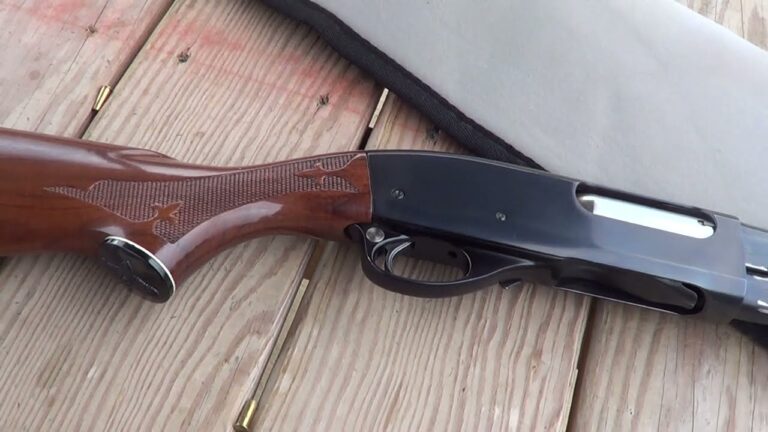
Winchester Model 70 Classic .30-06

The Model 70 Classic is one of those rifles that earns confidence slowly and then keeps it. The controlled-round-feed action, three-position safety, and familiar stock geometry all make sense in the field, but none of those features really explain why hunters hang onto them for decades. The real appeal is consistency. A good Model 70 tends to feel the same every time you pick it up, whether it has been sitting in the safe for months or riding around through an entire hunting season. In .30-06, the rifle also covers such a wide range of game that there is very little reason to second-guess the cartridge.
Once I knew where the first cold-barrel shot landed and had watched the rifle hold zero through several seasons, I would stop comparing it to whatever new bolt gun happened to be getting attention that year.
Remington Model Seven .308 Winchester

The Model Seven proves that a hunting rifle does not have to be large to feel serious. Its compact action, shorter barrel, and lighter overall package make it exceptionally easy to carry in woods, climb into stands with, or maneuver inside a blind. What keeps it from feeling like a youth rifle is the way it shoots. In .308 Winchester, it has enough cartridge for almost any whitetail hunting I would realistically do, while the short action keeps the rifle quick and handy.
A rifle like this becomes difficult to replace once you get used to the balance. Larger rifles may shoot a little softer from the bench, but I care more about how the gun feels after four hours of carrying it. The Model Seven is one of those rifles I would trust enough to quit looking.
Browning BAR Mk II .270 Winchester

The BAR Mk II is not the lightest deer rifle around, but that stops mattering once you appreciate how well it settles on target. The semiautomatic action takes some of the edge off recoil, the traditional stock gives it a familiar hunting-rifle feel, and the extra weight makes the gun steady from a rest. In .270 Winchester, it is flat enough for open country while still being mild enough that you can shoot it comfortably all season.
The biggest reason I would stop comparing it to newer rifles is familiarity. Once you know exactly how the safety feels, where the trigger breaks, and how quickly the rifle settles back on target, the extra ounces become a very minor complaint. A gun that has already proven itself is hard to replace with theory.
Ruger M77 Hawkeye .308
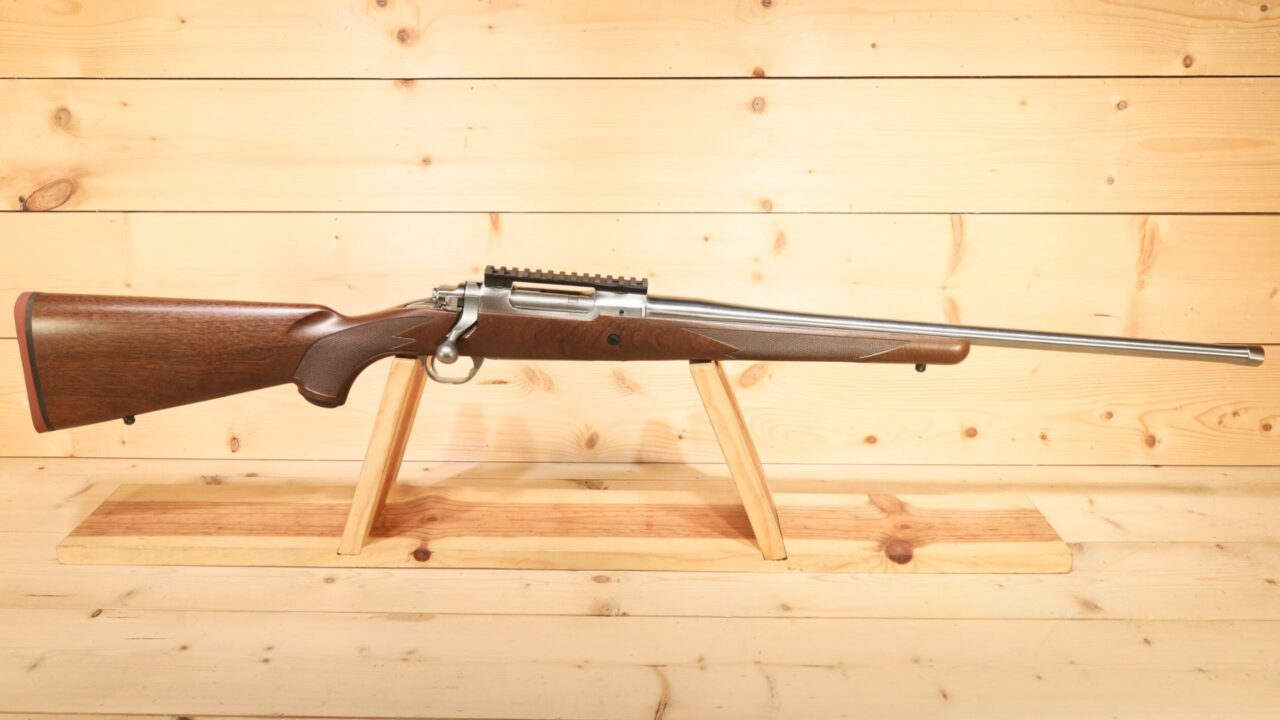
The Hawkeye has the kind of construction that makes sense after years of use rather than five minutes at a gun counter. The action is substantial, the controlled-round-feed setup feels dependable, and the rifle has the solid, almost overbuilt character Ruger bolt guns are known for. In .308, it gives you a compact cartridge that is widely available and capable of handling deer, hogs, and much more without turning the rifle into a specialized setup.
I would trust this rifle because there is so little about it that feels temporary. It is not trying to win a weight contest or reinvent the hunting rifle. If I had one that consistently shot well, I would rather keep carrying it than start over with something newer just because the marketing looked better.
Sako 85 Finnlight

The 85 Finnlight is one of those rifles where the refinement becomes more obvious the longer you use it. The action is exceptionally smooth, the stock is shaped well for field positions, and the rifle is light enough to carry all day without feeling hollow or flimsy. It manages to feel like a premium rifle without becoming too delicate to actually hunt with, which is a harder balance to hit than it sounds.
Once I had enough seasons with one, I would have no interest in chasing every new lightweight rifle that came out. The Sako already gives you smooth operation, strong accuracy, and excellent handling in one package. At that point, comparison becomes more about novelty than improvement.
Weatherby Mark V Backcountry
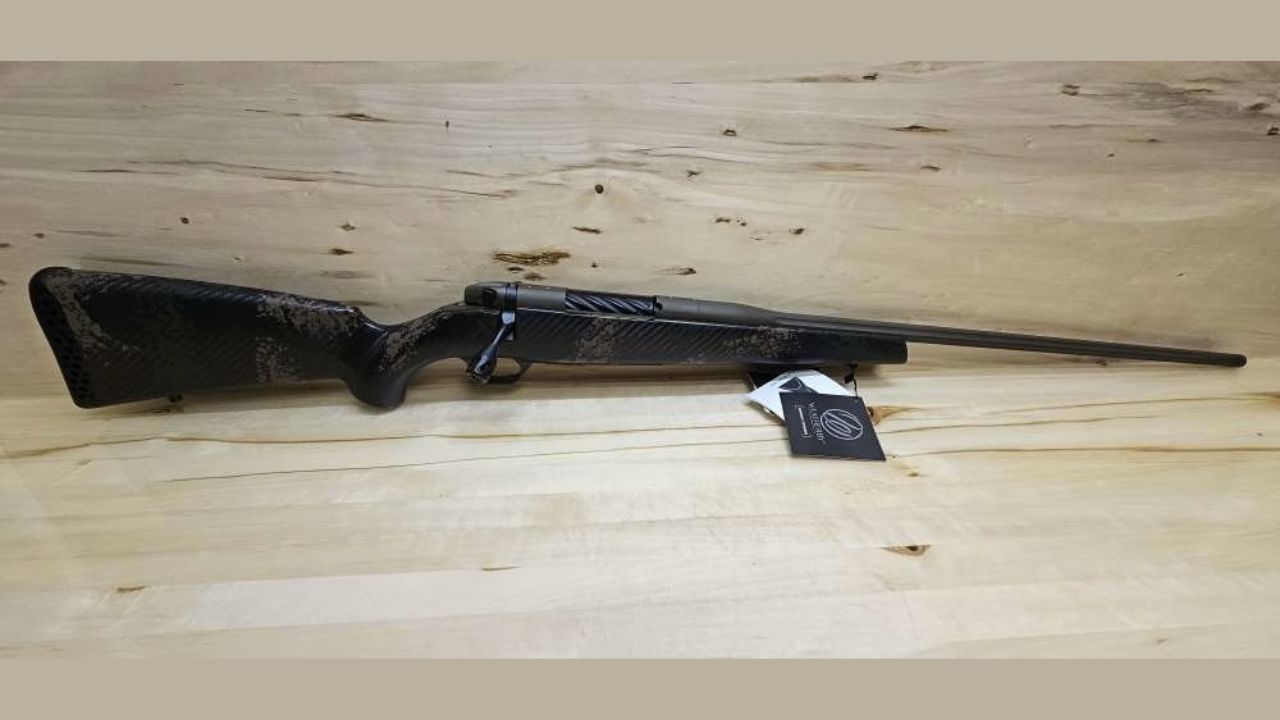
The Mark V Backcountry makes sense for hunters who actually care about carrying weight over long distances. The action is strong, the stock is designed around serious field use, and the rifle trims enough weight to matter without feeling like a toy. Weatherby’s action also has its own distinct feel, and once you get comfortable with it, switching to something else can feel more like a change than an upgrade.
This is the kind of rifle I would stop comparing once I knew it handled recoil well in the chambering I chose and consistently gave me the accuracy I needed. Lightweight hunting rifles always involve tradeoffs, but a good Backcountry manages those tradeoffs better than most.
Steyr Mannlicher Pro Hunter
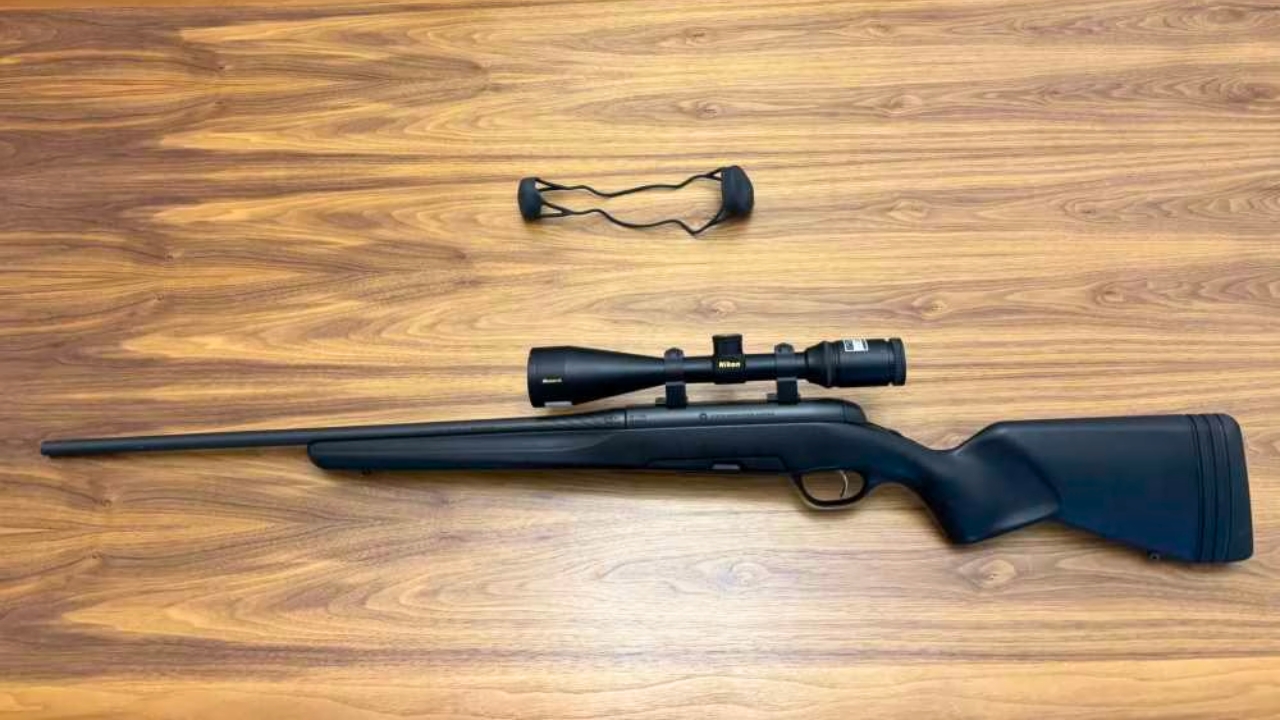
The Pro Hunter is one of those rifles that rarely dominates conversations in American deer camps, but it makes a strong impression on people who actually use one. The stock shape is practical, the action is smooth, and the rifle has that slightly different European feel without being difficult to understand. It also handles well from field positions, which matters more to me than how impressive the groups look from a concrete bench.
I would trust a rifle like this because the quality shows up in use rather than presentation. Once I knew how it carried, fed, and shot, I would stop worrying about whether another rifle was more popular. Popularity does not matter much when the one in your hands keeps doing exactly what you ask.
Sauer 101
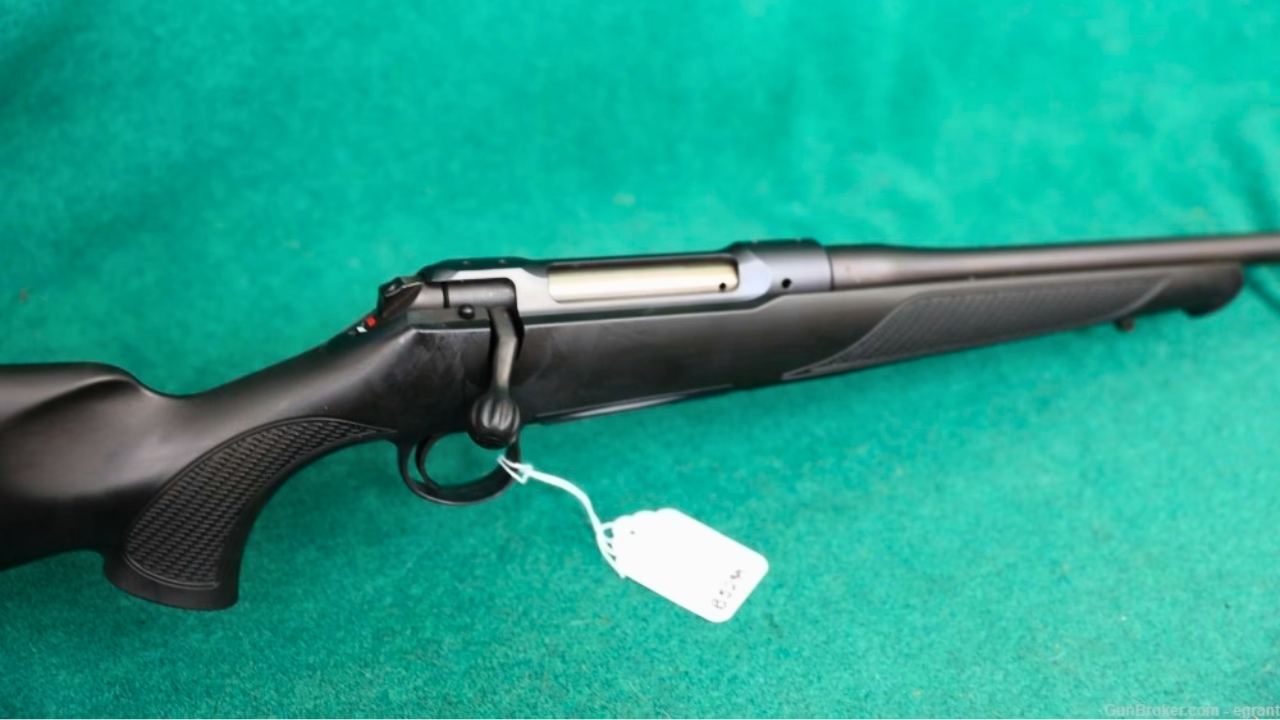
The Sauer 101 is a rifle that can spoil you quickly because the action and trigger feel more refined than the exterior suggests. It is understated, which is probably why many hunters never look closely at one, but the rifle feels very deliberate in the way it handles. The bolt travel is smooth, the trigger breaks cleanly, and the stock geometry works well from standing, kneeling, or supported shooting positions.
That is the sort of rifle I would trust more with every season. Once I had enough experience to know the first shot would land where expected, I would stop caring that another rifle had a newer chassis or more aggressive styling. The Sauer already does the part that matters.
Kimber 84M Classic

The 84M Classic is a rifle that feels purpose-built around short-action hunting cartridges rather than like a full-size action adapted to them. That gives the rifle a trim, lightweight feel that becomes especially noticeable after carrying it through thick woods or over uneven ground for hours. The walnut and traditional styling also give it a level of character that many lightweight hunting rifles sacrifice.
If I had a good-shooting example, I would be very reluctant to compare it away. Rifles like this are easy to appreciate because they disappear in the hands. The balance is right, the action is compact, and the gun does not feel like it is carrying unnecessary weight.
Browning A-Bolt II Medallion

The A-Bolt II Medallion is the kind of rifle people sometimes dismiss as too pretty for hard use, but that misses how capable the platform actually is. The short bolt lift, smooth action, and tang safety all make it easy to run, while the stock design gives the rifle a traditional feel that still works extremely well in the field. A rifle like this can look polished and still spend decades doing real hunting.
Once I had one that fit me perfectly and had proven its accuracy, I would never see much reason to move on. You can replace features. You cannot instantly replace years of familiarity with how a rifle shoulders, balances, and breaks the shot.
CZ 557 American

The 557 American is one of those rifles that arrived quietly and never became as common as it deserved to be. The action is smooth, the stock is conventional in the best way, and the rifle has a substantial feel without being overly heavy. It is especially appealing to someone who likes traditional bolt guns but does not want to pay premium-European prices.
I would stop comparing it once I had enough field time to trust the way it fed and shot. It does not need to be exotic to be good. Sometimes the best hunting rifle is the one that feels completely predictable every time you pick it up.
Remington 700 Mountain Rifle

The Mountain Rifle takes the familiar Model 700 and trims it into a configuration that makes much more sense for hunters who actually cover ground. The lighter barrel and slimmer stock keep the rifle easy to carry, while the familiar action gives you decades of parts and gunsmith knowledge behind it. A good example can feel far more refined in the field than its simple specifications suggest.
This is the kind of rifle I would stop comparing once I learned how it behaved from a cold barrel. Lightweight rifles can be more sensitive to shooting technique and barrel heat, but neither matters much on a deer hunt where the first clean shot is the one that counts.
Winchester Model 88 .308
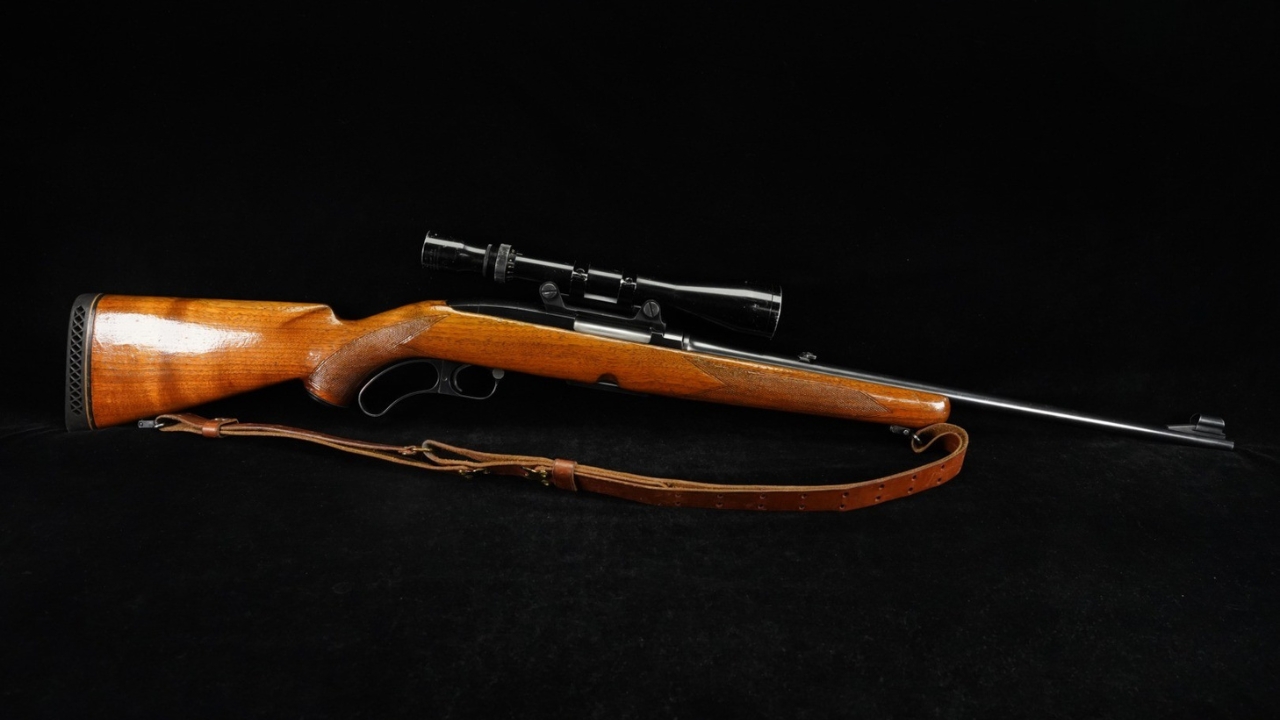
The Model 88 is not a conventional bolt rifle, but it earns a place here because it gives you the feel of a lever gun with the performance of a modern rifle cartridge. The box magazine allows pointed bullets, the action is fast, and the rifle handles beautifully in the woods. In .308 Winchester, it covers almost every deer-hunting situation without making the gun unnecessarily long or heavy.
Once someone gets used to how a Model 88 points, there is very little incentive to replace it with a newer design. It may not be as easy to scope or service as a modern bolt gun, but trust comes from knowing what your own rifle does, not from what is easiest to buy today.
Ruger No. 1 .270 Winchester
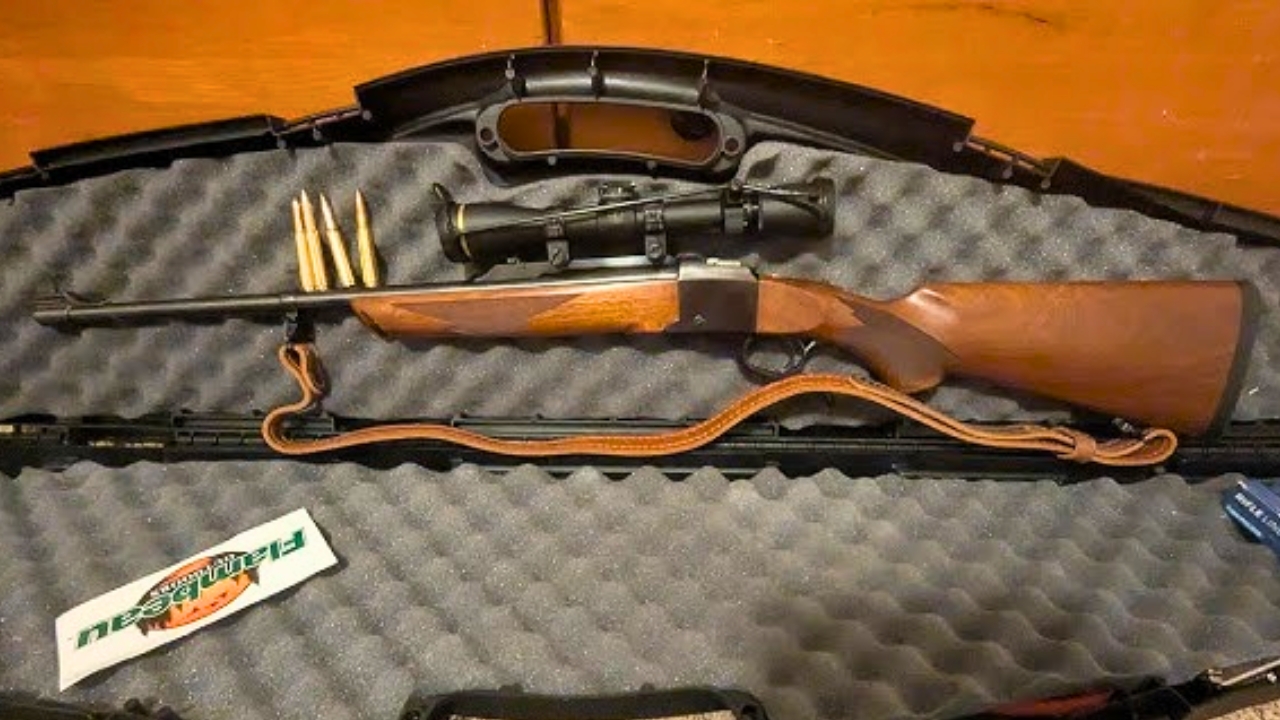
The No. 1 is mechanically simple in a way that becomes more appealing the longer you own it. The falling-block action keeps the rifle compact even with a full-length barrel, and the single-shot layout forces a level of deliberate shooting that fits hunting perfectly. In .270 Winchester, the rifle gives you enough reach for open country without turning the cartridge into something unpleasant to practice with.
I would trust a No. 1 because there is very little between the trigger and the shot. Once you know the rifle’s zero and the load it likes, there is not much left to question. The lack of magazine capacity matters a lot less when the first shot is the only one you should need.
Browning BLR .308
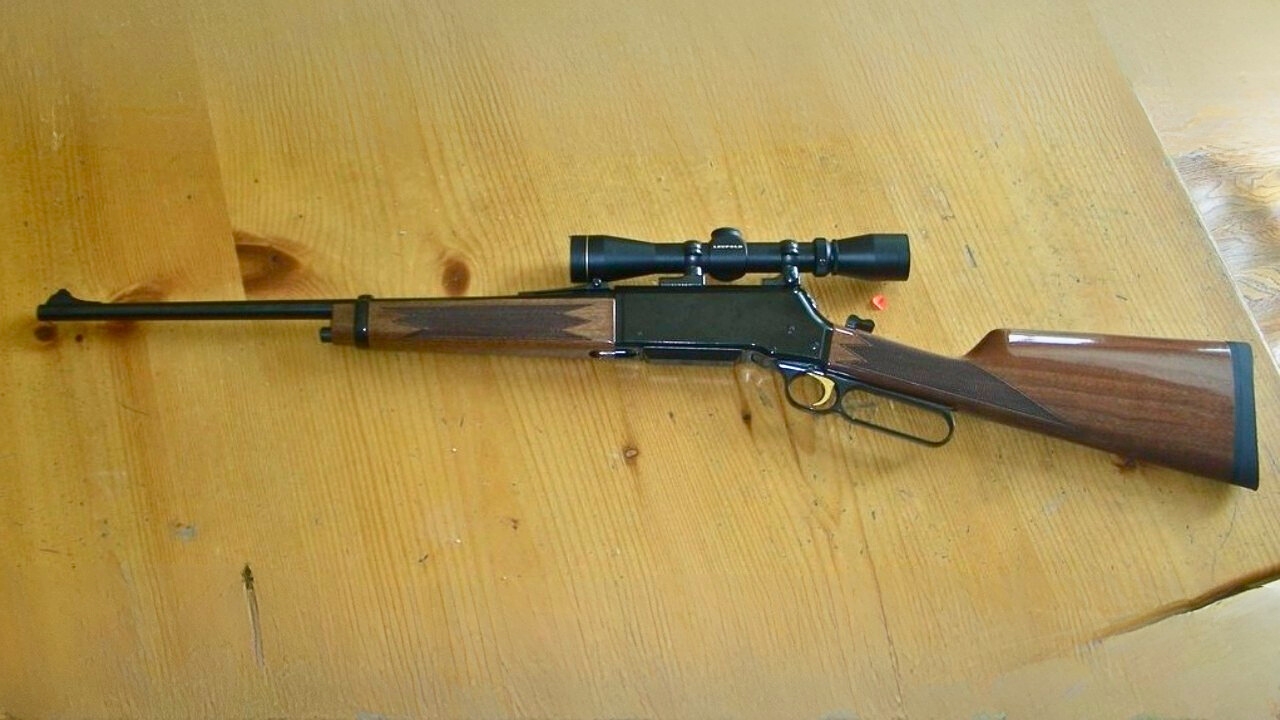
The BLR remains one of the best answers for hunters who like lever actions but do not want to be limited to traditional lever-gun cartridges. The detachable box magazine allows .308 Winchester to work exactly the way it should, while the rifle still carries and shoulders like a lever action. That combination makes it especially useful in thick woods where fast handling matters but you still want full-power rifle performance.
Once I had hunted with one long enough to trust the action and zero, I would stop comparing it to bolt guns altogether. The point is not that the BLR wins every category. The point is that it does several important things well enough that changing platforms would not buy me much.
Tikka T3 Hunter
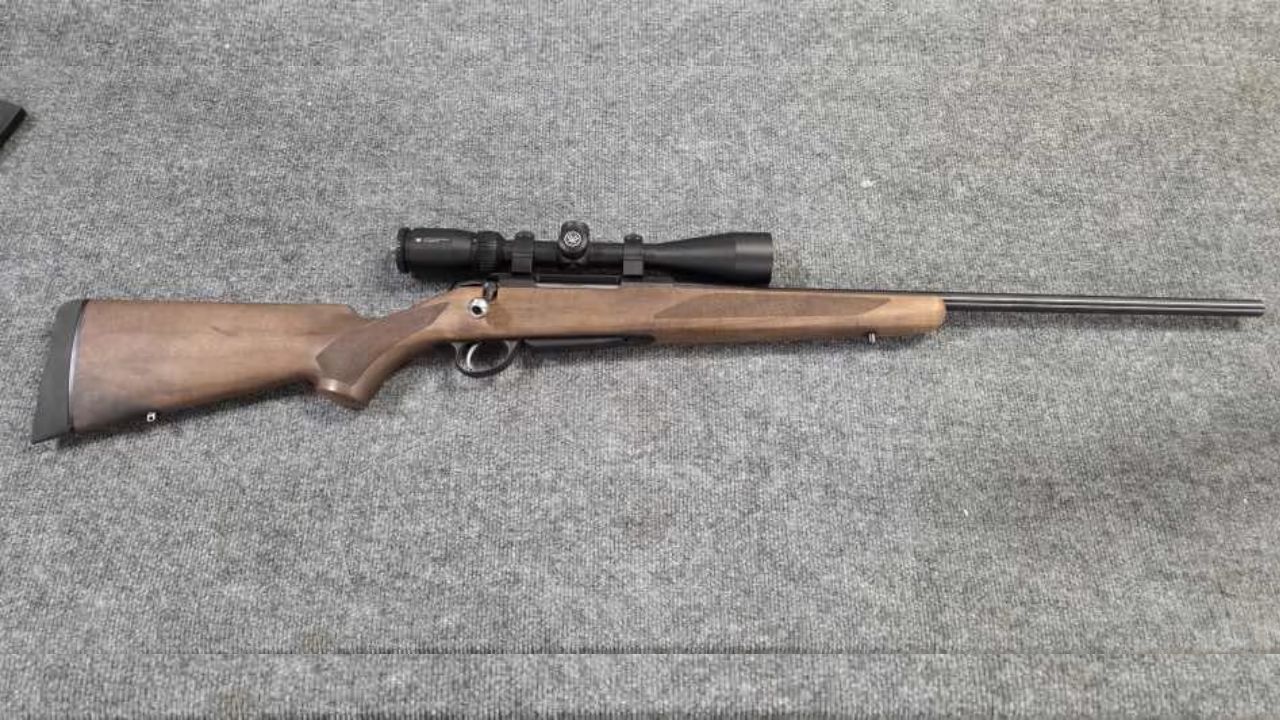
The T3 Hunter is one of those rifles that can feel almost too plain until you spend time shooting it. The bolt runs incredibly smoothly, the trigger is excellent, and the rifle tends to deliver the kind of accuracy that makes load experimentation more fun than frustrating. The traditional stock gives it a warmer feel than the synthetic Lite models without changing what makes the action so good.
I would quit comparison shopping after enough seasons with one because there is very little left to fix. A rifle that carries well, shoots consistently, and never gives you trouble does not need to be replaced just because a new generation appears.
Savage 99 .300 Savage
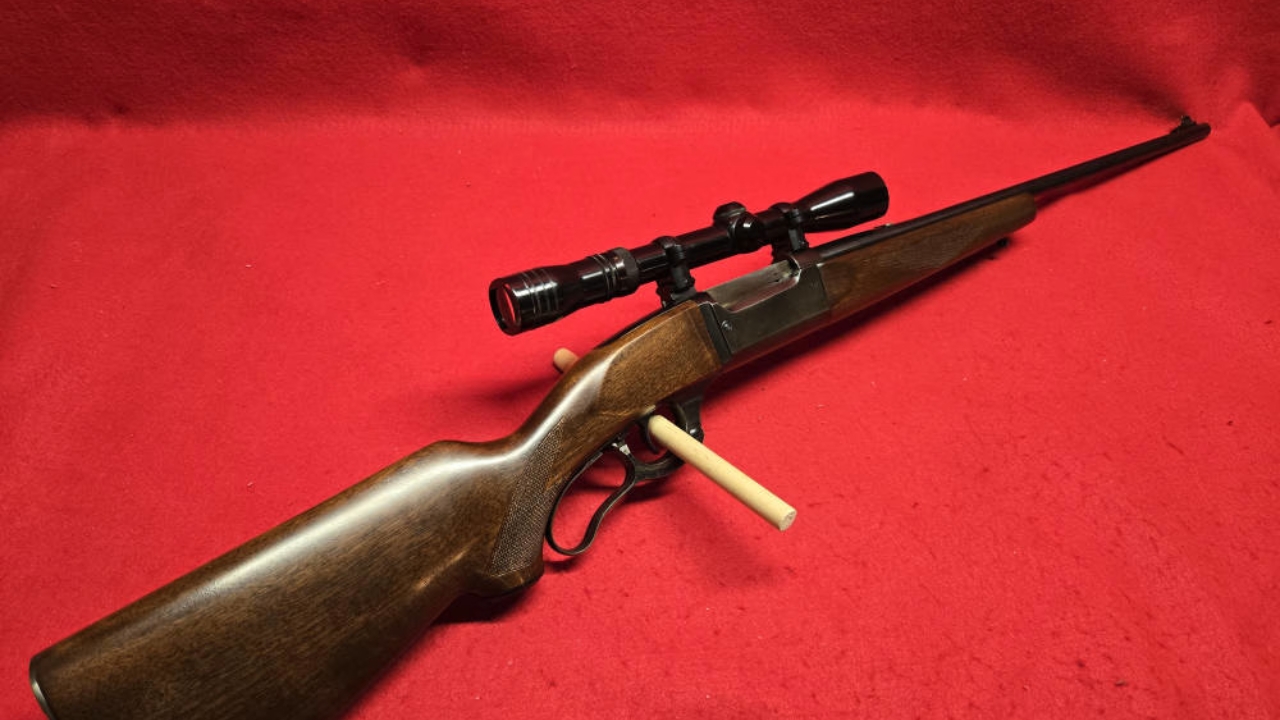
The Savage 99 is another rifle that does not fit neatly into the bolt-action category, but it belongs in this conversation because it is the kind of hunting rifle people stop comparing once they have used one long enough. The rotary magazine allows pointed bullets, the lever action is quick, and the rifle balances in a way that makes it extremely natural in the woods. In .300 Savage, it provides more than enough performance for whitetails without unnecessary recoil.
This is a rifle that gets better with familiarity. Once the trigger, lever throw, and balance become second nature, newer rifles start feeling like alternatives rather than improvements.
Remington 788 .308
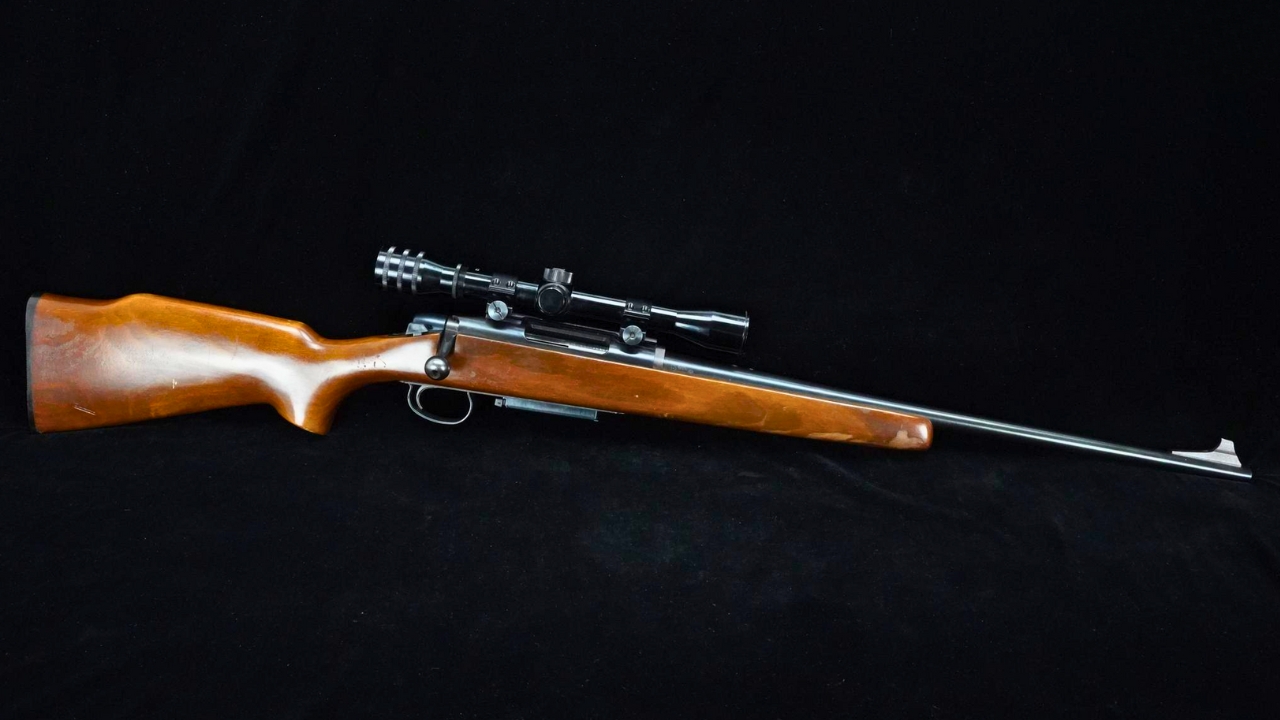
The 788 was never supposed to become a beloved rifle. It was built as a more affordable alternative, and the plain stock and utilitarian design made that obvious. What surprised people was how accurately many of them shot. The rear-locking bolt and stiff receiver gave the rifle a reputation for producing groups that embarrassed more expensive guns.
That is exactly why I would stop comparing one after years of good performance. If an inexpensive old rifle keeps putting bullets where I want them and never gives me trouble, I do not care that the stock is plain or the action lacks prestige. Results have a way of ending arguments.
Husqvarna 1640 .30-06
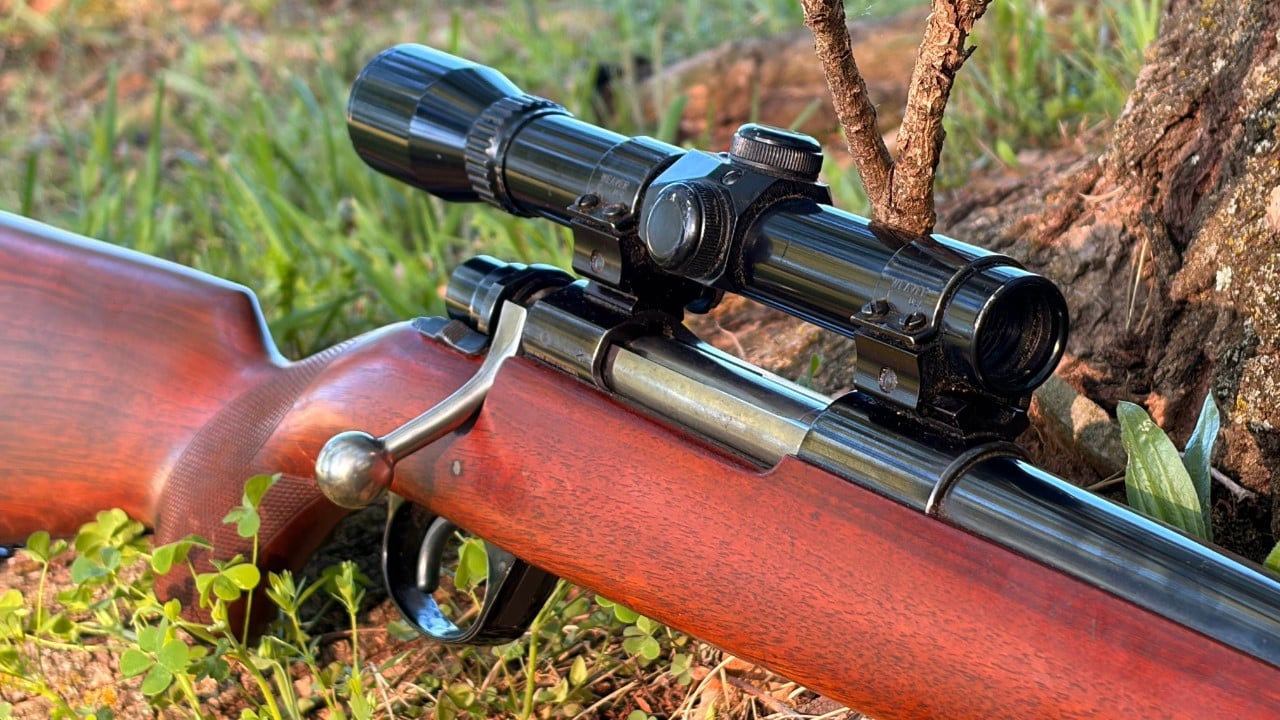
The Husqvarna 1640 is the kind of older European hunting rifle that reminds you how good a straightforward bolt gun can feel. The action is smooth, the stock has classic proportions, and the rifle carries with the kind of balance that makes long days in the woods easier. In .30-06, it also has enough cartridge to handle almost anything I would realistically ask of a traditional hunting rifle.
Once I had one that shot well and fit me properly, I would have no interest in replacing it with something newer just for the sake of modernization. The whole point of a good hunting rifle is confidence, and an old Husqvarna can build plenty of it.
Mannlicher-Schoenauer Model 1952
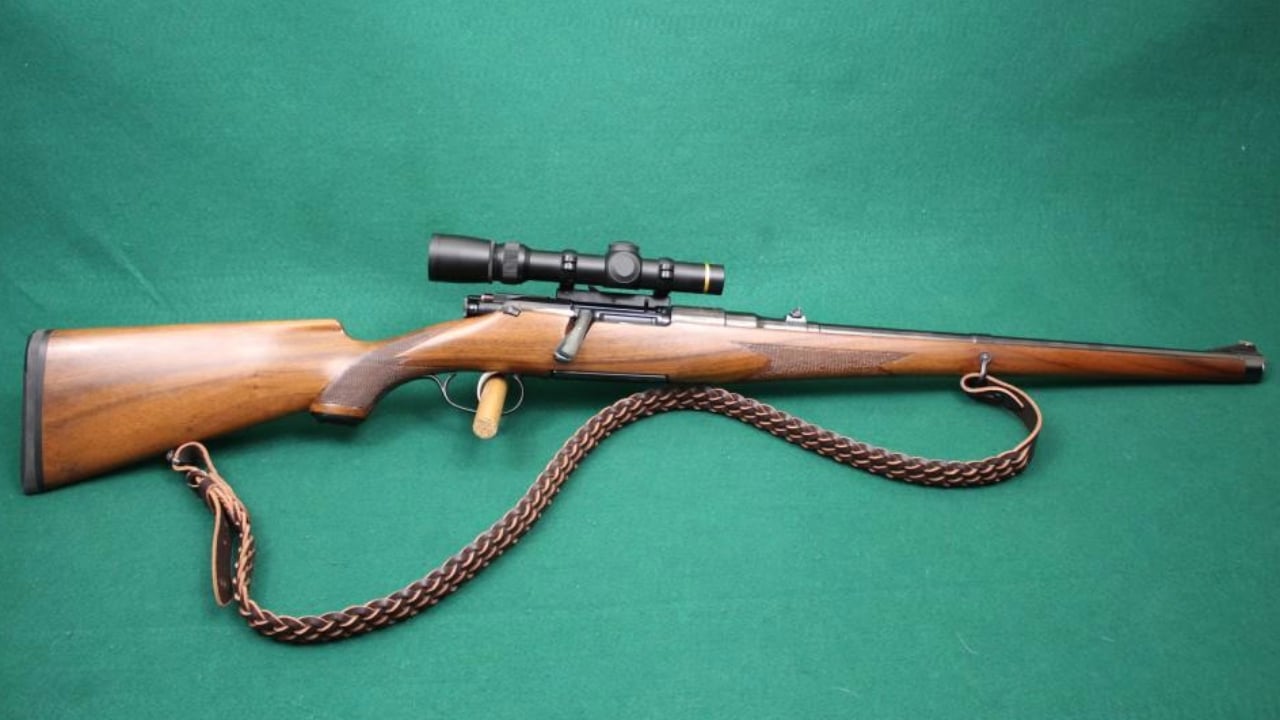
The Model 1952 is a rifle that feels completely different from modern production guns. The rotary magazine is exceptionally smooth, the bolt operation has a polished mechanical feel, and the full-stocked versions balance in a way that modern lightweight rifles rarely duplicate. It is the kind of gun that was built around craftsmanship first and manufacturing efficiency second.
I would stop comparing one to newer rifles almost immediately once I had enough time behind it. A modern rifle may be lighter, cheaper, or easier to mount accessories on, but none of that recreates the feel. Some rifles become standards in your own mind, and once that happens, everything else gets judged against them rather than the other way around.
Like The Avid Outdoorsman’s content? Subscribe to our newsletter so you never miss an article.
Here’s more from us: