Photo credit: 1957Shep/YouTube
Some cartridges never really earn their place in the field, no matter how interesting the concept looked on paper. Maybe they were designed to solve a problem that didn’t exist, or maybe they pushed velocity or pressure so far that accuracy and barrel life suffered. In other cases, the guns chambered for them never reached the level of performance the designers hoped for.
You’ve probably seen a few of these rounds show up in bargain bins or old reloading manuals—cartridges that hint at potential but never deliver enough real-world value to justify their existence.
.225 Winchester
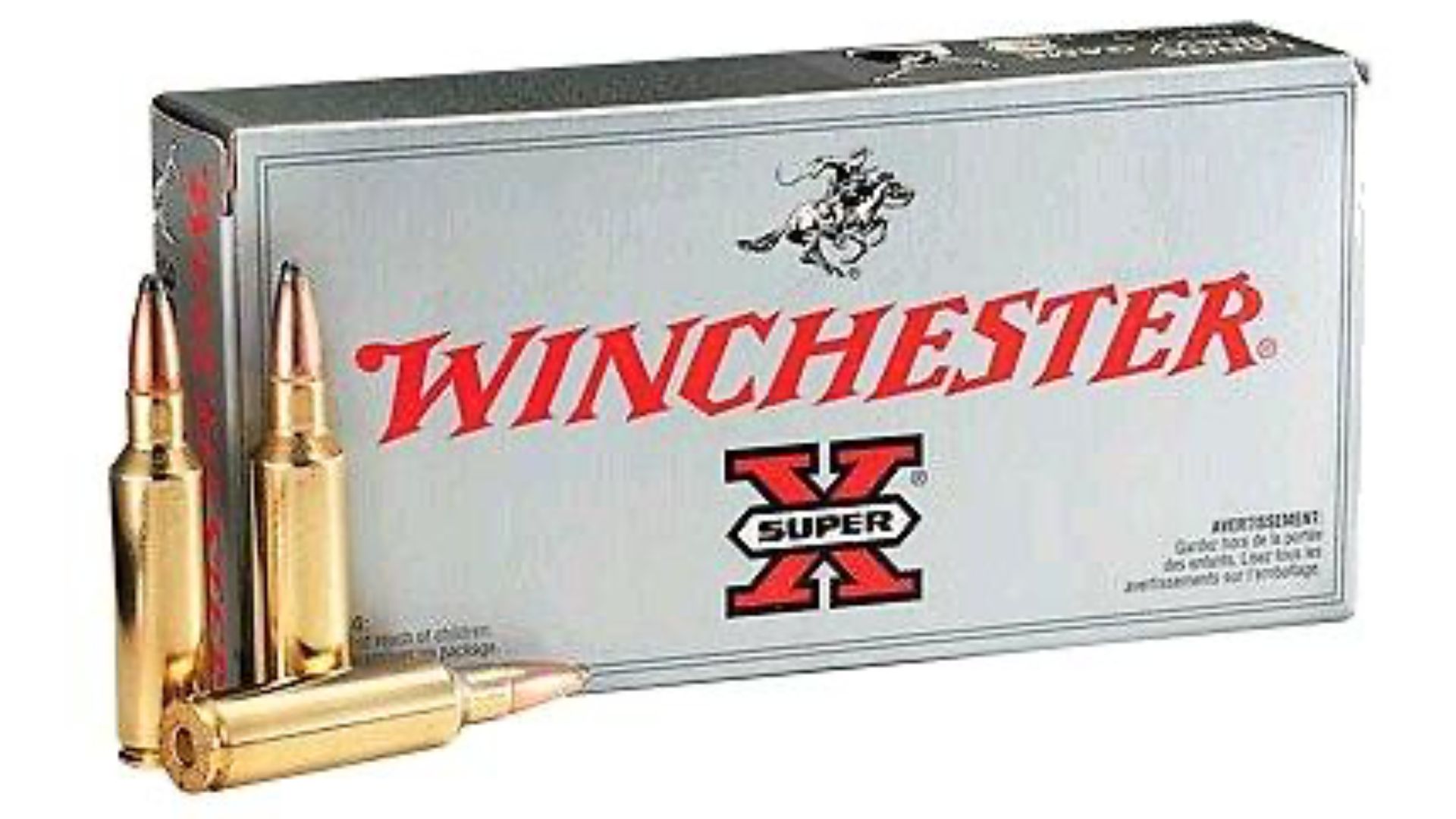
The .225 Winchester arrived during the hot-rod varmint craze, but it showed up too late and never outperformed the .22-250 or .220 Swift. Shooters found that it offered no practical advantage, and ammo has been scarce for decades. On top of that, its rimmed case design made it a little awkward for modern bolt guns.
Rifles chambered for it weren’t common, and accuracy varied widely by barrel. When the market already had faster, more available options, the .225 Winchester simply faded away. Today, it survives mostly in old collections rather than in active use.
.17 Remington Fireball
The .17 Fireball promised blistering speed with minimal recoil, but shooters quickly discovered that tiny .17-caliber bores can be temperamental. A slight gust of wind can push these light bullets far off course, making long-range varmint work a frustrating chore.
Barrel fouling is another issue. These rounds run hot and leave carbon quickly, requiring constant cleaning to maintain accuracy. While the concept made sense as a niche varmint round, most hunters stuck with the more proven .17 HMR or .204 Ruger.
.30 Remington AR
The .30 Remington AR tried to bridge the gap between .223 and .308 in an AR-15 platform, but it never offered enough of an upgrade to justify the switch. It required proprietary magazines and bolts, and ammo availability was poor from the start.
Performance wasn’t terrible, but it didn’t deliver the .308-like punch many shooters expected. Hunters realized they could get similar results from rounds like the 6.8 SPC with fewer compatibility issues. It quietly disappeared from catalogs within a few short years.
.17 Mach 2
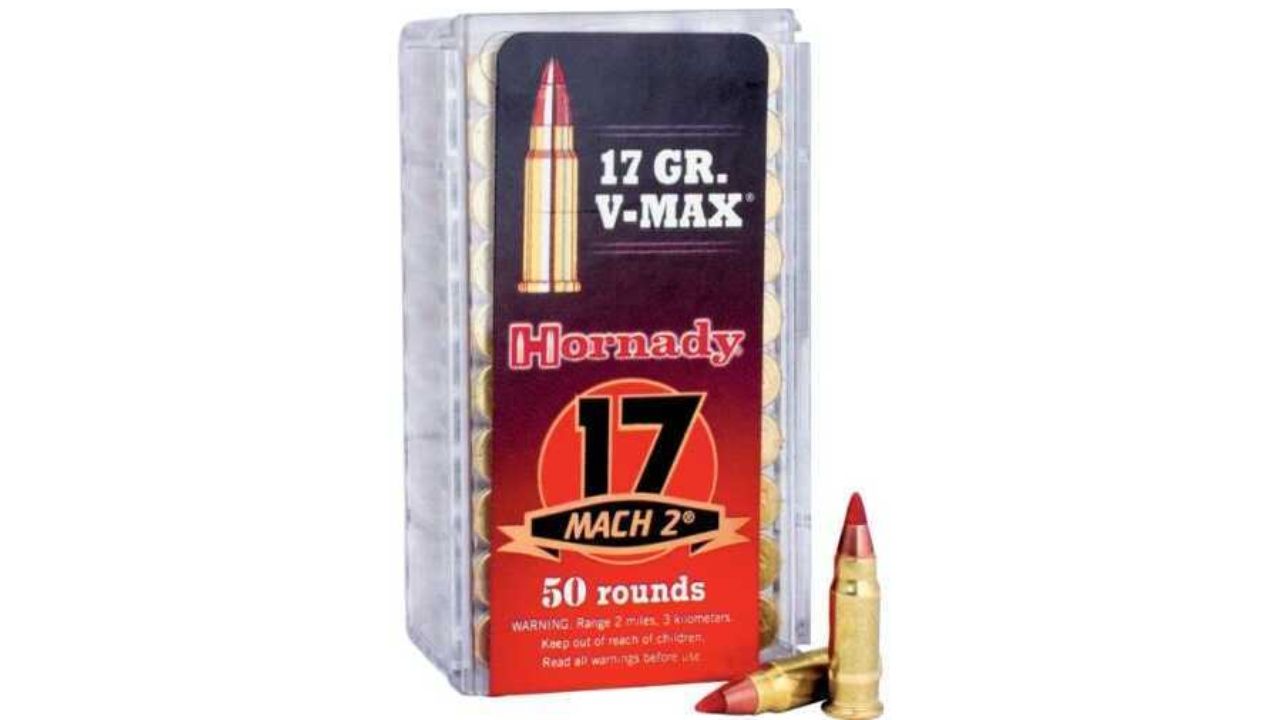
The .17 Mach 2 had a few bright moments, but the cartridge struggled with reliability in semi-autos due to high chamber pressure spikes. Rimfire shooters loved the accuracy when everything worked correctly, but the cycling issues pushed most people back to .22 LR or .17 HMR.
Even with good ammo, the Mach 2 never found a firm identity. It wasn’t as affordable as .22 LR, and it didn’t offer the longer reach of the .17 HMR. Without a clear role, it was destined to remain an oddity rather than a mainstay.
.25 WSSM
Winchester’s Super Short Magnums drew attention, but the .25 WSSM suffered from feeding issues and poor barrel life. That short, fat case was efficient on paper but rough on rifles, and shooters noticed accuracy dropping faster than expected.
Brass availability became an immediate problem once the cartridge lost popularity. Hunters who wanted .25-caliber performance stuck with time-tested rounds like .25-06 or .257 Roberts, leaving the WSSM family to fade out of production quietly.
.327 Federal Magnum (as a field round)
The .327 Federal is impressive in theory—high velocity, low recoil, and six shots in a small revolver. But for hunting or serious field use, its lightweight bullets lack penetration compared to more established handgun rounds.
Shooters looking for a practical woods cartridge rarely choose it over .357 Magnum. Barrel length also affects performance drastically, and velocity drops quickly. It’s still a fun cartridge, but it never lived up to the early claims as a hunting solution.
.356 Winchester
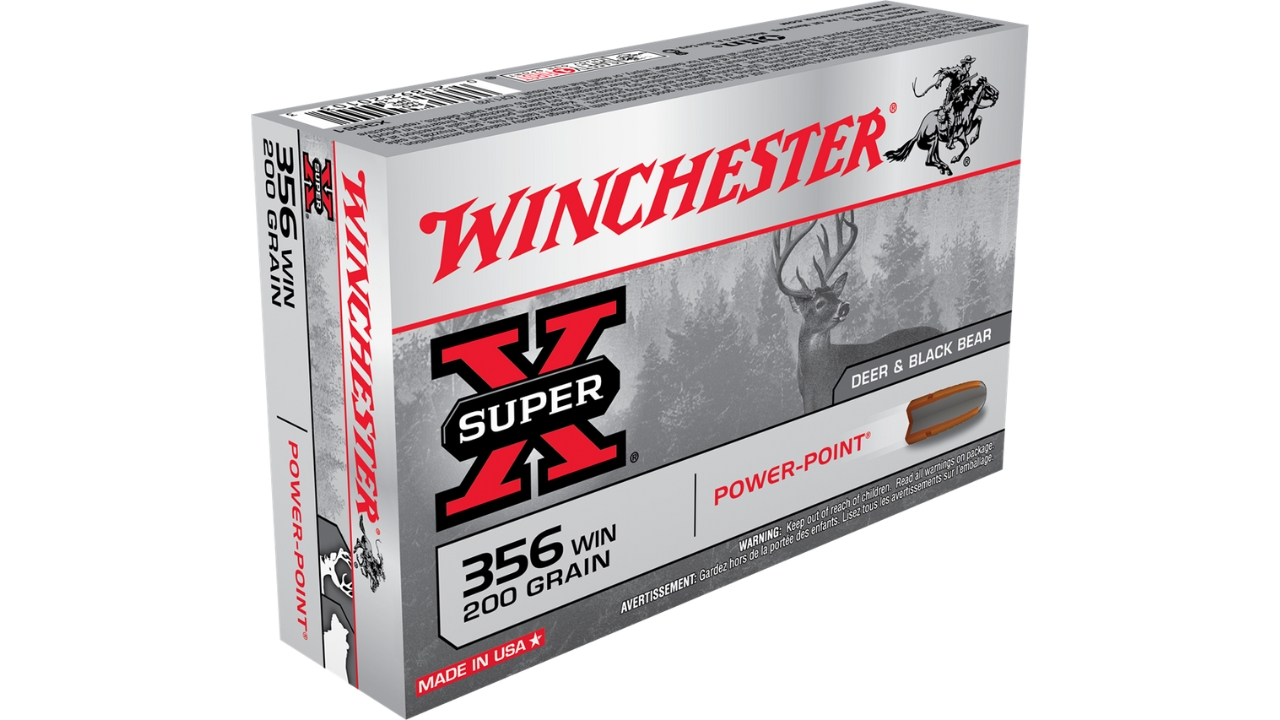
The .356 Winchester was designed to give lever-guns more muscle, but it never hit the performance levels shooters expected. Case design issues and uneven accuracy kept it from gaining traction, especially with traditional flat-nose bullets.
Ammo availability also disappeared fast, leaving owners with limited choices. Compared to more efficient cartridges that deer hunters already trusted, the .356 Winchester couldn’t carve out a sustainable following.
.30 T/C
Thompson/Center tried to create a more efficient version of the .308 Winchester, but the .30 T/C never generated enough real-world improvement to justify its existence. The speed gains were minimal and didn’t translate into better downrange results.
It also suffered from being tied closely to T/C rifles. Without wider adoption, ammo availability lagged, and shooters gravitated toward cartridges with proven track records. It was an interesting experiment but ultimately unnecessary.
.300 RCM
The .300 Ruger Compact Magnum was bold on paper, offering .300 Win Mag-like performance in a shorter action. But recoil was stout, throat erosion was fast, and rifles chambered for it were limited. Shooters didn’t see enough benefit to endure the drawbacks.
Ammo costs and availability further hindered it. With so many .30-caliber magnums already established, the RCM couldn’t stand out and quietly left the shelves.
.338 RCM
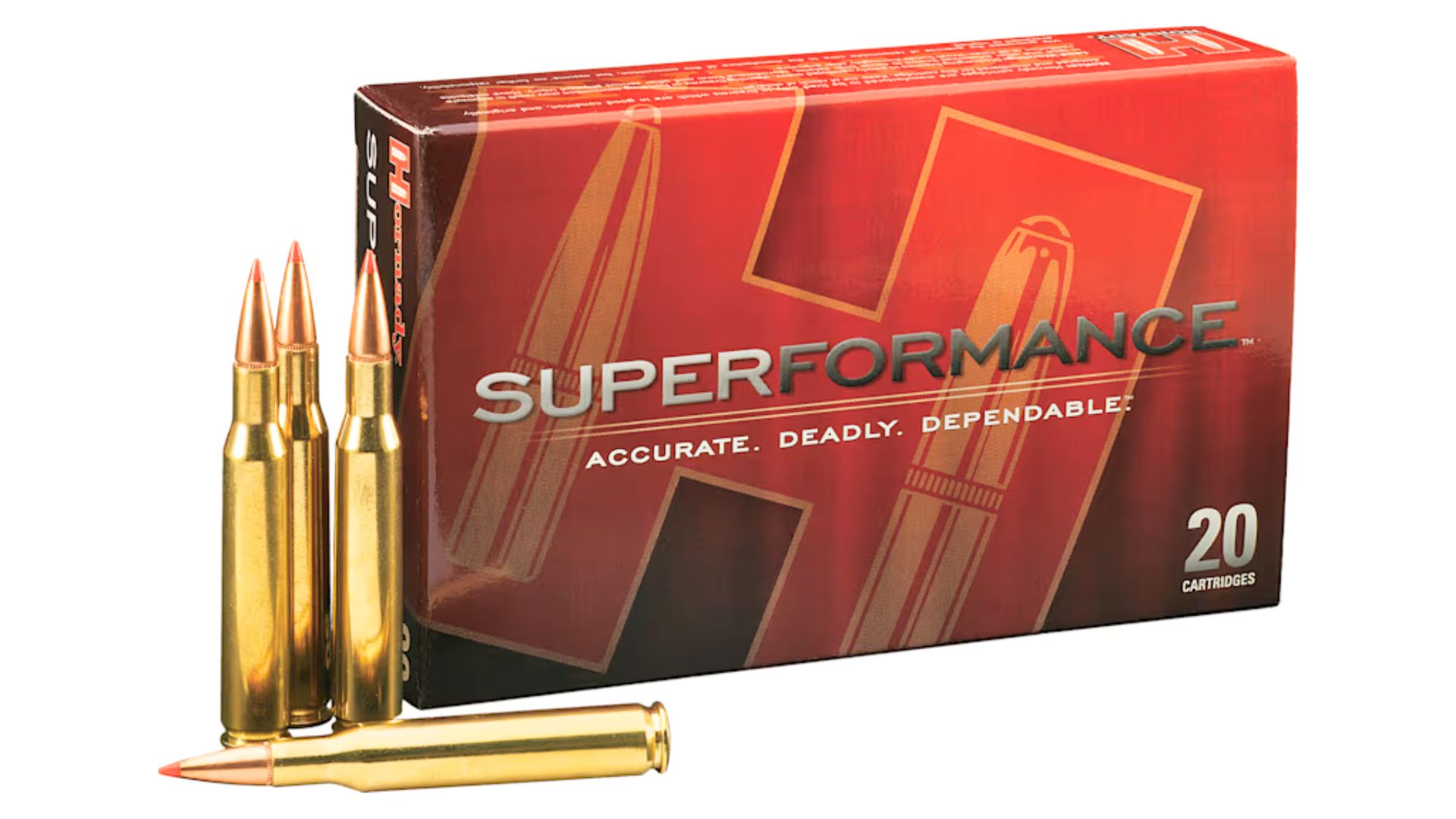
Like its .300-caliber counterpart, the .338 RCM tried to pack magnum performance into a compact rifle. While capable, it ran at high pressures and produced recoil levels that didn’t match the rifles’ lightweight designs. Most hunters found it unpleasant to shoot.
Its bullet selection was also limited compared to more established .338s. Between ammo scarcity and poor rifle availability, the cartridge never found its footing.
.5mm Remington Rimfire Magnum
The 5mm RRM was ahead of its time, but the world wasn’t ready for it. When Remington discontinued rifles and ammo, the cartridge essentially disappeared overnight. Even with modern reproductions, it remains a curiosity rather than a practical option.
Its performance was interesting—fast and flat—but without manufacturer support, it couldn’t compete with .17 HMR or .22 WMR. Today, it’s mostly a historical footnote.
.357 Maximum
The .357 Maximum was designed for silhouette shooting, but high-pressure loads caused excessive flame cutting in revolvers. That issue alone doomed widespread adoption. Shooters loved the velocity but hated the long-term damage.
Rifles and single-shots handled it better, but by then the reputation was already tarnished. Most hunters stuck with .357 Magnum or .44 Magnum, leaving .357 Maximum to niche handloaders.
.450 Marlin

The .450 Marlin tried to modernize .45-70 performance, but shooters quickly realized the old workhorse didn’t need replacing. Ammo for .450 Marlin is expensive, heavy, and harder to find, while .45-70 loads now cover everything from mild to wild.
With no major advantages, hunters gravitated back to established big-bores. The .450 Marlin still works, but it never justified its existence for most rifle owners.
.22 Remington Jet
The Jet had an interesting design, but in revolvers it suffered from case setback, causing lockup and poor extraction. Shooters learned fast that it was more trouble than it was worth.
Accuracy was inconsistent, especially with factory loads, and bullet pull issues made reliability unpredictable. It’s a cartridge that collectors enjoy—but most shooters traded away quickly.
.223 WSSM
The .223 WSSM pushed speed to extremes, but the heat it produced was brutal on barrels. Throat erosion appeared early, and accuracy dropped quickly under real use. That alone kept many varmint hunters away.
Feeding issues and limited rifle options didn’t help. When existing .22-caliber rounds already did the job well, the .223 WSSM simply couldn’t gain traction.
Like The Avid Outdoorsman’s content? Subscribe to our newsletter so you never miss an article.
Here’s more from us: