Photo credit: GunBox Therapy/Youtube
Most of us have stood at a gun counter and felt that little tug toward the pricey one. Better finish, fancier name, slick ad copy, maybe a “combat proven” story attached to it. And sometimes that higher price really does buy you something. But plenty of times it just buys you a different set of problems.
I’ve watched guys spend big, shoot one box, and quietly list the gun the next week. I’ve also watched an old “boring” rifle keep getting loaned out because it just works. Here are 20 real-world examples where the expensive pick doesn’t automatically win, and where a more practical (and often cheaper) option ends up making more sense once the new-gun smell wears off.
1. Kimber Solo Carry

The idea was solid: a small 9mm with 1911-ish styling, meant to be the “nice” pocket gun. In reality, a lot of Solos got picky about ammo and didn’t love being run dirty, which is exactly how small carry guns tend to live.
If you’re carrying every day, you want boring reliability and easy-to-find mags. The Solo often asks for premium ammo and extra attention. That’s a rough trade when a Glock 43, Shield, or P365 will just chug along.
2. Remington R51 (Gen 2)
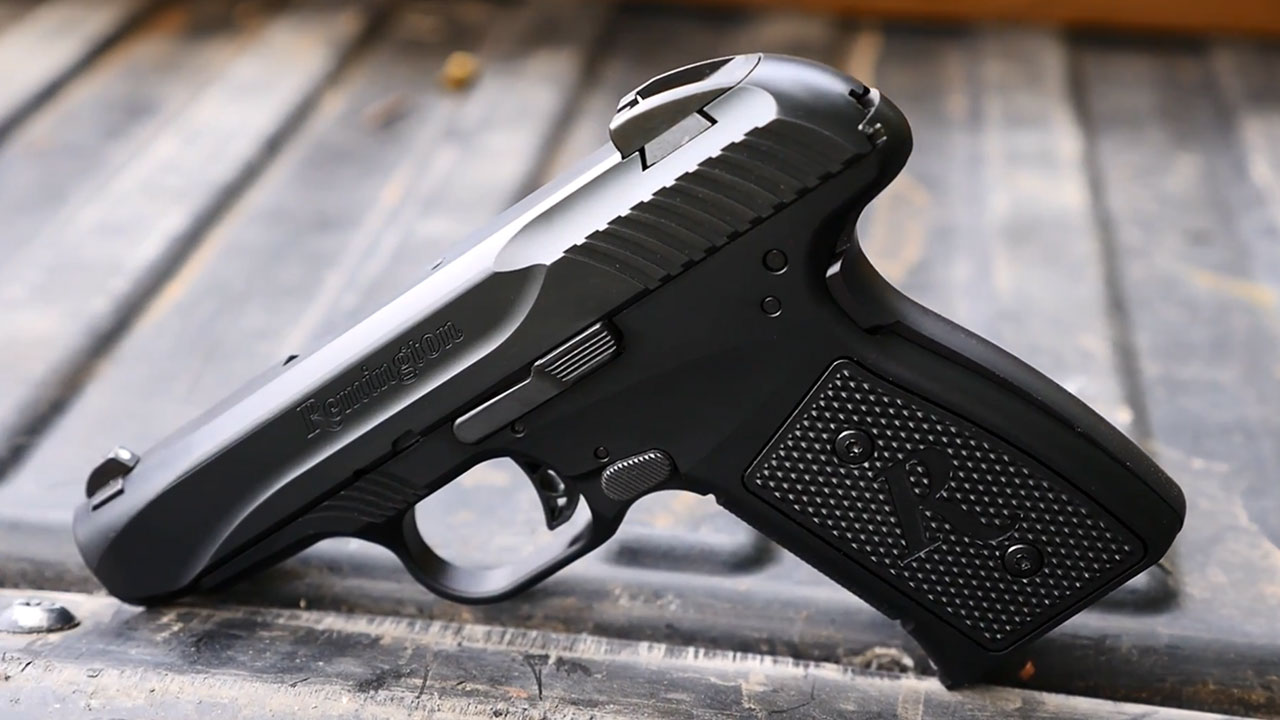
This one hurt because the history is cool and the looks are different. But the re-launch had enough rough edges that a lot of shooters never gained confidence in it.
When a carry gun feels like a project, it stops being a carry gun. The R51 might be interesting, but “interesting” isn’t what you want when you’re stuffing it in a holster at 5 a.m. to go open gates or run to town.
3. SIG Sauer P938

I like a lot of SIG stuff. The P938 can be accurate and well-made. But for many folks it’s too small to shoot well under stress, and it’s surprisingly easy to induce problems with a sloppy grip or thumb riding controls.
It’s also a “tiny 1911” in feel, which means you’re buying into manual safety habits. Nothing wrong with that if you train, but plenty of buyers don’t. For most people, a slightly larger micro-9 ends up being more forgiving.
4. HK VP9 Match
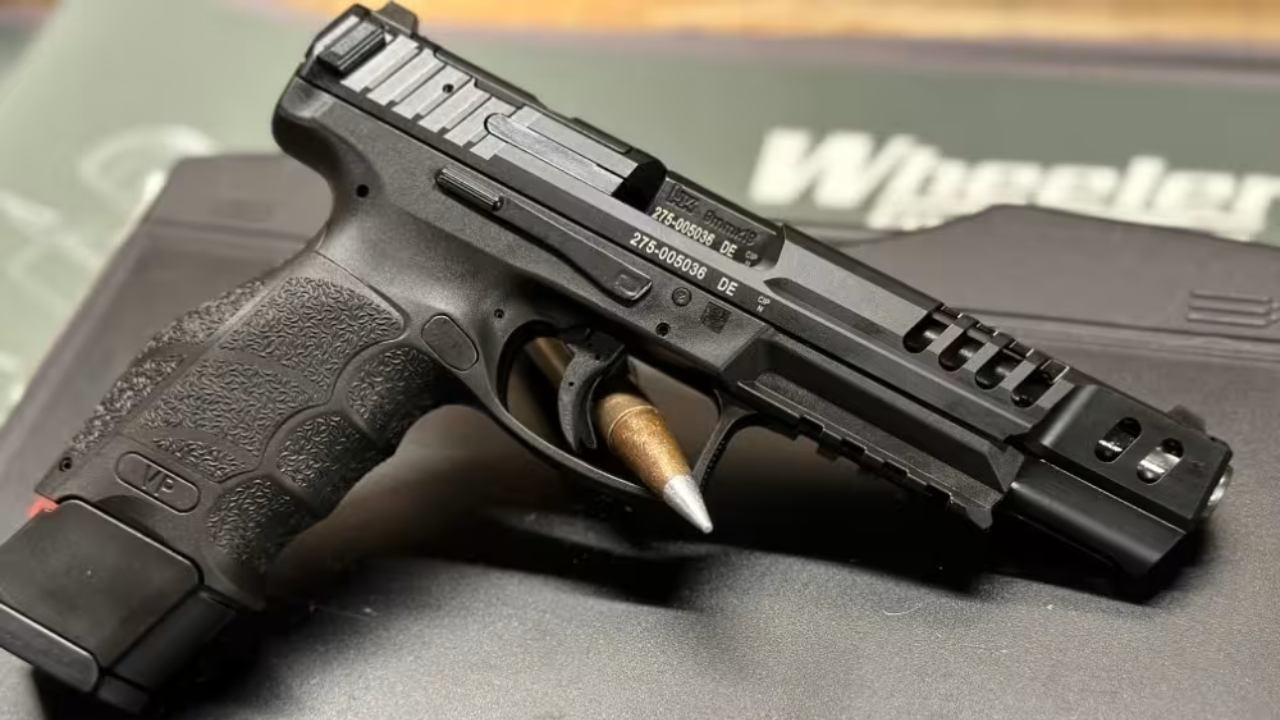
The VP9 is a good pistol. The Match version looks the part and costs the part, too. The problem is that a lot of shooters don’t get a meaningful gain for the extra length and extras unless they’re actually shooting competition regularly.
If it’s living in the nightstand or riding in a truck console, the standard VP9 (or any number of less expensive striker guns) does the same job without being a “special purpose” piece you baby.
5. Beretta 92X Performance

Heavy. Smooth. Accurate. Also heavy, again, because it matters. This is a pistol built to shine on a range or in competition, not to be a practical all-day sidearm.
As a “do everything” handgun purchase, it can leave you frustrated. You’ll love it on a clean bench with good ammo and time to shoot. You’ll like it a lot less when you realize you don’t actually want to carry a boat anchor around the property.
6. Desert Eagle Mark XIX
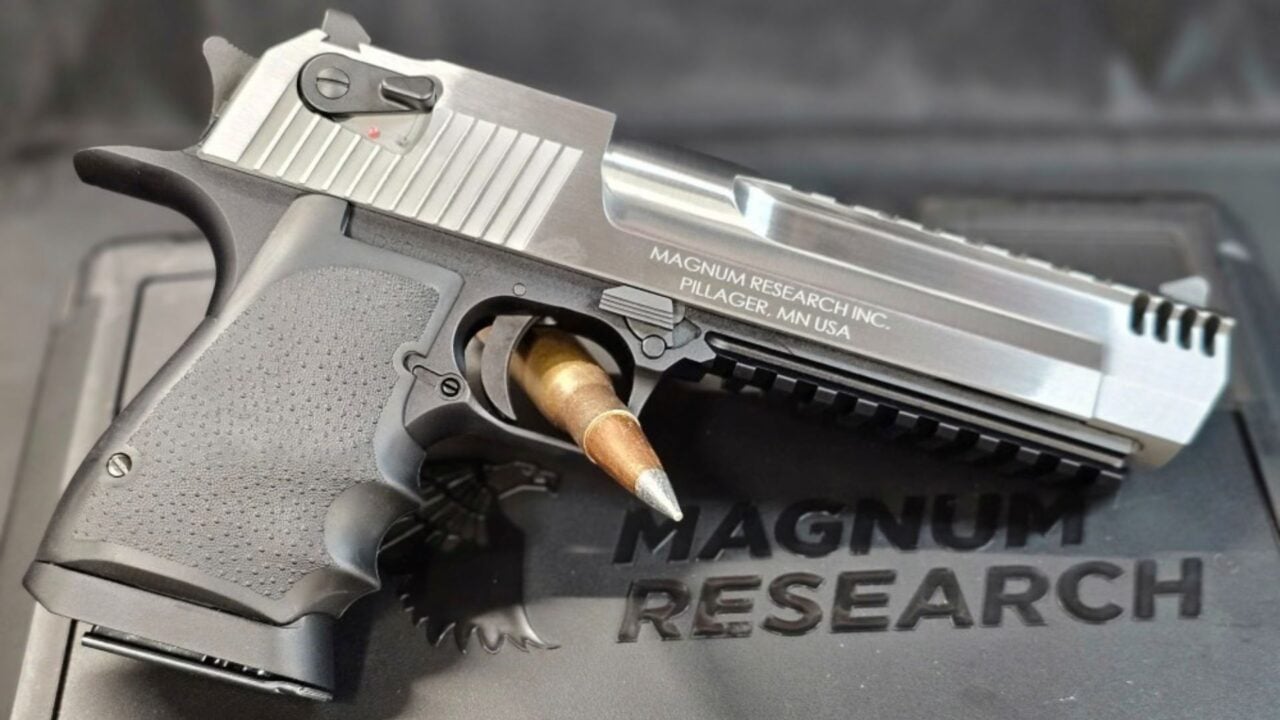
Everybody wants to shoot one once. Fewer people want to own one after the first range day. The cost of feeding it is real, the weight is real, and it’s not exactly a practical tool for anything most outdoorsmen do.
If you’re buying it for “woods defense,” there are better answers that are lighter, simpler, and more shootable. The Desert Eagle is a novelty that happens to be a firearm, not a working gun for most folks.
7. Colt Python (new production)

The new Python is a fine revolver, and yes, it’s beautiful. But it’s also priced like a trophy. Most people who buy one don’t actually use it hard, because they can’t stand the idea of holster wear or a scratch.
A GP100 or a 686 will take miles of carry, plenty of shooting, and a little neglect without you wincing every time it bumps a truck door frame. A working revolver should be able to look a little worked.
8. Smith & Wesson Model 460XVR
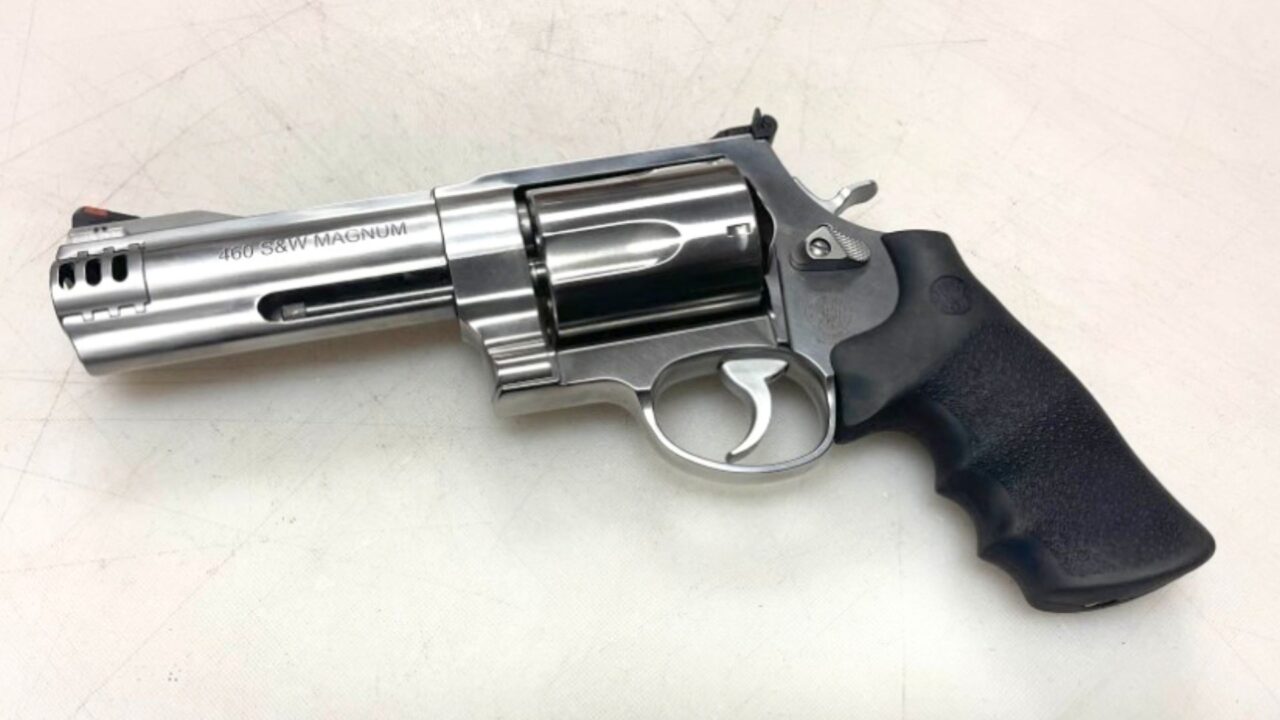
This is the kind of revolver that makes you feel like you could stop a bear, a truck, and a bad attitude all at once. Then you touch it off. The recoil and blast are not for casual shooters, and that means practice tends to drop off fast.
A more manageable .44 Mag or even a stout .357 you actually train with is usually a better “real life” choice. Owning power you don’t practice with is just owning noise and expense.
9. Springfield Armory M1A Loaded
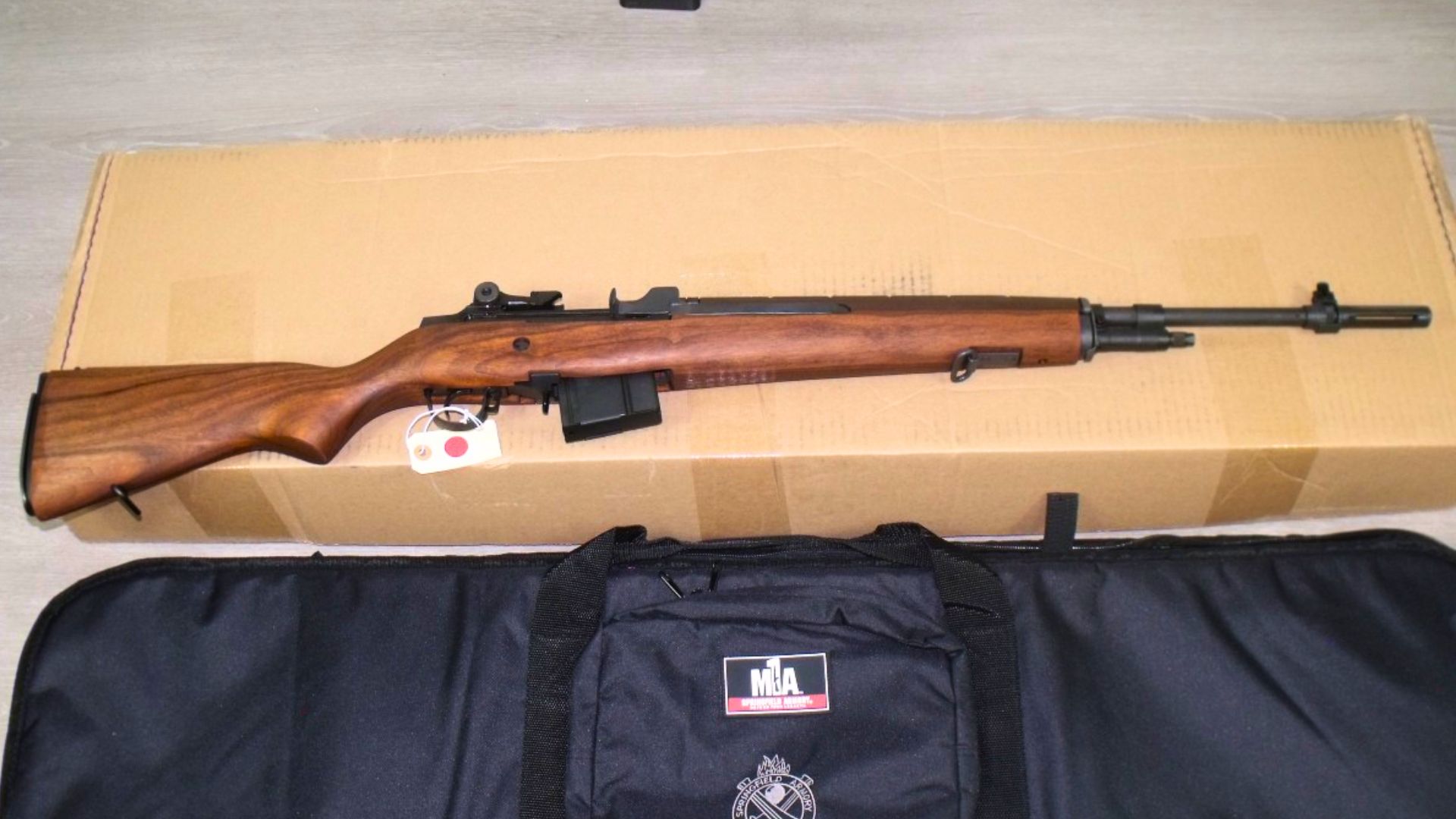
M1As have a pull all their own. They also have a talent for becoming money pits if you start chasing accuracy like it’s an AR-10. Mags aren’t cheap, optics mounting can be a whole ordeal, and not every rifle runs the same.
If you want a .308 that’s easy to feed, easy to mount glass on, and easy to keep consistent, a modern AR-10 pattern rifle can be a better use of cash. The M1A is more about want than need, and that’s okay—just be honest about it.
10. Daniel Defense DD5 (AR-10 platform)
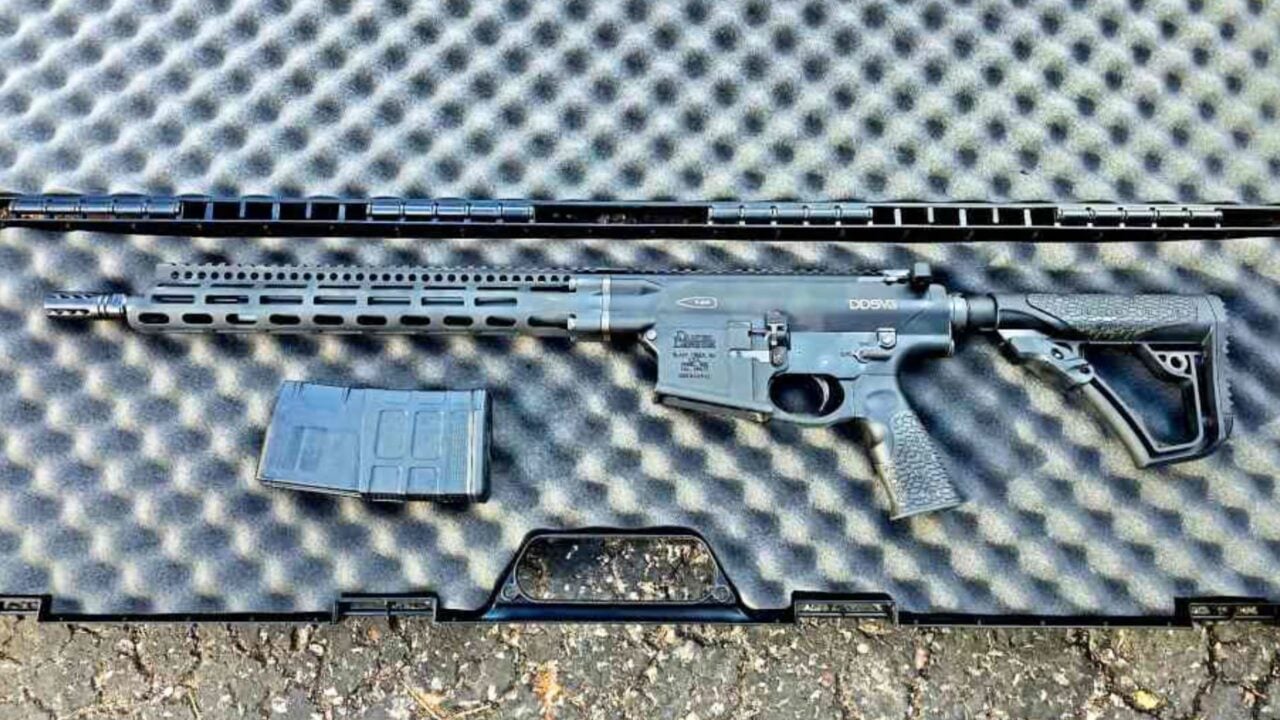
Daniel Defense makes quality guns, and the DD5 is no junk. But the AR-10 world is not as standardized as AR-15s, and expensive doesn’t always save you from compatibility quirks.
It’s also a lot of rifle for what most hunters actually do. If you’re carrying ridges or climbing in and out of stands, weight and balance start to matter more than brand name. A lighter bolt gun often beats a premium semi-auto in the field.
11. FN SCAR 17S
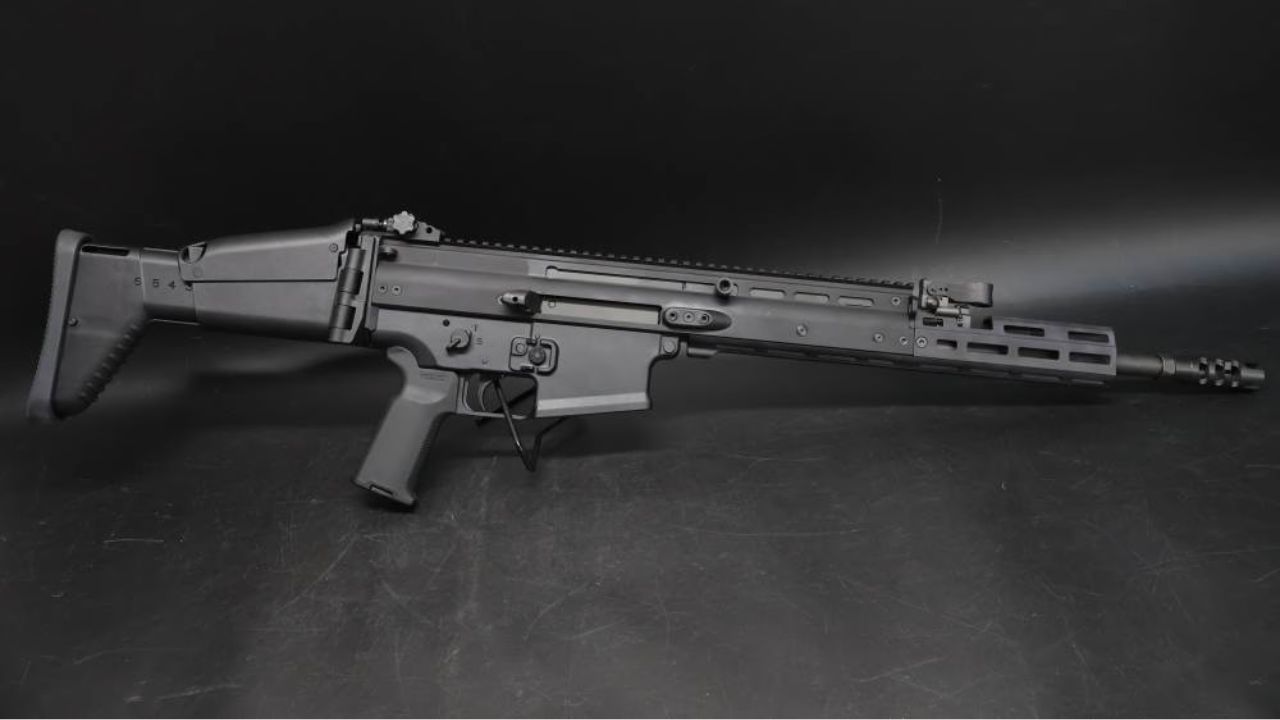
The SCAR 17S is a cool rifle, and it runs. The sticker shock is real, and so is the cost of magazines, mounts, and the general “SCAR tax” on accessories.
For most shooters, the practical benefit over a well-sorted .308 AR or a solid bolt rifle isn’t proportional to the price. If you’re not actually using it for what it was built around, you’re paying for bragging rights more than capability.
12. IWI Tavor X95

Bullpups are handy in tight spaces and they look like the future. The X95 is one of the better ones. Still, a lot of folks learn they don’t love the trigger feel, the balance, or the manual of arms once they’re past the first couple range trips.
When you’re doing normal rifle things—zeroing, running drills, swapping optics, finding replacement parts—an AR-15 is usually simpler and cheaper to keep running. The X95 can be great, but it’s not automatically “better.” It’s different.
13. HK G36 (civilian/clone variants)
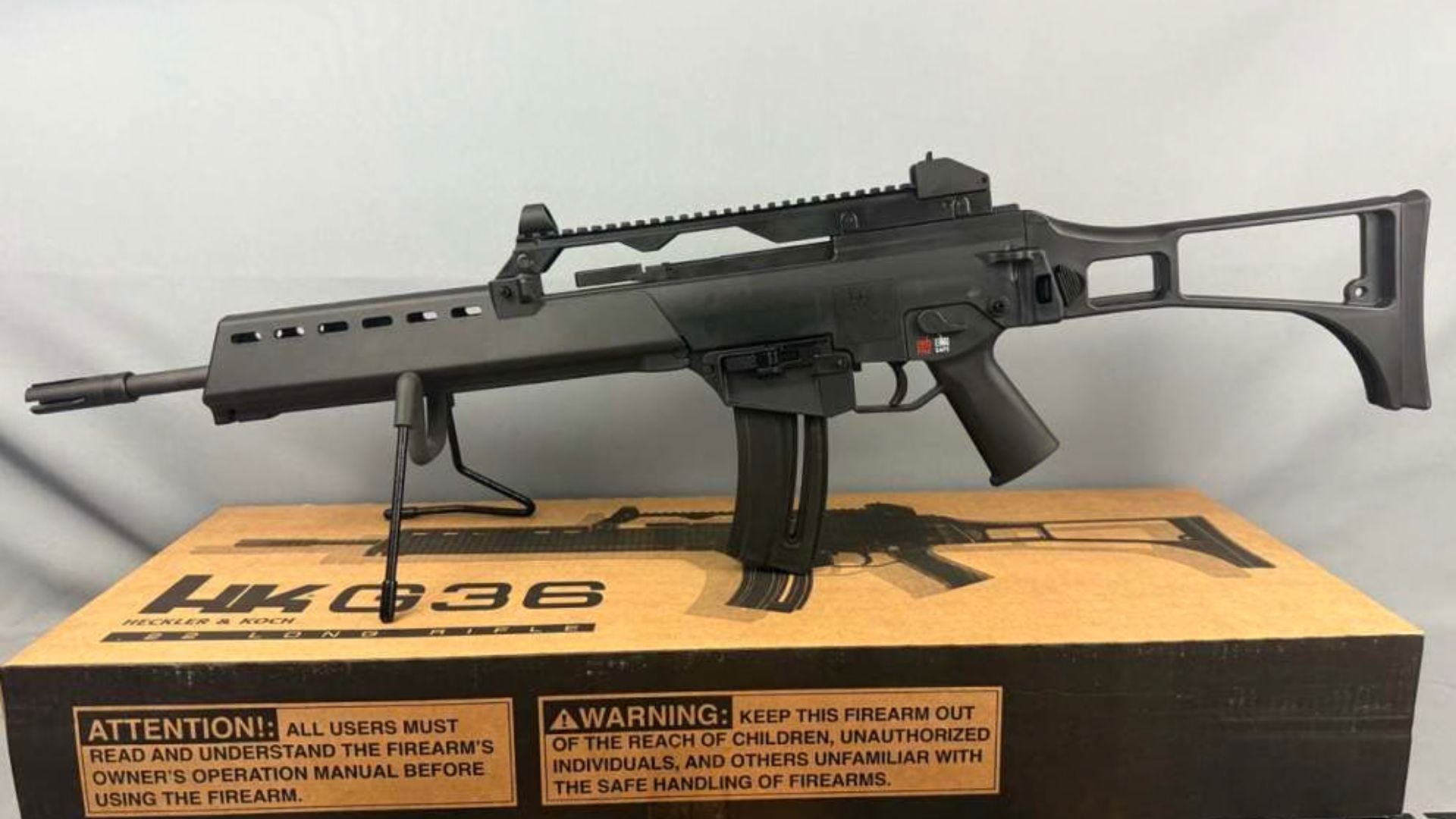
The G36 has that iconic look, and the clones scratch the itch. But you can end up paying a lot for a rifle that doesn’t have the same parts support, magazine commonality, or upgrade ecosystem as the boring old AR.
If you just want a reliable 5.56 that you can keep fed and repaired, the high-dollar “because it’s cool” option can turn into a safe queen fast. Ask me how I know: weird magazines and limited spares get old.
14. Ruger Precision Rifle
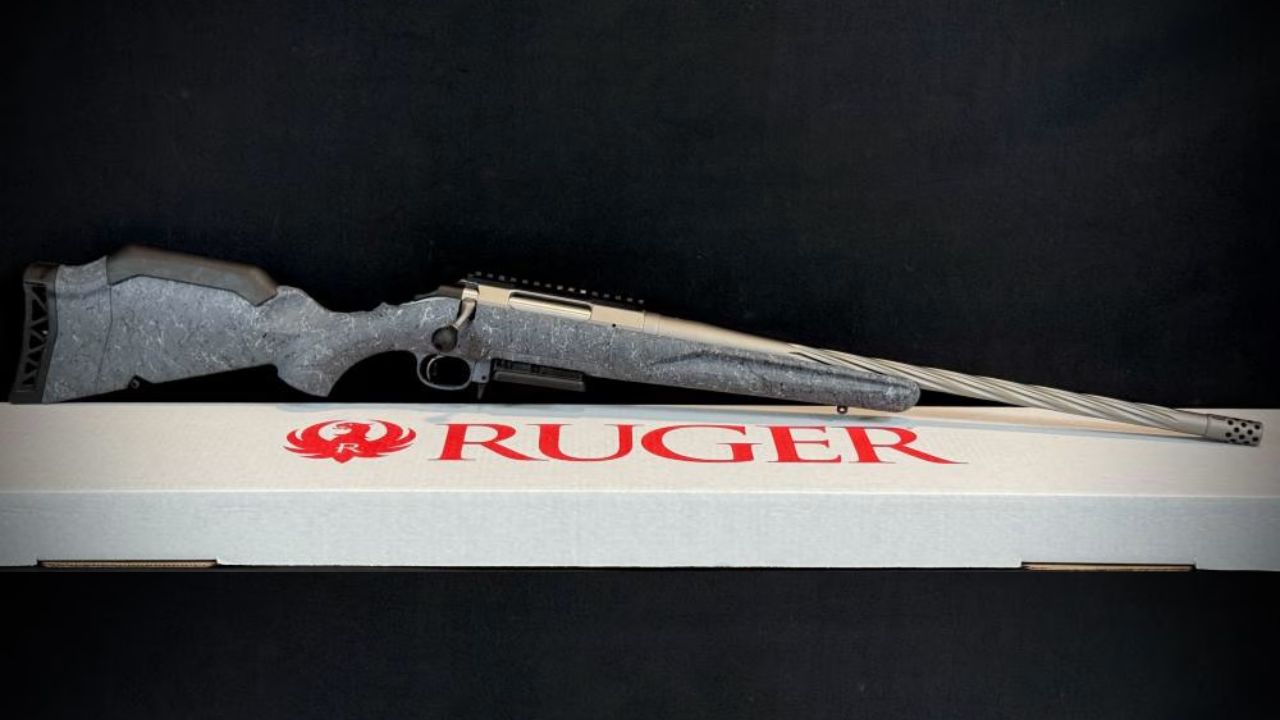
The Ruger Precision Rifle made long-range shooting accessible, and it can shoot. The problem is how many buyers thought it would be a hunting rifle, a truck rifle, and a practical “do it all” rig.
It’s heavy, awkward to carry in the woods, and you’ll baby the big scope you put on it. For actual hunting, a standard bolt gun that you can shoulder quickly and pack all day is usually the smarter tool.
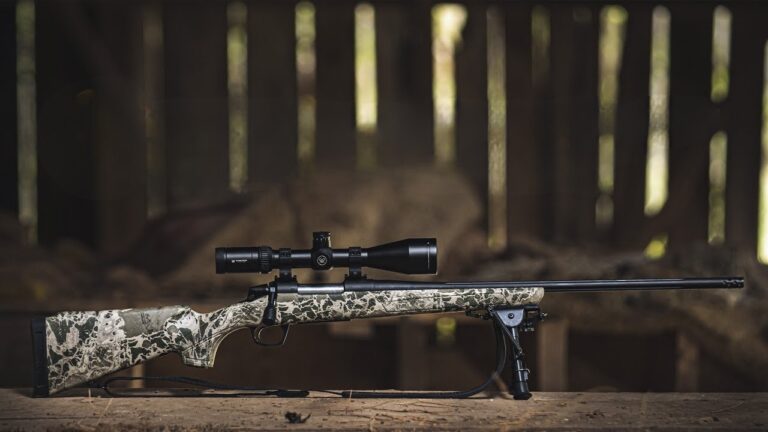
15. Christensen Arms Ridgeline (carbon-barrel hunting rifles)

Carbon-barrel rifles sound like the ultimate cheat code: light weight and great accuracy. Some of them are excellent. Others have been a roll of the dice across different owners, especially when you start talking about consistency and how they behave as they heat up.
If you get a good one, you’ll smile every time you sling it. If you don’t, you’ll spend premium money chasing a problem that a plain stainless Tikka or a basic Model 70 often avoids. Fancy materials don’t automatically mean fewer headaches.
16. Browning X-Bolt (high-trim models)
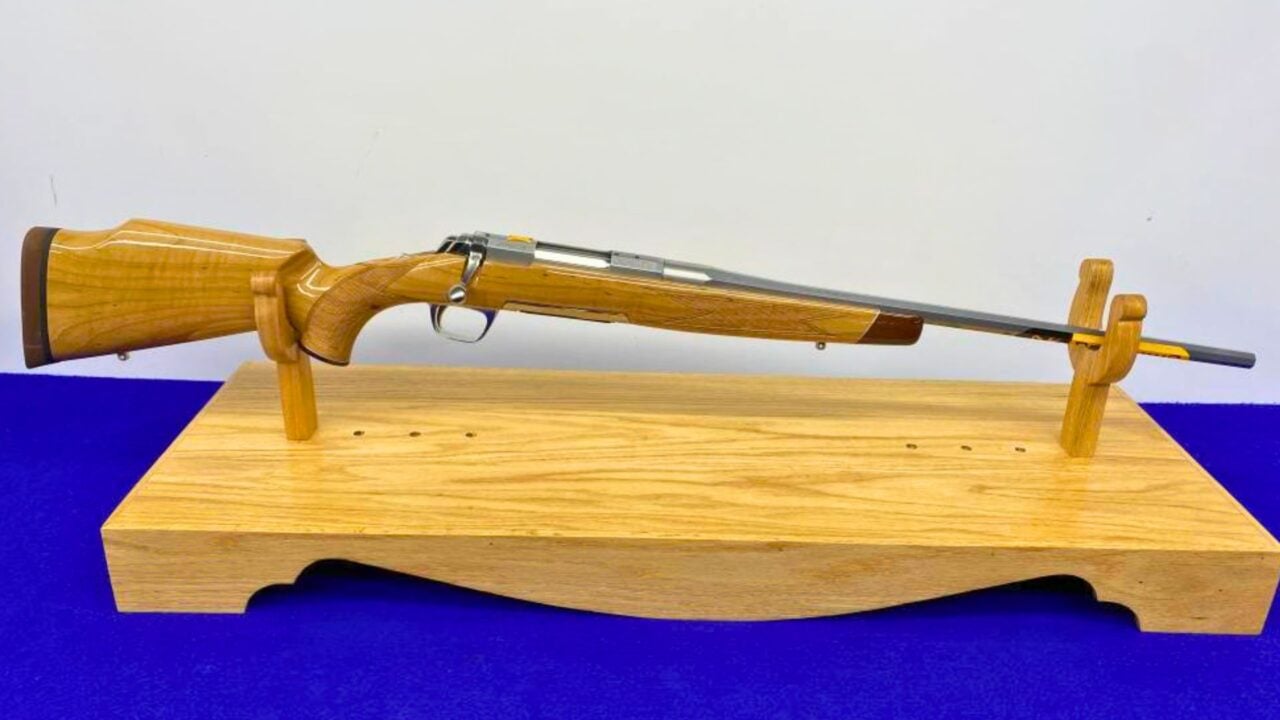
X-Bolts are good rifles, and Browning knows how to build a slick hunting gun. But the fancy trims can creep into a price range where you start expecting a custom-rifle feel.
Most of the deer in the freezer don’t care about engraving, high-gloss, or a deluxe stock. If the budget is tight, it’s usually wiser to buy the basic model and spend the rest on good glass and ammo you actually practice with.
17. Benelli Super Black Eagle 3

Benelli inertia guns have earned their reputation, and the SBE3 is a serious waterfowl shotgun. Still, plenty of hunters don’t hunt in a way that justifies the cost, and some don’t like the recoil impulse compared to a gas gun.
A Beretta A300, a Winchester SX4, or a well-used 870 can kill ducks just as dead inside normal decoying ranges. The expensive shotgun only “wins” if you actually put it in the worst weather, shoot it a lot, and value that specific Benelli feel.
18. Beretta 1301 Tactical
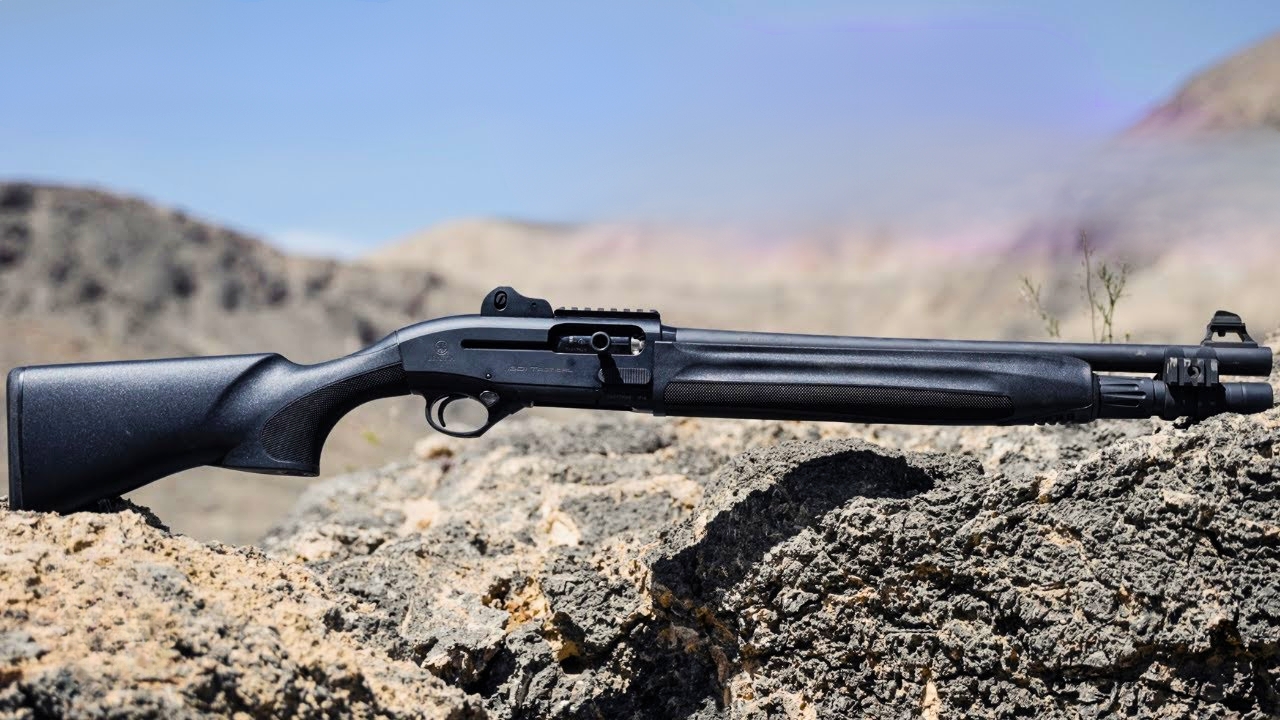
The 1301 Tactical is fast, reliable, and runs like it’s angry. It’s also priced like a top-tier tool, and a bunch of owners end up using it for exactly two things: looking cool and sitting in a closet.
If you’re not training with it, a Mossberg 590 or even a basic 500 can be the more honest purchase. The 1301 shines when you shoot it hard. If you don’t, you’re paying for performance you’re not using.
19. Korth NXS Revolver
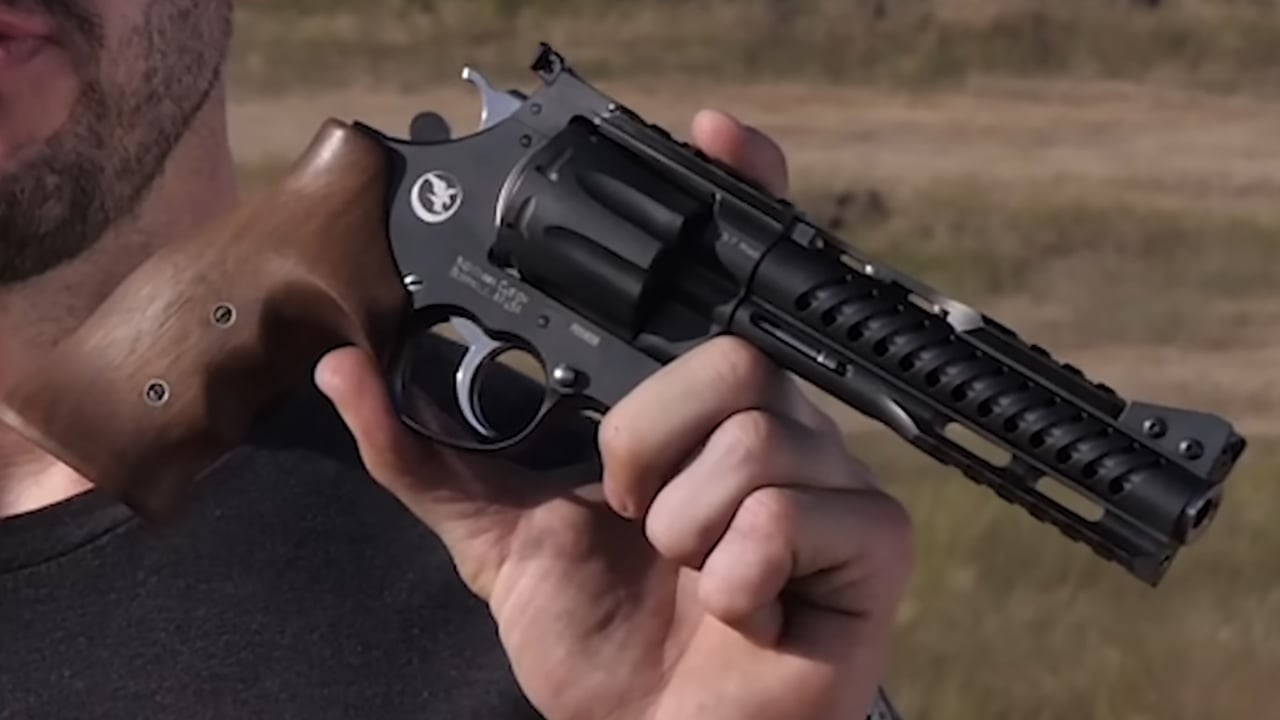
Korth revolvers are jewelry that happen to fire bullets. The fit and finish is unreal. But for most shooters, it’s so expensive you’ll hesitate to carry it, holster it, or let anybody else touch it.
A “best” revolver that never leaves the safe isn’t best at much besides being admired. A well-worn Smith or Ruger that’s actually on your belt when you’re checking fence lines is the one doing the real work.
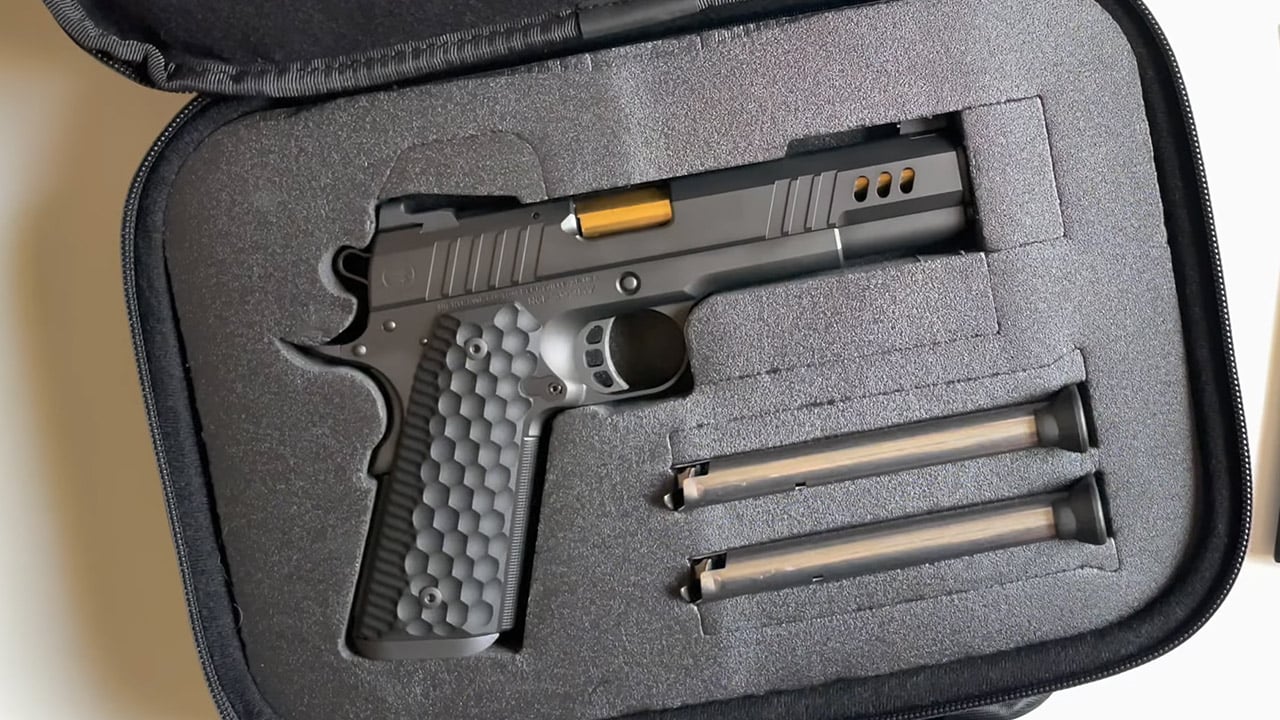
20. Nighthawk Custom GRP (high-end 1911s)
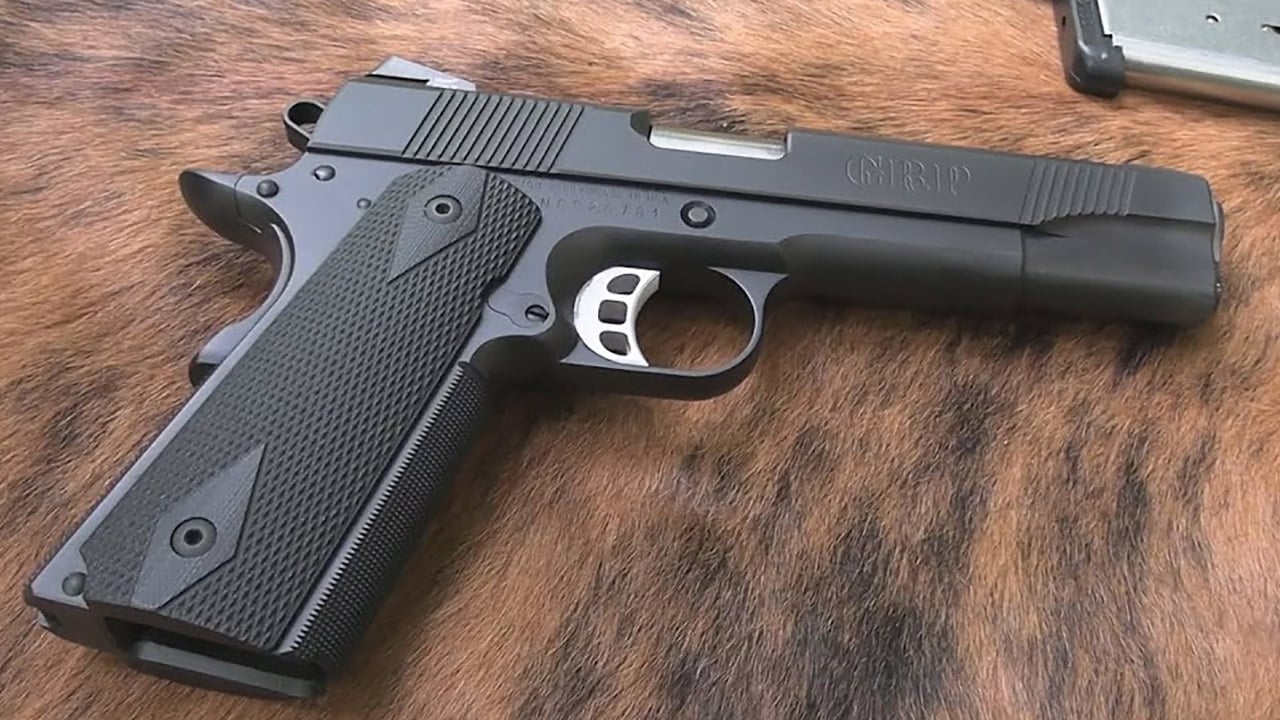
A top-shelf custom 1911 can be an absolute dream to shoot. The trigger is clean, the slide feels like it’s on glass, and you can hit things you shouldn’t be able to hit. Then real life steps in: carry lint, sweat, dirt, and the reality that 1911s can be more maintenance-sensitive than modern striker guns.
If you’re a dedicated 1911 guy and you run it, great. If you’re buying it because you think the price tag guarantees “ultimate reliability,” you may be disappointed. There is nothing wrong with a 1911. But the pricier it gets, the less tolerant most owners become of normal wear, and the less it gets used like a working gun.
The pattern isn’t that expensive guns are bad. It’s that price doesn’t magically make a firearm fit your hands, your lifestyle, your training habits, or your local conditions. The best “value” gun is the one you can afford to practice with, keep running, find magazines and parts for, and actually carry without worrying about every little scratch. If you buy with that mindset, you’ll end up with fewer regrets and more guns that earn their spot.
Like The Avid Outdoorsman’s content? Be sure to follow us.
Here’s more from us: