Photo credit: Hegshot87/YouTube
Pistol-caliber carbines make a lot of sense when they stay affordable. You get mild recoil, cheap practice compared with many rifle cartridges, easy suppression in several calibers, and a platform that can be much easier for new shooters to manage than a full-power rifle. The value starts getting murkier when a 9mm carbine costs as much as a serious rifle-caliber platform or pushes well into premium AR money.
That is the problem with several current PCCs. Many are genuinely good guns, and a few are excellent. The question is whether the experience they deliver still matches the price being asked. In late 2026, mainstream PCCs such as the M&P FPC and SUB2000 Gen 3 sit far below premium options, while guns like the MPX, APC9 Pro, and JP-5 can climb into roughly $2,000 to $3,000-plus territory. At that point, a buyer has to really want the platform rather than simply want a good carbine.
SIG Sauer MPX PCC
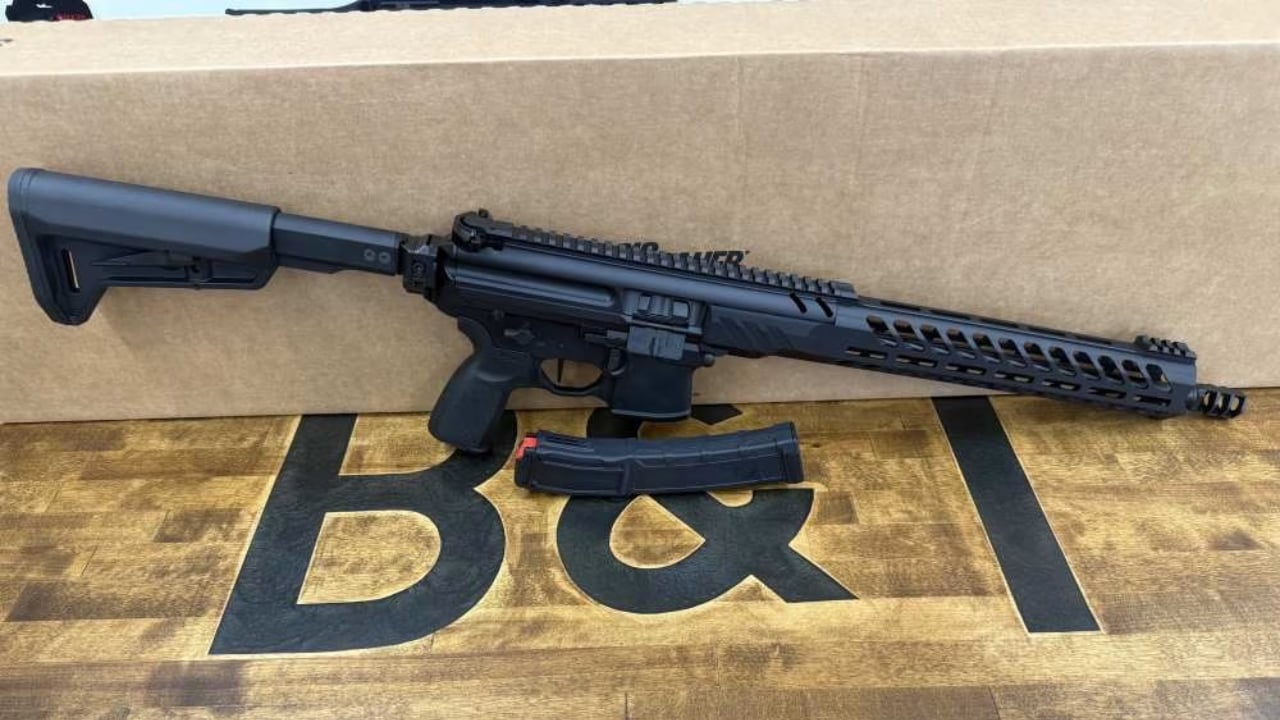
The MPX is one of the better-shooting 9mm carbines available. Its short-stroke gas system gives it a recoil impulse that feels smoother than many straight-blowback PCCs, and the controls are familiar to anyone comfortable with an AR. None of that is the problem. The problem is that the price has climbed high enough that the MPX increasingly competes with excellent 5.56 rifles, premium AR builds, and other serious long guns instead of ordinary PCCs.
Current MPX pricing sits around the $2,000 range, with shorter MPX variants often in the same expensive neighborhood. Proprietary magazines add another layer of cost, and they are significantly more expensive than common Glock-pattern magazines. If you specifically want the MPX operating system, it still has a strong case. If you simply want a reliable 9mm carbine for range use or home defense, the price difference is increasingly difficult to defend.
B&T APC9 Pro

The APC9 Pro is beautifully made and has one of the most polished reputations in the PCC market. B&T’s hydraulic buffer helps smooth out the blowback action, the controls are well designed, and the entire gun has the kind of machining quality you expect from a premium Swiss platform.
You also pay accordingly. Current market comparisons put the APC9 Pro around the mid-$2,000 range. That is a huge amount of money for a 9mm blowback carbine, even one with an excellent buffer system and premium construction. For the same money, you can buy a very good rifle-caliber gun and still have room for an optic or ammunition. The APC9 makes sense as a premium enthusiast purchase. It is much harder to justify as the rational answer to someone who simply wants a practical PCC.
HK SP5

The SP5 gives you the closest thing to a genuine factory HK MP5 experience, and that alone guarantees demand. The roller-delayed action is exceptionally smooth, the gun has enormous historical appeal, and the shooting experience is undeniably satisfying.
Price changes the equation. Current market figures place SP5 variants well into the upper-$2,000 to mid-$3,000 range depending on configuration and retailer. That is a lot of money for a 9mm platform with dated ergonomics, no last-round bolt hold-open, and controls that feel old compared with newer PCCs. If you want an HK because it is an HK, there is no true substitute. If you are judging strictly by performance per dollar, though, several roller-delayed alternatives deliver much of the same soft recoil for dramatically less money.
JP Enterprises JP-5

The JP-5 is built for shooters who care about competition performance above almost everything else. Its roller-delayed operating system, excellent trigger, light reciprocating mass, and overall tuning make it one of the fastest PCCs available for serious match use.
That specialization comes with a staggering price. Current figures put the JP-5 around $3,200 and up, with some configurations climbing significantly higher. For a top-level competitor chasing hundredths of a second, that may be perfectly reasonable. For anyone else, it becomes almost impossible to justify. You can buy several competent PCCs for the same money or move into extremely capable rifle-caliber platforms. The JP-5 is excellent at what it does, but its value only makes sense if you are actually using the performance you paid for.
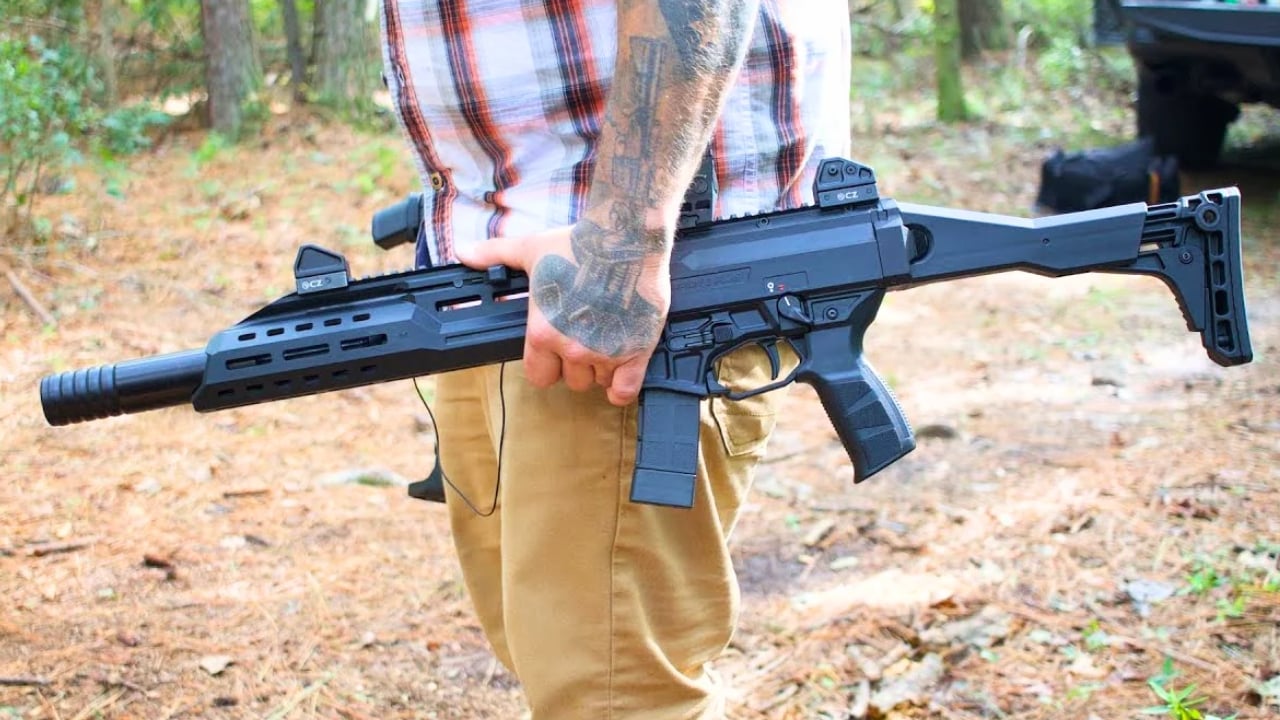
CZ Scorpion 3+ Carbine
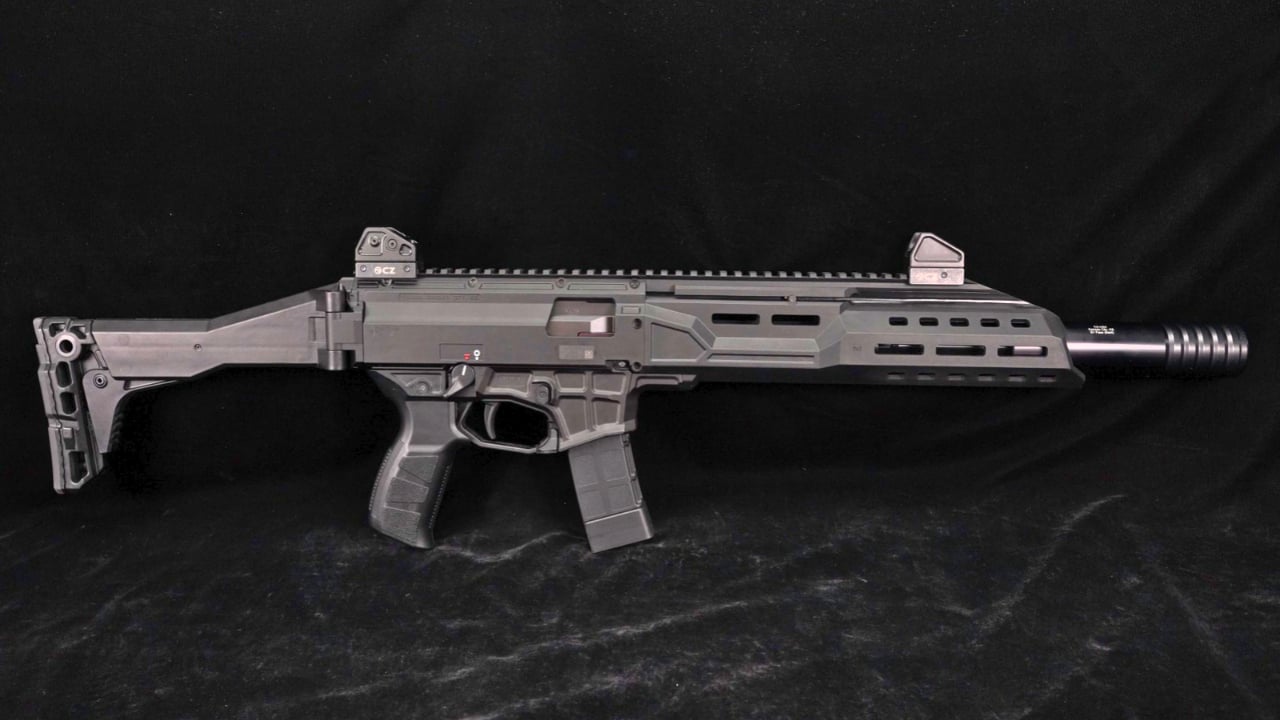
The Scorpion built its reputation by being affordable, reliable, and different from the AR-pattern crowd. Earlier versions felt like a lot of gun for the money because the price was low enough to excuse the heavy trigger and blowback recoil.
That argument becomes weaker as prices rise. CZ’s published pricing for recent 3+ carbine variants has landed well above the bargain territory that originally made the platform so attractive, with catalog MSRPs reaching roughly $1,379 to $1,499 depending on configuration. The action is still direct blowback, the trigger remains relatively heavy, and the ergonomics are not universally loved. Once you move past the $1,000 mark, the Scorpion starts competing against softer-shooting delayed systems and better-equipped AR-style PCCs. It is still fun, but it is no longer the obvious value it once was.
CMMG Banshee MkGs
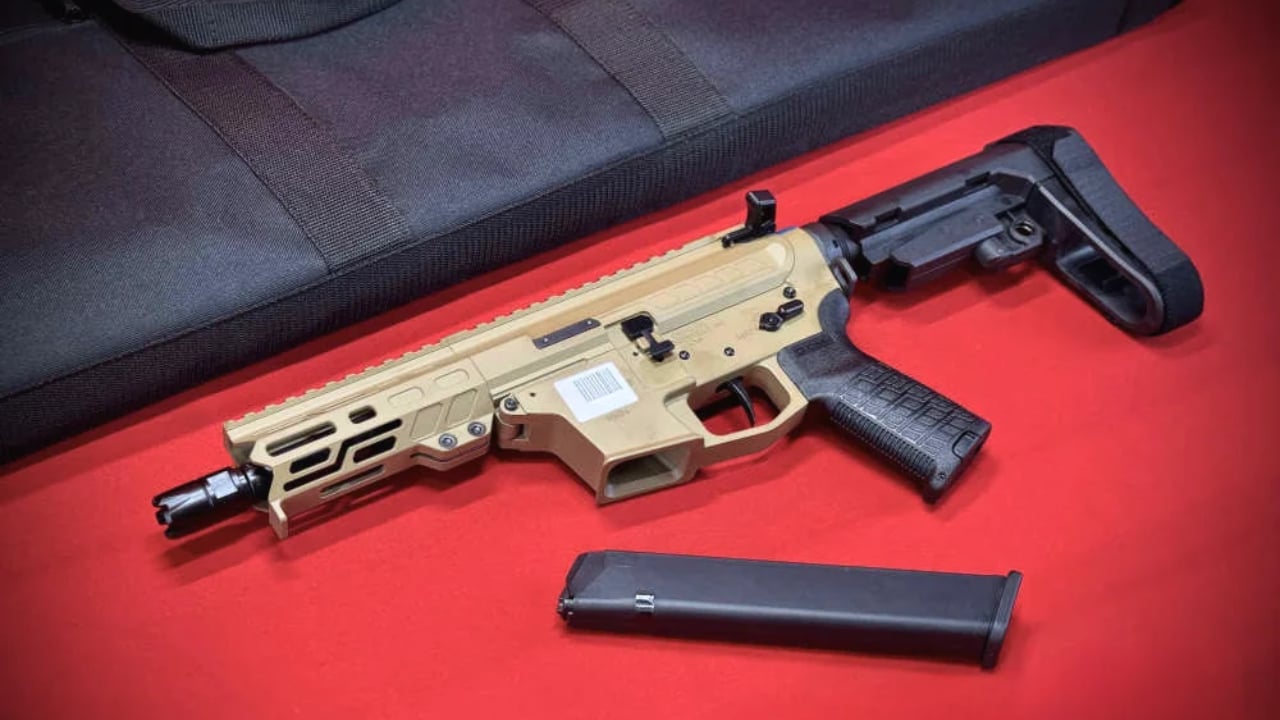
The Banshee’s radial-delayed blowback system is a real advantage over ordinary straight-blowback AR-pattern PCCs. It reduces the need for an extremely heavy bolt and can make the recoil impulse feel less abrupt. Glock magazine compatibility also helps keep logistics easy.
The issue is that current pricing pushes many Banshee configurations into roughly the $1,700 range. At that price, buyers are getting close to premium rifle territory while still shooting a pistol cartridge. The Banshee is mechanically interesting and generally more refined than a budget PCC, but the gap in shooting experience is not always proportional to the money spent. If you value the radial-delayed system specifically, the price may make sense. If you just want a dependable Glock-magazine 9mm carbine, there are much cheaper ways to get there.
Daniel Defense DD PCC
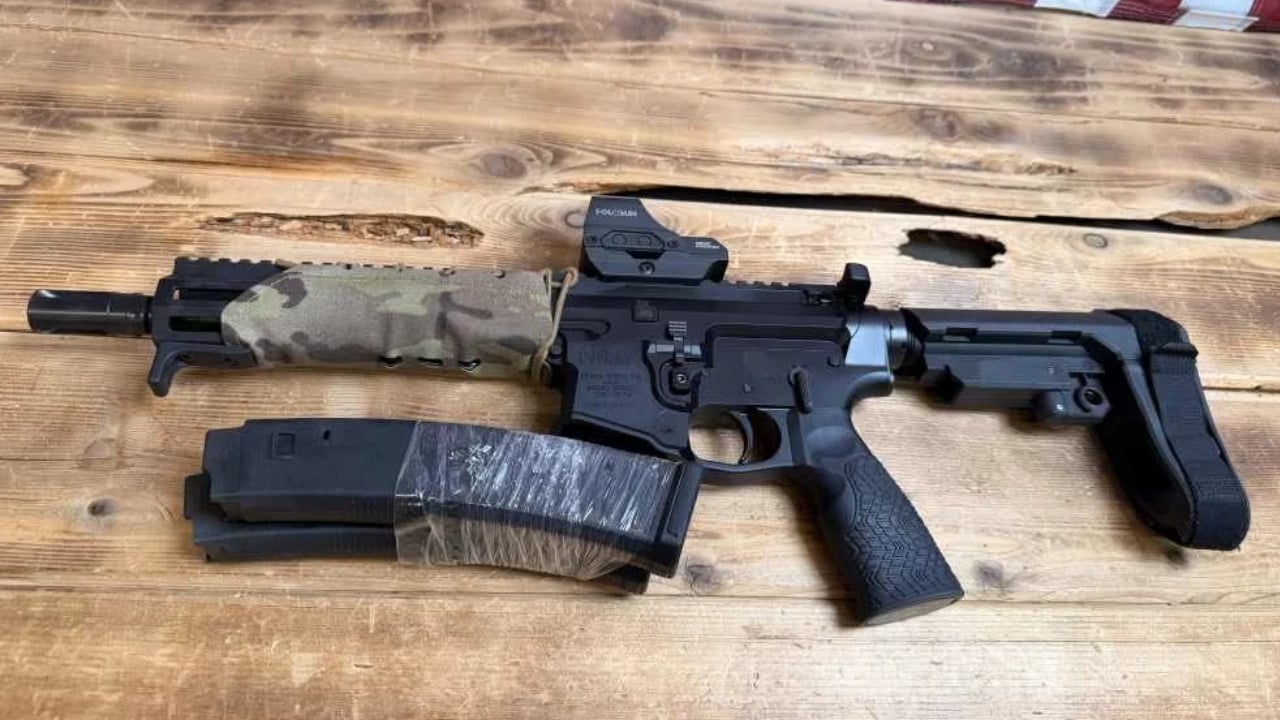
Daniel Defense brings its normal level of machining, finish, and brand reputation into the PCC market, and the result is exactly what you would expect: polished, well assembled, and expensive.
Current comparisons put the DD PCC in roughly the $2,000 range. The problem is that this is still fundamentally a 9mm carbine, and the practical difference between a very well-made PCC and a merely good one can be surprisingly small. At that price, you are deep into high-quality 5.56 rifle territory, where you gain much more ballistic capability without necessarily adding much weight. For a buyer who already owns several rifles and wants a premium 9mm companion, the DD makes sense. For someone trying to maximize utility per dollar, it is difficult to make the math work.
KRISS Vector CRB
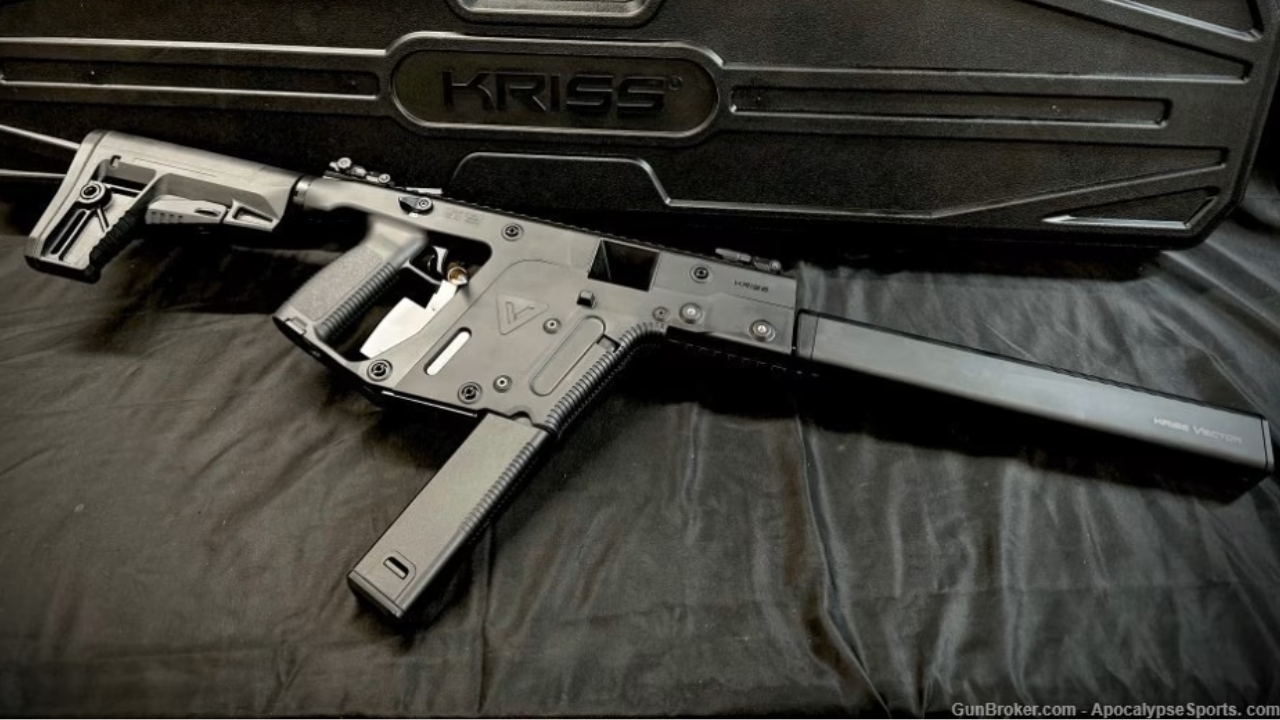
The Vector’s unusual operating system and futuristic layout make it one of the most recognizable PCCs in the world. Its Super V system was designed to redirect recoil forces and keep the muzzle flatter, particularly in rapid fire.
The civilian semiautomatic carbine does not always deliver enough of that advantage to justify the price and bulk. Current market comparisons place Vector models around the mid-$1,000 range. The gun is also heavier and more awkward than many simpler PCCs, and the extended 16-inch carbine barrel makes the proportions even stranger. The Vector is absolutely interesting and can be fun to shoot, but once you remove the novelty, cheaper platforms can provide similar practical performance with simpler controls and easier parts support.
B&T SPC9
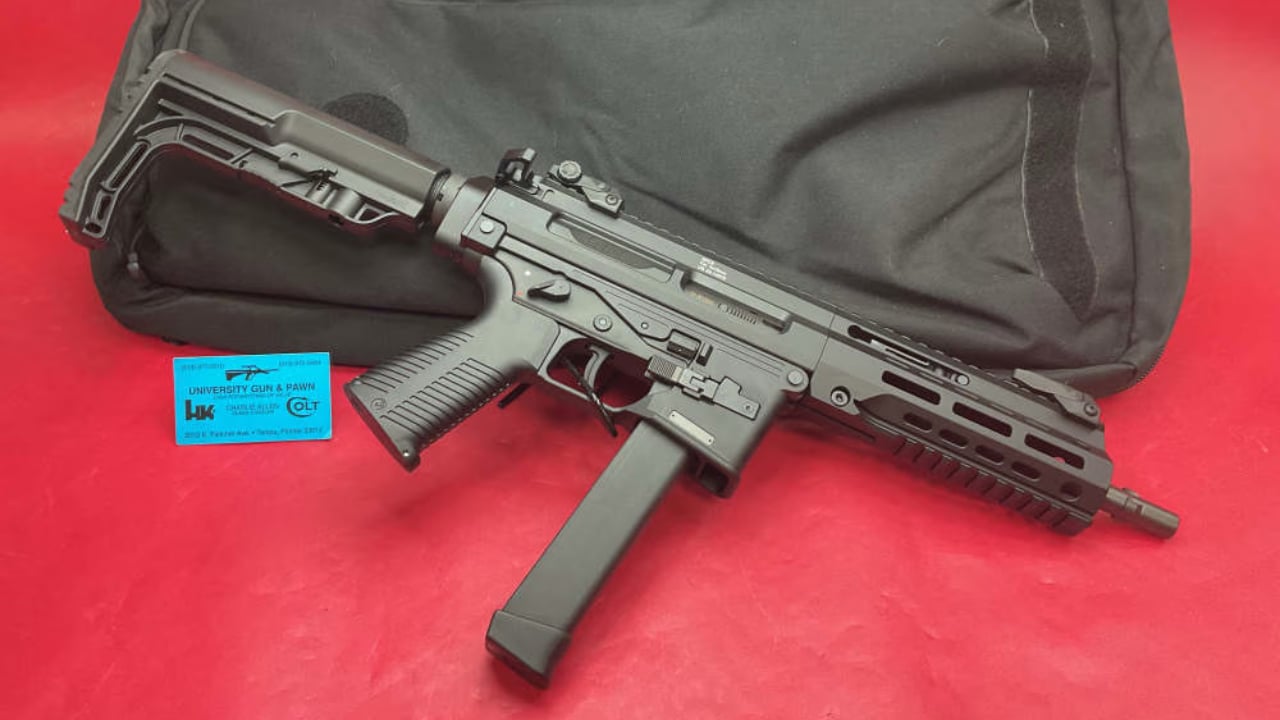
The SPC9 mixes AR-style ergonomics with B&T’s hydraulic-buffered blowback system, giving shooters a more familiar manual of arms than some of the company’s other designs. It is a well-executed gun with excellent fit and finish.
It is also expensive enough to raise the same question as the APC9. Current pricing comparisons put SPC9 variants around the low-$2,000 range and above. At that point, the buyer is paying heavily for refinement and brand prestige rather than a dramatic jump in capability. The hydraulic buffer is nice, but several less expensive delayed-blowback PCCs now offer very soft shooting characteristics without crossing the $2,000 line. The SPC9 remains appealing to someone who wants B&T quality specifically. For ordinary PCC use, the value case is much weaker.
Grand Power Stribog SP9A3

The SP9A3 improved the Stribog formula by moving toward a delayed-blowback operating system, which helped soften recoil and made the platform much more competitive with premium PCCs.
The problem is that pricing has crept close enough to stronger competitors that the old bargain reputation is less convincing. Recent market comparisons put the SP9A3 around roughly $1,000 to $1,400 depending on configuration and source. At the lower end, it still makes good sense. At the higher end, you start getting dangerously close to guns with stronger aftermarket support, more established magazines, or better long-term resale. The Stribog is not overpriced in every configuration, but once it climbs much beyond four figures, the argument becomes harder.
Ruger PC Carbine

The PC Carbine is reliable, practical, and made much more useful by its ability to accept Glock magazines with the included adapter. The takedown system is also genuinely useful for storage and transport.
The issue is that it is no longer especially cheap. Current market comparisons put new examples in roughly the $500 to $800 range, with some configurations sitting toward the upper end. At $500, it remains easy to recommend. Near $800, the rifle’s weight and straight-blowback action become harder to overlook. It can weigh close to seven pounds, which is substantial for a 9mm carbine, and recoil is not dramatically lighter than much more compact PCCs. The value depends heavily on street price. Once it gets expensive, the takedown feature has to matter a lot to justify the package.
Henry Homesteader
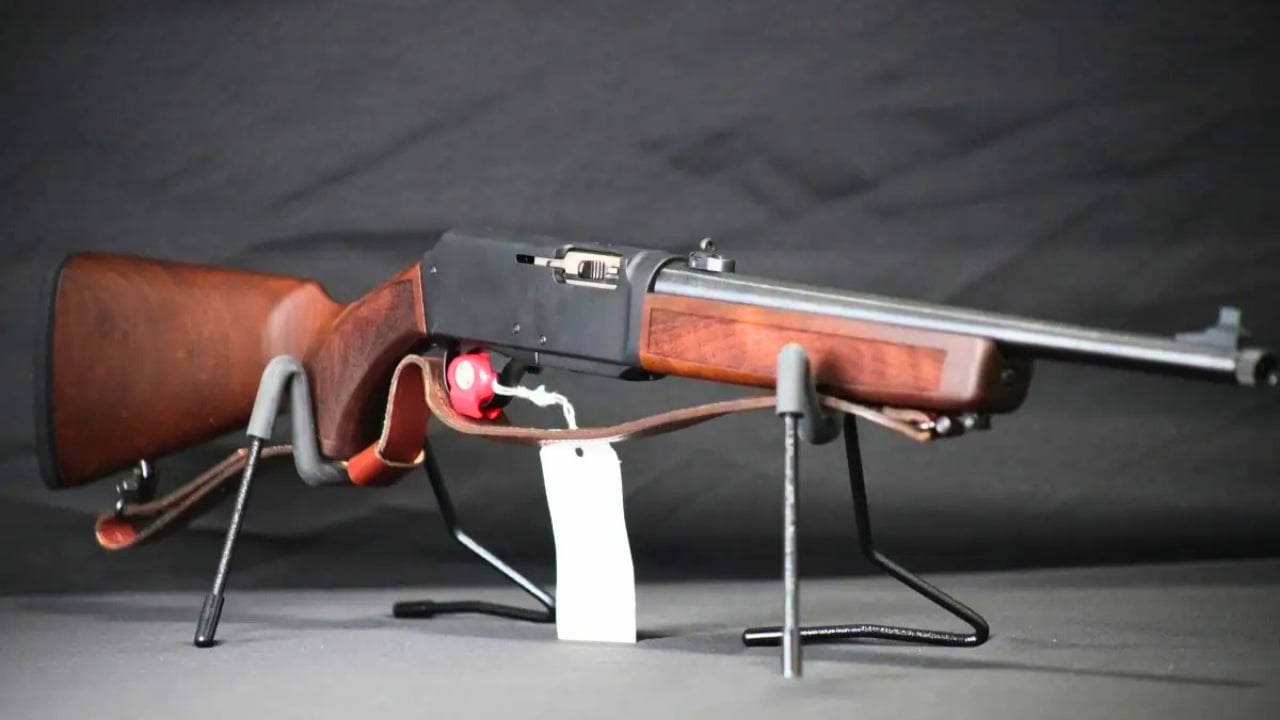
The Homesteader has a lot of charm. It looks like a traditional sporting carbine rather than a tactical gun, and available magazine adapters can let it use common pistol magazines. That gives it a niche few other modern PCCs occupy.
The asking price is where things get tougher. Current comparisons put the Homesteader around the $900 range. For a straight-blowback 9mm with traditional styling, that is not an insignificant amount of money. Buyers who love the wood-stocked appearance may happily pay it because there are few direct alternatives. From a purely practical standpoint, though, cheaper PCCs offer similar or better capacity, lighter weight, easier optic mounting, and larger aftermarket support. The Homesteader makes sense emotionally before it makes sense financially.
Ruger LC Carbine 5.7
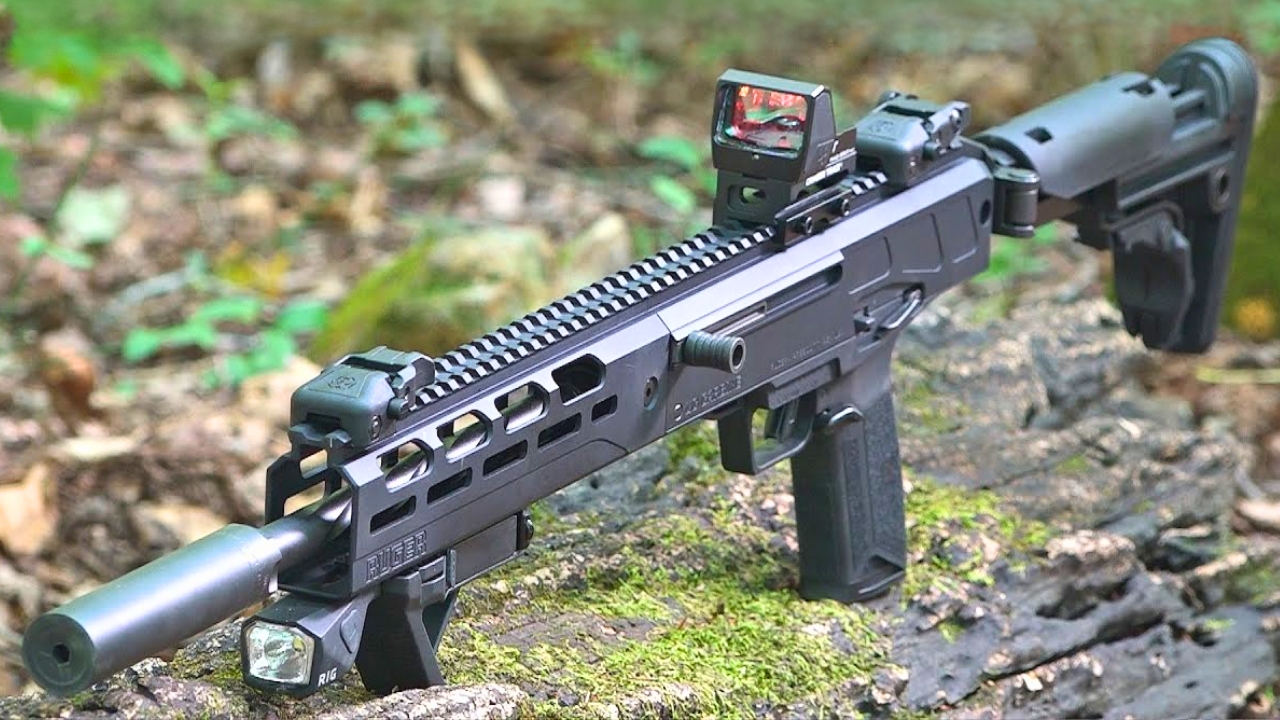
The LC Carbine is light, low recoiling, and gives 5.7x28mm shooters a long gun that shares magazines with Ruger’s 5.7 pistol. It is also genuinely easy to shoot well because recoil is almost nonexistent.
The issue is that the rifle itself can approach or exceed the cost of good 9mm PCCs while the ammunition is considerably more expensive. Some current pricing references put the LC Carbine around roughly $1,000 MSRP even though street prices can be lower. That turns a low-recoil carbine into a fairly expensive ecosystem. The 5.7 cartridge does offer flatter trajectory and other advantages over 9mm, but most recreational shooters will not get enough benefit to offset ammunition cost. It is a neat platform. It is just not the obvious value its mild shooting characteristics might suggest.
Century Arms AP5
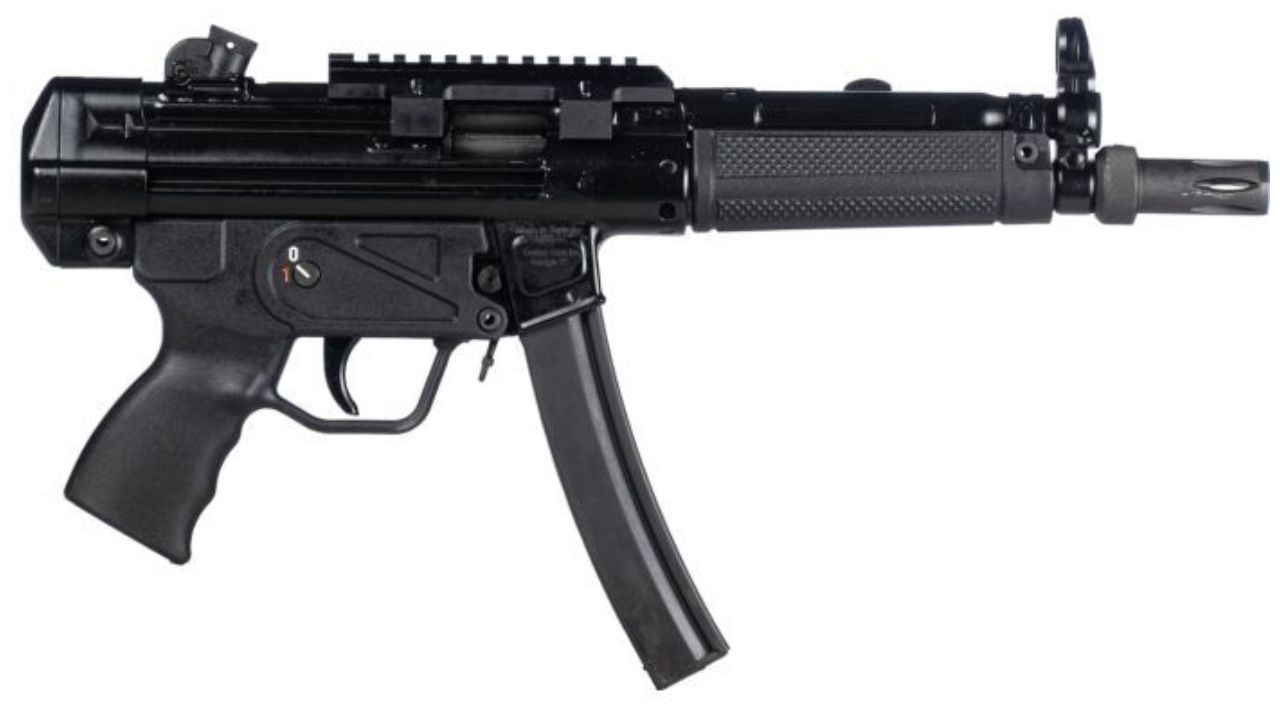
The AP5 gives shooters a roller-delayed MP5-style experience for much less money than an HK SP5, which is why it developed such a strong following.
The value gets shakier as pricing moves upward. Current comparison figures put the AP5 around the $1,300 range. That is still far below genuine HK pricing, but it is also enough money that buyers should consider whether the old MP5 ergonomics are actually what they want. You still deal with no last-round bolt hold-open, dated controls, and an optic setup that can require extra hardware. The AP5 is a strong buy when discounted heavily. At full asking price, nostalgia starts carrying a larger portion of the value proposition.
Springfield Armory Kuna
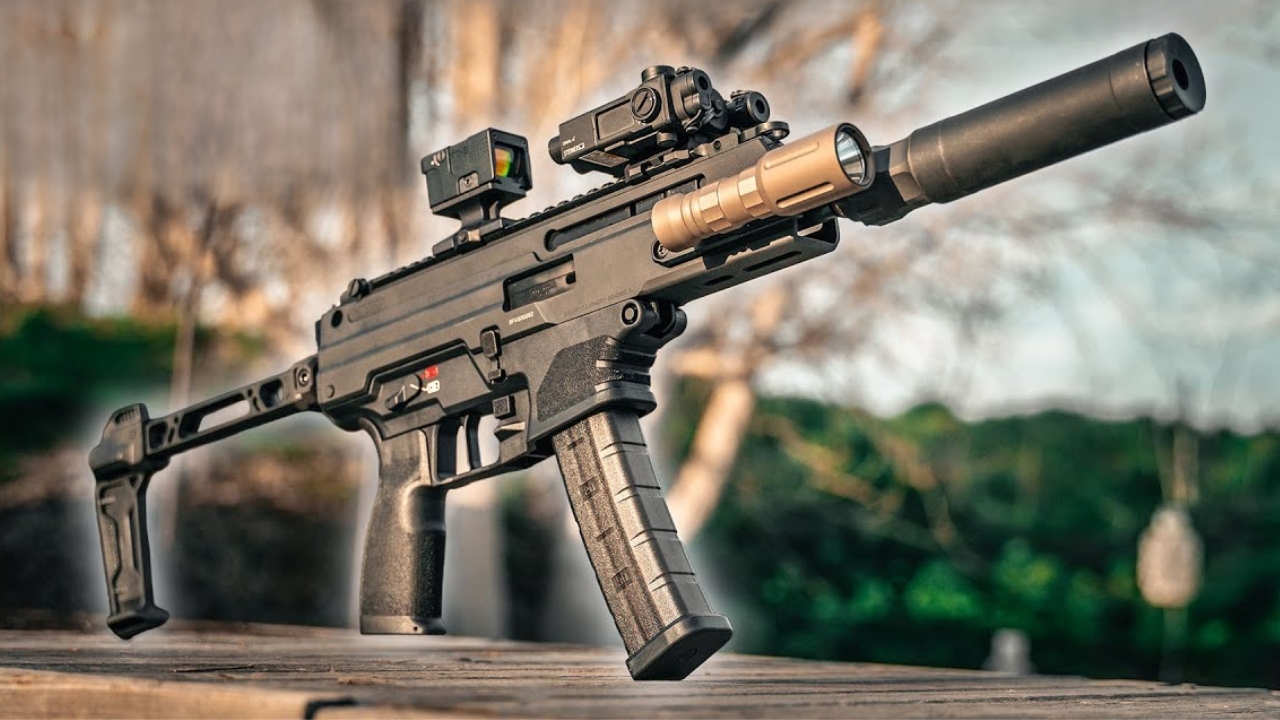
The Kuna has attracted attention because its roller-delayed operating system gives it a smooth recoil impulse at a price below many premium PCCs. It is modern, compact, and generally well equipped.
The problem is that even a good value can become questionable once the price climbs. Current comparisons place the Kuna around roughly $960 to $1,300 depending on source and configuration. At the lower end, the gun makes a strong case. Near the upper end, buyers may start comparing it with established MP5-pattern clones, discounted Scorpions, or other delayed systems with more mature aftermarket support. The Kuna is one of the better new PCC designs, but its justification depends heavily on what you actually pay rather than the name on the box.
Foxtrot Mike FM-9
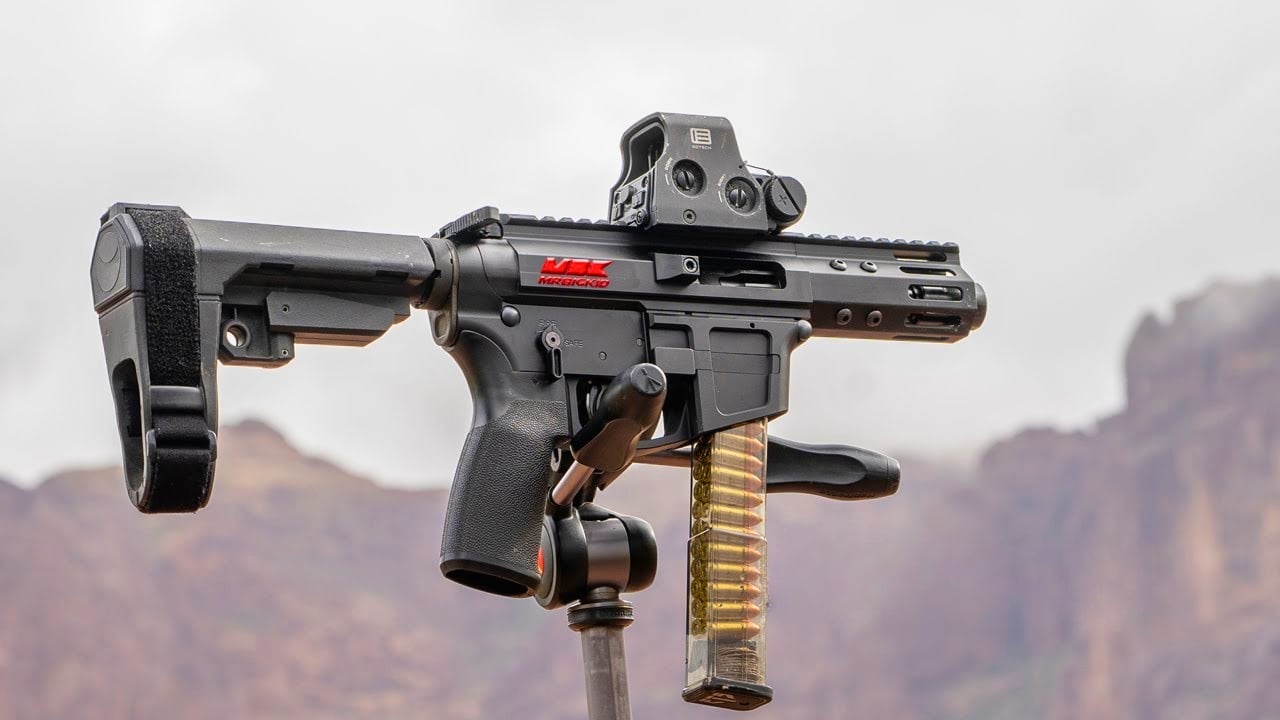
The FM-9 has long been attractive because it offers familiar AR-style controls and Glock magazine compatibility without entering premium pricing. That is still the right way to view it.
Once configurations climb toward $700 and beyond, however, the appeal narrows. It remains a direct-blowback gun, meaning the operating system is not especially sophisticated, and the recoil impulse can feel more abrupt than delayed alternatives. For a simple training or range PCC, that is perfectly acceptable. The question is whether you want to spend enough money that a basic blowback setup starts approaching platforms with more advanced actions. At the right street price, the FM-9 is solid. At the wrong one, the market has moved past it.
PSA AK-V

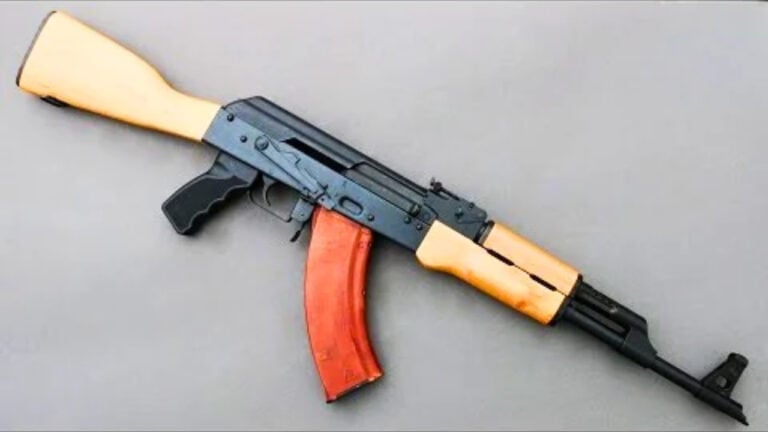
The AK-V delivers one of the more entertaining PCC experiences because it combines 9mm ammunition with AK-style controls and a sturdy, substantial feel. It also has a strong magazine ecosystem and plenty of personality.
Current pricing around the $800 to $900 neighborhood makes the value argument less automatic than it once was. You are still buying a fairly heavy direct-blowback 9mm carbine, and much of the appeal comes from the AK styling rather than superior performance. For someone who already loves AKs, that is a legitimate reason to buy it. For someone choosing purely on recoil, accuracy, or cost efficiency, there are lighter and softer-shooting options available. The AK-V is fun, but fun is doing a lot of the justification.
CZ Scorpion 3+ Magpul Edition
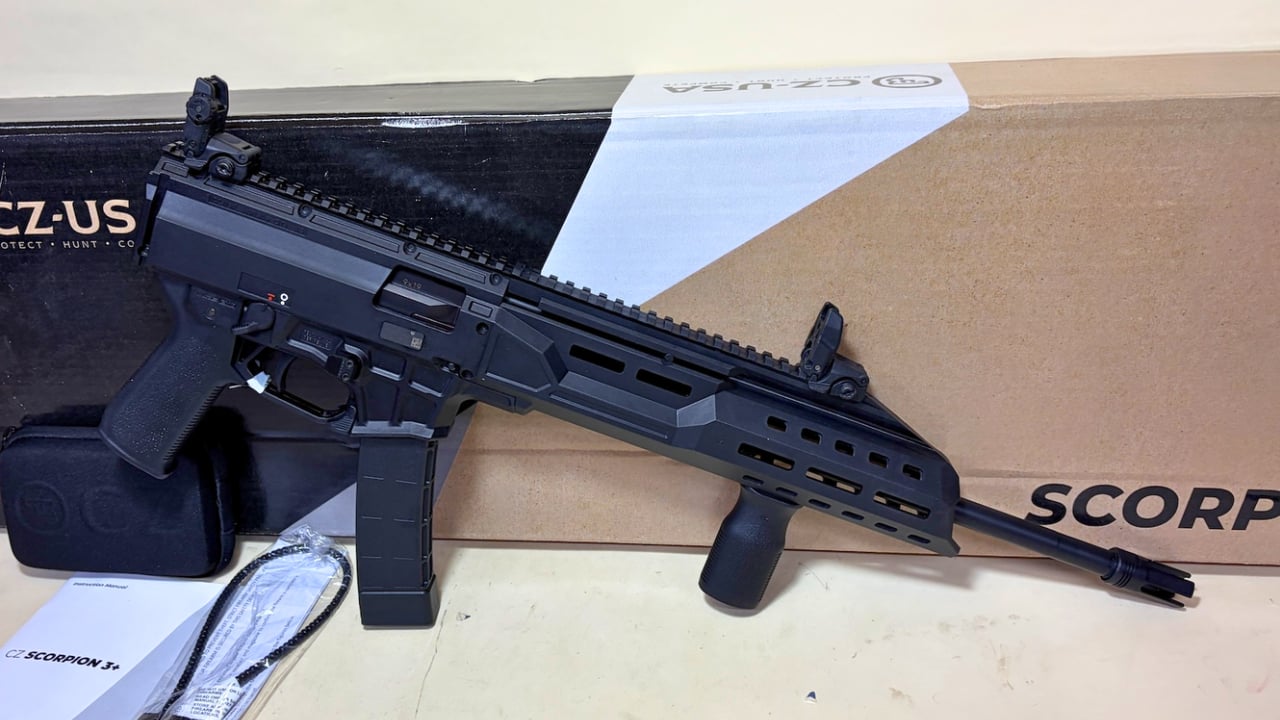
The Magpul-equipped Scorpion improves the standard carbine with better furniture and gives buyers a package that looks more complete out of the box. It also keeps the reliability and huge aftermarket that made the Scorpion popular.
The issue is that the premium configuration pushes the platform into pricing that exposes its age. CZ’s catalog has listed the Magpul carbine at roughly $1,499 MSRP, and at least one recent test listed an even higher observed price. That is difficult to square with a direct-blowback action, a relatively heavy trigger, and controls that some shooters still find awkward. The extra furniture is nice, but it does not fundamentally transform how the rifle operates. At that money, I would want more than upgraded accessories on the same basic system.
CMMG Dissent 9mm
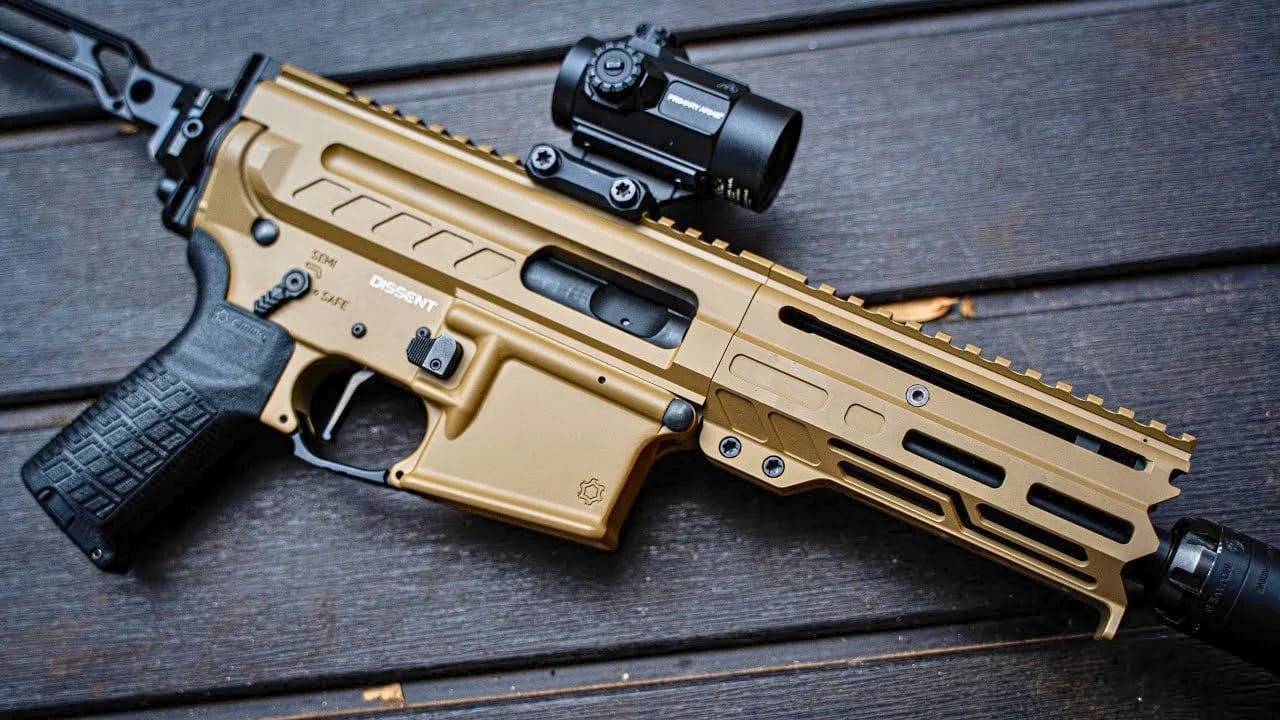
The Dissent has a lot going for it. It is compact, does not require a conventional buffer tube, and gives CMMG room to use its more advanced operating concepts in configurations that fold or package more tightly than a normal AR.
The difficulty is cost. Dissent models often occupy premium territory, and once a 9mm version gets well beyond the cost of a traditional PCC, its compact architecture has to be something you specifically need. A folding or bufferless setup is valuable for storage and transport, but that does not automatically make it worth spending rifle-caliber money on a pistol-caliber platform. If compactness is the entire mission, the Dissent has a strong argument. If you mainly shoot from the shoulder at a range, much of what you paid for is architecture rather than better downrange performance.
B&T GHM9
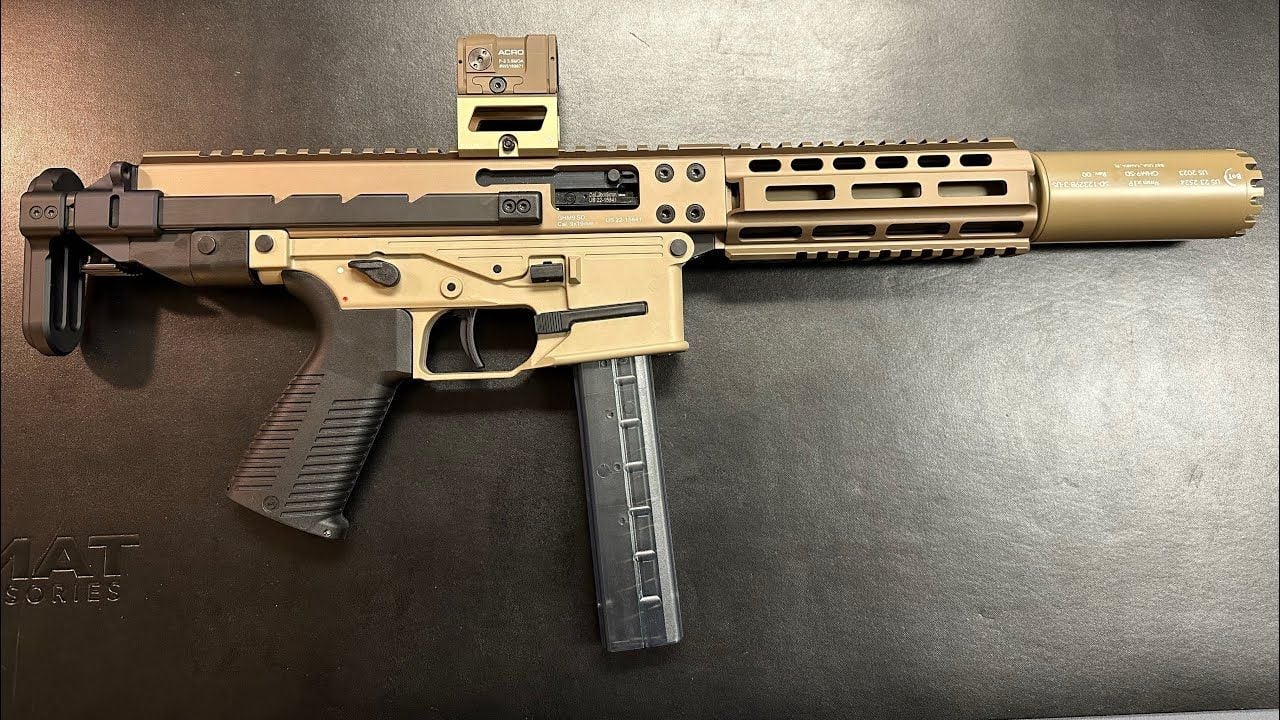
The GHM9 has traditionally been viewed as the more affordable doorway into B&T ownership. You still get the company’s machining quality and a serious-feeling platform without paying full APC9 money.
The problem is that “affordable B&T” is still expensive compared with the broader PCC market. Once configured with the stock or brace setup, optic, and magazines you actually want, the total price can climb quickly. The action is still fundamentally blowback, and the shooting advantage over cheaper platforms is not always dramatic enough to justify the premium. The GHM9 makes sense for someone who wants B&T quality but refuses APC9 pricing. For someone who just wants a good 9mm carbine, the brand premium can be difficult to defend.
KRISS Vector SDP/CRB Premium Configurations
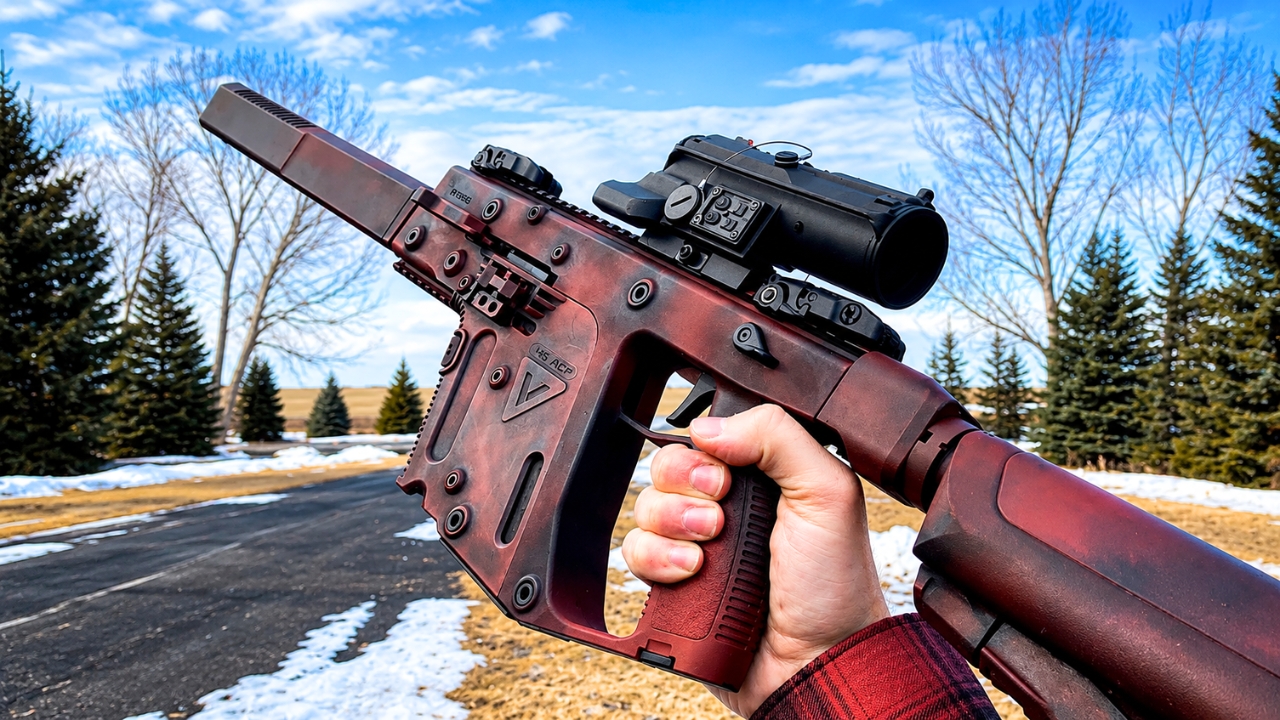
The more expensive Vector configurations make the platform’s value problem even clearer. Upgraded furniture, special finishes, and premium packages can push the price higher without changing the basic reason most people buy a Vector in the first place.
The Super V system remains interesting, but the civilian semiautomatic gun does not exploit it in the same way a true automatic platform would. You still get unusual ergonomics, substantial bulk, and a gun that can feel more complicated than necessary for launching pistol cartridges. Once premium versions approach or exceed the cost of smoother delayed-blowback PCCs, the Vector starts looking increasingly like a purchase driven by appearance and novelty. There is nothing wrong with buying a gun because it is fun. It just becomes harder to call it a good value.
Like The Avid Outdoorsman’s content? Subscribe to our newsletter so you never miss an article.
Here’s more from us: