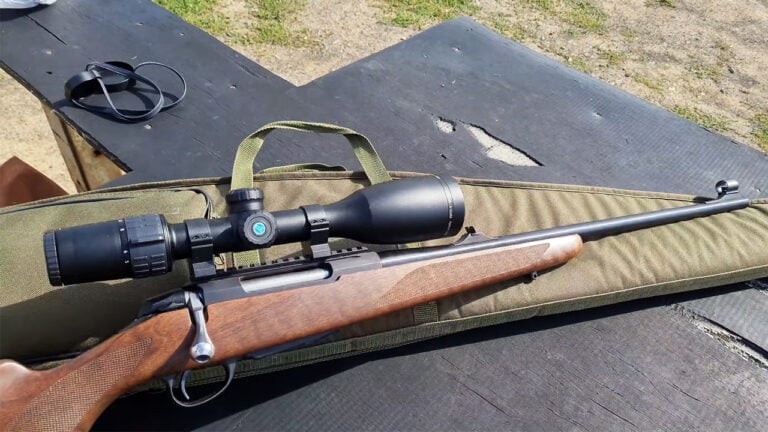
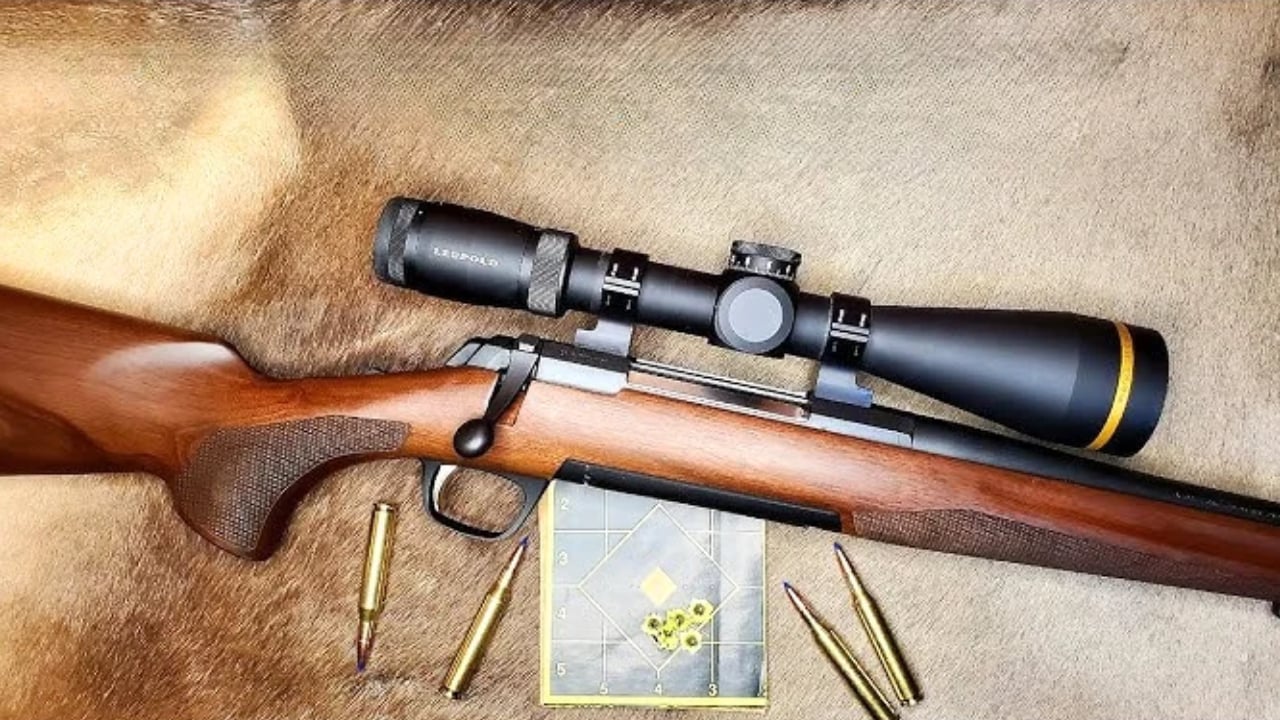
Photo credit: Buckeye Ballistics/YouTube
The rifles serious collectors watch are not always the ones bringing spectacular auction prices right now. In many cases, the smarter targets are still sitting in that middle ground where knowledgeable buyers recognize what they are, but the broader market has not completely caught up. That gives collectors time to find clean examples before every seller starts attaching a premium simply because the model has become fashionable.
Originality is usually what separates the rifles worth watching from ordinary used guns. Stocks that have not been cut, factory sights that remain in place, correct magazines, untouched metal, and uncommon chamberings can matter tremendously. Many of these rifles were bought to hunt rather than sit in safes, so truly clean examples are disappearing faster than total production numbers suggest. These 20 are exactly the sort of rifles I would expect knowledgeable collectors to be paying close attention to while everyone else is chasing the more obvious classics.
Winchester Model 54
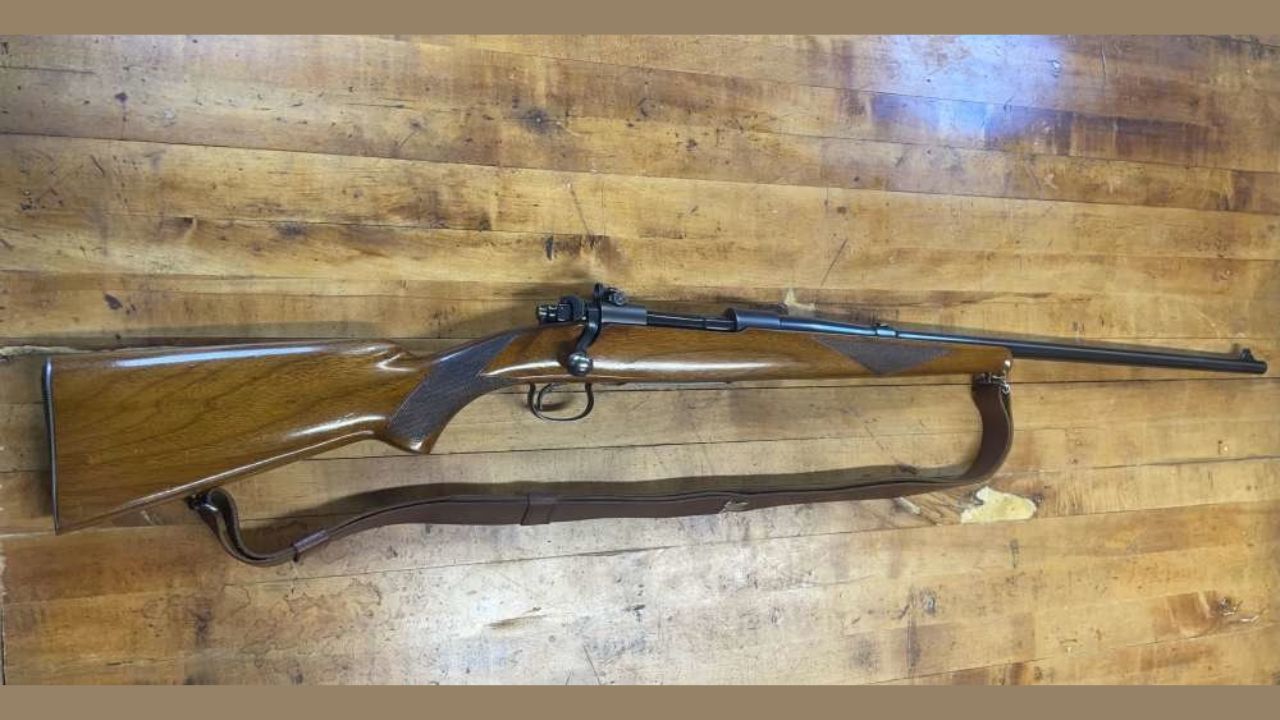
The Model 54 tends to get overshadowed because the Model 70 that followed it became one of the most famous American bolt rifles ever built. That leaves the 54 in an interesting position. It represents Winchester’s early attempt at a modern bolt-action sporting rifle and contains much of the mechanical thinking that would eventually lead to the Model 70, yet many casual buyers barely recognize one when it appears.
Collectors do. Original rifles with untouched stocks, factory sights, and strong finish are becoming much more interesting, particularly in less common chamberings. Plenty were altered over the decades because owners viewed them as hunting rifles rather than historical pieces. Receivers were drilled, recoil pads were installed, and barrels were changed without much thought. That makes surviving original examples far scarcer than the basic production numbers imply. It is exactly the kind of transitional Winchester serious collectors tend to appreciate before everyone else does.
Remington Model 720
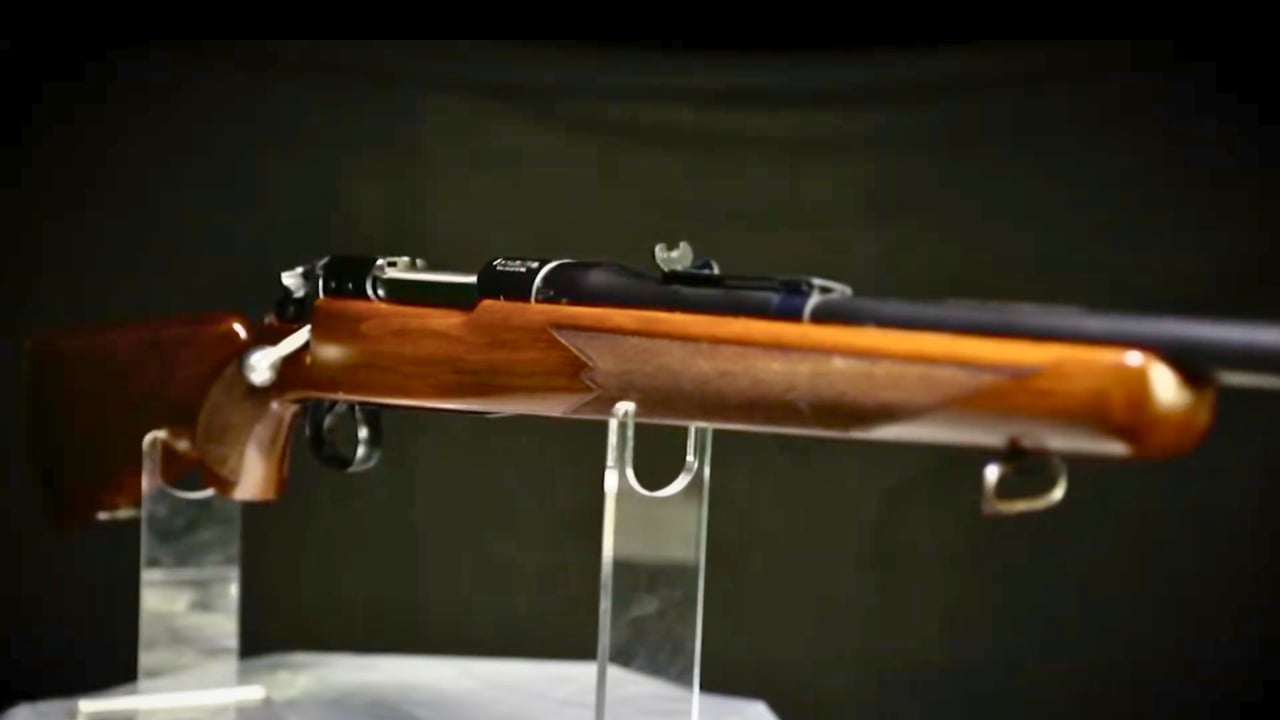
The Model 720 never became a household name, largely because its production life was short and World War II interrupted the sporting-rifle market around the time it appeared. Mechanically, though, it represents one of Remington’s more interesting pre-700 bolt-action designs.
That short production history is a major part of the collector appeal. You are not dealing with a rifle that spent decades being produced in countless configurations. Clean examples are genuinely uncommon, and surviving rifles often show hunting wear because they were treated as practical sporting arms. Original stocks, buttplates, sights, and finish matter a lot. The Model 720 also sits at an important point in Remington history before the company settled into the postwar designs most shooters recognize. Serious collectors tend to love rifles that connect two manufacturing eras, and the 720 fits that description extremely well.
Savage Model 1920
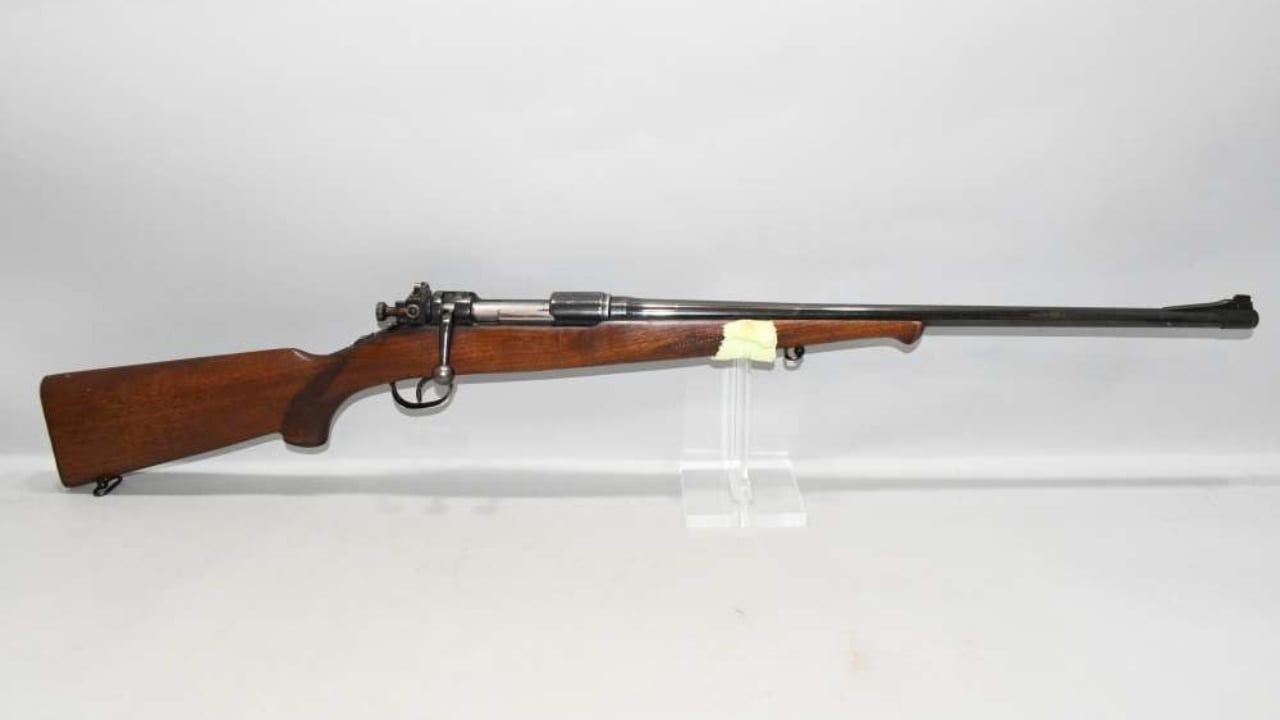
The Savage Model 1920 is easy to overlook because it predates the bolt-action hunting rifles most shooters associate with Savage today. It was compact, relatively light, and chambered for cartridges such as .250-3000 Savage and .300 Savage, giving hunters a very modern-feeling rifle for its era.
Finding an untouched one is becoming another matter. These rifles were used, carried, drilled for scopes, refinished, and modified during decades when nobody imagined they would become collectible. The early Savage connection and classic chamberings give them considerable appeal now, especially among collectors interested in the evolution of American sporting rifles. A strong original example has a completely different presence from a heavily altered shooter. The Model 1920 is still obscure enough that it can escape broader attention, but that obscurity is precisely why knowledgeable Savage collectors tend to notice quickly when a good one surfaces.
Husqvarna Model 1900

Older Husqvarna sporting rifles have developed a loyal following because they offer a level of European machining and traditional hunting-rifle character that is increasingly expensive to reproduce. The Model 1900 sits in a particularly appealing spot because it is modern enough to be practical while still carrying the workmanship people associate with classic Swedish sporting rifles.
Many Americans encountered these rifles simply as good used hunting guns, which meant they were not always preserved carefully. Stocks were altered, finishes accumulated years of field wear, and scopes were mounted without anyone worrying about future collector value. Clean original examples now stand apart. Collectors are also becoming more attentive to chambering, stock configuration, and importer markings rather than treating every Husqvarna as essentially interchangeable. The rifles are not universally expensive yet, but the supply of attractive originals is finite, and serious buyers tend to understand that before the broader market does.
Parker-Hale 1200 Super
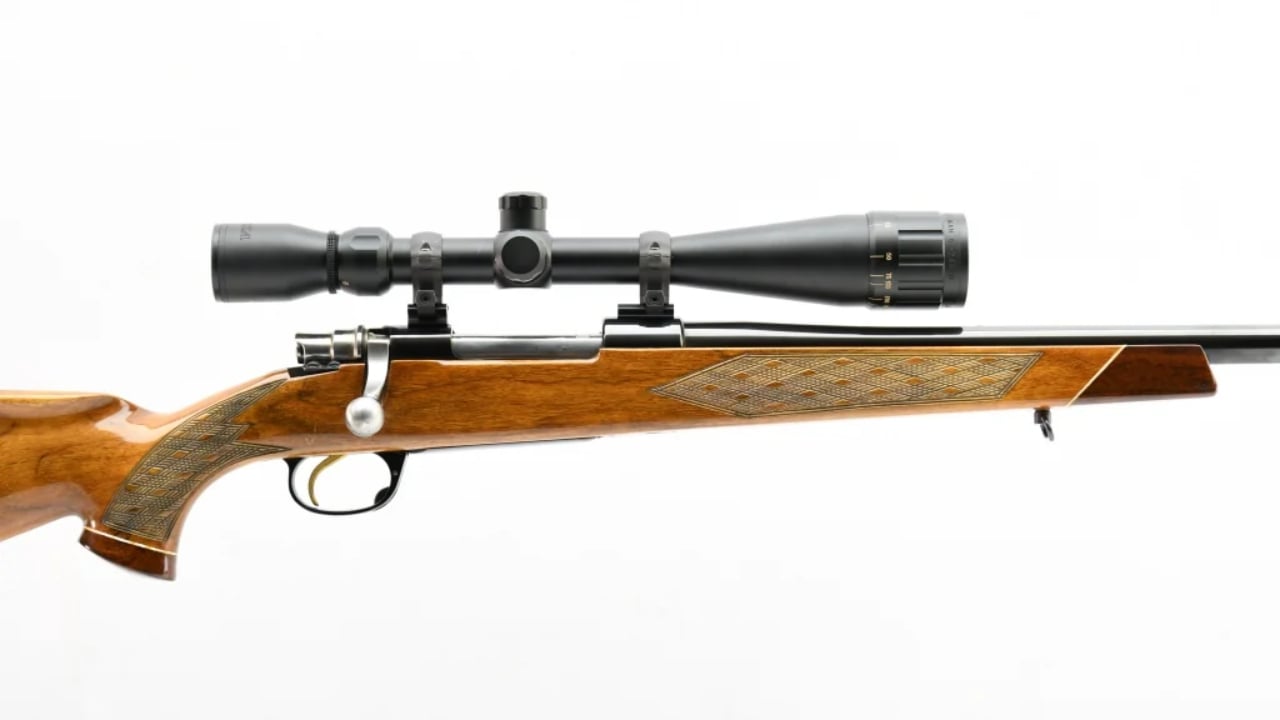
Parker-Hale rifles spent years in an awkward category. They were respected by hunters who used them but often ignored by American collectors because they lacked the immediate name recognition of Winchester, Remington, or Sako. That is beginning to work in their favor.
The 1200 Super is a particularly good example because it combines commercial Mauser influence with the kind of walnut, bluing, and traditional sporting-rifle styling that has become much less common. Many were bought specifically to hunt, so excellent-condition rifles have had decades to disappear into safes or accumulate wear. The collector angle becomes even stronger when you find one with attractive original wood and no unnecessary modifications. Parker-Hale is unlikely ever to receive the mass nostalgia surrounding American classics, but knowledgeable collectors do not need mass popularity. They tend to buy quality before popularity catches up.
Steyr Mannlicher Luxus
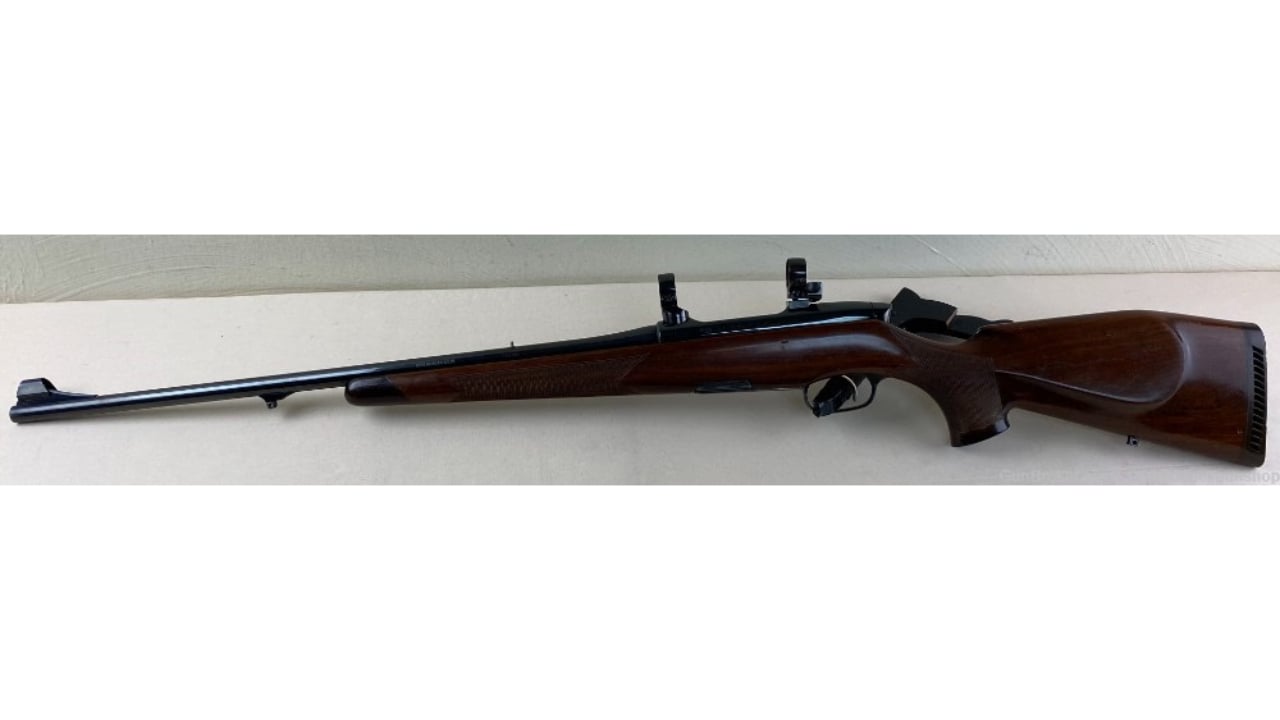
The Steyr Mannlicher Luxus came from a period when European sporting rifles were not afraid to look expensive. The wood, metalwork, unusual stock styling, and mechanical refinement all gave the rifle a personality far removed from today’s matte synthetic hunting guns.
That makes original examples increasingly interesting. The Luxus was never a high-volume American rifle, and the people who bought them generally understood they were buying something special. As a result, clean rifles often disappear into long-term collections rather than circulating through ordinary gun shops. The appeal is not merely the Steyr name. It is the fact that recreating the same combination of machining, finish, and old-world sporting design today would require a much higher retail price. When collectors start thinking in replacement cost rather than original selling price, rifles like the Luxus begin looking increasingly undervalued.
Sauer 202
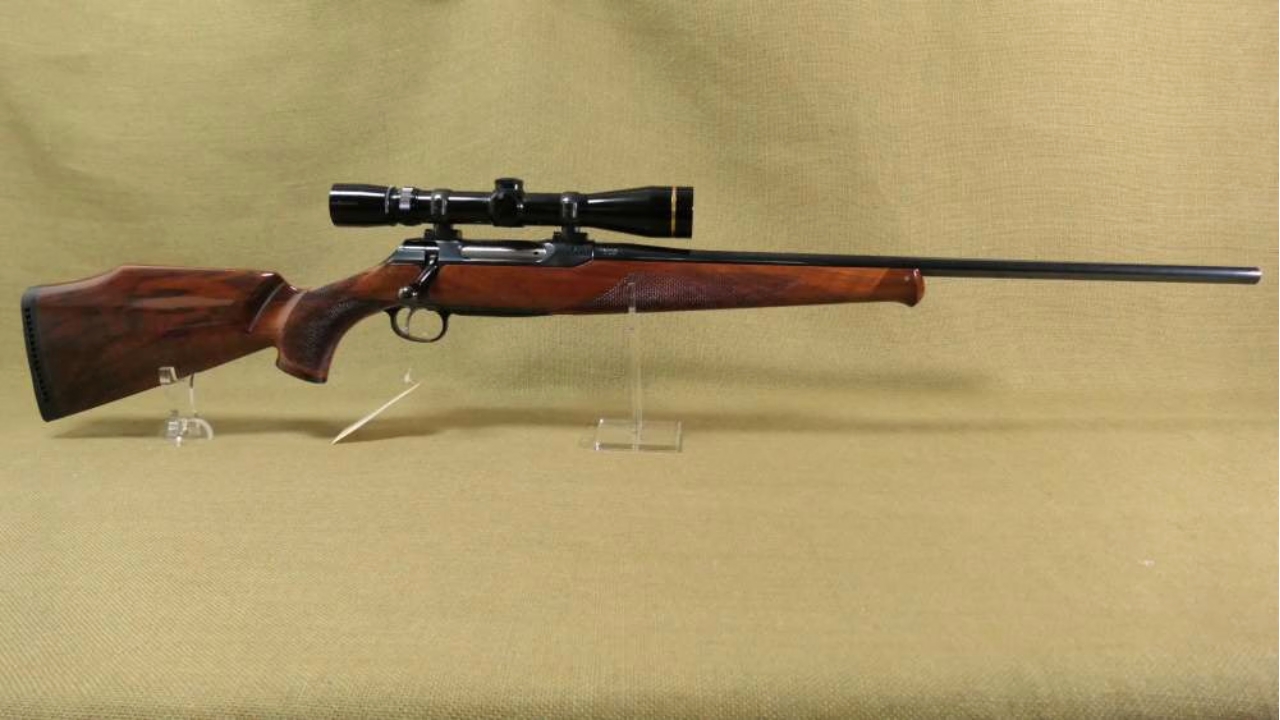
The Sauer 202 is not old enough to look antique, which may be exactly why it remains underappreciated by some buyers. It was a genuinely premium sporting rifle with a smooth action, excellent trigger, interchangeable-barrel capability, and a level of fit that separated it from ordinary production hunting rifles.
Discontinuation changed the equation. Once a premium rifle is no longer being made, clean complete examples become much more interesting, especially when they include original accessories, additional barrels, or unusual configurations. The modular nature of the 202 also means incomplete rifles and separated components are common enough that intact packages deserve attention. Serious collectors tend to recognize high-quality discontinued European rifles before nostalgia fully develops around them. The Sauer 202 has all the ingredients for that transition because the quality was already there. All that is happening now is that supply can no longer increase.
Mauser Model 66
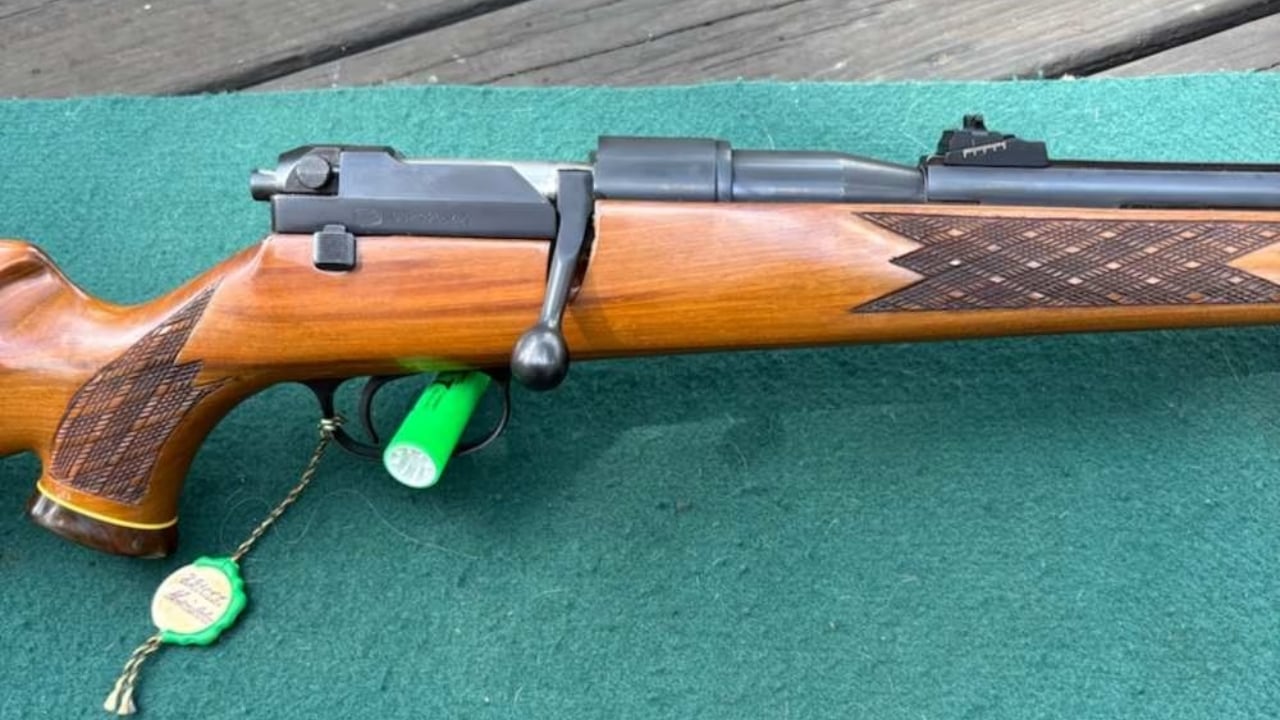
The Mauser 66 is mechanically unusual enough to attract attention immediately from anyone who appreciates clever rifle design. Its telescoping action allowed a relatively short overall rifle while maintaining a full-length barrel, and the system was far removed from the ordinary turnbolt formula.
Unusual mechanisms can hurt a rifle when it is new because buyers often prefer familiar designs. Decades later, that same uniqueness becomes an advantage. Collectors want rifles that represent something different, particularly when the machining quality is high and the design comes from a major manufacturer. The Model 66 was never common in the United States, and surviving rifles with original mounts, sights, and unaltered stocks are particularly attractive. It has enough mechanical significance to appeal beyond pure Mauser collectors, yet it remains obscure enough that many used-rack shoppers still walk past without understanding what they are looking at.
FN Browning Safari Grade
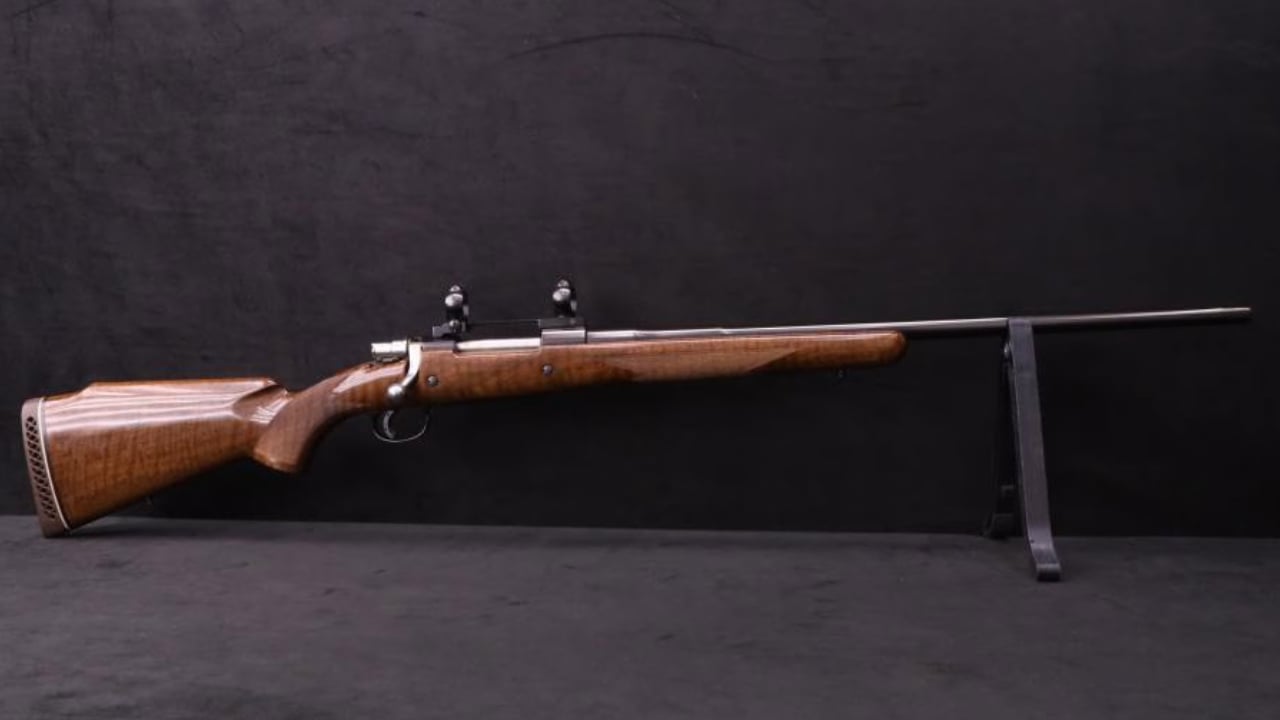
The FN-built Browning Safari rifles belong to an era when a commercial Mauser-action hunting rifle could receive excellent walnut, deep polish, and meticulous finishing without being marketed as a boutique custom gun. That manufacturing period is becoming increasingly attractive to collectors.
Condition is everything. Many Safari Grades were expensive when new but were still purchased to hunt, so scratched stocks and worn bluing are common. Original high-condition rifles immediately separate themselves, particularly examples in desirable chamberings with attractive wood. Browning collectors also pay attention to production variations, which means seemingly small details can matter more than casual buyers realize. These rifles have never been completely ignored, but serious collectors appear much more willing to treat the best examples as finite pieces of a manufacturing era rather than simply old hunting rifles. That change in attitude is usually where stronger long-term demand begins.
Weatherby Mark V Varmintmaster

The Varmintmaster is one of the more interesting branches of early Mark V history because it packages the Weatherby identity into a smaller rifle aimed at varmint shooting rather than the huge magnum cartridges that built the company’s image.
That difference is exactly what makes it appealing. Collectors looking beyond the obvious Deluxe magnum rifles have begun paying closer attention to unusual Weatherby configurations, and the Varmintmaster has genuine character. High-gloss stocks, distinctive lines, and period chamberings make original examples immediately recognizable. As with most older varmint rifles, however, many were actually used heavily. Stocks picked up bench marks, barrels accumulated significant round counts, and owners altered them to suit changing optics. Finding one that still looks much as it did when it left the factory is therefore increasingly meaningful. It is a Weatherby collectors can still pursue without simply buying the most obvious model.
Anschutz Model 54 Sporter
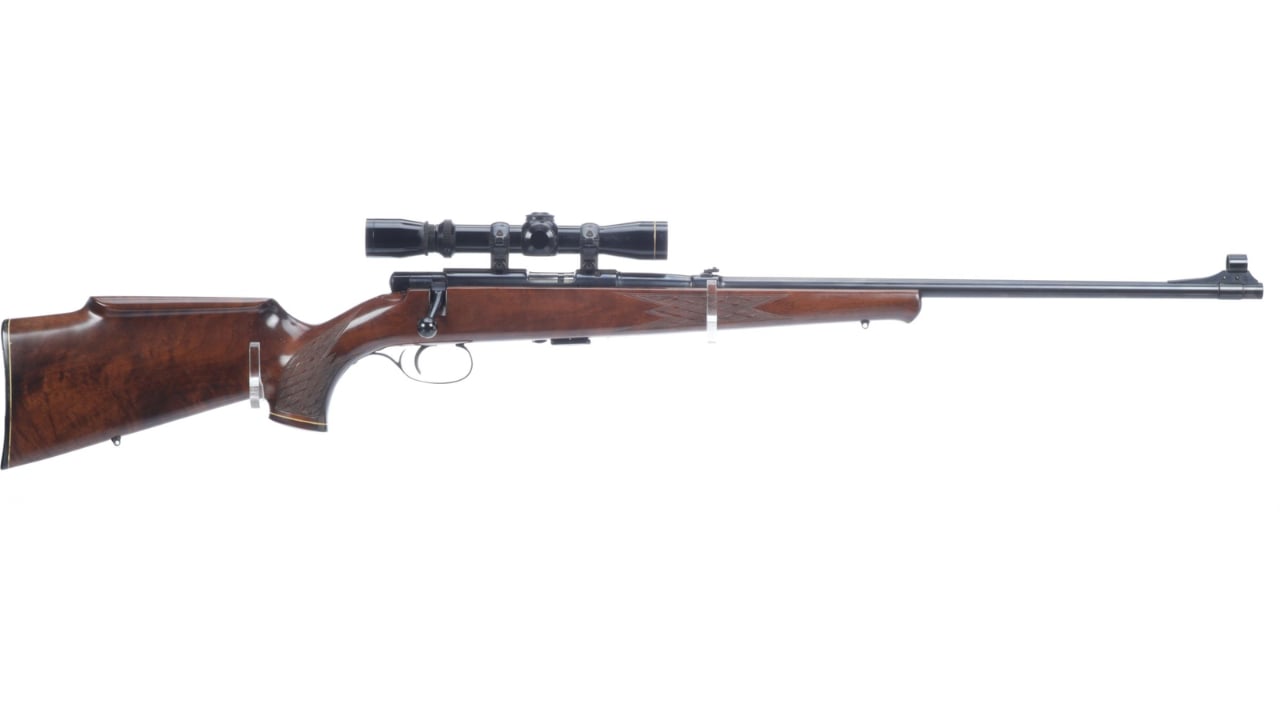
Anschutz is famous for target rifles, but the sporting versions built around the Model 54 action have a different appeal. They give you the same basic precision-oriented engineering in a rifle designed to look and handle more like a traditional small-game sporter.
That combination makes clean examples especially desirable because they appeal to more than one group. Rimfire collectors appreciate the quality, serious shooters appreciate the action, and traditional sporting-rifle buyers appreciate the walnut and proportions. Many of these rifles were bought specifically because they shot extremely well, which means plenty accumulated honest use rather than remaining untouched. Original sights, correct magazines, and unmodified stocks are increasingly important. Premium rimfires have become a serious collecting category of their own, and older Anschutz sporters are exactly the kind of understated rifles knowledgeable buyers tend to secure before prices move dramatically.
Kimber Model 84 Oregon
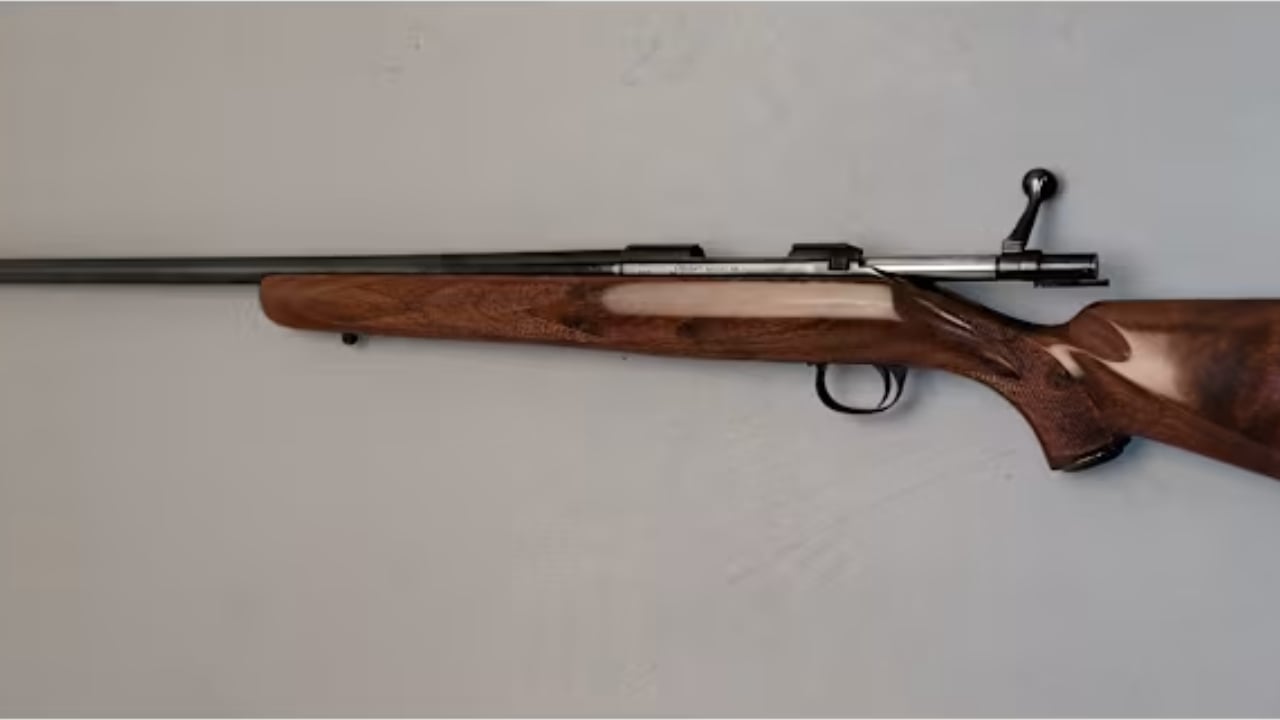
The Oregon-made Kimber 84 belongs to a very different chapter of Kimber history than the rifles most modern buyers know. Early Kimber production developed a reputation for attractive wood, small actions, and a level of finish that made the rifles feel almost semi-custom.
The company’s complicated history only strengthens the collector story because the early rifles are tied to a specific time and place that will never return. Many buyers who understand that distinction are becoming more selective about original Oregon guns rather than treating every Kimber 84 alike. Condition, chambering, and factory configuration can make a major difference. These rifles are still sometimes encountered as ordinary used hunting guns, particularly when sellers do not recognize the early production details. Serious collectors usually do. When a manufacturer has a clearly defined early era with noticeably different craftsmanship, those rifles have a habit of disappearing into collections once buyers identify them.
Sako AII Hunter
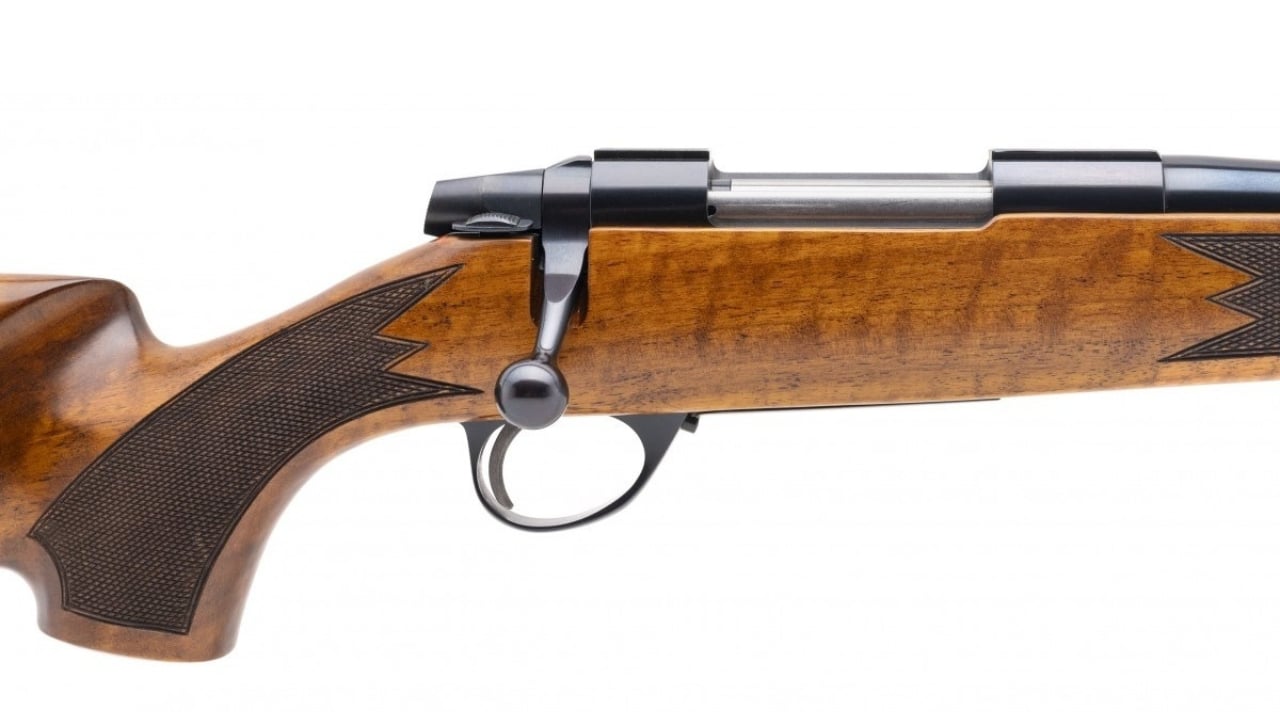
The Sako AII often gets less attention than the earlier L-series rifles, which creates an opportunity for collectors looking one generation beyond the obvious targets. It retains the smooth action, good trigger, walnut stock, and traditional sporting-rifle feel associated with older Sako production.
The rifles were also practical enough that owners hunted with them rather than treating them as safe queens. That is why excellent examples deserve attention. Sharp checkering, untouched metal, original scope bases, and clean stocks become much more significant once the ordinary field-worn rifles dominate the used supply. Sako has continued producing excellent rifles, but newer guns feel different, and collectors increasingly divide the company’s history into recognizable manufacturing periods. The AII sits in a sweet spot where quality is obvious but prices have not always reached the level commanded by earlier classics. Serious buyers tend to notice that kind of gap.
Remington Model 40X Sporter
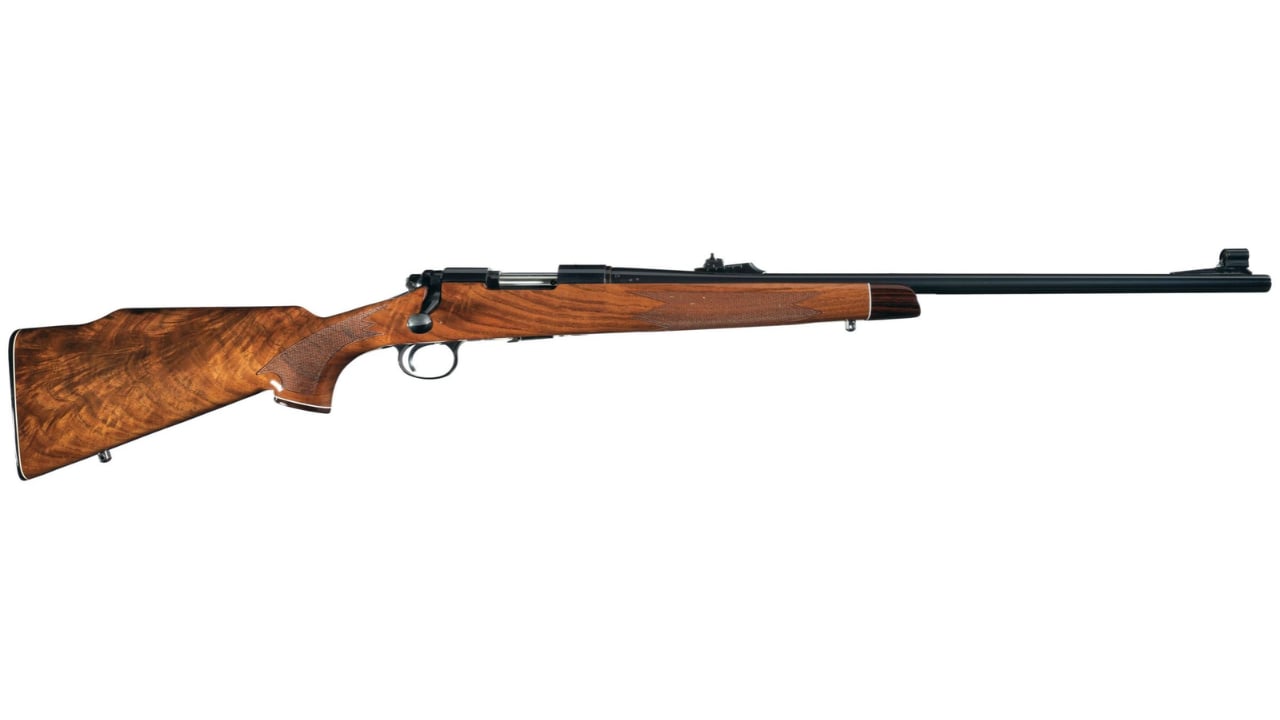
The Model 40X name is strongly associated with target and precision rifles, which is why sporting configurations are particularly interesting when they surface. They combine Remington’s precision-rifle pedigree with a traditional rifle format that looks much less specialized.
Production was never comparable with ordinary Model 700 hunting rifles, and that scarcity becomes more meaningful as collectors dig deeper into Remington’s better-built offerings. Condition and originality matter enormously because replacing specialized factory components can be difficult, and a modified rifle loses much of what makes the original configuration interesting. The 40X also appeals to collectors who care about the period when Remington could produce highly refined rifles alongside its mass-market models. As ordinary Model 700 variants remain plentiful, the more specialized factory rifles increasingly stand out. That is exactly the kind of differentiation serious collectors tend to chase.
Winchester Model 75 Sporter
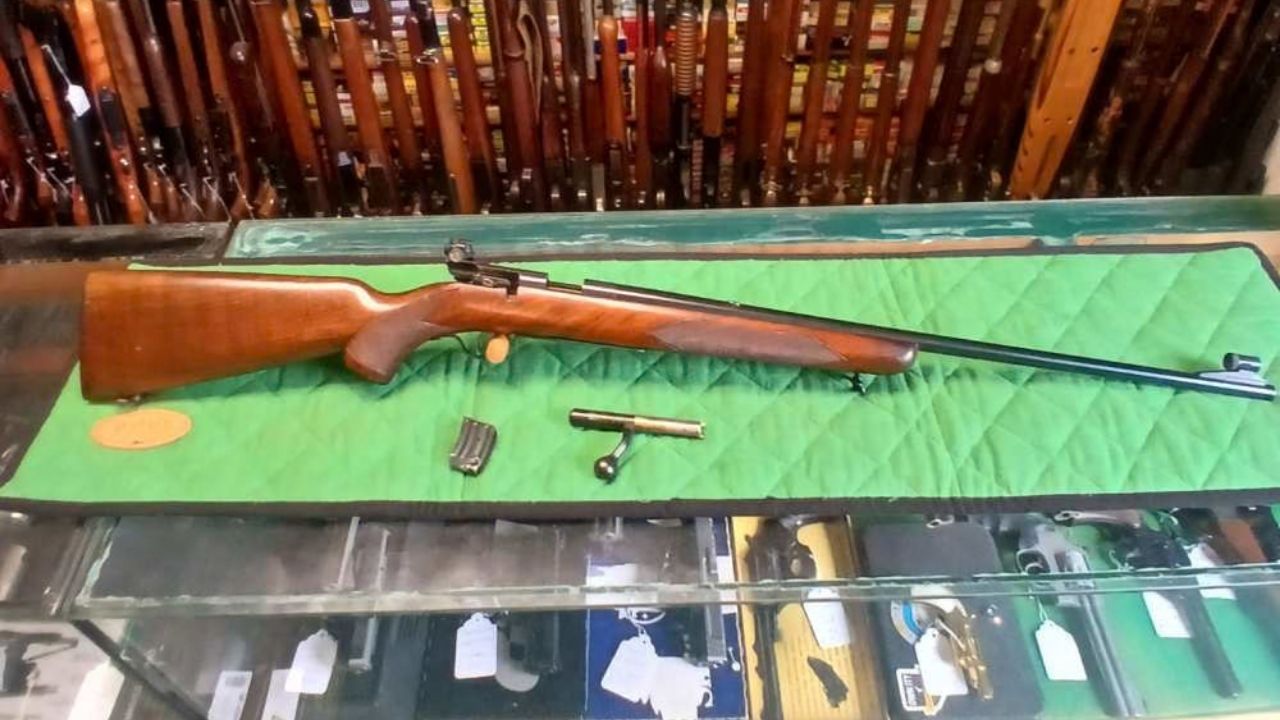
The Model 75 sits in the shadow of the far more famous Winchester Model 52, and the Sporter version can be especially easy to miss because it does not have the obvious appearance of a dedicated target rifle. That relative lack of fame has kept it interesting.
Collectors who understand Winchester rimfires know the Sporter offers a combination of quality, traditional proportions, and lower production visibility that makes clean examples worth watching. Many rifles were used for small game and informal target shooting, which means truly crisp stocks and original metal finish are becoming harder to encounter. The Model 52 may always receive more headlines, but collectors eventually work outward from the most famous model toward the related rifles that survived in smaller numbers or were preserved less carefully. The Model 75 Sporter fits that pattern extremely well and remains quiet enough that good examples can still surprise casual sellers.
Remington Model 700 Classic
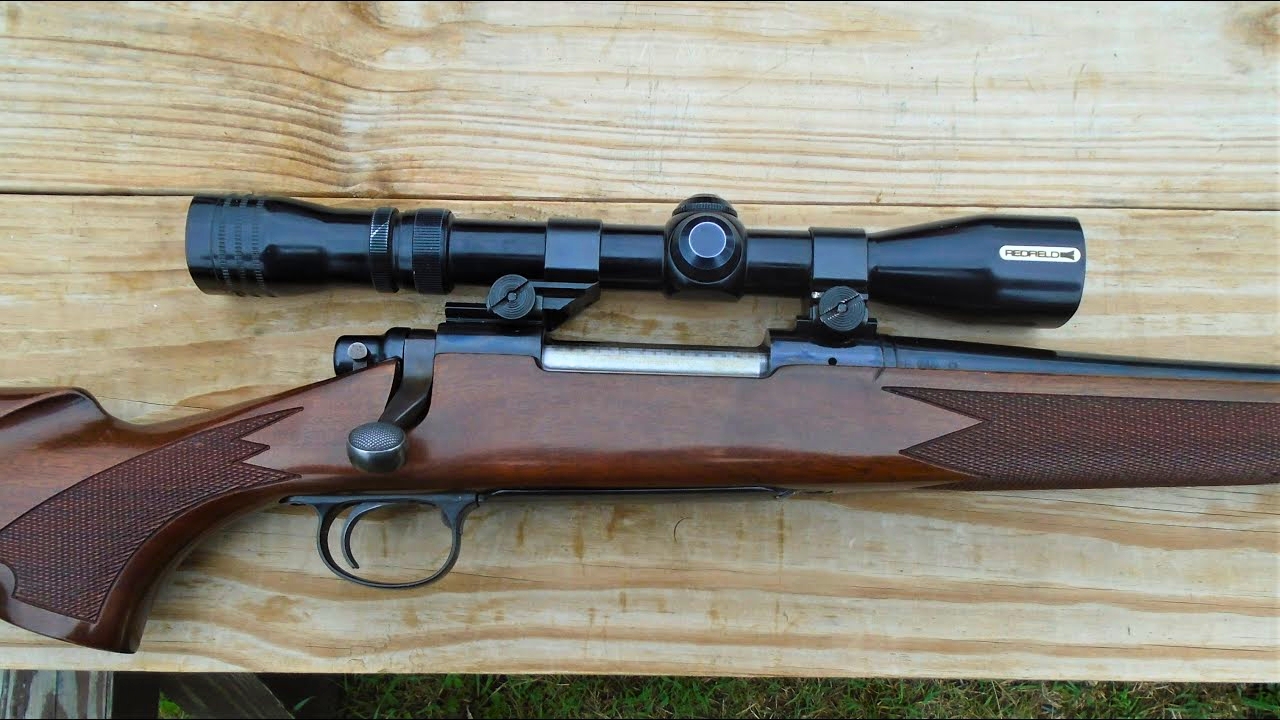
The annual Model 700 Classic chamberings created something Remington probably did not fully appreciate at the time: a ready-made collector series. Each year brought a specific chambering, often one that was less common than the mainstream .270, .30-06, or .308 offerings.
That has made originality increasingly important. A clean Classic in its factory chambering, especially with the box and paperwork, offers collectors a clear production story rather than simply another Model 700 variation. Many were hunted because buyers viewed them as handsome sporting rifles, so the high-condition examples are separating rapidly from ordinary shooters. The fact that Remington will never reproduce the exact annual series adds another layer of interest. Collectors love categories that are finite and understandable, and the Classics provide a natural checklist without requiring the extreme prices associated with much older Remington rifles.
Browning A-Bolt Gold Medallion
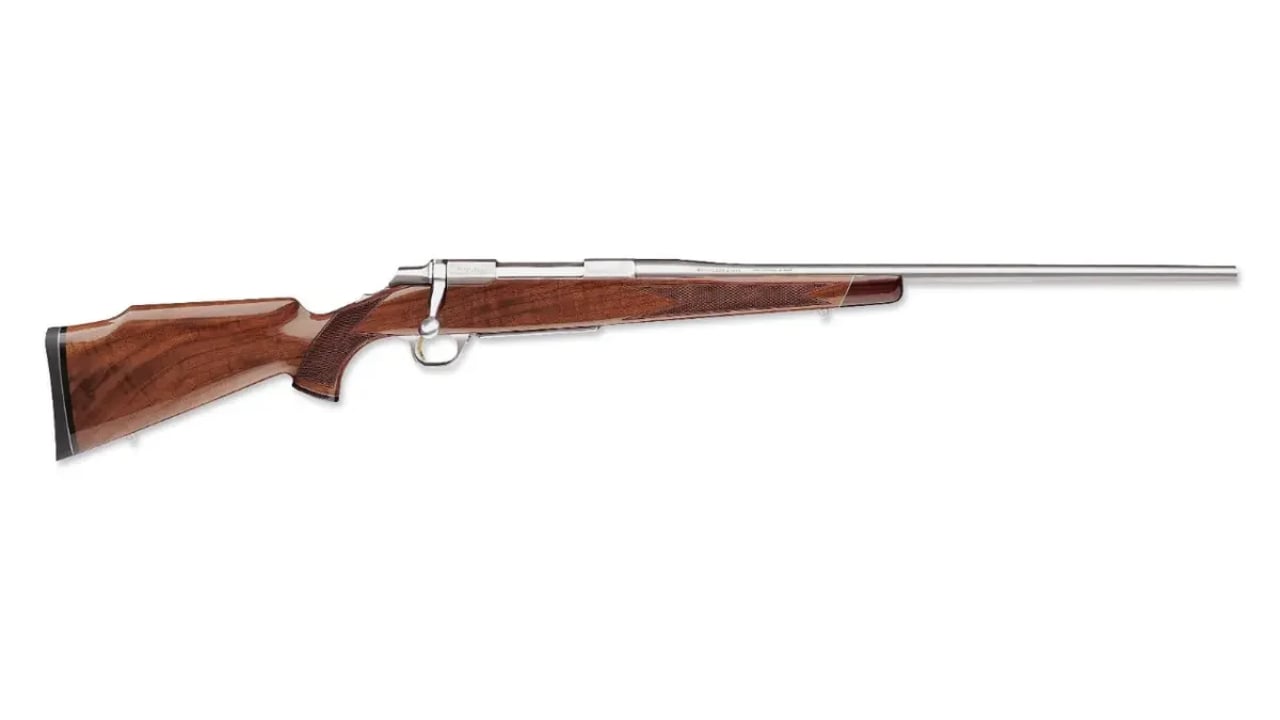
The standard A-Bolt already has a loyal following, but the higher-grade Gold Medallion versions are becoming much more interesting as Browning’s older bolt-action era moves farther into the past. Their appeal comes from finish and presentation rather than any dramatic mechanical difference.
That matters because beautifully finished production rifles are becoming less common. High-gloss walnut, polished metal, engraving, and contrasting details made these guns look like premium sporting rifles in a way today’s lightweight synthetic rifles intentionally do not. Many owners still hunted them, which makes unmarked wood and strong original finish increasingly difficult to find. A Gold Medallion with its correct magazine and factory configuration can therefore stand out sharply from the average used A-Bolt. Collectors often move toward the premium variants once the basic model becomes nostalgic, and that progression appears tailor-made for rifles like this.
Cooper Model 21
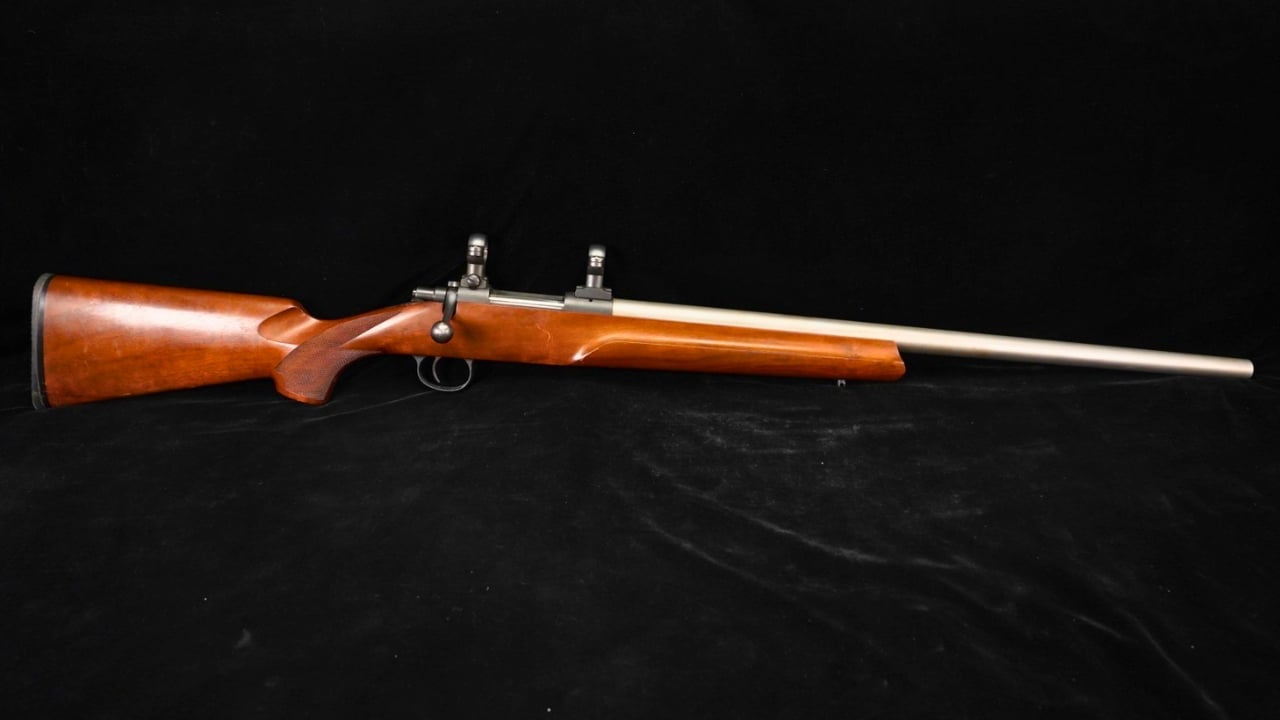
Cooper built its reputation around accurate, beautifully finished bolt rifles produced in much smaller numbers than mainstream hunting guns. The Model 21, particularly in classic varmint and small-game chamberings, offers exactly the sort of combination collectors tend to appreciate later.
The rifles were expensive enough that many were cared for, but they were also accurate enough that owners actually shot them. That means condition still separates examples meaningfully. Attractive wood, original rings or bases, factory paperwork, and uncommon chamberings can all add interest. Cooper rifles also occupy an unusual space between production and custom guns, which makes them harder to replace directly. As the company and product lineup change over time, earlier rifles gain a clearly defined identity. Serious collectors tend to gravitate toward limited-production quality, and the Model 21 gives them plenty of reasons to keep watching.
Steyr Mannlicher SL
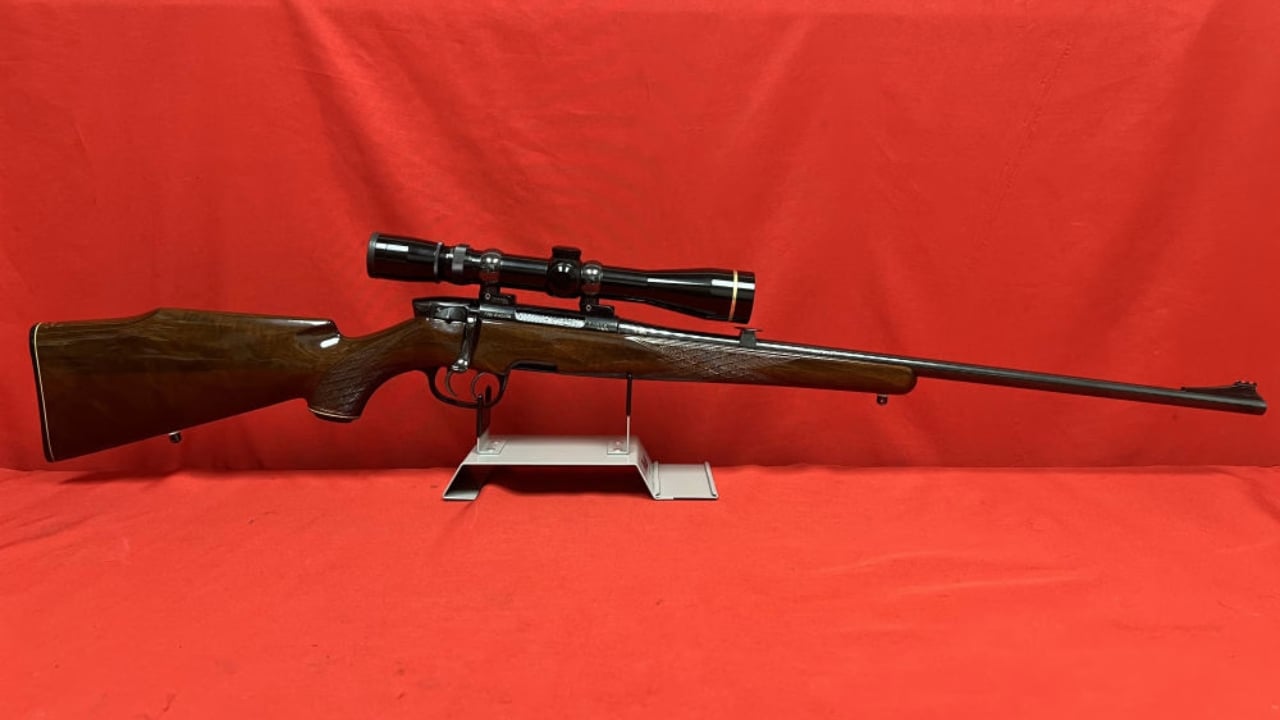
The Mannlicher SL is the kind of rifle that could easily be ignored by someone unfamiliar with older Steyr production. It is a small, refined sporting rifle built around lighter cartridges, and it never developed the widespread American recognition of more common domestic varmint rifles.
That obscurity has helped preserve its collector potential. Steyr enthusiasts know how smooth and carefully made these rifles can be, while the compact action and traditional European styling make them stand apart from current offerings. Because relatively few circulated in the United States to begin with, finding one in excellent original condition is not something collectors can assume will happen again quickly. Uncommon imports with genuine manufacturing quality often spend years unnoticed before the broader market suddenly realizes supply is tiny. The SL has exactly that kind of profile, which is why knowledgeable European-rifle collectors tend to pay attention.
Remington Model 725
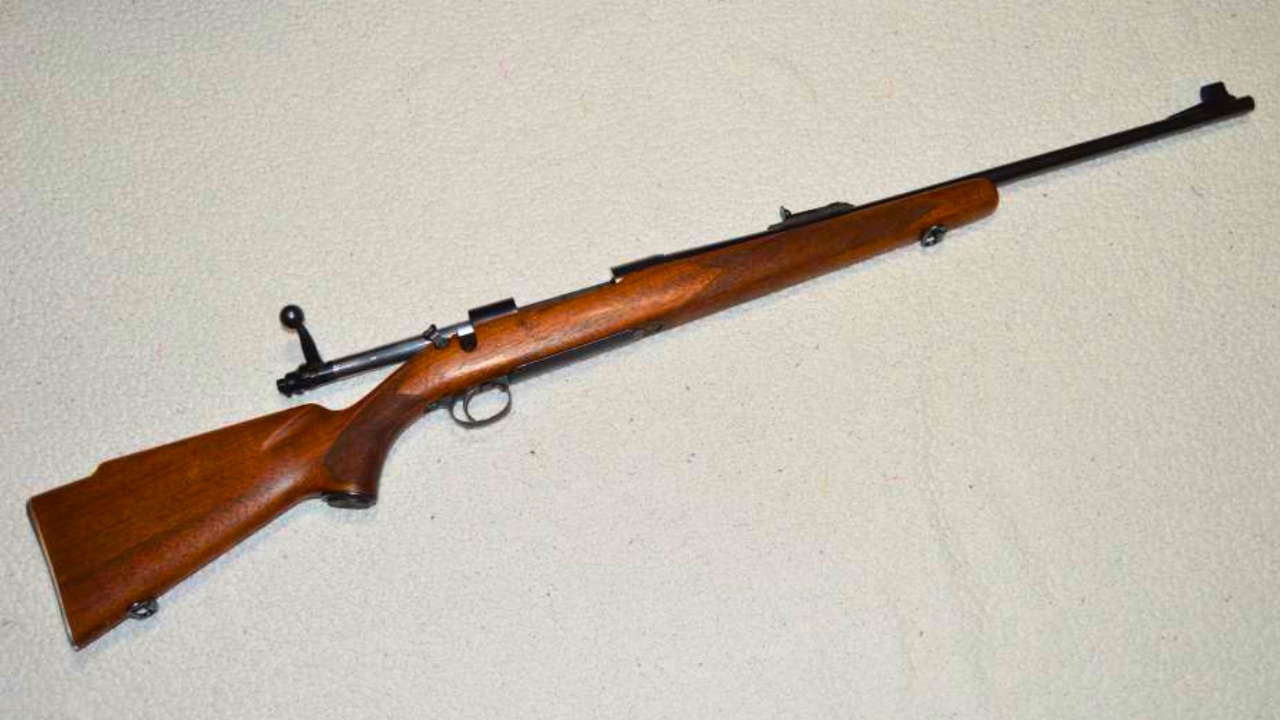
The Model 725 arrived between better-known Remington generations and never received the long production run necessary to become ordinary. It was essentially a more refined evolution of the 721/722 family before the Model 700 permanently changed Remington’s bolt-action lineup.
That transitional position makes it increasingly interesting. The rifle combines recognizable Remington mechanics with styling and production details unique to a short period. Many were simply used as hunting rifles because there was little reason at the time to consider them collectible. Decades later, untouched examples are much harder to locate than common Model 700s. Collectors tend to appreciate rifles that document how a manufacturer moved from one major design era to another, and the 725 does exactly that. It may never have the name recognition of the 700, but that is precisely why serious collectors can still get ahead of broader demand.
Like The Avid Outdoorsman’s content? Subscribe to our newsletter so you never miss an article.
Here’s more from us: