Photo credit: travisp11/Youtube
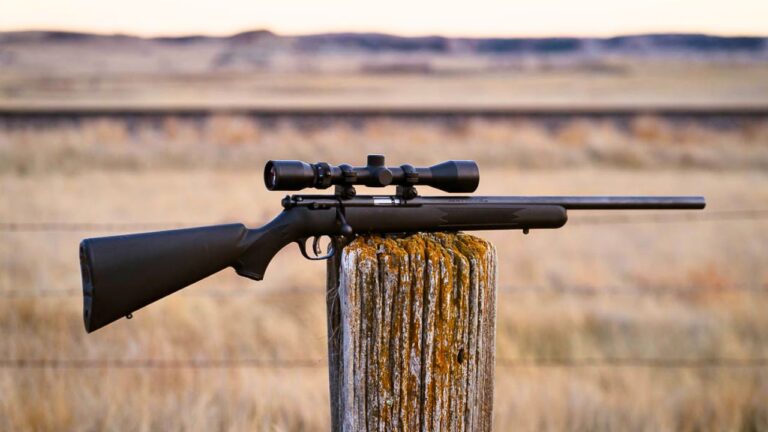
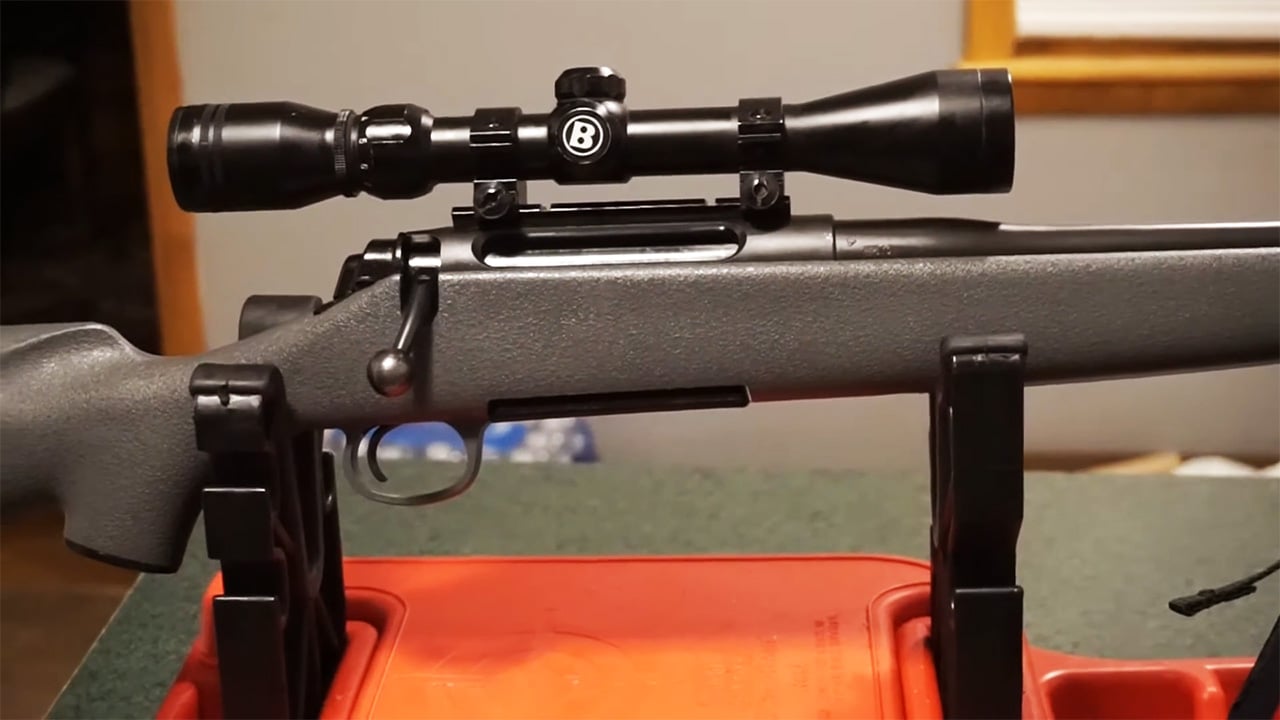
A bad trigger can make an otherwise decent rifle feel much worse than it really is. Heavy pull weight, excessive creep, grit, vague break, and a long reset all make it harder to shoot consistently, especially from field positions where you do not have a bench helping stabilize the rifle. Some rifles built strong reputations despite their triggers. Others became notorious partly because shooters immediately started looking for aftermarket parts.
That does not mean every individual example is equally bad. Production changes, wear, gunsmith work, and different variants can make a huge difference. Still, certain rifles are repeatedly remembered for factory triggers that ranged from merely disappointing to downright unpleasant. If you have spent much time around older military rifles, bargain hunting guns, or early tactical semiautos, several of these names will probably look familiar. These 20 rifles are well known for triggers that often leave shooters wishing the manufacturer had spent a little more time on the fire-control group.
Ruger Mini-14 Ranch Rifle
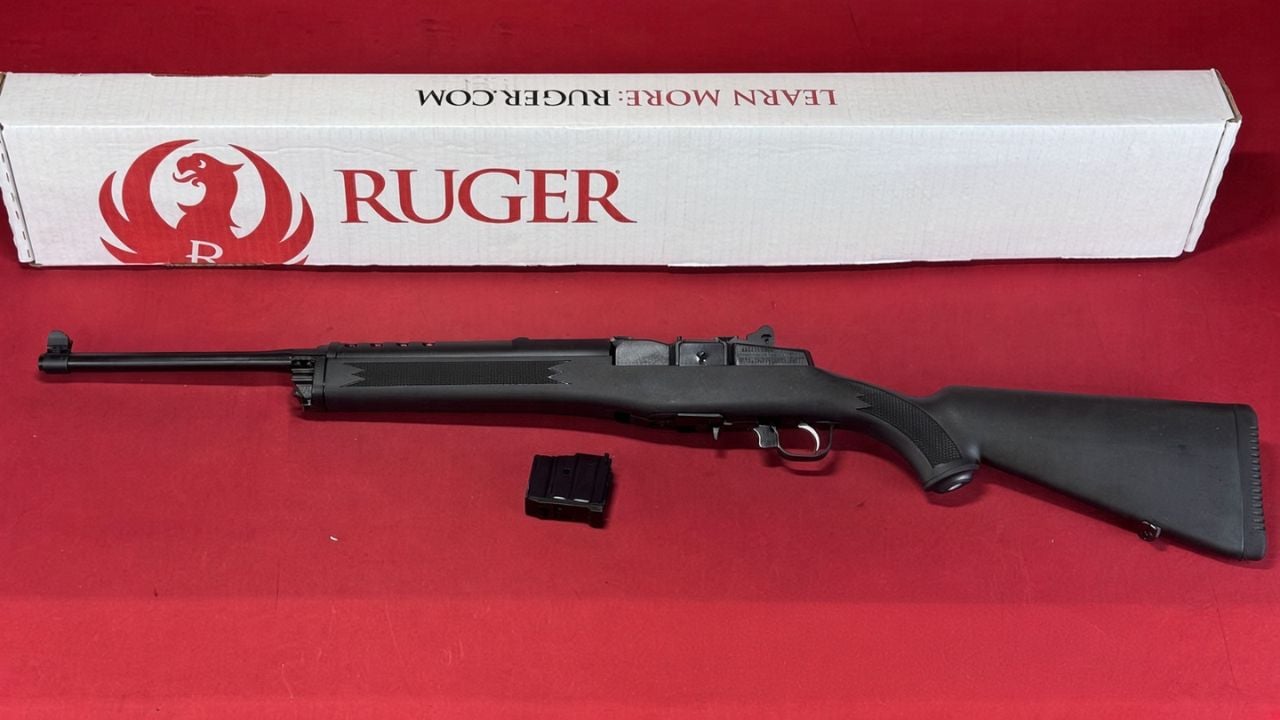
The Mini-14 has always had plenty going for it. It is compact, reliable, easy to carry, and gives shooters a semiautomatic .223 in a traditional-looking package. The trigger, however, has rarely been the reason anyone falls in love with one. Factory pulls can feel heavy and somewhat vague, with more movement than shooters expect from a rifle that otherwise feels lively in the hands.
That becomes especially noticeable when trying to shoot small groups. The rifle may be capable of decent accuracy, but a mediocre trigger makes it harder to take advantage of whatever precision is there. Plenty of owners send the trigger group out for work or simply learn to live with it because the rest of the platform suits them. The Mini-14’s trigger is not unusable, but compared with a decent AR or modern bolt gun, it can make the rifle feel older than it really is.
Springfield Armory M1A Standard
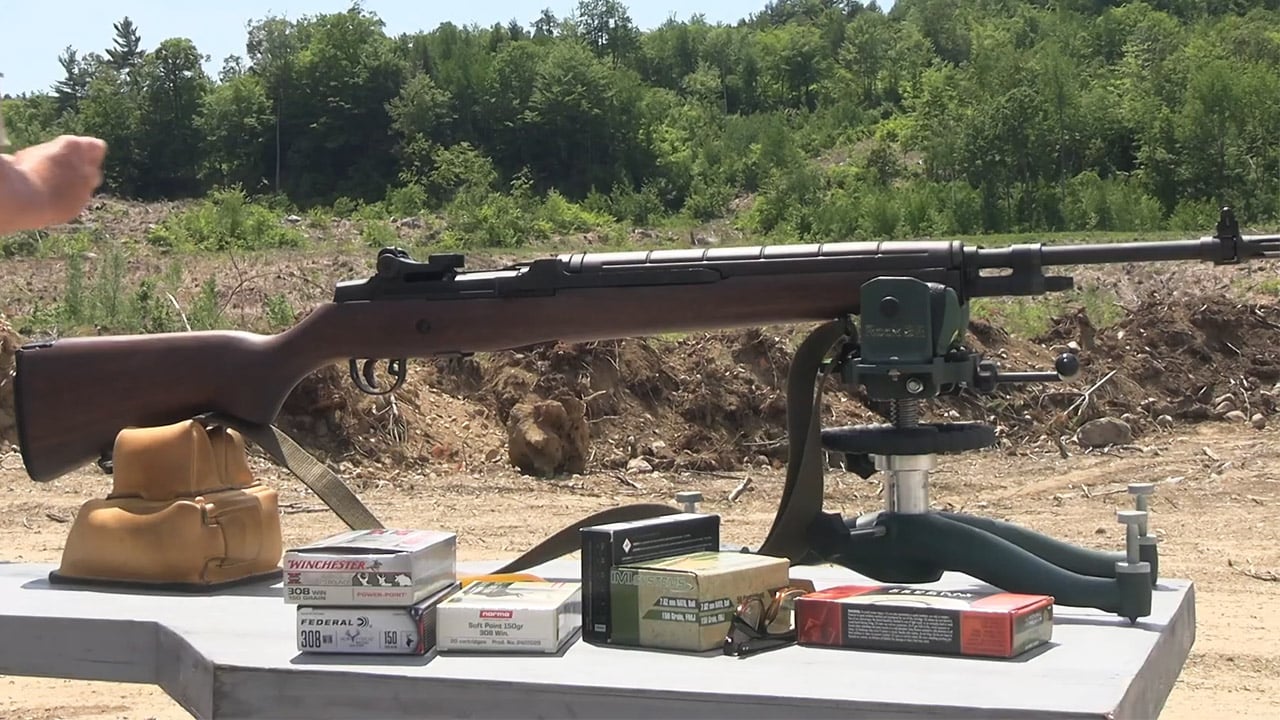
The M1A can have a surprisingly good trigger once tuned properly, but basic factory examples are often much less impressive than buyers expect. The two-stage design is part of the platform’s military heritage, and some rifles come with a heavy first stage followed by a break that feels less crisp than the price tag suggests.
For a rifle that is often marketed as a serious marksman-style platform, that can be disappointing. The weight and sighting system encourage deliberate shooting, so any creep or unevenness in the trigger becomes especially obvious. National Match and tuned rifles can be much better, which is why many owners end up having trigger work done. The standard gun is still very capable, but the factory trigger can be one of the first things that reminds you this design came from a different era.
HK91

The HK91 is famous for durability and roller-delayed operation. It is not famous for having a pleasant trigger. Factory trigger packs are commonly heavy, long, and mushy compared with modern semiautomatic rifles.
Part of that comes from the military roots of the design. The trigger was intended to be durable and safe under hard service conditions, not to help a shooter print tiny groups from a bench. That philosophy becomes obvious the first time you try to break a precise shot. You can absolutely learn the trigger, and specialized trigger work can improve it substantially. Still, an untouched HK91 often feels far rougher than its price and reputation would make you expect. It is one of the clearest examples of a rifle whose operating system is fascinating while its trigger seems like an afterthought.
CETME Model C
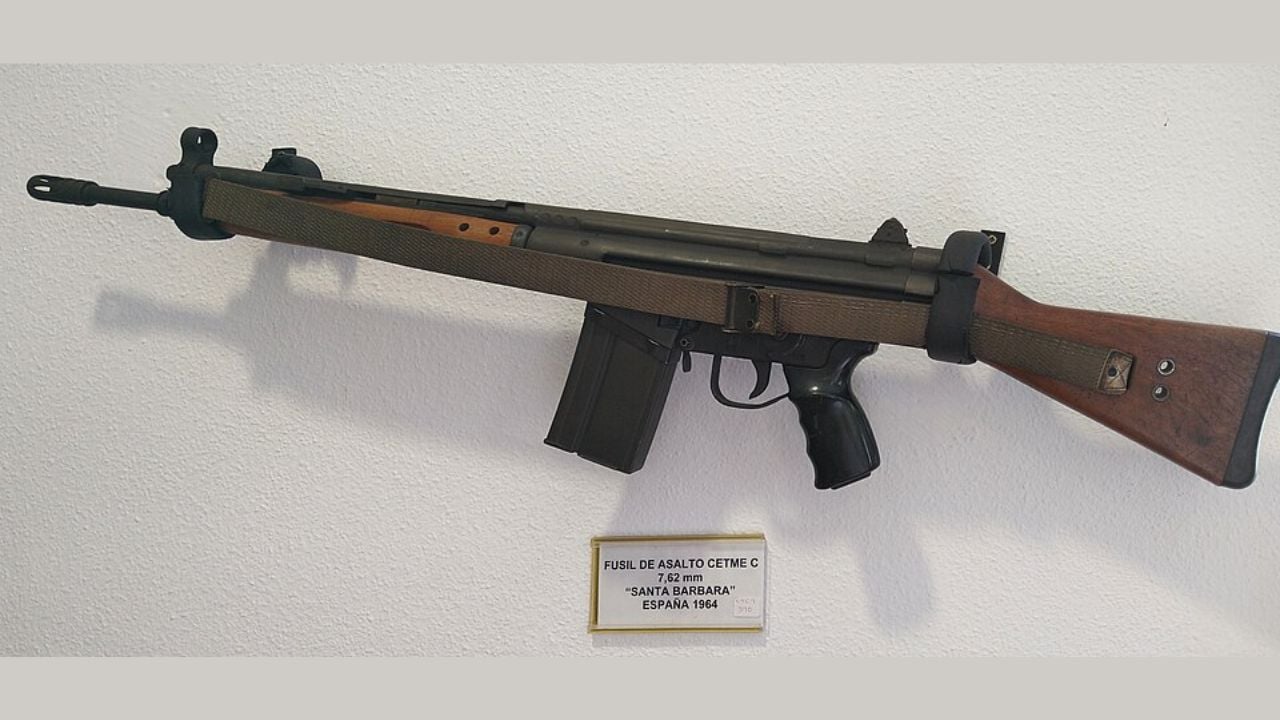
The CETME C shares much of its basic DNA with the later G3 and HK91, including a trigger system that can feel downright agricultural. Long travel, heavy pull weight, and an indistinct break are common descriptions.
On inexpensive surplus-style builds, the problem can feel even worse because assembly quality varies. A rough trigger combined with stiff controls and substantial recoil can make the rifle feel much less refined than its looks suggest. The basic rifle is historically significant and can be extremely rugged, but few shooters come away praising the fire-control group. Trigger work can make a dramatic difference, yet many examples remain exactly as they left the factory or importer. If you are used to a clean AR trigger, the CETME can feel like stepping backward several decades.
Century Arms C308

The C308 brought roller-delayed .308 performance to buyers who did not want to pay genuine HK money. Unfortunately, it also inherited much of the rough trigger character associated with the platform.
The factory pull is often heavy and vague, and some examples feel worse because of inconsistent build quality. That can make precision shooting frustrating even when the barrel and ammunition are capable of respectable groups. The rifle’s main strengths are durability, inexpensive surplus magazines, and the fun of running a roller-delayed .308 on a budget. The trigger is rarely part of that appeal. For owners trying to tighten groups or improve rapid-fire control, trigger work can transform the rifle more than almost any other modification. Out of the box, though, it often feels every bit as crude as the price suggests.
SKS
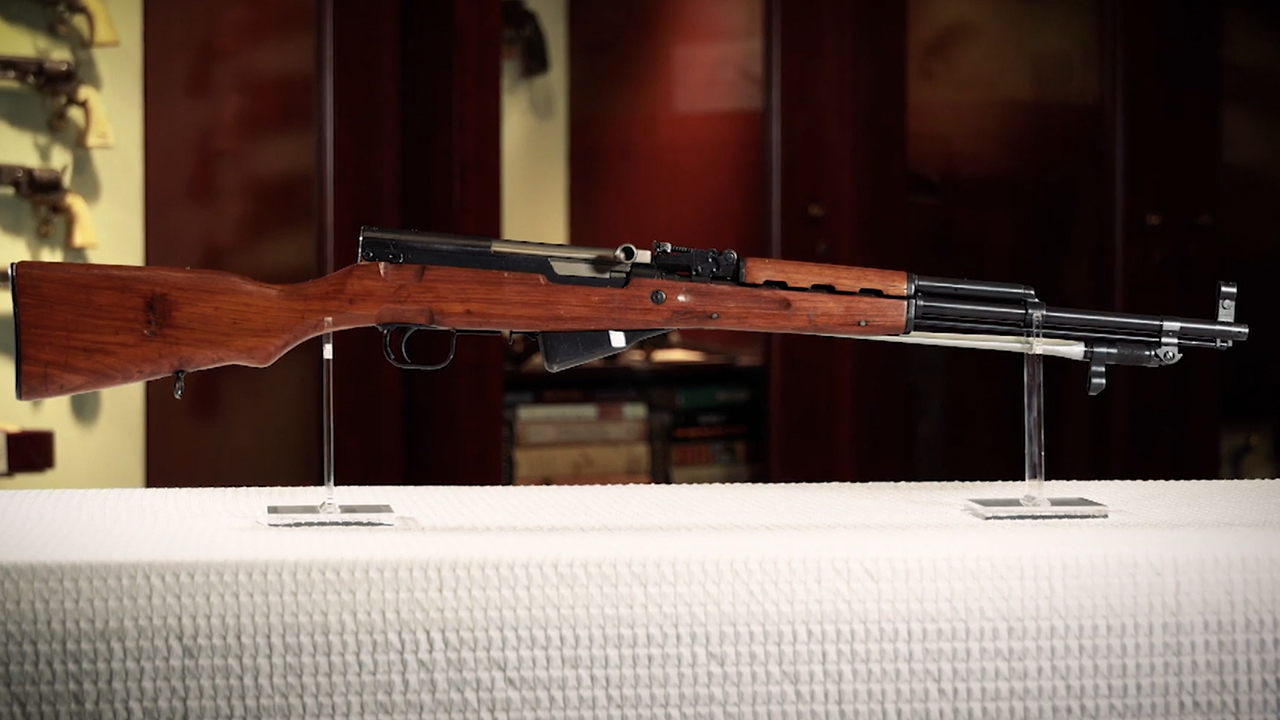
The SKS has a lot of positive qualities. It is rugged, reliable, historically interesting, and generally pleasant to shoot in 7.62×39. The trigger is one of the weakest parts of the design.
Many SKS triggers have a long, gritty pull with noticeable creep before the shot finally breaks. Because these rifles were built by multiple countries across many decades, individual examples vary widely, but excellent factory triggers are not common. Some feel manageable. Others feel like you are dragging metal parts across each other while trying to maintain sight alignment. That is not ideal for accurate shooting, especially with the short sight radius already working against you. The SKS remains a fun rifle, but anyone expecting modern trigger quality will quickly understand why the platform’s reputation is based on reliability rather than refinement.
Mosin-Nagant M91/30
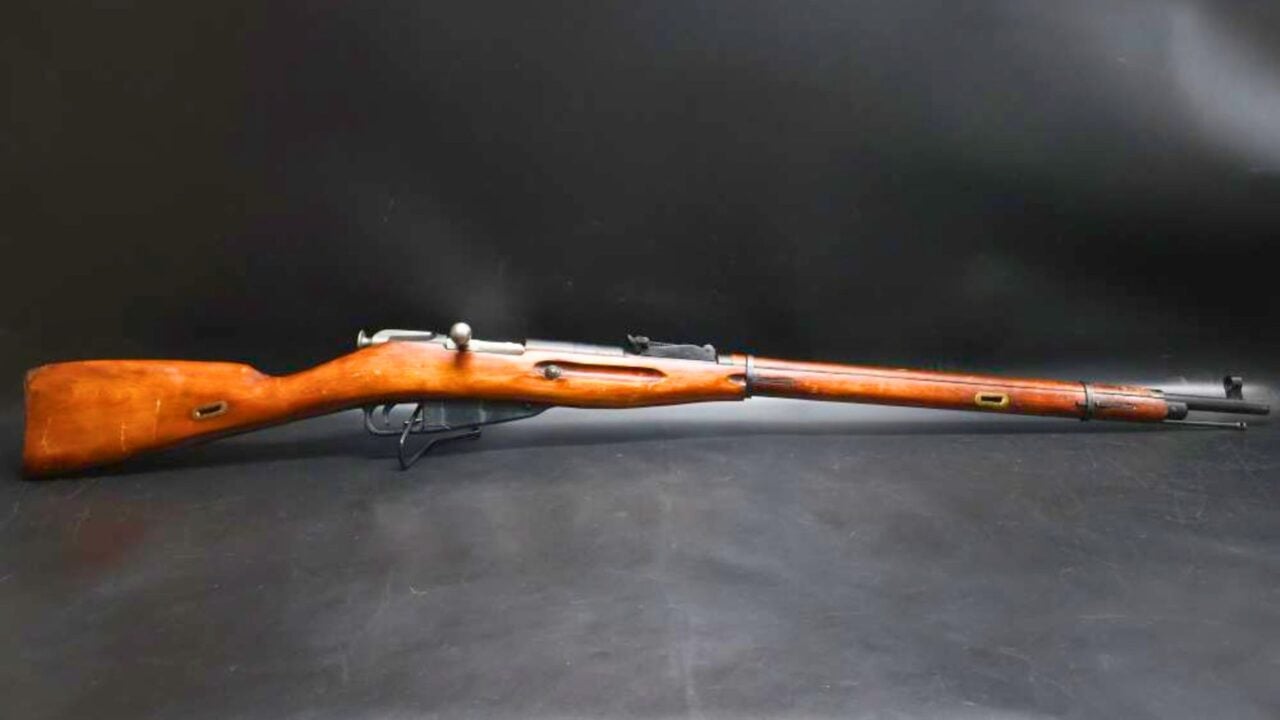
The Mosin-Nagant is probably one of the most famous examples of a rifle with a trigger that can range from surprisingly decent to absolutely awful. Many examples have long creep, heavy pull weight, and a break that feels inconsistent from shot to shot.
Part of the issue is age. These rifles have been through storage, arsenal refurbishment, wartime use, and decades of wear, so no two triggers necessarily feel identical. Still, the basic design was never intended to offer match-grade finesse. The rifle was supposed to be cheap, rugged, and serviceable under military conditions. For a collector or historical shooter, that is part of the experience. For someone trying to shoot tiny groups, the trigger can be the biggest obstacle. The heavy steel rifle may be stable on the bench, but the trigger does not make precision easy.
Lee-Enfield No. 4 Mk I

The Lee-Enfield has one of the smoothest military bolt actions ever made, which makes its trigger feel surprisingly ordinary by comparison. Many examples have noticeable take-up and a break that lacks the crispness modern hunters expect.
The two-stage military setup is perfectly usable once you understand it, but decades of wear and individual rifle variation can make some examples feel sloppy. The biggest disappointment is that the rifle itself cycles so quickly and naturally that you expect the trigger to feel equally refined. It usually does not. The Enfield was designed around fast battlefield shooting, not precision bench work, so the trigger reflects that mission. A good example can be pleasant. A rough one can remind you quickly that this was a service rifle first and a sporting rifle only later.
AR-15 With Basic Mil-Spec Trigger
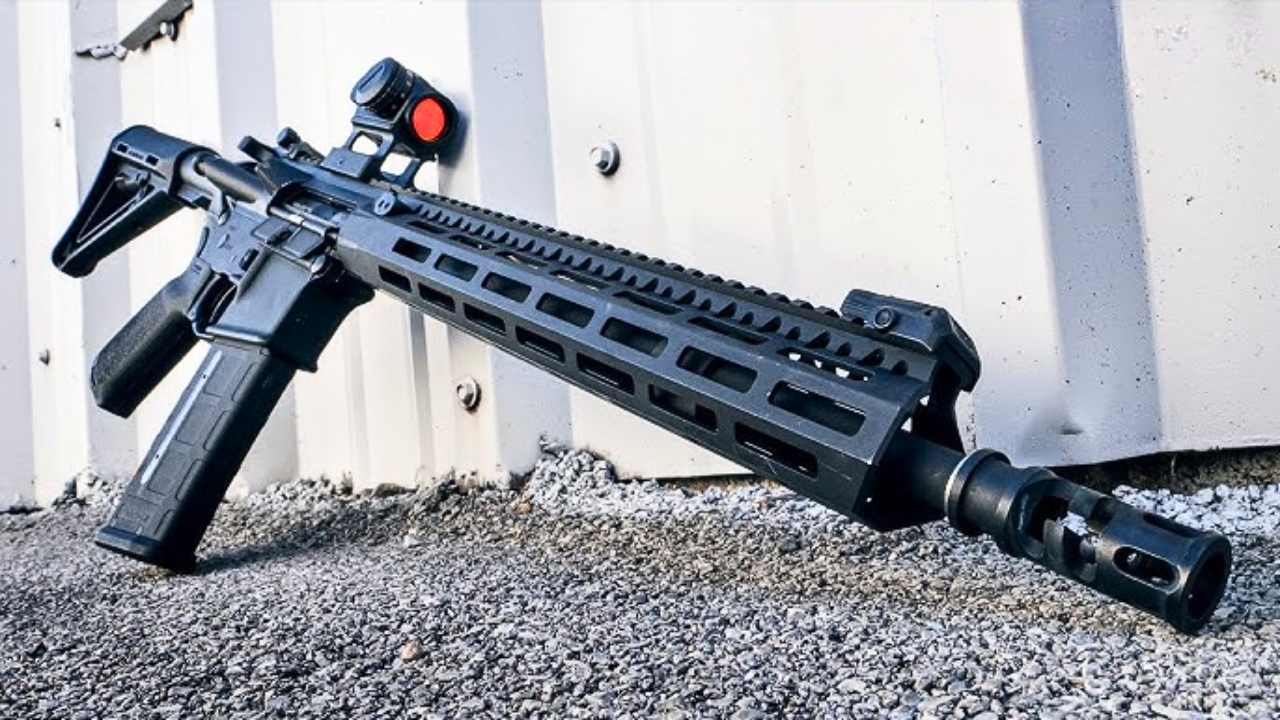
The AR-15 platform can have some of the best triggers available, but the basic mil-spec trigger found in many entry-level rifles is a completely different experience. Heavy pull weight, gritty movement, and an indistinct break are common, especially on inexpensive factory builds.
The frustrating part is that the rifle itself may be capable of excellent accuracy. A decent barrel, free-float handguard, and good ammunition can all be held back by a trigger that feels like it belongs in a much cheaper gun. That is why trigger replacement is one of the most common AR upgrades. The basic unit is durable and safe, which was the original priority, but it is rarely pleasant. Once you have shot an AR with a good two-stage or refined single-stage trigger, going back to a rough mil-spec unit can feel almost impossible.
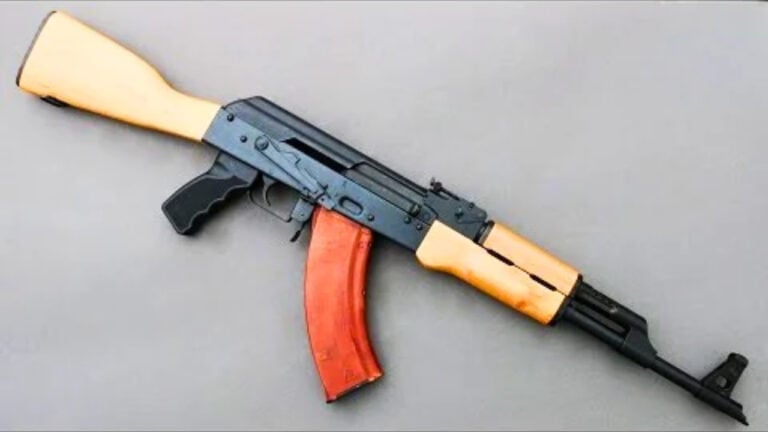
AKM Pattern Rifles

AK triggers vary enormously, but many traditional military-style examples are known for heavy pulls, long resets, and inconsistent feel. Some even slap the shooter’s finger during cycling, which is more annoying than dangerous but still unpleasant.
The design prioritizes reliability over refinement. Large engagement surfaces and generous tolerances help the rifle keep running when dirty, but they do not necessarily produce a crisp trigger. Some newer commercial AKs actually have surprisingly good triggers, which makes the older rough examples stand out even more. If your only goal is practical combat-style shooting, the trigger is manageable. Try to shoot small groups from a bench, though, and its shortcomings become obvious. The AK can be accurate enough for its intended role, but the factory trigger on many examples does little to help.
Ruger 10/22 Carbine
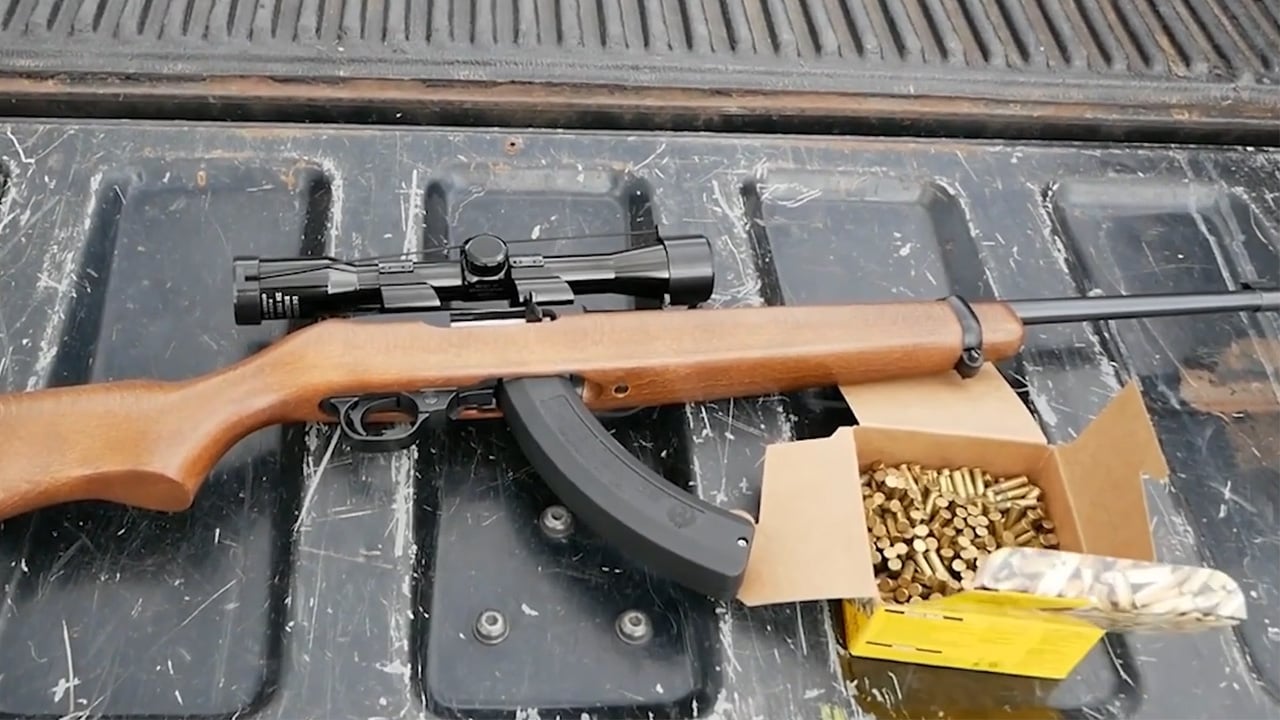
The 10/22 is one of the most customizable rifles in existence, and the trigger is one of the biggest reasons owners start modifying them. The standard Carbine trigger has traditionally been heavy and somewhat mushy.
That is especially noticeable on a rimfire because recoil is nearly nonexistent. Without recoil distracting you, every bit of creep and weight in the trigger becomes obvious. The rifle itself can be quite accurate, particularly with good ammunition, but the factory trigger often limits what a shooter can do from a bench. Ruger has offered better trigger assemblies and upgraded models, which proves the basic platform is capable of much more. The standard 10/22 remains a fantastic rifle, but there is a reason aftermarket trigger companies have built entire product lines around fixing this exact weakness.
Remington Model 770
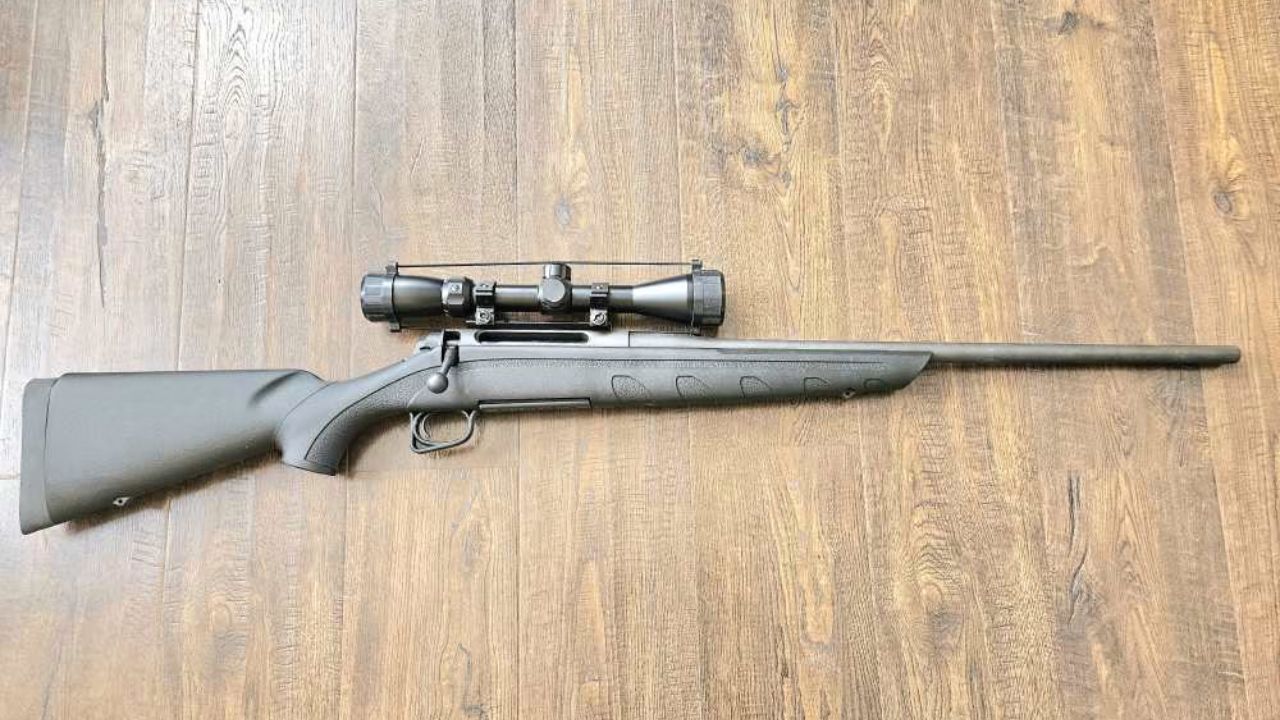
The Model 770 earned a poor reputation for several reasons, and the trigger was one of them. The rifle was designed around hitting a very low price point, which meant refinement took a back seat.
Factory triggers can feel heavy and lifeless, with little of the clean break shooters expect from a hunting rifle. That becomes more frustrating when paired with the rough bolt and flexible stock. A deer rifle does not need a competition trigger, but it should at least allow the shooter to break a shot without fighting the gun. The 770 often made that harder than necessary. Plenty of rifles still killed deer, but the experience left owners wondering why they had not spent a little more on something with a better trigger and smoother action.
Remington Model 710
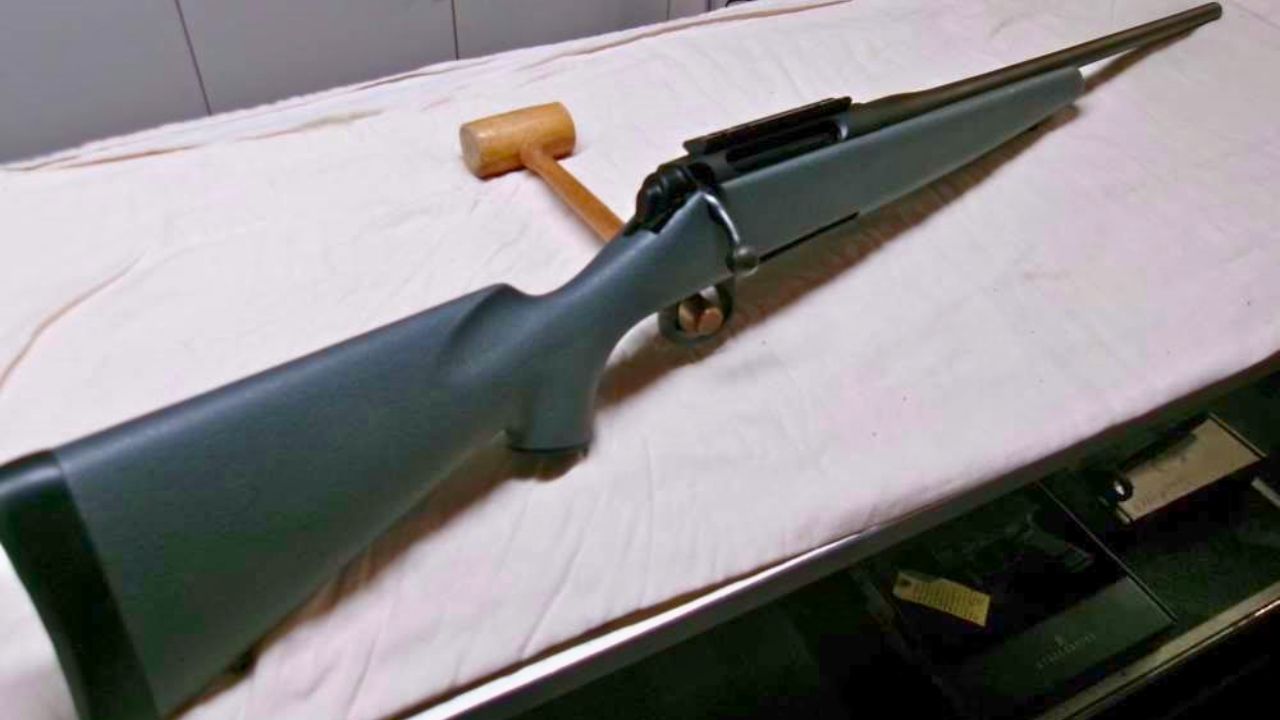
The Model 710 suffered from many of the same issues as the later 770, including a trigger that rarely inspired confidence. It was built as a budget hunting package, and the fire-control system reflected that mission.
The pull often felt heavy and vague rather than crisp. That is especially annoying in a lightweight hunting rifle where a clean trigger can help offset less-than-perfect field support. Shooters trying to make precise shots from a rest or kneeling position often had to work around the trigger instead of letting it help them. The rifle was cheap and could function as intended, but the trigger contributed to its disposable feel. When competing rifles began offering adjustable triggers at similar prices, the 710’s shortcomings became even harder to ignore.
Mossberg Patriot

The Patriot is generally a decent budget hunting rifle, but early and basic versions can have triggers that feel far less refined than the rifle’s feature list suggests. Some examples break cleanly, while others have noticeable creep and inconsistency.
That variability is the real problem. A hunting rifle should provide a predictable break every time because consistency matters far more than having an ultralight pull. When the trigger feels different from shot to shot, confidence drops quickly. Mossberg’s adjustable trigger system can help, but it does not automatically guarantee a crisp feel. A good Patriot may be perfectly acceptable. A rough one can make the rifle seem much cheaper than it otherwise would. It is a reminder that an adjustable trigger is not automatically a good trigger.
Savage Axis

The original Savage Axis gained a strong reputation for accuracy at a very low price. The basic trigger, however, was one of the biggest complaints before AccuTrigger-equipped versions became more common.
Early triggers could be heavy and stiff enough to make precise shooting difficult, especially for new hunters. That was frustrating because the rifle often had enough mechanical accuracy to shoot surprisingly good groups. Owners would find that the barrel was not the problem at all. It was the amount of force needed to fire the rifle without moving it. Later Axis variants improved the situation dramatically, but older standard models still carry that reputation. If you find one in a used rack, the trigger is one of the first things worth checking.
Winchester Model 94

The Model 94 is a classic hunting rifle, but nobody ever built its reputation around trigger quality. Older examples often have heavy pulls and more movement than shooters accustomed to modern bolt guns expect.
Part of that comes from the lever-action safety and lockwork. The design has to ensure the rifle fires only when fully closed, and that mechanical arrangement does not lend itself naturally to a light, crisp trigger. For woods hunting, where shots are often close and quick, the trigger is perfectly workable. From a bench, it can feel crude. The Model 94 remains one of the handiest deer rifles ever made, but its trigger is a good reminder that a rifle can be historically great without being mechanically refined in every area.
Marlin 336
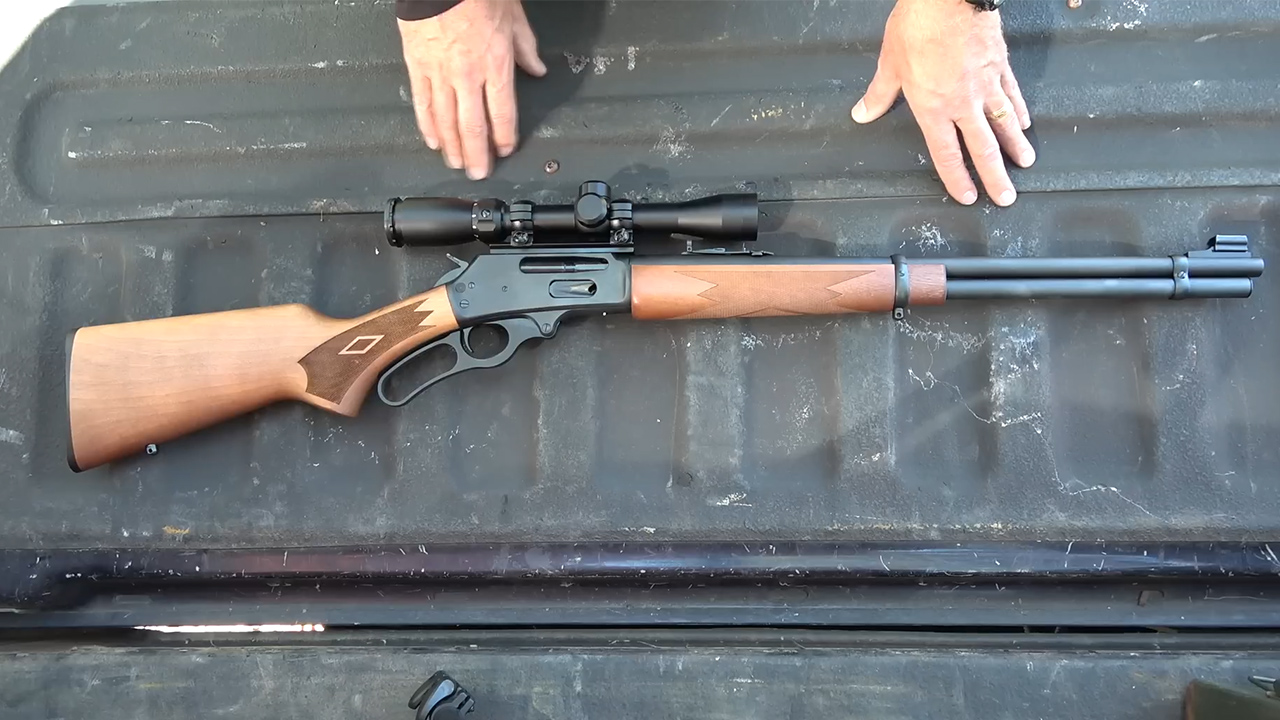
The Marlin 336 has similar strengths and weaknesses. It handles beautifully, carries easily, and is perfectly suited to close-range deer hunting. The factory trigger, however, has traditionally been more functional than impressive.
Many examples have noticeable creep and a heavier break than modern shooters prefer. Some are better than others, especially after years of use, but few stock 336 triggers feel truly crisp. That matters less in thick timber where shots are usually close, yet it becomes obvious when you try to shoot small groups from the bench. Aftermarket trigger kits became popular for a reason. The 336 earned its reputation through reliability and handling, not through a factory trigger that feels like a precision rifle.
Thompson/Center Encore

The Encore is an extremely versatile platform because one frame can accept barrels for a wide range of cartridges. That versatility makes it attractive to hunters who want one system for several jobs.
The trigger is where some examples disappoint. Factory pulls can be heavier than expected and may have enough creep to make precise single-shot shooting frustrating. That is especially ironic because a single-shot hunting rifle encourages deliberate shooting and should ideally have an excellent trigger. Many owners have the trigger worked over or install aftermarket parts to get the feel they expected from the beginning. The platform is capable of excellent accuracy, but a rough trigger can keep the shooter from taking full advantage of it.
Browning BLR
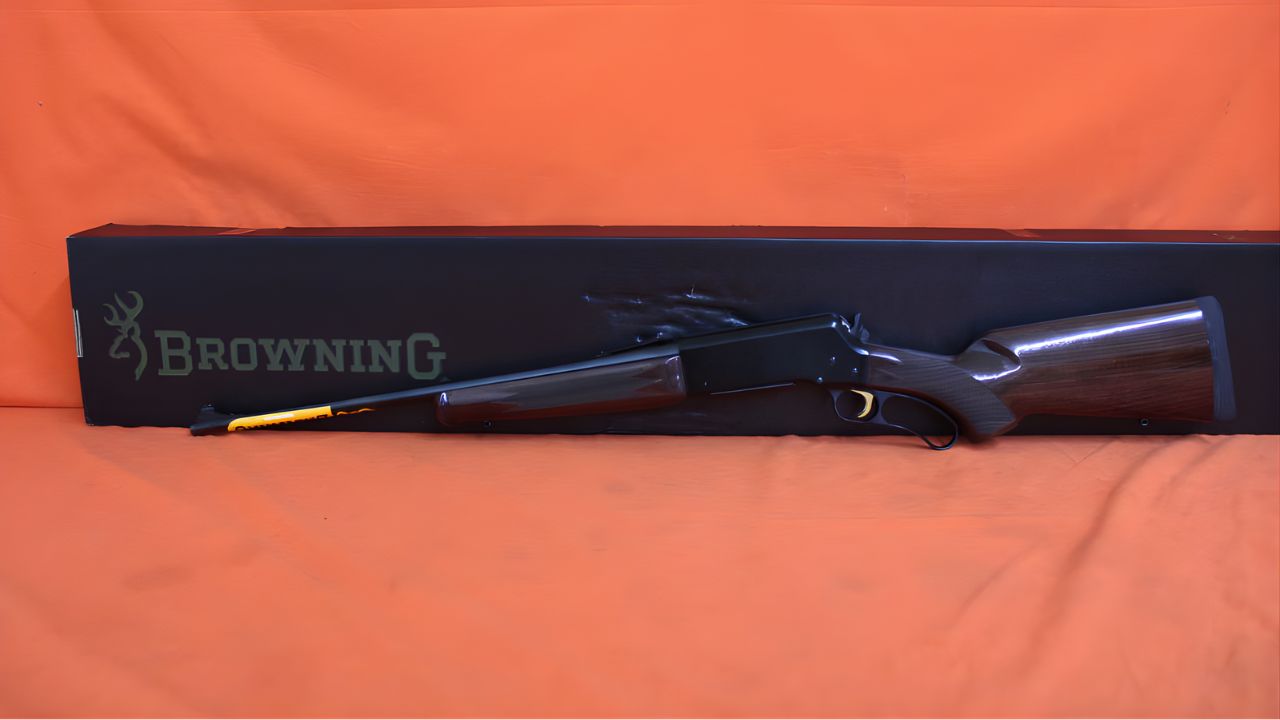
The BLR is one of the few lever rifles designed around modern high-pressure cartridges and detachable magazines. It is clever, strong, and capable of handling rounds that traditional tubular-magazine lever guns cannot.
The trigger is one of its most common criticisms. Pulls are often heavy, and the complicated lever-and-trigger linkage makes gunsmith work less straightforward than on a simple bolt rifle. Because the trigger assembly moves with the lever, the system has mechanical compromises that show up in feel. For hunting, it is still usable, but shooters expecting a crisp break because of the rifle’s premium price can be disappointed. The BLR does a lot of things well. Trigger quality is rarely at the top of that list.
Steyr AUG A3 M1

The AUG is one of the most iconic bullpups ever made, but its trigger is a classic example of the downside of remote trigger linkage. Because the actual fire-control components sit behind the grip, the trigger has to transfer movement through additional mechanical parts.
That creates the familiar bullpup feel: long, somewhat spongy, and less defined than a good conventional rifle trigger. The AUG is still extremely compact for its barrel length and has excellent reliability, which is why many owners happily tolerate the trigger. For precision work, though, it can be frustrating. Aftermarket upgrades can improve the feel, but they rarely turn it into a great AR-style trigger. The AUG shows that clever packaging often comes with a mechanical tradeoff, and the trigger is where that tradeoff is easiest to feel.
Like The Avid Outdoorsman’s content? Subscribe to our newsletter so you never miss an article.
Here’s more from us: