Photo credit: Reloader Joe/YouTube
Some rifles get better with every generation. Others hit the formula almost perfectly, then lose part of what made them appealing when manufacturers chase lower production costs, lighter materials, new styling, or supposedly modern features. The replacement may still work, but the original balance, handling, finish, or mechanical character is gone.
That is what this list is about. These are rifles where an earlier version had a combination of quality and personality that later revisions never fully replaced. In some cases, the trigger changed. In others, the stock, action, finish, magazine system, or entire design philosophy shifted. None of that means the current rifle is automatically bad. It just means there was a point where the manufacturer already had something right, and changing it arguably solved fewer problems than it created.
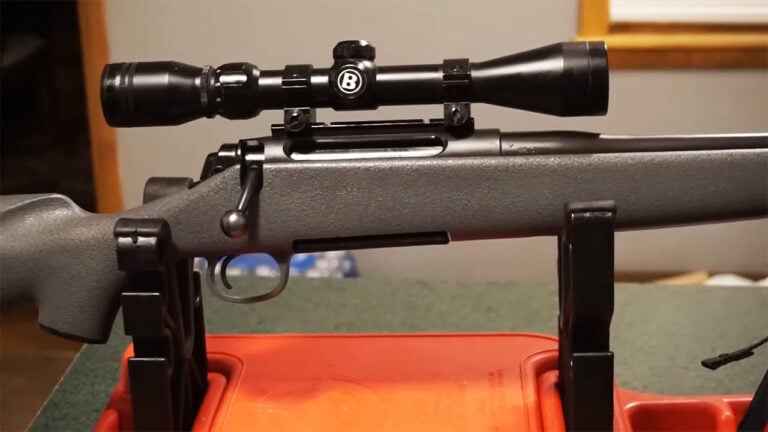
Remington Model 700 BDL
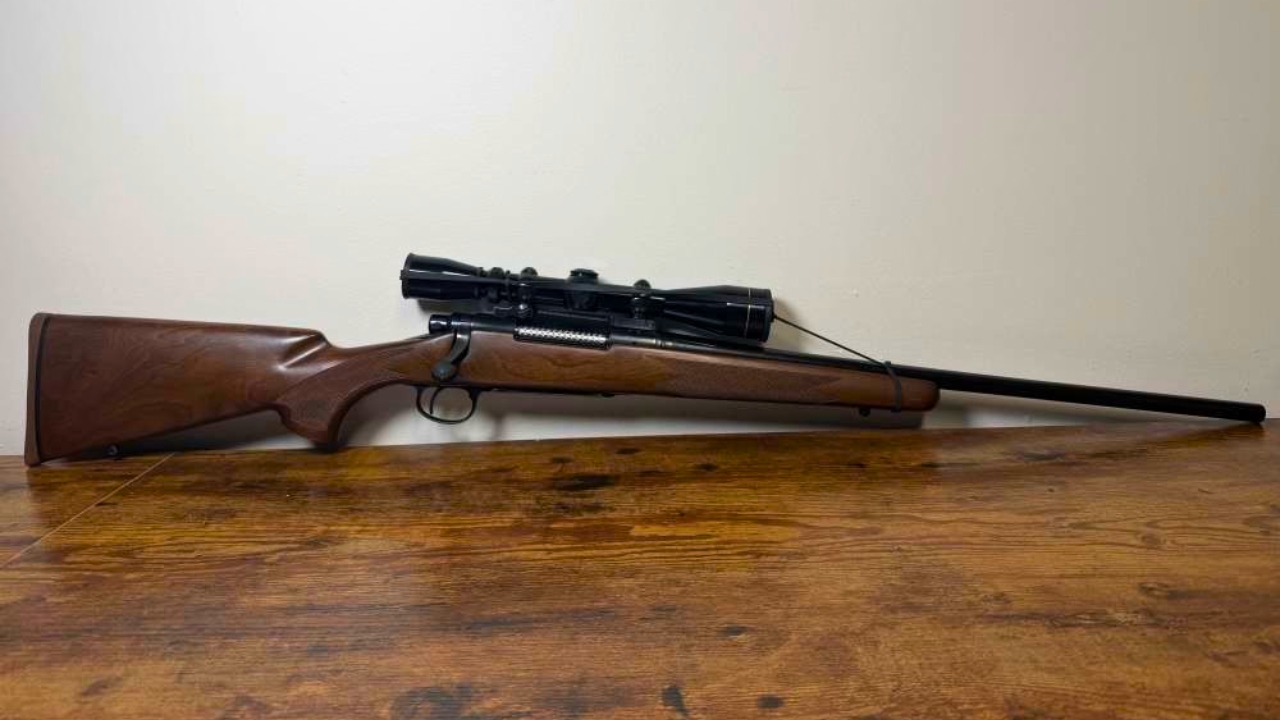
The older Model 700 BDL represented what a mainstream American hunting rifle was supposed to feel like. The walnut stock, polished metal, hinged floorplate, and overall proportions gave it enough refinement to feel special without pushing it into custom-rifle money. It was still a working deer rifle, but it looked and handled like something an owner expected to keep for decades.
Later budget-oriented 700 variants kept the action name while stripping away a lot of that character. Synthetic stocks, duller finishes, and cheaper-feeling components made the rifle easier to produce, but they also made it much less memorable. The current 700 platform can still shoot well, yet the older BDL formula had a balance of practicality and pride of ownership that Remington should have protected more carefully. It did not need reinvention. It needed consistent production quality.
Ruger M77 Tang Safety

The early M77 with the tang safety had a simplicity that later Hawkeye-era rifles never completely duplicated. The safety sat exactly where your thumb naturally wanted it, and the rifle had the traditional proportions and solid feel that helped build Ruger’s bolt-action reputation in the first place.
Later versions gained controlled-round-feed features and other mechanical changes, but some shooters still prefer the older handling and cleaner layout. The tang safety was especially intuitive for hunters moving quickly from carry to firing position. Ruger certainly improved parts of the design over time, yet the original rifle had a personality that became diluted as the line evolved. A clean tang-safety M77 still feels like a rifle from a period when Ruger focused heavily on practical field ergonomics instead of trying to modernize every visible detail.
Winchester Model 70 Classic

The Model 70 Classic was Winchester’s answer to the criticism that the post-1964 rifles had lost too much of the original design. Controlled-round feed returned, the claw extractor came back, and the rifle once again felt like the traditional Model 70 hunters wanted.
That makes later changes feel unnecessary in spirit, even when they improved production consistency. The Classic had already restored the features people cared about most. Its action, stock lines, and three-position safety created a rifle that felt mechanically serious and familiar at the same time. Newer versions are often excellent rifles, but the Classic period remains especially desirable because Winchester had already corrected the mistake once. Once the rifle got that balance back, the smartest move would have been to leave the core formula alone and concentrate on quality control.
Marlin 336 JM
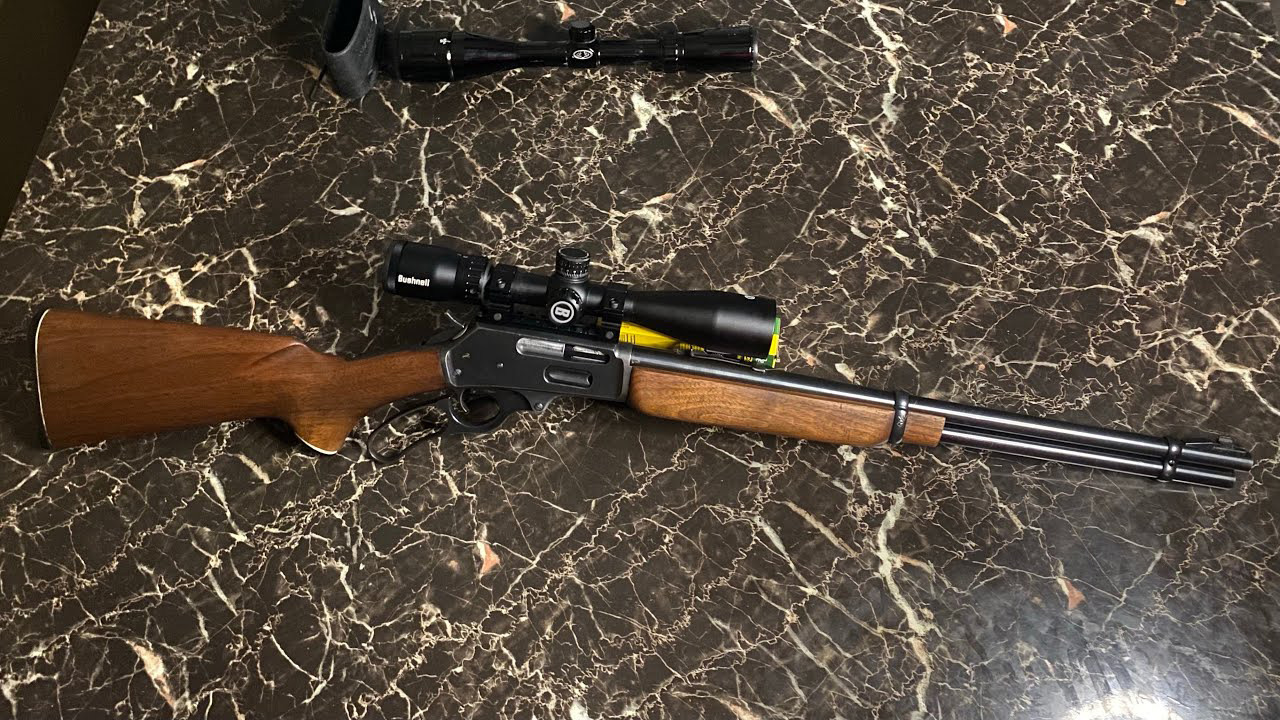
The older JM-stamped 336 is one of the clearest examples of a rifle whose reputation was built before manufacturing changes disrupted confidence. The action was straightforward, the rifle balanced well, and the walnut-and-blue configuration looked exactly like a traditional lever gun should.
When production changed hands, buyers immediately noticed differences in fit, finish, wood-to-metal alignment, and general consistency. Later production eventually improved, but the damage was done. The old JM rifles became more desirable because people knew what they were getting. Ruger-era Marlins are now very good, but the original lesson remains. Marlin already had a proven formula in the 336. The rifle did not need dramatic production changes. It needed the same basic design built carefully and consistently.
Remington Model Seven

The original Model Seven worked because it was genuinely compact without feeling like a downsized youth rifle. It gave hunters a short action, light weight, and quick handling while still maintaining the traditional feel of a proper centerfire hunting rifle.
As later versions added heavier barrels, different stocks, and increasingly specialized configurations, some of that identity became blurred. The rifle’s strongest quality was always how naturally it carried in thick woods and how quickly it came to the shoulder. Turning it into a platform for heavier tactical or precision-inspired setups missed what made it appealing in the first place. The original formula was already excellent for deer hunters who wanted a compact bolt gun. Remington should have treated that simplicity as the core product rather than constantly stretching the Model Seven into roles it never needed to fill.
Browning A-Bolt

The A-Bolt had one of the smoother factory actions in its class, a short bolt lift, excellent hunting ergonomics, and a level of polish that made it feel more expensive than many competing rifles. It was one of those designs that quietly did almost everything well.
Browning eventually shifted attention toward the X-Bolt, which added modern features and became successful in its own right. Even so, plenty of hunters still miss the A-Bolt because the old rifle had a cleaner, more traditional feel. The magazine system, stock lines, and overall balance all worked without drawing attention to themselves. The X-Bolt is not a bad replacement, but replacing the A-Bolt entirely meant losing a rifle that already had a loyal audience and a strong identity. Browning could have kept both instead of making the older design effectively disappear.
Sako 75

The Sako 75 is still held in unusually high regard because it blended excellent machining, smooth bolt operation, strong accuracy, and practical hunting ergonomics without becoming overly complicated. It felt premium because of execution rather than because it was covered in gimmicks.
Later Sako rifles introduced different magazine systems, stock shapes, and action changes, but many longtime owners still consider the 75 the high point. The rifle had already reached a level where further redesign was not necessarily an improvement. Its bolt lift, feed, trigger, and balance all worked together extremely well. A modernized optic interface or threaded muzzle could have been added without disturbing the basic rifle. Instead, Sako moved on. That left the 75 with the kind of reputation manufacturers usually wish their current rifles had.
Tikka M595
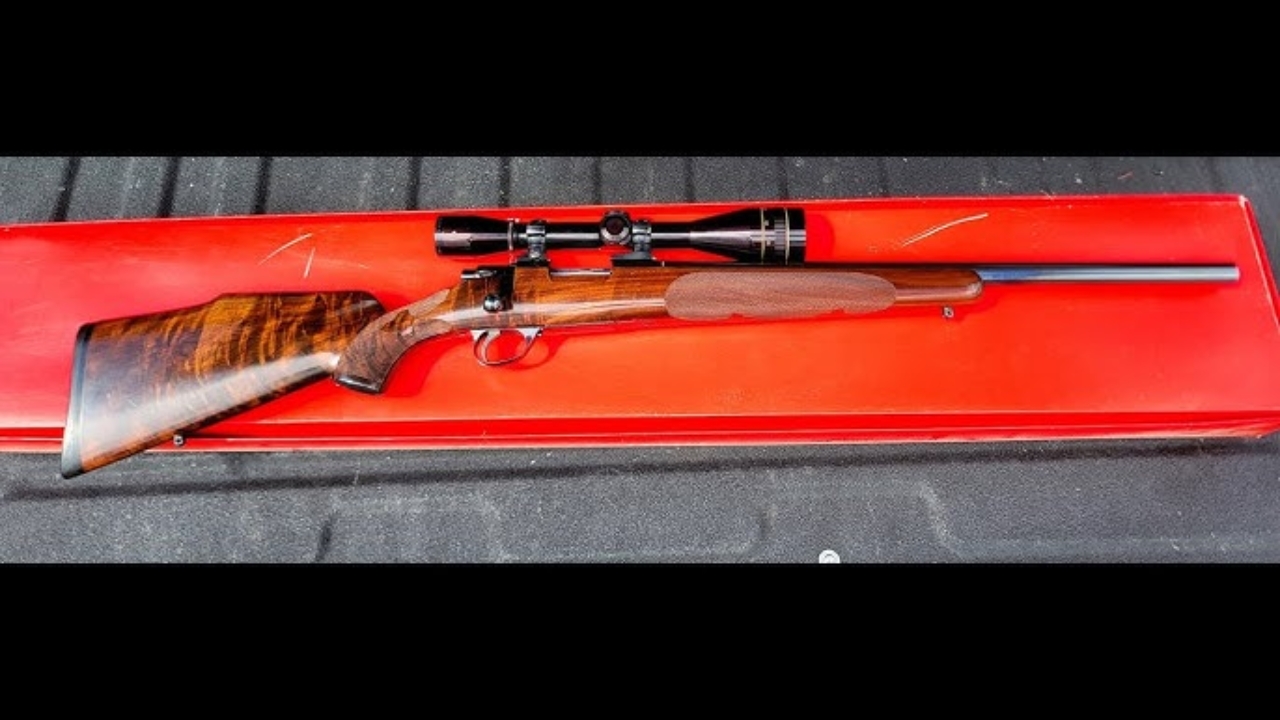
The M595 came from an era when Tikka rifles had a little more traditional substance to them. The action was smooth, the trigger was excellent, and the rifle had a solid, refined feel without becoming excessively heavy.
The later T3 series became enormously successful because it was lighter and cheaper to manufacture, but it also introduced more polymer and a more standardized action approach. The T3x improved several of those details, yet shooters who have handled a good M595 often notice the difference immediately. The older rifle feels more like a premium sporting gun and less like an efficiently produced modern hunting rifle. Tikka’s newer rifles are excellent, but the company arguably traded away some mechanical character in pursuit of production efficiency. The M595 deserved to remain part of the lineup.
Ruger 77/22

The original 77/22 was built like a real centerfire hunting rifle scaled down for rimfire use. It had a proper bolt action, substantial receiver, traditional stock, and Ruger’s rotary magazine system. That made it feel much more serious than the average .22.
When Ruger moved toward newer rimfire bolt designs, the 77/22 gradually disappeared from the spotlight. The newer rifles are affordable and practical, but they do not have the same sense of permanence. The old 77/22 was the kind of rimfire someone bought once and kept for life. Its proportions also made it useful as a training rifle for centerfire hunters. Ruger should have kept refining that design rather than allowing the more economical American Rimfire to become the dominant bolt-action .22 in the catalog.
Winchester 9422
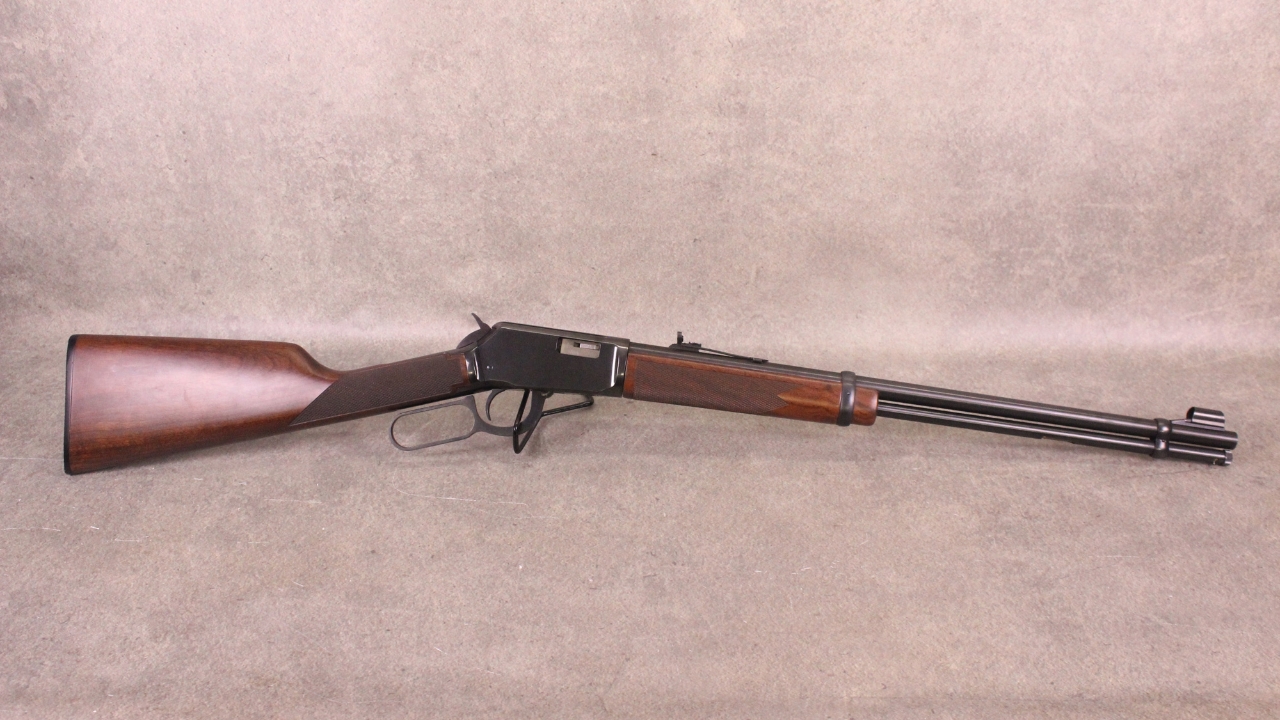
The 9422 was one of the finest rimfire lever guns ever produced, and Winchester never really replaced it with anything equivalent. It had a smooth action, excellent fit, and the kind of machining quality that made the rifle feel much more substantial than an ordinary plinker.
Production cost eventually worked against it, but that does not mean the design itself needed to disappear. The rifle already had a loyal market and a reputation strong enough that clean examples now command serious money. Winchester could have modernized production while keeping the same basic action, proportions, and quality target. Instead, the 9422 became another discontinued classic whose used value proves demand never completely went away. That is usually a sign the rifle was changed out of existence rather than improved.
Marlin Model 39A
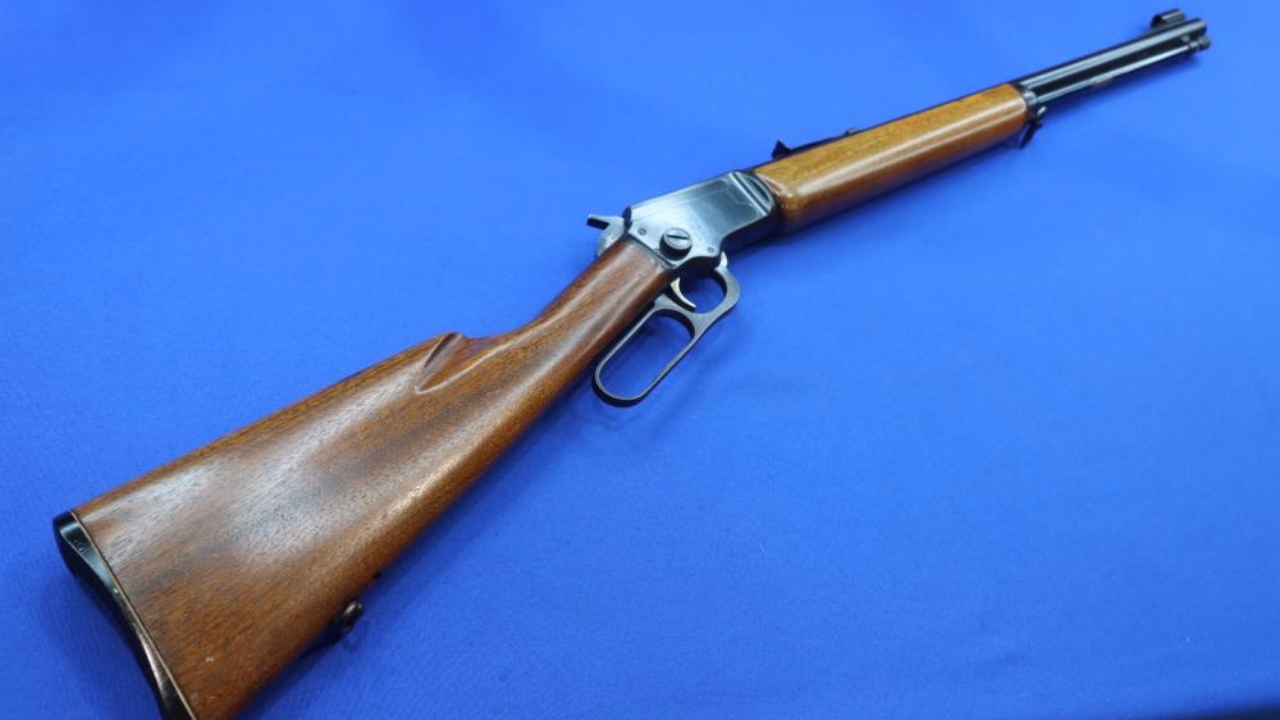
The 39A lasted for generations because the basic design was already right. It was a takedown lever-action .22 with forged-steel construction, excellent balance, and a smooth action that improved with use.
What changed was not so much the rifle itself as the market around it. Production became increasingly expensive, and eventually the model disappeared. The problem is that nothing truly replaced it. Modern rimfire lever guns may be lighter and cheaper, but they rarely offer the same mechanical quality or heirloom feel. Marlin should have found a way to preserve the 39A as a premium rimfire rather than letting it vanish. The fact that used examples remain so desirable shows that buyers still understand what was lost.
Savage Model 99
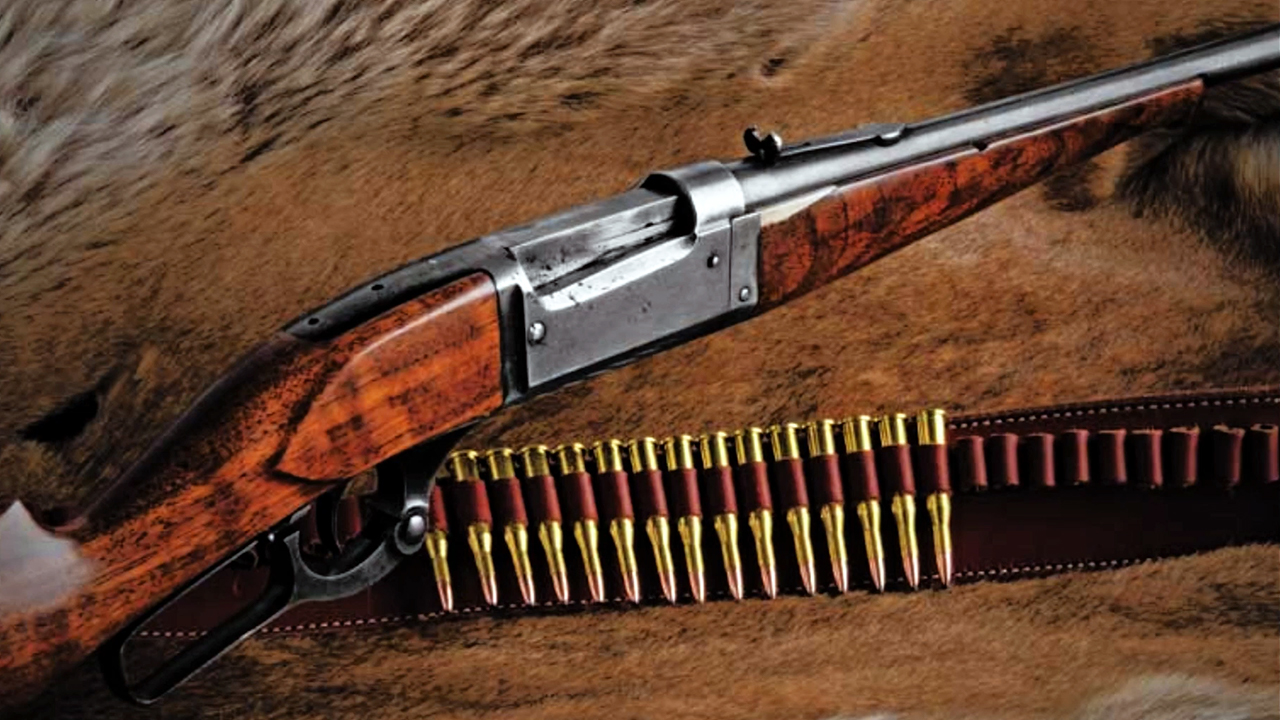
The Model 99 was one of the most advanced lever rifles of its era, using a rotary or later detachable magazine to allow pointed bullets and modern centerfire cartridges. It handled well, carried flat, and gave hunters a lever gun that was not tied to traditional tubular-magazine limitations.
Later versions tried to reduce production cost, and some of the older refinement disappeared before the rifle was finally discontinued. That was unfortunate because the basic design still had real value. A modernized Model 99 with updated metallurgy, optics mounting, and carefully controlled production could have remained relevant. Instead, Savage abandoned one of the most distinctive rifles in its history. The market today is full of renewed interest in lever guns, which makes the decision look even more shortsighted.
Remington 760 Gamemaster

The 760 Gamemaster had a smooth, quick pump action and a traditional hunting-rifle feel that made it extremely popular in parts of the country where fast follow-up shots mattered. It was slim, balanced, and chambered in serious deer cartridges.
The later 7600 kept the basic concept alive, but changes in furniture, finish, and general production feel made some hunters prefer the older rifles. The original 760 had a cleaner, more classic appearance and often felt more carefully put together. Remington did not need to reinvent the pump rifle. The company simply needed to keep producing a well-finished, reliable version with strong parts support. Instead, the platform gradually became more utilitarian and eventually disappeared from regular production. That left a gap no major manufacturer has really filled.
Browning BAR Type I
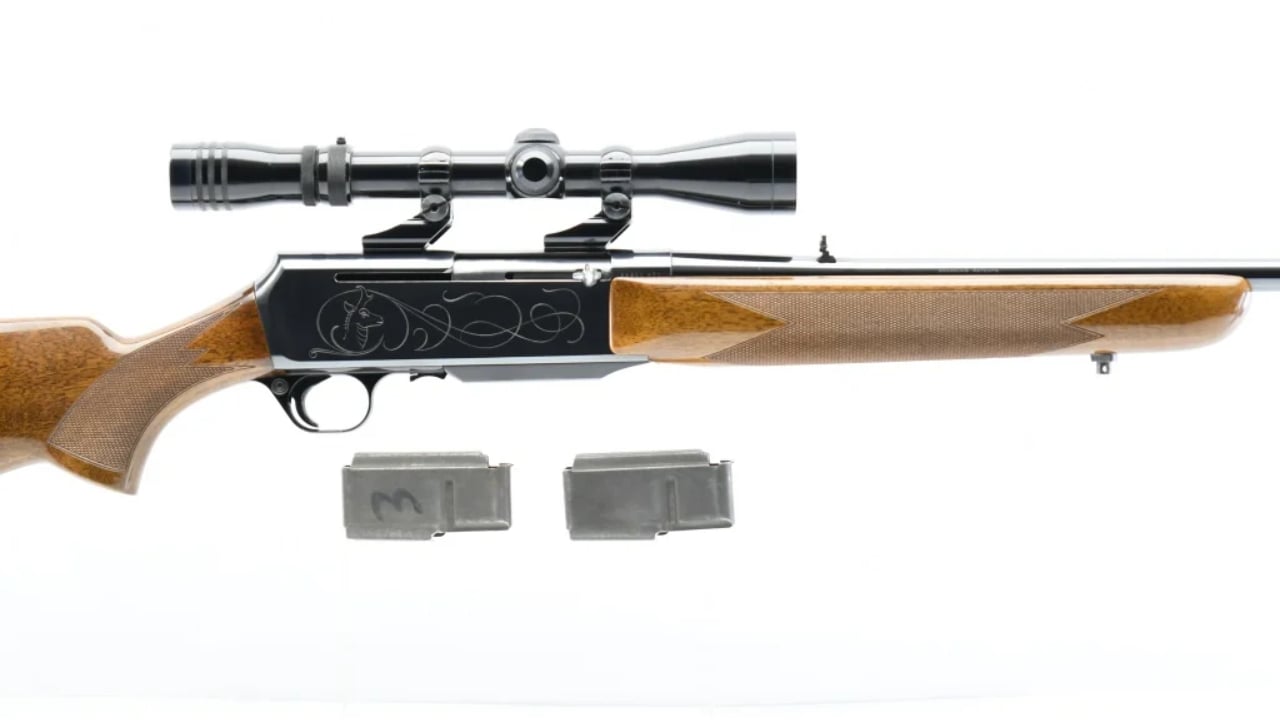
The early BAR sporting rifles had a level of elegance that helped separate them from military-looking semiautomatics. Walnut stocks, polished receivers, and a surprisingly smooth gas system made them feel like proper hunting rifles that happened to load themselves.
Later BAR generations became lighter and more modern, but some of that old character disappeared. The original rifles also had a substantial weight that helped soften recoil in cartridges such as .30-06 and .300 Win Mag. The modern versions are practical, yet the early BARs had a balance between refinement and function that made them special. Browning should have preserved a true classic version rather than letting the design evolve almost entirely toward newer styling. Hunters still wanting that original experience are now left chasing used rifles.
Ruger No. 1
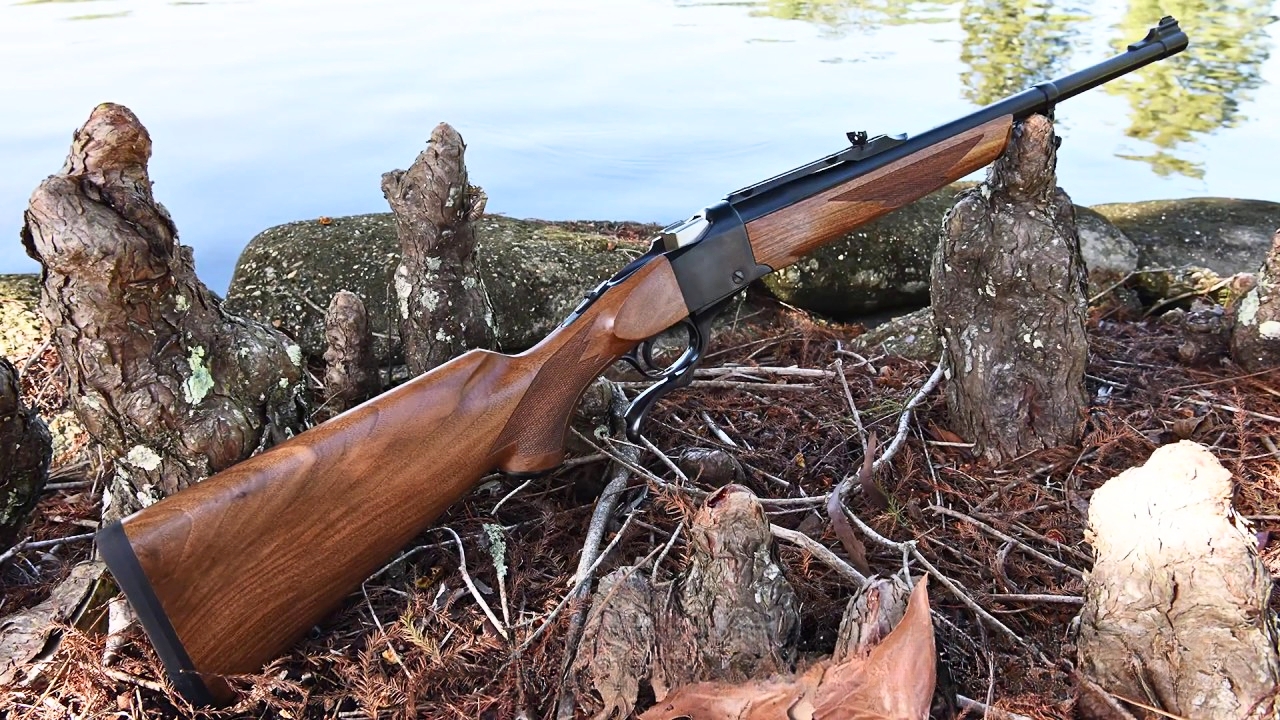
The No. 1 remains in limited production, but Ruger has changed availability and chambering selection enough over the years that the rifle no longer feels like the broad, permanent flagship it once did. That is a shame because the basic falling-block design never needed much alteration.
The strength of the No. 1 was always its simplicity, compact overall length, and traditional appearance. The rifle could handle everything from mild deer cartridges to serious dangerous-game rounds without changing its core identity. Rather than cycling chamberings unpredictably or limiting availability, Ruger should have maintained a stable group of classic configurations and let the rifle remain what it always was. A product does not have to be high volume to be worth preserving, especially when it carries this much brand identity.
Weatherby Mark V German-Made Deluxe

The early German-made Mark V Deluxe rifles established much of what people still picture when they hear the Weatherby name. The glossy walnut, deep blue, skip-line checkering, and distinctive stock shape were unapologetically Weatherby.
Later rifles improved manufacturing consistency and offered lighter materials, but they also moved farther from the original identity. That may have made sense for mountain hunters, yet Weatherby already had other ways to build lighter rifles. The classic Deluxe formula should have remained essentially untouched as the traditional flagship. When buyers pay premium money for a Weatherby, many still want the visual and mechanical personality that built the brand. Modernizing everything risks turning an iconic rifle into just another high-end bolt gun.
Steyr Mannlicher Model M
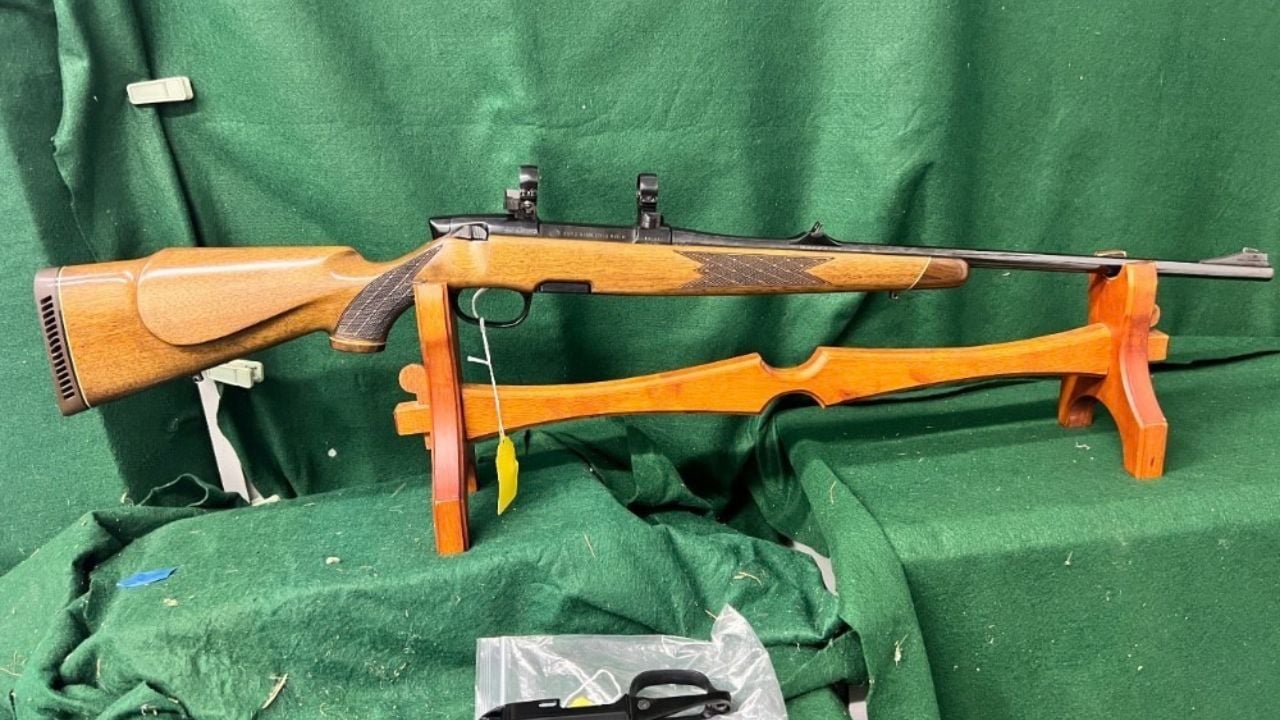
The Model M had one of the smoothest actions and most distinctive stock designs in the sporting-rifle world. It felt European in the best possible way, with excellent fit, a butter-smooth bolt, and an identity unlike almost anything made in America.
Later Steyr rifles became more modular and synthetic, which improved practicality but also stripped away some of that old-world character. The Model M was never trying to be the lightest or cheapest rifle. Its appeal was refinement. That made it the wrong rifle to modernize aggressively. Steyr could have kept the original concept alive alongside newer synthetic models instead of letting the classic format fade. A rifle with that much personality should not have been treated as something that needed fixing.
CZ 550
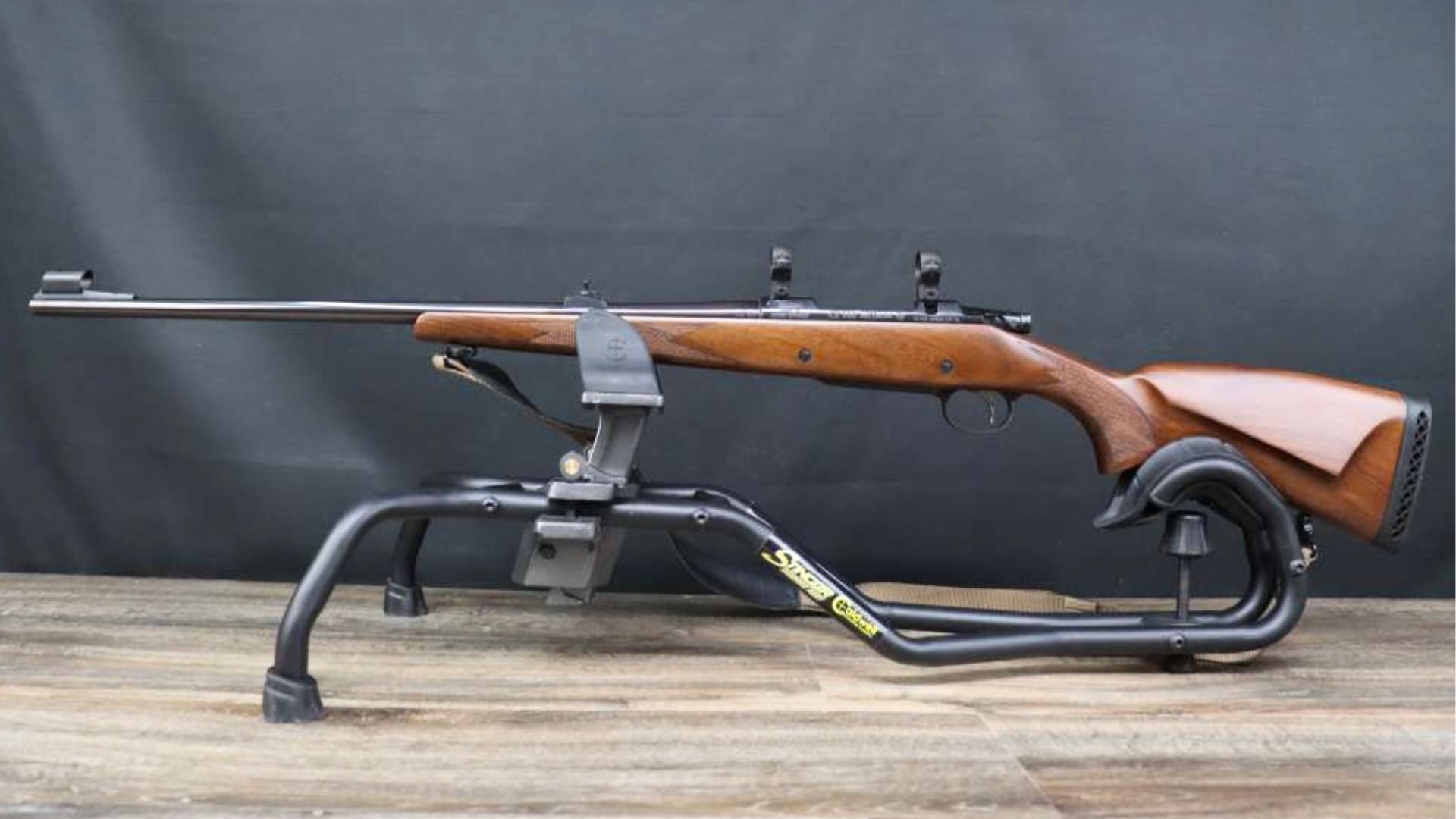
The CZ 550 developed a strong following because it offered controlled-round feed, substantial construction, excellent large-caliber capability, and traditional styling at prices below many premium safari rifles. It was especially respected in dangerous-game chamberings.
The CZ 600 series replaced it with a much more modern design, but the 550 had already established exactly what many traditional hunters wanted. The big claw extractor, integral scope bases, and old-school action gave it a sense of mechanical confidence that newer modular systems do not necessarily improve upon. CZ should have kept the 550 alive as the traditional controlled-feed option while developing the 600 alongside it. Ending one to promote the other eliminated a rifle with a clear purpose and loyal audience.
Kimber 84M Montana

The 84M Montana became popular because it delivered a legitimately lightweight hunting rifle without feeling like a bulky standard action stuffed into a light stock. The action was scaled properly for short cartridges, and the rifle carried exceptionally well in rough country.
Later Kimber changes and model reshuffling diluted that clean identity. The Montana was not perfect, and individual accuracy could vary, but the concept was excellent. A truly light rifle with a compact action and straightforward synthetic stock filled a specific niche. Instead of continually changing configurations, Kimber should have focused on consistency and kept the Montana as a stable core model. When hunters remember a discontinued configuration more fondly than what replaced it, that usually says something about how well the original formula worked.
Remington Nylon 66

The Nylon 66 was radical when it appeared because its synthetic construction was far ahead of the market. It was light, durable, reliable, and different enough that no other rimfire really duplicated its personality.
Remington eventually discontinued it rather than evolving it carefully. That looks especially unfortunate now because synthetic-stocked rifles dominate the market. The company had already proven decades earlier that shooters would accept unconventional materials if the rifle worked. A modern Nylon 66 with improved sights, updated manufacturing, and the same basic handling could have been an outstanding lightweight rimfire. Instead, the design was left in the past while far less distinctive .22s filled the shelves. Remington should have refined the concept, not abandoned it.
Like The Avid Outdoorsman’s content? Subscribe to our newsletter so you never miss an article.
Here’s more from us: