Photo credit: Cubic/YouTube
There is a certain kind of rifle that almost nobody appreciates while it is sitting brand new on a dealer’s rack. The price looks too high, a cheaper alternative performs roughly the same job, and buyers convince themselves they can always come back for one later. Then production ends, imports stop, or the manufacturer moves in another direction. Suddenly, the rifle everyone called overpriced becomes the one collectors cannot quit searching for.
That does not mean every expensive discontinued semiautomatic rifle is destined to appreciate. Condition, originality, production variation, and overall collector demand still matter enormously. But history has been particularly kind to rifles that offered unusual engineering or represented the only practical civilian version of a famous military platform. These are 20 rifles I would have a very hard time dismissing today simply because people complained about their prices when they were new.
Heckler & Koch HK91

The HK91 was never the inexpensive option. Even during the 1970s, when American shooters could buy all sorts of military-style semiautomatics for considerably less money, the German roller-delayed rifle carried a premium price. One American Rifleman retrospective notes that an HK91A4 cost the author $500 in 1976, which was substantial money for a semiautomatic rifle at the time. U.S. importation later ended in 1989.
That changes the way I look at every clean HK91 now. It is not merely another .308 semiautomatic when numerous later rifles can fill that role. Original HK manufacture, roller-delayed operation, Cold War history, and a finite supply separate it from modern substitutes. I would especially want an unmodified rifle with the proper furniture and accessories. Plenty of people once complained about HK prices. Those buyers would probably love the opportunity to see those old price tags again.
Heckler & Koch HK93
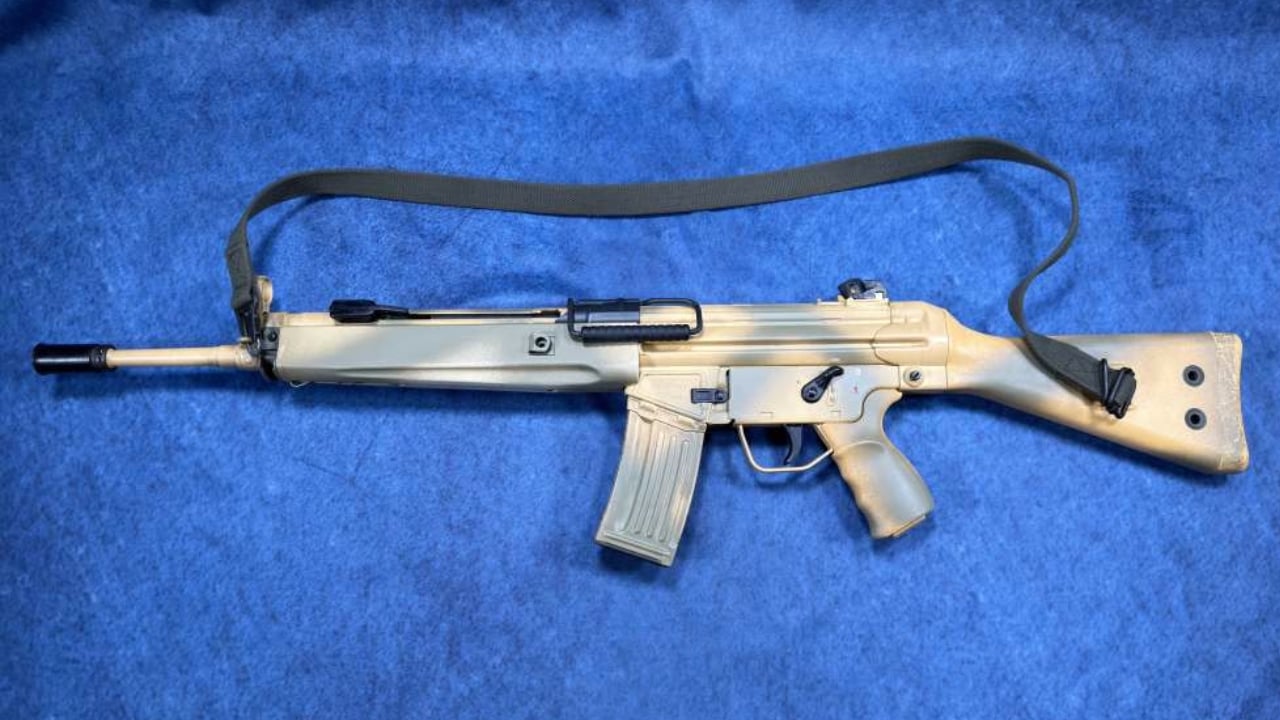
The HK93 suffered from the same problem as its larger HK91 sibling. It was a beautifully manufactured German rifle competing in a market where less expensive 5.56mm rifles already existed. Buyers could look at an AR-pattern rifle and reasonably ask why they should spend significantly more just to get HK’s roller-delayed operating system.
Time answered that question differently. The HK93 was part of the company’s original American 90-series lineup, and imports ended with the same 1989 changes that affected rifles such as the HK91.
Now an original HK93 offers something another AR cannot replicate regardless of how well the AR shoots. The stamped receiver, roller system, distinctive furniture, and genuine West German production put it in a different collector category. I would be especially cautious about permanent modifications. An untouched HK93 is far harder to recreate than an accurate modern 5.56 rifle.
Valmet Model 76
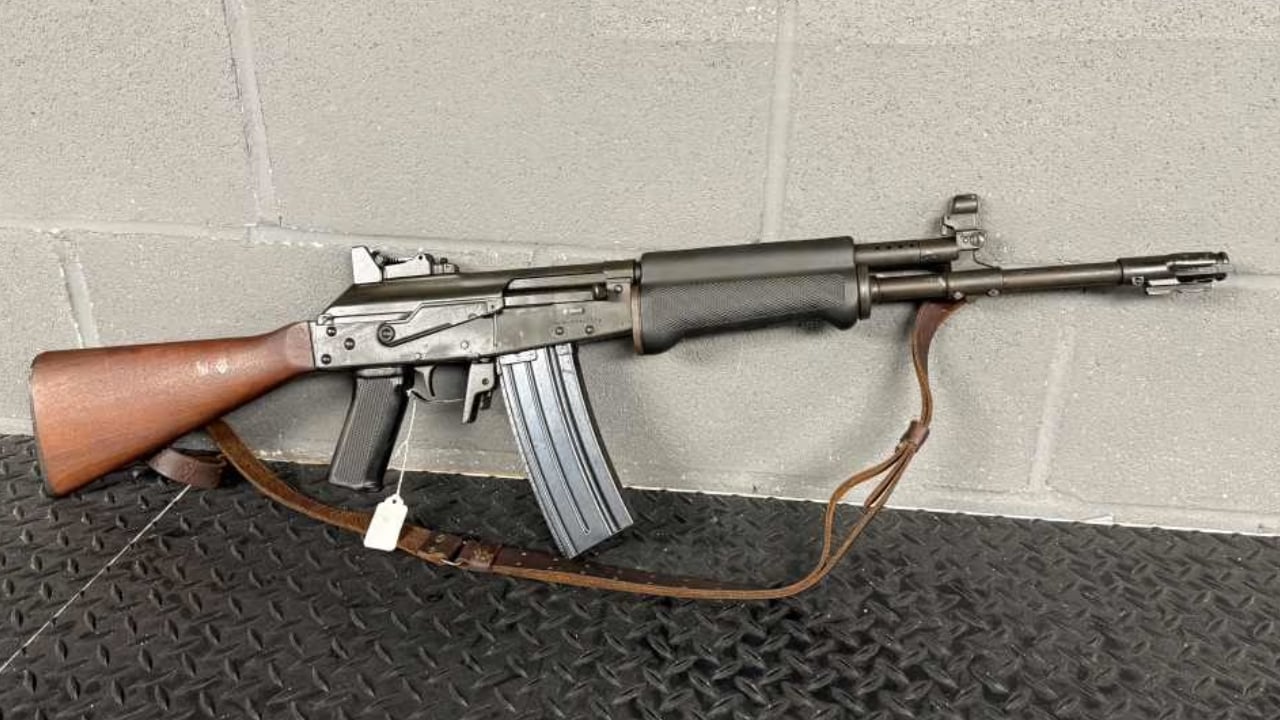
Valmet rifles were expensive because Finnish manufacturing was never trying to compete with the cheapest AK on the rack. The Model 76 combined the Kalashnikov operating system with excellent fit, distinctive sights, quality furniture, and production standards that made it feel like a much more refined rifle.
The Model 76 was produced from 1976 through 1986, and further importation of AK-type Valmets ended after 1989. The rifles were available in .223 Remington, .308 Winchester, and 7.62×39, with multiple stock and receiver configurations.
That variety makes today’s market much more interesting. A folding-stock rifle, milled example, or uncommon chambering can be significantly tougher to find than a basic fixed-stock .223. Original proprietary magazines for the .223 and .308 versions are also scarce. The rifle people once rejected because a cheaper AK existed is now one of the AK-family guns collectors most want to inspect closely.
IMI Galil ARM
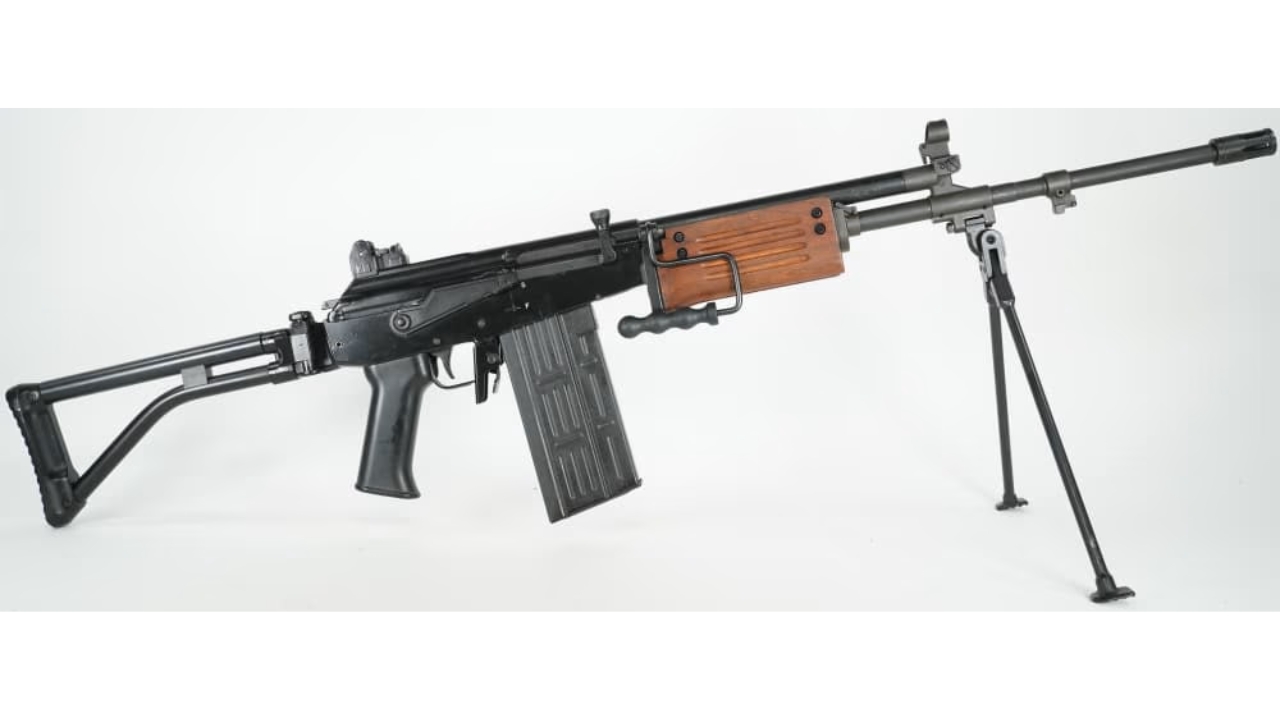
Original Israeli Galils were never budget rifles in the American market. Their milled receivers, folding stocks, distinctive handguards, and high manufacturing cost put them well above many other 5.56 semiautomatics. The ARM added even more hardware, including the bipod and carrying handle, making it heavy, expensive, and easy for buyers to dismiss when lighter rifles were everywhere.
That perspective looks very different today. Fewer than 10,000 original IMI-made semiautomatic Galils of all versions were imported into the United States, and import restrictions eventually stopped the flow.
I would particularly value an ARM that remains in the correct configuration with its original furniture and components. Modern Galil ACE rifles keep the broader family alive, but they are not replacements for early Israeli production. What once looked unnecessarily heavy and expensive now looks like one of the most distinctive Cold War semiautomatics ever offered here.
SIG Sauer 556 Classic
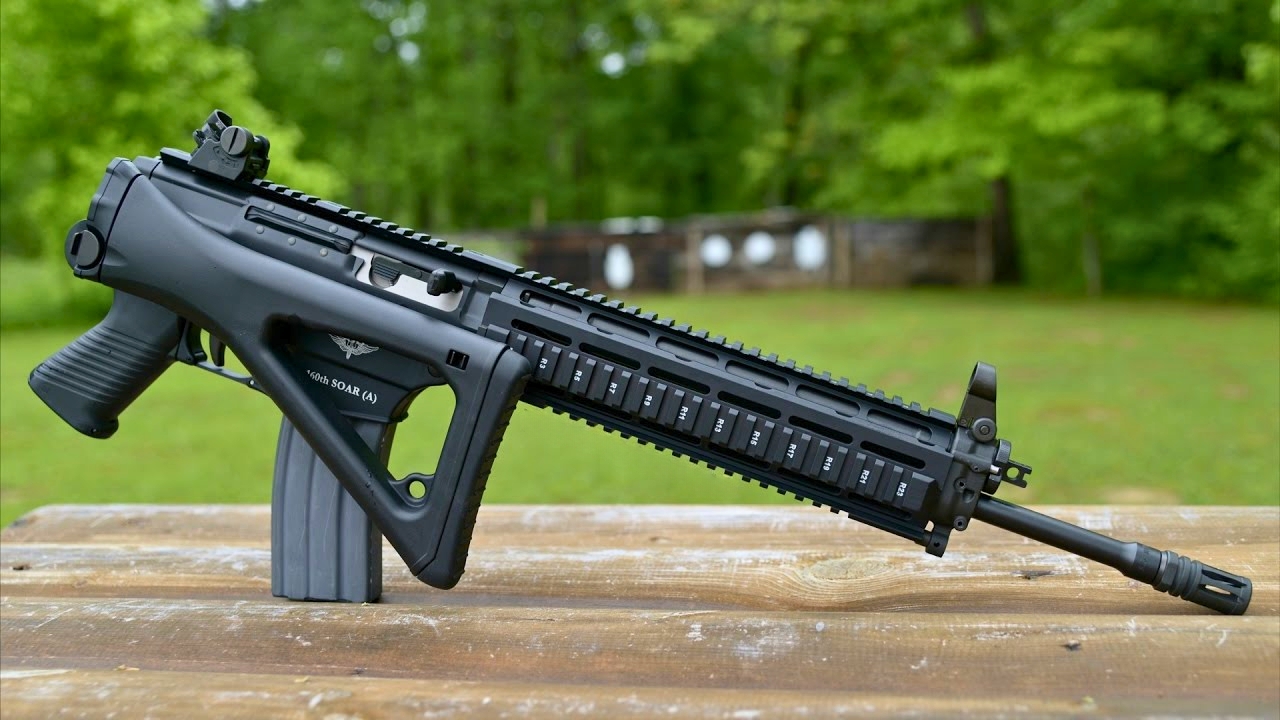
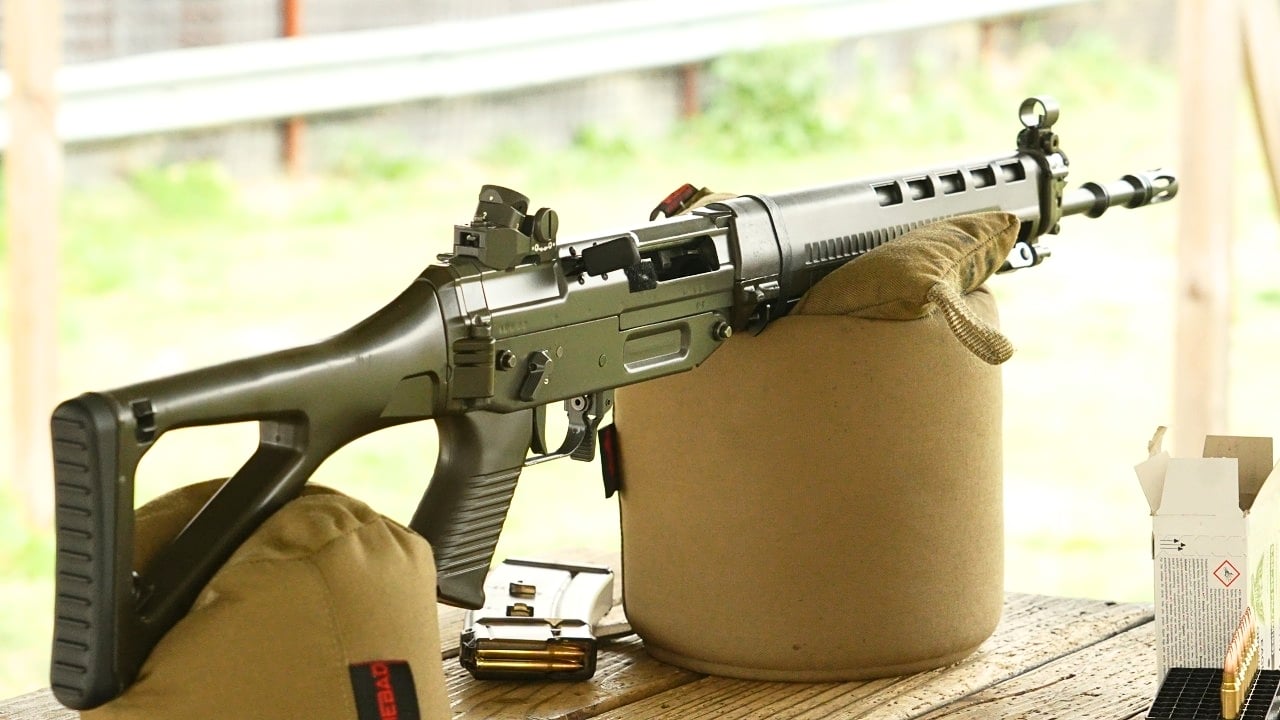
The original American SIG 556 disappointed some buyers precisely because expectations were almost impossibly high. American enthusiasts wanted something that looked exactly like Switzerland’s legendary SIG 550 series. The initial 556 instead used AR-pattern magazines, an aluminum lower, and furniture that looked noticeably less Swiss.
SIG eventually moved closer to what enthusiasts wanted with the 556 Classic. American Rifleman described the Classic as the first time in roughly two decades that a rifle much closer to the Swiss 550 appearance had been available here in meaningful numbers.
The irony is that people who once criticized the 556 family for being expensive and not Swiss enough now chase the better configurations because production ended. A clean Classic with the proper folding furniture suddenly looks much more appealing when the alternative is searching for one of the extremely costly original Swiss rifles.
Steyr AUG USR
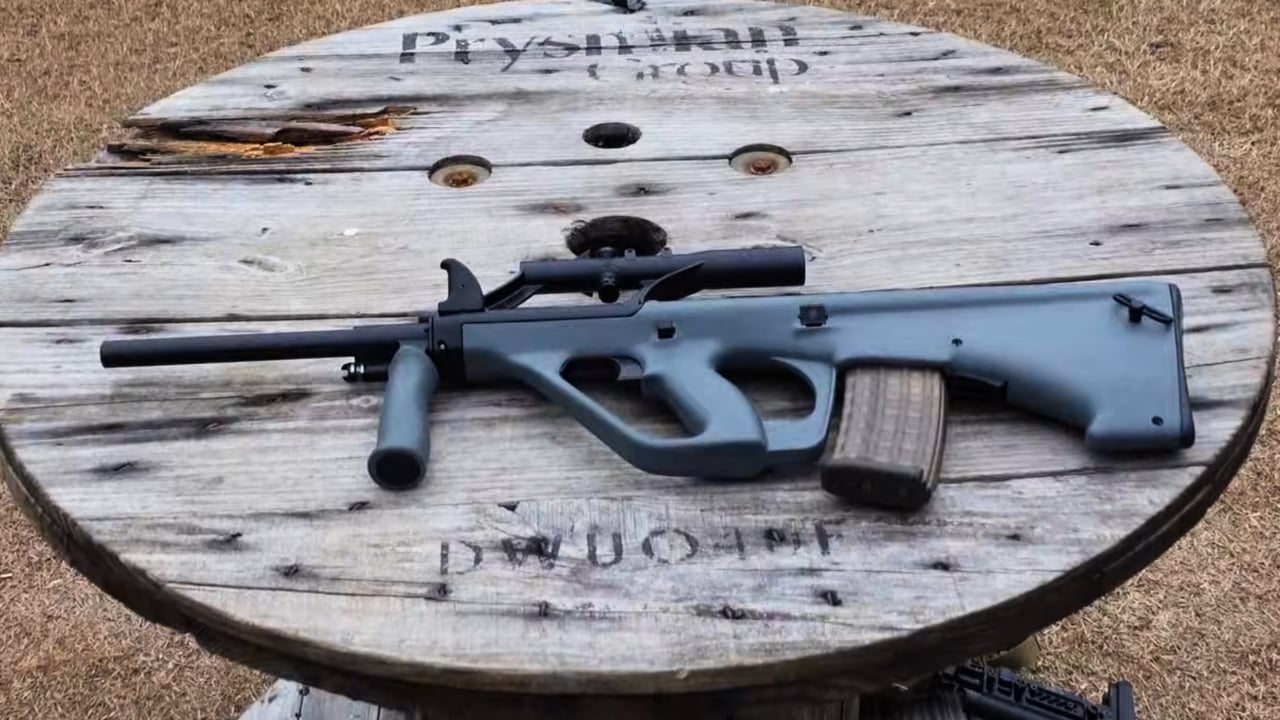
The USR may be the perfect example of a rifle buyers disliked for all the wrong reasons. It was created to satisfy American import restrictions, which meant the classic AUG received a thumbhole-style stock and other changes that made purists complain immediately. Even worse, it was still expensive.
Only about 3,000 USRs entered the United States before importation was terminated. That number changes the conversation dramatically.
The USR is no longer merely the awkward AUG variant nobody wanted. It is a short-production factory Steyr tied directly to a complicated period in American semiautomatic-rifle history. I would want one as close to its original factory configuration as possible because many owners understandably modified them. Once collectors begin caring about what the rifle actually represented, the supposedly undesirable configuration becomes exactly what makes it distinctive.
Heckler & Koch SL8-1
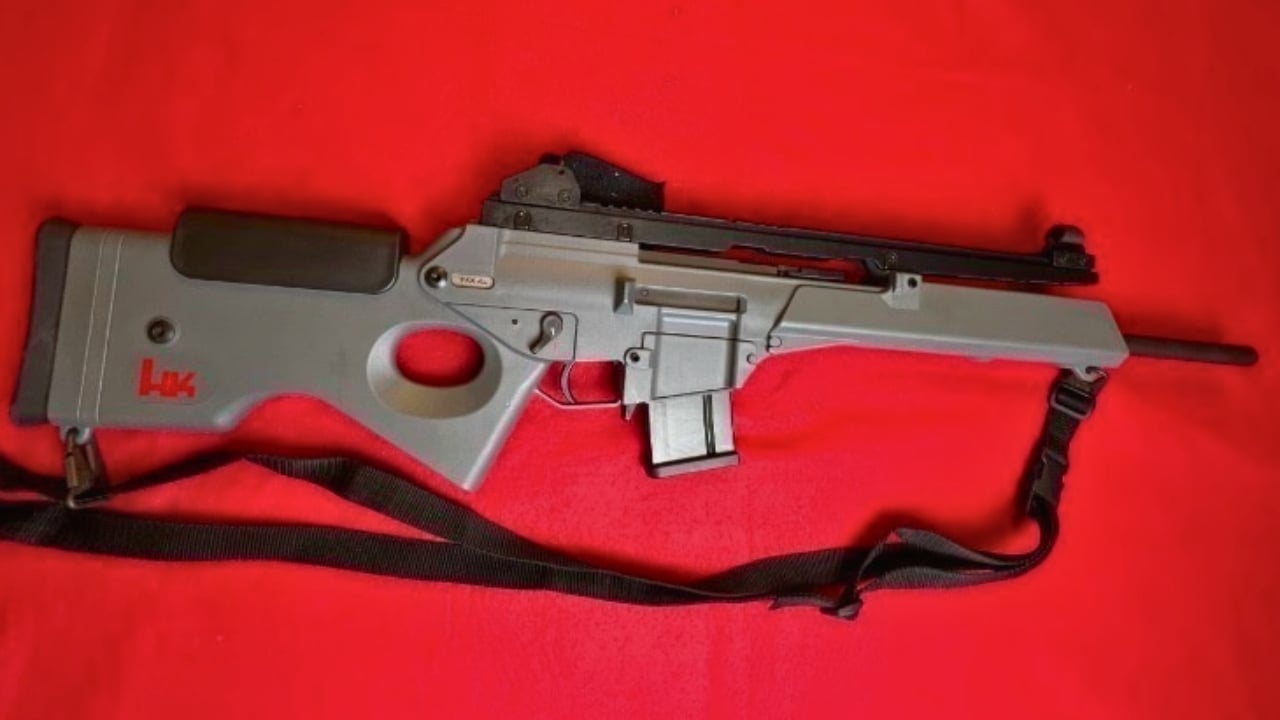
The original gray SL8-1 received almost relentless criticism when it appeared. Shooters wanted a civilian G36. Instead, they got a thumbhole-stocked sporting rifle using the G36’s operating system but redesigned heavily enough to comply with import requirements. It looked strange, cost a lot, and was immediately compared with cheaper AR-15s.
The original SL8-1 entered the U.S. market from 1998 to 2004 and again from 2006 through 2008. HK later brought the concept back as the black SL8-6 in 2021, but that model has since disappeared from HK USA’s current catalog as well.
I find the early gray rifle much more interesting today precisely because everybody disliked its appearance. Many were modified toward G36 styling. An untouched SL8-1 has become a snapshot of the exact regulatory environment that forced HK to build it that way.
FN FS2000
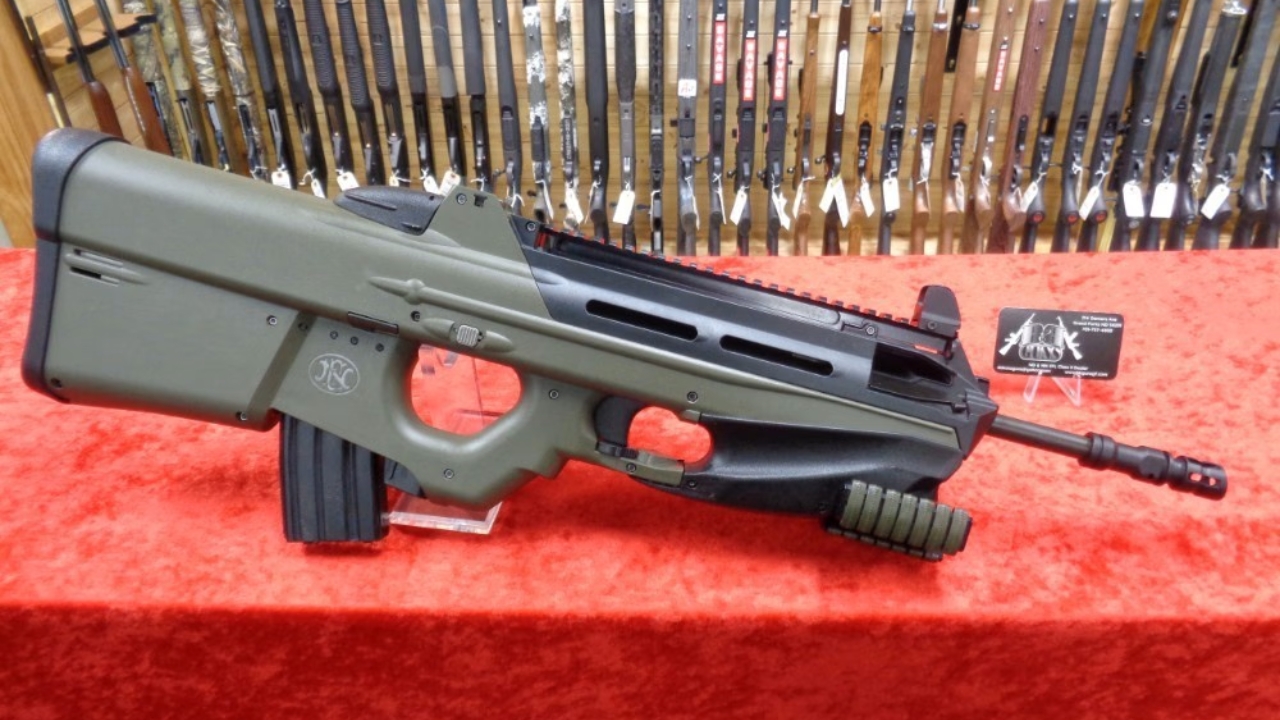
The FS2000 looked like something from a science-fiction movie when FN released it, and its price did not help skeptical buyers. Bullpups were still far outside the American mainstream, replacement parts were proprietary, and an AR-15 could accomplish most practical tasks for substantially less money.
What buyers missed was how few rifles offered anything remotely similar. The FS2000 used the civilian version of FN’s F2000 concept, putting the action behind the trigger while using a forward-ejection arrangement and extremely distinctive polymer bodywork. FN still listed the FS2000 among its American semiautomatic rifles in the mid-2010s, but it subsequently disappeared from the lineup.
There is no current FN product that really replaces it. That matters. A rifle can seem overpriced while it is sitting beside dozens of conventional alternatives and become fascinating once people realize the manufacturer has no intention of building anything like it again.
Bushmaster ACR

Few rifles suffered from expectations quite like the ACR. The original Magpul Masada concept created enormous excitement because shooters were promised modularity, quick-change barrels, modern ergonomics, and a platform that might challenge established designs. By the time Bushmaster brought the ACR to market, the Enhanced model carried a suggested retail price above $3,000.
That price became part of the rifle’s reputation. Buyers complained that the ACR cost too much while many of the promised caliber options never became widely available. For years, that criticism overshadowed the actual rifle.
Then production stopped, and suddenly the ACR became something people wished had survived. Its folding adjustable stock, monolithic upper, ambidextrous controls, and quick-change architecture still look modern. The rifle everybody accused of arriving too expensive now represents one of the major “what could have been” stories of the modern semiautomatic market.
Daewoo DR200
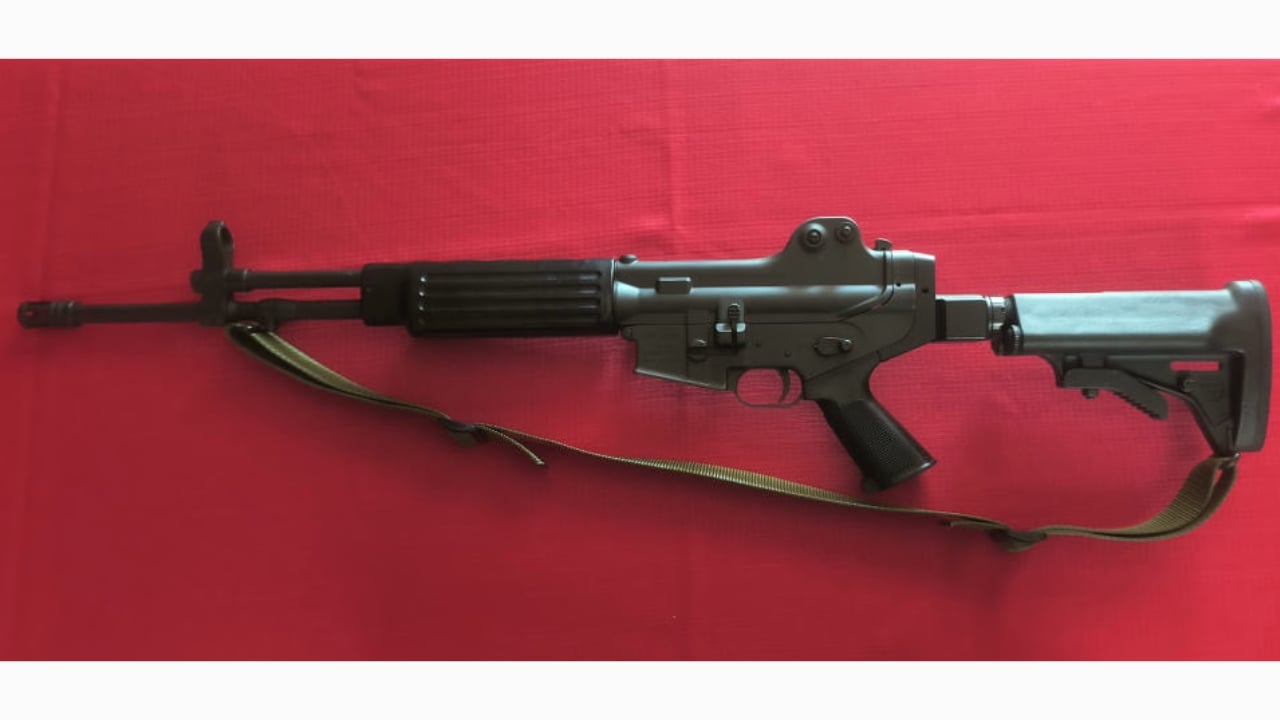
The DR200 spent years being treated like the strange Korean rifle on the used rack. The thumbhole stock of imported examples did not help its appearance, and the Daewoo name never carried the instant recognition of Colt, HK, or FN among average American buyers.
Underneath the awkward furniture was a design connected to South Korea’s K2 service rifle, combining features that reminded shooters of both AR-pattern and piston-operated military rifles. Once imports ended, there was no continuous supply to keep prices and availability ordinary.
That is where experienced buyers started paying attention. Original rifles are finite, factory-specific parts are not sitting in every gun shop, and many examples were modified because owners wanted them to look closer to the military K2. I would be particularly interested in a clean DR200 retaining its correct factory pieces. Yesterday’s strange import has become tomorrow’s difficult rifle to replace.
Beretta AR70 Sport
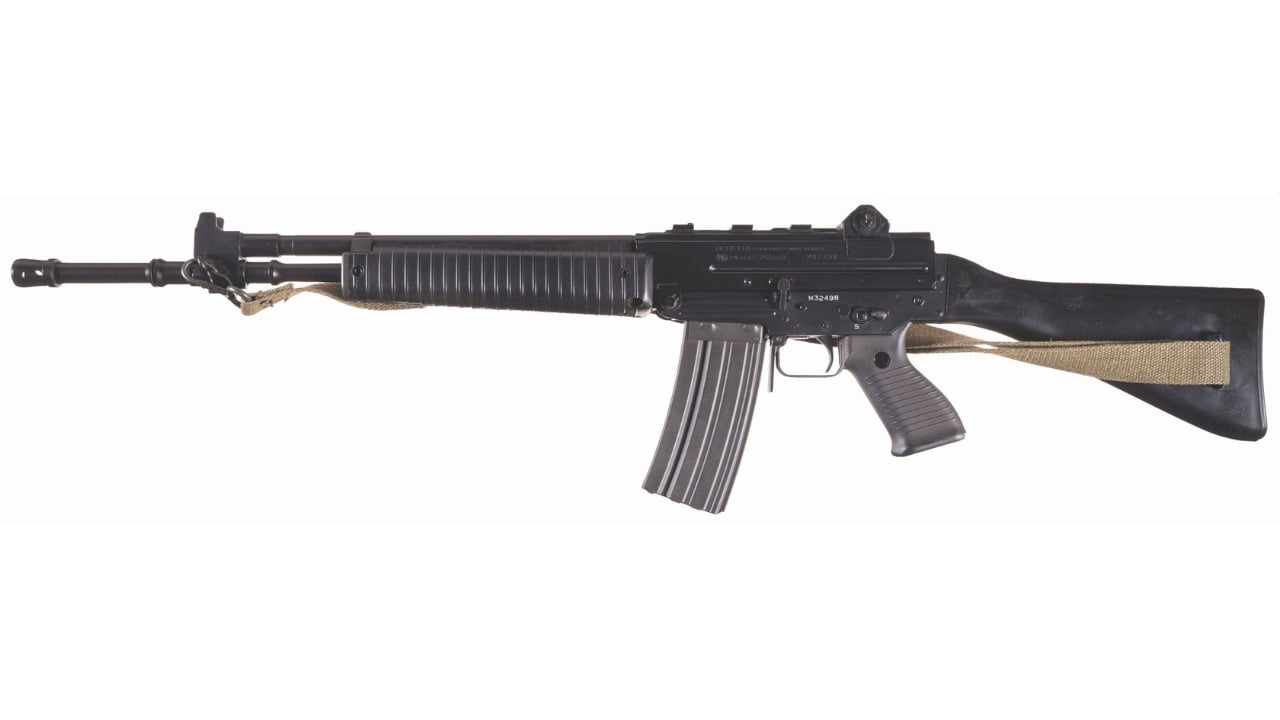
The Beretta AR70 is one of the best examples of a rifle being overlooked because the brand is associated so strongly with something else. American shooters knew Beretta for handguns and shotguns, while its 5.56mm military rifle remained obscure.
The AR70 was developed during the 1970s after Beretta studied contemporary designs including the AR-15 and AR-18. American Rifleman notes that the rifles saw relatively little exposure in the United States and that surviving examples can command significant collector interest because they are no longer imported.
That is exactly the type of rifle I would stop for today. Genuine Beretta production, Cold War history, and limited American availability mean there is no reason to assume another one will appear shortly. A rifle once criticized for costing too much compared with familiar American alternatives can become very attractive after the supply is permanently fixed.
FN FNC

The FNC had an almost impossible job in the American civilian market. FN’s reputation was excellent, but the rifle was competing against the increasingly dominant AR-15 while carrying the price of a European import. Shooters who simply wanted a 5.56 semiautomatic had cheaper and more familiar choices.
That helped keep civilian FNC numbers relatively limited, and original rifles have become increasingly desirable among collectors interested in Cold War military designs. The platform occupies an important place between FN’s older battle-rifle era and the company’s later generations of modern 5.56 rifles.
What I like most about the FNC now is that nothing else quite substitutes for it. An AR may be easier to support and customize, but that misses the point entirely. Someone looking for an FNC wants the FN design itself. That is usually the moment when an expensive old import stops competing on practical value and starts competing on history.
Robinson Armament M96 Expeditionary Rifle
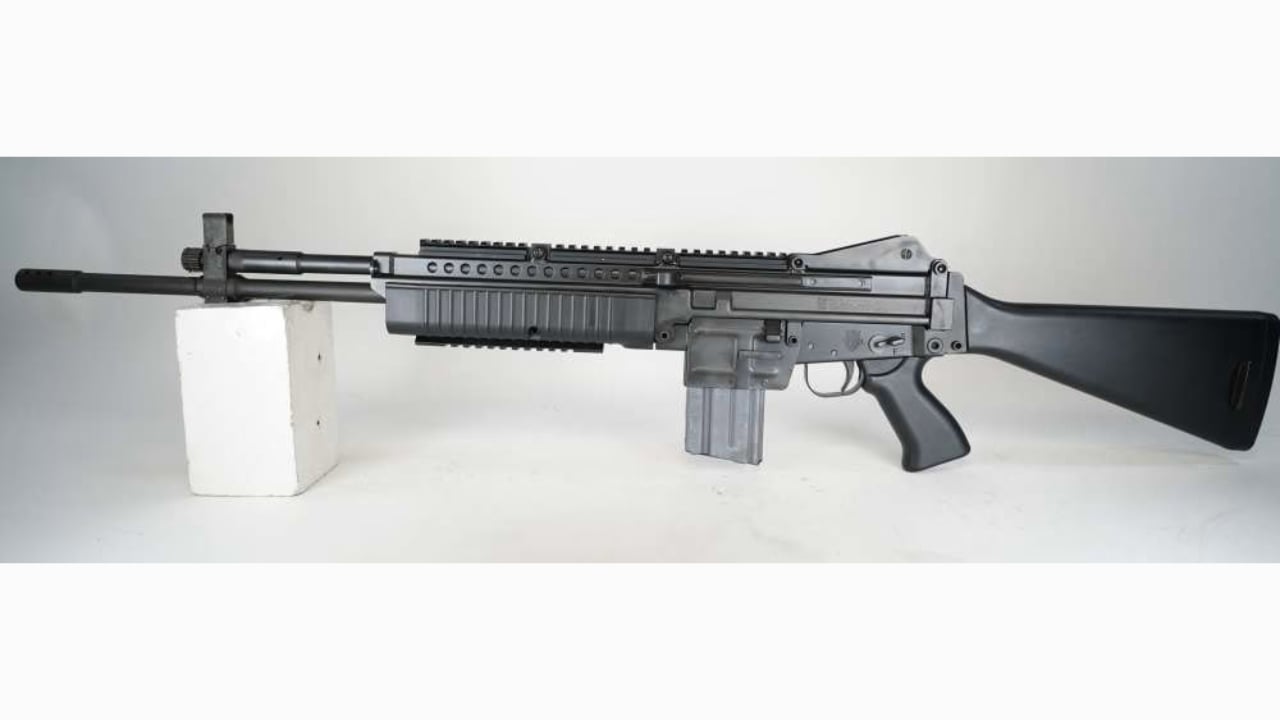
The M96 is almost custom-built for this headline. It was an expensive rifle from a relatively small American manufacturer, based loosely around the ideas of the Stoner 63 system. That gave buyers a modular-looking rifle with unusual construction at a time when inexpensive AR-15s already had overwhelming aftermarket support.
Production eventually ended, with sources placing the M96’s run from 1999 through 2011. The rifle was manufactured in several configurations, including the standard Expeditionary Rifle and unusual top-fed setups.
Now the exact things that made it risky when new make it collectible. It came from a small production run, looks unlike almost anything else, and represents one of the relatively few attempts to bring a Stoner 63-inspired concept to ordinary civilian shooters. Original accessories and configuration matter because replacement components are hardly abundant.
ArmaLite AR-180
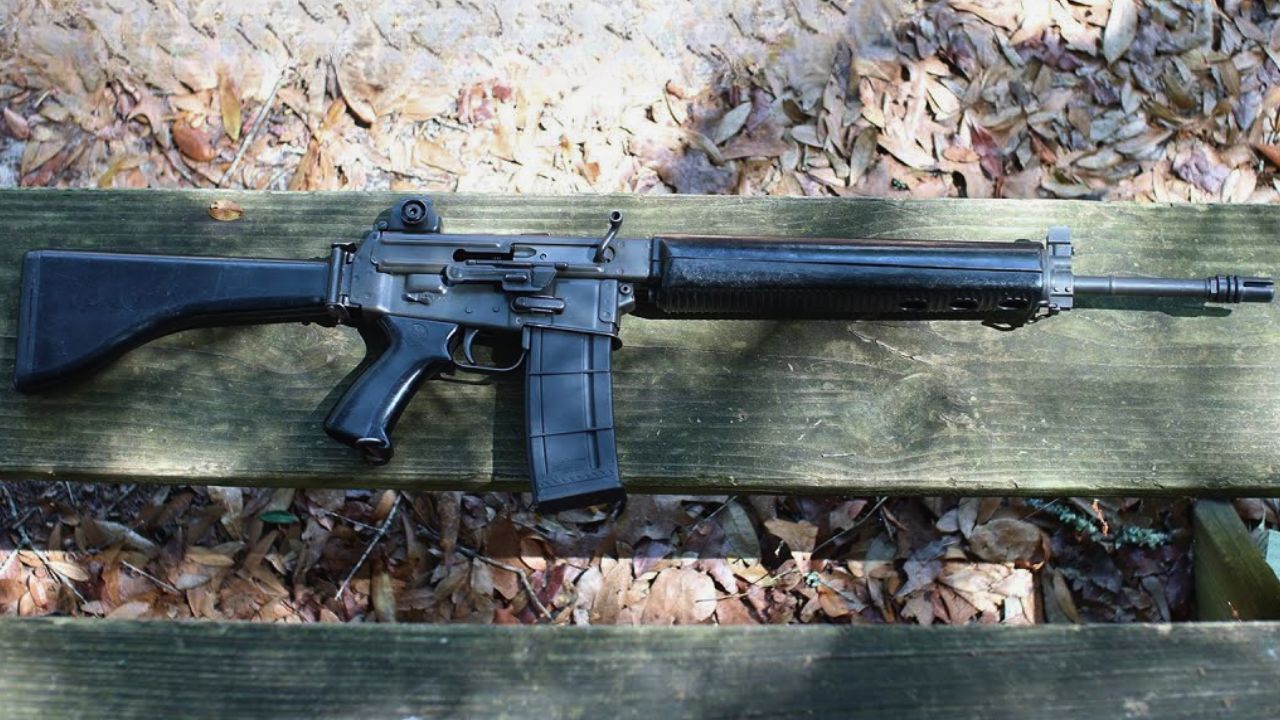
The AR-180 was supposed to offer a less expensive, easier-to-manufacture alternative to the AR-15 concept. Instead, it spent years in the shadow of the rifle it was supposed to challenge. Its stamped-and-welded construction looked cheap to buyers accustomed to machined receivers, and production moved among ArmaLite, Howa, and Sterling without ever reaching enormous numbers.
That limited production has become a major part of the attraction. Only 4,018 AR-180s were built in Costa Mesa, followed by 3,927 Howa rifles and 12,362 Sterling examples. Total original AR-180 production was just 21,478 rifles.
The design’s influence also looks far more impressive in hindsight. Features of the AR-18/180 operating system influenced numerous later rifles. A rifle people once viewed as the cheaper alternative is now valuable partly because history proved its engineering mattered.
Heckler & Koch HK770
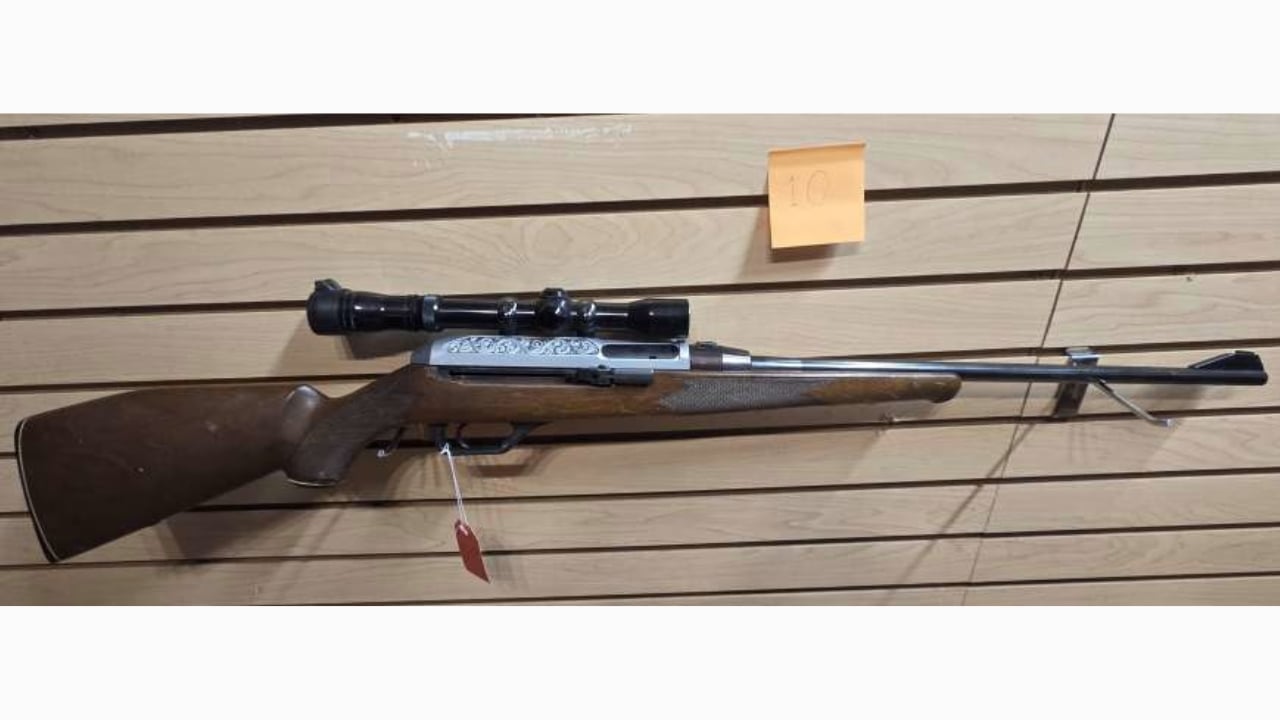
The HK770 was built for the hunter who wanted German roller-delayed engineering without buying a military-style HK91. Chambered in .308 Winchester and offered with traditional sporting furniture, it was expensive, somewhat heavy, and competing against hunting rifles that cost far less.
That made it an easy rifle to dismiss. Why pay HK money for a semiautomatic deer rifle when Browning and Remington already had established options?
Time made the answer much more interesting. The 770 belonged to a small family of HK sporting rifles using the company’s signature roller-delayed system, and production largely ended during the 1980s as costs rose and demand remained limited. Today, an original 770 gives collectors a side of HK history that many people never knew existed. Factory magazines and mounting equipment are especially worth keeping because model-specific accessories are not getting easier to replace.
Heckler & Koch HK940
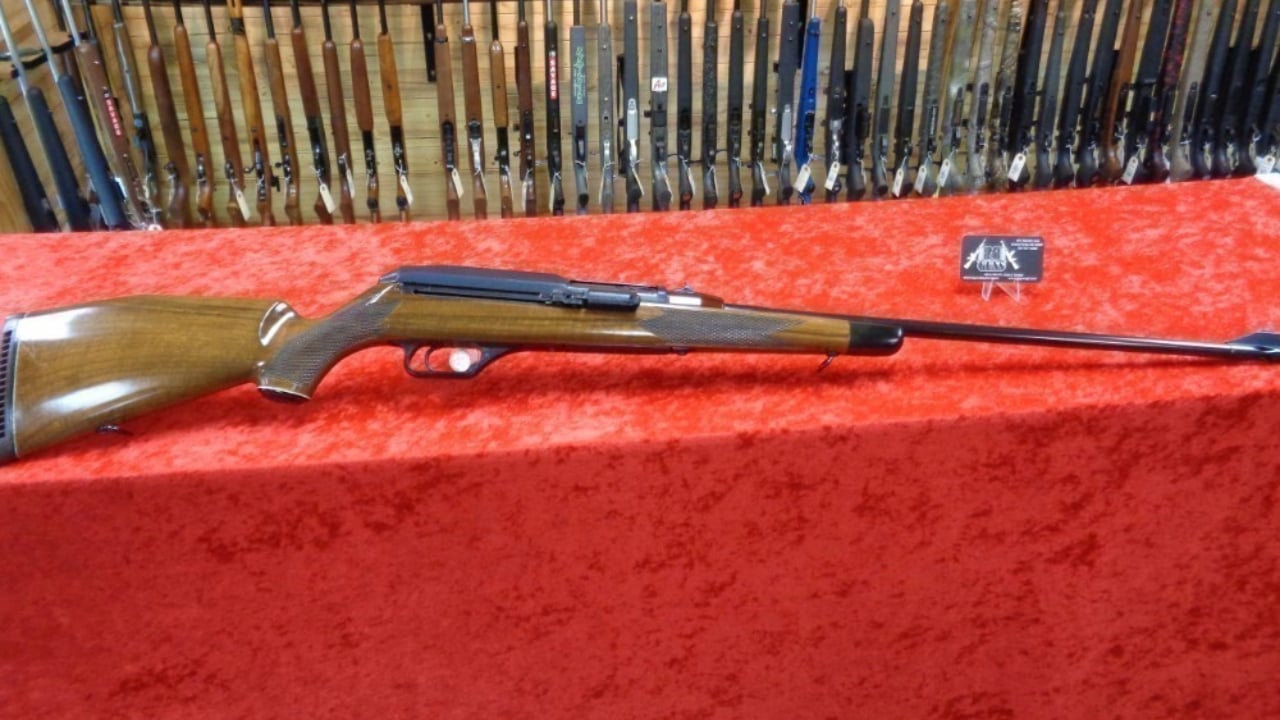
If the HK770 was unusual, the HK940 was even stranger. HK stretched the same sporting-rifle concept around longer cartridges such as .30-06, creating a semiautomatic hunting rifle with the same roller-delayed DNA normally associated with the G3 family.
The problem was obvious when it was new. The rifle was expensive, heavy, and solving a problem American hunters already believed Browning and Remington had solved for less money. The entire sporting series largely disappeared during the 1980s as production costs and limited demand worked against it.
Today, that commercial failure is precisely what makes the HK940 interesting. Very few rifles combine classic European sporting furniture with an operating system so closely associated with military HKs. If I found a clean one with its proper magazine and scope equipment, I would not dismiss it as an obsolete semiautomatic deer rifle.
Belgian FN FAL 50.00
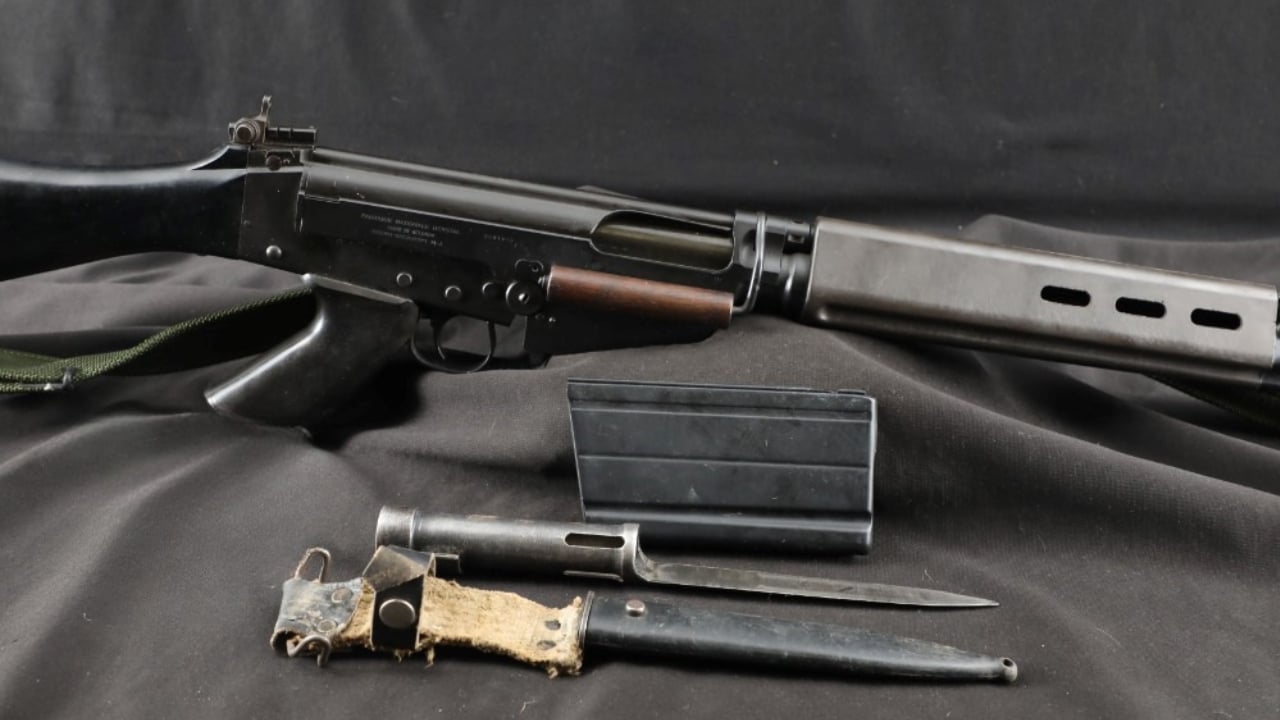
The genuine Belgian FN FAL was never going to win a price contest against inexpensive domestic rifles. It was imported from the company that created the platform, carried excellent manufacturing quality, and had direct connection to one of the most widely adopted Western military-rifle families of the Cold War.
For years, shooters could look at less expensive FAL-pattern rifles and reasonably ask why the Belgian name justified such a premium. Collectors eventually answered that question for themselves. FN’s FAL design was adopted in various forms by roughly 100 countries, giving the rifle enormous historical significance.
An original Belgian semiautomatic rifle is therefore not merely another .308. It represents the source design rather than a later copy or parts build. I would care about importer markings, configuration, finish, and originality before almost anything else. There are plenty of FAL-pattern rifles. There are only so many genuine Belgian commercial examples.
SIG 550 / PE90
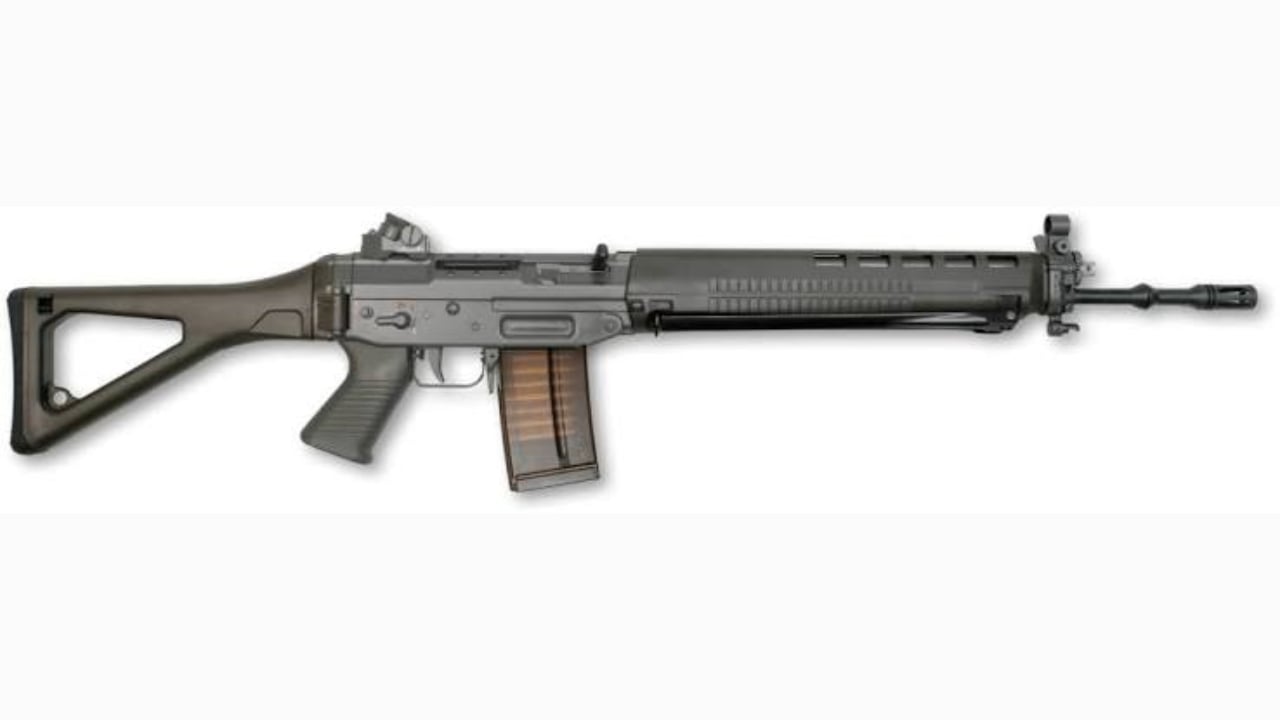
Original Swiss SIG 550-family rifles are probably the ultimate example of a rifle that was expensive because it was genuinely expensive to manufacture. Swiss production standards, diopter sights, folding furniture, quality internals, and the entire Stgw 90 lineage put these rifles into a price category that made an ordinary AR-15 look almost disposable.
American availability was always limited. By the time SIG Sauer introduced the American-made 556 in 2007, original Swiss 550-series rifles had already achieved near-legendary status among enthusiasts because genuine examples were scarce and costly.
That gap has never really disappeared. A person shopping for a true Swiss rifle is not comparing it with whatever modern 5.56 carbine happens to be cheapest. They want the Swiss manufacturing, military lineage, furniture, and details that made the rifle famous. Sometimes the gun called overpriced at the beginning simply turns out to have been expensive for reasons people only appreciated later.
Heckler & Koch HK300
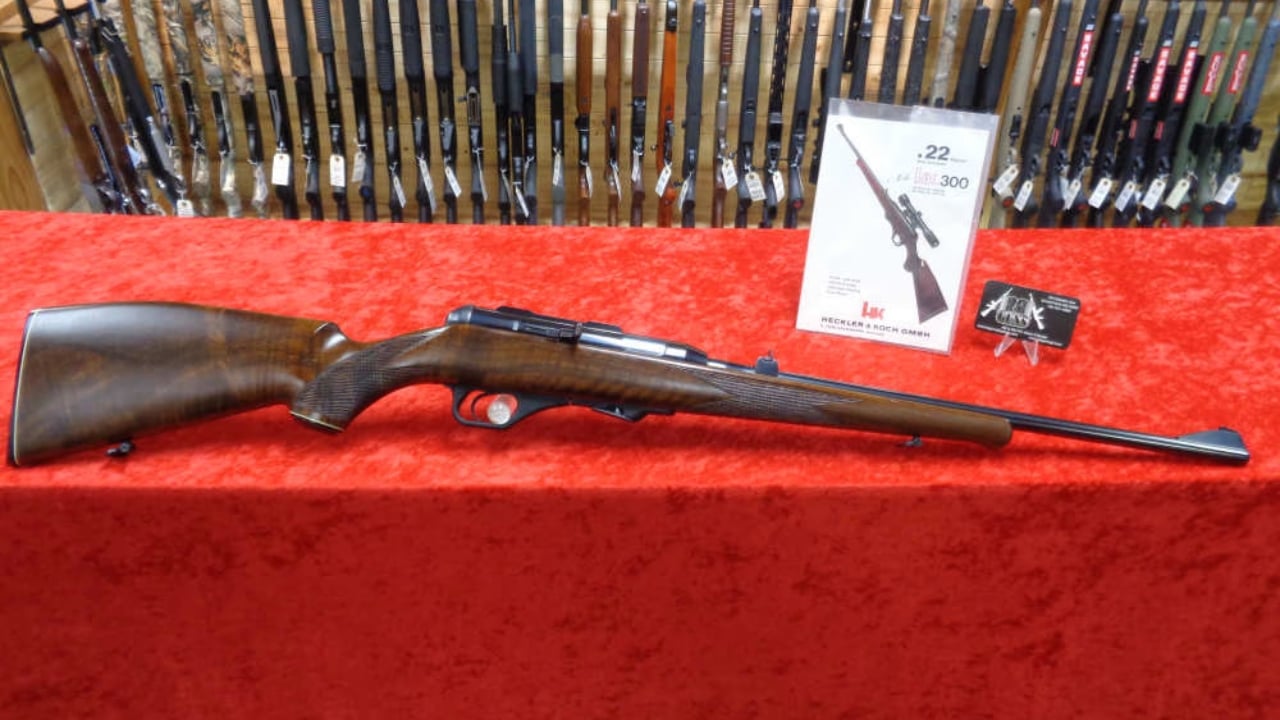
The HK300 proves that the “too expensive” problem was not limited to centerfire tactical rifles. This was a premium semiautomatic .22 Magnum built with the kind of German manufacturing quality HK was known for, and it arrived in a market where buyers could purchase perfectly usable rimfire rifles for a fraction of the money.
That made the HK300 an indulgence. A .22 Magnum did not need to cost that much, and most hunters could accomplish the same basic job with far cheaper rifles.
Collectors now see the other side. HK did not build inexpensive sporting rimfires forever, and the 300 belongs to a small group of traditional-looking HK sporting guns that many modern buyers have never encountered. Original magazines, sights, scope equipment, and stock condition all matter. The rifle that seemed absurdly expensive for a rimfire now offers something far more valuable than economy: uniqueness.
FNAR

The FNAR had a difficult identity from the beginning. Mechanically related to the Browning BAR sporting-rifle family, it was packaged as a more precision-oriented semiautomatic with detachable magazines, heavier barrel configurations, and tactical styling. Buyers immediately compared its price with AR-10-style rifles that had much larger aftermarket ecosystems.
That comparison made the FNAR easy to dismiss. It was heavier than many competitors, more proprietary, and lacked the endless customization options American shooters were quickly coming to expect. Yet the rifle was extremely well built and represented FN taking an established sporting action in a very different direction.
Now that the original FNAR configurations are no longer dominating dealer racks, the concept makes more sense to me. It is not just another AR substitute. It is an unusual FN semiautomatic that came from a specific period when manufacturers were experimenting with what a precision .308 autoloader should look like. Those experiments often become much more appealing after they stop.
Like The Avid Outdoorsman’s content? Be sure to follow us.
Here’s more from us: