Photo credit: Buckeye Ballistics/YouTube
Some firearms never get the respect they should have earned. They might come from a brand people don’t brag about, show up in a weird chambering, sit under a more famous model, or look too plain to get anyone excited. A gun can be useful for years and still get treated like the second choice.
That is usually where shooters get it wrong. Respect should come from how a firearm works when it is actually used. Does it carry right? Does it shoot straight? Does it keep running? Does it fill a real role without asking for excuses? These firearms were never always the loudest names in the room, but they deserved more credit than they got.
Steyr M9-A1

The Steyr M9-A1 never got the mainstream attention it should have. The grip angle was different, the trapezoid sights threw people off, and the pistol looked strange next to Glocks, M&Ps, and SIGs. A lot of shooters handled one briefly, decided it felt odd, and moved on before giving it a fair range session.
That was a mistake. The M9-A1 had excellent ergonomics once you understood the grip, a low bore axis, and a very controllable shooting feel. It was one of those pistols that rewarded people who actually trained with it instead of judging it from the counter. It never became the default striker-fired choice, but it was far more capable than its quiet reputation suggested.
Walther PPQ M1
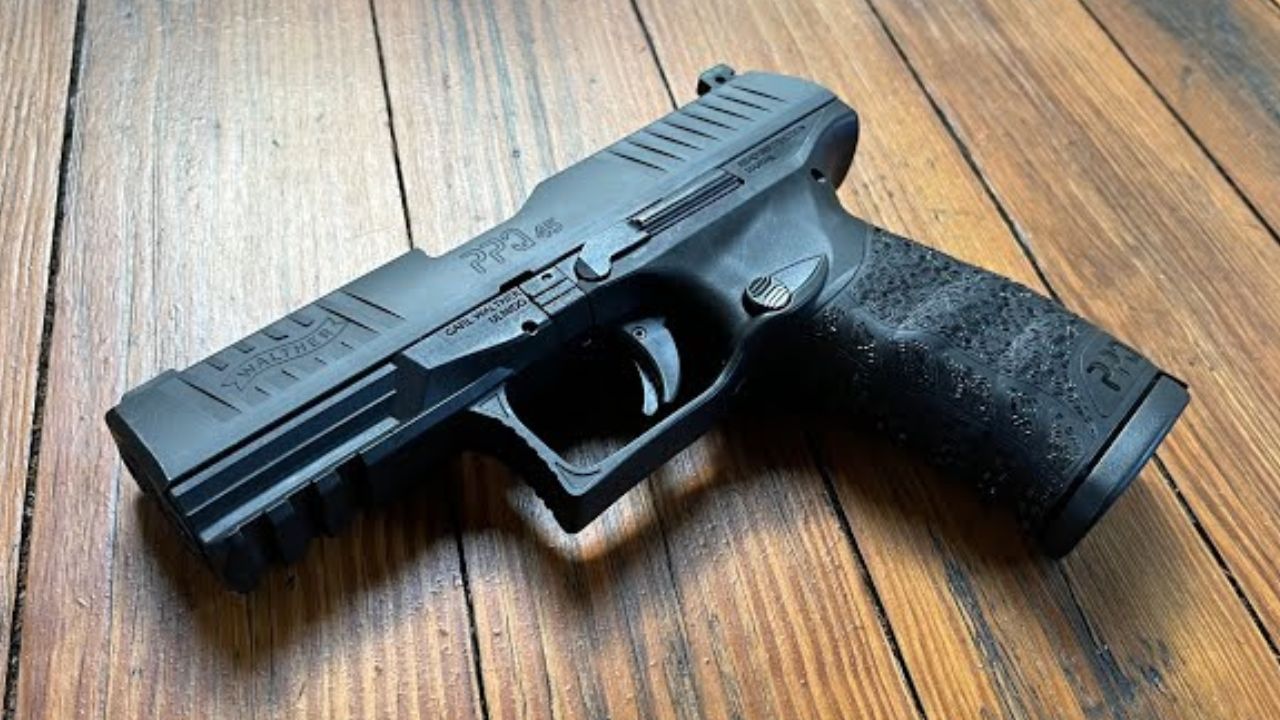
The Walther PPQ M1 deserved more respect because it gave shooters one of the best factory striker-fired triggers of its time. The problem was that the paddle magazine release scared off buyers who were used to button releases. Plenty of shooters dismissed it over that one control before realizing how good the rest of the pistol was.
The PPQ M1 shot extremely well, pointed naturally, and felt refined in a way many polymer pistols did not. The trigger helped regular shooters run it fast without fighting the gun. Once Walther moved toward more conventional controls, some people finally looked back and understood what they had missed. The PPQ M1 was not weird. It was just different in a way American buyers were slow to appreciate.
Daewoo DP51

The Daewoo DP51 has always been one of those pistols people either know about or completely ignore. It did not have the brand prestige of a Beretta, SIG, or Smith & Wesson, and its “fast action” system sounded strange to shooters who didn’t understand it. That kept it from getting much respect outside smaller circles.
The pistol itself was better than its reputation. It was reliable, soft-shooting, and built with more thought than most people expected. The grip felt good, the controls were usable, and the gun had a practical service-pistol personality that deserved a bigger audience. It was never glamorous, but it worked. A lot of pistols with louder names did not offer much more in real use.
SIG Sauer P250

The SIG P250 got pushed aside because the P320 became the modular SIG everyone talked about. The P250’s double-action-only trigger also made it a harder sell at a time when striker-fired pistols were getting lighter, shorter, and easier for casual shooters to like. A lot of people wrote it off too quickly.
That long trigger was not for everyone, but the pistol had more going for it than critics admitted. The modular fire-control concept was ahead of its time, the grip options were useful, and the gun could be shot well by someone who practiced with it. It was not fast to love, but it was a serious idea. The P250 deserved respect for setting the table before the P320 took the spotlight.
Ruger SR45
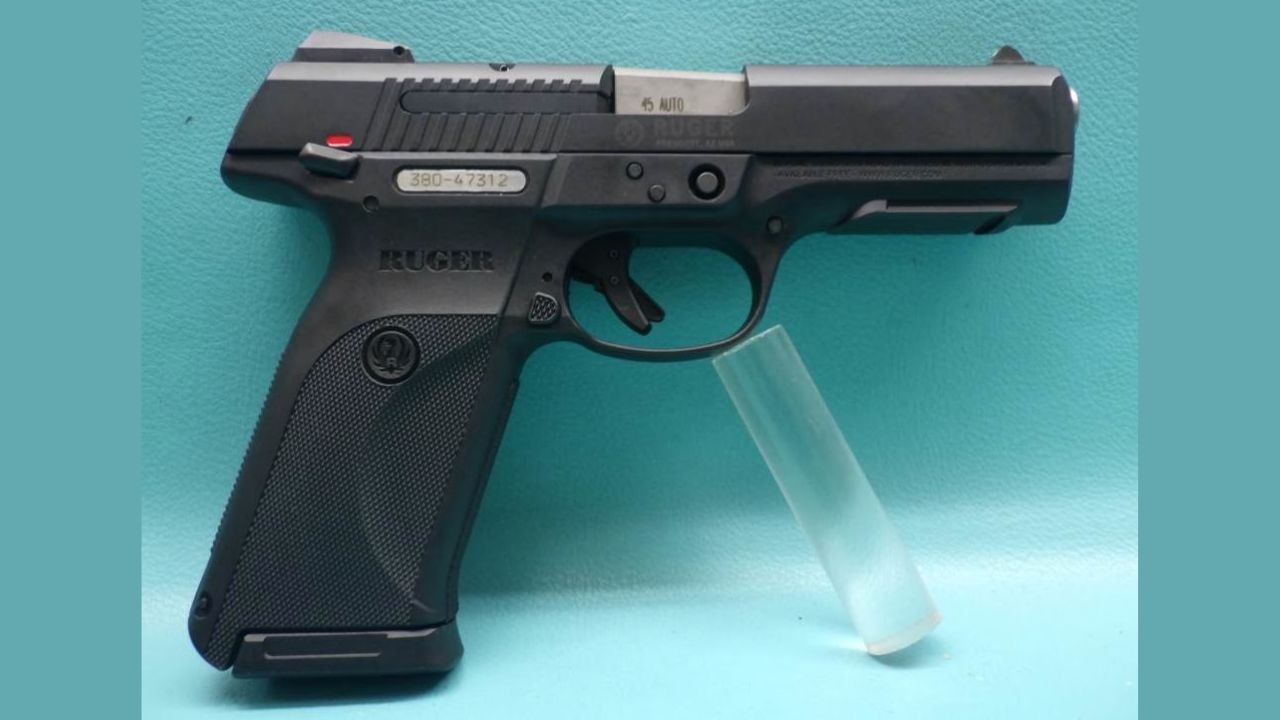
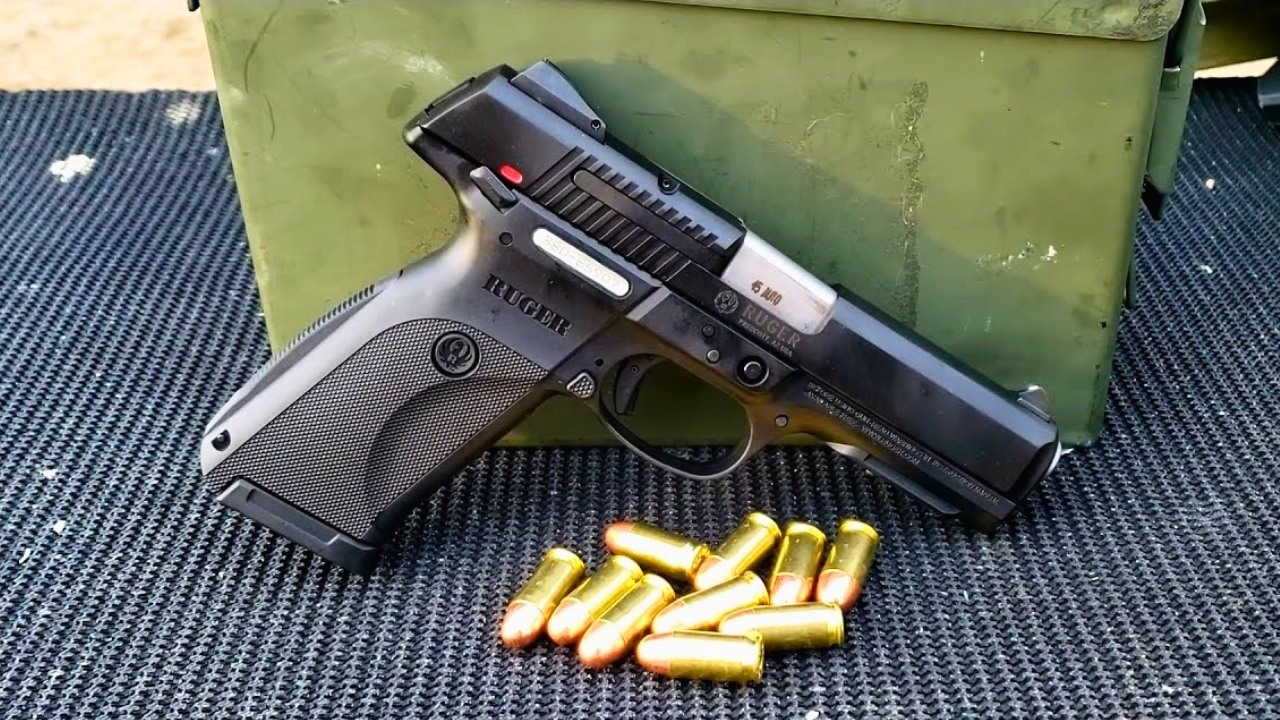
The Ruger SR45 arrived when .45 ACP pistols were already losing ground to higher-capacity 9mms. It was not flashy, not expensive, and not built around the kind of prestige that makes big-bore pistol fans brag. That made it easy for people to ignore.
But the SR45 was a solid working pistol. It had manageable recoil, a comfortable grip for a full-size .45, and Ruger’s usual practical mindset behind it. It gave shooters a dependable .45 without 1911 maintenance habits or premium pricing. No, it wasn’t fancy. That was part of the point. It was a usable, affordable big-bore handgun that deserved more credit than it ever got.
FN FNX-40

The FNX-40 lived in an awkward spot because .40 S&W started falling out of favor hard. By the time many shooters were moving back to 9mm, a polymer hammer-fired .40 looked like yesterday’s answer. That hurt the pistol more than the design deserved.
The FNX-40 was a serious handgun. It had good controls, solid capacity for the caliber, and a traditional double-action system that gave it a duty-gun feel. It handled the cartridge better than many smaller .40s, and it was more shootable than people expected once they stopped blaming the gun for the caliber’s reputation. The FNX-40 deserved respect because it was a capable pistol caught in the wrong trend cycle.
Browning BAR Mark II Safari

The Browning BAR Mark II Safari never got talked about like a precision rifle, and that was never its job. Some hunters dismissed it because semi-auto hunting rifles can get unfairly judged as less accurate, less traditional, or less serious than bolt guns. The BAR often sat in that shadow.
In the field, it made a lot of sense. It gave hunters fast follow-up shots, manageable recoil, and classic Browning styling in chamberings that could handle real deer, hog, and elk work. It was not a lightweight mountain rifle, but it was steady, smooth, and practical from a stand or blind. The BAR Mark II Safari deserved more respect as a legitimate hunting rifle, not just a fancy semi-auto curiosity.
Benelli R1

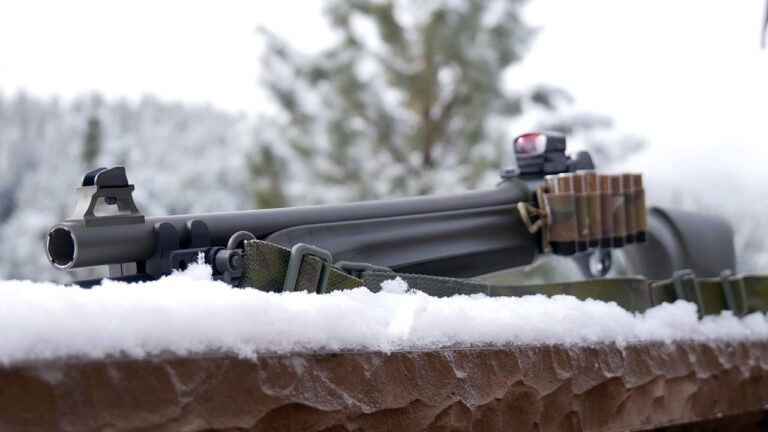
The Benelli R1 had a hard time earning respect because American hunters are often cautious about semi-auto centerfire rifles that don’t look familiar. It came from a shotgun company, had European styling, and cost enough that people expected a lot. Some dismissed it before understanding what it was meant to do.
The R1 was built for hunters who wanted quick follow-up shots and manageable recoil in a refined package. It was especially interesting in harder-hitting chamberings where the gas system helped tame the rifle. It was not the right gun for every hunter, and it was never cheap, but it deserved more credit than the “weird semi-auto deer rifle” label. It filled a real role for the right person.
Remington 572 Fieldmaster

The Remington 572 Fieldmaster was easy to overlook because pump-action rimfires don’t dominate the conversation anymore. Most shooters think semi-auto or bolt-action when they talk about .22 rifles. That left the 572 feeling like an old-fashioned choice to people who never spent much time with one.
That old-fashioned setup was exactly why it deserved respect. The 572 was smooth, accurate enough for small game, and able to cycle different .22 rimfire loads without the same fuss as some semi-autos. It was fun, reliable, and useful in a quiet way. A good pump .22 has a rhythm that sticks with you, and the Fieldmaster delivered that better than people gave it credit for.
Browning Double Auto
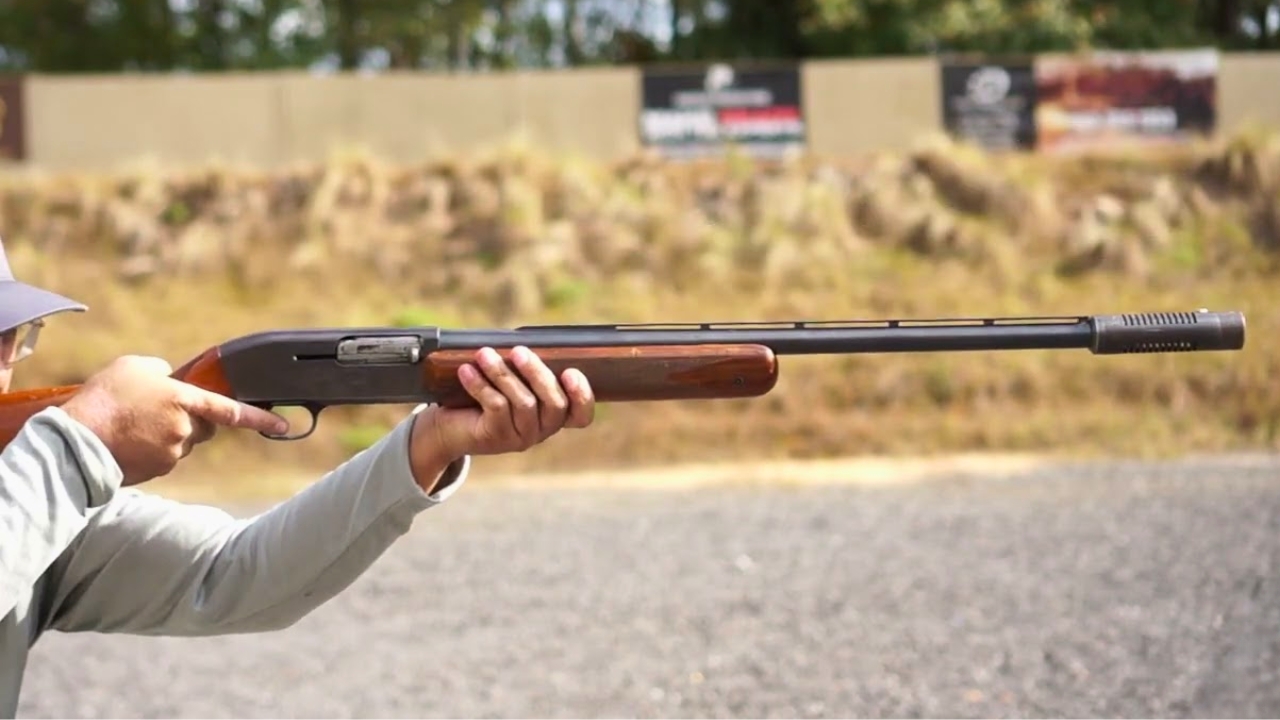
The Browning Double Auto never fit neatly into the shotgun world. It wasn’t an Auto-5, wasn’t a pump, and only held two shells. That made it easy for hunters to overlook, especially when higher-capacity semi-autos and pumps were sitting nearby. Plenty of people didn’t know what to do with it.
But as a bird gun, the Double Auto had real charm. It was light, quick to shoulder, and beautifully handy in the field. The two-shot capacity was not a problem for hunters who cared about making good shots instead of spraying shells. It had classic Browning character and a handling feel that modern shotguns don’t always match. It deserved more respect because it was built around balance, not spec-sheet bragging.
Franchi AL 48

The Franchi AL 48 deserved more respect from hunters who cared about carrying a shotgun all day. It was light, fast, and built around a long-recoil system that gave it a different personality from gas guns. Some shooters dismissed it because it felt old-fashioned or because it kicked more than heavier semi-autos.
That missed the point. The AL 48 was a field gun first. It carried beautifully, moved quickly on birds, and had a simple working feel that upland hunters could appreciate. A shotgun does not need to be heavy and soft to be useful. Sometimes light and lively matters more. For quail, dove, grouse, and long walks, the AL 48 was better than its quiet reputation ever suggested.
Stoeger M3000
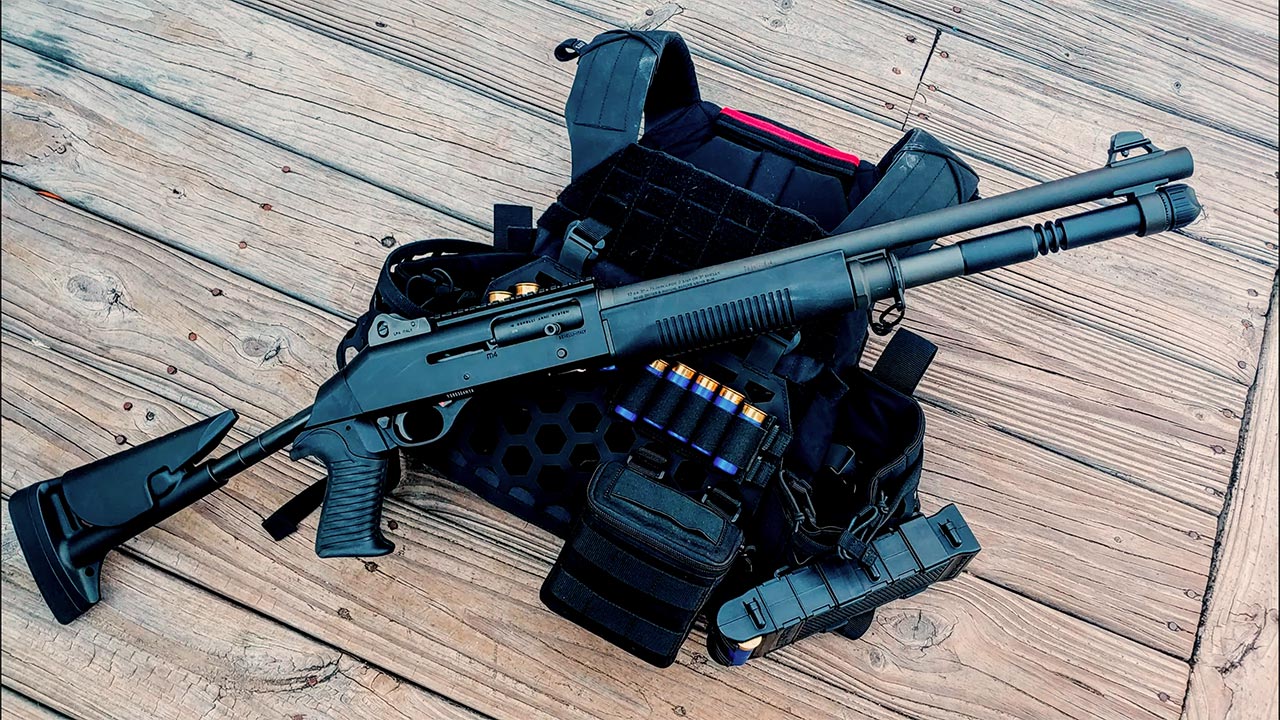
The Stoeger M3000 got treated like a budget semi-auto shotgun, which is exactly what it was. The problem is that some shooters hear “budget” and immediately assume “not serious.” That attitude kept a lot of people from giving the M3000 a fair look.
In real use, it proved itself as a practical shotgun for hunters who wanted inertia operation without Benelli money. It was not as refined as higher-end guns, but it handled waterfowl, turkey, clays, and general field use better than critics expected. It gave regular hunters a reliable semi-auto option at a price they could actually afford. The M3000 deserved respect because it made a useful shotgun accessible.
H&R Handi-Rifle
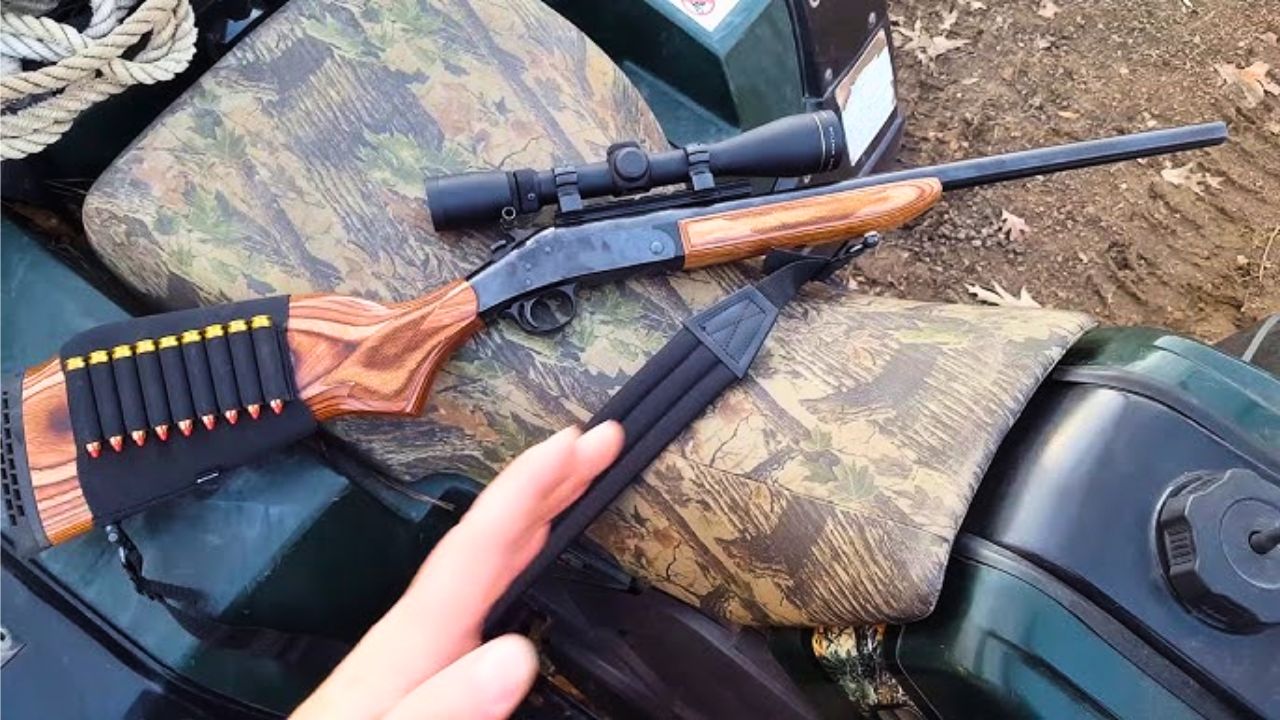
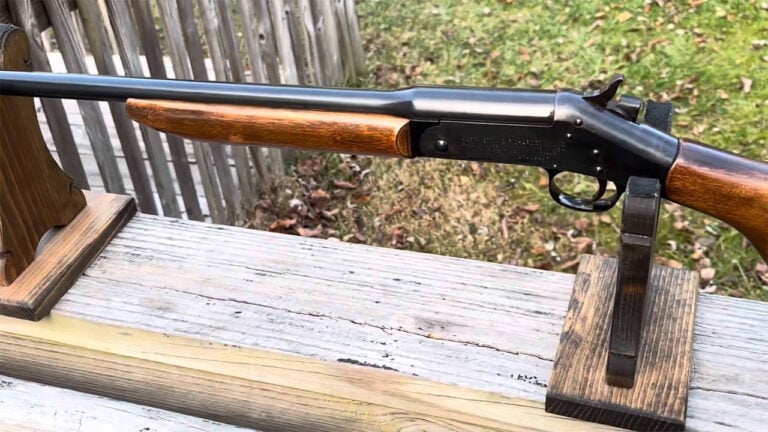
The H&R Handi-Rifle was never fancy. It was a break-action single-shot rifle with a plain look and a price that made some shooters treat it like a beginner gun. That reputation kept people from appreciating how useful it could be.
The Handi-Rifle taught patience, made hunters focus on the first shot, and came in a wide range of chamberings. It was simple, safe, easy to carry, and affordable enough for people who needed a real hunting rifle without stretching their budget. It also made sense for young hunters, farm use, and anyone who liked uncomplicated gear. It deserved respect because it did exactly what a simple rifle should do.
Ruger M77 Mk II Compact
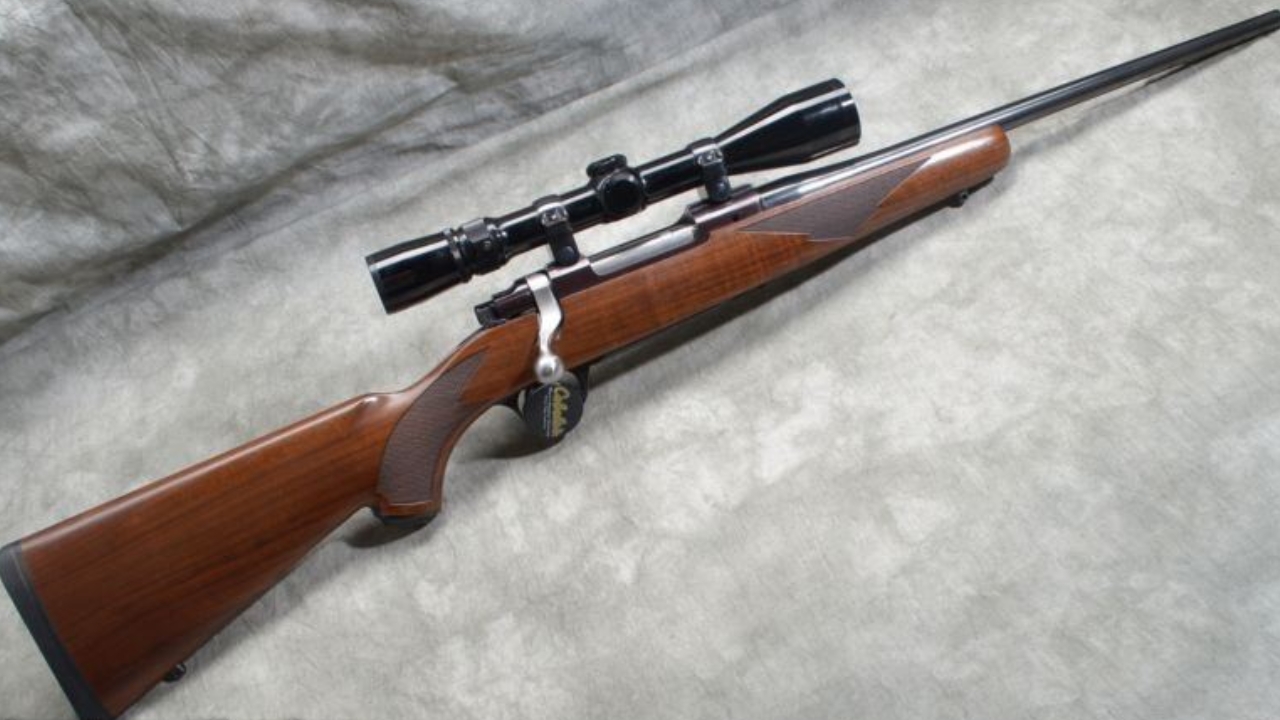
The Ruger M77 Mk II Compact did not get the attention it deserved because compact bolt guns often get dismissed as youth rifles or niche woods rifles. Some hunters looked at the short barrel and smaller stock and assumed it was too limited for serious use.
That was too narrow a view. The M77 Mk II Compact was handy, controlled-feed, and built with Ruger’s rugged hunting-rifle attitude. In thick woods, blinds, trucks, and short-range deer country, it made more sense than a long, heavy rifle. It was not trying to be a beanfield gun. It was built for hunters who valued fast handling. For that role, it deserved a lot more respect.
Sako A7

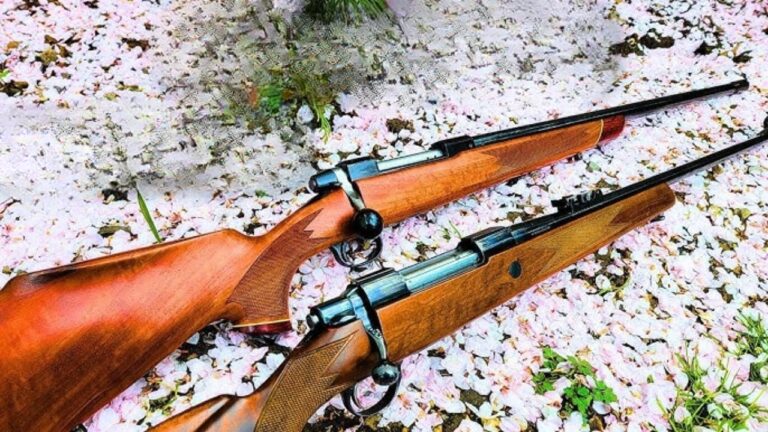
The Sako A7 fell into a strange gap. It was not as prestigious as the full Sako lines, but it was priced and built above many basic hunting rifles. That made some buyers unsure what to do with it. If they wanted a bargain, they looked cheaper. If they wanted a Sako, they looked higher.
That left the A7 underrated. It gave hunters a smooth action, good accuracy potential, and a lighter, more practical feel than many rifles in its class. It was not trying to be a luxury safe queen. It was a serious hunting rifle with more refinement than people gave it credit for. The A7 deserved respect because it delivered a lot of Sako usefulness without demanding top-tier Sako money.
Like The Avid Outdoorsman’s content? Subscribe to our newsletter so you never miss an article.
Here’s more from us: