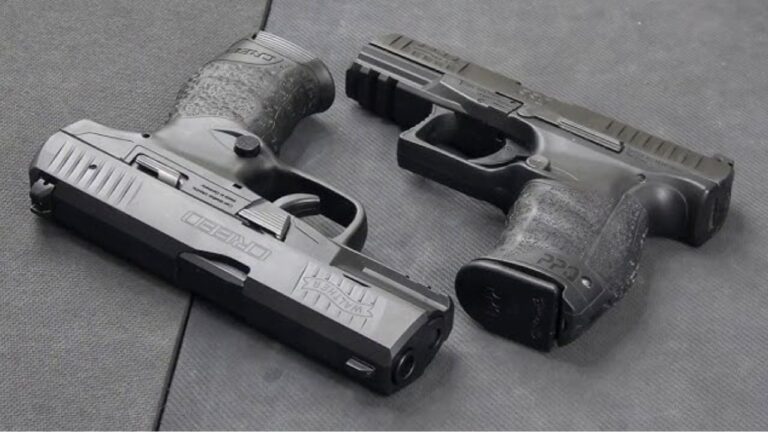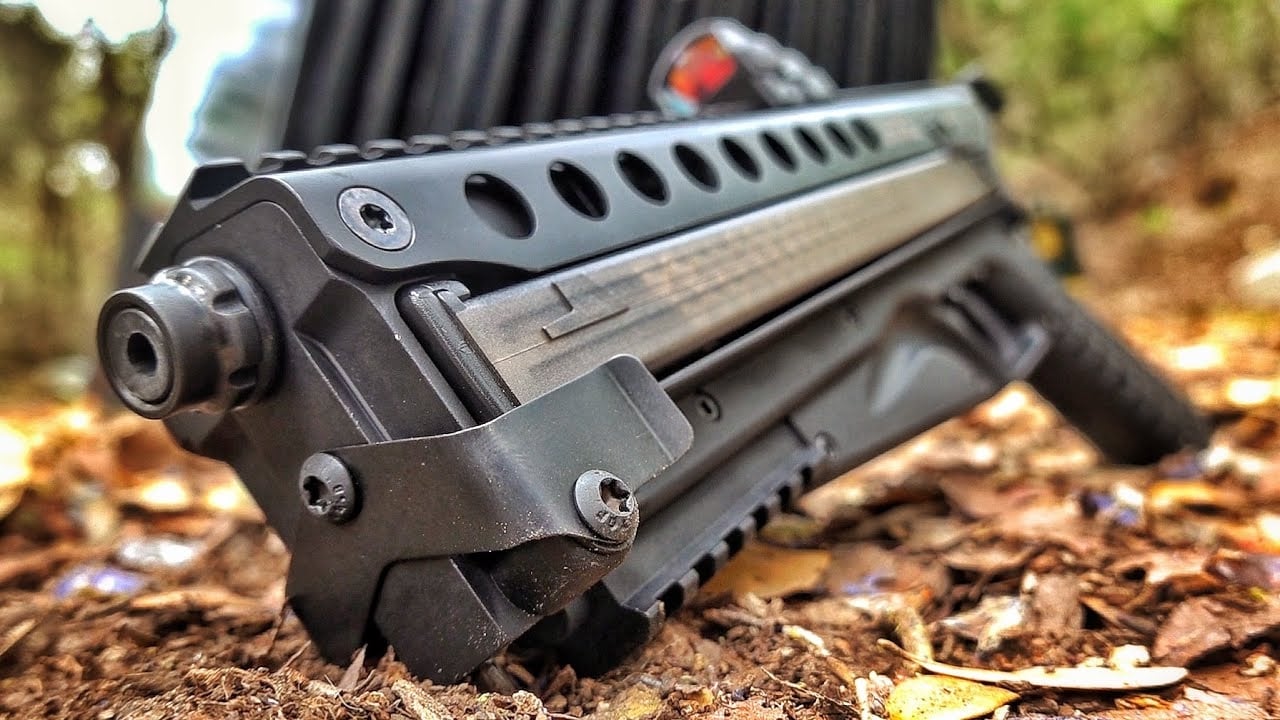
Photo credit: Demolition Ranch/YouTube
Some guns seem almost impossible to dislike when you read the feature list. They may offer unusual capacity, multiple calibers, futuristic operating systems, compact dimensions, or premium components at a tempting price. On paper, they appear to fix problems other firearms have ignored.
The trouble starts when those features meet real shooters, real ammunition, and real use. A clever design can create awkward controls. A compact gun can become miserable to shoot. A versatile firearm can end up doing several jobs poorly instead of one job well. These 20 guns promised more than they consistently delivered once owners moved beyond the sales pitch.
Taurus Judge
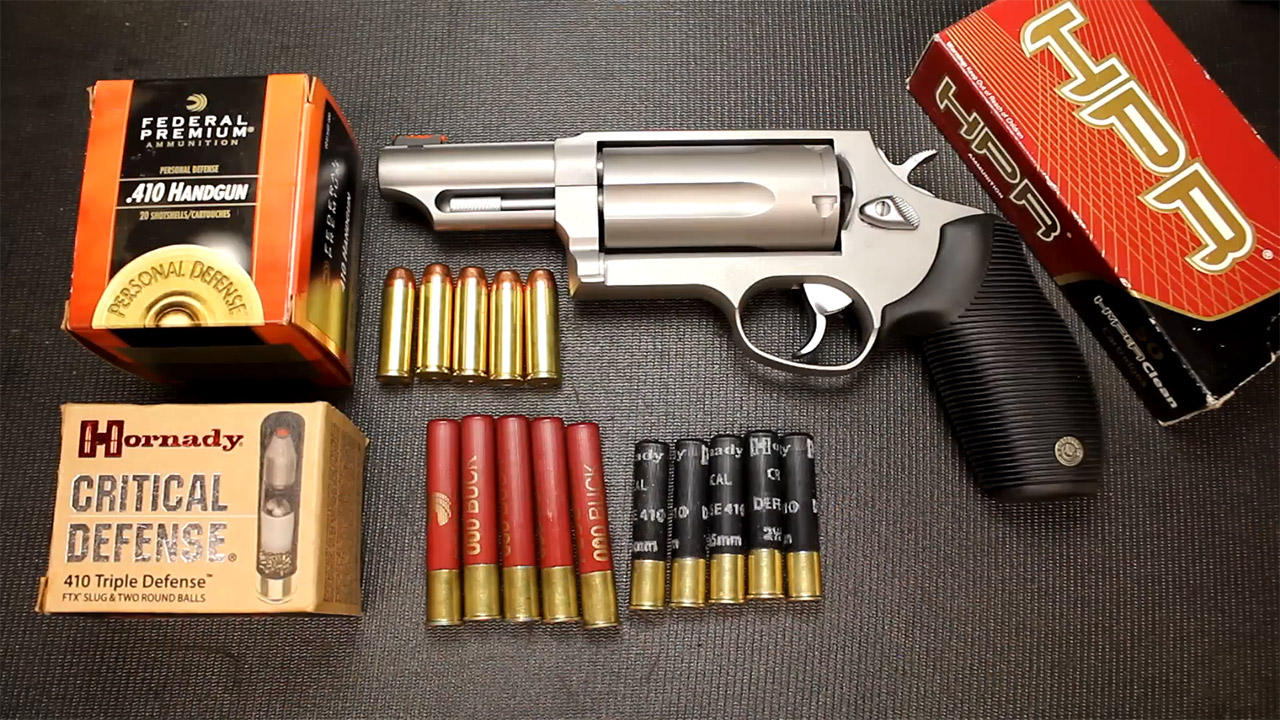
The Taurus Judge sounds like one of the most versatile defensive revolvers ever built. It can fire both .45 Colt cartridges and .410 shotshells, giving owners the option of using conventional handgun ammunition, buckshot, or specialty loads from the same cylinder. That flexibility makes it seem ideal for home defense, trail use, pest control, and general outdoor carry.
In reality, the Judge is built around compromises. Its long cylinder and shallow rifling are required to handle shotshells, but those features do not help accuracy with .45 Colt ammunition. Many .410 loads also lose considerable effectiveness when fired from a short handgun barrel. The revolver is large for the amount of practical performance it delivers, and recoil can be unpleasant with heavier loads. It is entertaining and can fill specialized roles, but it rarely performs as well as a dedicated revolver or shotgun.
Smith & Wesson Governor
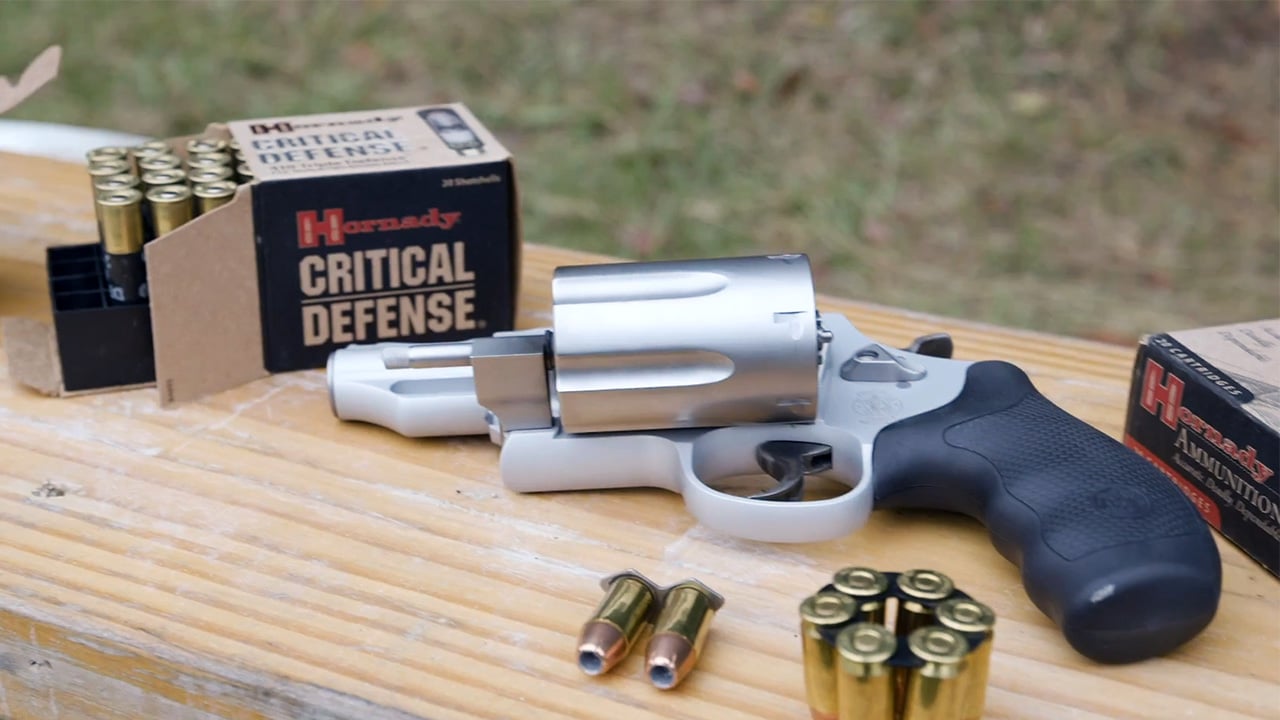
The Smith & Wesson Governor takes the Judge concept and adds another selling point. It can fire .410 shotshells, .45 Colt, and .45 ACP with moon clips. That makes it appear even more adaptable, especially for shooters who already stock .45 ACP ammunition.
The problem is that adding another cartridge does not remove the compromises of the platform. The Governor remains a large, wide revolver that is difficult to carry and awkward to conceal. Shotshell performance varies dramatically by load, while .45 Colt accuracy may not match what a dedicated revolver can produce. Moon clips make .45 ACP practical, but they also add another accessory to manage. The Governor is better made than many novelty revolvers, yet its versatility often matters more in conversation than it does in actual use.
KelTec PMR-30
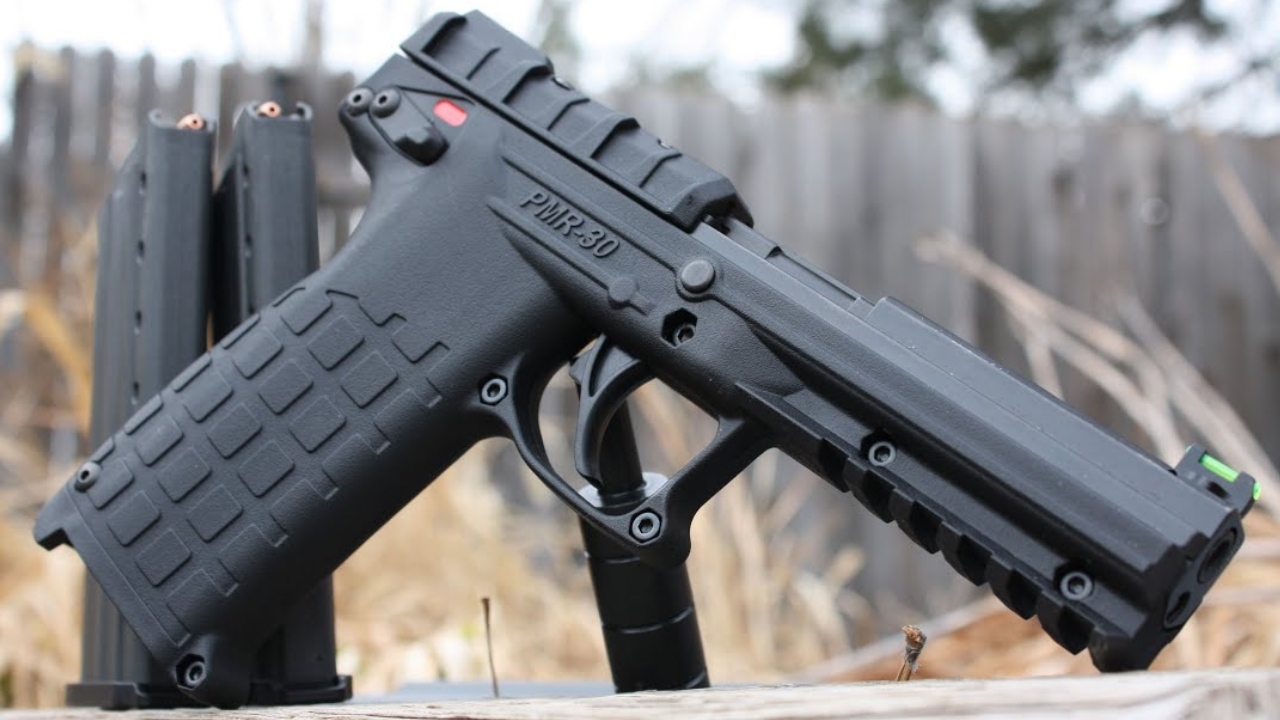
The KelTec PMR-30 promises 30 rounds of .22 Magnum in an extremely lightweight semi-automatic pistol. That capacity is difficult to ignore, and the cartridge offers more velocity than ordinary .22 Long Rifle. The pistol also has an optic-ready appearance, a crisp single-action trigger, and the kind of futuristic styling that attracts immediate attention.
Owners often discover that the PMR-30 requires more care than a conventional centerfire pistol. Magazine loading technique can affect reliability, and the long .22 Magnum cartridge does not always feed smoothly in a double-stack magazine. Ammunition selection matters, and the lightweight construction makes the gun feel less substantial than its size suggests. It can be accurate and enjoyable when everything works, but many shooters expected a dependable 30-round powerhouse and instead received a pistol that demands careful loading, cleaning, and ammunition testing.
KelTec P50
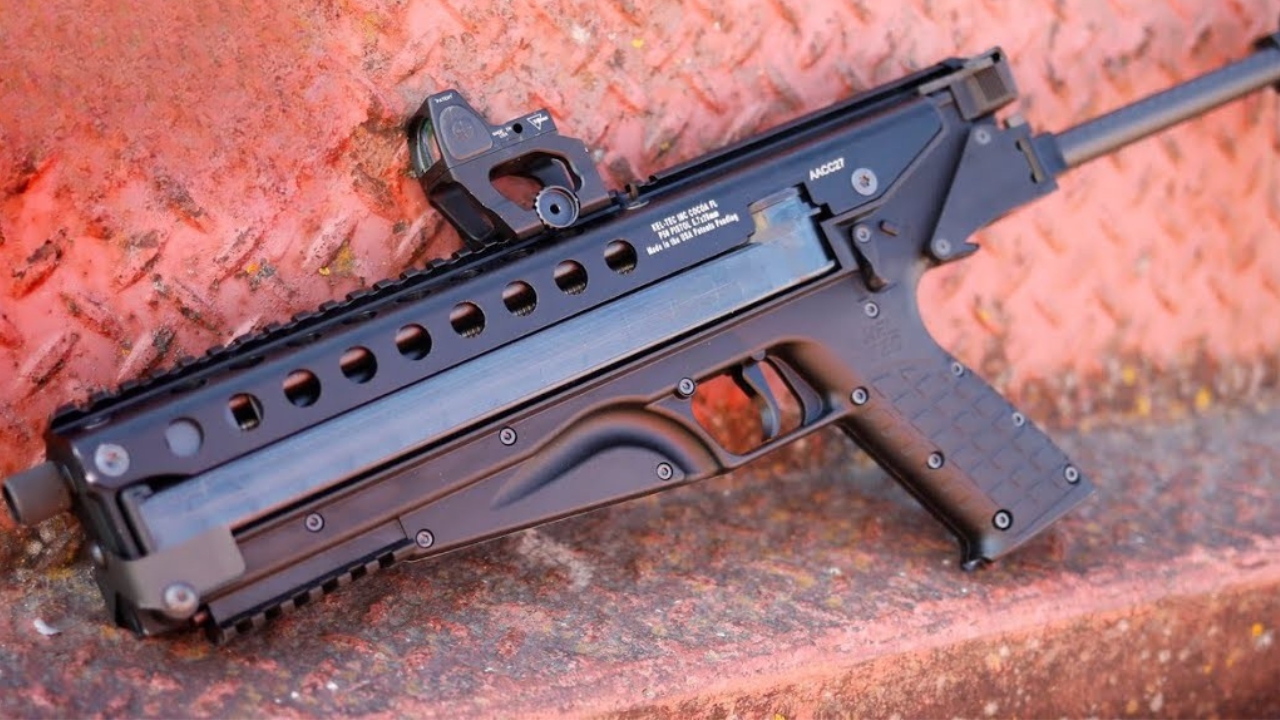
The KelTec P50 sounds incredible because it accepts 50-round FN P90 magazines. Its horizontally mounted magazine, compact format, and 5.7x28mm chambering make it look like a firearm pulled from a science-fiction movie. It offers enormous capacity without the long magazine hanging below the grip.
Once the novelty wears off, its practical role becomes harder to define. The P50 is too large to function like a normal handgun, yet it lacks the stock and ergonomics of a proper carbine unless the owner modifies or registers it accordingly. Reloading requires opening the action and handling the large magazine assembly. The cartridge is expensive, and the gun’s unconventional layout limits holster, sling, and accessory options. It is memorable and fun, but many buyers struggle to find a serious use that justifies the size and complexity.
FN Five-seveN
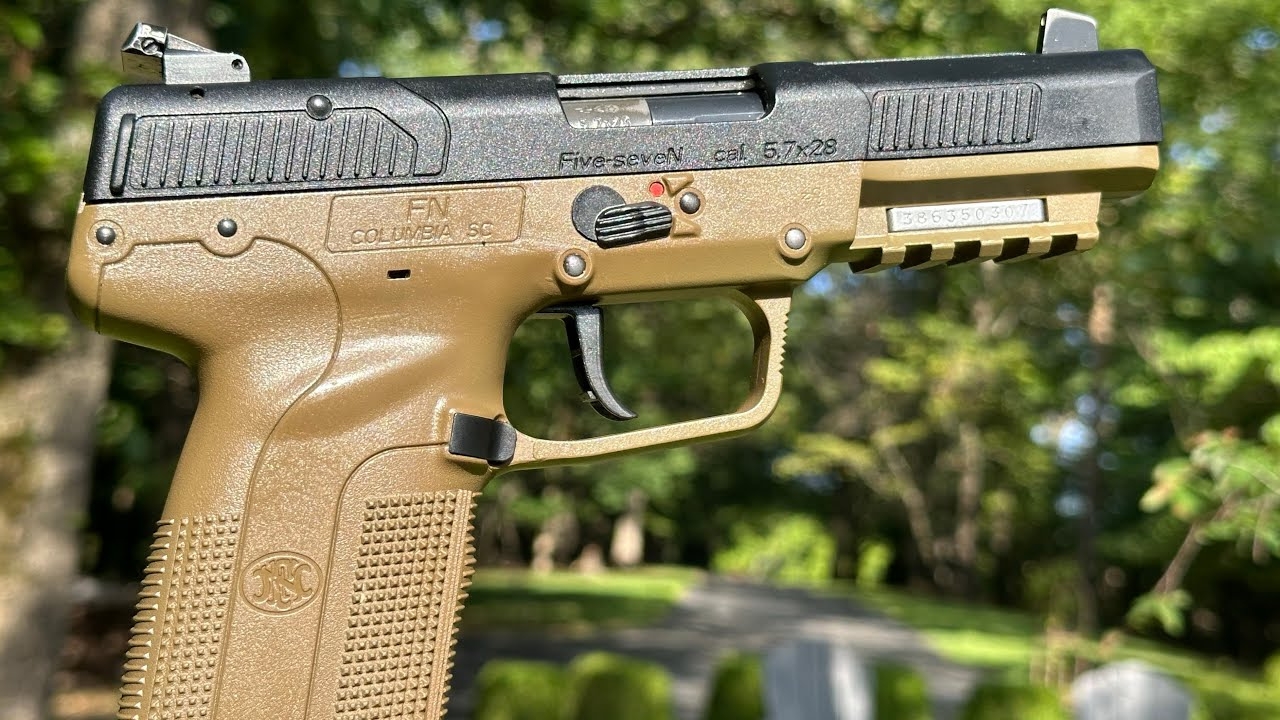
The FN Five-seveN offers high capacity, low recoil, light weight, and a cartridge associated with military and law enforcement use. Its 5.7x28mm ammunition can deliver impressive velocity, and the pistol’s large magazine allows more rounds than most traditional service handguns.
The reality is less dramatic than the reputation. The pistol is expensive, the grip is large, and factory ammunition costs considerably more than common 9mm. Civilian loads also do not duplicate every capability people associate with military ammunition. It shoots softly and accurately, but many buyers expect a revolutionary defensive handgun and discover that it is simply a specialized pistol firing a small, fast projectile. For most users, a quality 9mm offers cheaper practice, broader ammunition selection, and comparable practical usefulness.
Desert Eagle Mark XIX
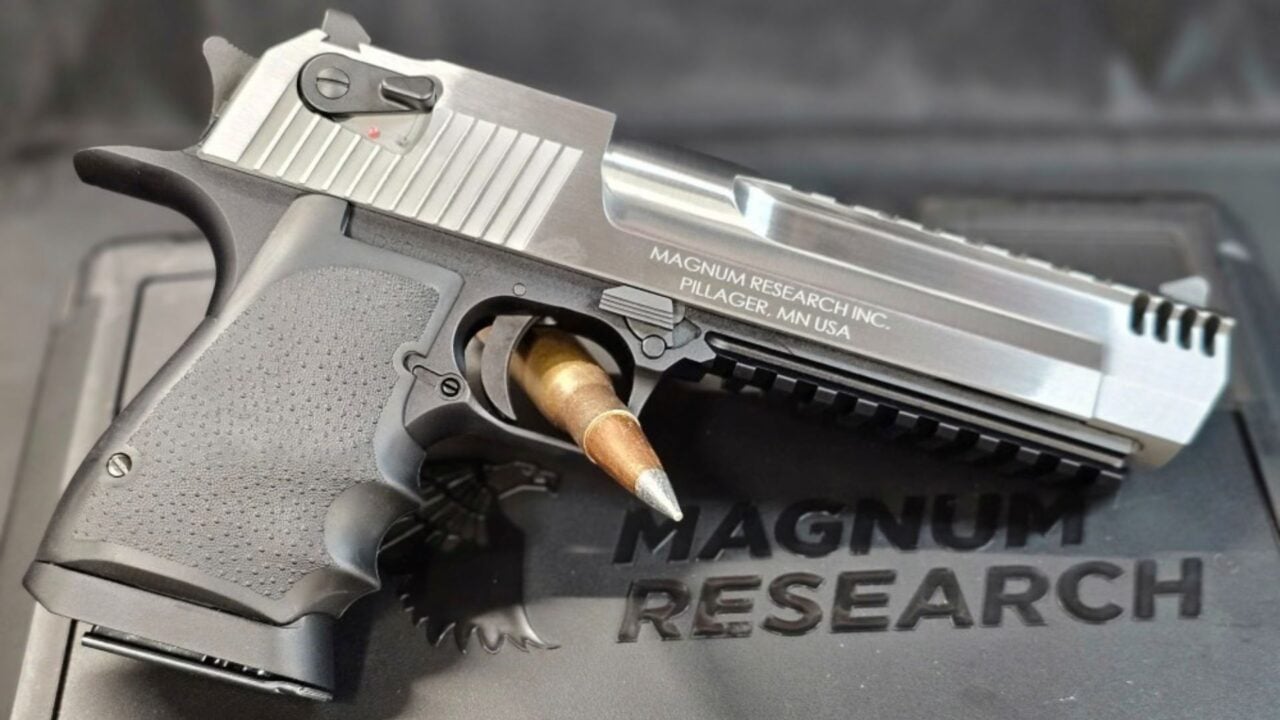
The Desert Eagle Mark XIX seems like the ultimate high-powered semi-automatic pistol. Its gas-operated action allows it to fire cartridges normally associated with revolvers, including .44 Magnum and .50 Action Express. It also has one of the most recognizable profiles in the firearms world.
In actual use, its size and weight dominate the experience. The grip is too large for many hands, the pistol demands a firm shooting position, and limp or inconsistent technique can affect reliability. Ammunition must be powerful enough to operate the action, which limits load flexibility. The gun is difficult to carry, expensive to feed, and awkward for most defensive roles. It delivers impressive power and tremendous entertainment value, but the practical advantages disappear quickly once shooters compare it with a revolver or carbine.
Kimber Solo

The Kimber Solo looked like the premium pocket 9mm many concealed carriers wanted. It had a smooth metal frame, attractive machining, compact dimensions, and a trigger that felt more refined than many early micro pistols. Kimber presented it as an upscale alternative to basic polymer carry guns.
Its problems became obvious when owners tried to use ordinary range ammunition. Kimber specified certain premium loads, and many pistols proved sensitive to bullet weight, power level, or maintenance condition. A defensive pistol that only runs well with a narrow ammunition range creates understandable concern. The Solo also arrived at a premium price, making reliability complaints harder to forgive. It looked elegant and carried easily, but too many shooters discovered that beauty and confidence are not the same thing.
Remington R51

The Remington R51 seemed like a fresh answer to the concealed-carry market. Its low bore axis, slim metal frame, and unusual hesitation-lock operating system promised reduced recoil in a compact 9mm pistol. It also carried the Remington name, which gave buyers reason to expect a thoroughly developed firearm.
The first production run became one of the most troubled handgun launches in recent memory. Owners reported rough operation, difficult disassembly, poor fit, and reliability problems. Remington eventually recalled the pistols and released a revised version, but trust had already collapsed. The R51 proved that an interesting operating system means little if manufacturing and quality control cannot support it. What sounded like a refined carry pistol became a warning about releasing a design before it was ready.
Beretta Nano

The Beretta Nano offered several sensible carry features. It was slim, snag-free, modular, and free of external controls that could catch on clothing. The removable serialized chassis also suggested future customization and grip-frame replacement.
At the range, the Nano often felt less impressive. Its short, slick grip made control difficult, the trigger was long, and the pistol could be uncomfortable during extended practice. Some examples showed sensitivity to lighter ammunition, which was especially frustrating for owners trying to use affordable range loads. Beretta built a pistol that concealed well, but it sacrificed too much shootability. Newer micro-compacts later delivered similar dimensions with better triggers, larger capacities, and more comfortable grips.
Walther CCP

The Walther CCP was designed around a gas-delayed system intended to reduce recoil and make the slide easier to operate. That sounded ideal for shooters who struggled with stiff recoil springs or wanted a softer-shooting compact pistol. Its shape and grip also reflected Walther’s strong reputation for ergonomics.
Early versions complicated ownership with a difficult disassembly process that required a special tool. The gas system also became hot and dirty during longer shooting sessions, while the pistol still did not feel dramatically softer than every conventional competitor. Reliability varied with ammunition and maintenance, and the overall experience fell below what many buyers expected from Walther. Later updates improved the platform, but the original CCP showed that mechanical cleverness can create as many problems as it solves.
Taurus Curve
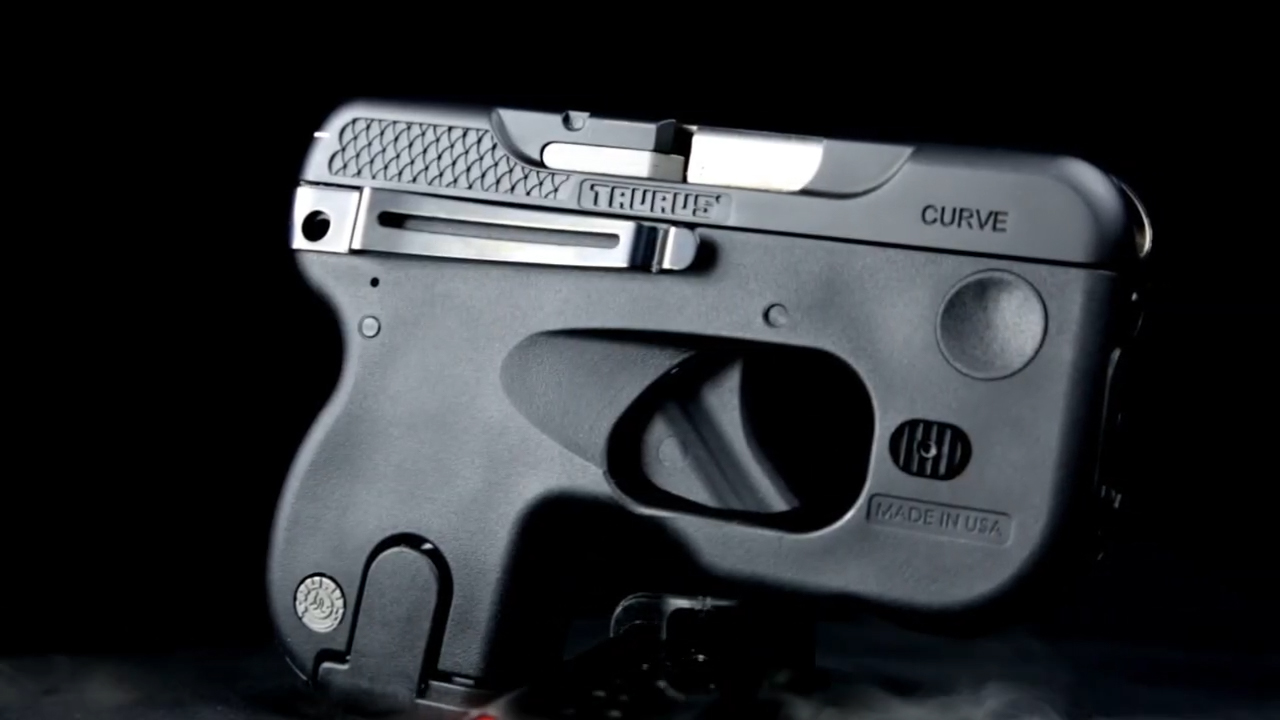
The Taurus Curve attempted to redesign the pocket pistol around the shape of the human body. Its frame curved to reduce printing, and some versions included an integrated light and laser. The exterior had few snag points, making it sound like a gun specifically engineered for discreet carry.
The curved frame favored one carry orientation and felt unnatural in many hands. Traditional sights were absent or extremely limited, which made accurate shooting more difficult. The unusual shape also complicated training because the pistol did not handle like anything else. Its integrated features added novelty but did not fix the fundamental challenge of controlling a tiny handgun. The Curve demonstrated creative thinking, but its solutions created too many new compromises.
Bond Arms Bullpup9
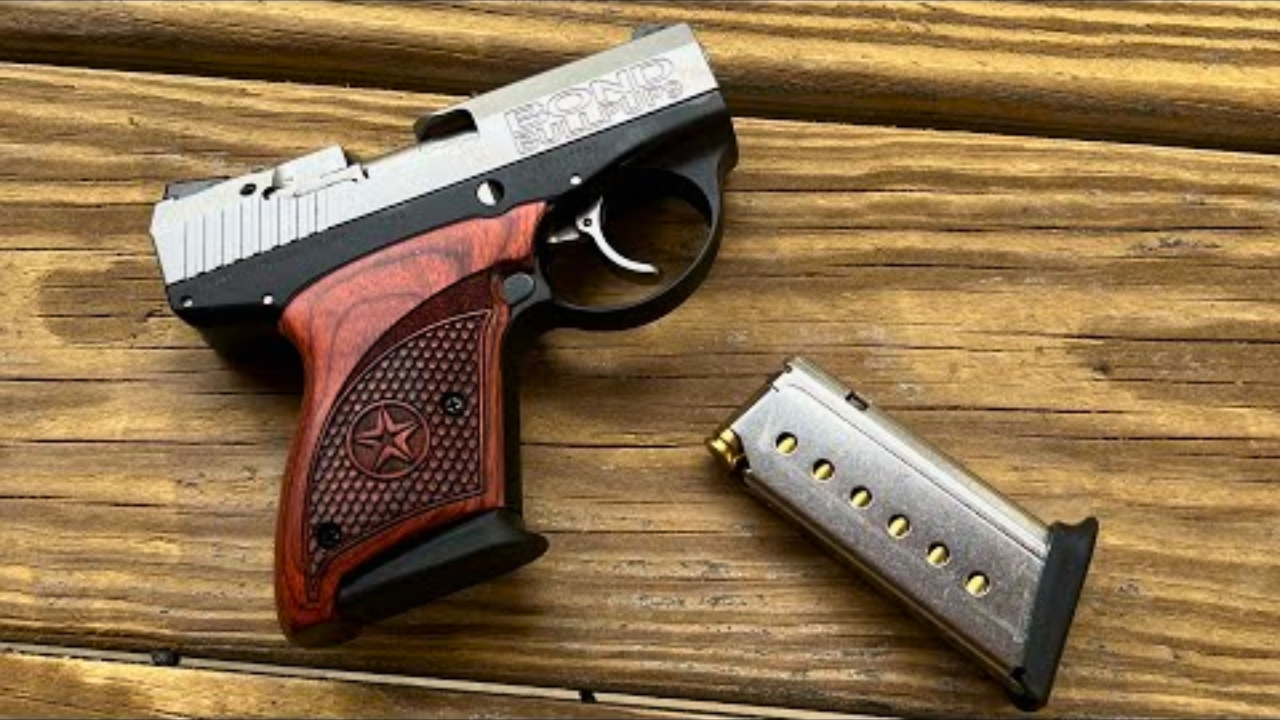
The Bond Arms Bullpup9 uses an unusual backward-feeding system that allows a relatively long barrel inside a short pistol. That design gives it compact dimensions without sacrificing as much barrel length as a conventional layout. The metal construction and distinctive mechanism also make it feel more sophisticated than a basic pocket pistol.
The tradeoffs are significant. The action is mechanically complex, the trigger is unusual, and ammunition compatibility can be limited because the system pulls cartridges backward from the magazine before chambering them. Bullet shape and crimp become more important than they are in conventional pistols. The gun is expensive for its capacity and aftermarket support. It is an impressive engineering exercise, but many shooters would rather trust a simpler compact 9mm that accepts a wider range of ammunition.
Boberg XR9-S
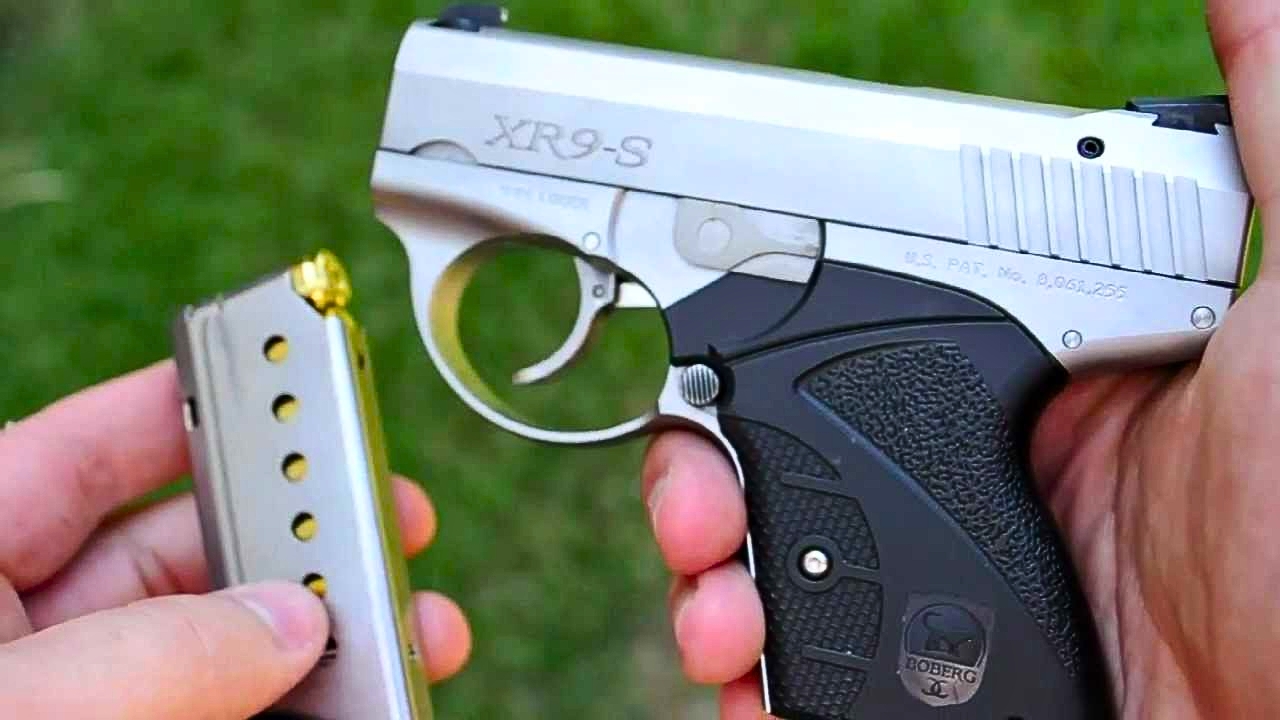
The Boberg XR9-S introduced the same rear-feeding concept later used in the Bullpup9. It offered an unusually long barrel for its overall length and promised strong velocity from a pistol small enough for concealed carry. The design attracted shooters who appreciated mechanical originality.
In practice, it demanded careful ammunition selection. The mechanism could pull bullets from cases if ammunition lacked a strong crimp, creating a problem conventional pistols rarely face. The gun was also expensive, mechanically complicated, and unfamiliar to most armorers. Its capacity did not match newer micro-compacts, and the unusual operation made malfunction clearing less intuitive. The XR9-S was clever, but cleverness did not overcome the advantages of simpler and more widely supported designs.
DoubleTap Tactical Pocket Pistol
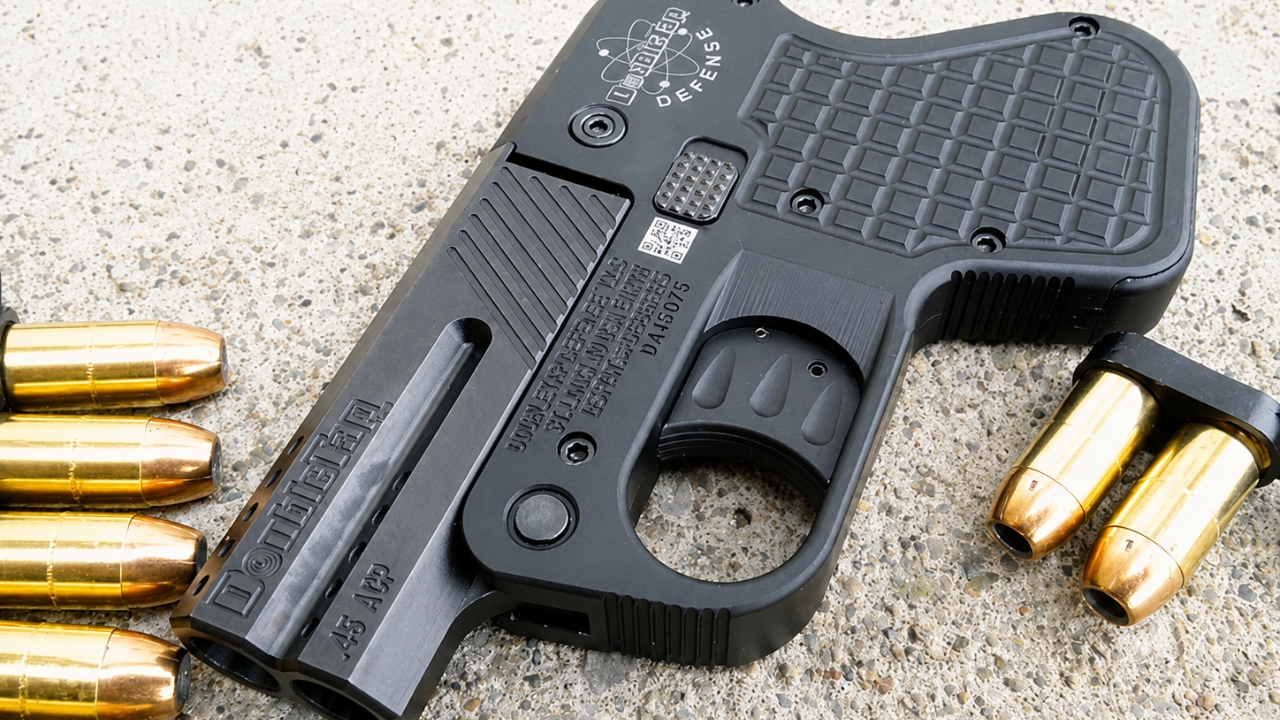
The DoubleTap Tactical Pocket Pistol was marketed as an extremely thin, powerful backup gun. Its two-shot over-under design allowed chamberings such as 9mm and .45 ACP in a flat package that could fit where a conventional pistol might not. Interchangeable barrel units added another layer of versatility.
The shooting experience made the limitations obvious. The grip was minimal, the trigger was heavy, and recoil from full-power ammunition could be brutal. Two shots offer little margin for error, while reloading under stress is far slower than swapping a magazine. The gun carried easily, but it was difficult to shoot accurately and unpleasant to practice with. A defensive handgun that discourages regular training creates its own problem, no matter how thin it is.
Heizer Defense PS1 Pocket Shotgun
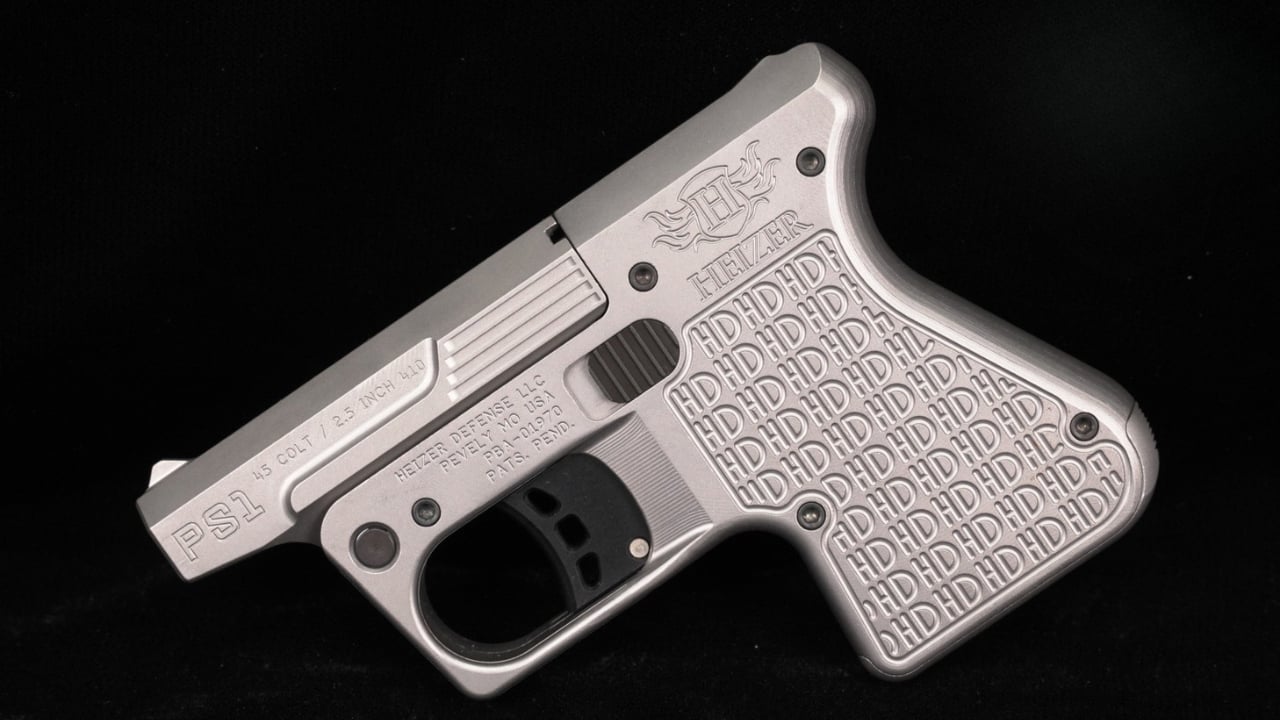
The Heizer Defense PS1 promised .410 shotgun power in a pocket-sized single-shot handgun. Its all-metal construction and folding profile made it look like an extremely rugged emergency firearm. The ability to fire a shotshell from such a compact gun sounded formidable.
The reality was a firearm with enormous recoil, almost no capacity, and very limited practical effectiveness. The tiny grip gave the shooter little leverage, while the short barrel reduced the performance of many .410 loads. Reloading required opening the action and inserting another shell, making follow-up shots painfully slow. It was compact, but compactness alone did not make it a useful defensive tool. Most shooters would be better served by a small revolver or semi-automatic pistol they could actually practice with.
Standard Manufacturing S333 Thunderstruck
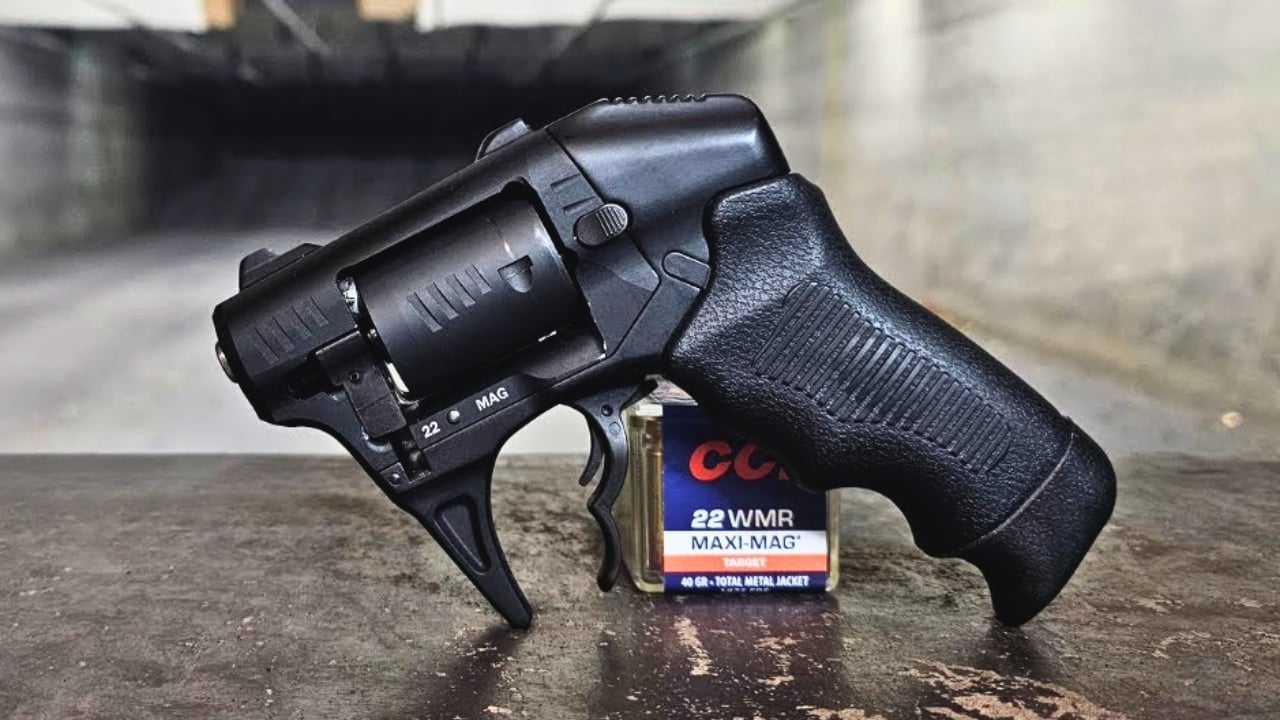
The S333 Thunderstruck was designed to fire two .22 Magnum rounds simultaneously with each pull of the trigger. It held eight cartridges and delivered four paired shots, promising multiple projectiles without the size of a shotgun-style handgun.
The concept created more questions than answers. Firing two rounds at once reduced effective capacity while increasing blast and complicating shot placement. The trigger and safety system were unconventional, and early examples drew criticism over handling and reliability concerns. Two bullets do not automatically double effectiveness, especially when the shooter has limited control over their exact point of impact. The S333 gained attention because it was different, but difference did not translate into a convincing defensive advantage.
USFA ZiP .22
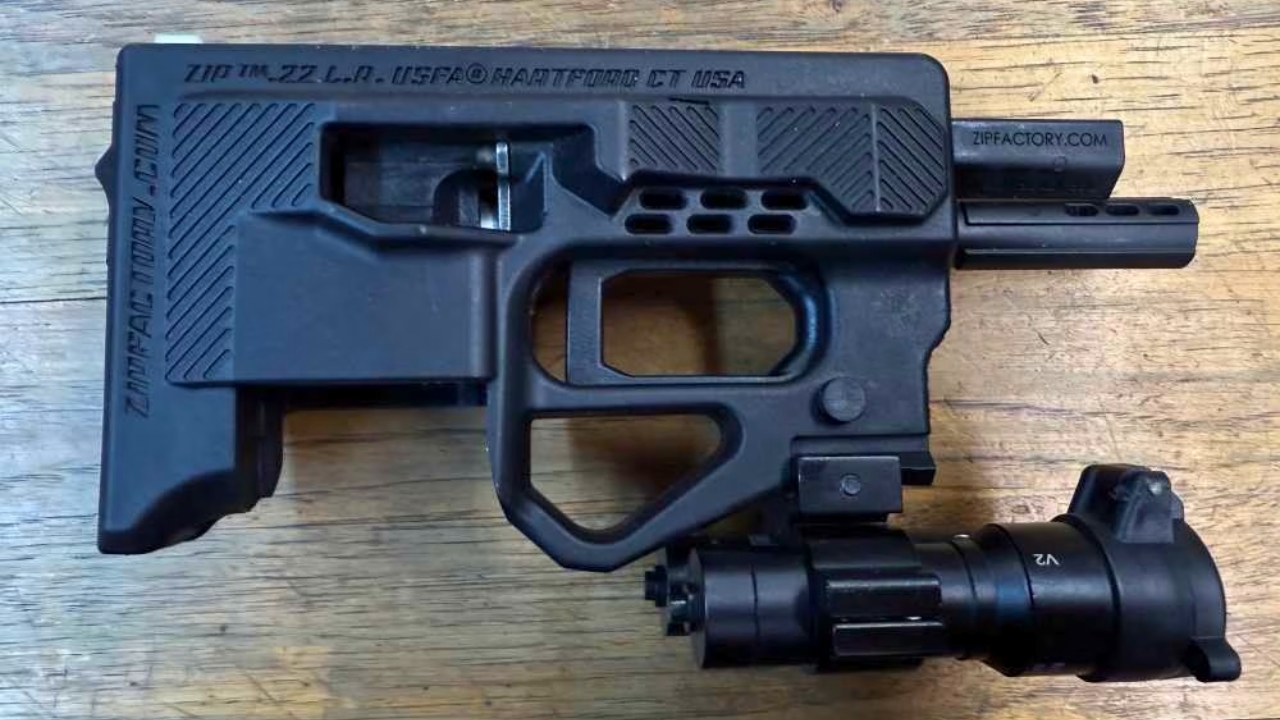
The USFA ZiP .22 was intended to be a compact, modular rimfire pistol that could use Ruger 10/22 magazines. Its unusual shape, high magazine compatibility, and low price made it sound like a fun platform for plinking and experimentation.
The firearm became notorious for awkward controls and poor reliability. Its charging handles were positioned near the muzzle, creating serious concerns about safe manipulation. Feeding problems were common, and the pistol’s shape made it difficult to hold and aim naturally. USFA had previously been known for high-quality single-action revolvers, making the ZiP especially shocking. It was a radical design that failed to account for the basic requirements of safe, comfortable, dependable shooting.
Mossberg 464 SPX

The Mossberg 464 SPX attempted to modernize the classic .30-30 lever-action rifle with an adjustable stock, rails, flash suppressor, and tactical styling. On paper, it combined the proven usefulness of a lever gun with the modular features shooters expected from modern carbines.
The final package looked forced rather than integrated. The stock and rails added bulk without improving the rifle’s balance, while the traditional lever-action receiver limited how naturally tactical accessories could be used. It remained a tube-fed .30-30 with the same range and loading limitations as a conventional lever gun, only less graceful and comfortable. The 464 SPX attracted attention because it was strange, but most hunters and lever-gun shooters preferred either a traditional rifle or a modern semi-automatic.
Benelli MR1
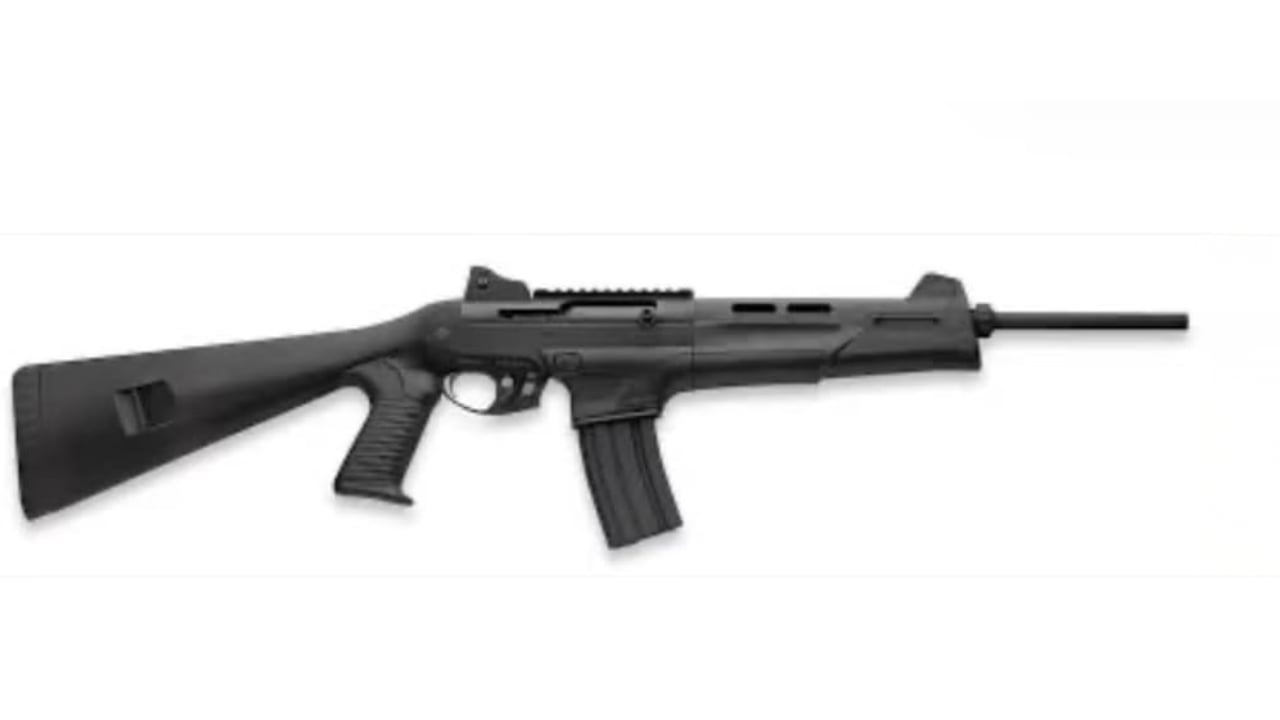
The Benelli MR1 brought the company’s proven gas-operated technology into a 5.56 NATO carbine. It accepted AR-15 magazines and offered a piston-driven alternative from a manufacturer known for reliable semi-automatic shotguns. That combination sounded like it should have produced a serious competitor to the AR platform.
Instead, the MR1 was heavy, expensive, and saddled with awkward ergonomics. Its stock and control layout felt more like a hunting rifle adapted to tactical use than a carbine designed from the beginning around modern handling. Aftermarket support was tiny compared with the AR-15, and the rifle offered few performance advantages to justify its cost. It was well built, but it solved no meaningful problem better than less expensive rifles.
Winchester Model 100
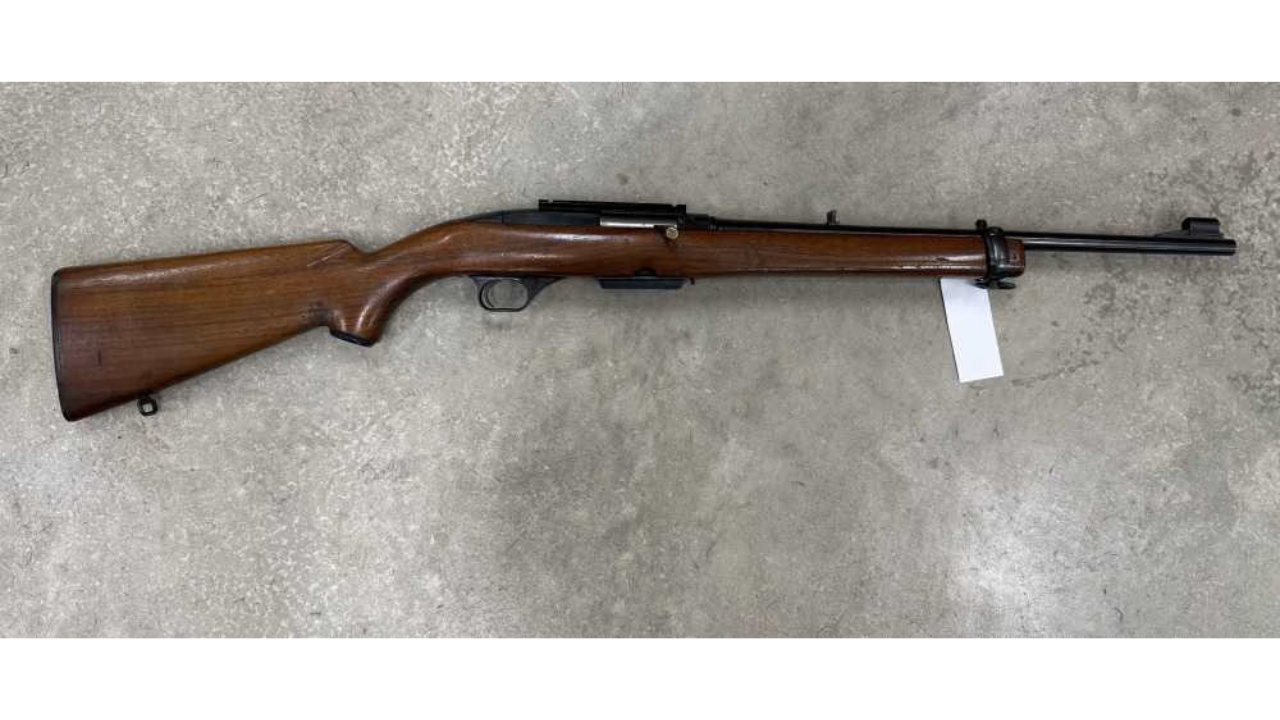
The Winchester Model 100 promised the handling of a traditional hunting rifle with the quick follow-up shots of a semi-automatic action. It was chambered in popular deer cartridges and carried one of the most respected names in American firearms.
Age exposed the design’s limitations. The rifle became subject to a firing-pin recall, and maintenance could be difficult compared with simpler bolt actions. Accuracy was adequate for woods hunting but often fell short of what modern hunters expect. Replacement parts and knowledgeable service are now harder to locate. The Model 100 still has nostalgic appeal, but the idea of a sleek semi-automatic deer rifle proved more attractive than the long-term ownership experience.
Remington EtronX

The Remington EtronX attempted to improve rifle lock time by replacing the mechanical firing pin with an electronic ignition system. Special primers were triggered by an electrical pulse from the rifle, promising faster ignition and potentially greater accuracy.
The system tied owners to proprietary ammunition and electronic components. The rifle required a battery, and the specialized cartridges were expensive and difficult to find. Any theoretical accuracy improvement was too small to justify abandoning the simplicity and universal support of conventional primers. Once Remington stopped supporting the system, owners were left with rifles that depended on dwindling ammunition supplies. The EtronX was technically interesting, but it turned one of the most dependable mechanical systems in firearms into an unnecessary electronic problem.
Like The Avid Outdoorsman’s content? Subscribe to our newsletter so you never miss an article.
Here’s more from us: