Photo credit: AI-generated image created using ChatGPT. Illustrative only
Buying a new place is supposed to be the fun part—keys in hand, lock codes changed, and a punch list of projects before you haul in the furniture. But one Ontario homeowner’s first days with a new set of house keys took a hard left when the seller reached back out with a worry that stops most folks cold: he thought he may have left a rifle somewhere inside.
In the original post, the new owner said they’d only been in the home briefly on possession day to pick up keys, update key codes, and let a contractor begin work. They weren’t moved in yet and were still living in another town at their old house—plus they had young kids, which made the idea of an unaccounted-for firearm in a new home feel a whole lot more urgent.
A rifle “might” be in the house, and that’s a big deal
Misplaced firearms are different than a forgotten ladder in the garage or a box of spare tiles in the basement. If a rifle is truly left behind, it’s a safety problem first—and a legal and liability problem second. The new owner in this case wasn’t just thinking about themselves; they were thinking about what happens when kids arrive, or when contractors and trades are in and out all day.
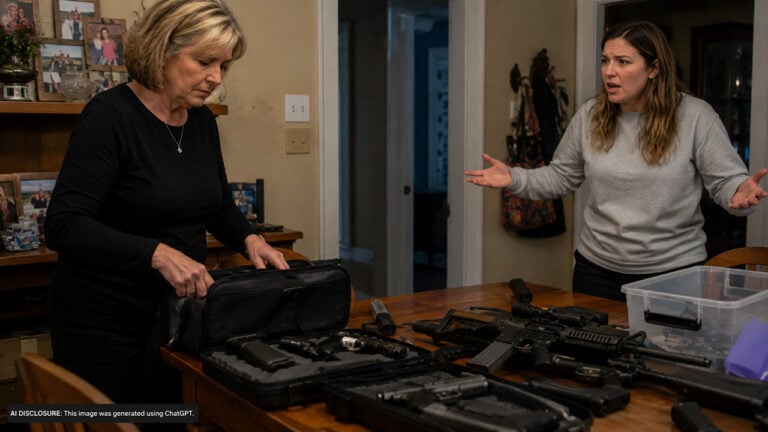
That’s a common rural reality: houses change hands and the “in-between time” involves real traffic—painters, flooring guys, electricians—sometimes with doors left open or tools staged in different rooms. If there’s a gun tucked behind a bed, up on a closet shelf, or slipped into a basement corner, it’s a risk that grows the longer it stays “maybe” lost.
Letting the previous owner back in was meant to solve it fast
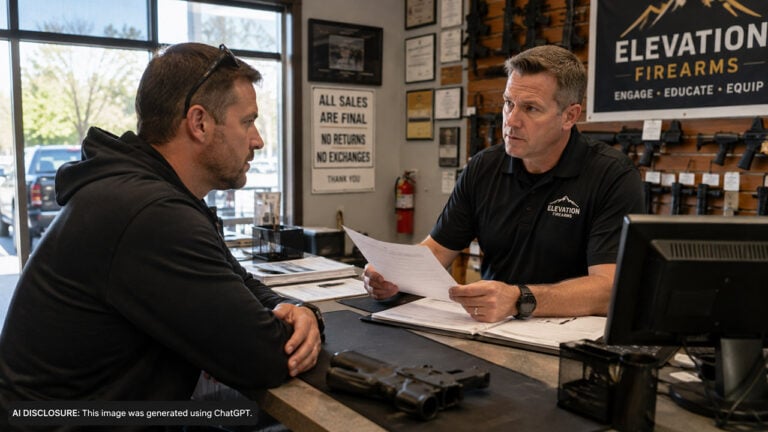
The new owner said they gave their realtor permission to let the previous owner in using the new keycode. The idea was simple: the seller knew where he thought the rifle was, so let him check, grab it, and close the loop before the family moved in.
According to the post, the previous owner checked the bedroom where he believed the rifle would be and didn’t find it. That should have ended the story one way or another, but it didn’t. After about 48 hours, the rifle still hadn’t turned up in the seller’s moved belongings either, which kept the new owner stuck in limbo.
The real-world safety issue: contractors now have access to the unknown
One detail that matters here is the contractor. The homeowner said work was actively happening in the house, and they’d already made the contractor aware of the situation. That’s a smart move, because the worst-case scenario isn’t just “a gun exists somewhere.” It’s a worker stumbling onto it, handling it out of curiosity, or setting it aside somewhere “safe” that turns out not to be safe at all.
Even if everyone on site is responsible, a firearm found unexpectedly can bounce between hands quickly: one guy tells another, it gets moved “so nobody touches it,” and suddenly you’ve got a chain-of-custody problem. When a gun is unaccounted for, keeping the number of people involved as small as possible is usually the safer play.
Frustration set in when the seller didn’t seem urgently concerned
The homeowner didn’t hide their frustration. They said it bothered them that the previous owners didn’t appear more concerned about having lost a gun and weren’t urgently looking for it. That reaction makes sense to anyone who’s ever owned firearms responsibly: if you truly think a rifle is missing, you don’t treat it like a missing sock.
Hunters and gun owners know that “I might have left it there” isn’t a casual statement. It implies the gun wasn’t secured the way it should’ve been during a major life moment—packing, moving, and handing a property over to someone else. And if the seller isn’t treating it like an emergency, that puts the new owner in the awkward spot of being the only one trying to act like it matters.
What options the homeowner appeared to be weighing
The post read like a person trying to do the right thing without accidentally stepping into a liability trap. They asked what they should be doing and whether they had any liabilities. That’s the practical side of it: you want the rifle found and secured, but you also don’t want to create a new problem by handling something you don’t own, letting the wrong person back into your house, or allowing a situation to drift into “he said, she said.”
They’d already taken a couple steps that show good judgment: limiting the initial search to the area the seller specifically mentioned, controlling access through the realtor, and informing the contractor so nobody is surprised. The next part—how far to go searching, who should be present, and how to document what’s happening—was the part they were clearly trying to sort out.
Why this hits home for outdoorsmen and rural homeowners
If you’ve bought and sold enough properties—especially in hunting country—you’ve seen how “left behind” items happen. Ammo in a drawer. A bow case in a closet. A beat-up .22 tucked in a soft case behind shelving. Most of the time it’s not malice; it’s chaos. But firearms don’t get treated like old paint cans, and they shouldn’t.
This kind of scenario is also a reminder of why clean move-out practices matter for gun owners. Before a move, a lot of folks do the big stuff—safe gets loaded, guns get cased, and the obvious hiding places get checked. The miss usually happens in those “temporary spots” we all use: the back of a closet after last deer season, under a bed during a hurried cleaning, or behind luggage in a spare room nobody uses.
For the buyer, the best instinct is the one this homeowner already had: treat the possibility seriously because kids, contractors, and curiosity don’t mix with uncertainty. The moment you own the property, you’re the one living with the risk—even if the mistake started with someone else.
At the end of the day, a home purchase is stressful enough without adding “missing rifle” to the checklist. The practical goal is simple: keep access controlled, keep everyone safe, and get the situation resolved before a busy house—with family and workers coming and going—turns a bad oversight into a real problem.
Like The Avid Outdoorsman’s content? Subscribe to our newsletter so you never miss an article.
Here’s more from us: