Photo credit: Efdal YILDIZ/Pexels.com
Walk through any campground on a Friday evening and you can almost predict what is sitting under the awning. Same coolers. Same lanterns. Same chairs. Same big-name tents that look sharp in a catalog but start feeling a little flimsy when the wind kicks up at 2 a.m.
I’m not saying the popular stuff is all bad. Some of it is great. But there’s a whole layer of gear that doesn’t get much attention because it isn’t trendy, it isn’t sponsored to death, and it doesn’t come in five “limited drop” colors. It’s just quietly solid, easier to live with, and it keeps working after the new-gear excitement wears off.
1. ALPS Mountaineering Camp Chair (King Kong)
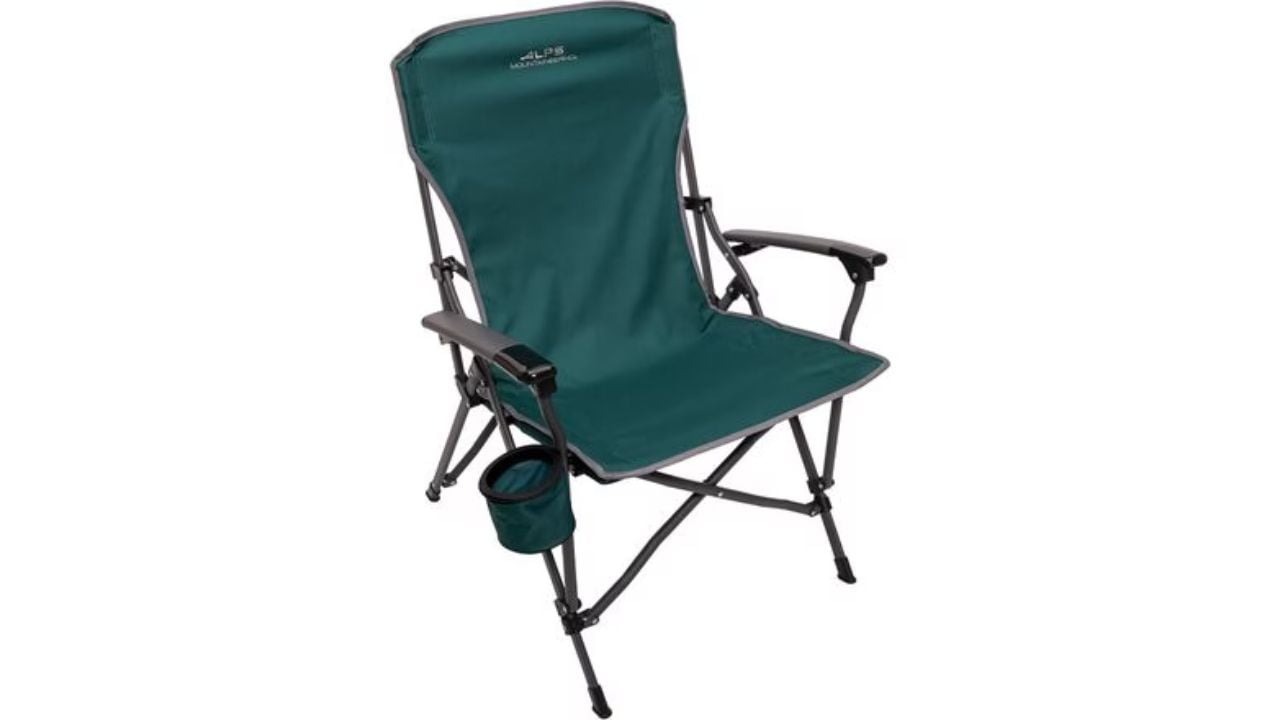
This is the chair I keep seeing at hunting camp, not the fancy “ultralight lounger” that sags by season two. The King Kong is big, a little heavy, and not trying to be cute. But it sits like a real chair and doesn’t feel like you’re balancing on aluminum tent poles.
If you’re the guy who ends up tending the fire, cooking, and watching the kids, comfort matters. The fabric holds up, the frame takes abuse, and the cup holder doesn’t collapse the first time you set a metal mug in it. There is nothing fancy about it, and that is kind of the point.
2. Kelty Low Loveseat
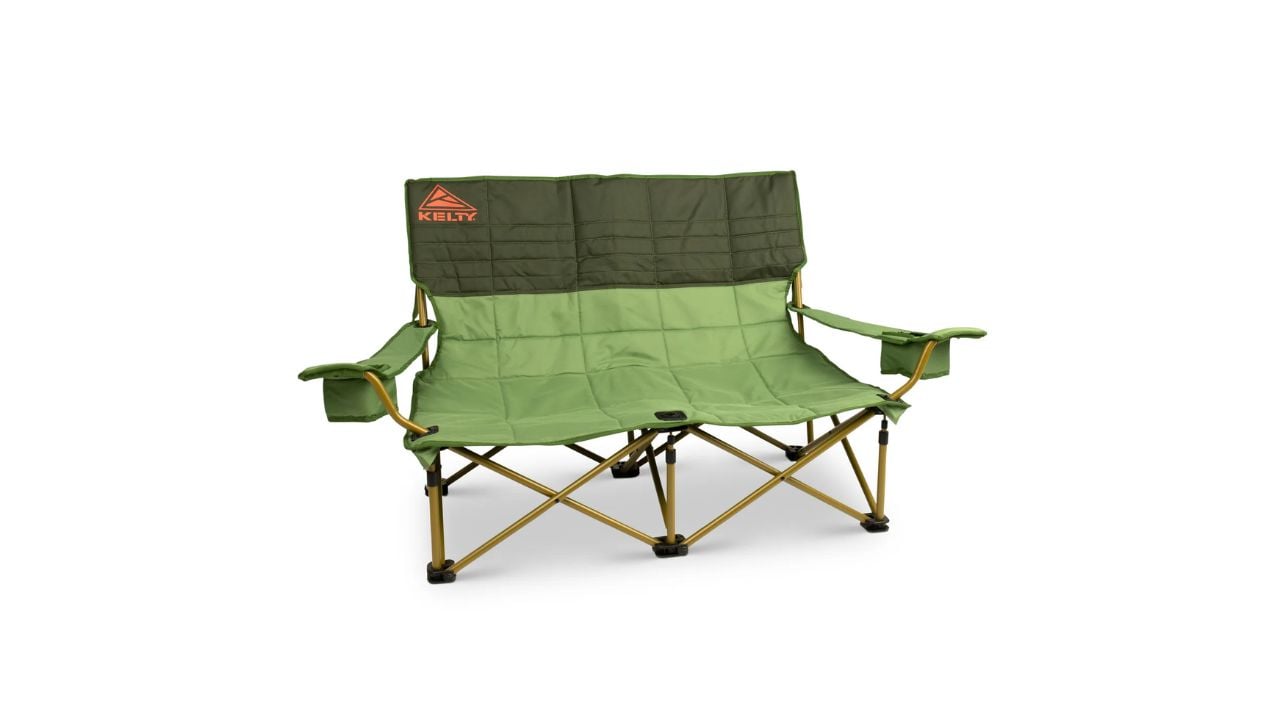
I get why people roll their eyes at a “loveseat” for camping. Then you spend a wet weekend with nowhere dry to sit and you’ll understand it. This thing turns a campsite into a place you actually want to hang out.
It’s low to the ground, stable, and it doesn’t do that annoying twist when one person shifts. If you camp with a spouse, a kid, or even a dog that thinks every chair is theirs, it’s a nice upgrade without turning into glamping nonsense.
3. Klean Kanteen Classic Stainless Bottle
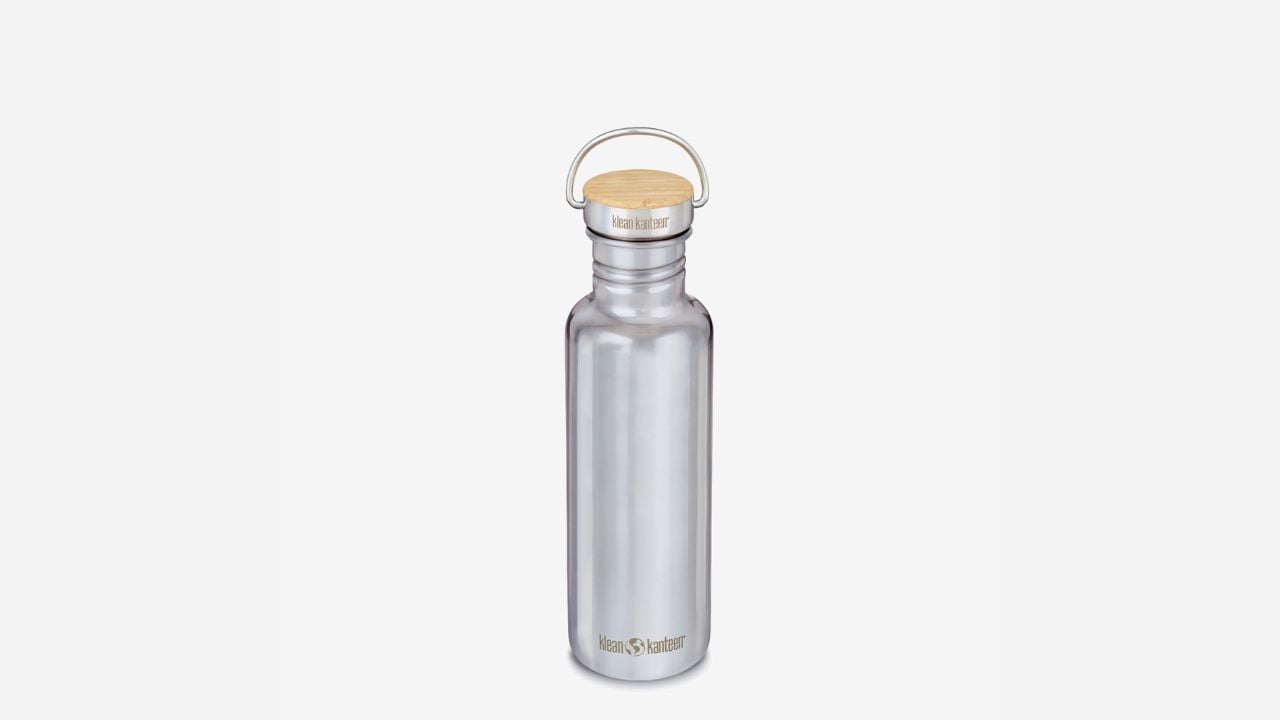
Those popular insulated bottles are nice until you drop one in the dark and it sounds like a bowling ball hitting a tailgate. The simple single-wall stainless Klean Kanteen is lighter, tougher than it looks, and it’s easy to clean without special brushes.
It also doesn’t trap flavors as badly. Fill it with coffee in the morning and water in the afternoon and it won’t taste like yesterday’s camp breakfast. Ask me how I know.
4. UCO Original Candle Lantern
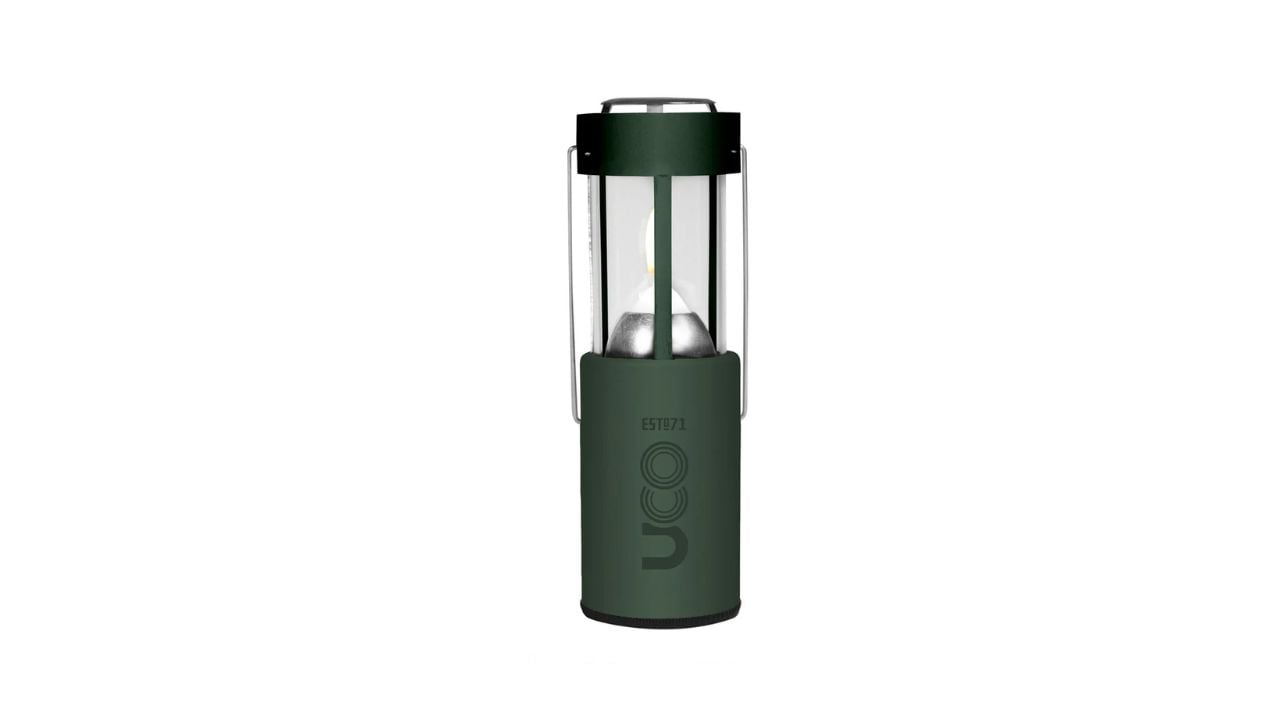
Battery lanterns are bright, sure. They also turn into junk drawers full of dead AAs if you’re not on top of it. The UCO candle lantern is an old-school tool that earns its keep when you want a soft light that won’t nuke your night vision.
It’s not a heat source and it’s not a spotlight. It’s just steady light that works in cold weather and packs easy. Keep it stable, keep it attended, and it’s one of those little camp items you end up reaching for more than you expect.
5. Coleman Peak1 2-Burner Stove
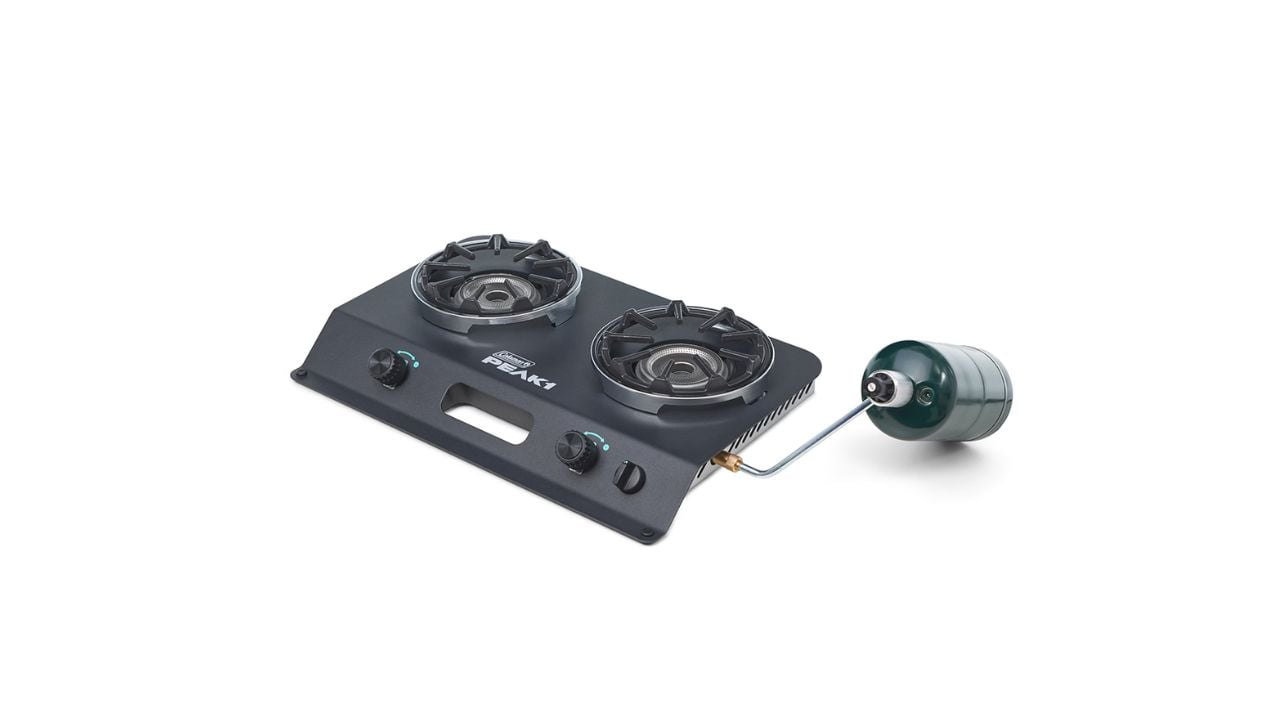
Everybody knows the classic green Coleman. The Peak1 version feels like the brand finally listened to campers who actually cook. It’s more compact, burns more controlled, and it isn’t as rattly and awkward as some of the cheaper two-burners.
If you’re simmering chili while boiling water for coffee, flame control matters. The wind performance is better than you’d think, and it stores without feeling like you’re hauling a toolbox. It’s not boutique, it’s just right.
6. GSI Outdoors Pinnacle Camper Cookset
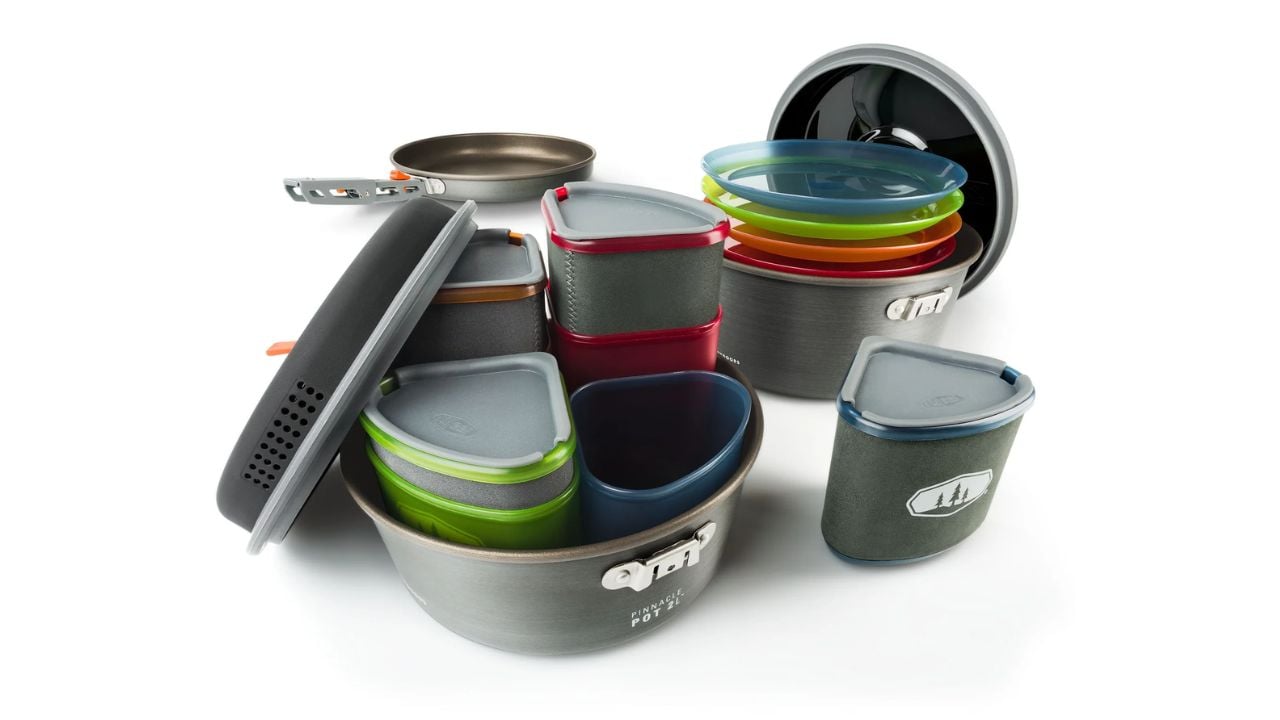
The internet loves fancy titanium because it looks cool. In real camp cooking, nonstick that actually behaves is what keeps you sane. GSI’s Pinnacle set has coated pans that clean up without a fight, even when you’re short on water.
The pieces nest well, the lids fit, and it feels designed by someone who has burned pancakes before. Is it ultralight? No. But for car camping and base camp hunts, it’s hard to beat for the price.
7. Stanley Adventure Base Camp Cook Set
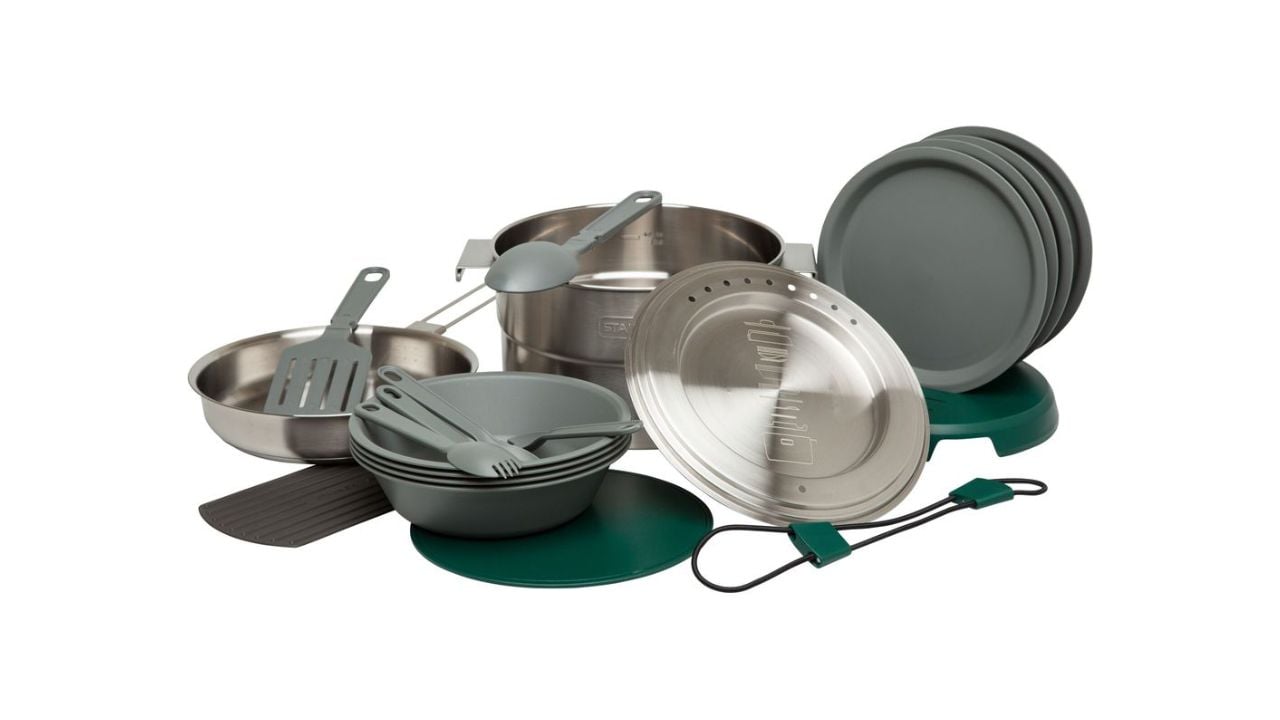
This is one of those kits that seems too basic until you realize it covers 90% of what normal campers need. Pot, lid, cups, simple cooking pieces, and it all stacks into a neat brick.
I’ve watched buddies show up with three separate boxes of kitchen stuff, then borrow my pot anyway. The Stanley set isn’t sexy, but it’s organized and it works. And the stainless can take real heat without feeling like you’re babying it.
8. Eno Atlas Hammock Straps
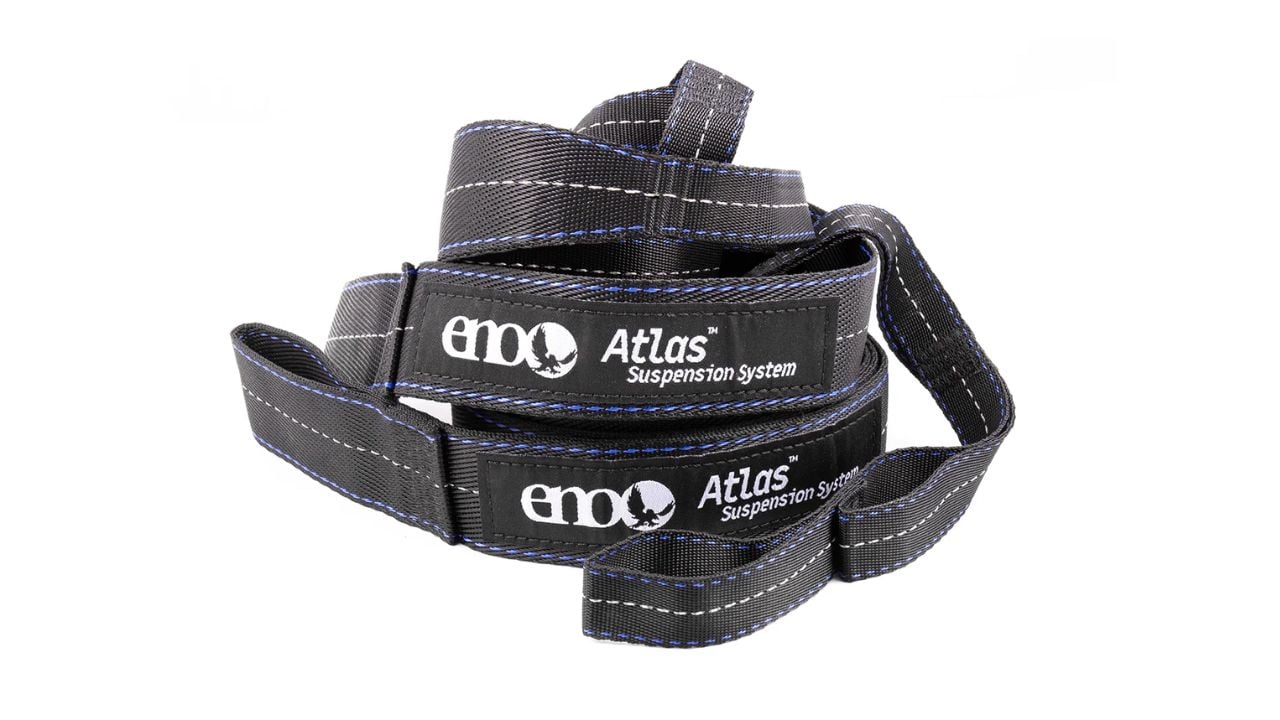
Hammocks are everywhere now, but most of the frustration comes from junk straps. Good straps make the whole setup faster, safer for trees, and less likely to slip when you finally get comfortable.
The Atlas straps are simple and tough. They adjust easy, they don’t dig into bark like skinny rope, and they hold without drama. Not the cheapest option, but cheaper than waking up on the ground.
9. Slumberjack Borderland Sleeping Bag
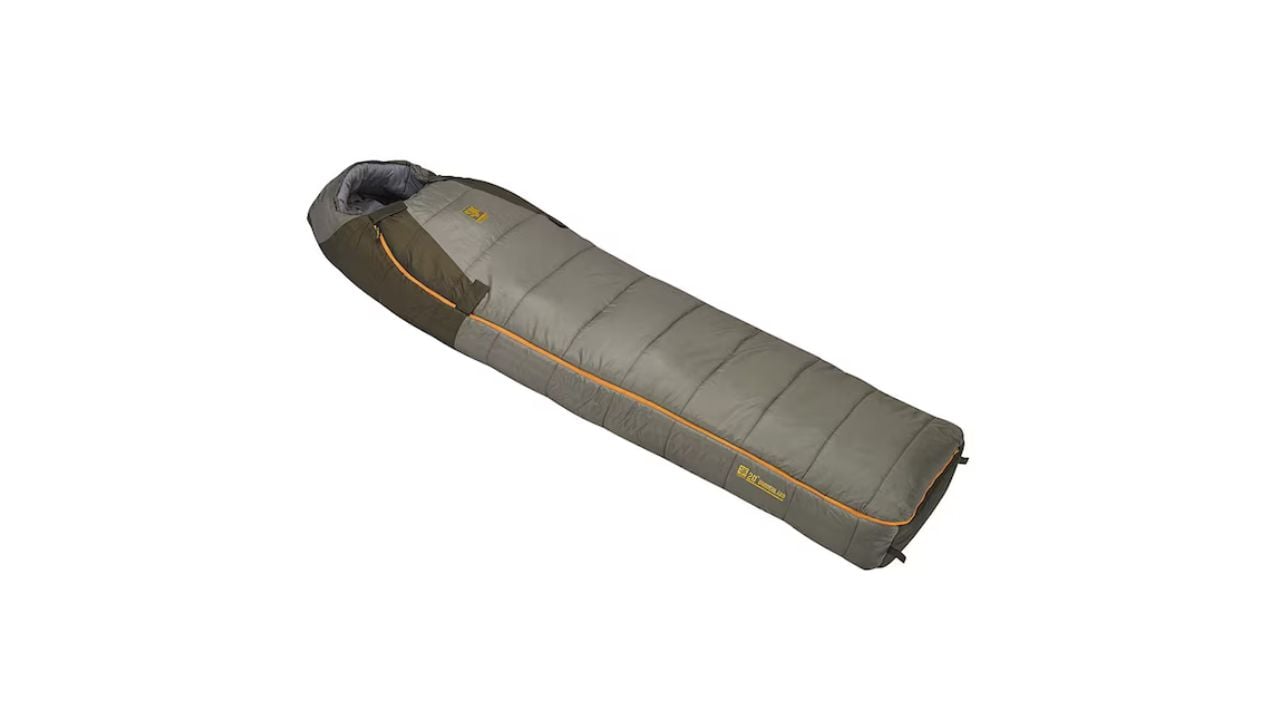
A lot of the big-name sleeping bags are either expensive or optimistic with their temperature ratings. Slumberjack has been quietly making bags that land in that sweet spot for normal folks who get cold at 4 a.m.
The Borderland isn’t a mountaineering bag, but it’s warm, roomy, and the zippers don’t feel like they were designed to snag. If your trips are mostly spring through fall, it’s a better real-world buy than a “pro” bag you’re scared to get dirty.
10. Klymit Static V Sleeping Pad

I’ve slept on the cheap foam pads. I’ve slept on the loud “crinkle” pads that sound like you’re unwrapping candy all night. The Static V is one of the quieter inflatable pads that still gives you actual cushion.
It packs down small, inflates quick, and it’s forgiving if you’re a side sleeper. Is it the warmest pad on earth? No. But for most camping and early-season hunts, it hits the comfort-to-cost ratio just right.
11. Sea to Summit Aeros Premium Pillow
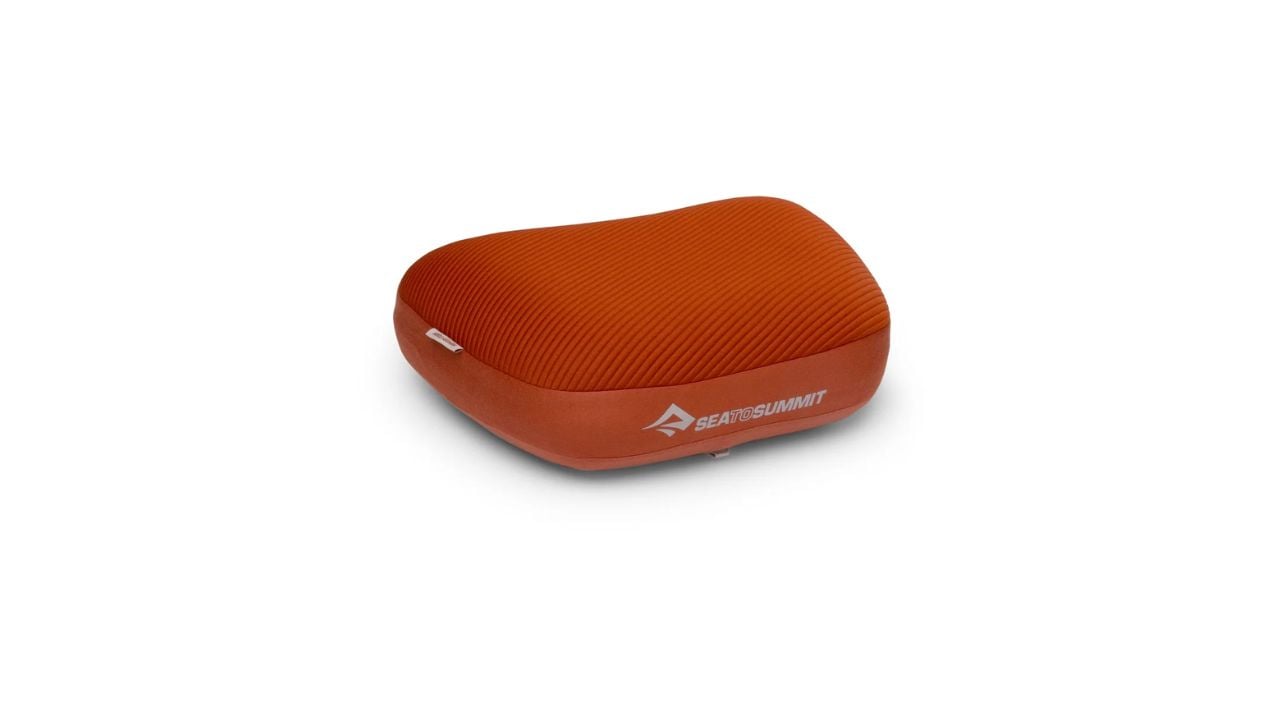
I used to be the guy who laughed at camp pillows. Then I hit the age where sleeping wrong ruins the next day. This pillow packs tiny but feels like a real pillow instead of a balloon with a shirt over it.
The fabric is soft, the shape works, and it stays put better than most. You don’t need it to survive, but you’ll feel the difference when you’re trying to hike or paddle the next morning.
12. Eureka! Copper Canyon LX Tent
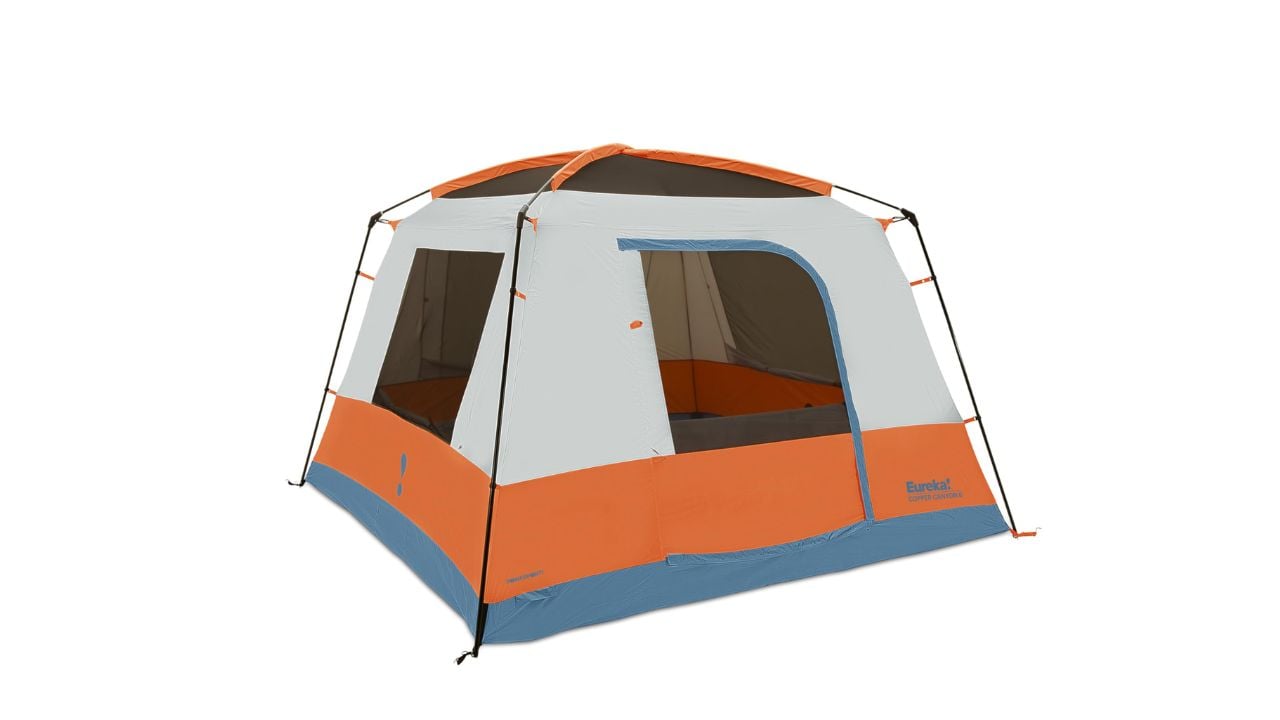
A lot of popular tents look big until you put two people, two pads, a duffel, and wet boots inside. The Copper Canyon is more of a cabin-style tent, and it’s a comfort play that makes sense for families and base camps.
It has room to stand up, the walls don’t cave in, and the ventilation is solid. If you’re tired of crawling into a “six-person” tent that feels like a two-person, this one is a quiet upgrade.
13. Paria Outdoor Products Sanctuary SilTarp
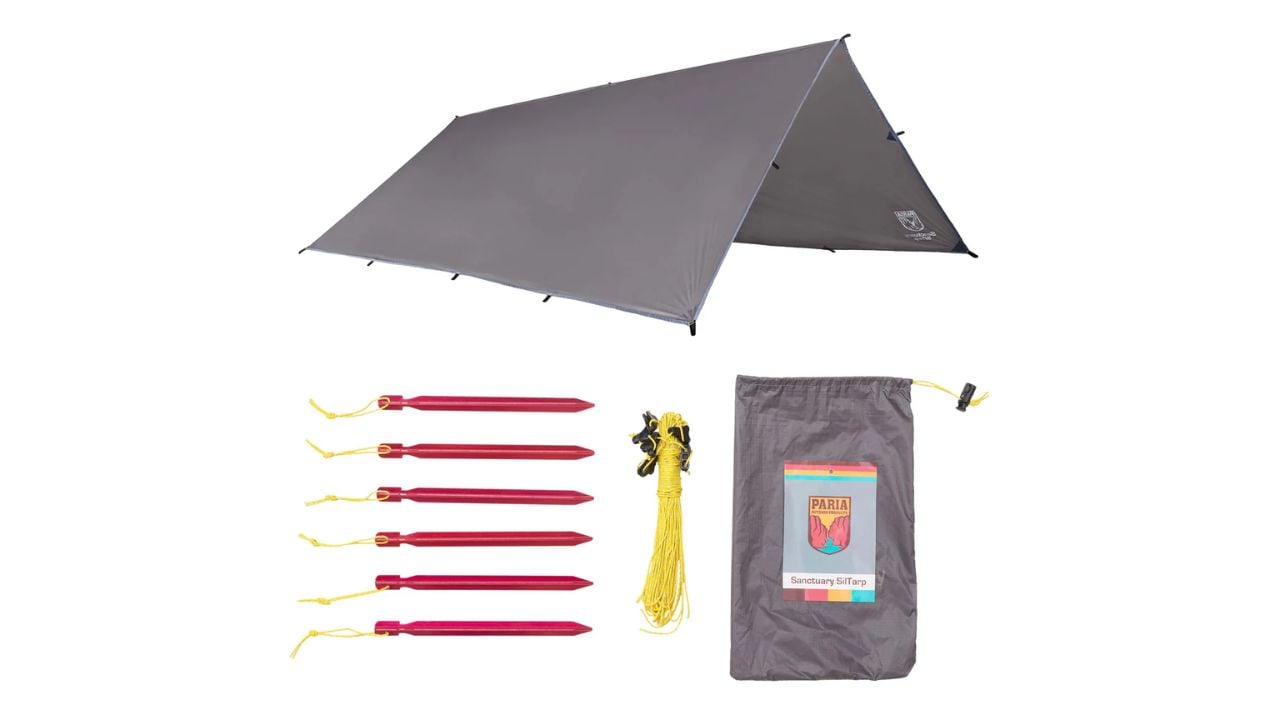
Tarps don’t get glory, but they solve problems fast. Shade when the sun is cooking you, cover when the rain starts, a dry spot to sort gear, or an extra roof over the cooking area.
Paria makes tarps that feel like they should cost more. The stitching and tie-outs hold up, and you don’t have to treat it like fragile fabric. Pair it with decent cordage and you’ll wonder why you didn’t carry a tarp sooner.
14. MSR Groundhog Tent Stakes
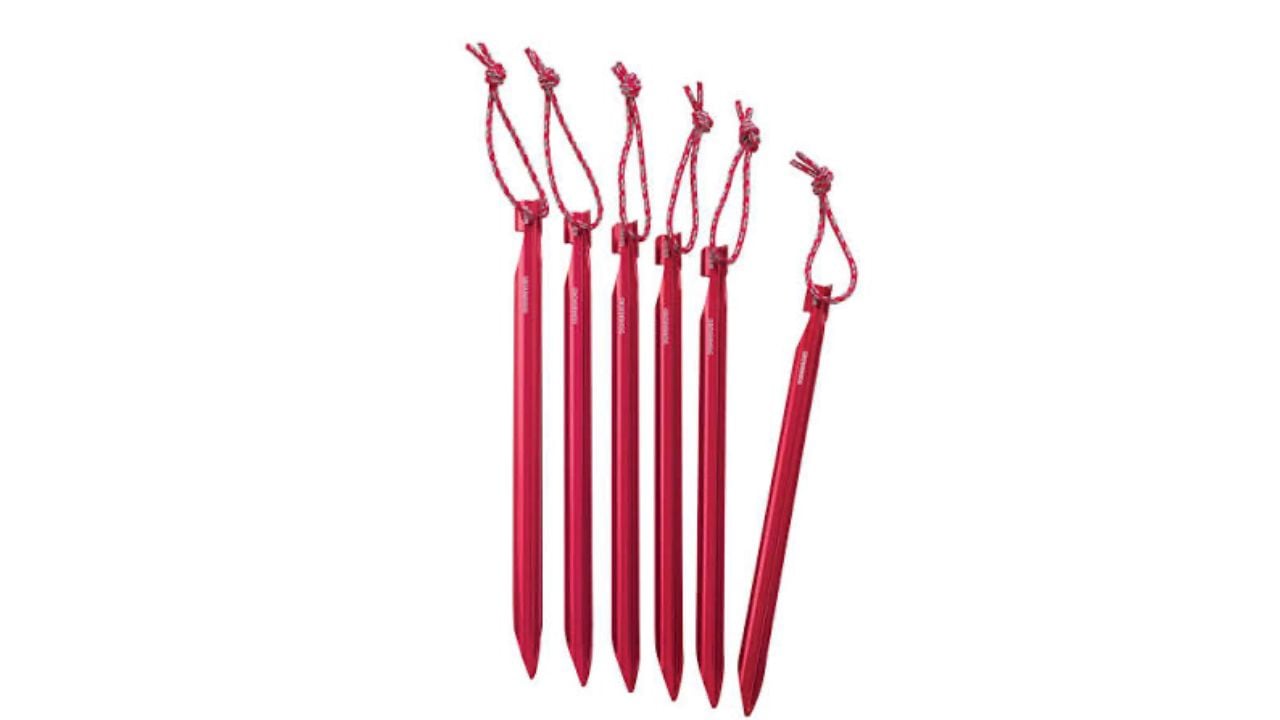
This is one of those boring items that separates a relaxed night from a miserable one. The cheap stakes that come with most tents are fine until you hit rocky ground or hard-packed sites.
Groundhogs bite into soil, hold in wind, and don’t bend the first time you hit a hidden root. Buy a set once and stop fighting your shelter every trip. That one hurts to learn the hard way.
15. Mora Companion Knife
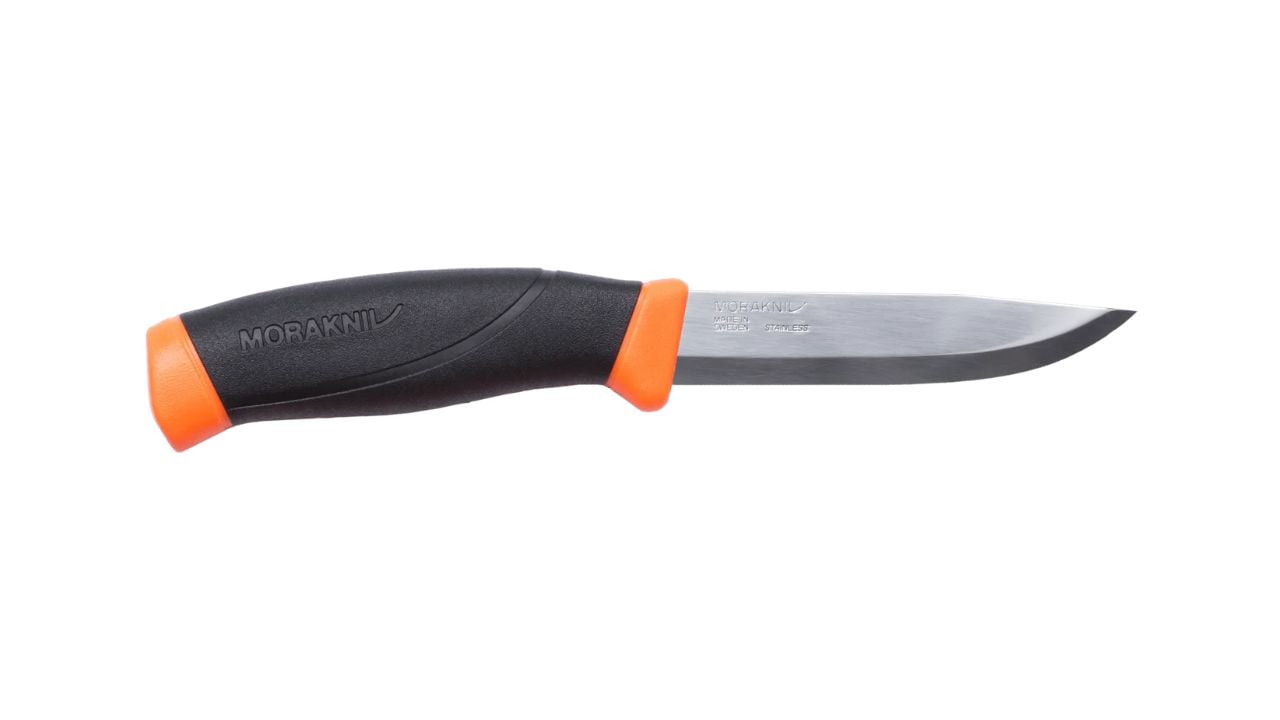
There are a lot of “bushcraft” knives that look like props. The Mora Companion is a simple working knife that cuts, carves, and handles camp chores without you feeling like you need a museum case for it.
It’s sharp, the grip is secure when wet, and it’s cheap enough that you’ll actually use it. If it gets lost in the leaves, you’ll be annoyed, but you won’t be sick about it for a week.
16. Silky Gomboy Folding Saw
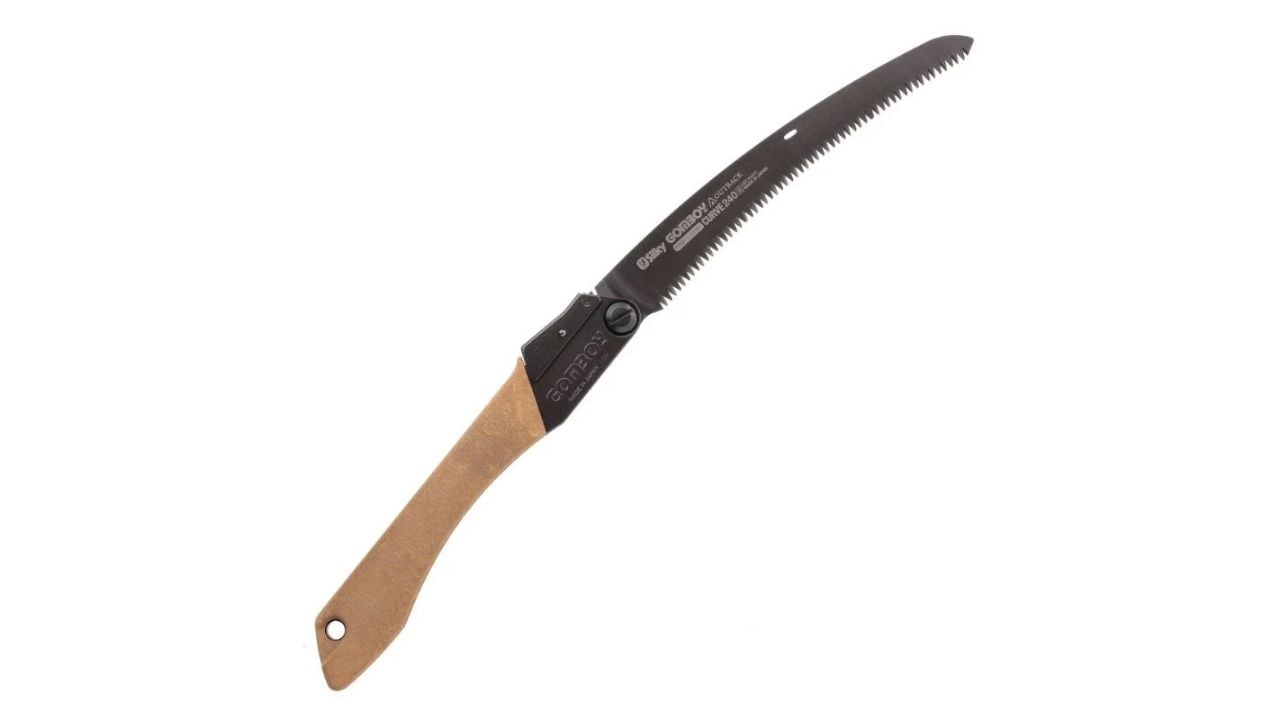
When someone says they’re bringing a saw, half the time it’s a dull folder that bounces off wood. The Silky Gomboy is a different deal. It bites hard and cuts clean, even on deadfall that would have you sweating with a hatchet.
It’s fast, packable, and it makes firewood processing less of a chore. Just respect the blade and don’t get casual with it when you’re tired. Sharp tools demand attention.
17. Anker PowerCore 26800 Power Bank
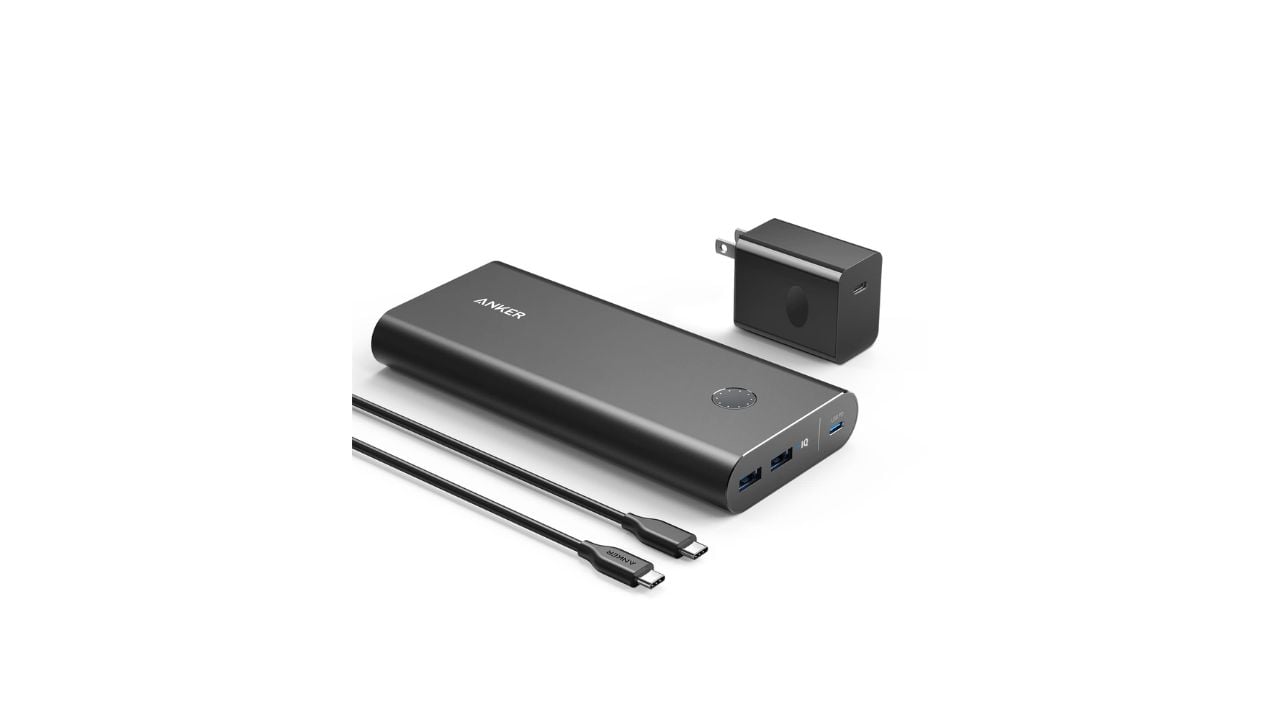
I’m not trying to turn camping into a phone festival, but having power matters for maps, weather, headlamps that charge by USB, and keeping a communicator alive. The cheap power banks are a gamble, especially in cold temps.
Anker’s bigger bricks are heavier, but they’re dependable. One solid battery bank beats three sketchy ones every time. Keep it in a dry bag and don’t leave it on the picnic table overnight when the temperature drops.
18. Black Diamond Spot Headlamp
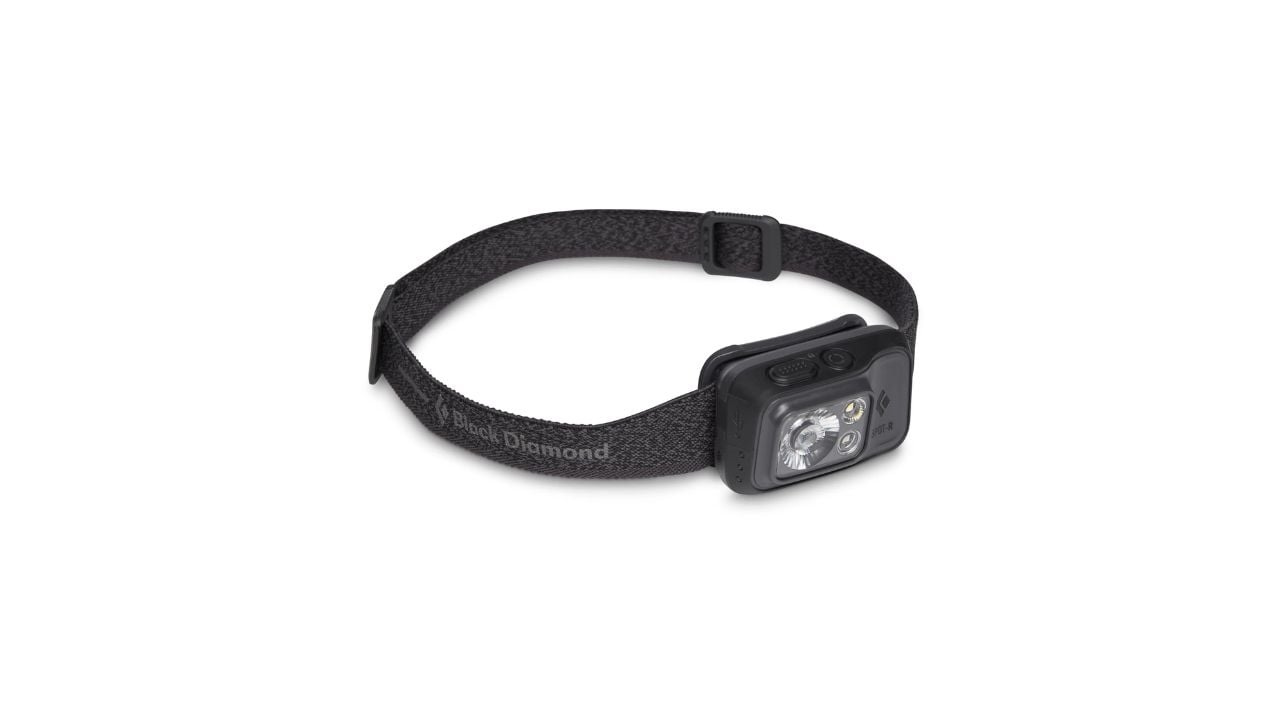
There are brighter headlamps. There are smaller ones. But the Spot is one of those models that just keeps showing up because it works. The controls make sense, it doesn’t feel fragile, and the beam pattern is useful around camp.
Red light for not blinding everyone, enough throw to find a trail, and it doesn’t eat batteries like candy. It’s a good example of “buy once, stop thinking about it.”
19. Nite Ize Gear Tie ProPack (rubber twist ties)
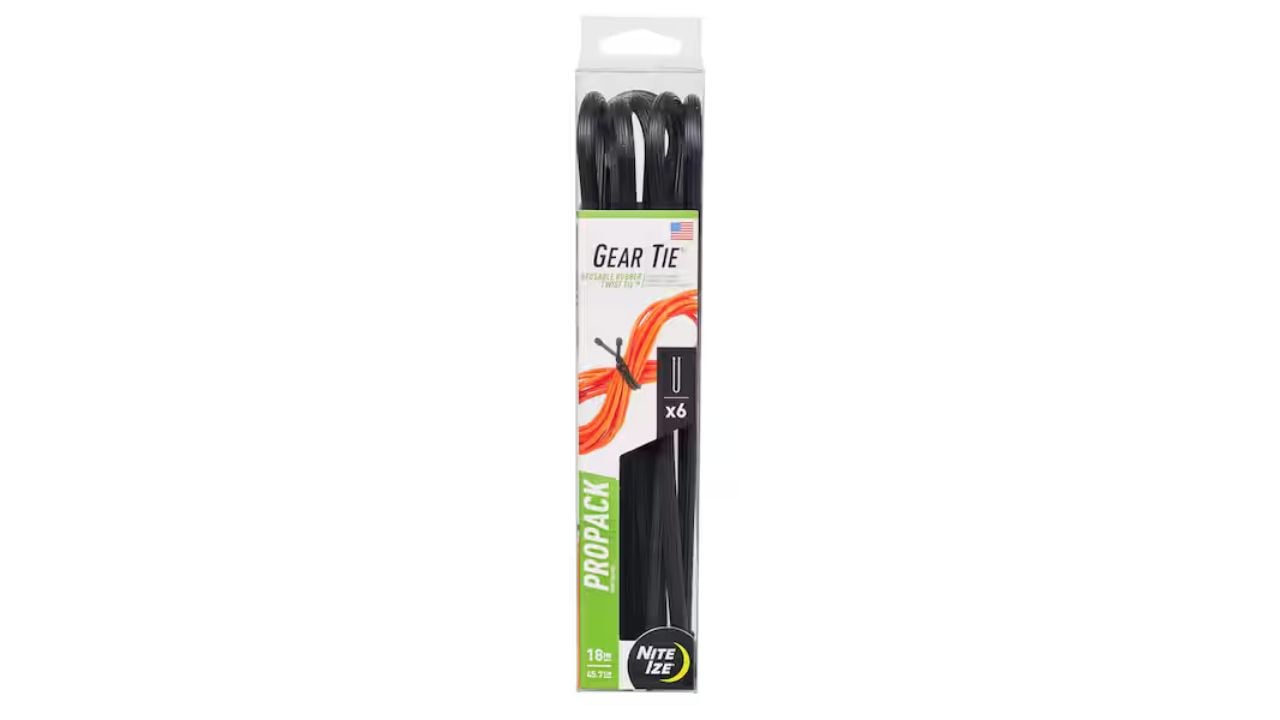
This is the kind of little item you don’t buy because it isn’t exciting, then you use it a hundred times. Bundle rods, secure a tarp corner, tame a mess of cords, hang a lantern, keep your cooler latch from bouncing on rough roads.
They’re reusable, grippy, and tougher than the basic twist ties. Keep a few in the truck, a few in the kitchen box, and you’ll stop improvising with paracord for everything.
20. Sea to Summit Ultra-Sil Dry Bag
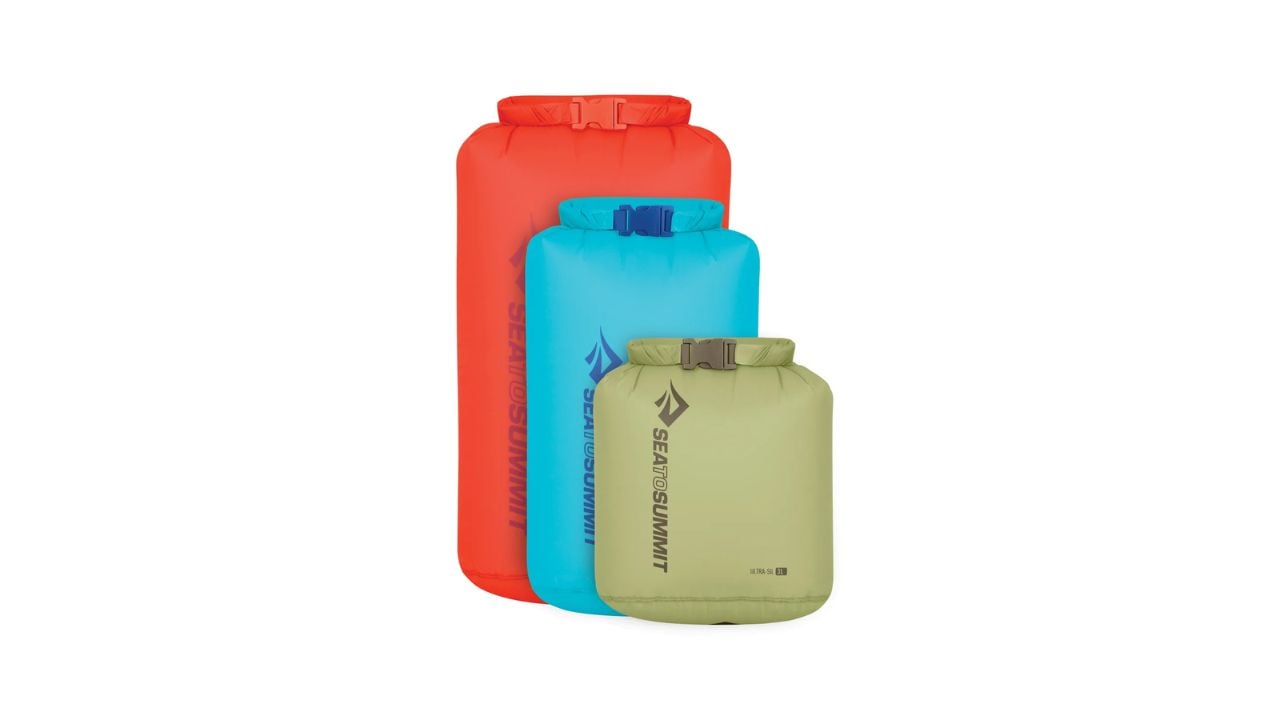
A lot of folks trust their pack to be “water resistant” and learn the truth in a downpour. A good dry bag turns chaos into order. Clothes stay dry, electronics stay dry, and you can separate wet stuff without soaking everything else.
Sea to Summit’s Ultra-Sil bags are light, pack small, and the roll-top actually seals well if you do it right. They’re not indestructible, but they’re reliable if you don’t treat them like a drag bag across gravel.
The funny part about camp gear is that the best stuff usually isn’t the loudest. It’s the items that quietly solve problems: staying warm, staying dry, cooking without a mess, sleeping well, and keeping camp simple. If you’ve been buying what everybody else buys, try swapping in one or two of these and see how the weekend feels. That’s usually all it takes.
Like The Avid Outdoorsman’s content? Subscribe to our newsletter so you never miss an article.
Here’s more from us: