Photo credit: 704 TACTICAL/Youtube
Walk into a gun shop today and you’ll still see the classics. Glocks, 870s, 10/22s, and a row of ARs that all kind of blur together after a while. But if you’ve been around counters, pawn shop racks, and weekend range lines for a couple decades, you know there are certain models that used to be everywhere… and now they’re oddly hard to spot.
Sometimes it’s a company getting bought, a line getting discontinued, or a newer design flat-out replacing it. Sometimes it’s not even that the gun was “bad.” It’s just that the market moved on, and the supply dried up. Here are 20 that were common not that long ago and have gotten scarce in the real world.
1. Remington 700 SPS Tactical (AAC-SD)

Ten years ago, these were leaning in corners at ranges like pickup trucks in a high school parking lot. Short barrel, threaded, easy to dress up with a stock and a decent optic, and it shot well enough for most of us.
Then Remington’s turbulence hit, the line got spotty, and “just go grab an AAC-SD” stopped being a thing. When one shows up now, it’s either beat up from hard use or priced like a “classic” because everyone remembers they used to be a slam-dunk buy.
2. Marlin 336 (Remington-era production)

You used to see the “new” 336s all over the place, especially in big box stores when the lever gun wave started building again. Not everybody loved the fit and finish during that era, but the rifles were available, and they still filled tags.
Now the market is weird: older JM-stamped guns bring money, the Ruger-made Marlins are solid but not always easy to find, and those Remington-era 336s don’t sit on racks like they used to. They got bought, sold, and put away.
3. Ruger SR9c

This one was a legit working-guy carry pistol. Thin enough to conceal, reliable, and the trigger was better than it got credit for. You could run the compact mag or stick in the bigger one and pretend it was a duty gun.
Then the striker-fired world went into overdrive and the SR-series quietly slid out of the spotlight. These days you might find one in a used case, but it’s not the common recommendation it once was, and new ones aren’t stacked deep anymore.
4. SIG Sauer P938
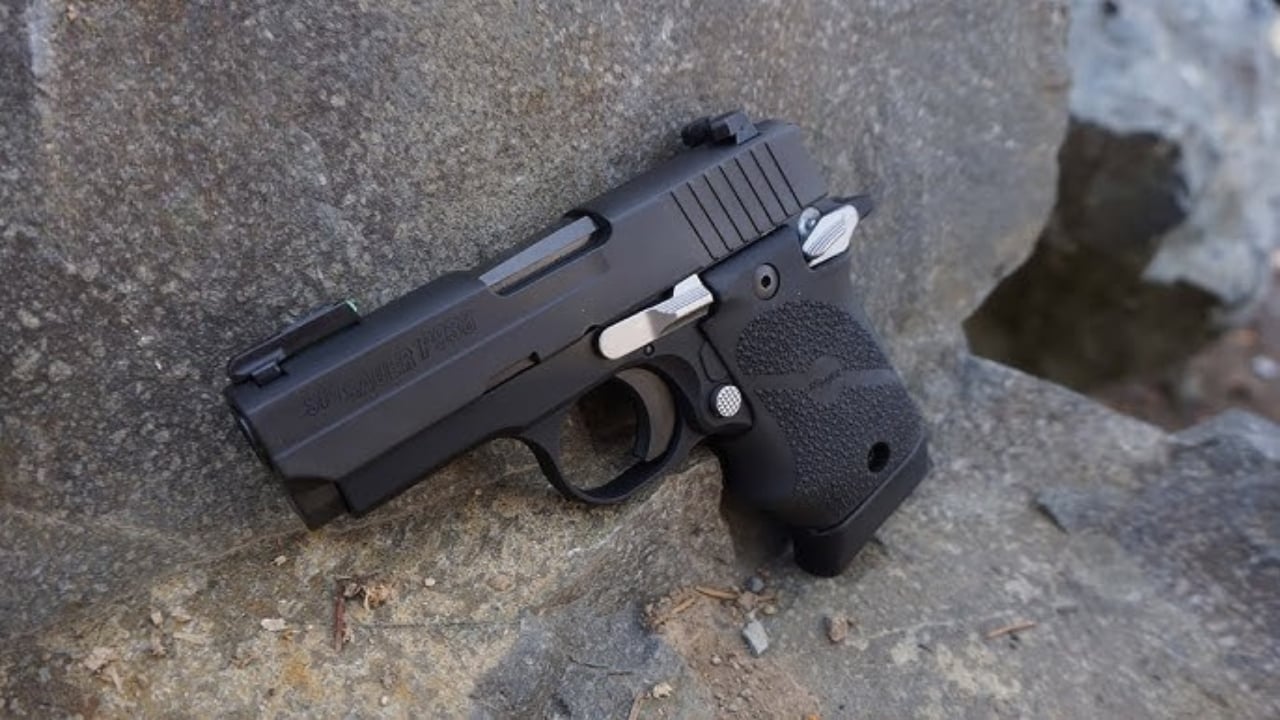
Micro 9s weren’t always a crowded class. The P938 was one of the “serious” small 9mm options for folks who wanted a tiny gun that still had real sights and a decent feel in the hand.
Now? The market is stuffed with micro-compacts that hold more rounds, have easier triggers for most shooters, and don’t require running a small single-action like you mean it. The P938 hasn’t vanished, but it’s not sitting in every glass case the way it used to.
5. Kimber Solo Carry
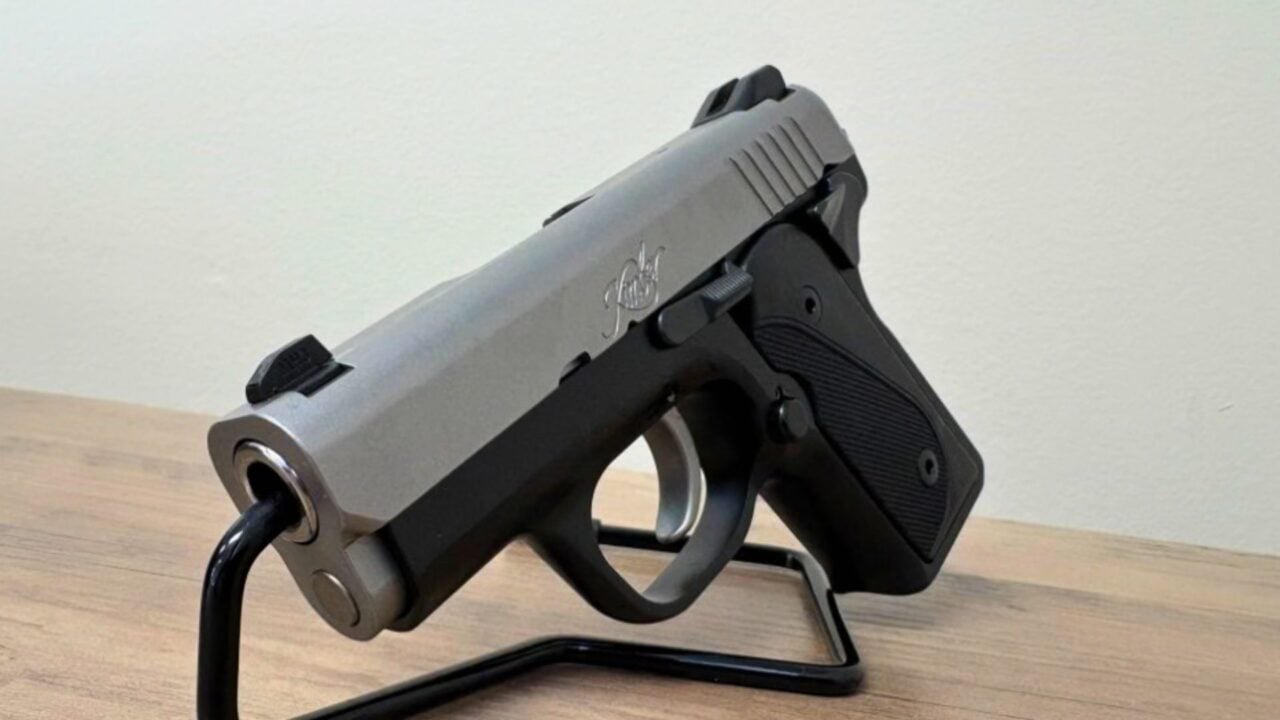
I remember the Solo being the kind of gun guys would talk themselves into. It looked sharp, it had the right name on the slide, and the idea of a tiny 9mm that felt “premium” was appealing.
Reality was hit-or-miss for a lot of owners, especially on ammo sensitivity. Whether you personally had a good one or not, the market moved on fast. You rarely see them now, and when you do, it’s usually in a used case with a little “please buy me” energy.
6. Smith & Wesson M&P Shield .40
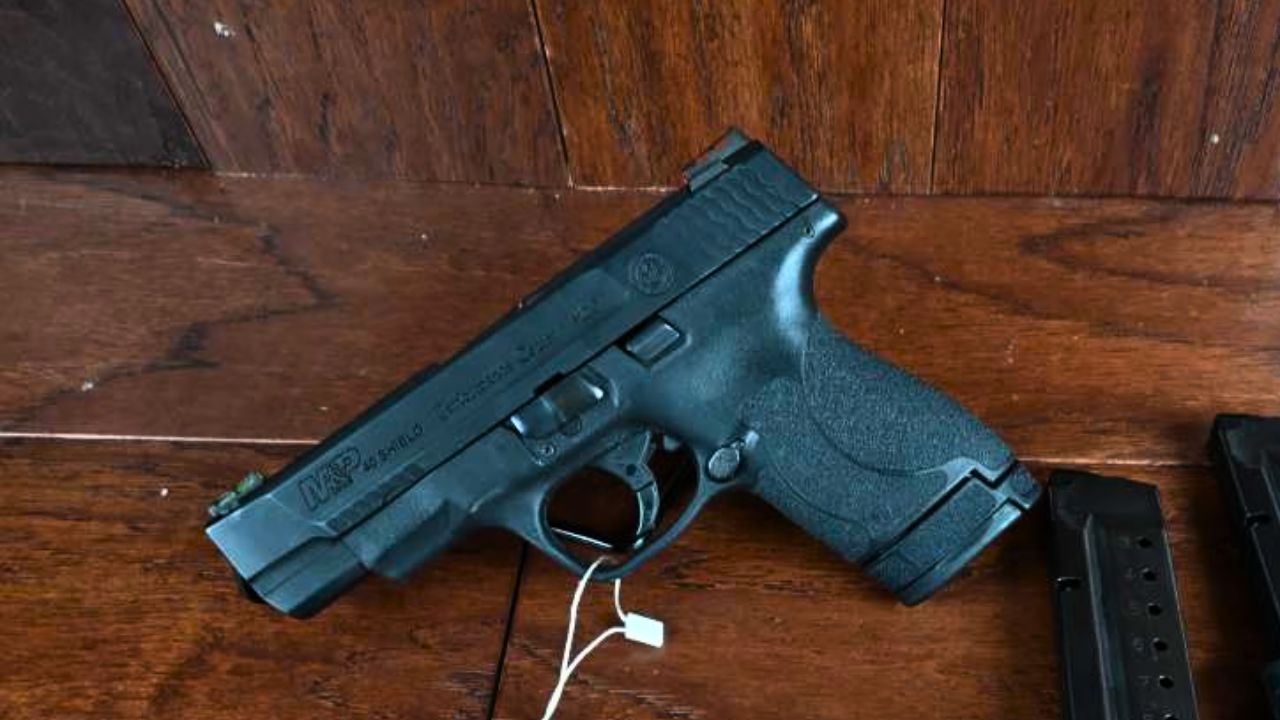
There was a stretch where it felt like everyone had a Shield, and plenty of them were in .40 because “more power” still sold pistols. They carried nice, they were simple, and they weren’t fussy.
Then the .40 tide went out. Ammo cost, recoil in a light gun, and the reality that most people shoot 9mm better… it all added up. Shield .40s are still around, but not like they were. They got traded off for 9s and disappeared into dresser drawers.
7. Springfield Armory XDS (single-stack)
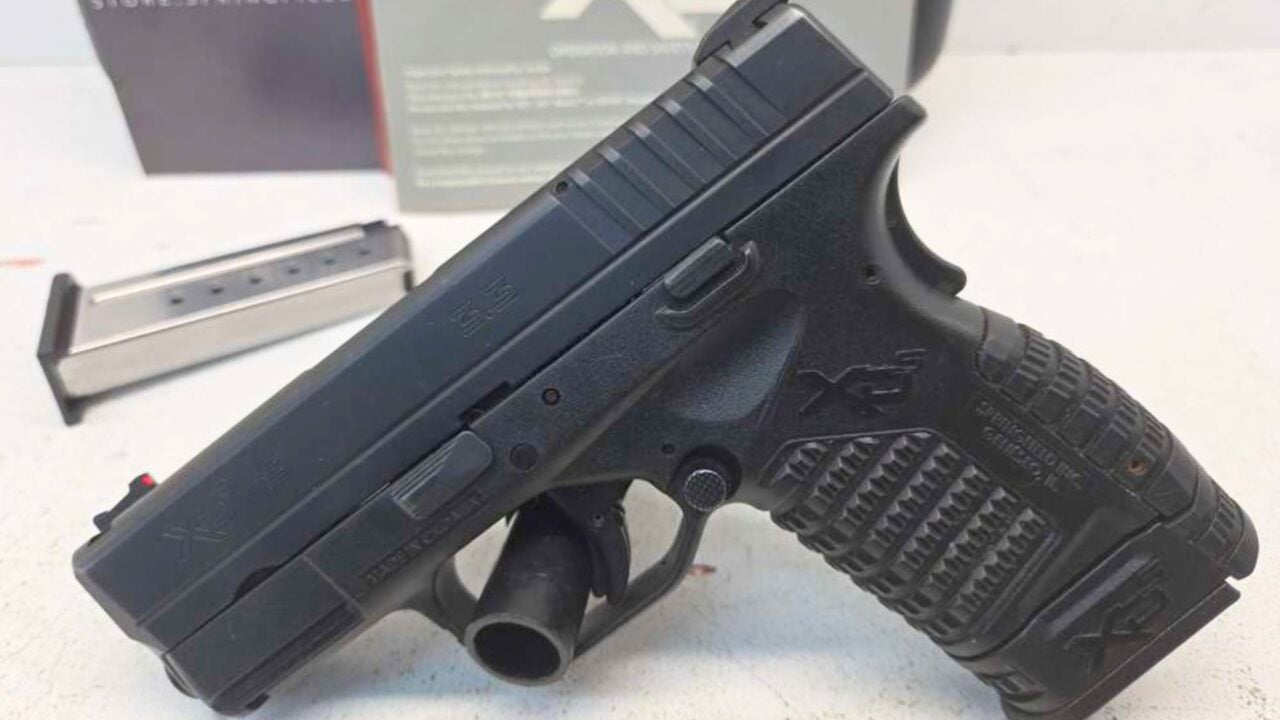
The XDS had a moment. It was the “thin carry gun” before the double-stack micros made that whole category feel dated overnight. Plenty of guys carried them daily and never had an issue.
But once the Hellcat and other higher-capacity options became normal, the XDS stopped being exciting. Shops don’t keep piles of them anymore, and used ones come and go quietly without much fanfare.
8. Glock 43

There was a time when the Glock 43 was the answer to nearly every “I need a small 9mm” conversation. It was reliable, easy to understand, and it carried like a real concealment gun instead of a brick.
Now it’s been crowded out by its own family. The 43X and 48, plus the entire micro-compact boom, made the original 43 feel tight on capacity. You still see them, but they’re not the default pick and they don’t dominate display cases anymore.
9. Ruger LCP (original)
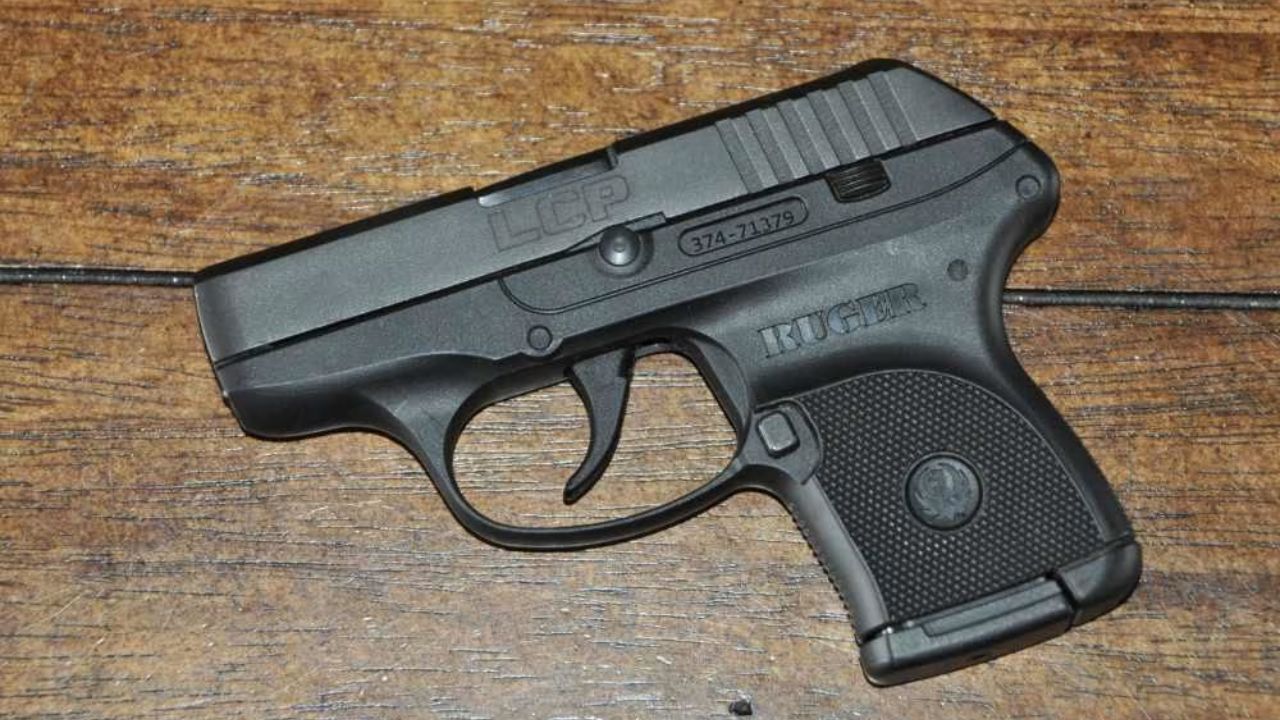
The original LCP was everywhere. Pocket carry, backup gun, tackle box gun (not recommending that), you name it. They were light, they were simple, and they did what they were supposed to do if you understood their limits.
But “everywhere” turned into “replaced.” The LCP II, LCP Max, and better-sighted small guns pushed the original out. When you see one now, it’s usually worn shiny from honest carry, which I respect.
10. Beretta Nano
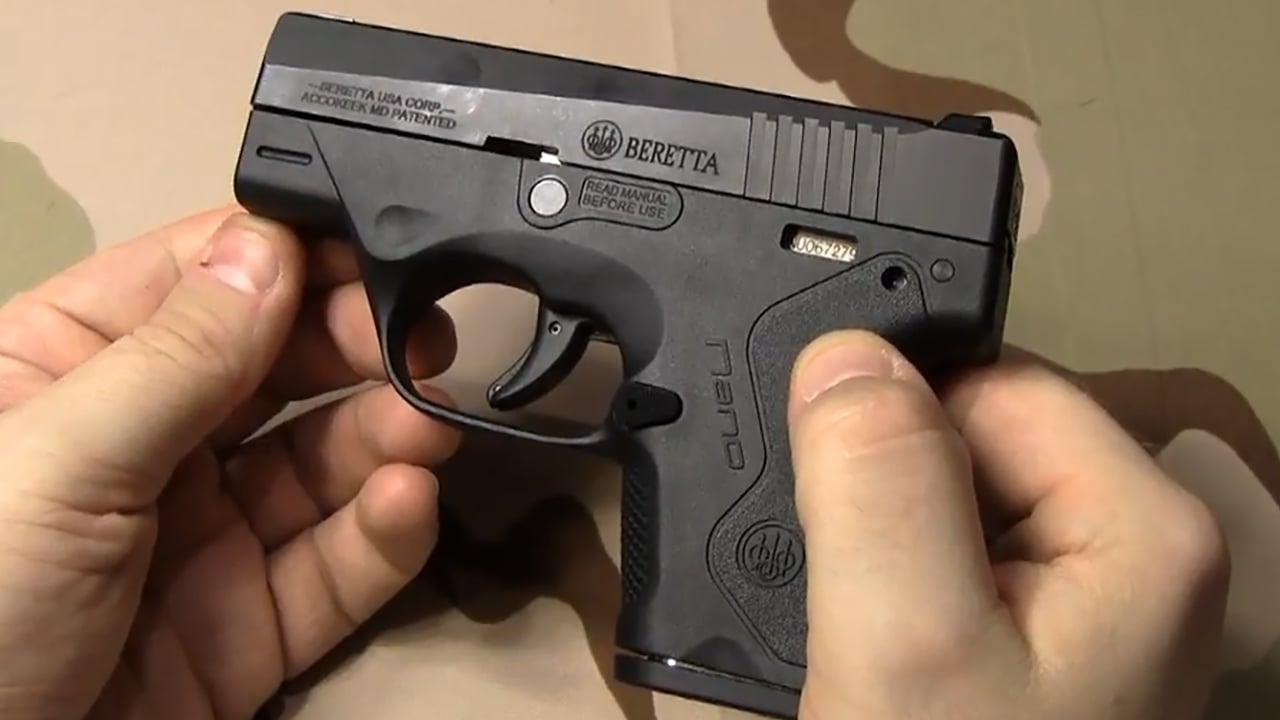
The Nano is one of those pistols that makes sense until you shoot it next to newer guns. It’s smooth and snag-free, but it can feel like a bar of soap under recoil, and the sights and trigger never won many hearts.
Ten years ago, it still showed up a lot because it was a known name in a small 9mm. Now it’s more of a “oh yeah, those existed” gun, and finding one new is a chore.
11. Mossberg MVP (bolt-action that takes AR mags)
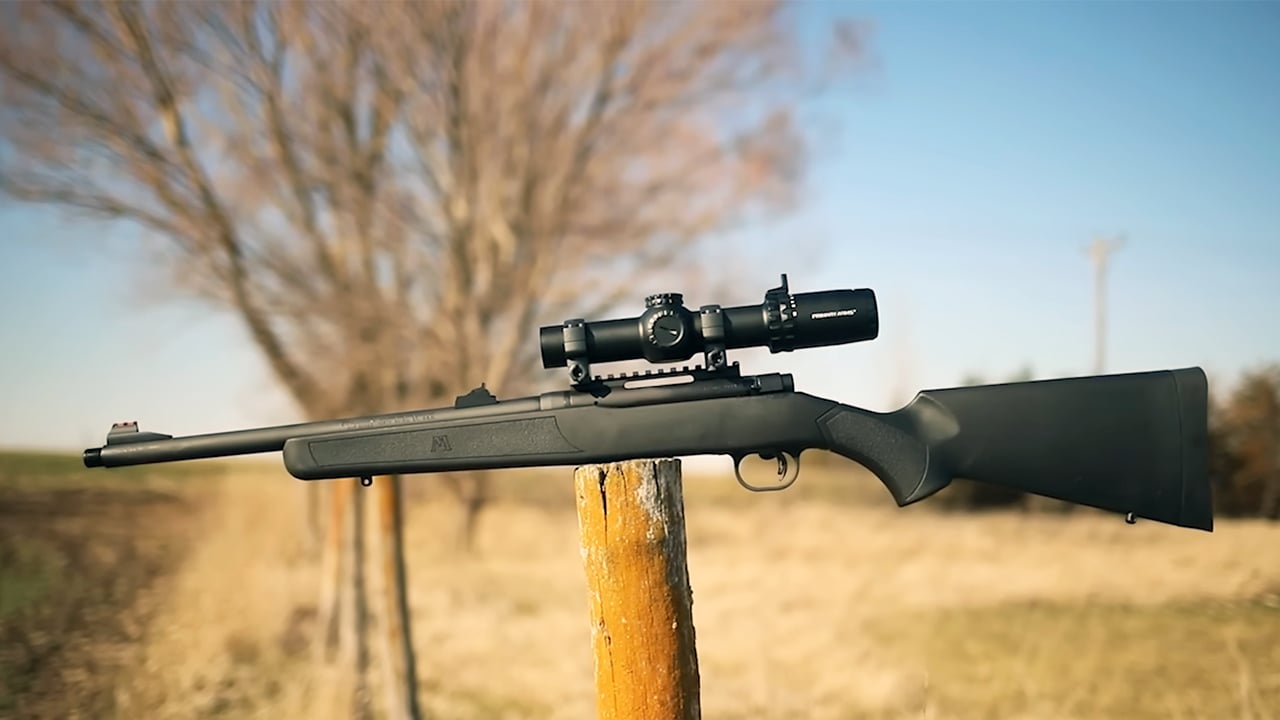
When the MVP concept hit, it was a clever idea: bolt gun accuracy with AR magazine convenience. For range days and varmints, it was fun, and it solved a real logistics problem for some folks.
But they never stayed hot forever. The action feel wasn’t everyone’s favorite, and as ARs got cheaper and better, the niche shrank. MVPs used to be common on used racks; now they show up less often, like most owners either kept them or moved on completely.
12. DPMS Panther Oracle

If you were buying a “starter AR” a decade ago, there’s a good chance it was a DPMS. The Oracle was basic, but basic worked, and they were stacked deep in stores when AR buying was a different kind of frenzy.
Then DPMS got folded into bigger corporate reshuffles, the brand identity faded, and the shelves filled with other names. You’ll still see older Oracles out in the wild, but the days of seeing them brand-new everywhere are pretty much over.
13. Bushmaster XM15 (pre-bankruptcy era)
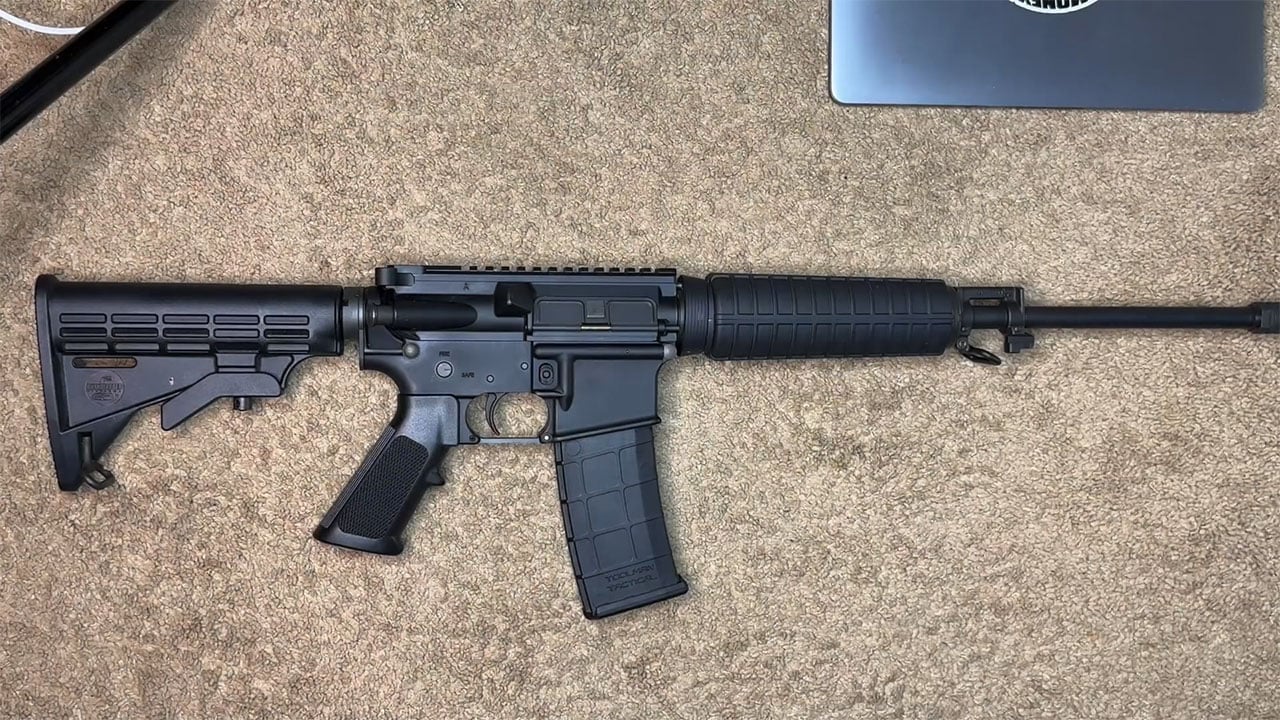
Say what you want about different eras of Bushmaster, but the XM15 was a common “first AR” for a whole lot of shooters. They were in gun safes, patrol cars, and closets across the country.
Corporate changes and market saturation did what they do. The name doesn’t anchor the same shelf space now, and the ones that are around are mostly used. If you find a good older one, it’s often because somebody kept it maintained and didn’t tinker it into a science project.
14. Ruger Mini-14 Tactical (older 580-series era)
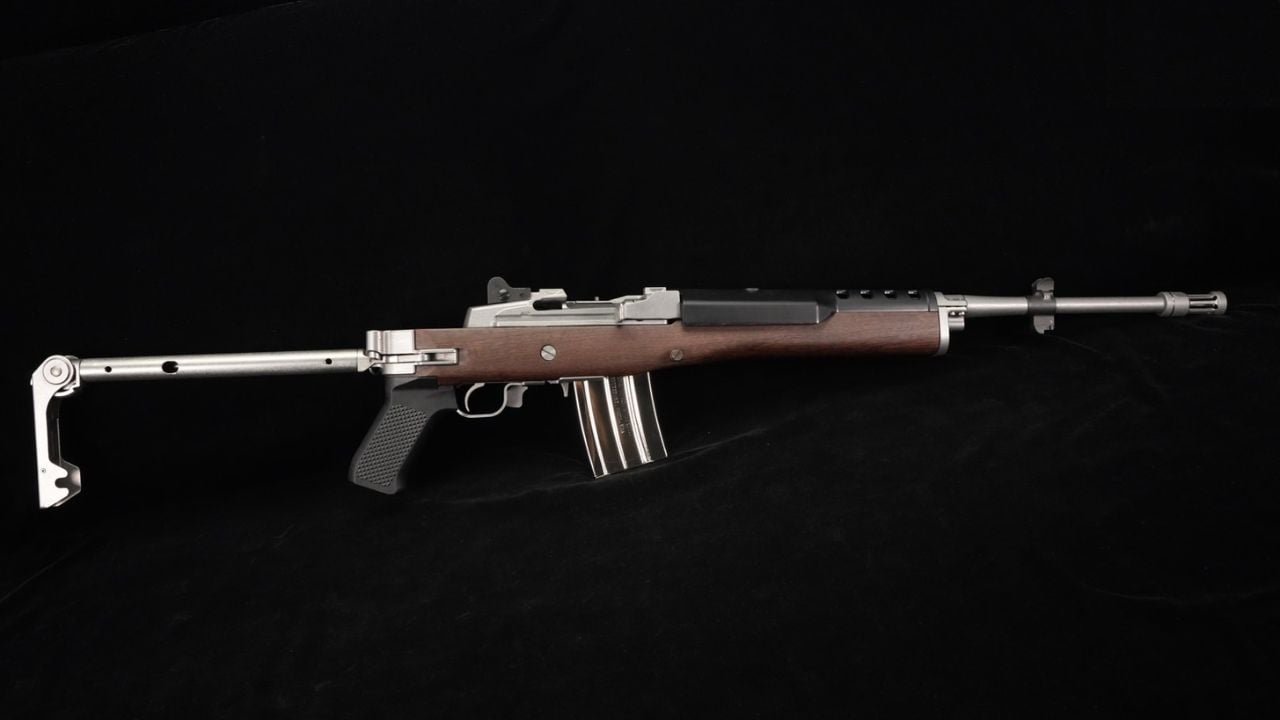
Before every budget AR on earth existed, the Mini-14 was a straightforward, ranch-friendly semi-auto. Toss it behind the truck seat (legally and safely), carry it on the farm, deal with coyotes, and move on.
The Tactical versions used to show up regularly, especially when certain buyers didn’t want an AR look. These days, Minis still exist, but they’re not “everywhere,” and when you find one it’s rarely cheap. Magazines can also be a sticking point if you don’t already have good ones.
15. Saiga IZ-132 (sporting AK in 7.62×39)
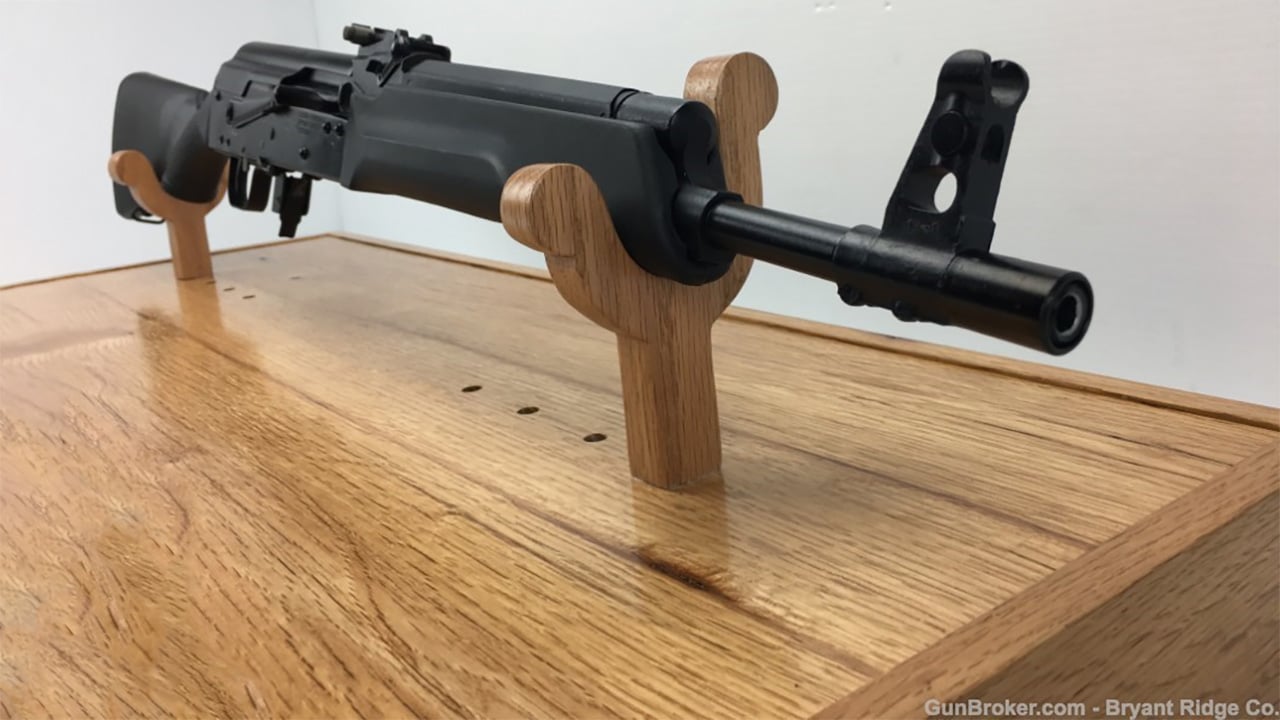
A decade ago, Saigas were one of those “buy it now” guns that a lot of guys ignored because they looked plain. Sporter stock, odd ergonomics, but it was a real Russian-made AK variant at a time when that meant something.
Then imports tightened up, availability changed, and suddenly everyone who passed on them got interested. Ask me how I know. If you see a clean Saiga now, it’s not sitting long, and it’s usually priced like the market understands what it is.
16. Norinco SKS (standard fixed-mag)
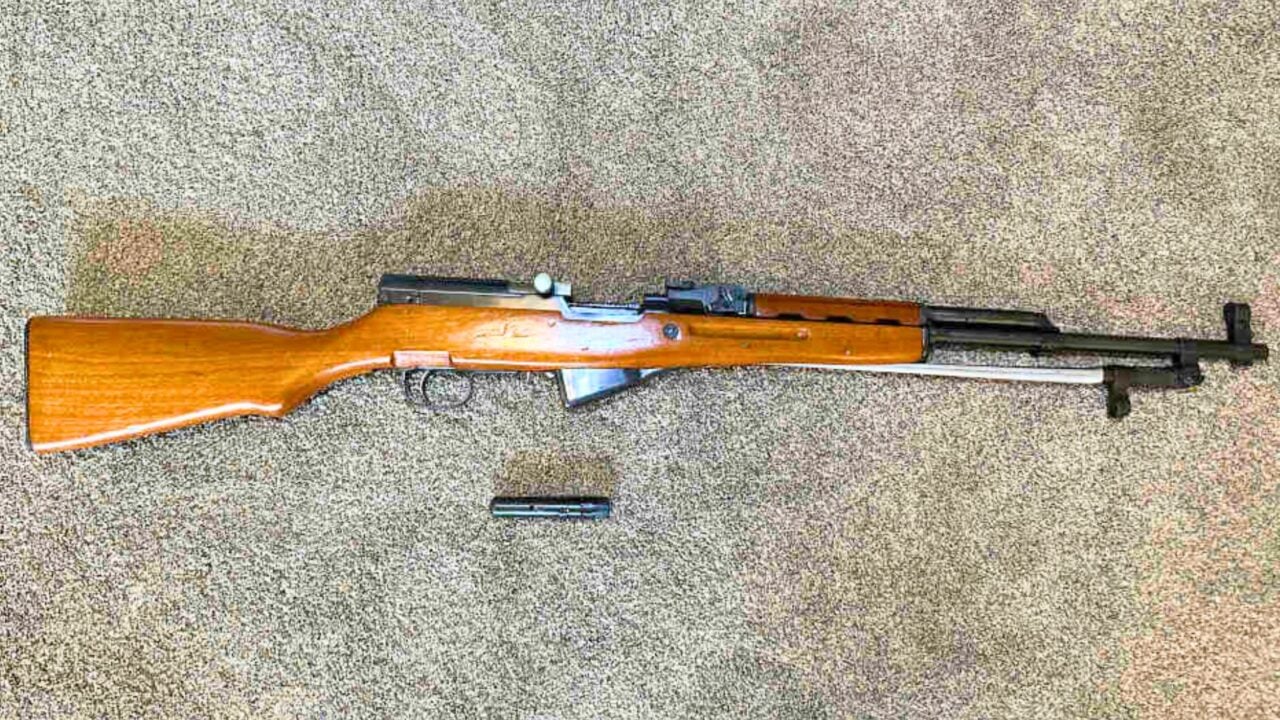
SKSs were so common that guys treated them like tools. Ten years ago you’d see them at every show, usually with a stack of cheap ammo nearby. They were the “I just want something that goes bang” rifle.
Today they aren’t gone, but they’re not piled up cheap anymore. The supply isn’t growing, and the prices climbed. The plain fixed-mag Chinese SKS that used to be an afterthought is now a rifle people actually hunt for.
17. Remington 870 Express (older big-box era)
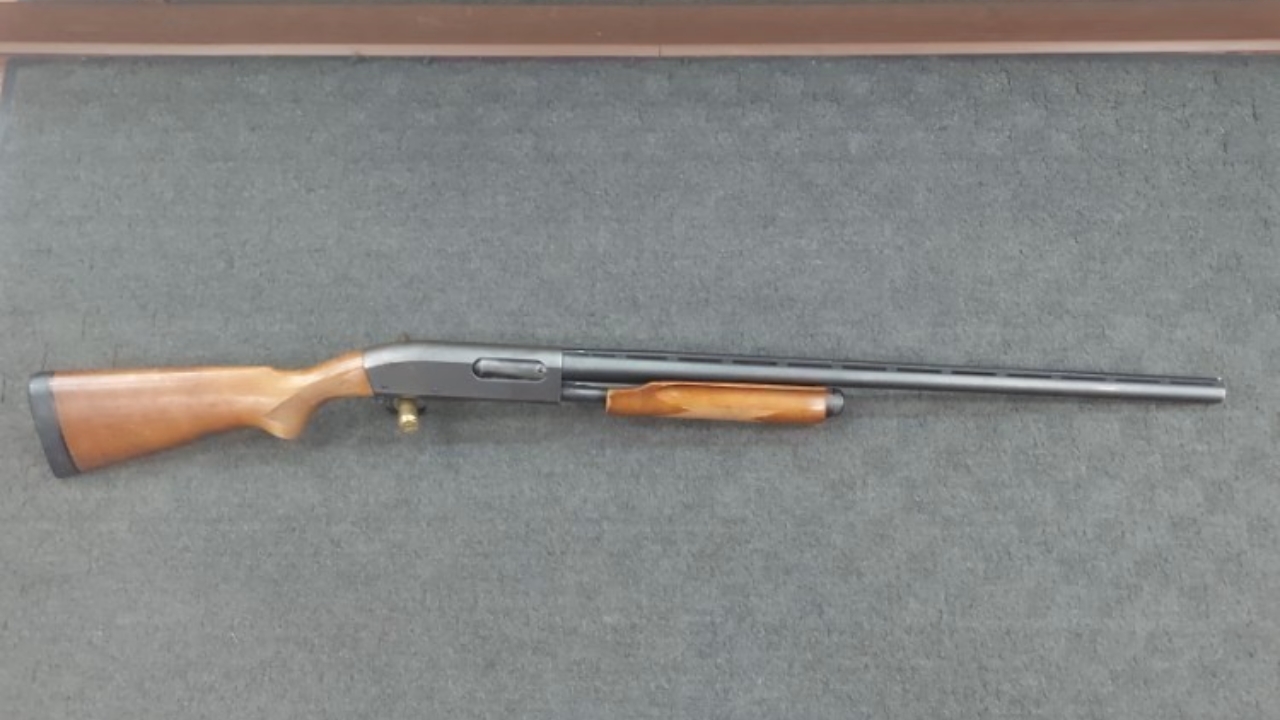
The 870 Express was the shotgun a lot of hunters started with. It wasn’t fancy, the finish could rust if you looked at it wrong, but it pointed right and it killed birds just fine.
Between manufacturing hiccups in certain years, the overall Remington shake-up, and a flood of alternatives, you don’t see stacks of new Express guns like you once did. Used ones are still around, but the “grab an Express at lunch” era is over.
18. Winchester Model 70 (New Haven-era used rifles)

Ten years ago, used Model 70s from the older production years were everywhere at shows and shops. Guys bought them for deer camp and didn’t feel like they were buying a collector piece.
Now the same rifles get treated more carefully, priced higher, and snapped up faster. They haven’t vanished, but the casual abundance is gone. When one hits the rack with a decent stock and a clean bore, it gets attention.
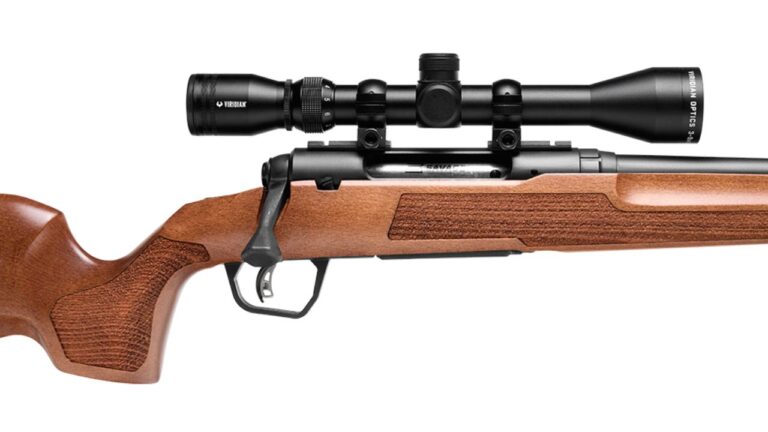
19. Savage Axis (original, pre-Axis II)
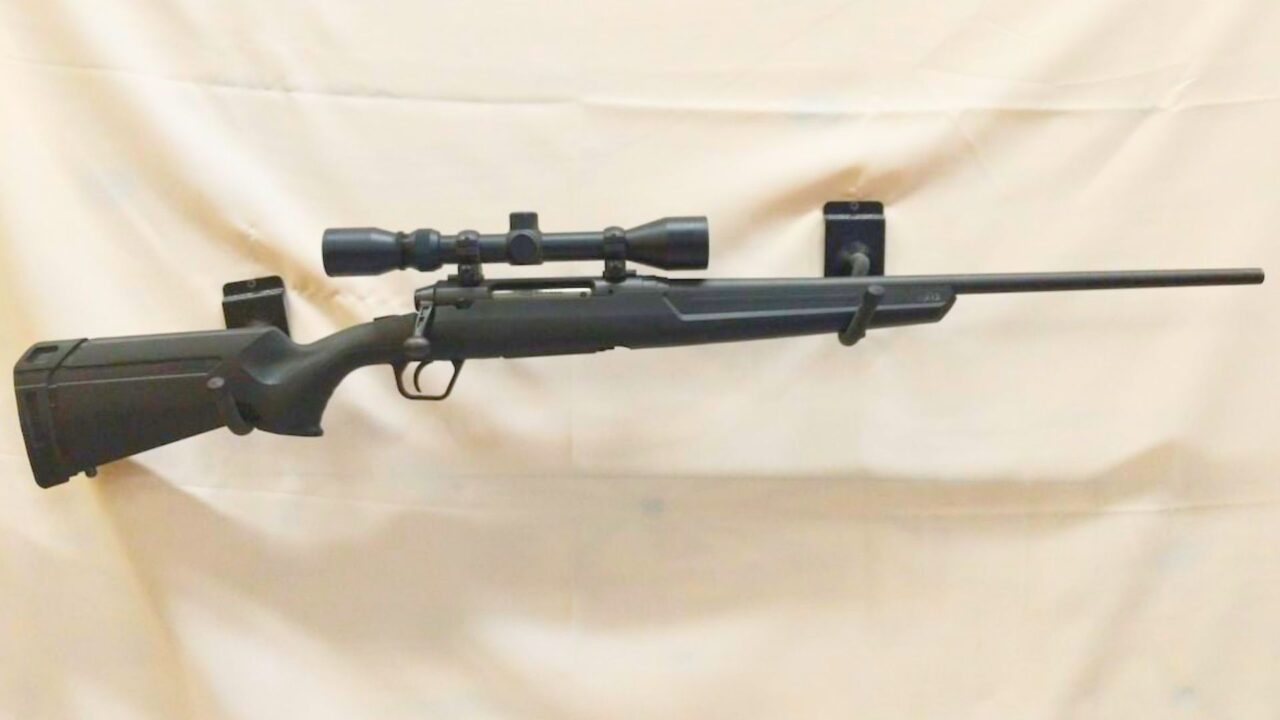
The original Axis was the “cheap rifle that actually shoots” before that was a crowded category. Ugly? Yep. Basic? Absolutely. But they put venison in freezers and let folks get into hunting without taking out a loan.
Once the Axis II and other entry-level rifles showed up with better triggers and nicer features, the first-gen guns became less visible. They still work, and that’s part of why they’re hard to find: a lot of owners never felt a need to sell.
20. Henry Big Boy Steel (early production runs)
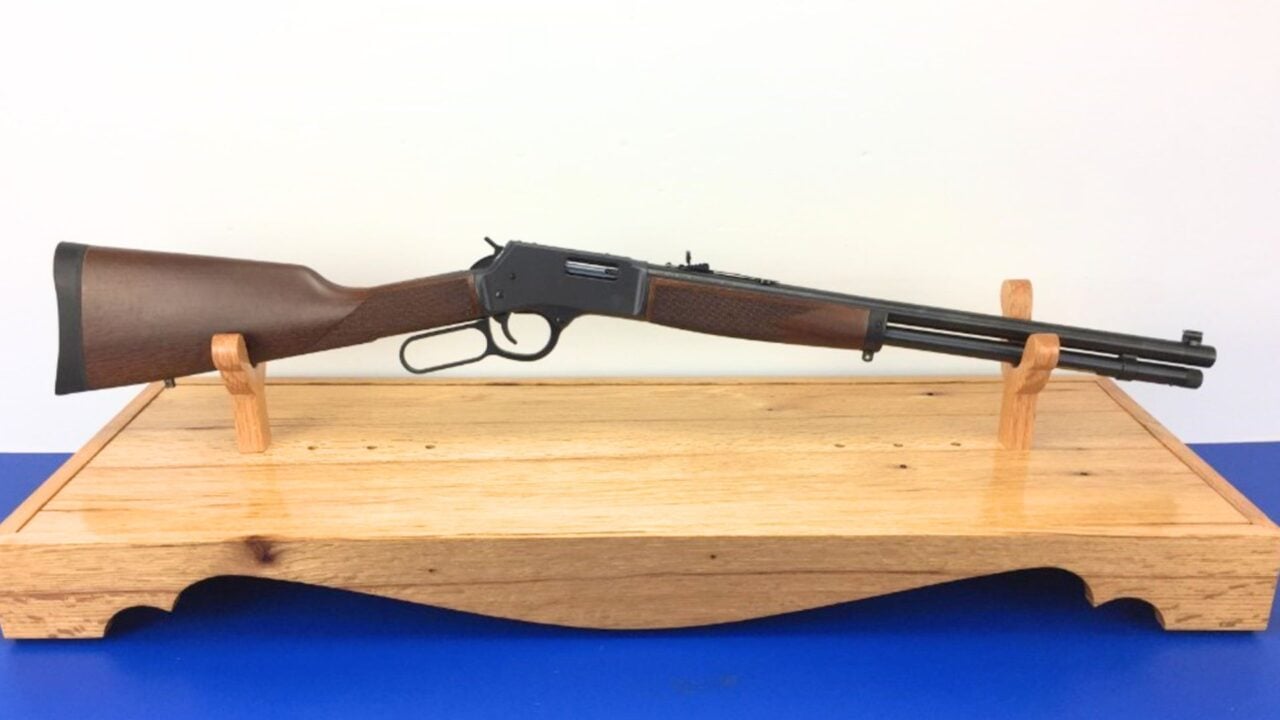
Lever guns weren’t always hard to buy. Henrys used to sit on shelves long enough for you to think about it, walk out, and come back later. The Big Boy Steel models in particular hit a sweet spot for folks who wanted a durable lever gun without extra shine.
Then lever guns got hot, prices climbed, and anything decent started disappearing fast. You can still find Henrys, but not with the same casual regularity. When a clean Big Boy Steel shows up used, it tends to get scooped up by someone who already learned the hard way that “I’ll just grab one later” is a lie.
If you’ve got one of these sitting in the safe, it might not be trendy anymore, but that doesn’t mean it’s worthless. A lot of this “nearly gone” feeling isn’t about the guns failing—it’s about the market shifting, imports changing, and new models pushing older workhorses out of the spotlight. If it runs, shoots, and fits what you actually do outdoors, you’re doing just fine.
Like The Avid Outdoorsman’s content? Subscribe to our newsletter so you never miss an article.
Here’s more from us: