Photo credit: Academy Sports
A cartridge does not need to be weak to create problems in the field. Some hunting rounds work extremely well only when the shooter chooses the right bullet, avoids poor angles, keeps distance under control, and places the shot exactly where it belongs.
That narrow margin becomes dangerous when adrenaline, wind, brush, hurried range estimates, or an unsteady shooting position enter the picture. A few inches of error can mean shallow penetration, limited blood trails, or an animal traveling much farther than expected. These 20 calibers can take game cleanly, but they punish mistakes harder than more forgiving alternatives.
.223 Remington
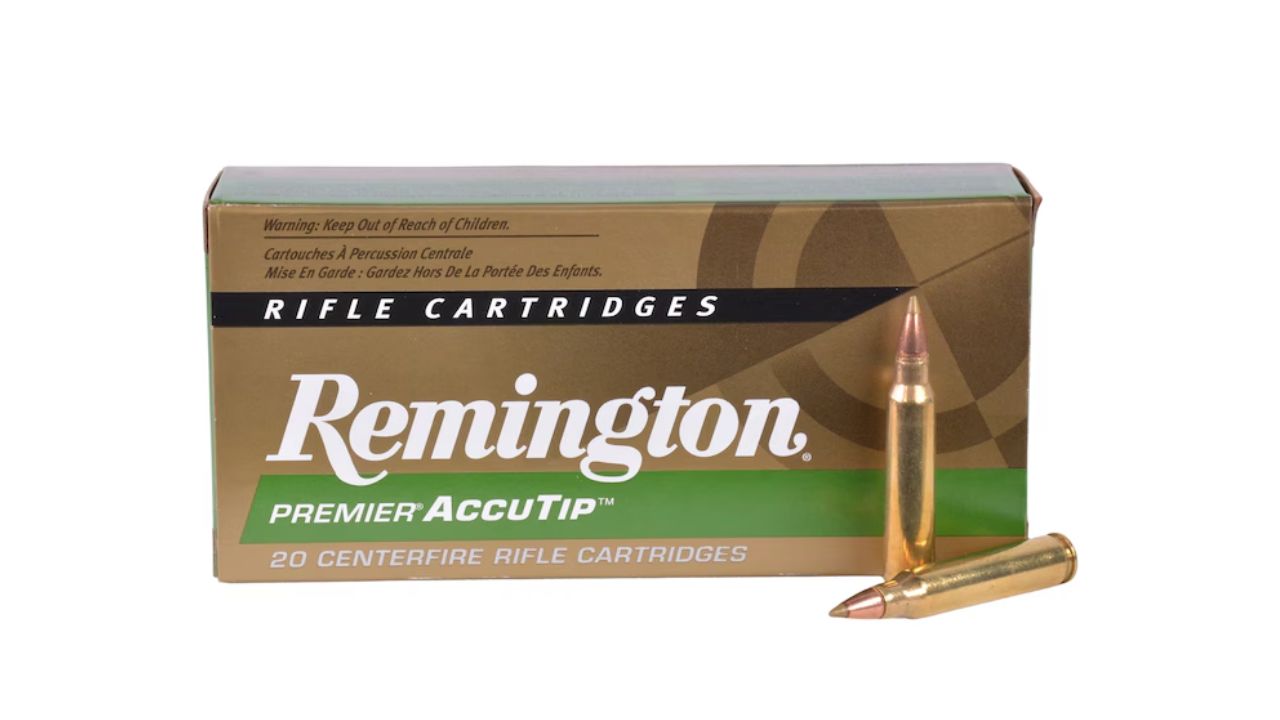
The .223 Remington has taken plenty of deer, but that does not make it a forgiving deer cartridge. Its light bullets have limited sectional density, and many common loads were designed for varmints or target shooting rather than controlled penetration through bone and heavy muscle.
With a quality bonded, monolithic, or purpose-built hunting bullet, the .223 can work when the shooter waits for a broadside presentation and places the shot through the lungs. Move that impact into the shoulder, hit at a steep angle, or use a rapidly expanding varmint bullet, and penetration may become inadequate. The cartridge leaves very little room for careless ammunition selection or questionable shot placement.
.22-250 Remington
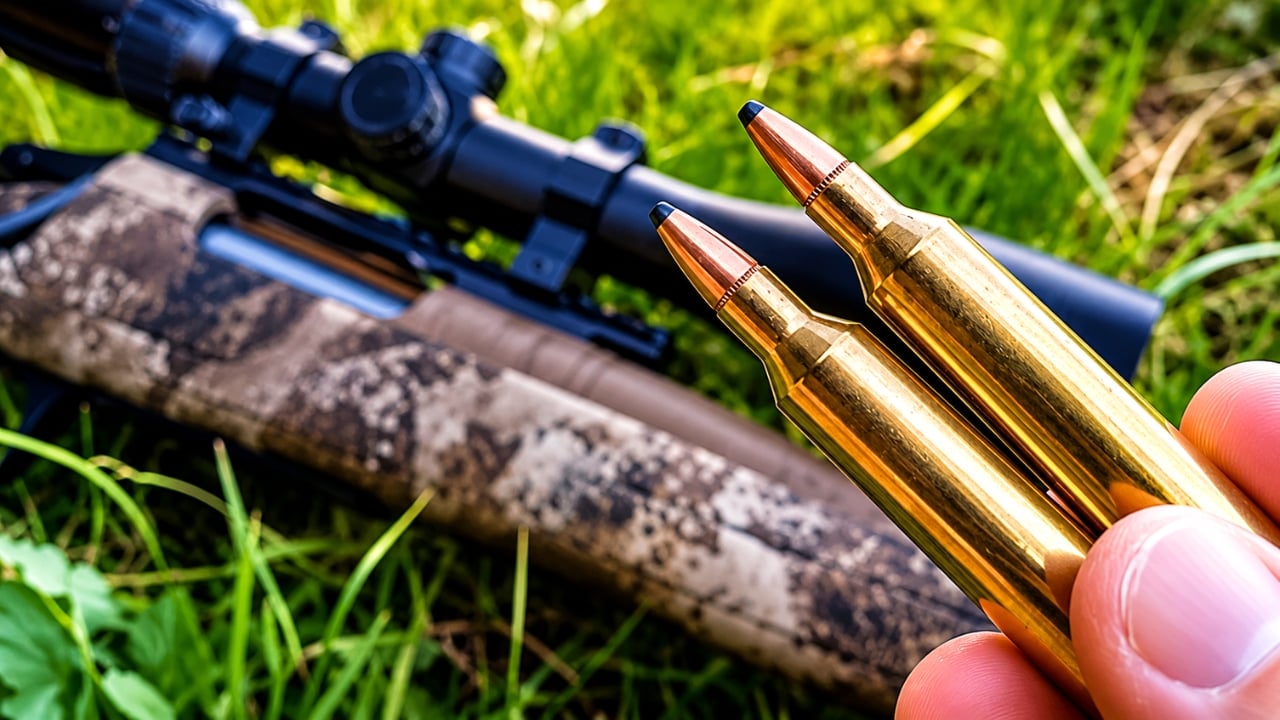
The .22-250 Remington offers more velocity than the .223 and shoots extremely flat at normal deer-hunting distances. That speed can make the cartridge appear far more capable than its small bullet diameter suggests.
The problem is that many .22-250 loads use thin-jacketed varmint bullets built to expand violently on coyotes and prairie dogs. Those bullets can fragment before reaching the vitals on a deer, especially after hitting the shoulder. Even with a suitable hunting bullet, the cartridge remains sensitive to angle and placement. A perfect rib shot may produce a fast kill, while a slight error can leave little penetration and a weak blood trail.
.220 Swift
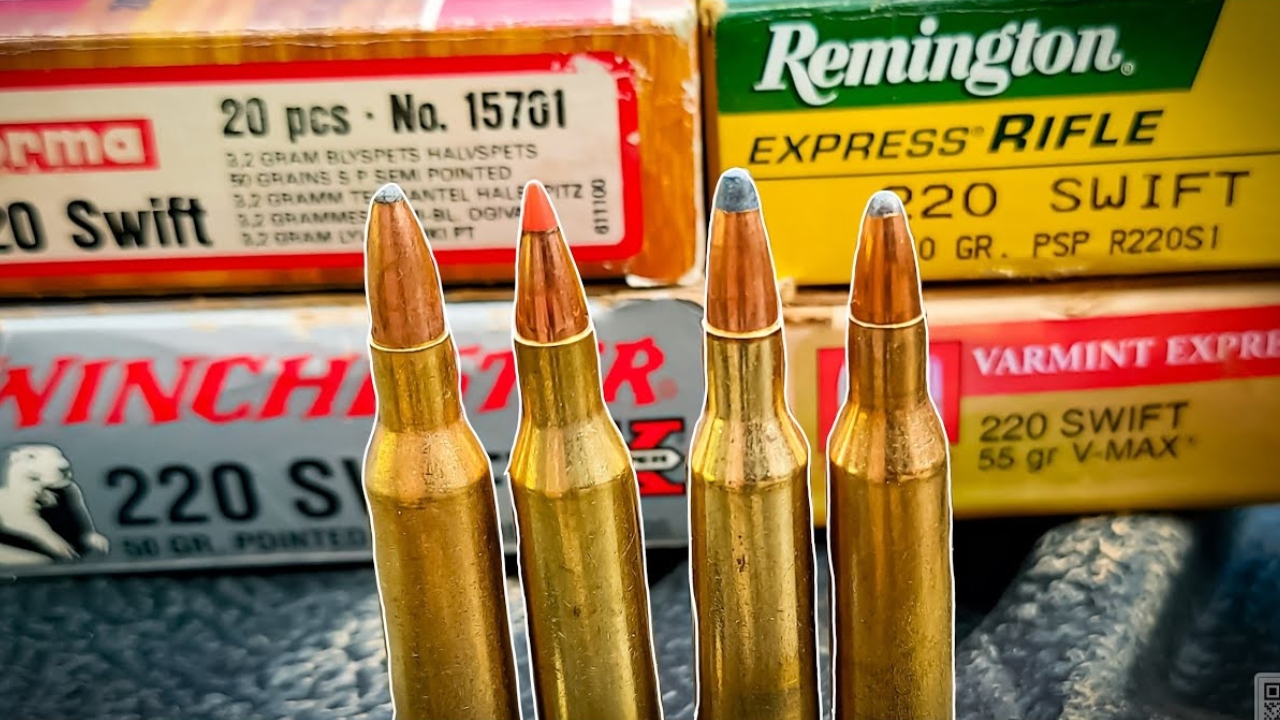
The .220 Swift produces spectacular velocity and devastating results on small predators. Those same characteristics can become liabilities when it is used on larger animals.
At close range, a lightweight bullet may expand so violently that it fails to reach the far lung. At longer distances, wind can still push the small projectile enough to matter despite its speed. The Swift can take deer with a strong bullet and disciplined shot selection, but it offers little forgiveness if the shooter mistakes velocity for penetration. A hurried shoulder shot can turn an impressive cartridge into a difficult recovery.
.204 Ruger
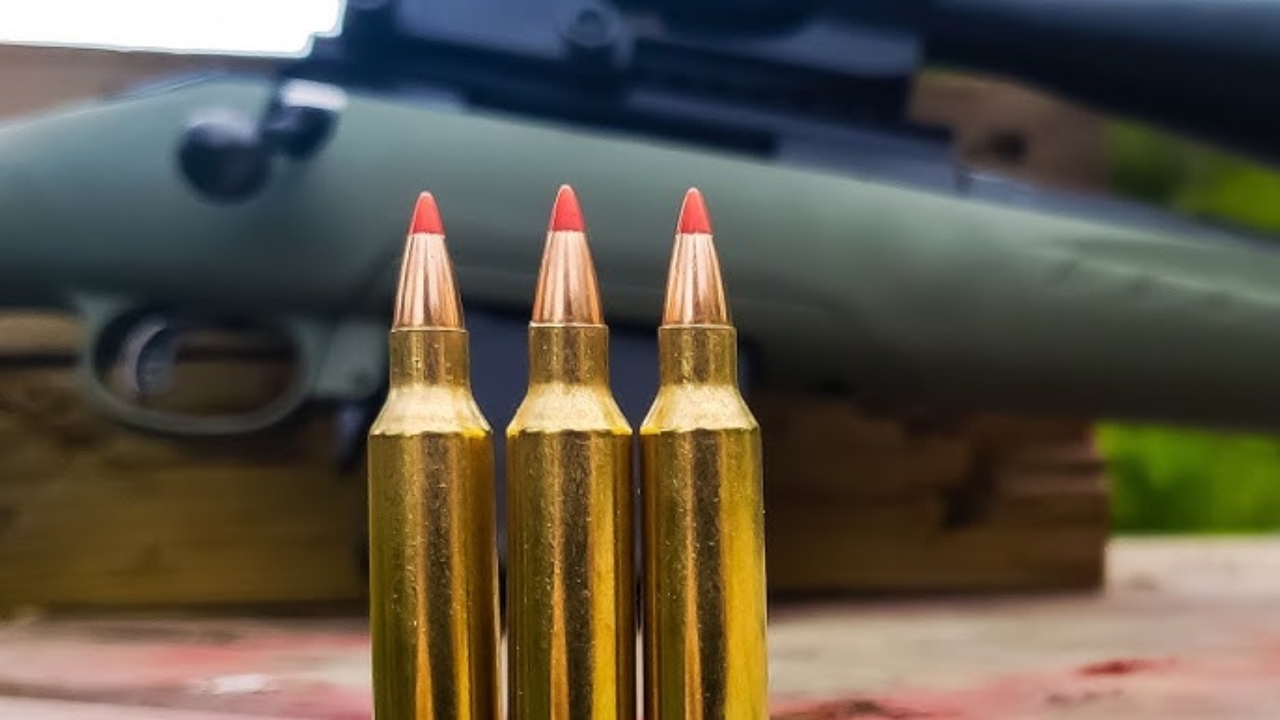
The .204 Ruger is one of the best cartridges available for small varmints. Its tiny bullets shoot flat, recoil lightly, and create dramatic results on animals such as prairie dogs and ground squirrels.
That performance sometimes gives hunters confidence the cartridge cannot support on larger predators. A marginal hit on a coyote can produce limited penetration, particularly with explosive bullets intended for smaller targets. Brush, wind, and shot angle matter more because the projectile has so little mass. The .204 rewards careful shot placement but provides almost no backup when the bullet lands several inches away from the intended spot.
.17 Remington

The .17 Remington drives extremely small bullets at remarkable speeds. On foxes and other lightly built predators, it can produce clean kills while causing relatively little pelt damage with the correct load.
Its margin for error is extremely narrow. Tiny bullets lose momentum quickly and can be deflected or disrupted by grass, twigs, and poor impact angles. A direct hit through the chest may work perfectly, but a shoulder impact or quartering presentation can prevent adequate penetration. The cartridge demands precise range estimation, steady shooting, and a clear path to the target.
.17 Hornet
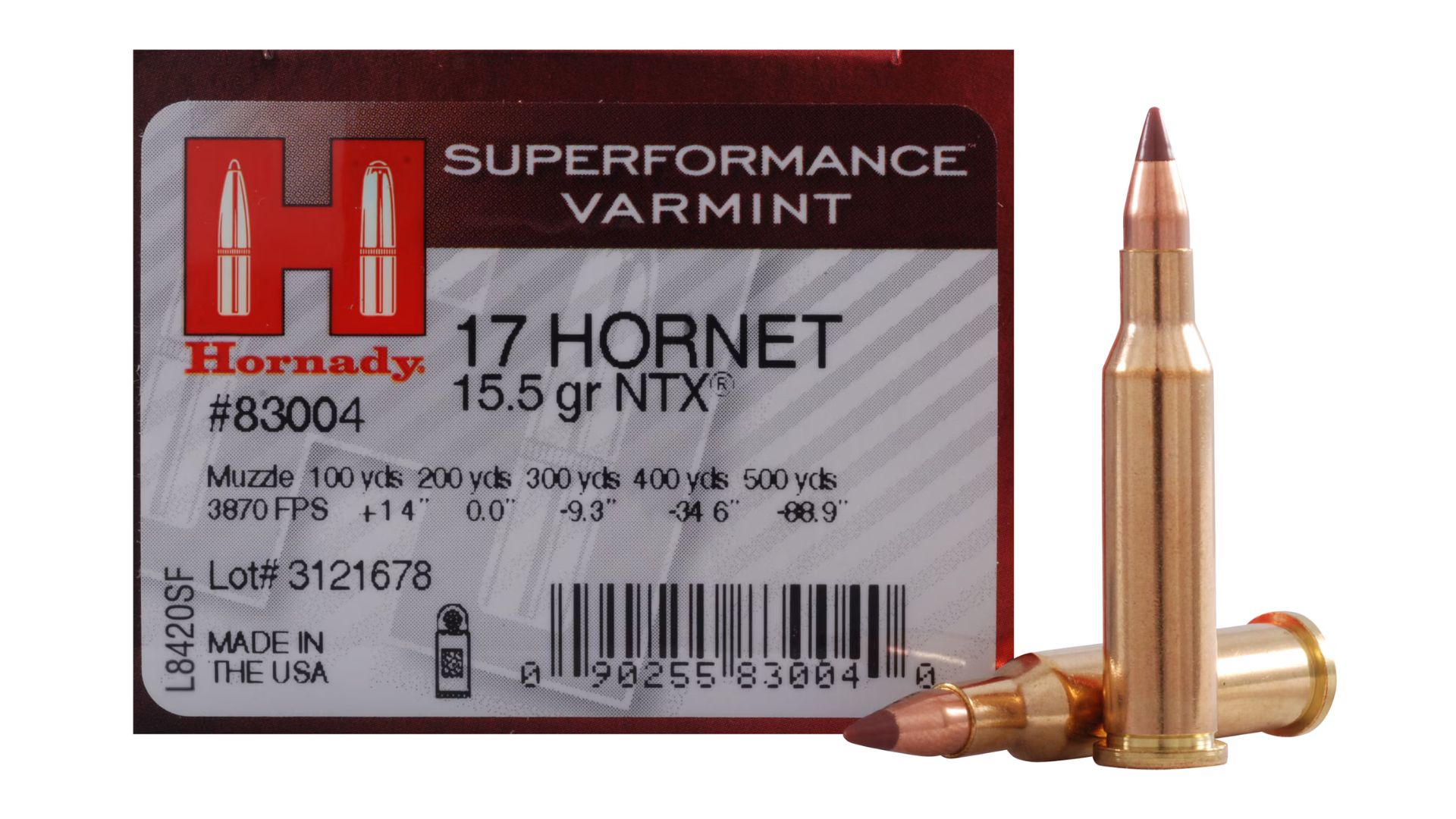
The .17 Hornet is quieter and more efficient than the .17 Remington, making it useful for small varmints around farms and populated rural areas. Its limited report and recoil make accurate shooting easy.
It is still launching a very light projectile with little ability to overcome poor placement. Wind becomes increasingly important as distance grows, and the bullet sheds energy quickly. A small range or wind-reading mistake can move the impact completely out of the vital area on a compact animal. The cartridge works best when distances remain moderate and conditions are calm enough to support precise shooting.
.22 Hornet
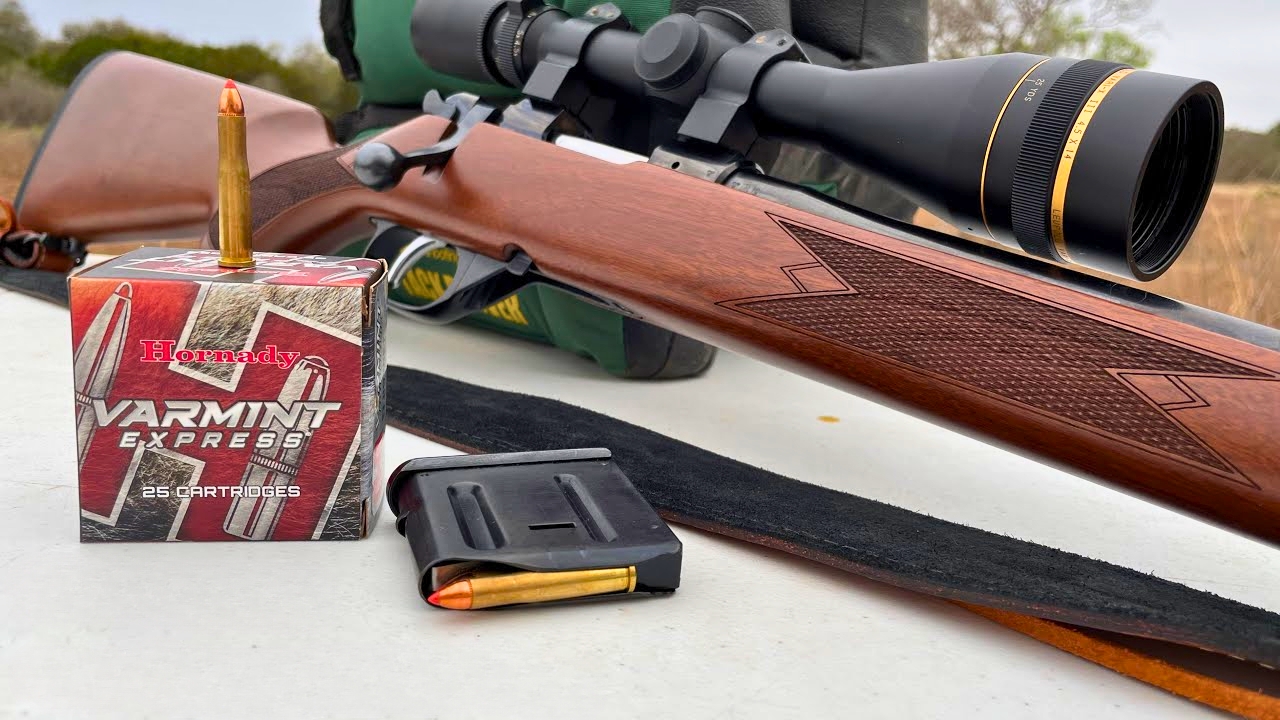
The .22 Hornet has been used for varmints, predators, and even small deer for generations. It is quiet, mild, and far more capable than a rimfire.
It also sits close to the lower edge of acceptable performance for several animals hunters ask it to take. Velocity drops quickly, and many traditional bullets do not offer the penetration needed for poor angles. A fox or close-range coyote may fall immediately after a good chest hit, while the same bullet placed slightly too far forward can produce a long tracking job. The Hornet works, but it does not correct mistakes with excess power.
.30 Carbine

The .30 Carbine has probably taken more deer than its paper ballistics suggest, especially in thick woods where shots were close. Its light recoil and handy rifles make it easy to shoot accurately.
The cartridge’s short, round-nosed bullets lose velocity quickly and do not create the same wound channel as conventional deer-rifle rounds. Expansion can be inconsistent, particularly with ammunition not designed specifically for hunting. A broadside lung shot at short distance may be effective. Hit heavy bone or stretch the range too far, and the cartridge may leave a poor blood trail and limited tissue damage.
.357 Magnum from a Rifle
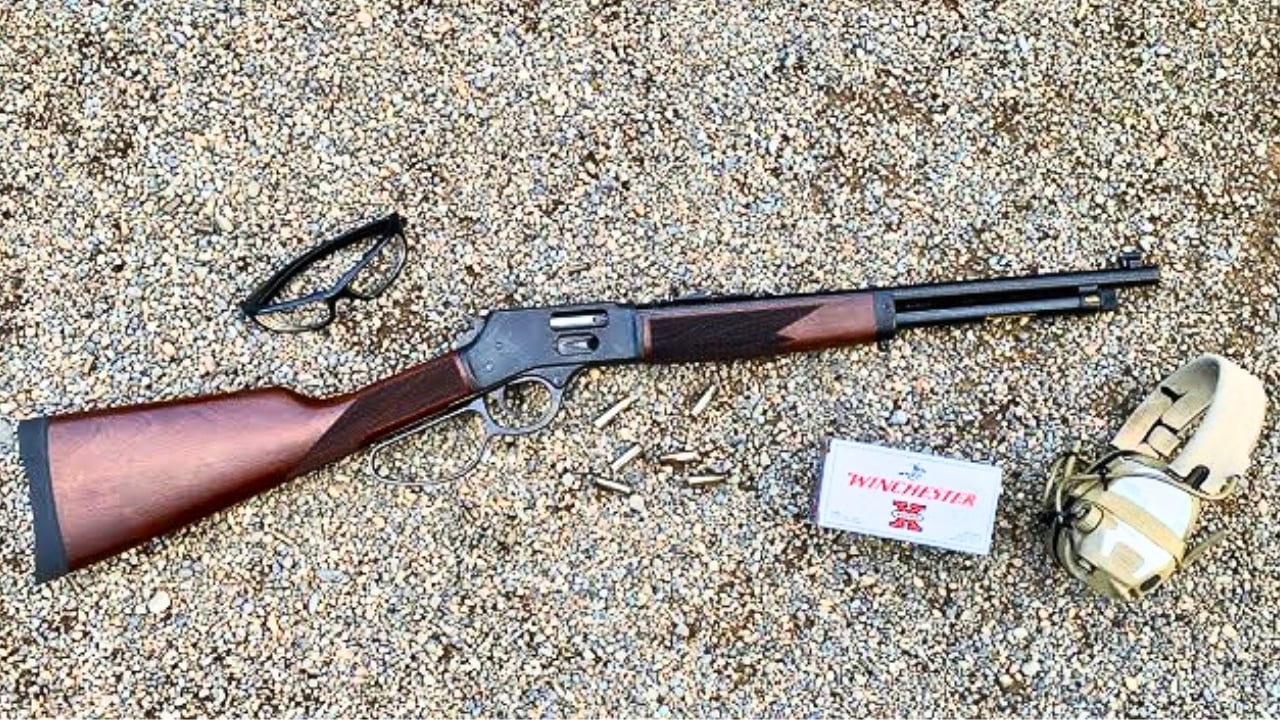
The .357 Magnum gains meaningful velocity when fired from a carbine-length barrel. Inside moderate distances, a good hunting load can work well on deer and hogs.
It remains dependent on bullet construction and impact velocity. Lightweight hollow points may open too quickly at rifle speeds, while tougher bullets can fail to expand once the range increases and velocity falls. The cartridge also has a much more curved trajectory than most centerfire rifle rounds. A small distance-estimation error can result in a low hit, especially beyond the range where many hunters regularly practice.
.44 Magnum from a Rifle
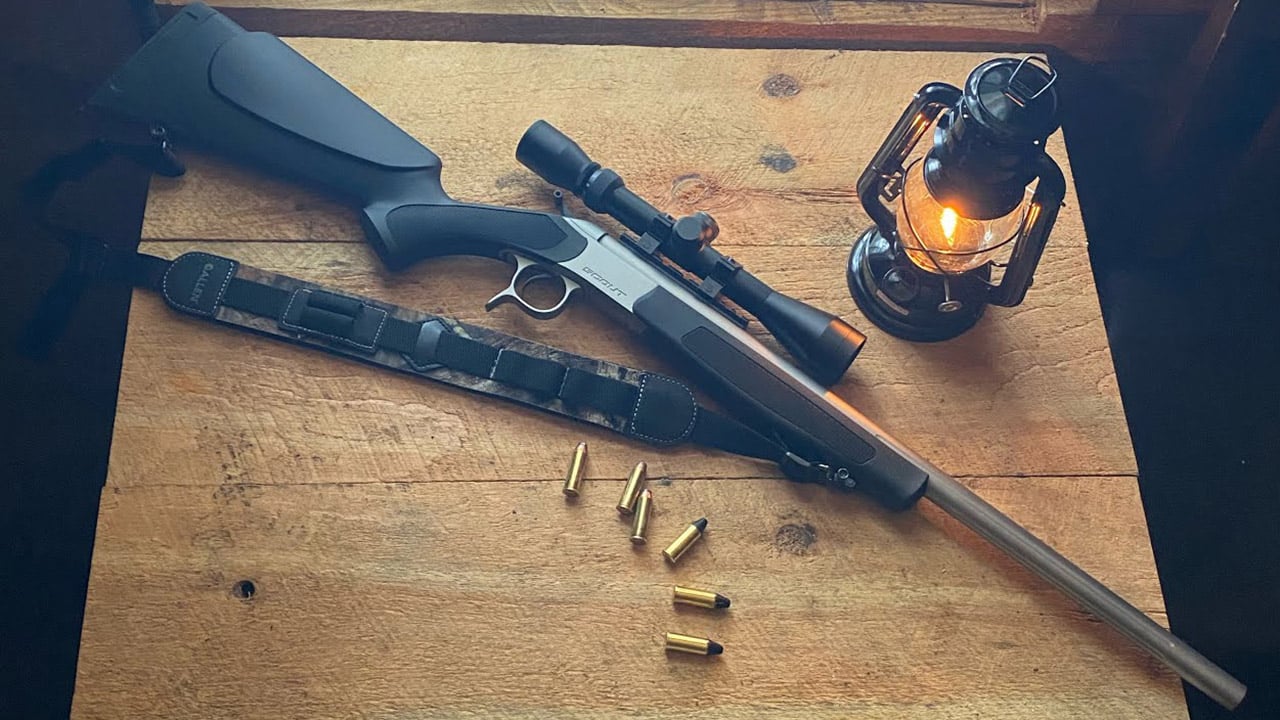
The .44 Magnum produces considerably more frontal area and energy than the .357 Magnum, but it is not automatically forgiving. Its heavy bullets hit hard at close range, yet the trajectory becomes increasingly steep as distance grows.
Hunters accustomed to flat-shooting rifles may underestimate how quickly the bullet drops. Misjudging the distance by 25 or 30 yards can move the impact from the chest into the brisket or below the animal entirely. Some bullets also expand too aggressively at close carbine velocities. The .44 Magnum is excellent in thick cover, but it punishes hunters who treat it like a 200-yard rifle cartridge.
.45 Colt from a Rifle
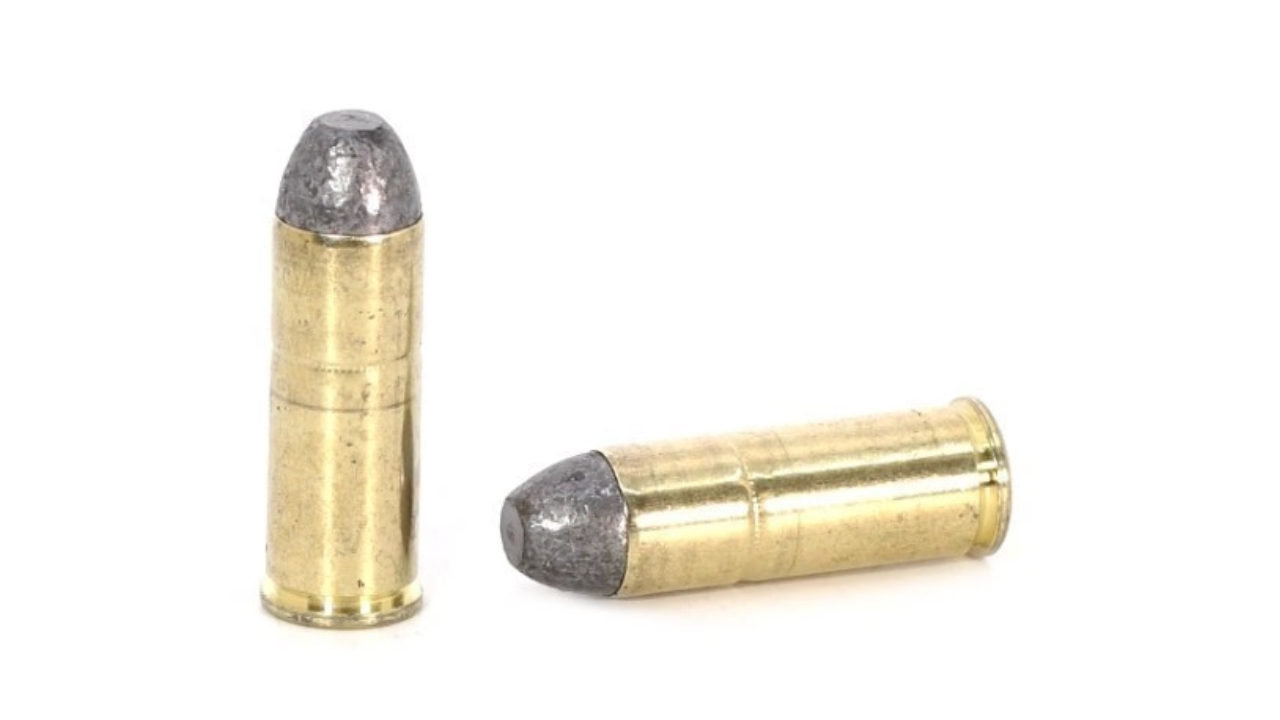
Heavy .45 Colt hunting loads can produce impressive performance from modern lever actions. The cartridge has taken deer, hogs, and much larger animals with hard-cast or controlled-expansion bullets.
The problem is the enormous difference between standard-pressure cowboy ammunition and heavy hunting loads. A shooter who grabs the wrong box may end up with far less penetration and velocity than expected. Trajectory is also pronounced, and low-pressure loads lose speed rapidly. The .45 Colt can be powerful, but only when the rifle, ammunition, and distance all match the intended use.
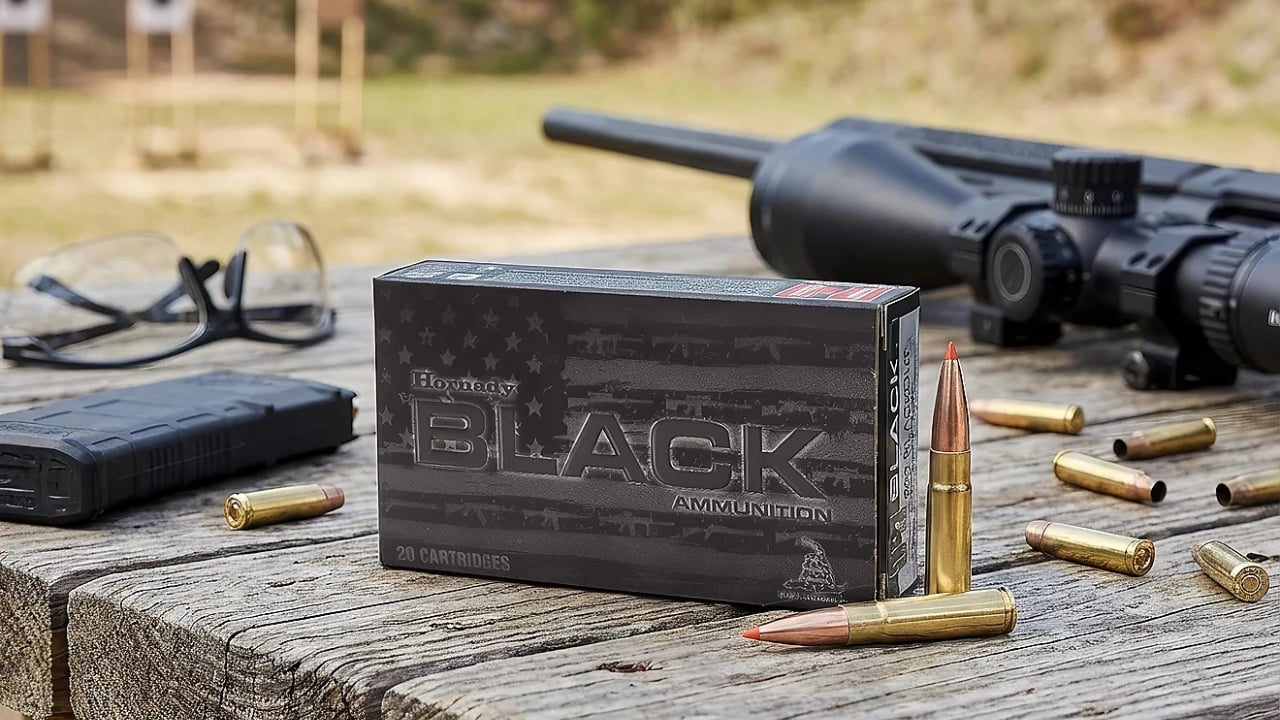
.300 AAC Blackout
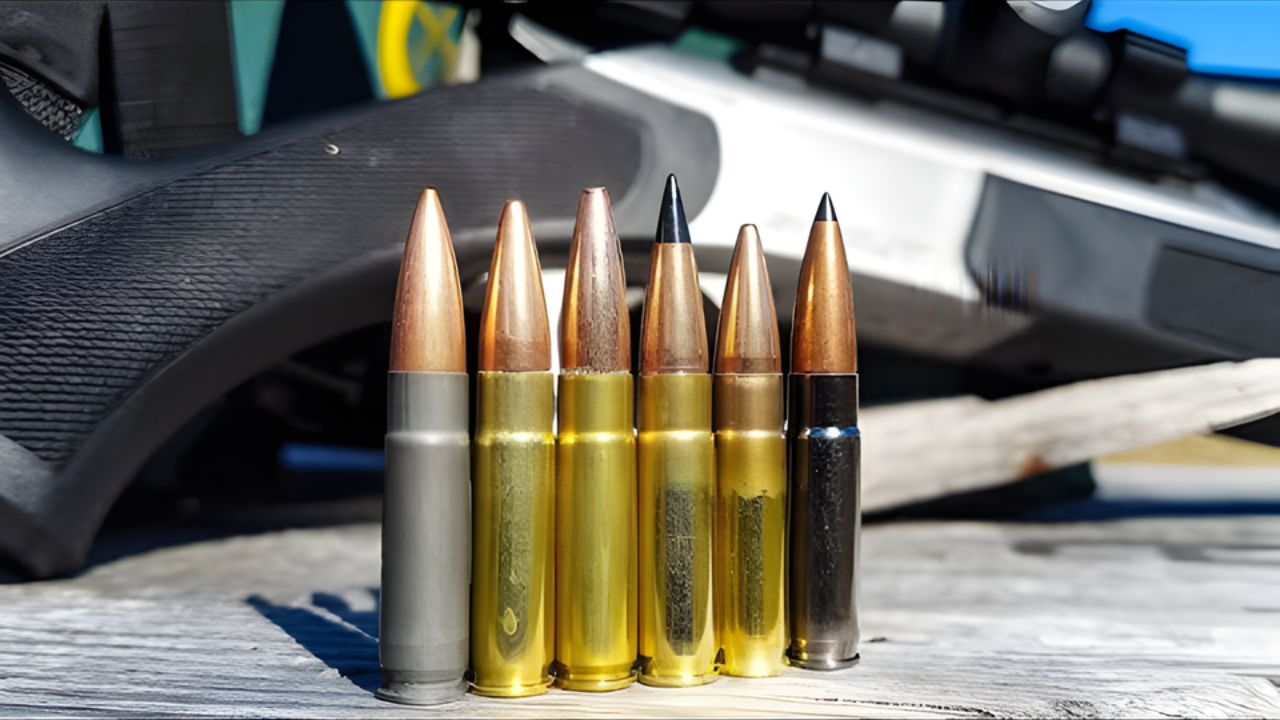
The .300 Blackout is highly effective within the role it was designed to fill. Supersonic hunting loads can take deer and hogs cleanly at moderate distances, while suppressed rifles remain compact and convenient.
The cartridge becomes less forgiving when hunters stretch it too far or confuse subsonic and supersonic performance. Subsonic bullets carry limited velocity and may not expand unless specifically designed to do so. Supersonic loads still have more drop than cartridges such as the .308 Winchester. A poor range estimate, questionable bullet, or marginal angle can turn a quiet hunting setup into a weak blood trail.
6.5 Grendel

The 6.5 Grendel delivers impressive downrange performance from an AR-15-sized rifle. Its high-ballistic-coefficient bullets retain velocity well and can take deer and hogs at distances where cartridges such as the .300 Blackout are running out of steam.
The Grendel still does not have a large reserve of bullet weight or impact energy. At extended range, bullet expansion becomes more dependent on impact velocity. A hunter who pushes beyond the load’s reliable expansion threshold may get a narrow wound channel and limited blood. The cartridge performs best when the shooter knows the exact velocity, bullet limits, and distance rather than relying on published muzzle figures.
6mm ARC
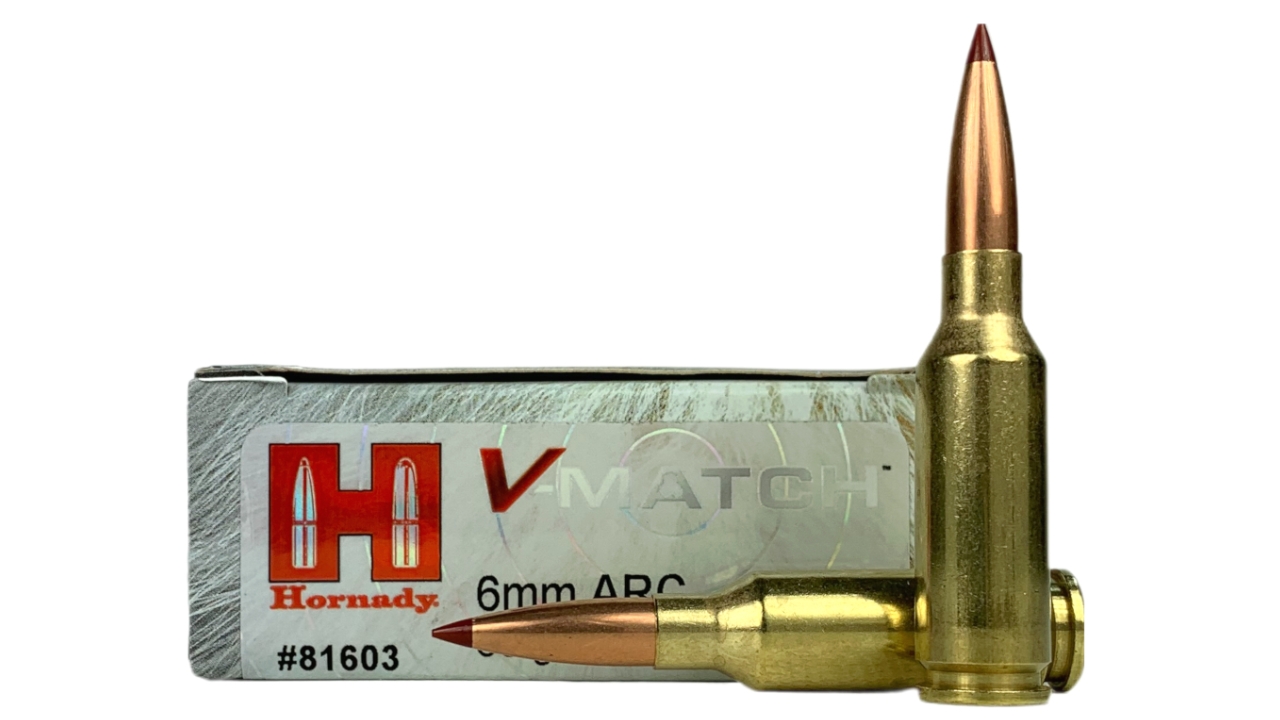
The 6mm ARC combines low recoil, good aerodynamics, and AR-15 compatibility. It can place accurate shots on deer-sized animals farther away than its compact case would suggest.
Its relatively light bullets leave less room for poor shot angles. The cartridge depends on precise bullet placement and projectiles designed to penetrate rather than explode. At long distance, impact velocity can drop below the level needed for reliable expansion. The ARC rewards disciplined shooters who understand their load. A rushed shot through the shoulder or a poor range estimate can expose its limited margin quickly.
.243 Winchester

The .243 Winchester is one of the most popular deer cartridges ever made, and it can be extremely effective. Its mild recoil helps new hunters shoot accurately, while properly designed 90- to 105-grain bullets provide enough penetration for broadside deer.
The cartridge becomes less forgiving when hunters use light varmint bullets or attempt steep quartering shots. A rapidly expanding 70-grain projectile may cause massive surface damage but fail to reach both lungs. Even heavier bullets do not offer the same penetration reserve as a .270 or .30-caliber projectile. The .243 works best when hunters resist taking shots simply because the rifle is easy to shoot.
6mm Creedmoor
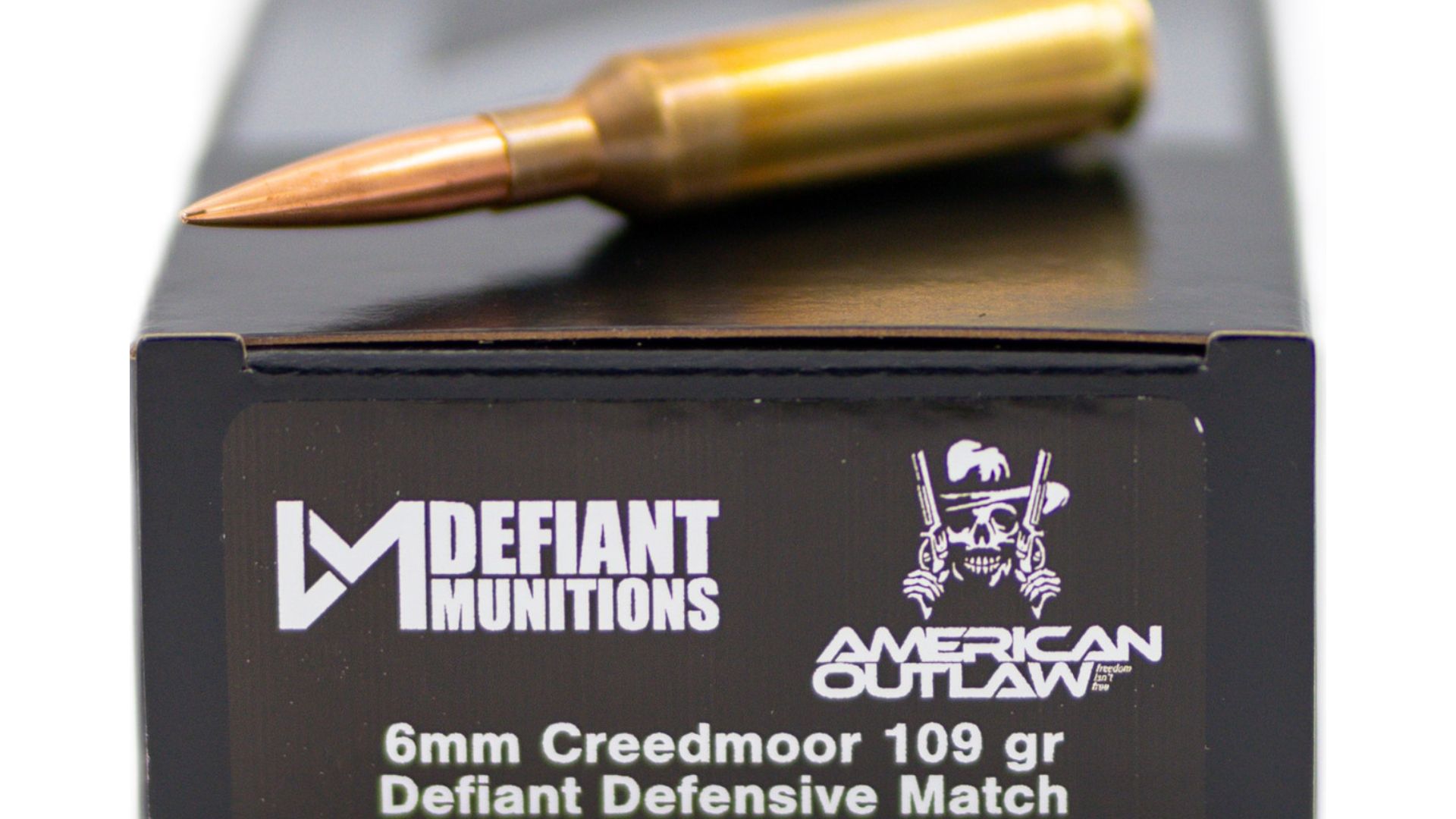
The 6mm Creedmoor shoots flatter and fights wind better than the .243 Winchester with modern high-BC bullets. That performance has made it popular with competition shooters and some open-country hunters.
Long-range accuracy can encourage hunters to attempt shots beyond the distance where bullet expansion and precise placement remain dependable. Many 6mm bullets were designed primarily for target shooting or rapid expansion on predators. A projectile that performs beautifully on a steel plate may not penetrate a deer’s shoulder. The cartridge can be deadly, but it demands careful bullet selection and strict distance limits.
.25-06 Remington

The .25-06 Remington is fast, flat shooting, and highly effective on deer and antelope. It combines manageable recoil with more bullet weight than the common .22-caliber centerfires.
Its speed can become a problem with lightly constructed bullets at close range. A projectile designed for smaller game may expand violently before reaching the far side of the chest. The cartridge also encourages longer shots, where wind and impact velocity still matter. With a strong 110- or 120-grain hunting bullet, it performs extremely well. Choose the wrong projectile or hit heavy bone, and the recovery can become much more difficult.
.257 Weatherby Magnum
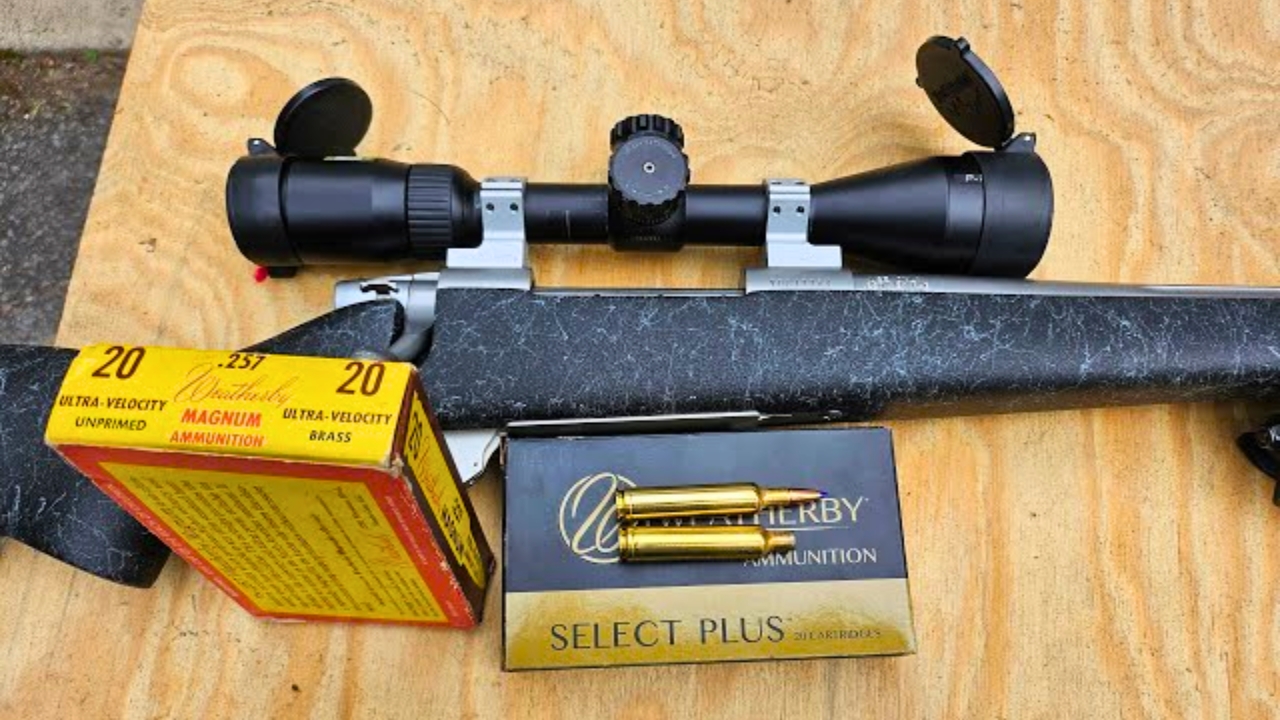
The .257 Weatherby Magnum produces tremendous velocity and an extremely flat trajectory. On open-country animals such as pronghorn and deer, it can make distance estimation less critical than slower cartridges.
At close range, however, that velocity places enormous stress on the bullet. Soft projectiles may fragment on the shoulder or destroy large amounts of meat without providing deep penetration. The cartridge also creates enough recoil and blast to cause some hunters to rush the shot. It is a powerful round, but its effectiveness depends heavily on using a bullet designed to survive high impact speeds.
7.62x39mm
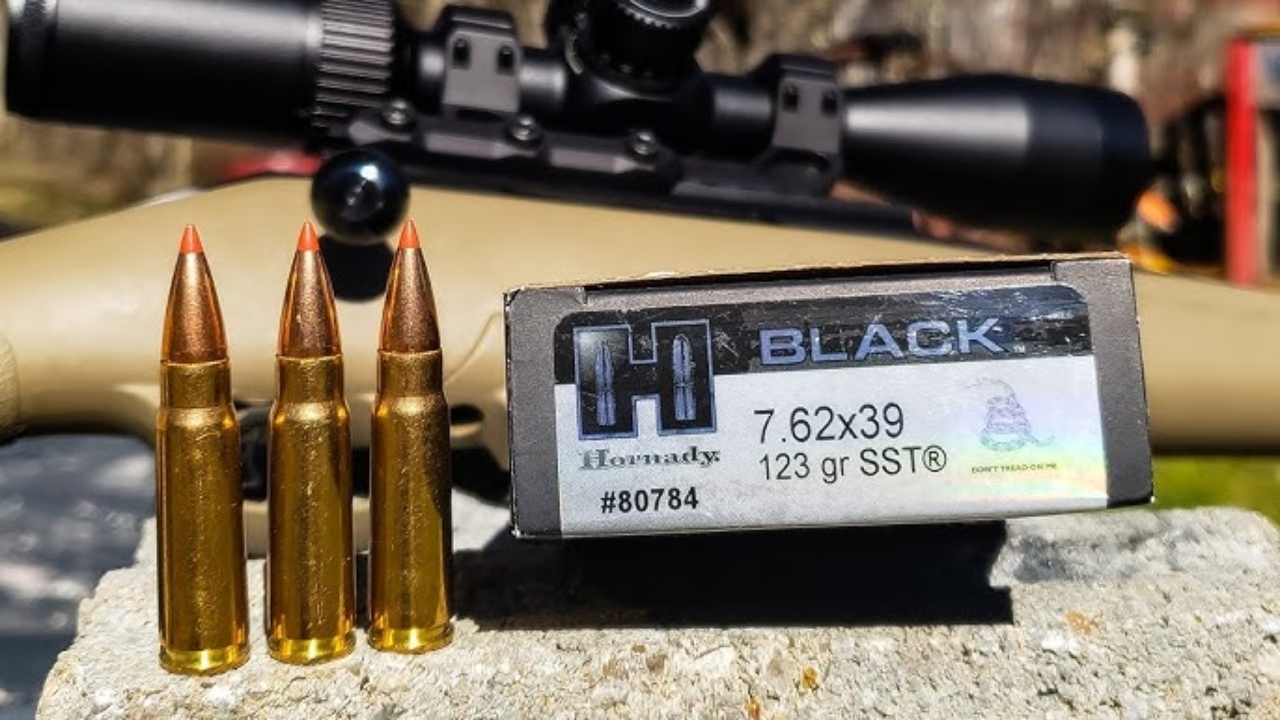
The 7.62x39mm can take deer and hogs cleanly within reasonable distances. Its moderate recoil and availability in compact rifles make it useful in thick woods.
Performance varies dramatically between ammunition types. Full-metal-jacket loads are unsuitable for normal hunting, while some inexpensive soft points expand inconsistently or fail to penetrate deeply. The bullet also drops quickly once distances move beyond the cartridge’s close-range comfort zone. A hunter who uses quality ammunition and keeps shots moderate can get reliable results. Guess at the range or grab bargain ammunition, and the margin becomes much smaller.
.30-30 Winchester
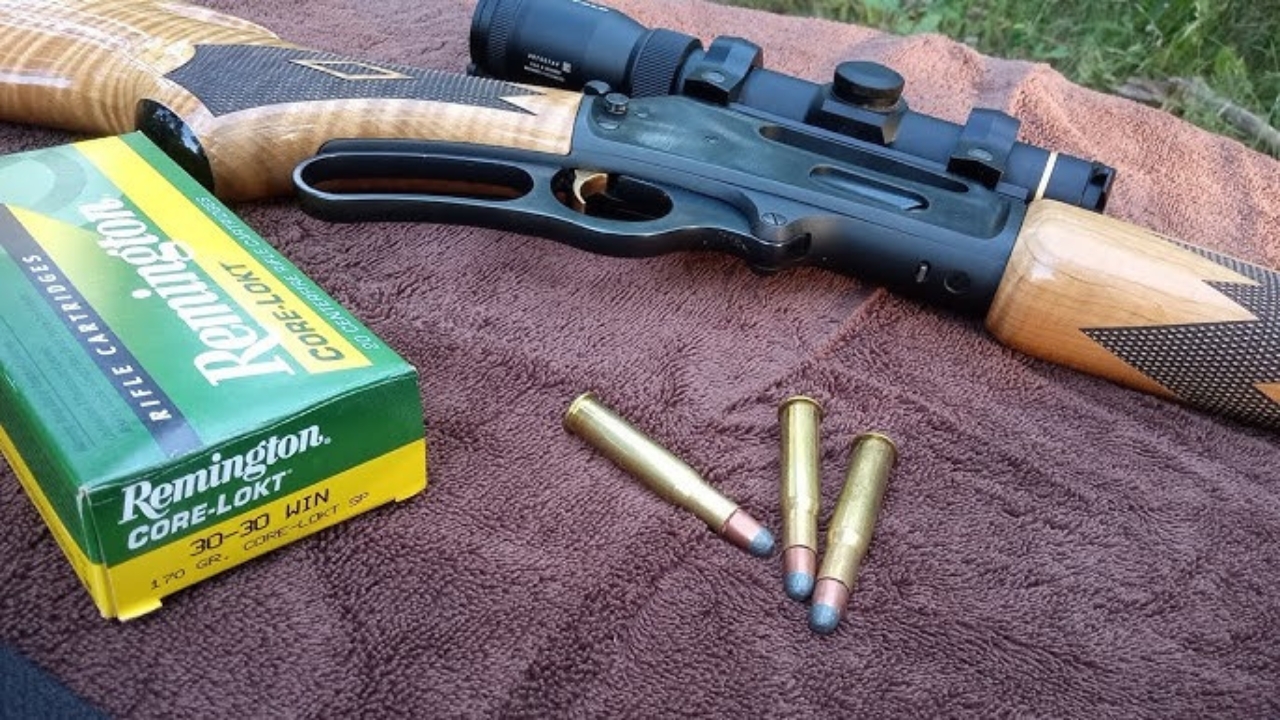
The .30-30 Winchester has taken an enormous number of deer because it works extremely well inside the ranges where most woodland animals are actually shot. Its traditional flat- or round-nosed bullets create effective wounds without excessive recoil.
The cartridge becomes less forgiving once hunters push it beyond its normal role. Trajectory drops rapidly, and older-style bullets lose velocity faster than modern pointed projectiles. A small range-estimation mistake at 200 yards can produce a hit much lower than expected. The .30-30 is not weak. It simply demands that hunters understand its trajectory and resist treating a woods rifle like a flat-shooting open-country setup.
Like The Avid Outdoorsman’s content? Be sure to follow us.
Here’s more from us: