Photo credit: Iraqveteran8888/Youtube
Before striker-fired polymer pistols became the default answer to every duty-gun question, cops carried a whole mix of steel and alloy that felt like it was made for hands, holsters, and hard use. These were the sidearms you’d see riding in worn leather on a cold traffic stop, bouncing on a hip during a fence-line search, or sitting in a glovebox while a deputy helped a landowner deal with a trespass call.
Some of them were tack-drivers. Some were heavy and cranky. A few were flat-out dated the day they showed up. But they all have a certain honest “working gun” vibe, and a lot of them still make sense today if you can live with weight, limited capacity, or old-school controls.
1. Smith & Wesson Model 10
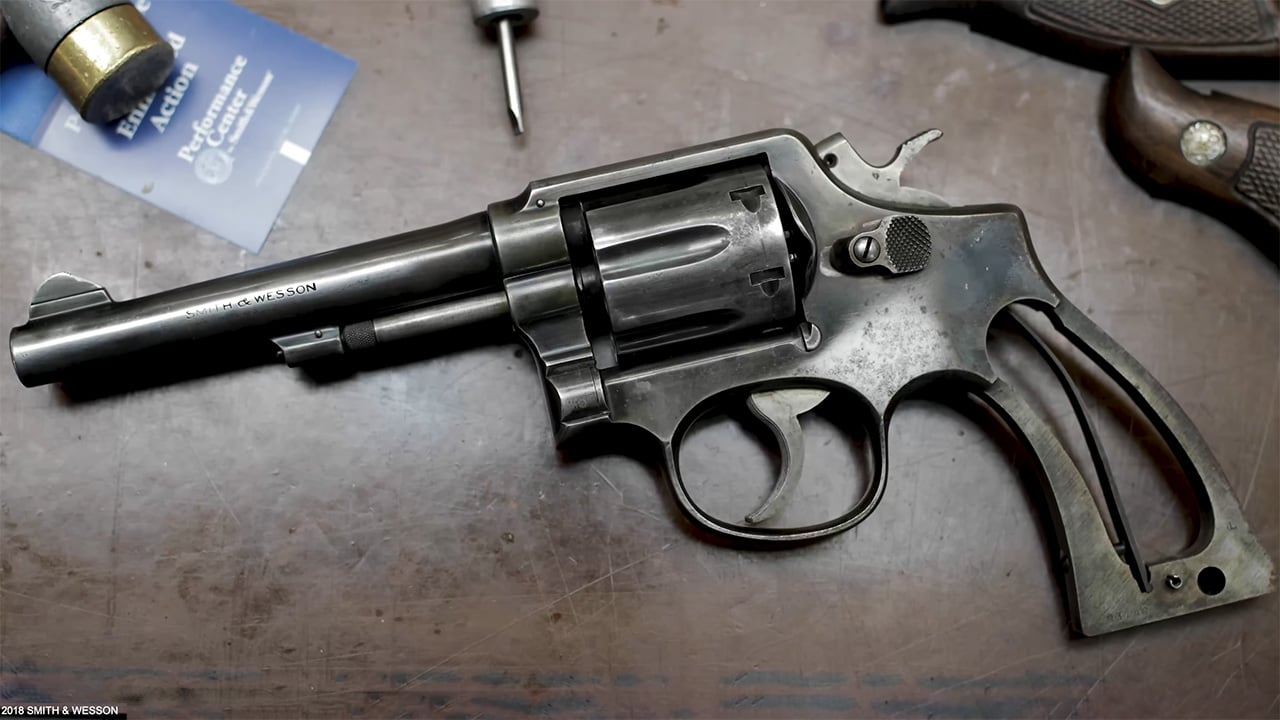
This one is about as classic as it gets: a fixed-sight K-frame .38 that just kept going. It points naturally, the trigger can be excellent, and it taught generations of officers what a real double-action press feels like.
It’s not flashy and it’s not high-capacity. But for a duty revolver it was steady, predictable, and easy to keep running with basic care. The downside now is that a lot of them are worn from honest service, and clean examples don’t stay cheap forever.
2. Smith & Wesson Model 19

The Model 19 is what happens when you take a good .38 frame and give folks the option of .357 Magnum. With the right grips, it carries surprisingly well for a service revolver, and the balance is hard to beat.
It’s also a gun that got pushed hard. Full-power magnums can be rough on K-frames over time, and many agencies learned to train with .38s and qualify with .357s for a reason. Still, if you want “old cop gun” with real bite, this is it.
3. Smith & Wesson Model 36 (Chief’s Special)

Off-duty and backup guns mattered in the revolver era, and the little J-frame was everywhere. It disappears in a coat pocket, rides in an ankle rig, and it’s simple enough that you can run it under stress if you’ve actually practiced.
No, it’s not fun to shoot for long strings, and tiny sights are tiny sights. But it’s a serious tool, not a novelty. Ask me how I know: small revolvers will humble your trigger control fast.
4. Colt Official Police
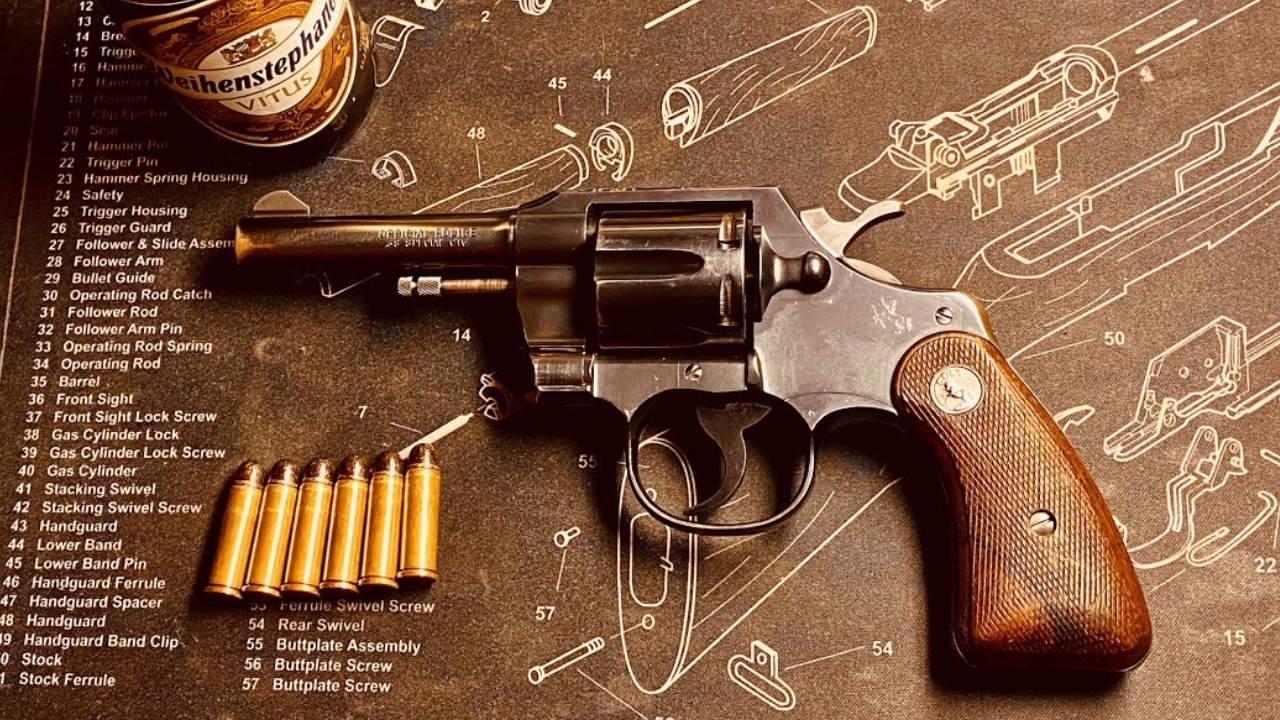
This is one of those revolvers that feels like it came from a different manufacturing world. The Colt action has that distinct “stacking” feel in double-action, and some folks shoot them extremely well once they learn it.
The catch is parts and gunsmith support aren’t what they used to be. If you find a tight, un-abused one, it’s a great piece of history that still works. If you find one that’s out of time, you’re buying a project.
5. Colt Python

Yes, some officers carried them, and yes, they were expensive even back when money was money. The Python got a reputation for a reason: accuracy, finish, and a trigger that could make you look better than you are.
But it’s also not the revolver you want to treat like a fence-post hammer. The reason you see Pythons babied today is because they’re not getting any easier to replace, and a lot of them deserve the respect.
6. Ruger Security-Six
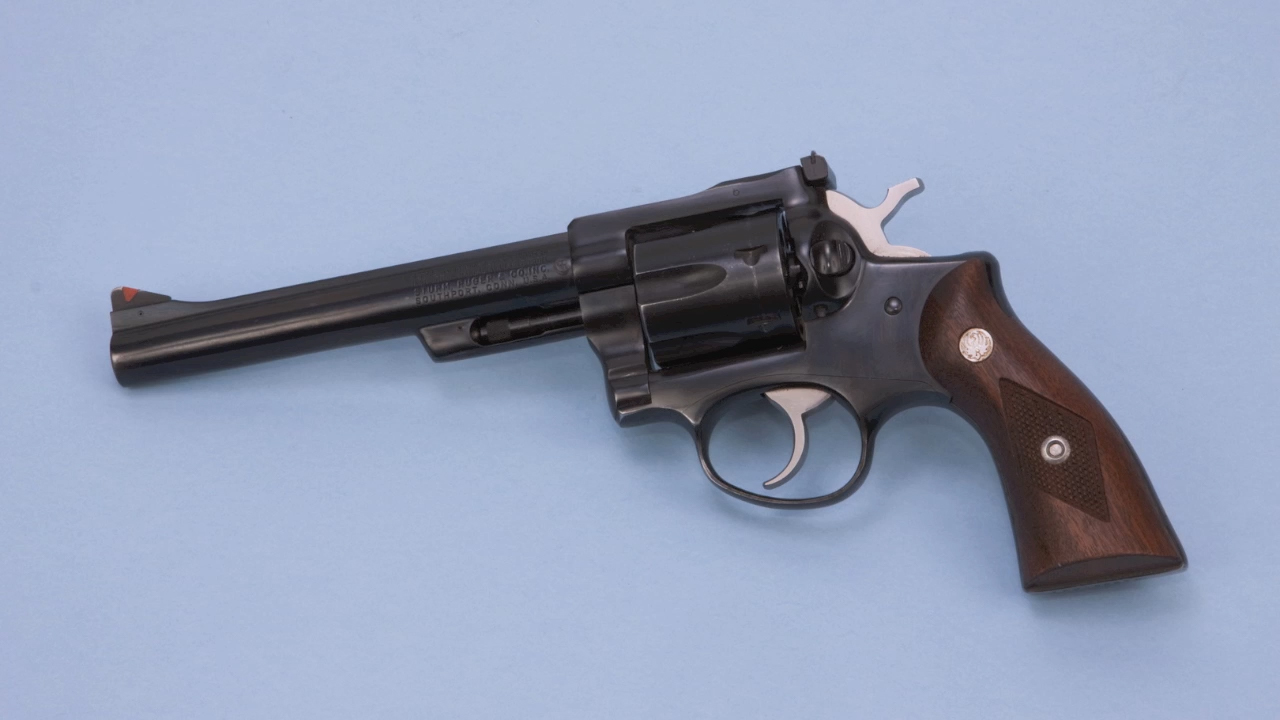
Ruger built these to take a beating, and it shows. The Security-Six series is the revolver you pick when you want strength and you’re not worried about winning a beauty contest.
The trigger is usually not as slick as a good Smith out of the box, but they wear in. For rural duty where gear got knocked around in trucks and on ATV racks, that “built like a tool” design made a lot of sense.
7. Smith & Wesson Model 28 (Highway Patrolman)
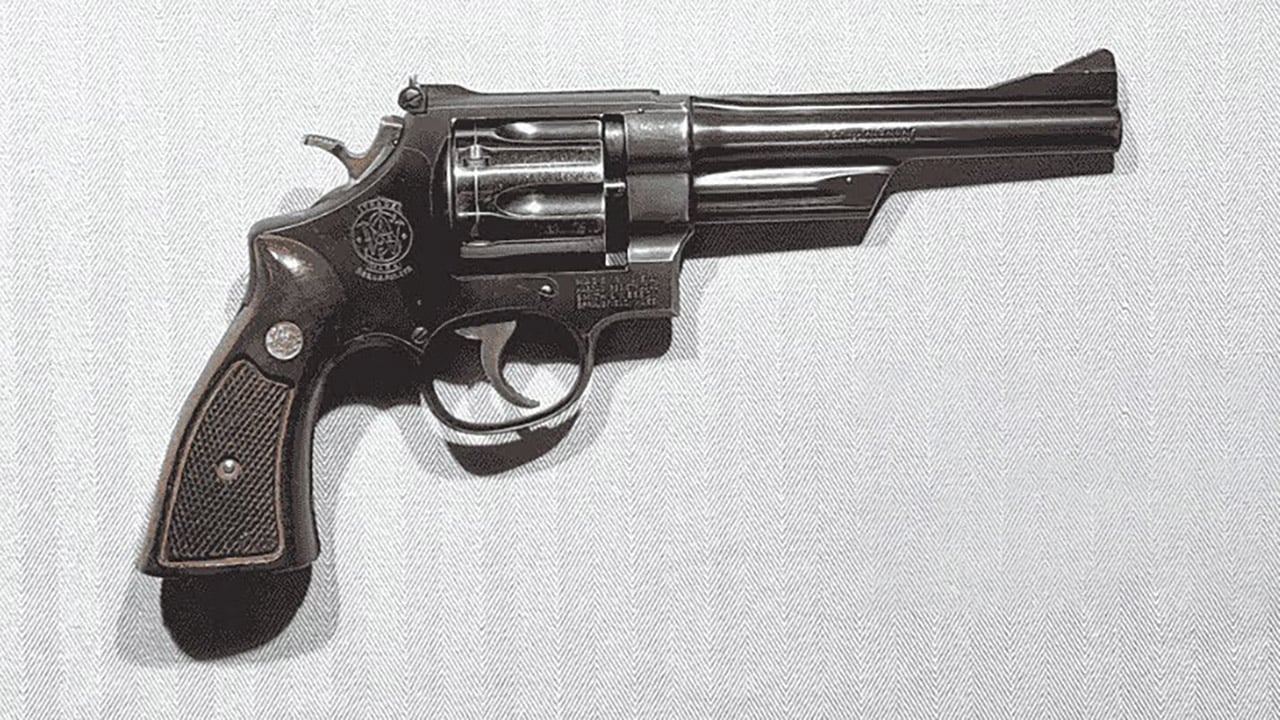
If you ever held one of these, you remember it. Big N-frame, heavy, and steady, with a no-nonsense finish that didn’t mind sweat, rain, or a thousand holster draws.
It’s not a lightweight by any stretch, but weight is your friend with .357. The Model 28 is one of those guns that makes you understand why some old-timers didn’t fear recoil—they were carrying a revolver that soaked it up.
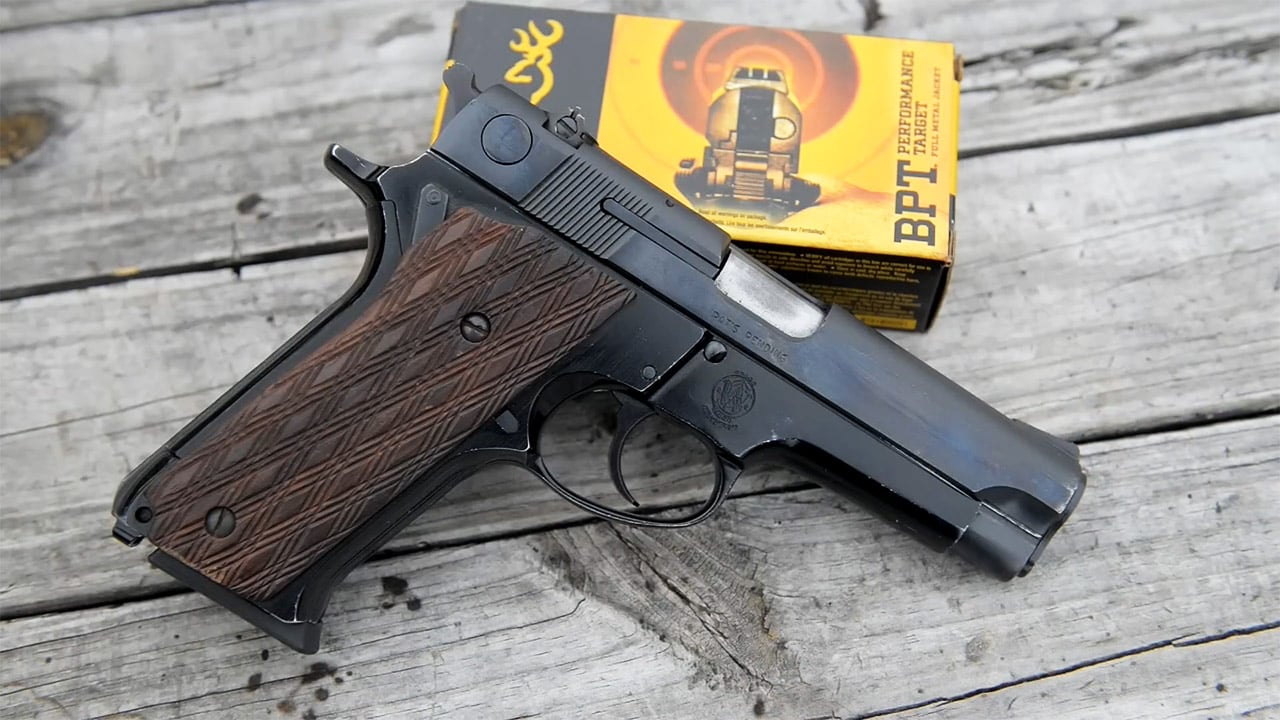
8. Smith & Wesson Model 59
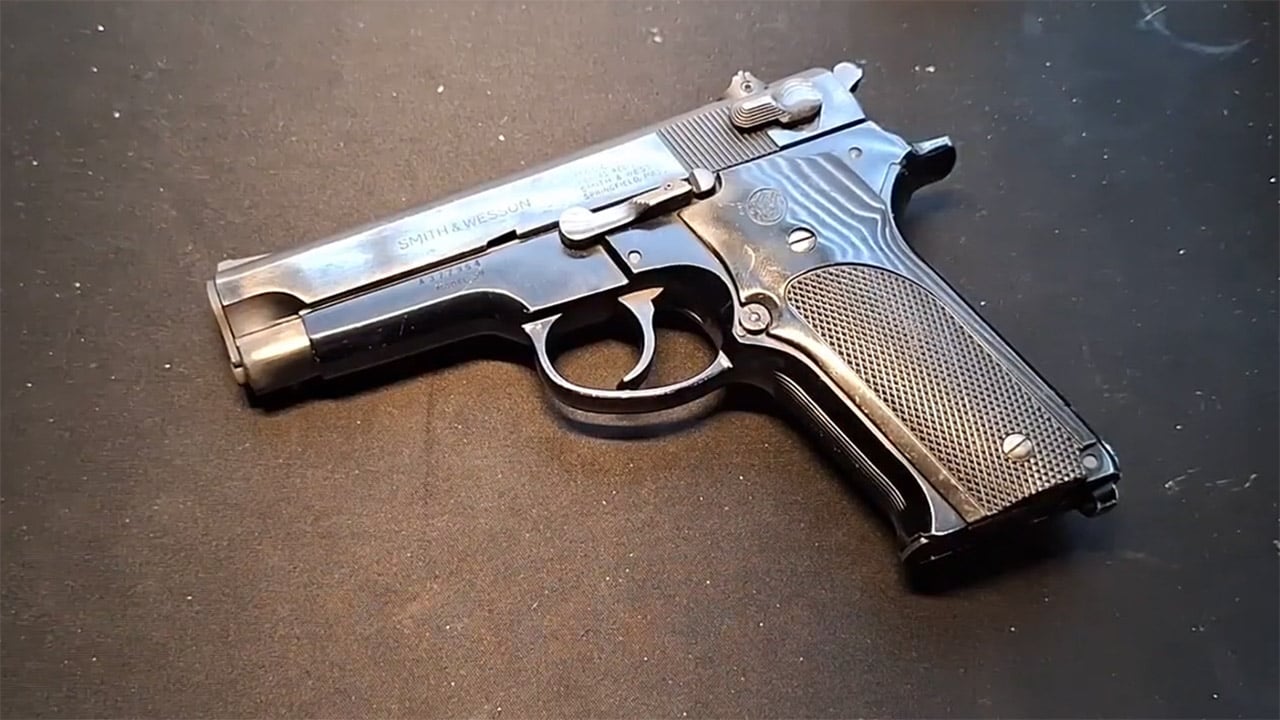
This was one of the early American double-stack 9mms that made agencies start thinking about capacity. It’s a big pistol for what it is, and the ergonomics can feel blocky compared to modern options.
Still, it was a bridge from revolvers to wonder-nines. You get traditional double-action, a decocker/safety setup many departments liked, and magazines that are still around if you look.
9. Smith & Wesson Model 39
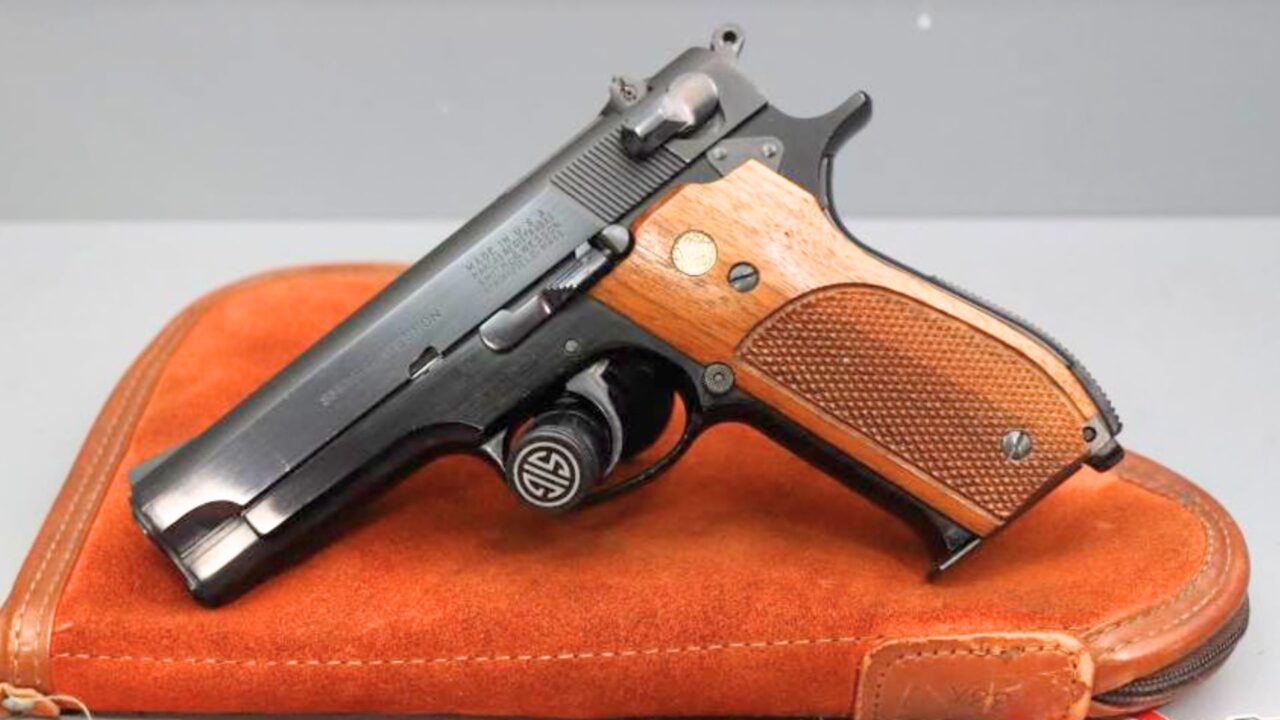
The single-stack sibling to the 59 is slimmer and, to a lot of hands, more comfortable. The Model 39 has that classic metal auto feel—smooth slide, decent points, and it carries flatter than the double-stack guns of the era.
The tradeoff is capacity and, depending on the gun, sometimes finicky behavior with certain ammo profiles. But for a first-generation American DA/SA 9mm, it did a lot right.
10. Beretta 92FS
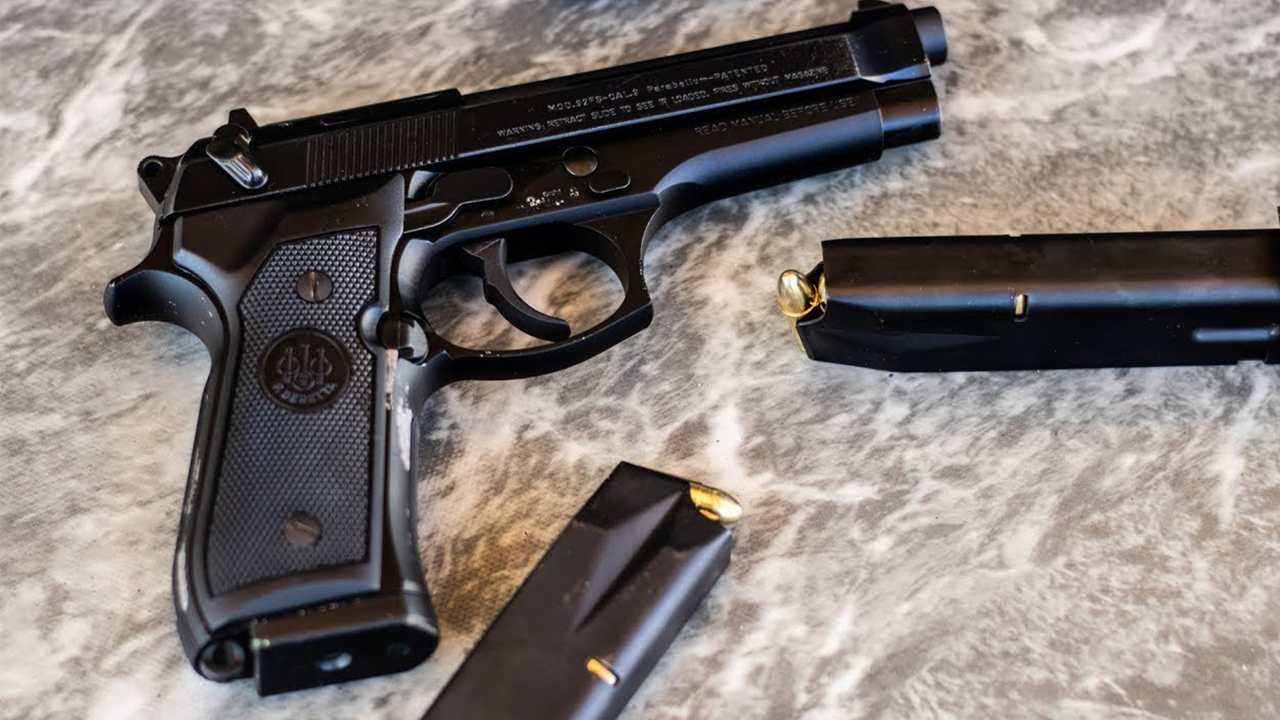
Before it became “the military gun” in everyone’s mind, plenty of cops carried 92-series pistols. They’re big, reliable, and the open-top slide design runs dirty better than it has any right to.
It’s also a pistol that wants a real duty belt and a real holster. Concealment is possible, but you’ll work for it. If you shoot one well, though, you’ll understand why so many departments trusted it.
11. Beretta 96
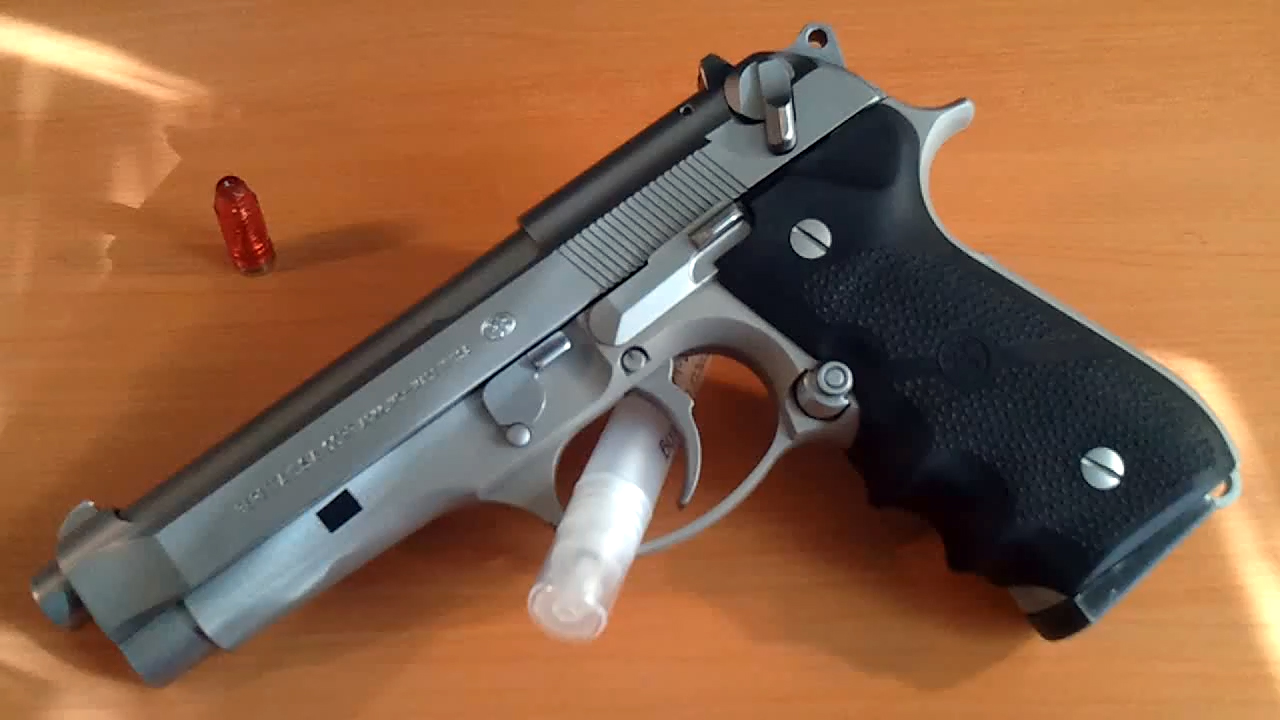
The .40 S&W era hit hard, and some agencies wanted a familiar platform with a bigger hole in the front. The Beretta 96 gave them that, with the same manual of arms as the 92.
Recoil is snappier than 9mm in that frame, and some guns got shot loose with heavy training schedules. But a well-maintained 96 is still a soft-shooting .40 compared to smaller, lighter pistols.
12. SIG Sauer P226
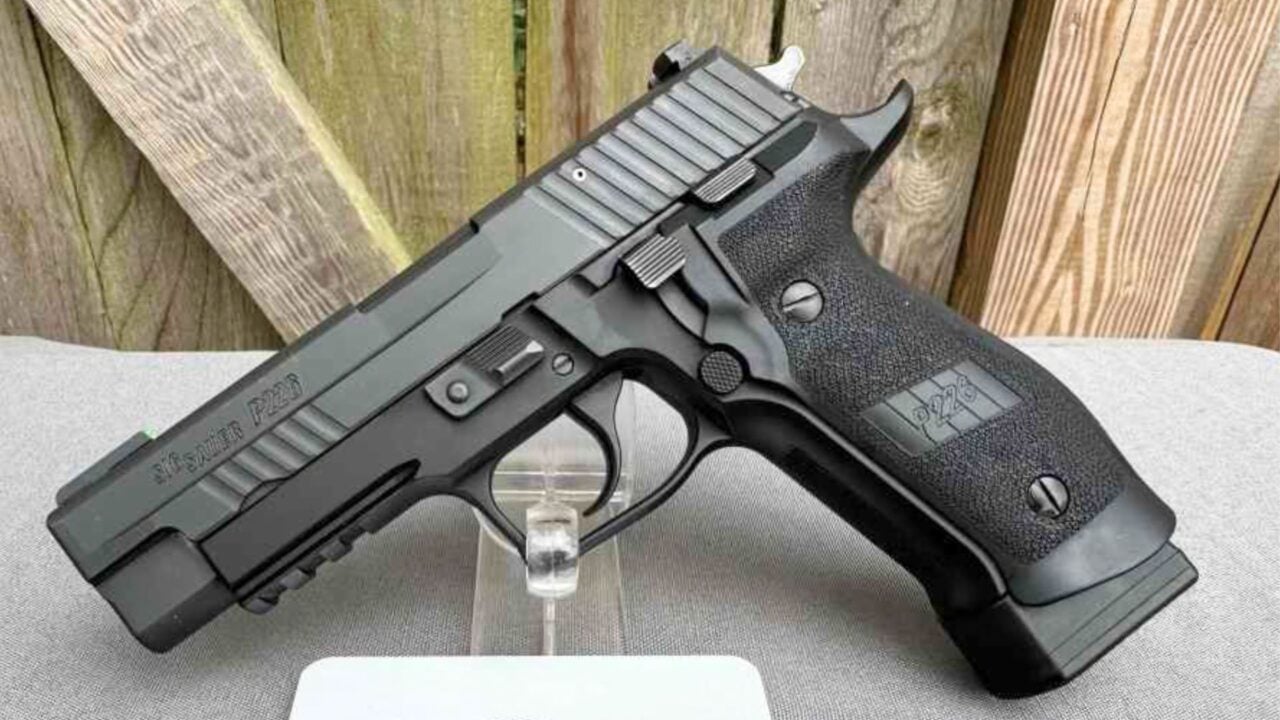
If you’ve ever run a P226 hard, you know the appeal. It’s accurate, stable, and the controls make sense once you’re used to the decocker. The gun just sits in your hand like it means business.
It’s not light, and it’s not cheap. Magazines are common, parts support is good, and it still feels like a duty pistol instead of a toy. There’s nothing fancy about it, and that is kind of the point.
13. SIG Sauer P228
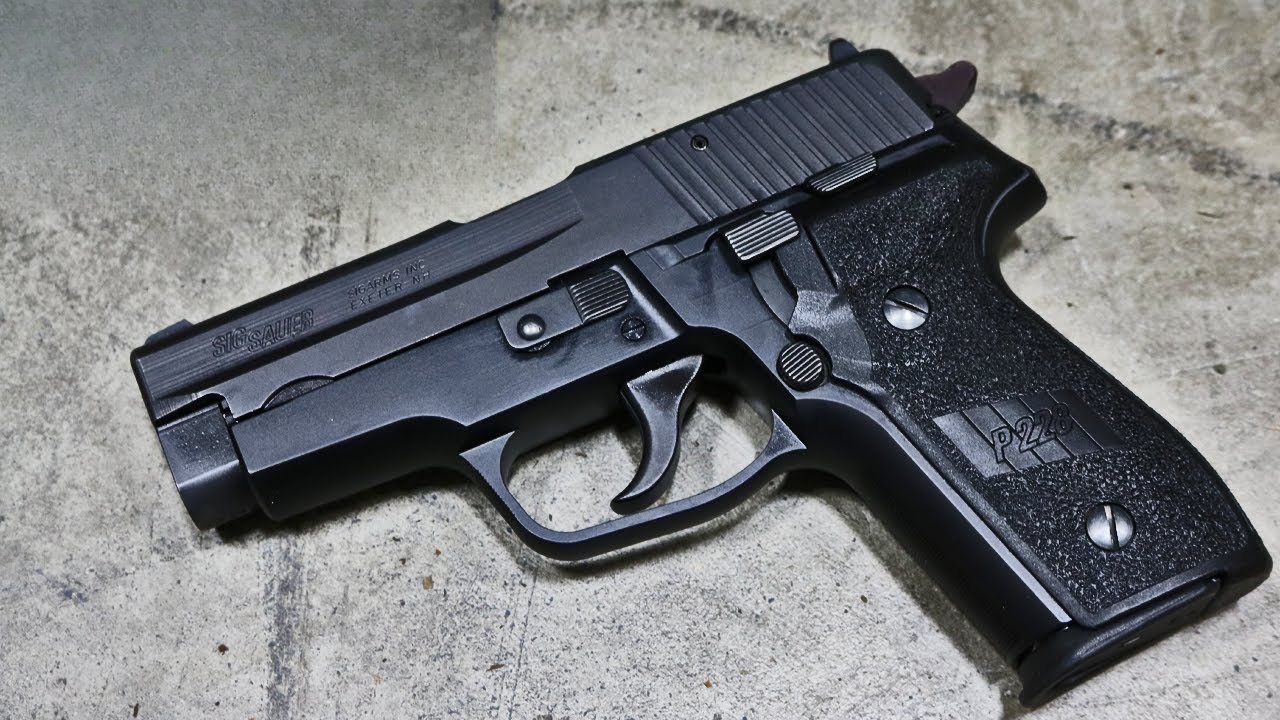
The P228 is the “just right” SIG for a lot of folks. Slightly more compact than the 226, still shoots like a real service pistol, and it carries better under a jacket when you’re off the clock.
Some of these became trade-in bargains for a while, and then everyone figured out what they were. If you find one that hasn’t been ridden hard with questionable springs, it’s a keeper.
14. SIG Sauer P220
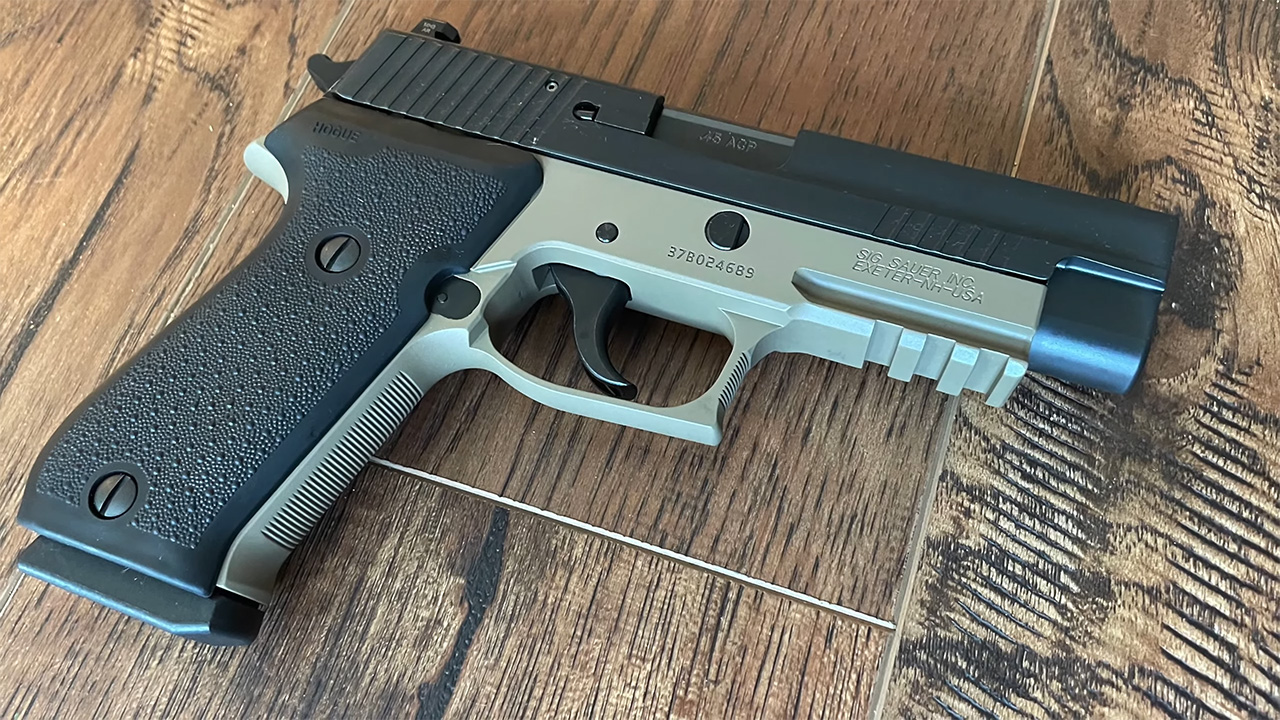
Not every department was married to 9mm, and the P220 in .45 ACP has a loyal following for a reason. It’s slim for a .45, points well, and tends to be very accurate.
Capacity is the obvious downside, and some folks don’t love the DA/SA transition. But it’s a serious pistol with a reputation for feeding and running when it counts, which is why it showed up on duty belts.
15. Heckler & Koch P7

The P7 is one of the strangest “police guns” that actually makes sense once you use it. The squeeze-cocker system is fast and safe in a way that’s hard to explain until it’s in your hands, and the accuracy is often ridiculous.
The problem is heat. Shoot it fast and it gets hot, period. It’s also expensive now and not as easy to support with parts. Still, it’s one of the coolest examples of a duty pistol built with real thought behind it.
16. Heckler & Koch USP .40
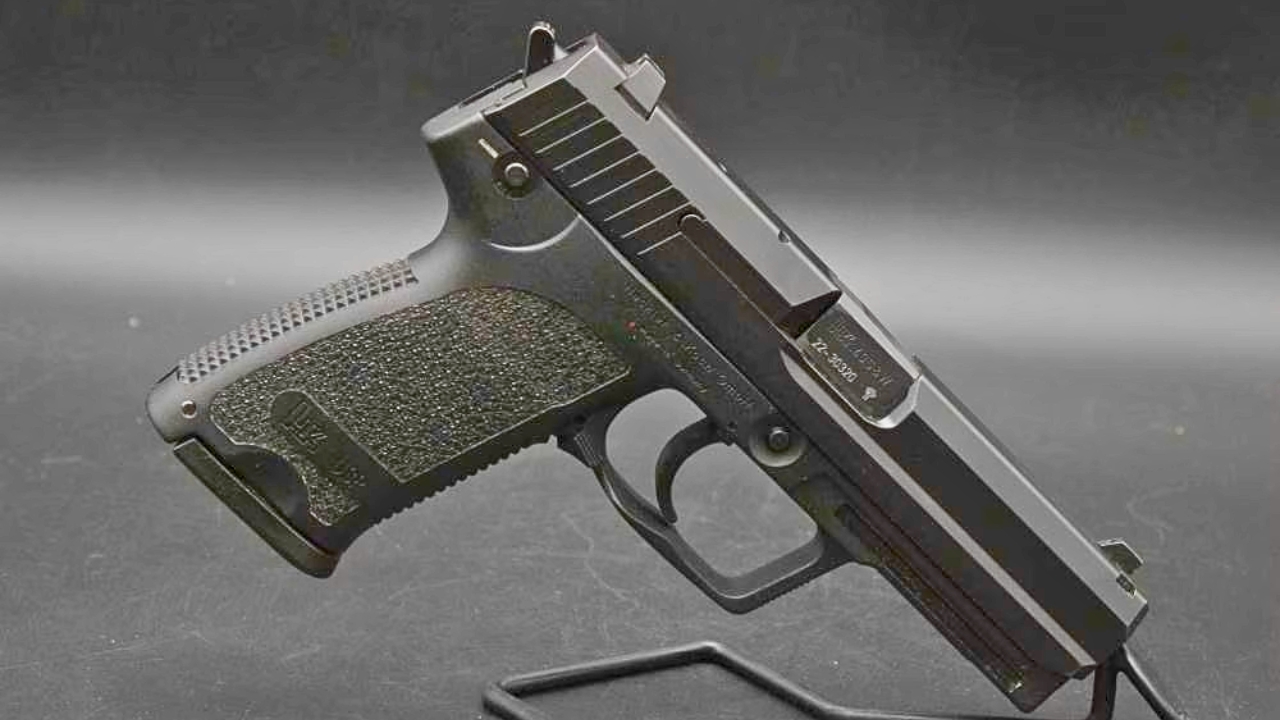
Before polymer became bland and universal, the USP was polymer with attitude. Big controls, built like a tank, and set up in ways departments could tailor with different safety/decocker variants.
It’s chunky and the bore axis feels higher than some shooters like. But reliability is the USP’s whole identity. If an agency wanted .40 S&W and didn’t want drama, this was one route.
17. Smith & Wesson Model 4006
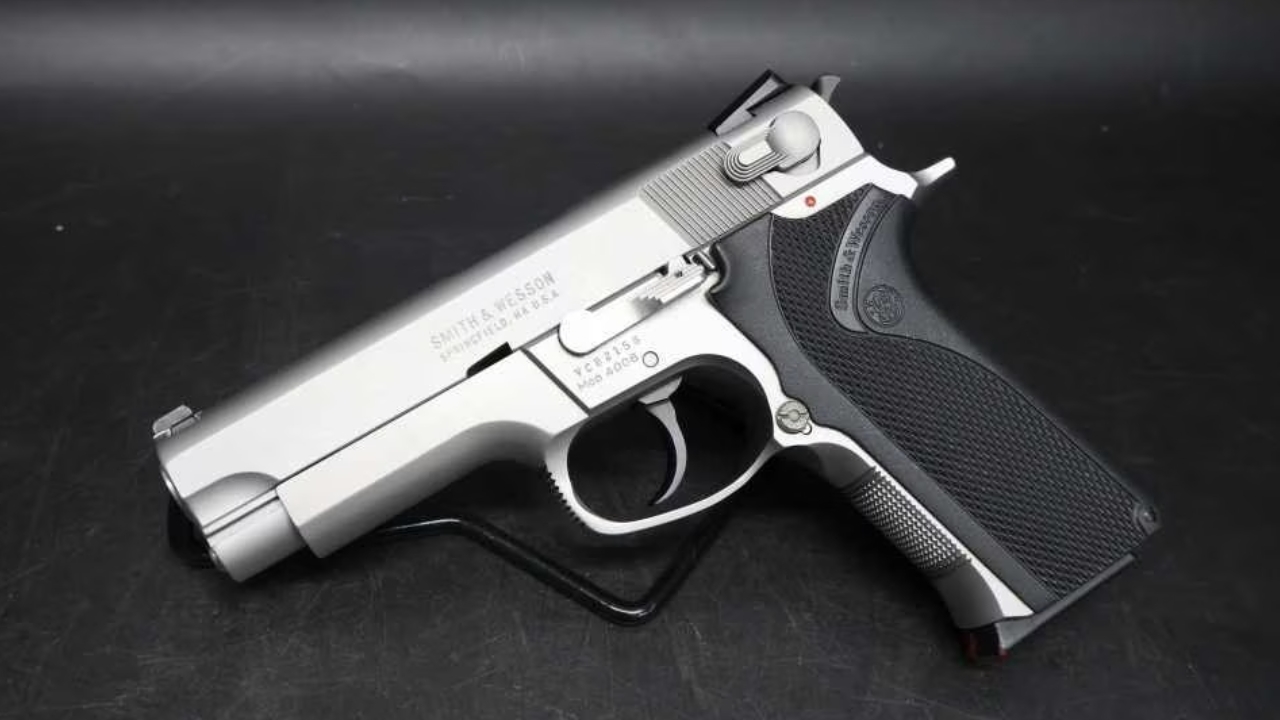
The 4006 is pure stainless-steel .40 S&W from the days when departments wanted “heavier equals stronger.” It’s heavy on the belt, but that weight tames recoil and makes follow-up shots easier than you’d expect.
It can feel like carrying a boat anchor, and the ergonomics are very 1990s. But these guns often ran and ran, and plenty of trade-ins still shoot better than their price tag suggests.
18. Ruger P89

Ruger P-series pistols were never glamorous, but they were honest. The P89 is bulky, kind of ugly, and it’ll still go bang after being neglected in a way that would make a gun guy cringe.
Triggers vary, and the size-to-capacity ratio isn’t great by modern standards. But for departments watching budgets, it offered service-grade durability without boutique pricing.
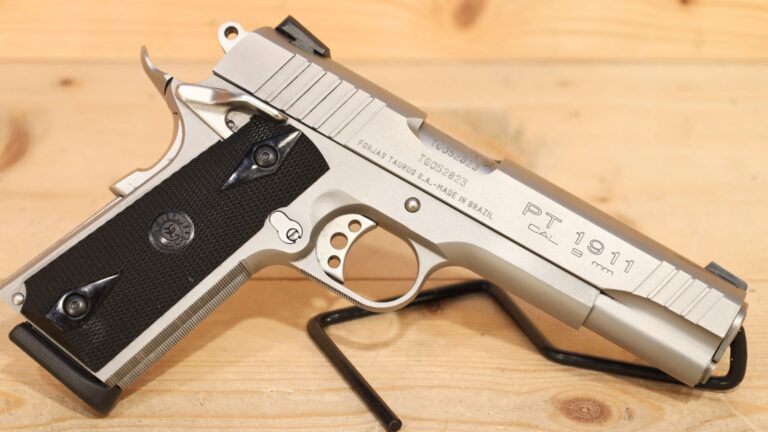
19. Colt 1911 Government Model

Long before modern 1911s became a whole industry, some officers carried a Government Model because they trusted it and knew how to run it. Slim profile, great trigger, and .45 ACP performance that built a reputation the hard way.
The catch has always been maintenance and training. A 1911 that’s set up right and kept up is a wonderful working pistol. A sloppy, worn example can be a headache. Departments that issued them typically expected officers to take the platform seriously.
20. Browning Hi-Power

The Hi-Power is one of those pistols that still feels good in the hand even next to modern guns. It’s slim, points naturally, and carries like a real-world sidearm instead of a brick.
It has quirks, including triggers that vary and older designs that don’t always love modern hollow points without being in good shape. But as a pre-polymer duty pistol, it’s hard not to respect what it did and how long it stayed relevant.
It’s easy to look back and pretend everything before today was either perfect or pointless. The truth is these guns were carried because they worked well enough, were supported by holsters and training, and fit the realities of the time. If you stumble onto one at a shop, don’t just see “old.” Pick it up, feel the balance, run the controls, and you’ll understand why so many officers trusted steel and aluminum long before plastic became the norm.
Like The Avid Outdoorsman’s content? Subscribe to our newsletter so you never miss an article.
Here’s more from us: