Photo credit: Tools&Targets/Youtube
If you spend any time around a real gun counter or a busy gunsmith bench, you learn something pretty quick: the pistols that show up the most are not always the ones that get shot the most. They’re the ones that get bought on hype, carried a little, shot just enough to reveal a problem, and then brought in with that same look on the owner’s face.
None of this is about “badmouthing” brands for sport. It’s about patterns. Some handguns keep landing on the bench because they’re finicky with ammo, hard to keep running, easy to limp-wrist, prone to small-parts failures, or simply not suited to the job folks bought them for. Here are 20 that gunsmiths tend to see again and again, and usually not for a routine cleaning.
1. Taurus G2C

This one shows up a lot because it’s affordable and easy to find, and I get it. The problem is that “affordable” often means it’s somebody’s first defensive pistol, and it gets carried more than it gets practiced with.
On the bench, the common theme is inconsistent reliability tied to magazines, ammo sensitivity, and sometimes rough internal fit that only shows up after a few hundred rounds. A good one can run fine, but the odds of getting a “just okay” one are higher than folks want to admit.
2. Taurus G3C

The G3C is basically the next chapter of the same story: better on paper, still bought in huge numbers by folks trying to stretch a paycheck. When one runs, it’s a lot of pistol for the money.
But when it doesn’t, it’s often little stuff that matters a lot on a carry gun—feed issues, odd ejection, magazines acting up, or a trigger that feels different from one sample to the next. Gunsmiths end up sorting problems that shouldn’t be common on a brand-new defensive tool.
3. SCCY CPX-2

This is a classic “bought it because it was there” pistol. Small, inexpensive, and it looks like it ought to be a simple answer for pocket carry or a glovebox.
The downside is they can be fussy. Heavy triggers mask bad fundamentals, and the guns can be picky about ammo and grip. When they show up at the shop, it’s often after a frustrating range trip where nothing feels consistent.
4. Hi-Point C9
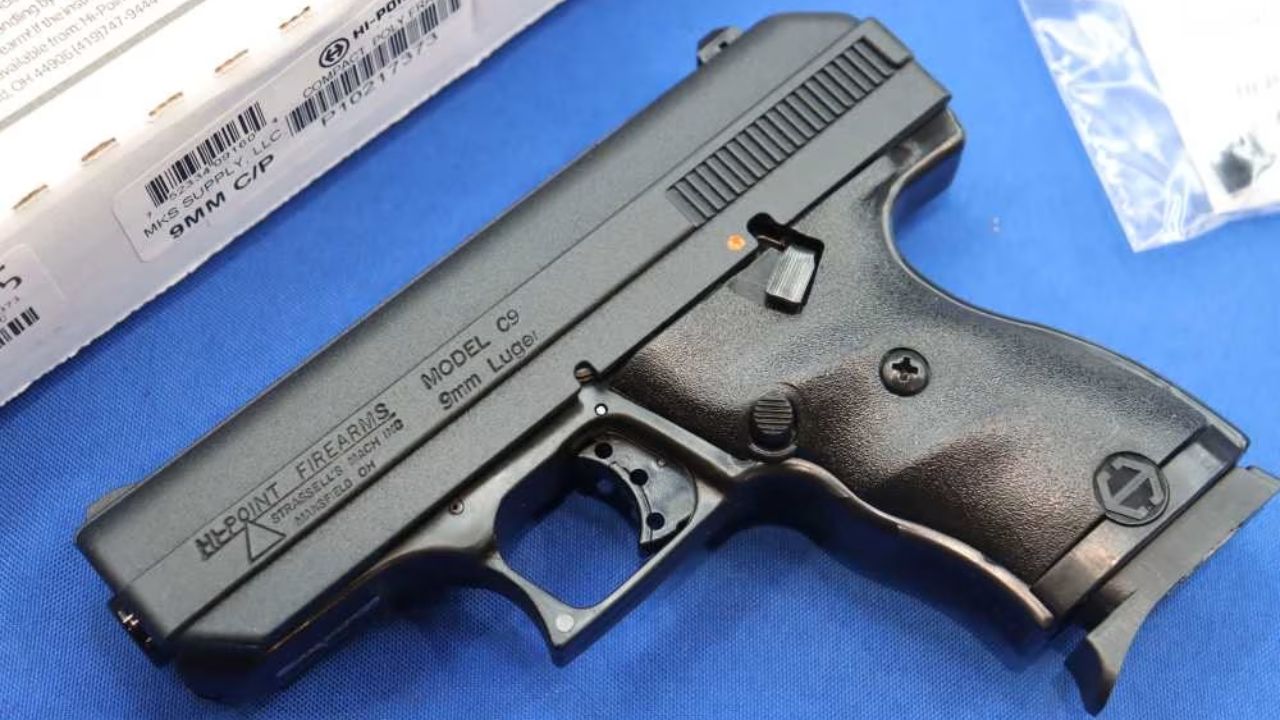
Folks love to argue about these. Yes, many of them do run. And yes, they can be surprisingly durable in a “keep it in the tackle box” kind of way.
They also show up with broken small parts, damaged magazines, and homeowner “gunsmithing” attempts that go sideways. They’re bulky and awkward, and that means they get dropped, banged around, and neglected—then expected to work perfectly when somebody finally remembers it exists.
5. Kimber Solo
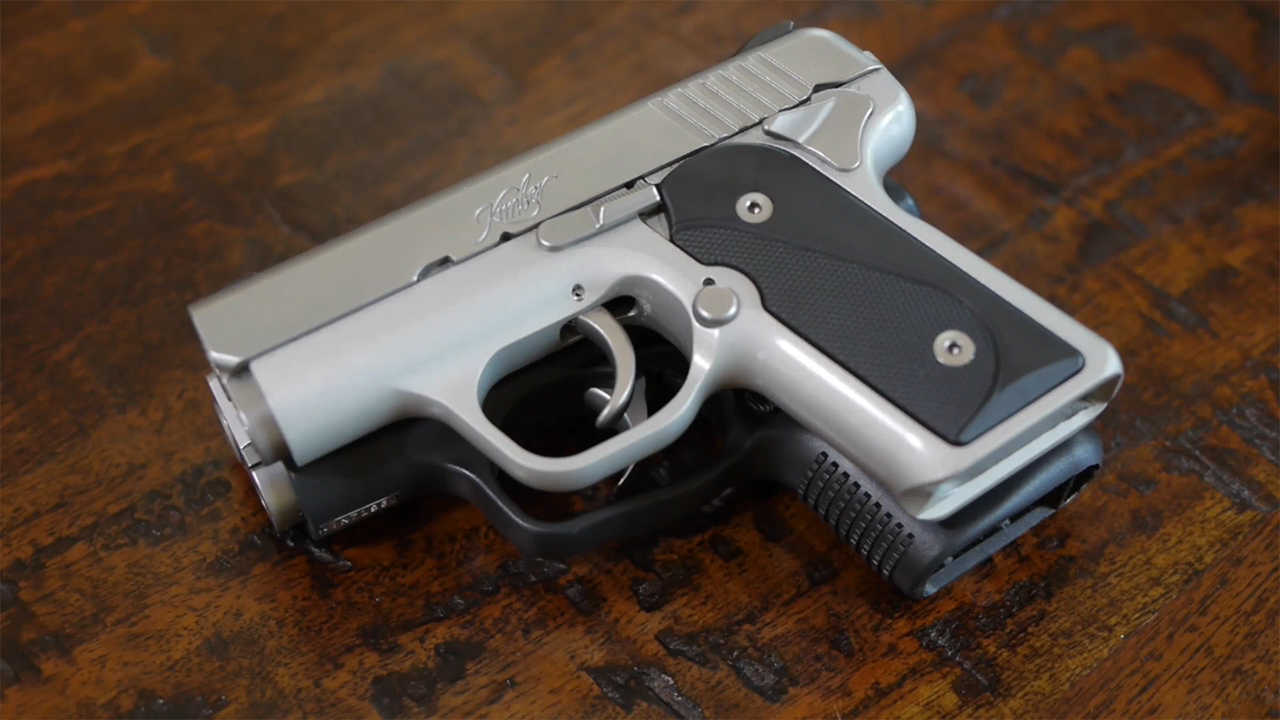
That little Kimber is slick-looking and feels like it should be the perfect small 9mm. A lot of folks bought them for deep concealment, then found out the gun had opinions about what it wanted to eat.
Ammo sensitivity is the big complaint. When a compact pistol is tuned tight and then the owner feeds it bargain range ammo, you get stoppages and disappointment. Gunsmiths see them because the owner wants “a reliability job,” and sometimes the answer is just that the design is what it is.
6. Kimber Ultra Carry II

Short 1911s are a romance story that turns into a maintenance schedule. The Ultra Carry II carries nice, points nice, and feels great in the hand. Then the round count climbs.
Timing, recoil springs, extractor tension, and magazine quirks become real. A gunsmith can help, but a lot of owners don’t want to hear that a three-inch 1911 isn’t the same creature as a full-size Government model.
7. Remington R51 (Gen 1)
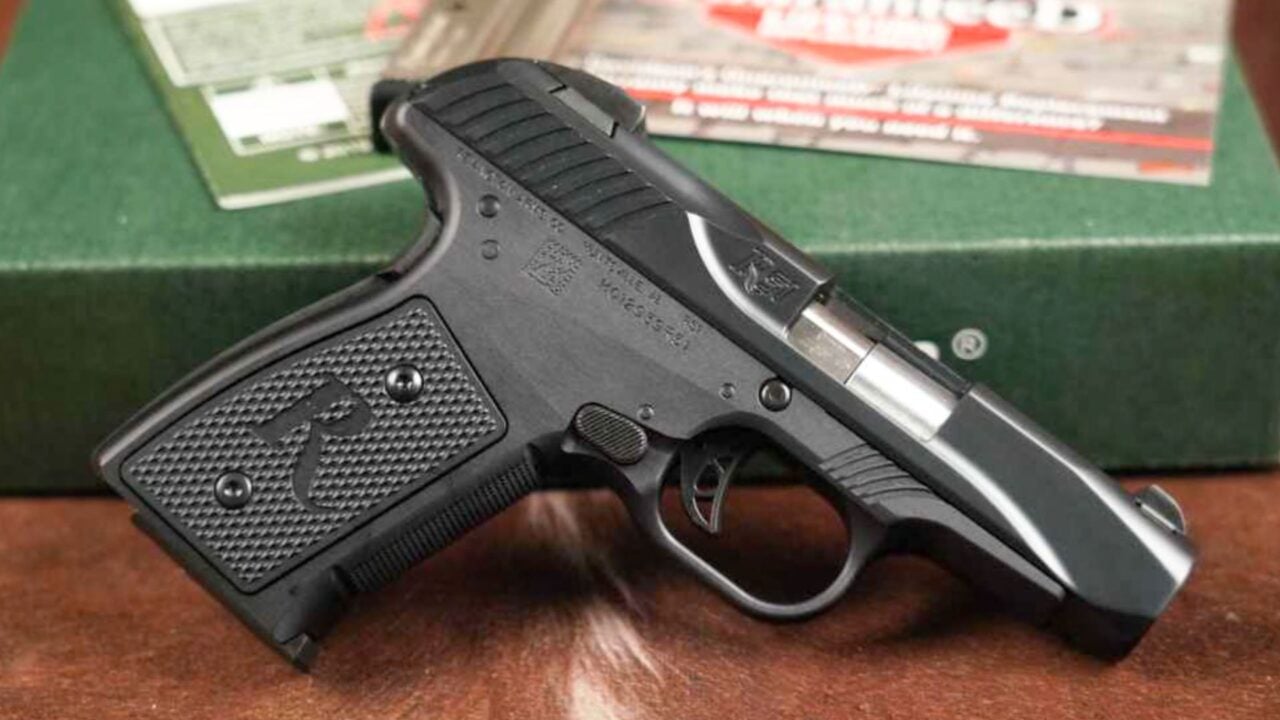
That one hurts, because the idea was cool: a modern take on an old design with a nice carry profile. Early runs, though, were rough enough that the pistol earned a reputation fast.
Gunsmiths still see them when someone buys one used “cheap” and then chases reliability gremlins. Sometimes it’s parts, sometimes it’s fit, and sometimes it’s just the owner trying to make it something it never quite became.
8. SIG Sauer P365 (early production)

Before anybody gets mad, the P365 is a solid carry gun today. But the early ones? They made a lot of trips back and forth, and shops saw them for striker and primer-drag concerns, weird wear, and general new-design teething pains.
It’s not that every early gun was a lemon. It’s that enough of them were “off” that gunsmiths learned to ask the serial range and production date right away.
9. Springfield Armory Hellcat (first-year guns)

The Hellcat is another one that’s popular for good reasons. It’s small, high capacity, and easy to carry in normal clothes without feeling like you strapped a brick to your belt.
The downside is that ultra-compacts magnify shooter issues and parts wear. Gunsmiths see them for stiff springs, erratic ejection, and occasional feeding problems—often tied to limp-wristing or marginal magazines. A lot of “gun problems” here are really “tiny gun, tiny margin.”
10. Glock 43X (aftermarket-trigger specials)

Factory Glocks don’t flood gunsmith benches for mystery malfunctions the way some internet chatter suggests. The 43X shows up for a different reason: owners chasing a “better trigger” and then getting a gun that doesn’t reliably reset or runs weird under stress.
Once you start stacking aftermarket connectors, springs, and triggers—especially in a slimline Glock—you can create problems you didn’t have. A gunsmith ends up being the adult in the room, putting it back to something boring that works.
11. Glock 19 (home-polished internals and DIY mods)
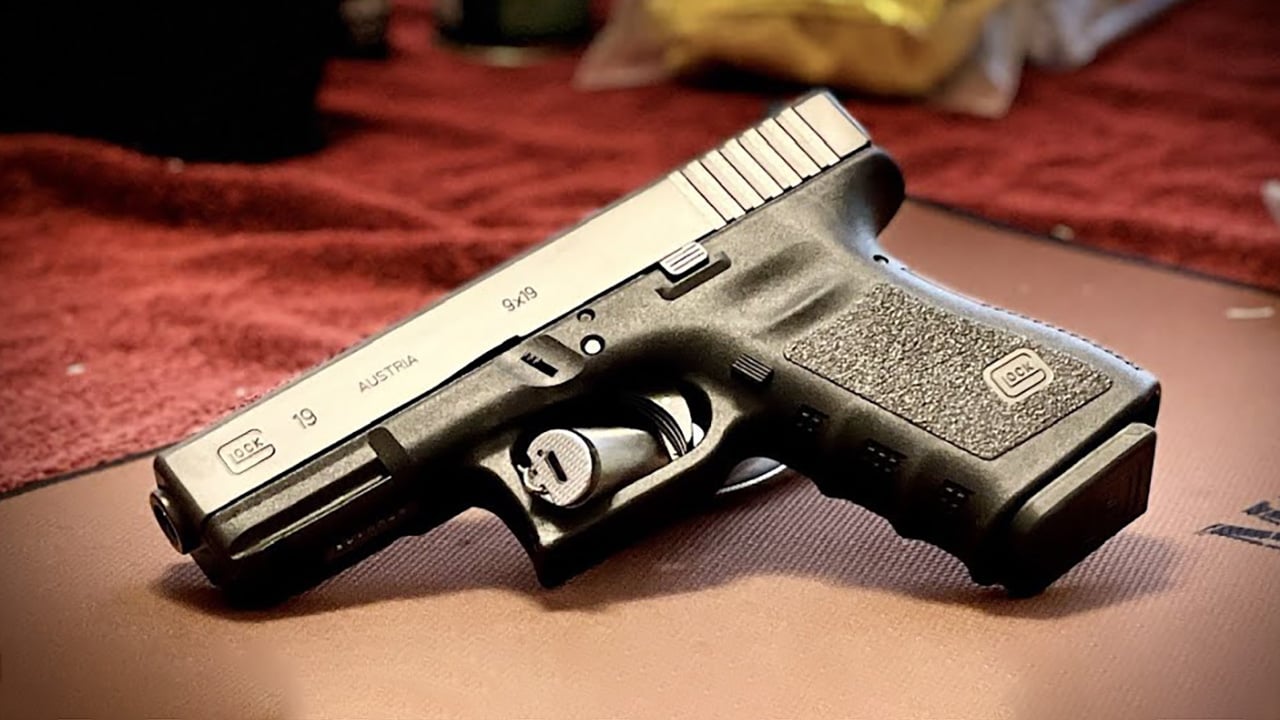
The Glock 19 is maybe the most “nothing fancy” pistol ever, and that is kind of the point. But because it’s so common, it’s also the most common canvas for kitchen-table upgrades.
They hit the bench when somebody “polished” engagement surfaces too aggressively, swapped parts without understanding how they interact, or tried to turn a duty pistol into a competition gun. The fix is often simple, but it’s still money spent to undo avoidable tinkering.
12. Smith & Wesson M&P Shield EZ (.380 and 9mm)
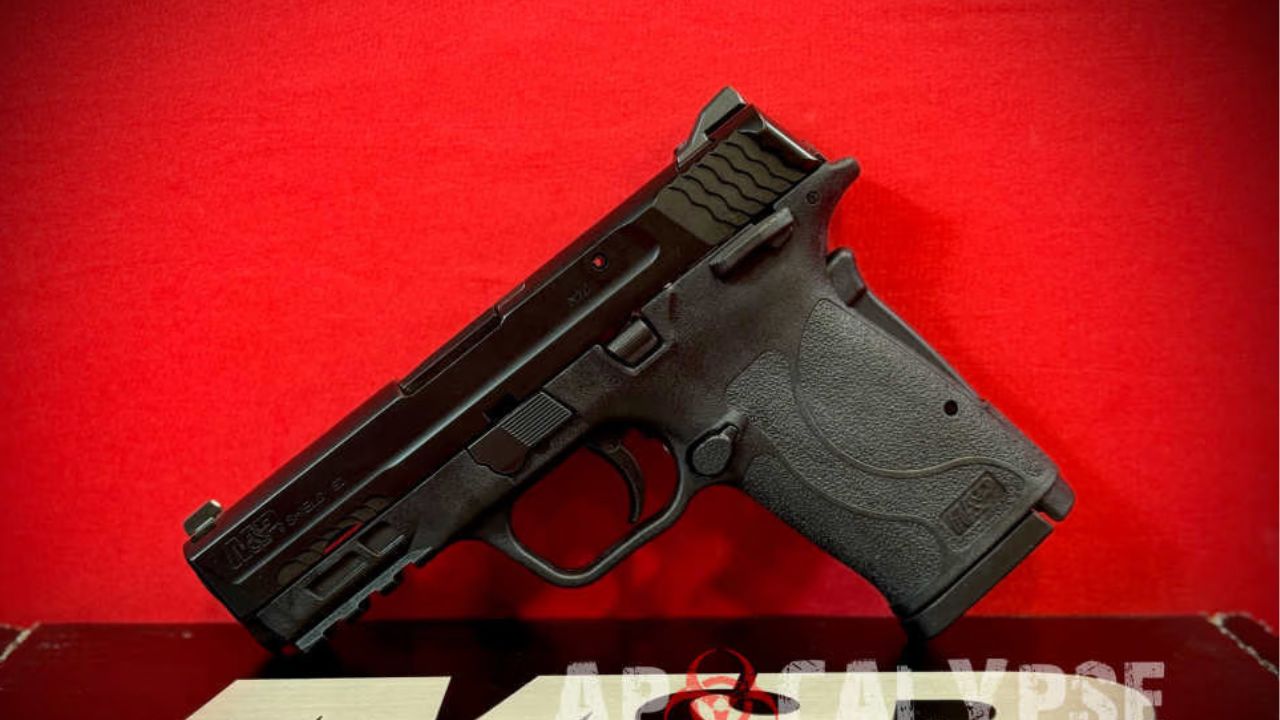
The EZ does what it claims: it’s easy to rack, easy to load, and generally easy to live with. Where it gets seen “for the wrong reasons” is when folks buy it as a do-everything defensive pistol and then treat it like a hard-use service gun.
Light springs and easy controls can also mean more sensitivity to grip and ammo. Some owners also struggle with the manual safety variants under stress and start chasing “fixes” that are really training issues.
13. Smith & Wesson Model 340PD

Ultra-light .357 revolvers are a lesson you only need once. In the hand, the 340PD feels like freedom: light, disappears in a pocket, always there. At the range, it can feel like regret.
Gunsmiths see them with timing concerns from heavy use, and they see owners asking about “making it not kick.” You can’t cheat physics. Most folks end up carrying .38 +P and rarely practicing because it’s just not fun.
14. Ruger LCP (Gen 1)
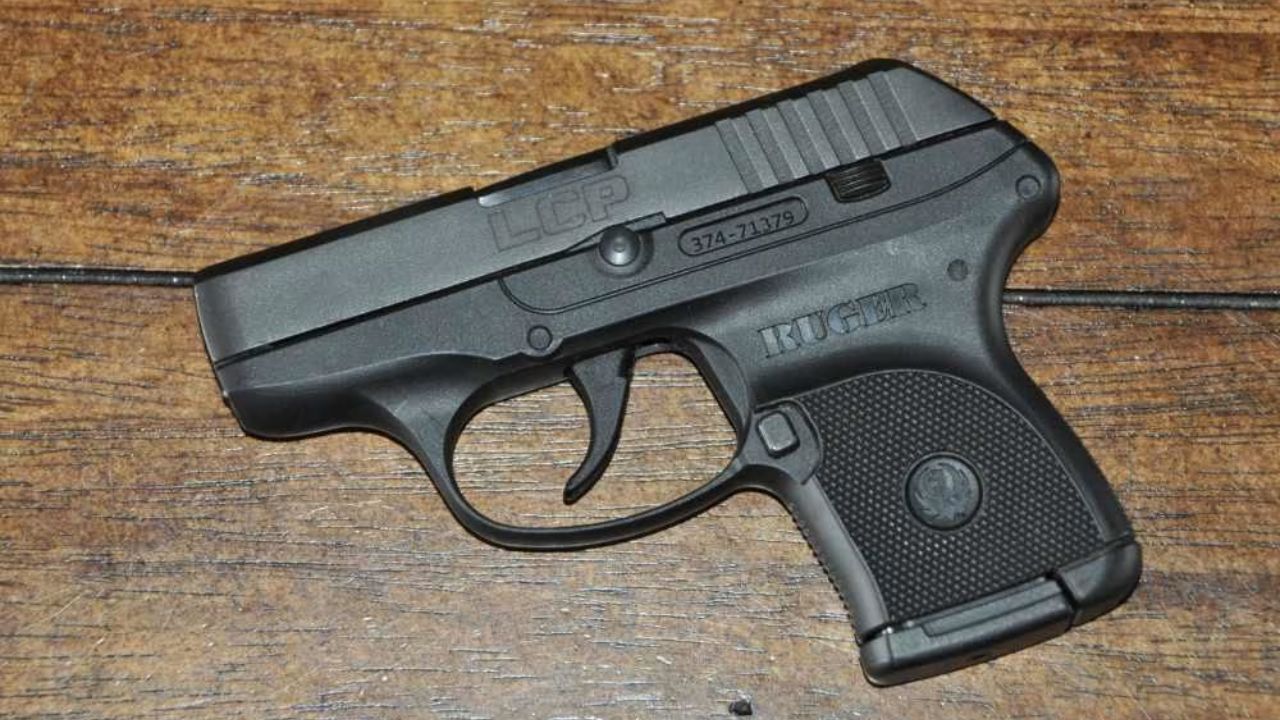
The original LCP got carried a lot, which is both its strength and its curse. Tiny guns live in pockets, purses, tackle bags, and center consoles. They collect lint, grit, and corrosion like it’s their job.
On the bench, it’s often weak springs, tired magazines, and extraction issues made worse by neglect. If you carry one, you’ve got to treat it like a tool that lives in the dirt, not a safe queen.
15. Ruger LC9 (hammer-fired, early models)

The early LC9 helped a lot of folks get into slim carry guns before the market really exploded. But the long trigger and thin grip can make accurate shooting harder than it should be.
Gunsmiths see them after owners chase trigger work, or after small parts wear shows up from lots of dry fire without snap caps. They’re not hopeless pistols, but they’re not forgiving either.
16. Walther P22
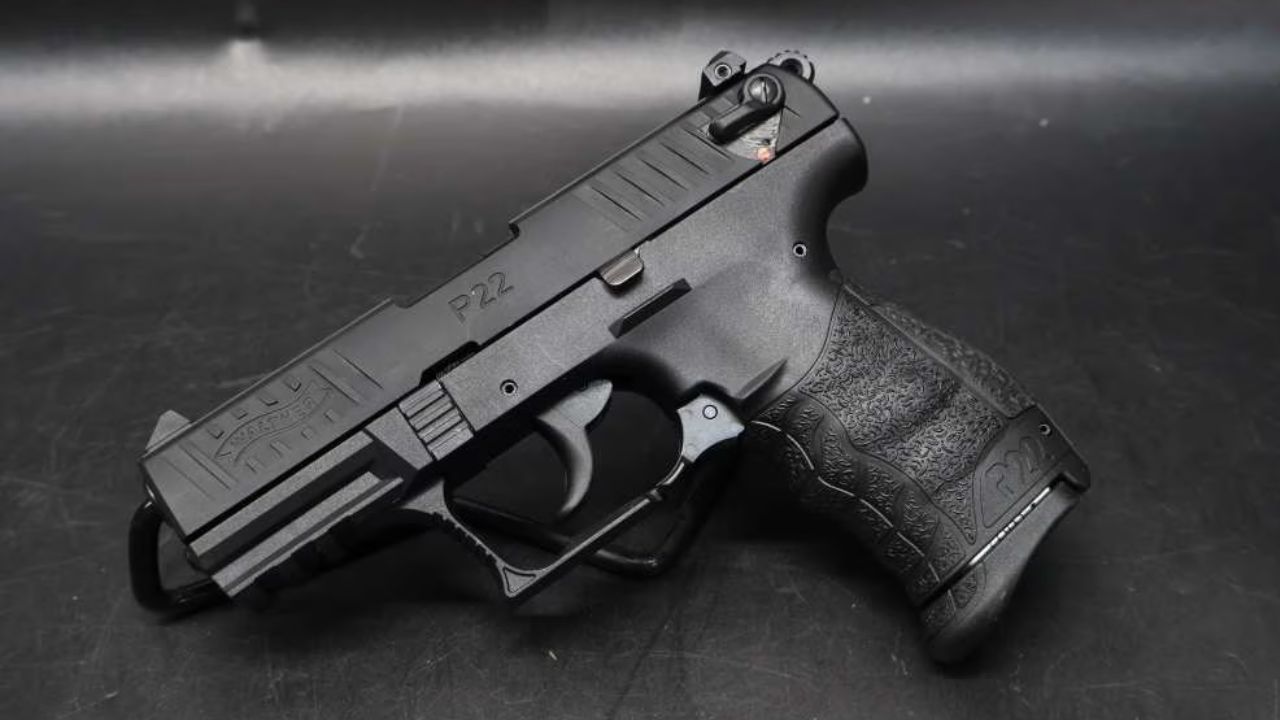
The P22 is fun when it’s running, and it’s a neat trainer in theory. In practice, it can be picky about ammo and maintenance, and a lot of owners buy it expecting centerfire reliability from a small .22 semi-auto.
They show up for feed and extraction problems, cracked or worn small parts, and general “it jams every magazine” complaints. With .22s, the ammo is part of the system, and the P22 makes that lesson loud.
17. SIG Sauer Mosquito

The Mosquito has been making gunsmiths sigh for years. It looks like a scaled-down duty pistol, and that sells. Then folks run bulk .22 through it, don’t clean it often, and wonder why it won’t cycle.
Some Mosquitos do fine with the right ammo and springs. Many don’t. And because it’s a trainer for new shooters, it creates the worst kind of range day: the one where the beginner thinks they’re the problem.
18. Smith & Wesson Model 500
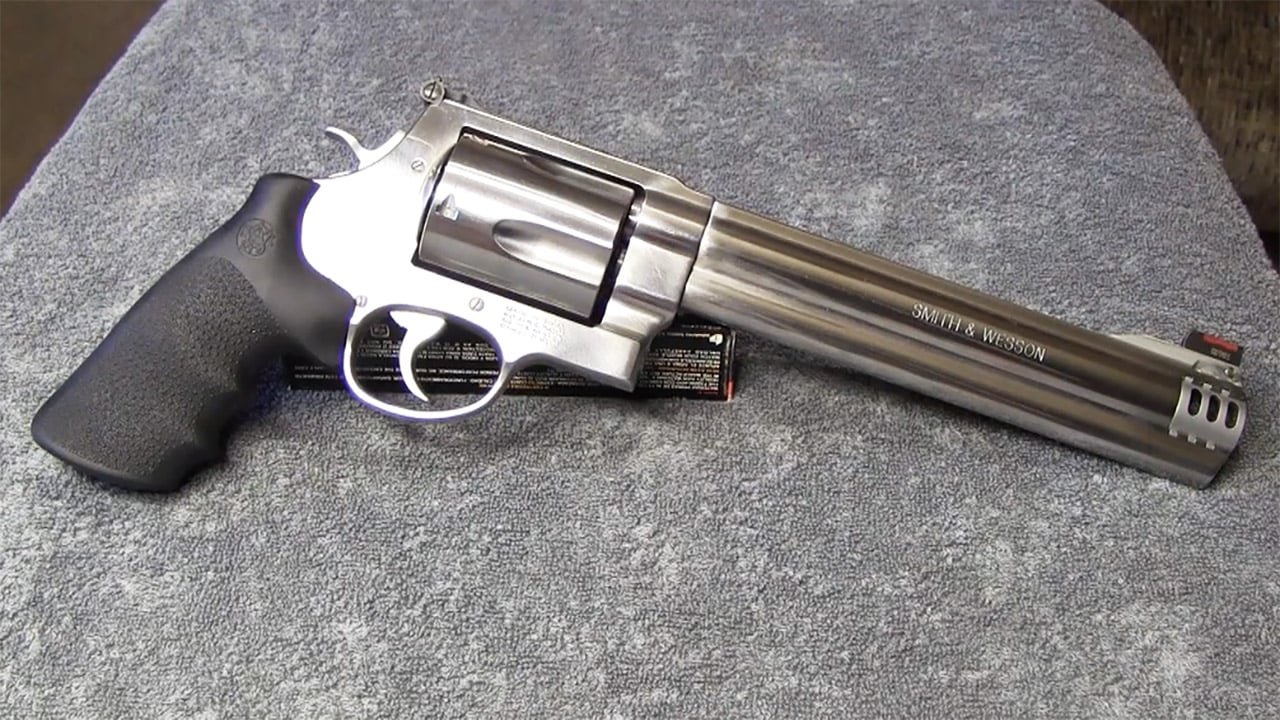
Big-bore revolvers are a hoot, right up until they aren’t. The Model 500 gets brought in after someone runs hot loads, loosens something, or discovers that recoil will shake screws loose and punish grip technique.
It’s not a bad revolver. It’s just a specialized tool that gets bought as a novelty. Gunsmiths see them for repairs that come from “I had to try it” shooting, not from any practical need.
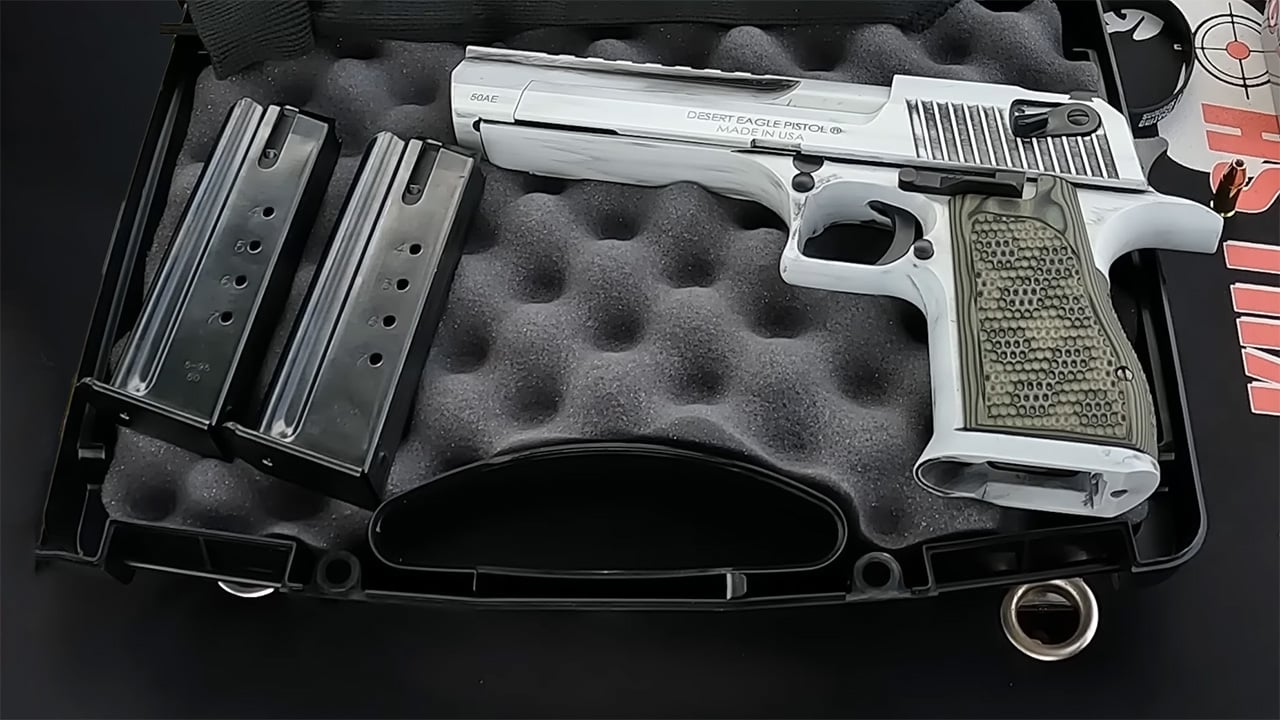
19. Desert Eagle Mark XIX
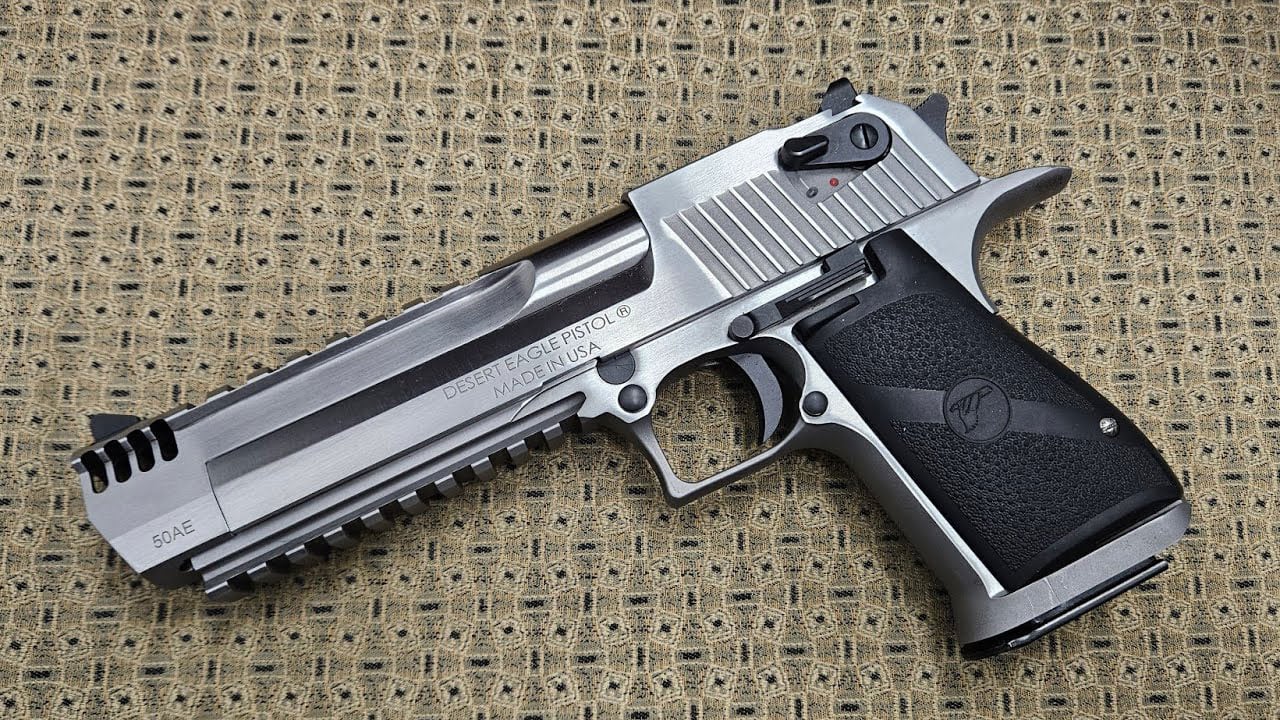
This is another novelty magnet. The Desert Eagle is cool, no question. It’s also heavy, expensive to feed, and far more sensitive to ammo and grip than people expect from a “big tough gun.”
When they show up, it’s often cycling issues that trace back to underpowered ammo, limp-wristing, or worn springs. Owners also learn that replacement parts and magazines aren’t bargain-bin items.
20. Colt 1911 (Series 70 or Series 80) with cheap magazines

A good Colt 1911 can run like a sewing machine. Then somebody buys a handful of no-name magazines because they were on sale, and suddenly the pistol “needs a gunsmith.” Ask me how I know.
Feeding problems in 1911s are often magazine-related, and the platform is less tolerant of junk mags than a lot of modern striker guns. Gunsmiths end up diagnosing a pistol that’s fine, while the real culprit is a box of bargain mags and questionable ammo.
If you noticed a theme, it’s this: the guns that land on a gunsmith bench the most are often popular, small, cheap, heavily modified, or all three. None of that means you’re doomed if you own one. It just means you should be honest about what you’re carrying, shoot it enough to trust it, keep it clean, and resist the urge to “upgrade” your way into problems. Boring reliability is still the best feature a handgun can have.
Like The Avid Outdoorsman’s content? Subscribe to our newsletter so you never miss an article.
Here’s more from us: