
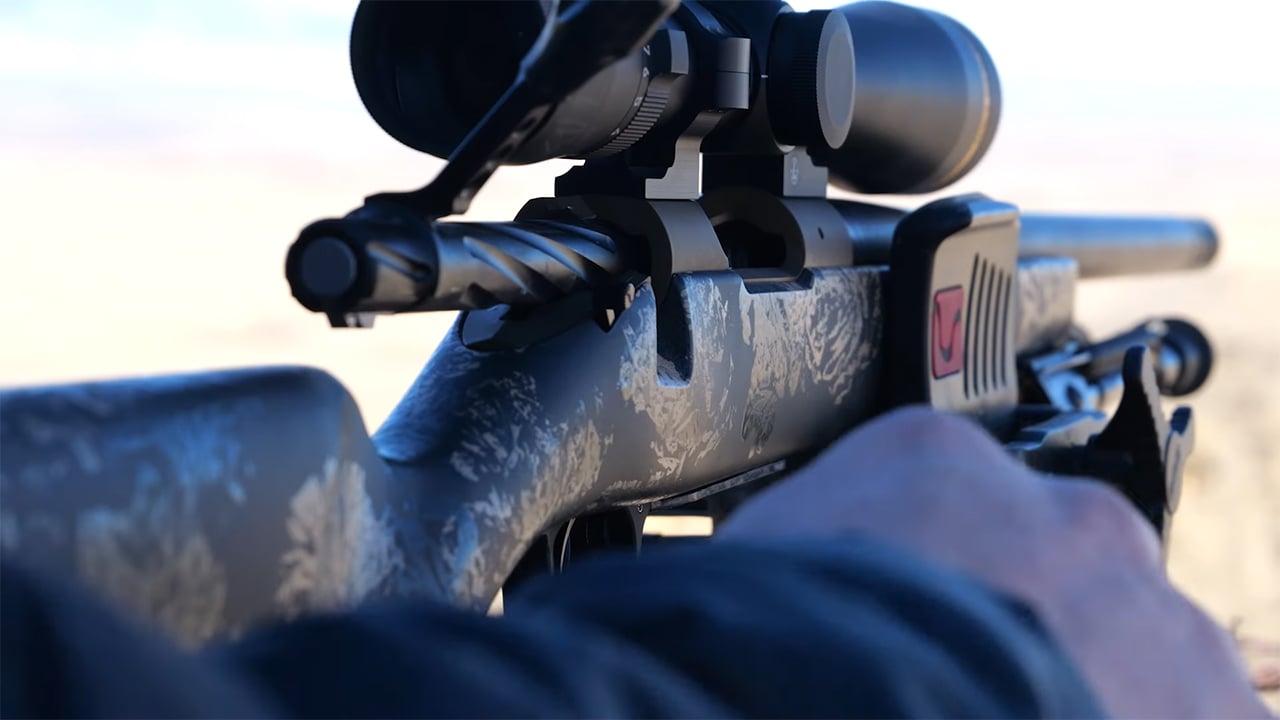
Photo credit: Eastmans Hunting Journals/Youtube
I have watched the same thing happen a bunch of times: a rifle looks slick on a bench, prints tiny groups, gets everybody nodding… and then it turns into a headache the first time you drag it up a ridge, climb into a stand, or get caught in wet snow. The range is controlled. The field is not. Wind, mud, cold fingers, brush, and rushed shots will expose what a calm Saturday morning never will.
Here are 20 rifles that can be downright fun to shoot at the range, yet manage to be more trouble than they’re worth when there’s a tag in your pocket. Some of these are “bad ideas” from the start. Others are fine rifles that get built into something so specialized or finicky that they stop being hunting tools.
1. Remington 770
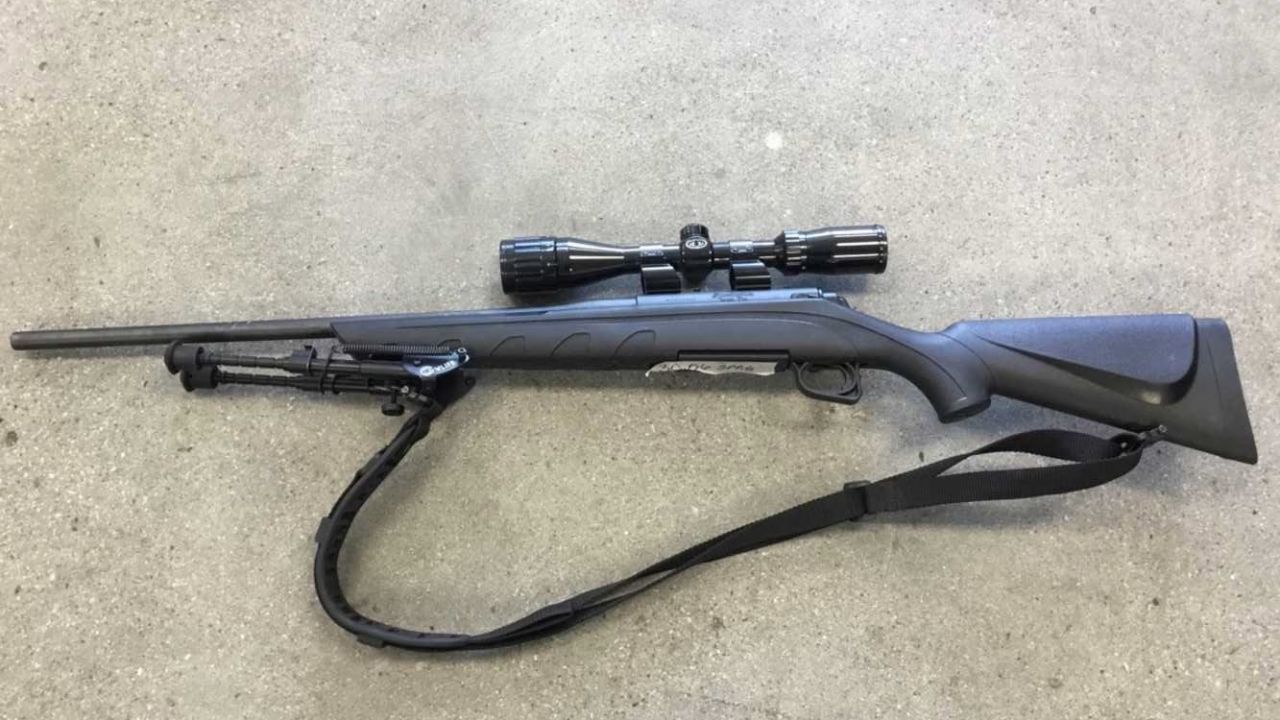
I’ve seen these shoot respectable groups with the right ammo, and that’s what tricks folks. On a bench, the heavy-ish barrel and decent enough optics setup can make you think you found a bargain.
Then you run the bolt fast with gloves on, or try to quietly work it in a blind, and it feels like it’s full of sand. Add in a scope package that may or may not hold zero after a hard season riding in a truck, and confidence goes away. A hunting rifle doesn’t need to be fancy, but it needs to feel trustworthy every time you cycle it.
2. Mossberg Patriot with budget scope package

The Patriot gets a lot of attention because it can shoot. Plenty of them will stack bullets at 100 yards off bags. Nobody’s mad on range day.
In the field, the weak link is often the “combo” glass and mounts. Bumps happen. Temperature swings happen. If your scope quits tracking or your rings loosen, the rifle’s accuracy doesn’t matter. If you buy one, plan on mounting known-good optics and treating the included scope like a placeholder, not a lifetime solution.
3. Ruger American in a flimsy factory stock (as carried, not as shot)

I like what the Ruger American did for affordable accuracy. Off a rest, they can be impressive. That’s why you see them everywhere.
But some of the lighter factory stocks are easy to twist, and that shows up when you’re shooting off a pack, a rail, or a hasty kneel with a sling pulled tight. On the bench, the stock just sits there. In the woods, your support pressure changes everything. It’s not that the rifle “can’t hunt,” it’s that it can be inconsistent in real shooting positions unless you address the stock.
4. Savage Axis with an out-of-the-box heavy trigger

Axis rifles can flat-out shoot, and you can get into a centerfire for cheap. For paper and steel, that’s a win.
In hunting situations, the heavier, sometimes gritty triggers on certain Axis models make rushed shots harder than they need to be. Cold hands, awkward angles, and thick clothes magnify it. A range trigger is annoying; a field trigger can cost you the one clean opening you get all morning.
5. Ultra-light mountain rifles with pencil barrels (the “one-shot wonder” problem)
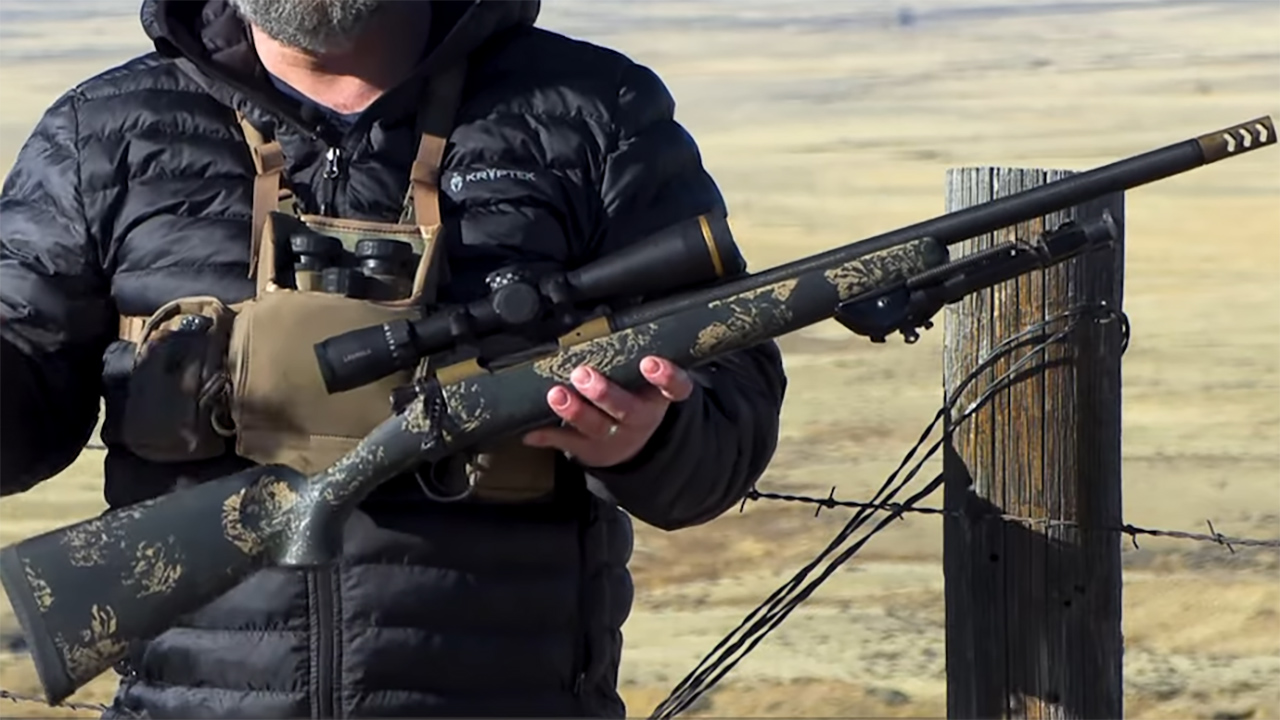
Everybody loves carrying a six-pound rifle until they try to actually shoot it well without a bench. These rifles often print a pretty three-shot group when they’re cool, and that’s the whole sales pitch.
In the real world, you might fire a foul shot to confirm zero, then shoot again at an animal, then shoot again to verify after a bump. Pencil barrels heat fast and can walk as they warm. Even if you only “need one shot,” you still need the rifle to behave predictably when you’re not perfectly settled.
6. Heavy-barrel .308 “tactical” bolt guns with chassis stocks

I get the appeal. They’re stable, they recoil nice, and they’re fun to dial and ring steel with. On a square range, they feel like cheating.
Then you take one on a real hunt and realize you brought a fence post. The weight, balance, and snag points are constant. Chassis rifles also tend to carry awkward on a sling and bang on stands and rocks. If you’re hunting from a truck or shooting house, fine. If you’re walking, you’ll hate it by midday.
7. AR-10s built like range toys
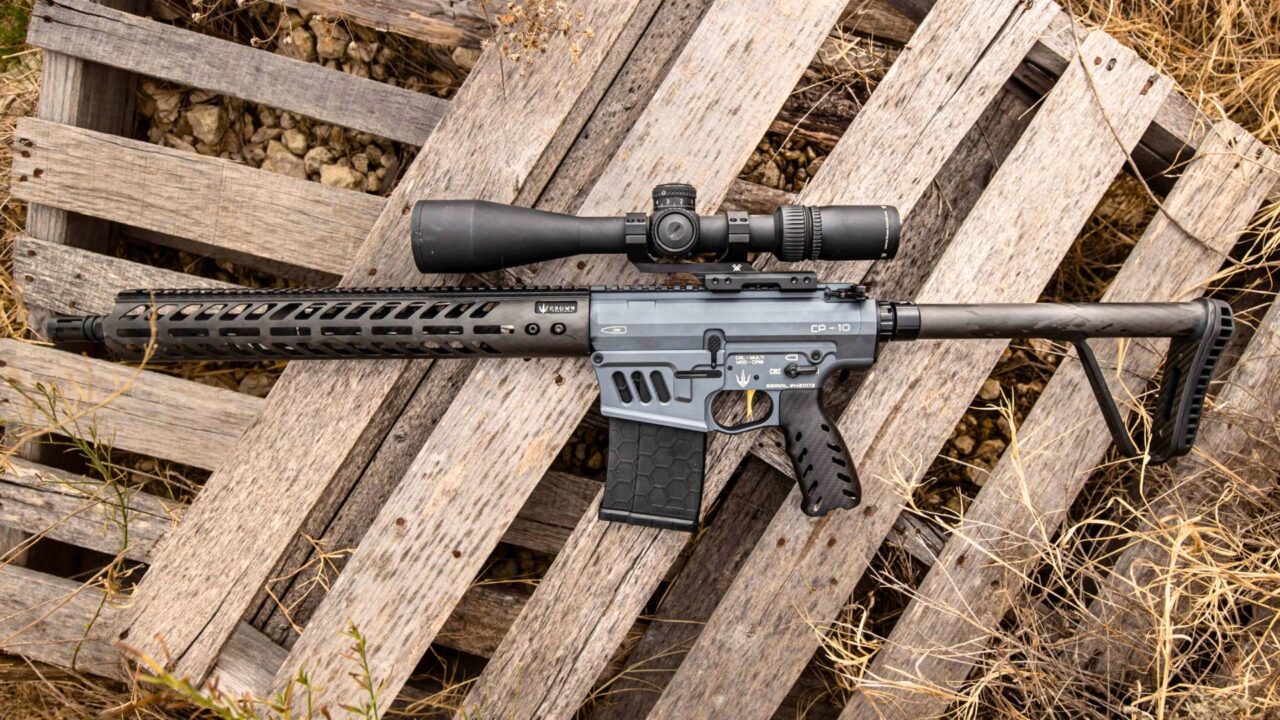
An AR-10 can be a serious hunting rifle. The problem is the way many get built: heavy handguard, big muzzle device, giant optic, bipod, light, and a mag that sticks down like a shovel.
On the bench, it’s smooth and soft-shooting. In the field, it’s bulky, front-heavy, and loud. Add in the reality that some AR-10 pattern parts are less standardized than AR-15 parts, and “reliable enough” becomes a question if you didn’t build it carefully. A hunting rifle needs to run dirty and cold without drama.
8. .300 Winchester Magnum in a light rifle with a brake
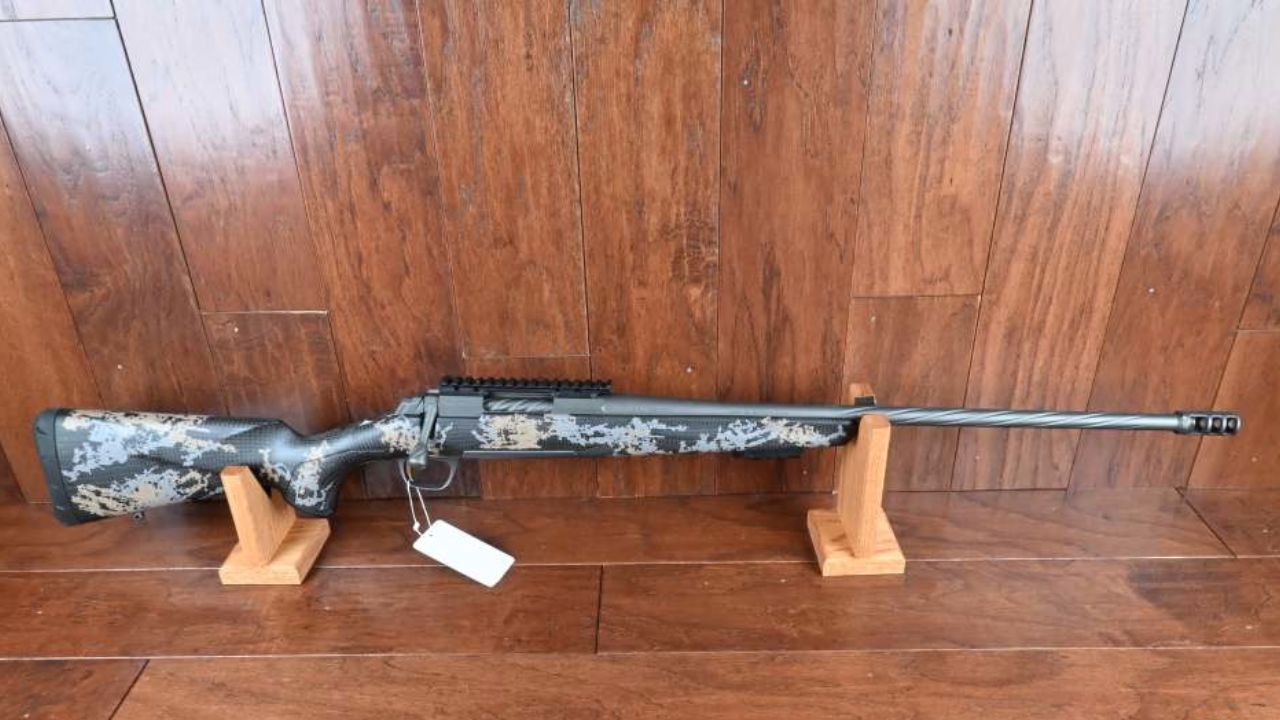
At the range, the brake makes it feel tame. You can spot impacts and feel like a long-range hero. The groups might even look great.
In the field, brakes punish everyone around you, and they’re brutal under a roofed blind or near a buddy. They also kick dust and snow everywhere when you’re prone. If you flinch less but can’t hear well afterward, that’s not a win. Magnums have a place, but the whole setup needs to be hunt-friendly, not just bench-friendly.
9. .338 Lapua rifles (because “more” is not “better”)
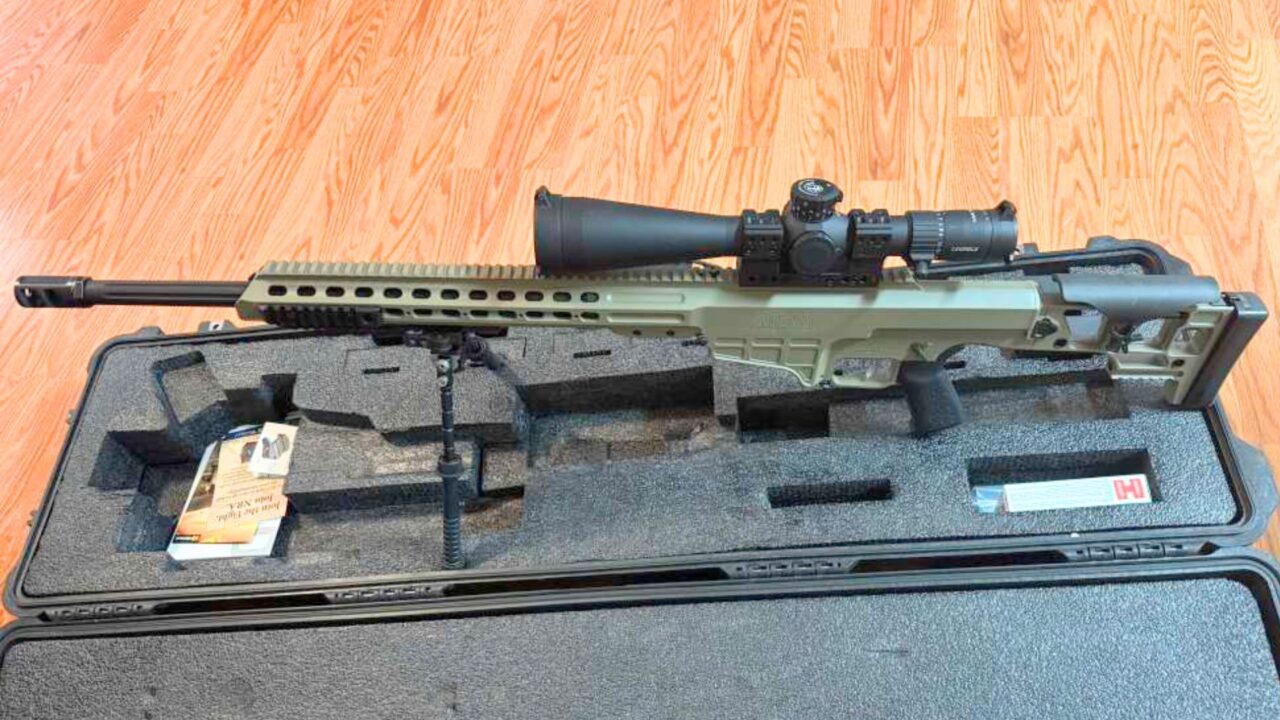
They’re a blast to shoot once in a while. Big boom, big authority, and they’ll make you grin when steel rings at distance.
But for hunting, they’re overkill in the literal sense for most folks, and the rifles are usually long, heavy, and expensive to feed. That matters when you want to practice enough to be deadly in real positions. If ammo cost keeps you from shooting, the caliber is working against you.
10. 6.5 Creedmoor rifles built strictly for PRS-style range use

6.5 Creedmoor is a solid hunting cartridge. The problem isn’t the round, it’s when the rifle is set up like a match rig: 24–26 inch barrel, heavy contour, giant turret scope, barricade stop, the whole deal.
That setup is money on steel. In the timber it’s clumsy, and in a cramped blind it’s always in the way. You can kill deer just fine with it, but you’ll fight the rifle all day getting it in and out of a case, in and out of a stand, and around brush.
11. “Scout” rifles with long eye relief optics that never quite click

The scout concept sounds great: handy rifle, quick shots, both-eyes-open. On the range, you can make it work, and it’s different enough to feel cool.
In low light, that forward-mounted, long eye relief scope can be slower than you expected, and it often gives up brightness compared to a normal hunting scope. Add a stiff bolt and awkward balance with the optic out there, and you wind up wishing you brought a plain rifle with a normal 2-7x.
12. Lever guns in pistol calibers pushed beyond their lane
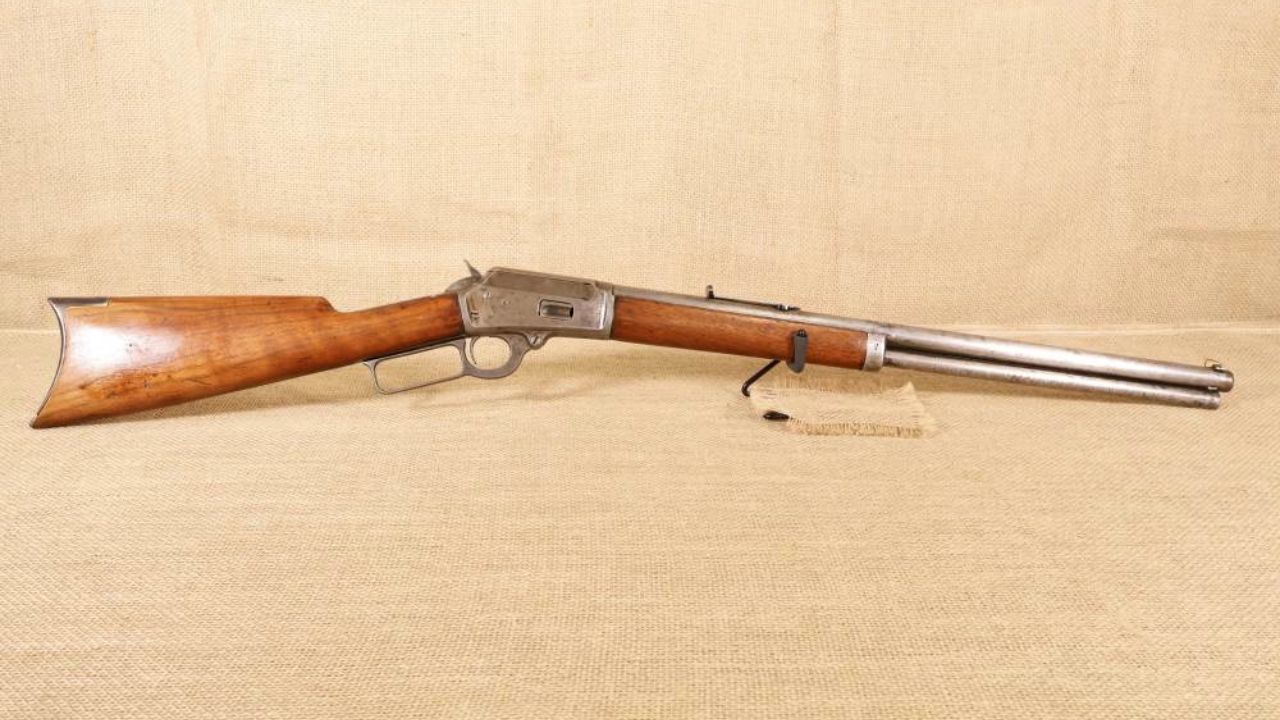
A .357 or .44 lever gun is fun. Pure fun. On steel plates at 50 yards, it makes you feel like you should own a horse.
But folks start stretching them into “all-purpose” deer rifles and get disappointed when range estimation and drop become a big deal past typical woods distances. They can absolutely take deer inside their effective window with the right loads and shot placement. The problem is when the rifle’s charm convinces you it’s something it isn’t.
13. Rimfire “trainer” rifles pressed into predator duty at the wrong time

Accurate .22 LR and .17 HMR rifles are easy to shoot well. On the range, tiny groups happen fast, and that’s satisfying.
In the field, wind and animal size become real. A rimfire that’s magic on paper can be the wrong tool if you’re calling predators where shots stretch or conditions are gusty. If you wouldn’t bet your truck on a clean, ethical outcome in the worst conditions you hunt in, keep the rimfire for what it’s great at.
14. Straight-pull rifles that feel great until they get dirty
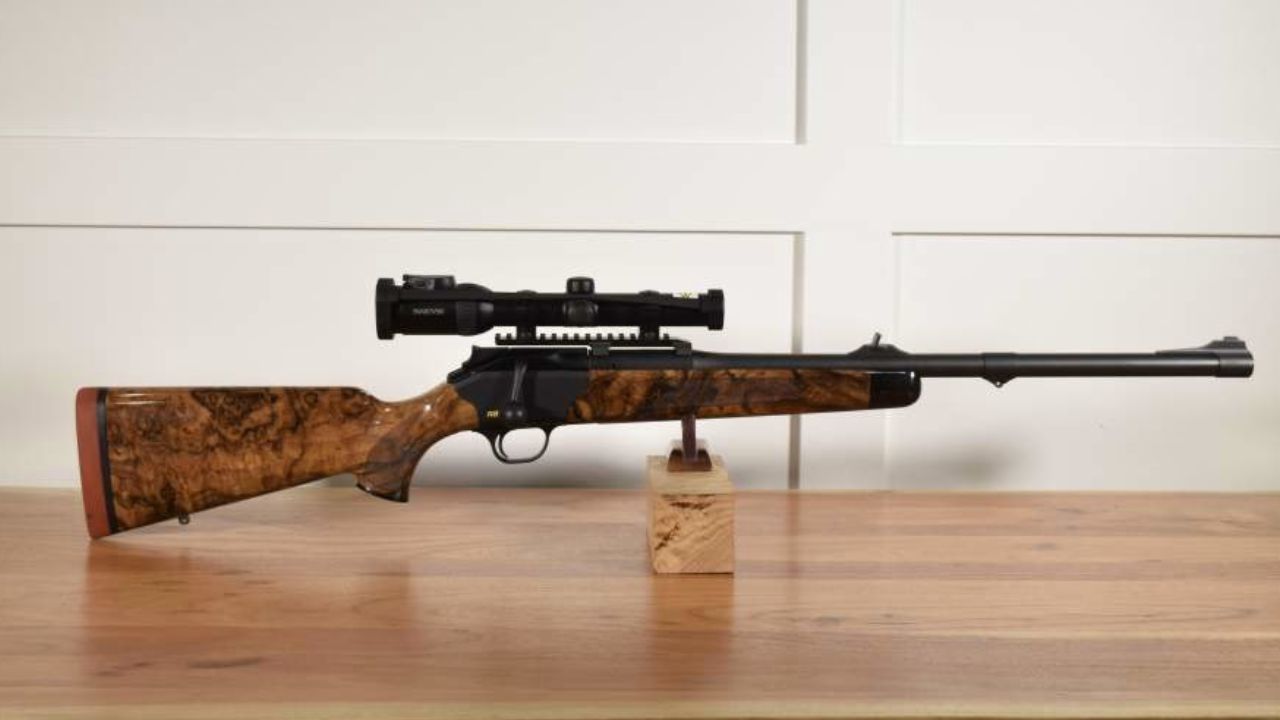
Straight-pull actions can be lightning fast and buttery on the range. They’re also different, and different sells.
In the field, dirt finds its way into everything. Some straight-pull systems are more sensitive to grit, ice, and thick oil in cold weather than a simple turn-bolt. If your action needs to be babied to stay smooth, it’s a range rifle wearing hunting clothes.
15. Cheap semi-auto .22s dressed up like “tactical hunting” rigs
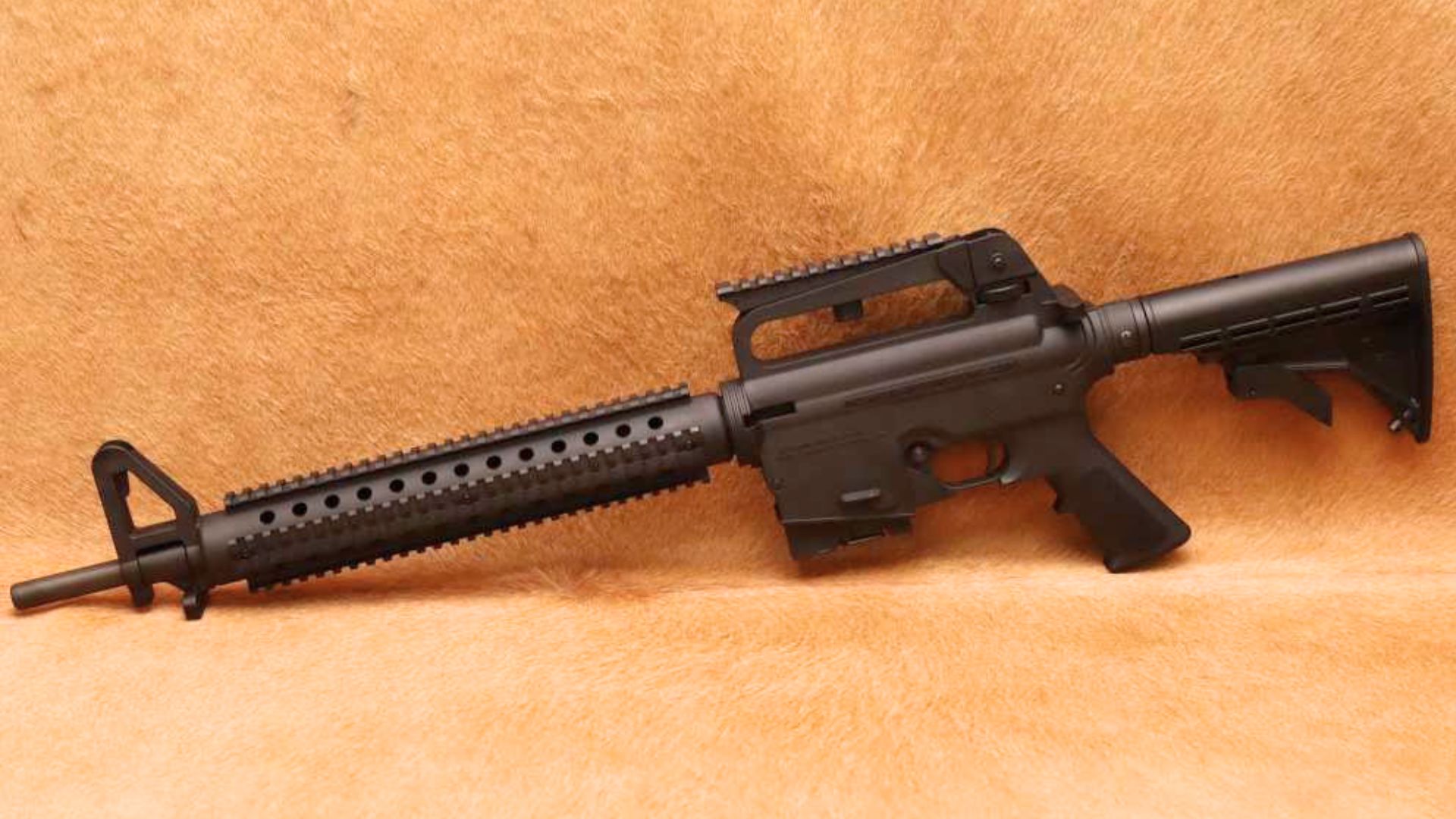
These are fun plinkers, and I’m not above fun. You can bolt on accessories, shoot fast, and feel like you got a lot for your money.
Then you take it squirrel hunting and realize it’s loud, snaggy, and the extra junk makes it harder to carry quietly. Reliability that’s “fine for a day of plinking” can turn into constant stoppages when it’s cold and you’re trying to keep your gloves on. A small-game rifle should be light, quiet to handle, and boringly dependable.
16. Magnum spring-piston air rifles marketed like they’re centerfires
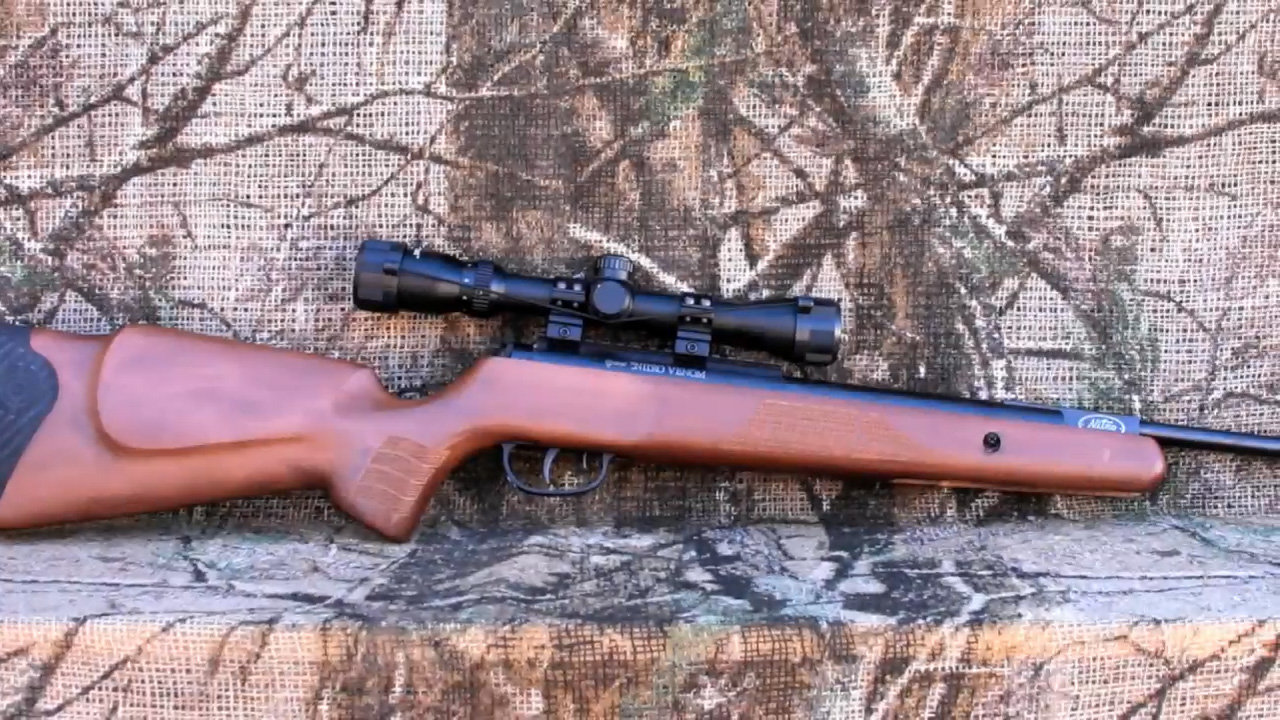
Expert Airgun Reviews / AirgunWeb / AirgunWebTV/Youtube
On a backyard range, a powerful springer can be impressive, and it’ll absolutely demand you learn follow-through. That’s good practice, honestly.
But in hunting situations, springers are hold-sensitive and can shift point of impact depending on how you rest them. Add cold hands and odd angles, and that tack-driver reputation disappears. They can hunt, but a lot of “magnum” springers are better at selling dreams than stacking consistent hits from field rests.
17. Break-action single-shots with stiff extraction

Single-shots can be accurate and simple. On the bench, you take your time, pop it open, and it’s kind of relaxing.
When it’s time to reload quickly, stiff extraction or sticky cases become a real issue. It’s not about spraying bullets. It’s about a fast, clean follow-up if the first shot wasn’t perfect or if there’s a second animal. If the action fights you, you’ll feel it right when your heart rate is up.
18. “Precision” rimfires with giant scopes for hunting in the woods
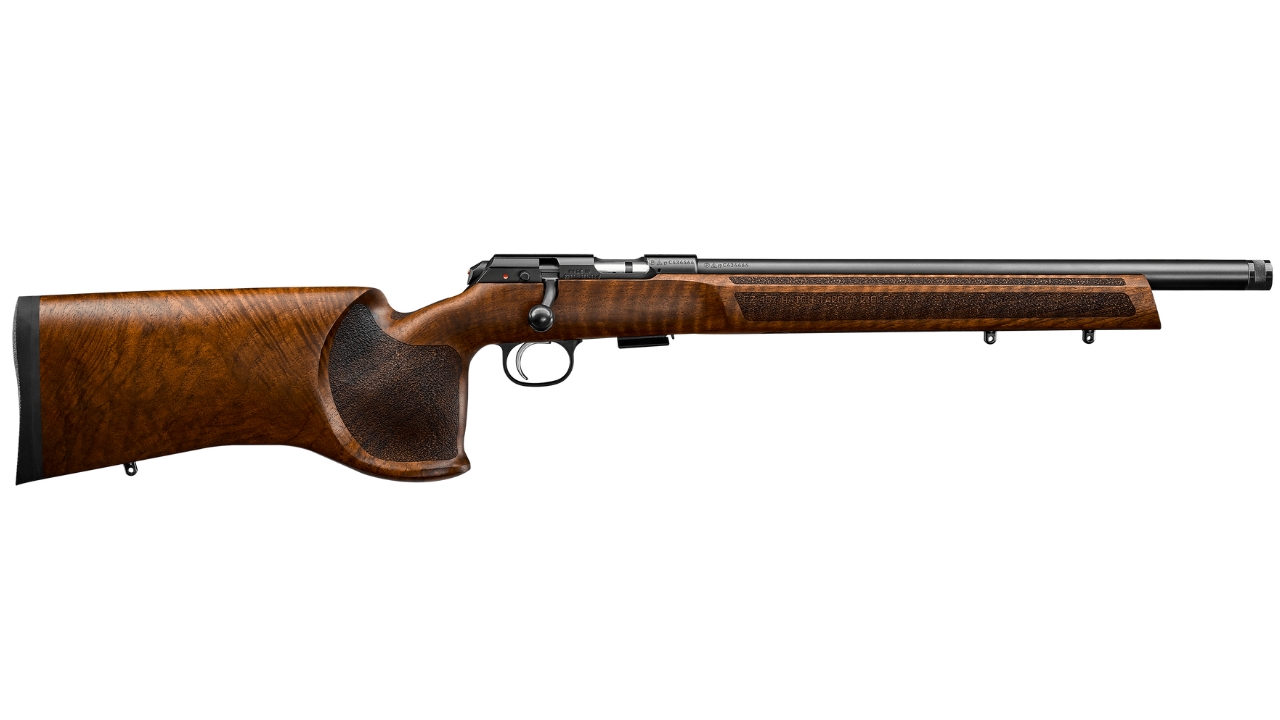
I love a good precision .22 for steel and practice. But I’ve watched guys show up with a 30-ounce scope, tall turrets, and a bipod on a .22 meant for rabbits in thick brush.
At the range, it’s a laser. In the woods, the scope is always on too much magnification, the rifle is top-heavy, and the whole rig catches on vines. Small game hunting is usually quick and close. A light rifle with a simple, bright optic beats a turreted science project when things are moving.
19. Big-game rifles wearing too much glass
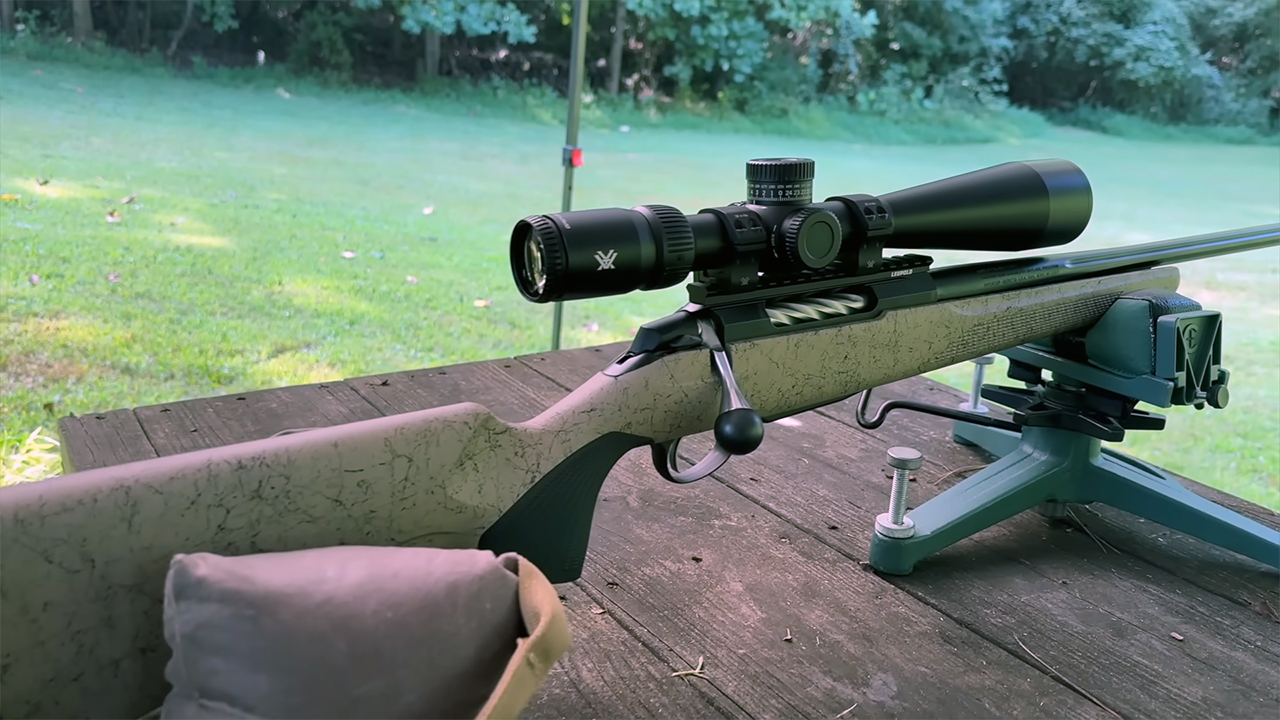
A high-end scope is great. A heavy scope that belongs on a competition gun, mounted high with a giant objective, can still shoot lights-out from bags.
In the field, high mounts mess with cheek weld, especially with winter layers. A top-heavy rifle also swings weird and feels like it wants to roll off your shoulder on a sling. I’ve seen more missed opportunities from awkward handling and slow sight acquisition than from “not enough magnification.”
20. Anything tuned to perfection and afraid of weather

This is the one that hurts, because it’s usually a really nice rifle. Perfectly clean chamber, tight tolerances, match ammo, maybe even a custom build that shoots like a dream when everything is dry and calm.
Then the forecast changes. Rain soaks your gear. Dust gets in the action. Pine needles stick to oily parts. If your rifle needs perfect conditions, it’s a range instrument, not a hunting tool. A field rifle should run a little ugly and still put meat on the ground.
If you noticed a theme, it’s not that accuracy doesn’t matter. It does. It’s that accuracy on a bench is only one small piece of the job. The rifles that earn a permanent spot in a hunting rotation are the ones that carry right, point naturally, don’t snag, don’t throw tantrums when they’re cold and wet, and don’t punish everyone around you when it’s time to shoot. Boring is often the goal, and boring kills a lot of deer.
Like The Avid Outdoorsman’s content? Subscribe to our newsletter so you never miss an article.
Here’s more from us:


