Photo credit: FrugalPrepper's Garage and Garden/Youtube
I have watched more than one “new carry gun” turn into a paperweight before the first box of ammo was empty. Not because the shooter did anything crazy, either. It’s usually a mix of bargain-bin materials, sloppy assembly, and designs that look good in a catalog but don’t hold up to real recoil and real use.
This isn’t a hit piece on anybody’s favorite brand. Good companies put out the occasional dud, and bad companies sometimes ship a decent one. But if you’re shopping the used counter, or you’re tempted by a too-good-to-be-true deal online, these are the kinds of handguns that have a reputation for loosening up, cracking, shearing parts, or just flat-out coming apart early.
1. Jimenez JA-9
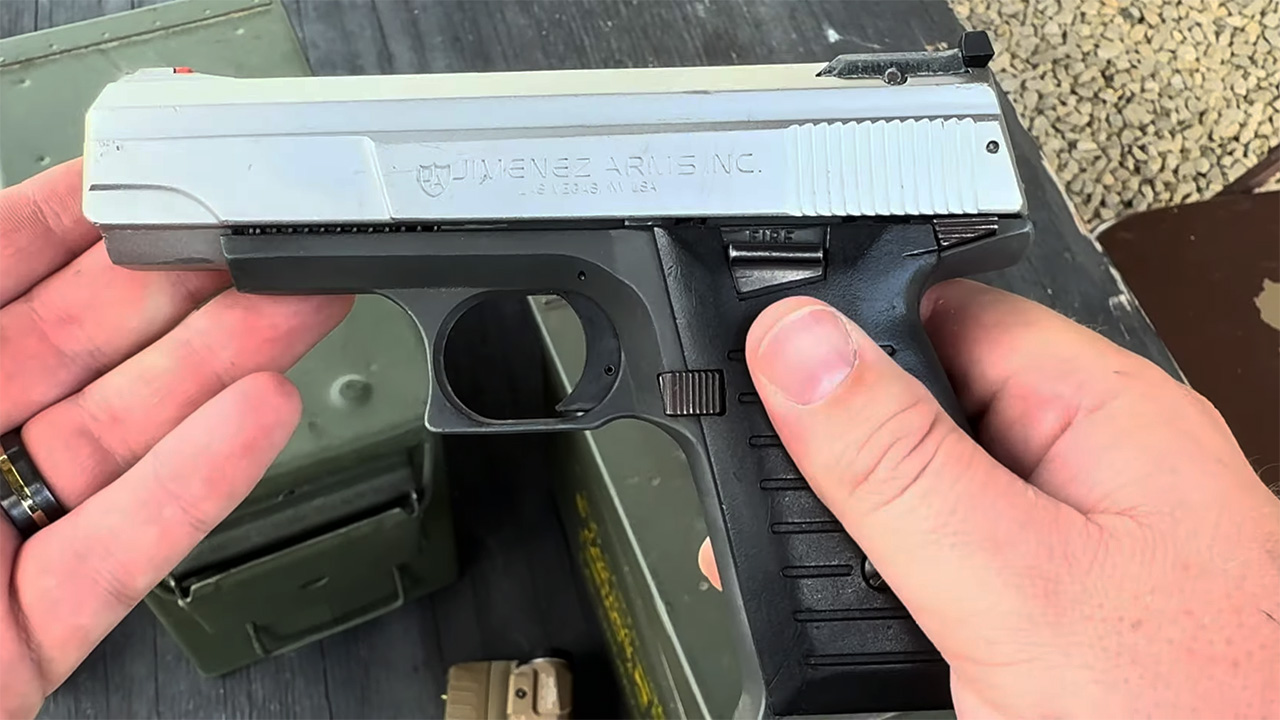
If you’ve ever handled one at a gun show, you know the vibe: heavy for its size, rough slide feel, and controls that don’t inspire confidence. These are the kind of pistols folks buy because they’re cheap and “better than nothing,” then they discover nothing is exactly what they got.
I’ve seen JA-9s that start walking pins, chewing up magazine lips, and turning into malfunction drills in under 50 rounds. When a gun starts shedding little parts at the bench, it stops being a defensive tool and becomes a range hazard.
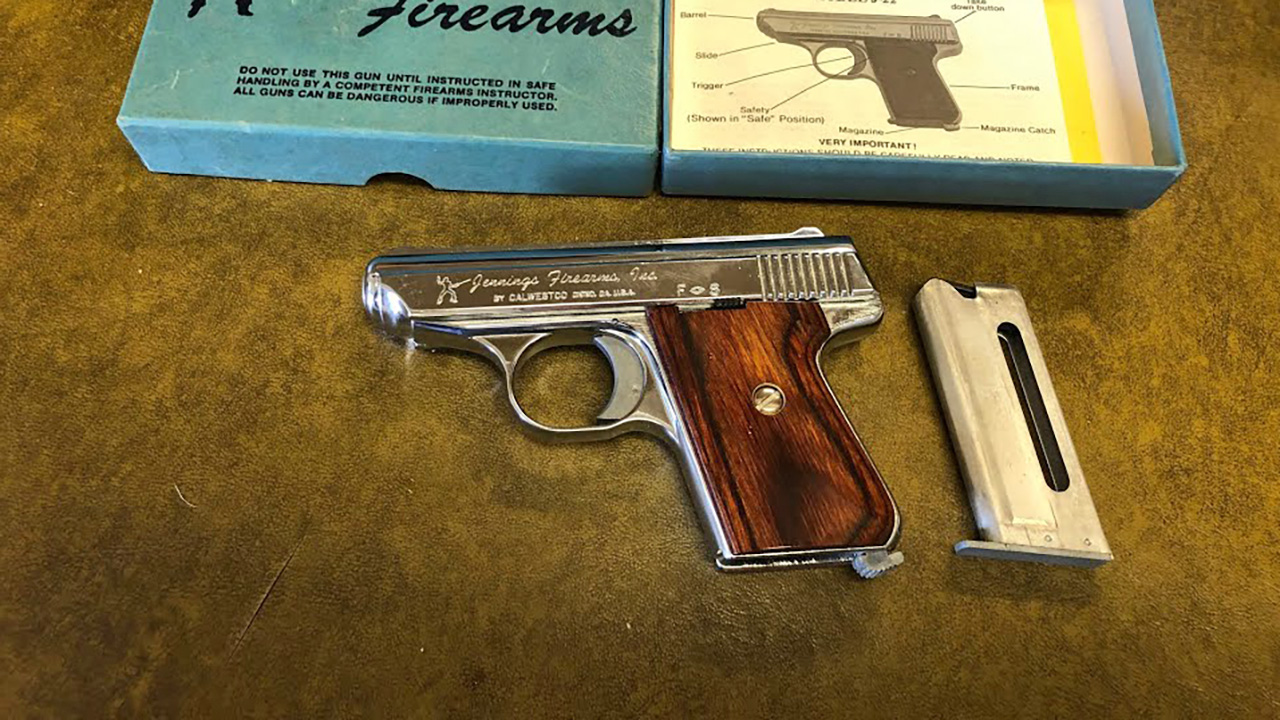
2. Bryco/Jennings J22

The old ring-of-fire .22s have a long history of being more frustrating than fun. They’re often picky, underpowered, and built in a way that feels like it was engineered to be disposable.
Common early failures are broken firing pins, cracked slides on some variants, and magazines that cause more problems than they solve. A .22 that can’t make it through a box of ammo without a part breaking isn’t a trainer. It’s a lesson.
3. Raven Arms MP-25

These little .25s are nostalgic for some folks, and I get it. But nostalgia doesn’t hold a slide together when tolerances are sloppy and metal is soft.
Loose safeties, peening around critical areas, and parts that wear fast show up quick. If your “pocket gun” starts doubling as a rattle toy before you’ve even burned through a box, it’s telling you something.
4. Lorcin L380

On paper, a tiny .380 sounds like a great idea. In practice, a lot of these were built to a price point that doesn’t leave room for durability.
Extractor issues pop up early, and I’ve seen frames and slides that look like they’re getting battered to death way too fast. When the gun starts beating itself up, you’re not far from a hard stop.
5. Davis Industries P-32
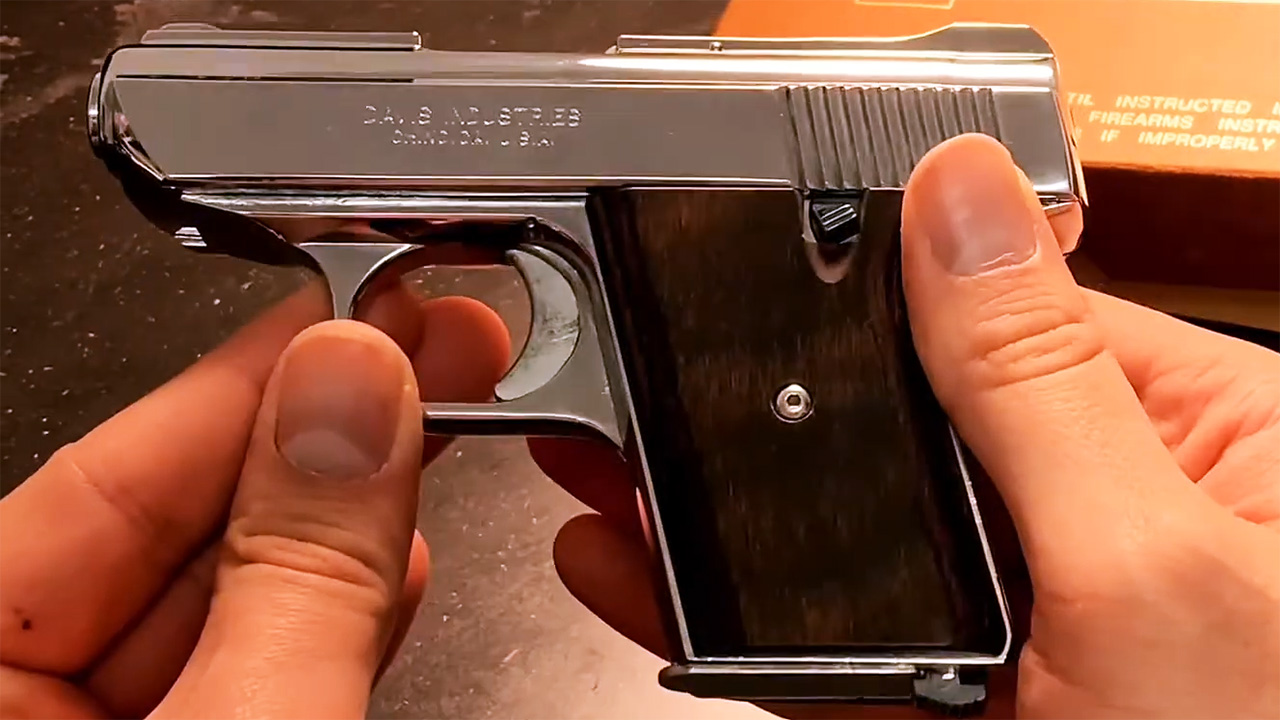
The .32 ACP is mild, so you’d think durability wouldn’t be a problem. But cheap construction has a way of finding weak spots no matter what caliber you feed it.
Failures here tend to be small parts and springs giving up, along with magazines that don’t present rounds consistently. You’ll spend more time chasing function than shooting, and the “cheap gun” ends up expensive in aggravation.
6. Cobra Enterprises CA380

Cobra’s little pistols have been around forever, and they still end up on tables and in pawn cases. The attraction is always the same: low sticker price and simple blowback design.
The problem is the same, too: inconsistent quality. I’ve seen pins start to migrate, grip screws strip, and feed issues stack up so fast the shooter never gets into a rhythm. That’s a rough way to spend your ammo money.
7. SCCY CPX-1 (early production)
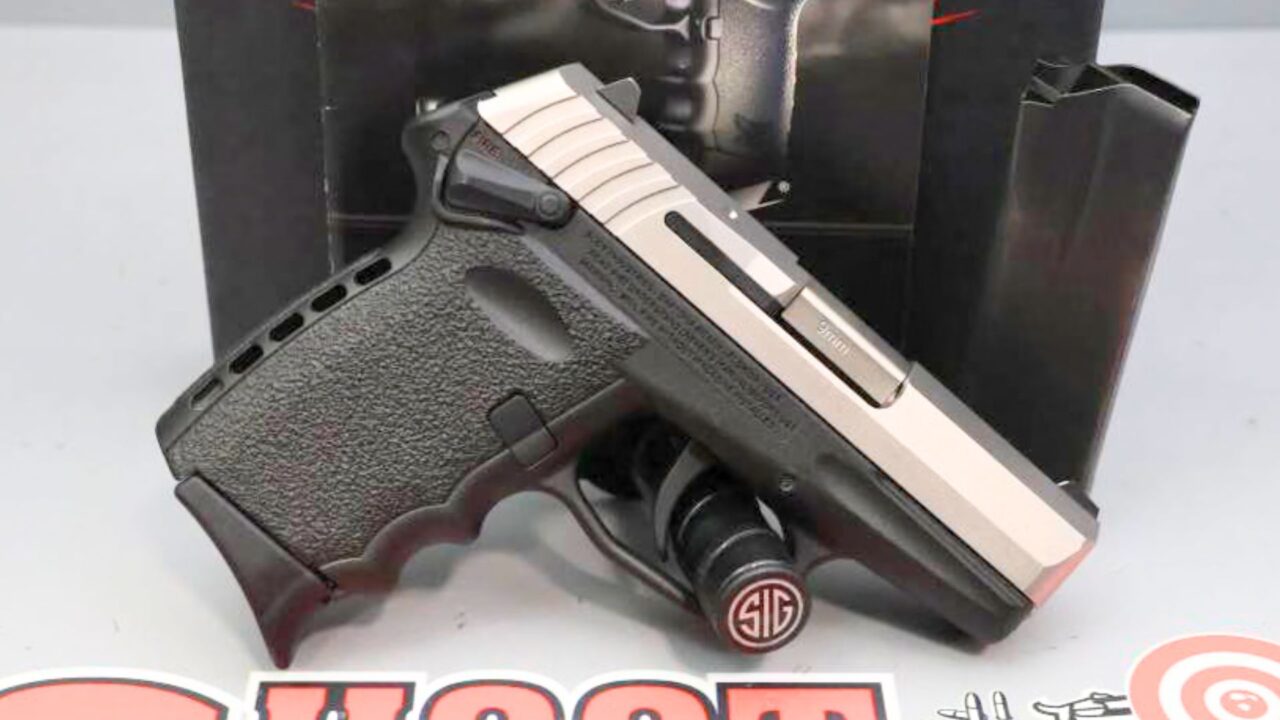
SCCY has improved over the years, but some early guns had a reputation for being finicky and rough. The long trigger and small grip already make it a niche choice for new shooters.
When you add early-life failures like broken trigger return springs or inconsistent extraction, it gets old fast. A carry gun should get more trustworthy with rounds, not less.
8. Taurus PT111 Millennium (early generations)

These sold like hotcakes because the size-to-capacity ratio was right and the price was friendly. A lot of them ran fine. Enough of them didn’t that the reputation stuck.
Early issues I’ve seen include broken small parts, magazine problems, and guns that start to feel “loose” quickly. When the trigger feel changes mid-session and not in a good way, you start paying attention.
9. Taurus PT709 Slim (early runs)
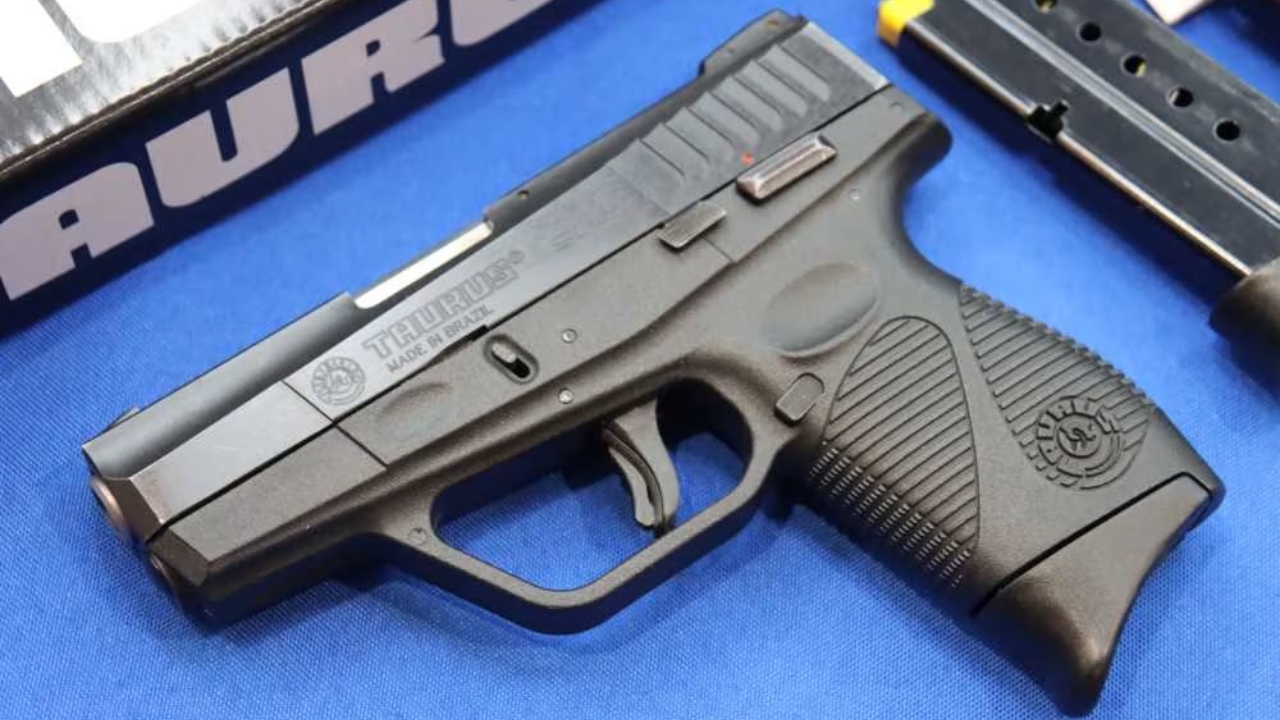
Everybody loves the idea of a thin 9mm that disappears on the belt. The Slim carries well when it’s working, points naturally, and makes sense for hot-weather carry.
The trouble is when reliability isn’t boring. Early failures have included striker and trigger issues, along with magazines that don’t always keep up. If you can’t get through a couple of mags without a new mystery, trust goes out the window.
10. Kimber Solo

The Solo is one of those pistols that looks like it should be perfect: compact, premium branding, and a “carry me every day” footprint. The price tag tells you it’s supposed to be a serious tool.
Too many of them were ammo-sensitive and started hiccuping right away, especially with lighter loads. When a carry pistol demands a narrow menu of ammo just to act right, it’s not a solution for normal folks.
11. Remington R51 (first-generation reintroduction)
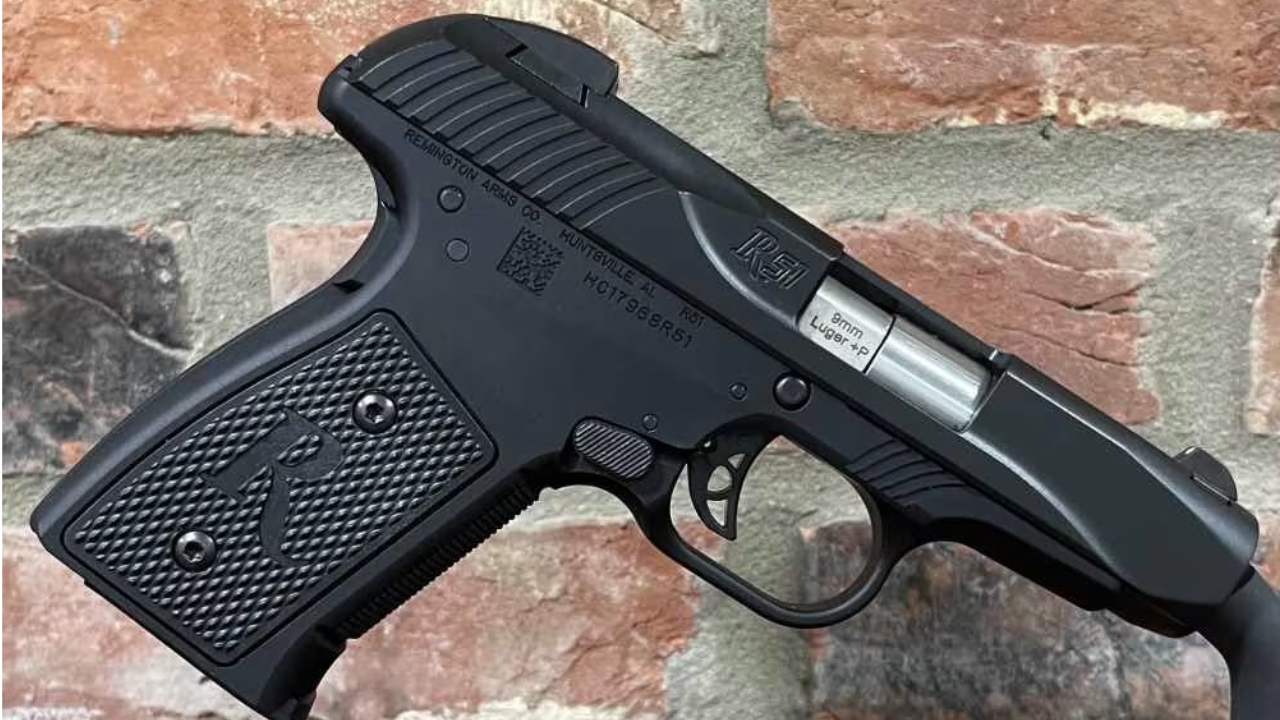
That launch was a mess, and it was a shame because the idea behind the R51 was interesting. The ergonomics were good for a lot of hands, and the gun had “modern classic” written all over it.
Early examples had problems that showed up fast: failures to return to battery, rough machining, and parts fit that looked unfinished. When a pistol feels like a prototype you paid full price for, you stop shooting it and start boxing it up.
12. SIG Sauer P365 (very early production)
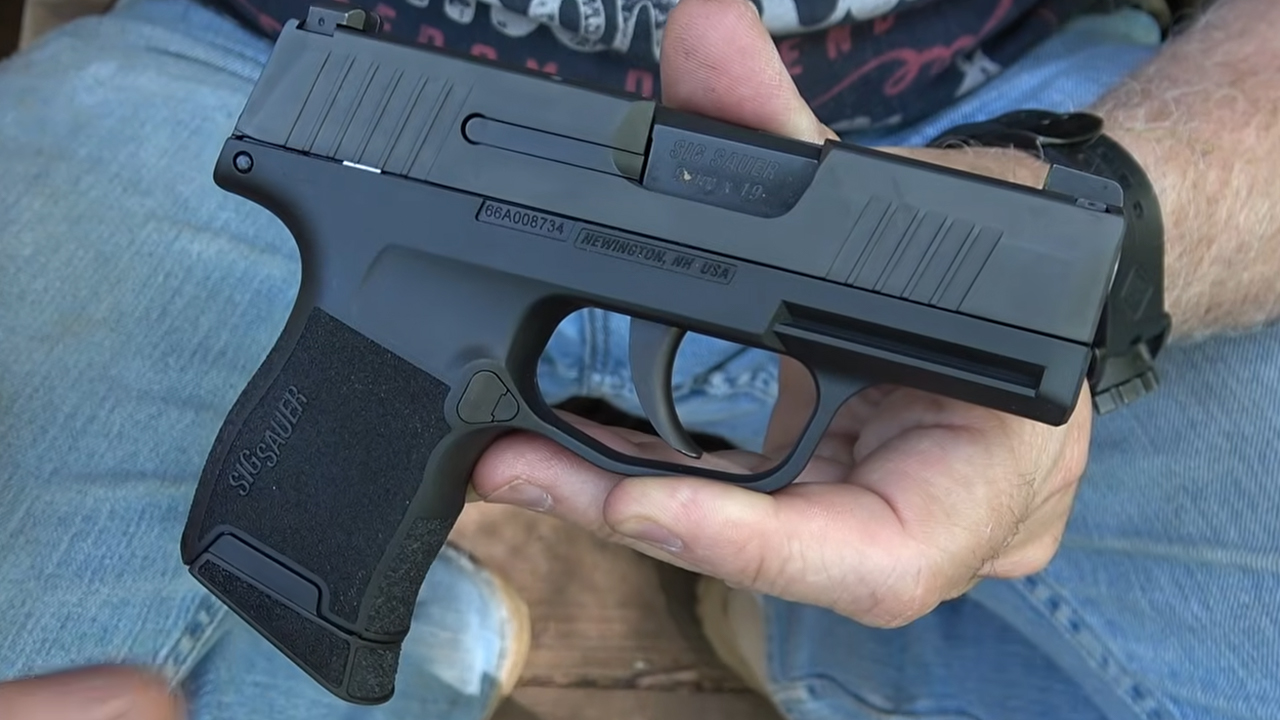
Before anybody gets mad, yes: the P365 is a winner now. I carry one sometimes. But the earliest guns had teething problems that were real, and they showed up quickly for some owners.
Striker wear and primer drag complaints were common talk, and a few shooters saw failures that made them put the gun down early in its life. When you’re betting your hide on a micro-9, “early adopter” is a risky lifestyle.
13. Springfield Armory XD-S (first versions, specific lemons)
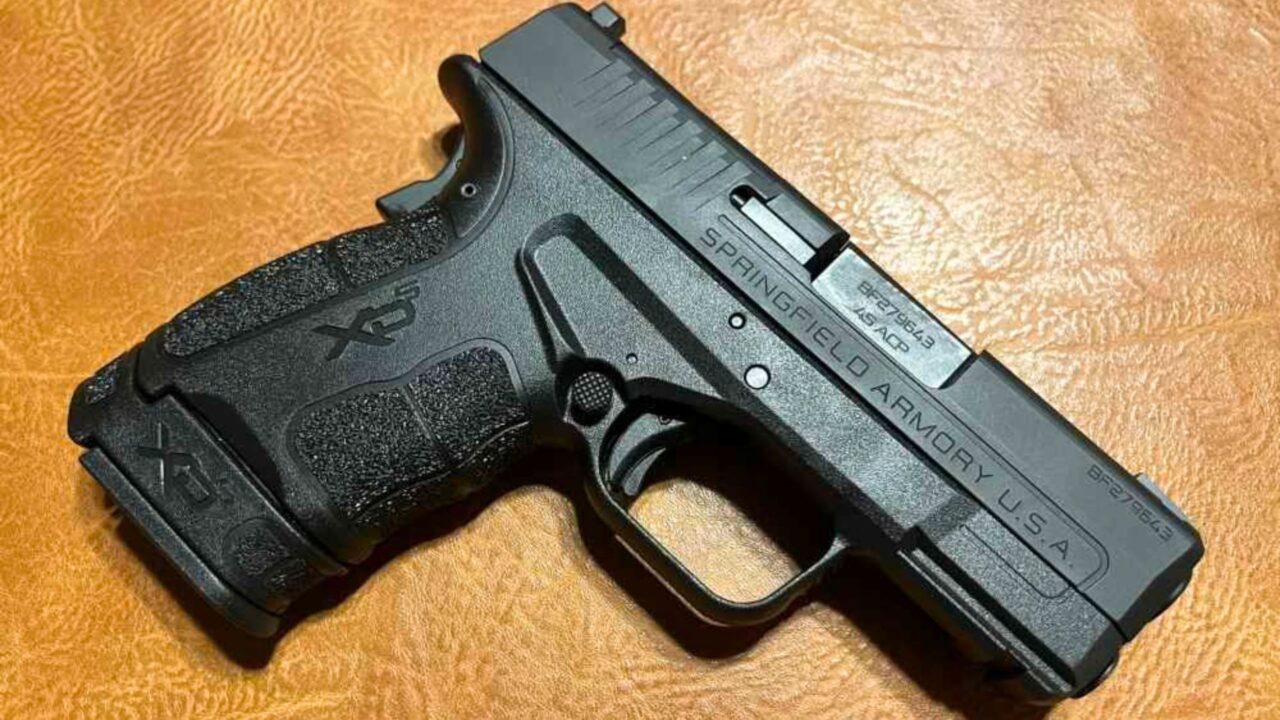
The XD-S carries flat and shoots softer than you’d expect for its size, especially in 9mm. A lot of them have lived long, hardworking lives.
But I’ve also seen examples where early parts issues and intermittent failures turned range day into troubleshooting. Even one gun that starts showing excessive wear fast will sour a person on the whole model.
14. Walther P22 (rough examples)
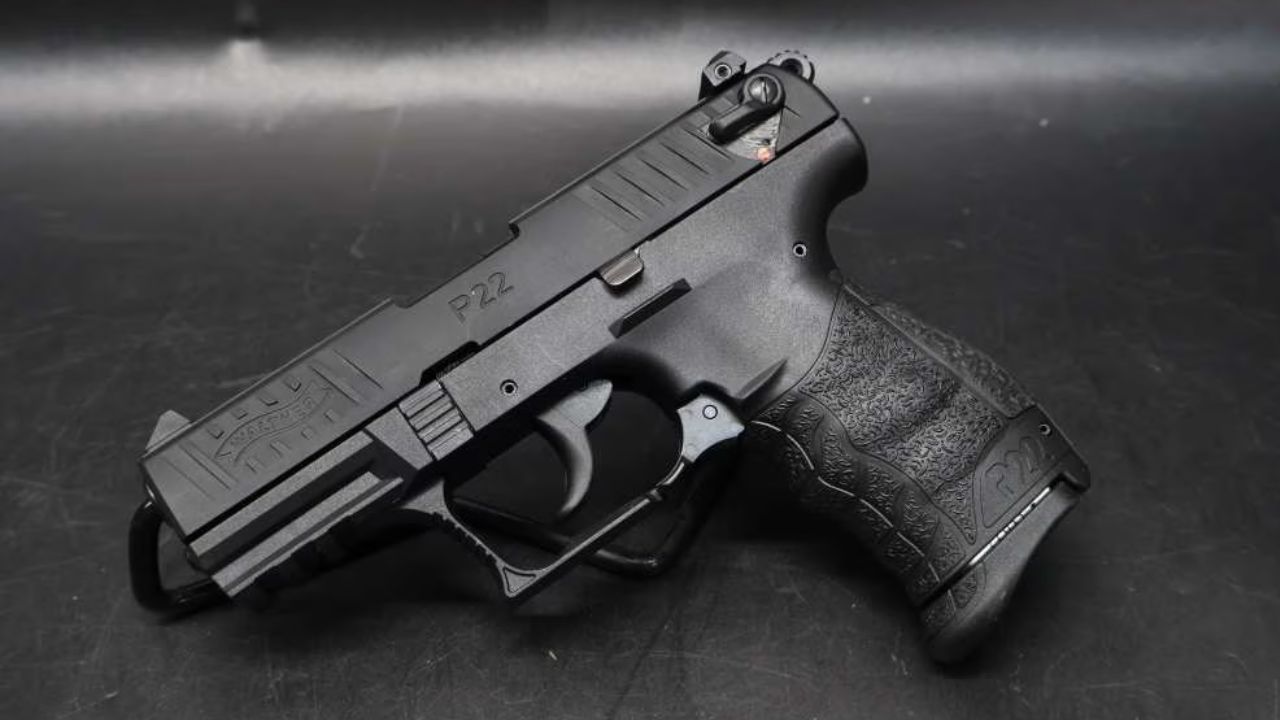
The P22 is a handy little .22 with a fun factor that’s hard to deny. It feels good in the hand and looks like a “real pistol,” which is why it ends up as a first rimfire handgun.
Some of them, though, start having issues early: pot-metal parts wearing, slide damage, and a steady stream of malfunctions if you don’t feed it exactly what it likes. A .22 should be a confidence-builder, not a jam clinic.
15. GSG 1911-22 (hard-used, early break-in surprises)
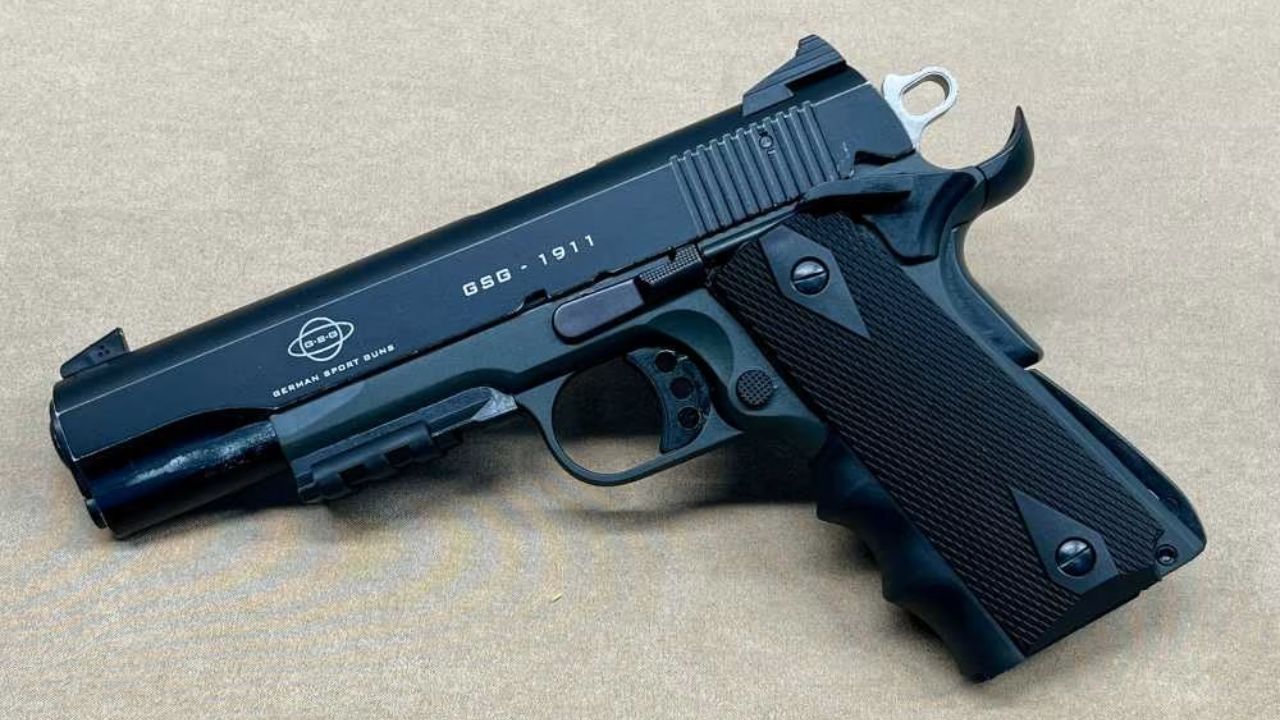
The 1911-22 clones are a blast when they run, and they make great trainers for folks who love the 1911 feel. The GSG has a dedicated following for a reason.
But I’ve watched more than one new owner find out quickly that soft small parts and finicky mags can turn it into a parts-order project. When a rimfire 1911 starts losing reliability inside a box of ammo, it stops being a trainer and becomes a tinkering hobby.
16. Kel-Tec P-11 (well-worn examples and lemons)
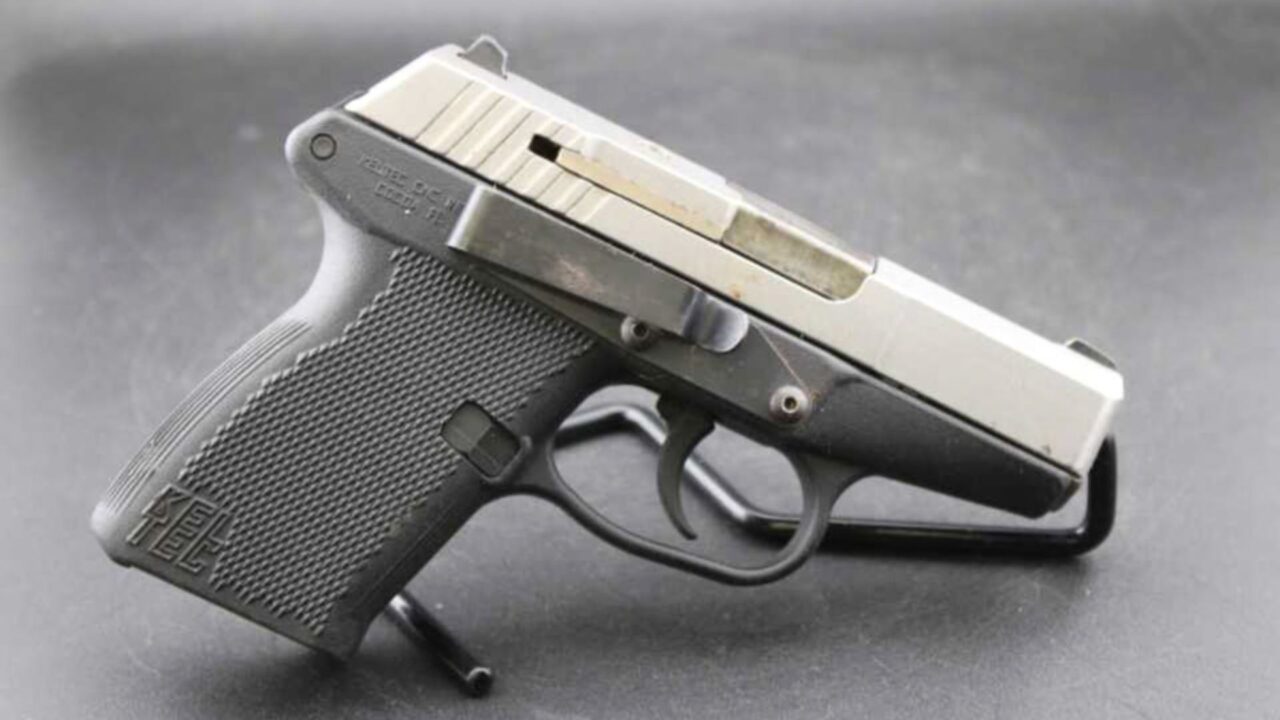
The P-11 was ahead of its time: a small, light 9mm with real capacity. It’s not pretty, and the trigger is long and heavy, but it filled a niche for years.
Some samples ran forever. Others had early-life issues like peening, broken extractors, and magazine-related feeding problems. If yours starts feeling like it’s wearing itself out at 75 rounds, don’t talk yourself into trusting it just because it’s light.
17. Kel-Tec P-32 (early production quirks)
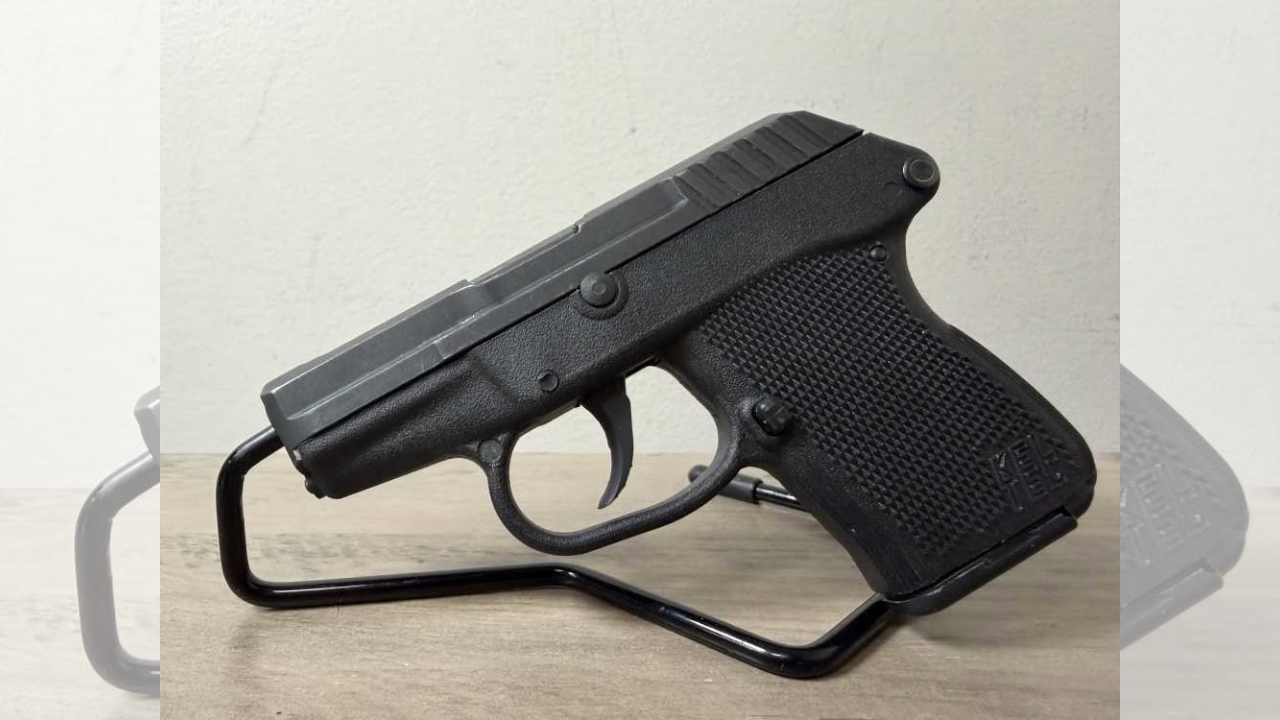
The P-32 is one of the better ideas Kel-Tec ever had: light, thin, and actually useful when you need deep concealment. Recoil is mild, and it’s easy to carry all day.
Still, early guns and rough examples sometimes show issues fast—rim-lock headaches with certain ammo shapes, extractor problems, and magazines that need attention. When tiny guns act up, they tend to act up constantly until you address the root cause.
18. North American Arms Guardian .380 (ammo-sensitive headaches)
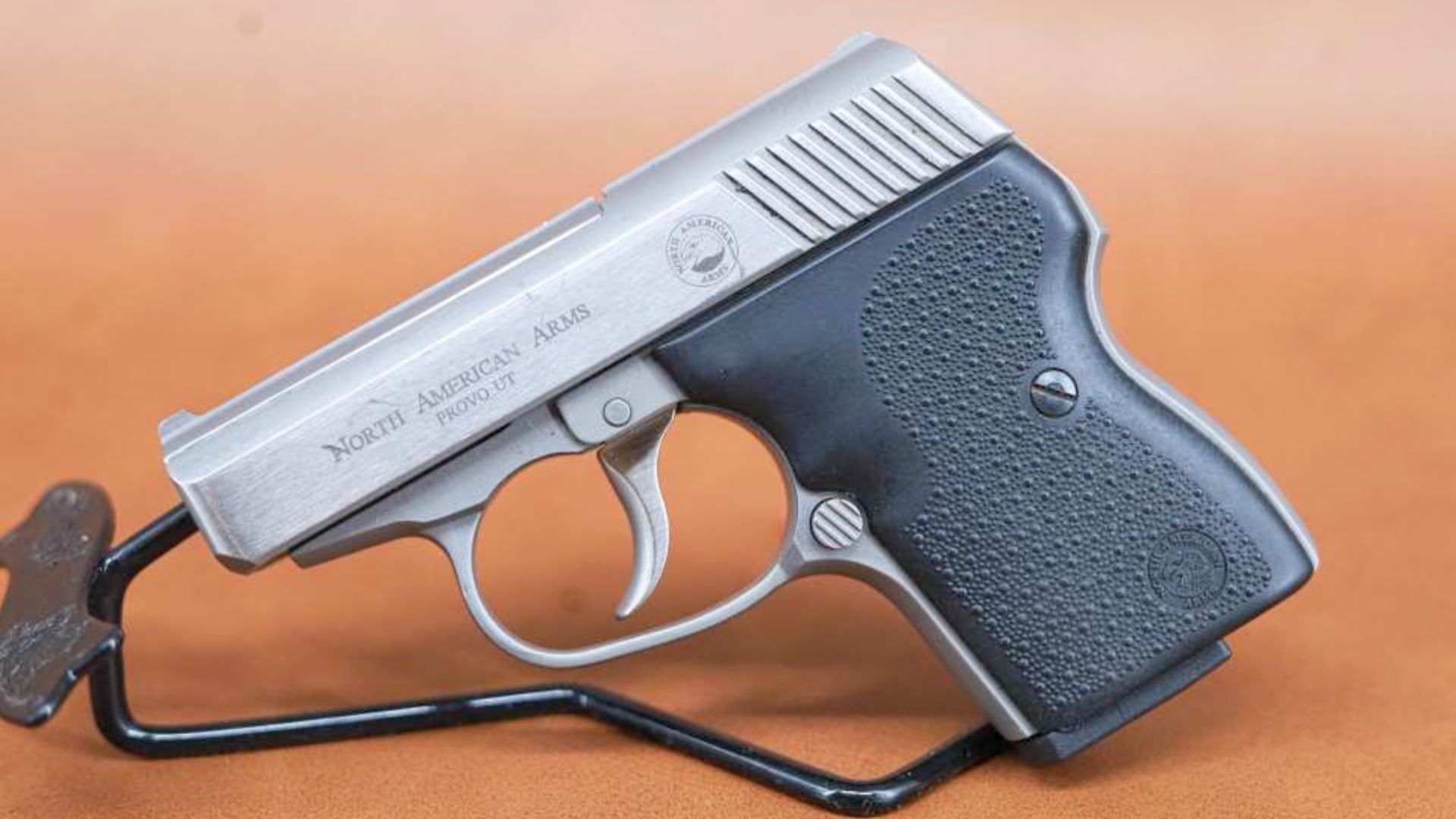
The Guardian is built like a little brick and feels sturdier than most pocket .380s. It’s heavy for its size, but that weight can tame recoil.
Where I’ve seen trouble is with certain guns being picky and getting beat up fast if the springs and ammo aren’t playing nice together. A pocket pistol that starts battering itself early is one you watch closely, because small parts don’t get stronger with age.
19. Rock Island Armory 1911 (cheap-mag induced “failures” that look like gun failures)
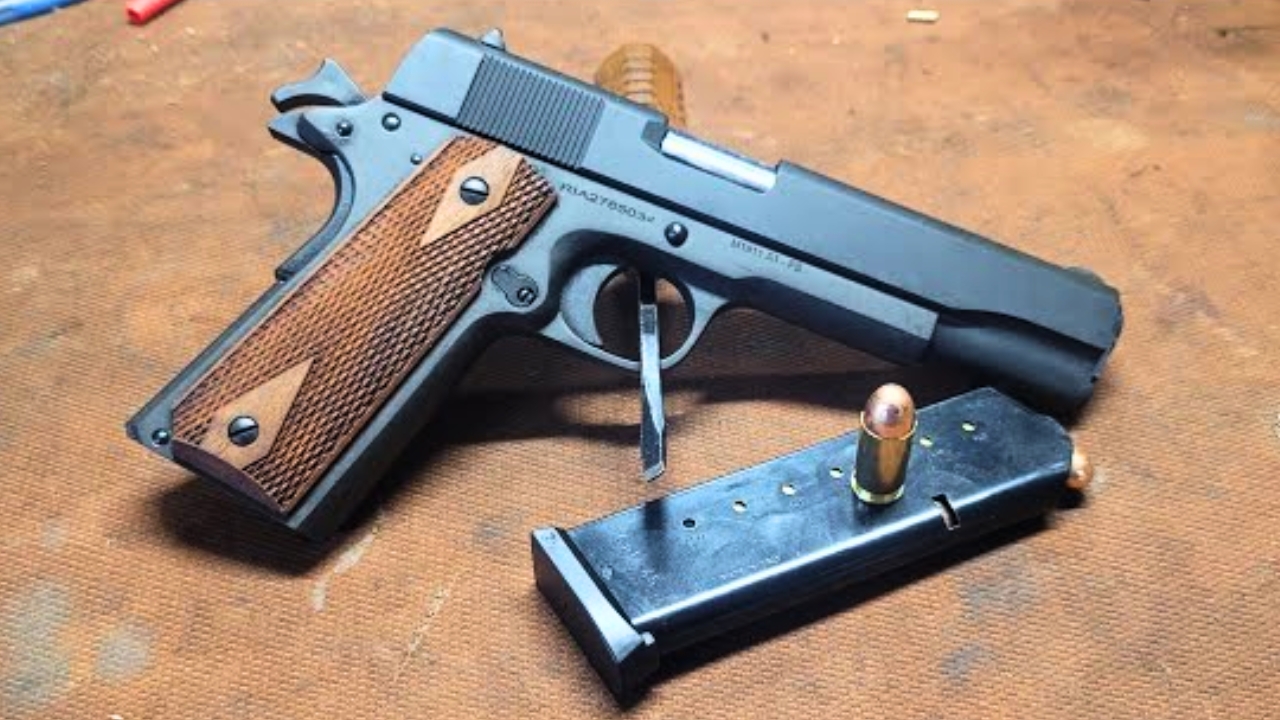
RIA 1911s are usually solid for the money, and I’ve seen plenty that just work. They’re not refined, but they’re honest guns.
But here’s the reality: a budget 1911 paired with bargain magazines and random hollow points can look like it’s falling apart fast. Pins walking, failures to feed, weird stoppages—sometimes it’s the mag and ammo combo beating the gun’s timing to death. If you see early issues, don’t keep forcing it. Sort the mags, check springs, and be willing to admit the 1911 platform can be fussy when you cut every corner at once.
20. CZ 52 (surplus, brittle parts surprises)

The CZ 52 is cool surplus history with a mean-looking profile and a loud bark. It’s also a reminder that old military pistols weren’t built with modern commercial ammo and decades of unknown storage in mind.
I’ve seen firing pin and decocker-related issues show up fast on worn examples, and brittle parts can turn a fun range toy into a broken-project gun in a hurry. Surplus can be a bargain, but you’re buying somebody else’s wear and tear.
If there’s one lesson in all this, it’s that “cheap” and “small” are the two categories where shortcuts show up the fastest. Before you trust any handgun, shoot it enough to learn what it does when it’s dirty, hot, and running at a normal pace. If it starts shedding parts or changing behavior inside the first box, don’t rationalize it. Park it, get it checked out, and move on to something boring that just works.
Like The Avid Outdoorsman’s content? Subscribe to our newsletter so you never miss an article.
Here’s more from us: