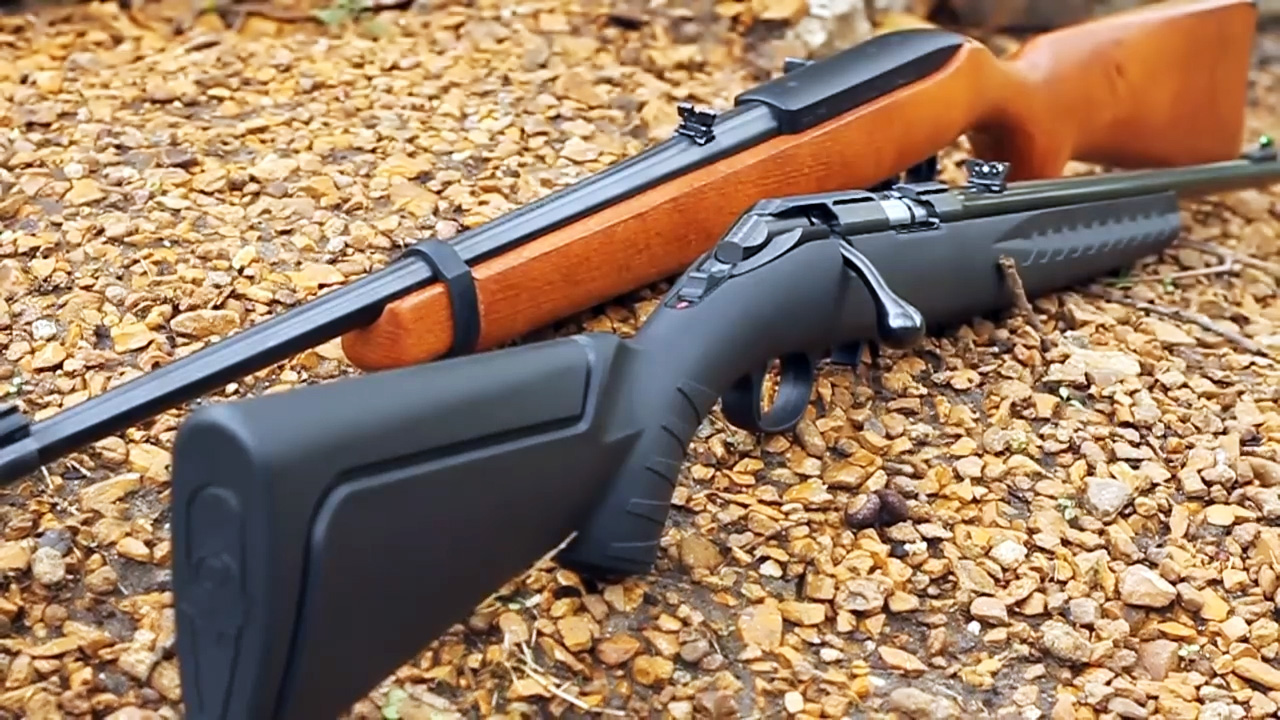
Photo credit: ZRUS Outdoors Channel/Youtube
I like new guns as much as the next guy. The smell of fresh oil, the clean edges on the checkering, that “maybe this one’s the answer” feeling on the drive home from the shop. But after enough seasons and enough range days, you start realizing something: plenty of guns are exciting for about a month, and then they start costing you time, money, confidence, or all three.
This isn’t a hit piece on any one brand. I’ve owned, borrowed, traded for, and tried a pile of firearms that had big reputations or big promises. I put decent ammo through them, tried different mags, cleaned them like I should, and carried them the way a normal hunter or gun owner actually would. Here are 20 that got a fair shake from me and still came up short.
1. Remington 770
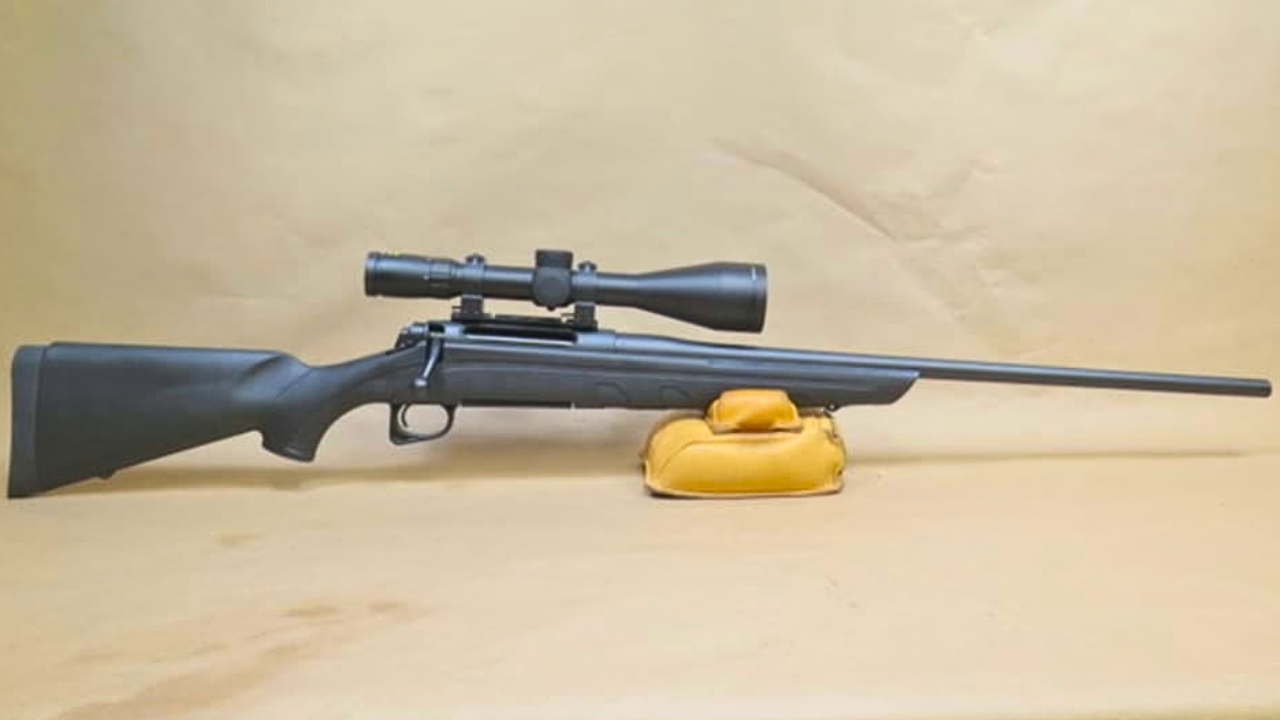
I wanted a cheap “loaner rifle” for deer camp. Something I wouldn’t cry over if it got a scratch in the truck. On paper, that’s what the 770 is.
In the real world, the bolt feel was gritty, the trigger never felt predictable, and accuracy was all over the place once the barrel warmed. I could make it work at 75 yards, but I never trusted it. A deer rifle shouldn’t make you second-guess the shot you already know you can make.
2. Remington 710

This one is in the same family of disappointment, just with a different flavor. The 710 showed up in a lot of closets because it was affordable and came as a package deal.
The problem is it feels like a package gun in every way. The action felt like it was fighting itself, and the whole setup didn’t inspire confidence. If a rifle feels “disposable,” you’ll treat it that way, and then you’ll never practice enough with it to be good.
3. Mossberg Patriot (package model)
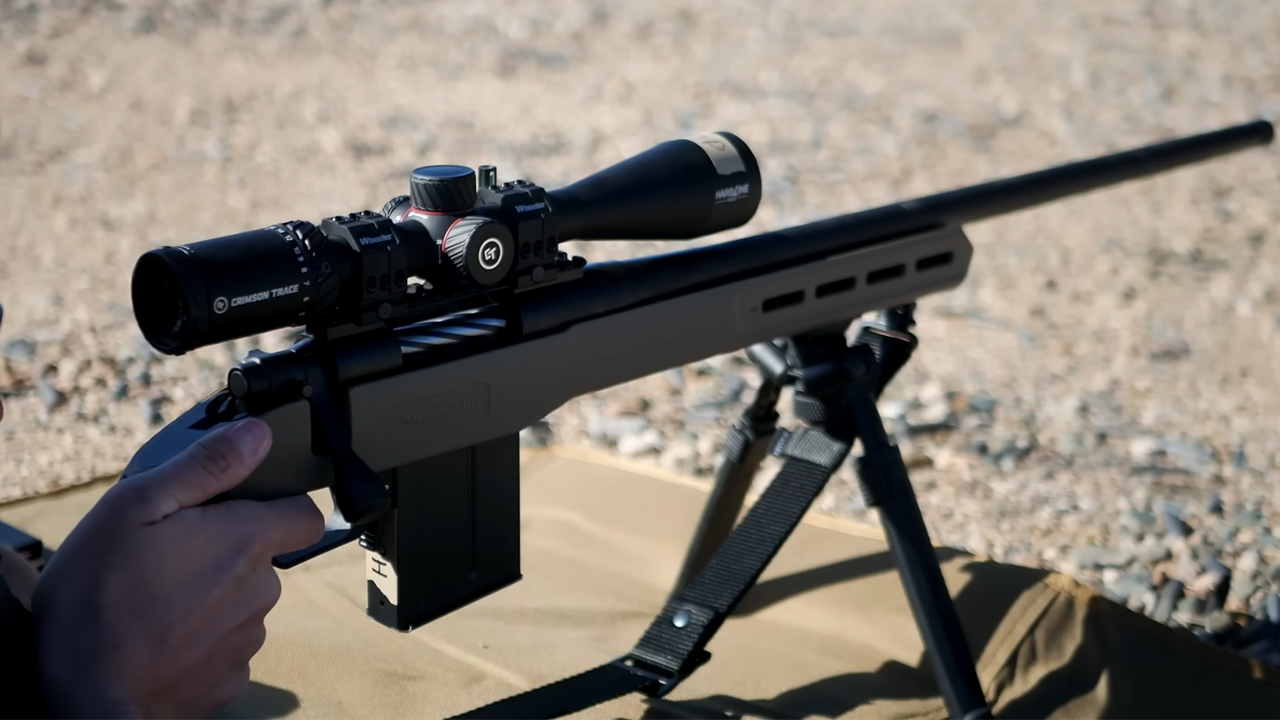
I’ve shot Patriots that did fine, so I’m not saying every one is bad. But the common big-box package version I kept seeing had the same issues: rough feeding, cheap stock feel, and a scope that was more frustration than help.
The rifle might be serviceable with some attention, but the package scope and rings were a repeat offender. When your first range trip turns into chasing zero and checking screws every five shots, the “deal” isn’t a deal anymore.
4. Savage Axis (early generation)
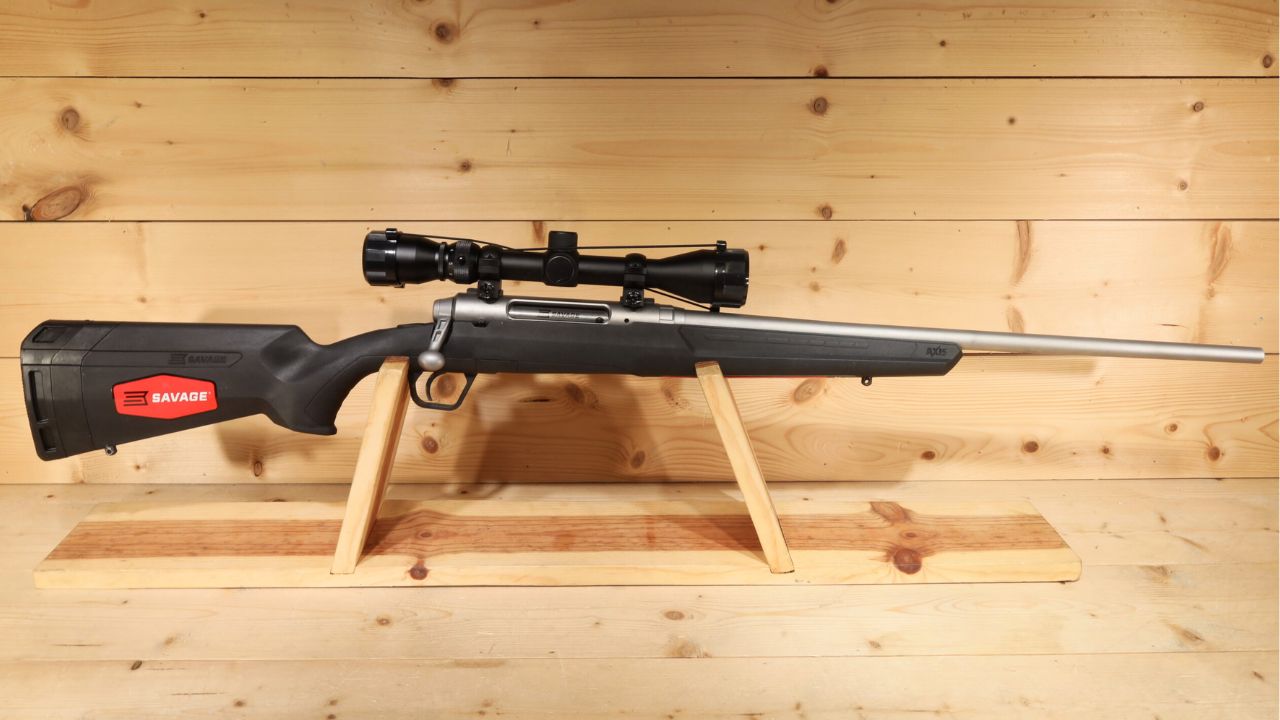
I respect Savage for putting affordable rifles in hunters’ hands. Still, the early Axis rifles I spent time behind felt like they were built to a price point first and a shooting experience second.
The trigger was the big one for me. I can work around a plain stock, and I don’t need fancy, but a mushy trigger makes it harder to shoot well than most folks admit. If you’re buying an economy rifle, you need it to be boring and dependable, not aggravating.
5. Ruger American Rimfire (rotary mag fit issues)
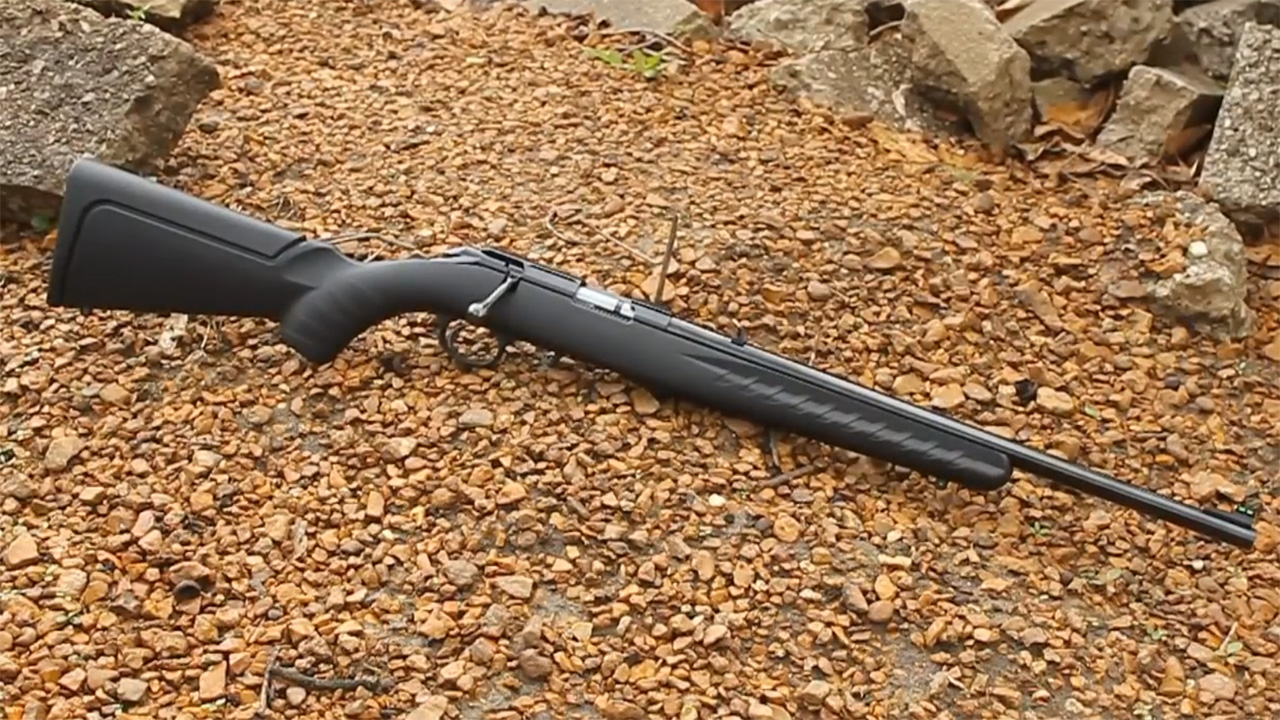
I wanted a knockaround .22 that would ride in a truck and live by the back door. The idea was simple: cheap practice, pests, and teaching new shooters.
What let me down was magazine fit and feeding consistency across different mags. Some worked, some didn’t, and it turned a relaxing afternoon into a troubleshooting session. A rimfire should be the easiest gun you own, not the most particular.
6. Marlin 795 (cheap mag headaches)
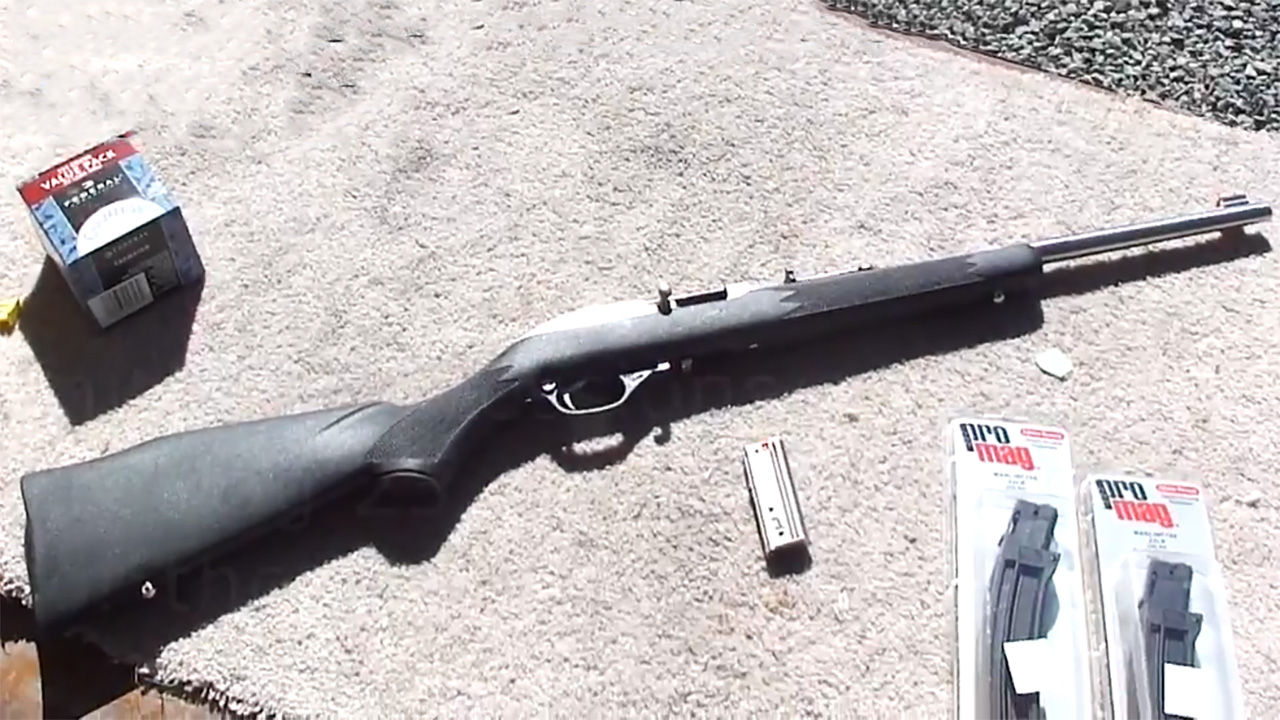
The 795 can be a tack-driver for the money, and I’ve seen them run great. Mine? It was picky, and the magazines were the weak link.
When you’re constantly wondering if the next failure is the ammo or the mag or the angle you’re holding it, you stop enjoying it. A .22 semi-auto should build confidence and skill, not teach you to clear malfunctions every other string.
7. Taurus Judge
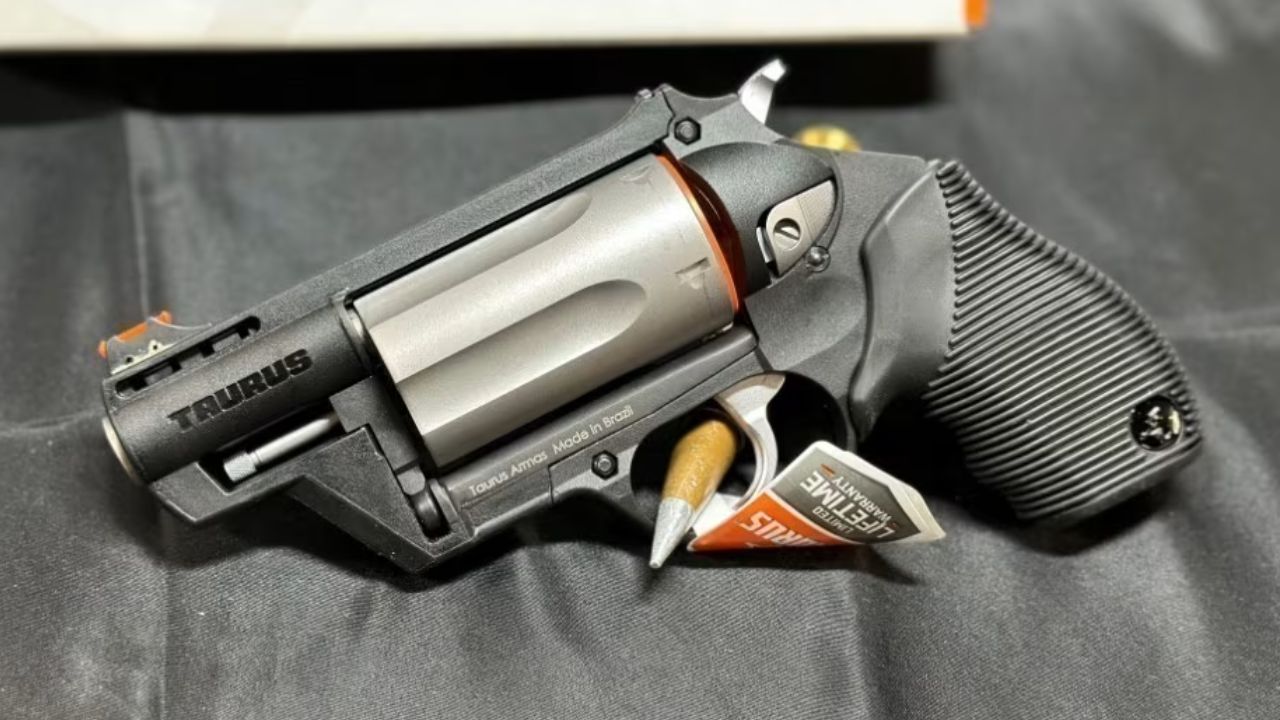
I get the appeal. A revolver that can shoot .410 shells sounds like the ultimate “farm gun” if you live on a place with snakes and varmints.
In practice, it’s bulky, awkward to carry, and the performance is a compromise no matter what you feed it. The patterns weren’t what folks imagine, and the .45 Colt side of things didn’t feel like a great revolver experience either. It’s a novelty that wears off fast.
8. Taurus PT111 G2 / G2C (inconsistent triggers)

These have been carried by a lot of budget-minded folks, and some run fine. The one I spent the most time with had a trigger that felt different depending on the day, and that’s not something I tolerate in a carry gun.
A defensive pistol needs consistency. Not “it’s probably fine.” If I’m going to trust a gun around my family and in a holster, it has to feel the same every press and every reset.
9. SIG Sauer P250

I wanted to like it. Modular concept, clean lines, decent ergonomics. But that long, heavy DAO pull just never clicked for me.
At speed, it felt like I was dragging the trigger through wet concrete. Accuracy was okay if I slowed down, but that defeats the purpose. There are plenty of pistols that shoot better, faster, with less effort.
10. Kimber Ultra Carry (3-inch 1911 problems)

Small 1911s are tempting because they’re slim and easy to carry. The problem is the 1911 platform gets a lot less forgiving when you shrink it down.
The compact Kimber I tried was finicky with ammo and magazines, and the recoil spring schedule felt like a part-time job. When the carry gun requires special attention to stay reliable, I start looking at other options real quick.
11. Springfield XD-S (snappy and picky)

On the belt, it’s easy. In the hand, it’s another story. The XD-S I ran was snappy enough that follow-up shots took more work than they should for the caliber.
It also wasn’t as forgiving with grip and stance as some other small pistols. If a gun demands perfect form to run clean, it’s not the best choice for stressful, real-world shooting.
12. Kel-Tec PF-9

There was a time when “thin 9mm” meant Kel-Tec, and I understand why folks bought them. Light, flat, and affordable.
But it beat my hand up, and the overall shootability was poor. When a pistol is unpleasant enough that you avoid practicing with it, it’s failing its job. Carrying a gun you don’t train with is just carrying weight.
13. Hi-Point C9

I’ve seen Hi-Points run, and I’ve seen them saved by their warranty. Mine ran until it didn’t, and it was never pleasant to shoot even when it behaved.
It’s heavy in the wrong ways, clunky to handle, and the magazines and controls feel like they came from a different era. If it’s all someone can afford, I’m not here to shame them. But after giving it a fair chance, I moved on.
14. Rossi Circuit Judge
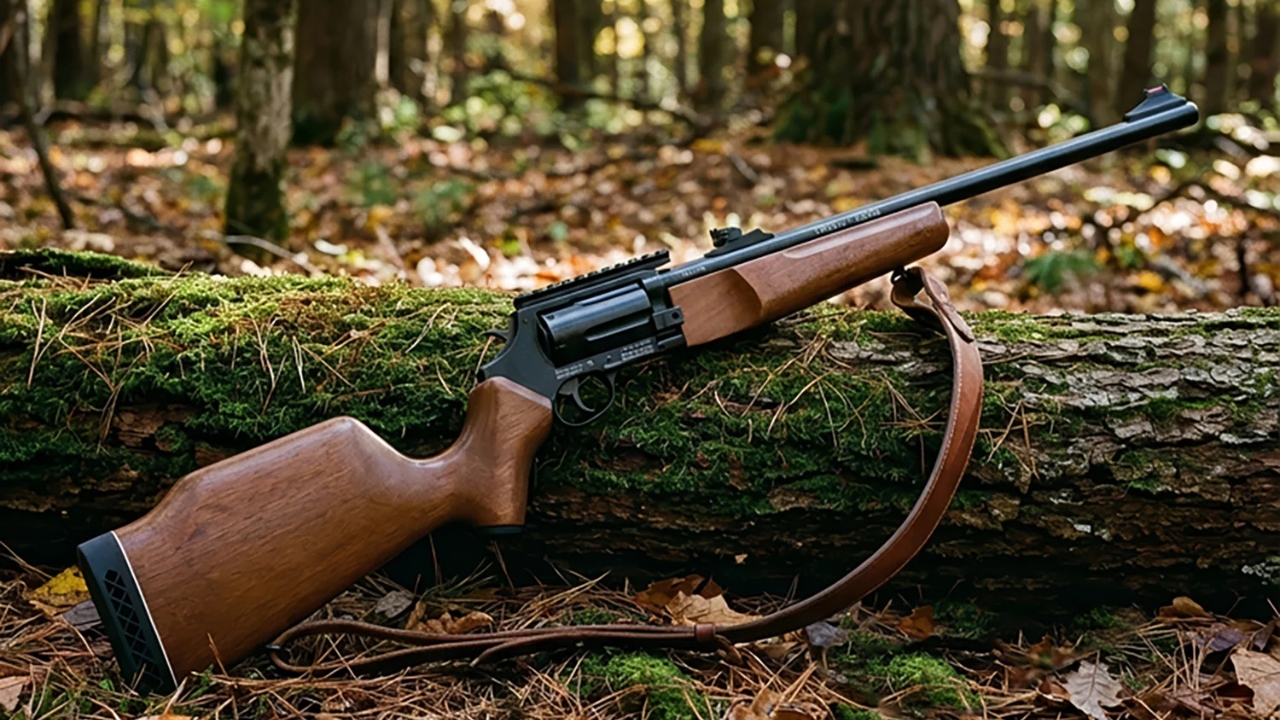
A revolving rifle that shoots .410 and .45 Colt sounds like a fun woods tool. It also sounds like a do-it-all camp gun.
In reality, it felt like a compromise that never settled down. Balance was odd, performance was inconsistent, and it didn’t do any one role well enough to earn a permanent spot. I kept reaching for a .22, a real shotgun, or a real deer rifle instead.
15. Winchester SXP (rough extraction)
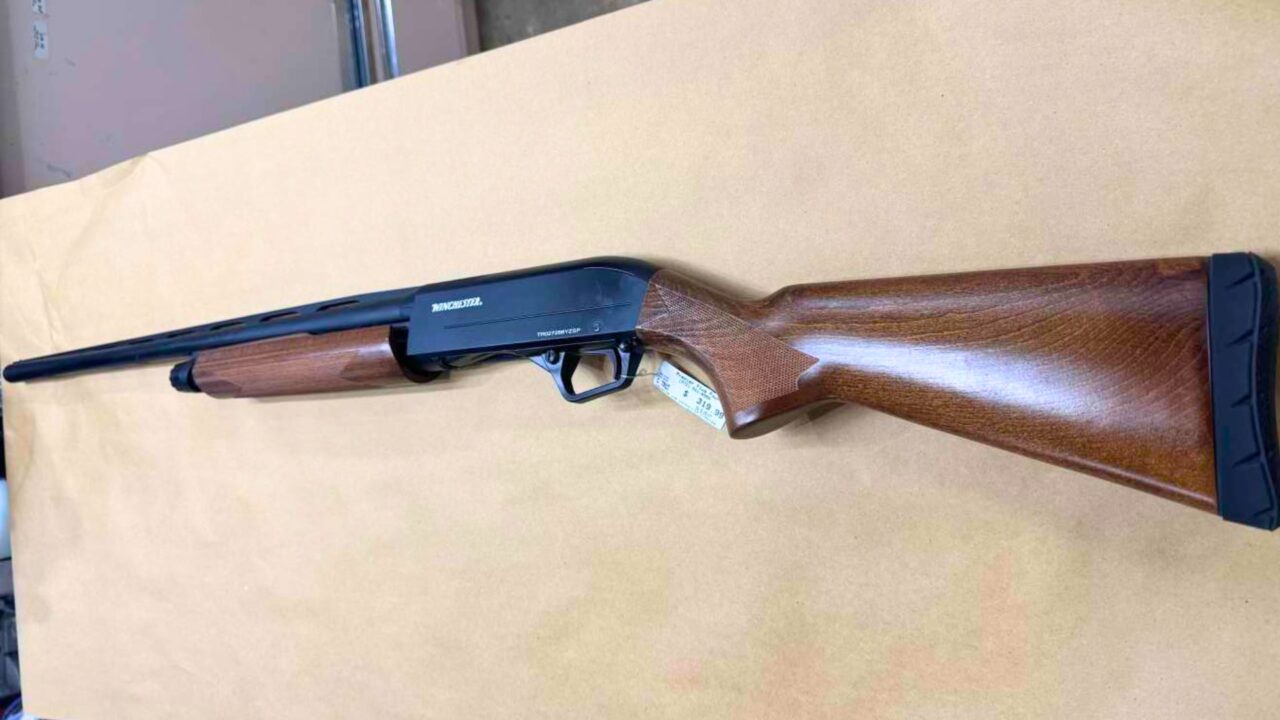
I wanted an affordable pump that would take abuse and keep going. Some SXPs are fast and smooth. The one I spent time with got sticky at the worst times.
When you’re pumping hard on a cold morning and the gun feels like it’s hanging up, it’s not a “range issue” anymore. A pump gun should feel like a shovel: not pretty, but unstoppable.
16. Turkish-made budget semi-auto 12 gauge (general category)

I’m lumping these together because the pattern is the same. They look good at the counter: modern styling, extended chokes, sometimes even fancy furniture, and a price that makes you feel smart.
Then you take it out with real hunting loads in real weather and start getting cycling problems, broken small parts, or a gun that needs “just the right” ammo. If a shotgun is only reliable with light target shells, it’s not the field gun it’s being sold as.
17. Ruger Mini-14 (older models)
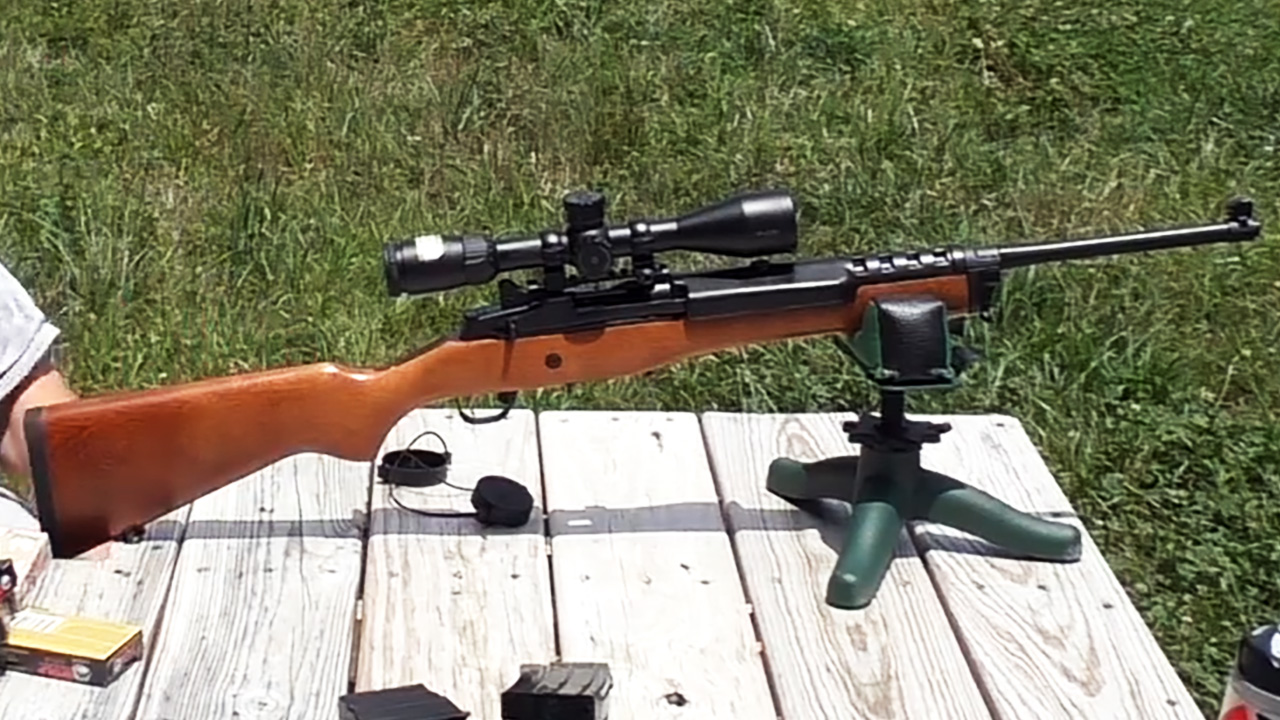
I wanted to love the Mini-14 because it carries nice and points like a ranch rifle should. It’s handy, not too heavy, and it has a cool factor that’s hard to deny.
The accuracy on the older ones I tried was the letdown, especially once the barrel warmed up. You can make them work inside reasonable distances, but the price-to-performance equation is rough when ARs are everywhere and shoot circles around them for less money.
18. .224 Valkyrie (as a real-world hunting/utility choice)
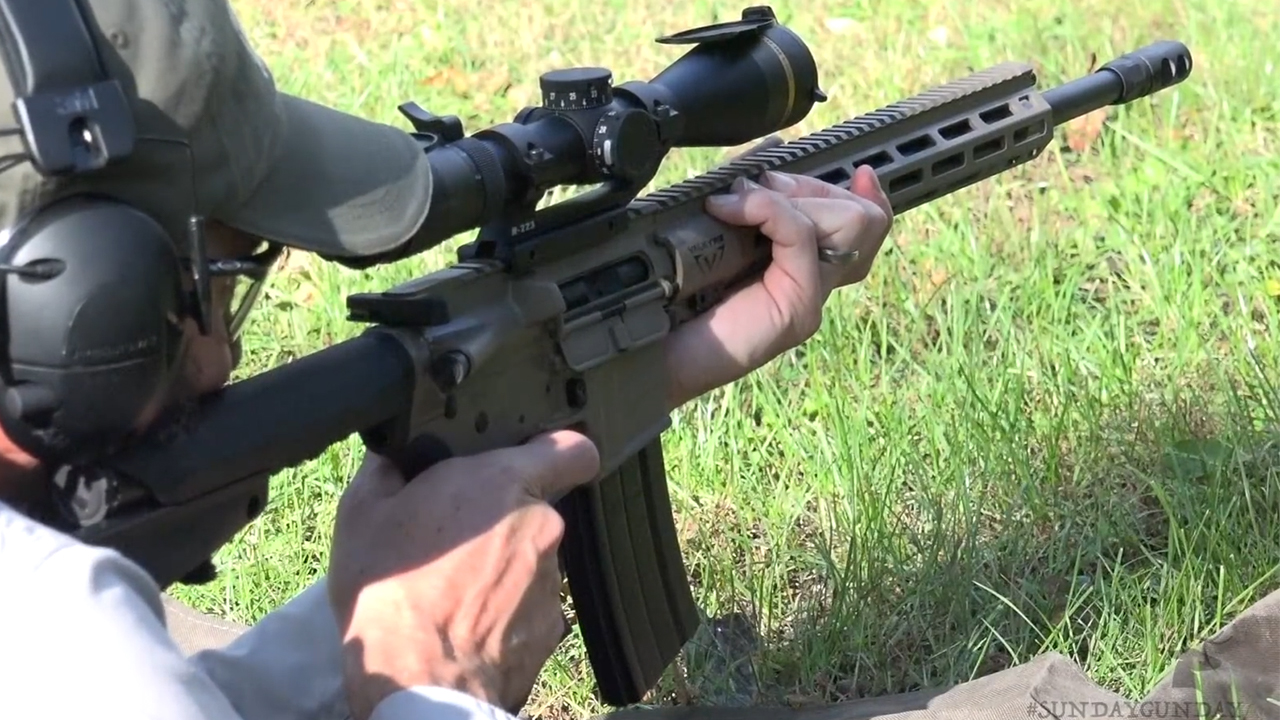
This cartridge had a lot of hype, and I bought into it. I wanted it to be a do-all small-bore option with better legs than .223.
What I got was a round that can be finicky about barrels and ammo, and not as “easy” as the internet made it sound. For the average outdoorsman, it’s hard to justify when .223, 6.5 Grendel, and .243 already have clear lanes and easier sourcing.
19. 6.5 Creedmoor (in the wrong rifle for the job)
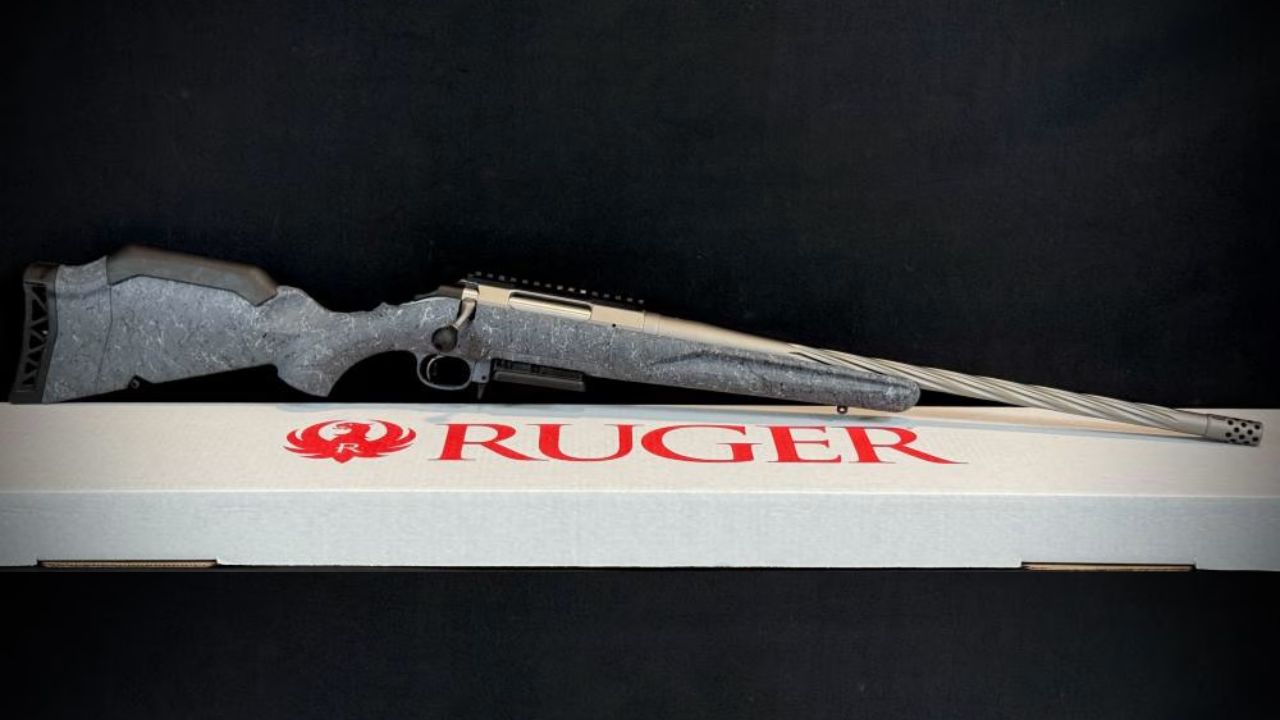
Here’s the truth: the cartridge isn’t bad. The problem is how it gets sold and what it gets paired with. I’ve watched too many lightweight, whippy-barreled budget rifles in 6.5 get treated like they’re supposed to shoot like a custom rig.
When your setup won’t hold consistent groups, folks blame the caliber, then chase ammo, then chase optics. A good 6.5 Creedmoor rifle can be excellent. A cheap, light one with a bargain scope is a recipe for disappointment.
20. .45 ACP micro-compacts (as a category)

I’ve tried to talk myself into a tiny .45 more than once. The idea is comforting: big bullet, small gun, easy carry.
The reality is usually harsh recoil, slower follow-ups, and reliability that isn’t as forgiving as a similar-sized 9mm. If you love .45, I get it. I do too. I just prefer it in a gun big enough to actually shoot well.
I’m not saying nobody should own any of these. I’m saying I’ve burned enough range time and enough money chasing “good deals” and “cool ideas” to recognize a pattern. If a gun makes you avoid practice, makes you question reliability, or keeps turning simple range days into repair sessions, it’s not earning its keep. The boring, proven stuff isn’t always exciting at the gun counter, but it sure feels good when the moment matters.
Like The Avid Outdoorsman’s content? Subscribe to our newsletter so you never miss an article.
Here’s more from us: