Photo credit: SGT Johnny USMC/YouTube
Handgun ammunition gets expensive fast once you leave the handful of cartridges produced by the millions every year. Nine-millimeter shooters benefit from enormous production volume and constant competition between manufacturers. Move into an older pocket-pistol caliber, an obscure defensive round, or a giant hunting cartridge and suddenly every pull of the trigger starts costing enough that a normal range session requires some planning.
That does not make the cartridges below useless. Several are extremely capable, and a few are among the best choices available for highly specialized jobs. The question is whether their performance advantage justifies what it costs to keep practicing with them. For many shooters, the answer is no. When a less expensive cartridge accomplishes nearly the same thing while allowing you to practice twice as much, ballistic superiority on paper starts looking considerably less important.
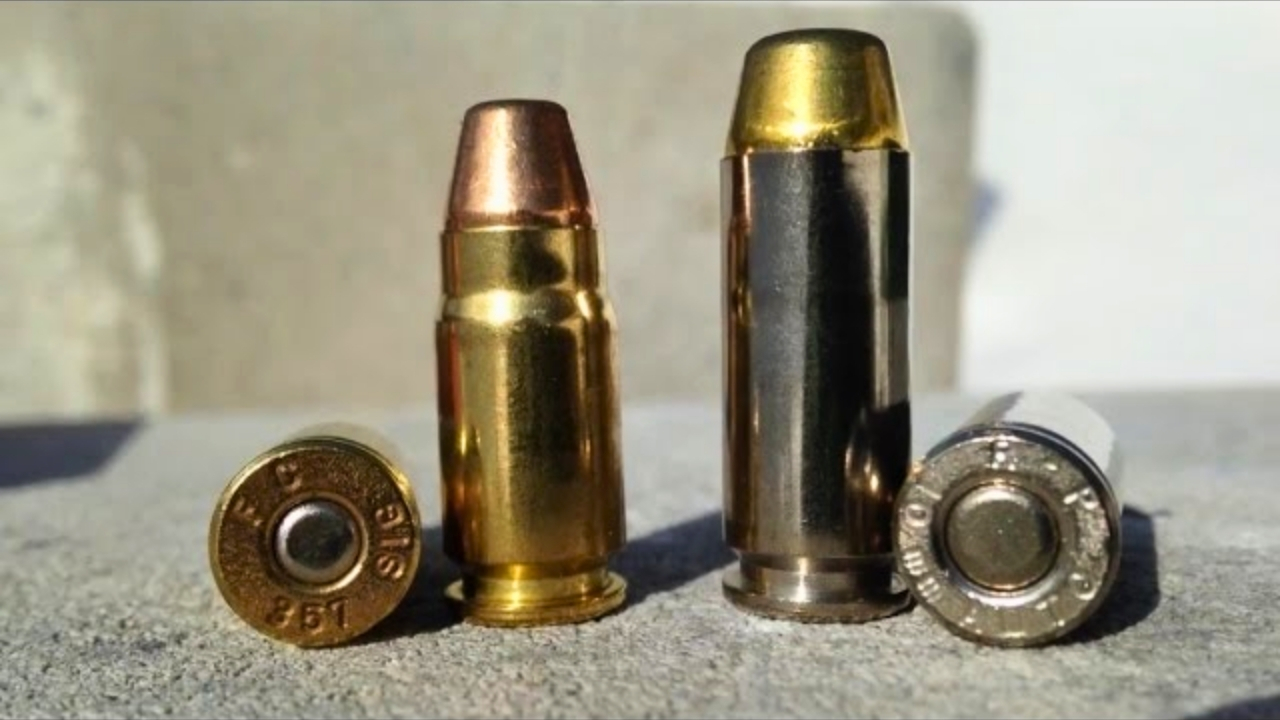
.357 SIG

The .357 SIG was designed to give semiautomatic pistols performance resembling a hot .357 Magnum defensive load while retaining the capacity and handling advantages of a service pistol. It shoots flat, feeds well in properly designed guns, and can produce impressive velocity from a relatively compact package. There is a reason law-enforcement agencies once took it seriously.
The problem is what it costs to keep shooting one now. Nine-millimeter defensive ammunition has improved dramatically, while inexpensive 9mm practice ammunition is available almost everywhere. That makes the .357 SIG’s extra blast, recoil, and ammunition expense difficult to defend for an ordinary concealed-carry pistol. Its performance is legitimate, but the gap is not large enough for most shooters to willingly pay significantly more every time they practice. Unless you specifically love the cartridge, 9mm has become the easier answer.
.25 ACP
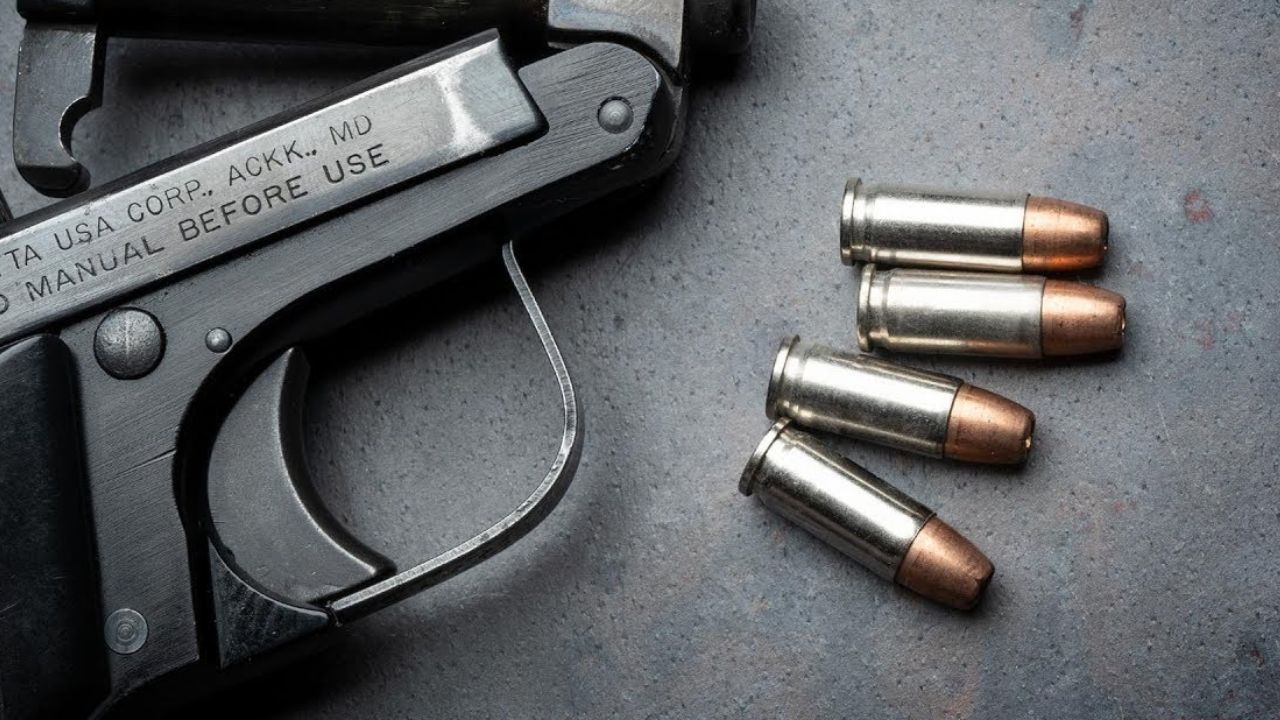
The .25 ACP is a tiny cartridge that survives mostly because millions of old pocket pistols were chambered for it. Historically, it offered more reliable ignition than comparable rimfire cartridges in extremely small semiautomatic pistols, which was a meaningful advantage when tiny defensive handguns were difficult to build.
Today the value proposition is rough. You are often paying considerably more than 9mm for a cartridge producing a fraction of the power. Ammunition selection is limited, defensive performance is marginal, and modern .380 ACP pistols can be nearly as small while delivering considerably better ballistics. The .25 can still be enjoyable in an old Browning, Beretta, or Colt pocket pistol, but that makes it more of a collector’s cartridge than an economical shooting choice. Paying centerfire specialty-ammo prices for such modest performance is difficult to justify.
.32 ACP
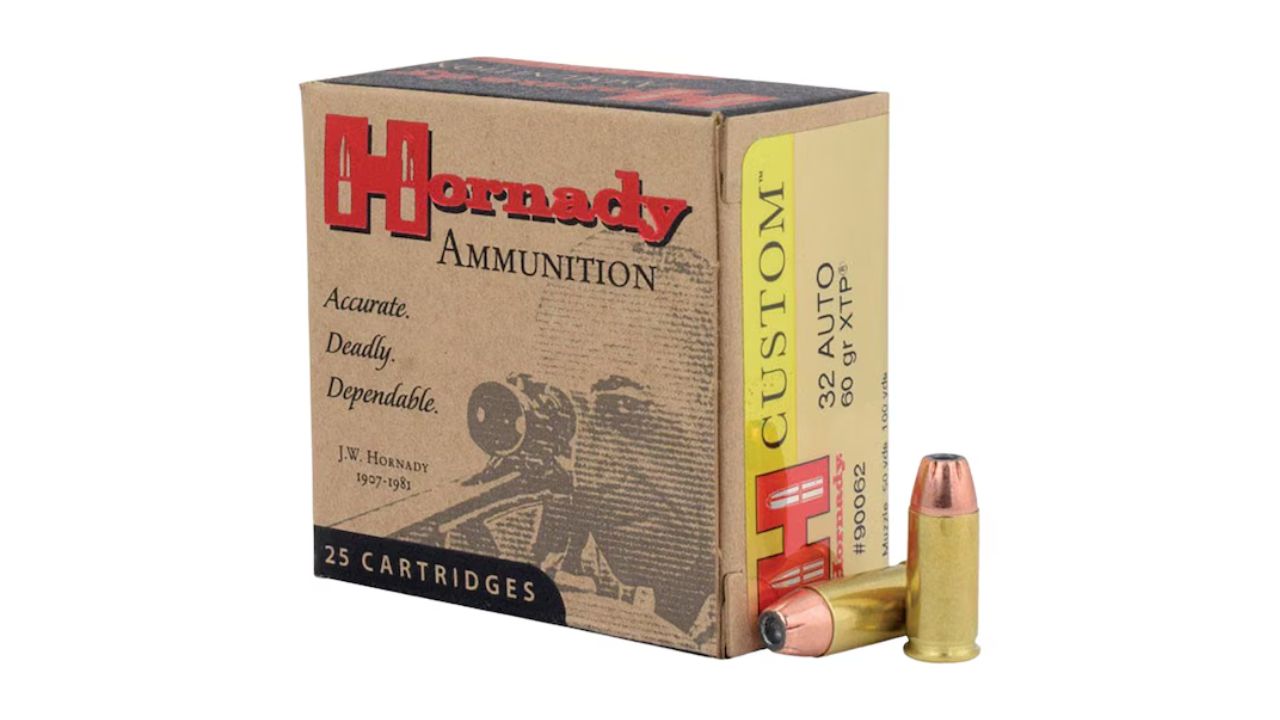
The .32 ACP is much easier to defend than the .25 because it can still make sense in genuinely tiny carry pistols. Recoil is mild, European manufacturers have produced excellent .32s for generations, and the cartridge can be surprisingly pleasant in a compact handgun.
The trouble is ammunition cost relative to performance. The market simply does not produce .32 ACP at anything close to 9mm volume, so shooters commonly pay more to launch a much lighter, less energetic bullet. That matters because the mild recoil only helps if you can afford enough ammunition to practice regularly. I understand the appeal for recoil-sensitive shooters or people carrying classic pocket guns, but for most buyers a compact .380 or soft-shooting 9mm gives you a much broader ammunition selection and far better value over the life of the handgun.
.32 H&R Magnum

The .32 H&R Magnum is actually a wonderful revolver cartridge. It offers more performance than .32 S&W Long without the blast of full-power .327 Federal Magnum, and it can make a lightweight revolver much easier to control than an equivalent .357.
What keeps me from recommending it broadly is ammunition. Factory choices are nowhere near as abundant as .38 Special, and the price often reflects that lack of production volume. That is frustrating because the cartridge’s greatest strength is pleasant shooting. A mild, controllable revolver round is much less appealing when every box feels like specialty ammunition. Handloaders can make the economics far better, which is probably where the .32 H&R shines brightest today. For someone relying entirely on factory ammunition, .38 Special is usually easier and cheaper to live with.
.327 Federal Magnum

The .327 Federal Magnum has excellent ballistic credentials. It allows six rounds in some revolvers that would otherwise hold five .357s, produces impressive velocity, and can also give owners access to milder .32-family ammunition in compatible revolvers. On paper, it is one of the smartest modern revolver cartridges.
Factory ammunition cost keeps getting in the way of that brilliance. The cartridge is nowhere near common enough to benefit from .38 Special or 9mm production volume, and full-power .327 ammunition can be expensive enough that owners hesitate to practice with the actual load they carry. That defeats part of the reason to choose a defensive cartridge in the first place. I like the .327 tremendously, particularly in small revolvers, but I would like it much more if the ammunition market treated it like a mainstream caliber instead of a specialty product.
.38 Super

The .38 Super has a long and respected history in competition pistols, particularly 1911-style guns. It can produce impressive velocity, offers excellent accuracy, and gives competitive shooters useful magazine capacity without moving to a much larger cartridge.
Outside those specialized roles, the economics become harder to defend. Nine-millimeter ammunition is dramatically easier to find, substantially cheaper in bulk, and available in an enormous variety of loads. Modern 9mm Major competition setups have also taken away some of the exclusivity the .38 Super once enjoyed. A beautifully tuned .38 Super 1911 is still a fantastic handgun, but if your goal is simply range shooting, carry, or general-purpose use, you are paying more for performance most shooters will never exploit. It has become a connoisseur’s cartridge rather than an obvious practical choice.
10mm Auto

Ten-millimeter Auto has experienced a major resurgence, and unlike some cartridges here, its increased popularity is easy to understand. Proper full-power ammunition offers significantly more performance than 9mm or .45 ACP, making 10mm genuinely useful for hunting, woods carry, and people who want a powerful semiautomatic handgun.
The problem is how many owners use it only as a range or defensive pistol. If you rarely need the extra energy, you are paying more for ammunition while accepting more recoil and often more gun. Some inexpensive 10mm practice ammunition is also loaded far below the cartridge’s full potential, which creates the odd situation of paying premium-caliber prices for performance approaching a milder round. Ten-millimeter is absolutely worth it when you need 10mm. If you do not, a 9mm lets you shoot dramatically more for the same ammunition budget.
.44 Special

The .44 Special is one of the most pleasant big-bore revolver cartridges ever made. It fires a substantial bullet without the violent recoil and muzzle blast associated with full-power .44 Magnum, and dedicated .44 Special revolvers can be wonderfully balanced.
Factory ammunition pricing is the problem. Because so many .44 shooters simply use Special loads in Magnum revolvers or handload their own ammunition, factory .44 Special never gets the production volume it deserves. You can end up paying big-bore specialty prices for a cartridge intentionally designed around moderate performance. That feels backwards. The .44 Special makes enormous sense to a handloader who can tailor inexpensive lead-bullet loads. For someone buying every box from a retailer, .38 Special or reduced-recoil .44 Magnum options can make the economics difficult to swallow.
.41 Magnum

The .41 Magnum has always suffered from being caught between .357 and .44 Magnum. It offers more power than the former and often less punishment than the latter, which makes it a genuinely good hunting and field cartridge.
Unfortunately, being the middle child means ammunition shelves rarely give it much space. Factory loads can be expensive and selection limited, particularly compared with the enormous variety available in .357 and .44 Magnum. That makes regular practice costly, and a powerful revolver cartridge demands practice if you actually plan to hunt with it. The .41 Magnum is ballistically excellent. The market simply never became large enough to make ownership easy. Unless you handload or have a particular affection for the caliber, buying a .44 Magnum gives you a much healthier ammunition ecosystem for similar jobs.
.44 Magnum
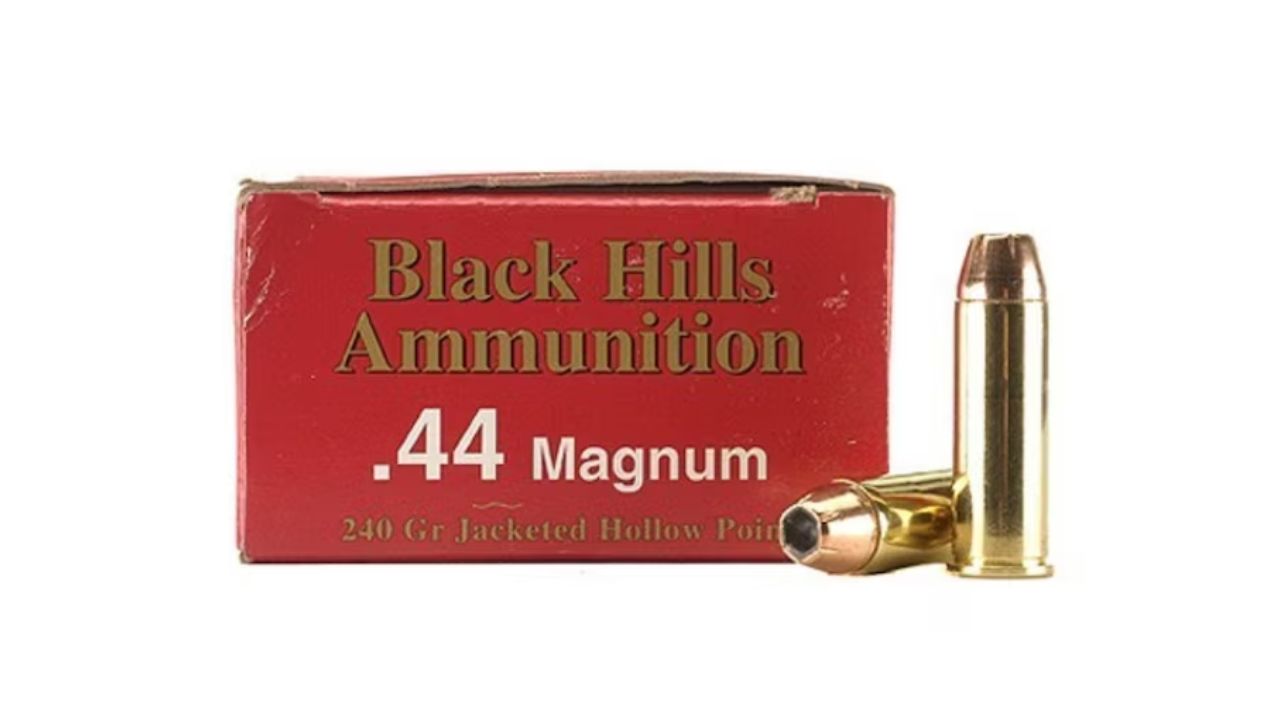
The .44 Magnum is absolutely capable of justifying its price for a handgun hunter. Heavy bullets, excellent penetration, decades of load development, and a huge selection of proven revolvers make it one of the best serious handgun cartridges available.
Where the economics fall apart is casual shooting. Factory .44 Magnum can cost several times as much as bulk 9mm, which turns an afternoon of shooting into a noticeable expense. Plenty of owners solve this by firing .44 Special or handloading lighter ammunition, but that essentially acknowledges the problem. If the revolver is going into a deer stand or wilderness holster, the price makes sense because relatively few rounds are fired in the field. If it mostly punches paper at 15 yards, you are spending a lot of money to make bigger holes and generate more recoil.
.45 Colt

The .45 Colt is historically significant, enjoyable to shoot, and tremendously versatile in the right revolver. Mild cowboy loads are comfortable, while suitably strong modern revolvers can use ammunition that pushes the cartridge into serious hunting territory.
Factory ammunition is where the enthusiasm starts disappearing. Even ordinary target loads can be surprisingly expensive because the cartridge uses large cases, substantial bullets, and nowhere near the production volume of mainstream semiautomatic ammunition. Heavy specialty hunting loads cost even more. Handloaders love .45 Colt because they can exploit its enormous range without paying factory prices. Non-handloaders get a very different experience. If you simply want a big-bore revolver, .44 Magnum often gives you better availability, while .45 ACP gives you cheaper practice. The .45 Colt increasingly rewards enthusiasts more than casual shooters.
.45 Auto Rim
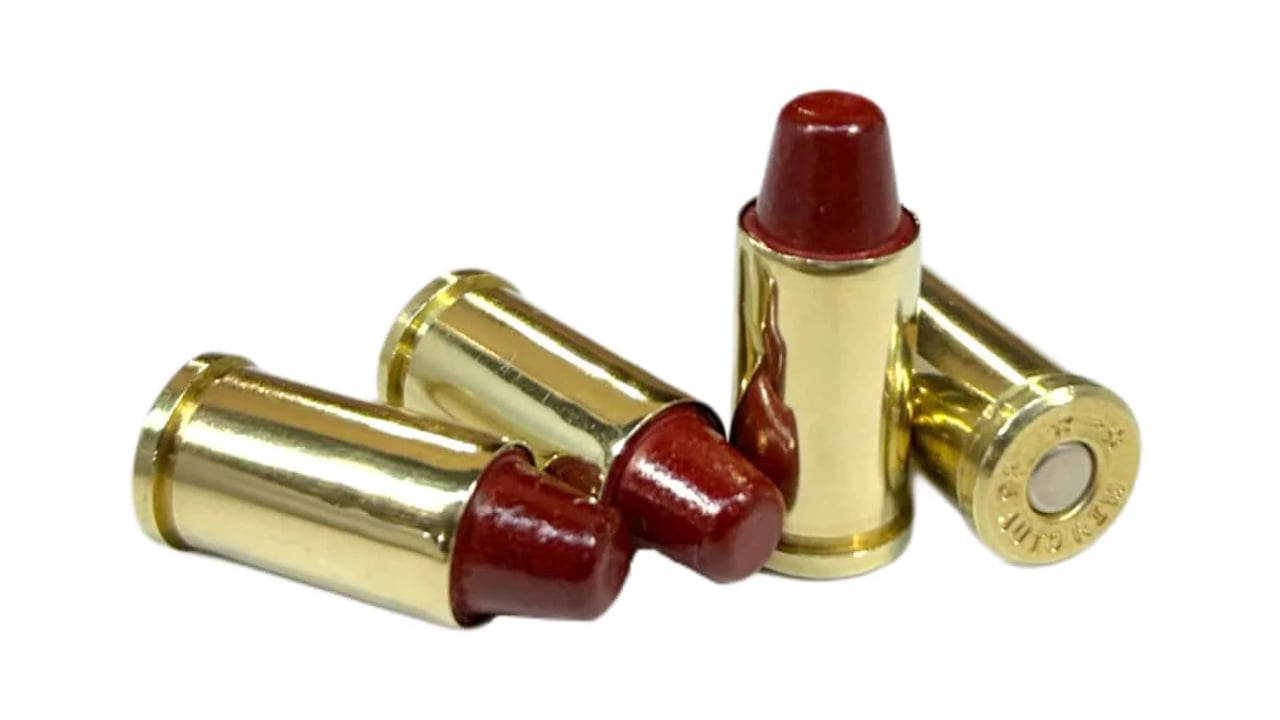
The .45 Auto Rim is an ingenious solution to a very specific problem. It allows revolvers designed around .45 ACP to use a rimmed cartridge without requiring moon clips, giving shooters straightforward extraction and traditional revolver handling.
The problem is that moon clips are not difficult enough to justify paying specialty-ammunition prices forever. Standard .45 ACP is produced on an enormous scale, comes in endless load varieties, and can frequently be purchased much cheaper. If your revolver accepts both, Auto Rim ammunition becomes more of a convenience than a necessity. It is fun, historically interesting, and useful for handloaders, but buying factory Auto Rim regularly makes little economic sense when the revolver can usually digest far more common ammunition. This is one cartridge where a cheap piece of stamped metal can save you a lot of money.
5.7x28mm

The 5.7x28mm has become much more common as new pistols and carbines have entered the market. Its high velocity, extremely light recoil, flat trajectory, and impressive magazine capacity give it characteristics that standard handgun cartridges cannot completely duplicate.
The question is whether those characteristics are worth paying significantly more than 9mm for ordinary range use. For many shooters, they are not. Five-seven ammunition has become cheaper than it once was, but the market still cannot match 9mm production volume. The cartridge also depends heavily on specific projectile construction to produce the performance that made it famous. If you want low recoil and high capacity, 9mm already provides both at much lower cost. The 5.7 is interesting and specialized, but expensive ammunition can quickly turn a fun 20-round pistol into something owners rarely practice with.
.30 Super Carry

The .30 Super Carry was built around an intelligent concept. Its smaller diameter allows greater magazine capacity than 9mm while still delivering substantially more power than traditional .32-caliber pistol rounds. In appropriately sized carry guns, gaining another round or two without making the grip larger is a legitimate advantage.
The problem is that 9mm was already extremely difficult to displace. Ammunition manufacturers produce enormous quantities of it, defensive loads are highly developed, magazines and pistols are everywhere, and practice ammunition is cheap. That means .30 Super Carry has to provide a major advantage to overcome a significant cost and availability disadvantage. For most shooters, another round in the magazine is not enough. Unless production expands dramatically, the cartridge risks remaining expensive precisely because not enough people buy it, creating a cycle that makes adoption even harder.
9mm Makarov
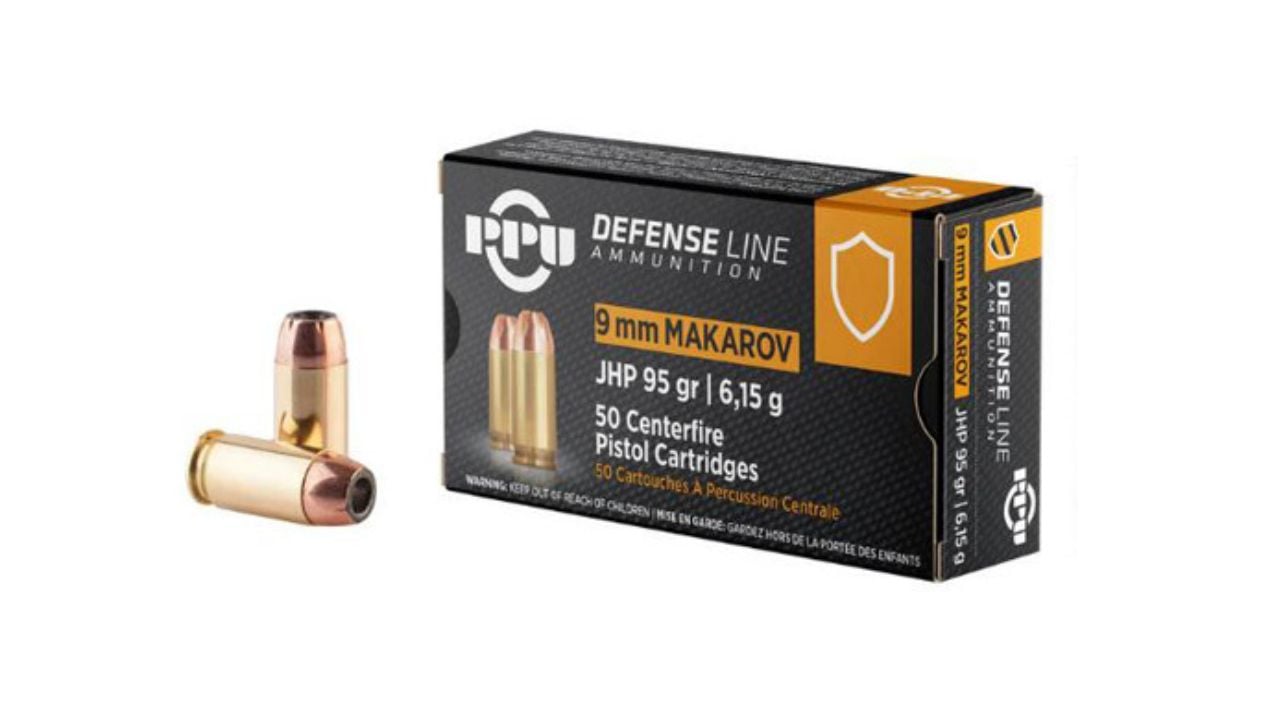
The 9x18mm Makarov once made considerably more sense to American shooters because inexpensive surplus pistols and ammunition were everywhere. A cheap Makarov or CZ 82 combined with inexpensive ammunition created one of the most affordable centerfire shooting setups available.
That world has largely disappeared. The pistols themselves have become more collectible, imported ammunition is not the screaming bargain it once was, and standard 9mm Luger is easier to find by an enormous margin. Ballistically, the Makarov cartridge sits awkwardly between .380 ACP and 9mm Luger without providing enough advantage over either to justify specialty-ammunition pricing. I still enjoy the guns chambered for it, but buying one today for economical shooting makes far less sense. What used to be a bargain cartridge has become something you shoot because you specifically like old Eastern European pistols.
.454 Casull
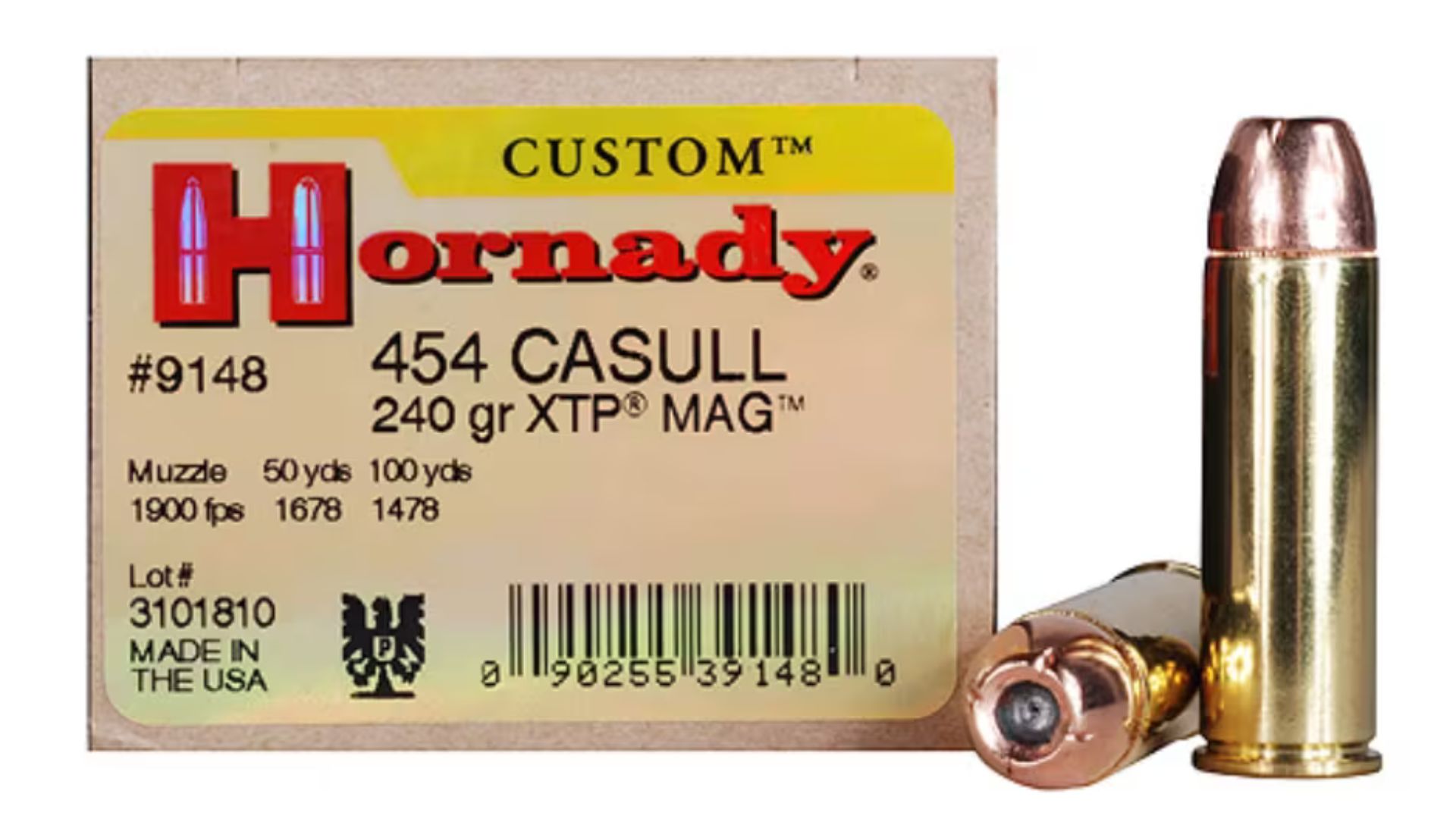
The .454 Casull absolutely earns its reputation as a serious hunting cartridge. It can drive heavy bullets with tremendous authority and provides a substantial step above .44 Magnum for shooters who genuinely need more power from a revolver.
That qualifier matters. Factory .454 ammunition is expensive enough that casual range shooting becomes painful financially before recoil becomes the limiting factor. The guns are also generally large and heavy, and the cartridge’s power exceeds what most handgun hunters require for ordinary deer or hog hunting. A revolver chambered for .454 can often shoot .45 Colt, which gives owners a practical way to practice more cheaply. Once again, though, that tells you something about the ammunition itself. If you constantly avoid firing the cartridge stamped on the barrel because each cylinder costs too much, the economics are not especially attractive.
.460 S&W Magnum
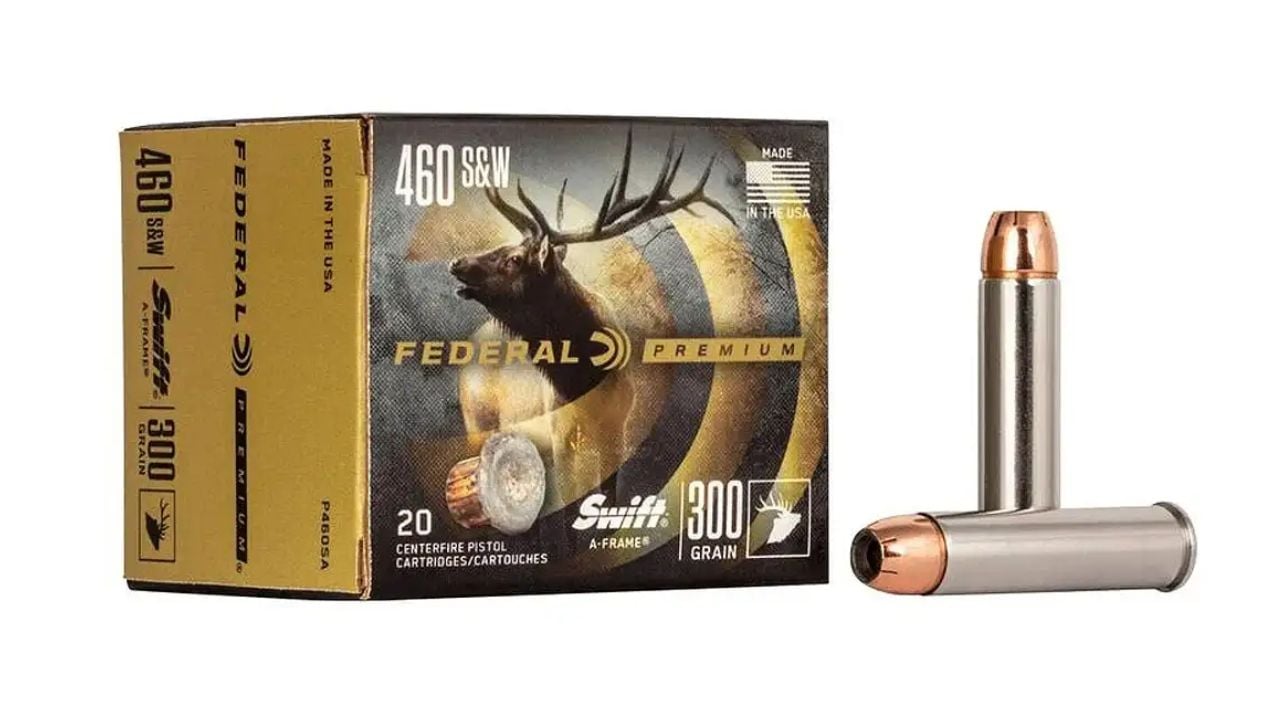
The .460 S&W Magnum is an extraordinary engineering achievement. It produces rifle-like handgun velocities, shoots remarkably flat for a revolver cartridge, and gives serious handgun hunters the ability to stretch distances that would have once seemed unreasonable.
Everything about that performance costs money. The revolvers are enormous, ammunition uses substantial quantities of powder and heavy bullets, and premium hunting loads can make each shot feel financially significant. Fortunately, many .460 revolvers can also fire .454 Casull and .45 Colt, which gives owners cheaper and softer alternatives. But if the actual .460 ammunition is something you save only for hunting season because it is too expensive to practice with regularly, that limits the value of owning such a specialized cartridge. It is spectacular, but spectacular performance comes with spectacular operating costs.
.480 Ruger

The .480 Ruger may actually be one of the smartest big-bore revolver cartridges. It throws a large, heavy bullet without chasing the extreme velocities of .454 Casull or .500 S&W, which can make it more manageable while still providing serious hunting capability.
Unfortunately, smart design does not guarantee affordable ammunition. The .480 remains niche, factory choices are limited, and the cost per box can discourage exactly the kind of practice required to shoot a powerful revolver well. Handloaders can make the cartridge far more appealing because its large case and heavy cast bullets lend themselves to custom loads. Factory-ammunition buyers have a tougher argument. The .44 Magnum is much easier to support, while .454 Casull is more widely recognized at the extreme end. The .480’s biggest weakness is not performance. It is being uncommon enough that shooters pay for its obscurity.
.500 S&W Magnum
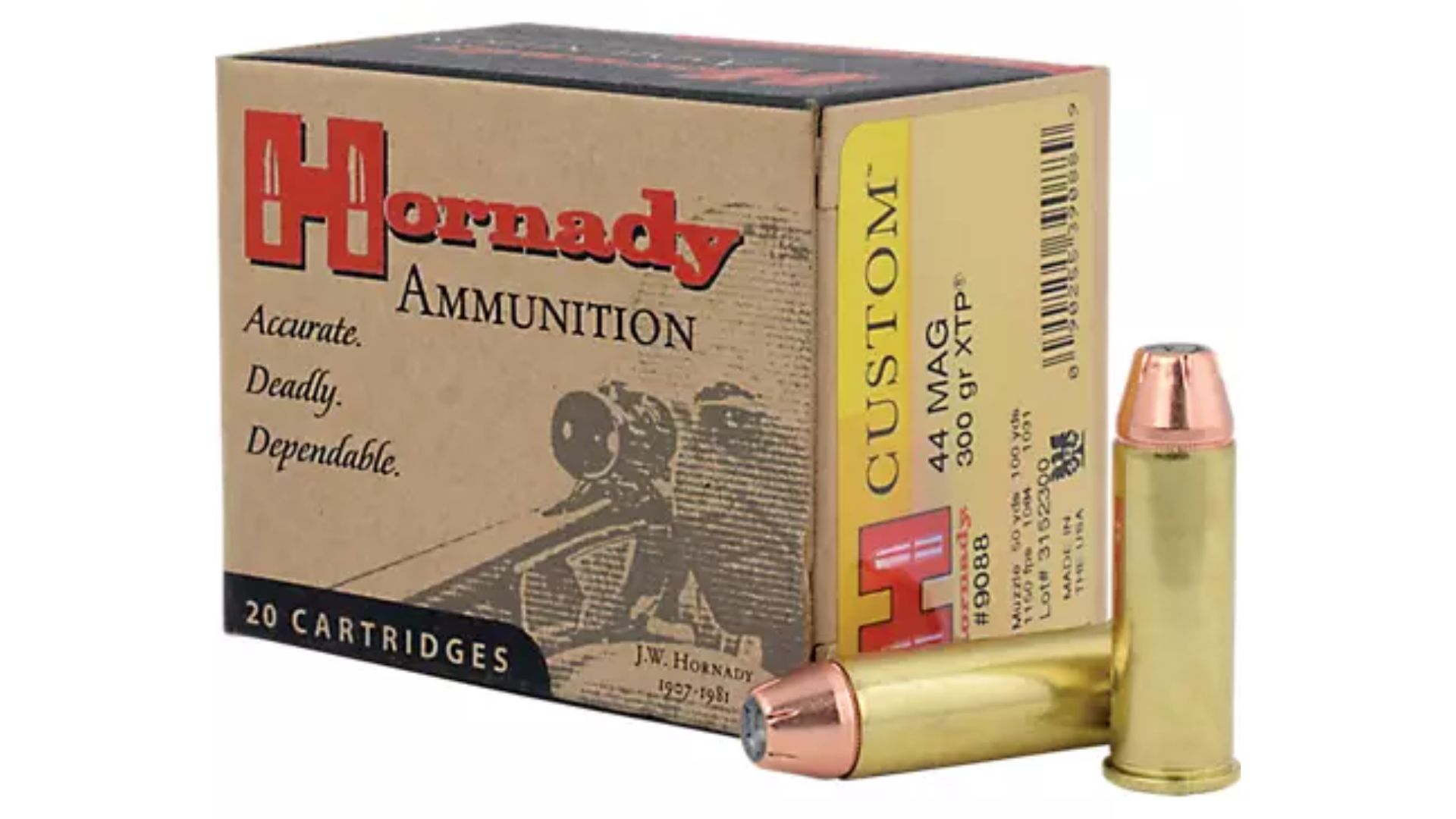
Nothing about .500 S&W Magnum is inexpensive. The revolvers are massive, the bullets are enormous, the cases hold substantial powder, and factory ammunition is manufactured in tiny quantities compared with mainstream handgun cartridges. That adds up quickly.
The cartridge has a legitimate purpose for handgun hunters pursuing large game and for shooters who simply want the most powerful production-revolver experience they can reasonably obtain. For everyone else, the first box is often more fun than the fifth. Recoil limits how much most people want to shoot in one session, while the ammunition bill limits it even further. Plenty of .500 revolvers probably spend more time being shown to friends than being fired. If you genuinely need what it offers, price is secondary. If you are mostly punching paper, there may be no handgun cartridge with a worse fun-per-dollar ratio after the novelty fades.
.475 Linebaugh

The .475 Linebaugh is a serious enthusiast’s cartridge built around heavy bullets, deep penetration, and big-game hunting rather than chasing headline velocity. In a strong revolver, it offers tremendous performance without requiring the enormous frame dimensions of some newer super-magnums.
The downside is that everything surrounding it is specialized. Revolvers are uncommon, factory ammunition is scarce, and premium loads can cost enough that shooting a few cylinders becomes an event rather than ordinary practice. Most committed .475 owners eventually become handloaders because the cartridge almost demands it economically. That makes sense for dedicated handgun hunters, but it tells the average buyer everything he needs to know. The .475 Linebaugh is excellent at what it does. Unless that specific performance is necessary, the ammunition bill makes a .44 Magnum look remarkably sensible.
.50 Action Express
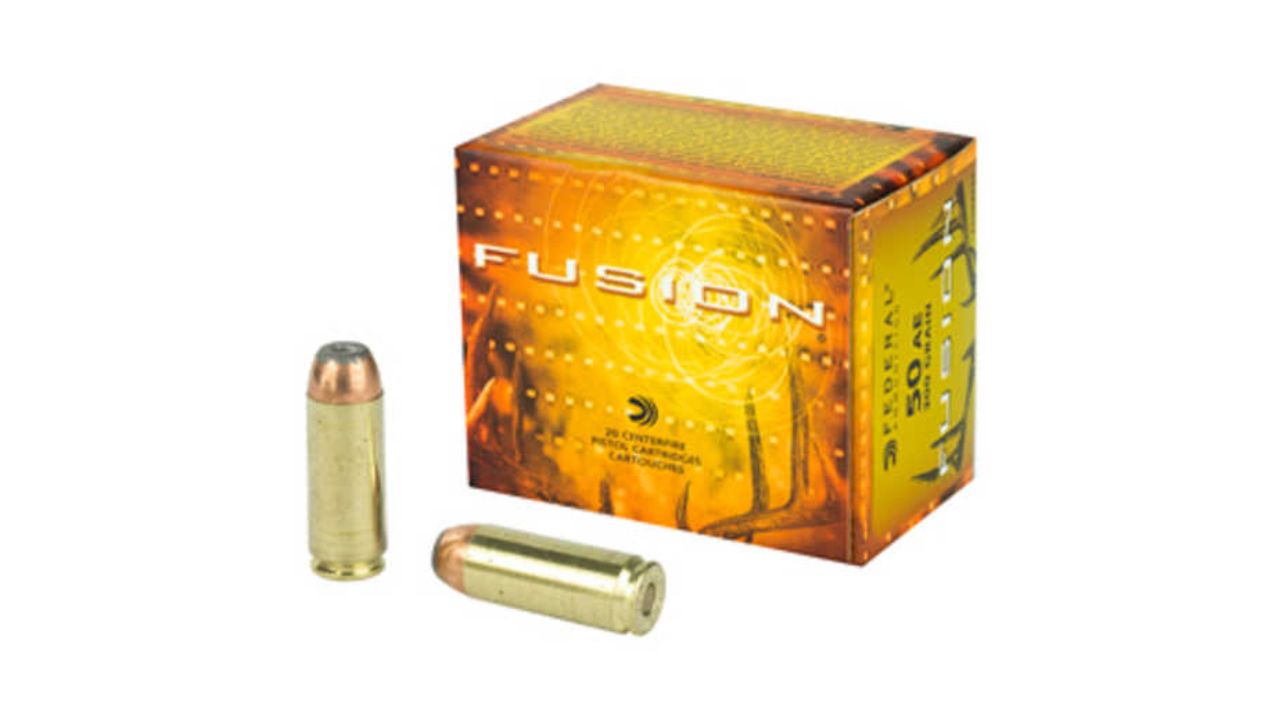
The .50 AE is inseparable from the Desert Eagle, and that association explains much of its continued appeal. Launching a massive .50-caliber bullet from a semiautomatic handgun produces an experience unlike almost anything else, and the cartridge delivers legitimate power rather than simply making noise.
The problem is that few shooters have a practical reason to use it. Ammunition is expensive, recoil is substantial, magazine capacity is low, and the handgun required to fire it is enormous. For hunting or sheer entertainment, the .50 AE certainly works, but that entertainment gets expensive fast. Many Desert Eagle owners eventually buy conversion components or another handgun simply so they can shoot more often without watching dollars disappear with every trigger press. The cartridge delivers exactly what it promises. The question is how often anyone actually wants to pay for that promise.
Like The Avid Outdoorsman’s content? Subscribe to our newsletter so you never miss an article.
Here’s more from us: