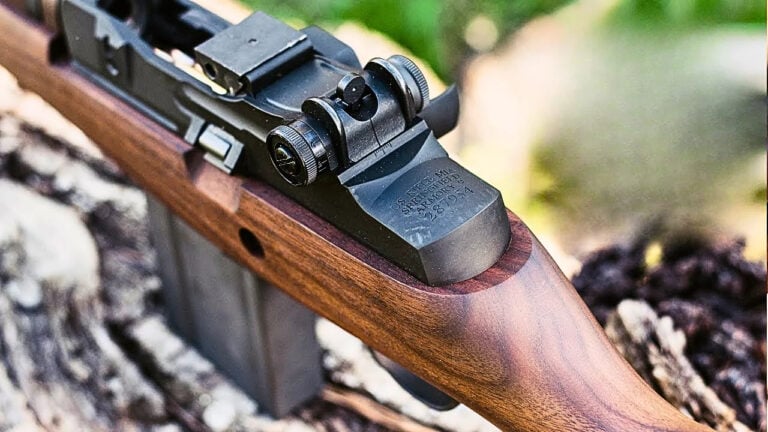
Photo credit: WHO_TEE_WHO/YouTube
Rifle cartridges do not become popular solely because they are the best tool for a particular job. Marketing matters. New rifles matter. Magazine articles matter. Sometimes shooters simply become obsessed with a velocity number, bullet diameter, or military connection and turn a specialized cartridge into something much bigger than it ever needed to be.
That does not mean the cartridges below are incapable. Several are outstanding when used for exactly the job they were designed to perform. The problem starts when a niche round becomes the answer to everything. More recoil does not automatically make a better deer cartridge, another 100 feet per second does not necessarily justify shorter barrel life, and a new case design is not automatically an improvement over an older cartridge doing essentially the same work. These 20 all became more popular than their compromises deserved.
.300 Winchester Magnum

The .300 Winchester Magnum is undeniably effective. It throws heavy .30-caliber bullets fast enough for elk, moose, western deer, and long-range hunting, and decades of ammunition development have given shooters an enormous selection of excellent loads. None of that is the problem.
The problem is how many hunters bought one when a .308 Winchester or .30-06 would have handled virtually every shot they were likely to take. The .300 Win. Mag. brings substantially more recoil, louder muzzle blast, more expensive ammunition, and generally longer rifles. For hunters regularly stretching distances in open country, those costs can make sense. For someone shooting a whitetail from a box blind at 120 yards, they mostly create punishment without practical benefit. It became the cartridge people bought when they wanted a “serious rifle,” even when their hunting never required one.
.338 Winchester Magnum

The .338 Winchester Magnum earned its reputation on elk, moose, bears, and other large game. A heavy .338 bullet delivers substantial frontal area and penetration, and the cartridge has been trusted in rough country for decades.
The issue is that it became a recommendation for hunters who rarely needed that level of horsepower. Recoil is significant, ammunition is expensive, and modern .30- and 7mm cartridges can cover an enormous amount of the same hunting territory with less punishment. Even recent comparisons have questioned how much sense the .338 Win. Mag. still makes when newer cartridges retain velocity better while producing less recoil. If you genuinely hunt big animals at difficult angles, the .338 is still useful. As an ordinary North American hunting rifle, it became far more cartridge than most owners needed.
7mm Remington Magnum

The 7mm Remington Magnum became one of the great western hunting cartridges by combining relatively sleek bullets with enough powder capacity to drive them fast. It is capable of taking nearly every hoofed game animal in North America and remains an excellent performer.
What I question is how often hunters needed the Magnum case to begin with. At ordinary deer distances, a 7mm-08 delivers excellent terminal performance with less recoil, less blast, and a shorter action. Even the old .280 Remington covers much of the same ground without requiring a belted magnum case. The 7mm Rem. Mag. really shines when distance starts stretching, but millions of hunters bought into magnum performance while shooting deer at ranges where the ballistic advantage was basically irrelevant. It is great at its specialty. Its popularity reached far beyond that specialty.
.243 Winchester

The .243 Winchester became one of America’s favorite youth and deer cartridges because recoil is mild and the cartridge shoots flat. Those are legitimate advantages, particularly for smaller-framed shooters.
The problem is that it got treated as though mild recoil erased every other consideration. Lightweight hunting bullets leave less margin for poor shot placement than larger cartridges, and the relatively small bore means bullet construction becomes important when game gets bigger. The cartridge is also fairly overbore for its bore diameter, especially when shooters chase maximum velocity with light bullets. I would rather see a new hunter use a mild-recoiling cartridge with a little more bullet weight and frontal area if deer are the primary target. The .243 absolutely works, but its reputation sometimes encouraged people to treat “minimum adequate” as though it meant “ideal.”
.270 Winchester
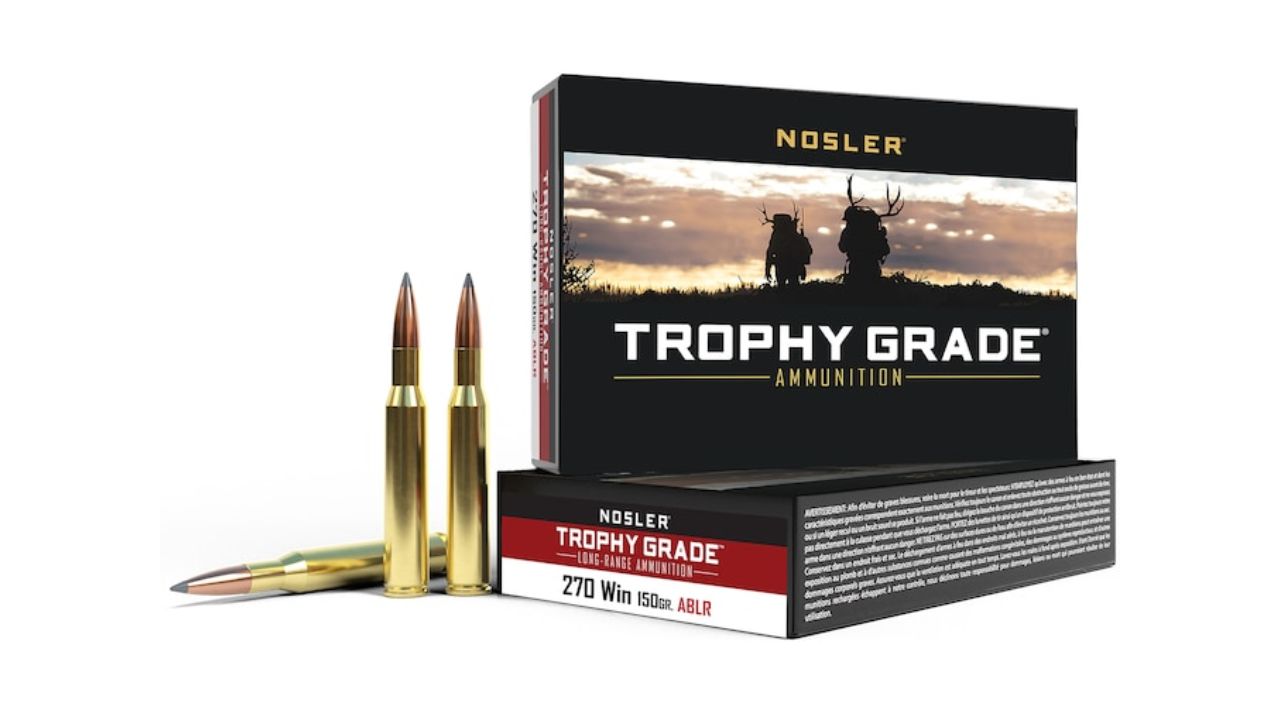
The .270 Winchester is one of the most successful hunting cartridges ever made, and criticizing it is practically hunting-camp heresy. It shoots flat, recoils less than many .30-caliber magnums, and has killed just about everything hunters reasonably ask a deer rifle to kill.
The problem is not performance. It is how thoroughly the .270 dominated despite being trapped between several cartridges with broader bullet selections. The .30-06 handles heavier game better, while later 7mm cartridges offer excellent ballistic coefficients with a wider range of modern projectile options. The .270 succeeded partly because legendary outdoor writers promoted it so effectively that generations of hunters treated it as almost magical. It is a good cartridge, but not dramatically better than the alternatives surrounding it. Its massive cultural footprint always exceeded the actual ballistic gap.
.25-06 Remington
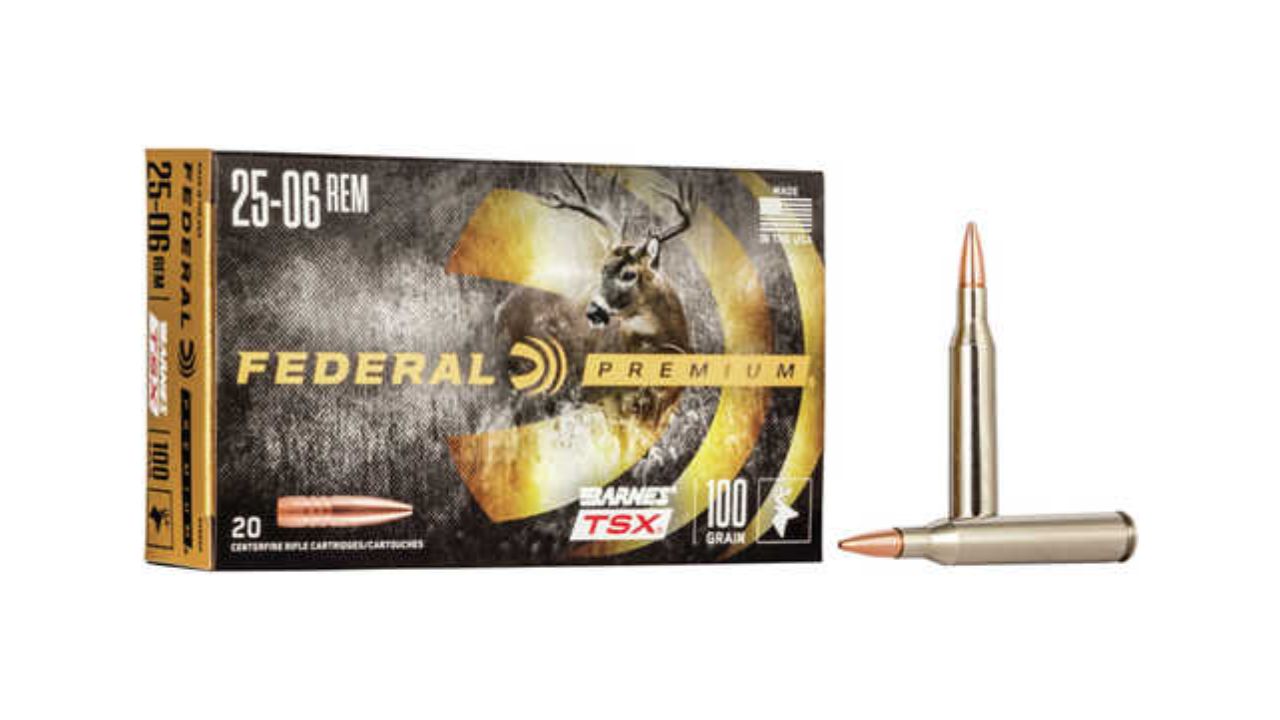
The .25-06 is wonderfully flat shooting, surprisingly mild in recoil, and extremely effective on deer-sized animals. For open-country antelope and deer hunting, there is a lot to like.
The issue is efficiency. You are pouring a considerable amount of powder through a .257-inch bore to achieve performance that occupies an increasingly narrow space between smaller varmint cartridges and modern 6.5mm hunting rounds. Barrel length matters if you want the velocity that makes the cartridge worthwhile, and the market offers fewer high-BC hunting bullets than shooters find in 6.5mm and 7mm. The .25-06 works beautifully when its strengths match your hunting. But it became popular enough that plenty of people bought one simply because they wanted something flatter than a .30-06, even though a host of cartridges could accomplish the same job with fewer compromises.
.257 Weatherby Magnum
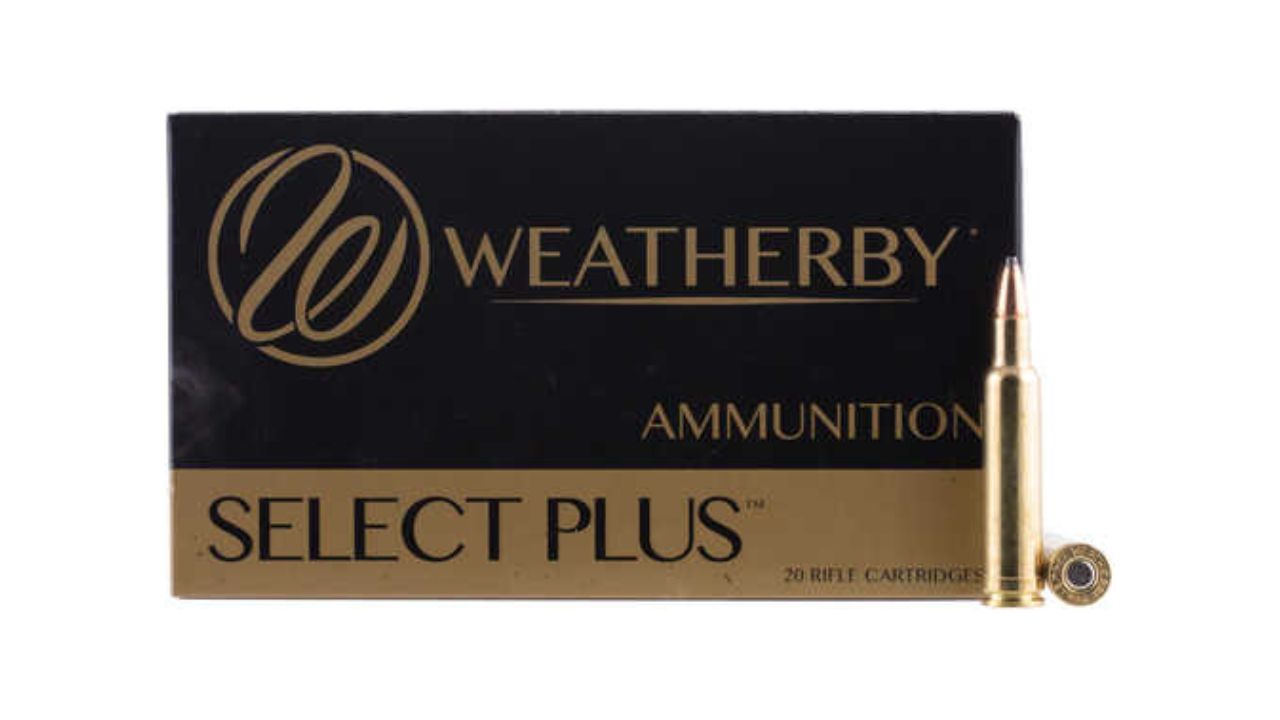
The .257 Weatherby Magnum is spectacular on a chronograph. It can push light .25-caliber bullets incredibly fast and produces the sort of flat trajectory that made Roy Weatherby’s cartridges famous.
That velocity comes at a cost. You need substantial powder capacity, usually a longer barrel, expensive ammunition, and willingness to accept accelerated throat wear if the rifle is shot heavily. For deer and antelope, the terminal results can be excellent, but those animals were already being killed very effectively by slower cartridges. This is one of those rounds that sells speed because speed is exciting. For a hunter making a handful of long open-country shots each year, it can be fantastic. As a broadly popular hunting concept, though, it asks the shooter to spend a lot of powder and money solving a problem that often was not very large.
.264 Winchester Magnum
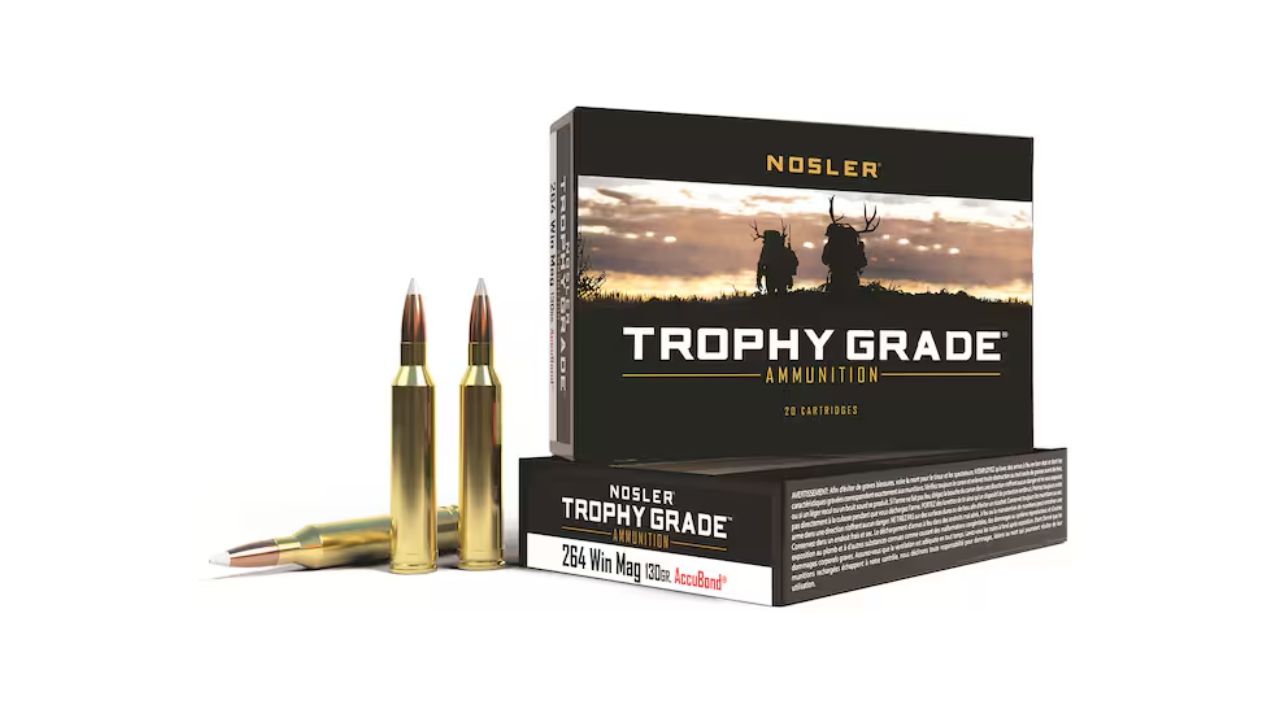
The .264 Winchester Magnum looked like the future when Winchester introduced it. A sleek 6.5mm bullet pushed at magnum velocity offered extremely flat trajectories long before today’s 6.5mm craze. Initial interest was strong enough that the cartridge took off quickly.
Then shooters started discovering the drawbacks. Early factory performance did not always match the advertising, while throat erosion became part of the cartridge’s reputation with the barrel steels of the era. The later 7mm Remington Magnum stole much of its market by offering larger bullets and excellent downrange performance. The .264 was ahead of its time ballistically, but it also demonstrated that extreme velocity is not free. It became popular before shooters fully understood how much powder they were burning through a relatively small bore.
.300 Remington Ultra Magnum

The .300 RUM was created during an era when faster seemed automatically better. It took .30-caliber magnum performance beyond the .300 Winchester Magnum and gave long-range hunters an enormous amount of velocity to work with.
The downside is exactly what you would expect from that formula. Recoil is heavy, muzzle blast is fierce, ammunition is expensive, and the cartridge burns a large amount of powder every time the trigger is pulled. It also makes the most sense from longer barrels, meaning the rifle can become cumbersome before you even mount an optic. For genuinely long-range hunting with heavy bullets, the RUM has capability to spare. The problem was shooters buying that capability for situations where a .30-06 would have produced the same dead deer. It is a specialized cartridge that briefly enjoyed much more general-purpose enthusiasm than it deserved.
.270 Winchester Short Magnum
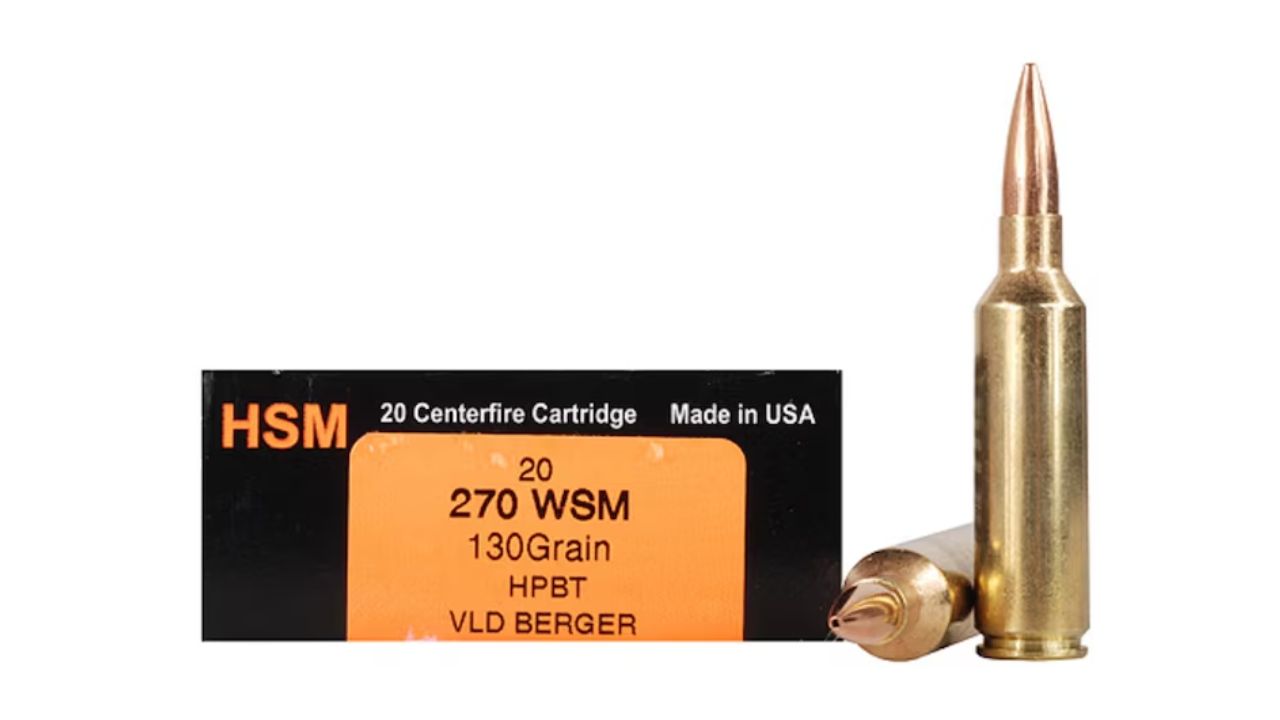
The .270 WSM arrived during the short-magnum craze and promised near-magnum performance from a shorter, fatter case that fit a short action. That sounded like an obvious improvement over the traditional .270 Winchester.
The real-world advantage was much less dramatic. Rifles were not suddenly featherweights simply because their actions were a little shorter, and the WSM required more expensive ammunition while offering less availability than the old .270. Feeding could also be more sensitive in some rifle designs because of the short, fat case geometry. You gained velocity, but not enough to transform what the cartridge could accomplish on game. The .270 Winchester already worked extremely well. The WSM became popular largely because shooters were excited about a new case architecture rather than because the hunting world desperately needed another fast .277 cartridge.
.300 Winchester Short Magnum

The .300 WSM made a stronger case than some of its short-magnum siblings. It can approach .300 Winchester Magnum performance from a shorter action and avoids the traditional belted case. That combination made it one of the few WSM cartridges with genuine staying power.
Even so, its popularity sometimes outran its practical advantage. The short action saves less total rifle length and weight than marketing suggested, while the fat case can reduce magazine capacity and complicate feeding depending on the rifle. Heavy, long bullets can also consume valuable case space when seated to fit short-action magazines. The cartridge works, but the supposedly revolutionary improvement over the .300 Win. Mag. turned out to be incremental. Shooters bought heavily into the idea that shorter automatically meant better when the rifle around the cartridge still mattered far more than the case length.
.223 Winchester Super Short Magnum
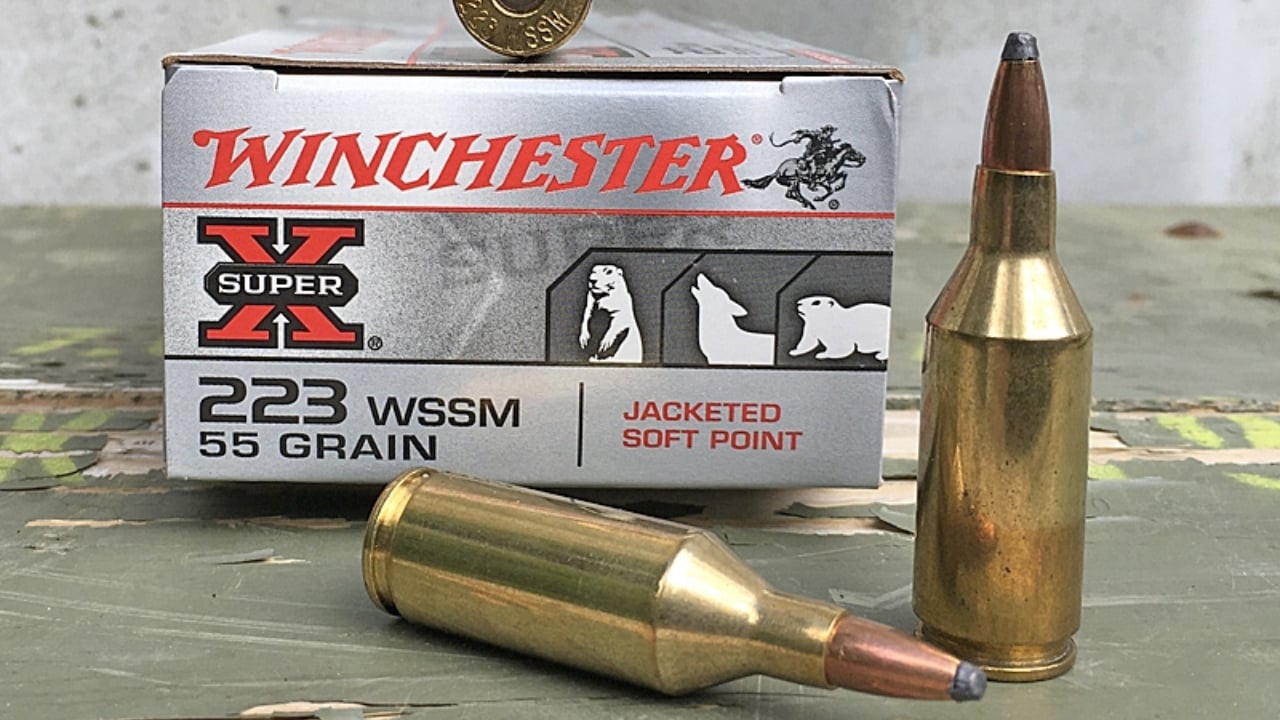
The .223 WSSM took the short-magnum idea to an extreme. Winchester and Browning essentially created a tiny, extremely fat case with enormous powder capacity behind a .224-inch bullet, producing blistering velocity from a compact action.
It was a fascinating engineering exercise and a terrible answer to a question most shooters never asked. The cartridge burned a lot of powder through a small bore, developed a reputation for being hard on barrels, and required unusual actions and magazines because of its extreme case dimensions. Meanwhile, the .22-250 already gave varmint hunters excellent velocity with much broader rifle and ammunition support. The WSSM produced impressive numbers, but numbers alone could not justify an ecosystem built around such an odd case. Its burst of attention was a perfect example of novelty getting mistaken for progress.
.22-250 Remington

The .22-250 is one of the best varmint cartridges ever produced, so the argument here needs some qualification. If you sit over prairie dog towns or shoot coyotes across open country, its combination of speed and accuracy is legitimately useful.
The problem is how often shooters buy one when a .223 Remington would handle their actual shooting at lower cost, with longer practical barrel life and far greater ammunition availability. The .22-250 burns significantly more powder to gain velocity that matters most as distance increases. For somebody shooting a few coyotes each winter, that extra horsepower may be worthwhile. For high-volume range shooting or general farm use, .223 is usually easier to live with. The .22-250 deserved success as a specialized varmint round. It probably did not need to become the automatic answer anytime someone wanted a “fast .22.”
.220 Swift

The .220 Swift’s entire identity was built around speed. Winchester pushed a .224-inch bullet past 4,000 feet per second in the 1930s, an astonishing achievement that made the cartridge famous almost immediately. Outdoor Life notes that its early reputation was also damaged by severe throat erosion and frequent trimming as high-volume shooters stretched brass.
Modern barrels handle the Swift better than early ones did, so some of that reputation is historical baggage. Still, the cartridge demonstrates the diminishing returns of chasing maximum velocity. The .22-250 eventually offered nearly the same practical varmint performance while burning less powder and becoming vastly more common. The Swift deserves respect as a technological landmark. As a practical rifle cartridge, its fame came disproportionately from one impressive chronograph number rather than from being the easiest high-velocity .22 to own.
.204 Ruger

The .204 Ruger arrived with an intoxicating combination of extremely high velocity, low recoil, and explosive varmint performance. For prairie dogs and similar targets, it remains genuinely excellent.
The question is how many shooters need something positioned so narrowly between .17-caliber varmint rounds and the enormous .224-caliber ecosystem. Bullet selection is more limited than .223 Remington, ammunition is less common, and wind eventually reminds you that velocity cannot completely compensate for very light projectiles. The .204 shines in a specialized role, particularly where seeing your own impacts matters. The problem was treating it as though high muzzle velocity automatically made it a superior general-purpose varmint cartridge. For many owners, the familiar .223 provides a broader range of uses with cheaper and easier-to-find ammunition.
6.5 Creedmoor

The 6.5 Creedmoor deserves much of its success. It was intelligently designed around long, efficient bullets, reasonable recoil, and dimensions that work well in short-action rifles. It made good long-range ballistics easier for ordinary shooters to access.
What became ridiculous was the hype. For several years, shooters acted as though the Creedmoor had somehow rewritten external ballistics. It did not make the .260 Remington ineffective, did not turn every hunter into a 700-yard marksman, and did not make larger cartridges obsolete. It became an excellent competition and hunting cartridge surrounded by marketing claims far larger than the actual advantage. The Creedmoor should have become successful. It probably should never have become a cultural phenomenon where people recommended it for virtually every medium-game and precision-rifle question regardless of what the shooter actually needed.
.300 AAC Blackout

The .300 Blackout is brilliant when used for what it was designed to do. It operates from an AR-15 using standard-size magazines, works well from short barrels, and can transition between supersonic and subsonic ammunition. For suppressed compact rifles, very few cartridges accomplish the same package so neatly.
The mistake was turning it into a universal hunting and general-purpose rifle cartridge. Supersonic loads give up substantial velocity compared with conventional rifle cartridges, while subsonic ammunition has a very curved trajectory and limited energy. Once you move away from short suppressed rifles, much of the reason for choosing .300 Blackout disappears. The cartridge deserved a strong niche following. It became popular enough that shooters started forcing it into deer-rifle, truck-gun, and general sporting roles where other rounds make considerably more sense.
.450 Bushmaster

The .450 Bushmaster exploded in popularity partly because straight-wall hunting regulations created a market for cartridges that could deliver serious deer performance from AR-platform rifles and compliant bolt actions. Within those restrictions, the cartridge can be extremely useful.
Outside that context, it becomes much harder to justify. Recoil is heavy, ammunition is expensive, trajectory drops quickly, and the cartridge gives up much of the versatility offered by conventional bottleneck rifle rounds. Plenty of hunters who bought one simply because they wanted a hard-hitting deer rifle would have been better served by a .308 or .30-06 if local regulations allowed it. The .450 Bushmaster is an excellent regulatory workaround. Its popularity sometimes convinced shooters that it was inherently a superior woods cartridge rather than a specialized solution created around legal limitations.
.458 SOCOM
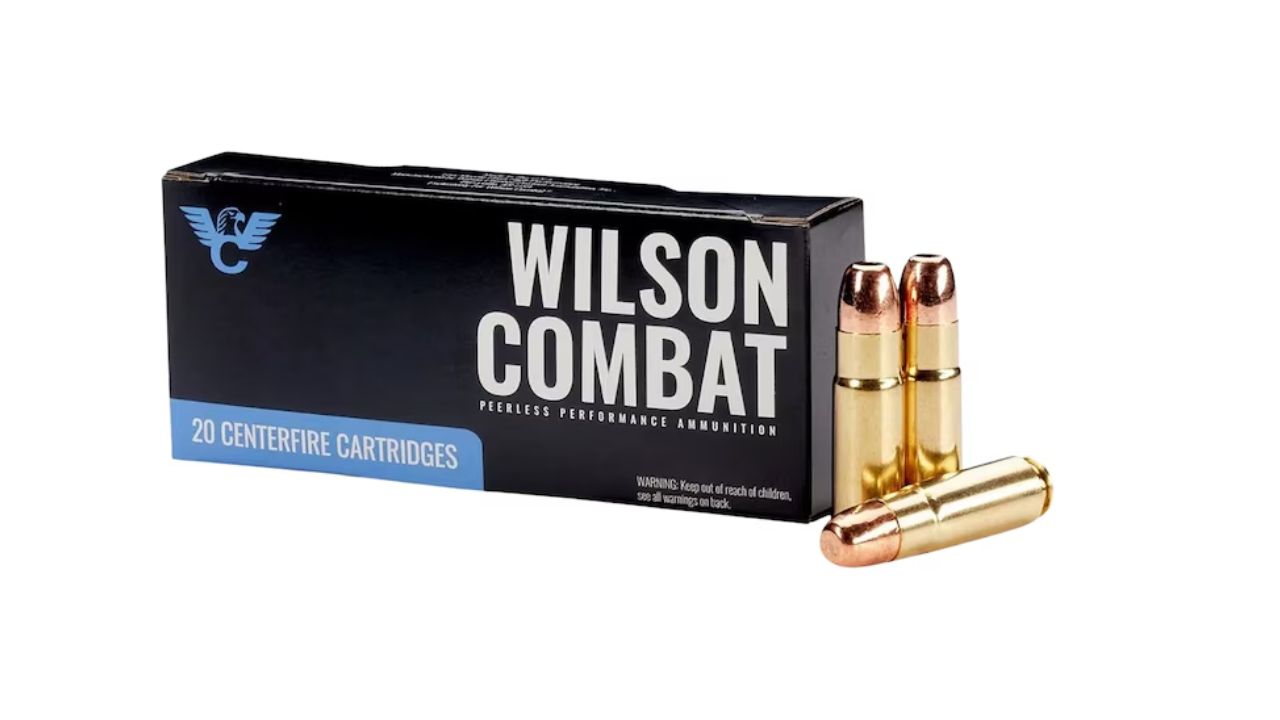
The .458 SOCOM has tremendous appeal because it puts an enormous bullet into the AR-15 platform. The ability to launch heavy .458-inch projectiles from a familiar rifle gives it real value for certain close-range applications.
The problem is that enthusiasm can quickly outrun practicality. Ammunition is expensive, recoil is substantial, magazine capacity drops sharply, and trajectory becomes challenging once distances stretch. The cartridge is extremely effective when you actually need a large projectile at moderate velocity. Most shooters do not. For recreational shooting, the cost per trigger pull gets old quickly, and for ordinary hunting there are more efficient rifle platforms and cartridges. The SOCOM deserved to exist as a specialized big-bore AR round. It never needed to become something people recommended casually for general hunting.
.338 Lapua Magnum

The .338 Lapua Magnum was designed around serious long-range work and became famous through military use and the growth of civilian extreme-distance shooting. It delivers excellent long-range energy and handles heavy, high-BC bullets exceptionally well.
That fame caused plenty of shooters to buy far more rifle than they could realistically use. The guns are heavy, ammunition is brutally expensive, recoil is substantial, and ranges long enough to exploit the cartridge are unavailable to many owners. A shooter practicing at 300 or 500 yards gains virtually nothing from dragging a .338 Lapua to the range instead of a much milder cartridge. At true extended distances it is magnificent. The problem was that its reputation made ordinary shooters want it long before they had the range, skill, or application needed to justify it.
.30-378 Weatherby Magnum

The .30-378 Weatherby represents the logical endpoint of the idea that more velocity must always make a better hunting cartridge. It drives .30-caliber bullets at extraordinary speeds and can produce an exceptionally flat trajectory with tremendous retained energy.
It also burns an enormous amount of powder, generates serious recoil and muzzle blast, favors long barrels, costs a fortune to feed, and asks a great deal from the barrel throat. At genuinely extended hunting distances, those sacrifices can produce useful ballistic advantages. At the distances where the overwhelming majority of hunters kill animals, they accomplish remarkably little that a far milder cartridge could not already do. The .30-378 is an incredible technical achievement. Its existence makes sense. The idea that ordinary hunters should aspire to this level of velocity never did.
Like The Avid Outdoorsman’s content? Subscribe to our newsletter so you never miss an article.
Here’s more from us: