Photo credit: Gun Sam Revolver Ballistics/YouTube
The revolver world tends to revolve around a handful of familiar cartridges. .38 Special handles affordable practice and concealed carry, .357 Magnum adds serious power, and .44 Magnum gets most of the attention when hunters want something bigger. Those cartridges earned their popularity, but concentrating on them means overlooking some genuinely useful alternatives.
Several lesser-known revolver rounds fill gaps that the famous cartridges do not cover nearly as well. Some give you more capacity without dropping to rimfire power. Others offer big-bore performance without the punishment of the largest magnums. A few older cartridges remain excellent for small game, target shooting, or handloading despite disappearing from most gun-store shelves. These 20 revolver calibers deserve considerably more attention than the market usually gives them.
.327 Federal Magnum

The .327 Federal Magnum may be the most underappreciated revolver cartridge currently available. It delivers substantially more velocity and energy than traditional .32-caliber revolver rounds while using a narrower case than .357 Magnum. That allows manufacturers to squeeze six rounds into some cylinders that would normally hold only five .357s, making it particularly attractive for compact defensive revolvers.
It also gives you outstanding ammunition flexibility. Many .327 revolvers can fire .32 H&R Magnum and .32 S&W Long, allowing the same gun to move from mild practice loads to serious defensive ammunition. Full-power .327 can produce substantial blast from tiny revolvers, but move it into a longer barrel and the cartridge becomes extremely impressive. For someone who wants moderate recoil, useful capacity, and far more performance than .38 Special, the .327 deserves a much larger following.
.32 H&R Magnum

The .32 H&R Magnum never became the mainstream defensive cartridge its creators probably hoped for, but that does not make it irrelevant. In many ways, it occupies an excellent middle ground between the mild .32 S&W Long and the much louder .327 Federal Magnum.
A good .32 H&R revolver is pleasant to shoot, easy to control, and capable of considerably more performance than people expect from a cartridge with such modest recoil. It also works beautifully in lightweight trail guns and small-game revolvers where full-power magnums are unnecessary. Handloaders can get even more flexibility from it without turning the gun into a wrist beater. The .327 Federal may have overshadowed it, but anyone who values shootability over maximum velocity should take another look at the older .32 Magnum.
.41 Remington Magnum

The .41 Magnum has spent most of its life living between two giants. Shooters who want moderate recoil usually buy a .357 Magnum, while hunters wanting a serious big-bore revolver usually jump straight to .44 Magnum. That leaves the .41 stranded despite being an excellent cartridge in its own right.
For hunting, it has plenty of power for deer and hogs while often producing less recoil than comparable .44 Magnum loads. The slightly smaller bullet also lets manufacturers build strong revolvers without making them quite as massive. The biggest problem has always been ammunition and gun availability rather than ballistic capability. If the .41 Magnum had received the same development and marketing effort as the .44, I suspect far more handgun hunters would appreciate how well balanced it really is.
.44 Special
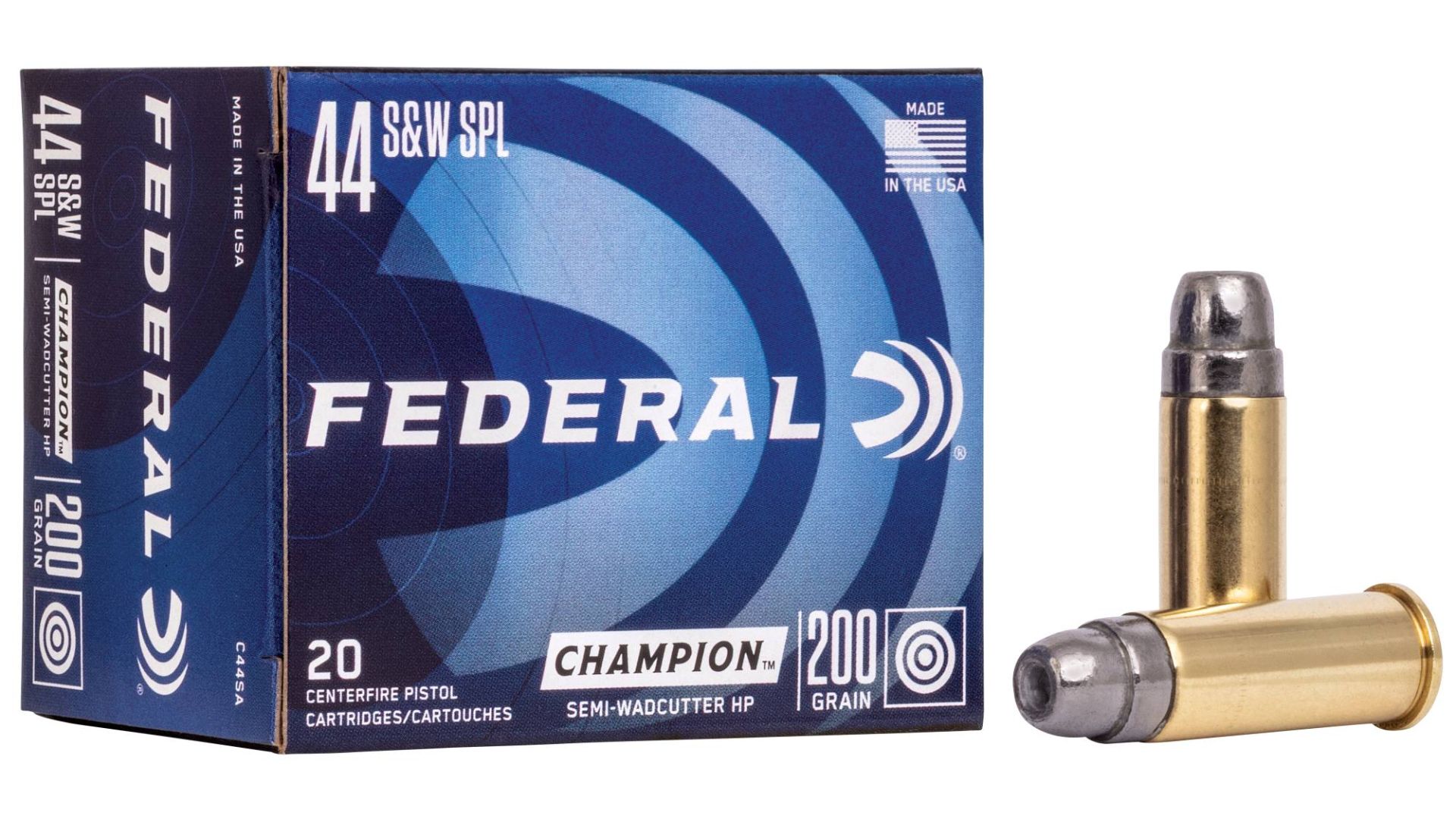
The .44 Special gets treated like weak ammunition for a .44 Magnum revolver, which undersells what the cartridge can do. It predates the Magnum and remains an exceptionally pleasant big-bore revolver round when loaded appropriately.
Its greatest strength is controllability. You get a large-diameter bullet moving at moderate velocity without the blast and recoil that make full-power .44 Magnum tiring during long practice sessions. In a medium-size revolver built specifically around .44 Special, the result can be lighter and more pleasant to carry than a full-size Magnum. The cartridge also has enormous appeal to handloaders, who can tailor loads for target shooting, field carry, or general-purpose use. Not every big-bore revolver needs to shake the roof over the firing line. Sometimes a big bullet at sensible speed makes far more sense.
.45 Colt

The .45 Colt has been around since the nineteenth century, yet its true versatility still gets overlooked. Many shooters associate it exclusively with cowboy guns and mild lead ammunition, but the cartridge can cover a much wider performance range depending on the revolver.
In traditional firearms, pressure has to remain conservative. Put the cartridge into a suitably strong modern revolver, however, and carefully selected factory loads can deliver serious hunting performance. At the opposite end, mild .45 Colt ammunition produces a gentle recoil impulse despite firing a large bullet. That gives one cartridge an unusually broad personality. The downside is that ammunition specifications require more attention than with many newer rounds. Still, for someone who understands the gun he owns, .45 Colt remains one of the most flexible big-bore revolver cartridges ever developed.
.480 Ruger

The .480 Ruger was overshadowed almost immediately by the fascination with ever-larger handgun cartridges. Because it does not produce the headline numbers of .500 S&W Magnum, some shooters assume it is merely a compromised big bore.
That misses what makes it so useful. The .480 throws a very large bullet with serious authority while operating at a level that can be easier to manage than the giant magnums above it. Recoil is still substantial, but the cartridge does not need to chase maximum velocity to work well on large game. It is an especially sensible choice for someone who wants a powerful hunting or wilderness revolver without turning every practice session into an endurance test. The .480 Ruger occupies a genuinely useful place that more shooters should recognize.
.45 Auto Rim
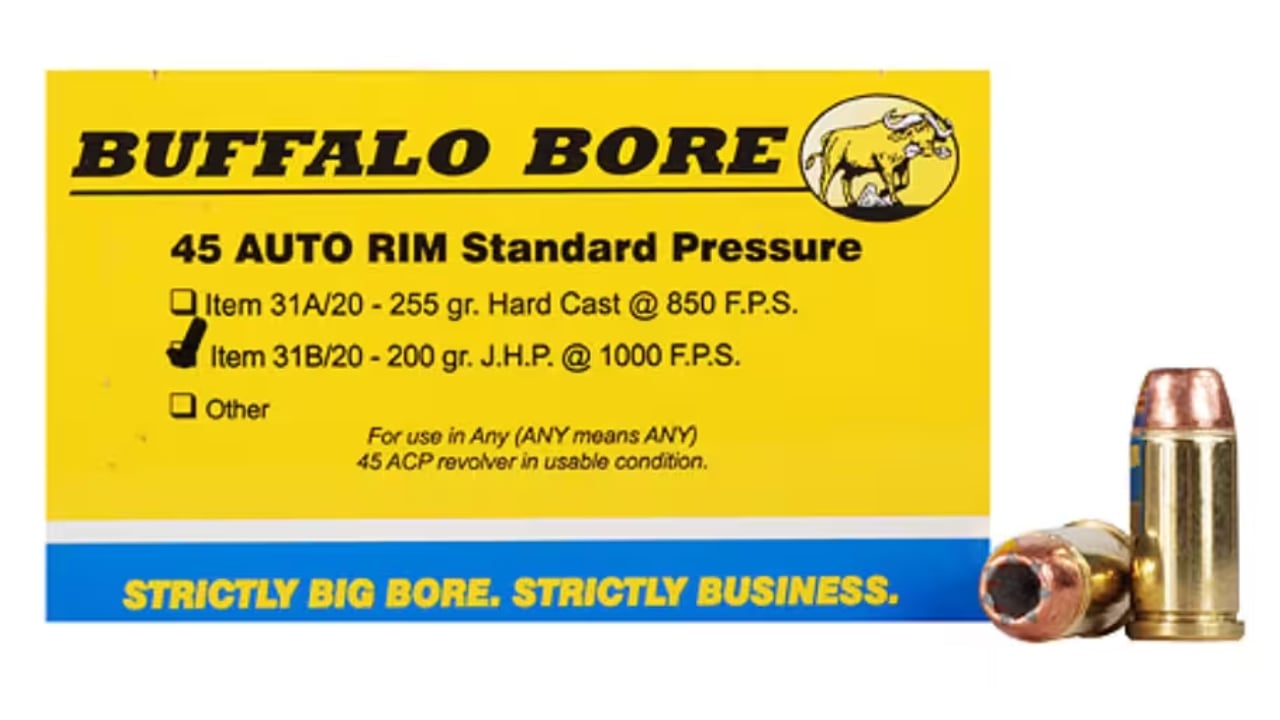
The .45 Auto Rim exists because shooters wanted to use .45 ACP revolvers without relying on moon clips. The case has a thick rim that lets the revolver’s extractor grab it normally, essentially turning the familiar .45 ACP concept into a purpose-built revolver cartridge.
That makes it much more useful than its obscurity suggests. In the right revolver, you get a large, relatively slow bullet, modest operating pressure, and manageable recoil without handling loose moon clips at the range. Ammunition selection is nowhere near as broad as .45 ACP, which is the biggest reason the cartridge remains niche. Still, for owners of compatible revolvers, .45 Auto Rim can make casual shooting considerably more convenient. It is one of those cartridges whose purpose becomes immediately obvious once you actually use it.
10mm Auto

Most shooters associate 10mm with semiautomatic pistols, but it works surprisingly well in revolvers. Moon clips can make loading and unloading extremely fast, while a strong revolver removes concerns about magazine geometry or cycling with different ammunition power levels.
The cartridge also gives you a useful performance range. Full-power 10mm has enough energy for hunting and woods carry, while lighter loads make practice much more manageable. In a longer revolver barrel, the cartridge can take excellent advantage of its velocity potential. Capacity is obviously lower than in a semiautomatic 10mm, but that is not always the point. For shooters who like revolvers and already stock 10mm ammunition for another handgun, a 10mm wheelgun makes more practical sense than its rarity suggests.
9mm Luger

A 9mm revolver seems unnecessary until you actually consider the advantages. Ammunition is inexpensive, widely available, and produced in an enormous range of defensive and practice loads. Moon clips also allow remarkably fast loading and extraction in revolvers designed around them.
The cartridge can perform especially well from short barrels, making it useful in compact defensive revolvers. Recoil can be sharper than expected because 9mm operates at higher pressure than .38 Special, but the ability to share ammunition between a carry pistol and a revolver is genuinely convenient. A 9mm revolver will never replace the enormous variety of .38/.357 guns, yet it fills a worthwhile niche for someone who wants revolver reliability without stocking another cartridge. It deserves more respect than simply being dismissed as a semiautomatic round in the wrong gun.
.30 Carbine

The .30 Carbine is an unusual revolver cartridge because it began life as a rifle round. Ruger has chambered single-action revolvers for it, creating handguns that produce impressive velocity along with considerable muzzle blast.
The cartridge shoots relatively flat by revolver standards and can be surprisingly accurate from a good single action. Recoil is not especially severe, although the blast makes it feel more dramatic than the numbers suggest. The bigger issue is practicality because the long bottleneck-style cartridge requires a relatively large cylinder and does not offer the broad hunting-bullet selection of traditional revolver rounds. Even so, it is a fascinating bridge between rifle and handgun performance. Shooters interested in unusual long-range revolver shooting should pay far more attention to it.
.32 S&W Long
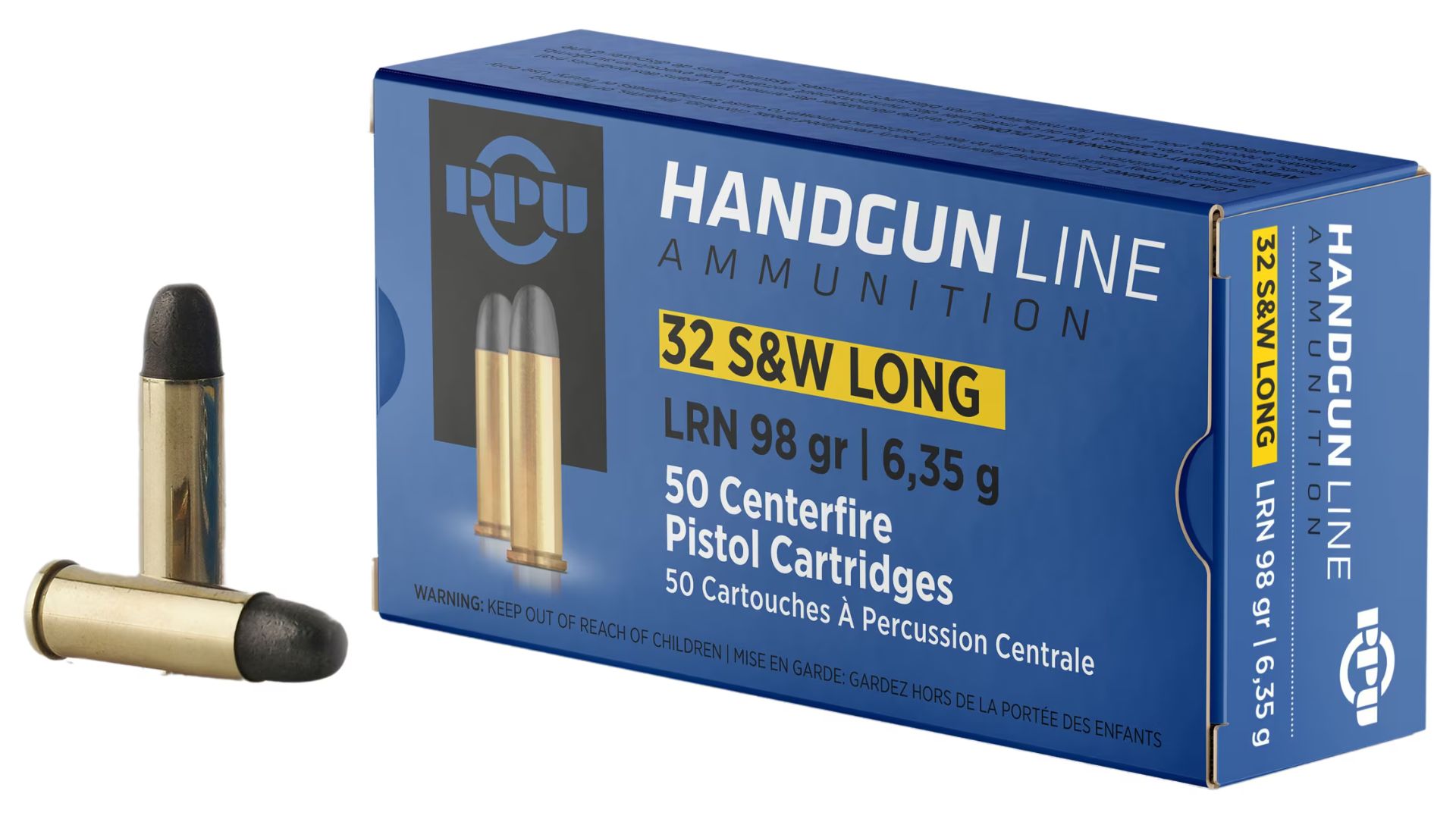
The .32 S&W Long looks unimpressive if all you care about is velocity. That is exactly why people overlook what the cartridge does exceptionally well. It is mild, accurate, inexpensive to shoot when ammunition is available, and easy to control even in relatively small revolvers.
Target shooters have appreciated the cartridge for generations because low recoil makes it easier to concentrate on sights and trigger control. It is also a very pleasant small-game and recreational round from a longer-barreled revolver. Nobody should pretend it offers Magnum performance because that completely misses the point. The .32 Long is valuable precisely because it does not punish the shooter. For introducing someone to centerfire revolvers or simply enjoying an afternoon of deliberate shooting, it remains one of the sweetest cartridges available.
.22 WMR
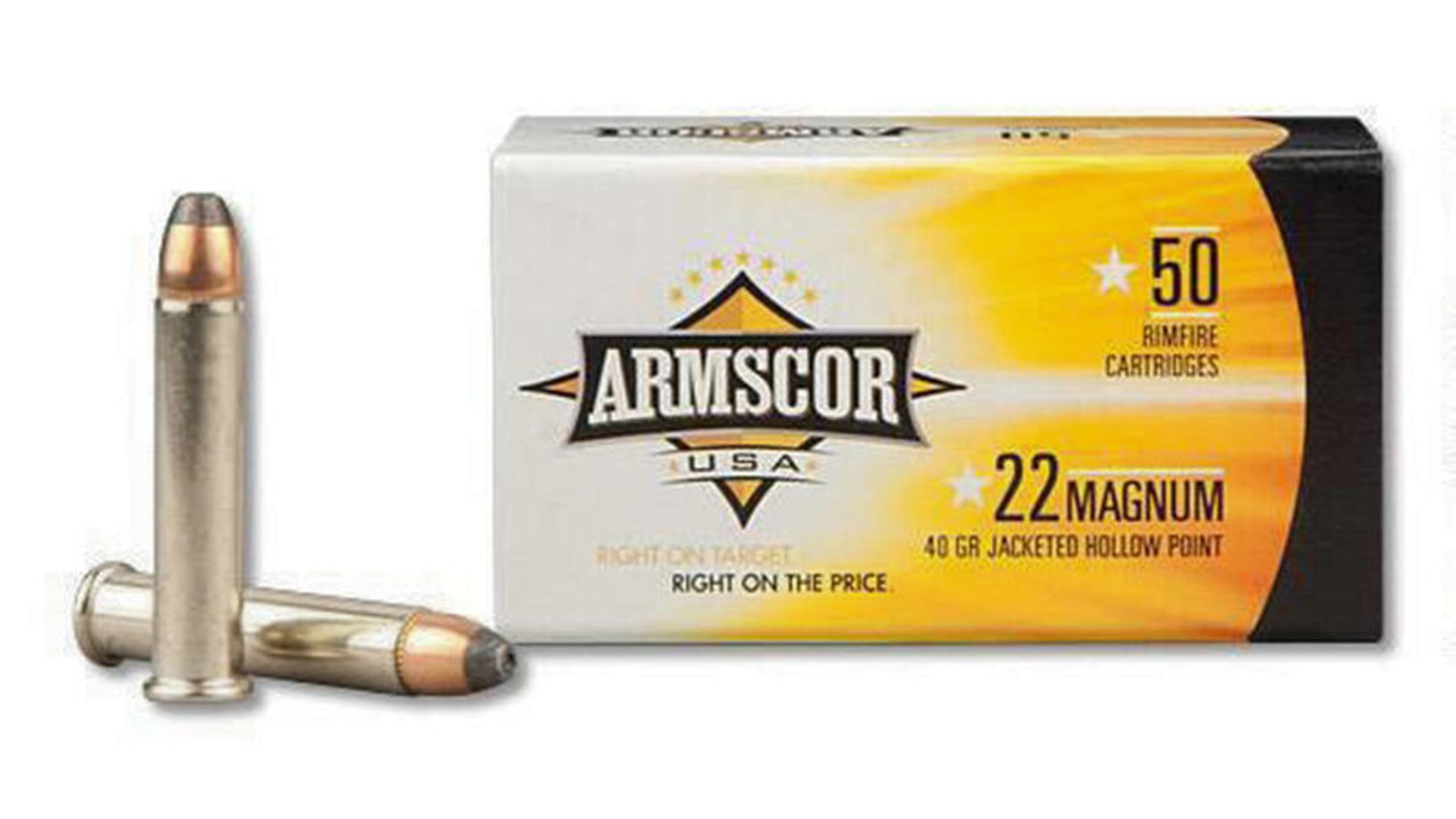
The .22 Winchester Magnum Rimfire often gets squeezed between cheap .22 LR and centerfire defensive cartridges. In a revolver, however, it can be an exceptionally useful field cartridge.
You get noticeably more velocity and energy than .22 LR while retaining low recoil and relatively light ammunition. That makes it excellent for pests, small game, farm use, and trail carry where a centerfire Magnum would be unnecessary. Convertible single-action revolvers also let shooters switch between .22 LR and .22 Magnum cylinders, giving one handgun tremendous flexibility. The muzzle blast can be surprisingly sharp from short barrels, and ammunition costs considerably more than ordinary rimfire. From a sensible barrel length, though, .22 WMR provides enough additional performance to be much more than simply an expensive .22.
.17 HMR
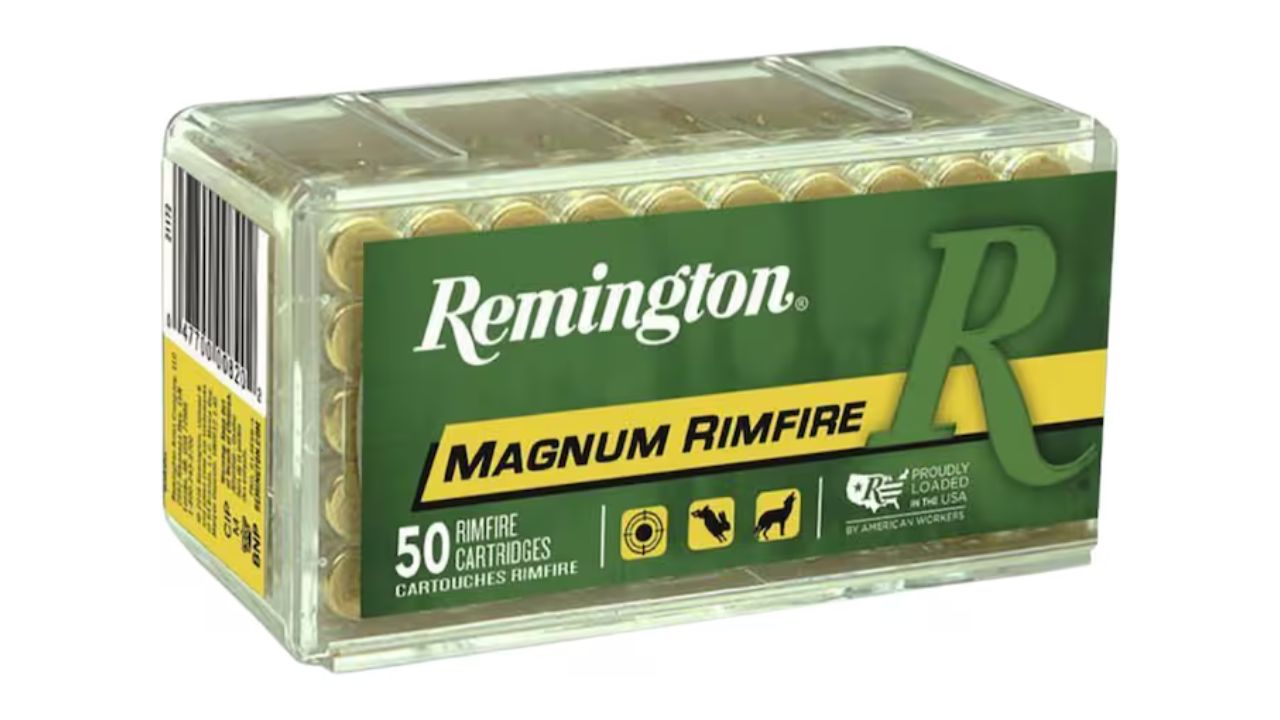
The .17 HMR is another cartridge most shooters picture in a rifle, but a long-barreled revolver chambered for it can be an incredibly entertaining and effective small-game handgun. The tiny, light bullet produces high velocity and very little recoil.
Its flat trajectory is the big attraction. Compared with traditional rimfire revolver cartridges, .17 HMR makes holding on small targets at longer handgun distances considerably easier. It is not a defensive cartridge and certainly is not intended for larger game, but that specialization should not count against it. A good field revolver does not have to perform every handgun job. For pests, targets, and small-game shooting where precision matters, the .17 HMR is far more capable than its limited revolver popularity would suggest.
.357 Maximum

The .357 Maximum was an ambitious attempt to stretch .357-caliber revolver performance well beyond ordinary .357 Magnum levels. The longer case allowed substantially more powder capacity and made the cartridge particularly interesting to handgun hunters.
It developed problems in certain revolvers, including concerns about top-strap cutting and forcing-cone erosion with particular high-velocity lightweight loads, and the mainstream market moved away from it. That history often overshadows how capable the cartridge can be when used intelligently. With heavier bullets and properly designed firearms, .357 Maximum offers excellent hunting performance and considerably more reach than standard .357 Magnum. It has become a specialist cartridge, but handgun hunters and silhouette shooters have good reason to keep it alive.
.475 Linebaugh

The .475 Linebaugh sits in the serious end of the revolver world without receiving the mainstream attention given to .500 S&W Magnum. It was designed around launching very large bullets at useful hunting velocities rather than simply chasing spectacular chronograph numbers.
That philosophy still makes sense. Heavy bullets with substantial frontal area can deliver tremendous performance on large game without needing extreme velocity. Of course, recoil is serious and revolvers chambered for the cartridge tend to be expensive specialty guns. Factory ammunition is also far less common than .44 Magnum. None of those limitations change the cartridge’s effectiveness. For experienced handgun hunters who want a true big bore, the .475 Linebaugh deserves to be discussed far more often than it is.
.500 Linebaugh
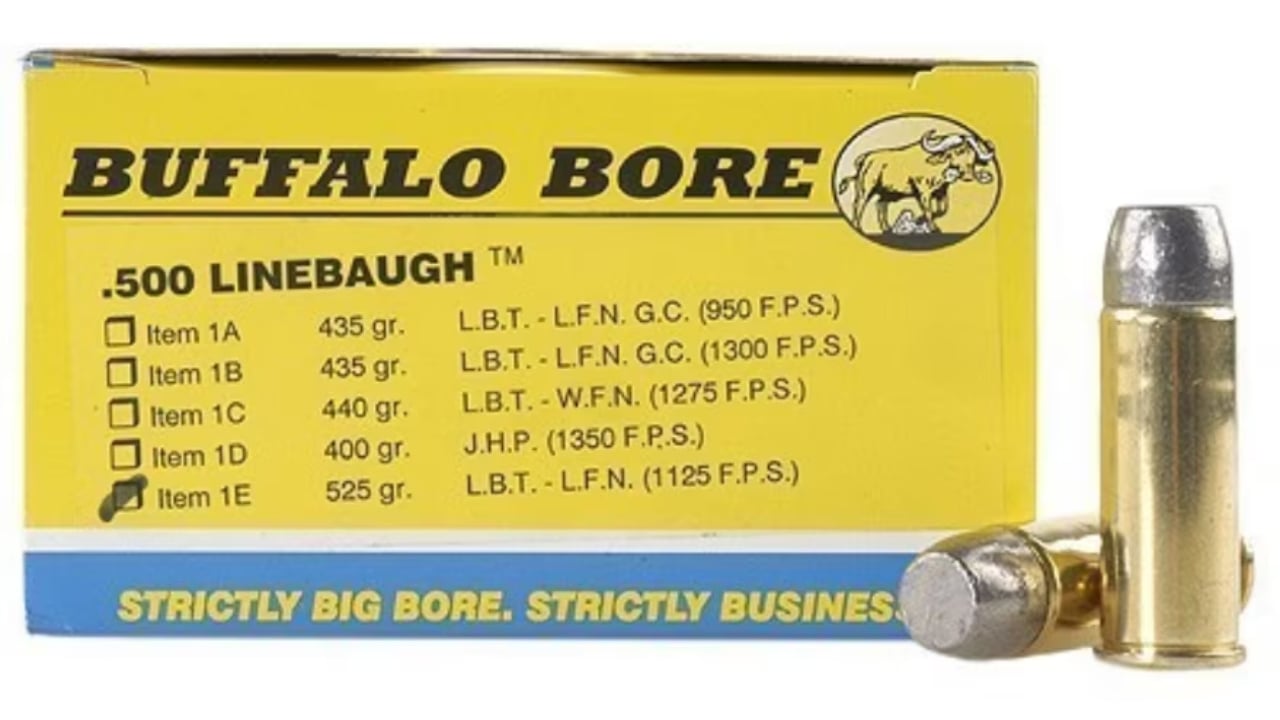
The .500 Linebaugh takes the same heavy-bullet philosophy even further. It predates the widespread popularity of the .500 S&W Magnum and was developed for shooters who wanted enormous revolver bullets at practical hunting velocities.
The cartridge is not something most casual shooters need. Guns are specialized, ammunition can be difficult to find, and recoil requires real experience to manage properly. But those drawbacks do not make the cartridge obsolete. In a well-built revolver, the .500 Linebaugh provides tremendous penetration and striking power without requiring the enormous frames associated with some later super-magnum revolvers. It represents an older school of big-bore handgun thinking where bullet weight and diameter mattered more than producing the largest possible velocity figure.
.32-20 Winchester

The .32-20 began as a rifle cartridge and later found a natural home in revolvers. Historically, it served ranchers, outdoorsmen, and small-game hunters who wanted one cartridge for both a rifle and handgun.
Today it has largely been displaced by newer rounds, but the basic formula remains useful. Recoil is mild, accuracy can be excellent, and the cartridge provides more authority than rimfire ammunition without becoming unnecessarily powerful for pests or small game. Older firearms require careful ammunition selection because not every .32-20 was built for the same pressure levels, which complicates ownership. In a suitable modern or carefully evaluated revolver, however, the cartridge is an enjoyable reminder that not every useful handgun round needs “Magnum” stamped on the case.
.44-40 Winchester
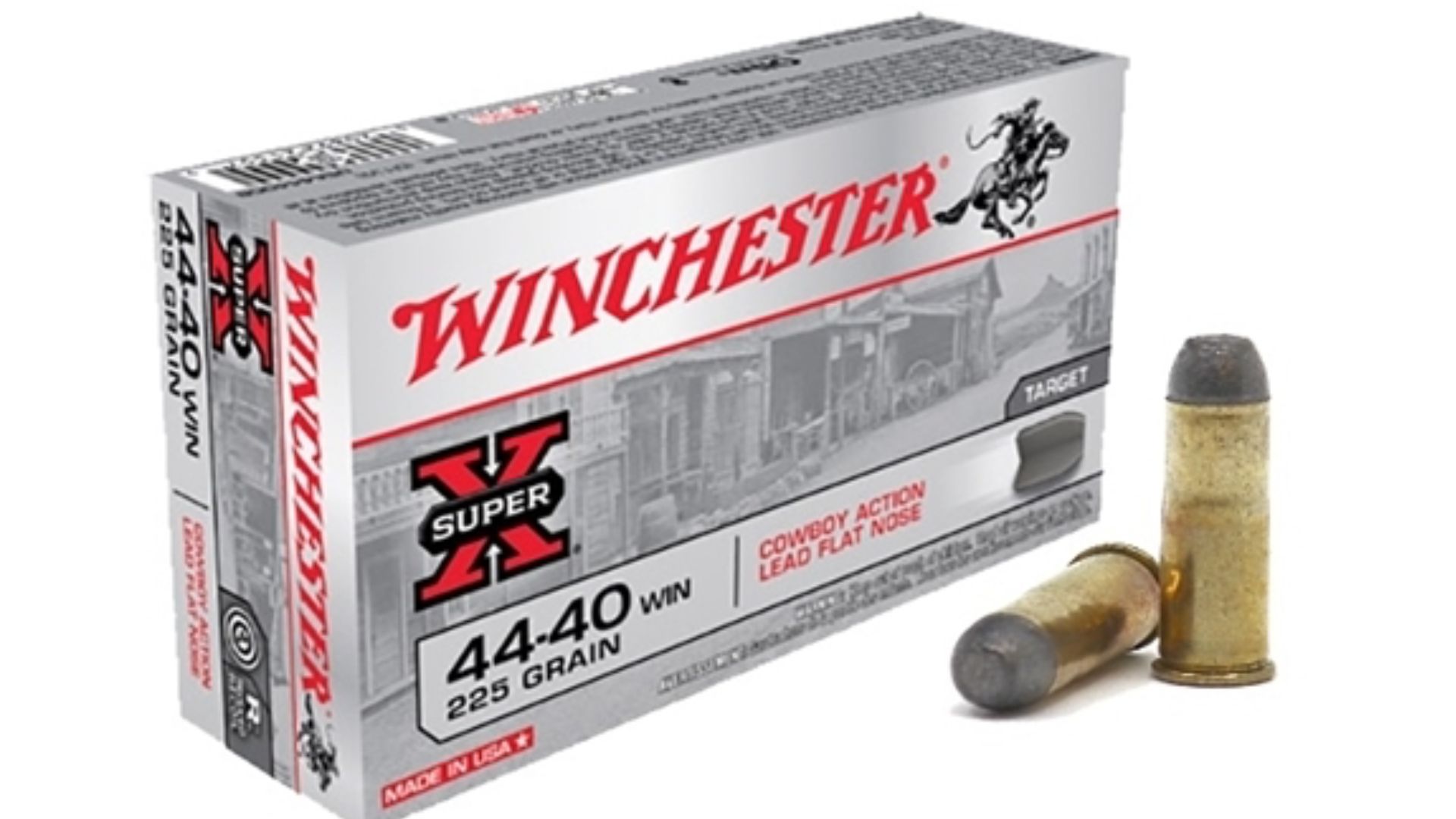
The .44-40 is another old rifle-and-revolver cartridge that survives largely because of western shooting enthusiasts. That makes it easy to write off as historical ammunition rather than something with practical virtues.
Its moderate pressure and relatively large bullet make it remarkably pleasant from a full-size revolver. Recoil is manageable, and the cartridge works especially well for shooters who enjoy traditional single actions. Historically, the ability to carry one ammunition type for both rifle and revolver was an obvious advantage, and that same convenience still appeals to owners of compatible lever guns today. The thin case can make handloading more demanding than modern straight-wall revolver cartridges, but once you learn its quirks, the .44-40 remains a very enjoyable round with far more character and usefulness than its age suggests.
.38-40 Winchester

Despite its name, the .38-40 actually fires a bullet around .40 caliber, and that alone confuses plenty of modern shooters. The cartridge originated in the black-powder era and became another popular rifle-and-revolver combination round.
What deserves more attention is its balance. The .38-40 throws a reasonably large bullet without producing the recoil of heavy modern Magnum cartridges. That makes it pleasant in traditional single-action revolvers while still giving it more authority than many smaller historical rounds. Modern ammunition availability is limited, and older firearms require appropriate loads, so it is certainly not the easiest caliber to own. For enthusiasts who enjoy classic revolvers and handloading, though, the .38-40 offers a very satisfying middle ground that has been almost completely forgotten outside cowboy-action circles.
.445 SuperMag
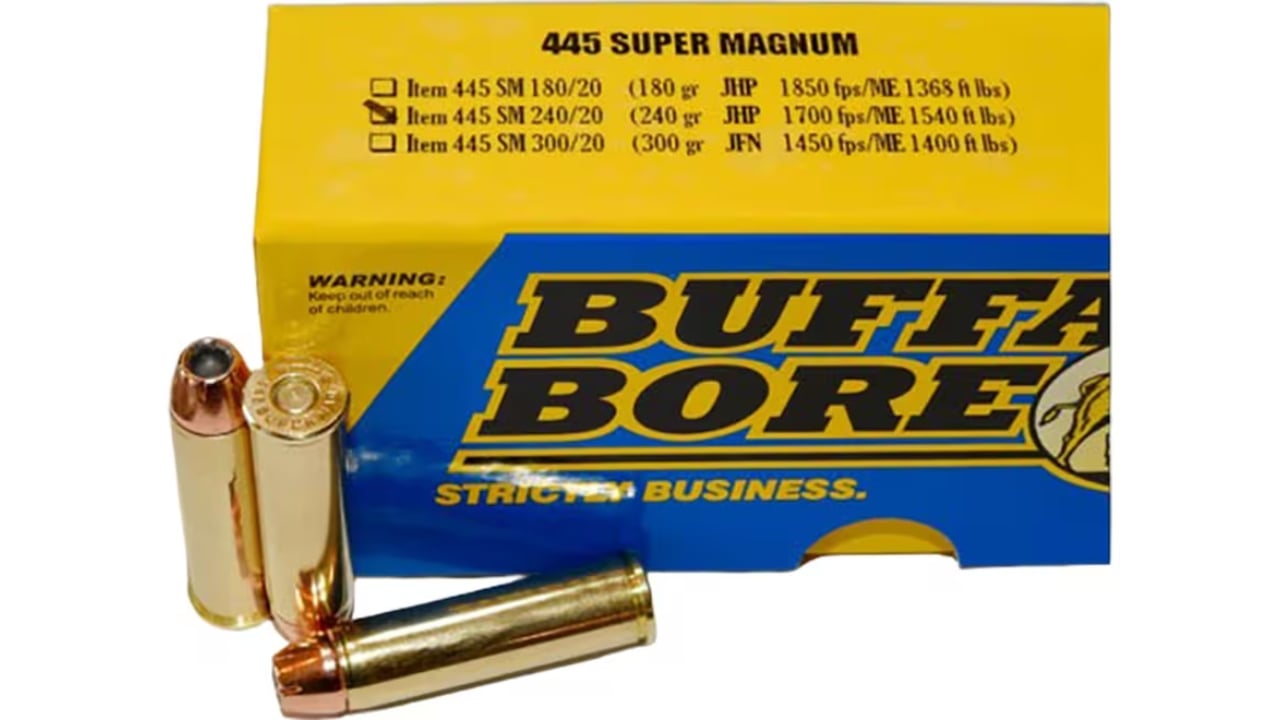
The .445 SuperMag is essentially what happens when the .44 Magnum concept gets stretched for shooters who want substantially more performance without jumping to a completely different bullet diameter. The longer case was developed with handgun hunting and silhouette shooting in mind.
It never achieved mainstream popularity, partly because the guns and ammunition remained specialized. That is unfortunate because the cartridge fills a legitimate gap between .44 Magnum and the much larger big-bore rounds. It can drive heavy .44-caliber bullets at impressive speeds while retaining the familiar bullet diameter and handloading possibilities of the broader .44 family. Recoil and muzzle blast are obviously substantial, but experienced revolver hunters already accept those compromises. For someone who thinks .44 Magnum is almost enough but does not want a .500-caliber revolver, the .445 SuperMag deserves another look.
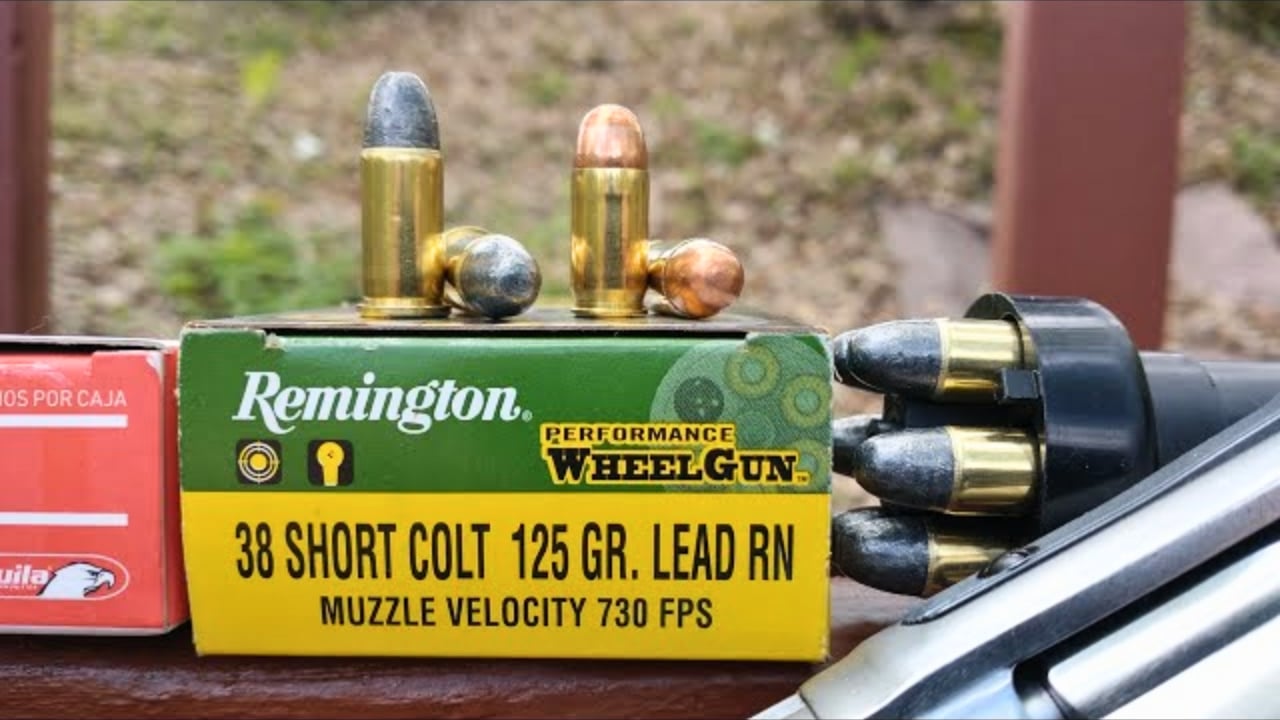
.38 Short Colt
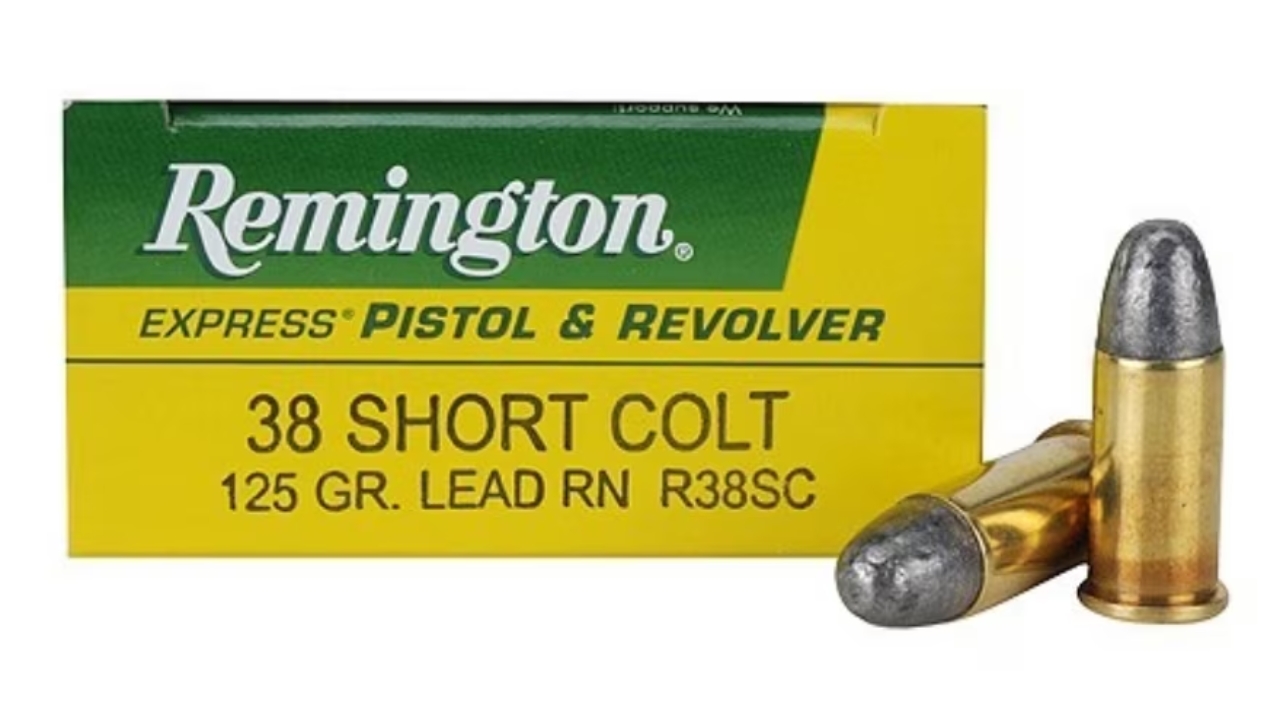
The .38 Short Colt seems hopelessly obsolete if you judge it by power alone. It produces modest velocity and was surpassed generations ago by .38 Special. Yet competitive revolver shooters have found a completely different reason to appreciate it.
Its short case can make moon-clip reloads extremely fast because the cartridges have less length to align with the chambers. In a revolver properly set up for the ammunition, that can provide a meaningful speed advantage in competition. Recoil is also extremely mild, making fast follow-up shots easier. None of this means the .38 Short Colt should replace .38 Special for ordinary defensive or field use. It simply proves an old cartridge can find a new job long after its original purpose disappears. For action-revolver competition, this antique round remains unexpectedly relevant.
Like The Avid Outdoorsman’s content? Subscribe to our newsletter so you never miss an article.
Here’s more from us: