Photo credit: ItsAWonderfulKnife/YouTube
Discontinued knives can do strange things on the secondary market. A model that sat unsold in dealer cases for months can become highly desirable a few years later once collectors realize production is truly over. Add a limited run, unusual steel, famous designer, or historically important locking mechanism, and prices can climb far beyond what the knife originally cost.
That does not mean every discontinued knife is an investment. Condition matters enormously, and asking prices can be very different from actual sale prices. Original boxes, paperwork, factory edges, rare finishes, and low production numbers can also change values dramatically. Still, some knives have clearly crossed from ordinary discontinued tools into serious collector pieces. These 20 are the kinds of models that can make owners think twice before actually carrying them.
Benchmade Model 42 Balisong
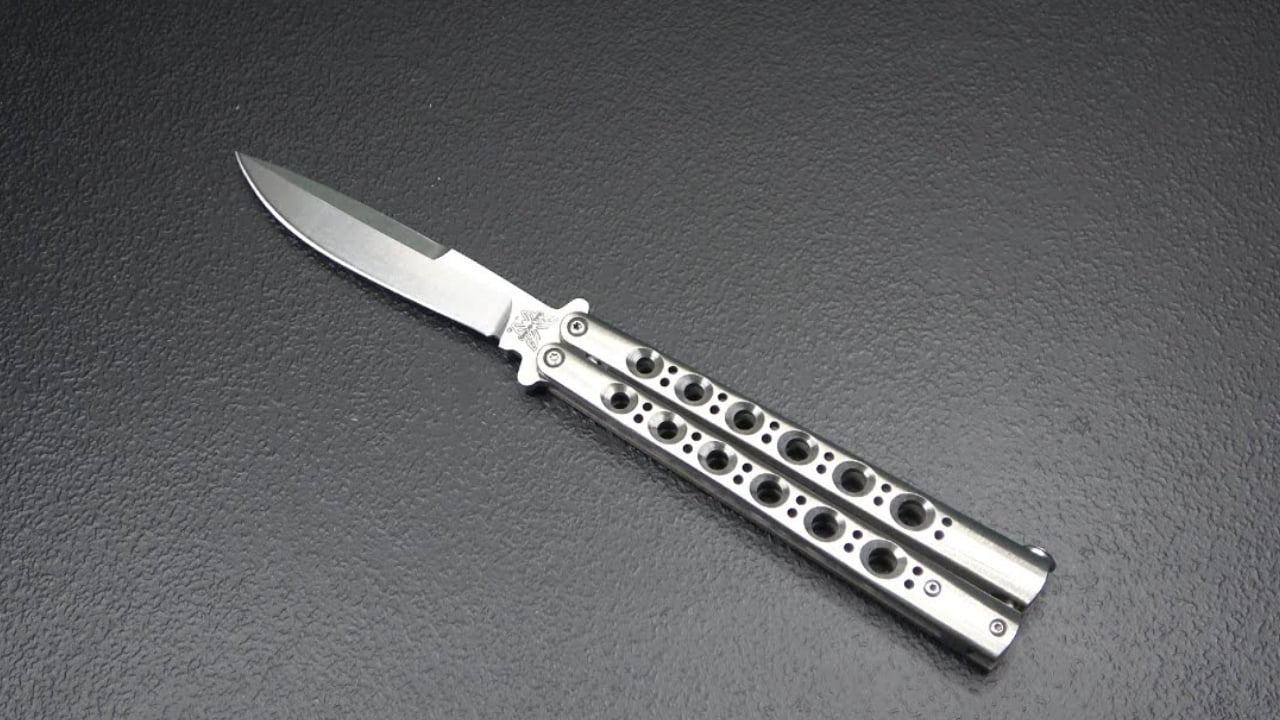
The Benchmade 42 is one of the knives that helped define the modern production balisong market. Its titanium handles, classic profile, and connection to Benchmade’s earlier butterfly-knife history gave it an identity that newer flippers have never quite replaced. When it was still readily available, plenty of buyers treated it as a premium user rather than a future collectible.
That changed dramatically after production ended. Clean examples became increasingly difficult to find because so many 42s were actually flipped, carried, modified, dropped, or sharpened. Collectors now place a premium on examples with original hardware, intact finishes, boxes, and minimal handle wear. There are technically more advanced balisongs today, but the Model 42 has history on its side, and history is difficult to reproduce.
Chris Reeve Ti-Lock
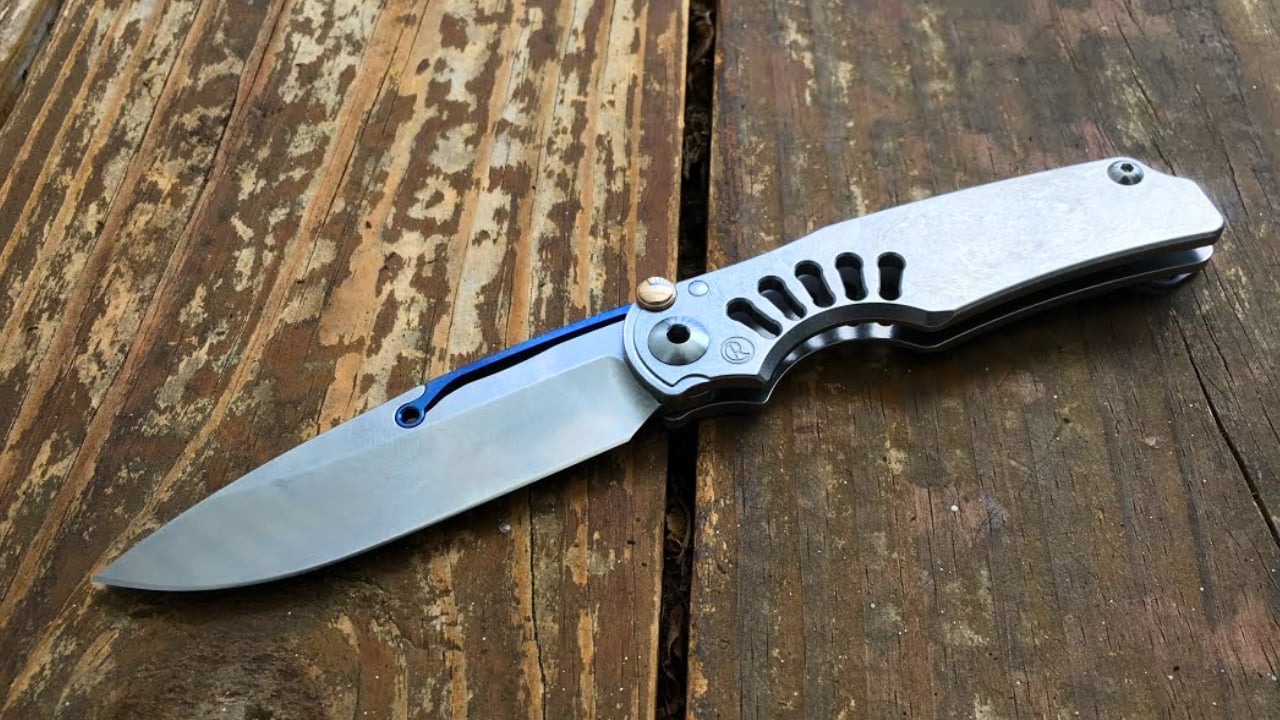
The Ti-Lock was unusual even by Chris Reeve standards. Designed with Grant and Gavin Hawk, it placed the locking mechanism externally near the spine rather than using the traditional frame-lock arrangement associated with CRK. Production ended in 2017 after roughly seven years, with the unusual mechanism reportedly being difficult to manufacture.
Discontinuation turned an already unusual premium folder into a serious collector piece. A mint standard Ti-Lock was offered on Knife Swap in 2025 at roughly $1,470, illustrating just how far certain examples have moved beyond ordinary production-folder pricing. Special annual versions can be even more desirable because they combine an already scarce platform with limited decoration. This is exactly the sort of knife collectors chase because nothing in the current CRK catalog truly replaces it.
Zero Tolerance 0777
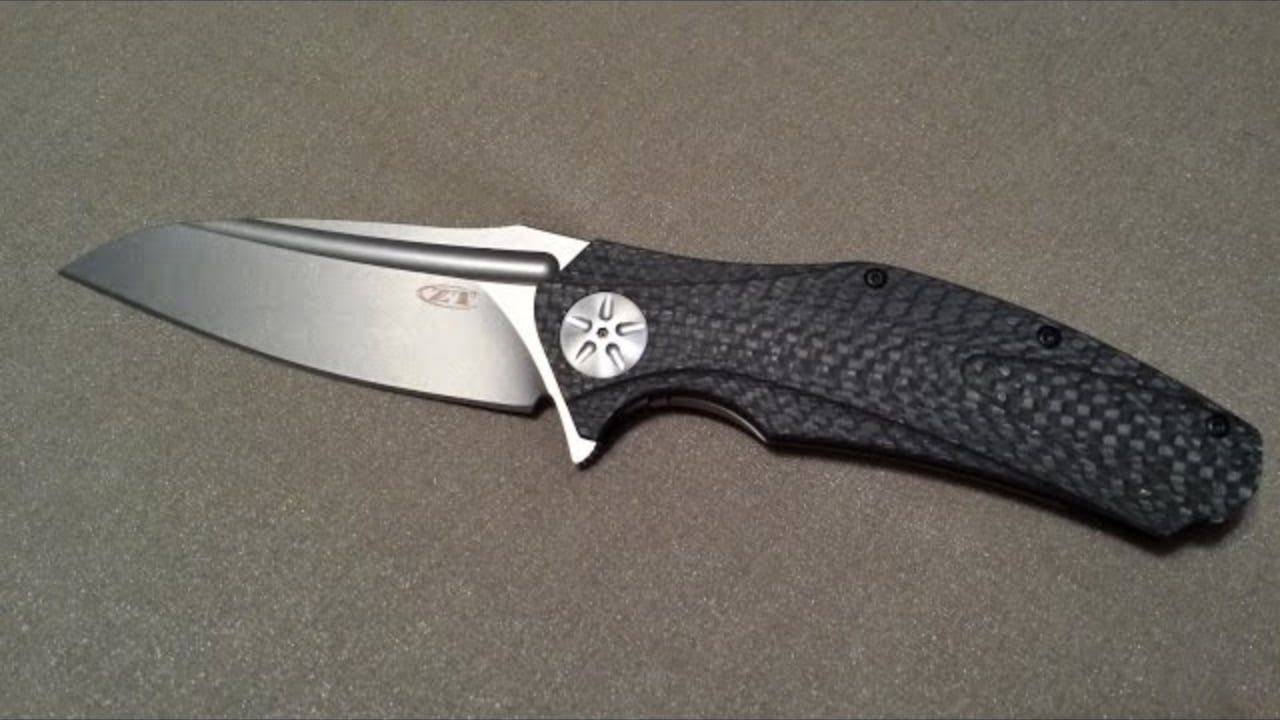
The 0777 became collectible almost immediately because production never reached the scale originally expected. Its futuristic profile, carbon-fiber construction, bearing action, and premium materials made it feel more like a concept knife that escaped into production than an ordinary Zero Tolerance folder.
Production difficulties ultimately limited the knife, and the original 0777 developed a serious secondary-market premium after retirement. Even a 2026 article about Kershaw’s revived 0777-inspired Bareknuckle specifically noted that original 0777s command collector-level pricing above the new knife’s retail range. The original composite-blade examples are especially interesting because they represent the ambitious version of the design that made the knife famous in the first place.
Kershaw Tilt
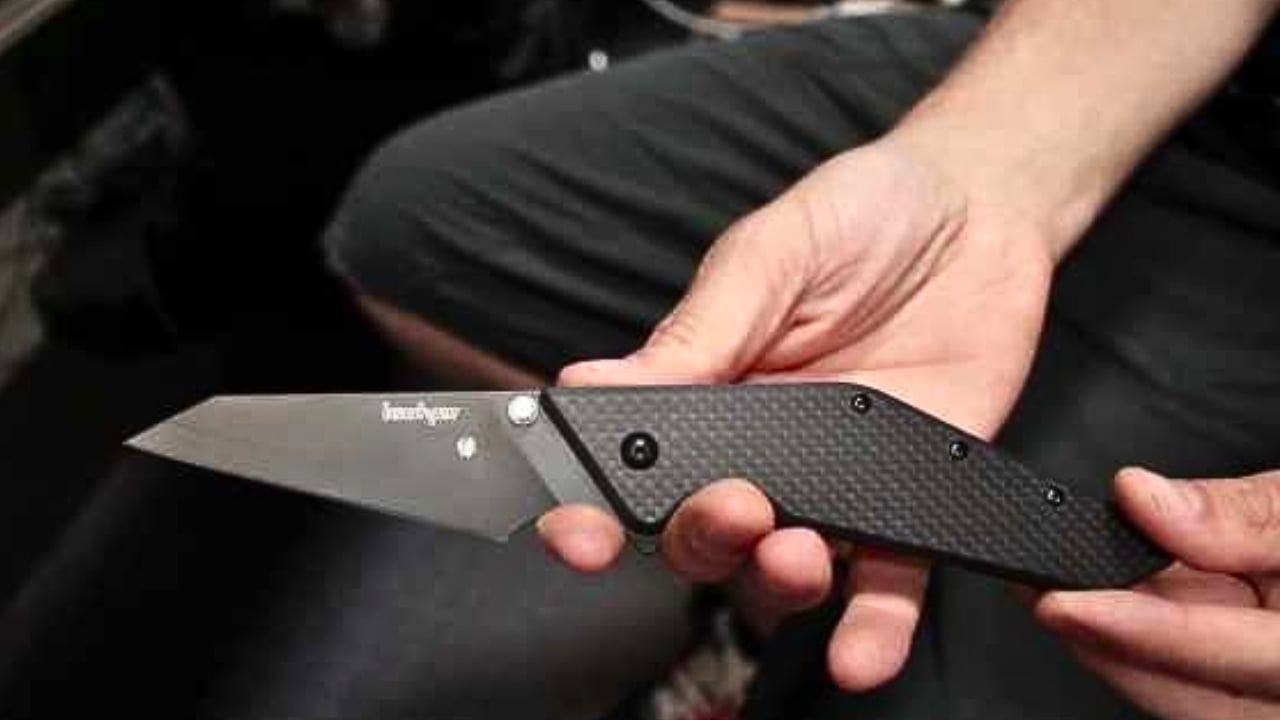
The Tilt is one of the strangest high-end knives Kershaw ever produced. It used a composite blade with Vanax 75 at the edge, heavy machining, a distinctive oversized profile, and an extremely smooth action. Production numbers were low enough that the knife became scarce almost as soon as collectors realized how unusual it was.
Even years ago, secondary prices were already running well above original retail, with GearJunkie reporting roughly $800 or more for knives that originally sold around $500. Earlier collector discussions also documented prices climbing rapidly once supply dried up. Today the Tilt represents a specific era when Kershaw was willing to build extremely ambitious American-made knives that were almost too complicated for normal production.
Spyderco Nirvana
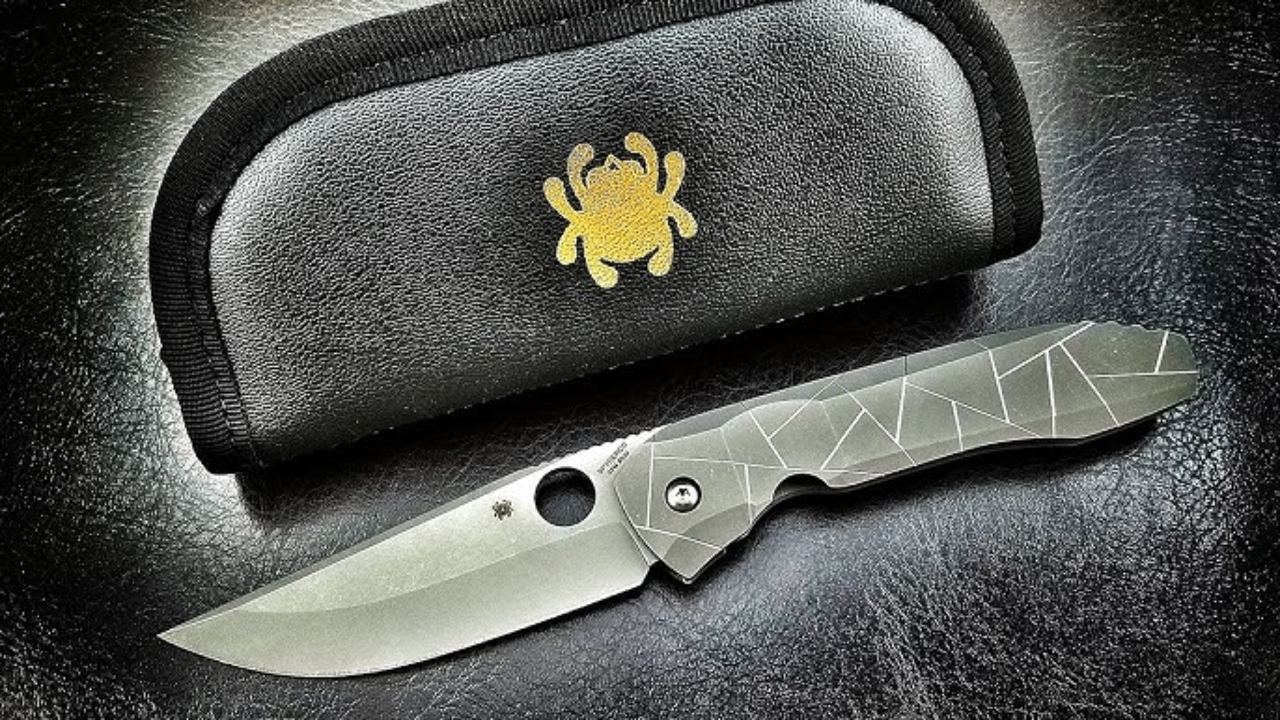
The Nirvana was Spyderco’s production collaboration with custom maker Peter Rassenti, and it stood apart immediately because of its integral titanium handle construction. Instead of using separate scales and a conventional frame, the handle was machined as a single piece of titanium, giving the knife a high-end custom feel.
Once production ended, collectors had very few comparable Spydercos to chase. The unusual construction, large blade, and connection to Rassenti all helped keep demand high. Clean examples are especially desirable because the stonewashed titanium can still show hard use, and many owners actually carried the knife when it was current. The Nirvana now occupies the kind of spot where collectors buy it as much for what it represented in Spyderco’s history as for how it cuts.
Zero Tolerance 0888
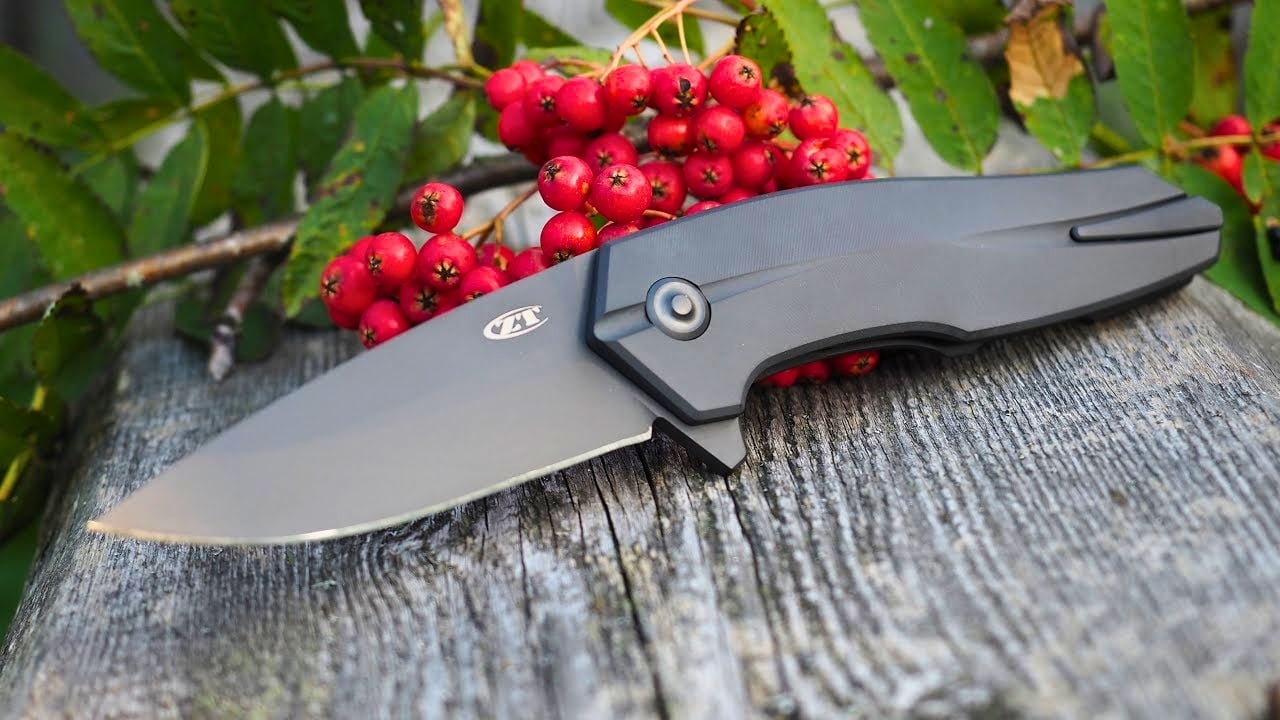
The ZT 0888 was never intended to be an ordinary catalog knife. It was a limited, high-end collaboration with custom maker Todd Rexford, and its futuristic lines, elaborate machining, and premium construction made it one of the company’s showcase designs.
Limited production is the major factor here. Once the initial run was gone, buyers could not simply wait for the next shipment. That pushed the 0888 into true collector territory, particularly for complete examples that have not been modified or heavily carried. ZT has made plenty of excellent folders since, but very few have the same limited-production aura. The 0888 comes from an era when the company regularly pushed production knives toward custom-level complexity.
Benchmade 630 Skirmish
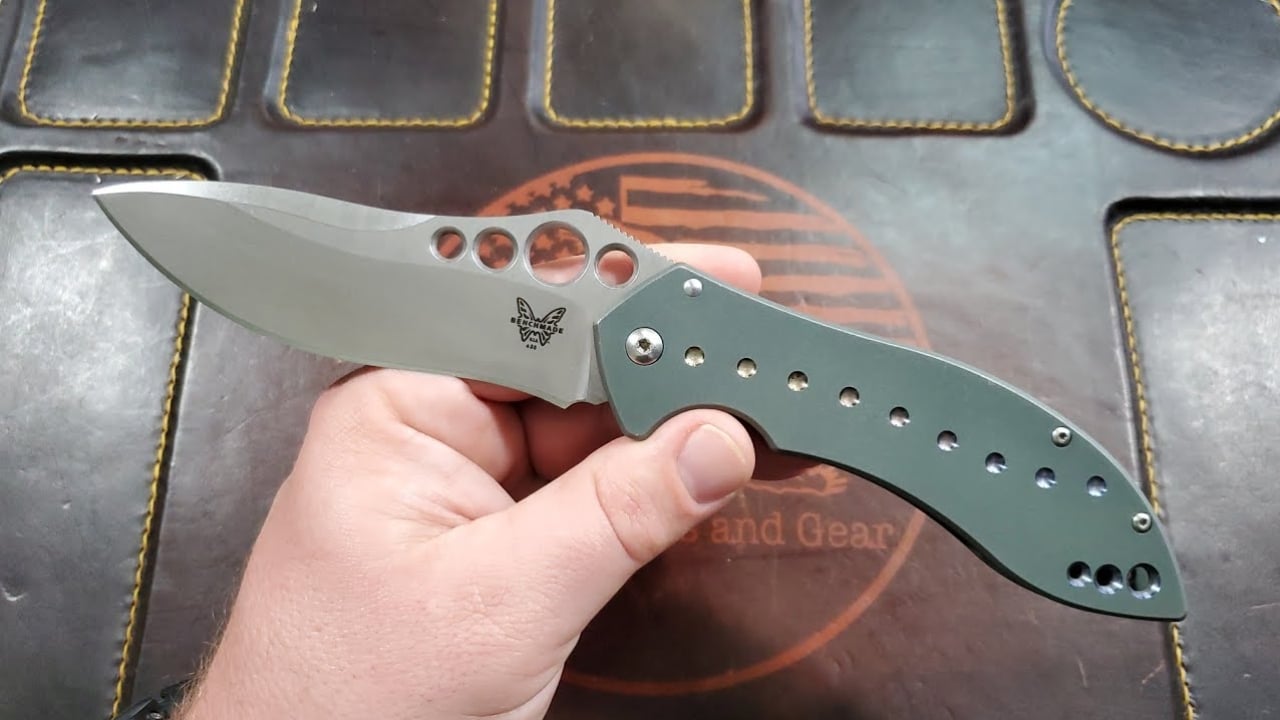
The 630 Skirmish is a massive Neil Blackwood-designed titanium frame-lock that feels completely different from most of Benchmade’s current lineup. The broad blade, sculpted titanium handle, and unusual proportions gave it an almost custom-knife personality even when it was a regular production model.
Ironically, the large size hurt sales while it was current. Contemporary discussion around its discontinuation noted that it simply was not as popular as its quality suggested. That is exactly the kind of situation that can create a collector piece later: excellent knife, relatively limited enthusiasm during production, then suddenly no more supply. Clean Skirmishes are now prized by collectors who remember when Benchmade’s catalog contained more eccentric premium designs.
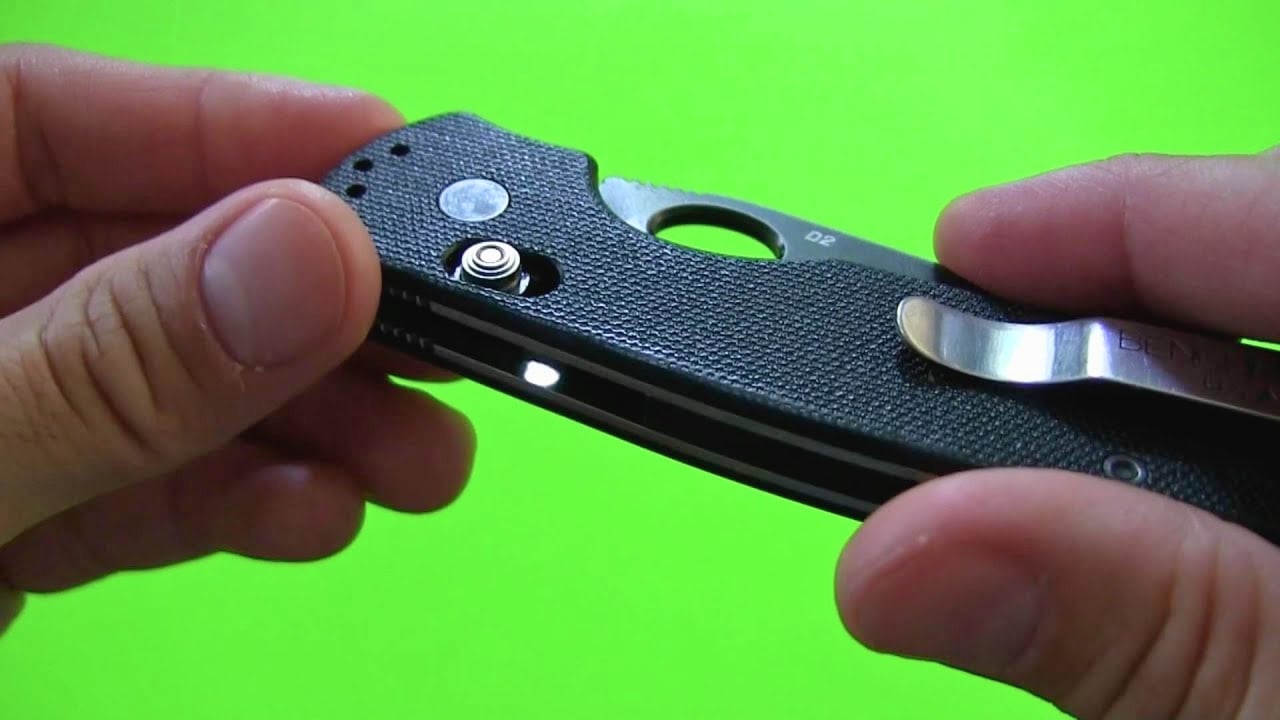
Benchmade 806D2 AFCK
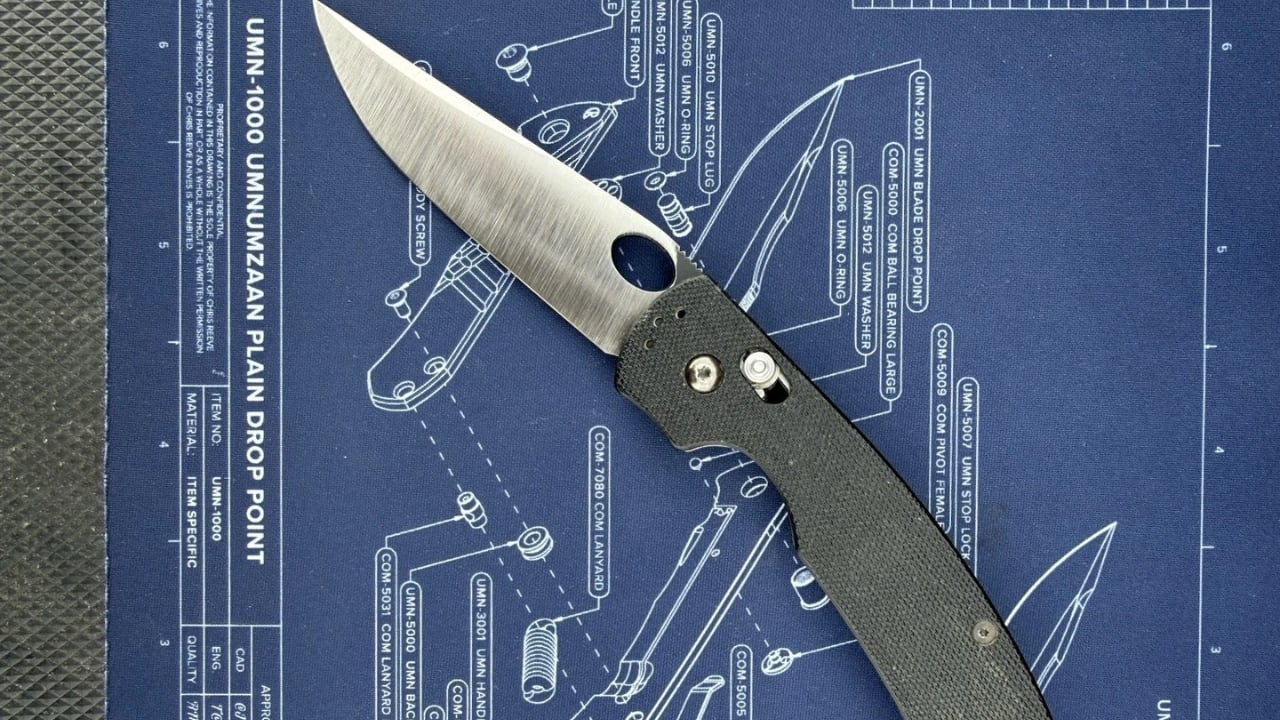
The AFCK has one of the strongest cult followings among older Benchmade users. The 806D2 version paired the Axis Lock with D2 steel and a long, practical blade shape that made it feel like a serious working knife rather than a compact EDC folder.
Its appeal today comes partly from nostalgia and partly from the fact that Benchmade no longer makes anything quite like it. The grip is long, the blade is purposeful, and the overall design reflects an earlier period of tactical folders. Well-preserved examples can attract far more interest than an ordinary discontinued production knife, especially if they retain factory edges and original packaging. Many were carried hard, which makes untouched examples increasingly difficult to locate.
Microtech HALO V
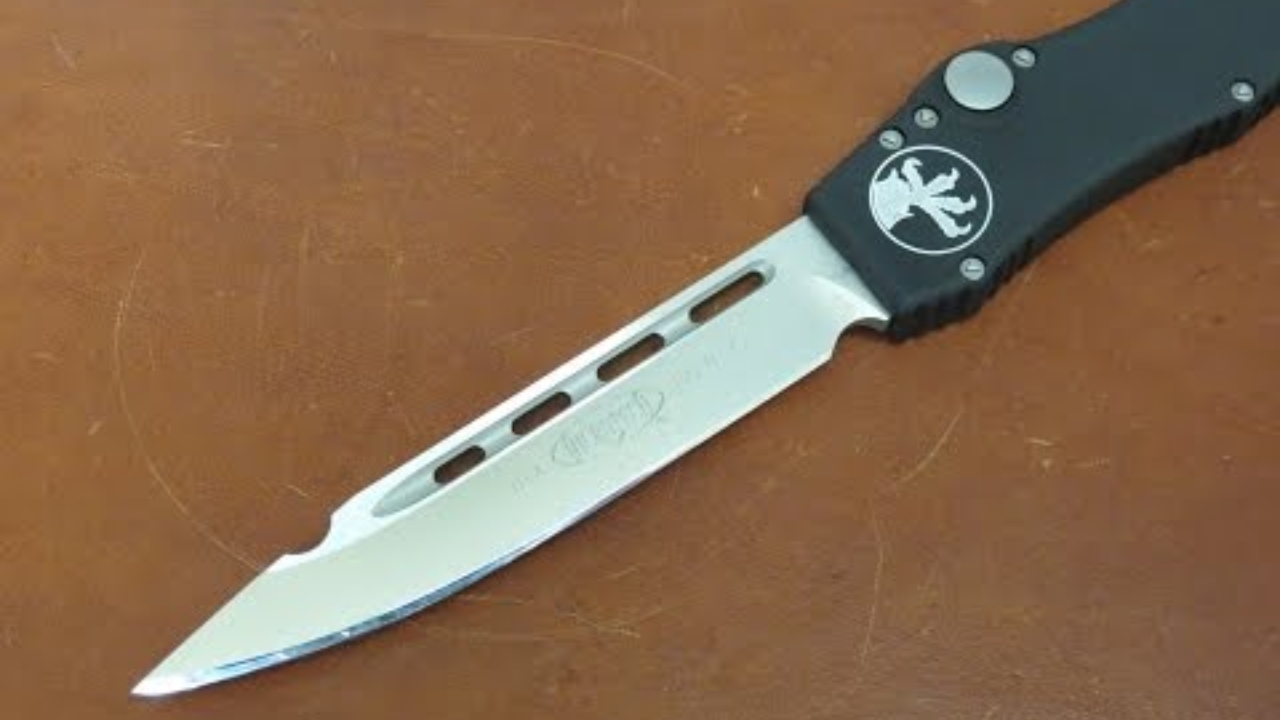
The HALO series has always had a special place among Microtech collectors because of its single-action out-the-front mechanism and dramatic deployment. Unlike the company’s more common double-action OTFs, the HALO fires automatically but requires manual retraction, giving it a completely different personality.
The HALO V became particularly desirable after production ended. Even while it was current, collectors were already watching used examples closely, and older price discussions show that clean knives held substantial value. Today specific configurations, finishes, dates, and complete sets can matter significantly. The basic design is instantly recognizable, and the discontinued status gives it an appeal that newer Microtech OTFs cannot completely replace.
Zero Tolerance 0600
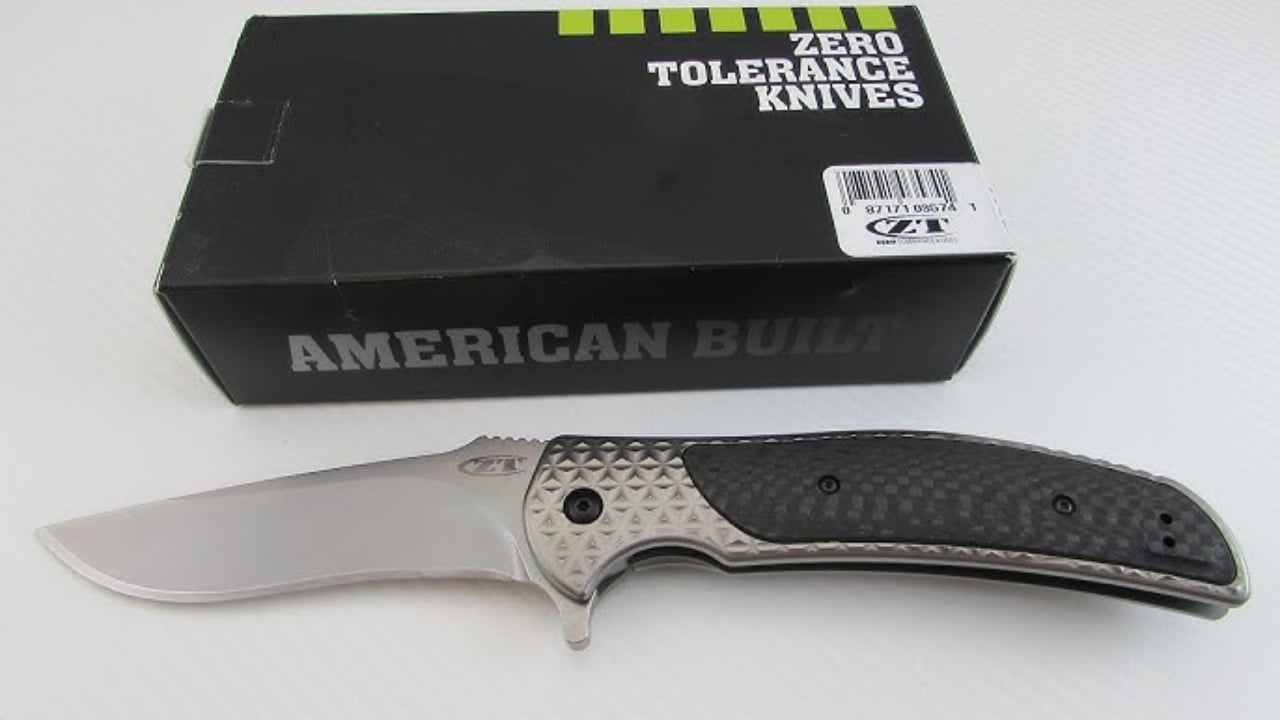
The ZT 0600 was a limited RJ Martin collaboration that combined a large blade, titanium frame lock, and premium materials in the oversized style that once defined Zero Tolerance. It was not built to be an unobtrusive office EDC. It was a showcase piece.
That matters now because modern ZT has moved toward a somewhat different catalog. The 0600 represents the company’s earlier period of big, aggressively machined collaborations that blurred the line between production and custom knives. Limited availability from the start means collectors cannot simply hunt indefinitely for cheap examples. Complete, unmodified knives have become the ones people want, especially when they still include the original box and documentation.
Spyderco Slysz Bowie Original
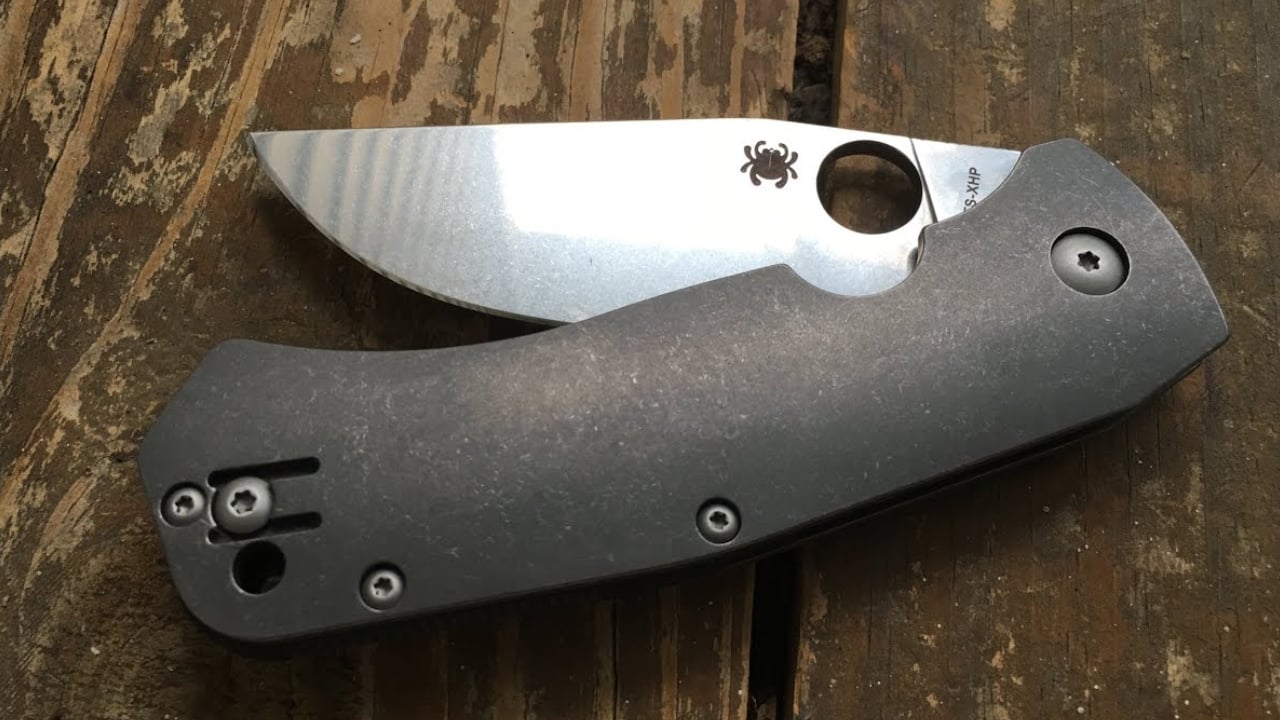
The original Slysz Bowie became one of the most famous examples of a discontinued knife suddenly becoming far more desirable after it disappeared. Designed by Marcin Slysz, it combined a titanium frame lock, clean blade shape, and unusually refined ergonomics in a package that looked understated next to many premium folders.
Owners did not fully appreciate how difficult it would be to replace until production stopped. Later exclusive versions brought the concept back in different forms, but collectors still distinguish the original production knife. That original status matters. It captures the knife exactly as many enthusiasts first fell in love with it, and clean examples continue to attract attention well beyond what ordinary used Spydercos bring.
Benchmade 710
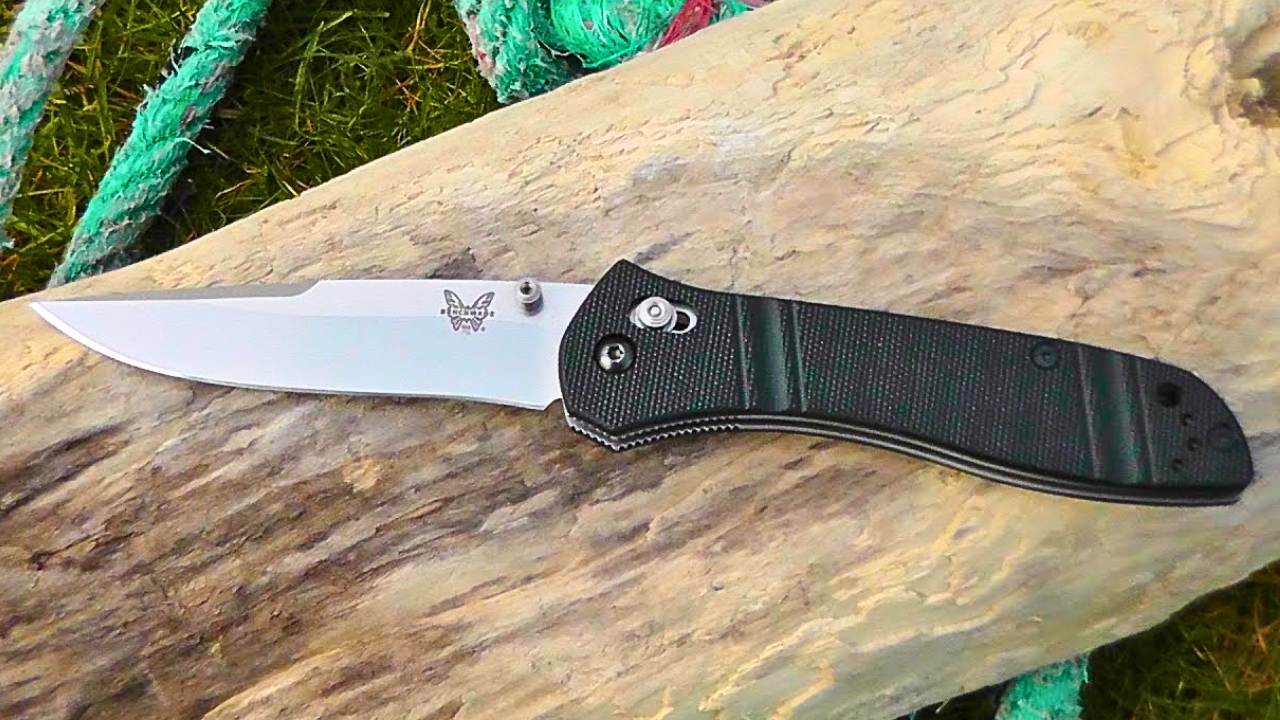
The 710 is historically important because it was the first production knife to use Benchmade’s Axis Lock. That alone gives collectors a reason to care, but the knife was also genuinely excellent: long blade, slim handle, smooth action, and enough size for serious work without excessive bulk.
Production lasted long enough that the 710 is not impossibly rare, but desirable versions have become increasingly collectible. Early examples, unusual steels, limited editions, and particularly clean discontinued configurations can bring substantial premiums compared with an ordinary used folder. The key is historical significance. The Axis Lock went on to define Benchmade for decades, and the 710 is where that story really begins.
Spyderco K2
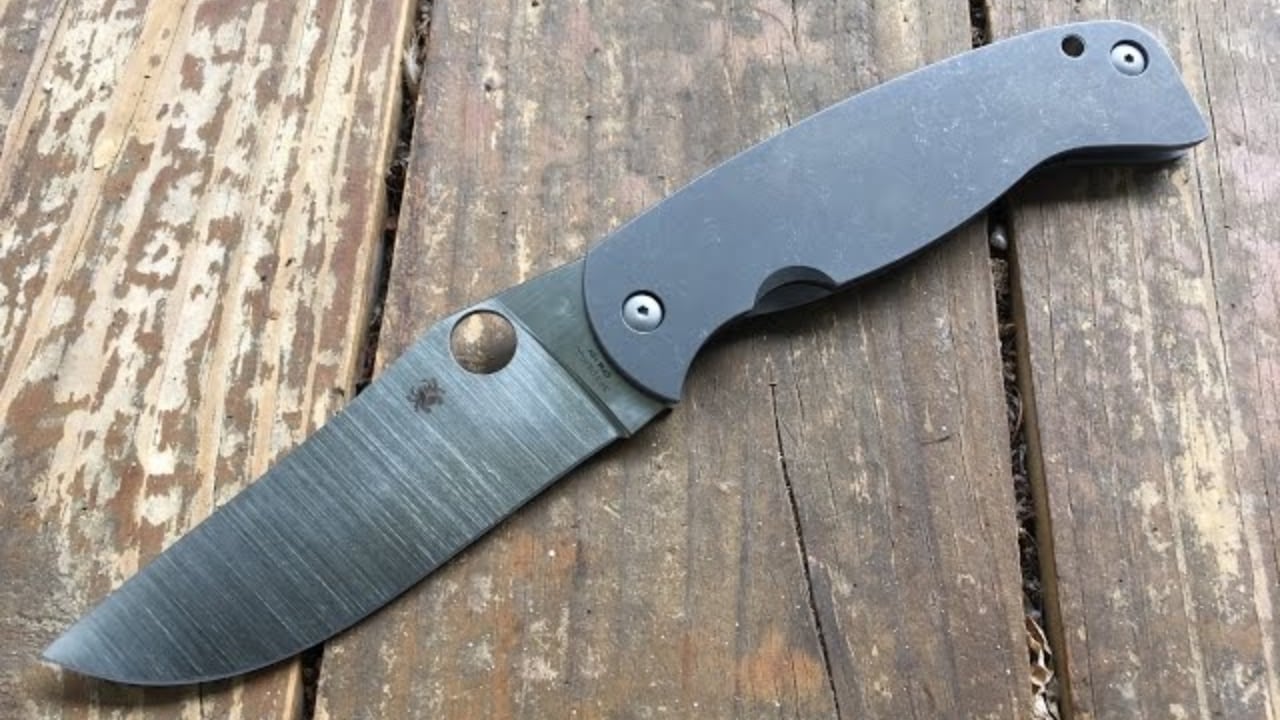
The K2 collaboration with Farid Mehr is enormous by normal Spyderco standards. It paired a long blade with a titanium frame lock and premium steel in a design that felt closer to a folding camp knife than a conventional pocket folder.
Its size probably prevented it from ever becoming mainstream, but that helped create its appeal after discontinuation. There simply are not many Spydercos like it. Collectors who enjoy oversized models or Farid’s work now have a fixed supply to chase, and many surviving examples show wear because owners originally treated them as hard-use knives. Clean K2s therefore stand out more than they did while the model was sitting in dealer inventory.
Chris Reeve Umfaan
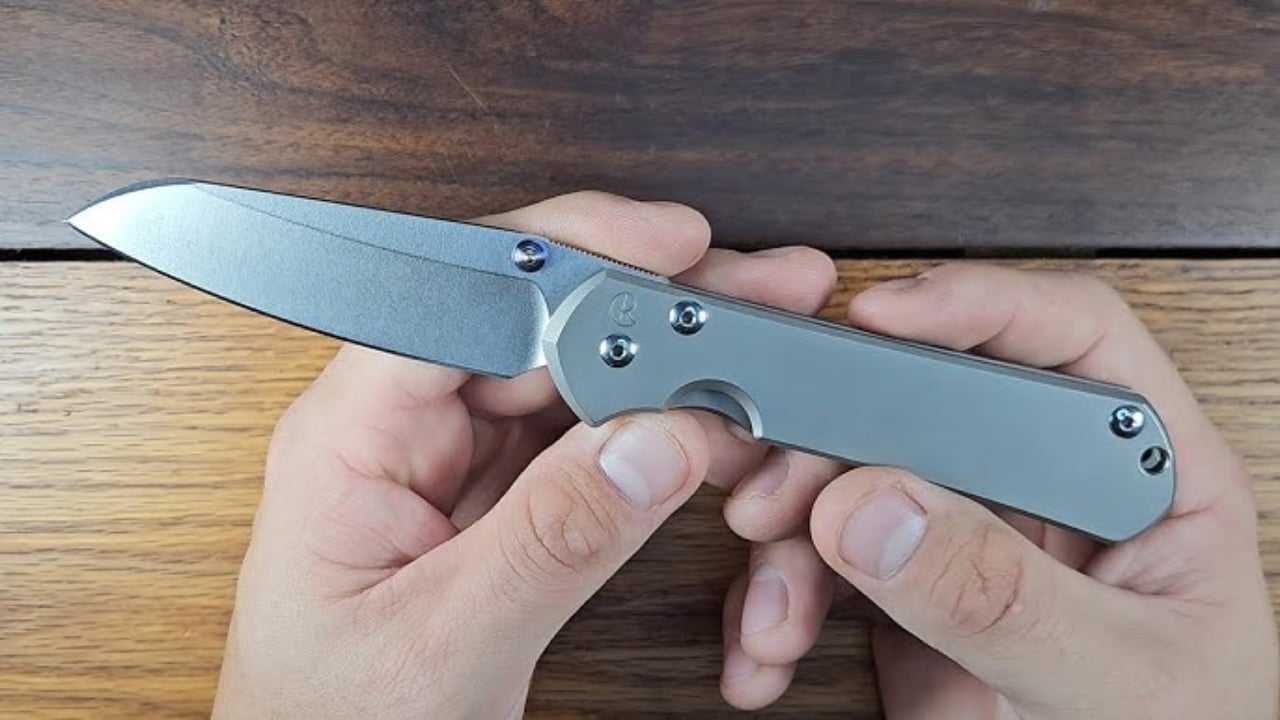
Before the modern small Sebenza became the obvious compact CRK, the Umfaan occupied the tiny end of the company’s folding-knife lineup. It was a miniature titanium frame-lock built with the same level of precision associated with Chris Reeve’s larger knives.
Its small production footprint and age make surviving examples genuinely interesting today. The knife also comes from an earlier period of CRK history, which gives it significance beyond mere scarcity. Collectors who specialize in the brand often want examples representing different generations and discontinued families, and the Umfaan fills a slot that nothing currently produced really duplicates.
Benchmade 860 Bedlam
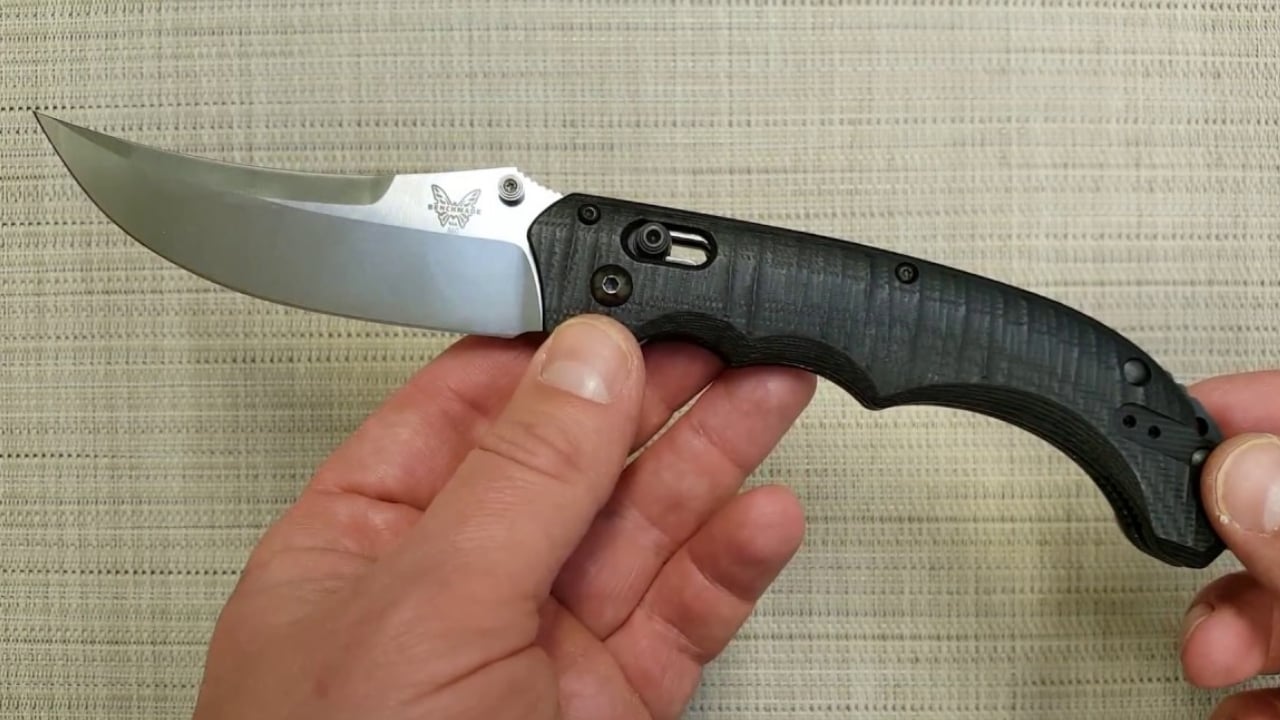
The Bedlam is almost impossible to confuse with another Benchmade. Its dramatically curved blade, oversized handle, and aggressive profile made it one of the company’s most visually distinctive tactical folders.
That same styling limited its mainstream appeal, but discontinued knives often benefit from being different. Once Benchmade stopped making the Bedlam, enthusiasts who wanted that exact design had nowhere else to go. Automatic versions and particularly clean manual examples can both attract collector attention. Many were carried or sharpened aggressively because owners viewed them as hard-use tactical knives, so examples retaining their original condition are the ones collectors tend to notice first.
Zero Tolerance 0454
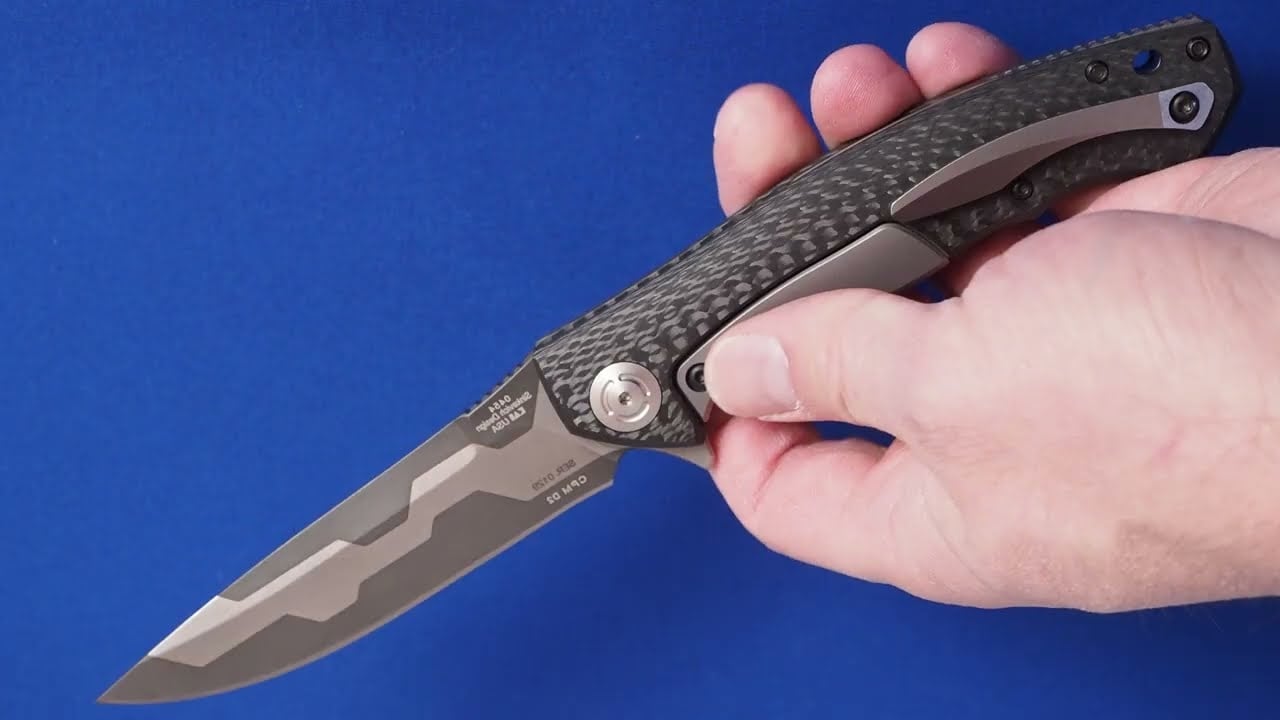
The 0454 was a limited collaboration with Dmitry Sinkevich and one of the knives that helped establish his design language with Zero Tolerance. The sweeping profile, composite construction, premium materials, and limited-production nature made it special from the beginning.
Later Sinkevich-designed ZTs gave buyers more affordable ways to enjoy similar styling, but that actually reinforced the 0454’s status as the premium early piece. Collectors often want the original limited knife rather than the production models it inspired. Because supply was constrained from day one, pristine examples have remained far more desirable than standard discontinued ZTs.
Microtech DOC
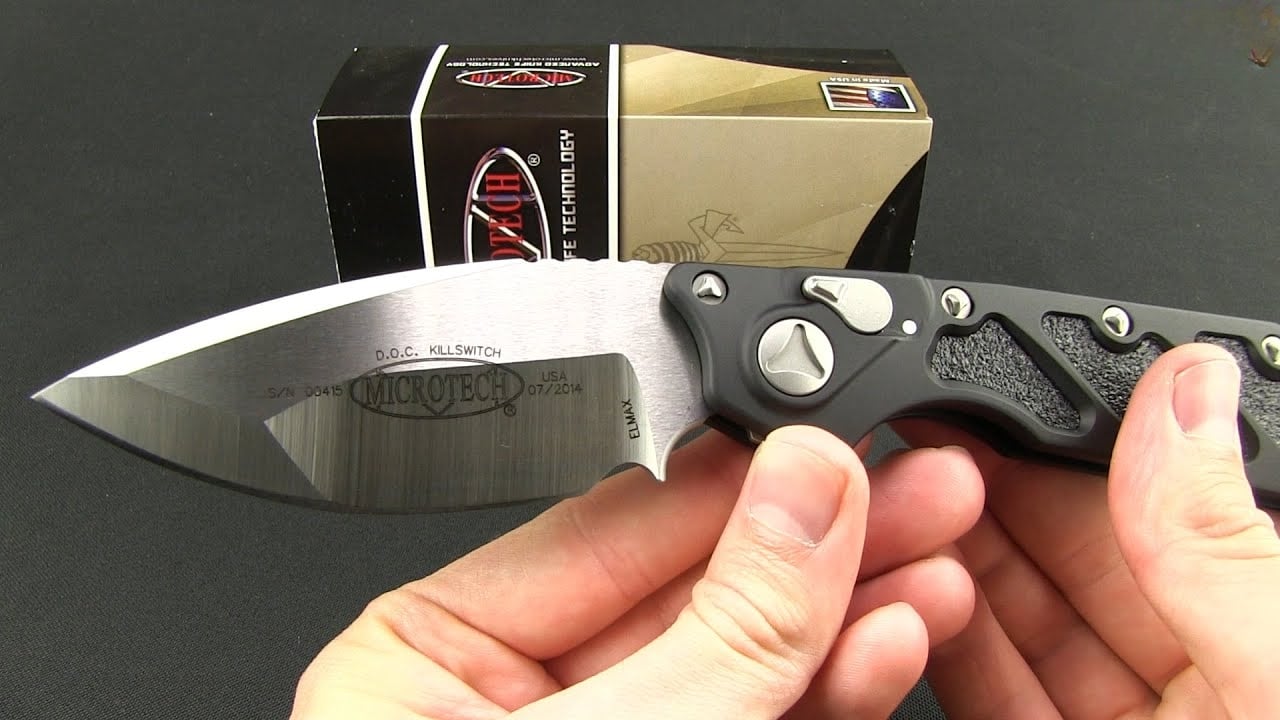
The DOC collaboration between Microtech and Mick Strider was huge, aggressive, and unmistakably tied to the tactical-folder era that produced some of the industry’s most overbuilt designs. It used a broad blade, substantial handle, and styling that looked like a meeting between both companies’ design philosophies.
When production ended, there was no direct replacement. That matters because collectors who want a genuine factory collaboration between those names have a finite pool to work with. Different blade shapes, finishes, and configurations can also create meaningful differences in desirability. The DOC may be excessive as an ordinary EDC, but as a collectible it represents a very specific moment in modern tactical-knife history.
Spyderco Tuff
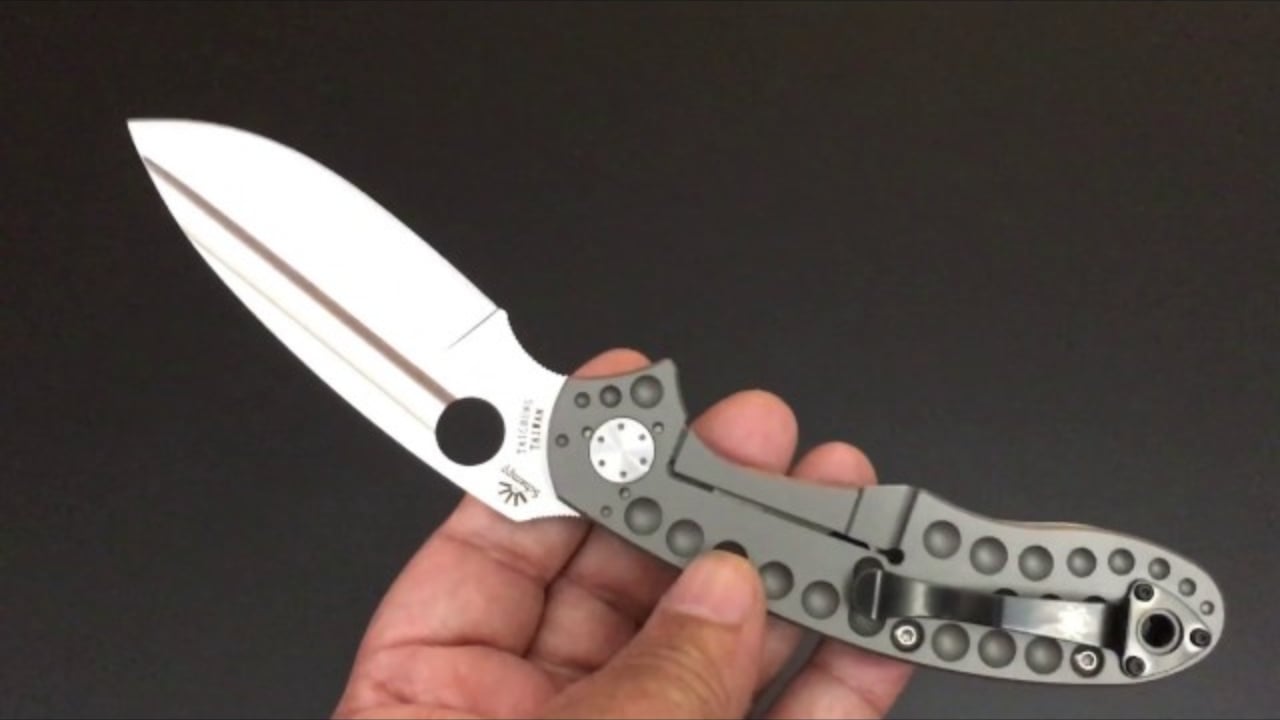
The original Ed Schempp-designed Tuff lived up to its name with a thick blade, titanium frame lock, and construction aimed far more toward strength than lightweight everyday carry. It was unusual even within Spyderco’s famously varied lineup.
That unusual nature made it easier to overlook when it was readily available. After discontinuation, enthusiasts who appreciated the design started chasing a supply that was no longer growing. The Tuff is especially attractive to collectors who like Spyderco’s stranger collaborations rather than its mainstream EDC models. It is big, heavy, and unapologetic, which is precisely why it remains memorable.
Benchmade 707 Sequel
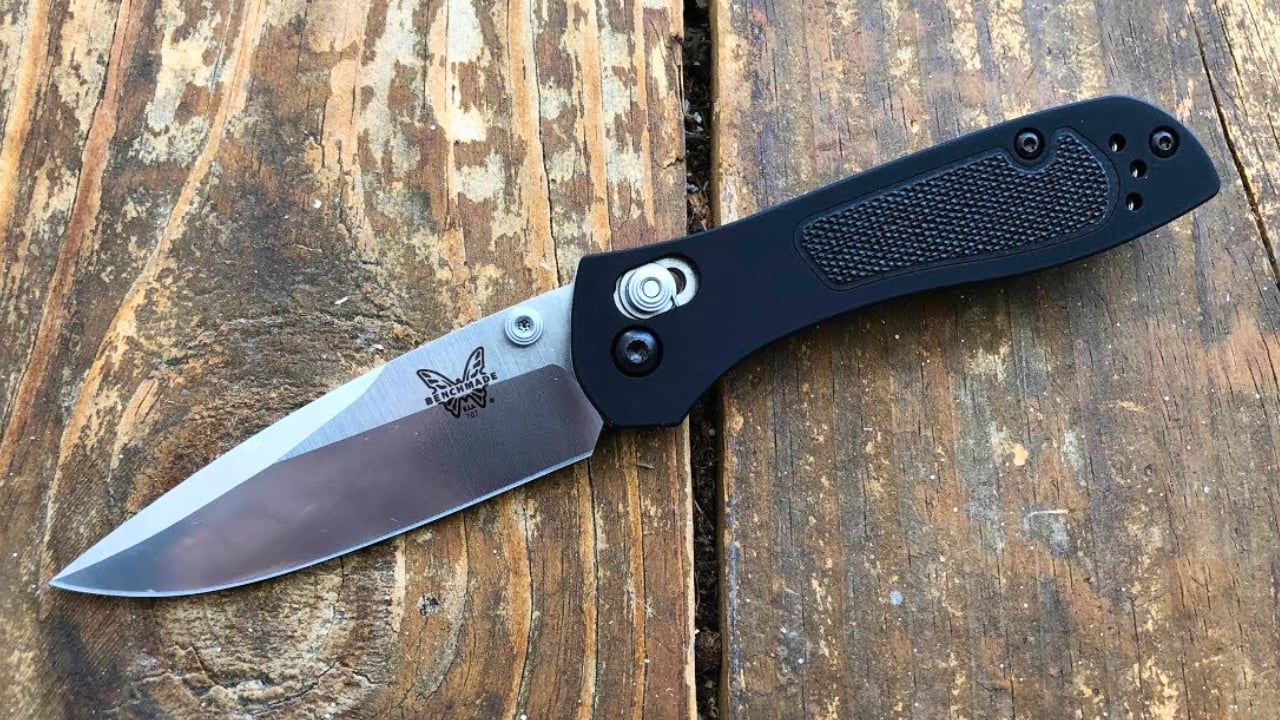
The 707 Sequel was a compact Axis-lock folder that combined aluminum scales, a useful blade, and excellent proportions. It was not exotic, but it had an unusually polished feel for such a small everyday knife.
Its collector appeal grew because Benchmade discontinued it without giving fans a truly direct replacement. The Sequel was compact without feeling flimsy and premium without being excessively decorated. Plenty of examples were carried for years, so clean knives with strong anodizing, original clips, factory edges, and boxes can draw disproportionate attention. It is a good example of a knife becoming more appreciated after buyers could no longer order one.
Al Mar SERE 2000
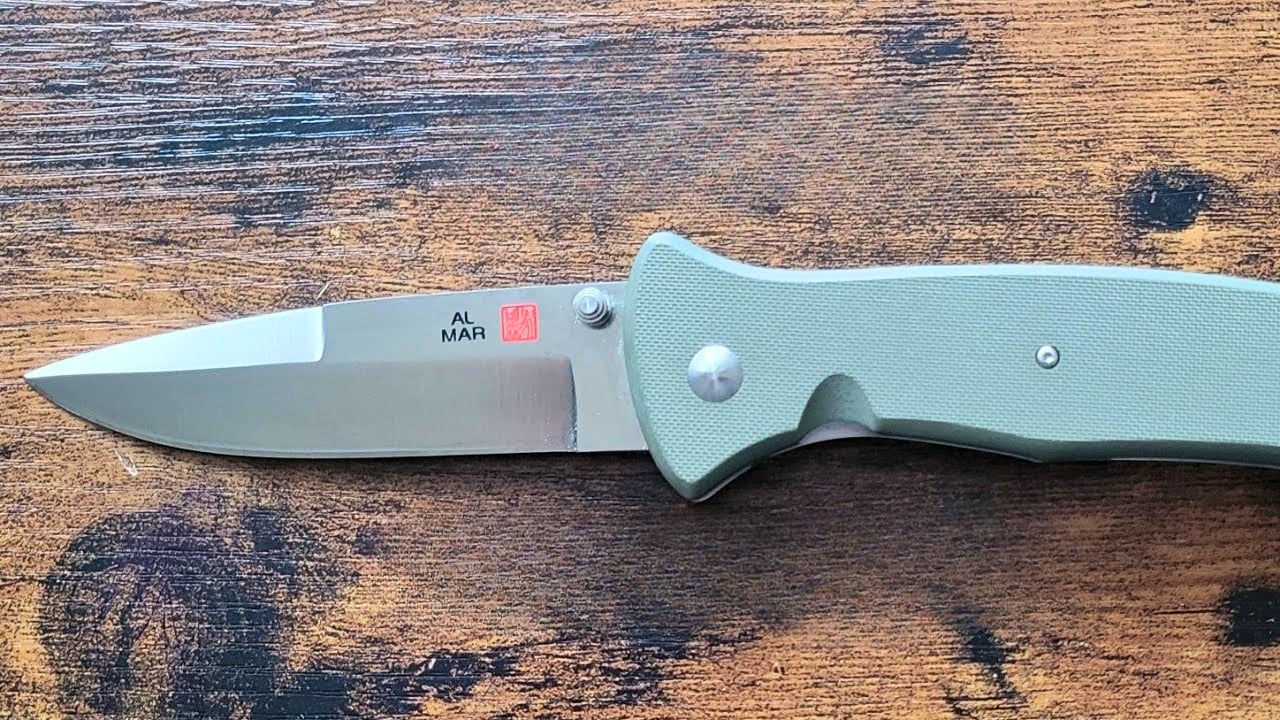
The SERE 2000 developed a loyal following as a serious tactical folder with excellent fit, a substantial blade, and the kind of precise construction associated with older Al Mar production. It never needed bizarre styling to stand out. The quality itself was the attraction.
Older discontinued configurations have become increasingly interesting as the Al Mar brand and manufacturing landscape changed over time. Collectors often distinguish between generations, production origins, and specific markings rather than treating every SERE as interchangeable. That makes the right older knife much more desirable than a casual buyer might expect. For collectors of late-20th- and early-21st-century tactical folders, an excellent original SERE 2000 can be a centerpiece rather than merely another used knife.
Like The Avid Outdoorsman’s content? Subscribe to our newsletter so you never miss an article.
Here’s more from us: