Photo credit: Bulletproof Tactical/Youtube
Buying a newer firearm does not always push the older one out of the safe. Better sights, higher capacity, lighter materials, and improved triggers can make the replacement easier to shoot, but practical upgrades do not erase years of familiarity. Some guns stay because the owner trusts them. Others remain because they belonged to a father, marked a first successful hunt, or were carried long enough to become part of a person’s routine.
These are not necessarily the best firearms in their categories today. Several have been surpassed in capacity, ergonomics, accuracy, or accessory support. That is not the point. Their owners know every control, scratch, and strange preference. Newer guns may perform better on paper, but these 20 models have a way of surviving every safe cleanout.
Remington 870 Wingmaster
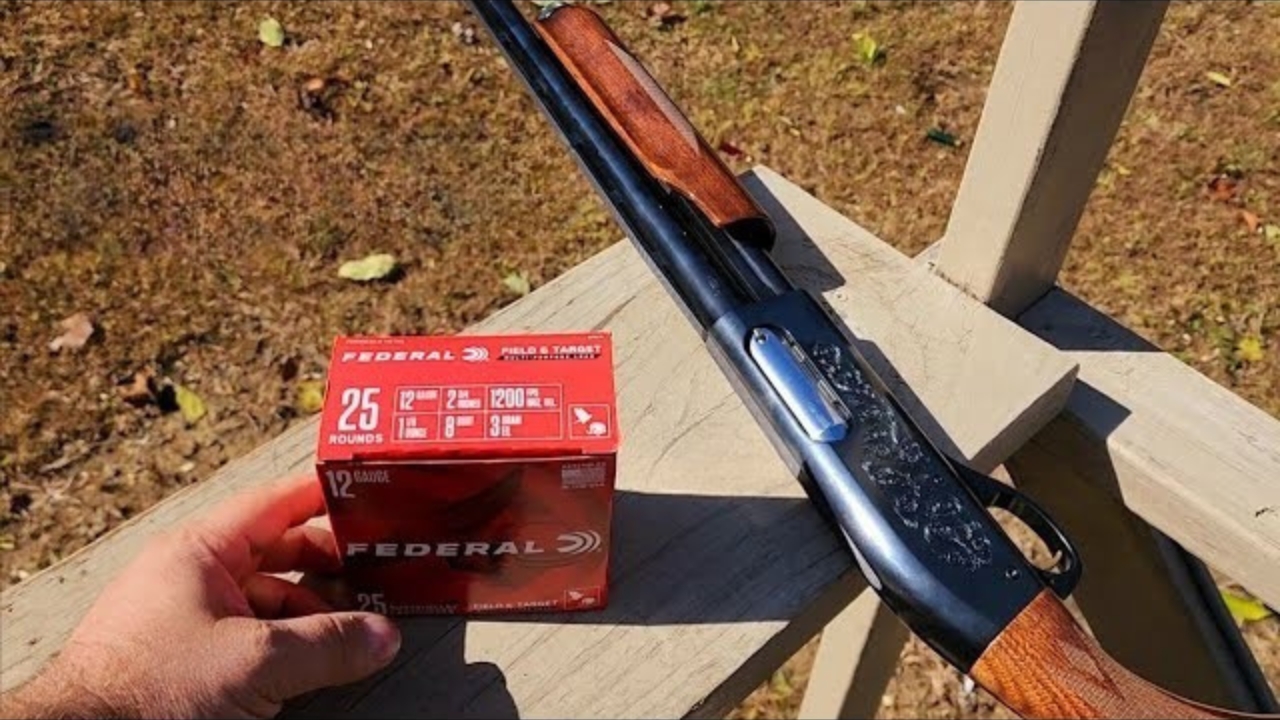
A newer semi-automatic shotgun may recoil less and cycle faster, but a well-used Remington 870 Wingmaster is difficult to replace emotionally or mechanically. Older examples have smooth actions, polished steel, and wood furniture that feels more substantial than the synthetic stocks found on many current utility shotguns.
Owners often keep them because the shotgun has already handled every job they could ask of it. It may have hunted ducks, carried through deer season, ridden behind a truck seat, and protected the house without requiring much attention. The finish may be worn and the barrel may lack modern features, but the owner knows exactly how it patterns and cycles. A Beretta or Benelli may be more refined, yet the Wingmaster remains the shotgun that feels familiar the moment it reaches the shoulder.
Ruger 10/22

Plenty of rimfire rifles are more accurate than a factory Ruger 10/22. Some have better triggers, smoother actions, or match-grade barrels. Owners still have a hard time getting rid of the basic 10/22 they bought years ago.
The rifle is easy to maintain, inexpensive to feed, and supported by one of the largest aftermarkets in the firearm industry. It can remain completely stock or slowly collect a better trigger, optic, stock, and barrel as the owner’s interests change. More importantly, many shooters learned on one. That gives the rifle a kind of value no specification sheet can measure. A precision bolt-action .22 may shoot smaller groups, but the old 10/22 is usually the gun everyone still grabs for casual plinking.
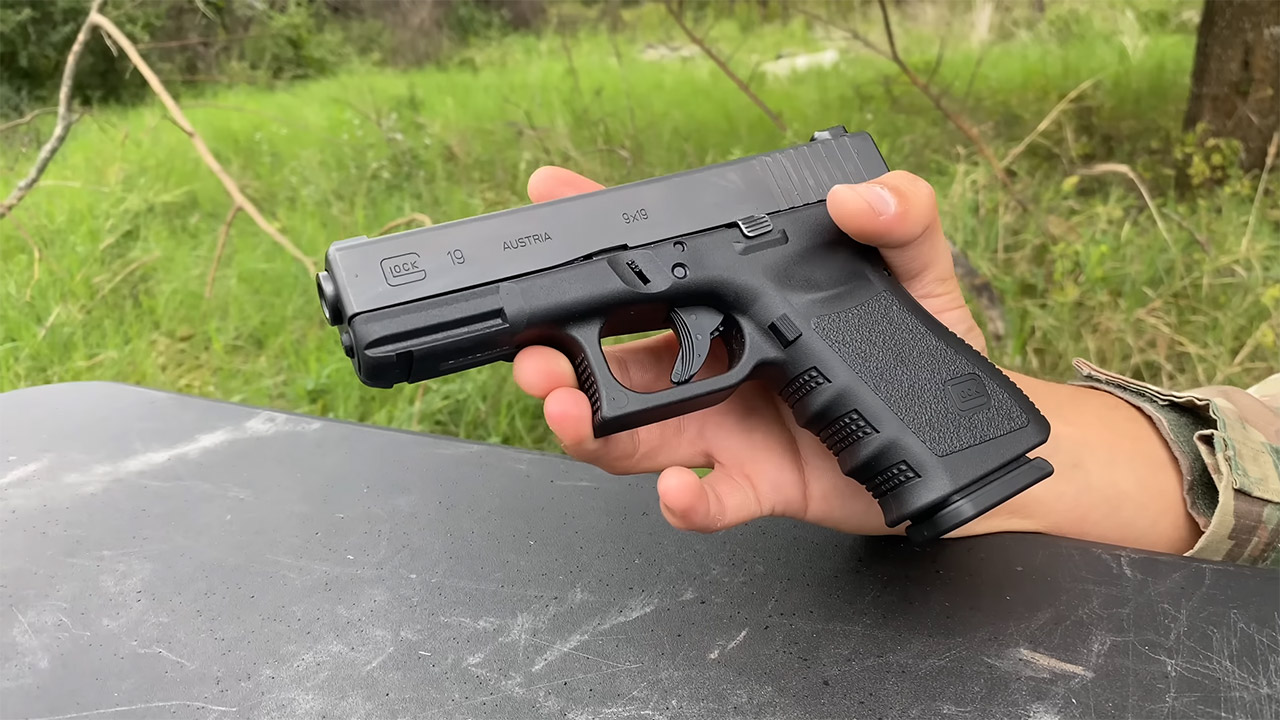
Glock 19 Gen 3
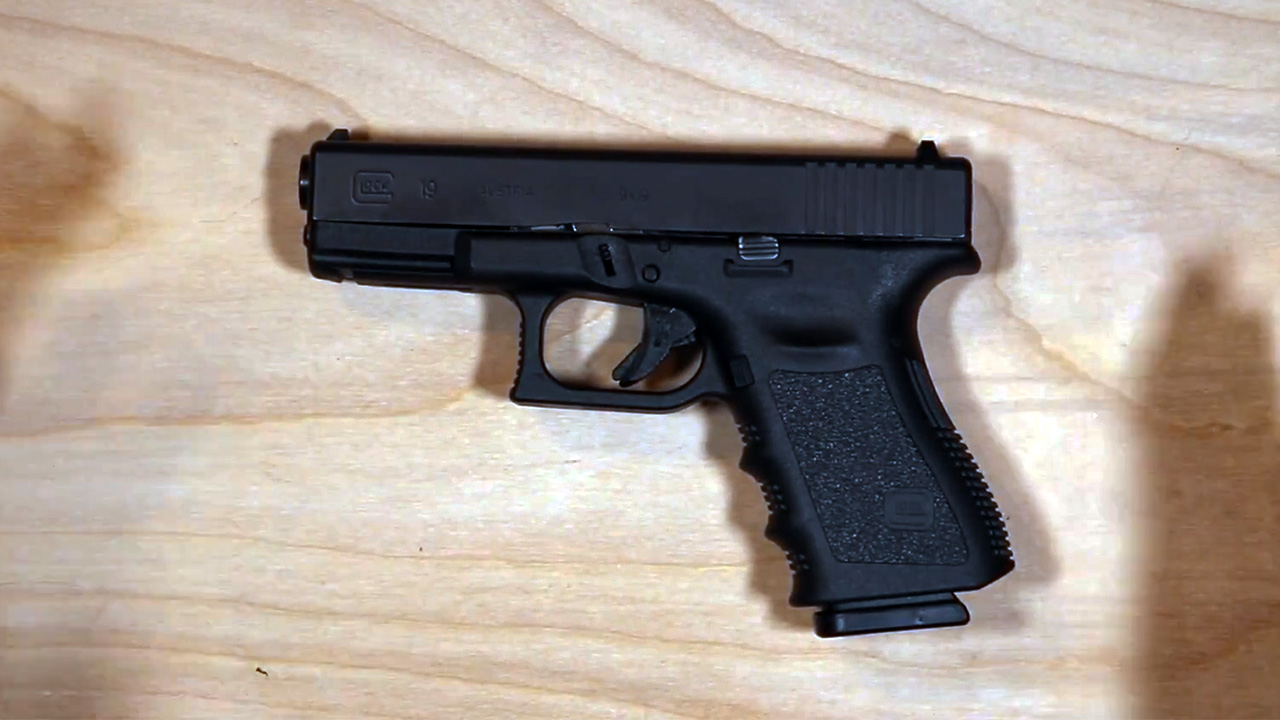
Later Glock generations offer improved texture, interchangeable backstraps, reversible magazine releases, and optic-ready configurations. Plenty of competing pistols also have better factory triggers and more comfortable grip shapes. None of that makes longtime Gen 3 owners eager to sell.
The Gen 3 Glock 19 has a massive supply of inexpensive parts, magazines, holsters, and replacement sights. More importantly, owners may have spent thousands of rounds learning its trigger and grip angle. The gun no longer requires thought. It comes out of the holster, points where expected, and runs with familiar magazines. A newer carry pistol may be thinner or hold more rounds for its size, but the old Glock remains the handgun its owner trusts because every movement has already been practiced.
Smith & Wesson Model 10
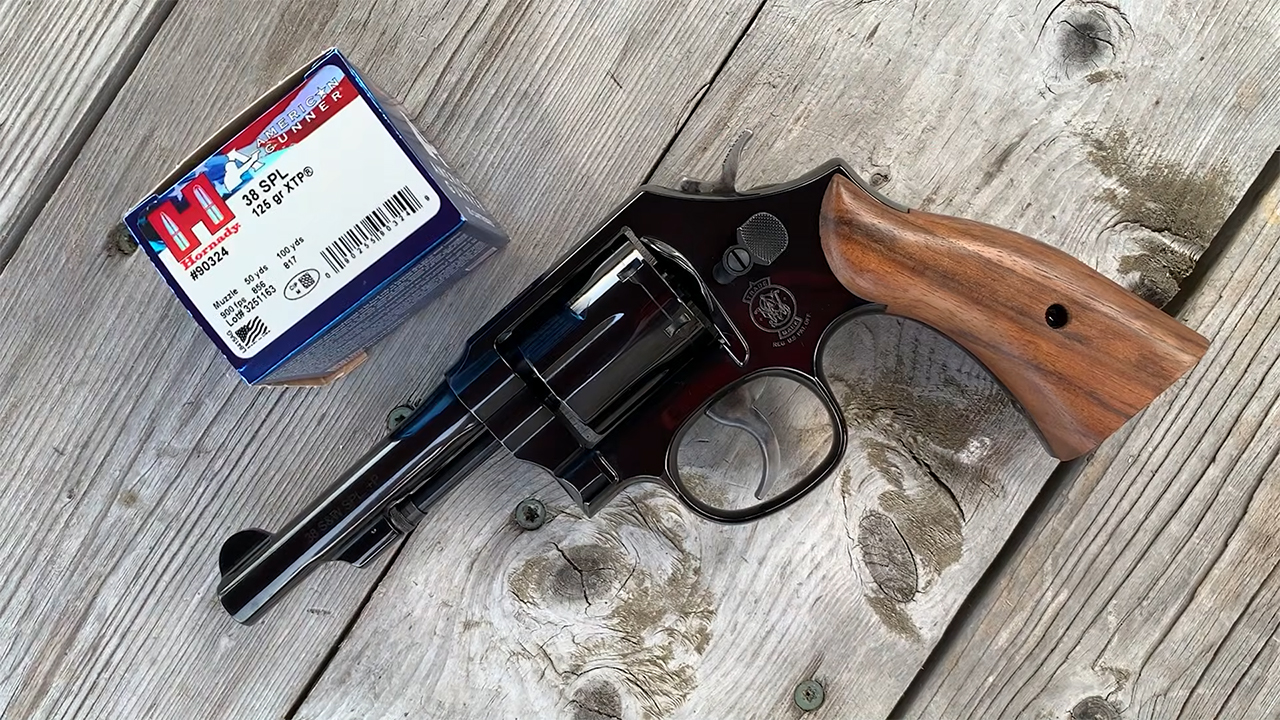
Modern defensive pistols carry more ammunition and reload much faster than the Smith & Wesson Model 10. Even newer revolvers can offer stronger frames, better sights, and more powerful chamberings. The old .38 Special still finds a way to remain.
Its fixed sights, medium-size frame, and straightforward controls make it one of the easiest centerfire handguns to understand. Recoil is mild with standard-pressure ammunition, and a well-worn action can become remarkably smooth. Many examples also carry police, military, or family history that makes them more than ordinary used revolvers. Owners may choose a modern semi-automatic for serious defensive use, yet the Model 10 remains the gun they use to introduce someone to revolvers or enjoy a quiet afternoon at the range.
Marlin Model 336

A current bolt-action rifle can shoot flatter, mount an optic more easily, and provide tighter groups than an older Marlin 336. That does not make the lever gun less useful in the woods.
The rifle is compact, quick to shoulder, and easy to carry through thick brush. Chambered in .30-30 Winchester or .35 Remington, it remains fully capable at the distances where many deer are actually taken. Owners also tend to form strong attachments to rifles that have already accounted for years of successful hunts. A new rifle may come out for open fields or longer shots, but the Marlin often remains the choice for familiar stands, heavy timber, and days when the hunter wants to carry something with history.
Browning Hi-Power
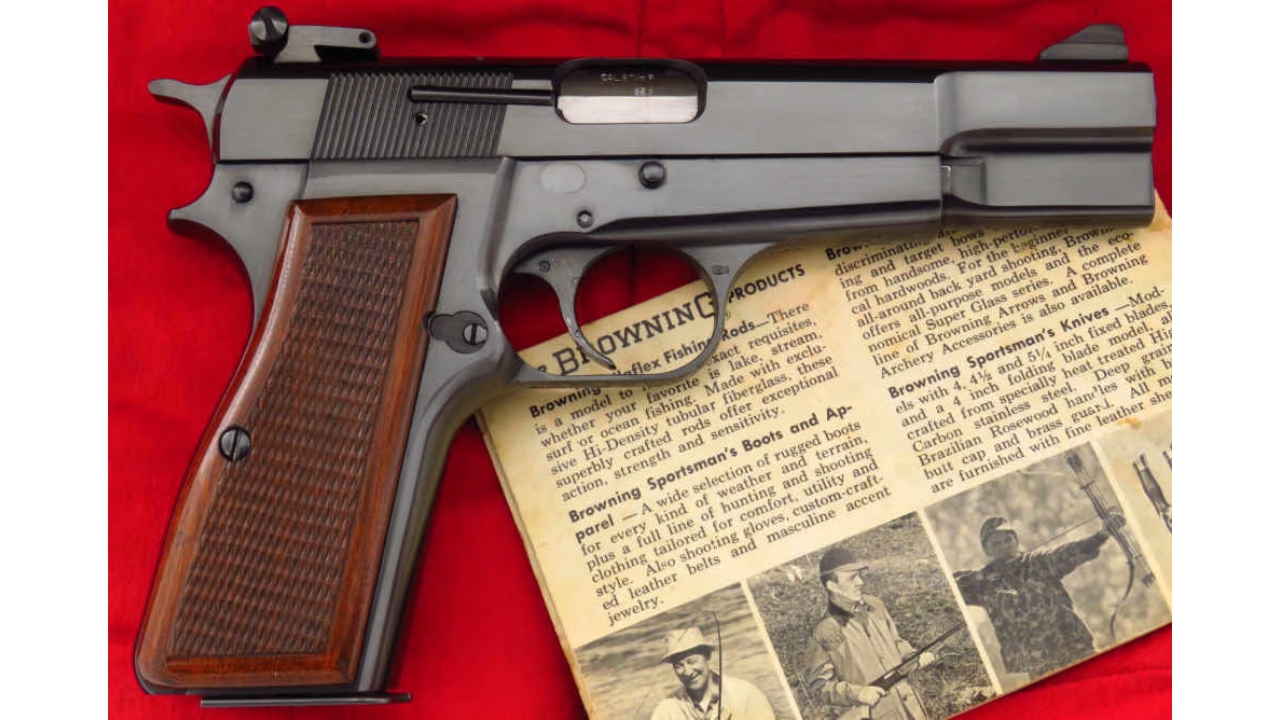
Modern double-stack pistols offer better sights, accessory rails, lighter frames, and easier optic mounting. The Browning Hi-Power still has one of the most natural grips ever placed on a service handgun.
Owners often keep them because the pistol feels unusually slim for its capacity and points without requiring conscious correction. Older examples may have small sights, a heavy magazine-disconnect trigger, and a safety that feels less positive than newer designs. None of that erases the balance or historical importance of the gun. A modern striker-fired pistol may become the practical carry choice, while the Hi-Power remains the handgun brought out when the owner wants to enjoy shooting rather than test equipment.
Winchester Model 94

A scoped bolt action is easier to shoot precisely, and a modern semi-automatic offers faster operation. The Winchester Model 94 remains one of the rifles owners are least willing to trade.
Its narrow receiver, light weight, and quick lever action make it feel alive in the hands. The rifle carries easily with one hand and comes to the shoulder quickly in close cover. Older top-eject models complicate conventional scope mounting, but many owners consider iron sights part of the appeal. A Model 94 may have scratches from decades of hunting and less accuracy than a newer rifle. Those marks usually make it harder to sell, not easier, because each one reminds the owner where the rifle has been.
SIG Sauer P228

The P228 has been surpassed by lighter compact pistols with greater capacity and factory optic cuts. Even SIG Sauer’s own newer models provide more modularity and easier accessory support. Owners who have a good P228 rarely seem bothered.
The compact alloy frame gives the pistol a balanced feel that many polymer guns cannot reproduce. Its double-action pull requires practice, but the single-action trigger is smooth and predictable. The pistol is also large enough to shoot comfortably without feeling oversized. Magazines and replacement parts may require more searching than they once did, which gives owners another reason to hold onto complete examples. A newer carry gun may be more practical, but the P228 remains one of those pistols that feels better every time it is handled.
Ruger Security-Six
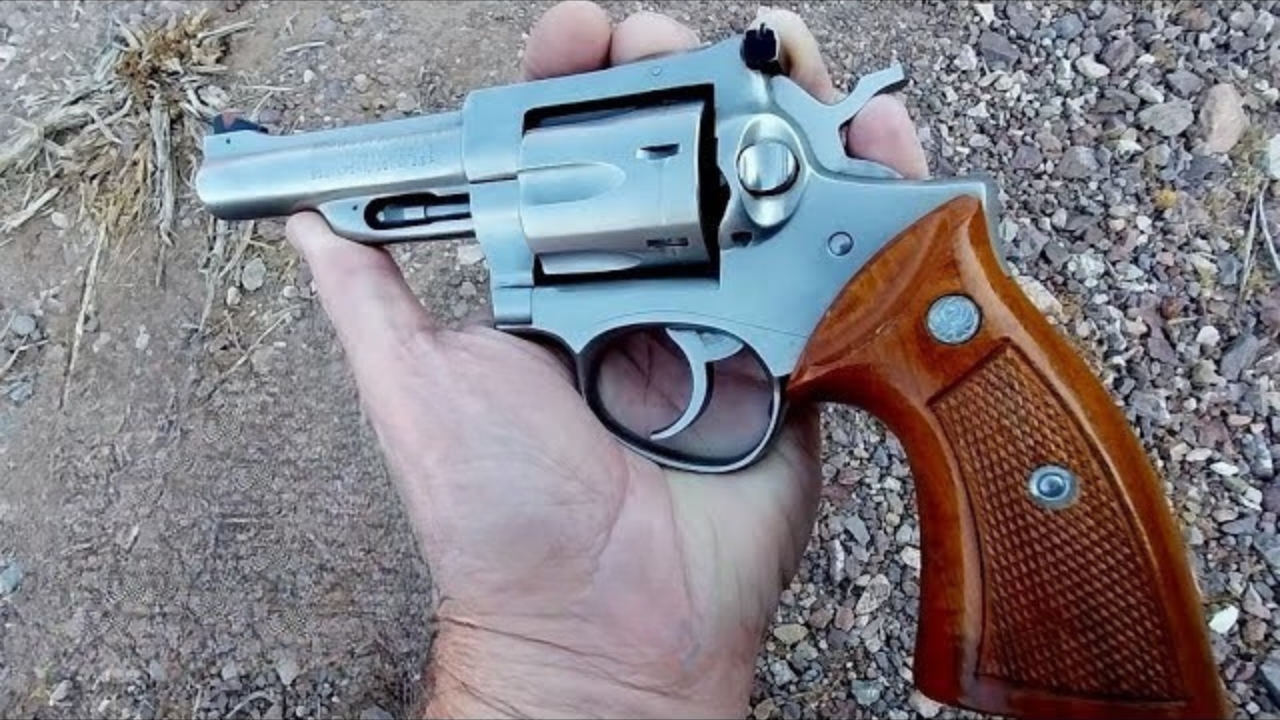
The GP100 is stronger and easier to support with current parts. Newer revolvers may include better factory grips, optic cuts, and improved sights. Many Ruger owners still prefer the trimmer Security-Six.
The revolver has enough strength for regular .357 Magnum use without the bulky proportions of heavier current designs. Its frame balances well with both short and medium-length barrels, and the action usually smooths noticeably after years of firing. Owners who replace one with a larger revolver often discover that the newer gun is less pleasant to carry. The Security-Six may no longer be Ruger’s flagship double-action revolver, but its combination of strength, balance, and simplicity makes it extremely difficult to let go.
Colt Government Model

There are double-stack 1911s with more capacity, optic-ready slides, improved frames, and better reliability out of the box. A traditional Colt Government Model still occupies a different place in many collections.
The single-stack grip is slim, the trigger can be excellent, and the basic design connects the owner to more than a century of military and civilian handgun history. It may require better magazines, proper lubrication, or occasional tuning, but those demands are often accepted as part of ownership. A modern defensive pistol may take over bedside or carry duties. The Colt stays because it represents the original experience newer 1911-style guns are still trying to improve.
Mossberg 500

A premium semi-automatic shotgun is softer shooting and faster. The Mossberg 500 remains one of the easiest guns to keep because it is uncomplicated, adaptable, and rarely worth selling for what the used market will pay.
Owners can swap barrels, change stocks, add magazine capacity, or return the gun to a basic field configuration. The tang safety is easy to reach, especially with a traditional stock, and the action will tolerate years of ordinary use. The shotgun may rattle and feel less refined than a higher-priced model, but it continues working. A newer shotgun often becomes the preferred hunting or defensive gun. The Mossberg remains as the dependable backup that can be loaned, carried in bad weather, or configured for almost any task.
CZ 75 B
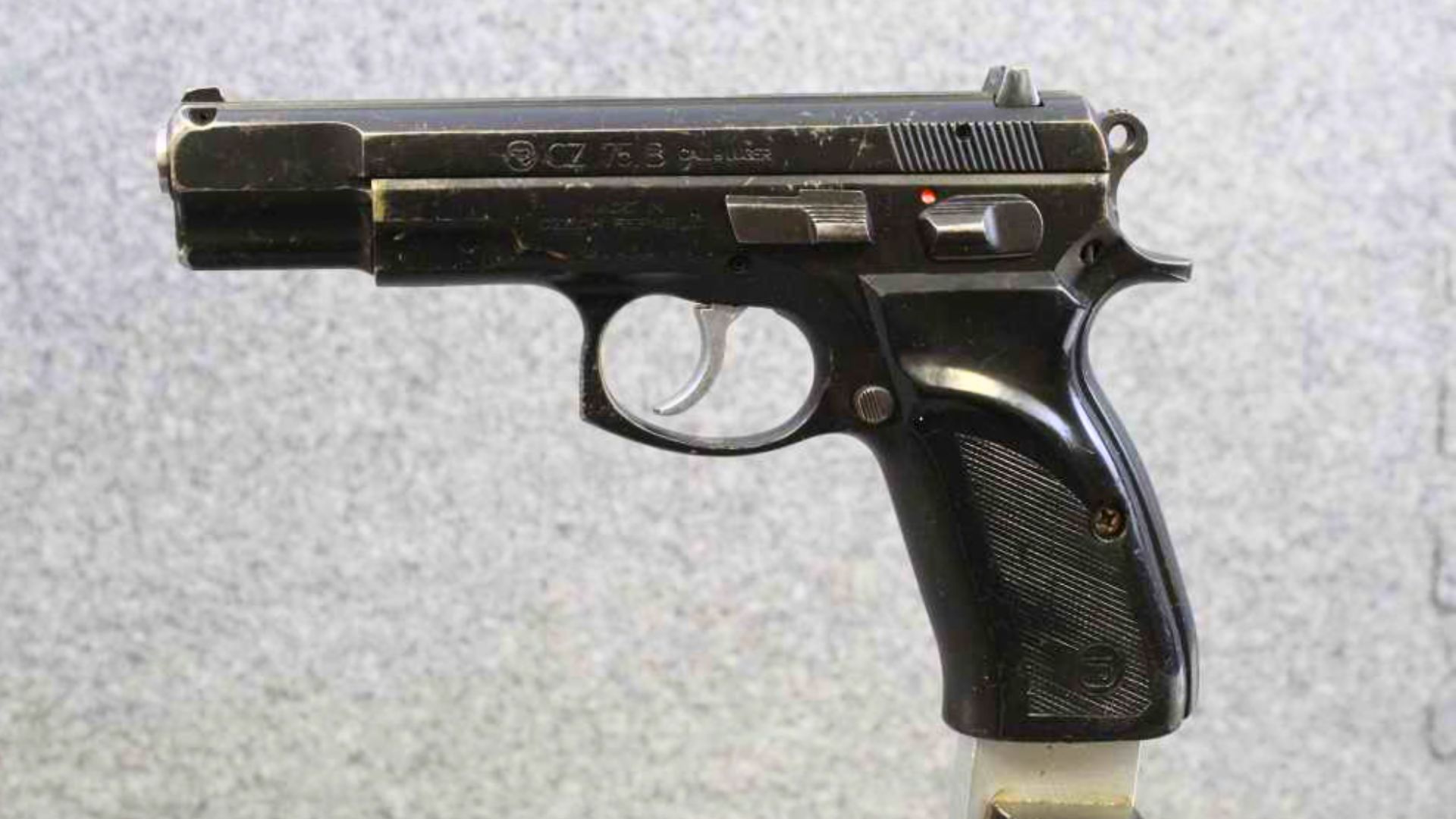
The CZ 75 B lacks the optic mounting, accessory rail, and reduced weight of more modern service pistols. It also has a smaller slide that can be harder to manipulate. Owners still keep it because few handguns feel as settled in the hand.
The steel frame absorbs recoil, while the internal slide rails keep the moving mass low. The grip shape allows a high, secure hold, and the single-action trigger generally becomes smoother with use. A modern polymer CZ may be easier to carry, but it does not duplicate the weight and balance of the original. The 75 B often becomes the gun owners use when they want to shoot accurately without rushing. It may no longer be the practical daily choice, yet it remains one of the most satisfying pistols in the safe.
Savage Model 99

Modern rifles are easier to scope, simpler to repair, and often more accurate than the Savage Model 99. The old lever action still offers a combination that few current rifles duplicate.
Its rotary magazine allows pointed bullets, while the action handles cartridges more modern than the traditional rounds associated with tube-fed lever guns. The rifle balances naturally and cycles quickly without forcing the shooter to move the firing hand away from the grip. Parts and qualified service are becoming harder to find, which makes owners especially reluctant to sell good examples. A new bolt action may become the primary hunting rifle, but the Model 99 remains because replacing its particular character is nearly impossible.
Beretta 92FS
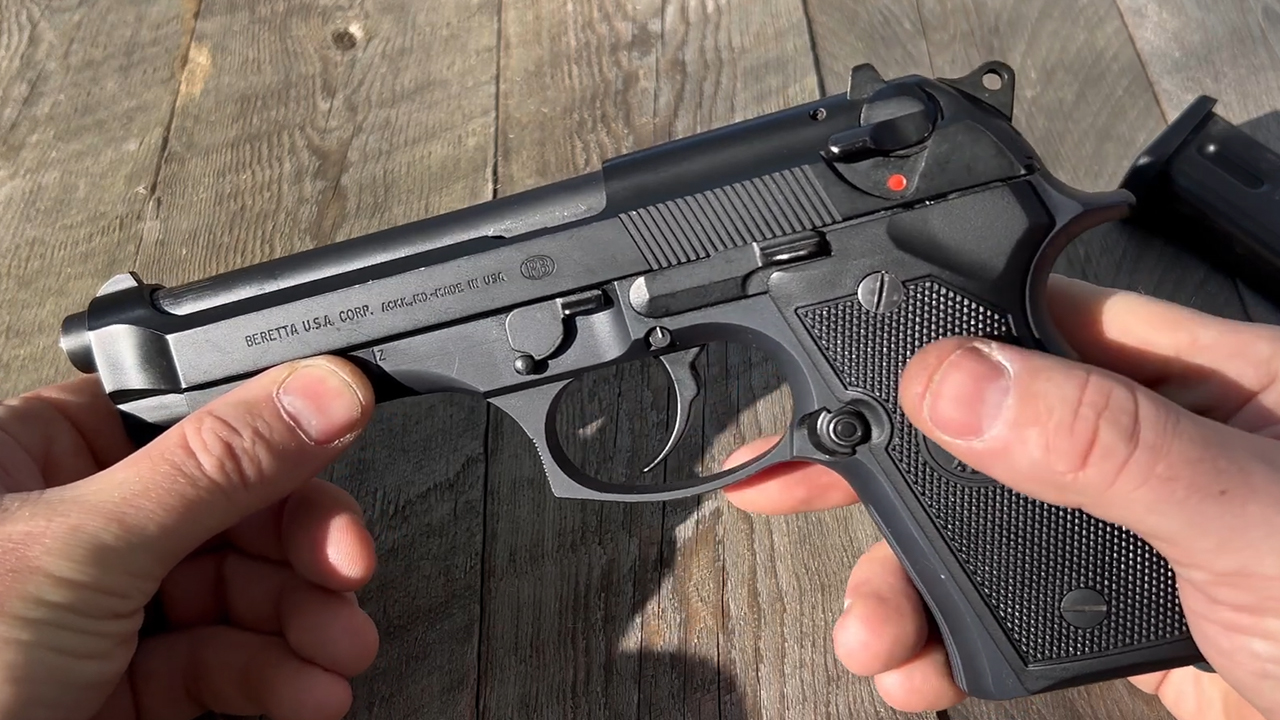
The standard Beretta 92FS has been passed by newer 92 variants with frame-mounted controls, optic cuts, better triggers, and improved grips. Polymer duty pistols are also lighter and easier to carry. The old 92FS still has a loyal place in many collections.
Its metal frame and locking-block action give it a smooth recoil impulse that makes extended shooting pleasant. The large grip does not fit everyone, and the slide-mounted safety requires adaptation, but owners who have spent years with the platform usually operate it without hesitation. Military history and pop-culture exposure add emotional value, yet the gun also remains genuinely accurate and dependable. A newer pistol may be easier to configure. The 92FS stays because it still feels like a real service handgun.
Henry .22 Lever Action
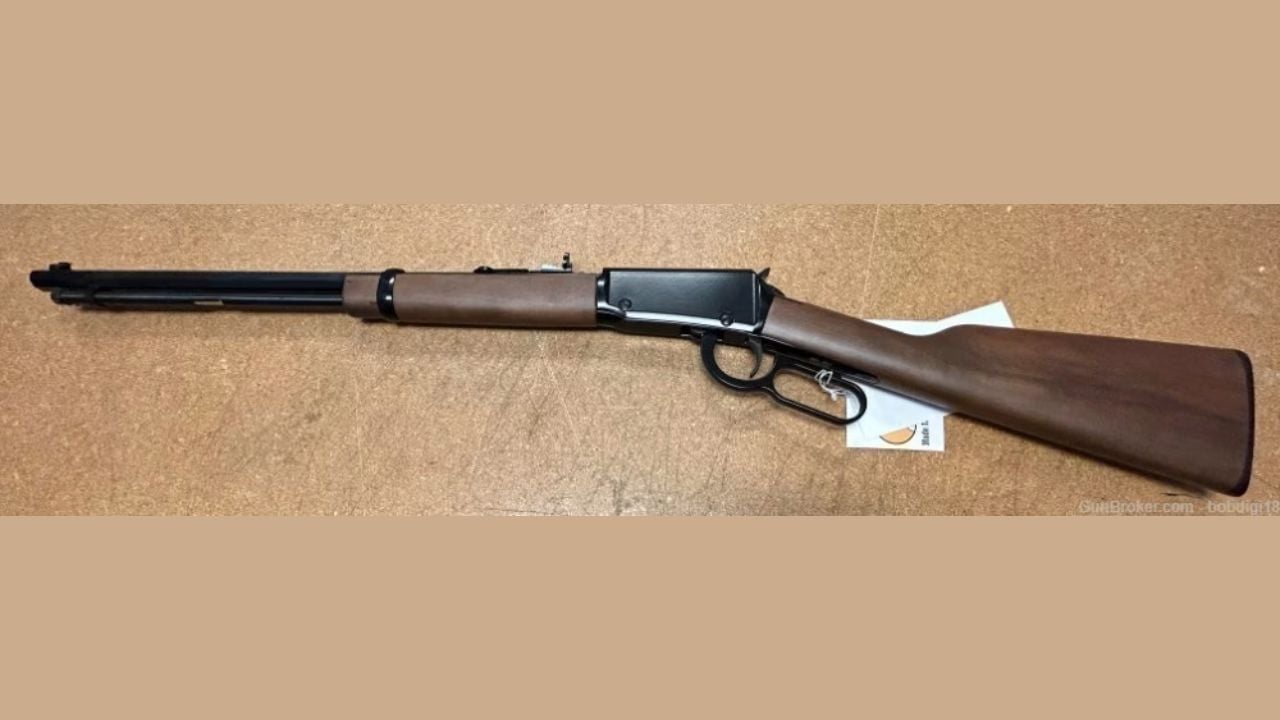
A semi-automatic rimfire is faster, while a bolt-action rifle may be more accurate. The Henry .22 lever action remains one of the most enjoyable rifles an owner can keep.
Its smooth action, light weight, and mild report make it easy to share with new shooters. The tubular magazine is slower to load than a detachable box, but it also contributes to the traditional experience. The rifle is not built around competition or tactical training. It exists to make ordinary range time enjoyable. Owners may buy precision rimfires, suppressor hosts, or modern semi-automatics, yet the Henry remains the rifle that comes out when the goal is rolling cans, teaching a family member, or simply shooting without turning the day into a performance test.
Ruger Blackhawk

Double-action revolvers reload faster, and semi-automatics offer much greater capacity. A Ruger Blackhawk remains difficult to replace because it provides strength, accuracy, and a completely different style of shooting.
The single-action mechanism slows everything down. The hammer must be cocked for each shot, and the loading gate forces the owner to handle one chamber at a time. That deliberate pace is part of the appeal. The strong frame also supports powerful hunting and field loads in appropriate chamberings. Owners may later buy smoother double actions or lighter trail guns, but the Blackhawk remains the revolver they trust for heavy ammunition and careful shooting. It is less convenient than newer options and often more rewarding.
Remington Model 700 BDL
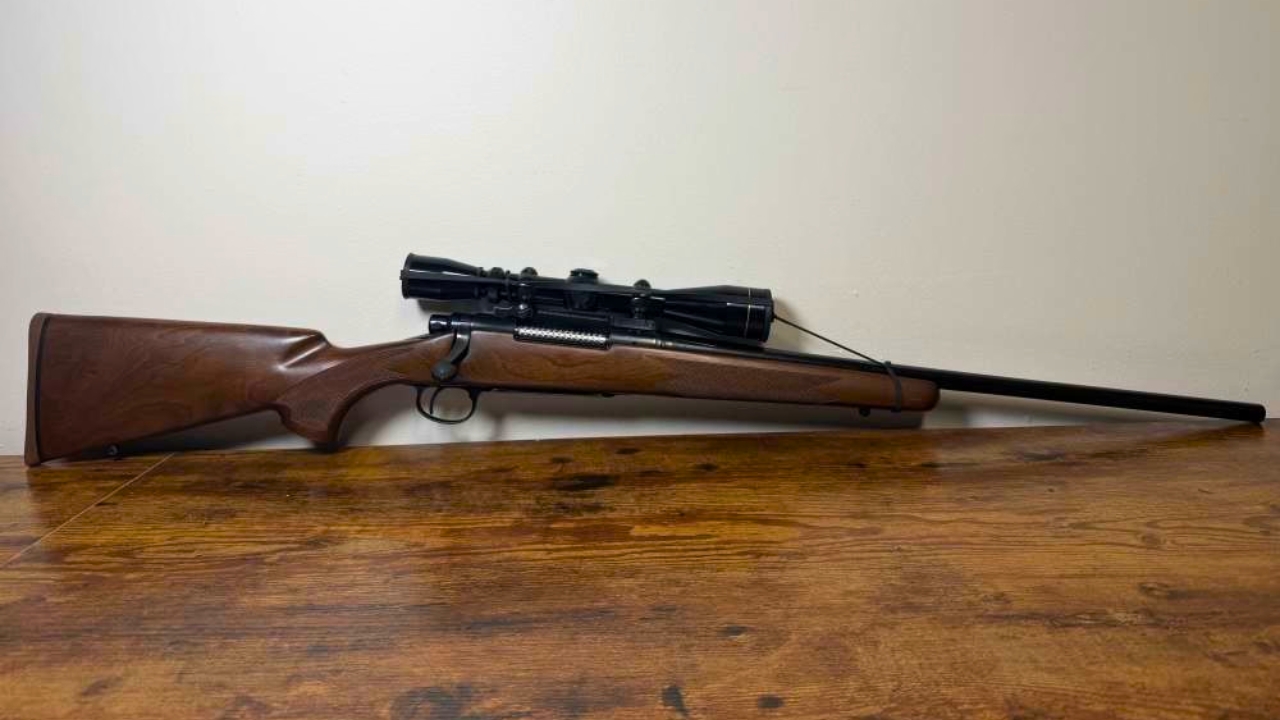
A modern Tikka, Bergara, or custom action may operate more smoothly and deliver better factory consistency than a Remington Model 700 BDL. Older owners often have no intention of giving up the rifle they already understand.
The BDL’s polished metal, checkered wood stock, and hinged floorplate give it a traditional hunting-rifle feel that is disappearing from lower-priced production guns. Many examples also shoot extremely well once paired with the right ammunition. The owner may add a lighter synthetic rifle for difficult hunts or a modern precision gun for longer shots. The Remington remains because it has already proven itself, fits properly, and carries years of hunting memories. A replacement can offer better specifications without ever becoming the same rifle.
Smith & Wesson Model 686

Lighter revolvers are easier to carry, while semi-automatic pistols provide more ammunition and faster reloads. The Smith & Wesson Model 686 remains because it is one of the most balanced .357 Magnum revolvers ever produced.
The L-frame gives it enough strength and weight for regular magnum use without becoming as massive as an X-frame or heavy hunting revolver. Its adjustable sights, full-size grip, and smooth action make it equally useful with soft .38 Special target loads and serious .357 ammunition. Owners may eventually buy smaller carry guns or more powerful field revolvers. The 686 stays because it occupies the middle ground so effectively. It is comfortable enough for long range sessions and strong enough for jobs that demand more than a lightweight revolver.
SKS

An AR-15 is easier to mount optics on, simpler to reload, and more adaptable. A quality AK offers detachable magazines and a more modern fighting-rifle layout. The SKS continues surviving collection cleanouts because it is simple, durable, and tied to an era when surplus rifles were inexpensive.
The fixed magazine and stripper-clip loading system look outdated, but they also keep the rifle uncomplicated. Most examples handle ordinary ammunition reliably, and the weight helps make recoil manageable. Owners who bought one cheaply often hesitate to sell because replacing it now may cost far more than the original purchase. The SKS rarely becomes the primary defensive or hunting rifle. It remains as a rugged, historically interesting semiautomatic that works well enough to keep earning space.
Browning Auto-5
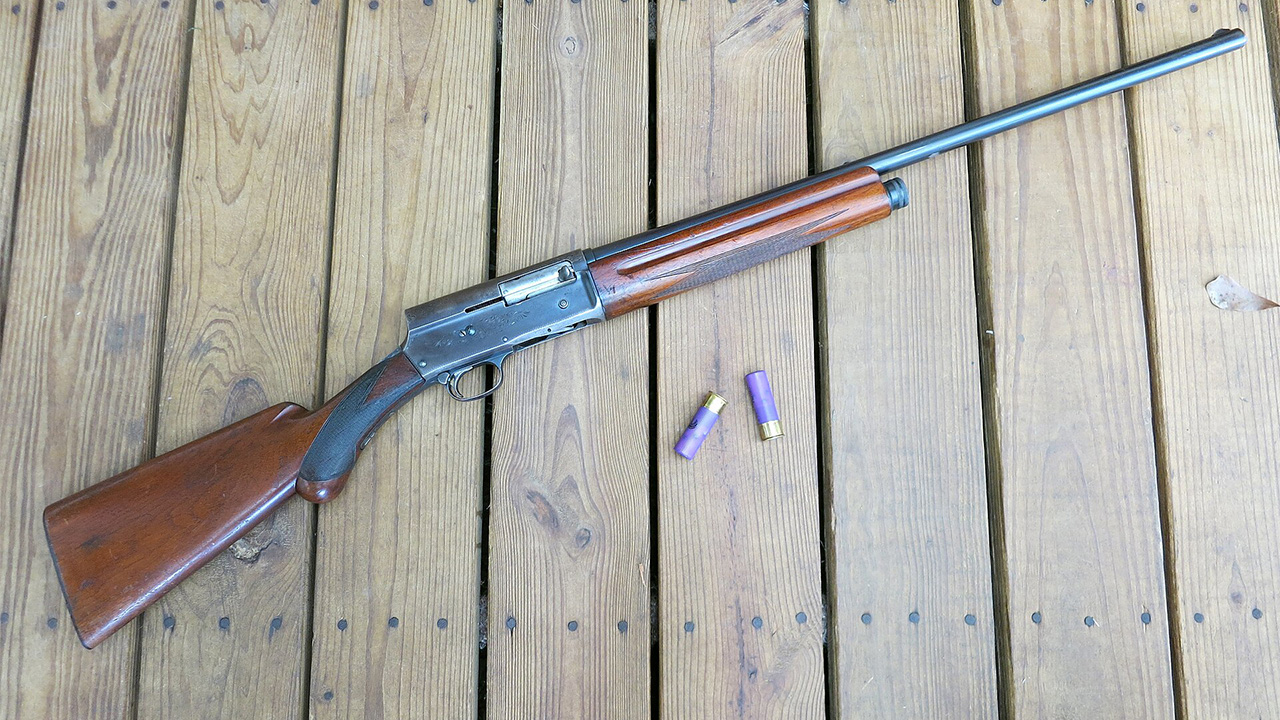
Modern semi-automatic shotguns are lighter, softer shooting, and easier to adjust for different loads. The Browning Auto-5 remains one of those guns owners keep because nothing else operates or feels quite the same.
Its long-recoil action moves the barrel and bolt together, creating a distinctive cycling sensation. The humpback receiver gives the shooter a sighting plane unlike that of conventional shotguns, while the wood and steel construction feels substantial. Proper friction-ring adjustment is important, and the gun requires more understanding than a current gas-operated design. Owners may use a newer shotgun for demanding hunts, yet the Auto-5 remains because of its mechanical character, family history, and connection to an earlier style of firearm manufacturing.
M1 Garand

Modern semi-automatic rifles are lighter, hold more ammunition, and accept optics with far less effort. None of those advantages make an M1 Garand easy to sell.
The rifle is heavy, the operating system requires appropriate ammunition considerations, and the eight-round en bloc clip belongs to another era. It also provides one of the most distinctive shooting experiences available. The weight and gas system make .30-06 manageable, while the sights and trigger remain excellent for a service rifle of its age. Owners may have more practical rifles for hunting, competition, or defense. The Garand stays because it connects the shooter directly to American military history every time the bolt closes and the clip is loaded.
Like The Avid Outdoorsman’s content? Subscribe to our newsletter so you never miss an article.
Here’s more from us: