Photo credit: The Concealed Carry Channel/Youtube
Most handgun buyers understand that every firearm has a lifespan. Springs weaken. Small parts wear. Barrels lose sharpness after enough shooting. Finish gets rubbed thin. Nothing mechanical lasts forever.
But some handguns disappoint because they start showing wear sooner than owners expected.
Sometimes the issue is not that the gun completely falls apart. It is that the pistol was marketed or talked about like a hard-use tool, but it starts feeling loose, unreliable, uncomfortable, or maintenance-hungry after fewer rounds than the buyer imagined. These are the handguns that often make owners wonder whether the real round count matches the reputation.
Ultra-Light .357 Magnum Revolvers
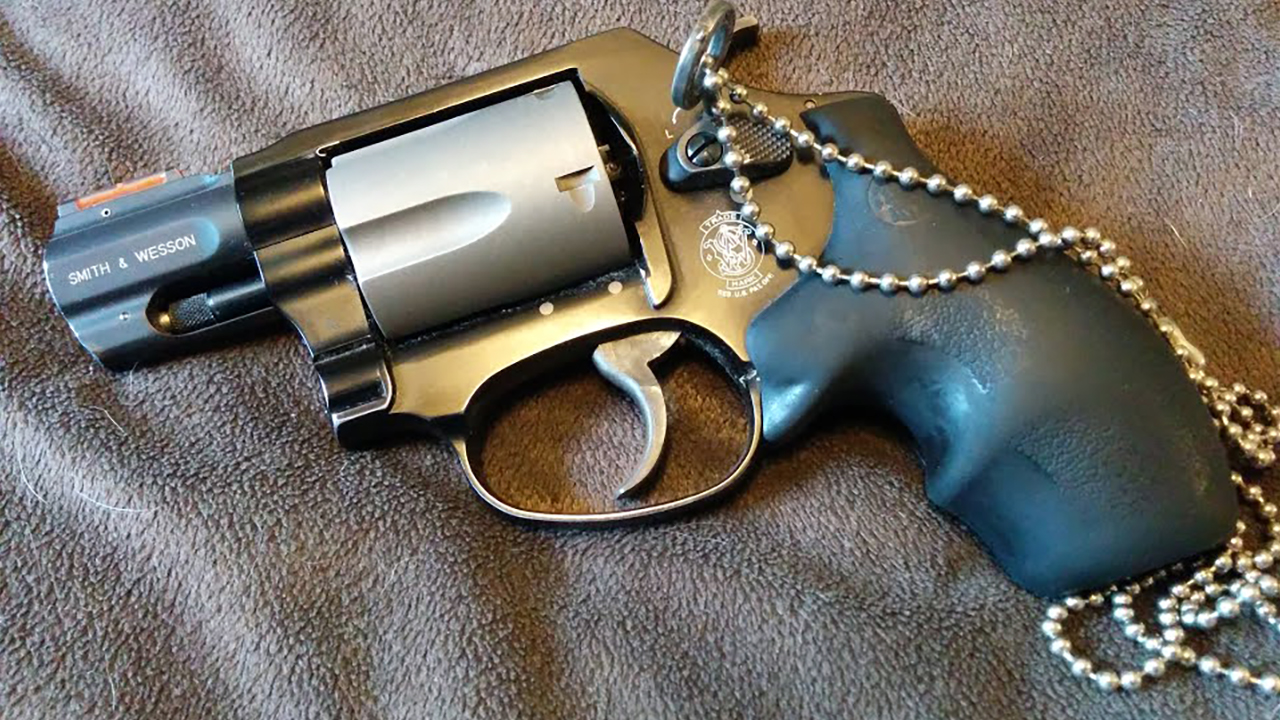
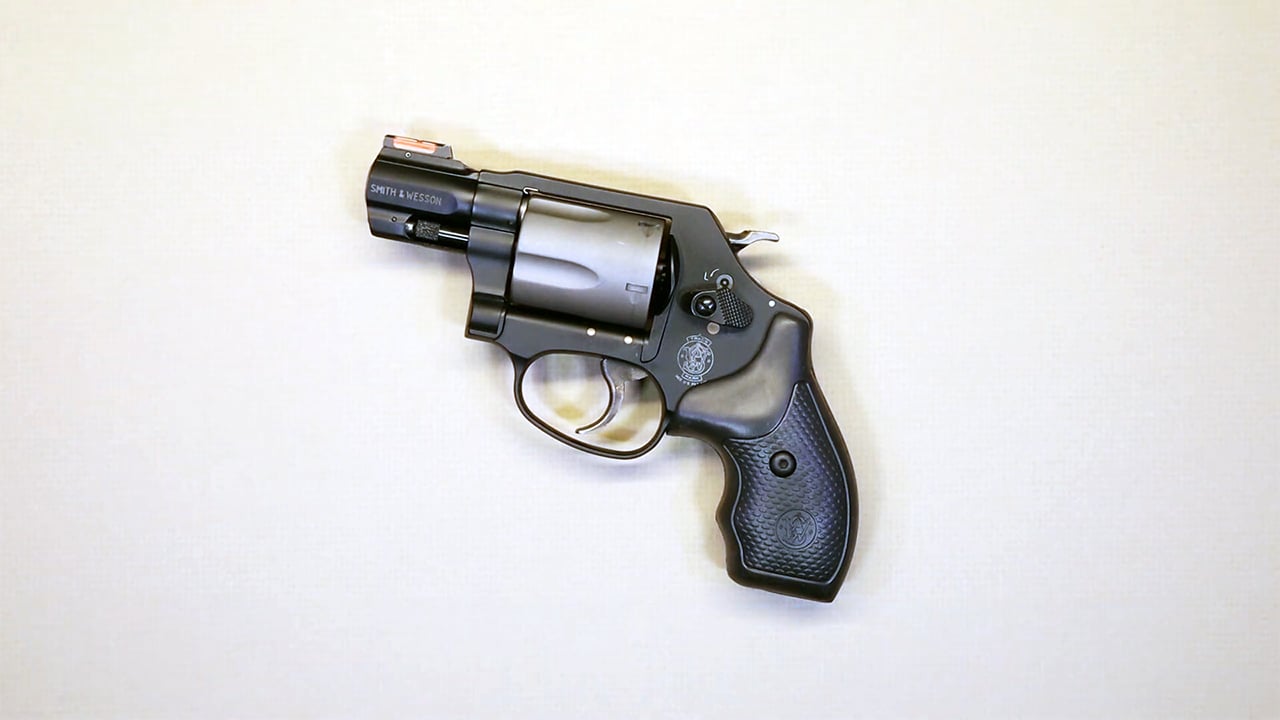
Ultra-light .357 Magnum revolvers are usually sold around one exciting idea: serious magnum power in a featherweight carry gun. That sounds great until the owner actually shoots enough full-power .357 Magnum through one to practice seriously.
The problem is stress. The gun is light for carry, but that means recoil is sharp, wear is harder on the shooter, and steady magnum use can be rough on the platform. Many of these revolvers are better carried often and fired occasionally with magnum loads, while most practice happens with .38 Special. That is not necessarily dishonest, but it can surprise buyers who thought they were getting a tiny revolver meant for endless full-power magnum range sessions. The gun may survive, but the owner’s enthusiasm often wears out first.
Micro 1911s
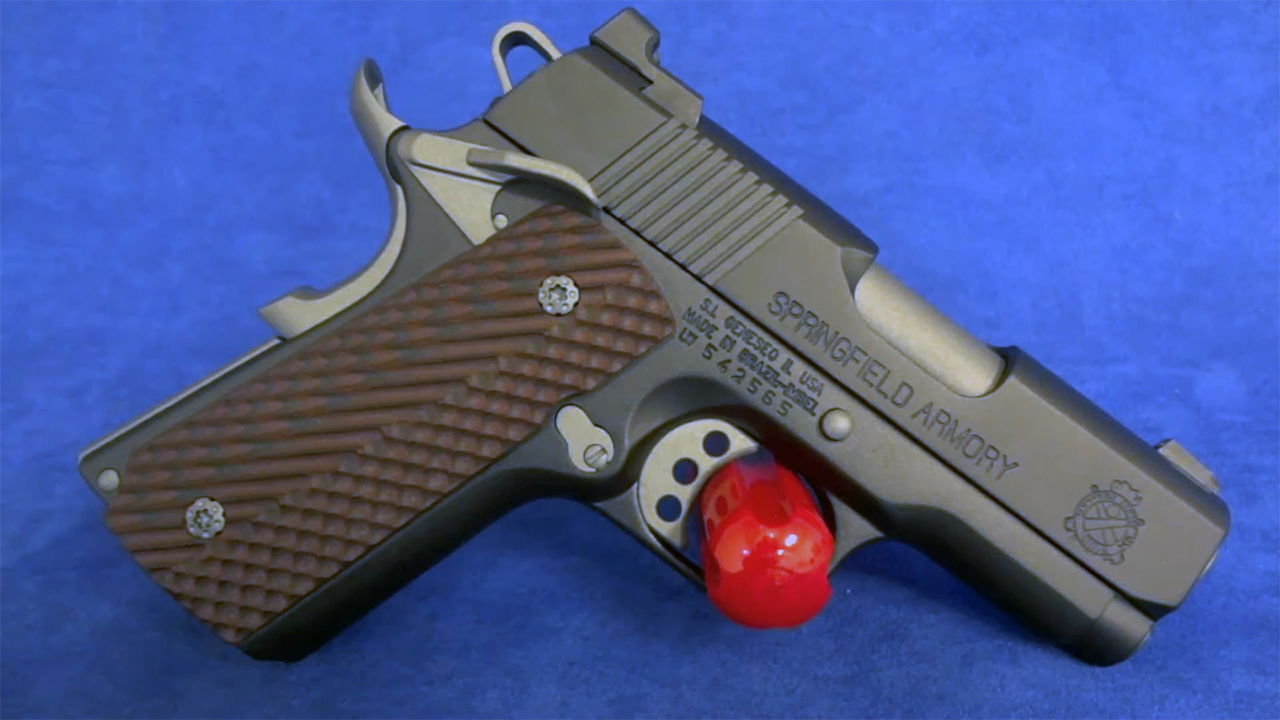
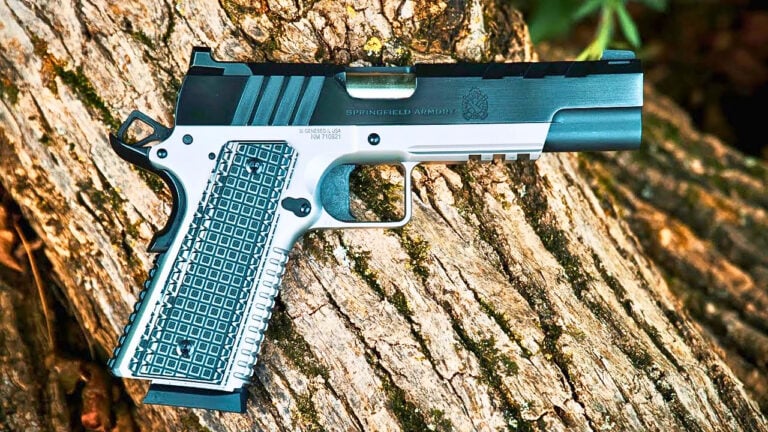
Micro 1911s promise a lot: classic 1911 feel, .45 ACP authority or 9mm practicality, and easy concealment in a small package. The appeal is obvious. The smaller the pistol gets, though, the less forgiving the platform can become.
Short slides, short recoil systems, small magazines, and tight timing windows can make these pistols more sensitive to wear, ammunition, and maintenance than larger 1911s. Some examples run well, but they often need more attention than buyers expect. Recoil springs may need replacing sooner, magazines matter more, and small reliability changes can show up quickly. A full-size 1911 can be a long-lasting workhorse. A tiny one can feel like a sports car that needs constant tuning.
Budget 1911 Clones

Budget 1911 clones can be tempting because they put a classic design within reach. The buyer sees the single-action trigger, steel frame, and .45 ACP chambering and feels like they are getting a lot of pistol for the money.
Sometimes they are. But the 1911 is a design where fit, metallurgy, small parts, extractor tuning, and magazine quality all matter. A cheaper pistol may run fine for casual shooting, then start showing problems as round count climbs: loose safeties, extractor issues, peening, weak magazines, or inconsistent feeding. The buyer may end up replacing parts, polishing surfaces, and chasing reliability until the “cheap” pistol is no longer cheap. A budget 1911 can be fun, but it may not wear like a serious hard-use pistol.
Pocket .380 Pistols
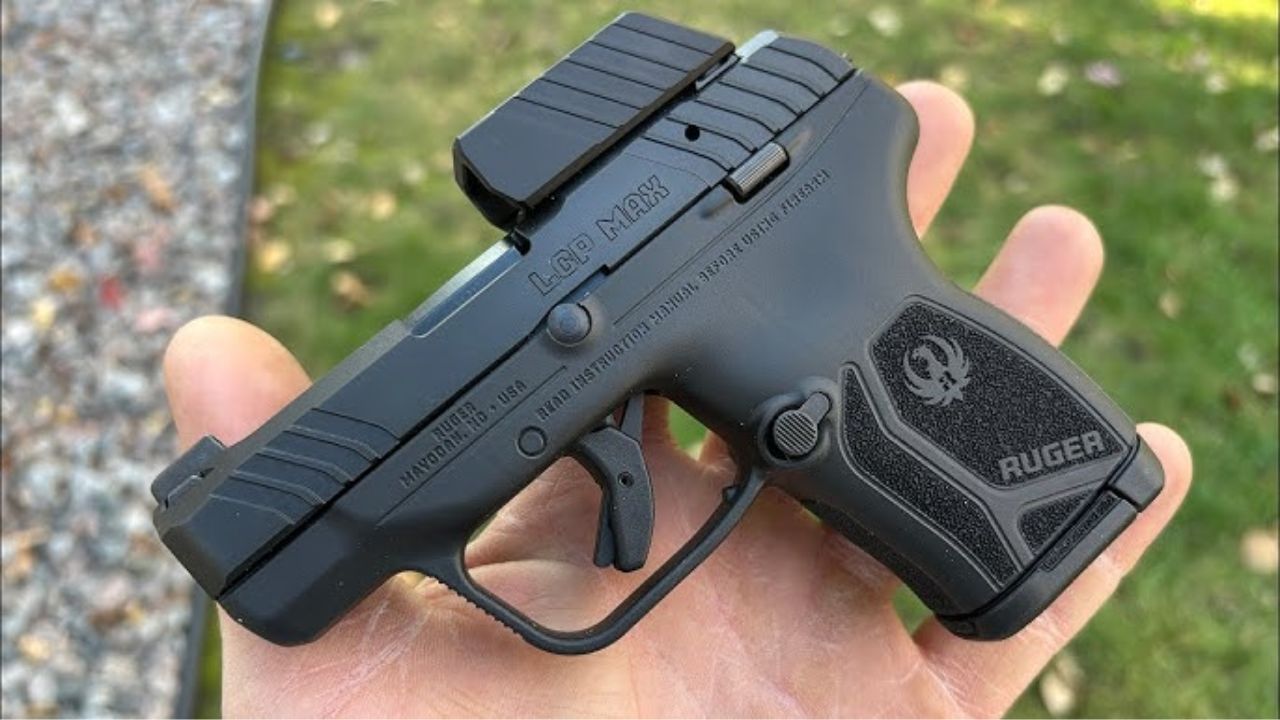
Pocket .380 pistols are built around concealment first. That is not automatically a flaw. A tiny pistol that can be carried when nothing else works has real value. But buyers sometimes mistake “easy to carry” for “built for endless high-volume shooting.”
Many pocket .380s are small, lightweight, and snappy. They can be hard on recoil springs, hard on hands, and less pleasant to practice with for long sessions. Some are reliable within their intended role, but they are not always designed to be 10,000-round training pistols. Owners who run them like full-size range guns may start seeing wear, failures, or parts fatigue faster than expected. The pistol was meant to be carried a lot and shot enough to stay proficient, not treated like a duty-size service gun.
KelTec PF9

The KelTec PF9 attracted buyers because it was thin, light, affordable, and chambered in 9mm. For its time, that was an appealing combination. It gave people a very carryable pistol without premium pricing.
The tradeoff is that the PF9 was not known for feeling like a long-life range pistol. The recoil can be sharp, the trigger is long, and the small frame makes high-volume practice less enjoyable. Some owners get good service from theirs, but many understand quickly that it is a lightweight carry tool, not a pistol they want to shoot constantly. When buyers expect it to handle like a larger, more expensive 9mm, disappointment can arrive early. Light, cheap, and durable do not always show up equally in the same gun.
SIG Sauer Mosquito

The SIG Sauer Mosquito looked like it should have been a perfect training pistol. It had SIG styling, a familiar control layout, and inexpensive .22 LR shooting. Buyers expected a fun rimfire that could handle lots of practice without much fuss.
Many owners found the reality less satisfying. The Mosquito developed a reputation for ammunition sensitivity and reliability complaints, which made it feel less durable in a practical sense. A gun does not have to physically wear out to lose trust. If it needs specific ammo, extra cleaning, or constant attention to keep running, owners start feeling like the useful lifespan is shorter than expected. The idea was strong. The execution left many shooters wishing they had bought a Ruger Mark pistol, Browning Buck Mark, or another proven rimfire instead.
Walther P22
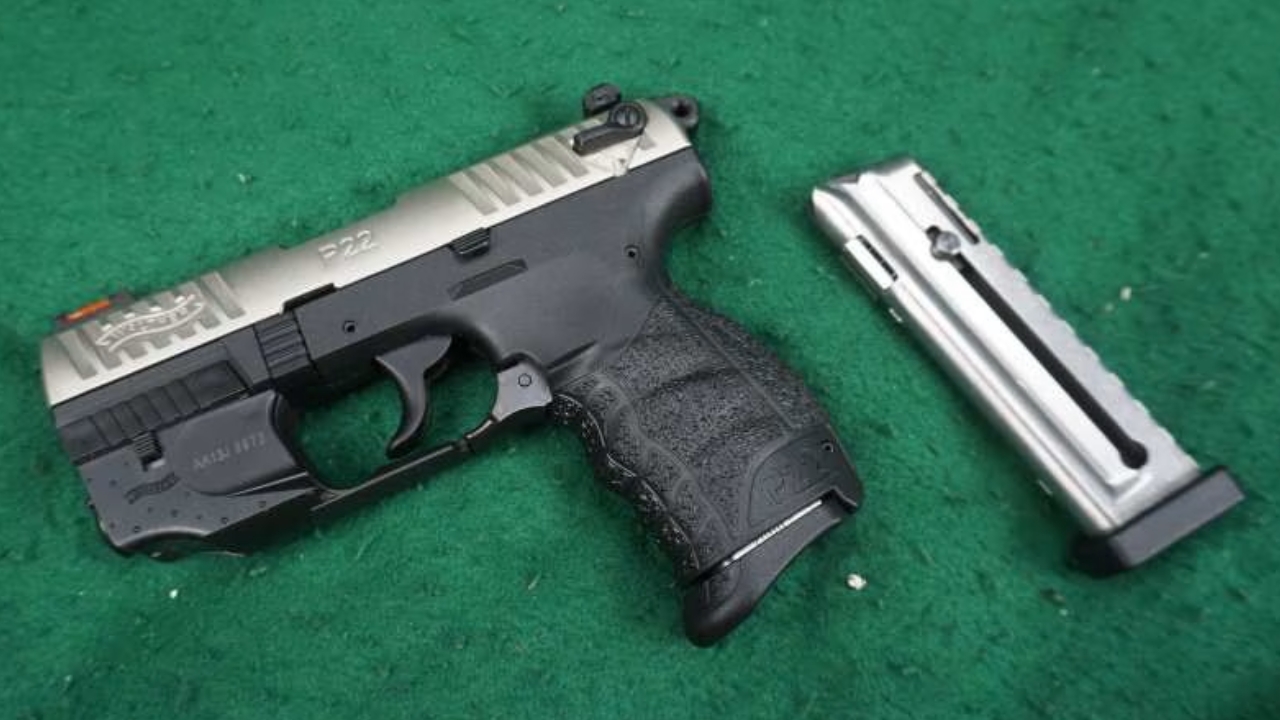
The Walther P22 is another rimfire pistol that attracted buyers because it looked modern, compact, and fun. It gave shooters a small .22 with controls and styling closer to a defensive pistol than a traditional target rimfire.
The issue is that many owners expected it to be more robust than it felt over time. The P22 can be ammunition-sensitive, and some shooters have reported wear or reliability issues with higher round counts. It may be enjoyable as a casual plinker, but it is not usually the first choice for someone who wants a rimfire pistol to digest case after case of ammunition for years. A .22 pistol should make practice easy. When the pistol itself becomes the limiting factor, trust fades quickly.
Taurus PT22
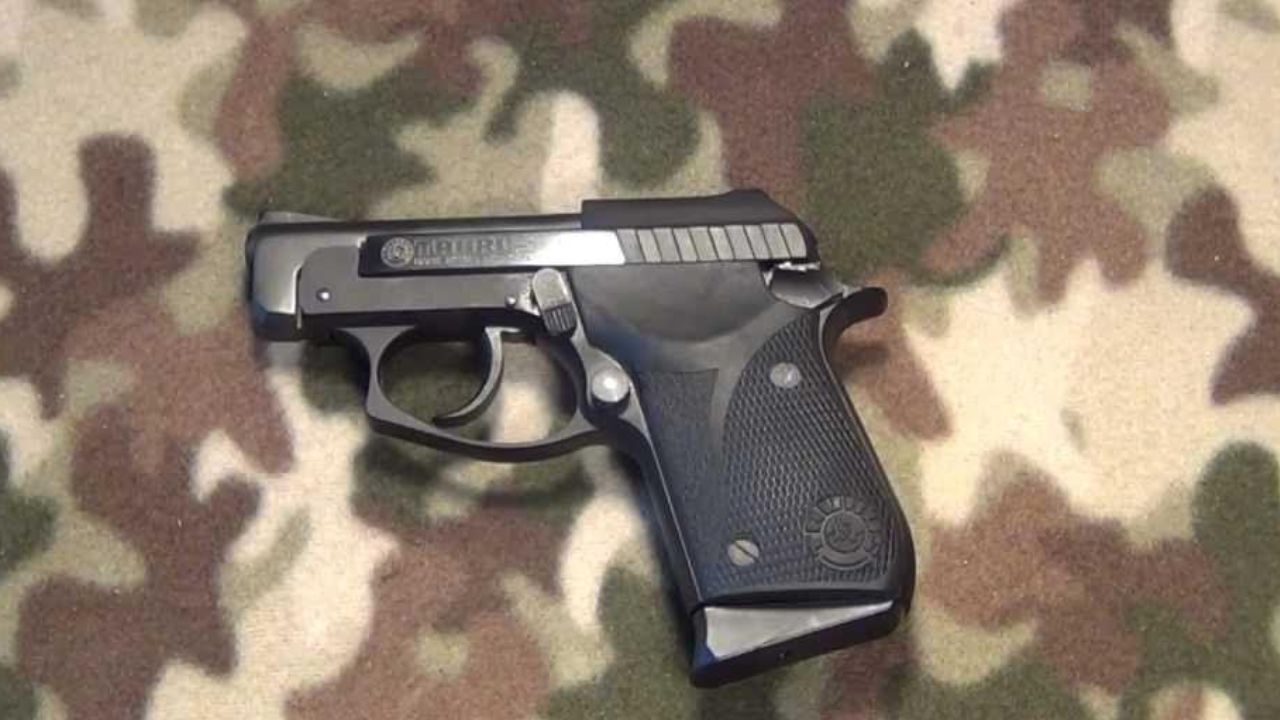
The Taurus PT22 is a small tip-up-barrel rimfire pistol that looks handy and approachable. It is easy to load, small enough to carry, and interesting to people who like tiny pistols. As a concept, it has charm.
But tiny rimfire pistols are rarely built for hard use in the way full-size service pistols are. The PT22 can be finicky, and small parts in small pistols often have less margin for abuse. It may serve as a casual plinker or niche pocket pistol for someone who understands its limitations, but buyers expecting serious long-term durability may be disappointed. The gun’s appeal is convenience and novelty, not endless round-count confidence.
Charter Arms Bulldog
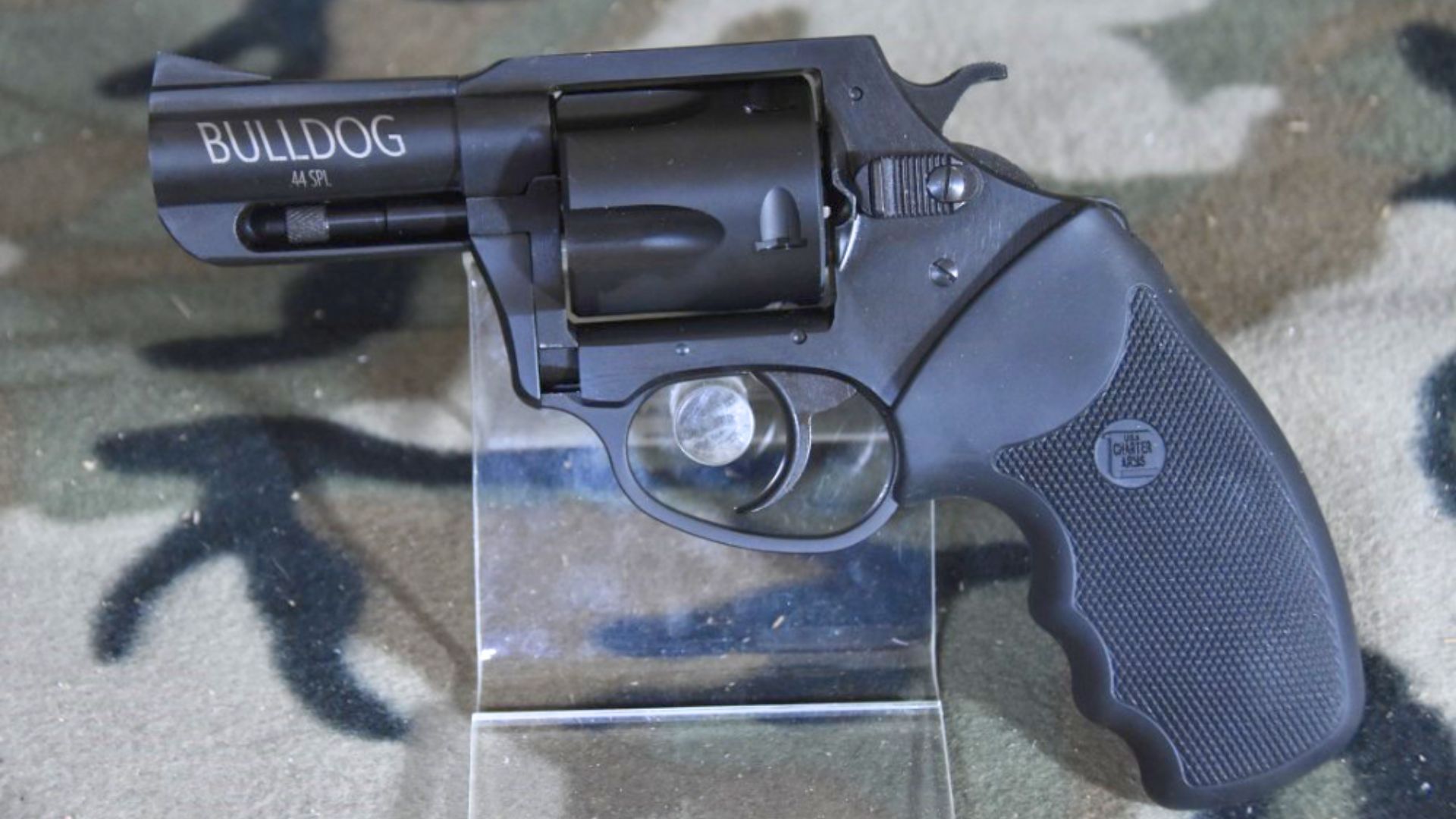
The Charter Arms Bulldog has long appealed to people who want a compact .44 Special revolver. Big-bore power in a carryable package sounds like a smart old-school answer to modern defensive pistols. It also has a loyal following for a reason.
The concern is that the Bulldog is not a heavy-duty big-bore range revolver. It is light and compact for the cartridge, which makes it easier to carry but less suited to constant shooting with stout loads. Owners who treat it like a high-volume .44 Special trainer may see the limits sooner than expected. It makes more sense as a carry gun that gets enough practice to confirm proficiency. It is not the revolver most people should buy if they plan to shoot big-bore loads every weekend.
SCCY CPX Pistols

SCCY CPX pistols gained attention because they were affordable, compact, and chambered in 9mm. For buyers on tight budgets, that combination can be hard to ignore. A low-cost carry pistol can feel like a practical solution.
The problem is that inexpensive defensive pistols often reveal their compromises with use. Triggers can feel rough, recoil can be unpleasant, and long-term durability confidence may not match what owners expect from more established service pistols. Some people get reliable guns and are satisfied. Others experience problems early enough to wonder whether saving for a Glock, M&P, Ruger, or SIG would have been smarter. A carry gun has to earn trust over time, and not every budget pistol does that gracefully.
Kimber Solo
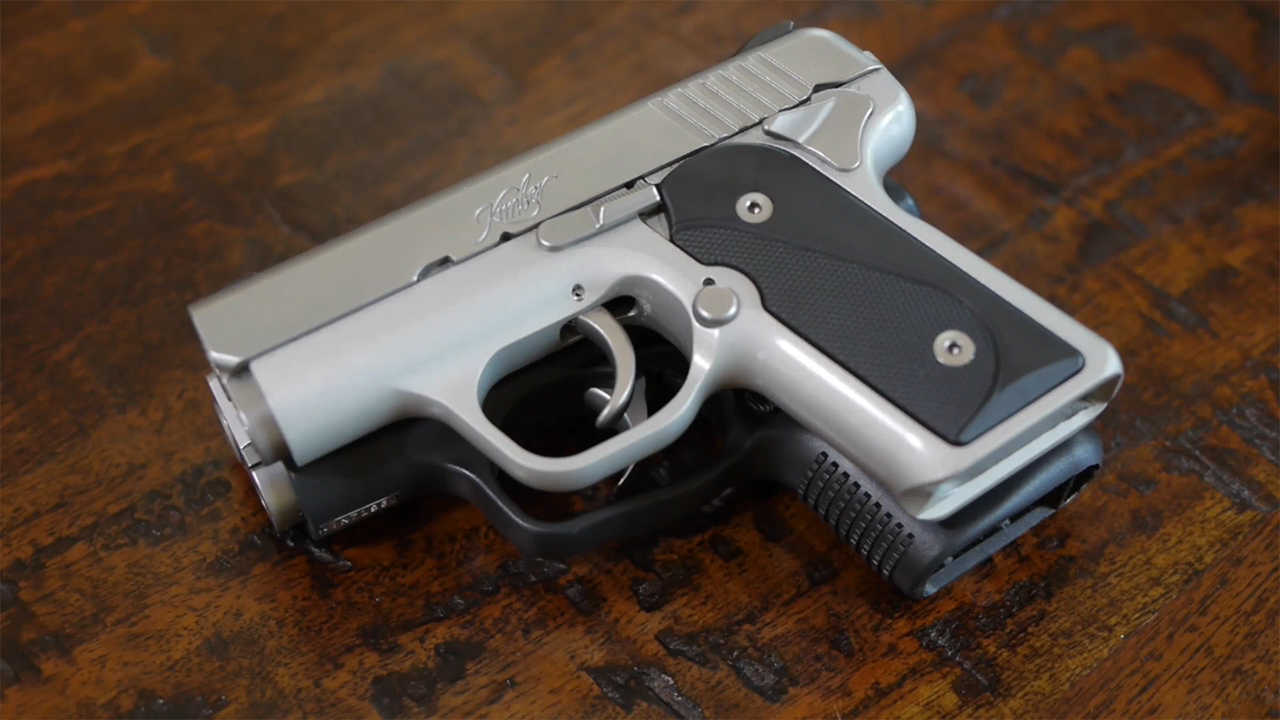
The Kimber Solo had huge appeal when it appeared because it looked refined, compact, and premium. It promised a small 9mm carry pistol with Kimber styling and a more upscale feel than many pocket guns. Buyers wanted it to be elegant and serious.
But the Solo became known for being picky and frustrating for some owners. It had specific ammunition expectations, and reliability complaints damaged its reputation. Even if a particular pistol worked, the broader ownership experience made many shooters cautious. A carry pistol that requires too much negotiation loses trust fast. The issue is not just wear in the physical sense. It is that confidence can wear out after a few frustrating range trips.
Small Alloy-Frame .40 S&W Pistols

Compact alloy-frame pistols in .40 S&W had their moment when the cartridge was extremely popular for defensive use. They promised more power than 9mm in a carryable package, often from proven service-pistol designs.
The problem is that .40 S&W can be hard on smaller guns and shooters. The recoil impulse is sharp, parts can take more stress, and practice can be less pleasant than with 9mm. In larger duty pistols, the cartridge can make sense. In small, lightweight pistols, it can accelerate both mechanical wear and owner fatigue. Many shooters eventually moved away from these setups because they realized they were paying for more snap, more wear, and less enjoyment without enough real-world advantage.
Diamondback DB9

The Diamondback DB9 attracted attention because it was extremely small for a 9mm pistol. The idea of pocket-size 9mm power is always tempting, especially for people who want more than .380 ACP in a tiny package.
But very small 9mm pistols have to fight physics. Recoil is sharp, parts are small, and the gun has less mass to absorb stress. Early DB9 pistols developed a mixed reputation, and many owners learned quickly that ultra-compact 9mm pistols require realistic expectations. It may be useful as a lightweight carry option for some, but buyers expecting full-size durability and comfort from a tiny pistol are likely to be disappointed. Small guns often make big promises they cannot comfortably keep.
Budget AR-Style Pistols in Hard-Use Setups

AR-style pistols can be very useful when built well, but budget versions sometimes disappoint when owners run them hard. Short barrels, gas-system tuning, bolt speed, buffer weight, and parts quality all matter more than some buyers realize.
A cheap AR pistol may look serious with a brace-style setup, rail, optic, and muzzle device, but the range tells the truth. Overgassing, parts wear, unreliable cycling, and rough assembly can show up faster than expected. The owner may end up replacing the bolt carrier group, buffer system, trigger, extractor parts, or barrel components until the original bargain stops looking like a bargain. A properly built AR pistol can be solid. A cheap one pretending to be hard-use gear can wear out its welcome quickly.
Cheap Zinc-Alloy Pocket Pistols

Cheap zinc-alloy pocket pistols have been around for decades, usually sold to buyers who want something small and inexpensive. They are often chambered in mild calibers and marketed around affordability more than serious long-term use.
The problem is that cheap materials and rough manufacturing have limits. These pistols may show wear quickly, suffer parts breakage, or lose reliability after relatively modest use. Some owners buy them as novelty pieces or ultra-budget defensive options, but they rarely inspire the kind of confidence a carry gun should. A handgun does not have to be expensive to be useful, but it does need to be trustworthy. When the frame, slide, or small parts feel disposable, the money saved at purchase can feel wasted fast.
Like The Avid Outdoorsman’s content? Subscribe to our newsletter so you never miss an article.
Here’s more from us: