Photo credit: Old Man Life: Thoughts and Opinions/YouTube
Every few years the gun world tries to convince you the newest thing is automatically the best thing. Then deer season shows up, a buddy’s truck won’t start, it’s sleeting sideways, and the rifle you actually want in your hands is the one that feeds slick, carries easy, and doesn’t care if you baby it. Lever guns have been doing that job since before most of our grandpas were born.
No, they aren’t perfect. Some kick more than you remember, some have mushy triggers, and a couple are just heavy for what they are. But when you pick up the right one, you remember why the old ways made sense: fast follow-up shots, safe carry with a hammer under your thumb, and a rifle that points like it’s part of your arm.
1. Marlin 336 (.30-30)

If you’ve hunted whitetails in timber, you’ve seen a 336 riding behind a truck seat or leaning in a corner by the back door. It isn’t flashy. It’s just a rifle that comes to the shoulder quick and hits hard enough inside sane distances.
The action on a good one feels like it’s on greased rails, and the balance is right between your hands. The only real knock is that older ones can vary a little in fit and finish depending on era, and some folks chase “pre-safety” models like it’s a religion. Still, a scoped 336 with decent ammo is about as honest as deer rifles get.
2. Winchester Model 94 (.30-30)

This is the rifle that made half the “deer camp wall” photos in America. The 94 carries light, and it’s one of those guns you can walk with all day without noticing until you need it. When the woods are thick and shots are quick, it shines.
I get why folks move on from them: top-eject models and scopes don’t always get along, and some triggers feel like they were designed by a committee. But if you keep it simple with irons or a peep sight, it’s hard to beat for the way it handles.
3. Henry Big Boy Steel (.357 Mag/.38 Spl)
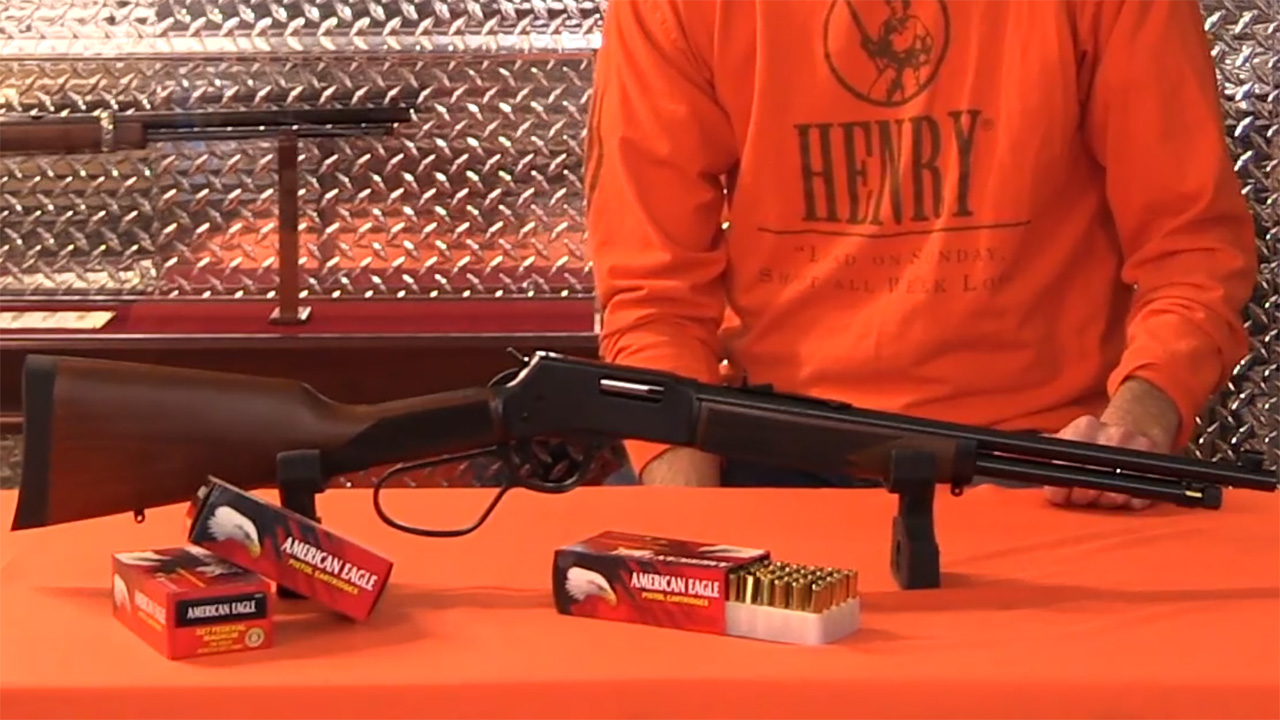
A .357 lever gun is one of those “how did I live without this” setups—especially if you already own a .357 revolver. Feed it cheap .38s for plinking and small stuff, then step up to .357 for coyotes, hogs, or close-range deer where legal.
The Big Boy Steel has some heft, and that’s not a bad thing. It soaks up recoil and feels steady offhand. The smoothness is there, and it’s a rifle you’ll actually pull out for fun, which means you practice more. Ask me how I know.
4. Marlin 1895 (.45-70 Gov’t)

There are rifles you respect, and rifles you respect after they thump you once at the bench. A light .45-70 lever gun will get your attention, especially with hot loads. In the field, though, it’s a different story. One good shot and the job is usually done.
The 1895 is for thick cover, big-bodied deer, bear country, and folks who like having a hammer they can carry safely. It’s not a long-range rig, and anyone pretending otherwise is selling something. But inside its lane, it’s a hammer.
5. Winchester 1886 (.45-70, .45-90)

The 1886 is what you pick when you want “old-school” but you also want strength. It’s bigger than a 94 and feels like a real piece of machinery when you run it. There’s a reason it has such a reputation with heavier cartridges.
Downside: it’s not a budget buy, and it’s not a featherweight. But if you’ve ever shouldered one that’s been slicked up and cared for, you understand why some rifles turn into family heirlooms instead of safe clutter.
6. Marlin 1894 (.44 Mag)

For a woods rifle that hits harder than a .357 and still keeps recoil manageable, the 1894 in .44 Mag is tough to argue with. It’s quick, handy, and about perfect for still-hunting and short tracking jobs where shots can come fast.
Some of them can be picky about overall cartridge length, especially with certain bullet shapes. When you find a load it likes, though, it runs. And a .44 lever gun is one of those rifles that makes you grin when you work the action.
7. Henry X Model (.30-30, .45-70, .357, .44)
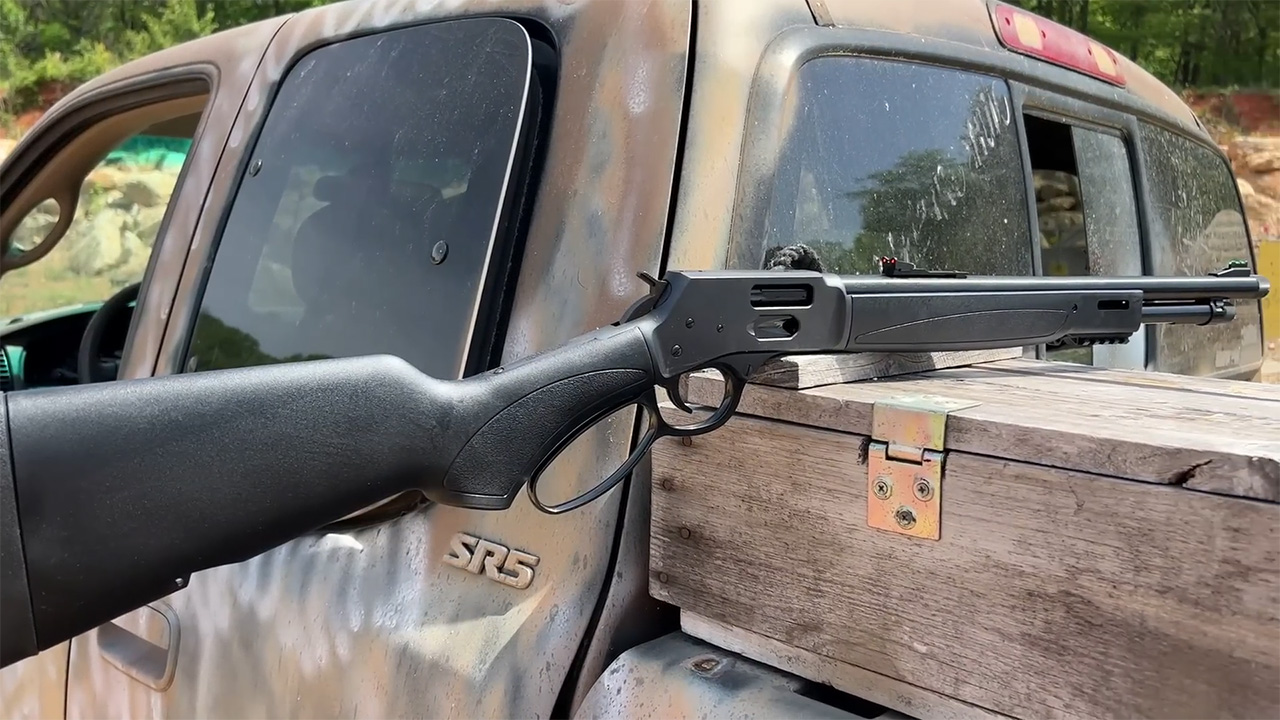
The X Model is Henry leaning into the “working rifle” crowd. It’s not trying to be a museum piece. It’s a lever gun you don’t feel guilty about hunting hard, knocking around in a scabbard, or carrying in nasty weather.
Some traditionalists don’t like the modern furniture and features, and I get it. But if you want a lever gun you’ll actually use instead of admire, this line makes a lot of sense. There’s nothing fancy about it, and that is kind of the point.
8. Rossi R92 (.357, .44)
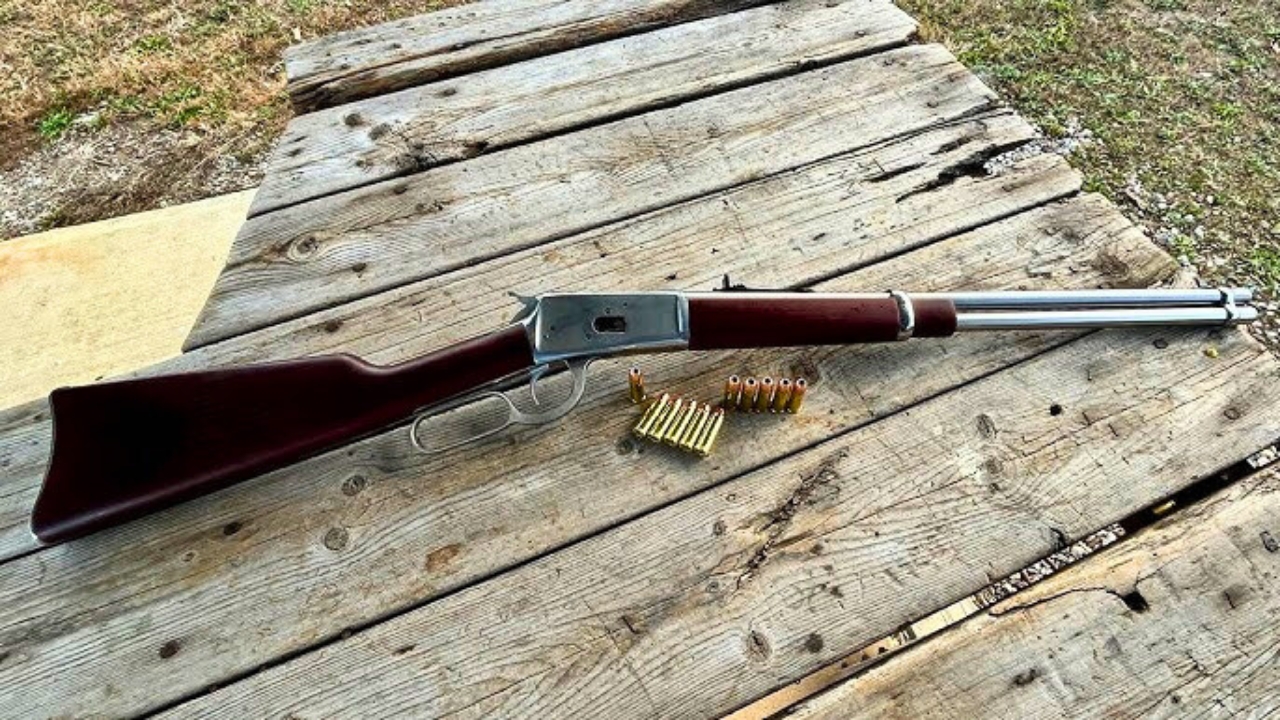
The Rossi 92 is the budget lever gun that surprises people. Not always out of the box, but give it a little break-in and it often turns into a slick, handy rifle that just keeps going. It’s the kind of gun that ends up being everyone’s “truck ranch rifle” because it’s not too precious.
Fit and finish can be hit-or-miss, and some come with rough actions that need time or attention. Still, for the money, it’s hard to ignore. If you want a lever gun to actually carry, not just talk about, the R92 earns a look.
9. Browning BLR (.308 Win)

Not everybody wants a tube magazine and flat-nose bullets. The BLR is what you grab when you want lever action speed but modern cartridges and a box magazine. It points fast like a lever gun should, but it stretches your effective range with .308 and similar rounds.
It’s also a little more complicated than the simple old designs, and you feel that in the price and parts. But if you’re a “one rifle, one season, everything from woods to clear-cuts” kind of hunter, a BLR makes a strong argument.
10. Savage 99 (.300 Savage, .308 Win)

The Savage 99 is one of those rifles that makes you stop and look when you find one on a rack. It’s classy without being fragile, and it was doing “modern lever gun” work long before it was trendy.
The rotary magazine setup and sleek receiver make it a pleasure to carry and shoot. The downside is parts and service aren’t as simple as the common models, and some of them are getting long in the tooth. Still, when you cycle a good 99, it feels like a rifle built by people who cared.
11. Winchester 1892 (.44-40, .357, .44)
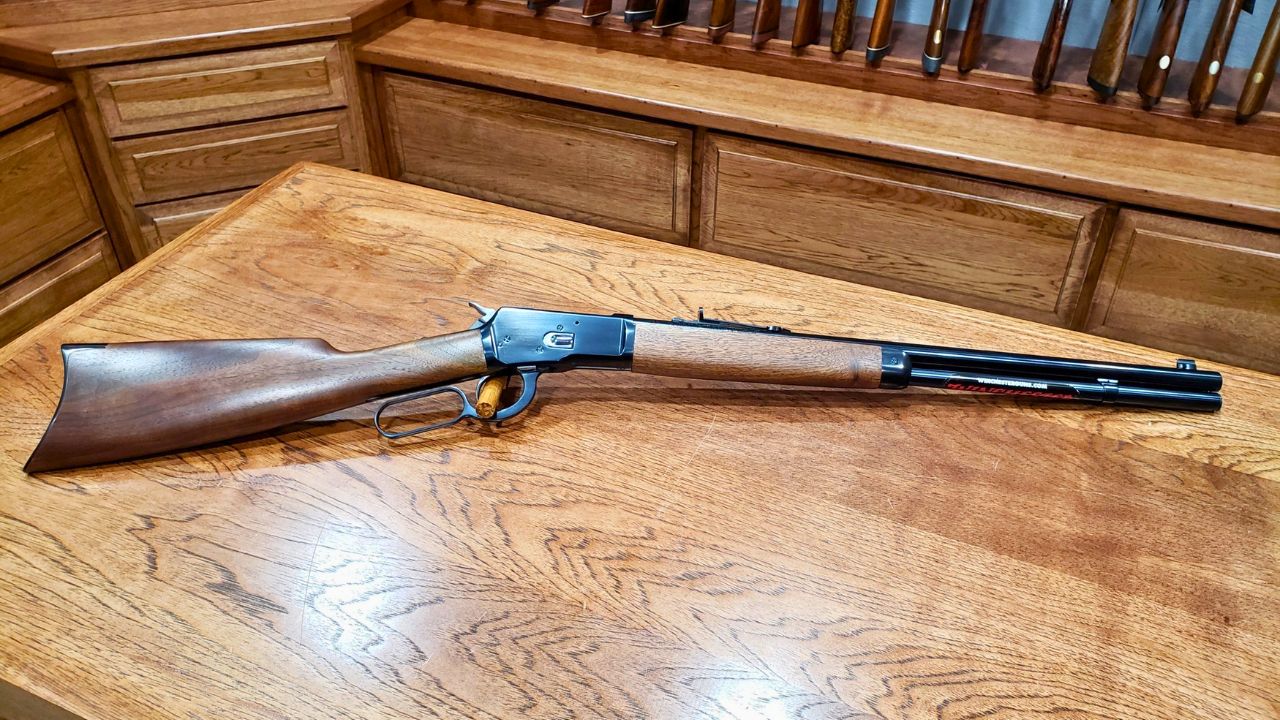
The 1892 pattern is just plain fun, and it also happens to be practical. Pistol calibers in a carbine length make sense for farm work, small predators, and day-to-day carry around property. Light, quick, and easy to feed.
Some folks buy one for the cowboy vibe and then realize they actually like how it shoots more than how it looks. If you’ve got kids or grandkids learning safe rifle handling, a mild pistol-caliber lever gun is about as user-friendly as it gets.
12. Winchester 1873 (.357, .44-40)
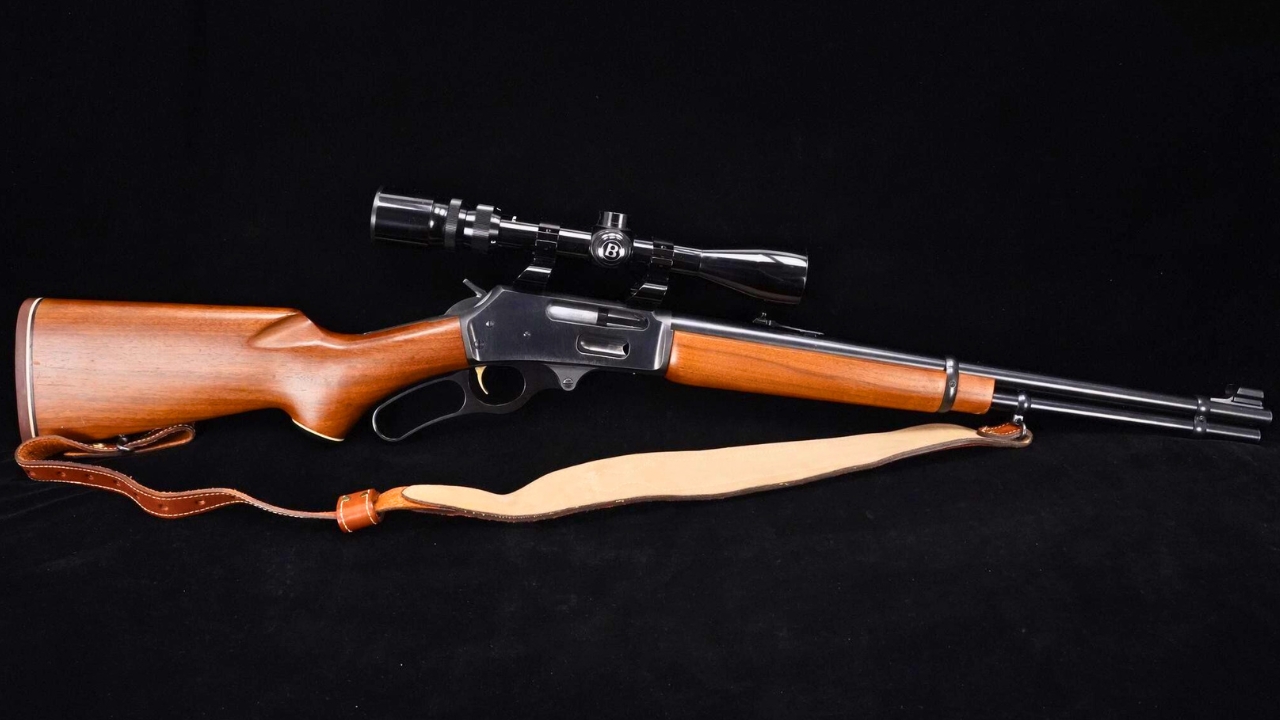
The 1873 is the smooth operator of the bunch when it’s tuned right. It’s not built to be a heavy-pressure monster, and that’s okay. What it does is cycle like butter and make you want to shoot one more magazine tube full.
For folks who run lever guns in matches, the ’73 is a familiar name. For hunters, it’s more of a close-range, light-load tool. If you expect it to be something it isn’t, you’ll be disappointed. If you take it for what it is, you’ll enjoy it.
13. Marlin 39A (.22 LR)

If you grew up with one, you probably still remember the feel of it. The 39A is the .22 that doesn’t feel like a toy. It’s got weight, a solid receiver, and the kind of accuracy that makes tin cans nervous.
It’s also one of those rifles that people sell and then immediately start looking for another one. That one hurts. They aren’t getting cheaper, and good ones get scooped up fast because they’re heirloom-quality .22s that still earn their keep.
14. Henry Golden Boy (.22 LR)
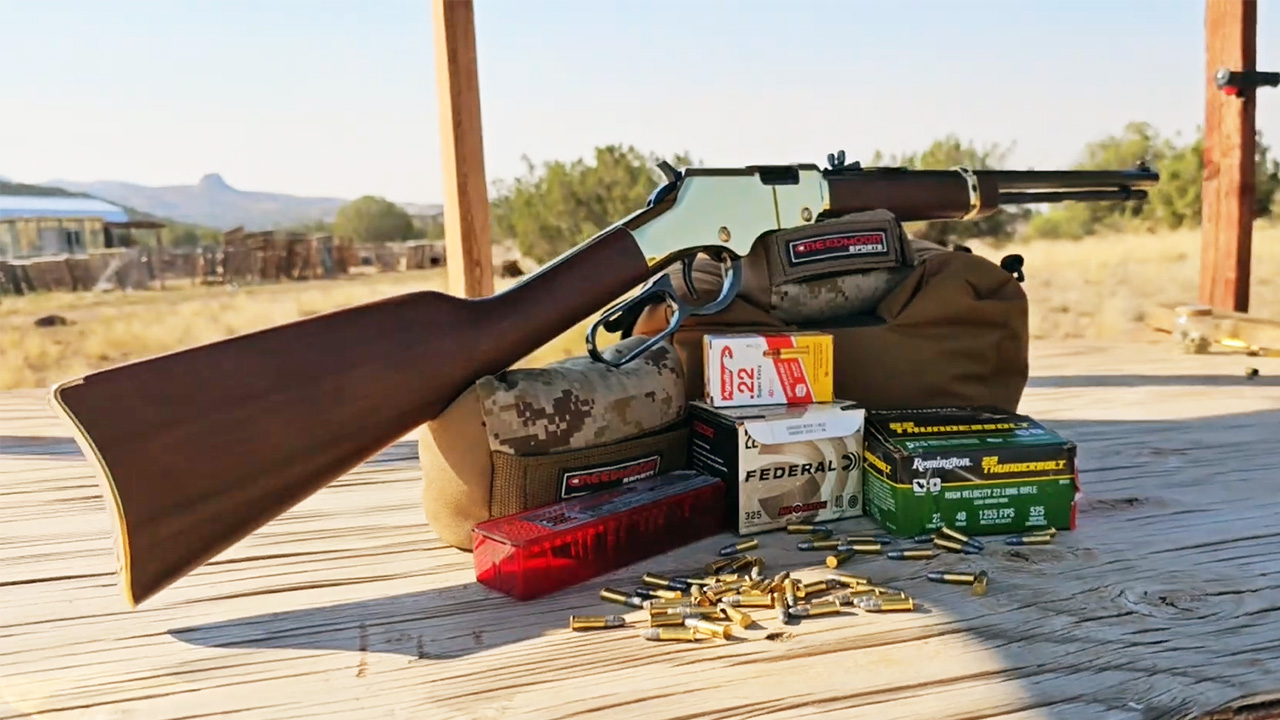
The Golden Boy gets knocked as “too pretty,” and sometimes it is. But it’s also a rifle that gets new shooters excited and gets old shooters smiling. Smooth action, decent accuracy, and it looks like what people think a lever gun should look like.
I wouldn’t drag it through a briar thicket if I had other choices, but for squirrels, plinking, and teaching safe fundamentals, it’s hard not to like. A rifle that makes you want to practice is doing something right.
15. Ruger/Marlin 1895 Guide Gun (.45-70)

The short, handy “guide” style rifles exist for a reason. They carry in tight places, come up fast, and don’t snag on everything when you’re moving through brush or climbing in and out of a side-by-side.
They can be loud, and recoil can be sharp depending on load and stock fit. But for bear country or hog thickets where you might want a fast second shot, this style of lever gun just makes sense.
16. Winchester Model 95 (.30-40 Krag, .30-06)
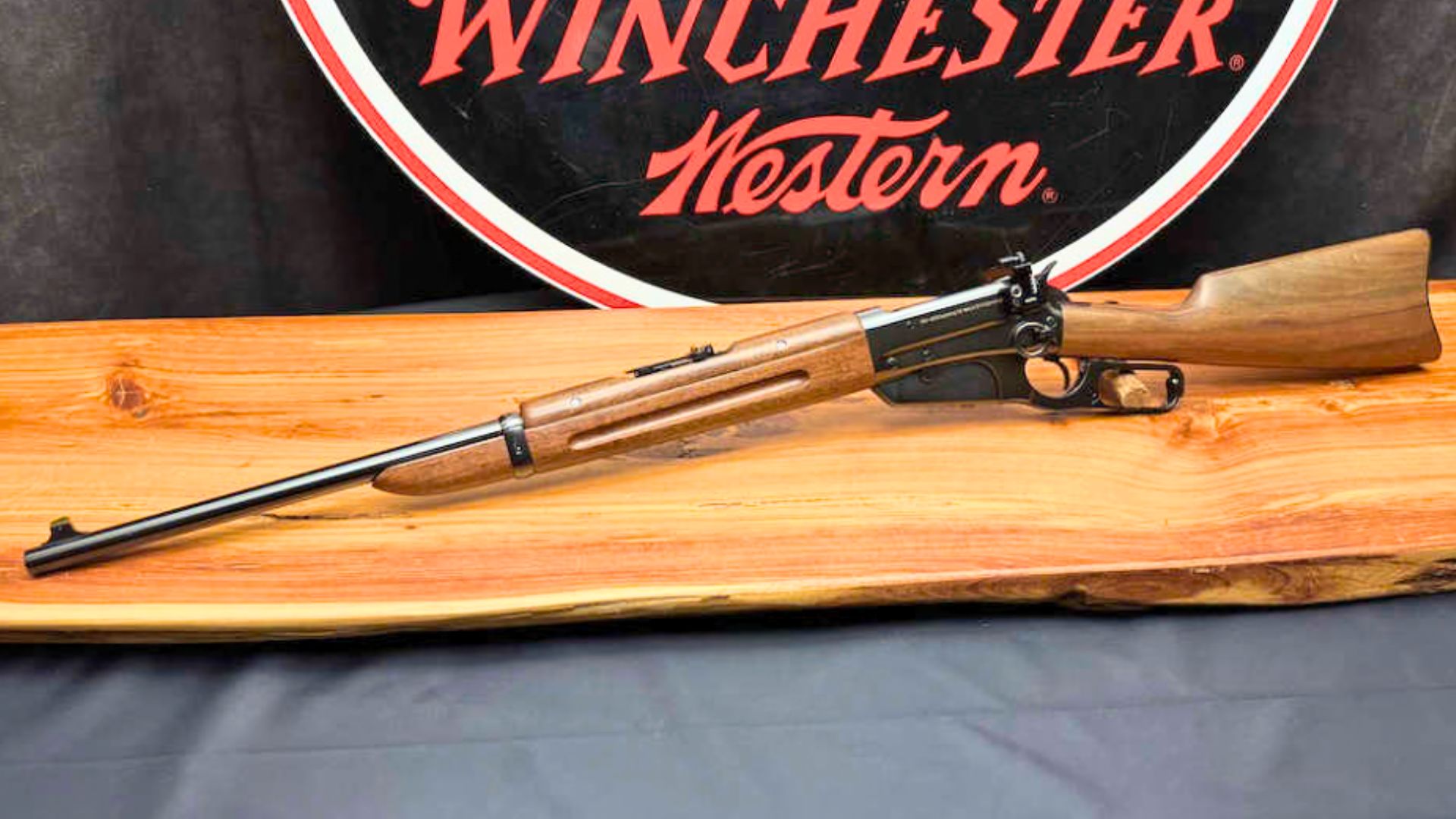
The Model 95 is a different animal. It looks like a lever gun, but it feels like a piece of history that still wants to hunt. It’s not as common, and it’s not as simple as the big-name deer rifles everybody grew up with.
For the right person, that’s exactly the appeal. If you’re the kind of hunter who likes old cartridges, old methods, and a rifle with some soul, the 95 scratches that itch. Just don’t expect “easy to find parts at any shop” convenience.
17. Mossberg 464 (.30-30)

The 464 never got the love it probably wanted, and it’s not because it can’t work. It’s because the market already had legends. Still, if you find one that runs right, it’s a serviceable .30-30 that does the job without pretending to be more.
The feel can be a little rough compared to the classics, and the resale isn’t amazing. But a rifle you’re not scared to scratch is sometimes the rifle that sees the most woods time.
18. Winchester 1894 Trapper (.30-30)
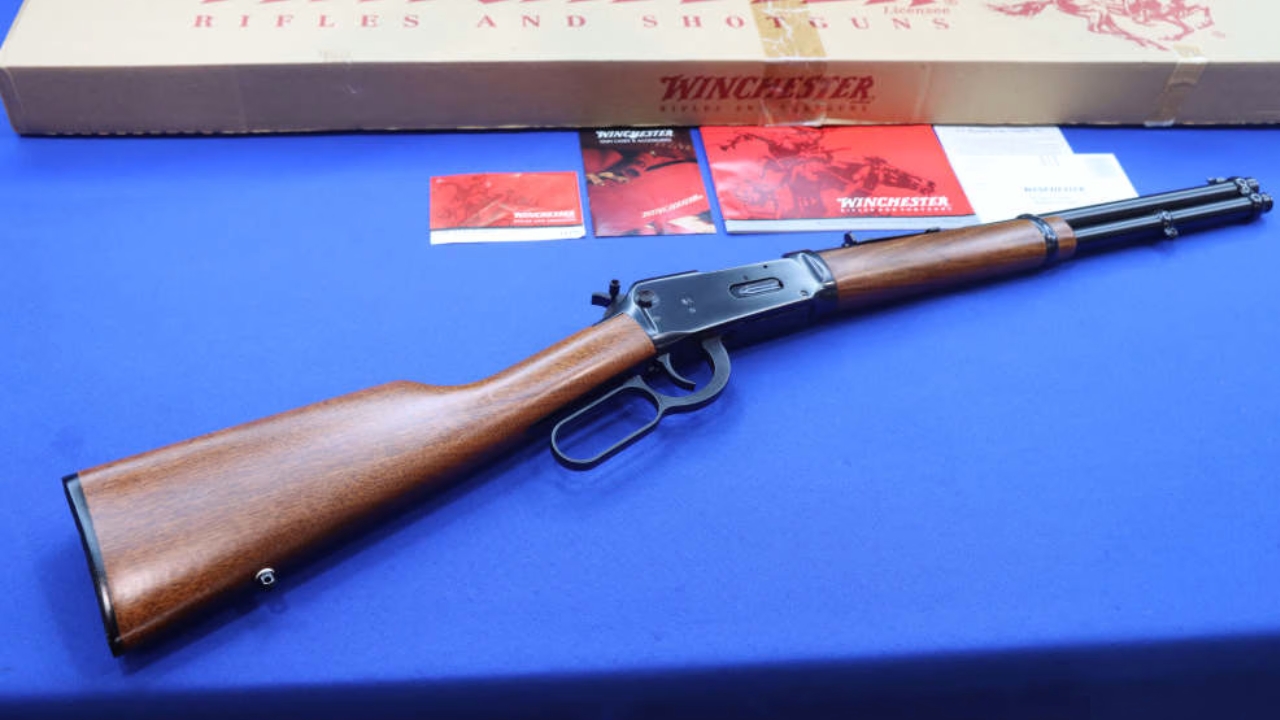
Short barrel, fast handling, easy to carry in a truck or on an ATV. The Trapper-length 94 is one of those rifles that feels almost too quick the first time you swing it on target. In thick cover, it’s a natural.
You do give up a little velocity and a little steadiness compared to a longer barrel, and muzzle blast is real. But if your hunting is tight timber and quick lanes, the trade makes sense.
19. Taylor’s & Co. 1860 Henry Replica (.44-40)
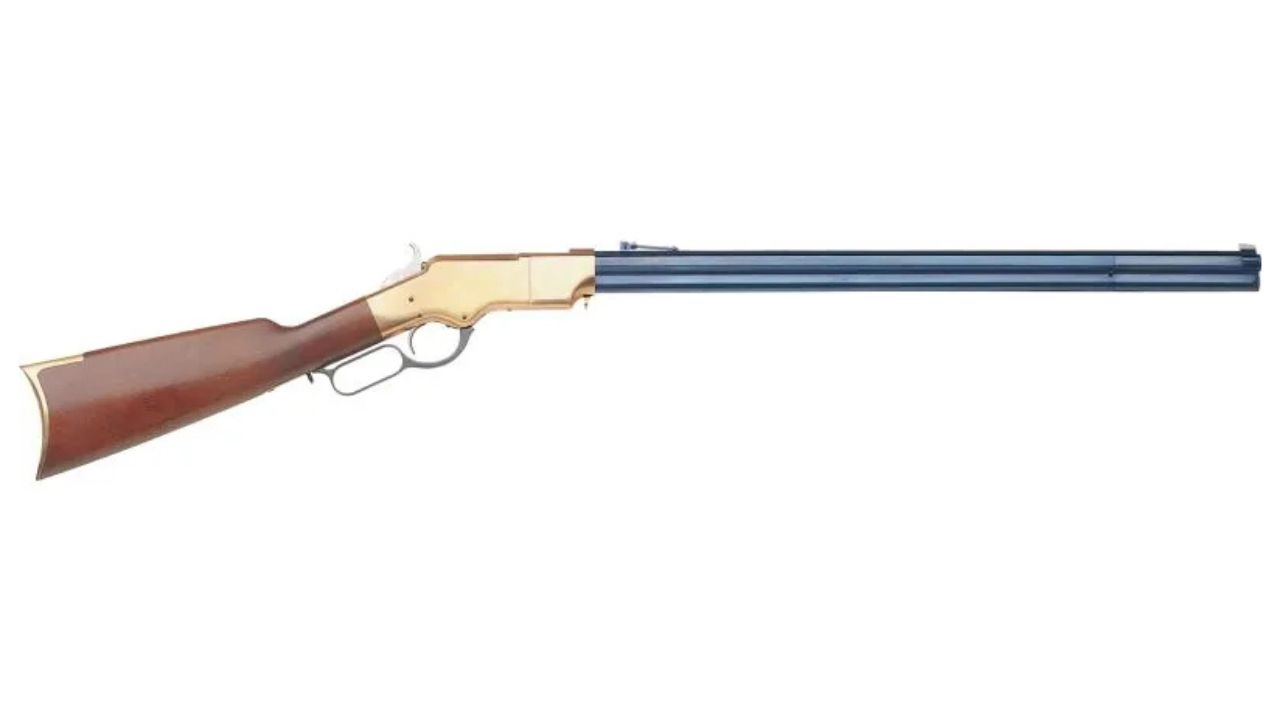
This one isn’t about being the most practical tool in the shed. It’s about appreciating where the whole lever-gun idea came from. A good replica with a decent load is a joy to shoot, and it will make you slow down and enjoy the process.
It’s also not what I’d pick for wet weather and hard knocks. You buy this because you like history and you like shooting. Sometimes that’s enough.
20. Chiappa 1892 “Takedown” (.357 Mag)
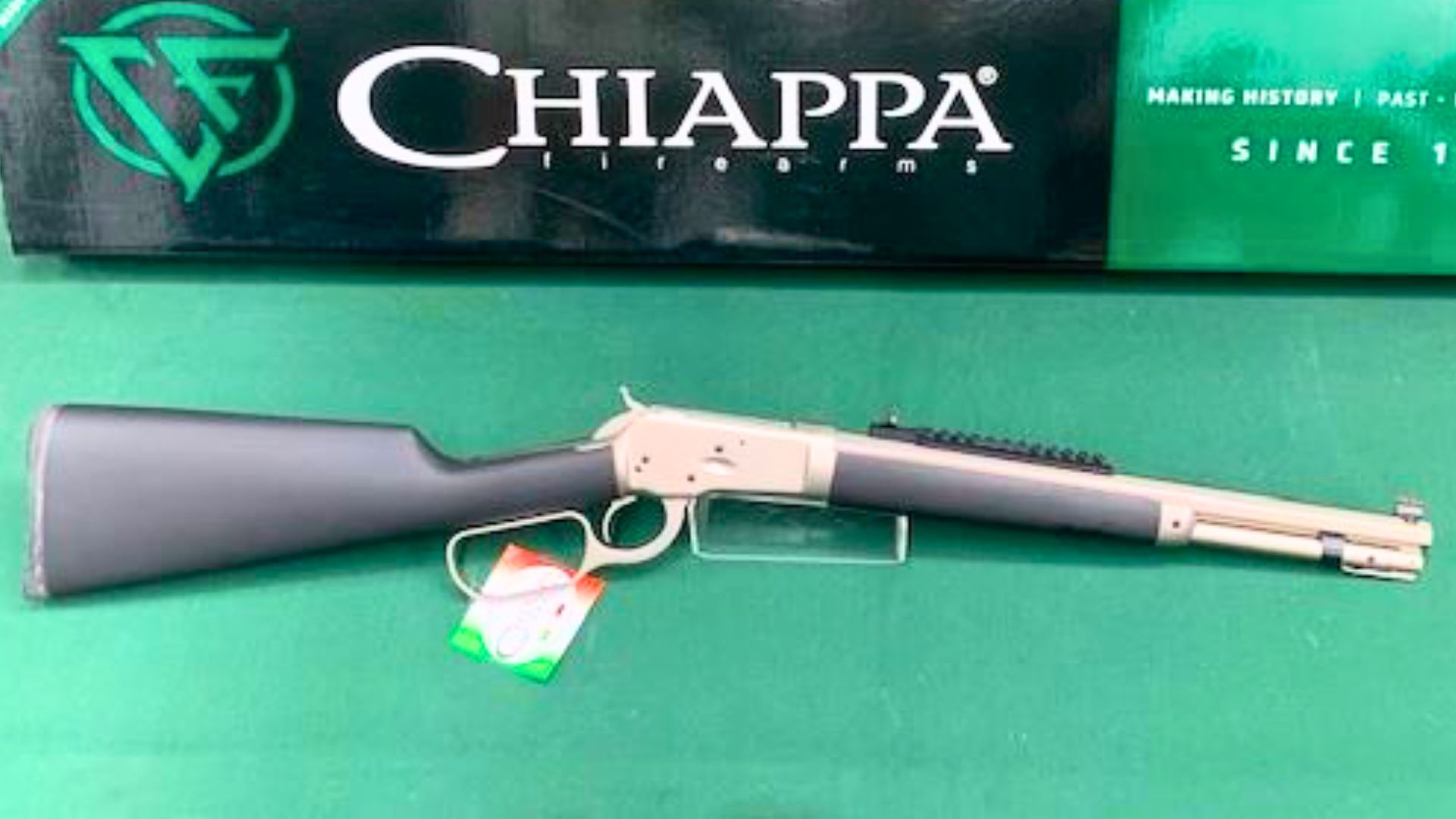
Takedown rifles get marketed like they’re a survival answer to everything. In reality, they’re just handy when space matters—behind a truck seat, in a scabbard, or when you want a compact package for a camp gun.
They aren’t for everyone, and you need to make sure anything you own goes together tight and stays consistent. But a takedown lever gun in a mild caliber is one of those “always useful” tools that fits real life better than most tactical fantasies.
The older designs weren’t built for internet arguments. They were built for working hands, cold mornings, and the kind of hunting where you might get one quick chance and you’d better not fumble it. If you’ve got a good lever gun already, you don’t need a reason to keep it. You just need to remember how it feels when it matters.
Like The Avid Outdoorsman’s content? Subscribe to our newsletter so you never miss an article.
Here’s more from us: