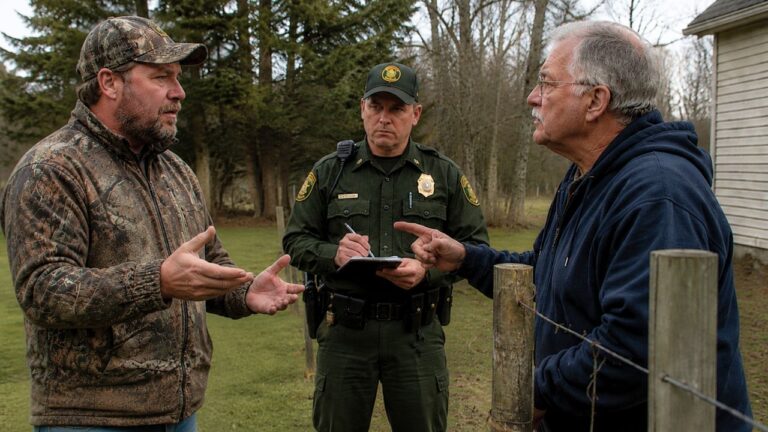
Photo credit: AI-generated image created using ChatGPT. Illustrative only
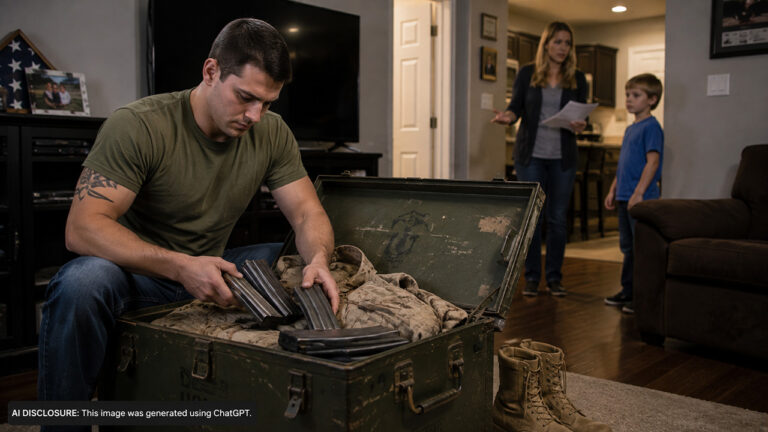
Most of us think of “red flag” orders as something that kicks in after a fresh threat, a brand-new blowup, or a violent incident that forces a judge’s hand. But one Florida gun owner found out it can also come from a paper trail built on old calls for service—then move fast enough that the practical damage is done before you ever feel like you’ve had your say.
Two welfare calls turned into a file
In the account shared in the original post, the man said police had been called twice for an “unresponsive male” reportedly lying in a neighbor’s backyard. He described a pattern where he drinks, sleepwalks, wanders outside, and falls asleep on a small mound in the yard.
From a neighbor’s perspective, that doesn’t read like “taking a nap.” It reads like a medical emergency, an overdose, or a guy who could be in serious trouble. Two calls like that, even spread out, can start to look less like a one-off and more like a known issue—especially once officers begin writing it down the same way every time.
The police contact didn’t end at the yard
According to his description, things escalated to a welfare check at the house while he was away. His wife answered the door, and officers asked questions about alcohol use. He said she tried to brush it off as “nothing,” but the questions didn’t stop there.
He wrote that police were invited into the home and searched. Officers reportedly went to a liquor cabinet and asked what he “normally drink[s],” and his wife pointed out Windsor and Scotch. Then, he said, police thanked her and left.
That’s the kind of detail gun owners should pay attention to. A “welfare check” can feel informal in the moment—especially if nobody gets arrested and everyone stays polite. But it can still create a record, and it can still gather the kind of information that later shows up in a court filing.
Notice came later, and the clock was already running
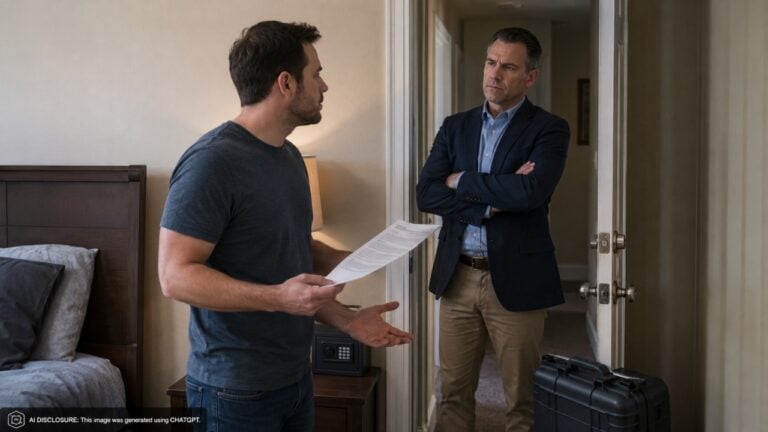
The man said that afterward he received notice from police that he was being “red flagged,” and that he still had a day in court coming. His big question was simple: would alcohol consumption be a valid reason for an order like that?
Here’s the hard part for outdoorsmen to wrap their heads around: these orders aren’t always triggered by a single dramatic event. Sometimes they’re built from repeated “public safety” contacts—welfare checks, calls for service, reports of someone being unresponsive—especially if law enforcement can paint a picture that the behavior is continuing and unpredictable.
And while he described having an upcoming court date, the immediate worry in situations like this is what happens in the meantime. The whole point of these orders, from the state’s perspective, is speed. If the order is issued on the front end, the person on the receiving end can feel like they’re already punished before they get to argue their side.
Why this matters to hunters and gun owners
For a lot of folks who hunt, shoot, or keep a firearm for home defense, guns aren’t an accessory. They’re a tool, and they’re often tied to a season, a lease, a camp, and a calendar that doesn’t wait for court. Lose access at the wrong time of year and you can lose more than just range time—you can lose the whole fall you planned for.
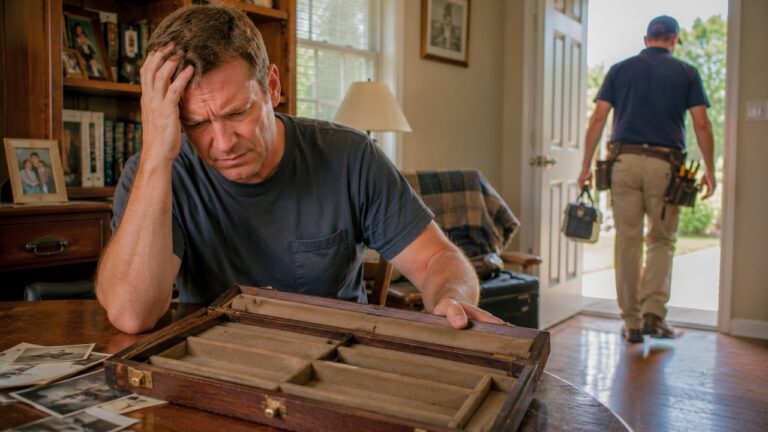
It also hits the home-life side. If you’re used to having a defensive firearm staged safely at home, an order that removes firearms changes the entire security posture of the household overnight. Whether you agree with red-flag laws or not, that’s the real-world impact: you don’t just “pause” a hobby, you alter how you protect your family and property.
The other angle here is how alcohol plays in the outdoors. A lot of us know the culture: a few drinks after a day in the woods, a camp cooler, a night around a firepit. But mixing heavy drinking with unpredictable behavior—sleepwalking, wandering into neighbors’ yards, passing out—creates the kind of safety narrative that’s hard to unwind once it’s in black and white.
The uncomfortable lesson: consent and casual conversations can echo later
One detail that sticks out is that the police were “invited in to search the home,” and the wife answered questions and pointed out specific liquor. Nobody likes to second-guess a spouse who’s trying to cooperate during a welfare check, and I’m not going to play armchair quarterback with someone else’s marriage.
But as a practical takeaway, gun owners should understand that “being helpful” during a visit can still supply the pieces that later support an allegation of ongoing risk. A welfare check can turn into documentation of alcohol use patterns, household access, and what the officers observed. Even if everyone is polite and nobody raises their voice, it’s still an official contact that can end up in a petition.
If you’ve ever dealt with game wardens, boundary disputes, or neighbor complaints, you already know how this works in rural life: the story that gets written down is the story that gets repeated. The first version often carries the most weight, because it’s the one closest to the call.
The man framed his question around alcohol—whether drinking by itself can justify a red-flag order. But the way he described it, the bigger issue isn’t “a guy who drinks.” It’s a guy who drinks and then becomes unpredictable enough that neighbors call in an unresponsive person in someone else’s yard.
From a safety standpoint, that’s where the concern sharpens. If someone is sleepwalking outdoors and losing consciousness—especially on more than one occasion—there are a lot of ways that ends badly, with or without a firearm involved. Exposure, falls, traffic, confused interactions with a neighbor who thinks they’re dealing with a prowler—none of it is good.
And that’s before you add in the reality that plenty of homes in Florida (and everywhere else) have firearms. If officers believe there’s a pattern of impairment and erratic behavior, that can become the hook for an order that removes guns first and sorts out the details later.
At the end of the day, this Florida man’s story is a reminder that “old news” to you may not be old news on paper, and that repeated welfare calls can add up fast. If alcohol is leading to behavior that alarms neighbors and brings law enforcement to your door, it’s not just a personal habit anymore—it’s a documented public safety issue. And once the system decides to move, you may find yourself trying to get your life back to normal after the tools you rely on are already gone.
Like The Avid Outdoorsman’s content? Subscribe to our newsletter so you never miss an article.
Here’s more from us: