Photo credit: The Knight's Edge/YouTube
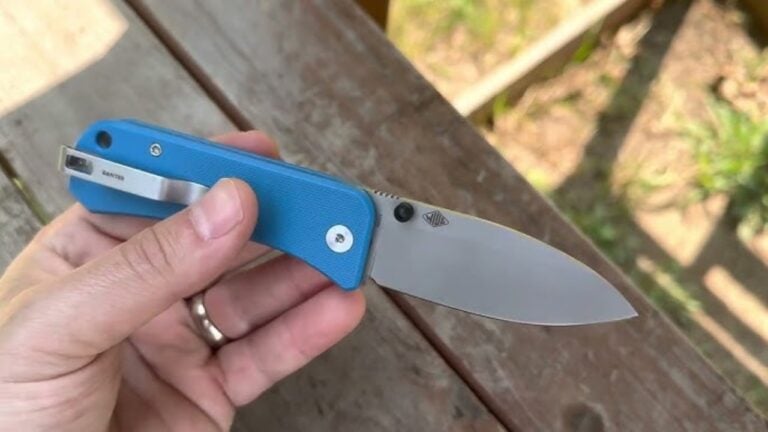
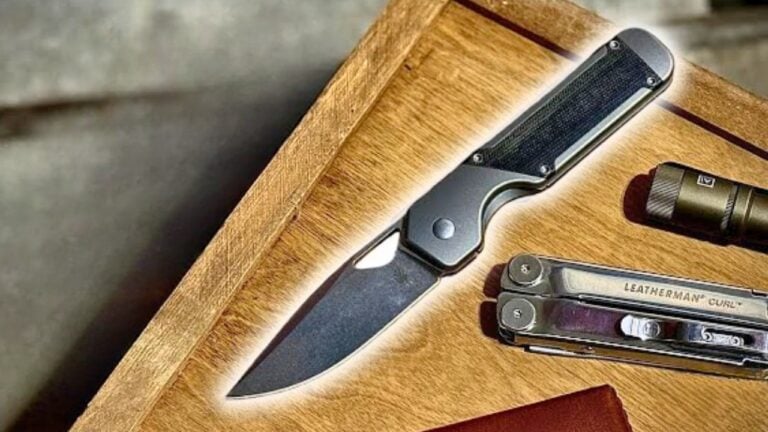
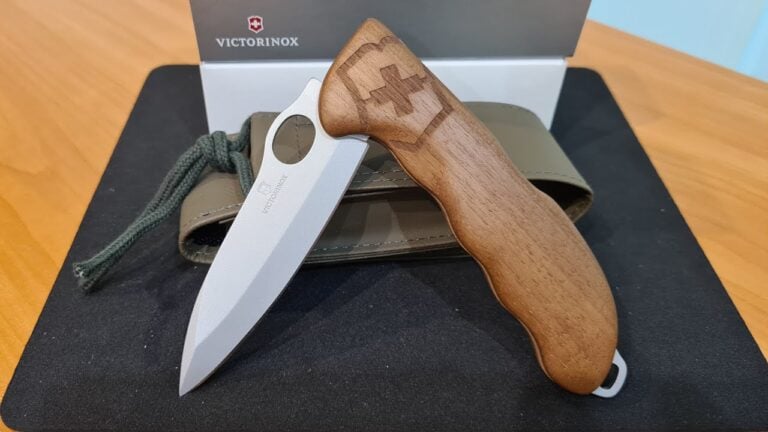
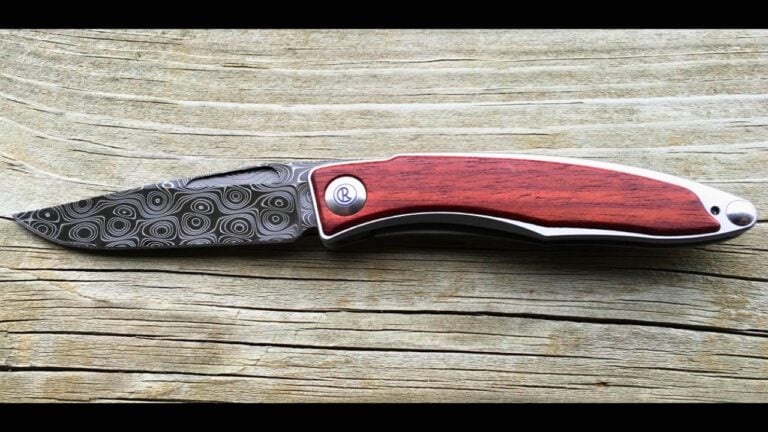
Some knives are incredibly easy to sell with a photograph. They have aggressive blade shapes, oversized pivots, sculpted handles, exotic finishes, or enough machining to look like they belong in a display case. The problem is that visual drama and cutting performance are not the same thing.
Once you start opening boxes, cutting rope, trimming plastic, preparing food, or carrying the knife for an entire day, certain designs become a lot less impressive. Thick blades wedge through material, oversized handles create hot spots, complicated locks slow you down, and heavy construction starts feeling unnecessary. These 20 knives may look great on a product page, but actual use exposes compromises that are much harder to ignore.
CRKT Fossil
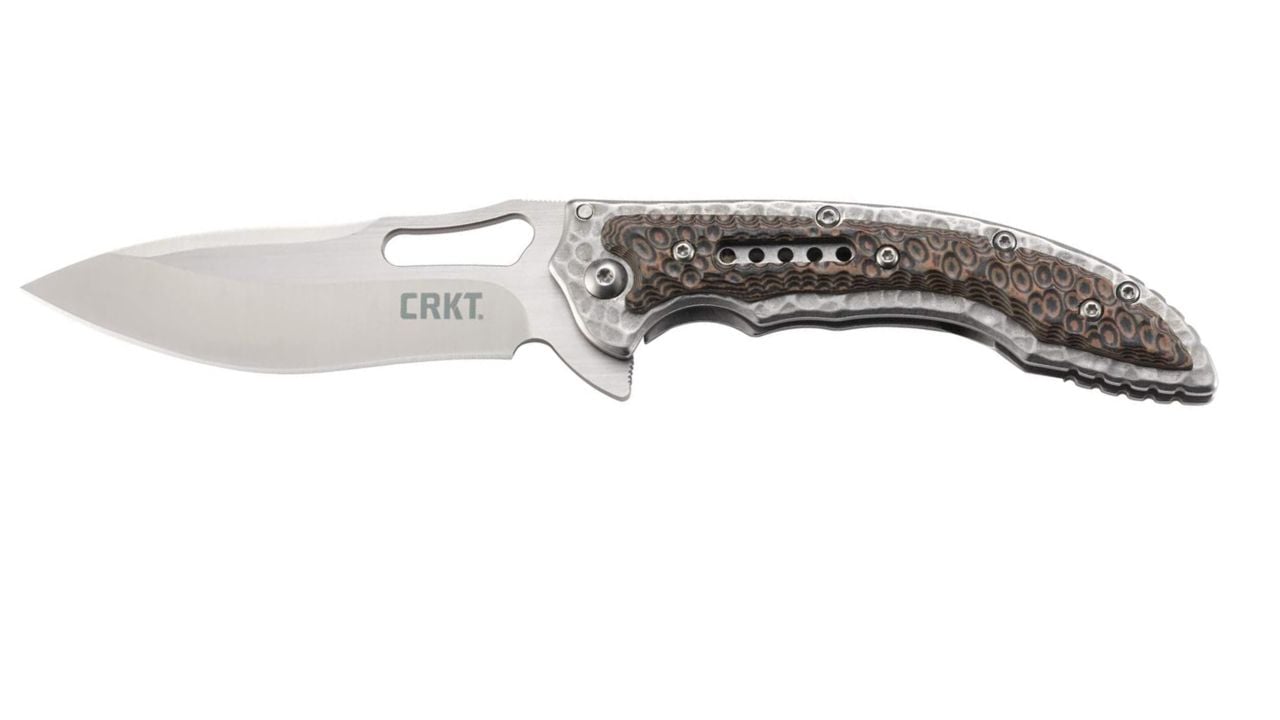
The Fossil looks far more expensive than it is. The sculpted stainless-steel frame, layered handle treatment, dramatic blade shape, and large pivot give it the appearance of a custom folder. It is exactly the kind of knife that catches your eye through a glass counter.
The problem is that all that visual mass translates into a knife that feels heavy and bulky for ordinary EDC work. The handle texturing can also feel busier than necessary once you start cutting for more than a few minutes. The blade is capable, but the overall package is much more impressive to look at than it is to carry every day. There are lighter and more ergonomic folders that handle the same work with far less drama.
Boker Magnum Rainbow Mermaid
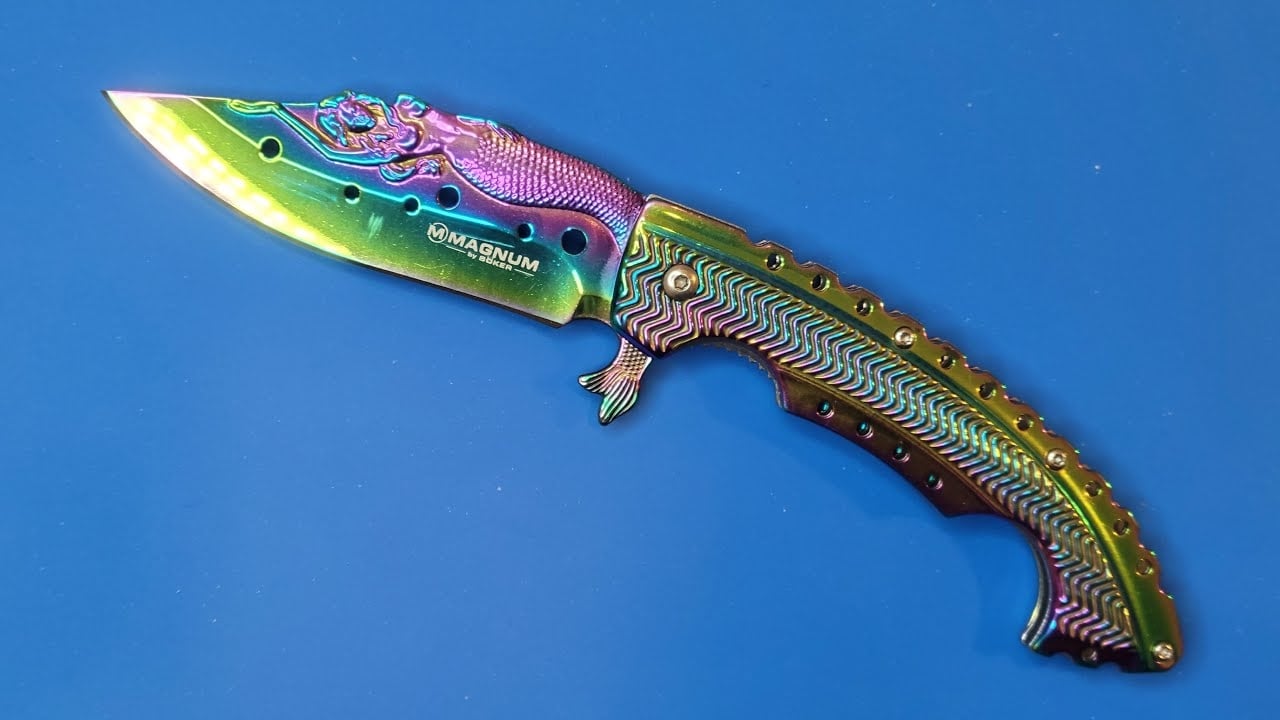
Few knives get more immediate attention than the Rainbow Mermaid. The highly decorative scales, colorful finish, and exaggerated styling make it impossible to ignore. As a novelty piece, it succeeds completely.
As a working knife, though, the appeal fades quickly. The handle is awkward, the materials are basic, and the blade geometry is not remotely optimized for serious cutting. It is the sort of knife people buy because it makes them laugh or because they want something outrageous in the collection. That is perfectly fine, but anyone expecting the appearance to translate into real-world performance is going to be disappointed.
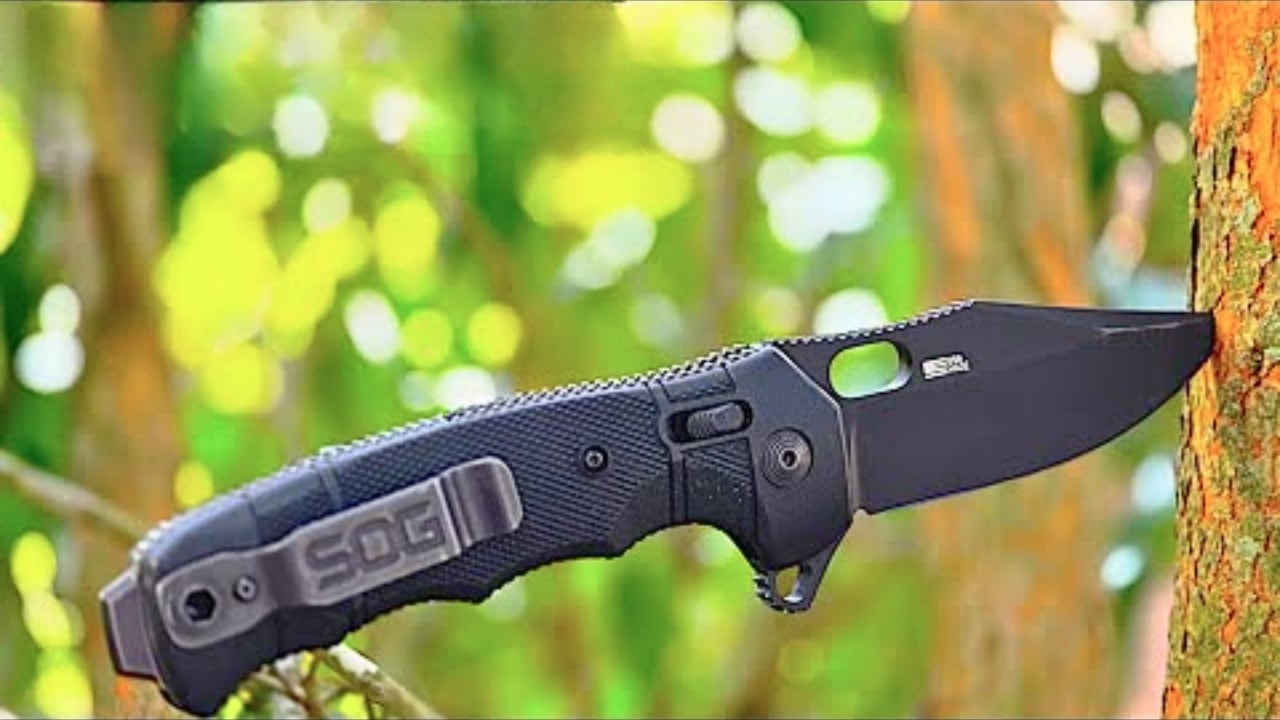
SOG Seal XR
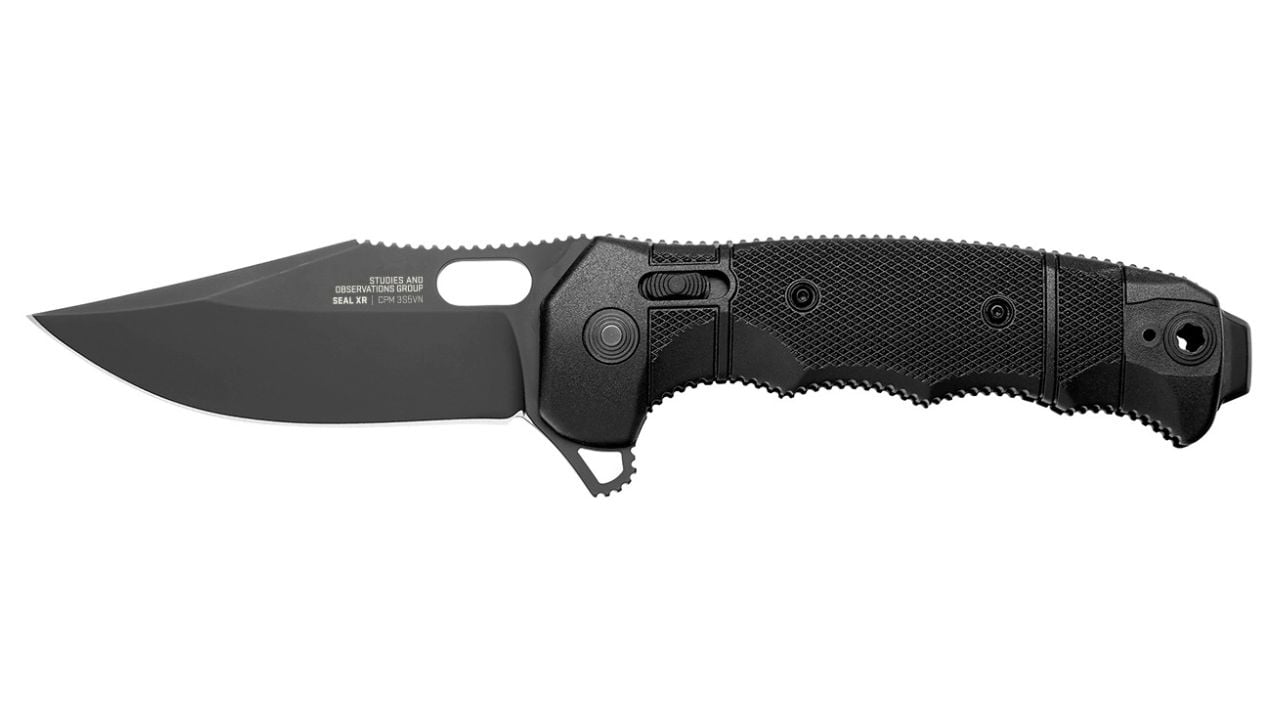
The Seal XR looks every bit like a hard-use tactical folder. It is large, heavily textured, aggressively styled, and built around a substantial locking system. In the hand, it gives the immediate impression that it could survive almost anything.
The downside is that everyday cutting rarely demands anything close to that much knife. The size and weight become noticeable in the pocket, and the aggressive grip can be uncomfortable during prolonged use. The thick blade is also better suited to brute-force work than fine slicing. It is undeniably tough, but the same overbuilt qualities that make it look impressive also make it less enjoyable for ordinary EDC tasks.
Gerber Flatiron

The Flatiron has one of the most eye-catching blade profiles in Gerber’s lineup. The cleaver-style blade looks tough and gives the knife a distinctive personality that stands out among endless drop points.
In real use, however, the broad blade can feel cumbersome. The cutting geometry is not especially thin, and the handle-to-blade relationship makes some precise tasks awkward. It works well enough for rough utility cuts, but the design promises more versatility than it really delivers. If you mostly open boxes and cut packaging, there are slimmer knives that slice better and carry much easier.
CRKT Razel GT
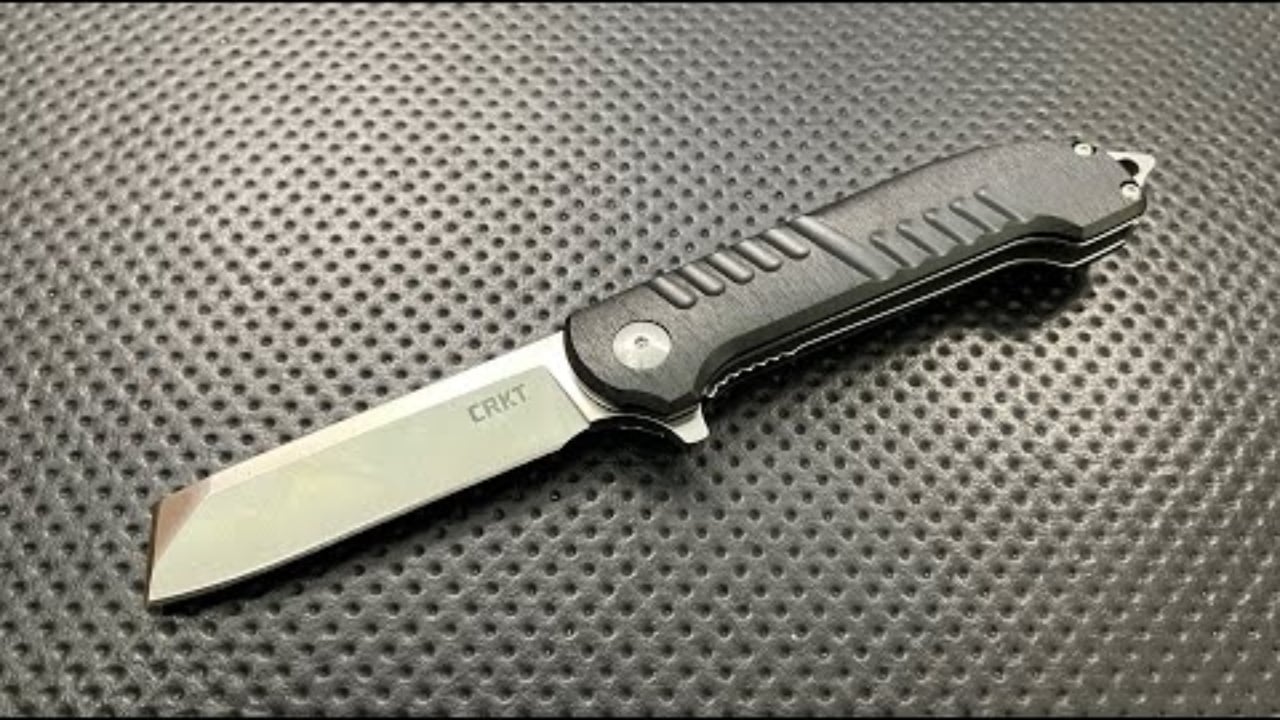
The Razel GT looks like a folding chisel crossed with a tactical knife, and that is exactly why people notice it. The squared-off front edge creates a distinctive profile and suggests a tool that can scrape, push-cut, and pry through tough material.
The issue is that the unusual geometry is less useful for ordinary EDC than a conventional point. Piercing packages, making precise cuts, and working into tight areas all become less natural. The design does some jobs well, but it asks you to give up the versatility of a normal blade shape. It is interesting and visually bold, but the novelty becomes more obvious once you start using it every day.
Cold Steel 4-Max Elite
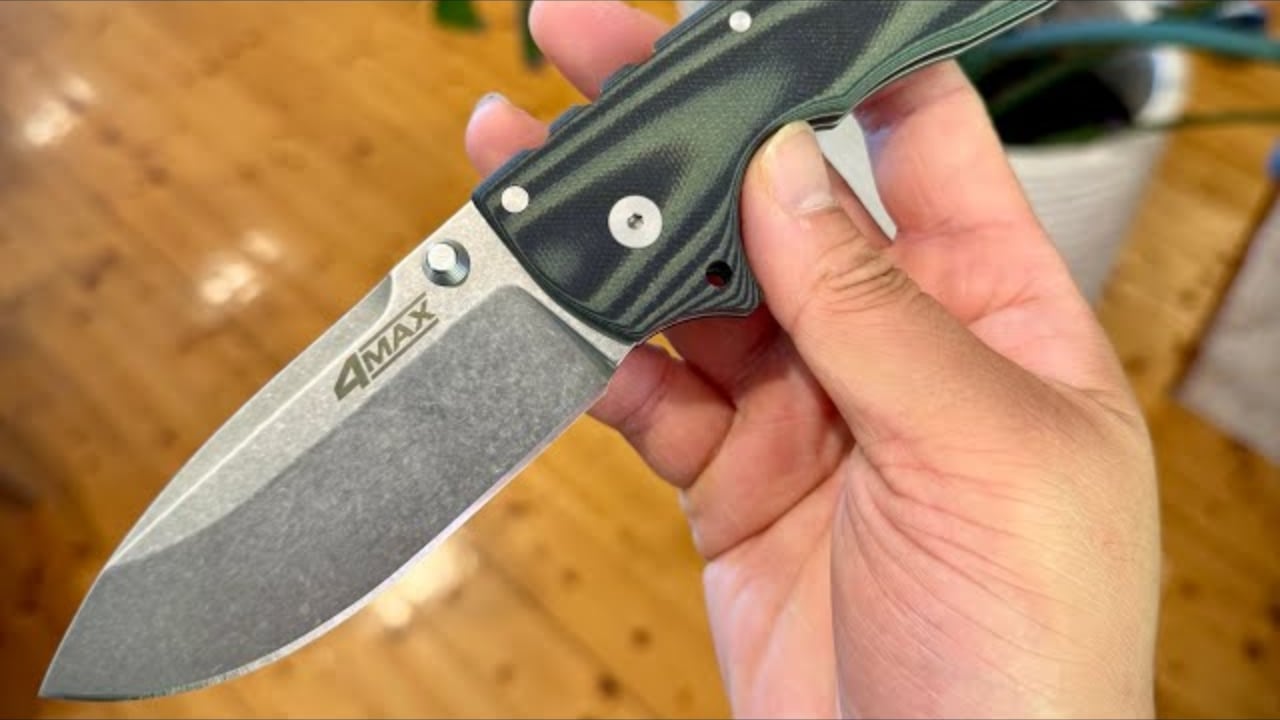
The 4-Max Elite looks like the definition of overbuilt. The massive blade, thick stock, huge handle, and extremely strong lock make it feel more like a folding survival tool than a pocket knife.
That strength comes with significant penalties. The knife is heavy, thick in the pocket, and far larger than most people need for normal cutting. The blade can also feel like overkill when slicing cardboard, food, or plastic packaging. It is mechanically impressive, but the question becomes whether all that strength actually helps you accomplish everyday tasks. For most users, the answer is not enough to justify the bulk.
Schrade SCHF55
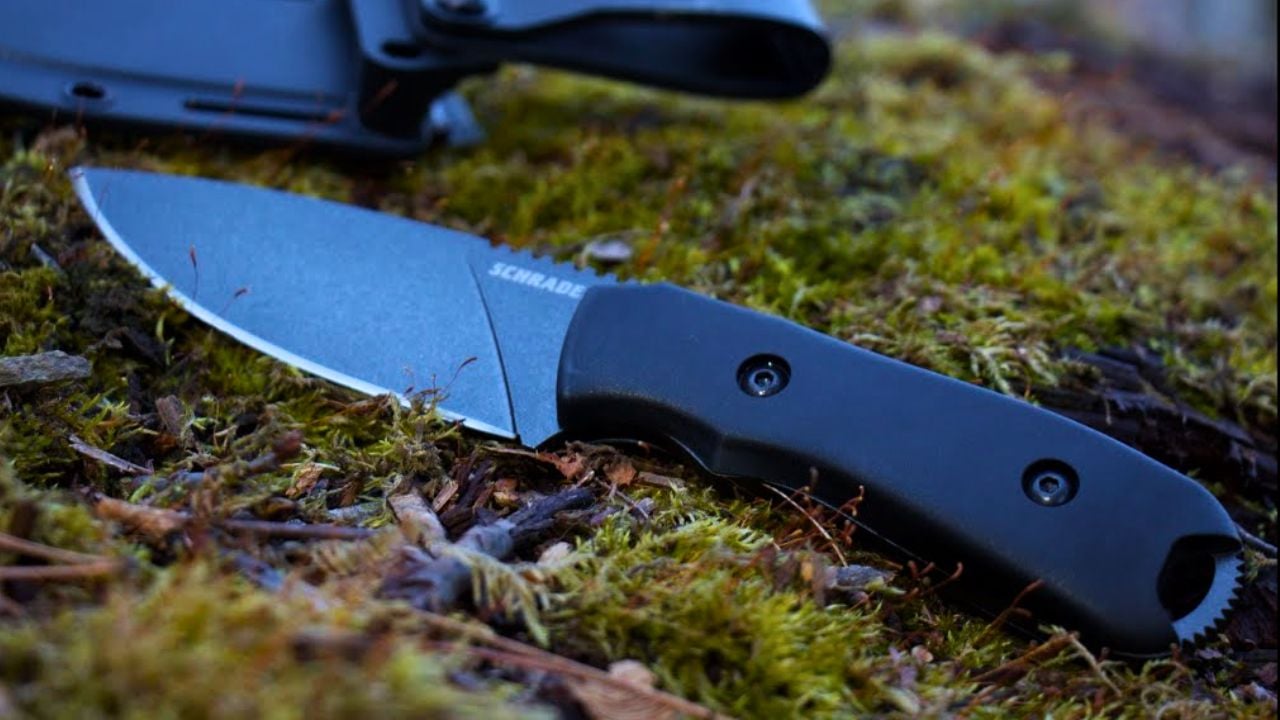
The SCHF55 has the aggressive look of a compact survival knife. The full-tang construction, black finish, and chunky profile make it appear ready for hard outdoor use.
In practice, the handle can feel blocky, and the thick blade gives up slicing ability. It works for rough chores, but the design is much less refined than its tactical appearance suggests. Once you compare it with better-ground outdoor knives, it becomes obvious how much performance comes from geometry rather than visual toughness. The SCHF55 looks rugged, but there are many knives that cut better without looking nearly as intimidating.
Kershaw Decimus
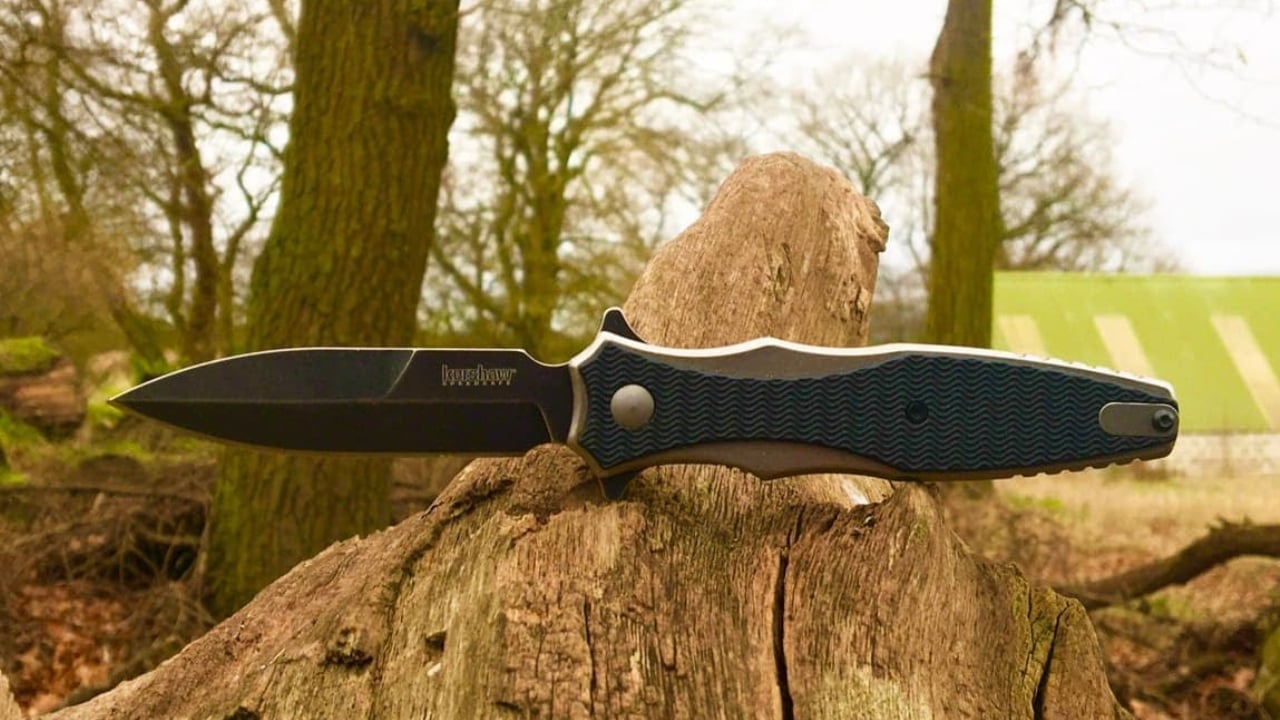
The Decimus has a futuristic, angular design that immediately sets it apart. The deep blade swedge, black finish, and sculpted handle make it look like something designed for a science-fiction movie.
The actual cutting experience is much more ordinary. The handle can feel thin and angular, while the blade shape is less practical than a simple drop point or sheepsfoot. The assisted action is fun, but it does not make the knife a better cutter. It is one of those folders that is easy to admire in a display case yet harder to justify once you compare it with more practical Kershaw models.
CRKT M16-14ZSF
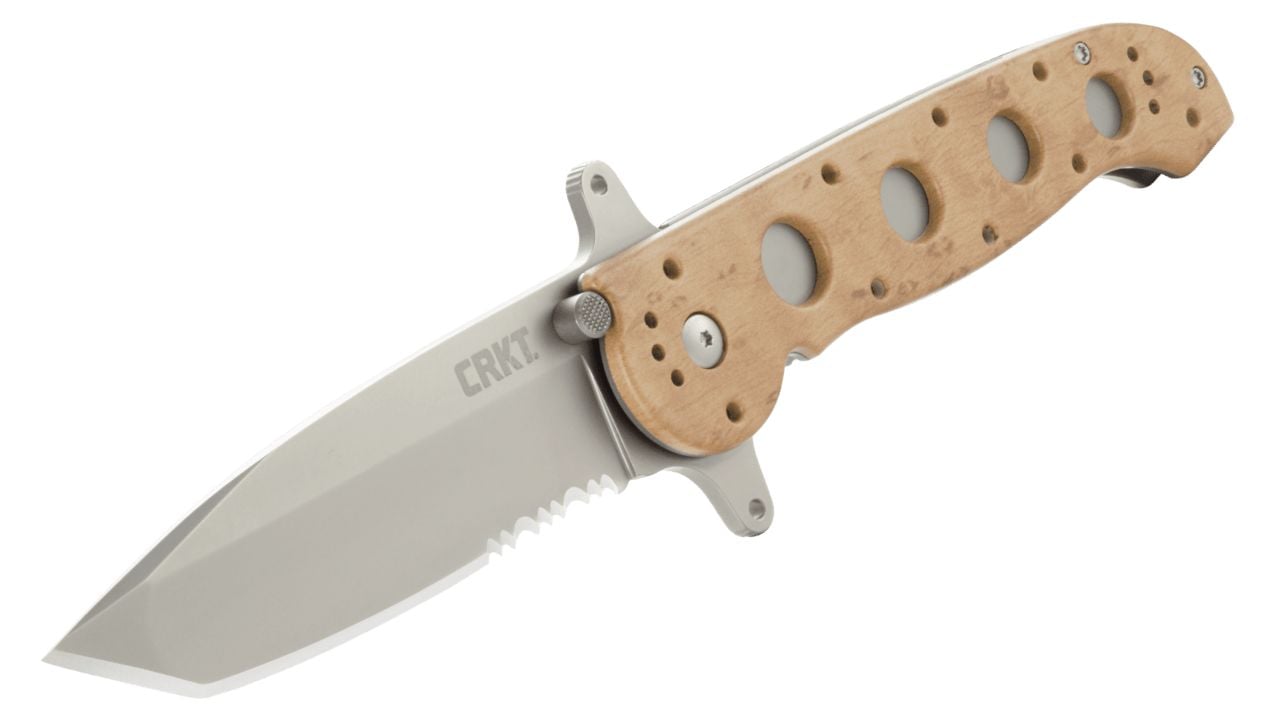
The M16-14ZSF has the oversized tactical appearance many buyers expect from a hard-use folder. The large tanto blade, flippers that double as guards, and aggressive handle all make it look extremely capable.
The tradeoff is that it carries like a big tactical knife because that is exactly what it is. The handle takes up a lot of pocket space, the blade geometry is thick, and the additional safety system can feel unnecessarily complicated during routine use. It is durable and secure, but most everyday jobs do not benefit from all that bulk. The knife looks ready for anything, yet ordinary cutting exposes how specialized the design really is.
Boker Plus Strike
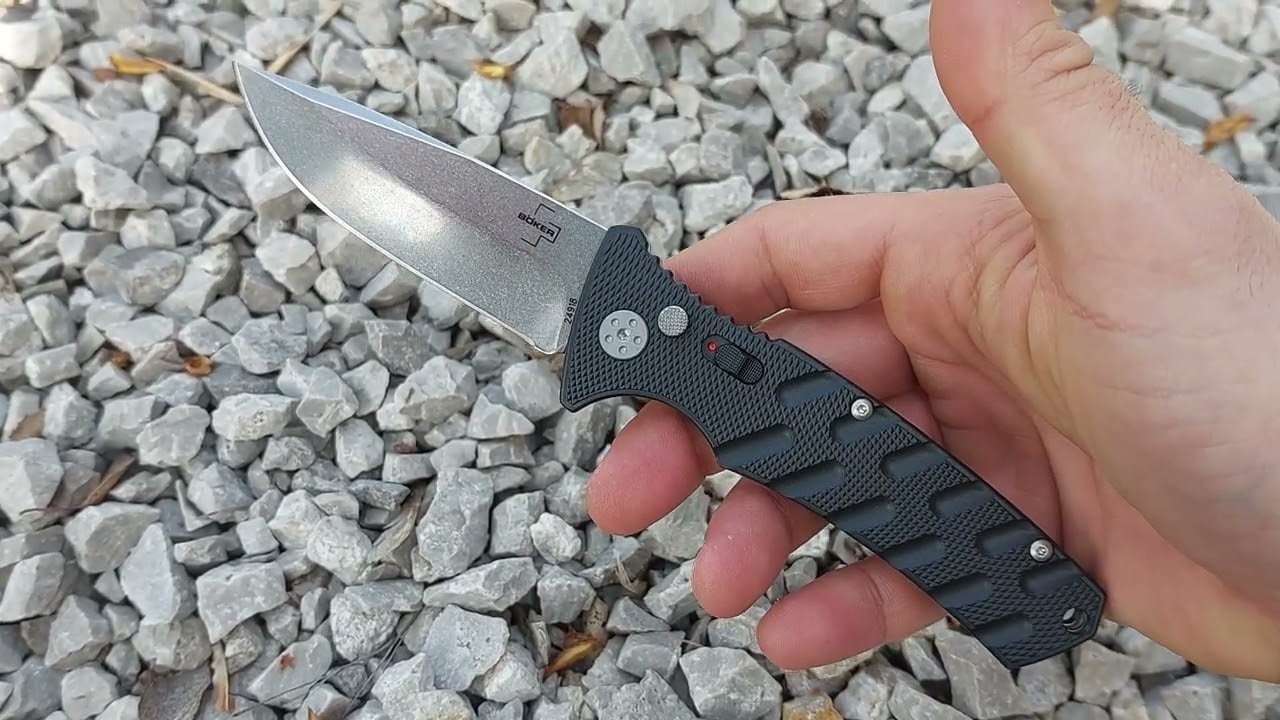
The Strike has an appealing tactical look with an aluminum handle, deep blade profile, and automatic-style proportions depending on the version. It feels solid and purposeful in the hand.
What becomes disappointing is the combination of weight and fairly ordinary cutting performance. The aluminum handle adds bulk, while the blade geometry is more focused on toughness than slicing. It can be a fun knife, but it does not necessarily outperform lighter folders costing similar money. The styling creates expectations that the actual cutting experience struggles to meet.
Gerber Covert FAST
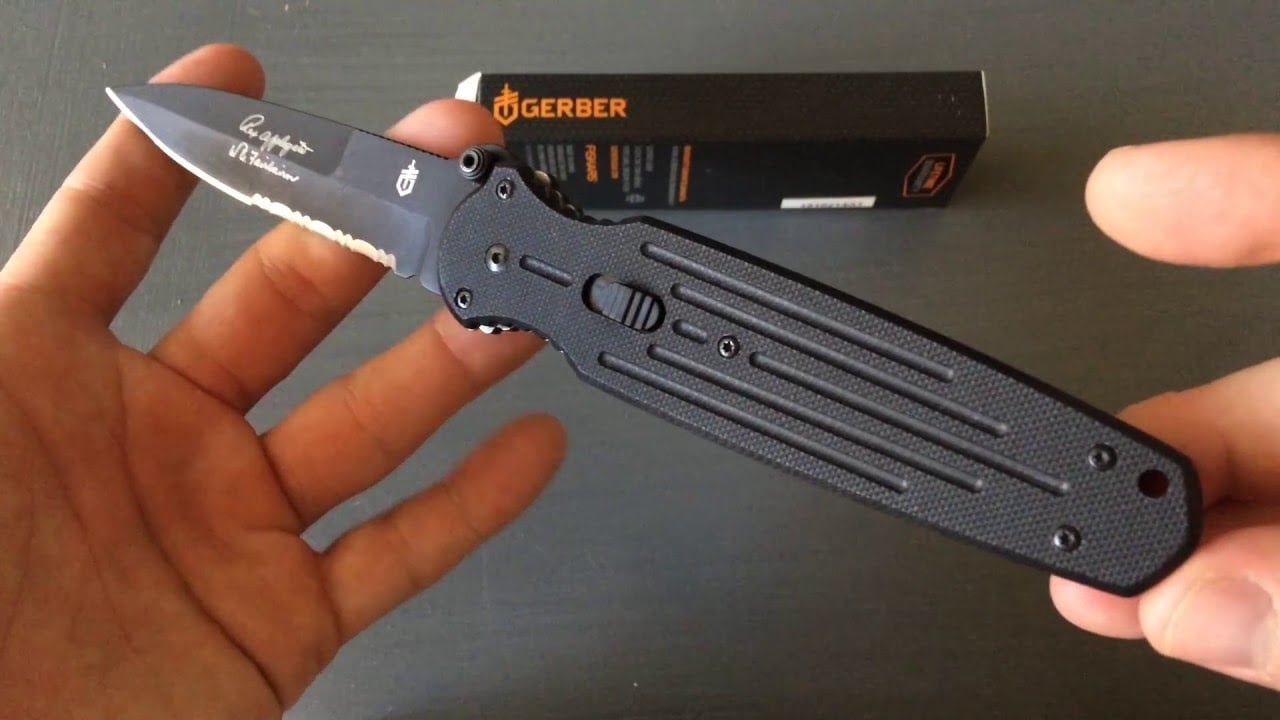
The Covert FAST has a dramatic spear-point blade and an assisted-opening mechanism that makes it feel quick and tactical. The overall silhouette is one of the better-looking designs in Gerber’s older assisted lineup.
The issue is that the knife ends up heavier and thicker than necessary, while the blade is not particularly well suited to routine utility work. The assisted mechanism adds complexity without improving cutting performance, and the handle can become tiring during extended use. It is visually impressive, but the everyday experience is much less remarkable.
SOG Trident AT

The Trident AT looks like a serious tactical folder with a heavily sculpted handle, assisted action, and robust lock. Everything about it suggests hard use.
The problem is that the design can feel overengineered. The handle is bulky, the mechanism adds complexity, and the knife takes up more room than its cutting performance really warrants. For occasional heavy work it is fine, but as an everyday pocket knife it can become annoying. A simpler folder with better blade geometry often does the same jobs more efficiently.
CRKT Homefront
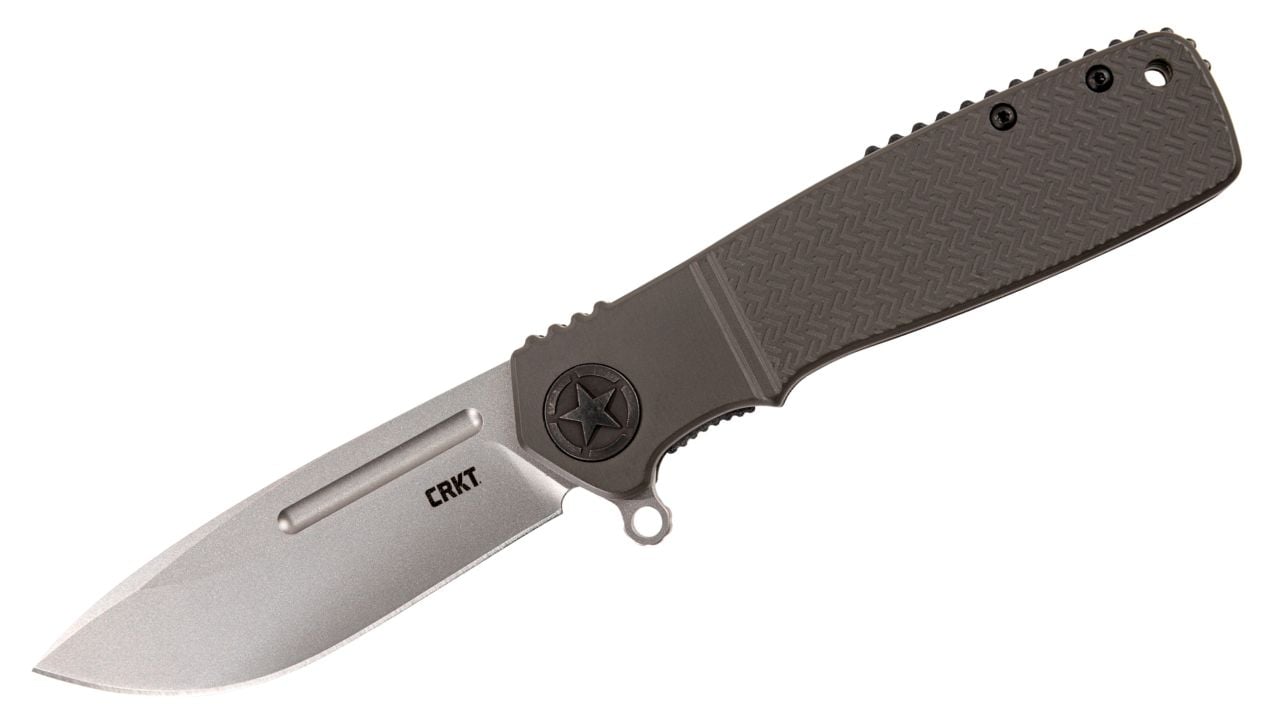
The Homefront is visually interesting because of its Field Strip mechanism, which allows the knife to be taken apart without tools. That makes it one of the more mechanically intriguing production folders in its price range.
The mechanism is clever, but it also adds parts and complexity to a knife that most people will rarely need to disassemble in the field. The blade and handle themselves are perfectly usable, yet the main feature overshadows the actual cutting performance. Once the novelty wears off, you may realize you would rather have a simpler knife with better steel or thinner geometry.
Kershaw Natrix XL
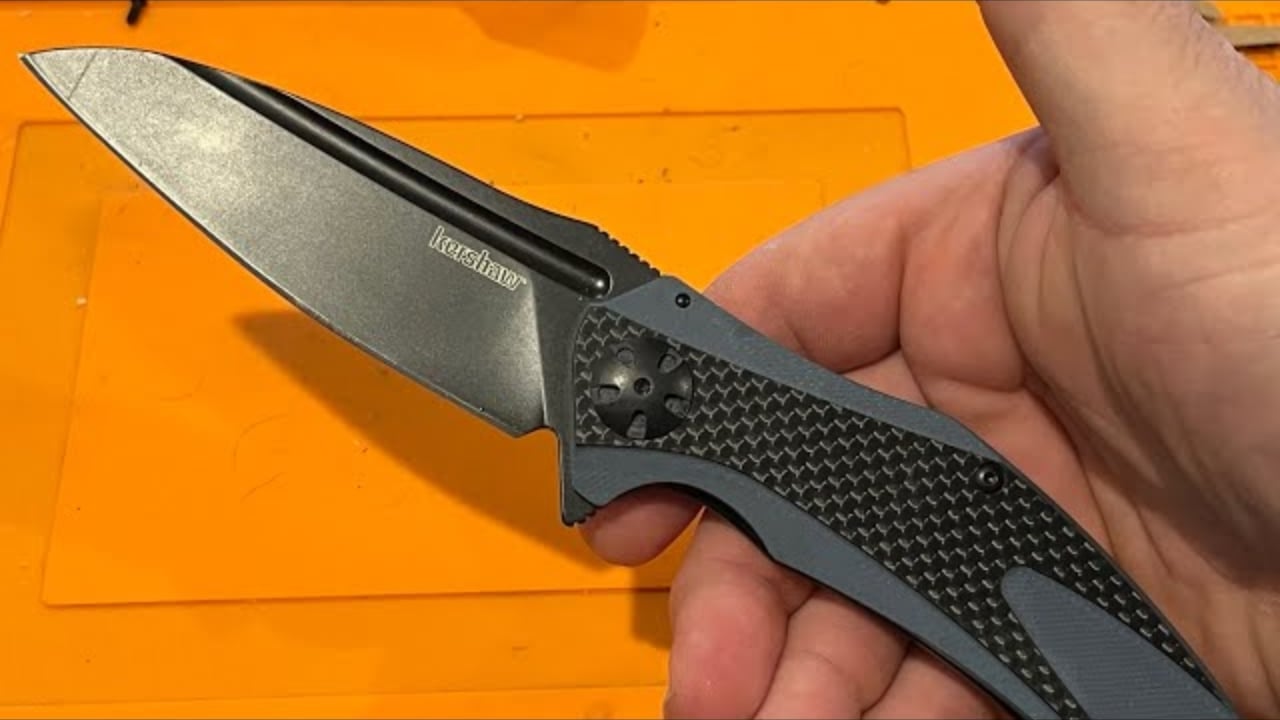
The Natrix XL looks sleek and substantial, with a broad blade and a design inspired by much more expensive knives. The larger size gives it plenty of visual presence.
Unfortunately, the XL dimensions work against it for everyday carry. The knife is long, takes up substantial pocket space, and does not gain enough practical cutting advantage to justify the extra bulk. The blade works fine, but the standard-size versions are easier to live with. Bigger looks impressive, but here it does not necessarily make the knife more useful.
Cold Steel Luzon Large
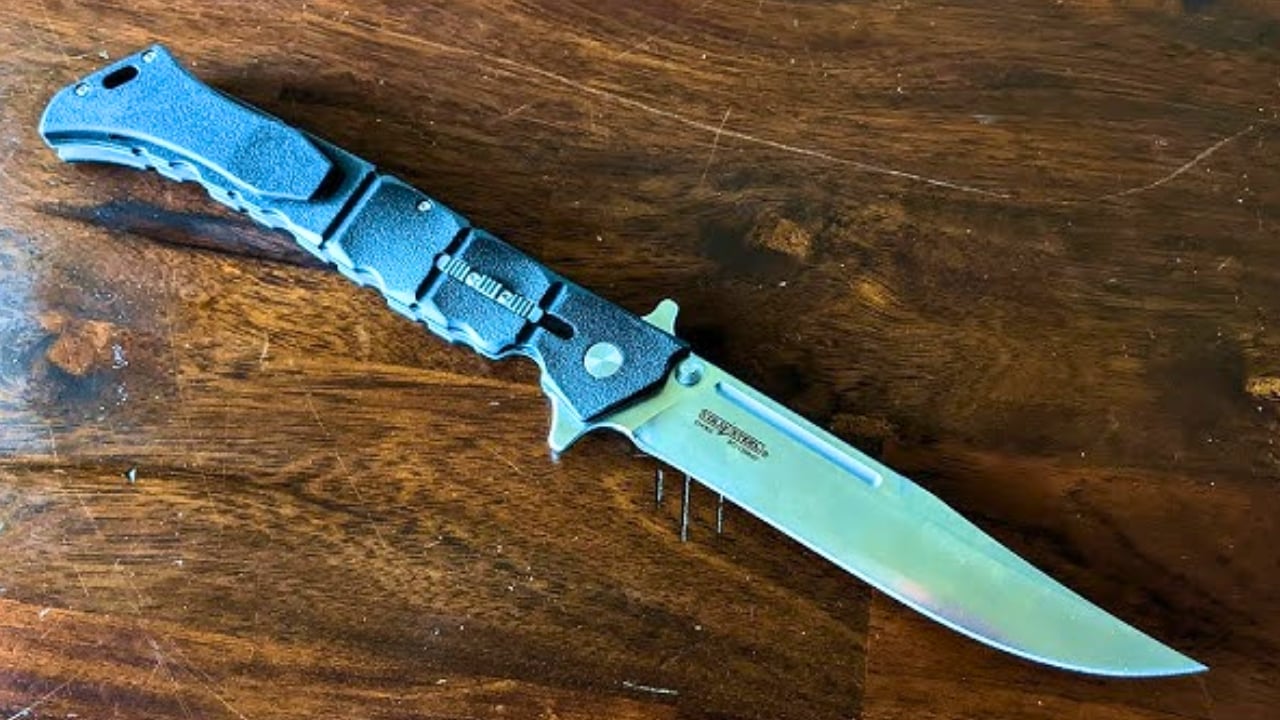
The Large Luzon is almost absurdly dramatic. The long blade, oversized handle, and aggressive styling make it look more like a folding machete than a pocket knife.
That is also why it disappoints for real everyday use. It is huge, awkward to carry, and far more knife than most tasks require. The length can actually make controlled cuts harder, especially in tight spaces. It is entertaining and certainly memorable, but practicality drops quickly once you move past the novelty. This is a knife people enjoy owning more than carrying.
Schrade Viper OTF
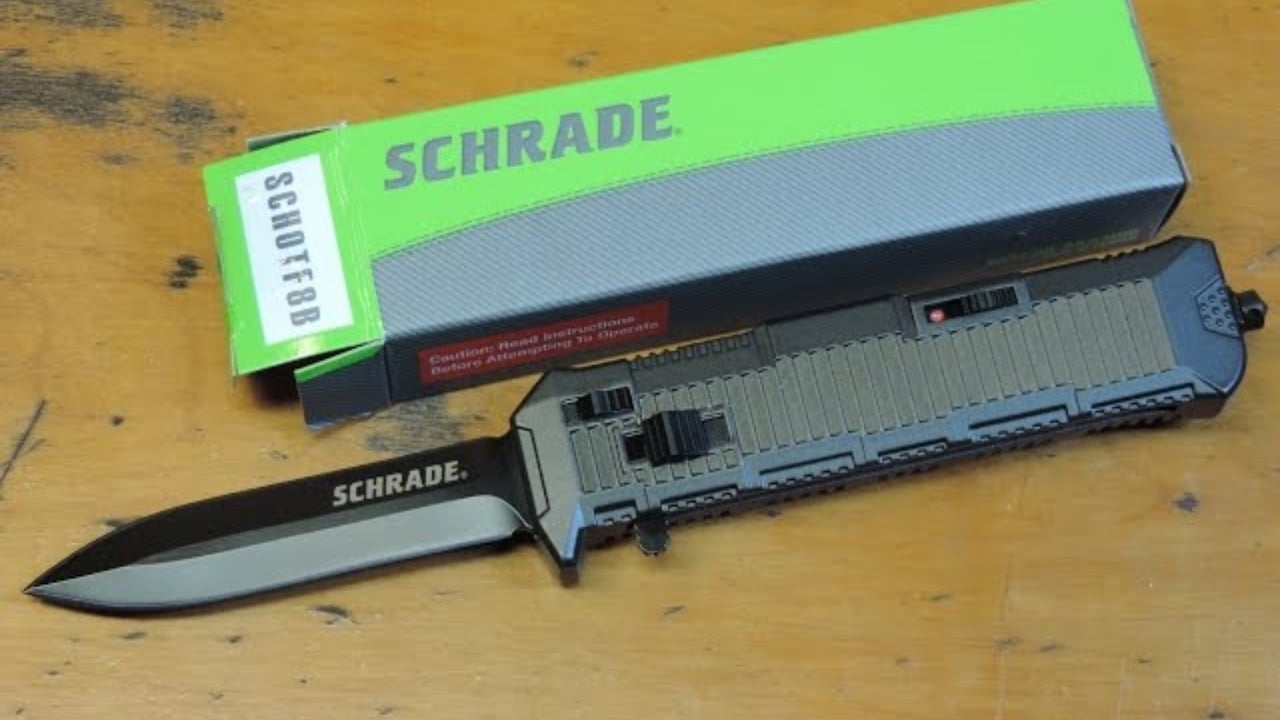
The Viper OTF gives buyers the visual appeal of an out-the-front knife at a relatively low price. The mechanism is the entire attraction, and opening the blade feels much more exciting than using a conventional folder.
Real use exposes why inexpensive OTF designs are often more about entertainment than performance. There can be more blade play, the mechanism adds thickness, and dirt or debris can affect operation more easily than with a basic folder. The knife looks high-tech, but the cutting performance and overall refinement do not necessarily match the appearance.
Gerber Remix Tactical
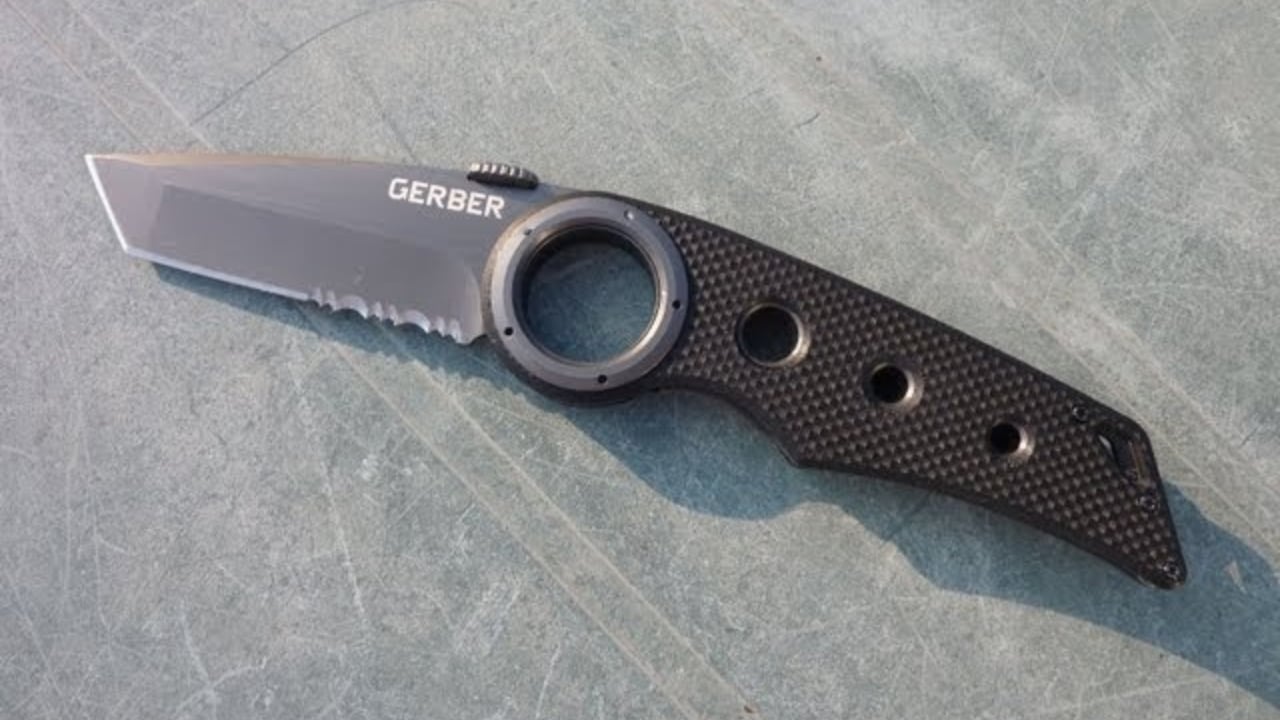
The Remix Tactical is immediately recognizable because of the huge circular opening in the handle. It gives the knife an unusual futuristic look and creates a natural place to hook a finger for retention.
The issue is that the large opening also dictates the ergonomics. Some hand sizes simply do not find it comfortable, and the handle shape can create pressure points during harder cuts. The blade works, but the design is driven so heavily by appearance that comfort becomes secondary. It is distinctive, but distinctive is not always the same thing as good.
CRKT Deviation
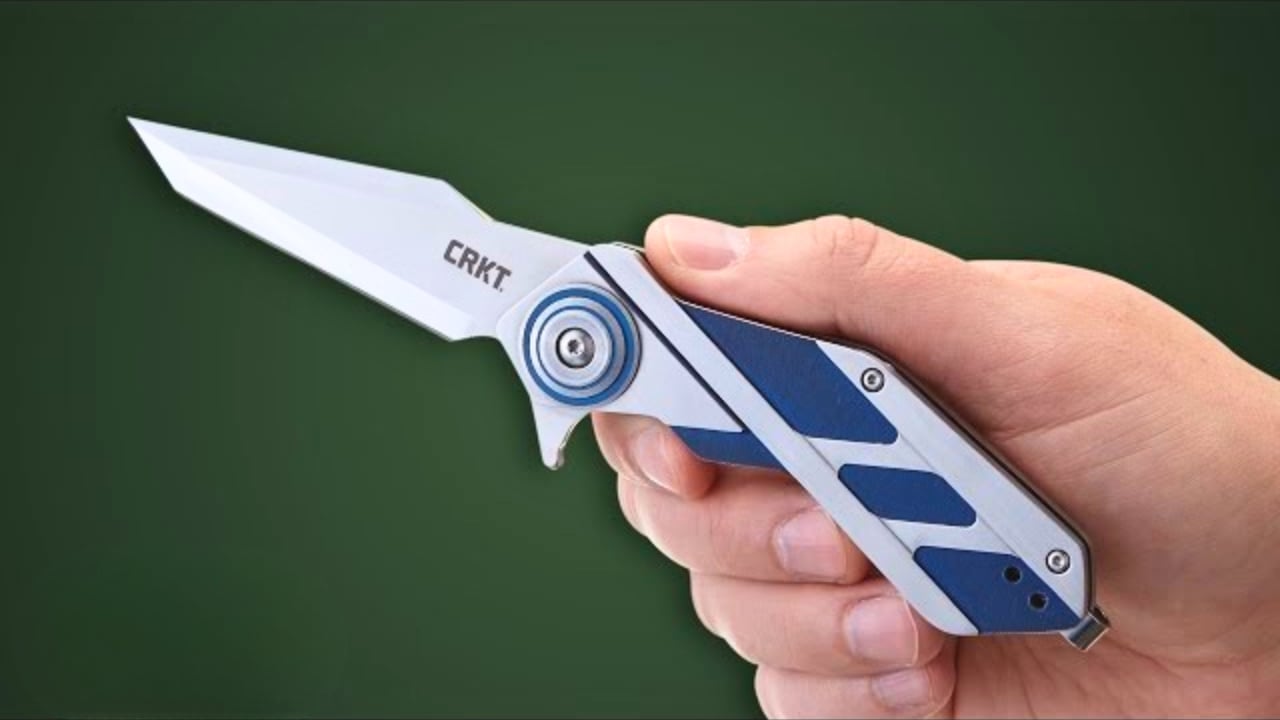
The Deviation is one of CRKT’s more visually striking folders. The dramatic blade grind, angular handle, and sculpted metal construction make it look like a custom knife at a much lower price.
Unfortunately, the same design choices make it heavy and awkward. The handle is more artistic than ergonomic, and the blade shape is not particularly efficient for common slicing tasks. It is a great conversation piece, but if you spend a day opening boxes or cutting material with it, the visual appeal starts mattering a lot less.
Boker Plus Caracal
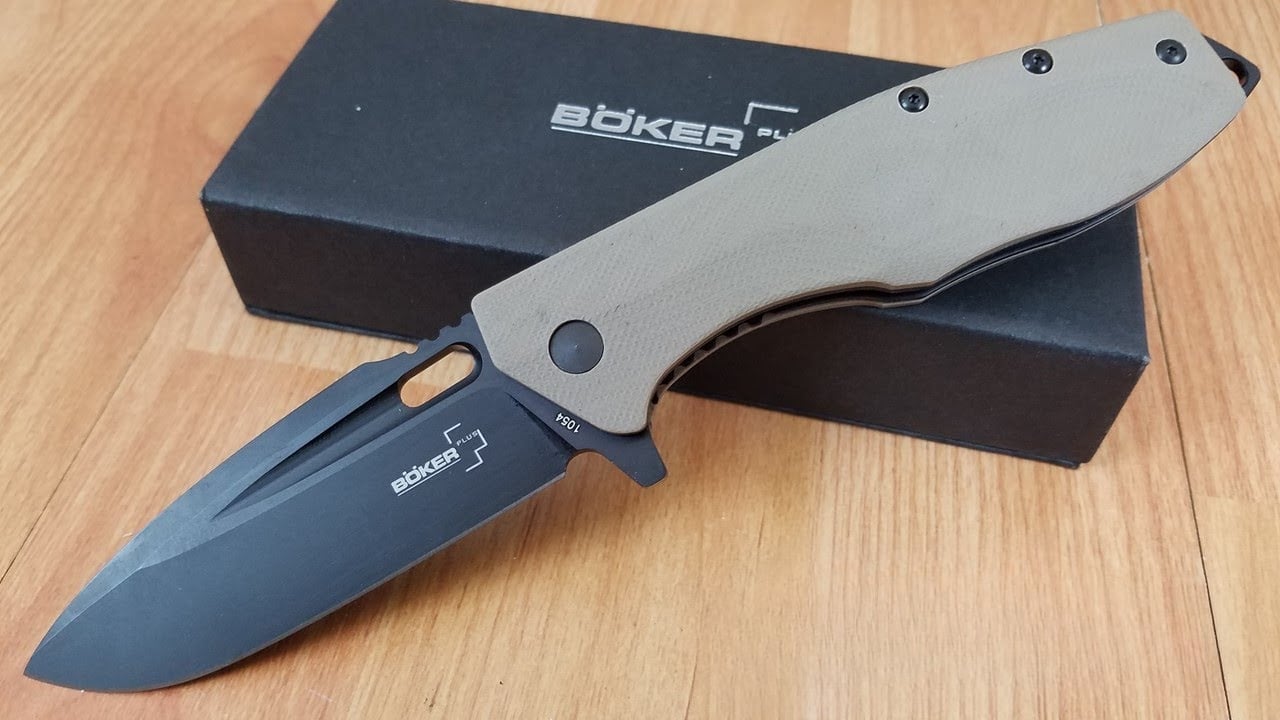
The Caracal has a thick, muscular profile with a wide blade and heavily textured handle. It looks like a serious hard-use folder and feels extremely solid when you first pick it up.
The downside is that the broad, thick design makes it less effective at the kind of slicing most pocket knives actually do. It is also heavier than many similarly sized competitors. The lock and construction inspire confidence, but the knife can feel like overkill for normal EDC. It is impressive as an object, just less impressive as a daily cutting tool.
Kershaw Launch 13
The Launch 13 has an incredibly distinctive skeletonized handle and angular blade that make it one of the most visually interesting knives in Kershaw’s automatic lineup. It is light, fast, and immediately recognizable.
The problem comes when you start using it for more than quick light-duty cuts. The heavily skeletonized handle gives you less surface area to hold onto, and the sharp visual lines do not necessarily translate into comfortable ergonomics. It is a fantastic design exercise, but a more conventional handle is easier to live with during prolonged use. The Launch 13 looks spectacular, yet function takes a noticeable back seat to style.
Like The Avid Outdoorsman’s content? Subscribe to our newsletter so you never miss an article.
Here’s more from us: